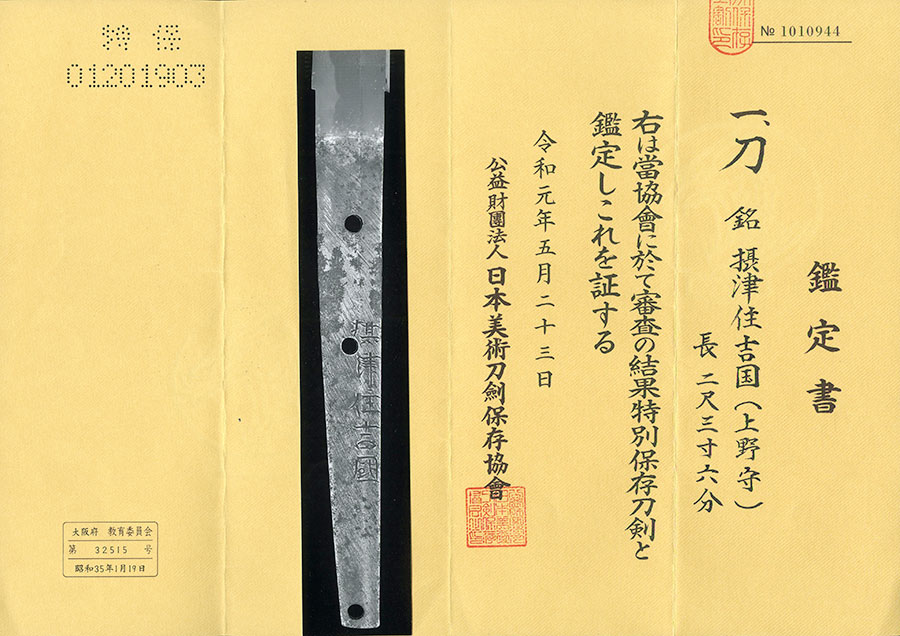
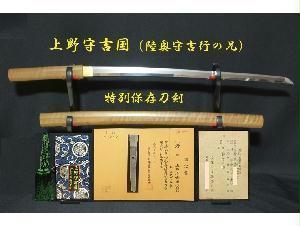
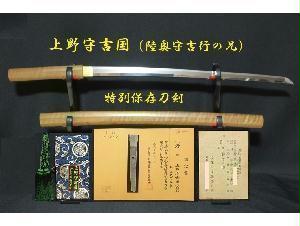
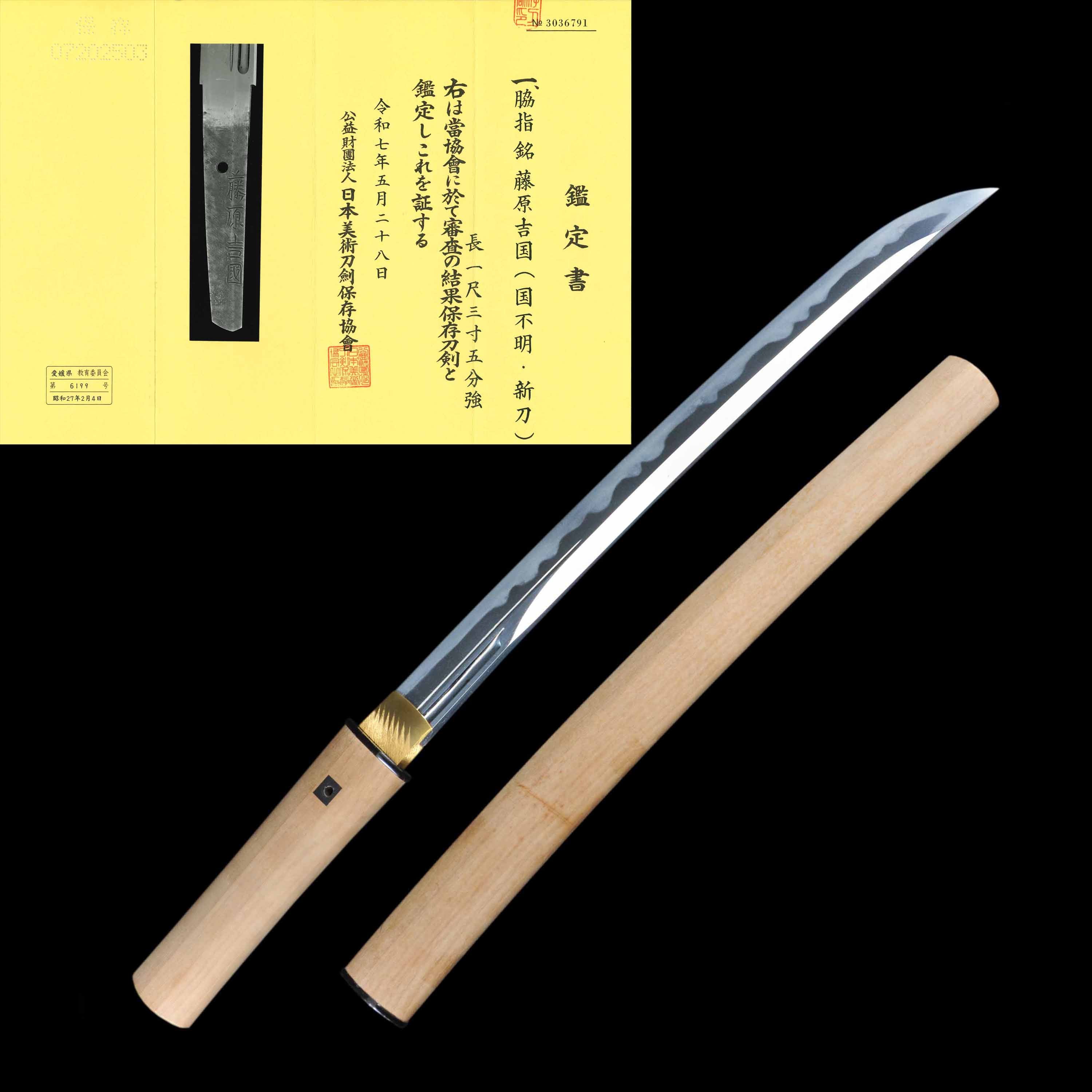
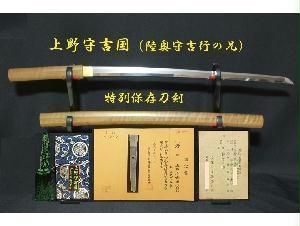
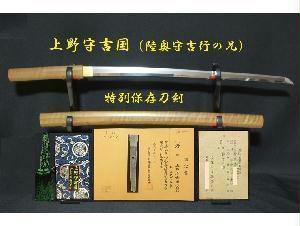
Ueno no Kami Yoshikuni, real name Morishita Magobei, is the elder brother of Mutsu no Kami Yoshiyuki, the maker of the famous aitō (beloved sword) of Sakamoto Ryoma. According to history, Sakamoto Ryoma pleaded with his elder brother, Sakamoto Gonpei, stating that "when a man faces a national crisis, he should wear a family heirloom sword." He requested the Sakamoto family heirloom, a sword by Mutsu no Kami Yoshiyuki. Sakamoto Gonpei entrusted it to Saigo Takamori, who happened to be visiting Tosa at the time, and it was delivered from Saigo Takamori’s hands to Sakamoto Ryoma in Nagasaki. It is said that Ryoma held this sword until the very end when he was attacked at the Omiya on November 15, Keio 3 (December 10, 1867). Later, in the home of the descendants of Ryoma’s nephew who had migrated to Hokkaido, the sword was caught in the Great Kushiro Fire of 1913. It was subsequently donated by the descendants to the Kyoto National Museum. It was discovered that Sakamoto Ryoma’s sashizoe by Mutsu no Kami Yoshiyuki could be restored through polishing, and its exhibition has caused a great sensation. Although it is unfortunately a yakemi (fire-damaged blade) now, the aitō of Sakamoto Ryoma by Mutsu no Kami Yoshiyuki remains in the collection of the Kyoto National Museum. The maker of this sword, which is currently a hot topic, is the elder brother of that Mutsu no Kami Yoshiyuki. His home province was Oshū Nakamura, but he went to Osaka and became a pupil of the first generation Yamato no Kami Yoshimichi, living in Fushimi Ryogae-cho in Osaka. Both brothers became smiths for the Tosa Clan; in Tosa, they lived in Kusaka Village. This sword is a very rare work from his time residing in Osaka, living in Fushimi Ryogae-cho.
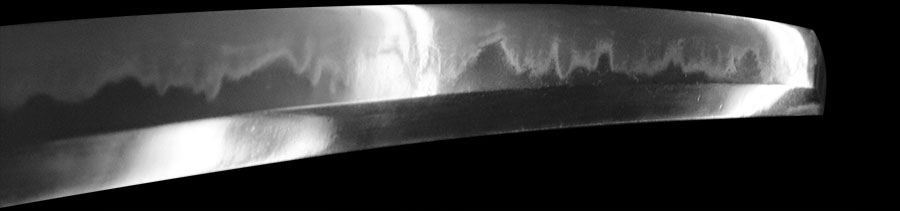
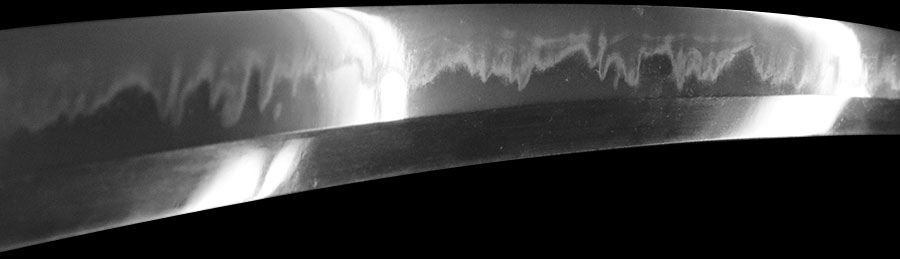
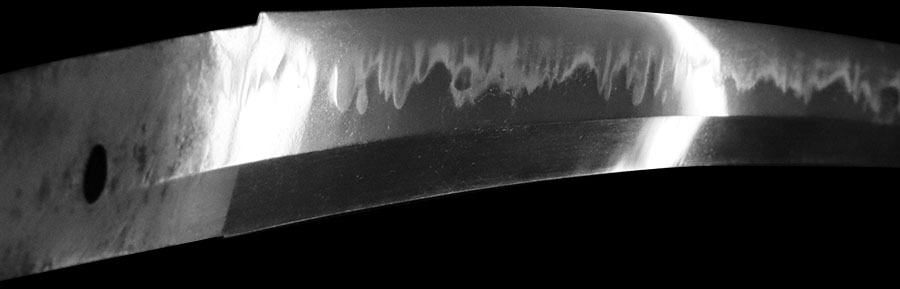
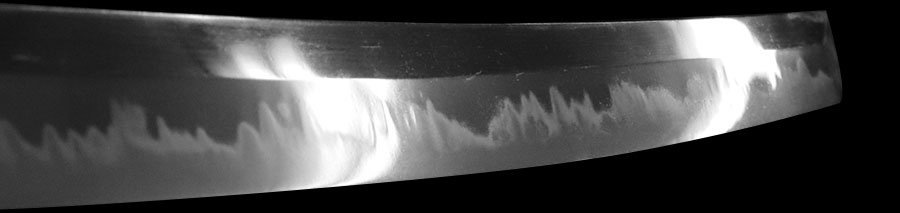
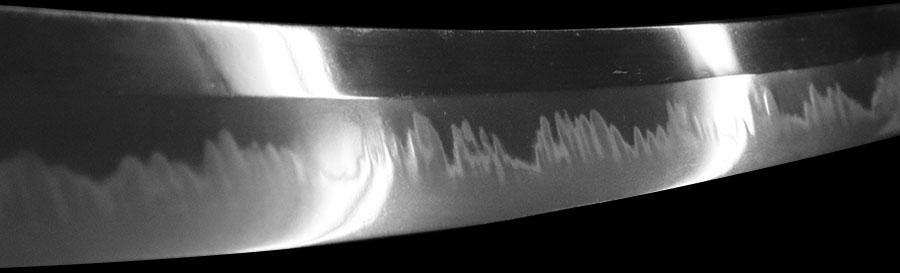
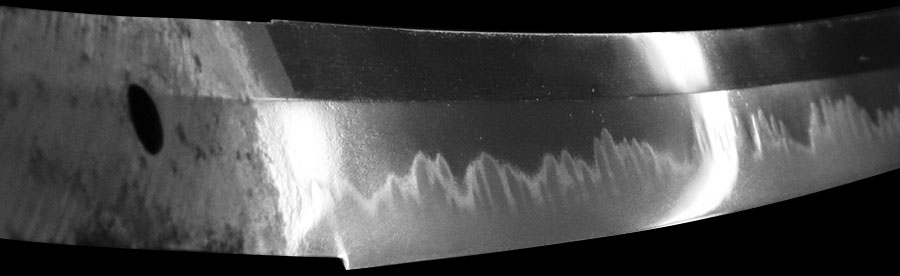
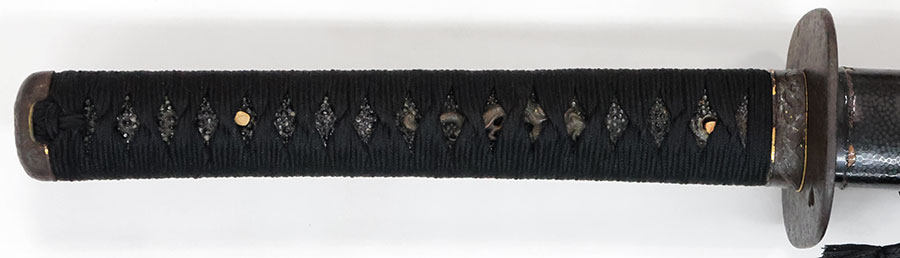
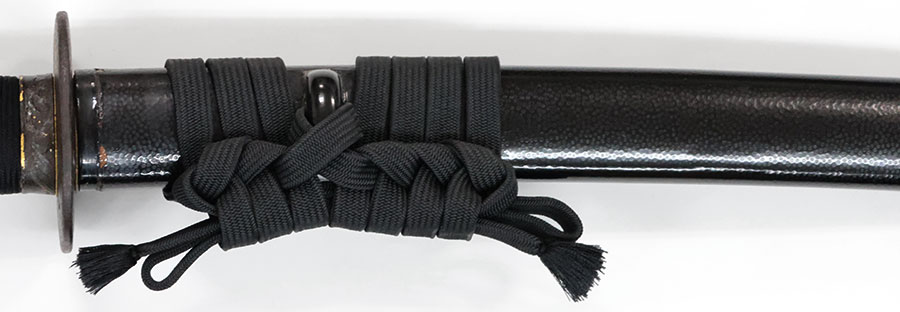
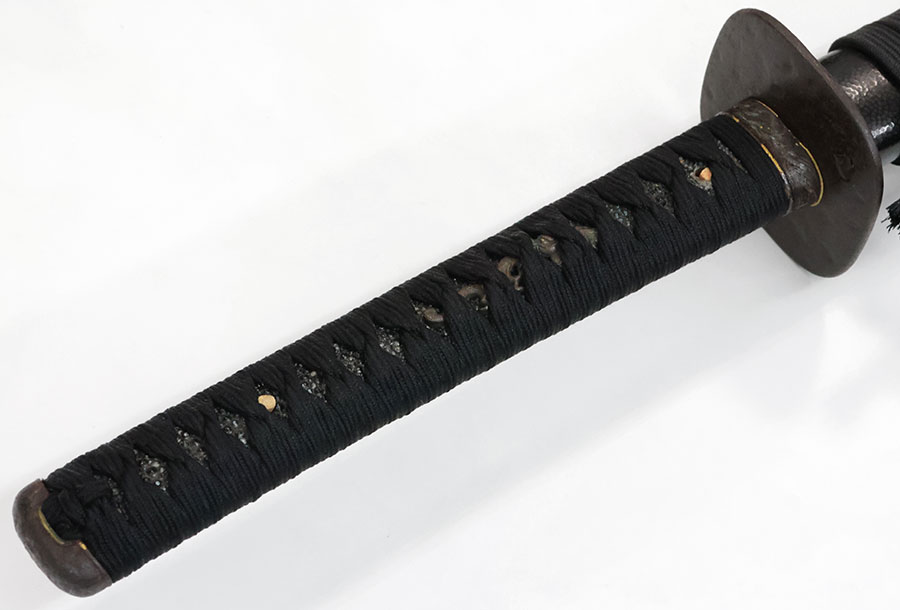
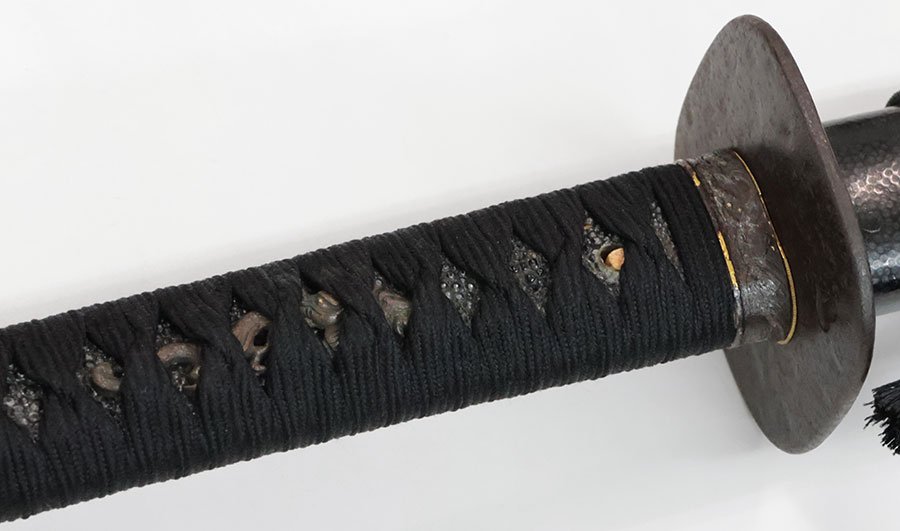
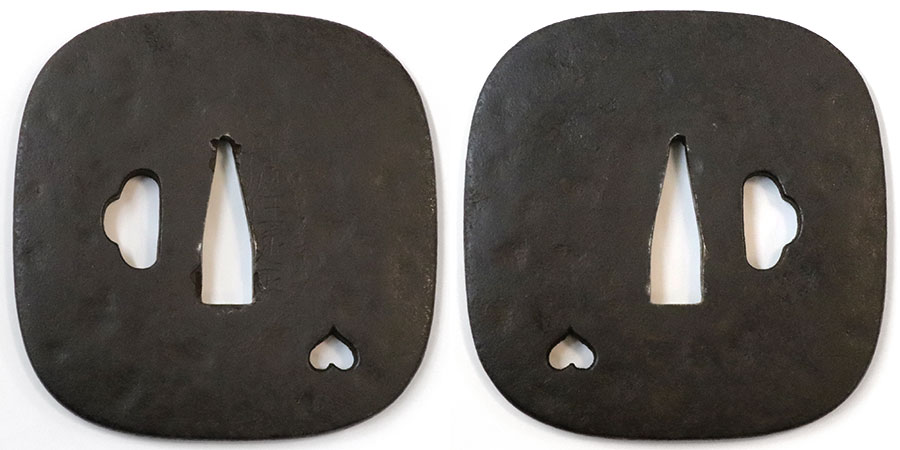
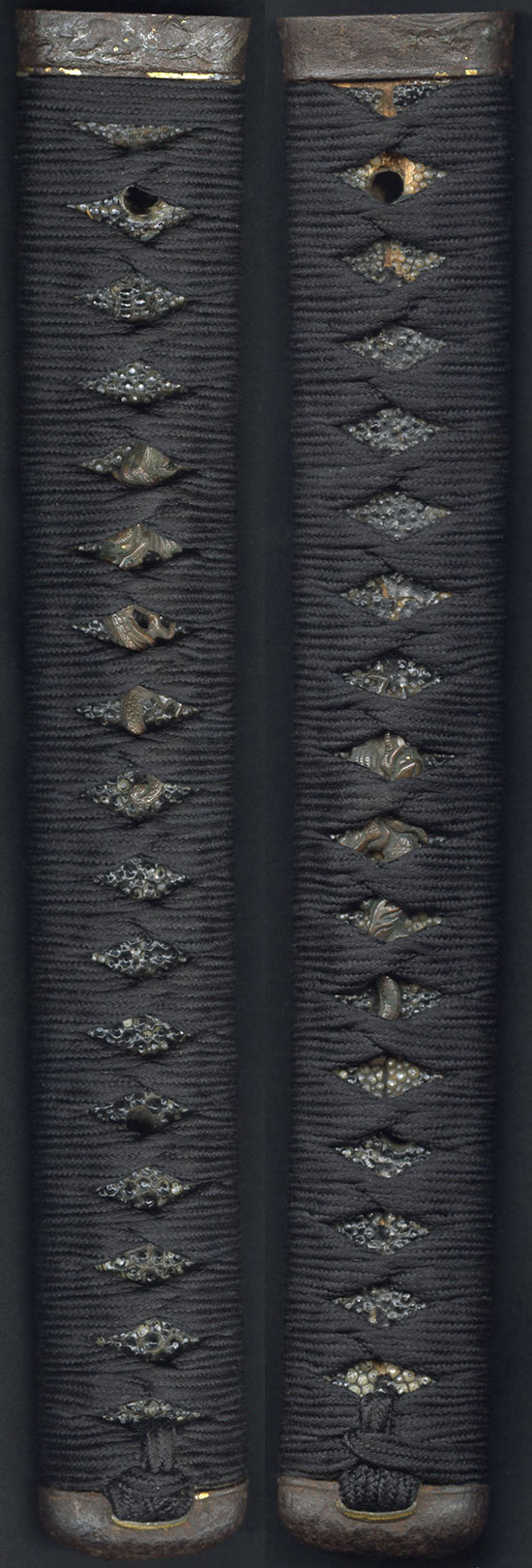
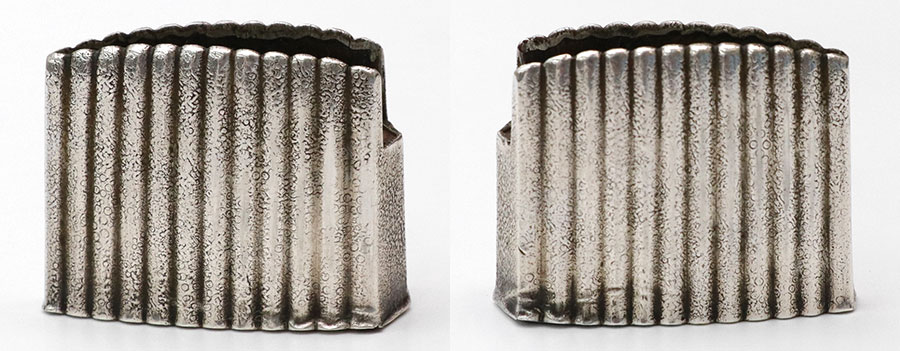
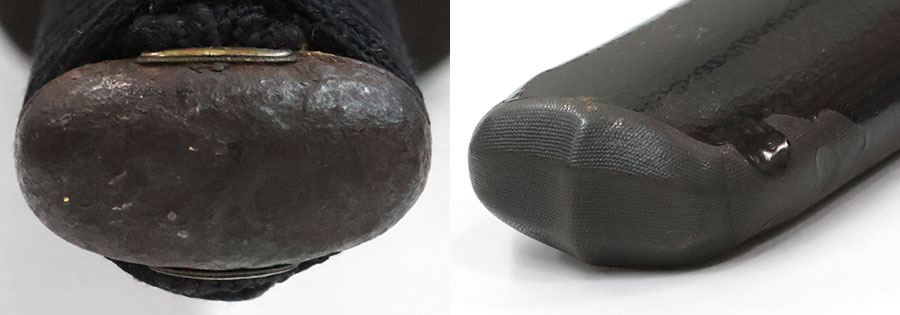
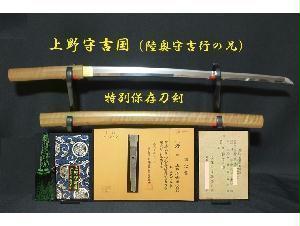
Made around the Kanbun era of the Edo period (1661) (360 years ago), the sugata was originally a long sword of about 2 shaku 5 sun, but it was suriage by a high-ranking samurai of later generations to match his own swordsmanship. It still exhibits a magnificent, robust sugata with the slight sori typical of Kanbun Shinto, similar to Kotetsu. The jigane is powerfully forged in ko-itame hada. The hamon is a brilliant gunome-choji mixed with saka-choji based on nioi, executed even more skillfully than his master Yamato no Kami Yoshimichi, showing nie-suji within the blade and firing a spirited edge. While there is no shirasaya, the Edo-period koshirae adds further splendor to this sword. On this occasion, an old connoisseur has entrusted us with this piece, asking that it be passed on at a low price to someone who will cherish it for future generations. Please enjoy this rare and precious masterpiece by Settsu-ju Yoshikuni (Ueno no Kami Yoshikuni), the elder brother of the maker of Sakamoto Ryoma’s famous aitō, offered at a specially discounted price.