The twentieth century nearly killed the craft twice: wartime distortion, then the occupation ban. The NBTHK’s founding in 1948 and licensed forging from 1953 rebuilt the sword as an art, crowned by Living National Treasures and the mukansa rank.
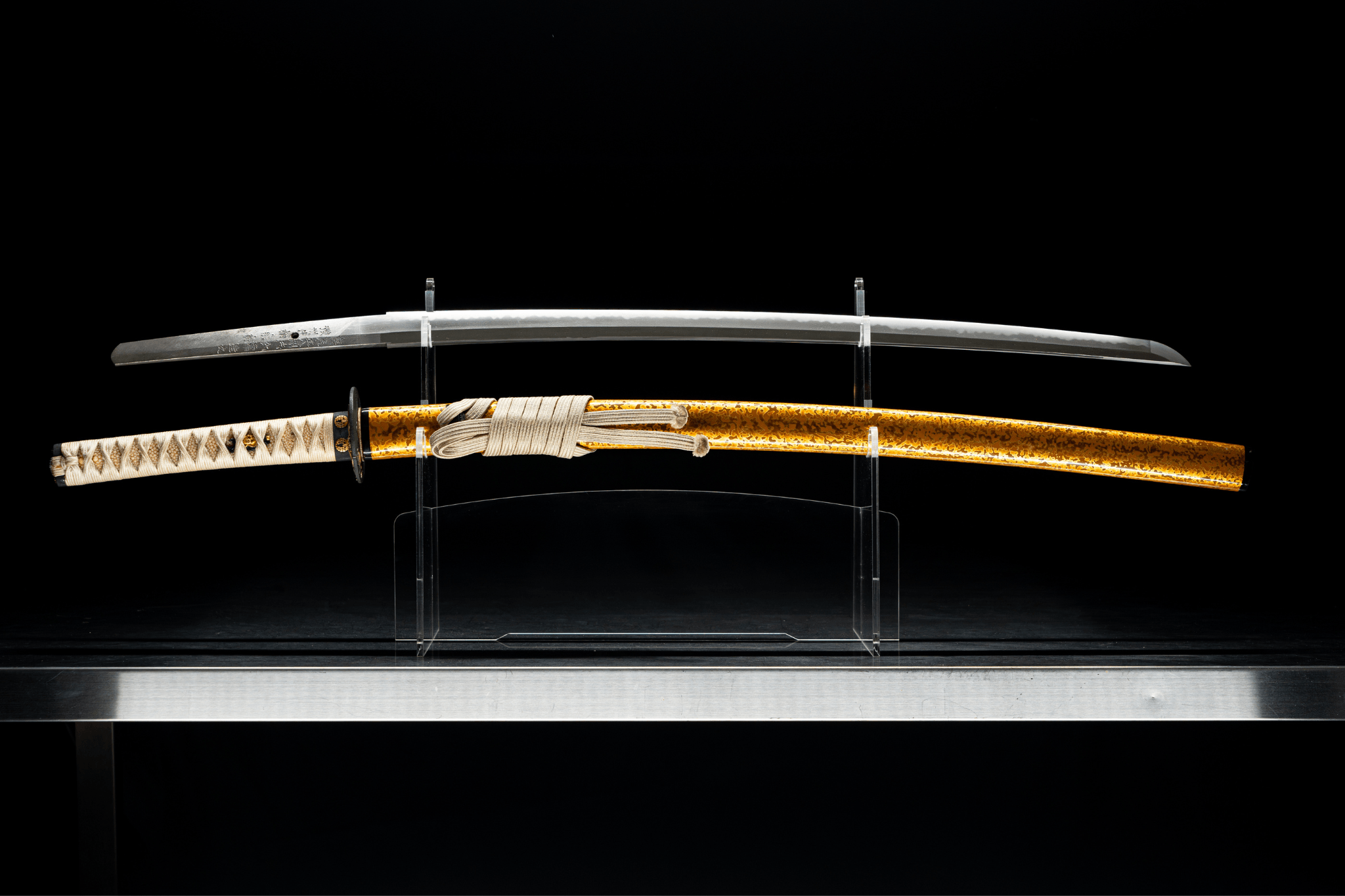
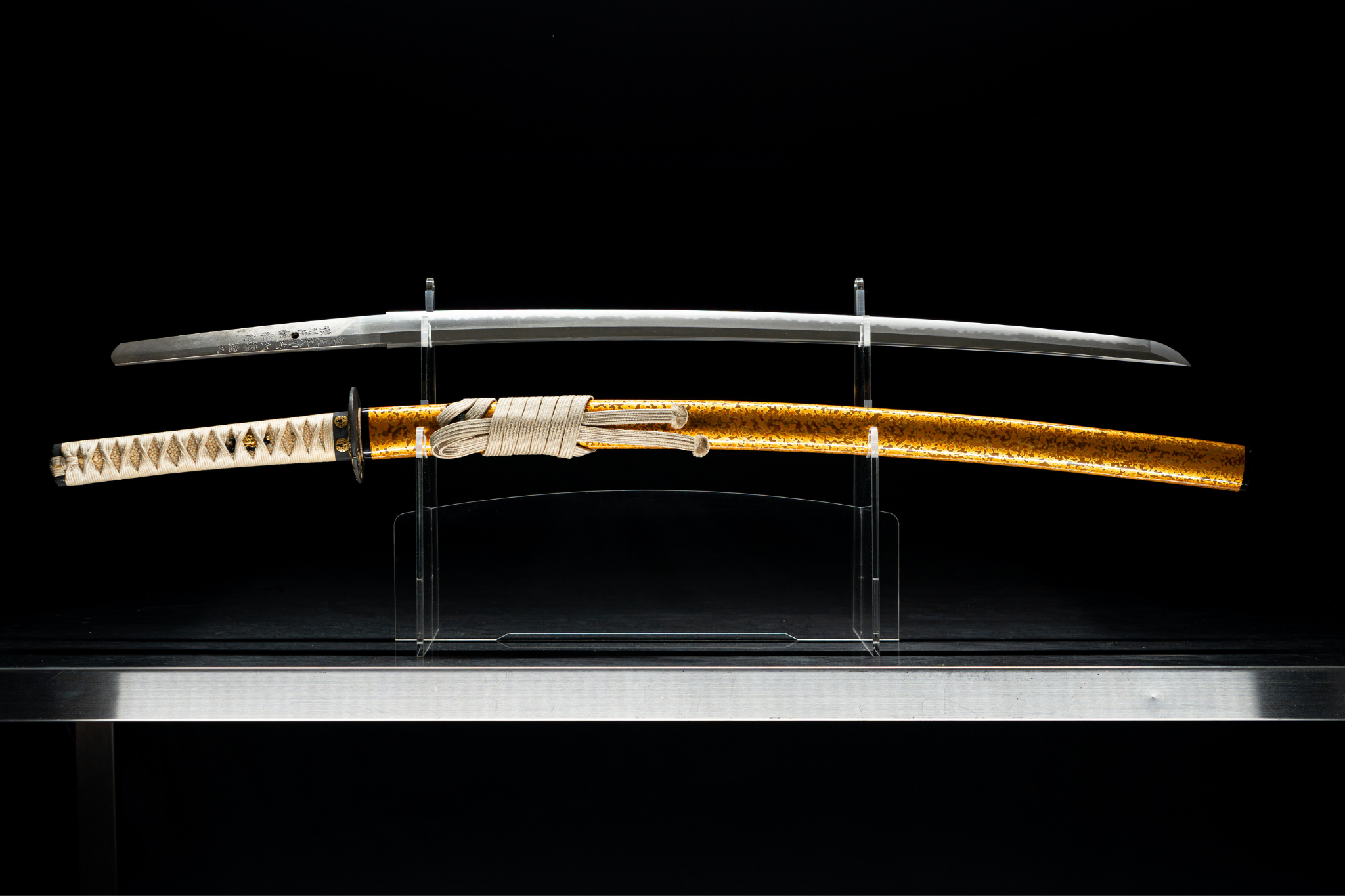
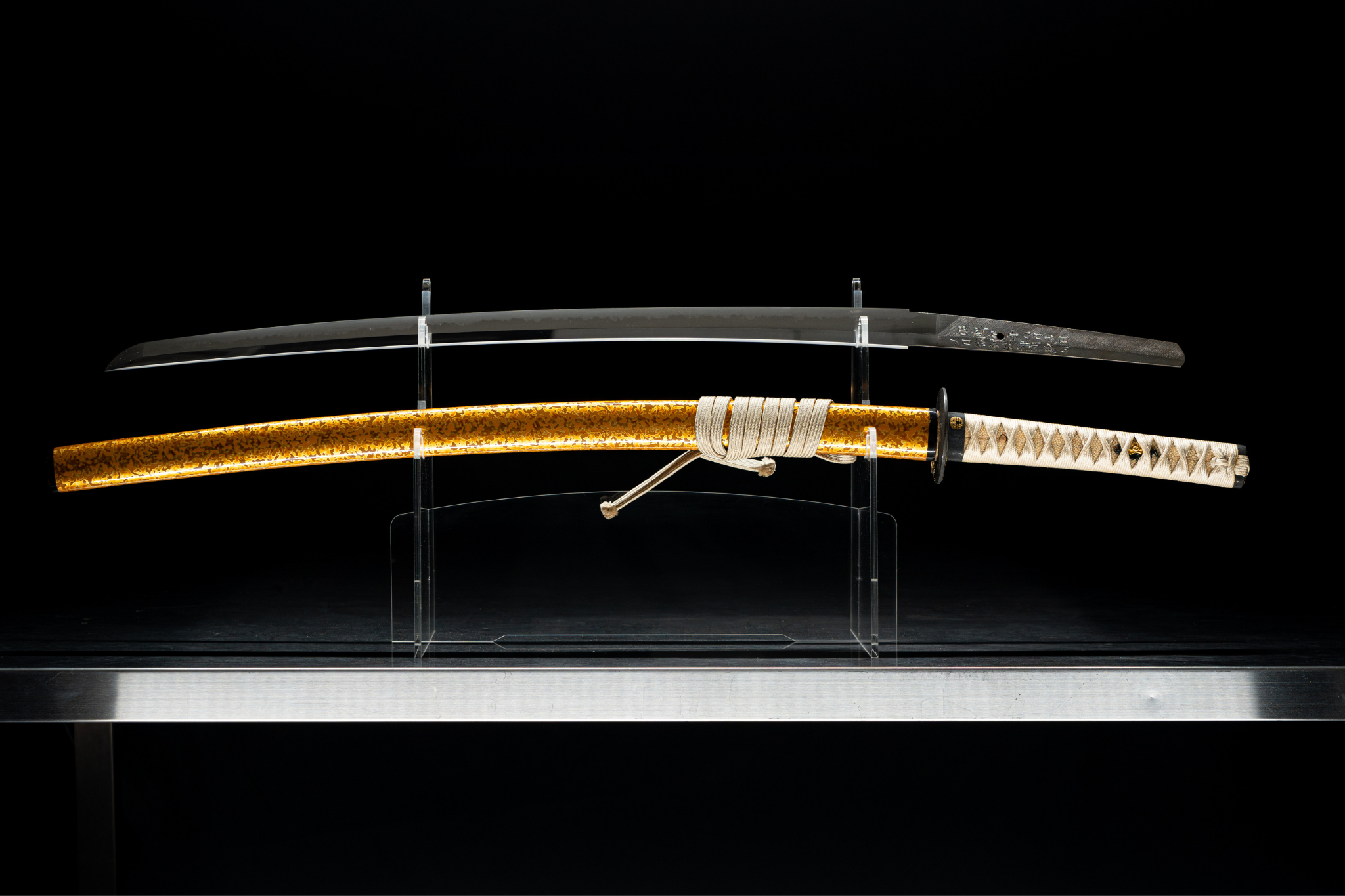
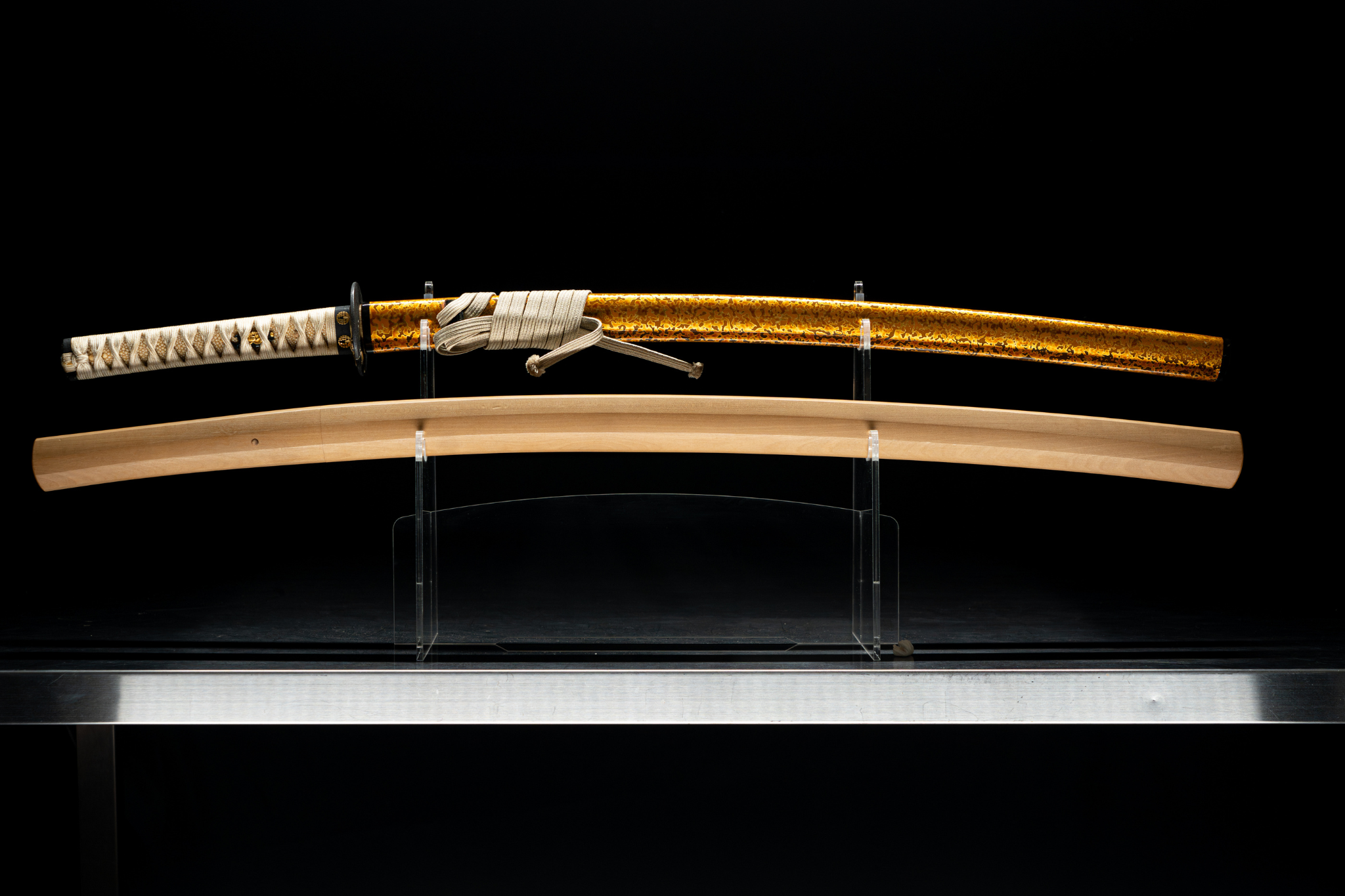
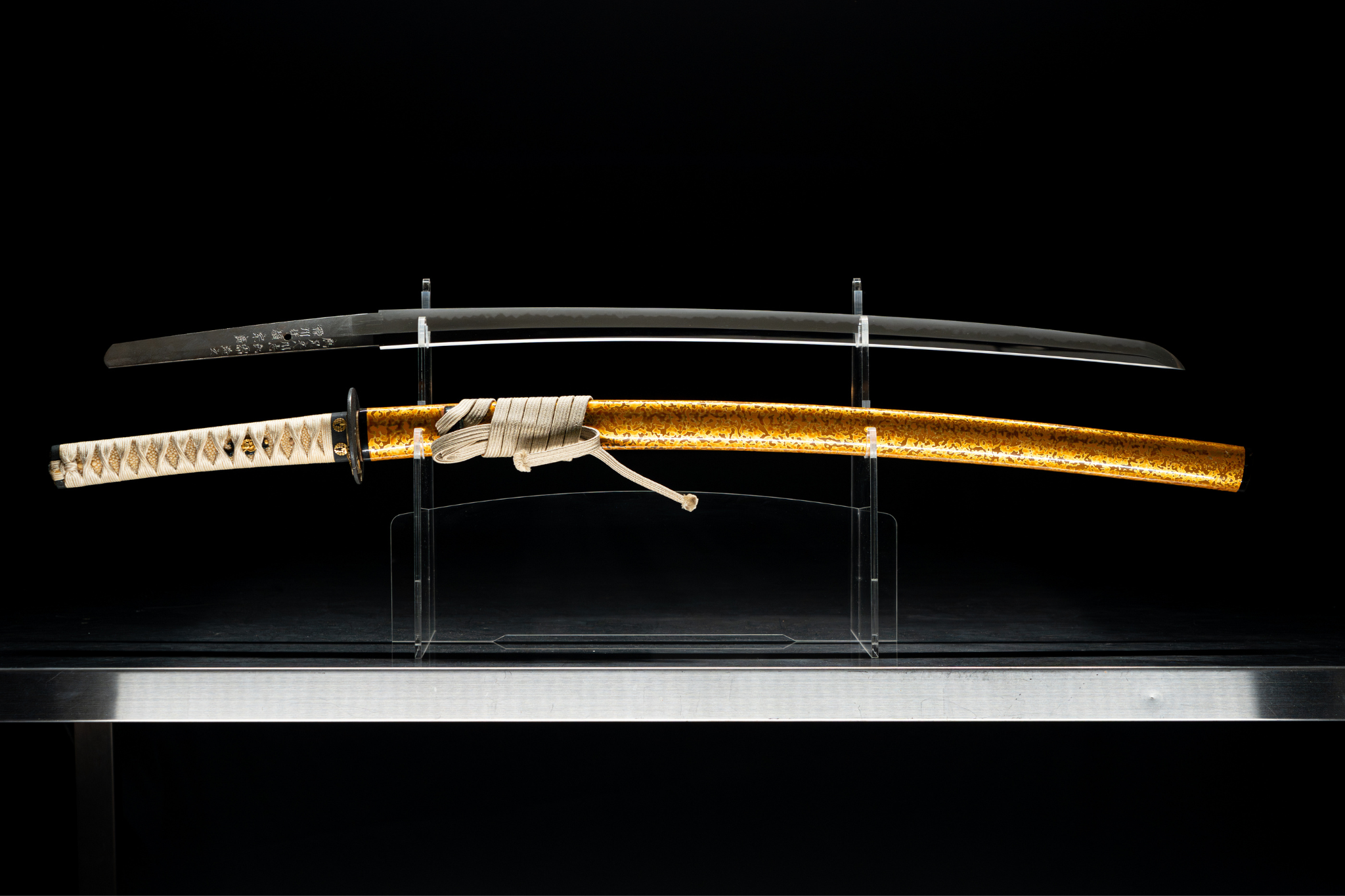
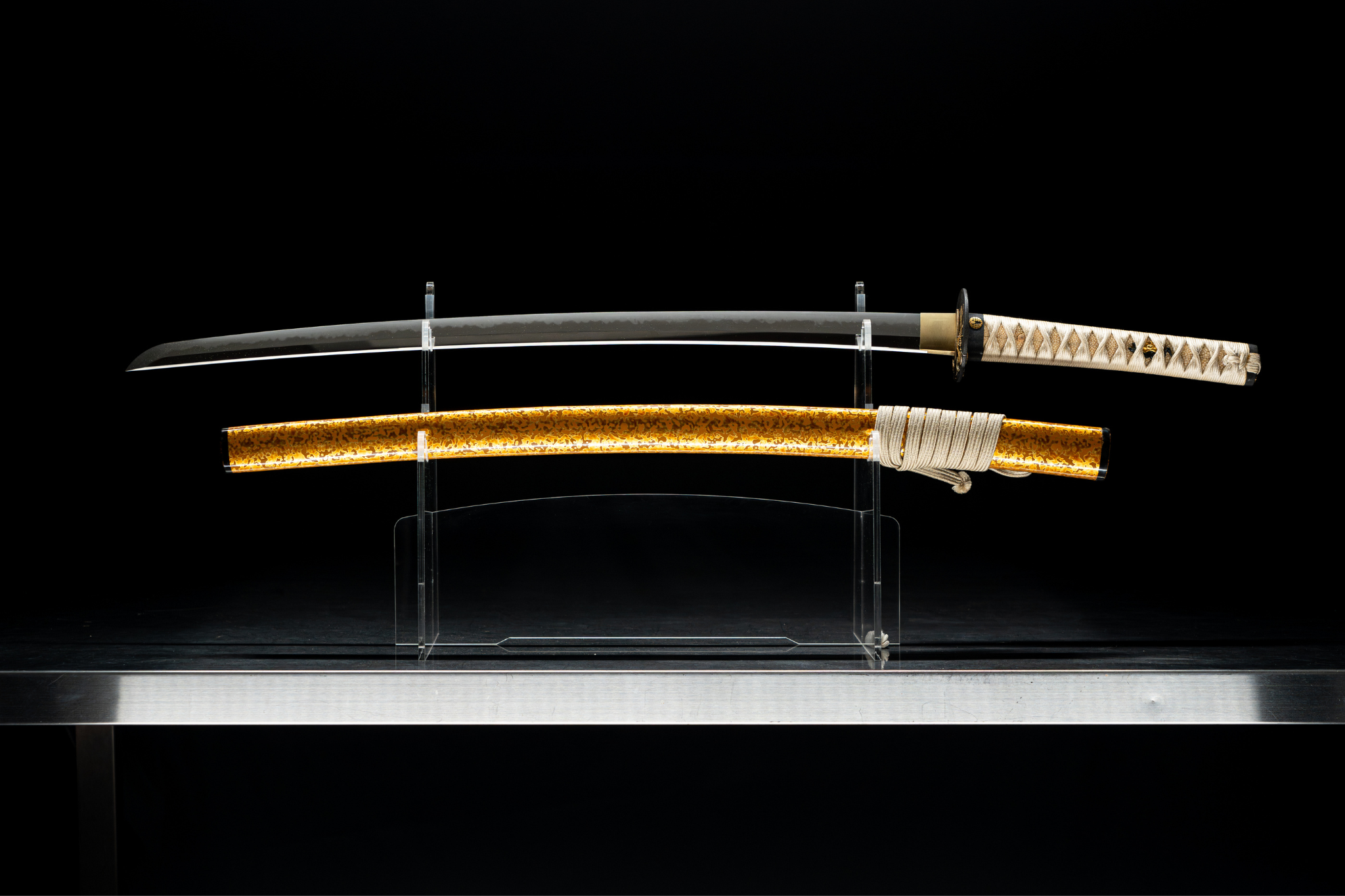
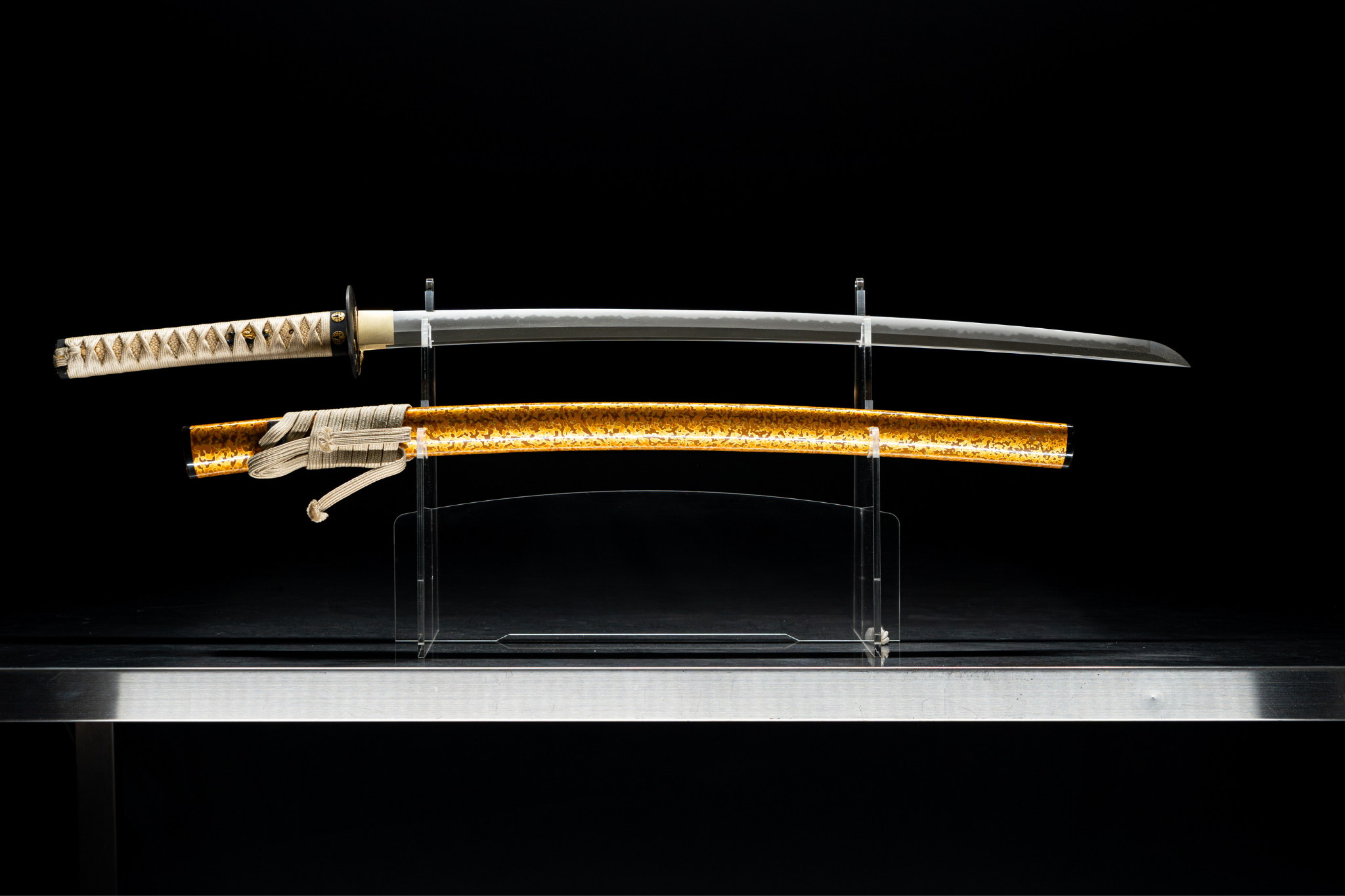
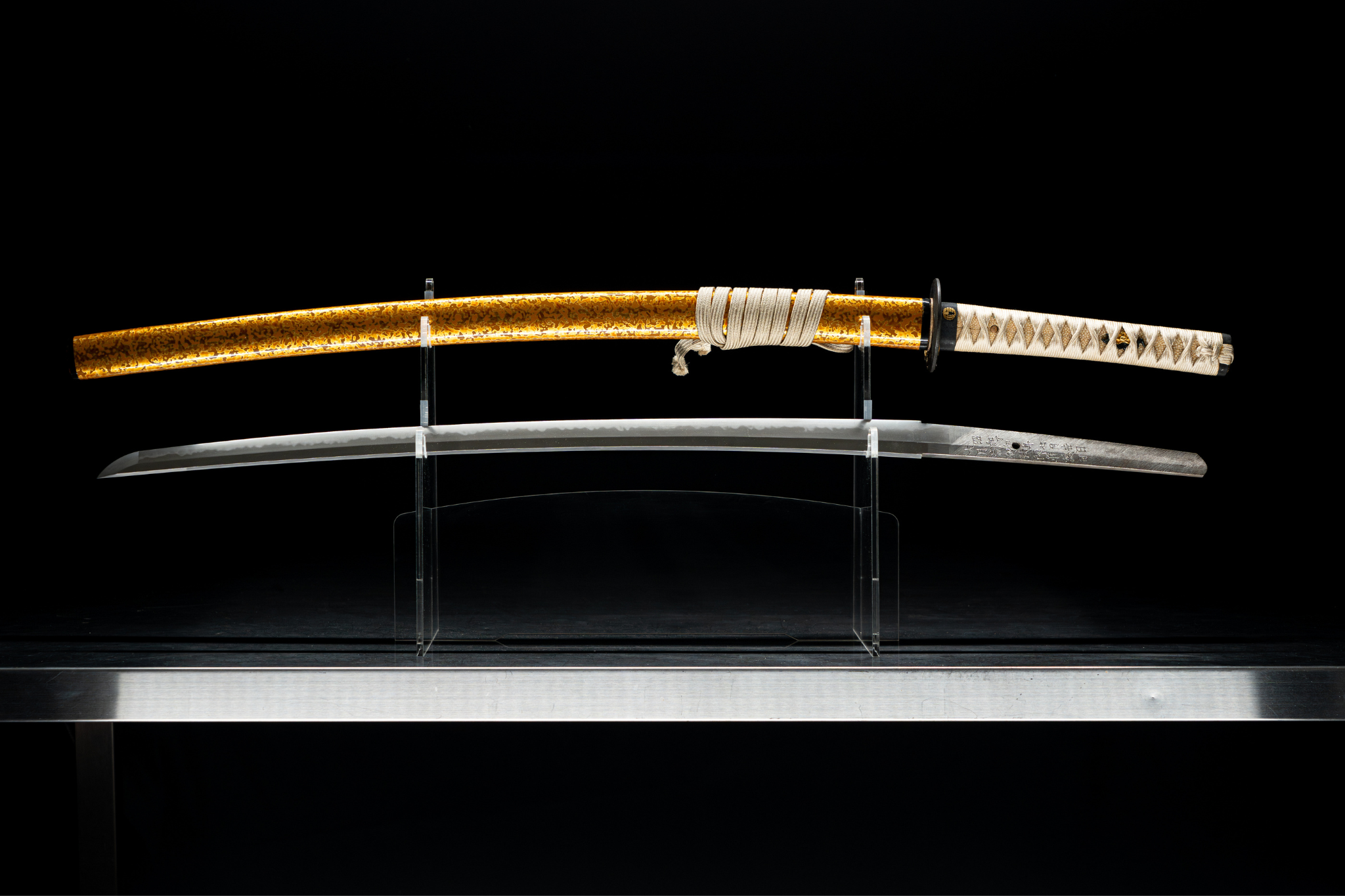
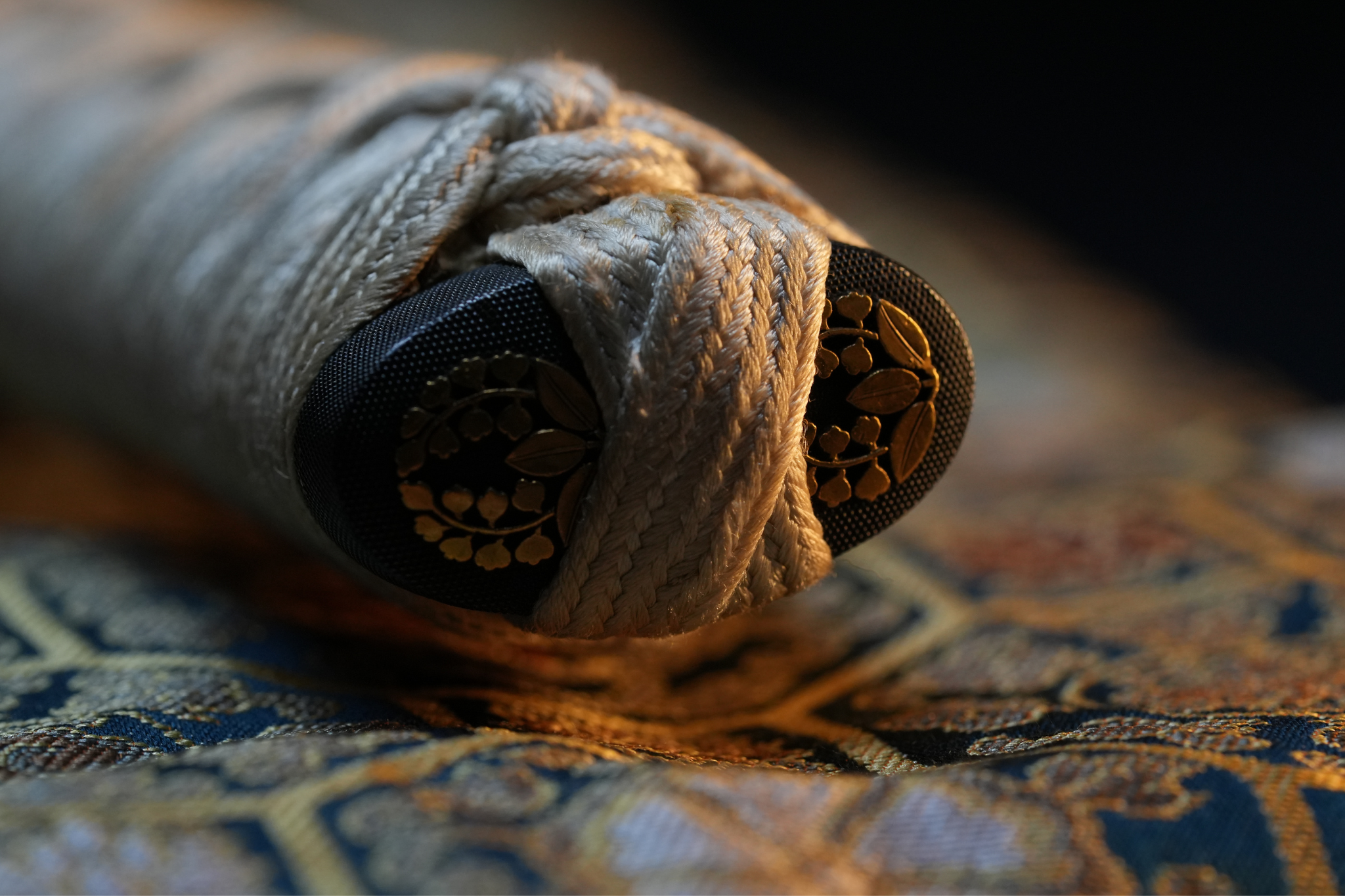
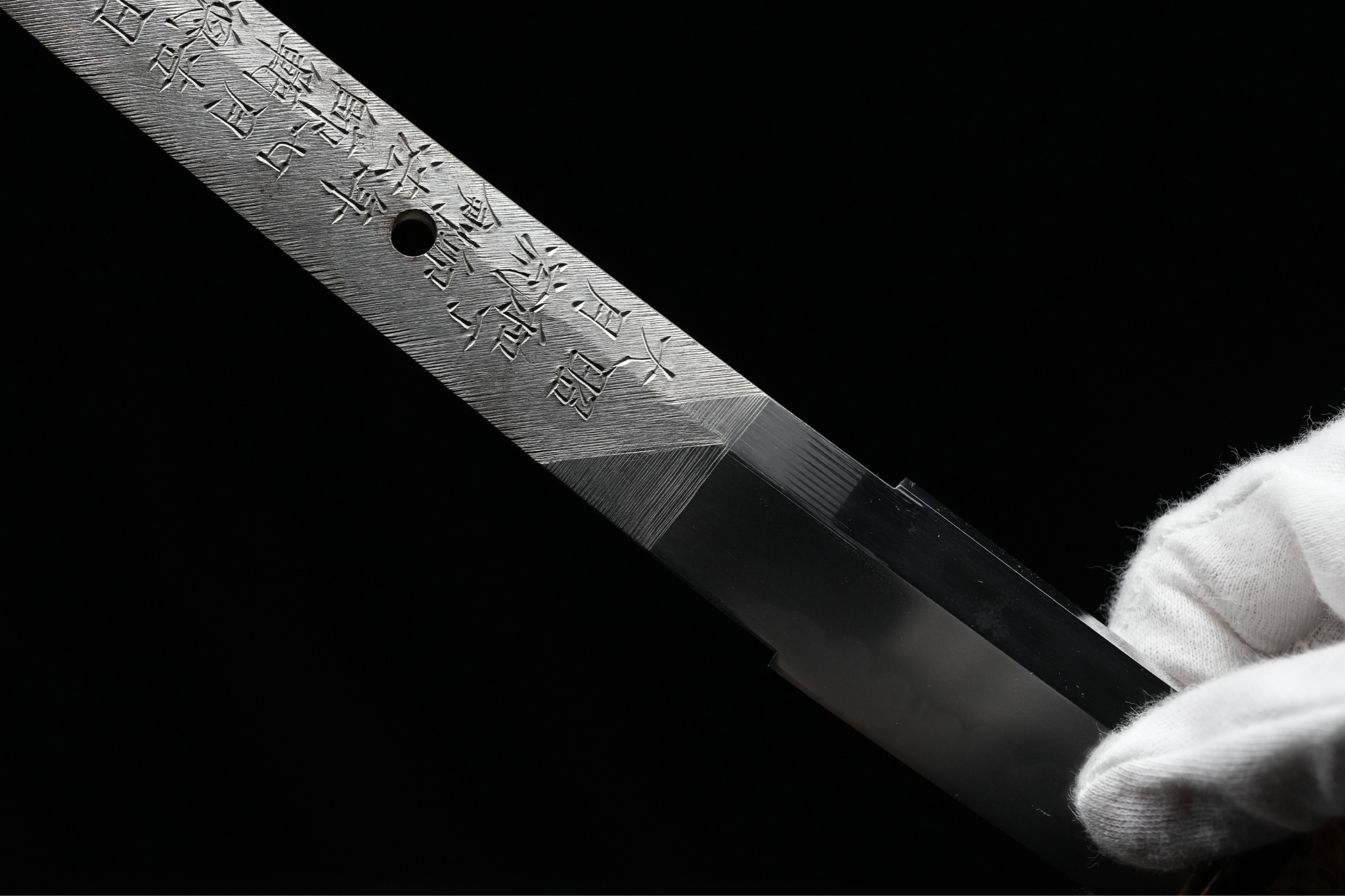
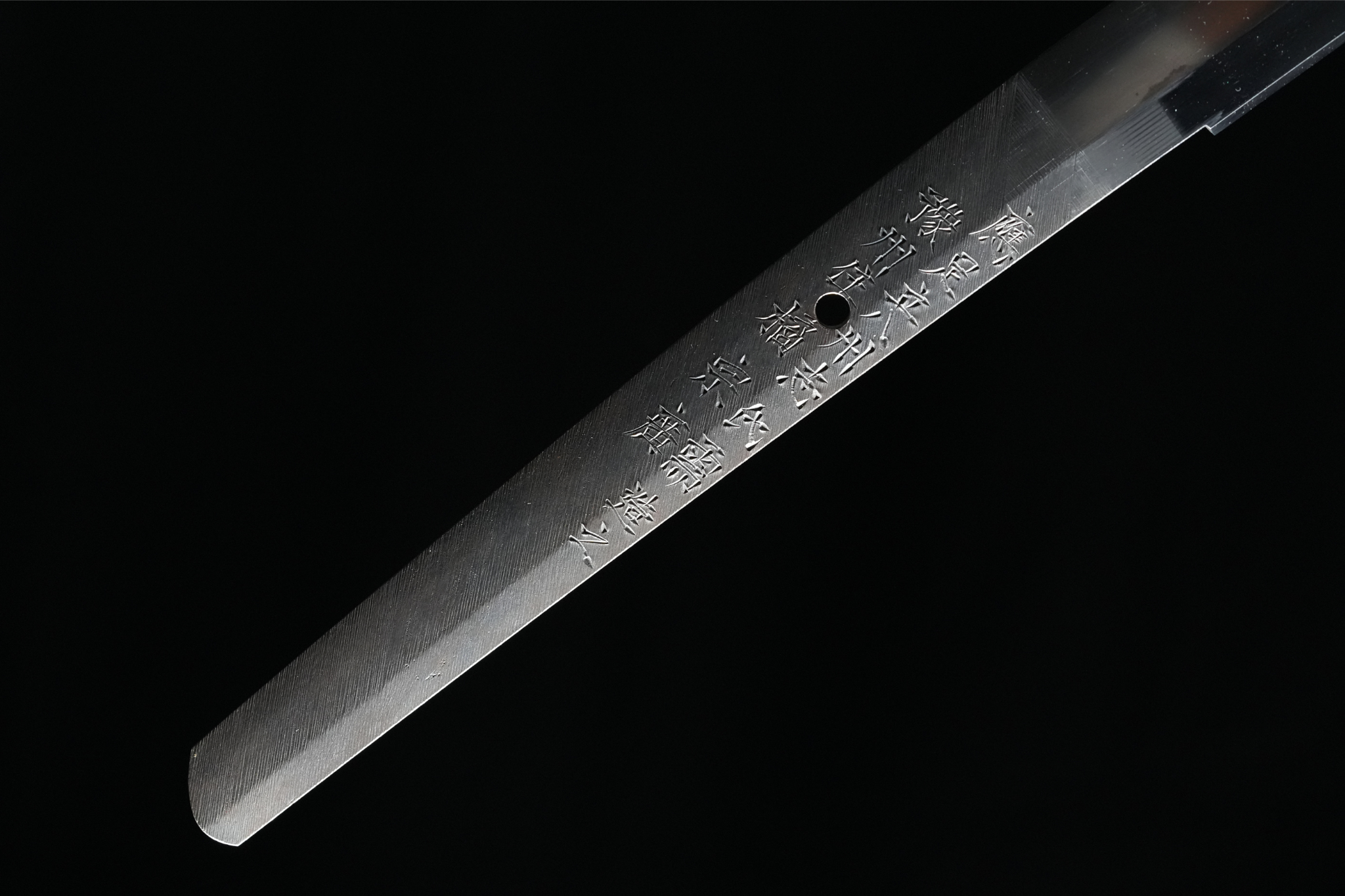
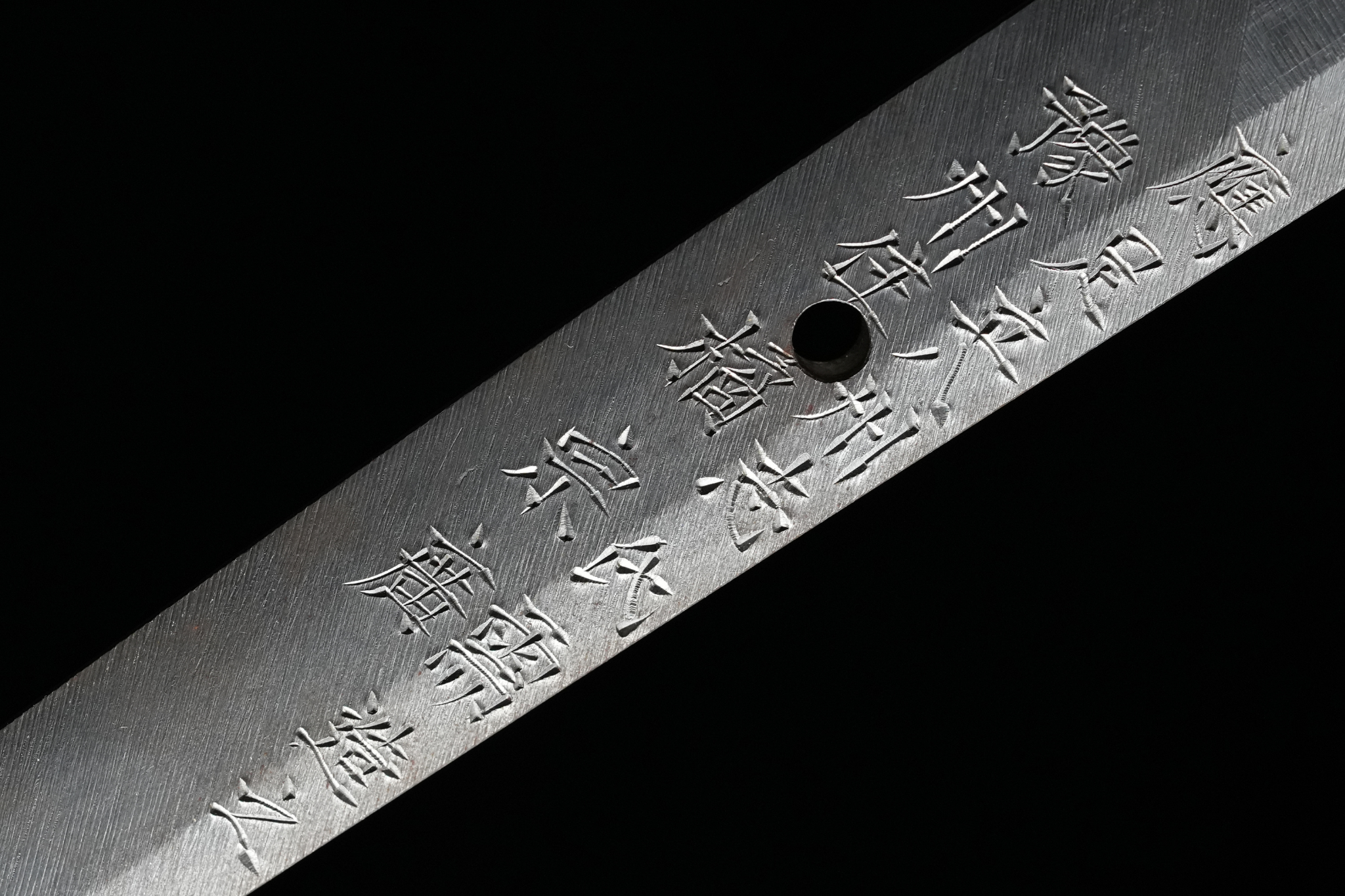
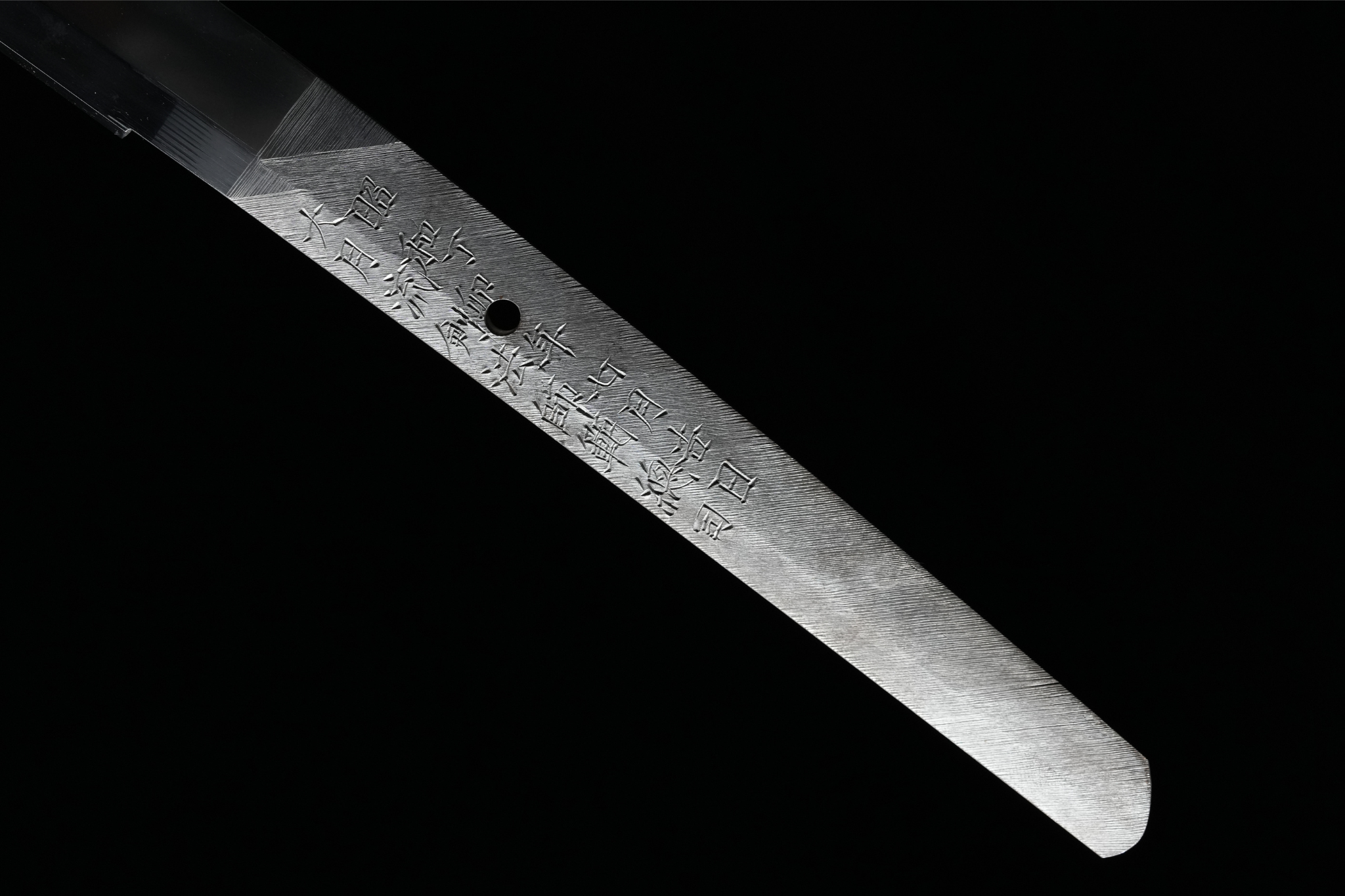
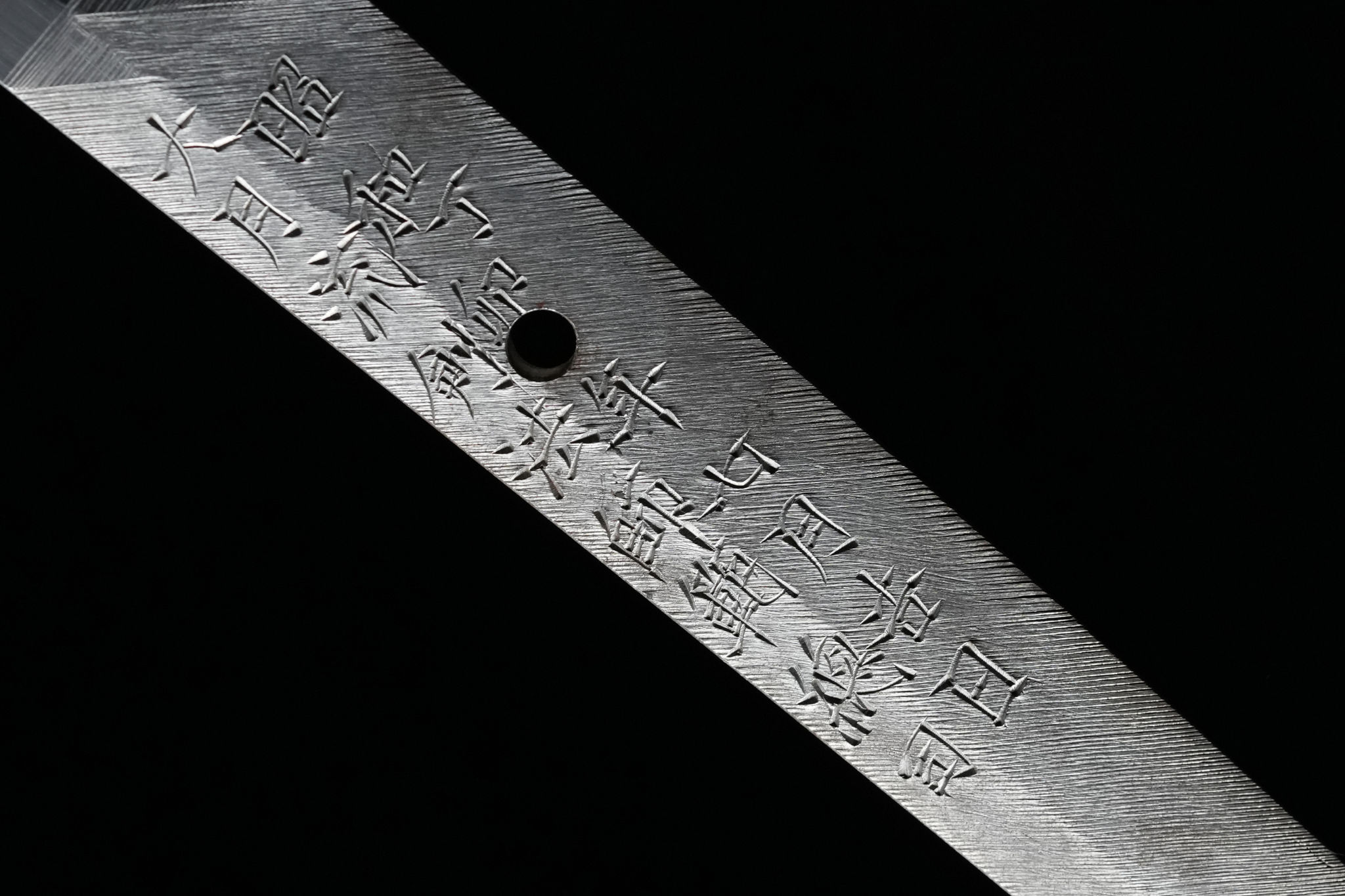
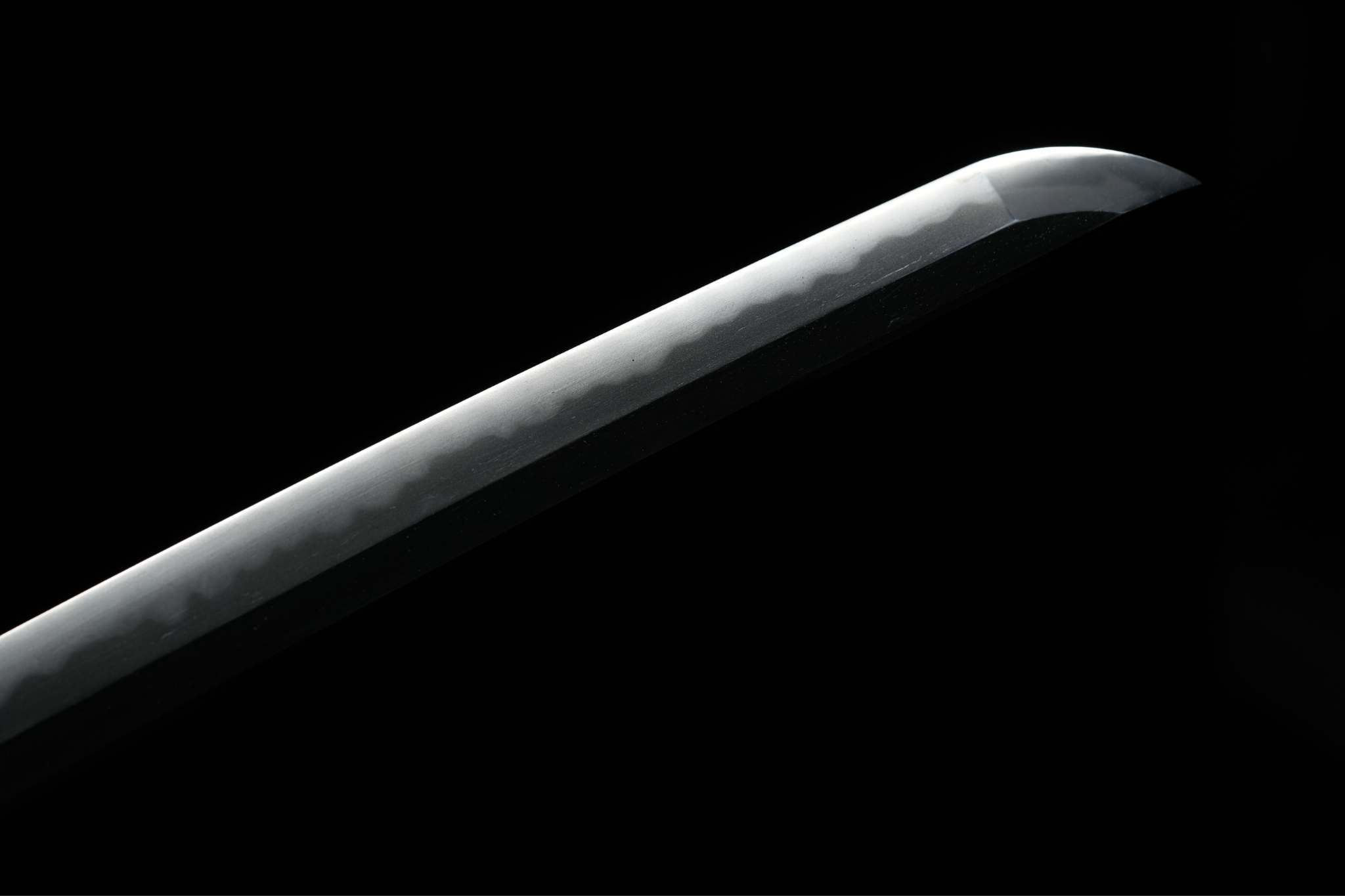
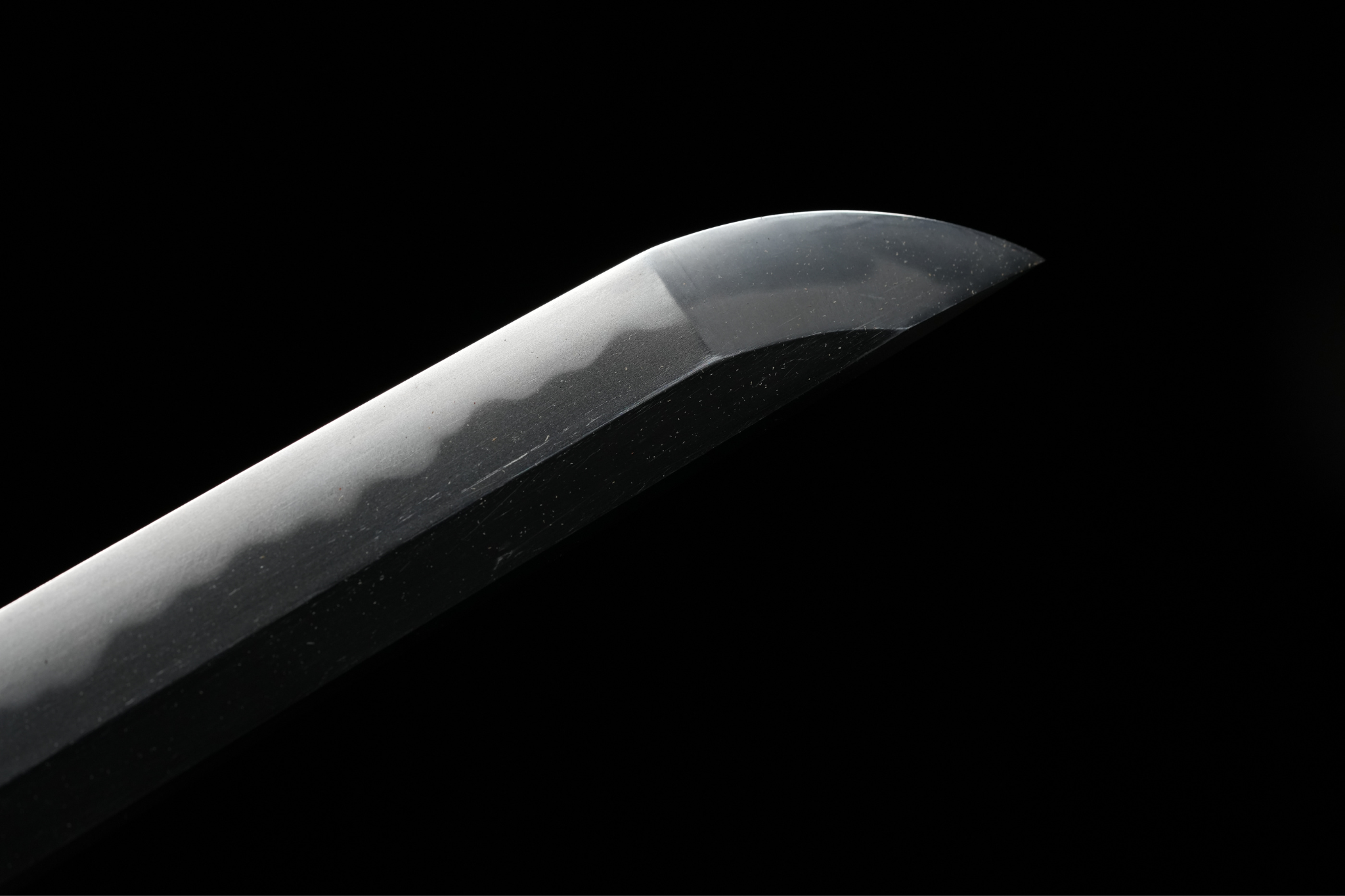
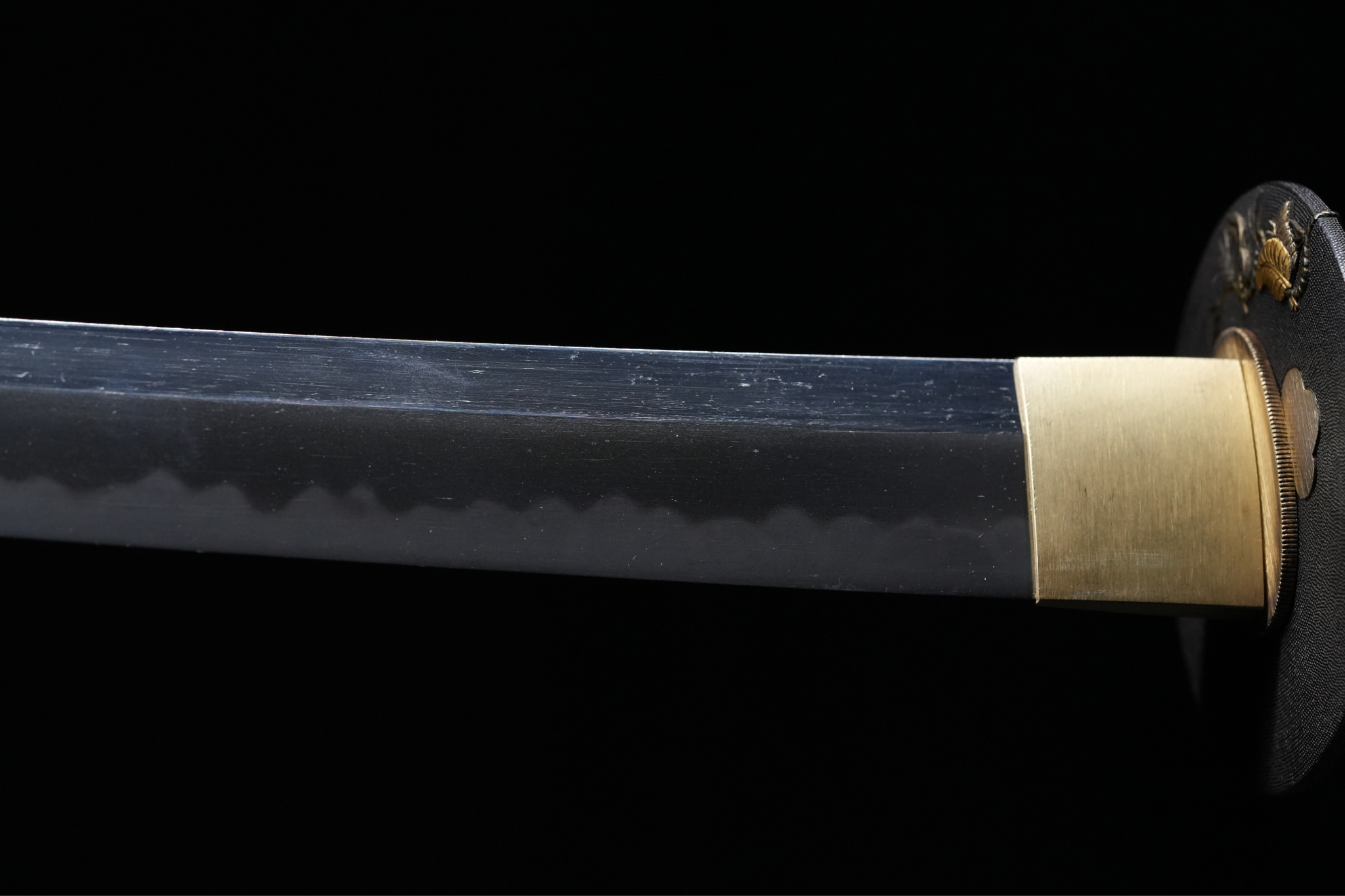
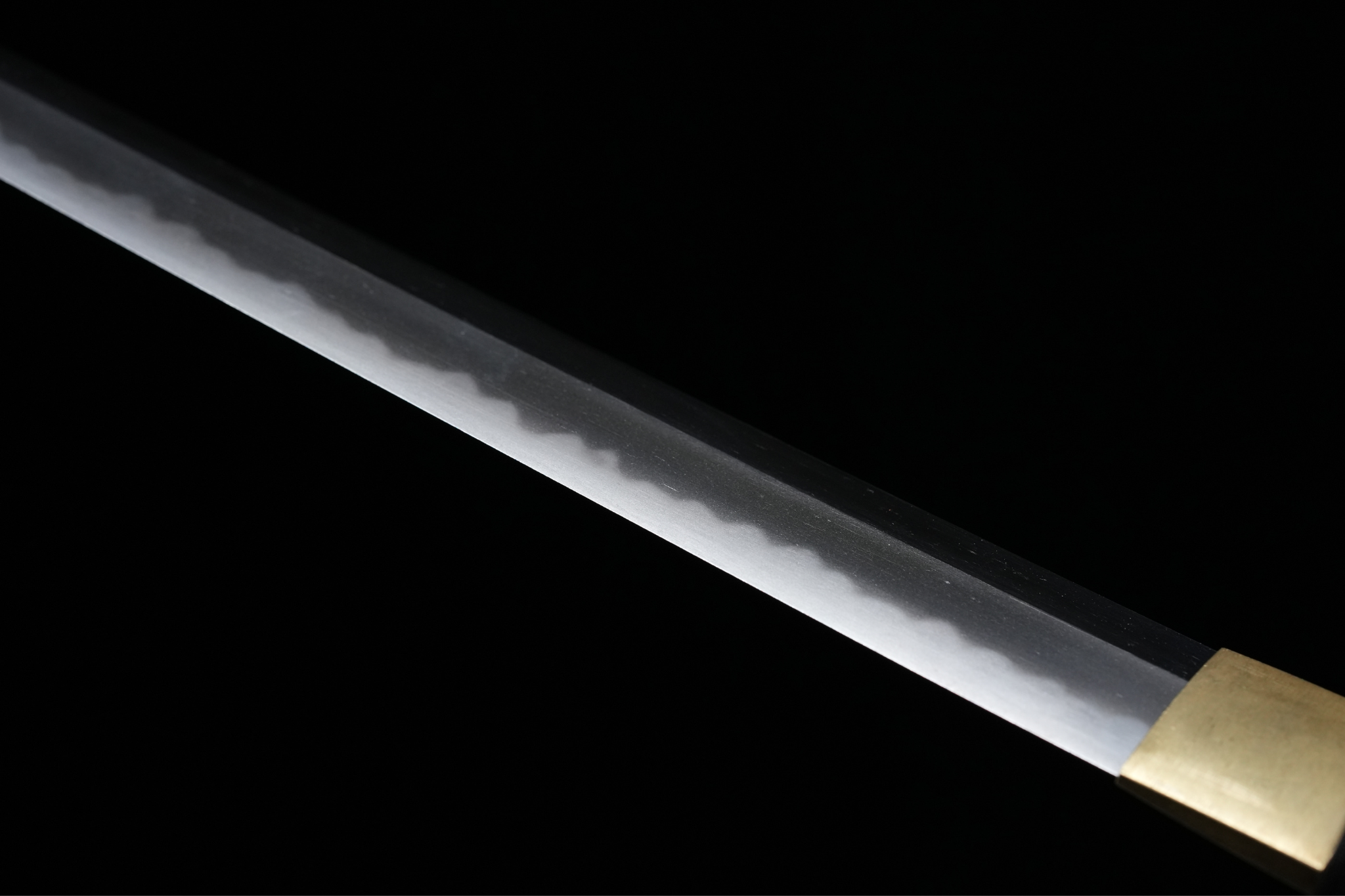
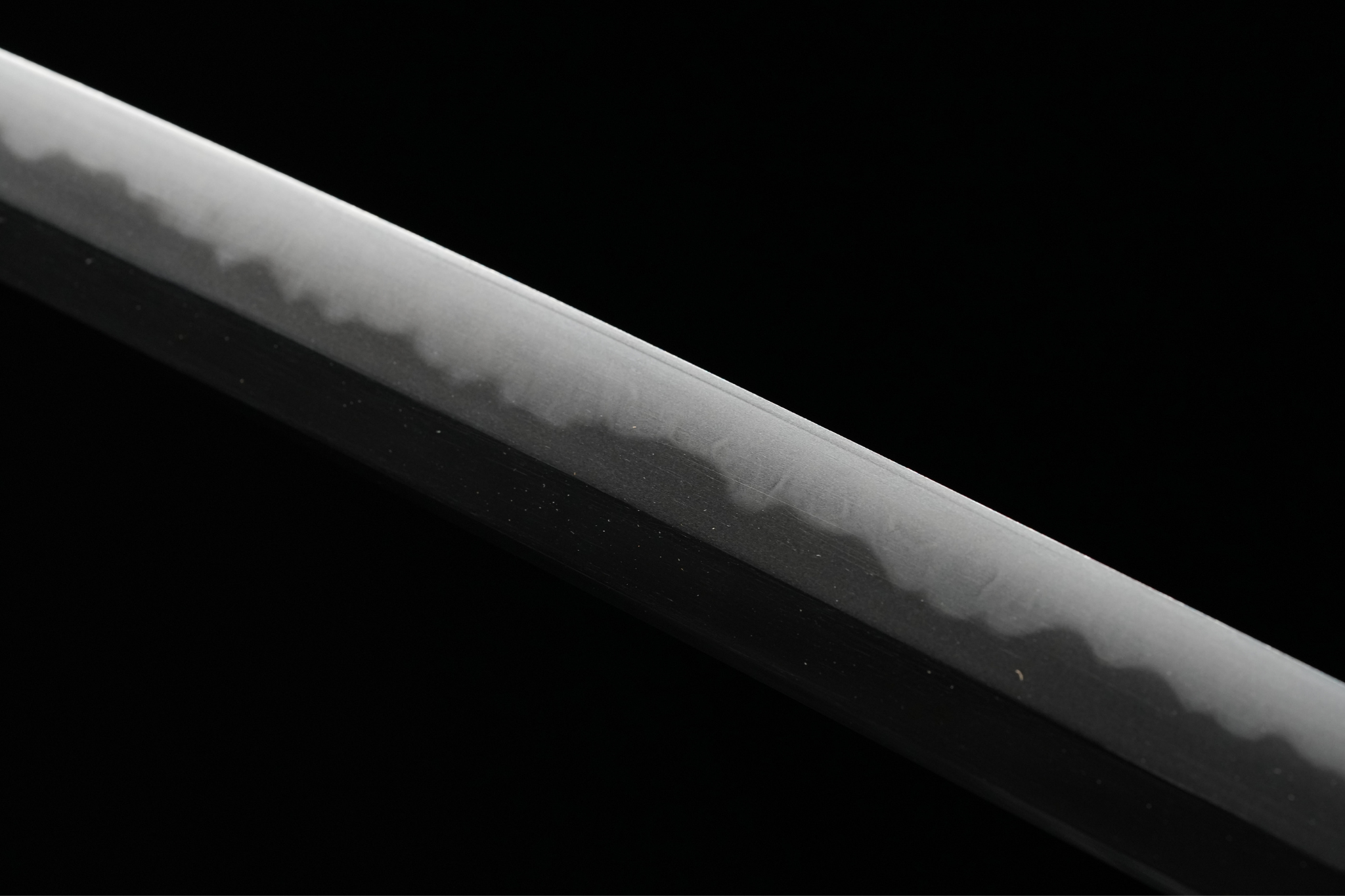
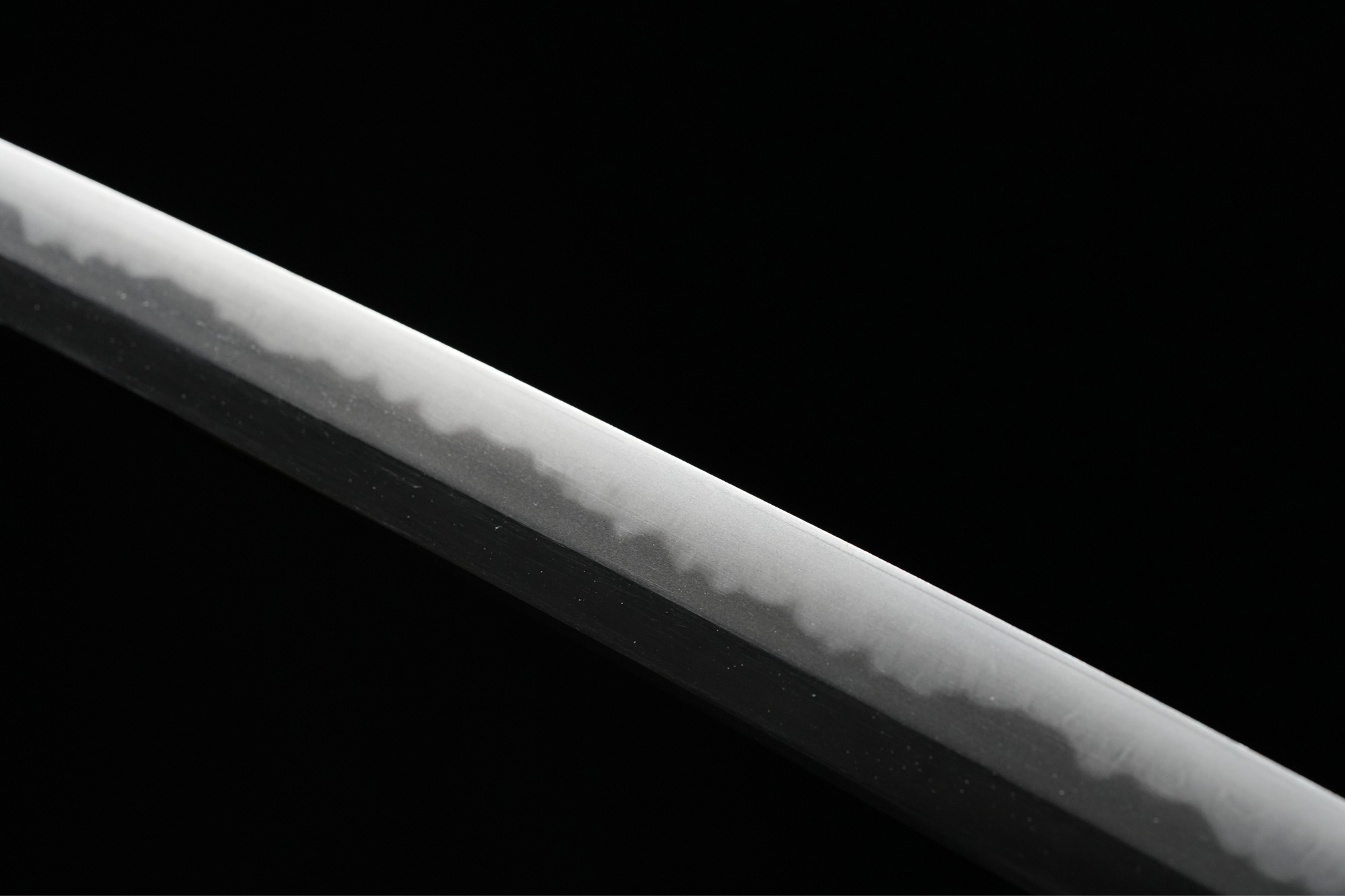
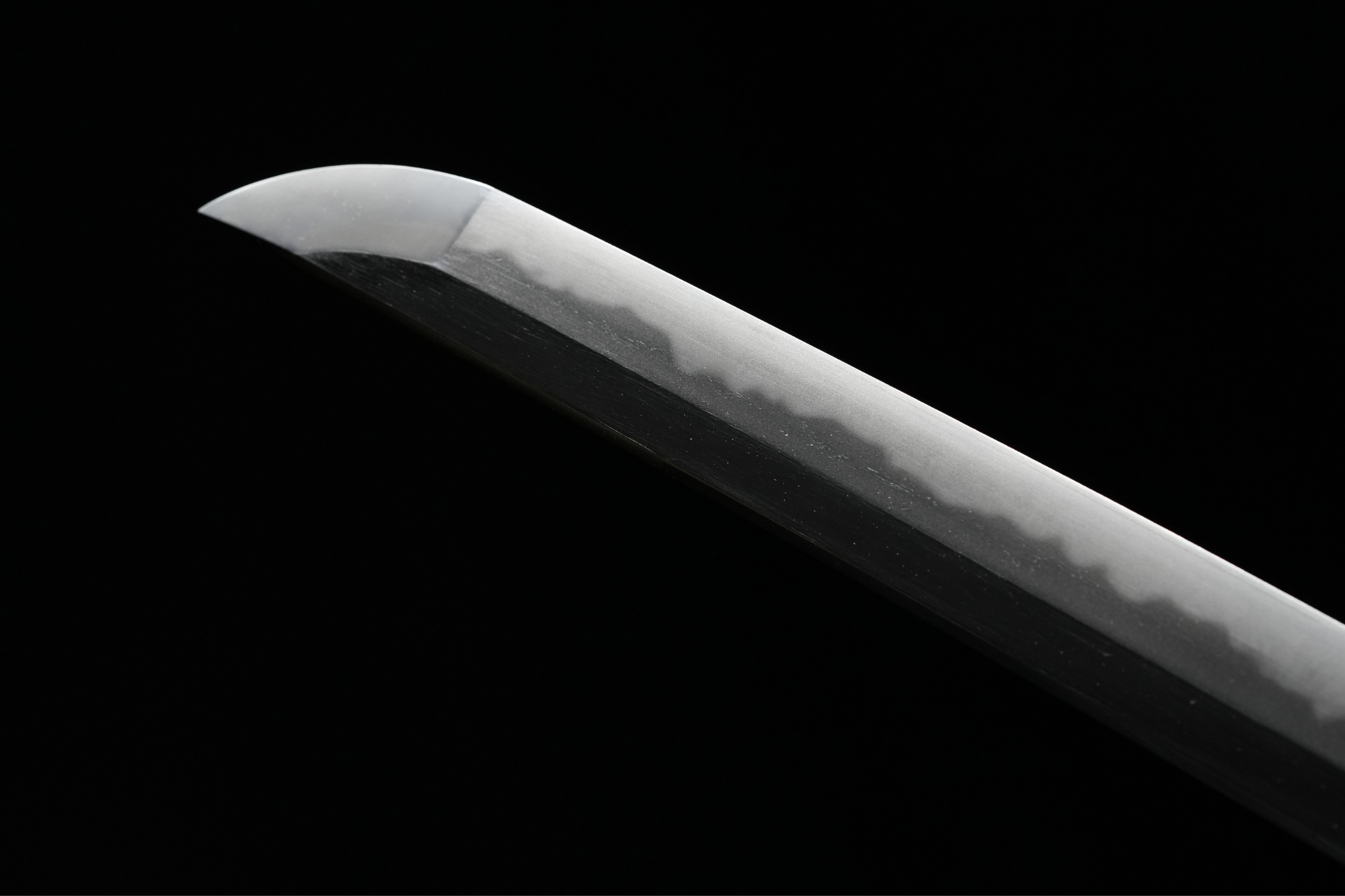
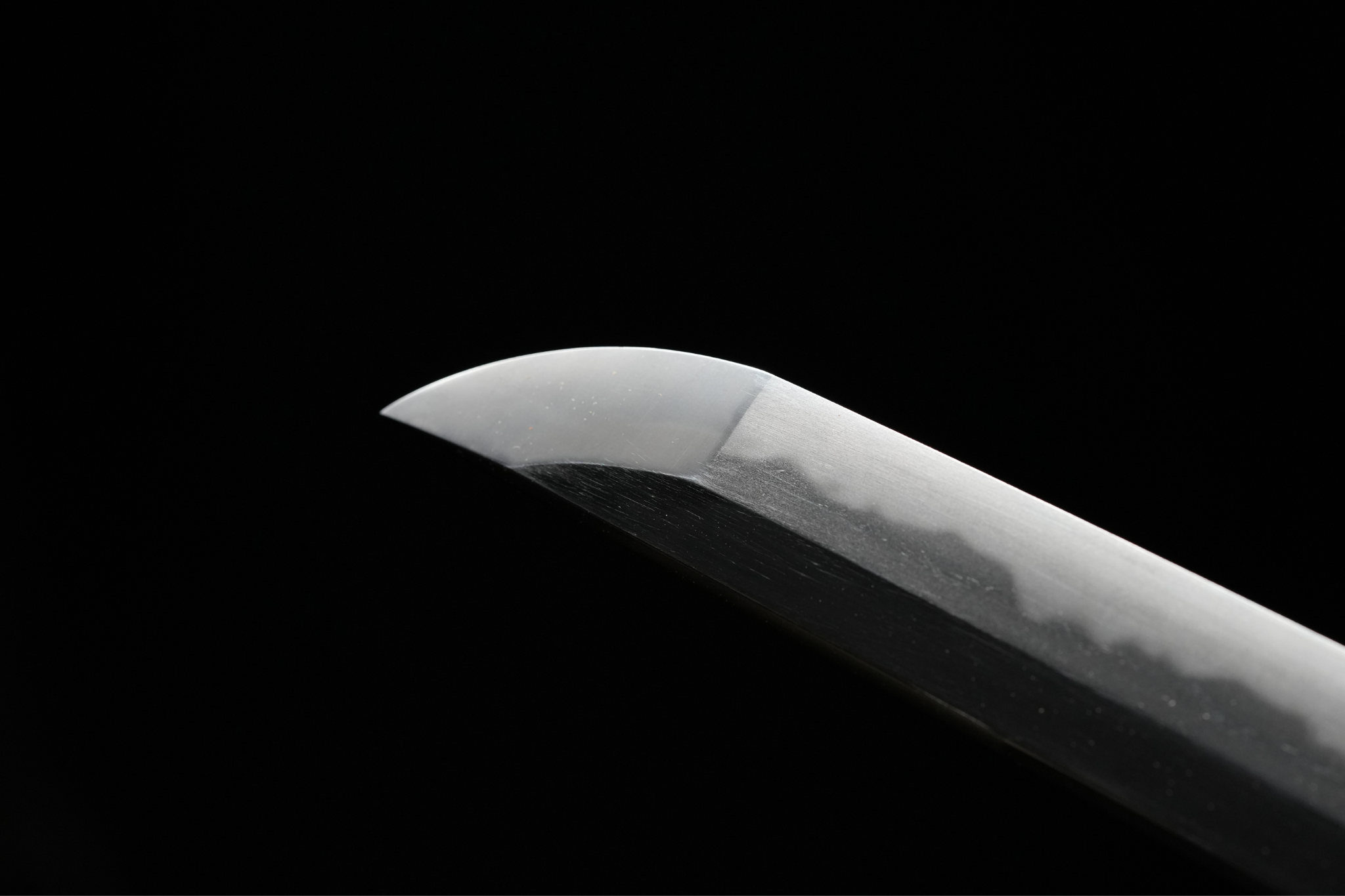
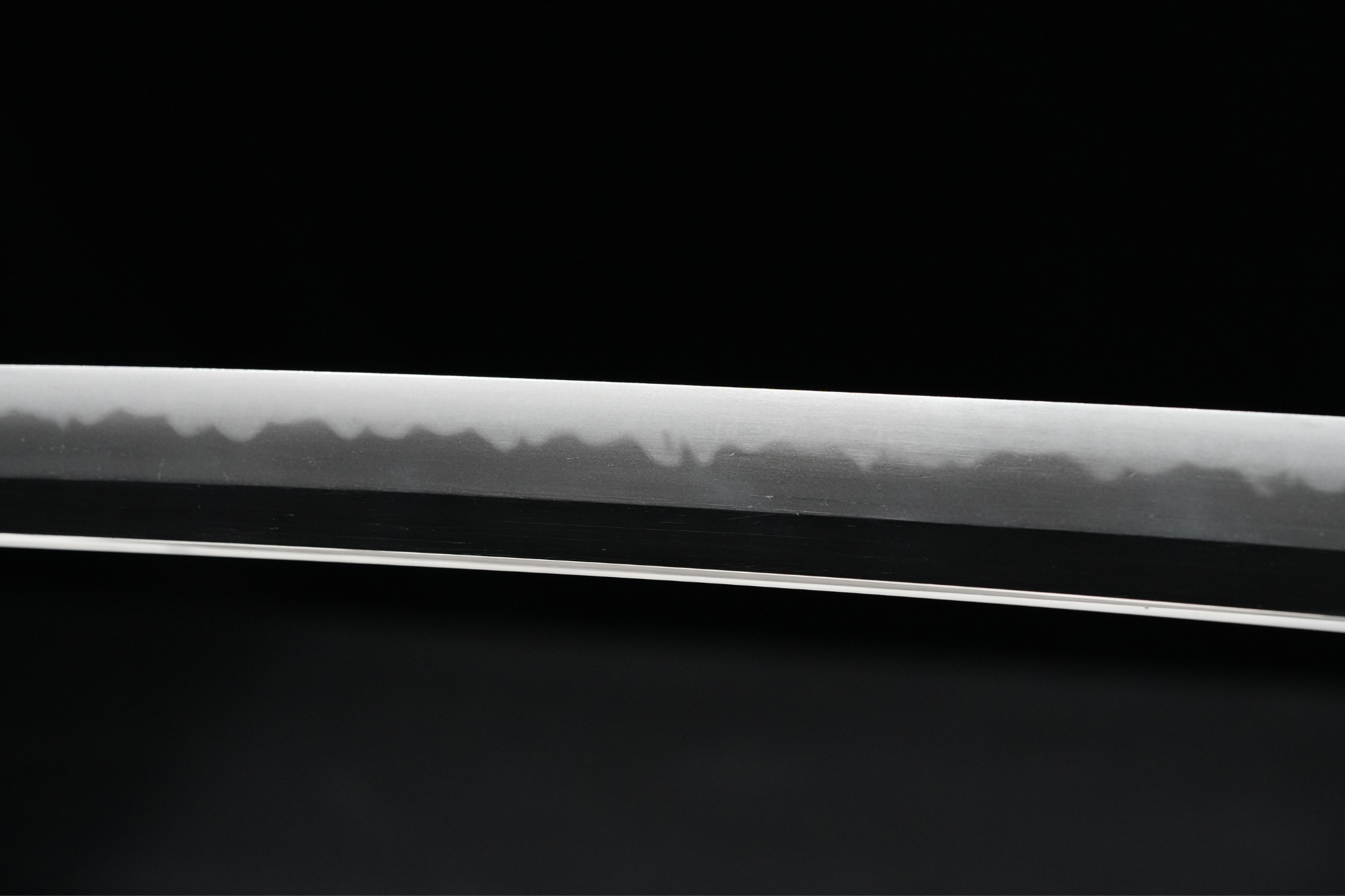
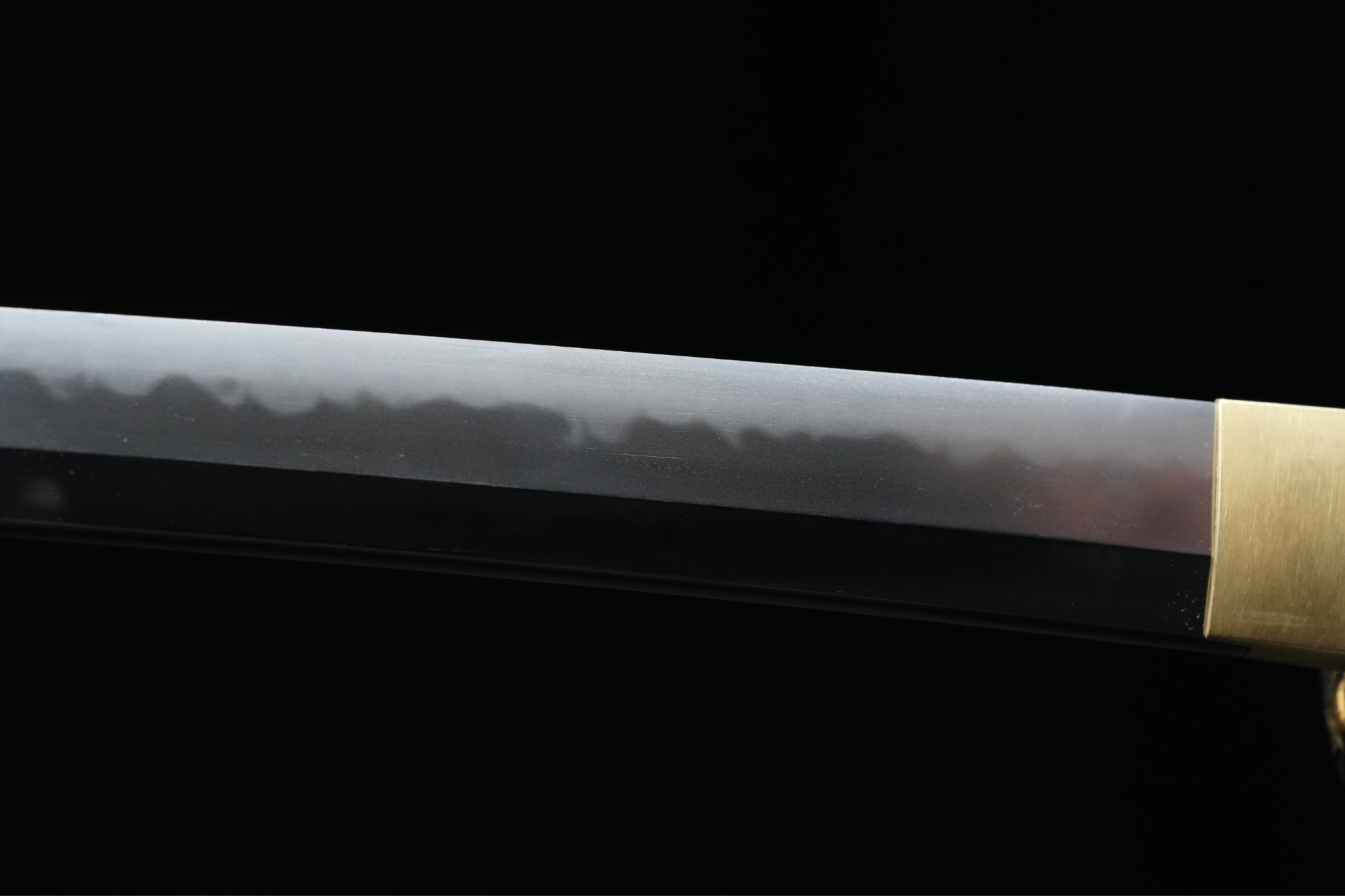
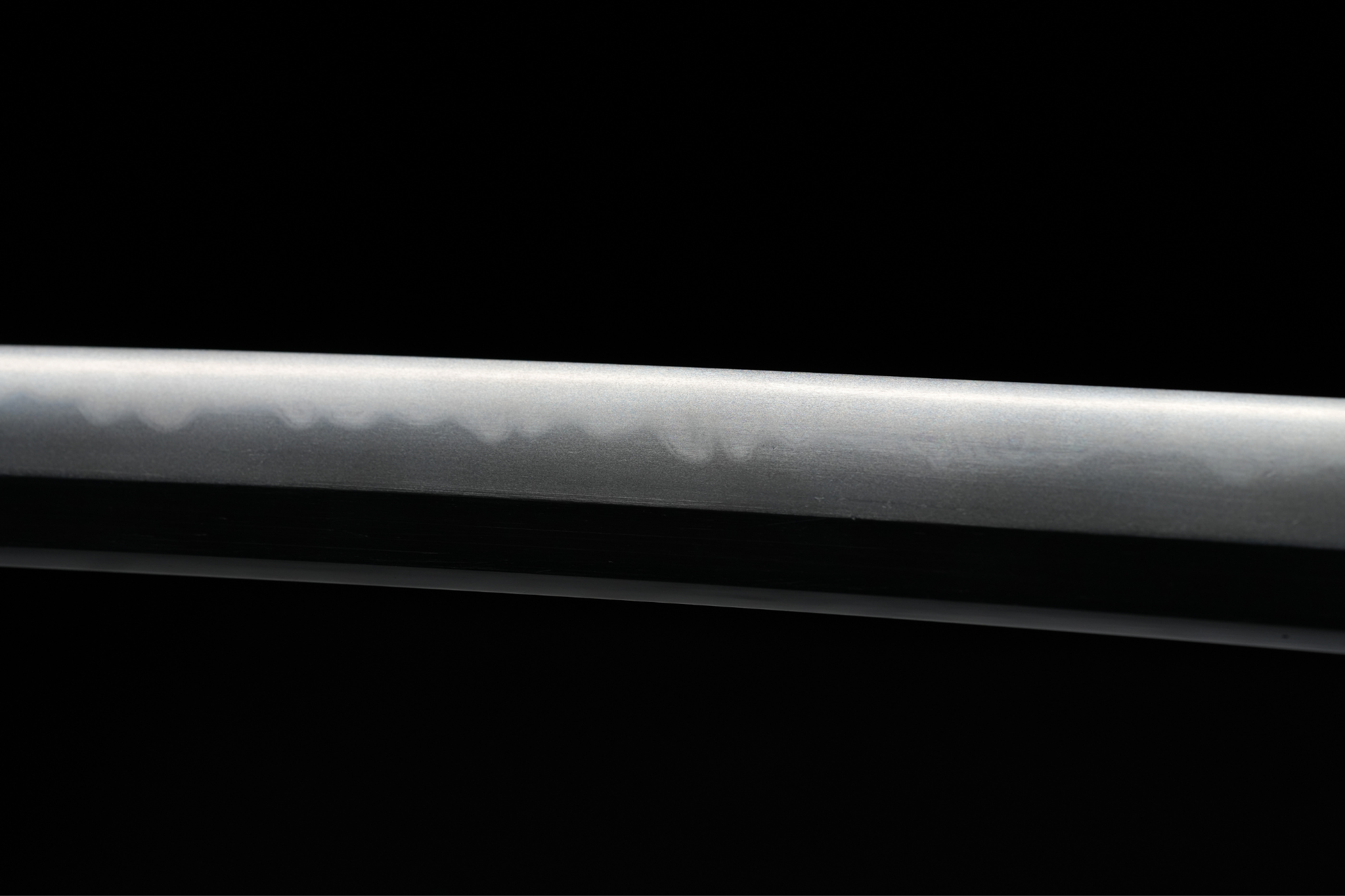
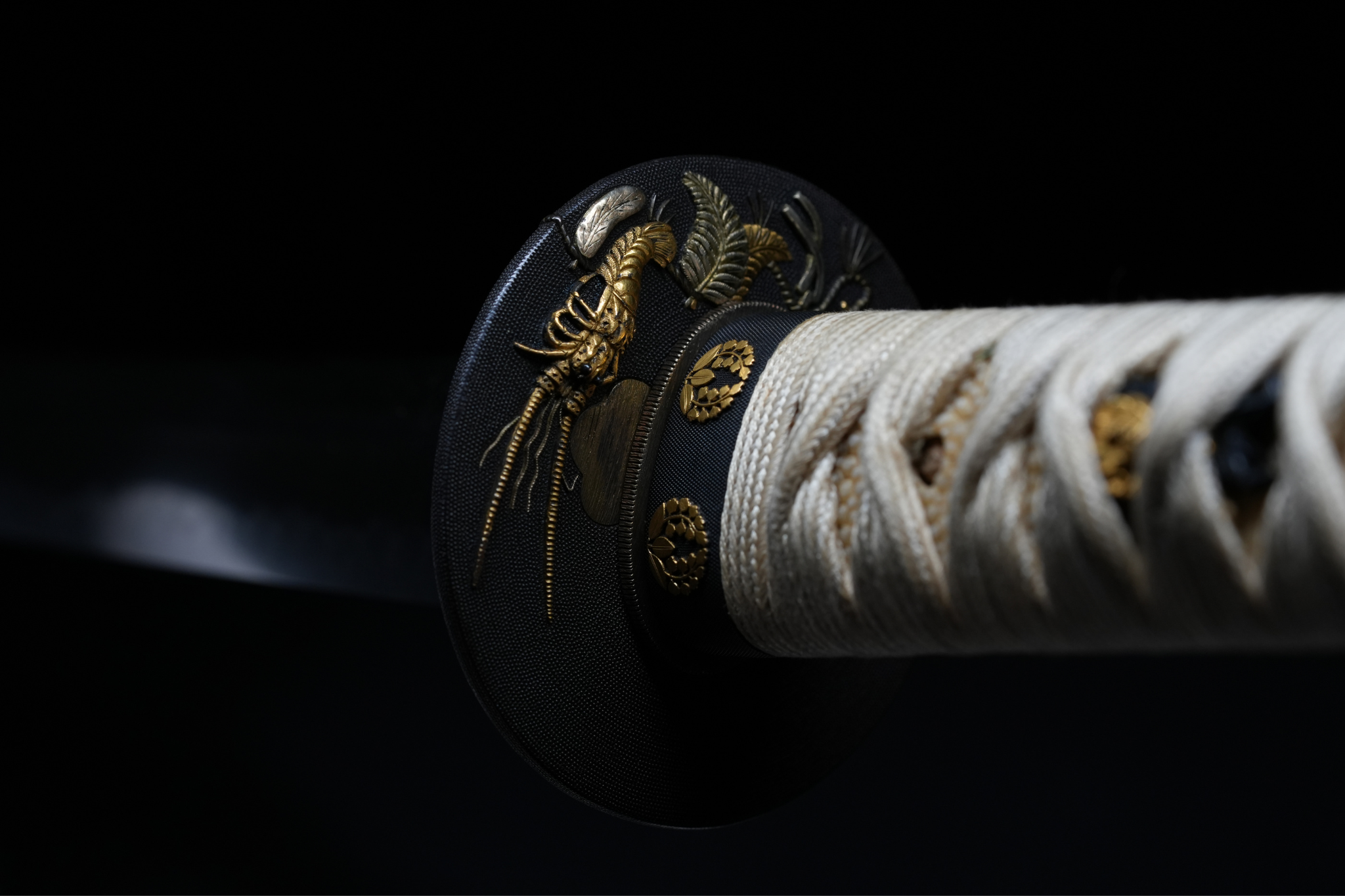
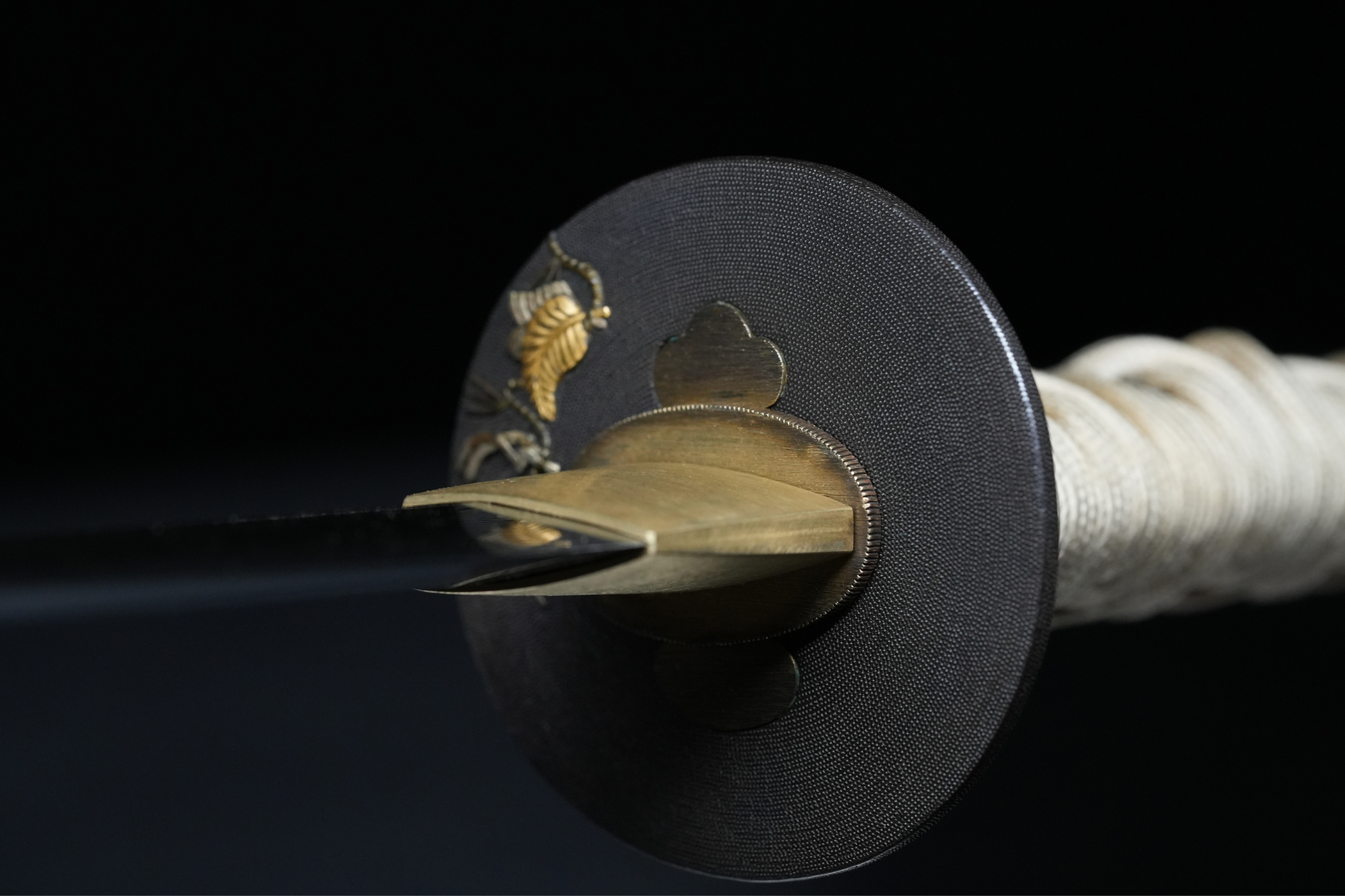
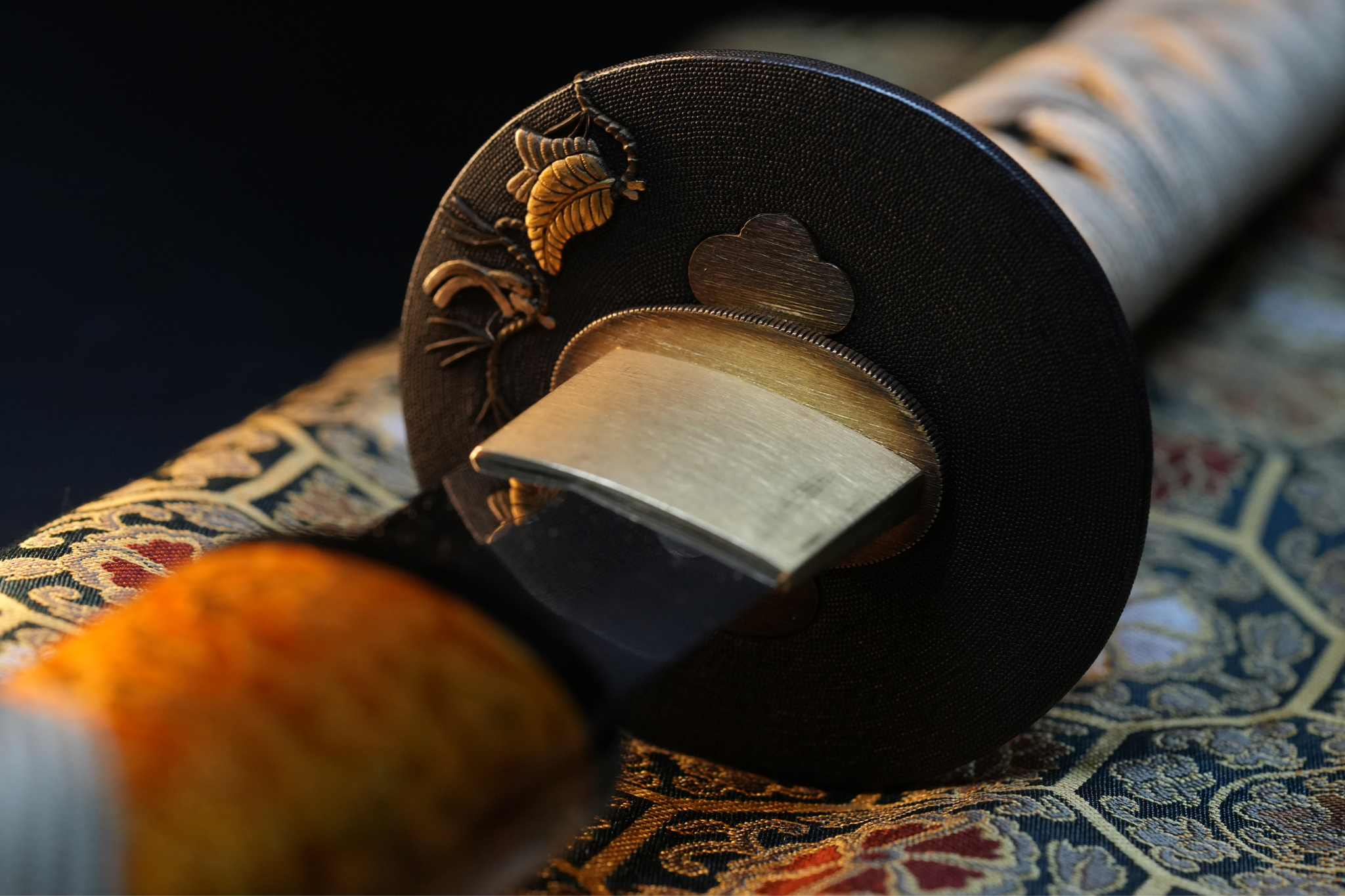
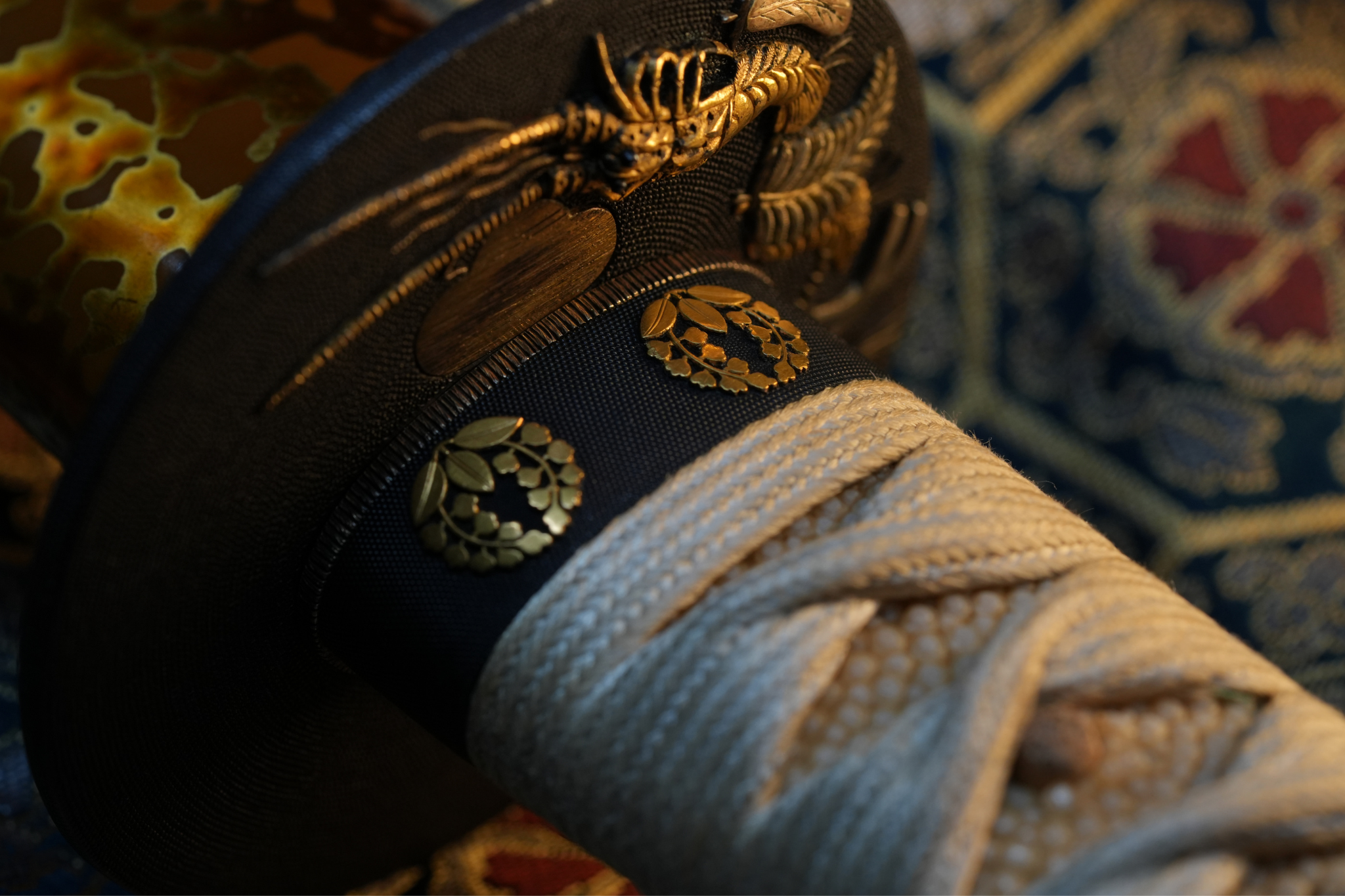
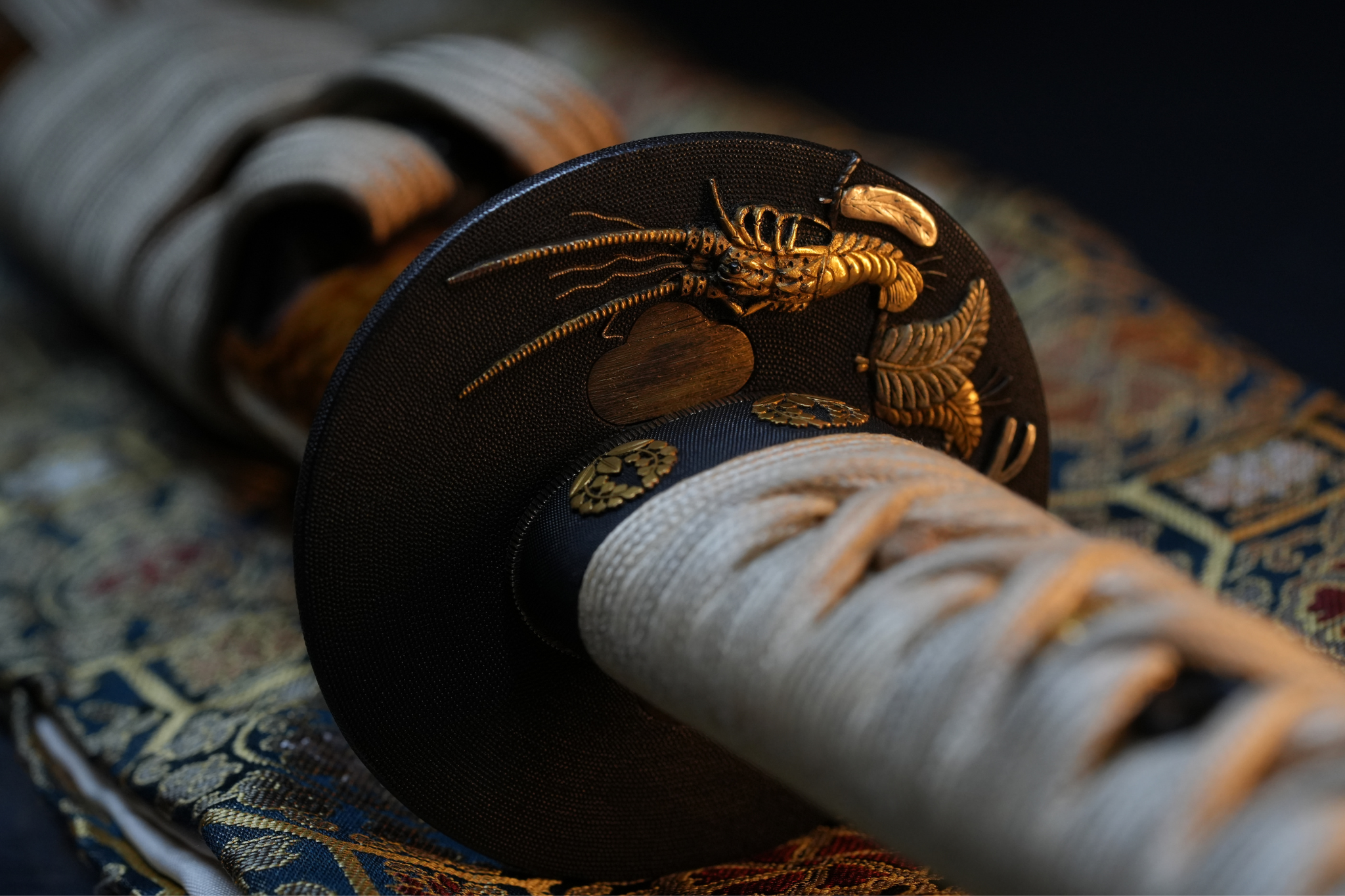
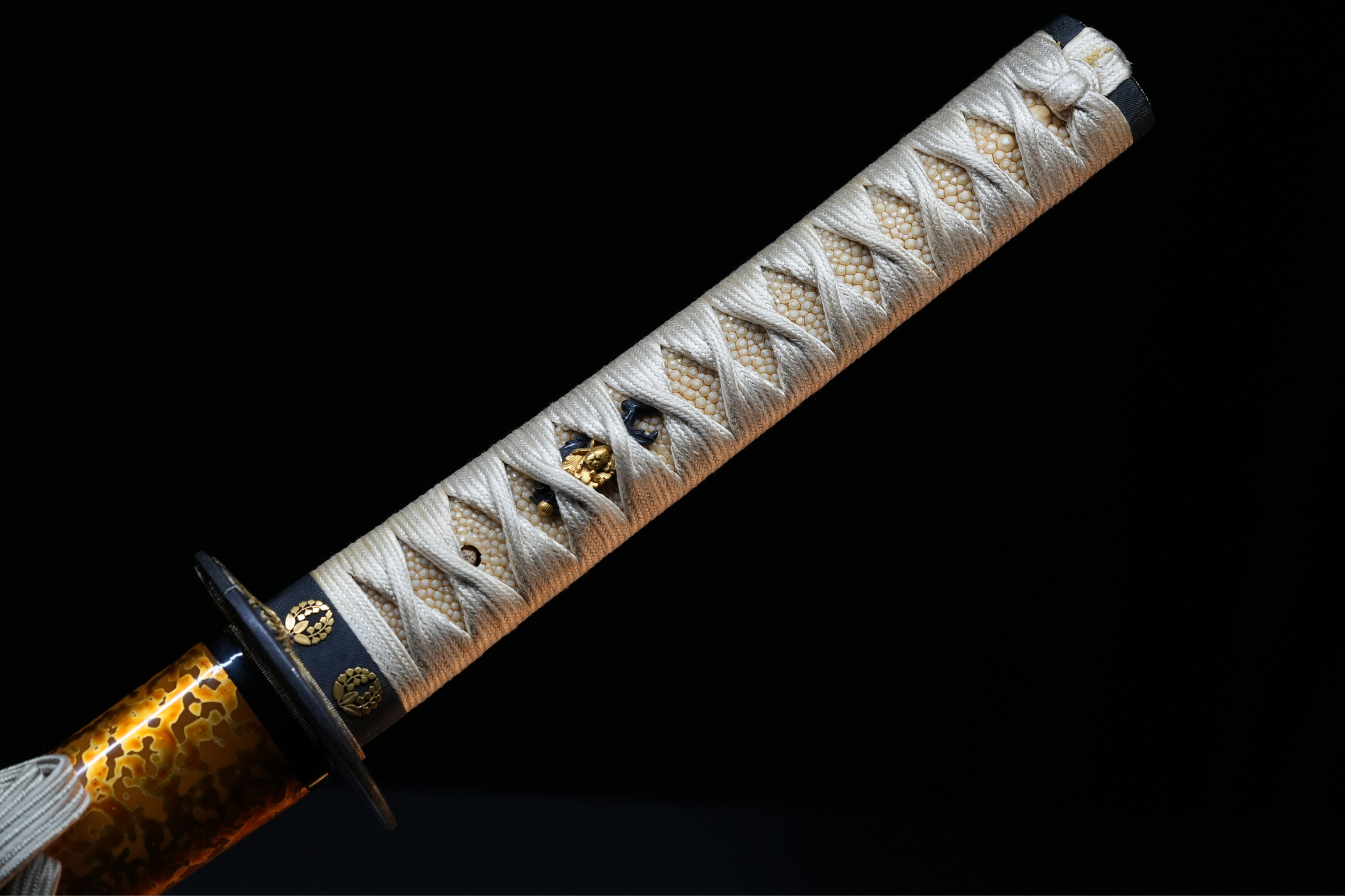
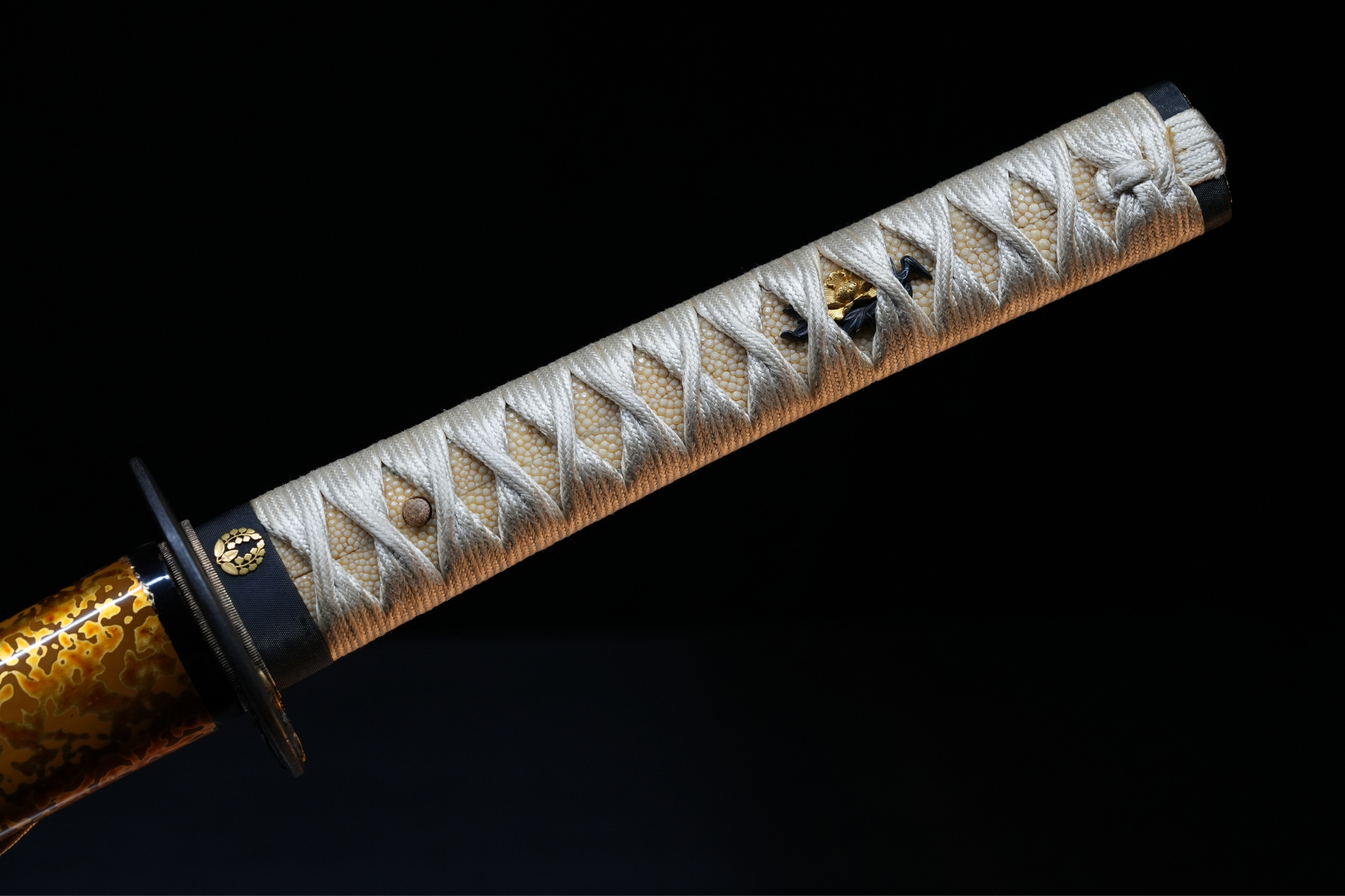
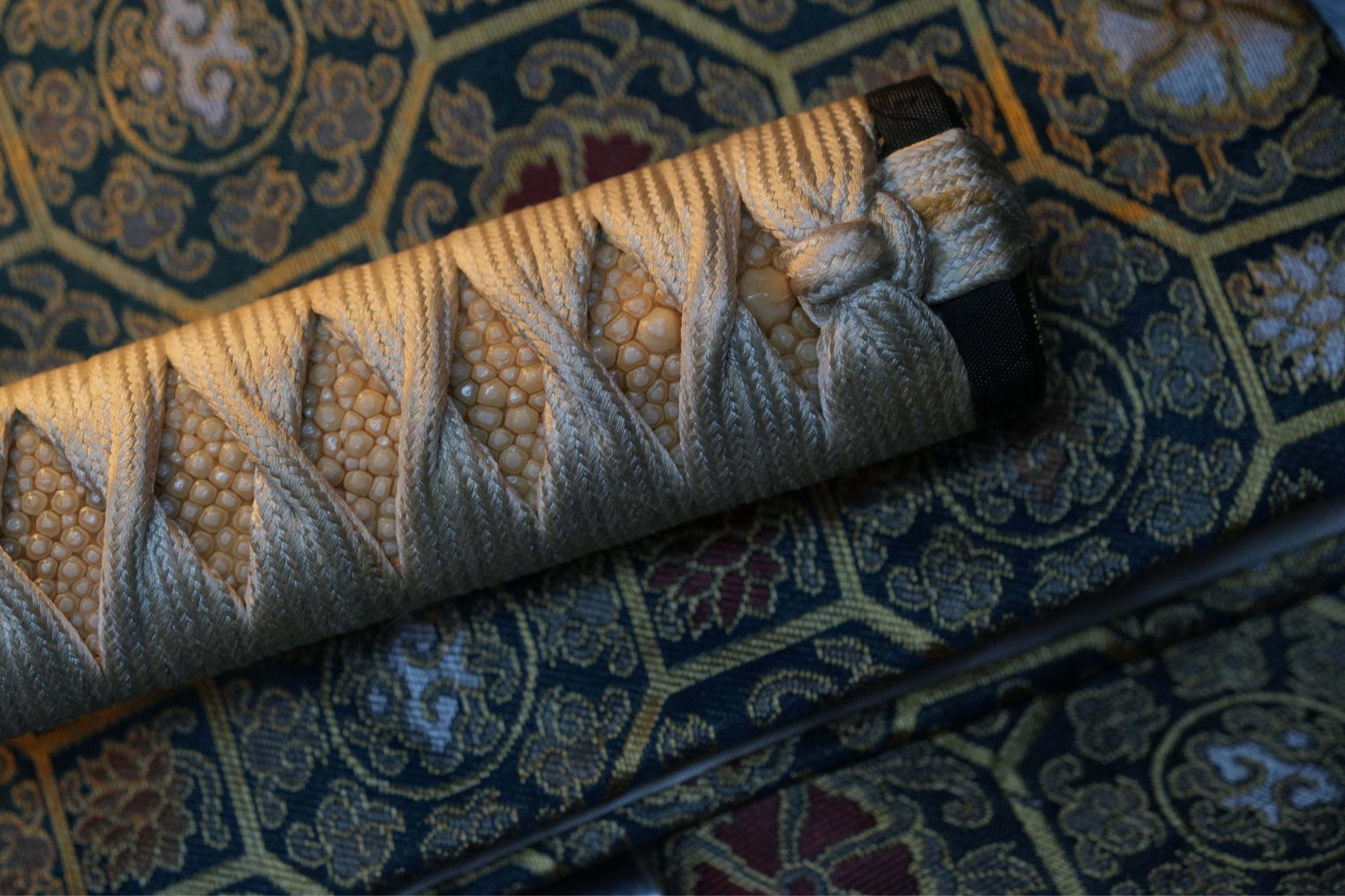
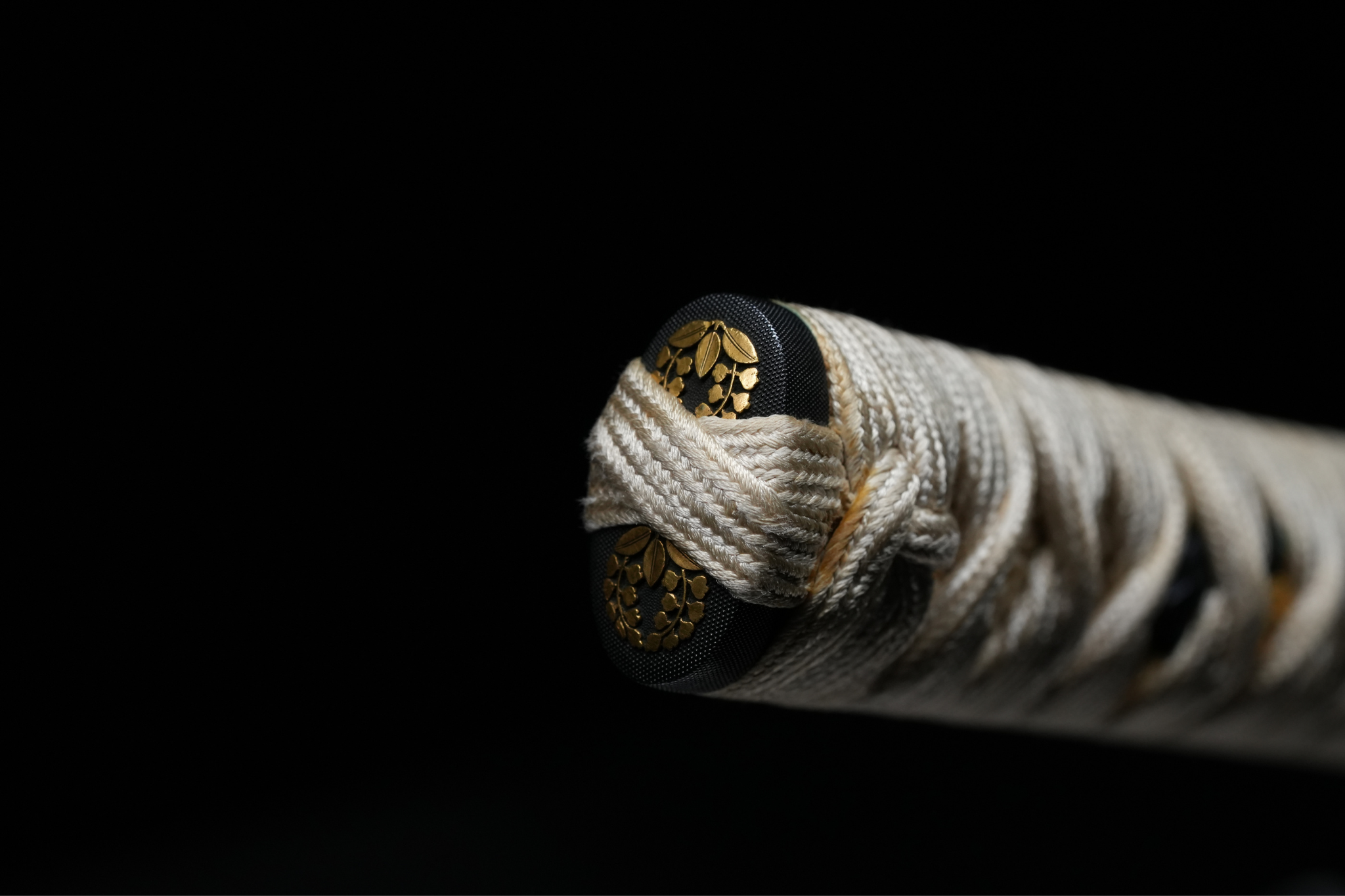
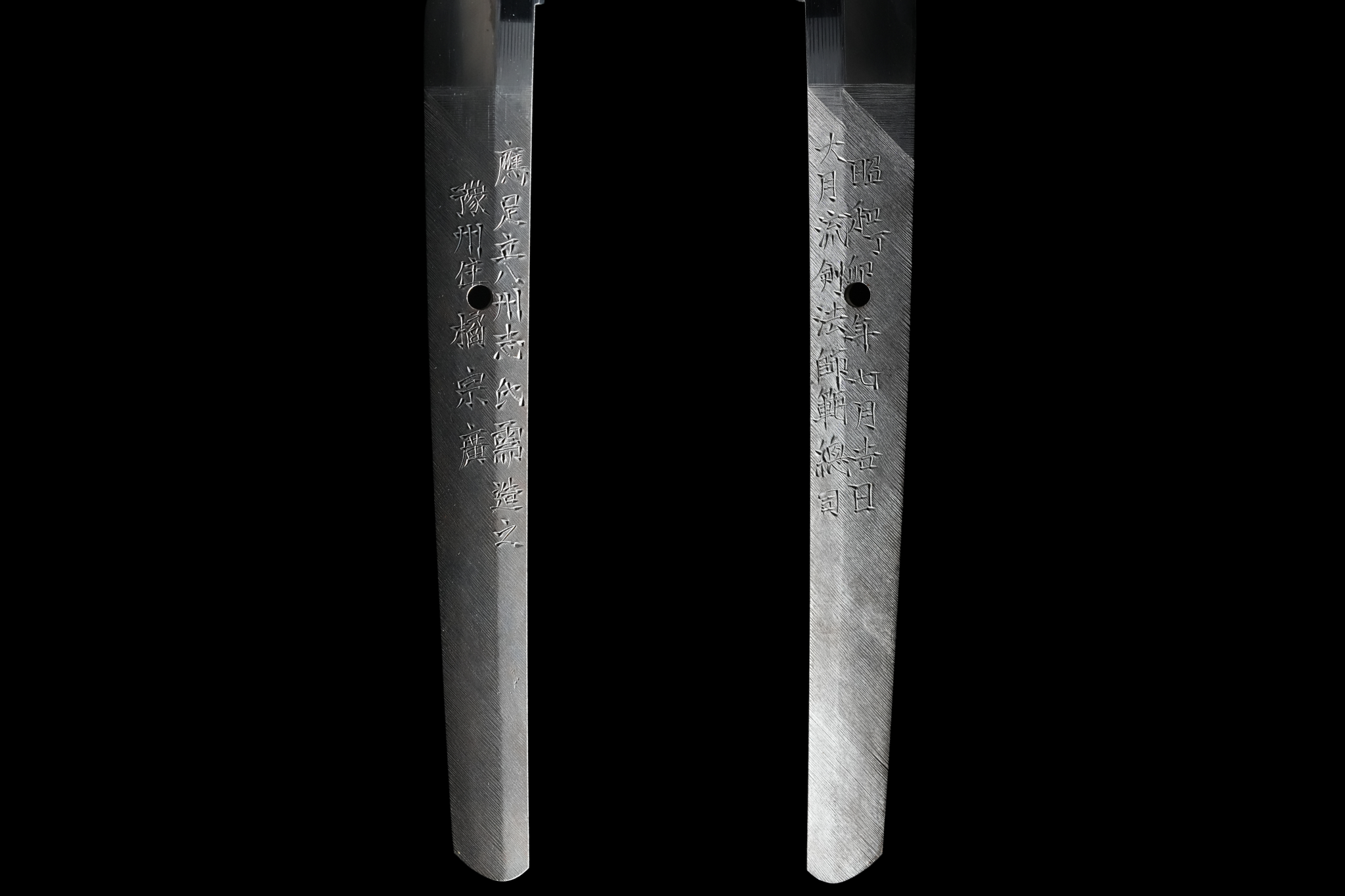
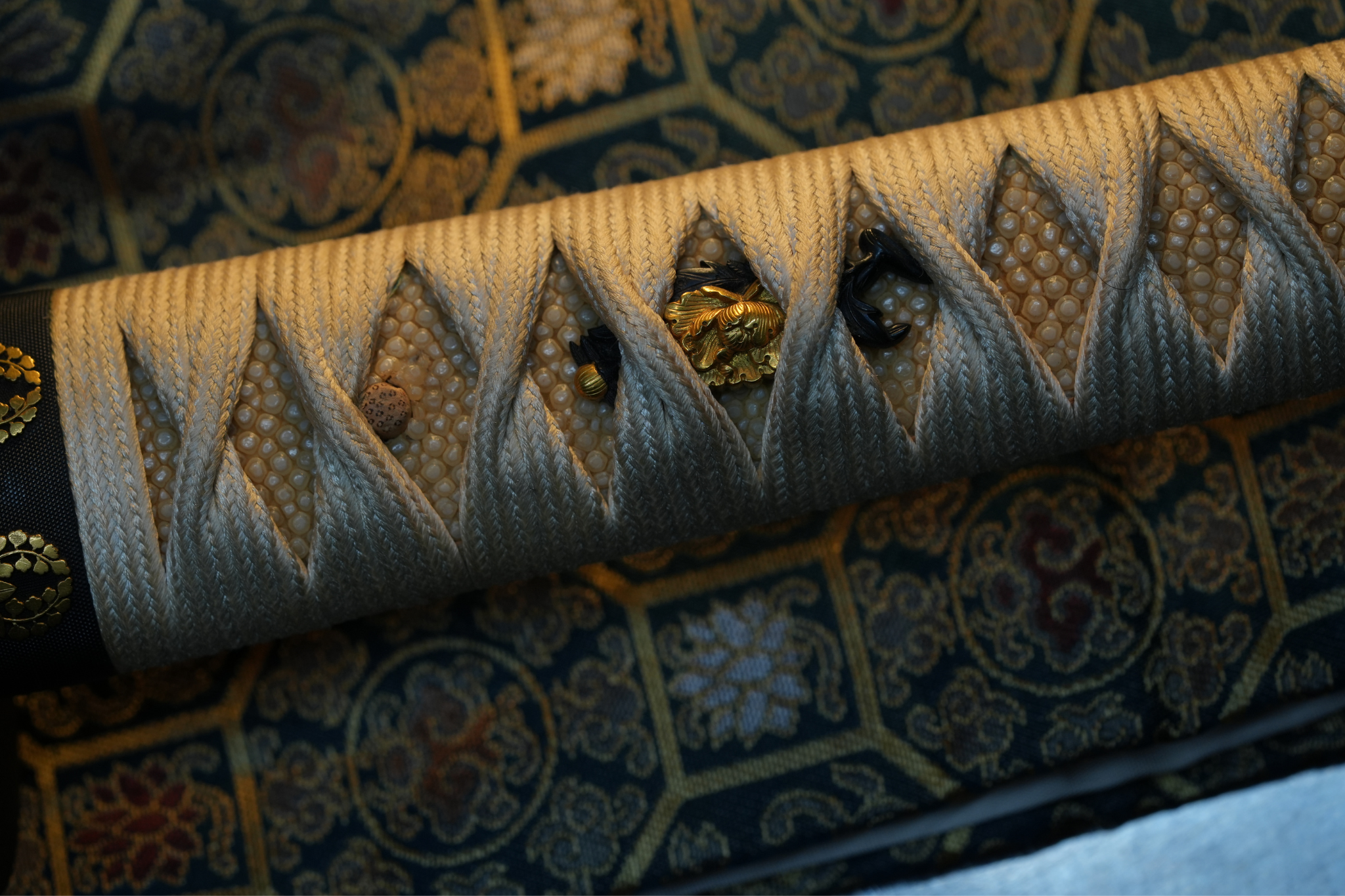
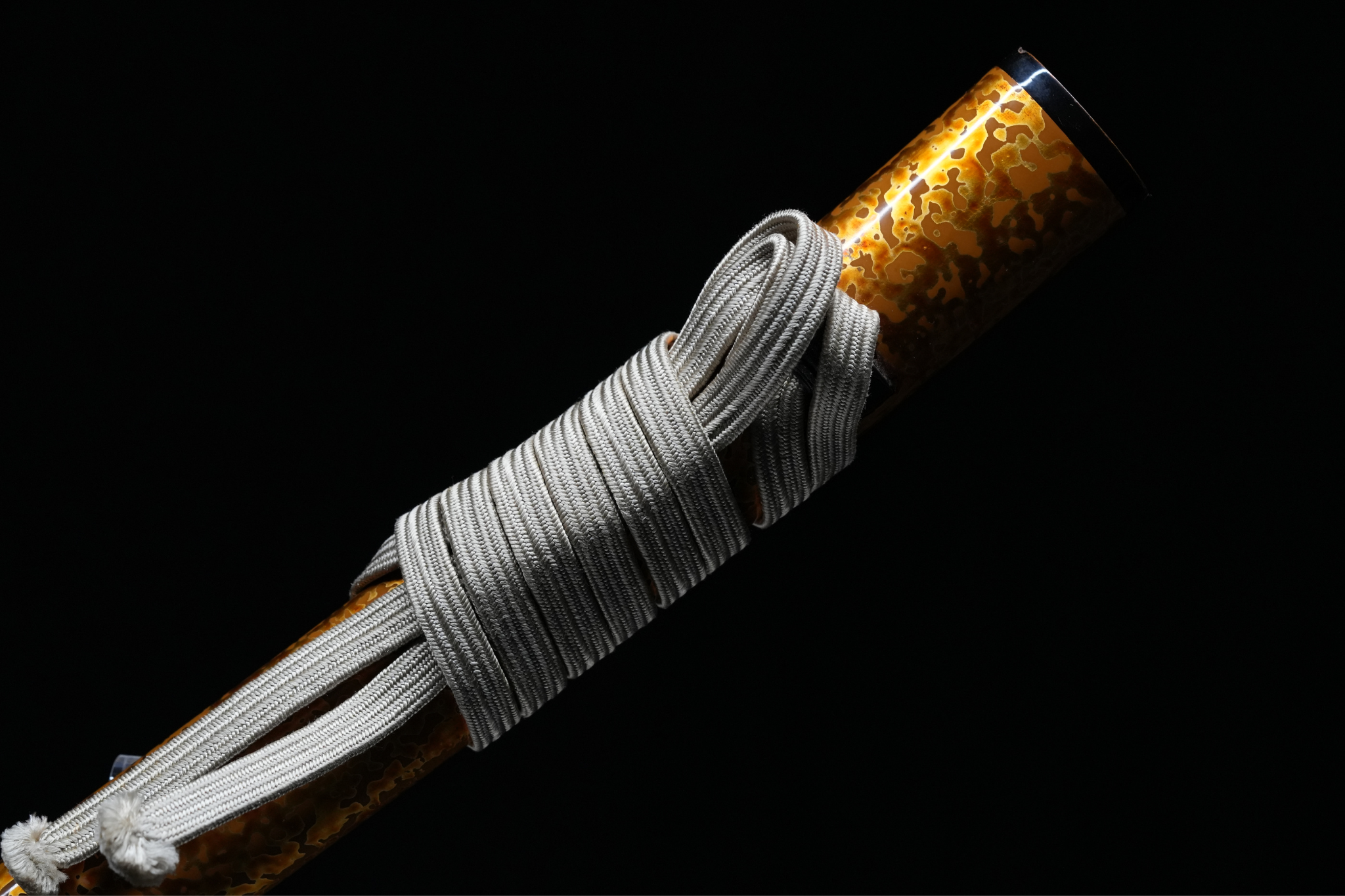
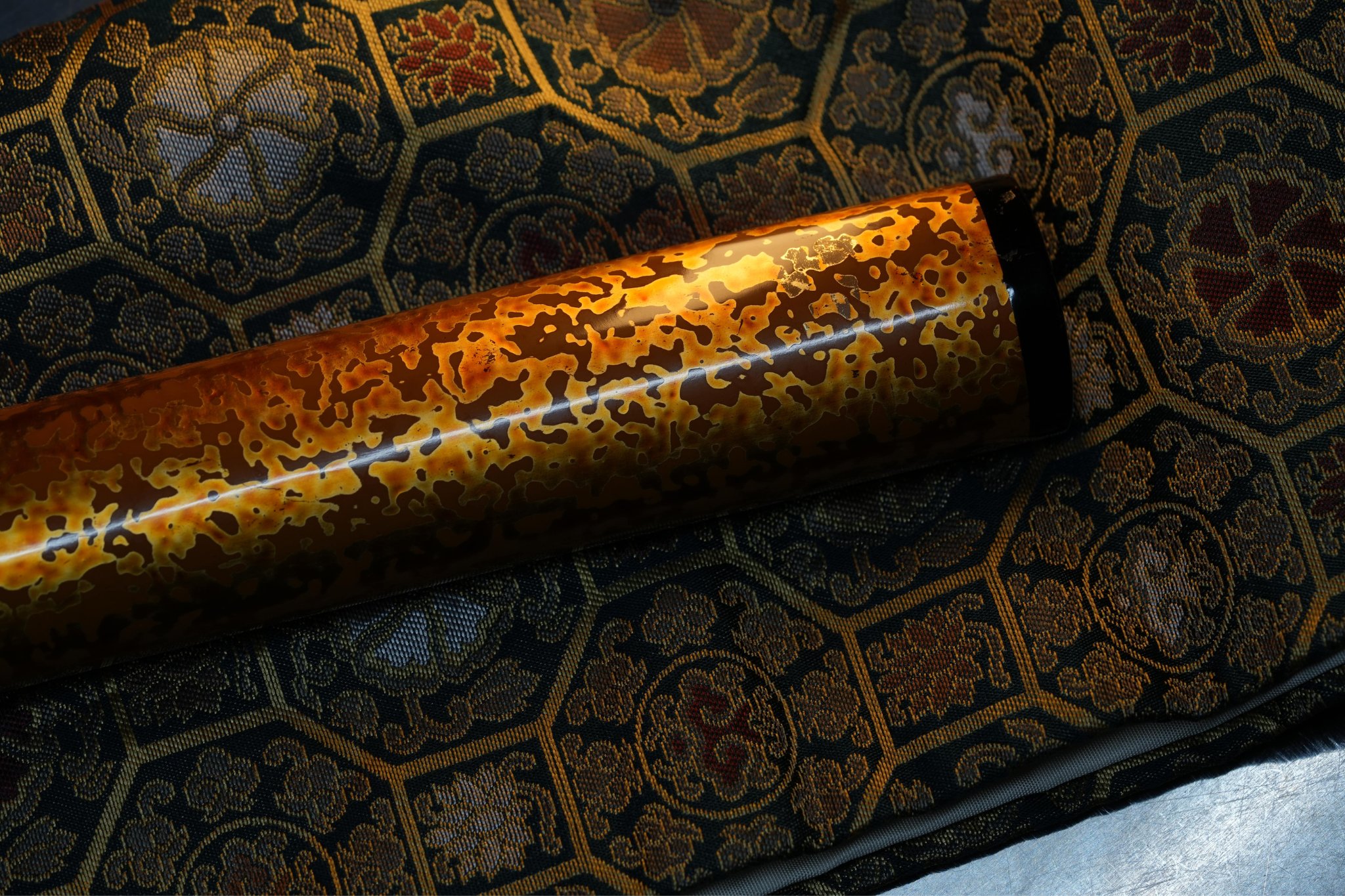
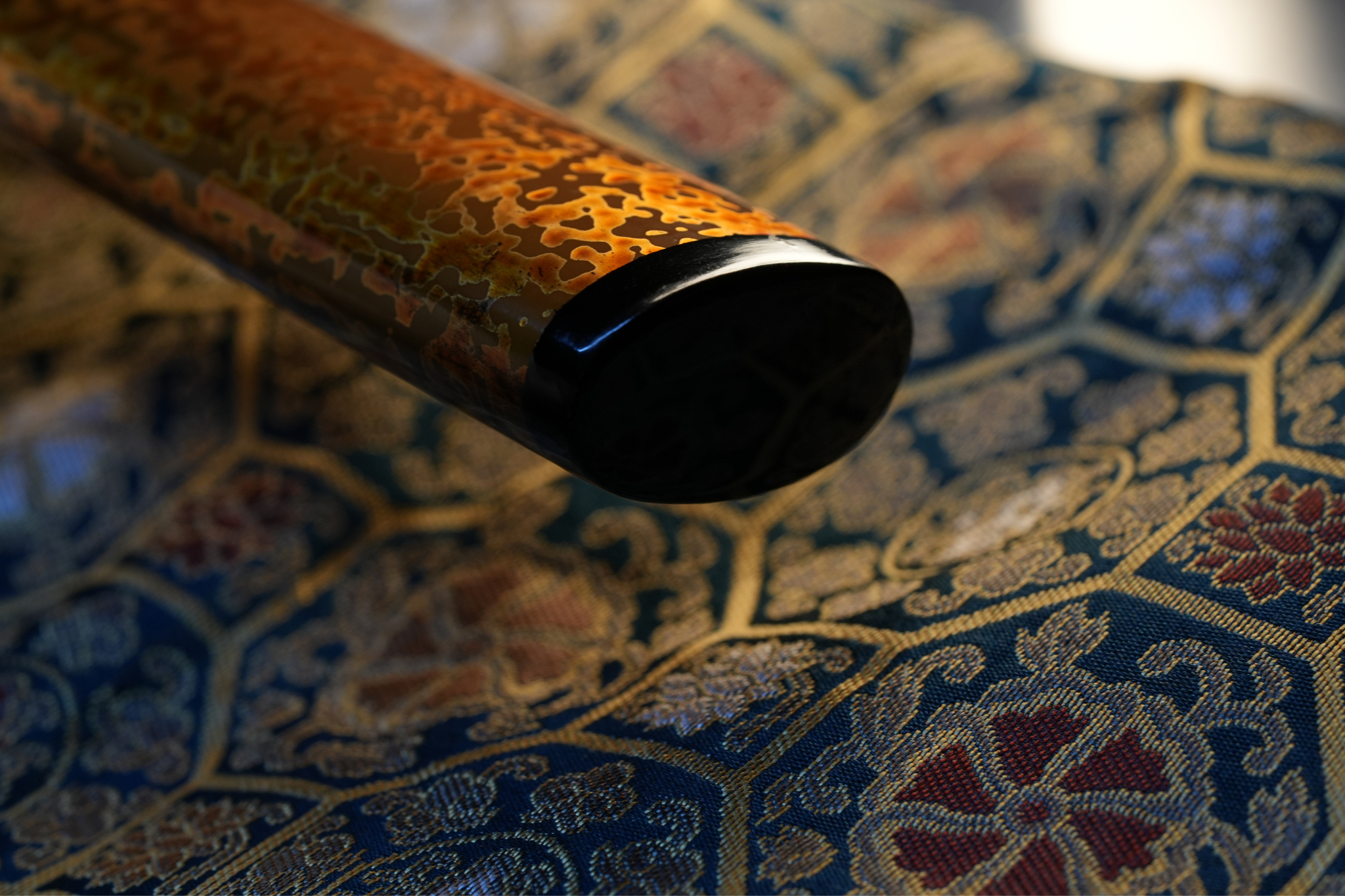
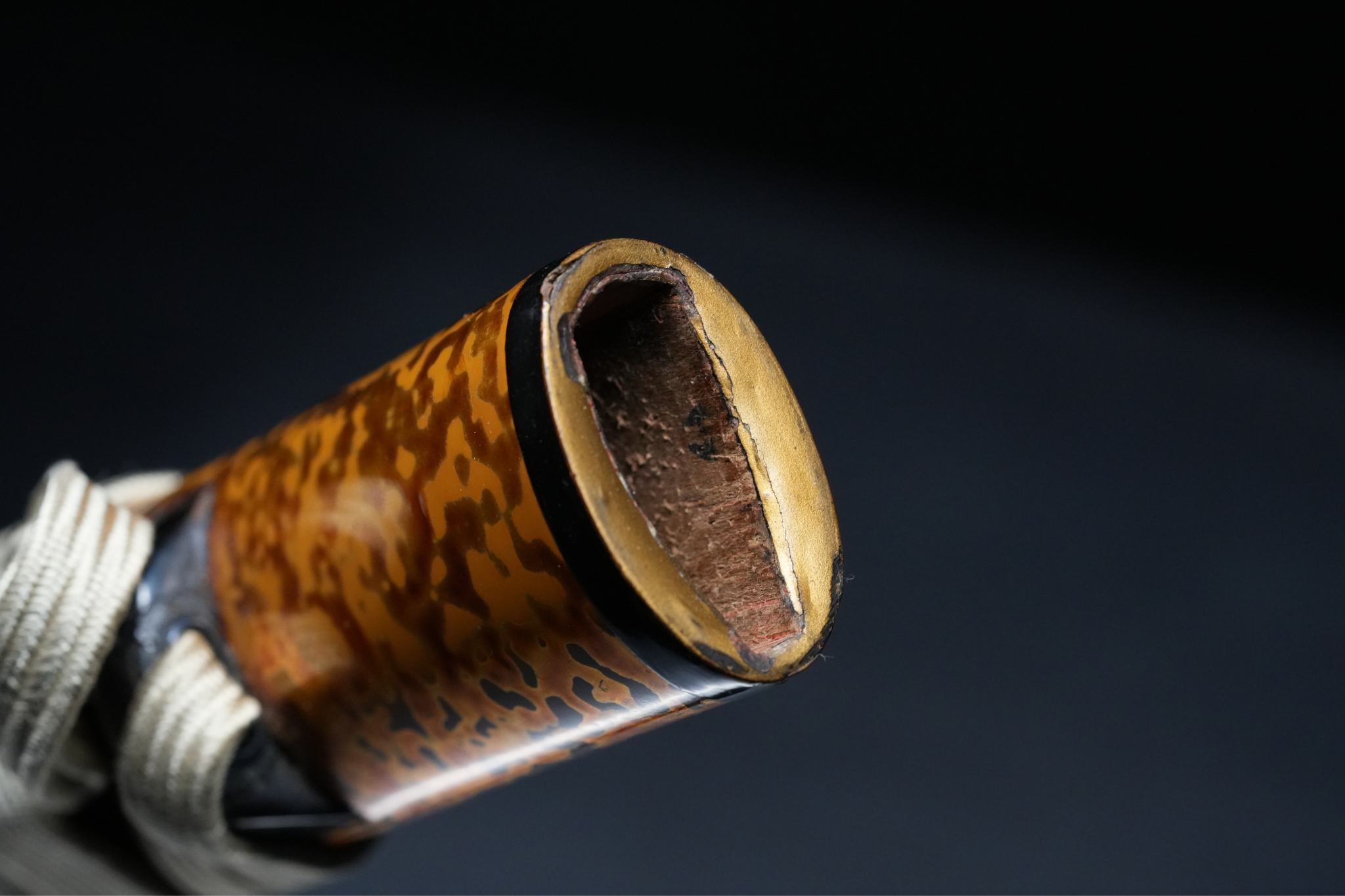
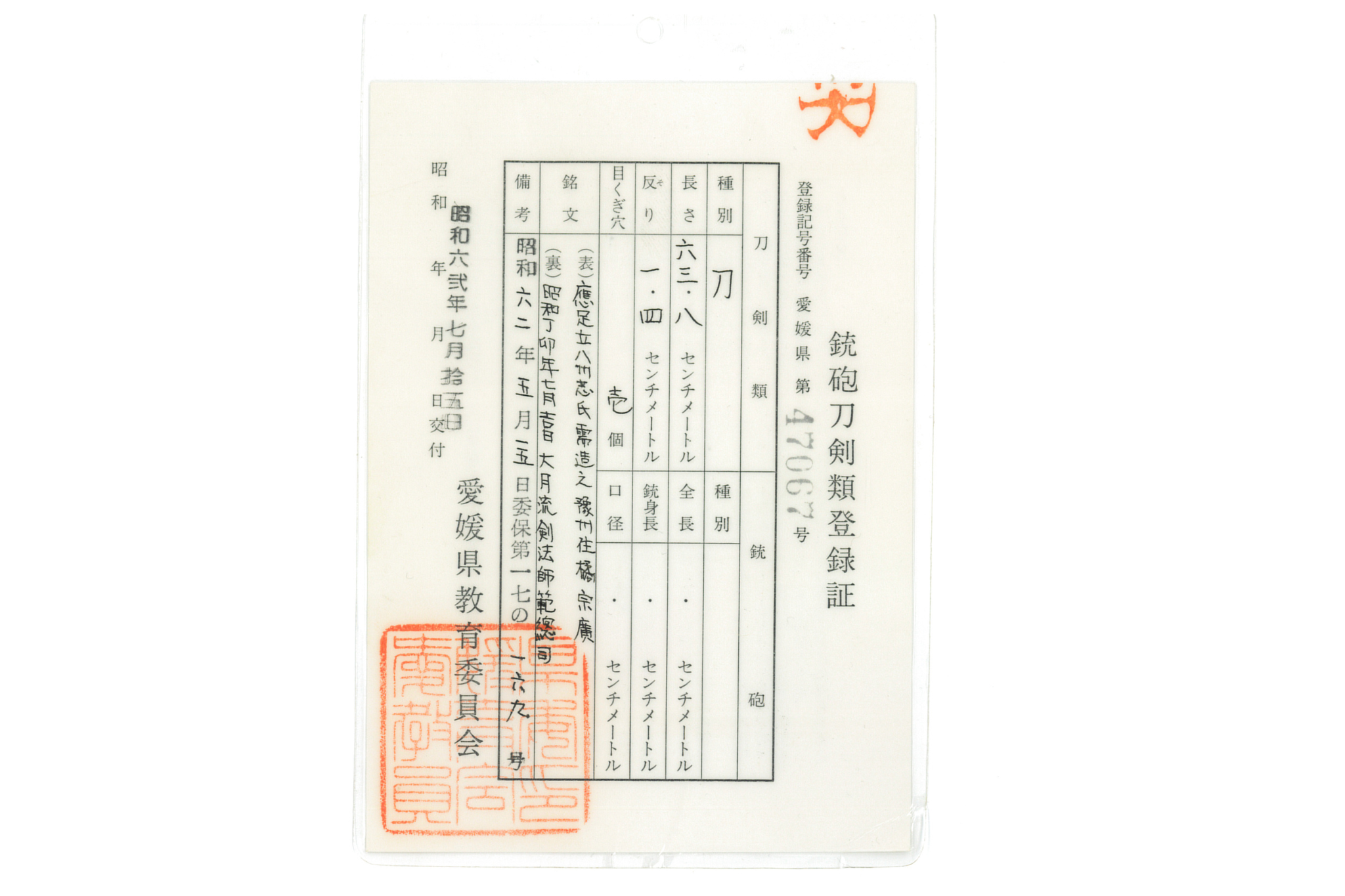
This katana was crafted in the Showa era by Tachibana Munehiro from Yo Shu (modern-day Ehime Prefecture) in July 1987. The blade measures 63.8 cm in nagasa and features a Gunome-choji-midare hamon. It is housed in an elegantly crafted koshirae with gold foil habaki, a gold and shakudo nanako tsuba, and fuchi-gashira signed by Ooka Masatsugu.
 NihontoWatch
mei · Showa (1926-1989) · nagasa 63.8cm · sori 1.4cm
Ehime · around 1926-1989
2 pieces on the market now
Shōwa to the present: destruction and revival
The twentieth century nearly killed the craft twice: wartime distortion, then the occupation ban. The NBTHK’s founding in 1948 and licensed forging from 1953 rebuilt the sword as an art, crowned by Living National Treasures and the mukansa rank.
We could not find an authenticity certificate on the seller’s listing. Japanese swords and fittings are normally papered by the NBTHK (or the NTHK). Without one, the attribution is the seller’s own assessment and has not been independently verified — treat it with caution and ask the dealer about certification before buying.
30-day money-back guarantee from receipt; items must be unused, complete, in original packaging. Sale items Final Sale. Antique swords non-returnable (Japanese export law). Damage reported within 72 hours. Customer pays return shipping unless seller error/defect. Refunds within 14 days of inspection.
This katana was crafted in the Showa era by Tachibana Munehiro from Yo Shu (modern-day Ehime Prefecture) in July 1987. The blade measures 63.8 cm in nagasa and features a Gunome-choji-midare hamon. It is housed in an elegantly crafted koshirae with gold foil habaki, a gold and shakudo nanako tsuba, and fuchi-gashira signed by Ooka Masatsugu.
NihontoWatchmei · Showa (1926-1989) · nagasa 63.8cm · sori 1.4cm
Ehime · around 1926-1989
2 pieces on the market now
Shōwa to the present: destruction and revival
The twentieth century nearly killed the craft twice: wartime distortion, then the occupation ban. The NBTHK’s founding in 1948 and licensed forging from 1953 rebuilt the sword as an art, crowned by Living National Treasures and the mukansa rank.
We could not find an authenticity certificate on the seller’s listing. Japanese swords and fittings are normally papered by the NBTHK (or the NTHK). Without one, the attribution is the seller’s own assessment and has not been independently verified — treat it with caution and ask the dealer about certification before buying.
30-day money-back guarantee from receipt; items must be unused, complete, in original packaging. Sale items Final Sale. Antique swords non-returnable (Japanese export law). Damage reported within 72 hours. Customer pays return shipping unless seller error/defect. Refunds within 14 days of inspection.