Edo was the sword’s age of connoisseurship: the Hon’ami appraisers, the shogunal register of famous blades of 1719, and a thriving literature turned the sword into an object of study even as it ceased to be drawn in war.
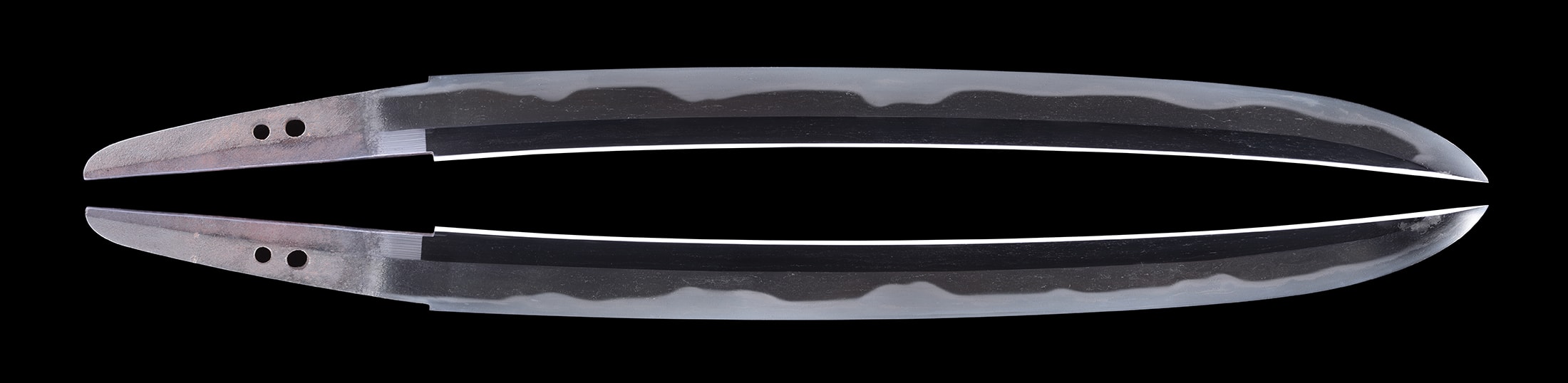
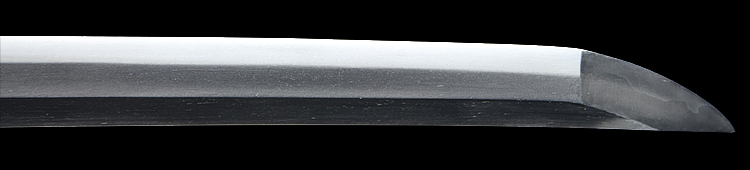
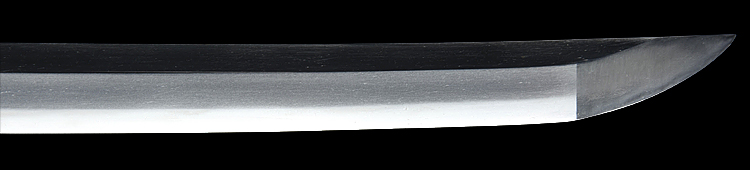
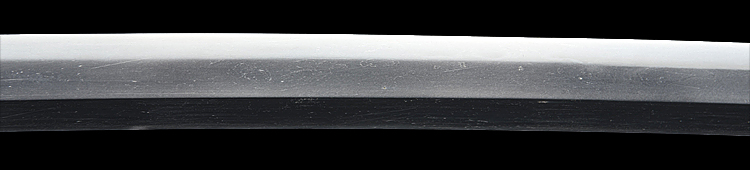
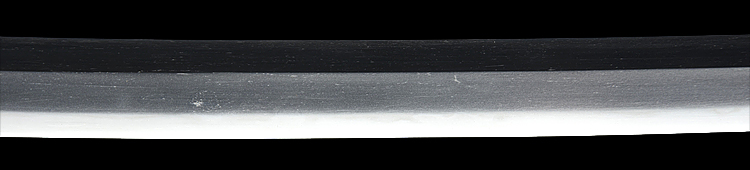
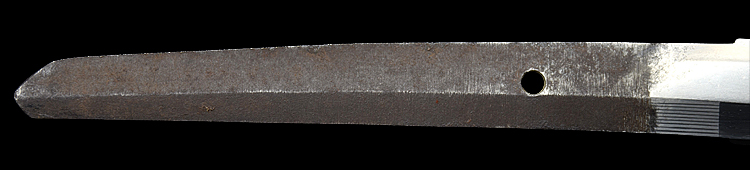
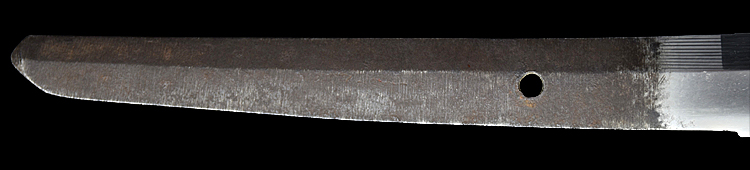
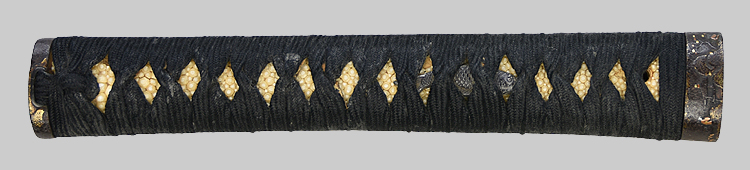
This is an unsigned katana attributed to Iehira of Kaga province, active during the Edo period. It features a honsan-zukuri iori-mune construction with an ubu-nakago. The hada is itame mixed with mokume, showing chikei and shirake-utsuri. The hamon is chu-suguha mixed with ko-midare, with ashi, kinsuji, and sunagashi. It comes with a shirasaya and a kuro-ishime-nuri uchigatana koshirae, and is accompanied by a NTHK certificate.
 NihontoWatch
mumei · Kanbun (1661-1673) · nagasa 68cm · sori 1.5cm




Kaga · around 1661-1673
Fujishiro Chu-jo saku · Tōken Taikan top 76%
3 pieces on the market now
The Edo period (1615 to 1868)
Edo was the sword’s age of connoisseurship: the Hon’ami appraisers, the shogunal register of famous blades of 1719, and a thriving literature turned the sword into an object of study even as it ceased to be drawn in war.
The NTHK’s principal certificate, issued for a blade of considerable quality. It confirms a genuine signature, or, for an unsigned (mumei) work, records the judges’ attribution to a smith or school. The paper carries a detailed worksheet with a numerical point score.
The NTHK (Nihon Tōken Hozon Kai, the Society for the Preservation of the Japanese Sword) is the oldest of Japan’s sword-appraisal bodies, founded in 1910, decades before the NBTHK. After the death of its long-serving head it divided into two successor societies, the NTHK and the NTHK-NPO, both of which continue to hold shinsa. NTHK certificates are known for a detailed worksheet that records a numerical point score alongside the judges’ written opinion, and the society is especially respected for its attribution of unsigned (mumei) work.
Within one week of the item's arrival (cooling-off is possible within Japan only). For defects that differ from the purchase conditions, we will accept the return and refund the payment. For other cases such as overseas, we will consult separately.
¥290,000
This is an unsigned katana attributed to Iehira of Kaga province, active during the Edo period. It features a honsan-zukuri iori-mune construction with an ubu-nakago. The hada is itame mixed with mokume, showing chikei and shirake-utsuri. The hamon is chu-suguha mixed with ko-midare, with ashi, kinsuji, and sunagashi. It comes with a shirasaya and a kuro-ishime-nuri uchigatana koshirae, and is accompanied by a NTHK certificate.
NihontoWatchmumei · Kanbun (1661-1673) · nagasa 68cm · sori 1.5cm
Kaga · around 1661-1673
Fujishiro Chu-jo saku · Tōken Taikan top 76%
3 pieces on the market now
The Edo period (1615 to 1868)
Edo was the sword’s age of connoisseurship: the Hon’ami appraisers, the shogunal register of famous blades of 1719, and a thriving literature turned the sword into an object of study even as it ceased to be drawn in war.
The NTHK’s principal certificate, issued for a blade of considerable quality. It confirms a genuine signature, or, for an unsigned (mumei) work, records the judges’ attribution to a smith or school. The paper carries a detailed worksheet with a numerical point score.
The NTHK (Nihon Tōken Hozon Kai, the Society for the Preservation of the Japanese Sword) is the oldest of Japan’s sword-appraisal bodies, founded in 1910, decades before the NBTHK. After the death of its long-serving head it divided into two successor societies, the NTHK and the NTHK-NPO, both of which continue to hold shinsa. NTHK certificates are known for a detailed worksheet that records a numerical point score alongside the judges’ written opinion, and the society is especially respected for its attribution of unsigned (mumei) work.
Within one week of the item's arrival (cooling-off is possible within Japan only). For defects that differ from the purchase conditions, we will accept the return and refund the payment. For other cases such as overseas, we will consult separately.
¥290,000