Muromachi turned sword making into an industry: the uchigatana rose with massed infantry warfare, Osafune and Seki produced bundle swords beside custom orders, and the Ming trade carried Japanese blades abroad by the tens of thousands.
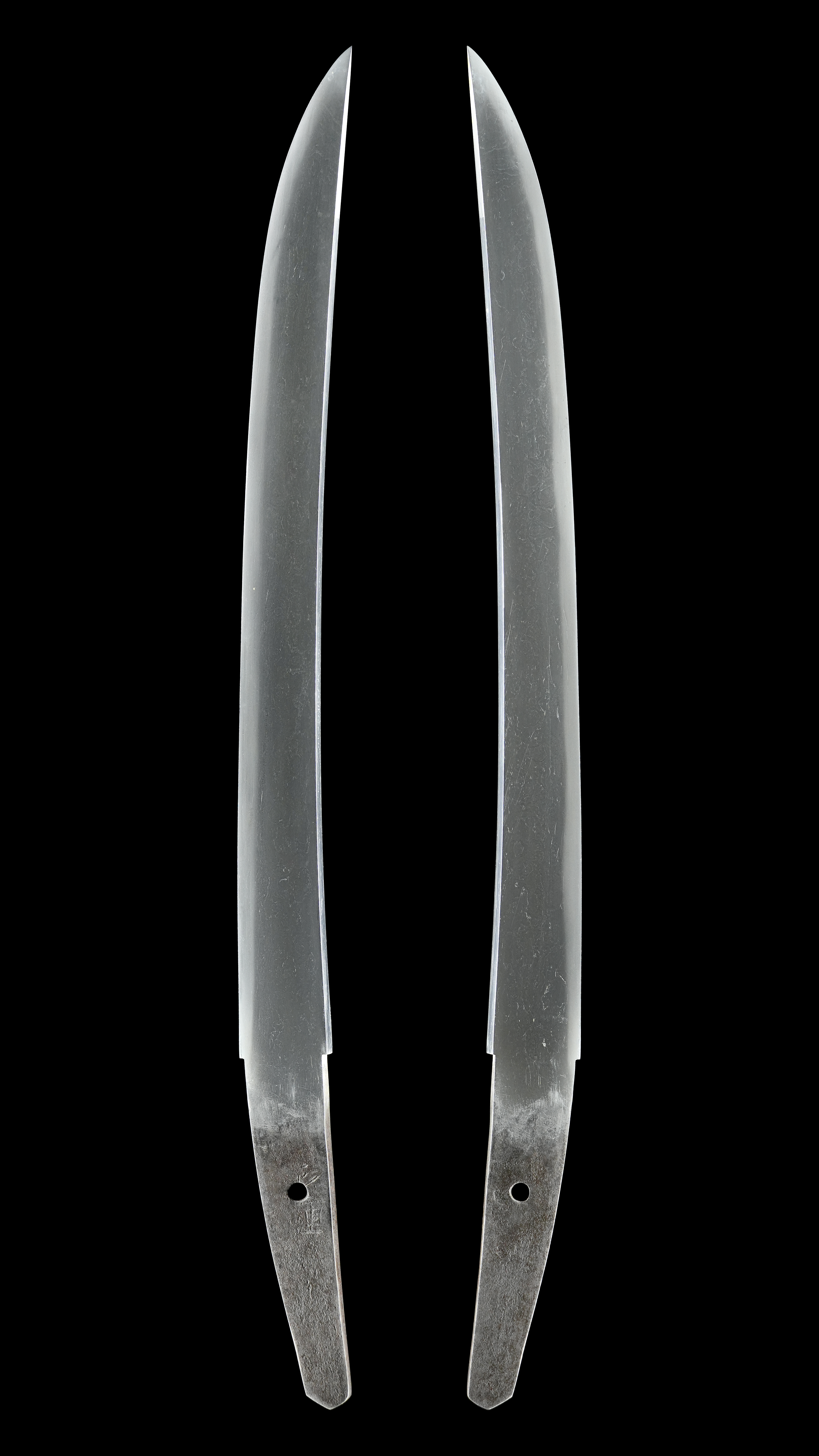
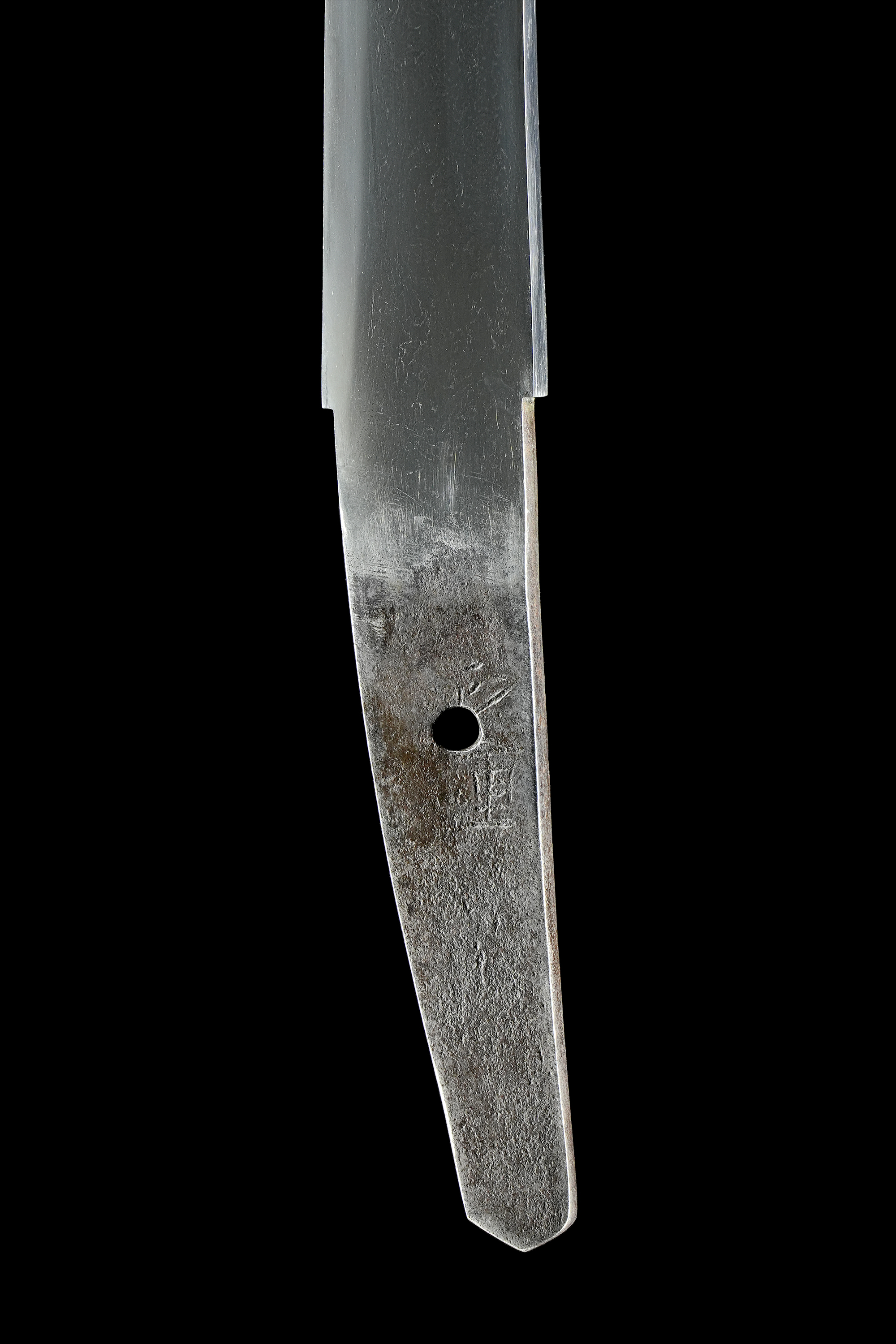
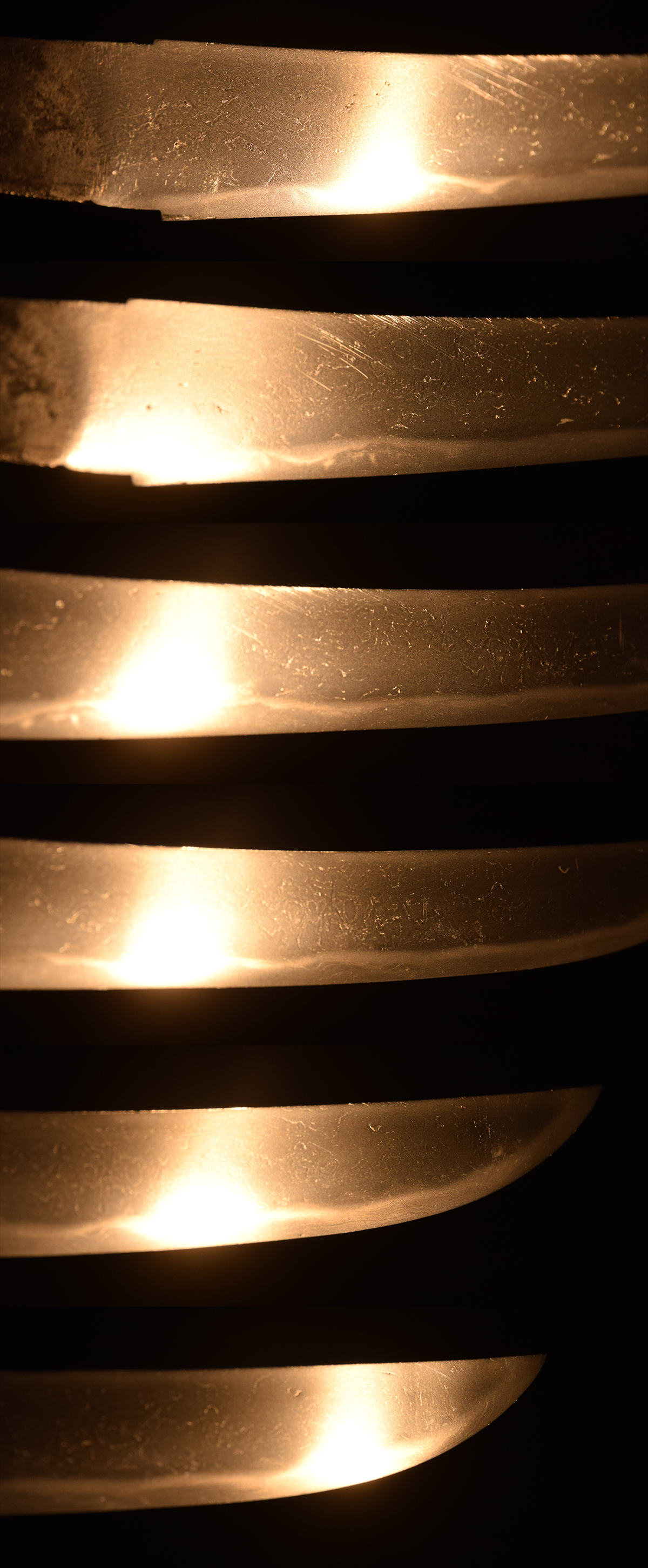
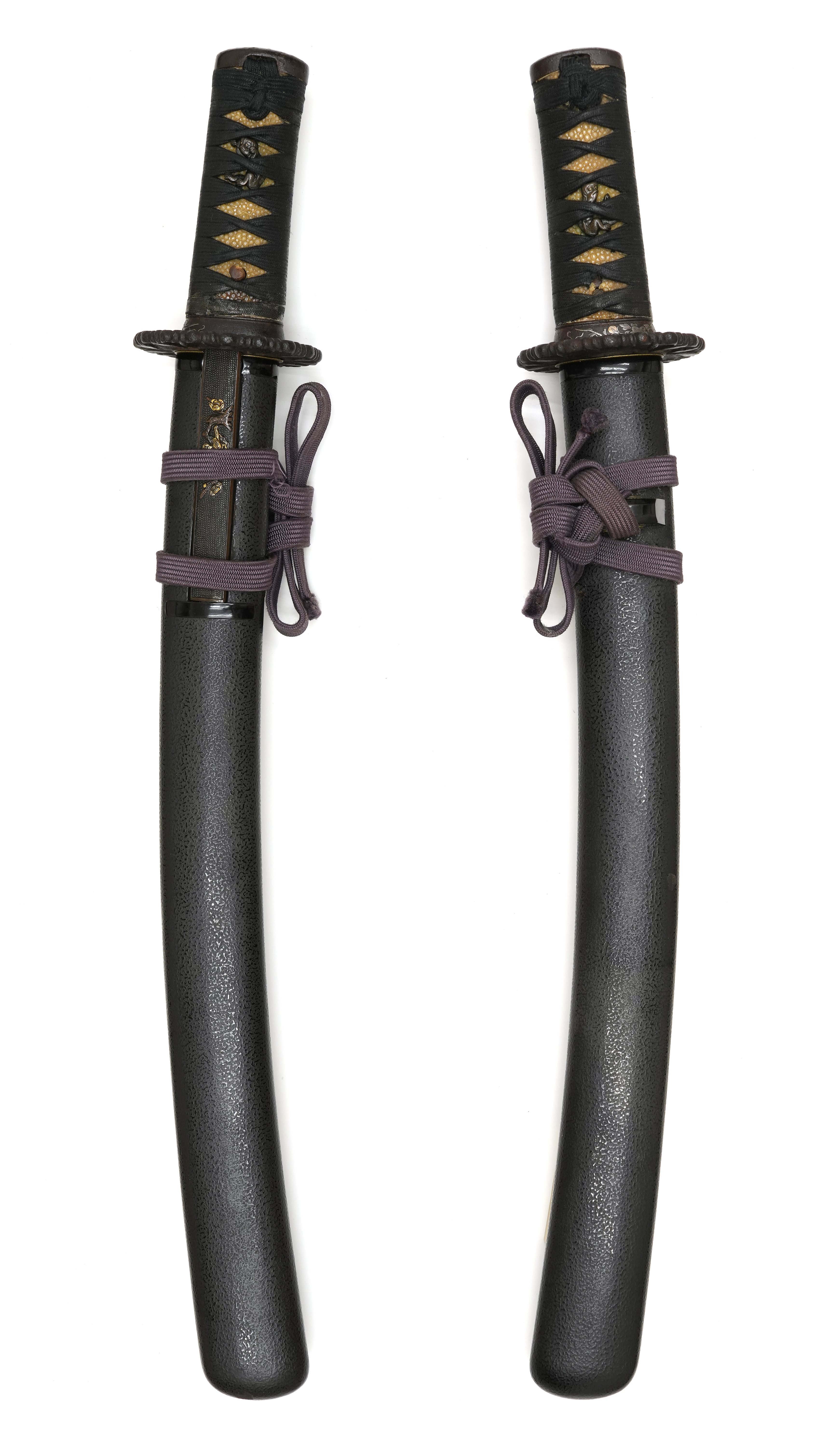
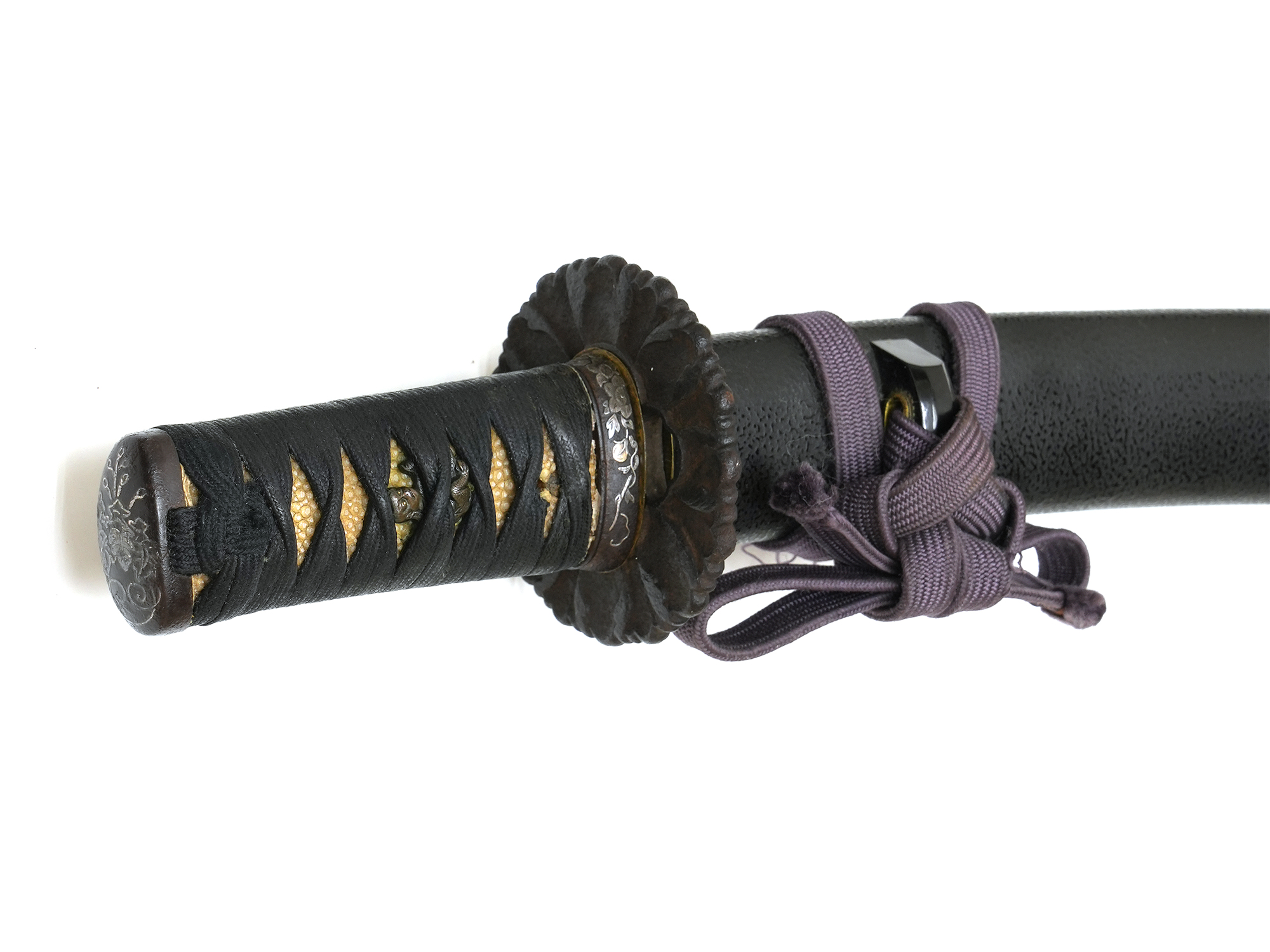
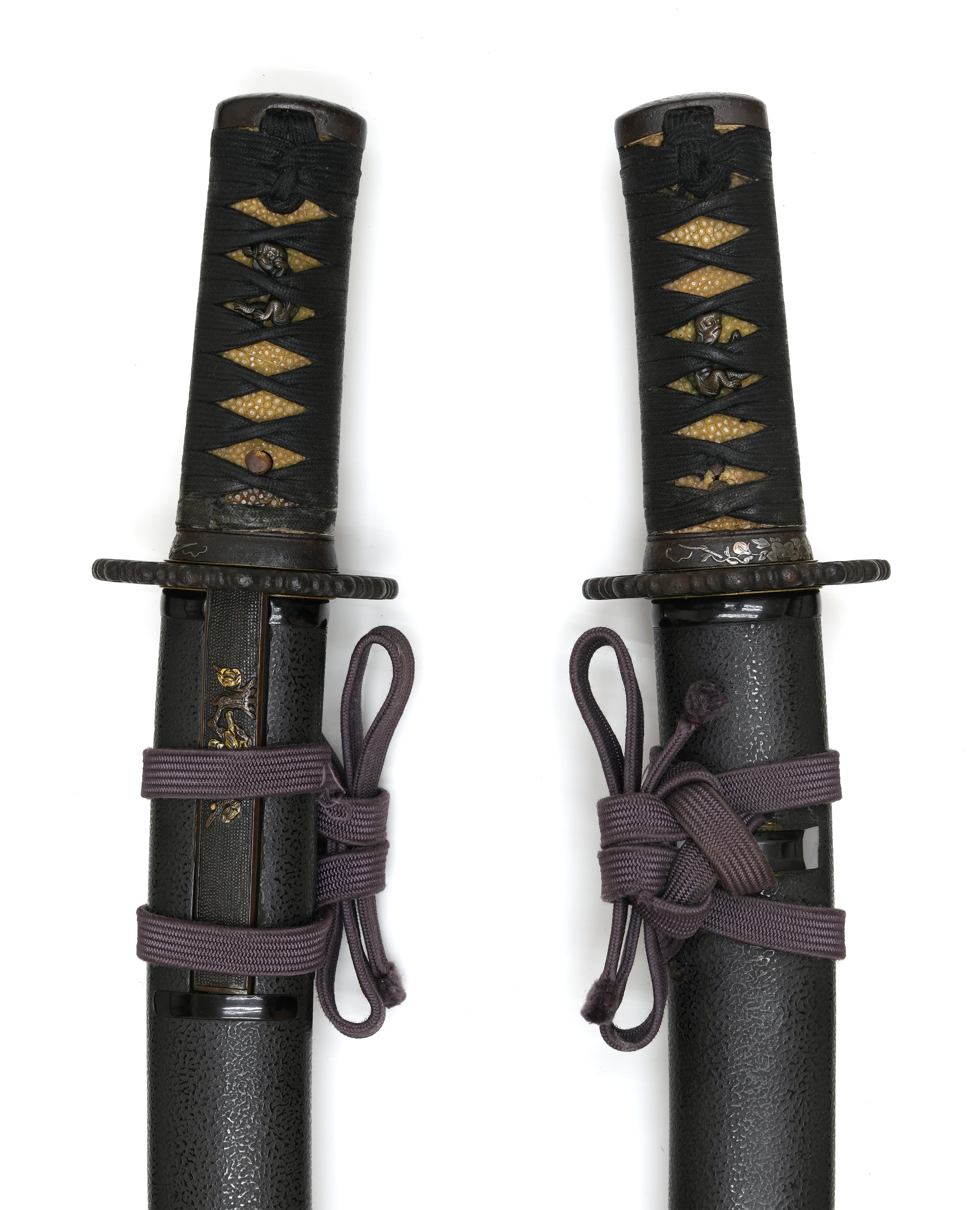
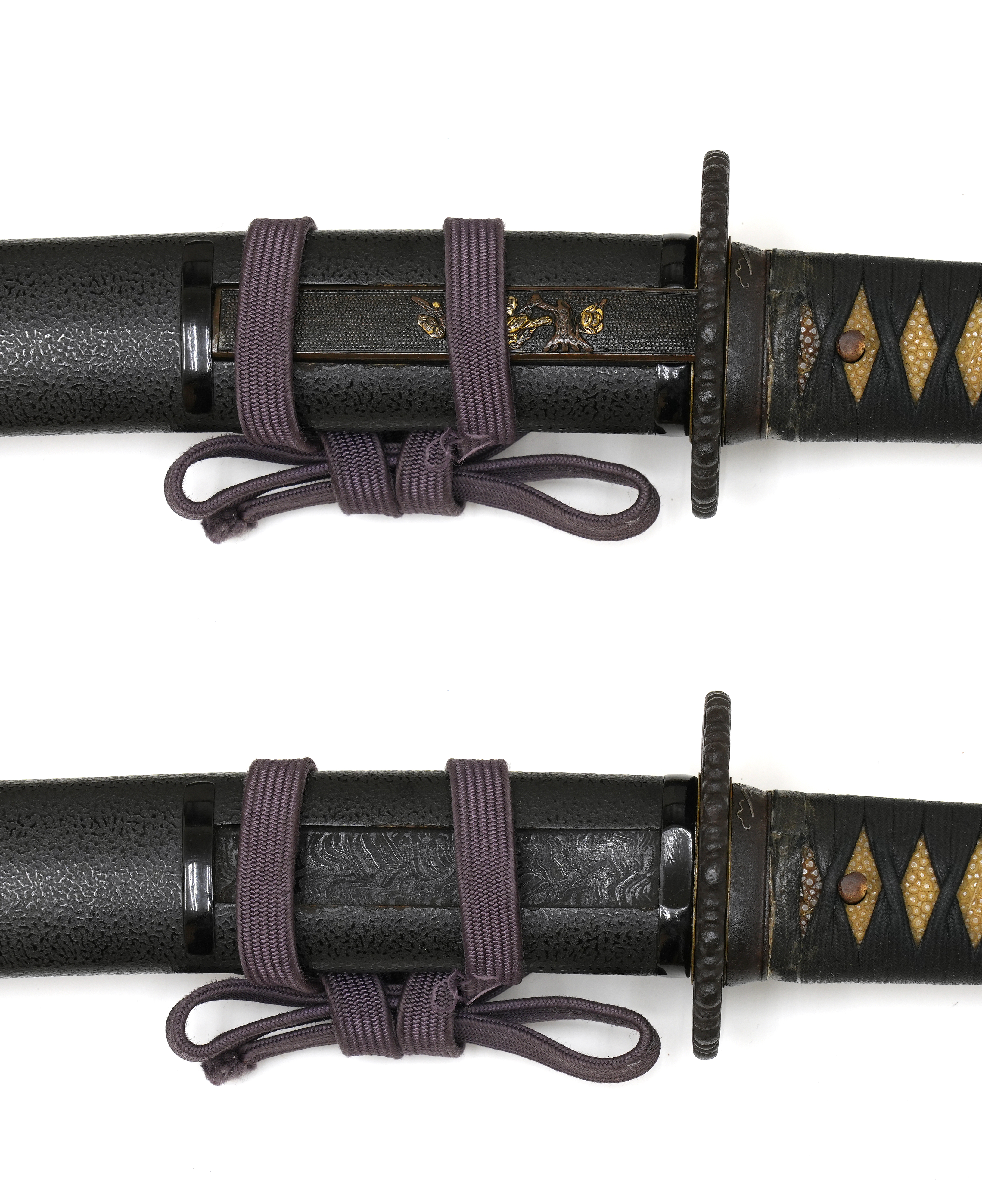
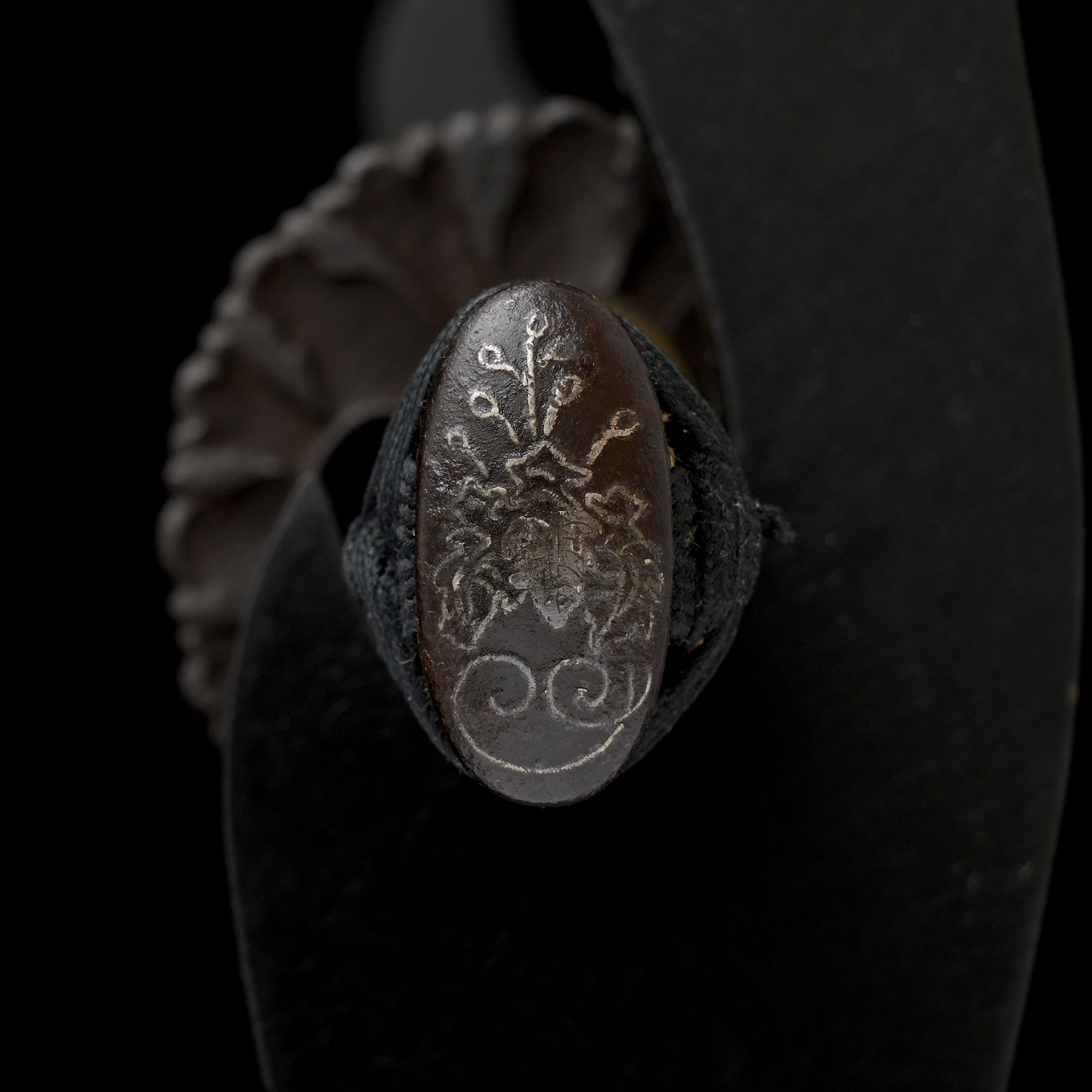
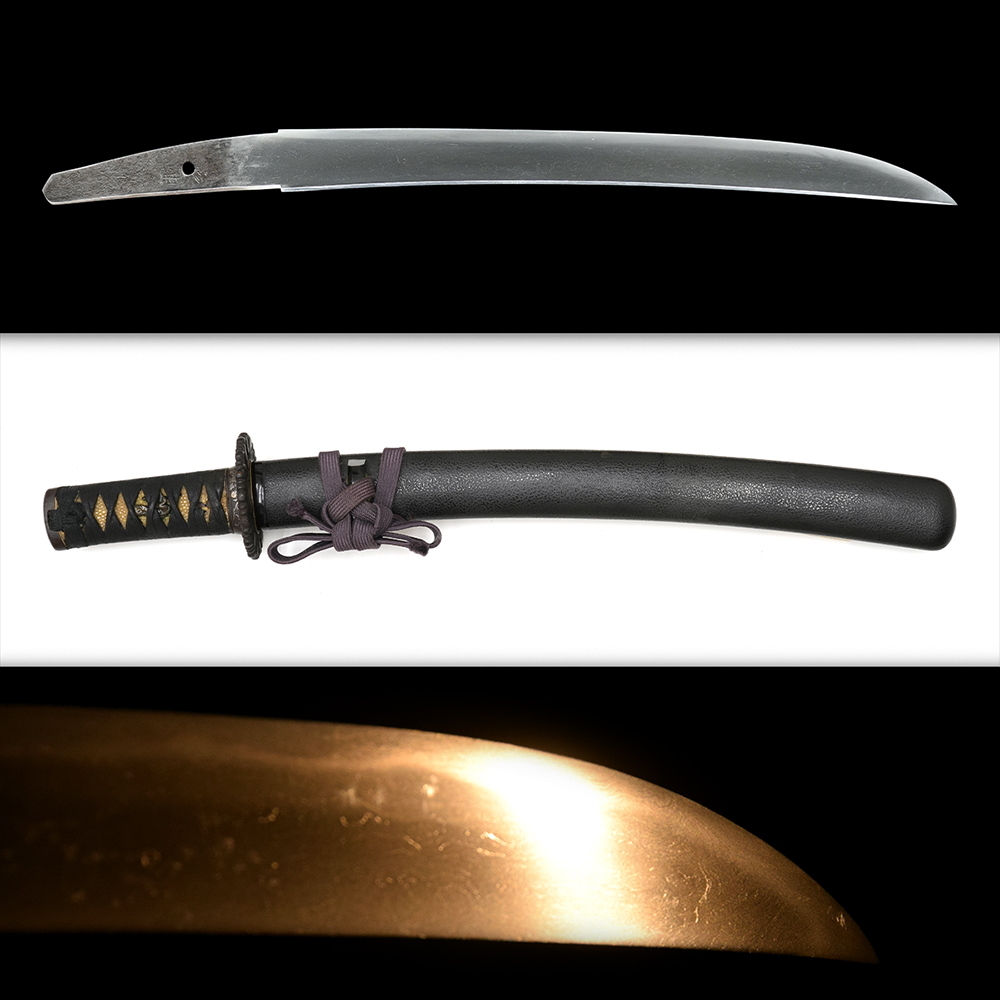
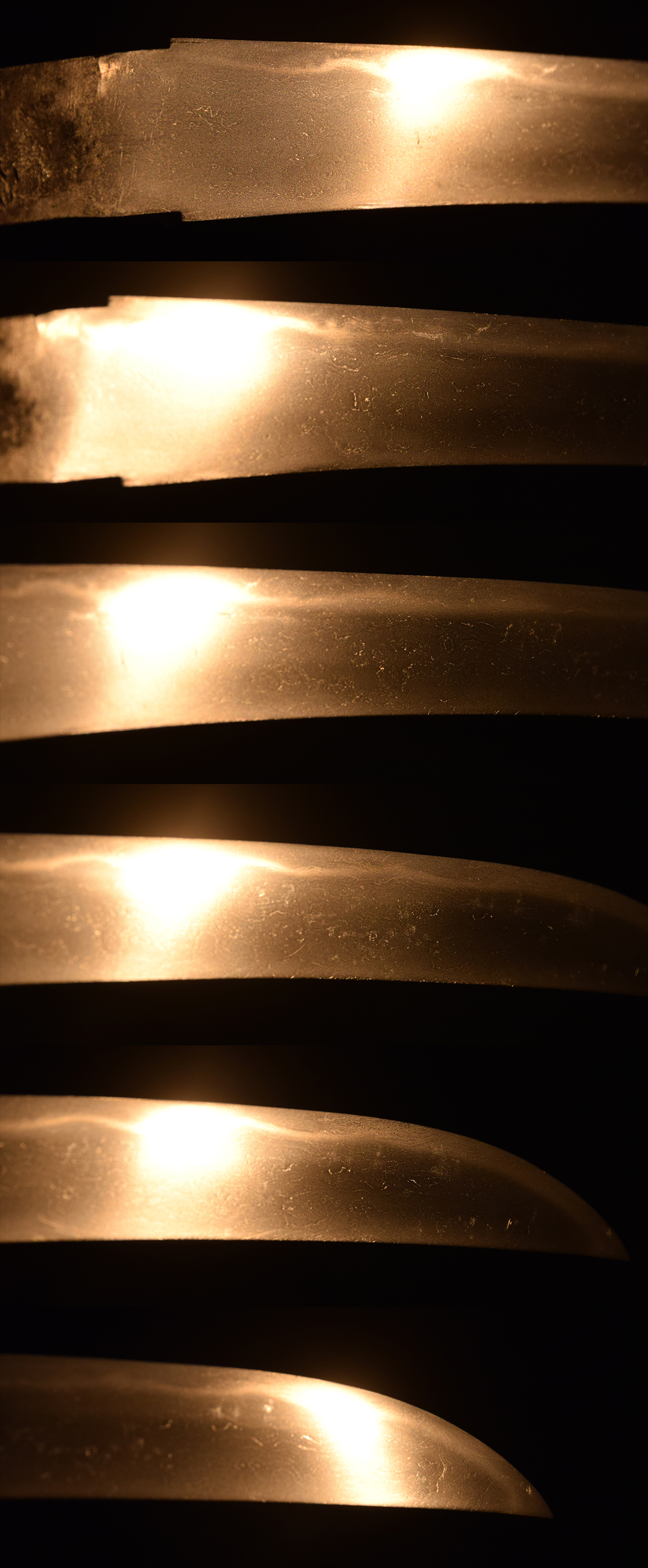
This is a Tanto by Masashige from the mid to late Muromachi period. It features a robust hirazukuri body with a well-forged ko-itame hada and a suguha-cho hamon with fine sunagashi. The tanto comes with a koshirae featuring a black shibukawa-nuri saya and charming kappa menuki on the tsuka, reflecting ancient beliefs in water deities.
 NihontoWatch
mei · Muromachi · nagasa 33.6cm · sori 0.7cm
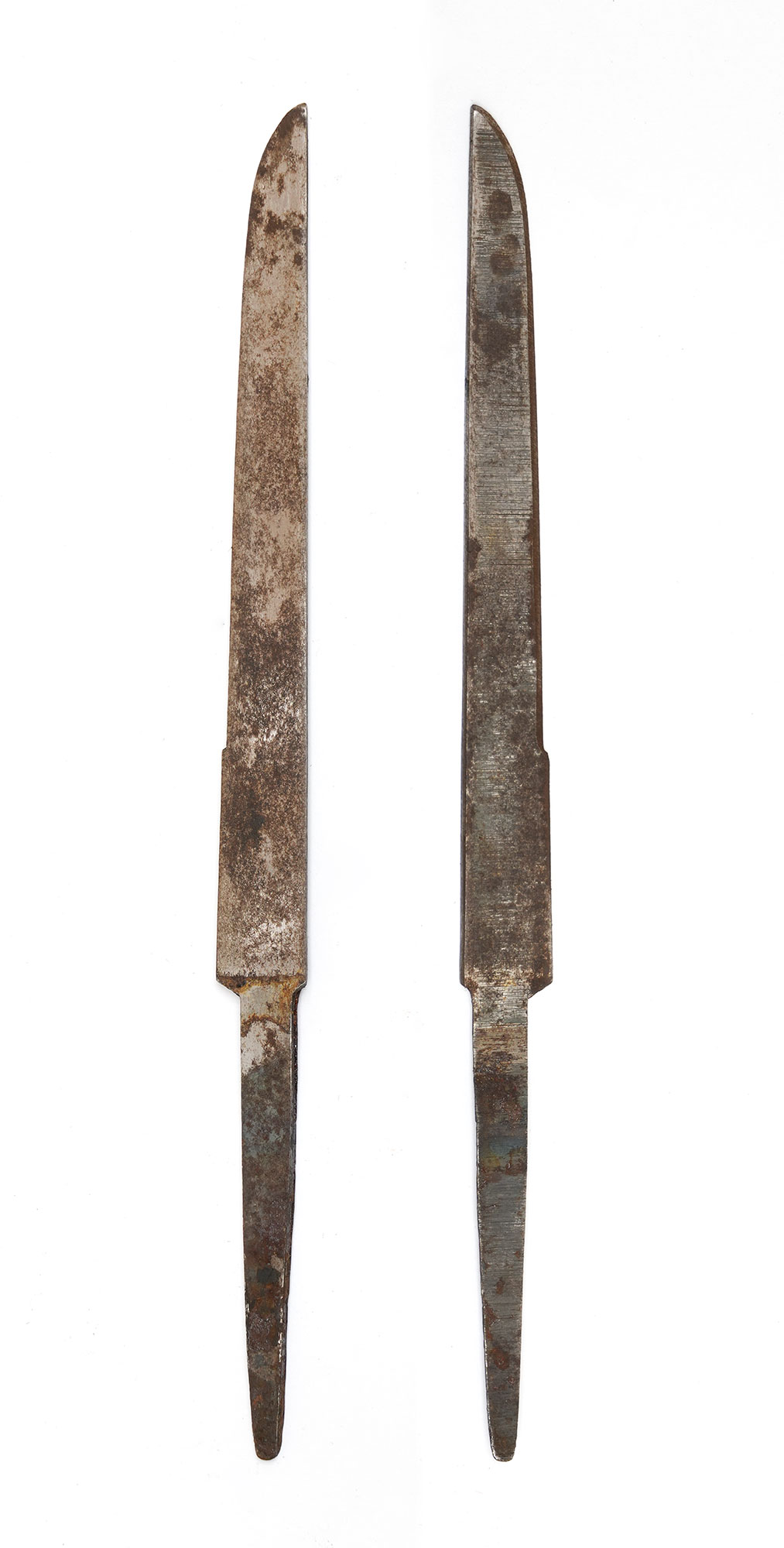
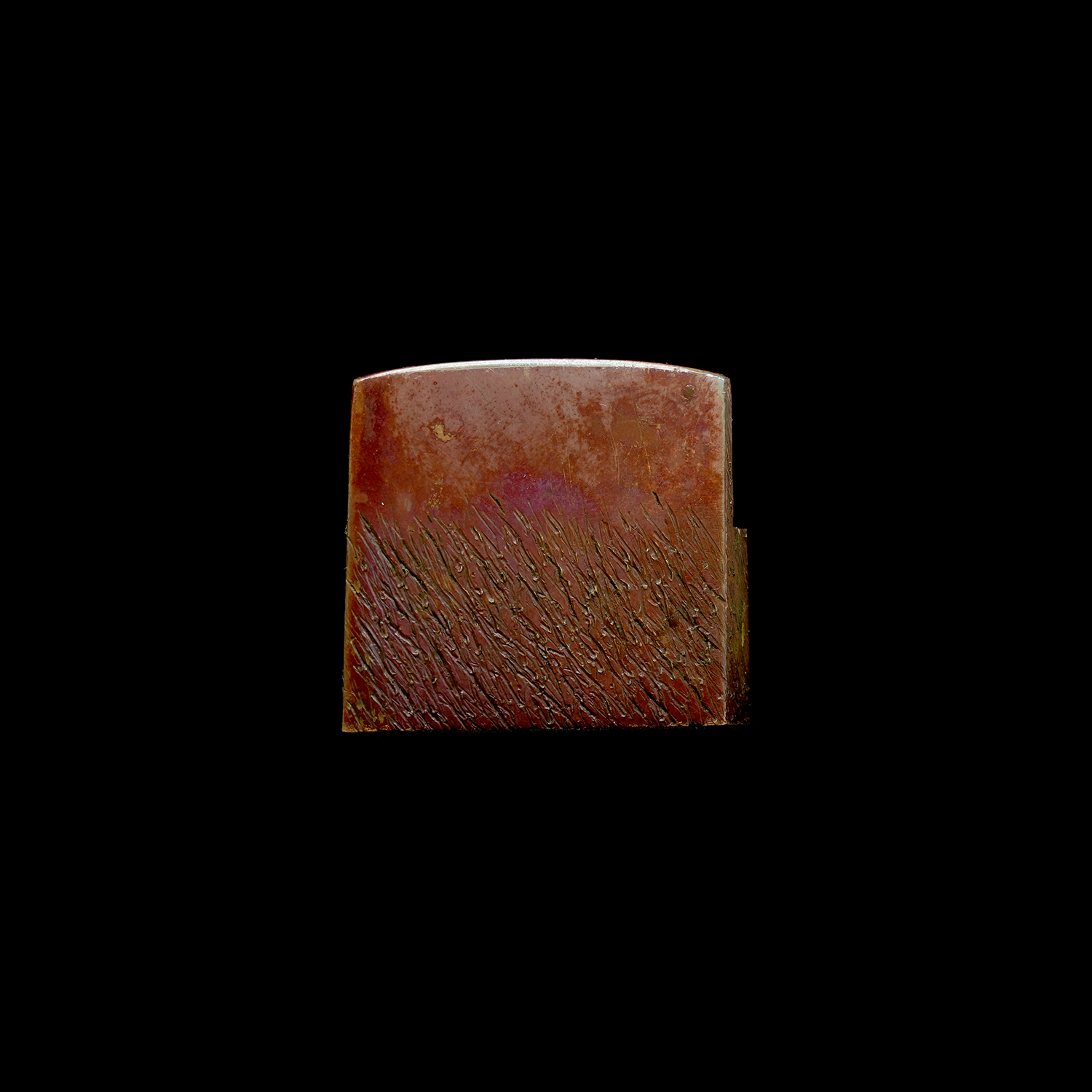
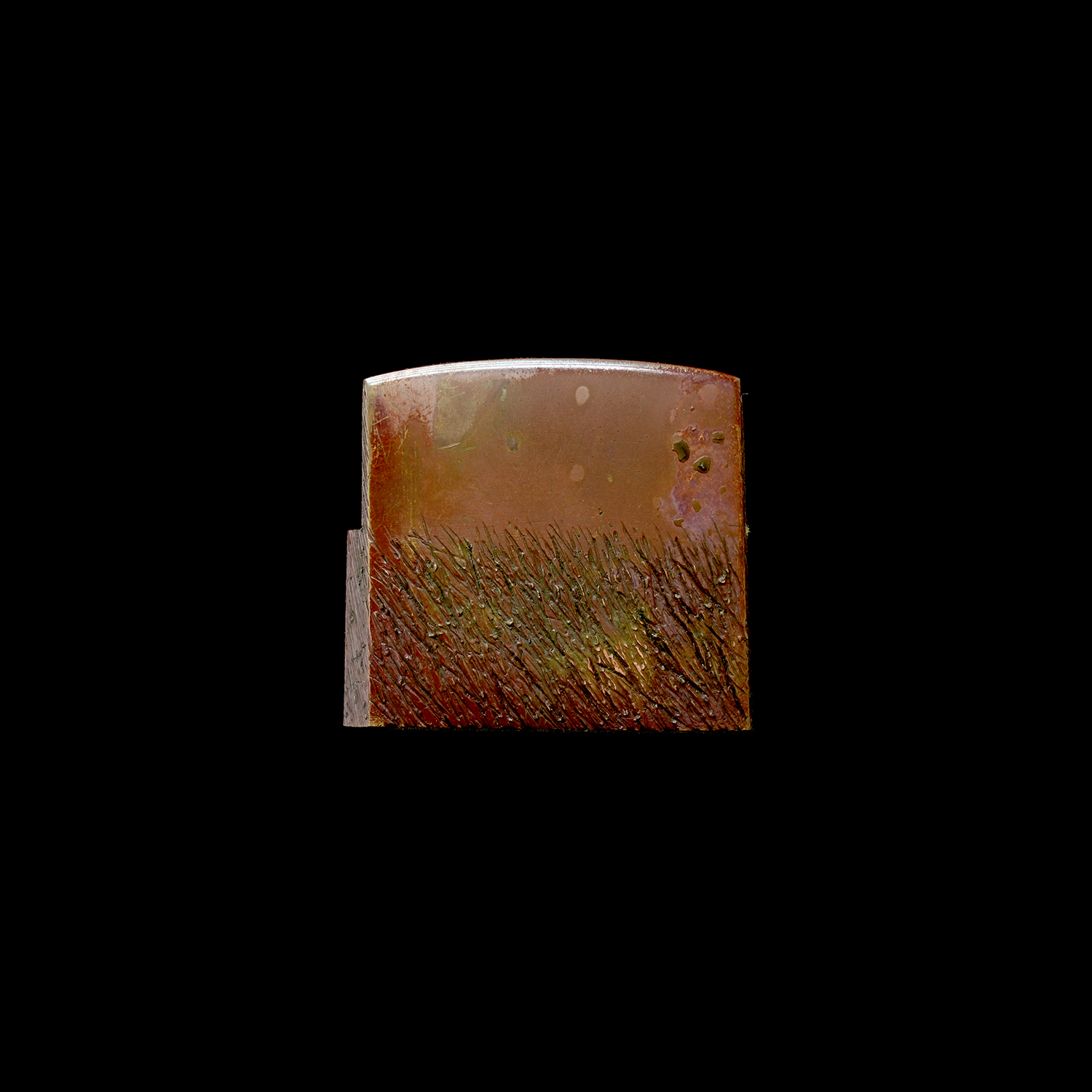
Ise · around 1428-1429
Fujishiro Jo-jo saku · Tōken Taikan top 26%
2 pieces on the market now
The Muromachi period (1392 to 1573)
Muromachi turned sword making into an industry: the uchigatana rose with massed infantry warfare, Osafune and Seki produced bundle swords beside custom orders, and the Ming trade carried Japanese blades abroad by the tens of thousands.
We could not find an authenticity certificate on the seller’s listing. Japanese swords and fittings are normally papered by the NBTHK (or the NTHK). Without one, the attribution is the seller’s own assessment and has not been independently verified — treat it with caution and ask the dealer about certification before buying.
Returns accepted within 3 days of delivery for defective items or significant discrepancies; customer bears return shipping and bank fees.
¥220,000
This is a Tanto by Masashige from the mid to late Muromachi period. It features a robust hirazukuri body with a well-forged ko-itame hada and a suguha-cho hamon with fine sunagashi. The tanto comes with a koshirae featuring a black shibukawa-nuri saya and charming kappa menuki on the tsuka, reflecting ancient beliefs in water deities.
NihontoWatchmei · Muromachi · nagasa 33.6cm · sori 0.7cm
Ise · around 1428-1429
Fujishiro Jo-jo saku · Tōken Taikan top 26%
2 pieces on the market now
The Muromachi period (1392 to 1573)
Muromachi turned sword making into an industry: the uchigatana rose with massed infantry warfare, Osafune and Seki produced bundle swords beside custom orders, and the Ming trade carried Japanese blades abroad by the tens of thousands.
We could not find an authenticity certificate on the seller’s listing. Japanese swords and fittings are normally papered by the NBTHK (or the NTHK). Without one, the attribution is the seller’s own assessment and has not been independently verified — treat it with caution and ask the dealer about certification before buying.
Returns accepted within 3 days of delivery for defective items or significant discrepancies; customer bears return shipping and bank fees.
¥220,000
