NihontoWatch Mon

NihontoWatchBETA

MarketAuctions
Encyclopedia
NihontoWatch Mon

NihontoWatchBETA

MarketAuctions
Encyclopedia

Description

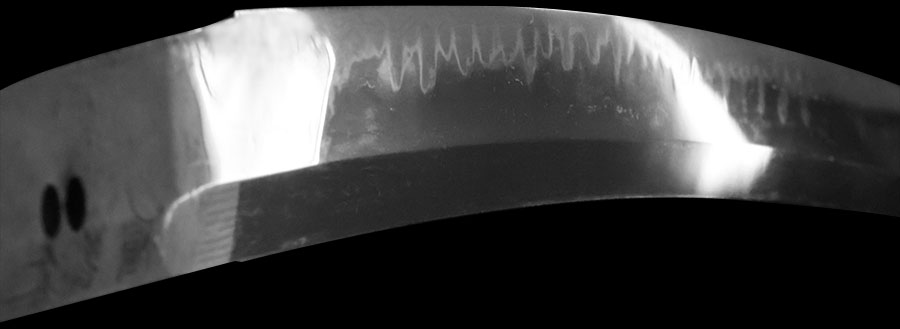
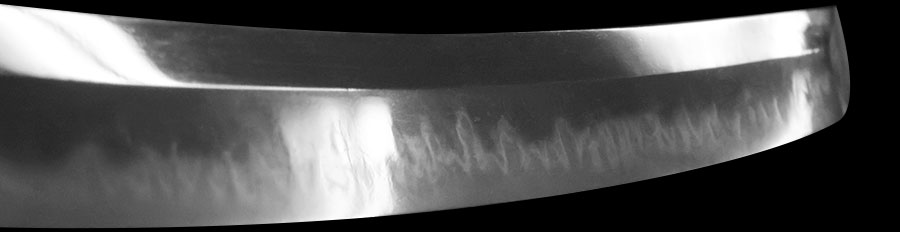
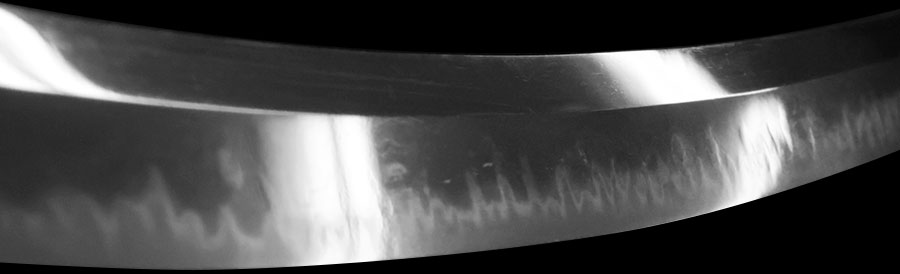
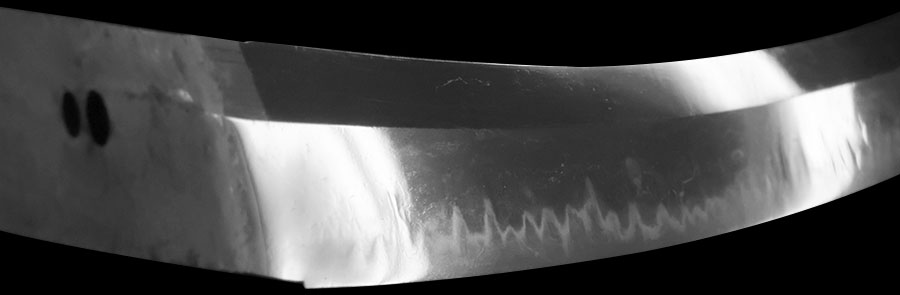
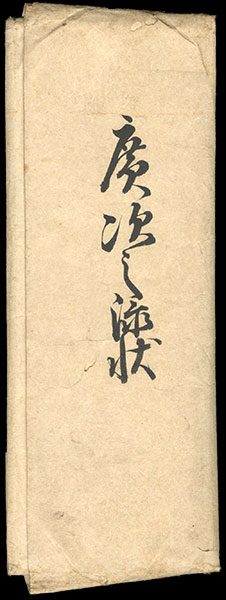
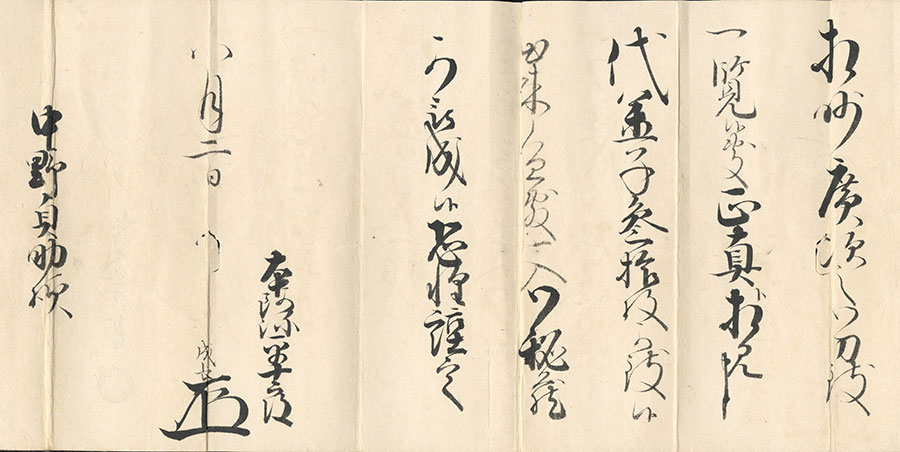
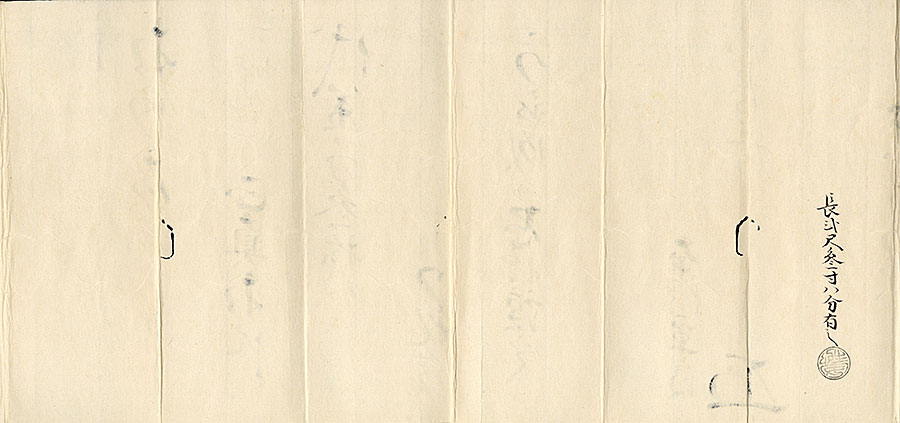
To Mr. Nakano Teisuke (I have examined the list of Soshu Hirotsugu's swords; this is *shoshin*. I have appraised the *daikin* at 3 pieces. Please by all means make this a *hizo* treasure.) Kyokyo Kingen. Honami Heijuro Narishige (Kao). August 2nd. Reverse: *Nagasa* 2 *shaku* 3 *sun* 8 *bu* exists. (3 *oban* pieces equals 30 *koban*, currently 10 million yen). Weight: Blade only 810g. It has appeared, it has appeared! A masterpiece by Soshu Hirotsugu has emerged, accompanied by a precious *soejyo* (supporting letter) from approximately 180 years ago by Honami Heijuro, the 13th generation of the Honami Koi line (the son of the 12th generation Koshin, counting from the first generation Myohon of the Honami family who served the Shogunate in sword appraisal and polishing). The famous Living National Treasure Honami Nisshu is the 17th generation of this line. Honami Koi was also a samurai of military merit; when Araki Murashige, the lord of Itami Castle (famous in the current NHK Taiga drama *Toyotomi Kyodai*), rebelled against Oda Nobunaga in Tensho 1 (1578), Koi acted as a messenger for Toyotomi Hideyoshi to urge his return to allegiance. For this service, Hideyoshi granted him a *chigyo* of 50 *koku* in Ichijoji Village, Rakuhoku, which continued uninterrupted until the end of the Edo period. This sword's maker, Hirotsugu, is said since ancient times to be the adoptive father of the famous Soshu Tsunahiro. Following Soshu Masamune and his disciple Sadamune—the idols of the sword world—the first generation Soshu Hirotsugu of the Nanbokucho period was the son of Soshu Sumiyoshi Hiro (the younger brother of Soshu Hiromitsu, who is said to be the son of Soshu Sadamune), making him the grandson of Sadamune. Unfortunately, works by the 1st and 2nd generation Hirotsugu do not remain. This sword is a precious 4th generation Soshu Hirotsugu from around the Daiei era of the Muromachi period (1524, 502 years ago), exactly when Takeda Nobutora (father of Takeda Shingen) and Uesugi Norifusa were at war. The *sugata* of this sword is miraculously *kenzen*. It displays a magnificent *katano sugata* with a wide *motohaba*, wide *sakihaba*, and an extended *kissaki*. The *jigane* is forged in a well-tightened *ko-itame hada* with *nagare-masame hada* appearing in the *ji*. The *hamon* is *nioi-deki* with *nie*. The *omote* is *gunome-midare* becoming *notare*-style toward the point, with many round *tobiyaki* appearing in the *ji* above the edge, resulting in *hitatsura*. The *ura* has a *gunome-midare* edge with *tobiyaki* in the *ji*. Both *omote* and *ura* show many *kinsuji* and *niesuji* within the *hachu*. The activity within the blade is wonderful, fired with a very spirited and splendid edge. The Edo-period *koshirae* adds further splendor to this Hirotsugu sword. Because the Tokai region became a site of many fierce battles during the Sengoku period, works by Soshu smiths themselves are few, and due to depletion through combat, surviving pieces are extremely rare. While sword enthusiasts long to own a work by a Soshu smith, they often cannot; owning a Soshu work is a dream. On this occasion, an old *sukisha* (connoisseur) stated, "I have grown old, so please pass this precious and grand Hirotsugu sword to someone who will cherish it at a low price." Therefore, we are offering this masterpiece Soshu Hirotsugu—a sword one would wish to own at least once, complete with the Honami Heijuro *soejyo*—at a special, ultra-bargain price. Please enjoy this masterpiece by the coveted Soshu smith Hirotsugu.

NihontoWatch MonNihontoWatchBETA
MarketAuctionsEncyclopedia
Swords›Hirotsugu›Japanese Sword Katana by Hirotsugu (Soshu ju Hirotsugu) with Hon'ami Heijuro's accompanying letter
katanaTokubetsu Hozon
Hirotsugu

Japanese Sword Katana by Hirotsugu (Soshu ju Hirotsugu) with Hon'ami Heijuro's accompanying letter

Nanbokucho · nagasa 72.2cm · sori 1.5cm

¥2,600,000
Visit seller website →
Hirotsugu — 1 of 35
Hirotsugu — 2 of 35
Hirotsugu — 3 of 35
Hirotsugu — 4 of 35
Hirotsugu — 5 of 35
Hirotsugu — 6 of 35
Hirotsugu — 7 of 35
Hirotsugu — 8 of 35
Hirotsugu — 9 of 35
Hirotsugu — 10 of 35
Hirotsugu — 11 of 35
Hirotsugu — 12 of 35
Hirotsugu — 13 of 35
Hirotsugu — 14 of 35
Hirotsugu — 15 of 35
Hirotsugu — 16 of 35
Hirotsugu — 17 of 35
Hirotsugu — 18 of 35
Hirotsugu — 19 of 35
Hirotsugu — 20 of 35
Hirotsugu — 21 of 35
Hirotsugu — 22 of 35
Hirotsugu — 23 of 35
Hirotsugu — 24 of 35
Hirotsugu — 25 of 35
Hirotsugu — 26 of 35
Hirotsugu — 27 of 35
Hirotsugu — 28 of 35
Hirotsugu — 29 of 35
Hirotsugu — 30 of 35
Hirotsugu — 31 of 35
Hirotsugu — 32 of 35
Hirotsugu — 33 of 35
Hirotsugu — 34 of 35
Hirotsugu — 35 of 35
1 / 35
1 / 35
Hirotsugu — 1 of 35Hirotsugu — 2 of 35Hirotsugu — 3 of 35Hirotsugu — 4 of 35Hirotsugu — 5 of 35Hirotsugu — 6 of 35Hirotsugu — 7 of 35Hirotsugu — 8 of 35Hirotsugu — 9 of 35Hirotsugu — 10 of 35Hirotsugu — 11 of 35Hirotsugu — 12 of 35Hirotsugu — 13 of 35Hirotsugu — 14 of 35Hirotsugu — 15 of 35Hirotsugu — 16 of 35Hirotsugu — 17 of 35Hirotsugu — 18 of 35Hirotsugu — 19 of 35Hirotsugu — 20 of 35Hirotsugu — 21 of 35Hirotsugu — 22 of 35Hirotsugu — 23 of 35Hirotsugu — 24 of 35Hirotsugu — 25 of 35Hirotsugu — 26 of 35Hirotsugu — 27 of 35Hirotsugu — 28 of 35Hirotsugu — 29 of 35Hirotsugu — 30 of 35Hirotsugu — 31 of 35Hirotsugu — 32 of 35Hirotsugu — 33 of 35Hirotsugu — 34 of 35Hirotsugu — 35 of 35
Measurements & details
Smith
Hirotsugu
Type
Katana
Period
Around 1345–1350(Teiwa ND)
Measurements
Nagasa 72.2cmSori 1.5cmMotohaba 3.22cmSakihaba 2.16cmKasane 0.76cm
Description

To Mr. Nakano Teisuke (I have examined the list of Soshu Hirotsugu's swords; this is shoshin. I have appraised the daikin at 3 pieces. Please by all means make this a hizo treasure.) Kyokyo Kingen. Honami Heijuro Narishige (Kao). August 2nd. Reverse: Nagasa 2 shaku 3 sun 8 bu exists. (3 oban pieces equals 30 koban, currently 10 million yen). Weight: Blade only 810g.

It has appeared, it has appeared! A masterpiece by Soshu Hirotsugu has emerged, accompanied by a precious soejyo (supporting letter) from approximately 180 years ago by Honami Heijuro, the 13th generation of the Honami Koi line (the son of the 12th generation Koshin, counting from the first generation Myohon of the Honami family who served the Shogunate in sword appraisal and polishing). The famous Living National Treasure Honami Nisshu is the 17th generation of this line. Honami Koi was also a samurai of military merit; when Araki Murashige, the lord of Itami Castle (famous in the current NHK Taiga drama Toyotomi Kyodai), rebelled against Oda Nobunaga in Tensho 1 (1578), Koi acted as a messenger for Toyotomi Hideyoshi to urge his return to allegiance. For this service, Hideyoshi granted him a chigyo of 50 koku in Ichijoji Village, Rakuhoku, which continued uninterrupted until the end of the Edo period.

This sword's maker, Hirotsugu, is said since ancient times to be the adoptive father of the famous Soshu Tsunahiro. Following Soshu Masamune and his disciple Sadamune—the idols of the sword world—the first generation Soshu Hirotsugu of the Nanbokucho period was the son of Soshu Sumiyoshi Hiro (the younger brother of Soshu Hiromitsu, who is said to be the son of Soshu Sadamune), making him the grandson of Sadamune. Unfortunately, works by the 1st and 2nd generation Hirotsugu do not remain. This sword is a precious 4th generation Soshu Hirotsugu from around the Daiei era of the Muromachi period (1524, 502 years ago), exactly when Takeda Nobutora (father of Takeda Shingen) and Uesugi Norifusa were at war.

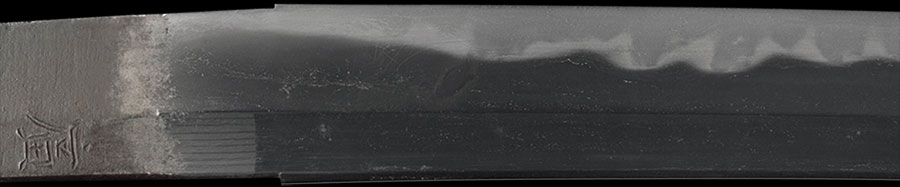
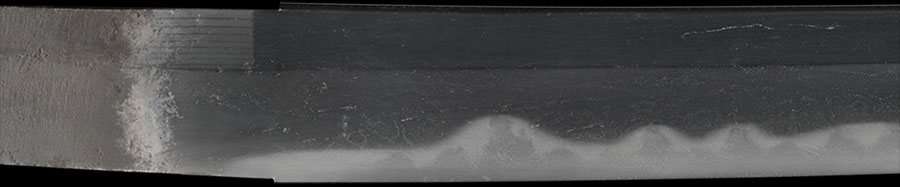
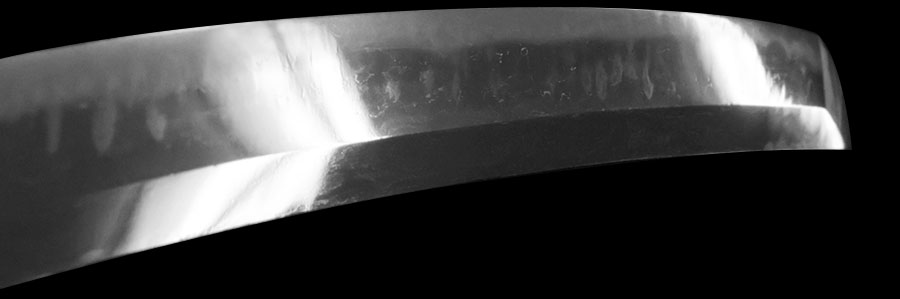
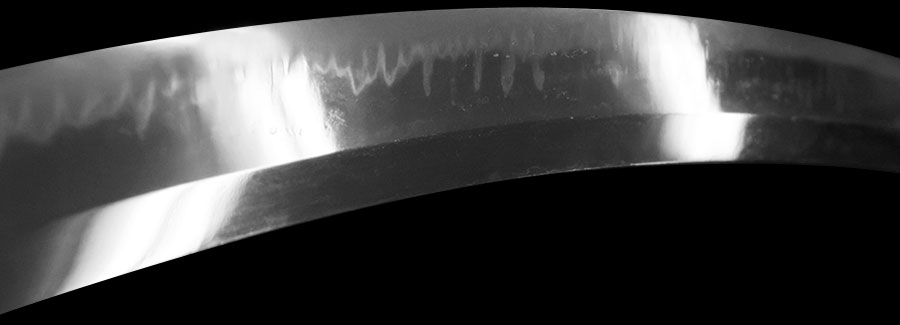
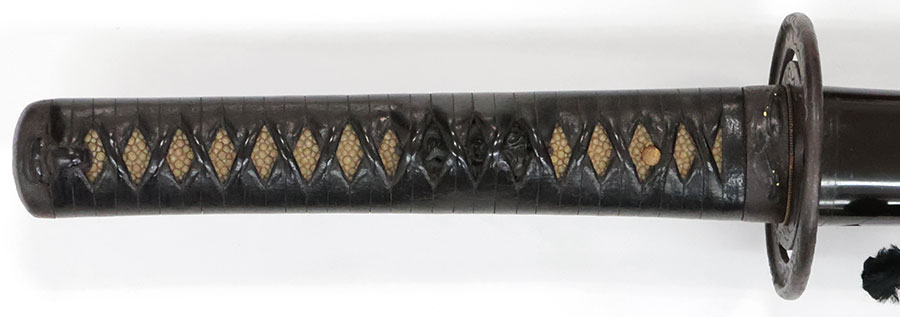
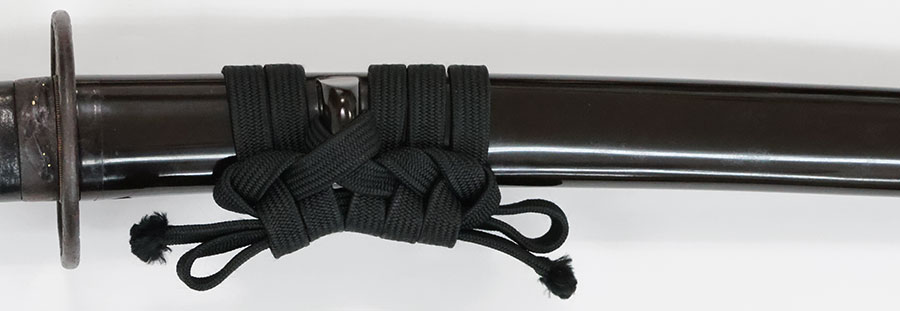
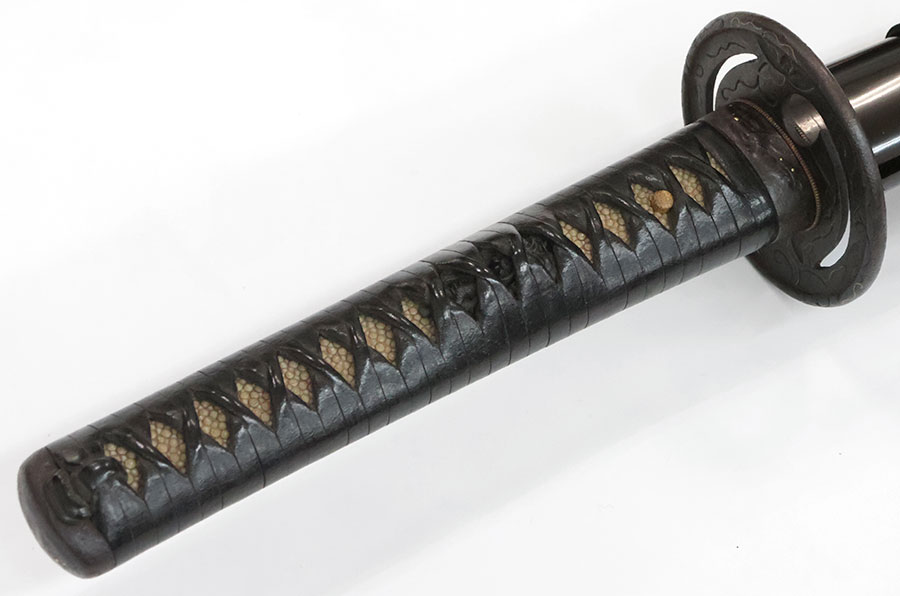
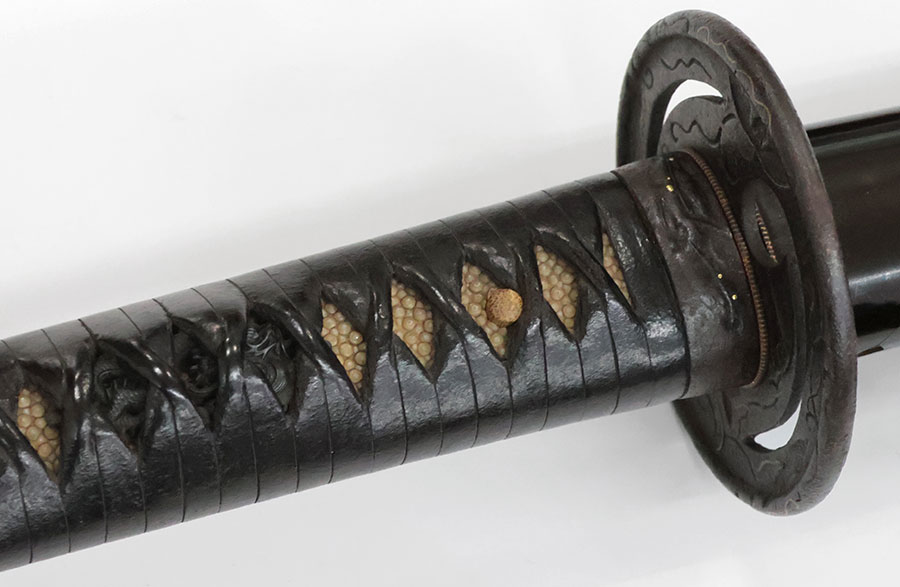
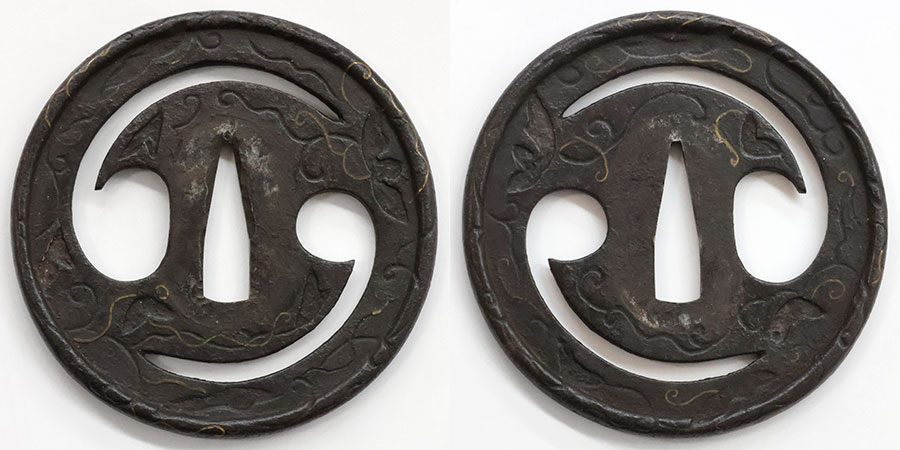
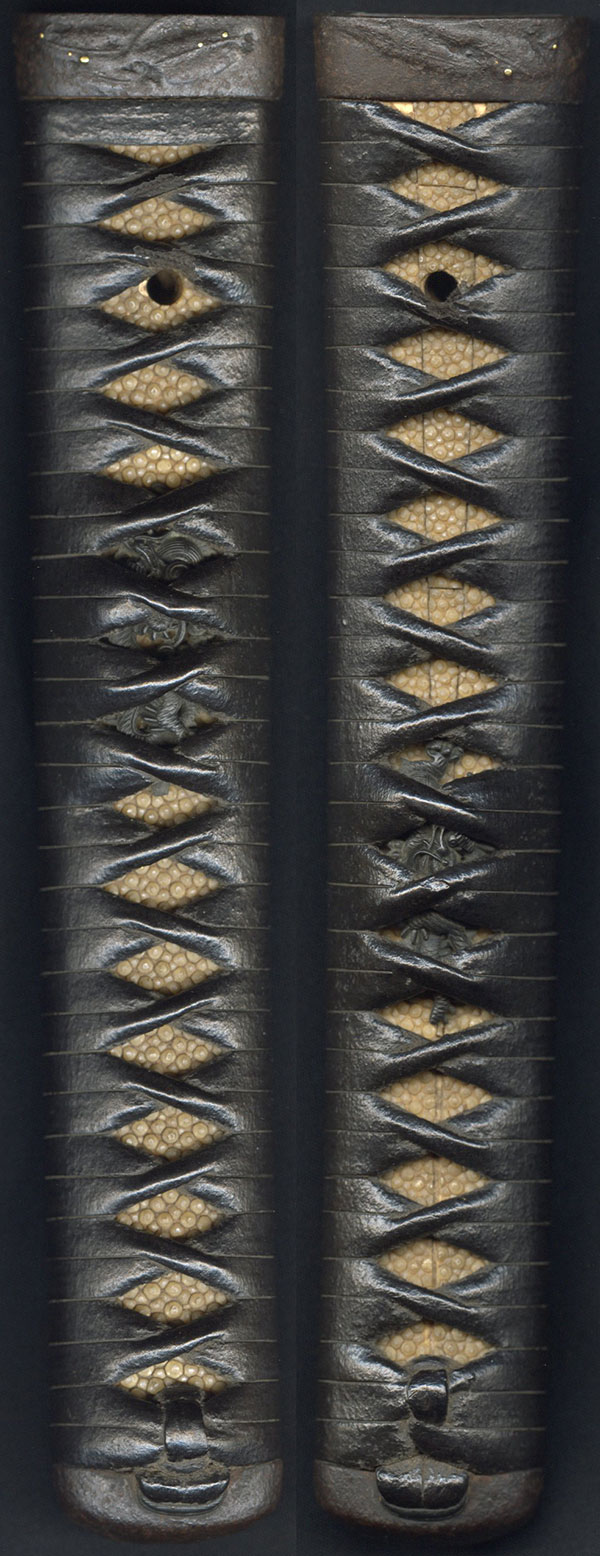
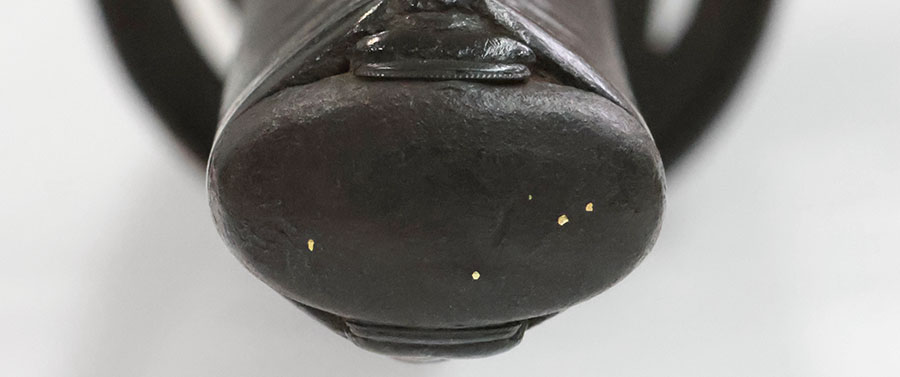
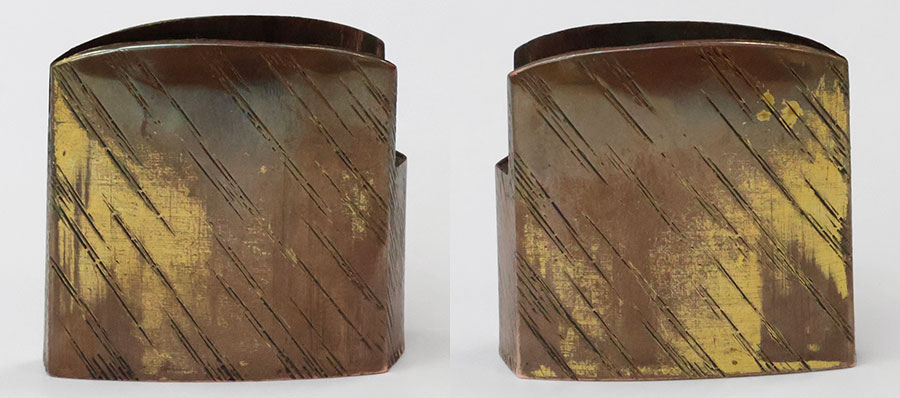
The sugata of this sword is miraculously kenzen. It displays a magnificent katano sugata with a wide motohaba, wide sakihaba, and an extended kissaki. The jigane is forged in a well-tightened ko-itame hada with nagare-masame hada appearing in the ji. The hamon is nioi-deki with nie. The omote is gunome-midare becoming notare-style toward the point, with many round tobiyaki appearing in the ji above the edge, resulting in hitatsura. The ura has a gunome-midare edge with tobiyaki in the ji. Both omote and ura show many kinsuji and niesuji within the hachu. The activity within the blade is wonderful, fired with a very spirited and splendid edge. The Edo-period koshirae adds further splendor to this Hirotsugu sword.

Because the Tokai region became a site of many fierce battles during the Sengoku period, works by Soshu smiths themselves are few, and due to depletion through combat, surviving pieces are extremely rare. While sword enthusiasts long to own a work by a Soshu smith, they often cannot; owning a Soshu work is a dream. On this occasion, an old sukisha (connoisseur) stated, "I have grown old, so please pass this precious and grand Hirotsugu sword to someone who will cherish it at a low price." Therefore, we are offering this masterpiece Soshu Hirotsugu—a sword one would wish to own at least once, complete with the Honami Heijuro soejyo—at a special, ultra-bargain price. Please enjoy this masterpiece by the coveted Soshu smith Hirotsugu.

About the maker

Hirotsugu

廣次

Sagami · around 1345-1350

Tōken Taikan top 37%

1 piece on the market now

›
1 work by Hirotsugu on the market→
Hirotsugu — full profile
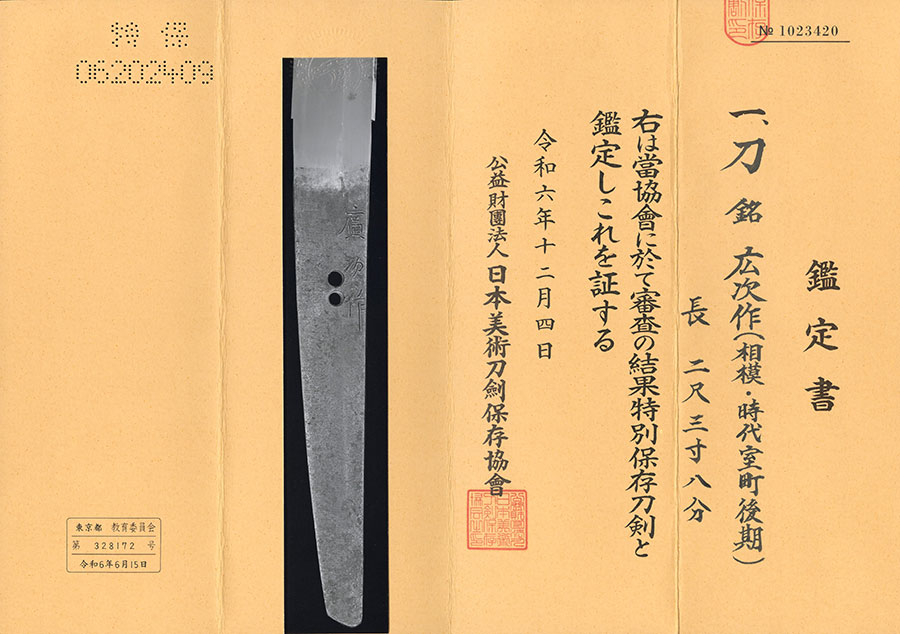
NBTHK Certificate
Tokubetsu Hozon Tōken特別保存刀剣
Sword Especially Worthy of Preservation
›

A Hozon-certified blade judged to show notably superior workmanship and a better state of preservation. The bar is higher: re-tempered blades and most unsigned Muromachi/Edo works are excluded.

About the NBTHK›

The NBTHK (Nihon Bijutsu Tōken Hozon Kyōkai, the Society for the Preservation of Japanese Art Swords) is a public-interest incorporated foundation founded in 1948 and supervised by Japan’s Agency for Cultural Affairs (Bunkachō); it is based at the Japanese Sword Museum in Tokyo. Its expert panels physically examine each submitted work (shinsa) and issue a certificate (kanteishō) ranking it by artistic and historical merit. NBTHK papers are the most widely recognized standard of authentication for Japanese swords and fittings.

NBTHK official site→
Seller
N
Nipponto
Established 1953 · 73 yrs on the market
🇯🇵Ships from Japan
›
✓Verified dealernipponto.co.jp
Settles in JPY
✓Ships worldwide✓English supportPayPalCredit card
Return policy

For returns due to customer circumstances, the cost is the customer's responsibility. For returns due to our mis-shipment or a defective item, we bear the cost.

View all of Nipponto’s listings→View this item on the dealer’s site→

Previously sold by Hirotsugu

Kusanagi
Tokuho
Katana - Tokuho - by Hirotsugu - Soshu Kaji Sagami no Kuni Mei "Hirotsugu" Tokubetsu Hozon TokenKatana - Tokuho - by Hirotsugu - Soshu Kaji Sagami no Kuni Mei "Hirotsugu" Tokubetsu Hozon Token
Sold

Katana

ByHirotsugu
SOLD

Swords

  • Katana
  • Wakizashi
  • Tantō
  • Tachi
  • Naginata
  • Yari

Fittings

  • Tsuba
  • Fuchi-Kashira
  • Kozuka
  • Menuki

By Certification

  • Tokujū
  • Jūyō
  • Tokuho
  • Hozon

Resources

  • Dealer Directory
  • Artist Directory
  • Glossary
  • Browse All
Nihontowatch© 2026
TermsPrivacyCookiesAbout

Description

To Mr. Nakano Teisuke (I have examined the list of Soshu Hirotsugu's swords; this is *shoshin*. I have appraised the *daikin* at 3 pieces. Please by all means make this a *hizo* treasure.) Kyokyo Kingen. Honami Heijuro Narishige (Kao). August 2nd. Reverse: *Nagasa* 2 *shaku* 3 *sun* 8 *bu* exists. (3 *oban* pieces equals 30 *koban*, currently 10 million yen). Weight: Blade only 810g. It has appeared, it has appeared! A masterpiece by Soshu Hirotsugu has emerged, accompanied by a precious *soejyo* (supporting letter) from approximately 180 years ago by Honami Heijuro, the 13th generation of the Honami Koi line (the son of the 12th generation Koshin, counting from the first generation Myohon of the Honami family who served the Shogunate in sword appraisal and polishing). The famous Living National Treasure Honami Nisshu is the 17th generation of this line. Honami Koi was also a samurai of military merit; when Araki Murashige, the lord of Itami Castle (famous in the current NHK Taiga drama *Toyotomi Kyodai*), rebelled against Oda Nobunaga in Tensho 1 (1578), Koi acted as a messenger for Toyotomi Hideyoshi to urge his return to allegiance. For this service, Hideyoshi granted him a *chigyo* of 50 *koku* in Ichijoji Village, Rakuhoku, which continued uninterrupted until the end of the Edo period. This sword's maker, Hirotsugu, is said since ancient times to be the adoptive father of the famous Soshu Tsunahiro. Following Soshu Masamune and his disciple Sadamune—the idols of the sword world—the first generation Soshu Hirotsugu of the Nanbokucho period was the son of Soshu Sumiyoshi Hiro (the younger brother of Soshu Hiromitsu, who is said to be the son of Soshu Sadamune), making him the grandson of Sadamune. Unfortunately, works by the 1st and 2nd generation Hirotsugu do not remain. This sword is a precious 4th generation Soshu Hirotsugu from around the Daiei era of the Muromachi period (1524, 502 years ago), exactly when Takeda Nobutora (father of Takeda Shingen) and Uesugi Norifusa were at war. The *sugata* of this sword is miraculously *kenzen*. It displays a magnificent *katano sugata* with a wide *motohaba*, wide *sakihaba*, and an extended *kissaki*. The *jigane* is forged in a well-tightened *ko-itame hada* with *nagare-masame hada* appearing in the *ji*. The *hamon* is *nioi-deki* with *nie*. The *omote* is *gunome-midare* becoming *notare*-style toward the point, with many round *tobiyaki* appearing in the *ji* above the edge, resulting in *hitatsura*. The *ura* has a *gunome-midare* edge with *tobiyaki* in the *ji*. Both *omote* and *ura* show many *kinsuji* and *niesuji* within the *hachu*. The activity within the blade is wonderful, fired with a very spirited and splendid edge. The Edo-period *koshirae* adds further splendor to this Hirotsugu sword. Because the Tokai region became a site of many fierce battles during the Sengoku period, works by Soshu smiths themselves are few, and due to depletion through combat, surviving pieces are extremely rare. While sword enthusiasts long to own a work by a Soshu smith, they often cannot; owning a Soshu work is a dream. On this occasion, an old *sukisha* (connoisseur) stated, "I have grown old, so please pass this precious and grand Hirotsugu sword to someone who will cherish it at a low price." Therefore, we are offering this masterpiece Soshu Hirotsugu—a sword one would wish to own at least once, complete with the Honami Heijuro *soejyo*—at a special, ultra-bargain price. Please enjoy this masterpiece by the coveted Soshu smith Hirotsugu.

NihontoWatch MonNihontoWatchBETA
MarketAuctionsEncyclopedia
Swords›Hirotsugu›Japanese Sword Katana by Hirotsugu (Soshu ju Hirotsugu) with Hon'ami Heijuro's accompanying letter
katanaTokubetsu Hozon
Hirotsugu

Japanese Sword Katana by Hirotsugu (Soshu ju Hirotsugu) with Hon'ami Heijuro's accompanying letter

Nanbokucho · nagasa 72.2cm · sori 1.5cm

¥2,600,000
Visit seller website →
Hirotsugu — 1 of 35
Hirotsugu — 2 of 35
Hirotsugu — 3 of 35
Hirotsugu — 4 of 35
Hirotsugu — 5 of 35
Hirotsugu — 6 of 35
Hirotsugu — 7 of 35
Hirotsugu — 8 of 35
Hirotsugu — 9 of 35
Hirotsugu — 10 of 35
Hirotsugu — 11 of 35
Hirotsugu — 12 of 35
Hirotsugu — 13 of 35
Hirotsugu — 14 of 35
Hirotsugu — 15 of 35
Hirotsugu — 16 of 35
Hirotsugu — 17 of 35
Hirotsugu — 18 of 35
Hirotsugu — 19 of 35
Hirotsugu — 20 of 35
Hirotsugu — 21 of 35
Hirotsugu — 22 of 35
Hirotsugu — 23 of 35
Hirotsugu — 24 of 35
Hirotsugu — 25 of 35
Hirotsugu — 26 of 35
Hirotsugu — 27 of 35
Hirotsugu — 28 of 35
Hirotsugu — 29 of 35
Hirotsugu — 30 of 35
Hirotsugu — 31 of 35
Hirotsugu — 32 of 35
Hirotsugu — 33 of 35
Hirotsugu — 34 of 35
Hirotsugu — 35 of 35
1 / 35
1 / 35
Hirotsugu — 1 of 35Hirotsugu — 2 of 35Hirotsugu — 3 of 35Hirotsugu — 4 of 35Hirotsugu — 5 of 35Hirotsugu — 6 of 35Hirotsugu — 7 of 35Hirotsugu — 8 of 35Hirotsugu — 9 of 35Hirotsugu — 10 of 35Hirotsugu — 11 of 35Hirotsugu — 12 of 35Hirotsugu — 13 of 35Hirotsugu — 14 of 35Hirotsugu — 15 of 35Hirotsugu — 16 of 35Hirotsugu — 17 of 35Hirotsugu — 18 of 35Hirotsugu — 19 of 35Hirotsugu — 20 of 35Hirotsugu — 21 of 35Hirotsugu — 22 of 35Hirotsugu — 23 of 35Hirotsugu — 24 of 35Hirotsugu — 25 of 35Hirotsugu — 26 of 35Hirotsugu — 27 of 35Hirotsugu — 28 of 35Hirotsugu — 29 of 35Hirotsugu — 30 of 35Hirotsugu — 31 of 35Hirotsugu — 32 of 35Hirotsugu — 33 of 35Hirotsugu — 34 of 35Hirotsugu — 35 of 35
Measurements & details
Smith
Hirotsugu
Type
Katana
Period
Around 1345–1350(Teiwa ND)
Measurements
Nagasa 72.2cmSori 1.5cmMotohaba 3.22cmSakihaba 2.16cmKasane 0.76cm
Description

To Mr. Nakano Teisuke (I have examined the list of Soshu Hirotsugu's swords; this is shoshin. I have appraised the daikin at 3 pieces. Please by all means make this a hizo treasure.) Kyokyo Kingen. Honami Heijuro Narishige (Kao). August 2nd. Reverse: Nagasa 2 shaku 3 sun 8 bu exists. (3 oban pieces equals 30 koban, currently 10 million yen). Weight: Blade only 810g.

It has appeared, it has appeared! A masterpiece by Soshu Hirotsugu has emerged, accompanied by a precious soejyo (supporting letter) from approximately 180 years ago by Honami Heijuro, the 13th generation of the Honami Koi line (the son of the 12th generation Koshin, counting from the first generation Myohon of the Honami family who served the Shogunate in sword appraisal and polishing). The famous Living National Treasure Honami Nisshu is the 17th generation of this line. Honami Koi was also a samurai of military merit; when Araki Murashige, the lord of Itami Castle (famous in the current NHK Taiga drama Toyotomi Kyodai), rebelled against Oda Nobunaga in Tensho 1 (1578), Koi acted as a messenger for Toyotomi Hideyoshi to urge his return to allegiance. For this service, Hideyoshi granted him a chigyo of 50 koku in Ichijoji Village, Rakuhoku, which continued uninterrupted until the end of the Edo period.

This sword's maker, Hirotsugu, is said since ancient times to be the adoptive father of the famous Soshu Tsunahiro. Following Soshu Masamune and his disciple Sadamune—the idols of the sword world—the first generation Soshu Hirotsugu of the Nanbokucho period was the son of Soshu Sumiyoshi Hiro (the younger brother of Soshu Hiromitsu, who is said to be the son of Soshu Sadamune), making him the grandson of Sadamune. Unfortunately, works by the 1st and 2nd generation Hirotsugu do not remain. This sword is a precious 4th generation Soshu Hirotsugu from around the Daiei era of the Muromachi period (1524, 502 years ago), exactly when Takeda Nobutora (father of Takeda Shingen) and Uesugi Norifusa were at war.

The sugata of this sword is miraculously kenzen. It displays a magnificent katano sugata with a wide motohaba, wide sakihaba, and an extended kissaki. The jigane is forged in a well-tightened ko-itame hada with nagare-masame hada appearing in the ji. The hamon is nioi-deki with nie. The omote is gunome-midare becoming notare-style toward the point, with many round tobiyaki appearing in the ji above the edge, resulting in hitatsura. The ura has a gunome-midare edge with tobiyaki in the ji. Both omote and ura show many kinsuji and niesuji within the hachu. The activity within the blade is wonderful, fired with a very spirited and splendid edge. The Edo-period koshirae adds further splendor to this Hirotsugu sword.

Because the Tokai region became a site of many fierce battles during the Sengoku period, works by Soshu smiths themselves are few, and due to depletion through combat, surviving pieces are extremely rare. While sword enthusiasts long to own a work by a Soshu smith, they often cannot; owning a Soshu work is a dream. On this occasion, an old sukisha (connoisseur) stated, "I have grown old, so please pass this precious and grand Hirotsugu sword to someone who will cherish it at a low price." Therefore, we are offering this masterpiece Soshu Hirotsugu—a sword one would wish to own at least once, complete with the Honami Heijuro soejyo—at a special, ultra-bargain price. Please enjoy this masterpiece by the coveted Soshu smith Hirotsugu.

About the maker

Hirotsugu

廣次

Sagami · around 1345-1350

Tōken Taikan top 37%

1 piece on the market now

›
1 work by Hirotsugu on the market→
Hirotsugu — full profile
NBTHK Certificate
Tokubetsu Hozon Tōken特別保存刀剣
Sword Especially Worthy of Preservation
›

A Hozon-certified blade judged to show notably superior workmanship and a better state of preservation. The bar is higher: re-tempered blades and most unsigned Muromachi/Edo works are excluded.

About the NBTHK›

The NBTHK (Nihon Bijutsu Tōken Hozon Kyōkai, the Society for the Preservation of Japanese Art Swords) is a public-interest incorporated foundation founded in 1948 and supervised by Japan’s Agency for Cultural Affairs (Bunkachō); it is based at the Japanese Sword Museum in Tokyo. Its expert panels physically examine each submitted work (shinsa) and issue a certificate (kanteishō) ranking it by artistic and historical merit. NBTHK papers are the most widely recognized standard of authentication for Japanese swords and fittings.

NBTHK official site→
Seller
N
Nipponto
Established 1953 · 73 yrs on the market
🇯🇵Ships from Japan
›
✓Verified dealernipponto.co.jp
Settles in JPY
✓Ships worldwide✓English supportPayPalCredit card
Return policy

For returns due to customer circumstances, the cost is the customer's responsibility. For returns due to our mis-shipment or a defective item, we bear the cost.

View all of Nipponto’s listings→View this item on the dealer’s site→

Previously sold by Hirotsugu

Kusanagi
Tokuho
Katana - Tokuho - by Hirotsugu - Soshu Kaji Sagami no Kuni Mei "Hirotsugu" Tokubetsu Hozon TokenKatana - Tokuho - by Hirotsugu - Soshu Kaji Sagami no Kuni Mei "Hirotsugu" Tokubetsu Hozon Token
Sold

Katana

ByHirotsugu
SOLD

Swords

  • Katana
  • Wakizashi
  • Tantō
  • Tachi
  • Naginata
  • Yari

Fittings

  • Tsuba
  • Fuchi-Kashira
  • Kozuka
  • Menuki

By Certification

  • Tokujū
  • Jūyō
  • Tokuho
  • Hozon

Resources

  • Dealer Directory
  • Artist Directory
  • Glossary
  • Browse All
Nihontowatch© 2026
TermsPrivacyCookiesAbout
NihontoWatch Mon

NihontoWatchBETA

MarketAuctions
Encyclopedia
NihontoWatch Mon

NihontoWatchBETA

MarketAuctions
Encyclopedia