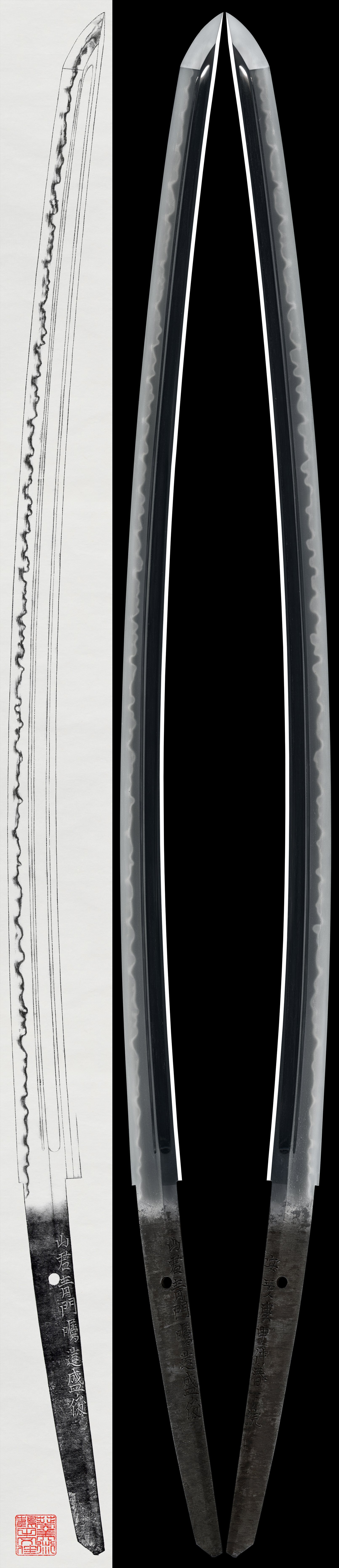
Perry’s arrival in 1853 unraveled the Tokugawa peace and created the first mass demand for working swords in two centuries. Kiyomaro, called the Masamune of Yotsuya, died on its eve; Munetsugu and Yukihide carried the boom to the end.
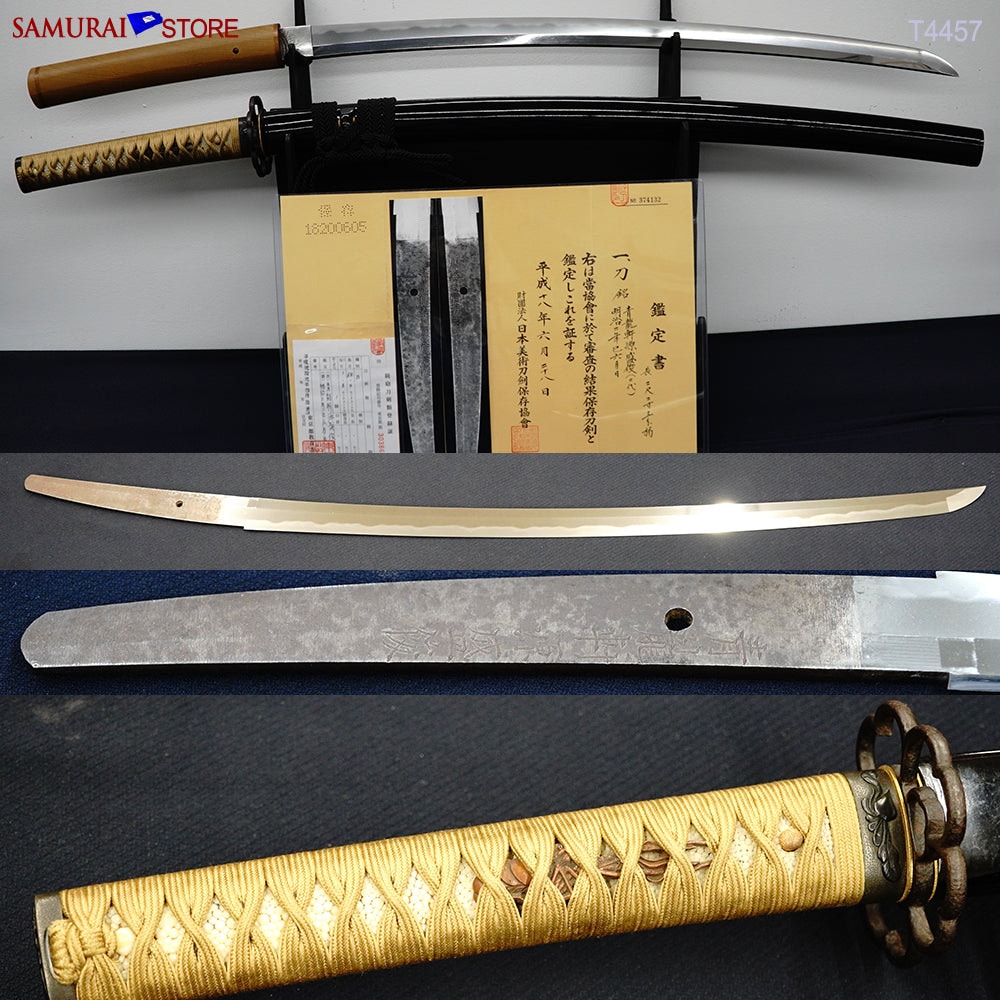
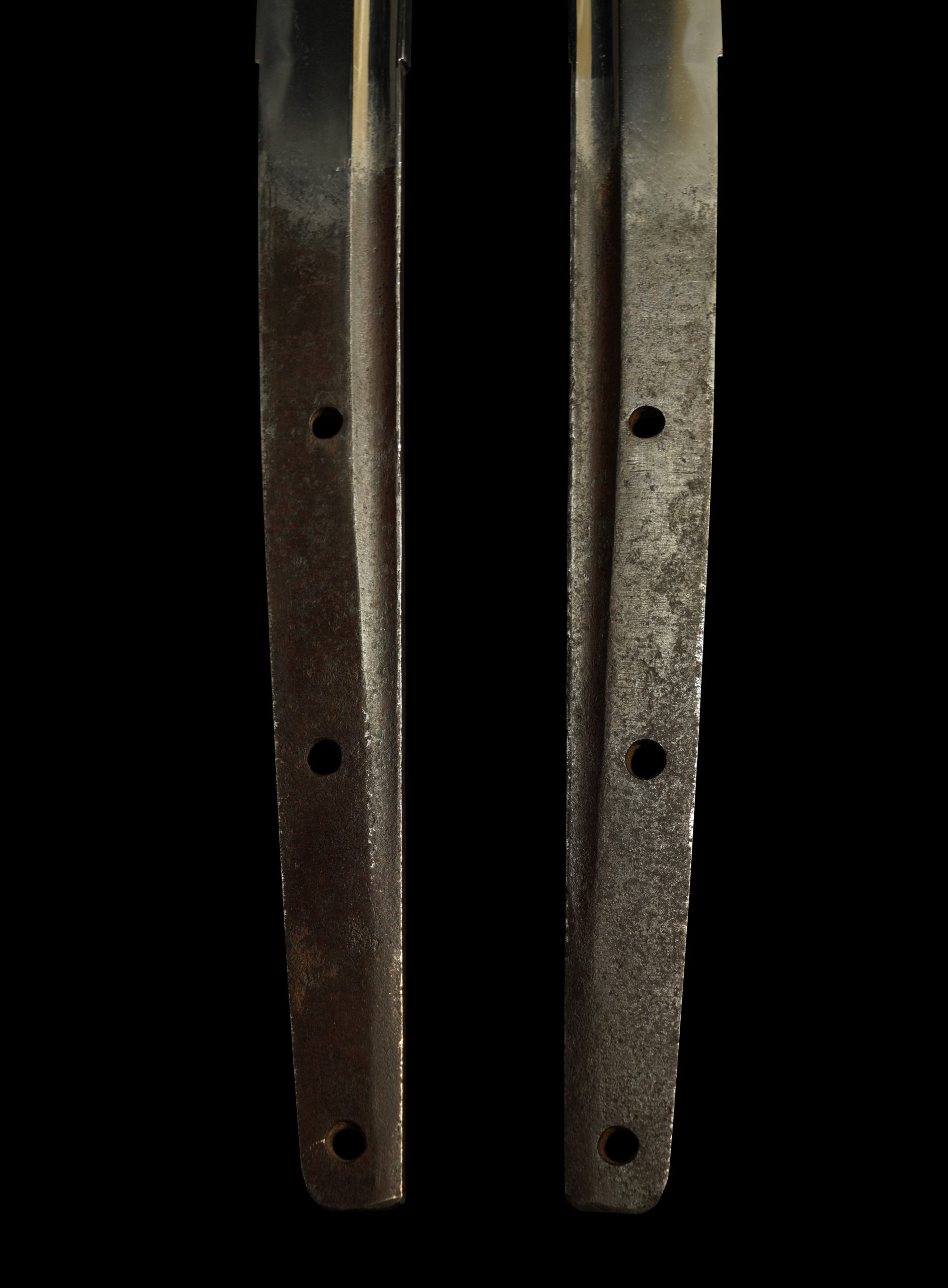
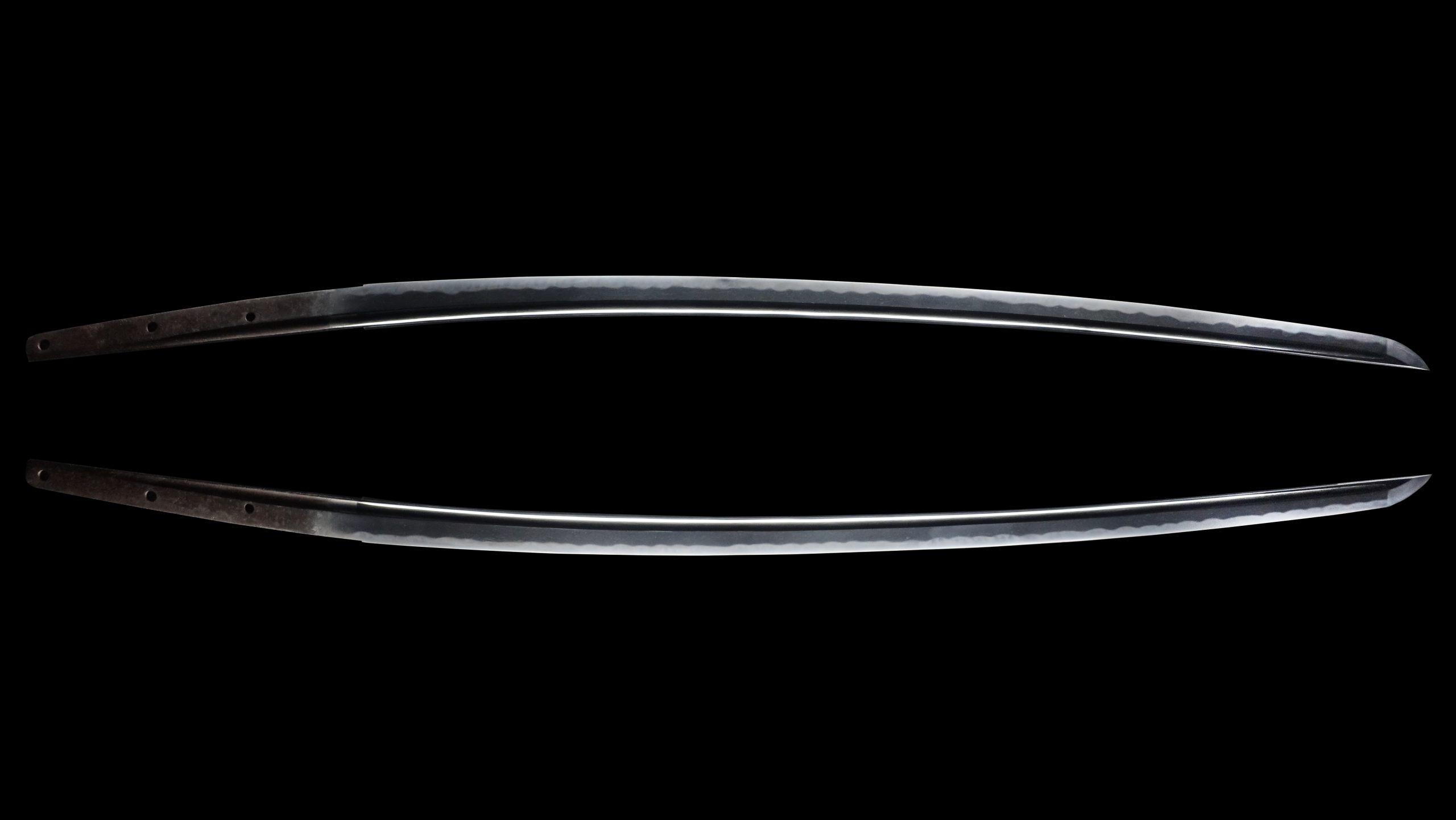
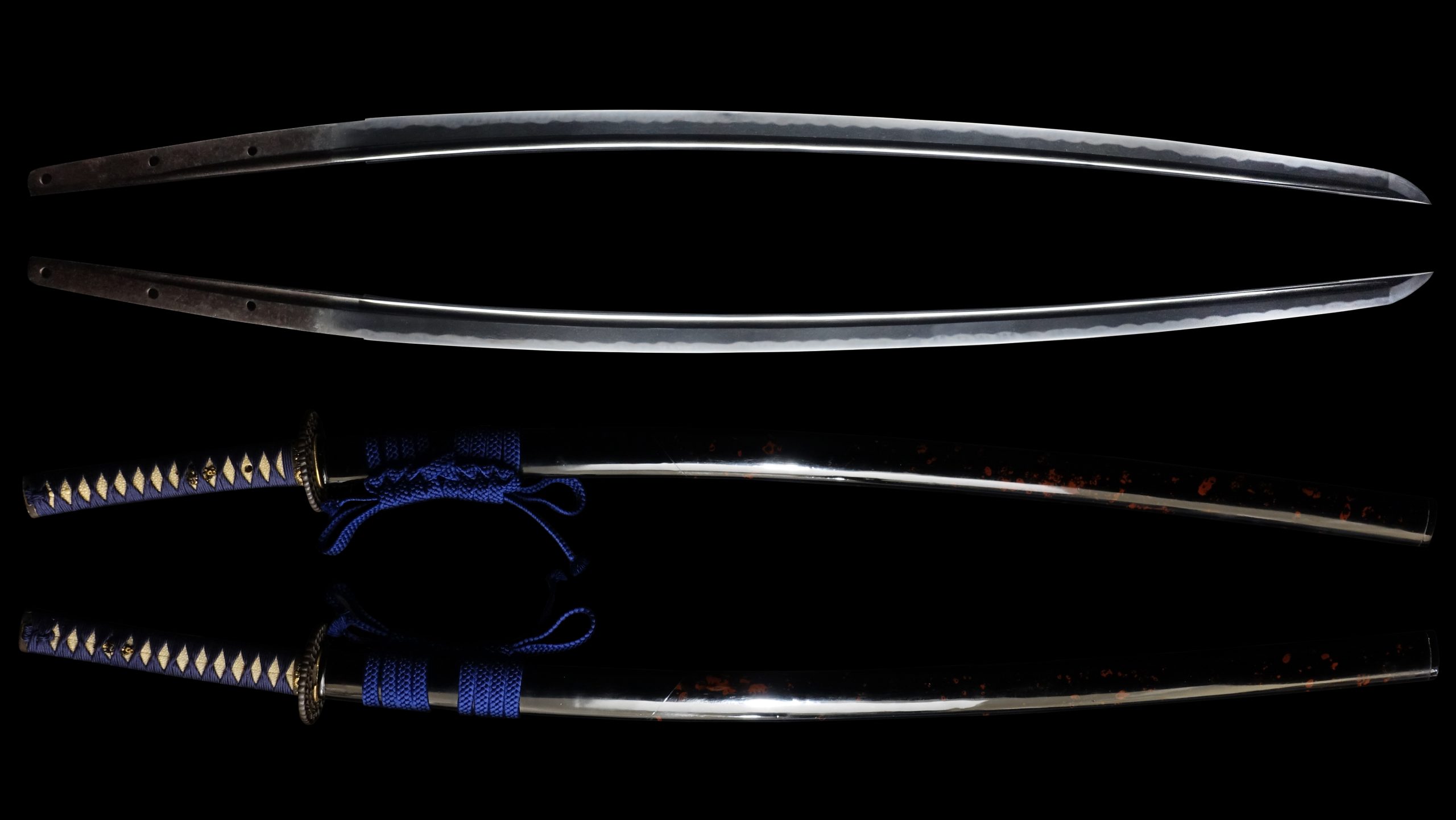
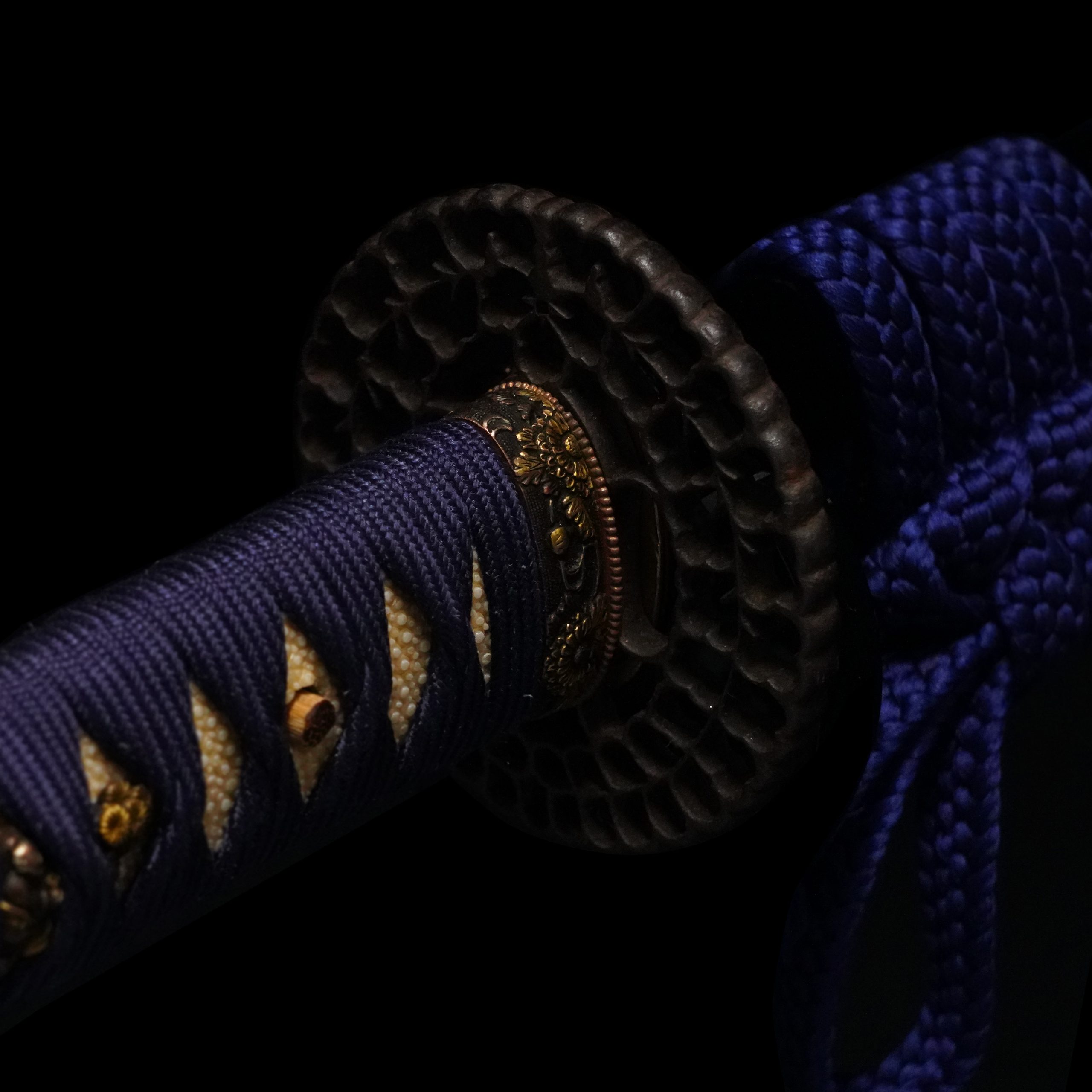
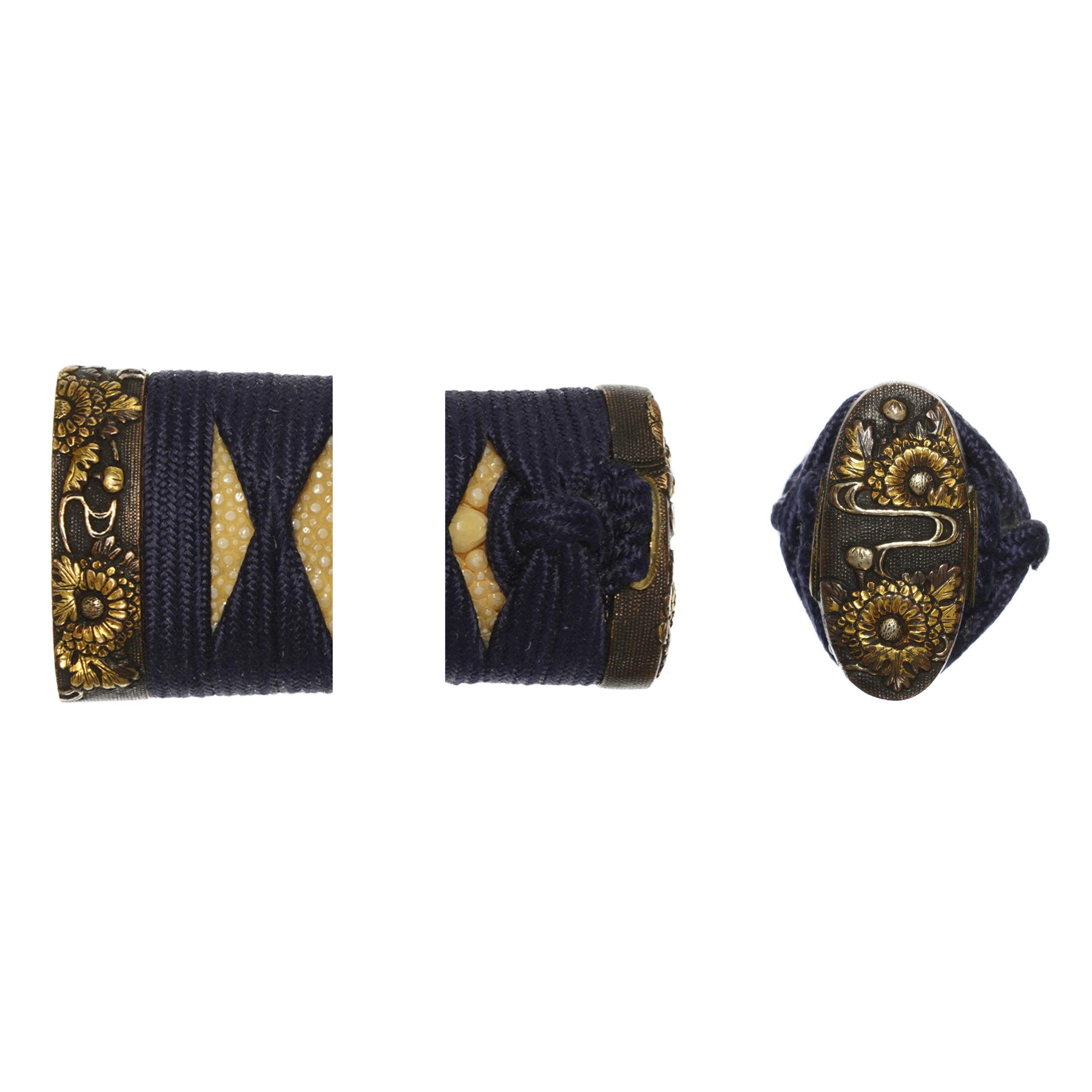
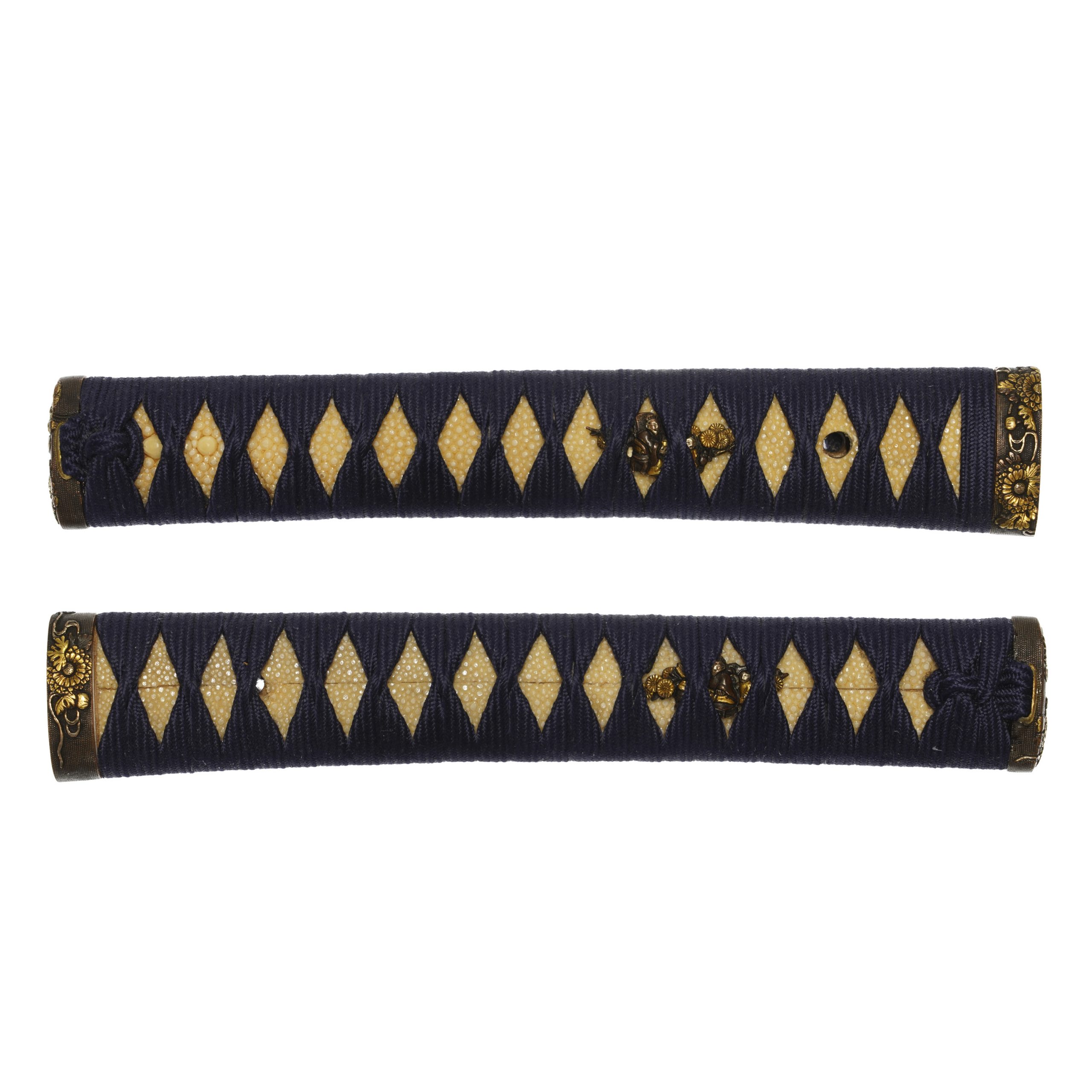
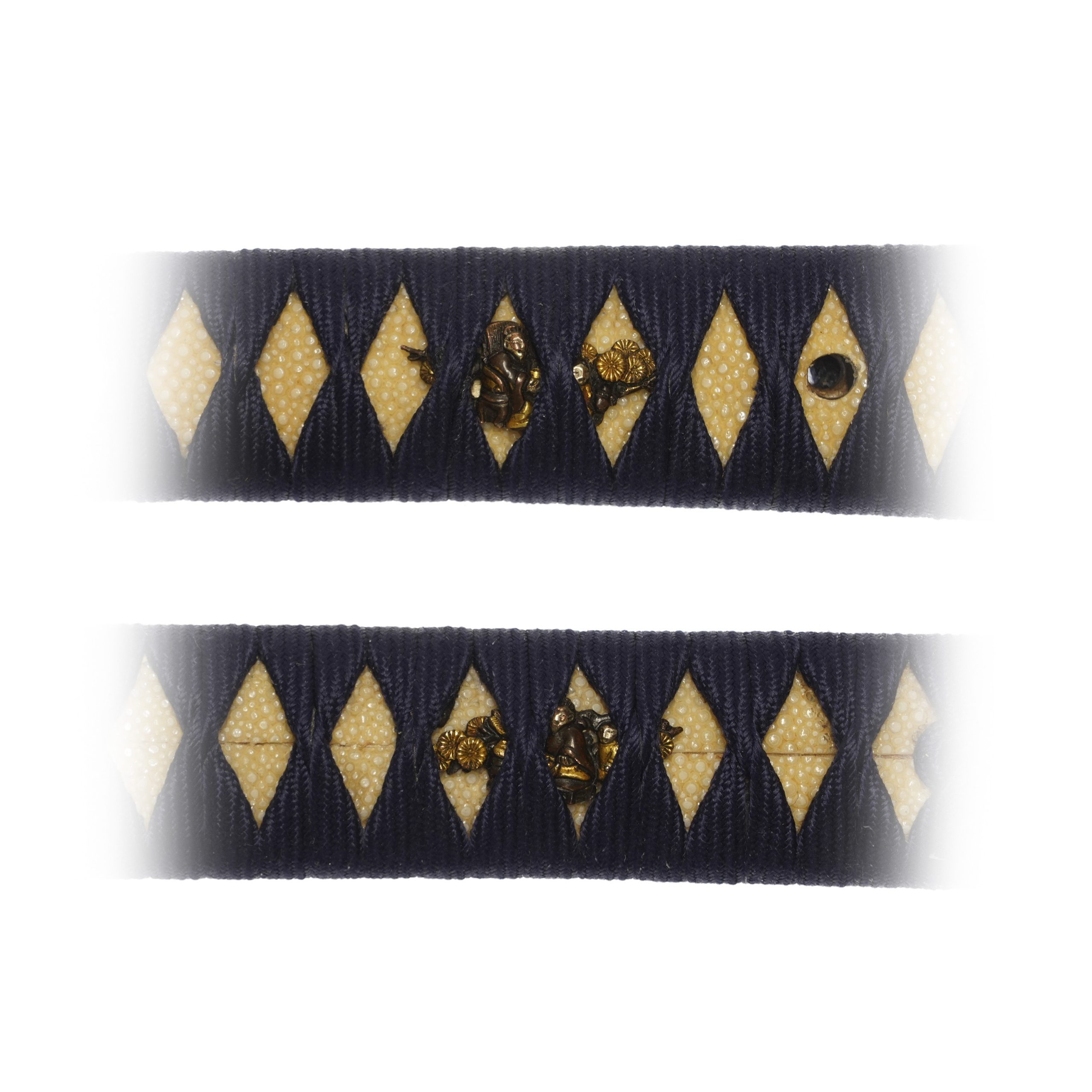
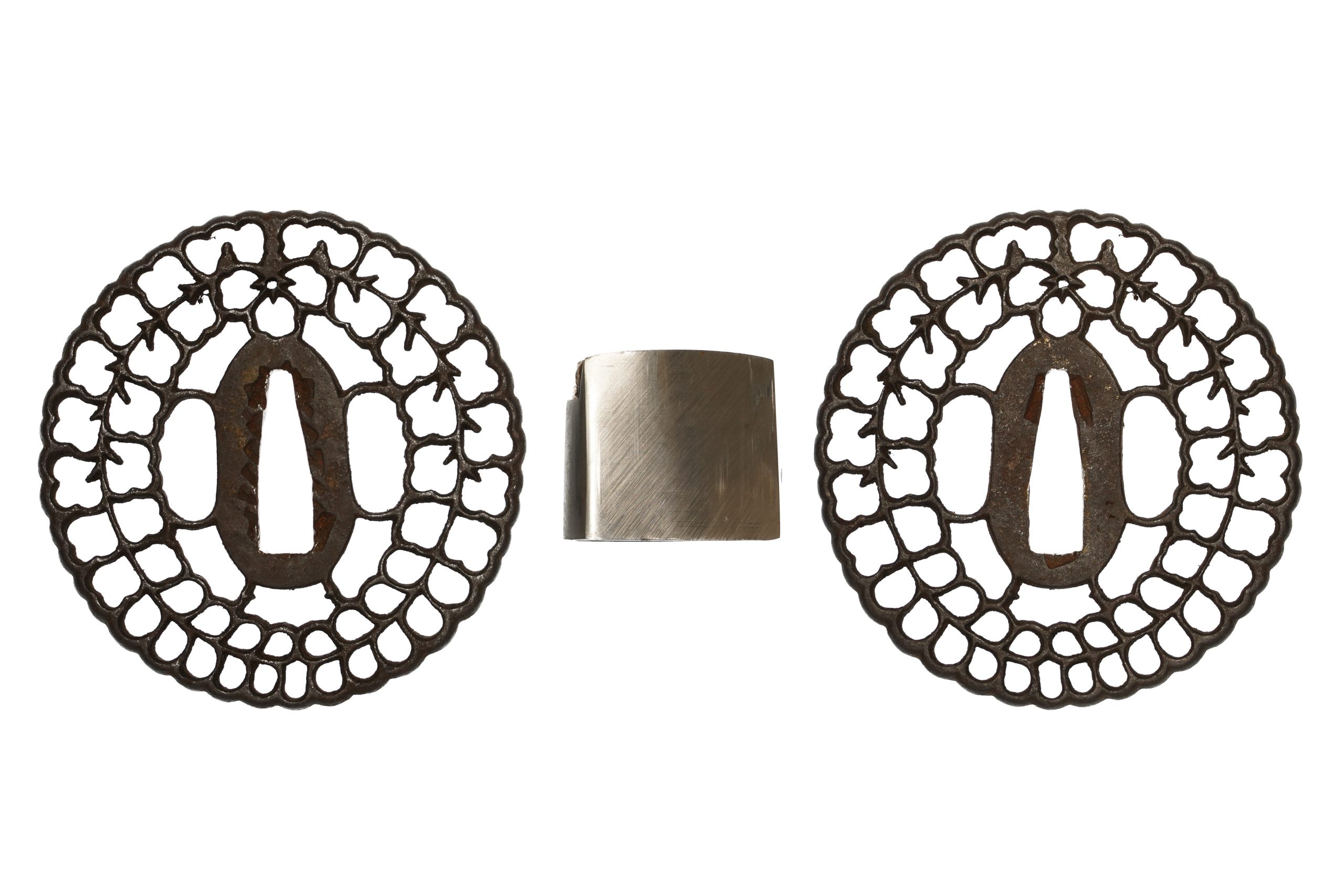
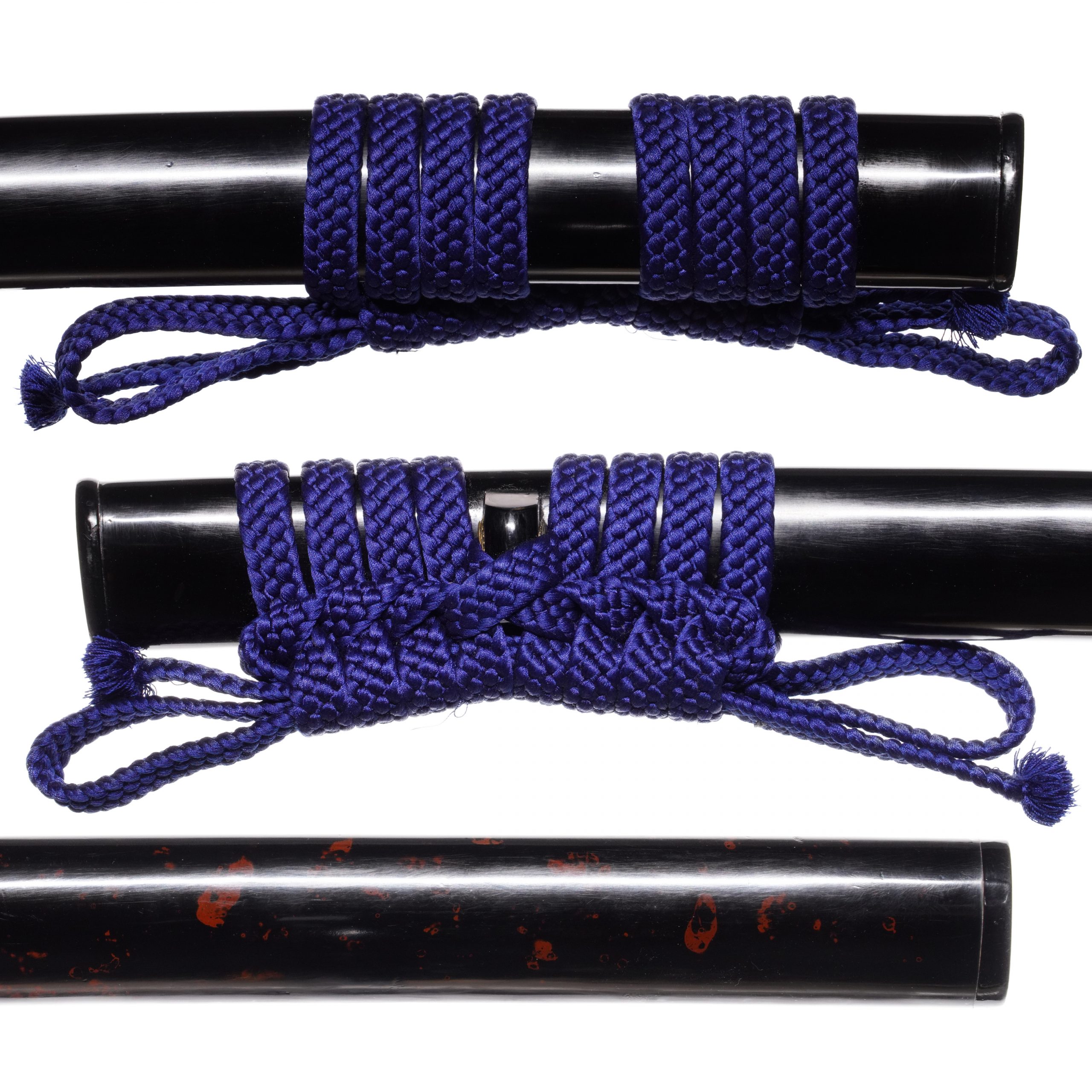
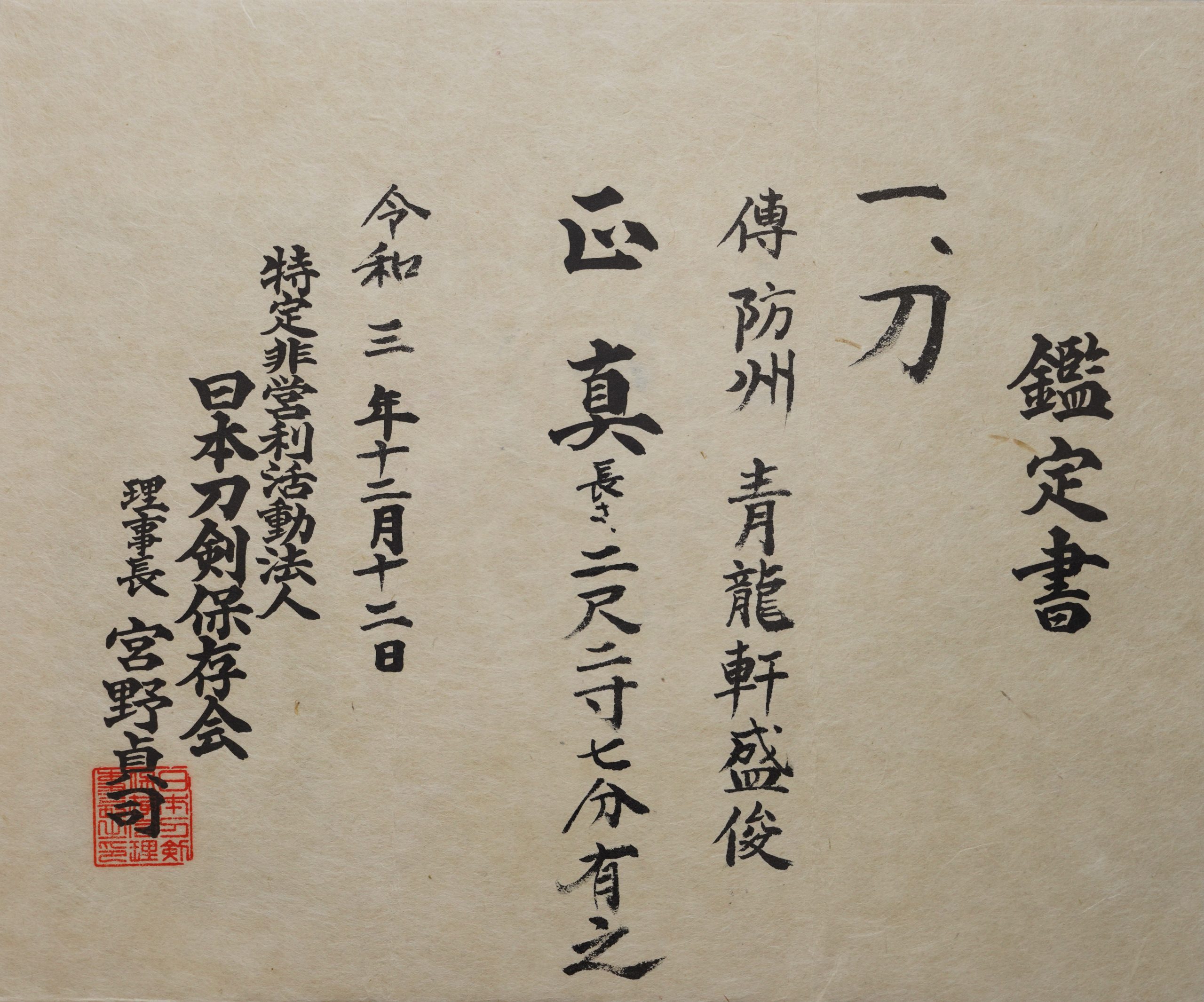
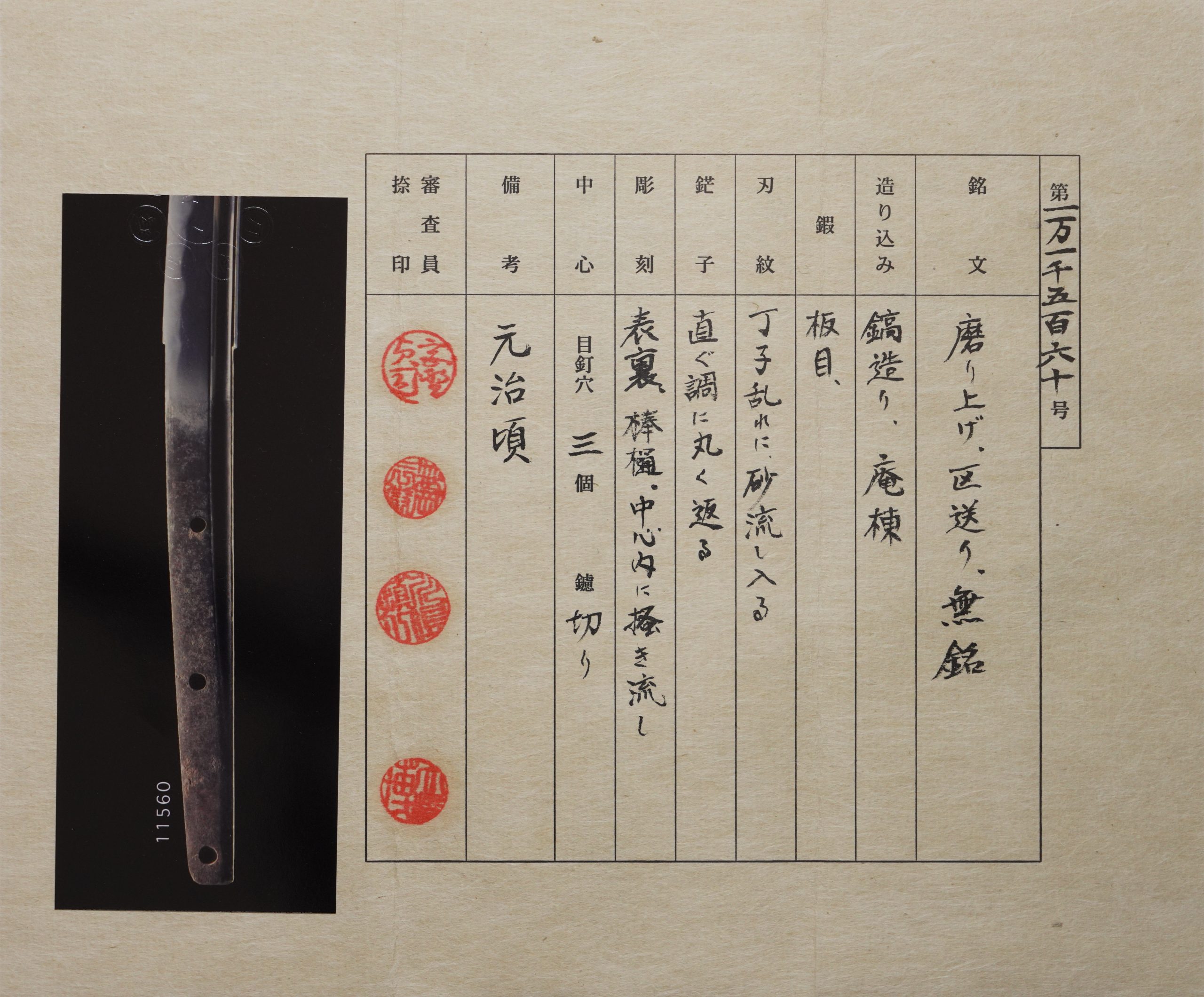
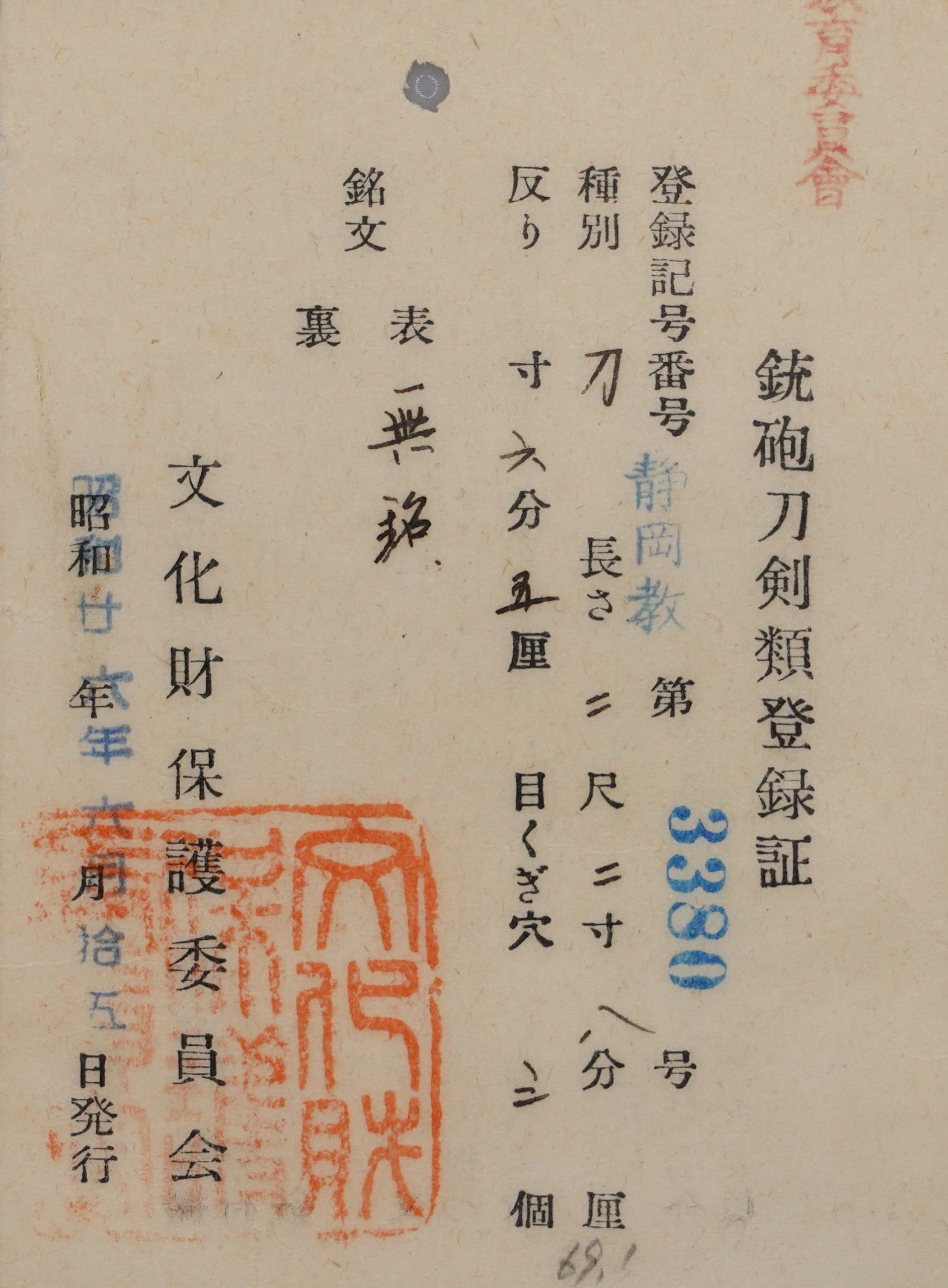
This antique Japanese katana is attributed to Seiryuken Moritoshi, a renowned swordsmith from the Choshu domain active during the late Edo period (Genji era, 1864-1865). The blade comes with an NTHK Kanteisho certificate, confirming its attribution. It features a nagasa of 68.8 cm and a sori of 1.97 cm, and is accompanied by a koshirae mounting and shirasaya.
 NihontoWatch
mumei · Bakumatsu-Meiji (1854-1869) · nagasa 68.8cm · sori 1.97cm
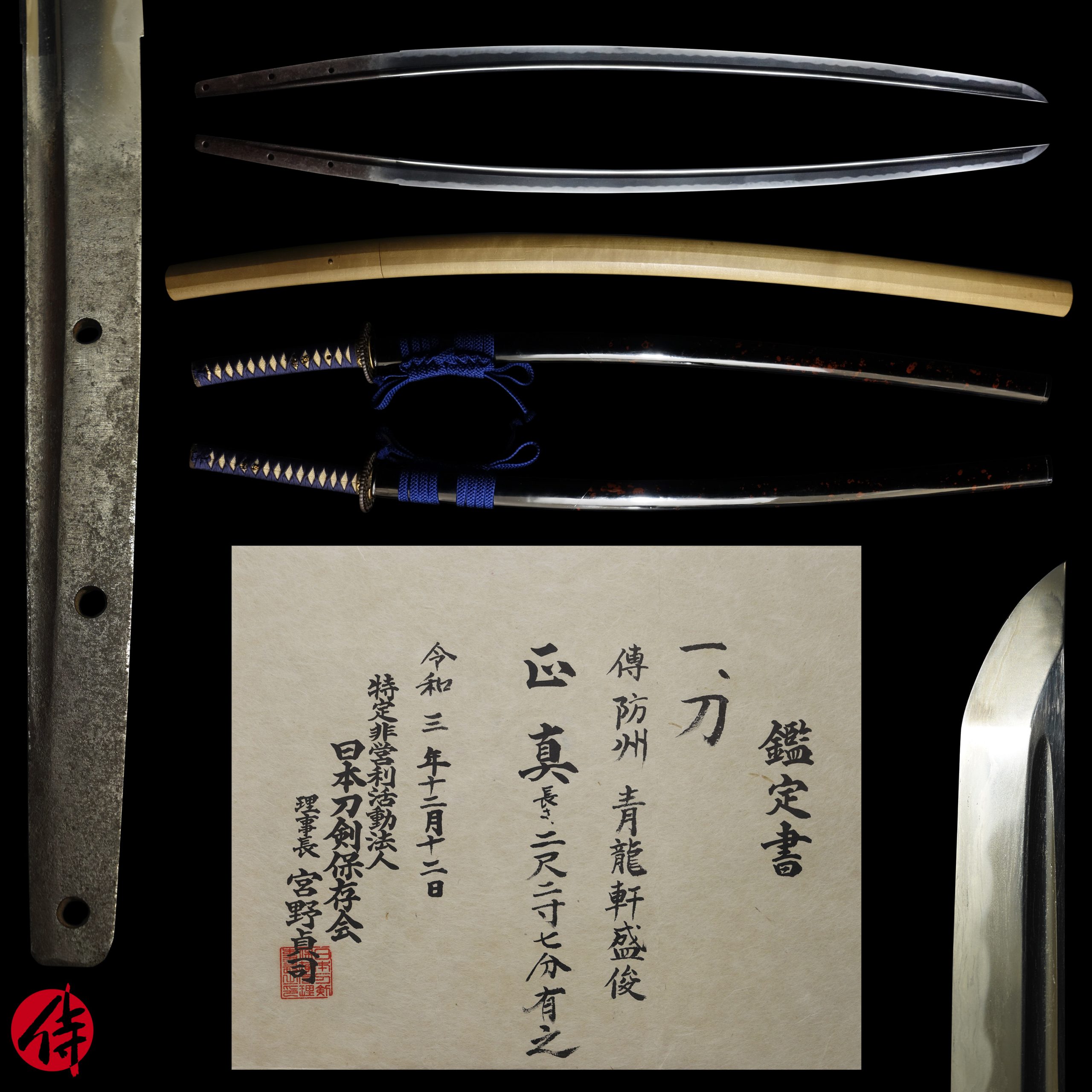
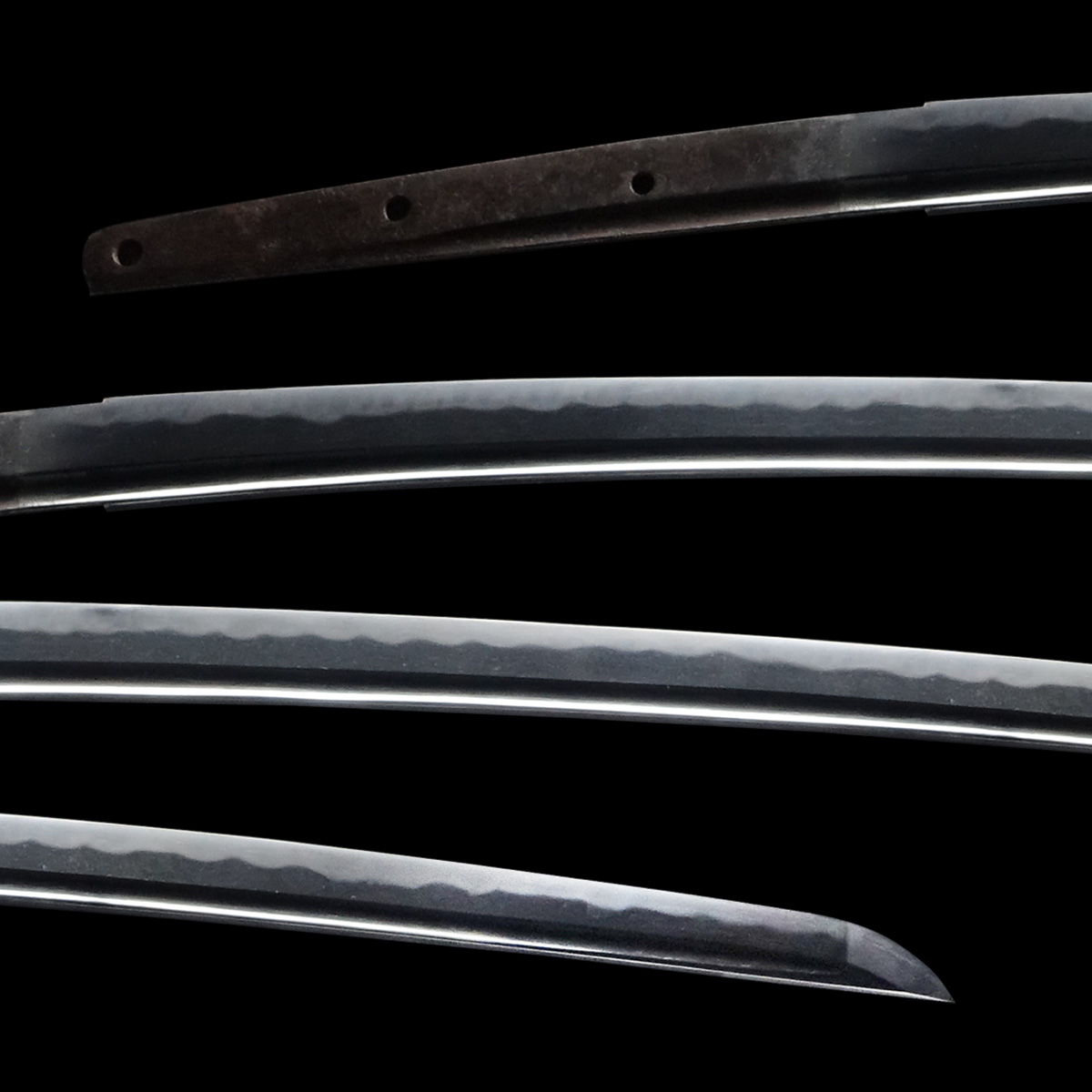
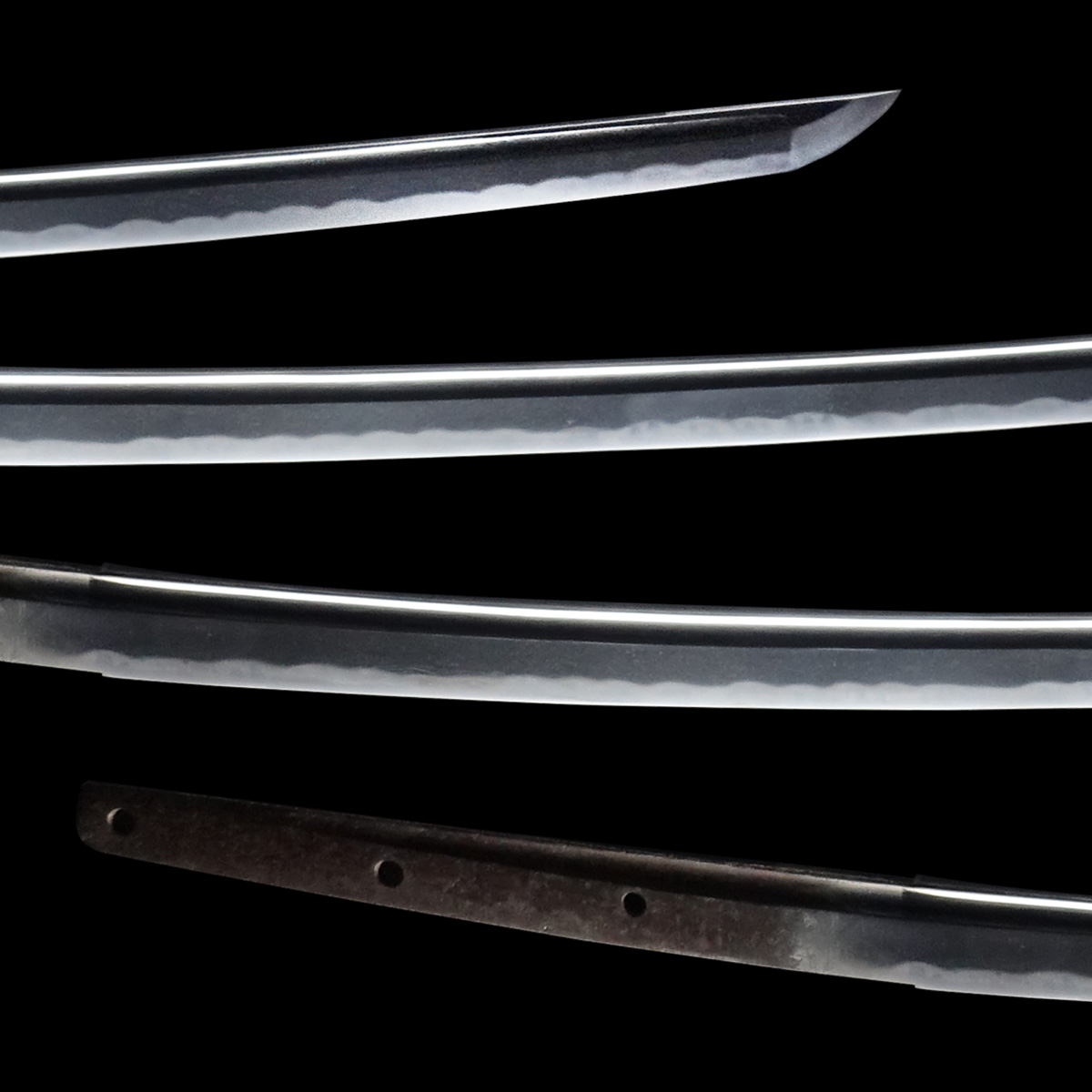
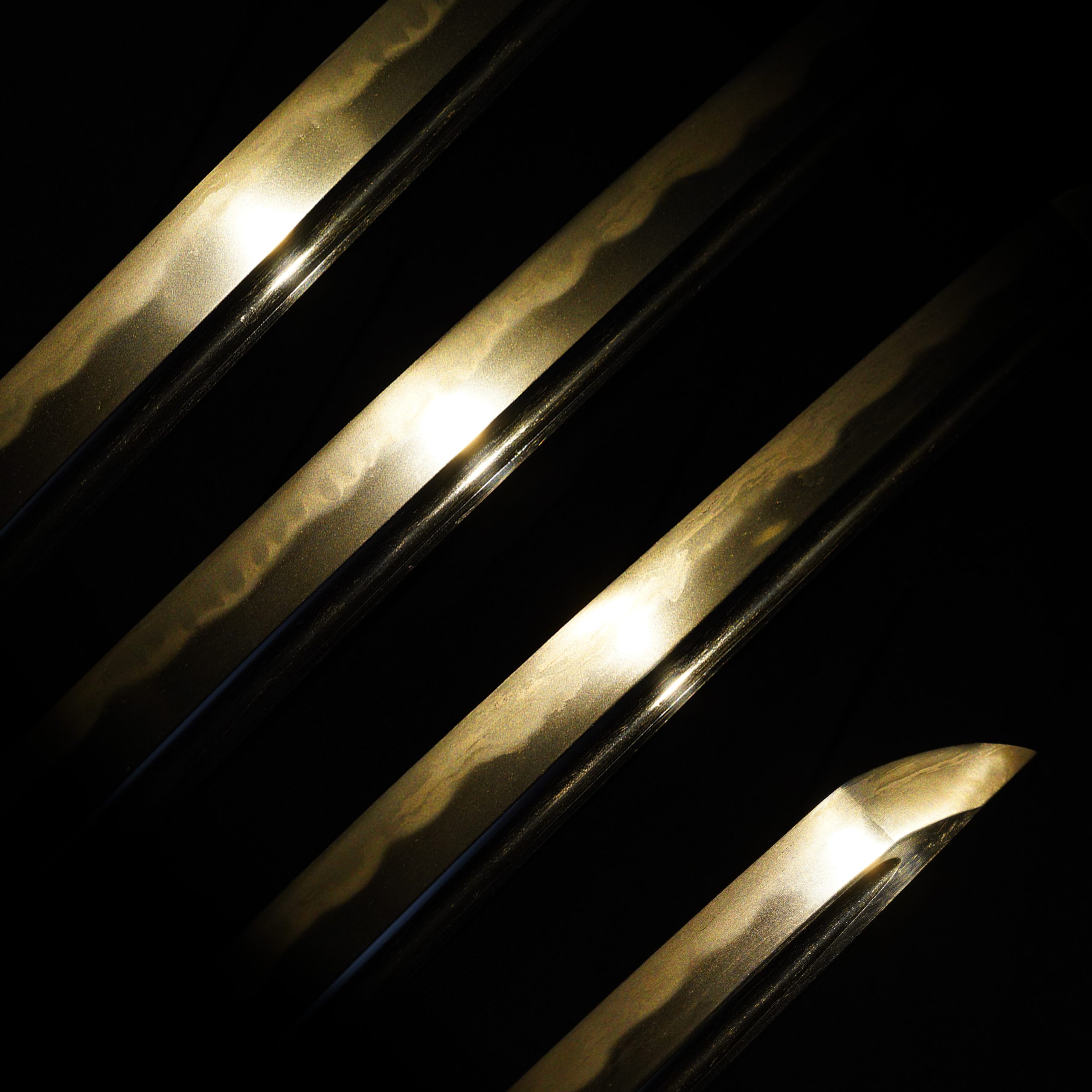
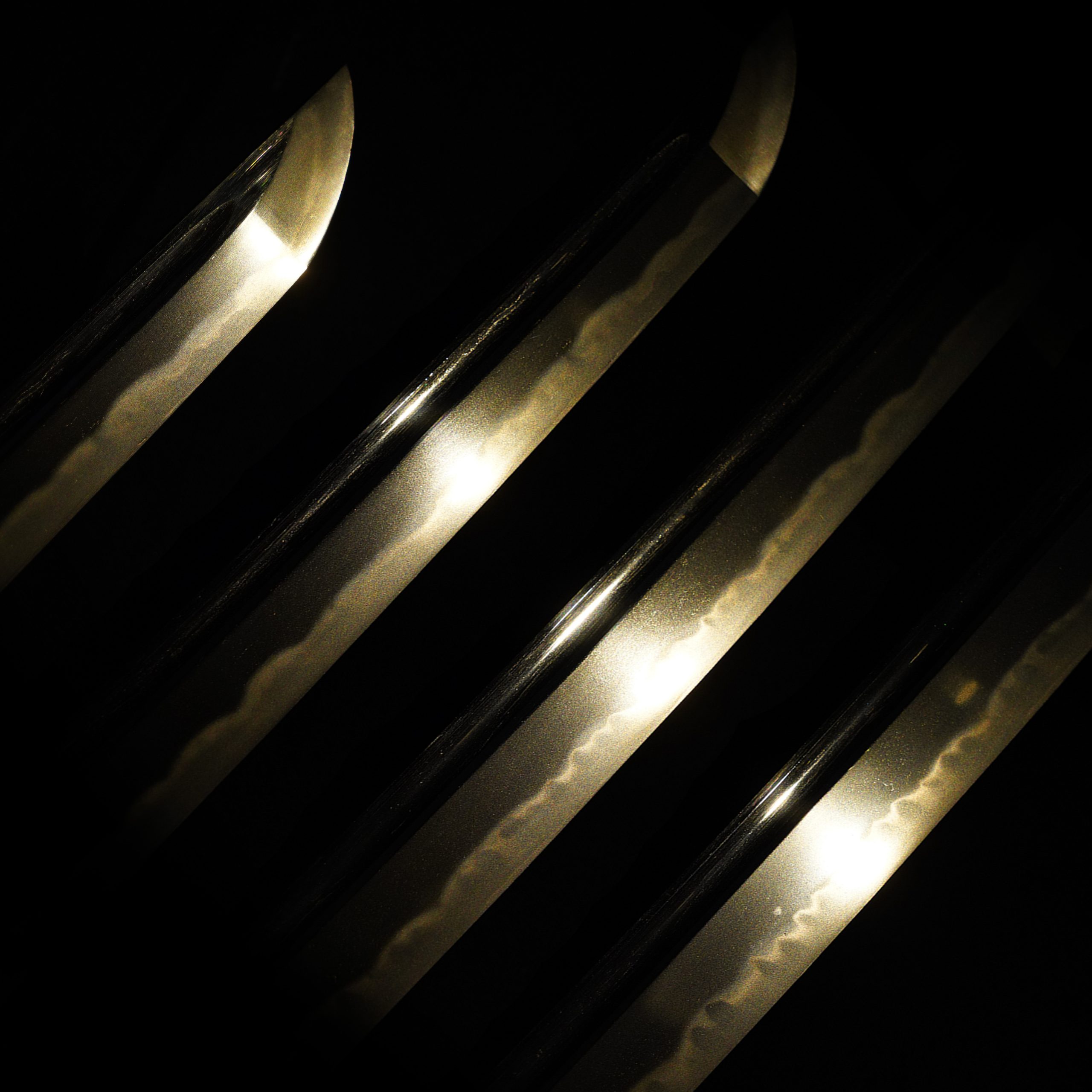
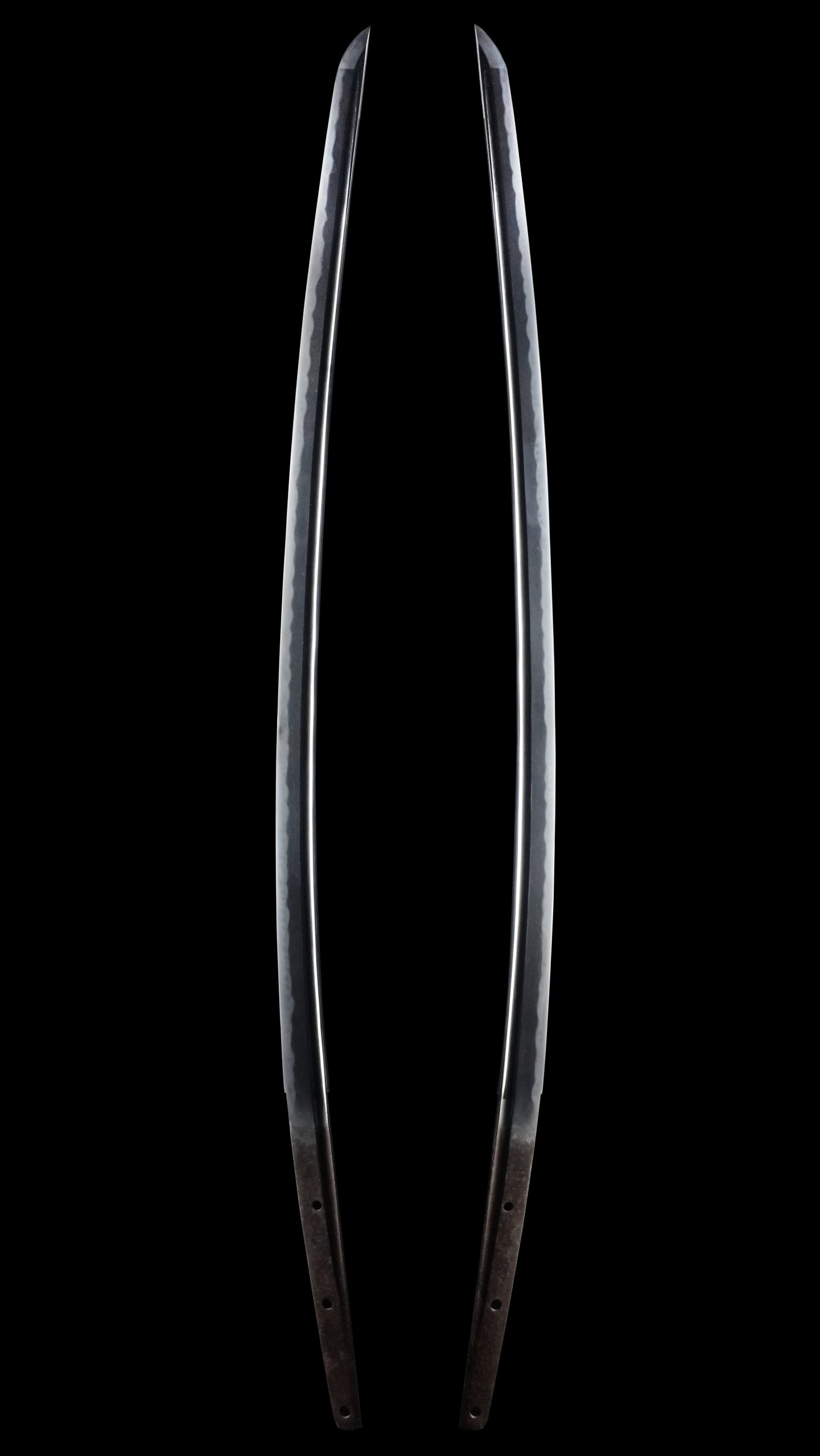
Suo · around 1854-1869
2 pieces on the market now
Bakumatsu: the last war market
Perry’s arrival in 1853 unraveled the Tokugawa peace and created the first mass demand for working swords in two centuries. Kiyomaro, called the Masamune of Yotsuya, died on its eve; Munetsugu and Yukihide carried the boom to the end.
The NTHK’s principal certificate, issued for a blade of considerable quality. It confirms a genuine signature, or, for an unsigned (mumei) work, records the judges’ attribution to a smith or school. The paper carries a detailed worksheet with a numerical point score.
The NTHK (Nihon Tōken Hozon Kai, the Society for the Preservation of the Japanese Sword) is the oldest of Japan’s sword-appraisal bodies, founded in 1910, decades before the NBTHK. After the death of its long-serving head it divided into two successor societies, the NTHK and the NTHK-NPO, both of which continue to hold shinsa. NTHK certificates are known for a detailed worksheet that records a numerical point score alongside the judges’ written opinion, and the society is especially respected for its attribution of unsigned (mumei) work.
Returns/exchanges limited to defects caused by shipping (except willful misconduct or gross negligence by the company); customers must contact within 72 hours of receiving the product.
This antique Japanese katana is attributed to Seiryuken Moritoshi, a renowned swordsmith from the Choshu domain active during the late Edo period (Genji era, 1864-1865). The blade comes with an NTHK Kanteisho certificate, confirming its attribution. It features a nagasa of 68.8 cm and a sori of 1.97 cm, and is accompanied by a koshirae mounting and shirasaya.
NihontoWatchmumei · Bakumatsu-Meiji (1854-1869) · nagasa 68.8cm · sori 1.97cm
Suo · around 1854-1869
2 pieces on the market now
Bakumatsu: the last war market
Perry’s arrival in 1853 unraveled the Tokugawa peace and created the first mass demand for working swords in two centuries. Kiyomaro, called the Masamune of Yotsuya, died on its eve; Munetsugu and Yukihide carried the boom to the end.
The NTHK’s principal certificate, issued for a blade of considerable quality. It confirms a genuine signature, or, for an unsigned (mumei) work, records the judges’ attribution to a smith or school. The paper carries a detailed worksheet with a numerical point score.
The NTHK (Nihon Tōken Hozon Kai, the Society for the Preservation of the Japanese Sword) is the oldest of Japan’s sword-appraisal bodies, founded in 1910, decades before the NBTHK. After the death of its long-serving head it divided into two successor societies, the NTHK and the NTHK-NPO, both of which continue to hold shinsa. NTHK certificates are known for a detailed worksheet that records a numerical point score alongside the judges’ written opinion, and the society is especially respected for its attribution of unsigned (mumei) work.
Returns/exchanges limited to defects caused by shipping (except willful misconduct or gross negligence by the company); customers must contact within 72 hours of receiving the product.