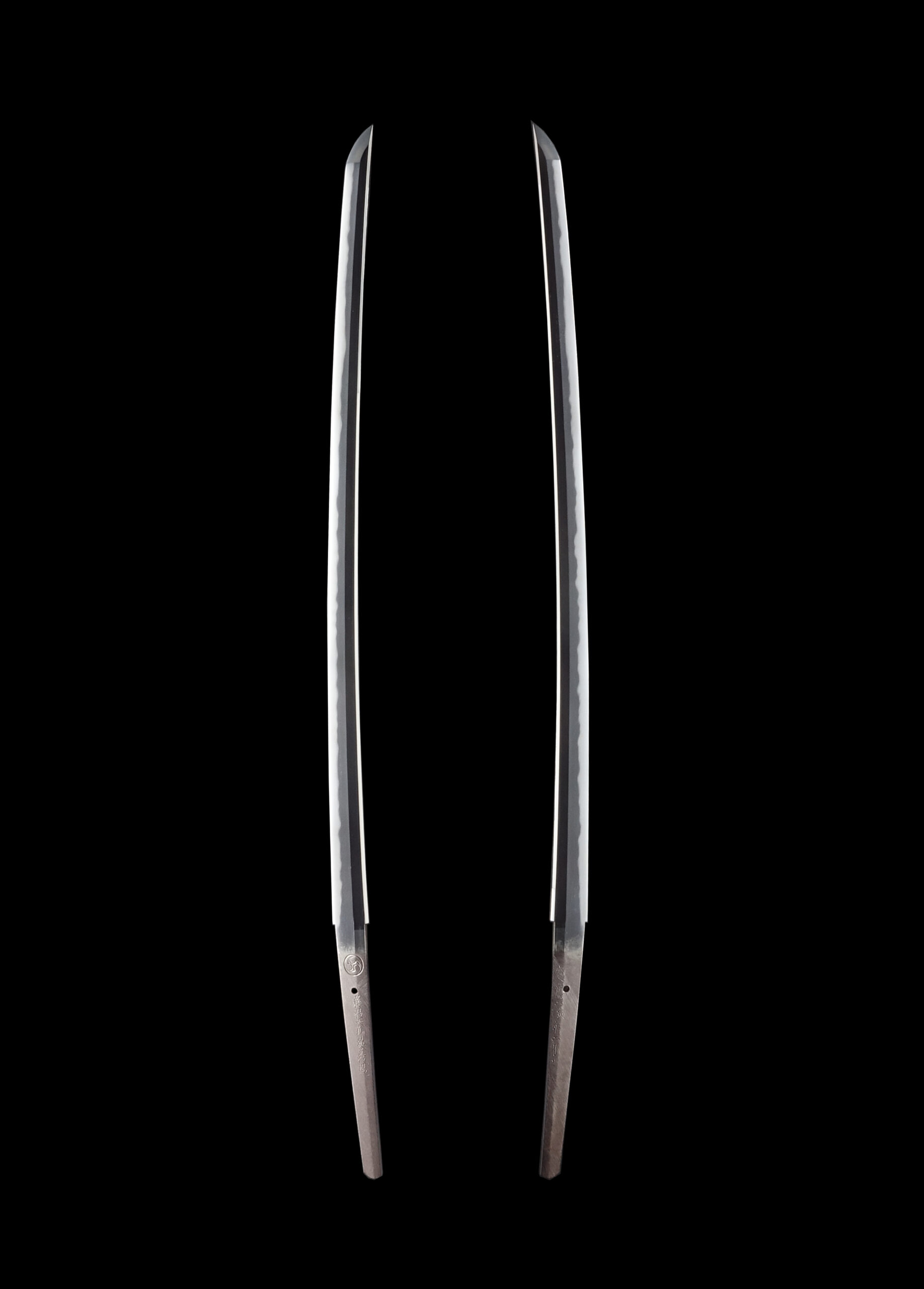
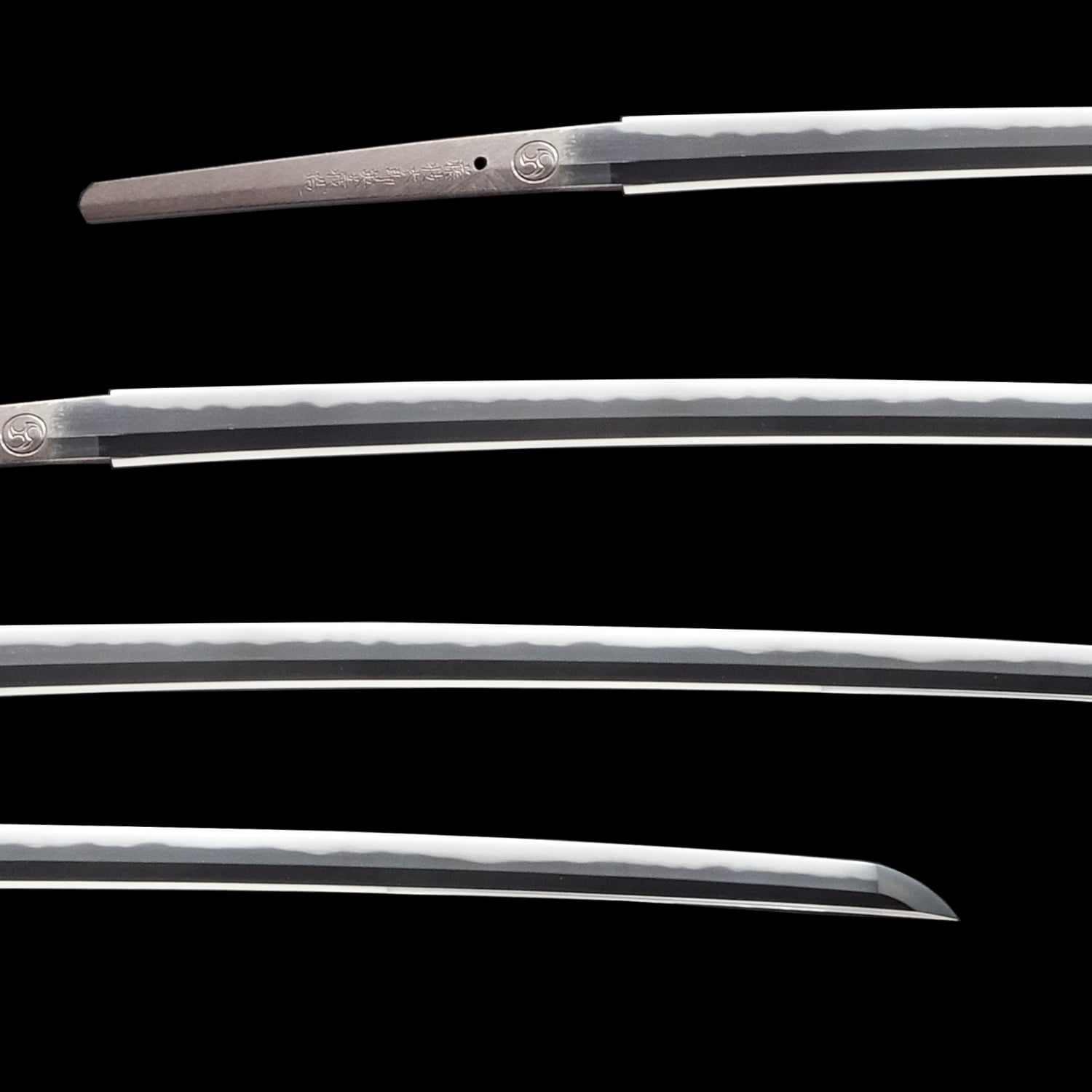
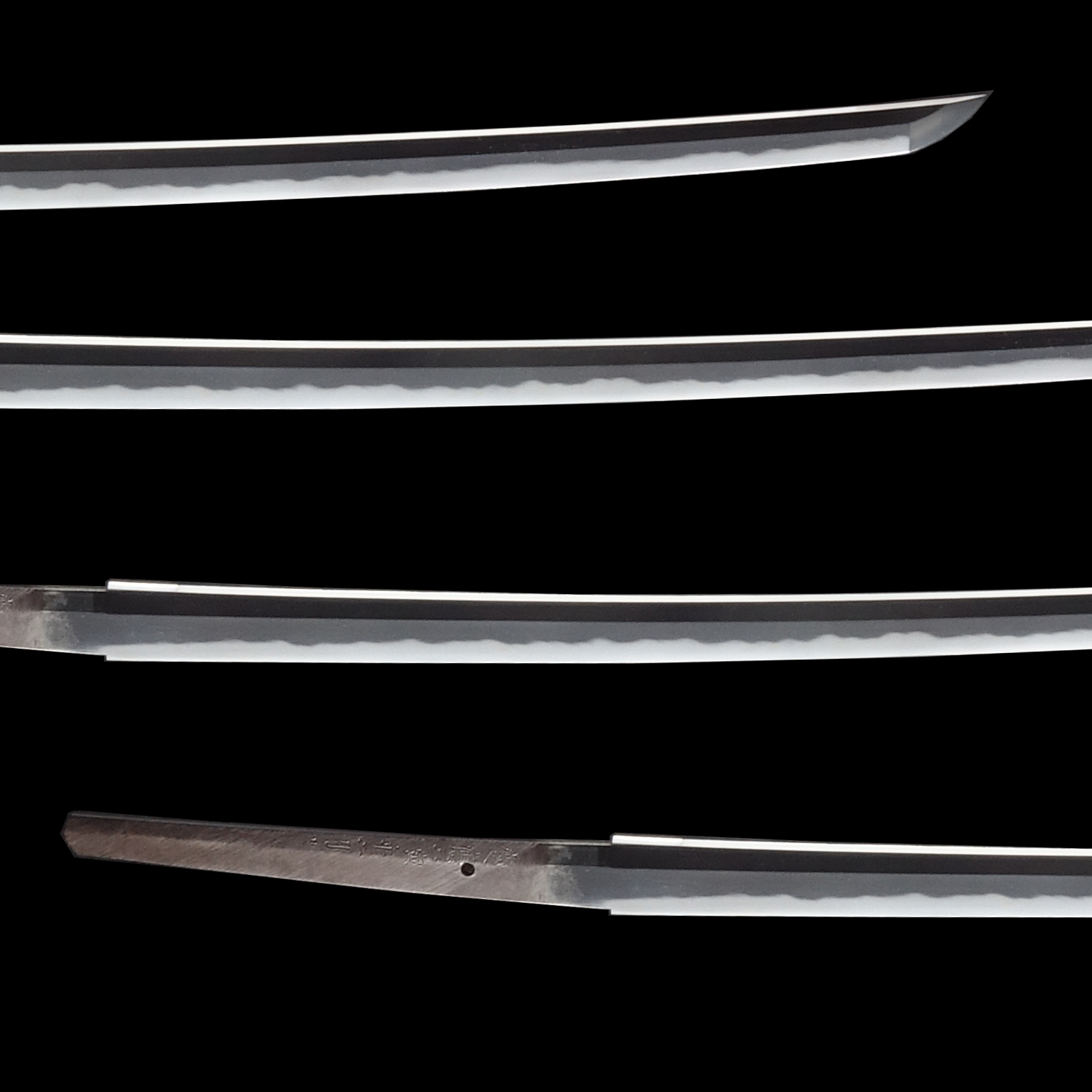
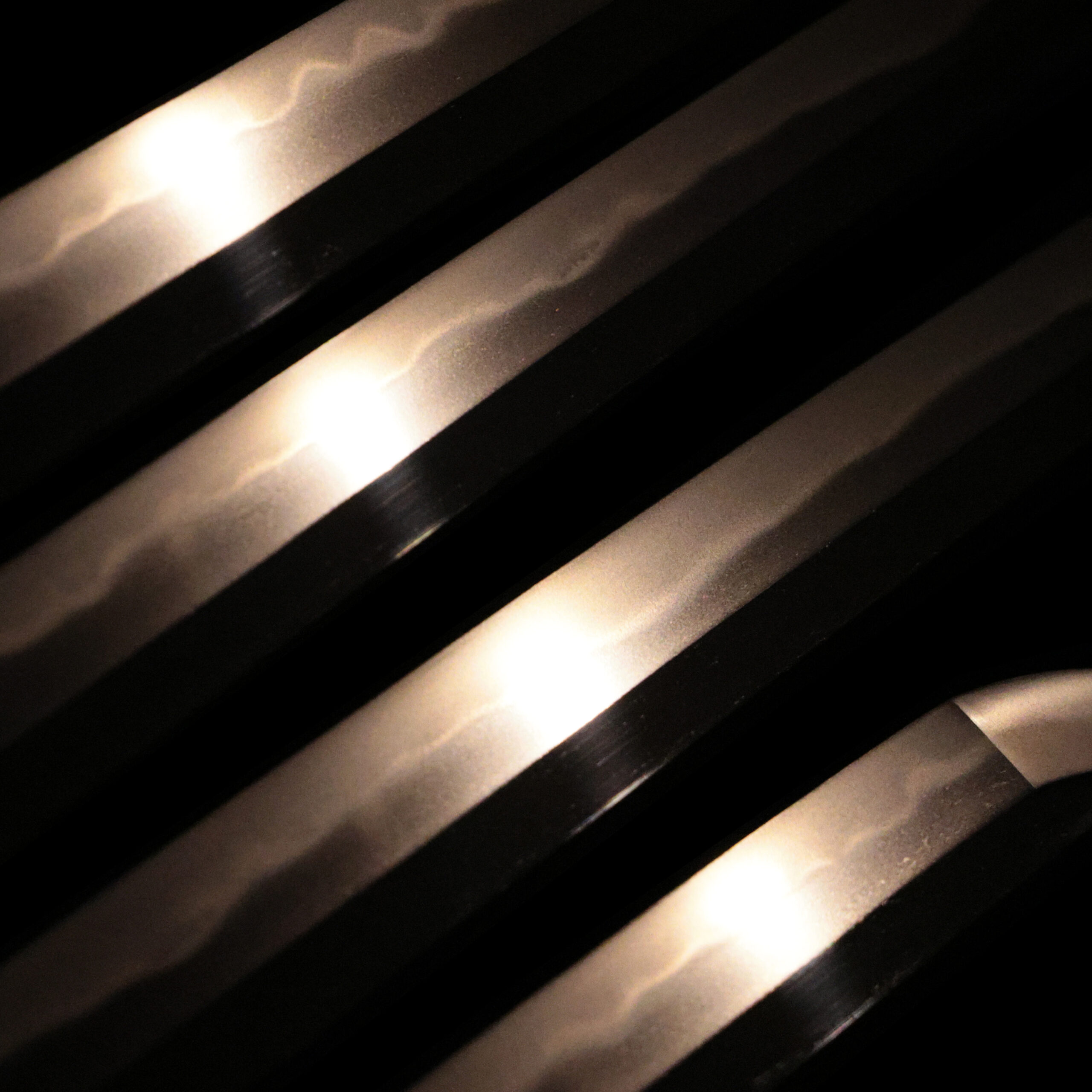
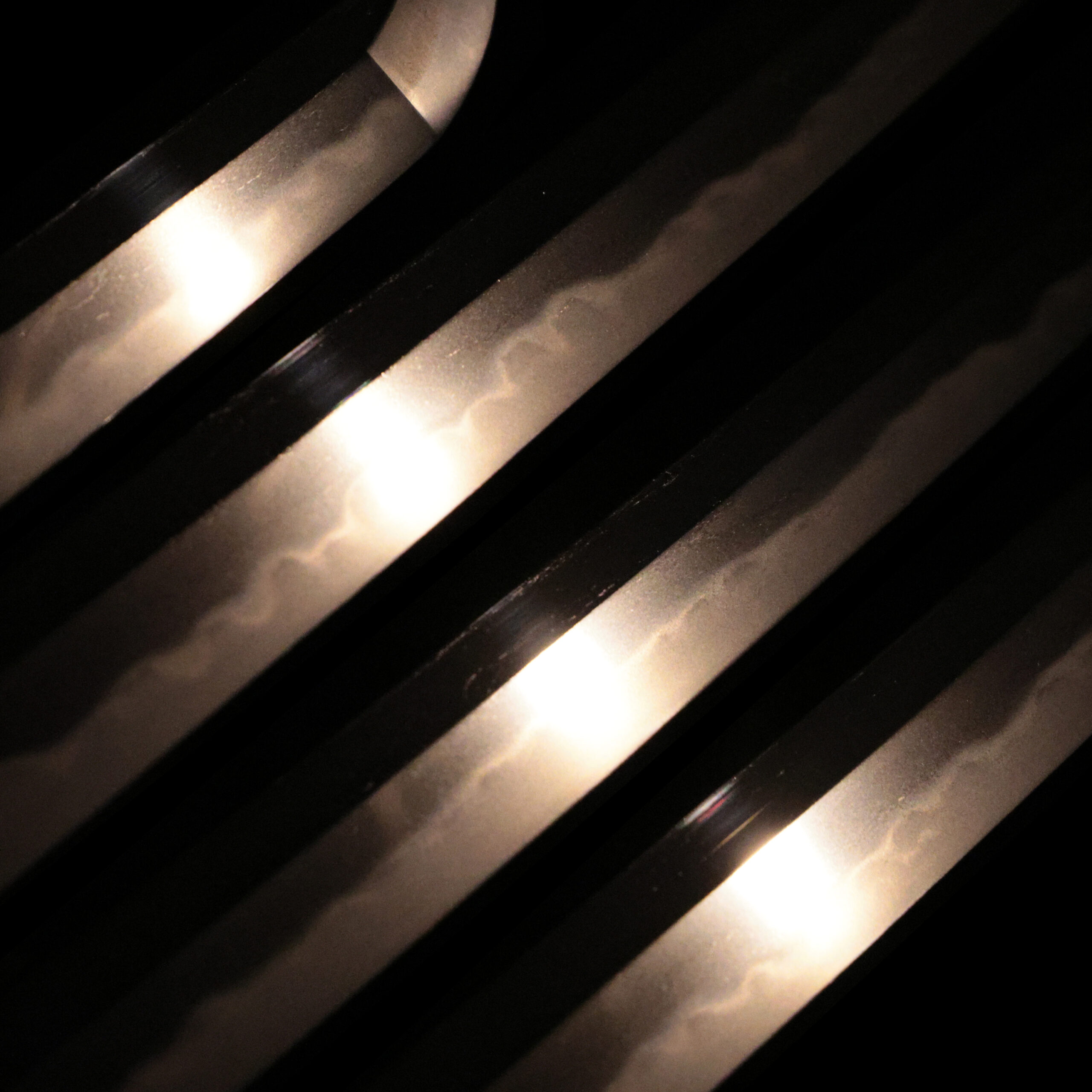
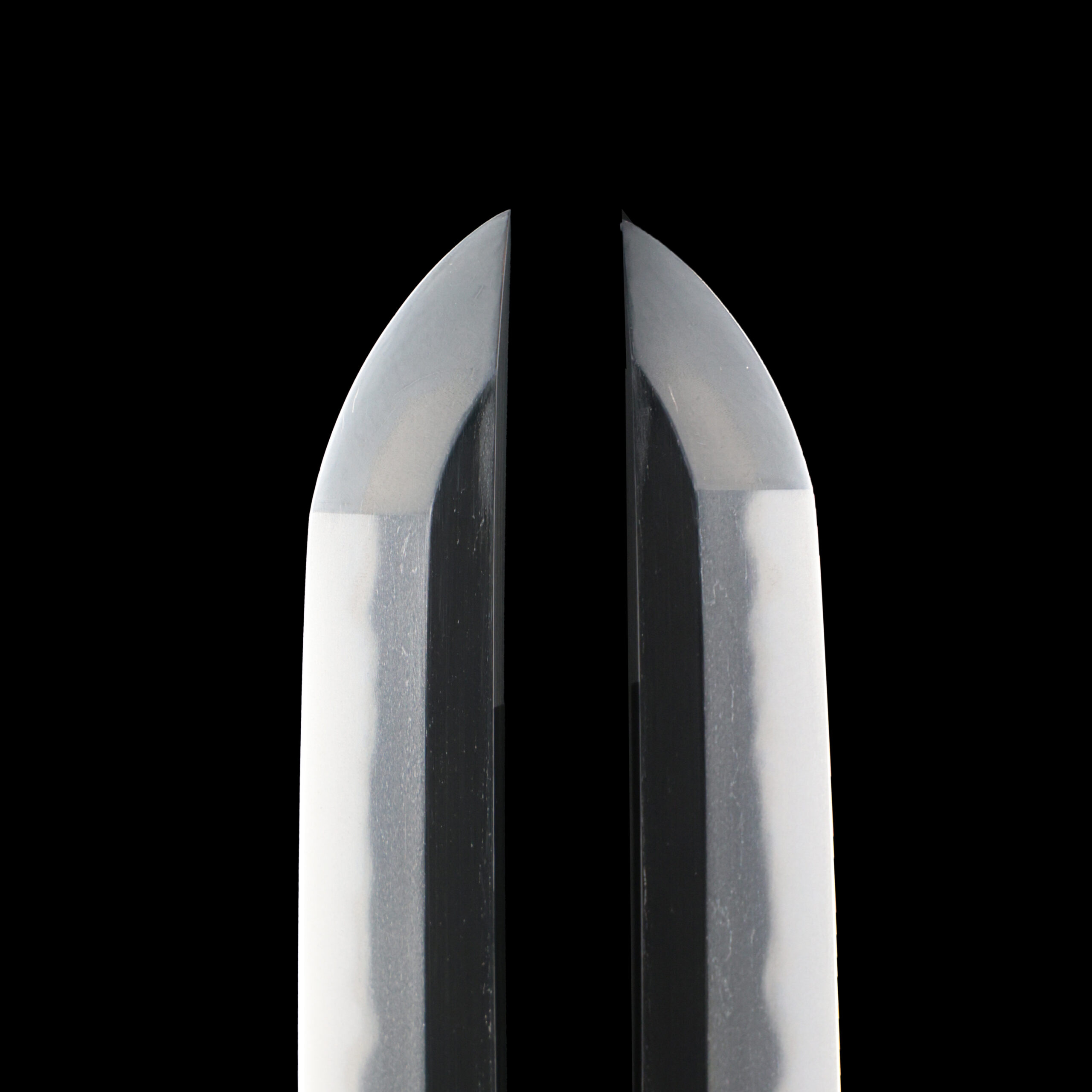
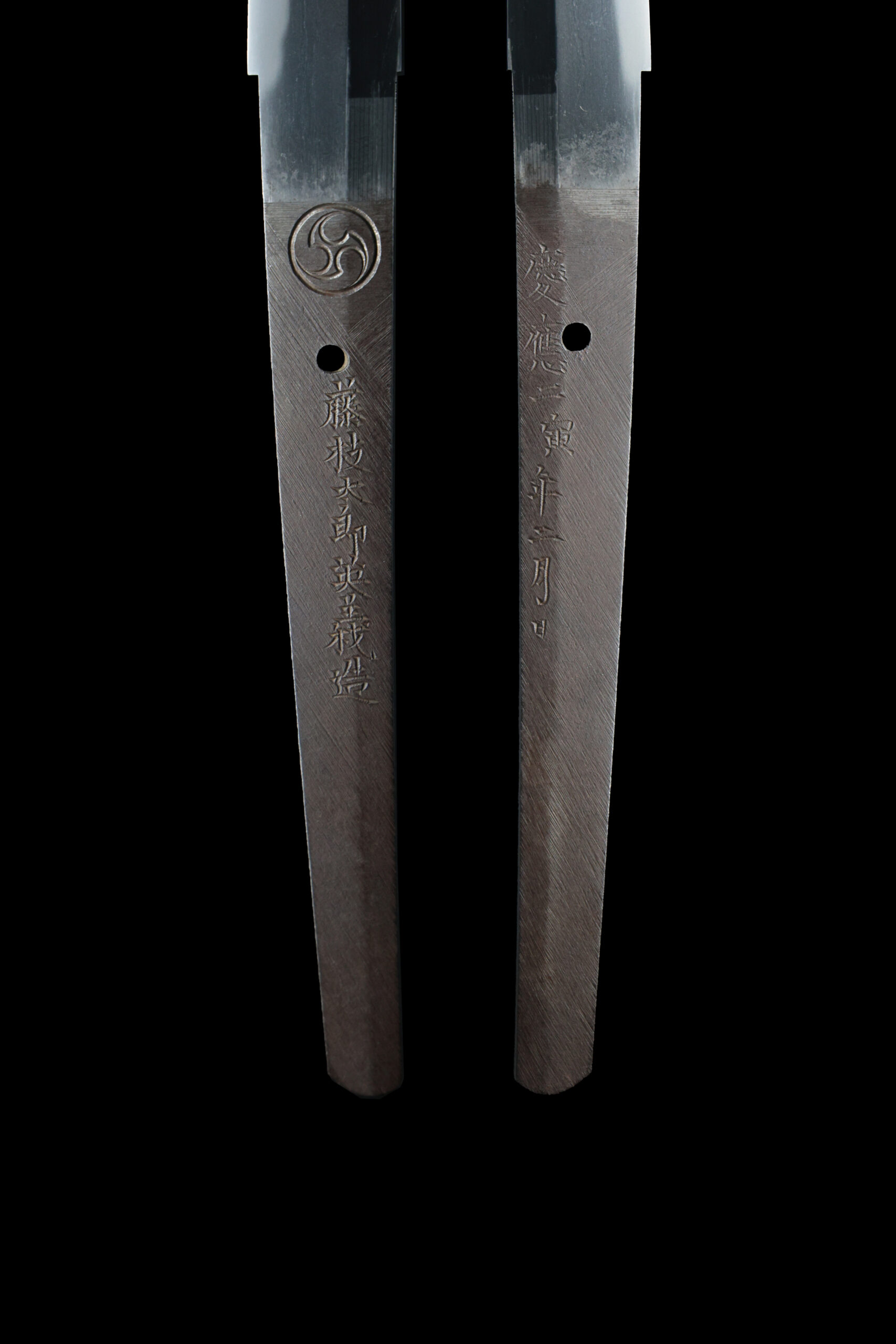
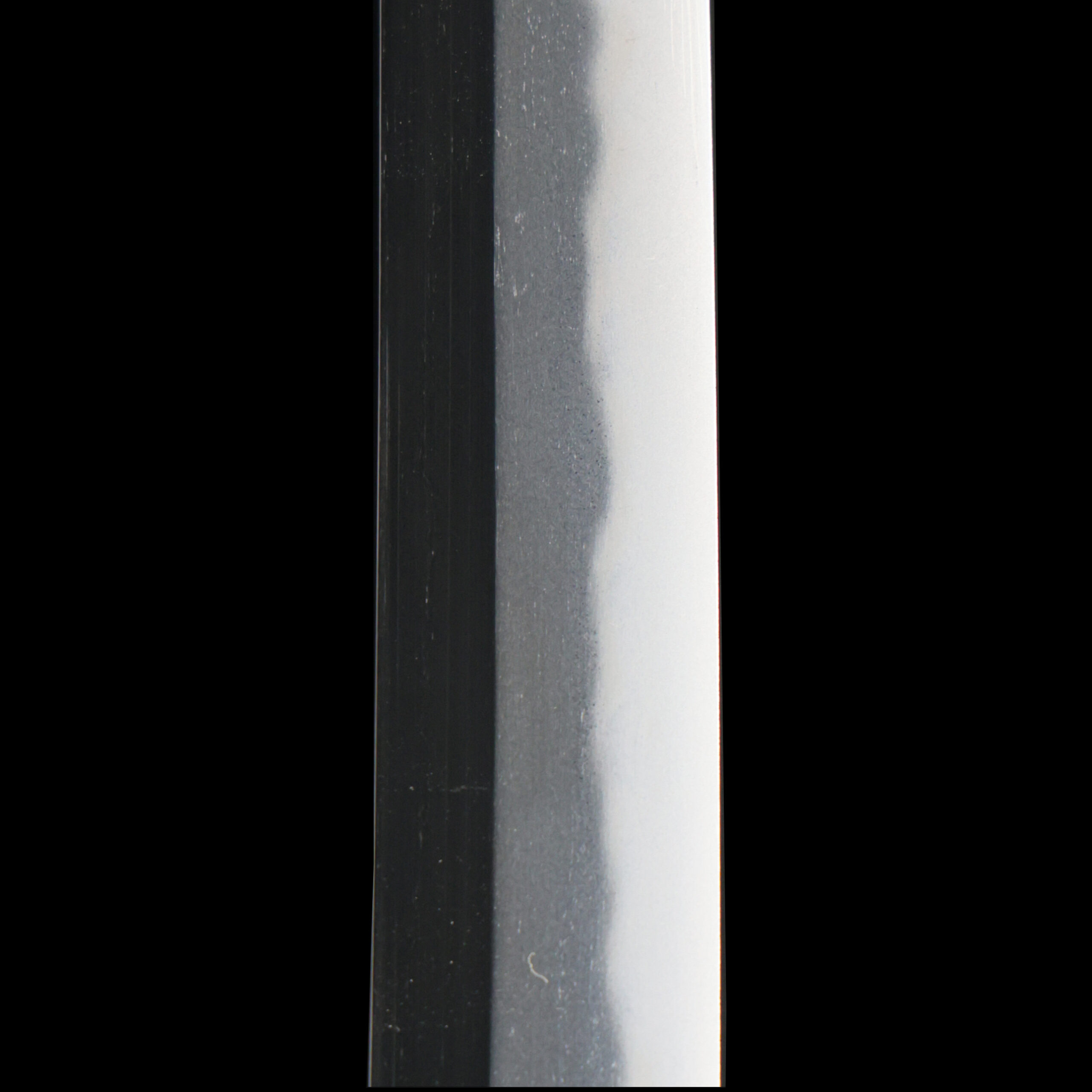
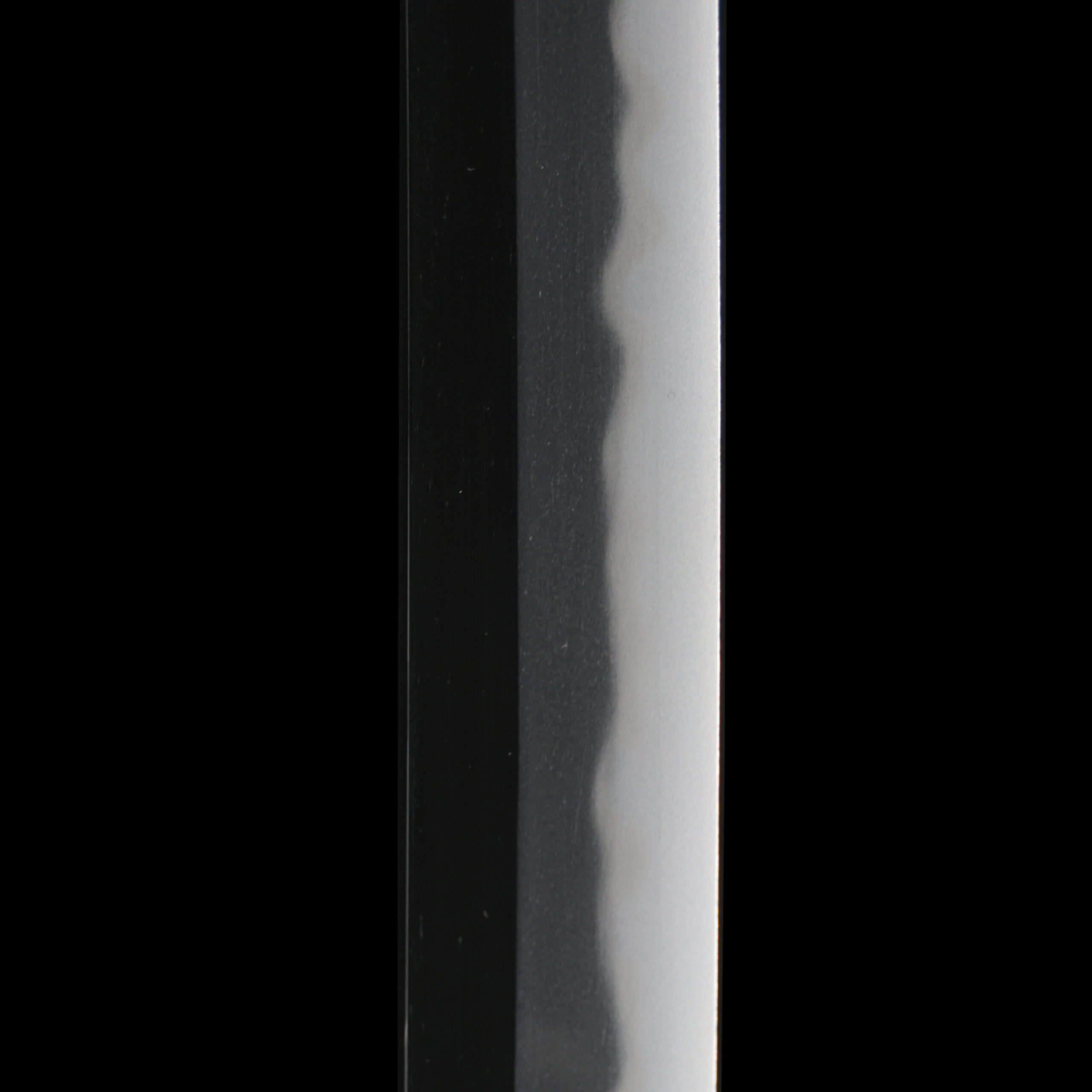
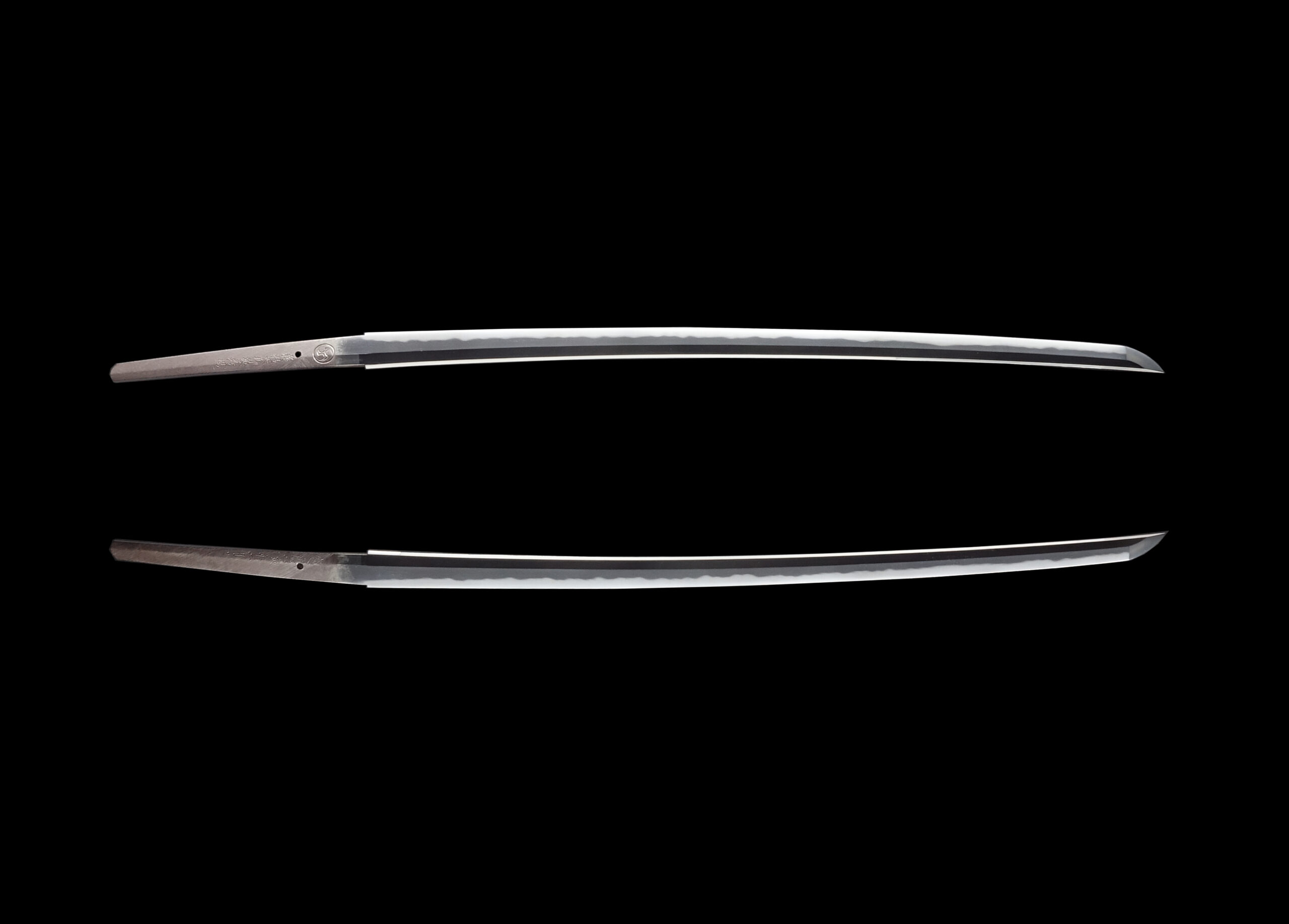
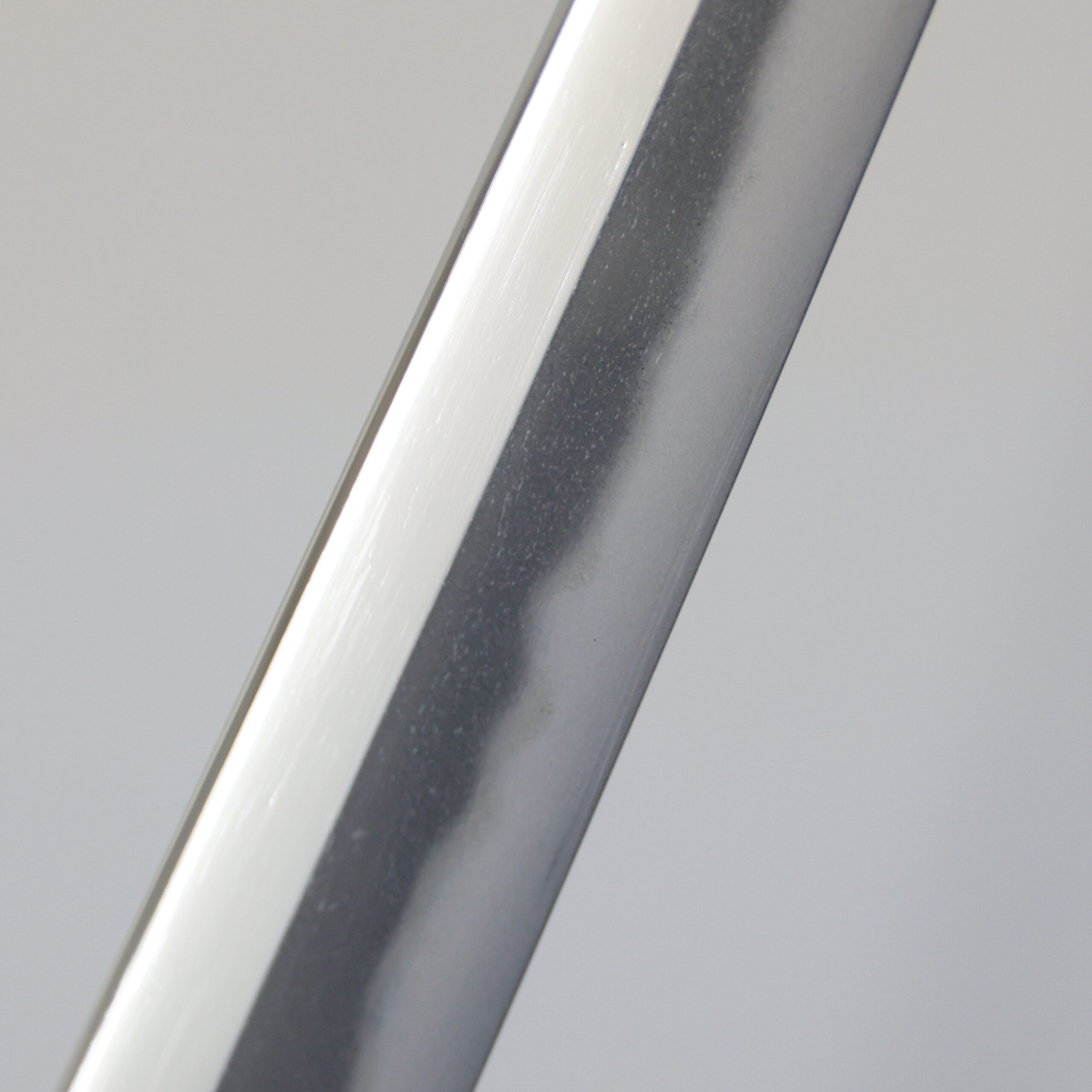
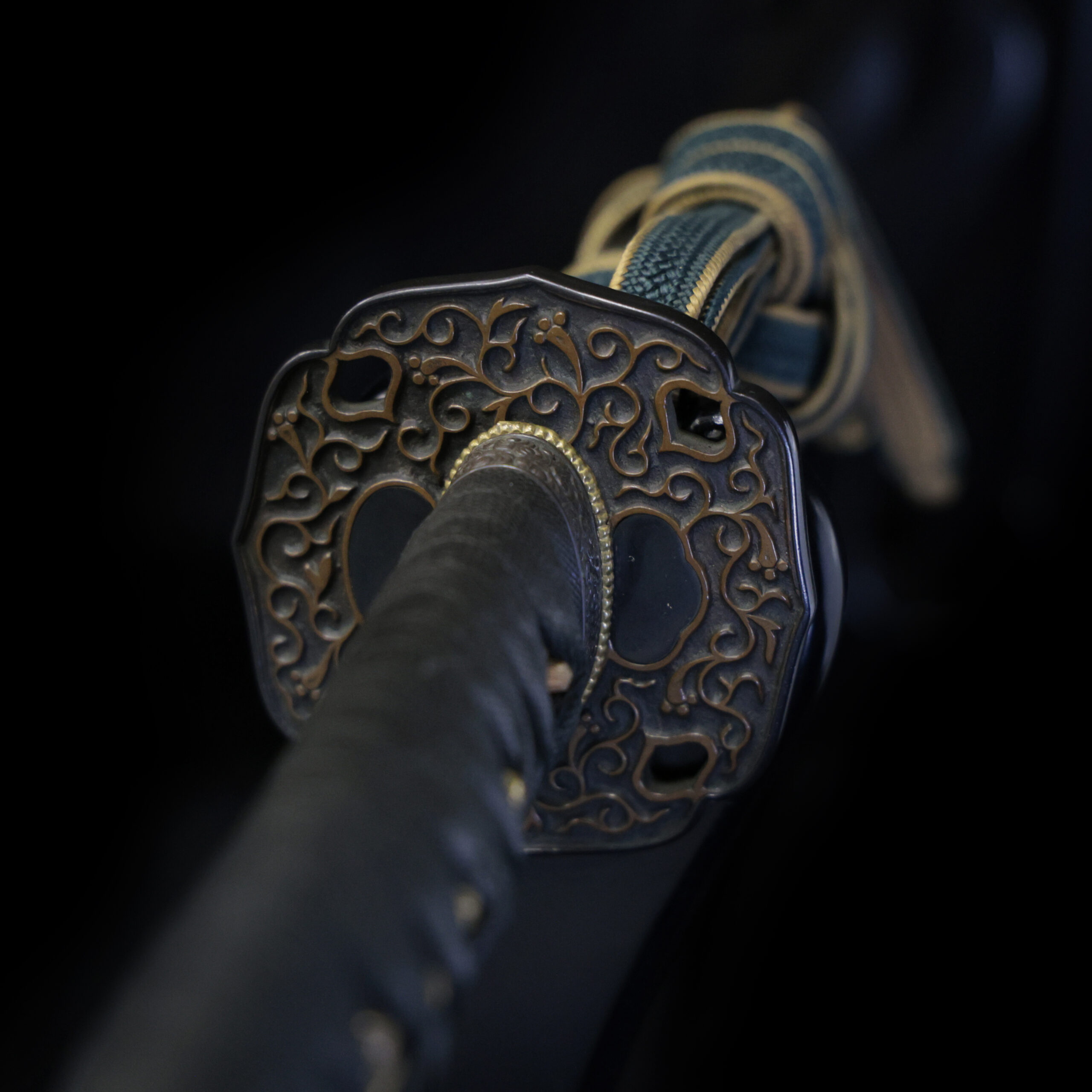
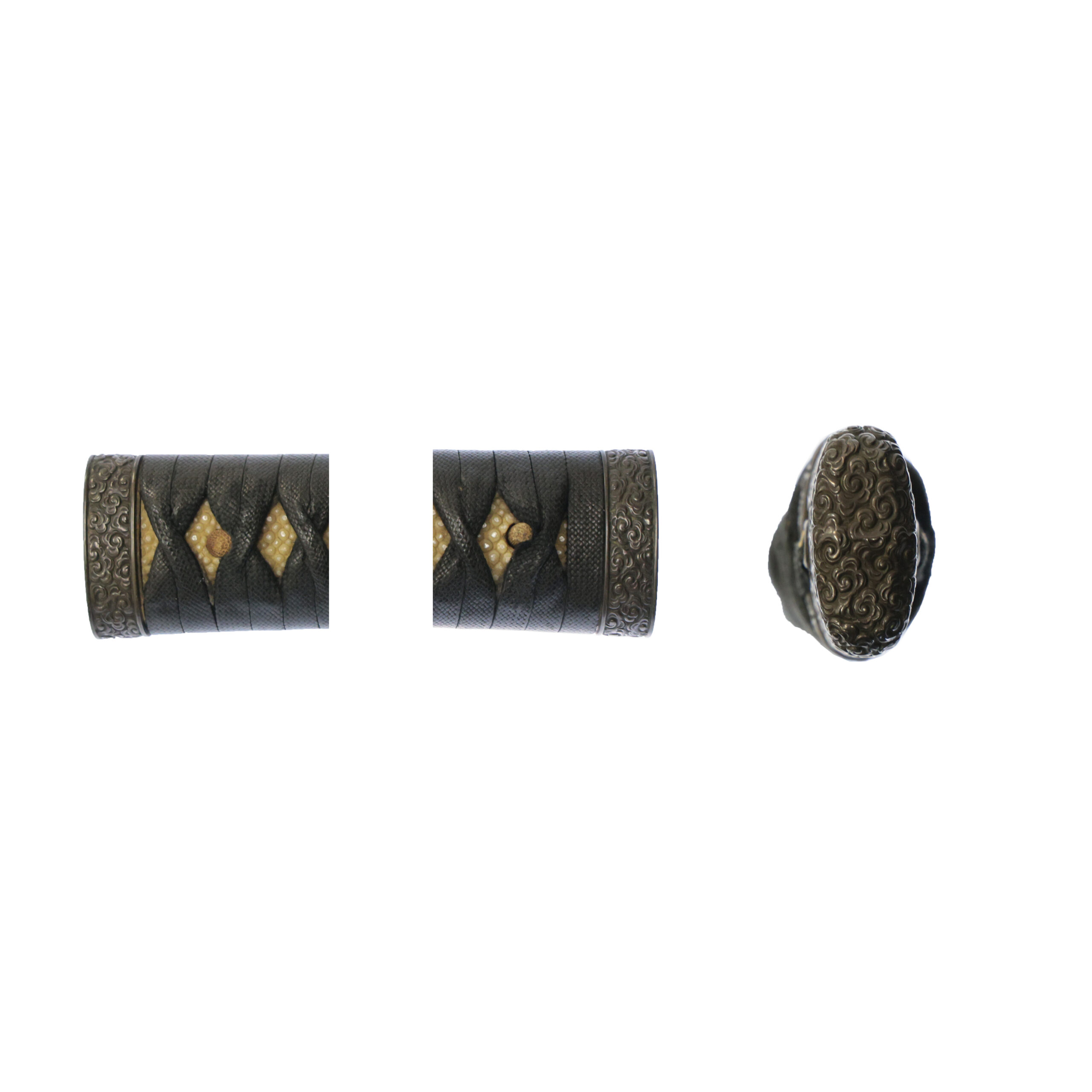
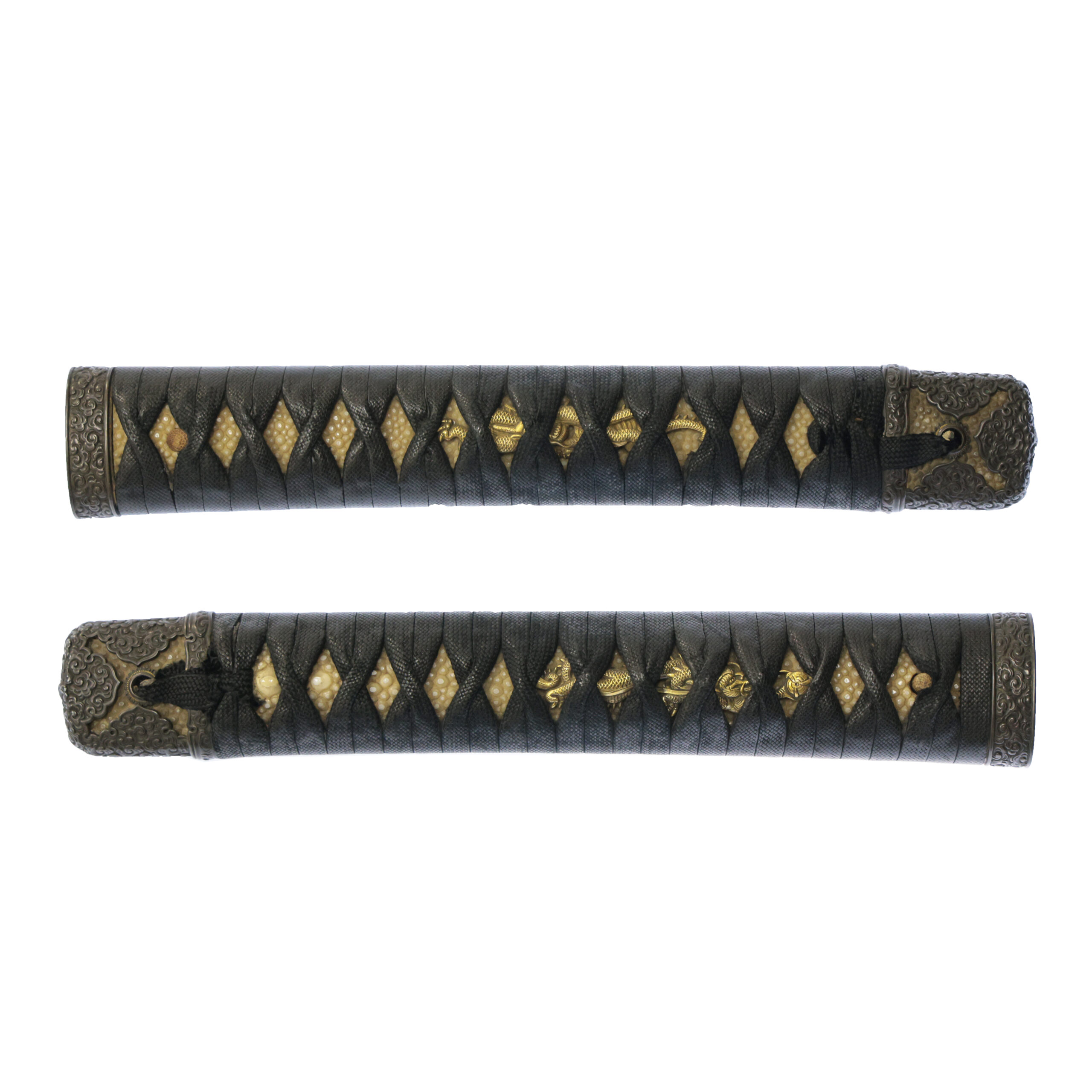
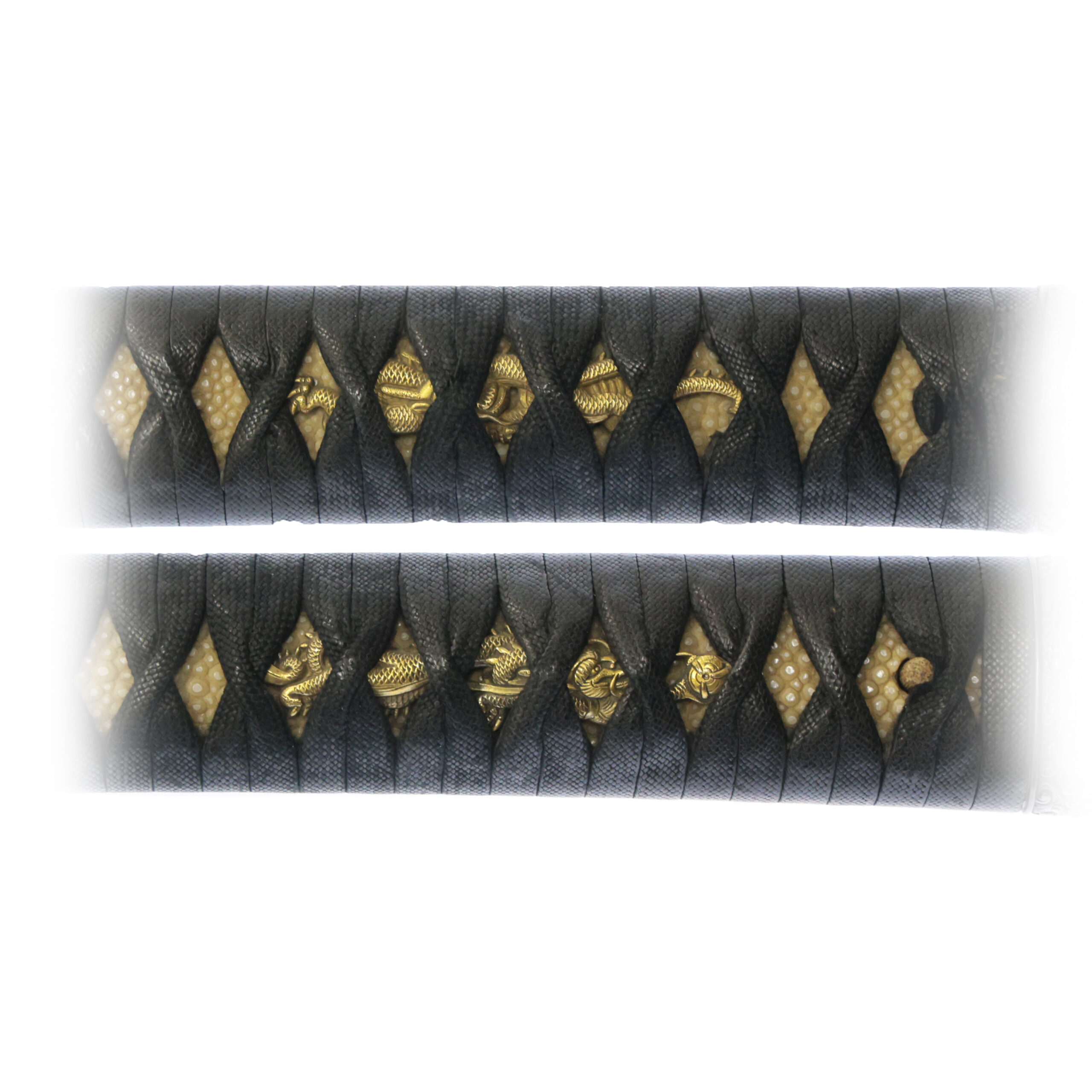
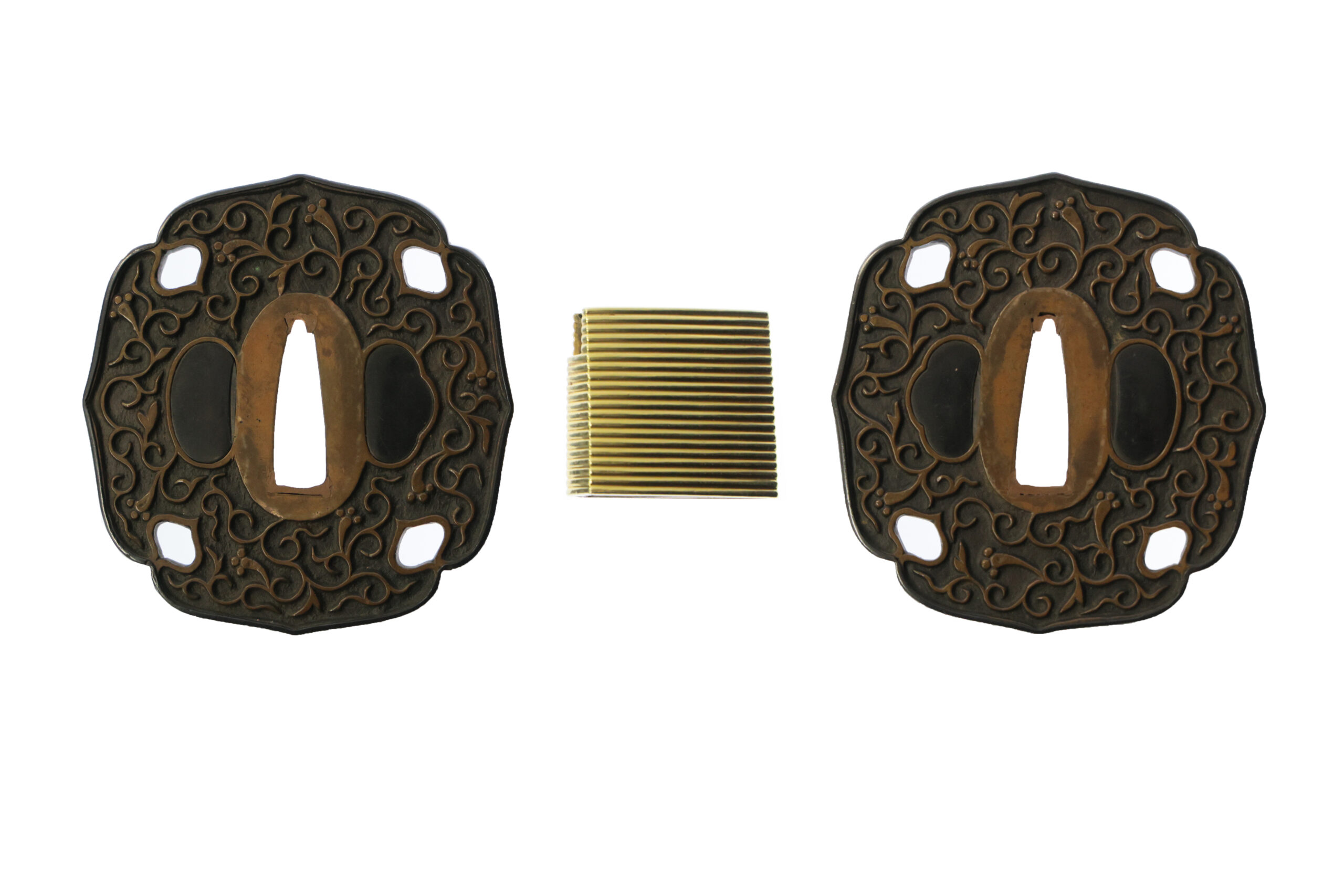
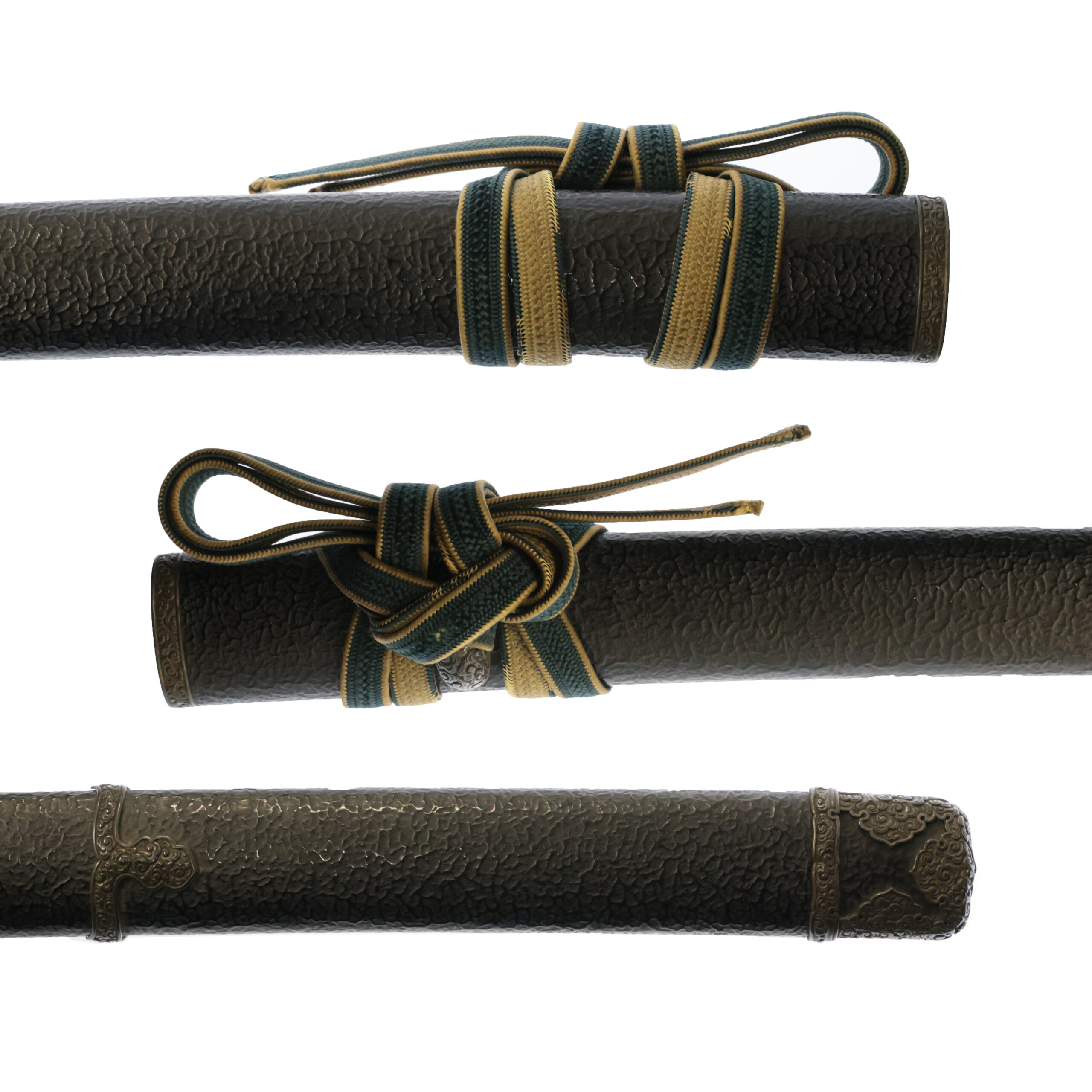
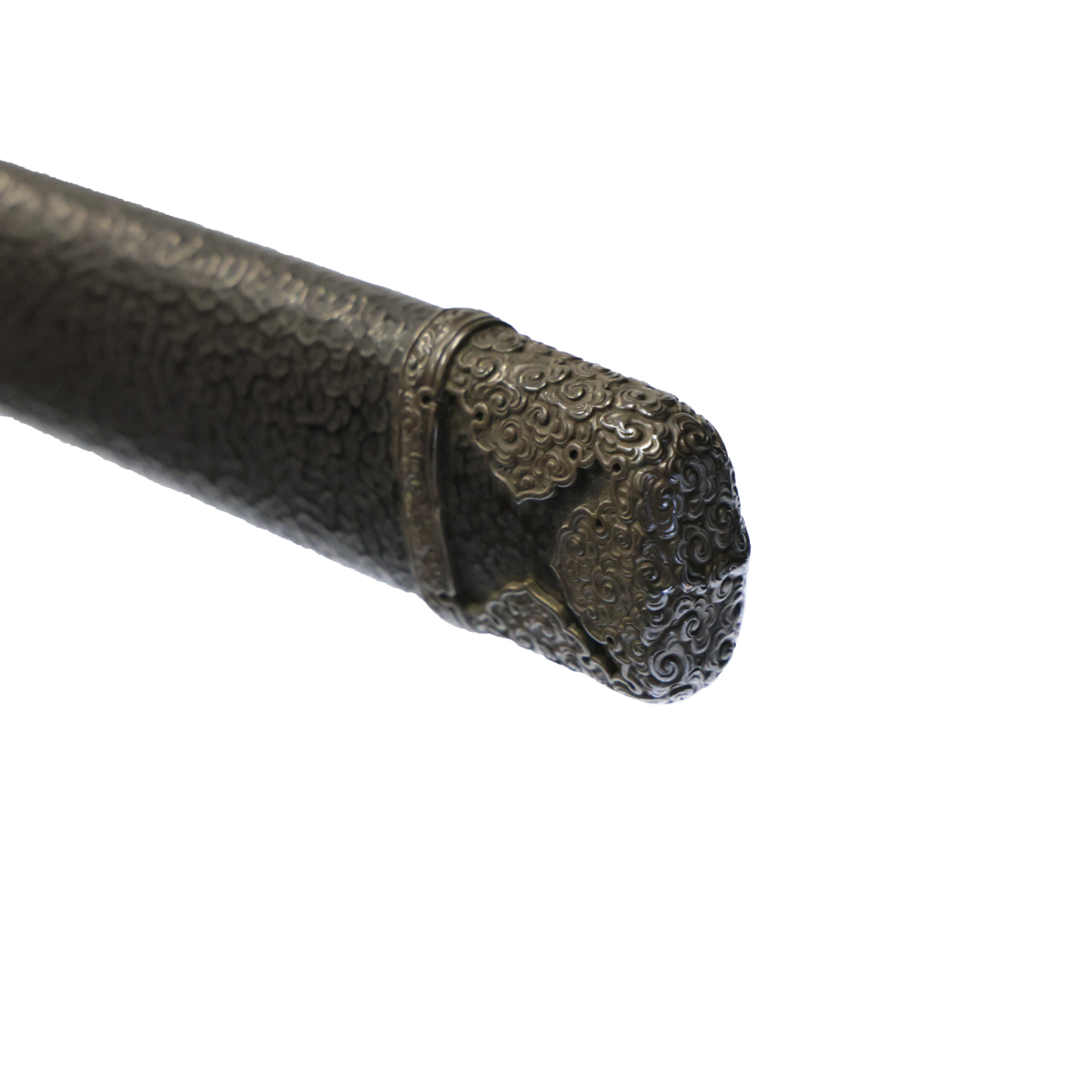
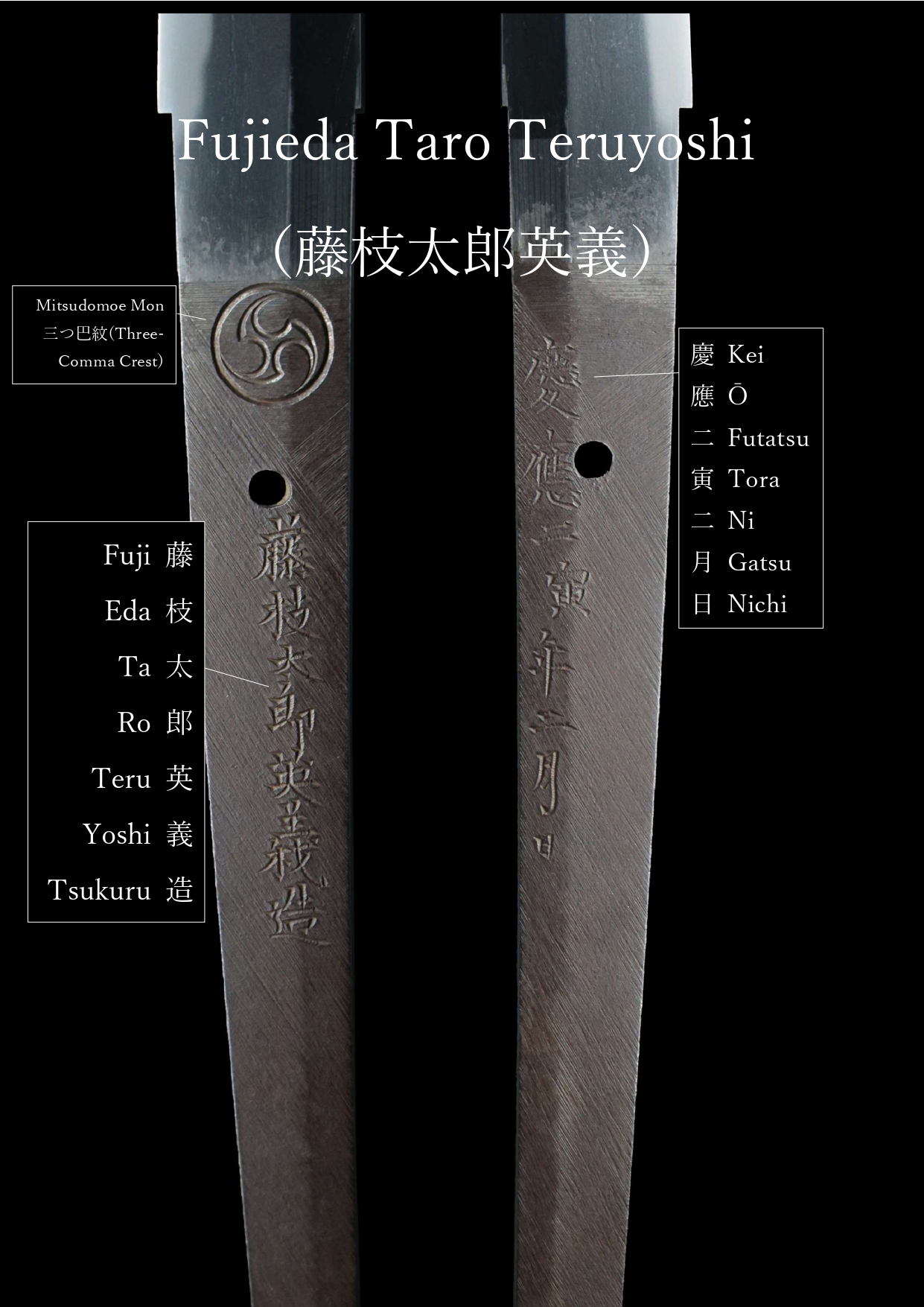
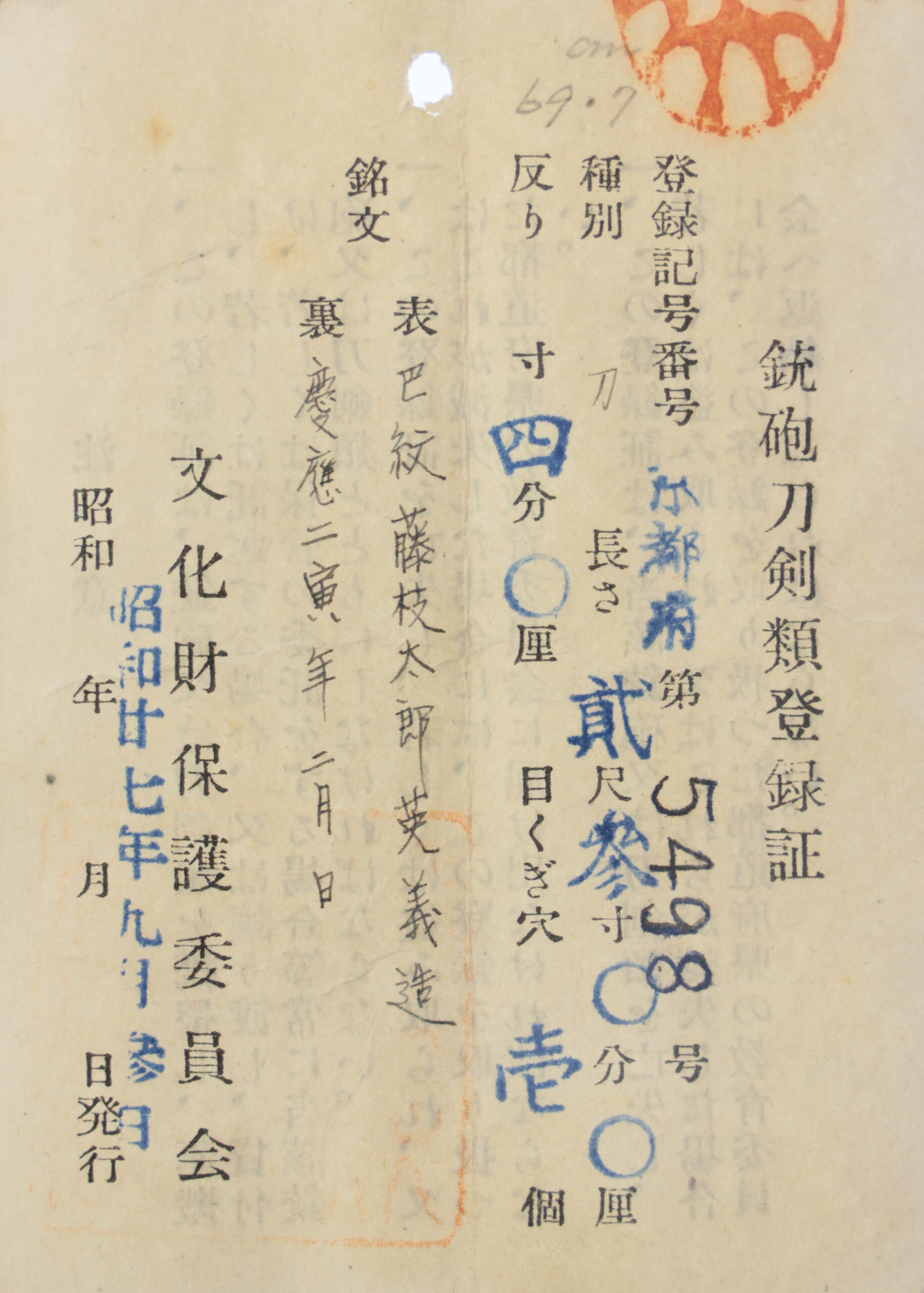
This antique Katana is signed by Fujieda Taro Teruyoshi and dated to 1866, late Edo period. Teruyoshi was a highly regarded smith who studied under Hosokawa Masayoshi and succeeded his father, Gyokurinko Terukazu. The blade and its koshirae have received NBTHK Tokubetsu Hozon certification, indicating their high quality and artistic value.
Certificate reading — 銘 (巴紋)藤枝太郎英義造 慶應二寅年二月日
 NihontoWatch
mei · Hosokawa Masayoshi · Shin-shinto · nagasa 69.7cm · sori 1.21cm
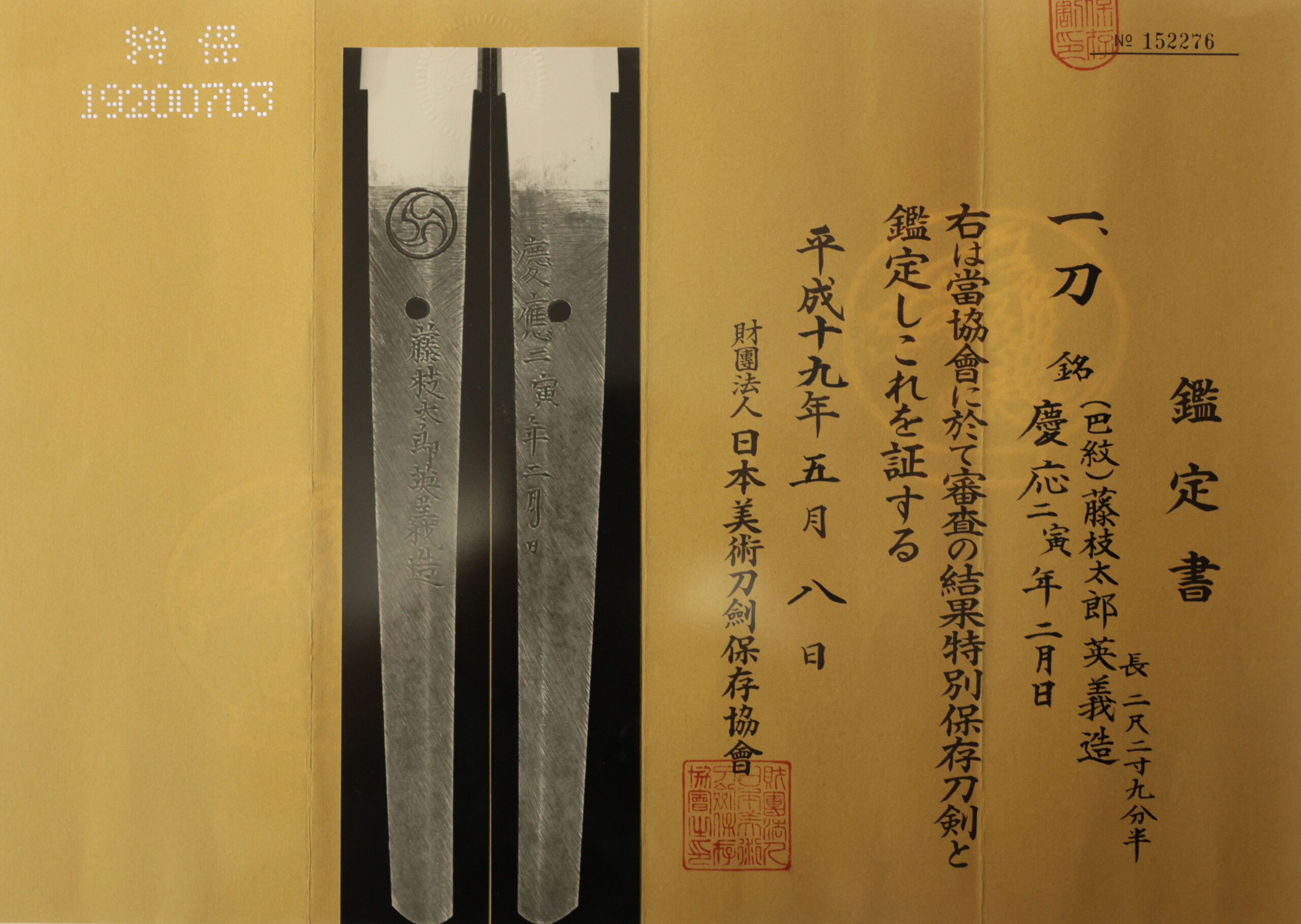
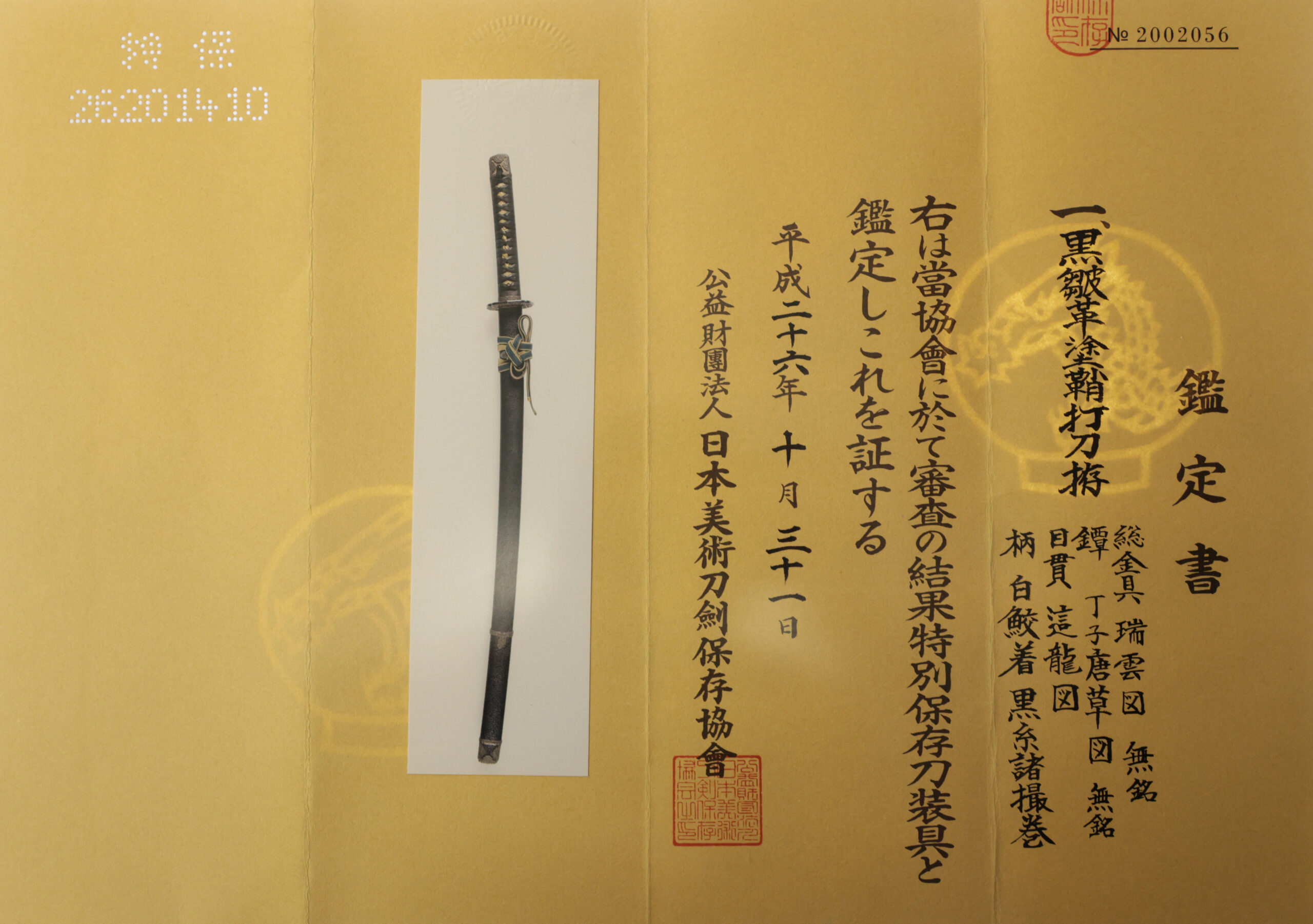
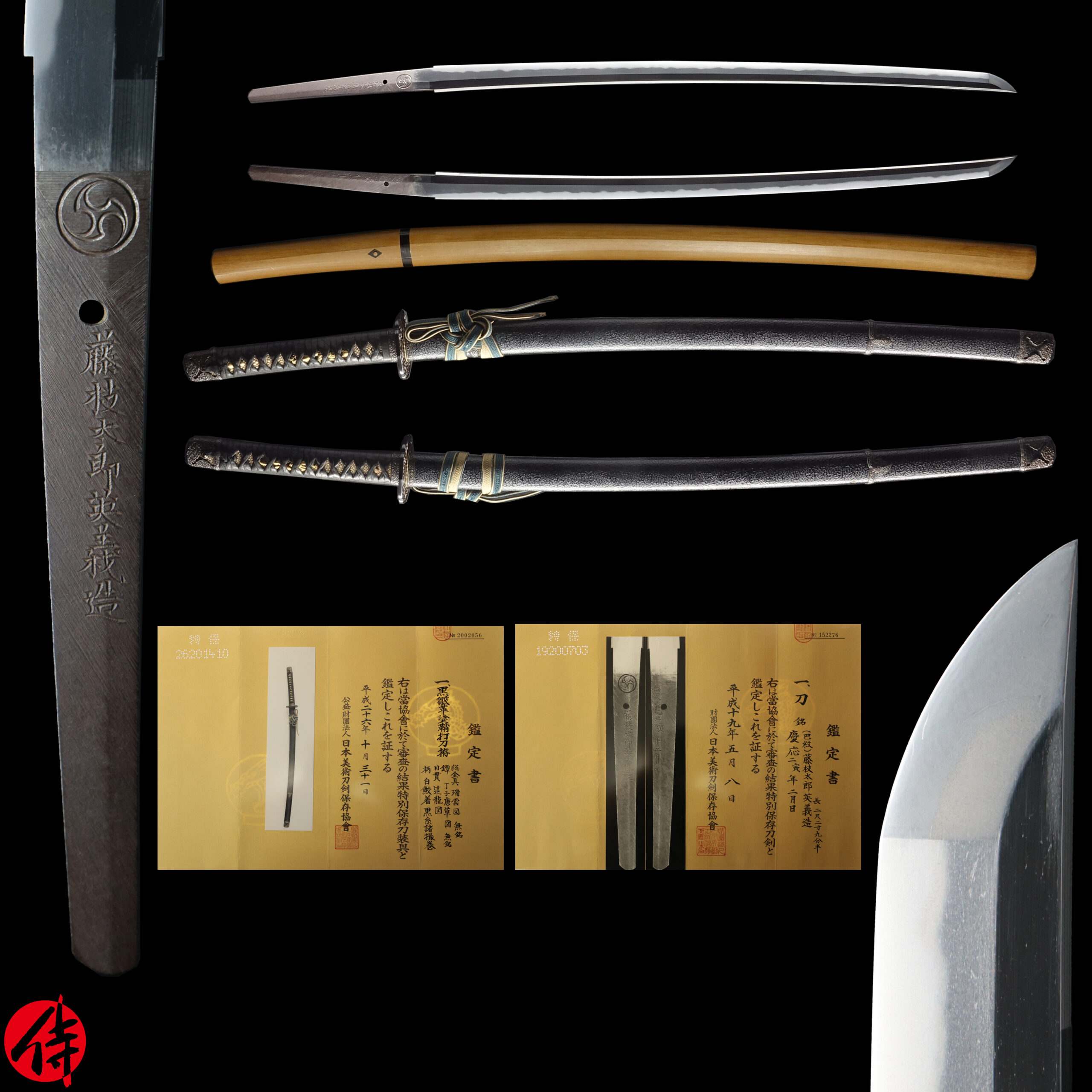
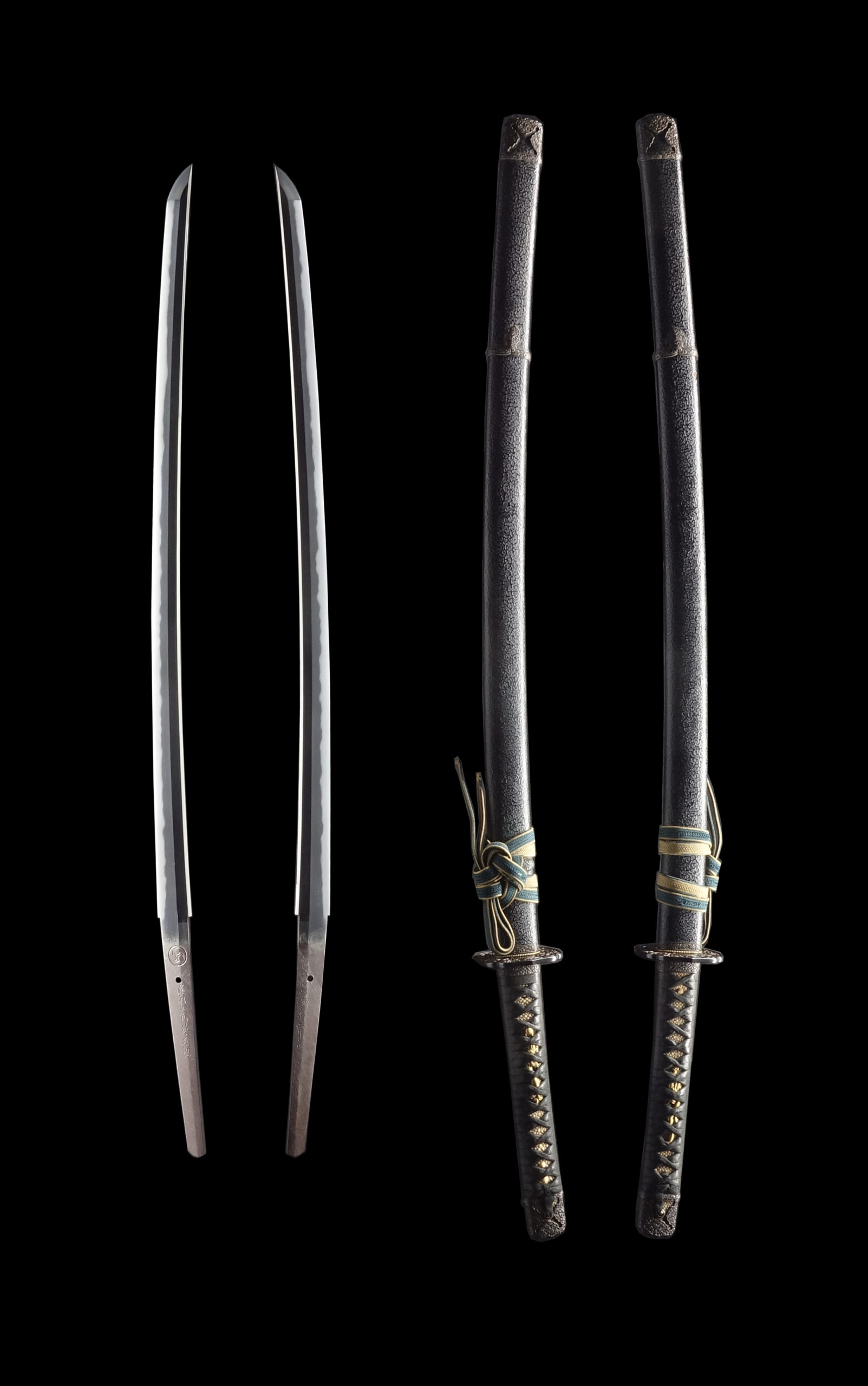
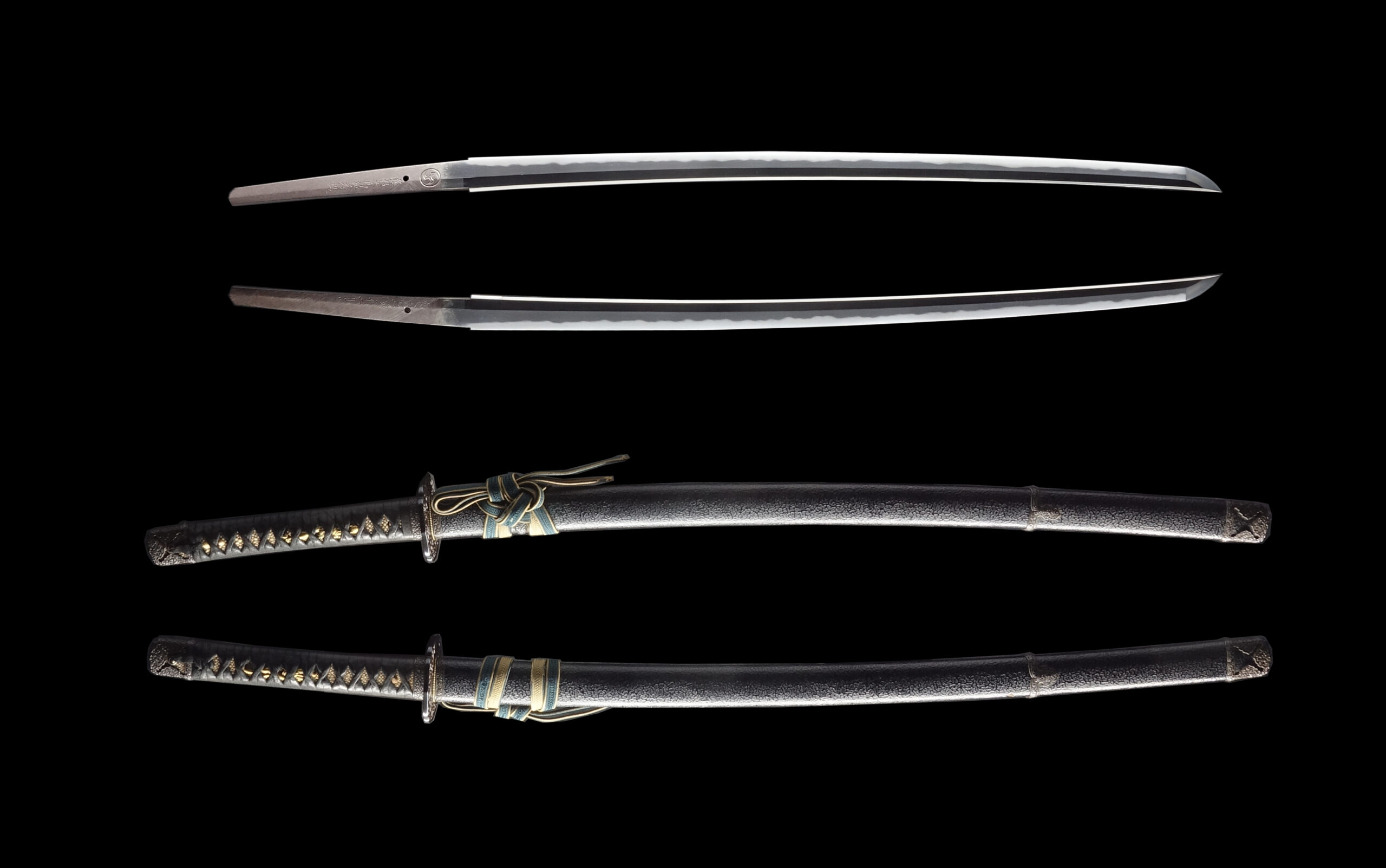
A Hozon-certified blade judged to show notably superior workmanship and a better state of preservation. The bar is higher: re-tempered blades and most unsigned Muromachi/Edo works are excluded.
The NBTHK (Nihon Bijutsu Tōken Hozon Kyōkai, the Society for the Preservation of Japanese Art Swords) is a public-interest incorporated foundation founded in 1948 and supervised by Japan’s Agency for Cultural Affairs (Bunkachō); it is based at the Japanese Sword Museum in Tokyo. Its expert panels physically examine each submitted work (shinsa) and issue a certificate (kanteishō) ranking it by artistic and historical merit. NBTHK papers are the most widely recognized standard of authentication for Japanese swords and fittings.
NBTHK official siteReturns/exchanges limited to defects caused by shipping (except willful misconduct or gross negligence by the company); customers must contact within 72 hours of receiving the product.
This antique Katana is signed by Fujieda Taro Teruyoshi and dated to 1866, late Edo period. Teruyoshi was a highly regarded smith who studied under Hosokawa Masayoshi and succeeded his father, Gyokurinko Terukazu. The blade and its koshirae have received NBTHK Tokubetsu Hozon certification, indicating their high quality and artistic value.
Certificate reading — 銘 (巴紋)藤枝太郎英義造 慶應二寅年二月日
NihontoWatchmei · Hosokawa Masayoshi · Shin-shinto · nagasa 69.7cm · sori 1.21cm
A Hozon-certified blade judged to show notably superior workmanship and a better state of preservation. The bar is higher: re-tempered blades and most unsigned Muromachi/Edo works are excluded.
The NBTHK (Nihon Bijutsu Tōken Hozon Kyōkai, the Society for the Preservation of Japanese Art Swords) is a public-interest incorporated foundation founded in 1948 and supervised by Japan’s Agency for Cultural Affairs (Bunkachō); it is based at the Japanese Sword Museum in Tokyo. Its expert panels physically examine each submitted work (shinsa) and issue a certificate (kanteishō) ranking it by artistic and historical merit. NBTHK papers are the most widely recognized standard of authentication for Japanese swords and fittings.
NBTHK official siteReturns/exchanges limited to defects caused by shipping (except willful misconduct or gross negligence by the company); customers must contact within 72 hours of receiving the product.