Perry’s arrival in 1853 unraveled the Tokugawa peace and created the first mass demand for working swords in two centuries. Kiyomaro, called the Masamune of Yotsuya, died on its eve; Munetsugu and Yukihide carried the boom to the end.
 NihontoWatchNihontoWatch
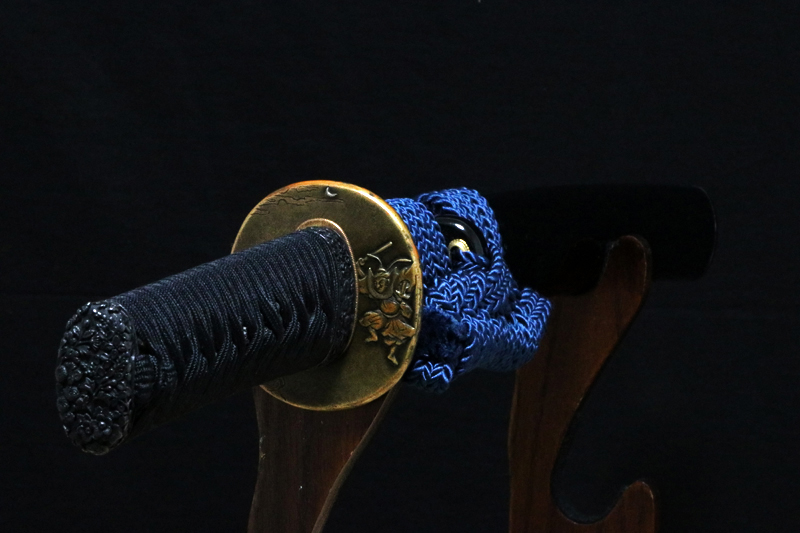
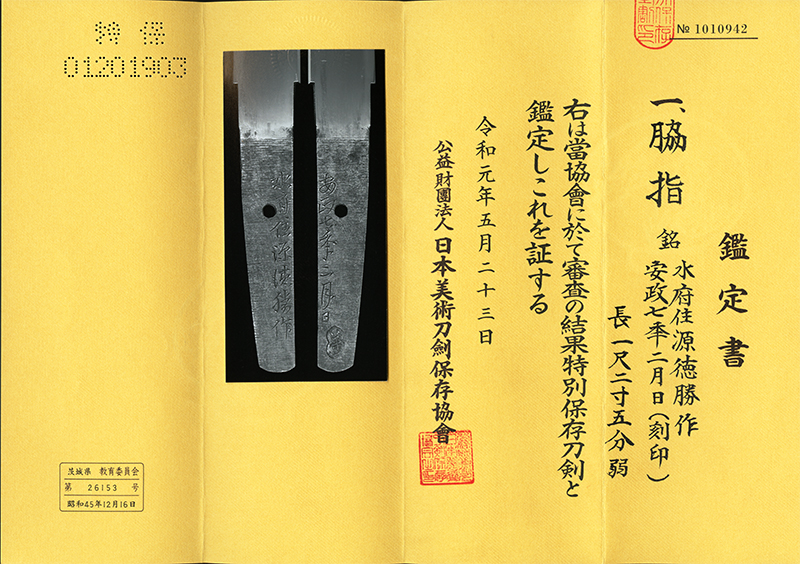
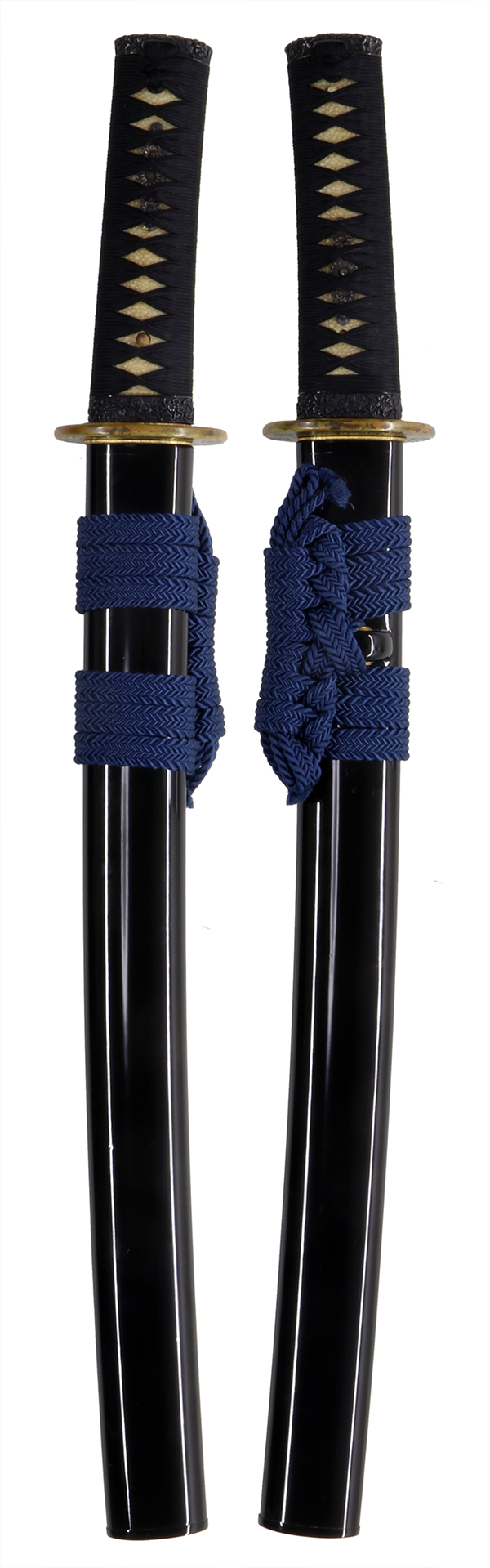
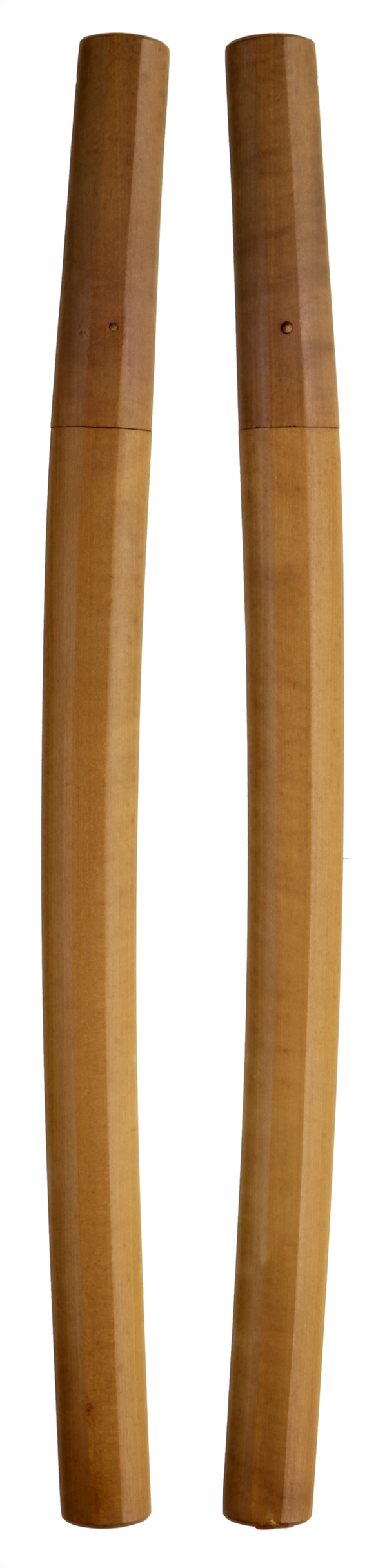
This is a wakizashi by Katsumura Tokukatsu, a prominent smith from the Suifu (Mito) domain, active during the Shin-Shinto period. He was known for his work for the Mito clan and his blades were famously used during the Sakuradamon Incident. The blade comes with a full uchigatana koshirae and a shirasaya, and is certified as Tokubetsu Hozon by the NBTHK.
NihontoWatchMito (Swordsmiths) Norikatsu徳勝
Offered by Giheiya


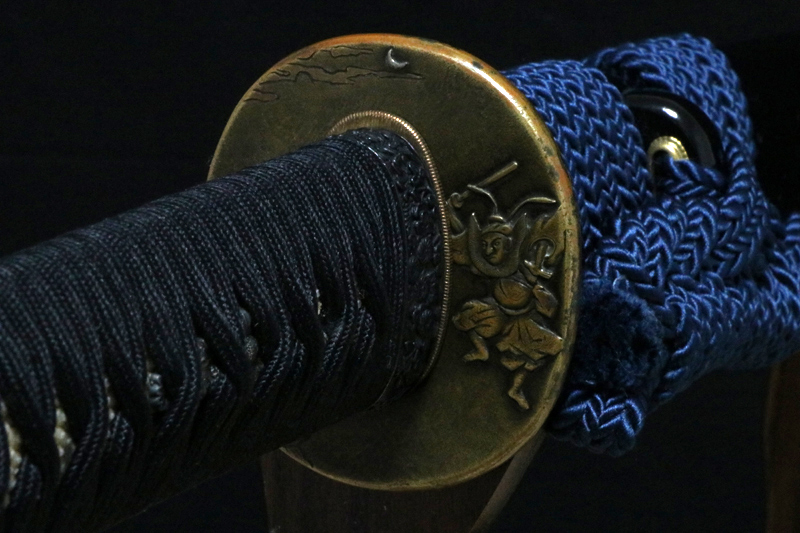
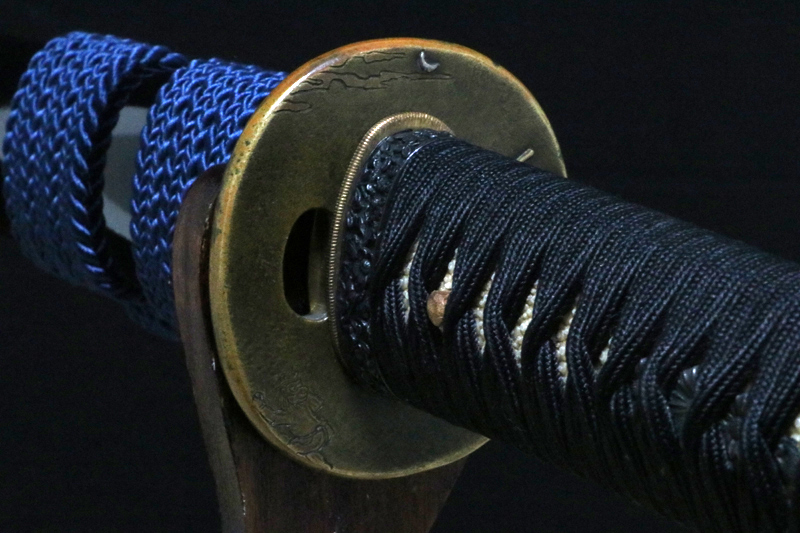
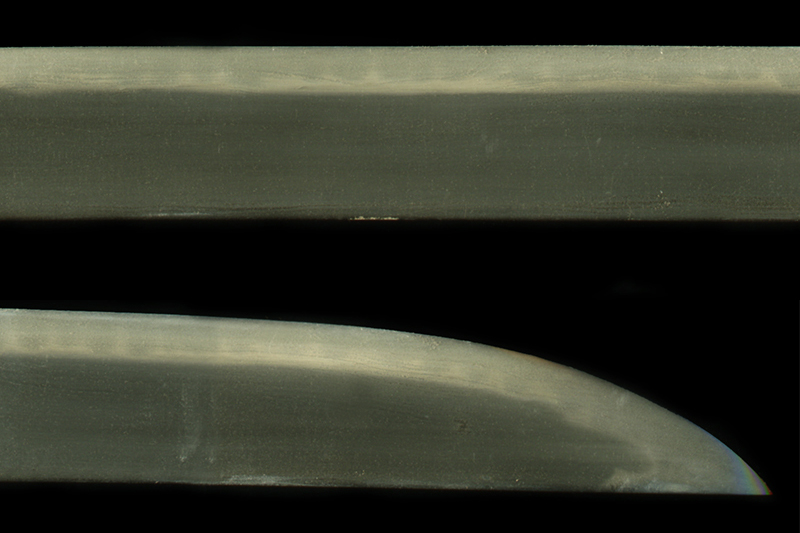
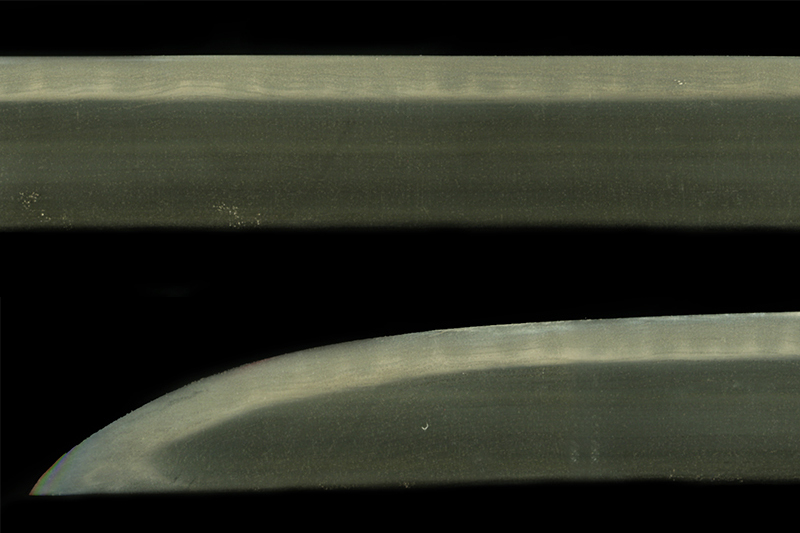
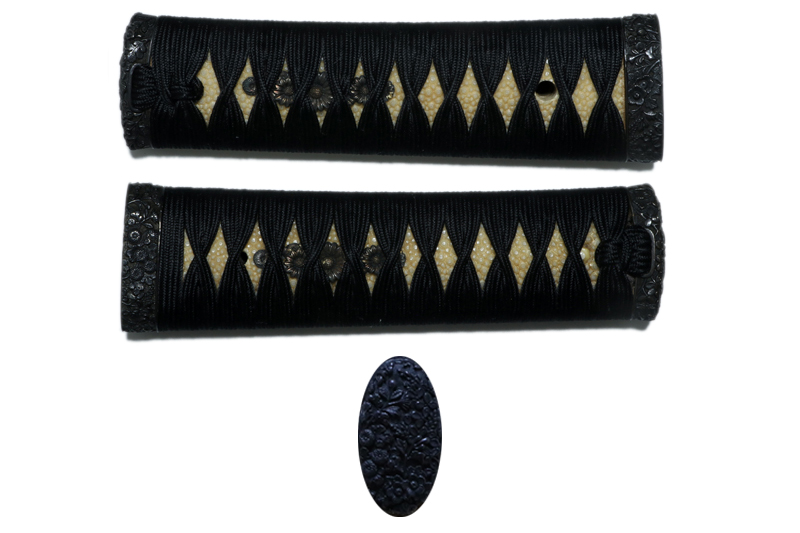
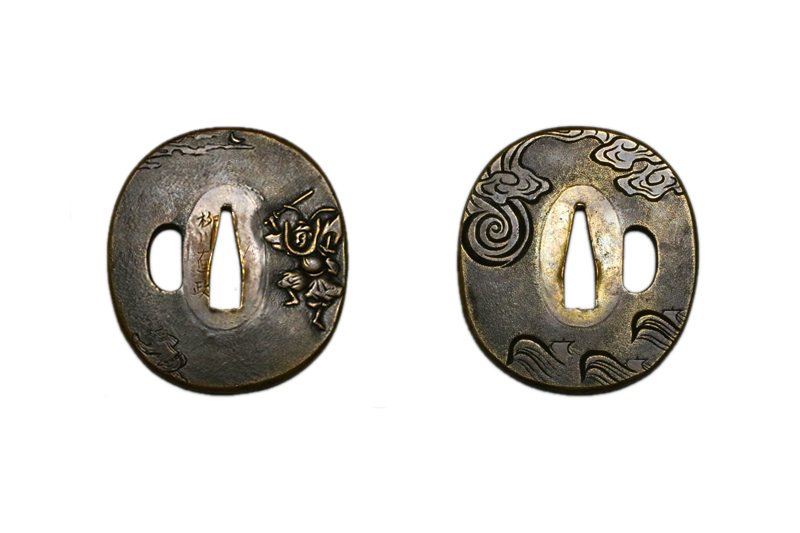
Mito (Suifu) school, shinshinto · Hitachi · around 1848-1872
2 pieces on the market now
Katsumura Tokukatsu, commonly called Hikoroku, was born in Bunka 6 (1809) at Mito and was a retainer-smith of the Mito domain, dead on the twenty-ninth day of the second month of Meiji 5 (1872) at the age of sixty-four. The published sources set down his training in a fixed sequence: he first learned forging from the Mito domain smith Sekinai Tokumune, and in Kaei 5 (1852), sent up to Edo by order of the domain together with his disciple the first-generation Masakatsu, he studied in the circles of Hosokawa Masayoshi and the Ishidō master Ozaki Suketaka, also called Unju Korekazu. From the Bunkyū years he moved to the Mito domain residence at Koishikawa in Edo and left a considerable number of blades there. He belongs to the late-Edo Mito, or Suifu, school of the shinshintō period, and what fixes his name among its smiths is not his Edo Ishidō schooling but the manner he settled into afterward, a Yamato-den held to consistently for the rest of his working life.
The published record draws that turn in plain terms. In his early period he followed his teacher Sekinai, forging an itame and tempering a gunome; then, as the sources put it,[[c:1]], from his middle period onward he kept entirely to the Yamato tradition,[[c:2]], forging in masame and tempering a suguha through which sunagashi runs. None of his designated blades is read as belonging to the early Sekinai face, so that itame-and-gunome manner survives in the texts as a point of departure rather than as an extant example, and his recorded katana show the masame-and-suguha hand of his maturity: four of the five are forged in masame, the fifth, the ninety-centimetre katana of the sixty-sixth session, in an itame mixed with flowing nagare-hada that leans toward masame; four temper a suguha-based line, while the long katana of the twenty-fourth session tempers a ko-gunome in connected sequence, its ashi thick and its sunagashi, hotsure and yubashiri the same Yamato activity. That hand is the first thing to name in his work. The jigane is a masame-hada, closely packed yet tending in places slightly toward standing grain, with ji-nie adhering finely and at times a chikei-like windblown variation entering the surface; over it the temper is a chū-suguha base that takes a shallow notare and in places mixes in connected ko-gunome, the habuchi fraying into hotsure, sunagashi running frequently, kinsuji entering, and the nioiguchi bright.
The straight grain and the frayed straight temper are the heart of his kantei, for they hold together across nearly all of his designated work and they are never the clean suguha he might have brought back from his Edo teachers. The masame stands tight rather than coarse, with the fine ji-nie scattered over it, and on the longest blade the itame takes on flowing nagare-hada and leans toward masame. The suguha that sits on it is worked, not quiet: ko-ashi enter well, the nie forms strongly, and on the broadest blades a little tobiyaki appears near the monouchi. The bōshi completes the Yamato reading, straight (on one face of one blade undulating) and turning back in a small ko-maru on every piece, the point swept vigorously with hakikake. Of his first designated katana the published sources write[[c:3]], this sword is Tokukatsu's Yamato-den, and find in its masame, its frayed suguha, and a yakihaba that deepens toward the monouchi a careful attention to older models, judging that[[c:4]], both ji and ha are well covered in nie and the blade carries a forceful spirit.
The sugata on which all this sits is its own tell, a body the published sources call the broad, long, thick-kasaned and shallow-sori construction of Mito swords, stout and martial in shinogi-zukuri with iori-mune. The lengths run long, from blades of a chū-kissaki drawn out to one of fully ninety centimetres finished in an ō-kissaki, and the sugata lines record a thick kasane on three of the five. Two registers stand apart within this single Yamato-den manner. Two of the katana the smith himself styled with a gō, Shōri, Victory, cutting the name into the blade, and the sources read these self-named pieces as works he held in particular regard. One katana of the thirty-first session carries horimono uncommon on his blades, two bonji set in overlap on one face and a sankō-ken in relief on the other, which the sources call rare for him and well-judged in its harmony with the sword. They name this same blade, with its deeper nioi and its conspicuous kinsuji and sunagashi,[[c:5]], a fully satisfying piece by the first-generation Tokukatsu.
What sets him within the Mito circle is held in that recurring word, the Yamato temperament the published sources find in him; they write of his designated work that[[c:6]], a Yamato disposition can be perceived, and read his finish as recalling the old Shikkake masters of the Yamato tradition. His own grounded traits make the distinction without recourse to comparison: the tight masame, the frayed and nie-laden suguha, and the vigorously swept ko-maru bōshi set his hand apart from the cleaner Ishidō suguha he had studied, and his blades wear that Yamato temper on a frankly Mito body,[[c:7]], the broad and long form characteristic of Mito swords. His disciple the first-generation Masakatsu, who had gone up to Edo with him by domain order, worked at his side, and on the katana of the forty-eighth session the sources reason from the manner of the signature that the long mei is[[c:8]], inferred to be a daimei cut by Masakatsu in the master's stead, the reading turning on the signature rather than on any departure in the workmanship, which is his customary Yamato-den.
Tokukatsu's recognized work survives on five Important Sword designations, from the twenty-third session of 1975 through the sixty-sixth of 2020, all of them katana, most in the broad, long, thick-kasaned Mito build, signed in a long inscription in the Suifu-jū Katsumura Tokukatsu saku form[[c:9]] or its variants, two of them styled by the smith himself with the gō Shōri. He has no National Treasure, no Important Cultural Property, and no Tokubetsu Jūyō on record, so the population a collector may realistically meet is this group of Jūyō katana and the signed blades of his that stand below them. The recorded pieces carry no documented daimyō or temple provenance; their standing rests instead on what the published sources praise on each, the soundness of ji and ha, the deep nioi and bright nioiguchi of his best, and the rarity of a Mito Yamato-den blade good enough to reach the Jūyō level. A signed Tokukatsu, its masame tight and its frayed suguha sound in ji and ha, is among the surer ways to hold the late-Edo Mito hand in a single blade, a shinshintō smith more readily met than the great koto Yamato names yet seen only from time to time, a deliberate acquisition when one appears rather than a chance one.
Where Norikatsu stands among comparable artisans: across all of nihontō, and within tradition, era, and period. The tiers (Foremost · Leading · Major · Notable) weigh official designations from the NBTHK and Japan's Agency for Cultural Affairs, together with historical honors of lasting repute such as the Sansaku and Meibutsu-chō.
Select a lens to see how it's measured.
Years he was demonstrably active, proven by signed-and-dated blades
Shinshinto · Hitachi
5 pieces on the market now
The Mito swordsmiths worked under the Tokugawa branch house that governed Suifu (水府) in Hitachi province during the closing decades of the Edo period. The setsumei gather two principal hands whose blades carry the shinshintō date inscriptions of the Bunka through Keiō years, together with a daishō by the tenth lord of the domain. Ichige Tokuchika (市毛徳鄰, also recorded with the title Ōmi-no-suke and at times read Tokurin), common name Genzaemon, was born in An'ei 6 (1777); he first studied under the domain smith Kume Naganori, then traveled to Osaka to train in the school of Ozaki Suketaka, and in Bunka 6 (1809) was taken on as an officially retained smith of the domain. Katsumura Tokukatsu (勝村徳勝), common name Hikoroku, was born in Bunka 6 (1809) in Mito and learned first from the domain smith Sekinai Tokumune; in Kaei 5 (1852) he was sent by domain order up to Edo, where the records say he entered the circles of Hosokawa Masayoshi and the Ishidō smith Unju Korekazu, and in the Bunkyū years he relocated to the Mito residence at Koishikawa. The third name is Tokugawa Keitoku (順公, Junkō), tenth lord of the domain, whose daishō survives in a black wax-lacquer mounting with hollyhock-crested fittings by the domain artisan Tamagawa Yoshihisa. The setsumei place all of this within the bakumatsu service of a domain whose Tokugawa loyalist temper is felt in the martial bearing of its blades. The two productive hands do not share a single style, and the setsumei keep them apart. Tokuchika is read primarily through his Osaka schooling: a tightly forged ko-itame with dense ji-nie and fine chikei, and a tempering range that runs from large gunome-midare swept into a billowing tōran manner after Suketaka, to a quieter suguha with shallow notare that the writers compare to Shinkai and to Suishinshi Naotane. His hamon characteristically opens with a yakidashi, carries deep nioi and thick nie, and shows kinsuji and sunagashi against a bright nioiguchi; the bōshi turns in ko-maru with a long kaeri.
Tokukatsu reads as the opposite temperament. The setsumei describe broad, long blades of thick kasane and shallow sori with an imposing martial form, forged in masame-hada that tends toward standing grain, tempered in a chū-suguha base with shallow notare and intermittent ko-gunome, the habuchi breaking into hotsure with abundant sunagashi and kinsuji, and a bōshi swept with vigorous hakikake. The writers read in this a Yamato temperament and link his later work directly to the Shikkake tradition, noting that his early period followed Sekinai's itame and gunome before he settled into the masame and suguha of Yamato-den. For kantei, the recurring inscriptions Suifu-jū, Mito-jū, and Tosumi anchor the signatures, with Tokuchika's wording shifting from Mito-jū to Suifu-jū around the Bunsei era, a marker the writers use to date the work. Several blades carry named or recorded provenance: a Tokukatsu katana bears the inscription naming Sakai Tadahiro of Shizuoka, another is styled with the gō Shōri-ken (勝利剣, "Victory"), and a third was judged to carry a daimei by his disciple Masakatsu. The setsumei also record the Imperial line: a wakizashi signed Mito Hachiman-jū Ichige Tokurin, presented through the Governor of Ibaraki, is recorded in Honma's inventory of the Imperial collection, and there the writers name Tokuchika the finest of the Mito shinshintō smiths. Horimono appear rarely, the Tokukatsu katana with bonji and sankō-ken in ukibori being noted as unusual for his hand. Across the corpus the writers treat Tokuchika's tōran and Shinkai-toned work and Tokukatsu's Yamato-den masame as the two distinct registers by which Mito blades of the bakumatsu are recognized. Learn more →
| Smith | Era | Designated |
|---|---|---|
| Tokurin徳鄰 | 1812-1830 | 11 |
| Norikatsu徳勝 | 1848-1872 | 5 |
| Norikatsu徳勝 | 1868-1912 | 0 |
| Yoshiatsu慶篤 | — | 1 |
| Tokurin徳隣 | 1818-1830 | 1 |
Bakumatsu: the last war market
Perry’s arrival in 1853 unraveled the Tokugawa peace and created the first mass demand for working swords in two centuries. Kiyomaro, called the Masamune of Yotsuya, died on its eve; Munetsugu and Yukihide carried the boom to the end.
A Hozon-certified blade judged to show notably superior workmanship and a better state of preservation. The bar is higher: re-tempered blades and most unsigned Muromachi/Edo works are excluded.
The NBTHK (Nihon Bijutsu Tōken Hozon Kyōkai, the Society for the Preservation of Japanese Art Swords) is a public-interest incorporated foundation founded in 1948 and supervised by Japan’s Agency for Cultural Affairs (Bunkachō); it is based at the Japanese Sword Museum in Tokyo. Its expert panels physically examine each submitted work (shinsa) and issue a certificate (kanteishō) ranking it by artistic and historical merit. NBTHK papers are the most widely recognized standard of authentication for Japanese swords and fittings.
NBTHK official siteThree-day cooling-off period from receipt for refund or exchange. Return shipping and transfer fees are customer responsibility. Items showing use or condition changes are non-returnable.