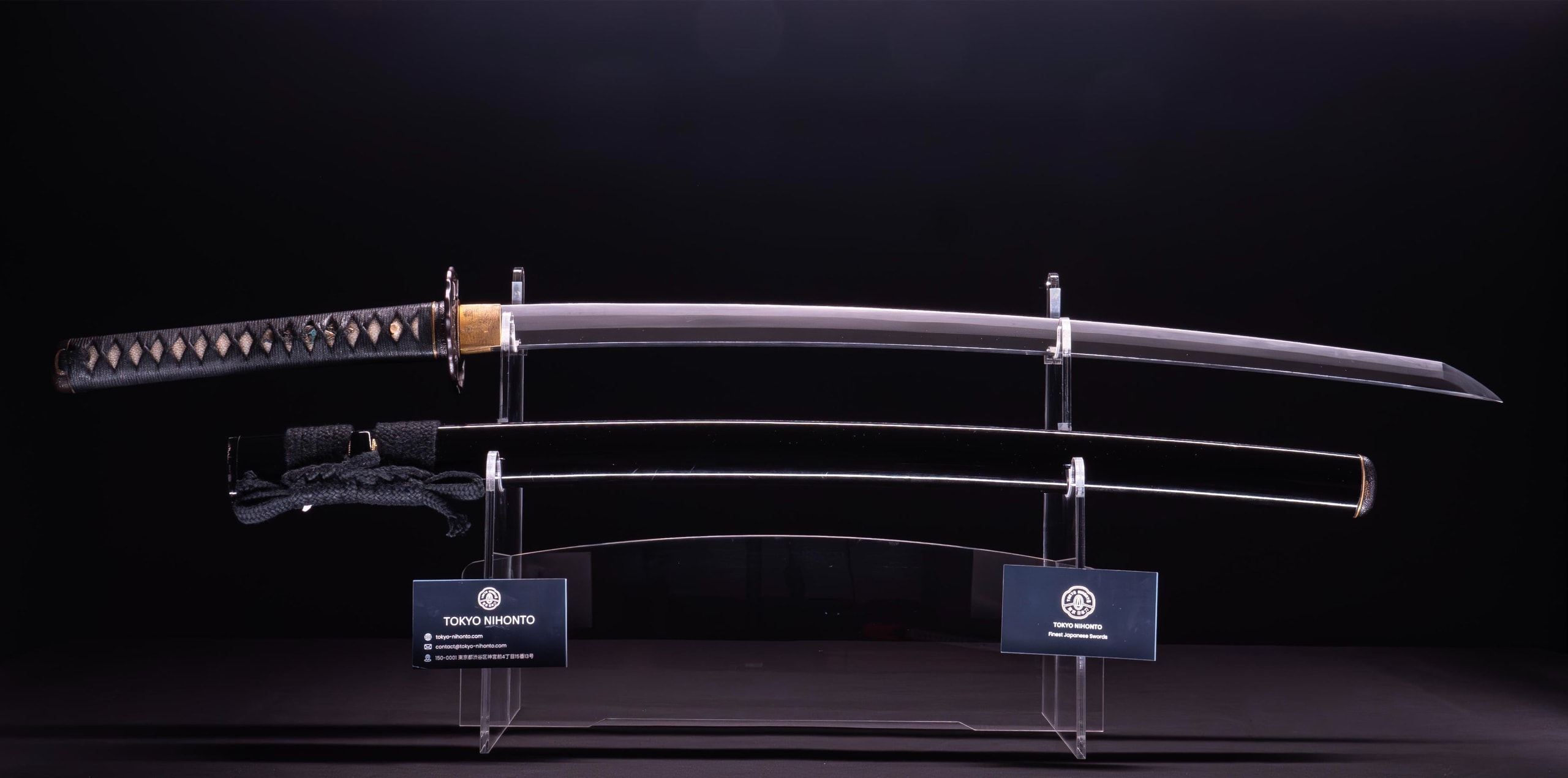
The twentieth century nearly killed the craft twice: wartime distortion, then the occupation ban. The NBTHK’s founding in 1948 and licensed forging from 1953 rebuilt the sword as an art, crowned by Living National Treasures and the mukansa rank.
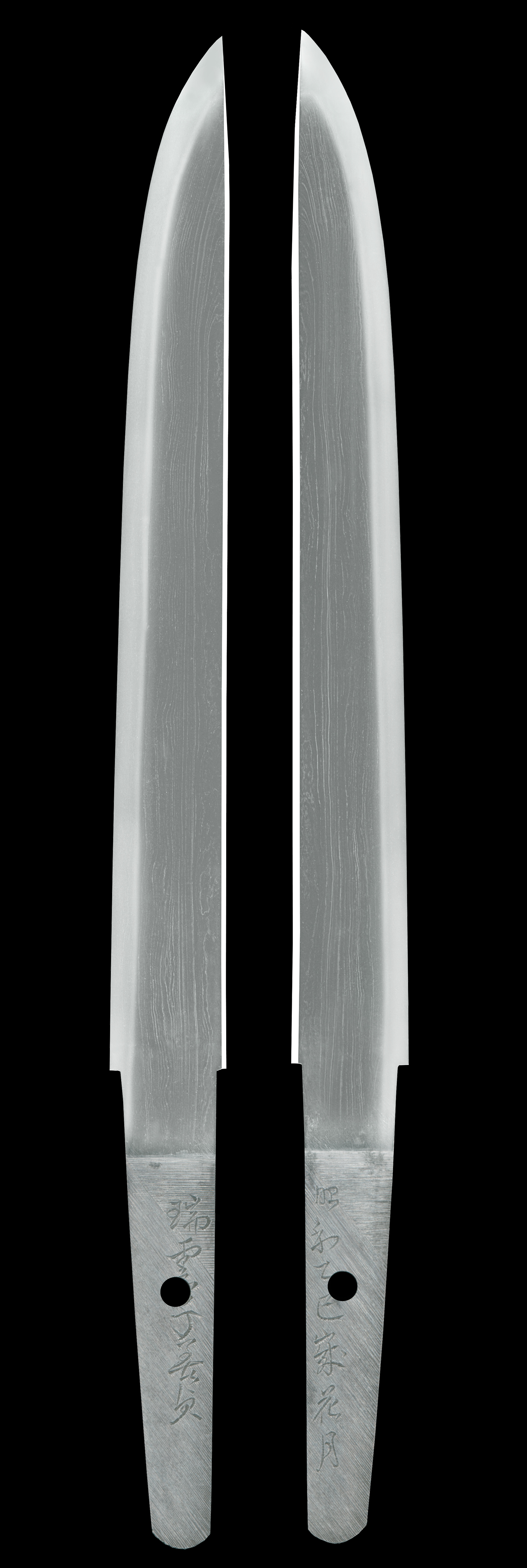
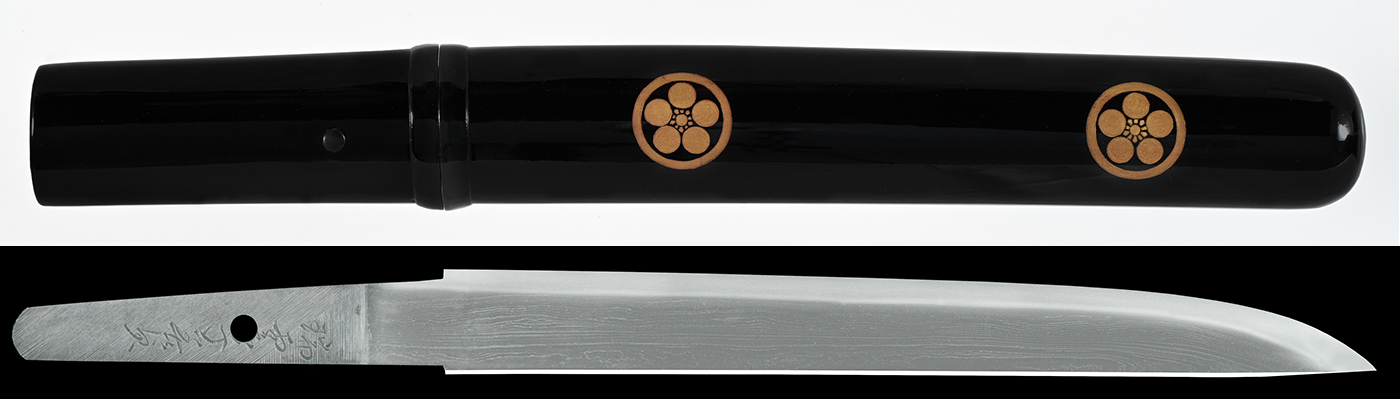
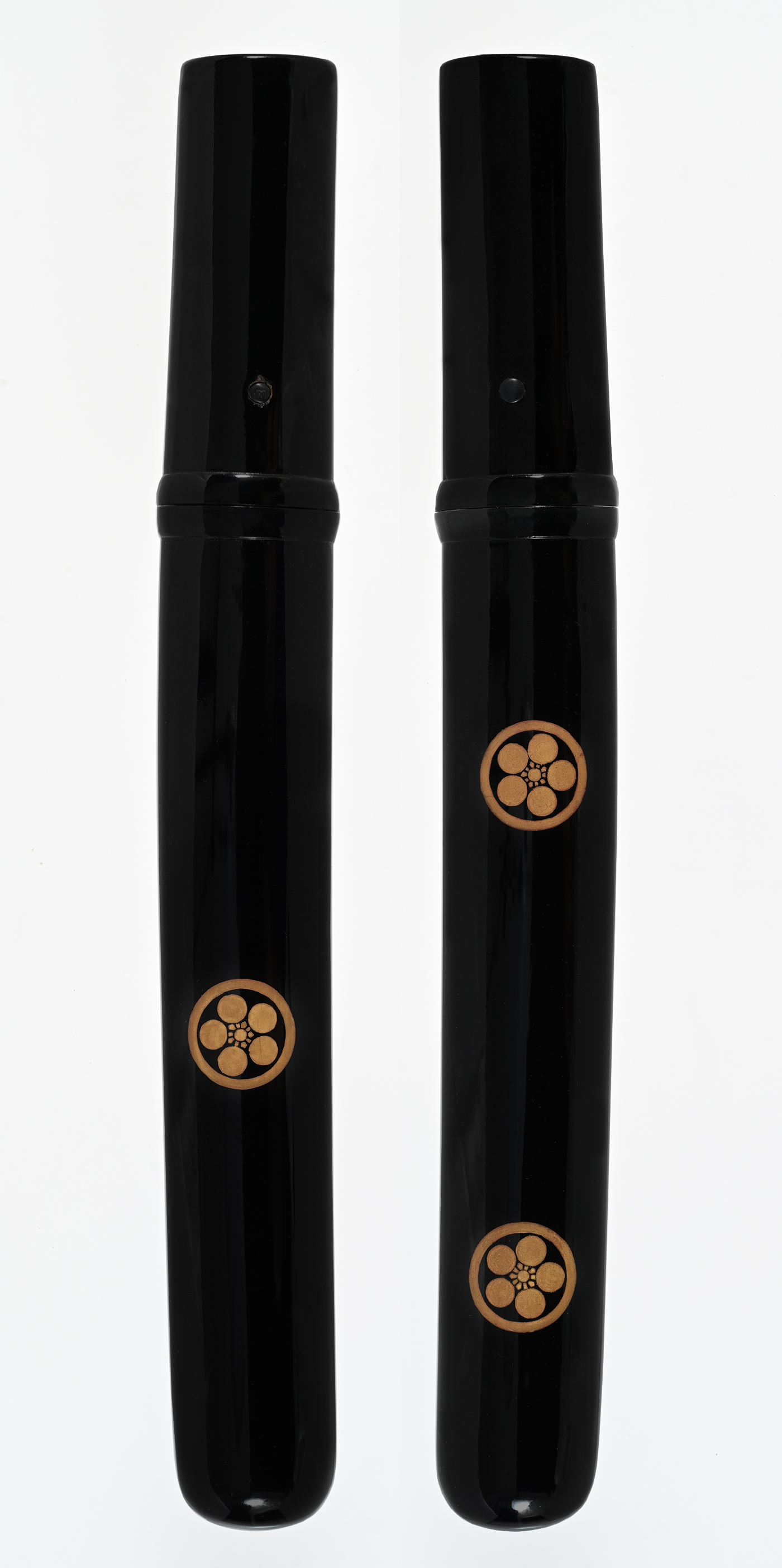
This is a tanto by Zuiunshi Yoshisada, whose real name was Yamamura Shigematsu. Born in 1900 in Kochi Prefecture, he was a swordsmith from Tosa. He studied under Yamamoto Yoshimori and Kawashima Chuzen (Mukansa Tosho), creating works comparable to the famous 'Sagyoshu' of Tosa and Bizen-den pieces signed Tosa Ichimonji. This particular piece is a Hosho utsushi (copy) with a beautiful masame hada.
 NihontoWatch
mei · Showa (1926-1989) · nagasa 17.4cm
Kochi · around 1926-1989
3 pieces on the market now
The twentieth century nearly killed the craft twice: wartime distortion, then the occupation ban. The NBTHK’s founding in 1948 and licensed forging from 1953 rebuilt the sword as an art, crowned by Living National Treasures and the mukansa rank.
We could not find an authenticity certificate on the seller’s listing. Japanese swords and fittings are normally papered by the NBTHK (or the NTHK). Without one, the attribution is the seller’s own assessment and has not been independently verified — treat it with caution and ask the dealer about certification before buying.
Returns possible within 3 days of arrival. Customer pays return shipping and bank transfer fees. Excluded: condition differs from sale, 3+ days passed, overseas delivery, in-store purchases, and deposit transactions.
This is a tanto by Zuiunshi Yoshisada, whose real name was Yamamura Shigematsu. Born in 1900 in Kochi Prefecture, he was a swordsmith from Tosa. He studied under Yamamoto Yoshimori and Kawashima Chuzen (Mukansa Tosho), creating works comparable to the famous 'Sagyoshu' of Tosa and Bizen-den pieces signed Tosa Ichimonji. This particular piece is a Hosho utsushi (copy) with a beautiful masame hada.
NihontoWatchmei · Showa (1926-1989) · nagasa 17.4cm
Kochi · around 1926-1989
3 pieces on the market now
The twentieth century nearly killed the craft twice: wartime distortion, then the occupation ban. The NBTHK’s founding in 1948 and licensed forging from 1953 rebuilt the sword as an art, crowned by Living National Treasures and the mukansa rank.
We could not find an authenticity certificate on the seller’s listing. Japanese swords and fittings are normally papered by the NBTHK (or the NTHK). Without one, the attribution is the seller’s own assessment and has not been independently verified — treat it with caution and ask the dealer about certification before buying.
Returns possible within 3 days of arrival. Customer pays return shipping and bank transfer fees. Excluded: condition differs from sale, 3+ days passed, overseas delivery, in-store purchases, and deposit transactions.