The twentieth century nearly killed the craft twice: wartime distortion, then the occupation ban. The NBTHK’s founding in 1948 and licensed forging from 1953 rebuilt the sword as an art, crowned by Living National Treasures and the mukansa rank.
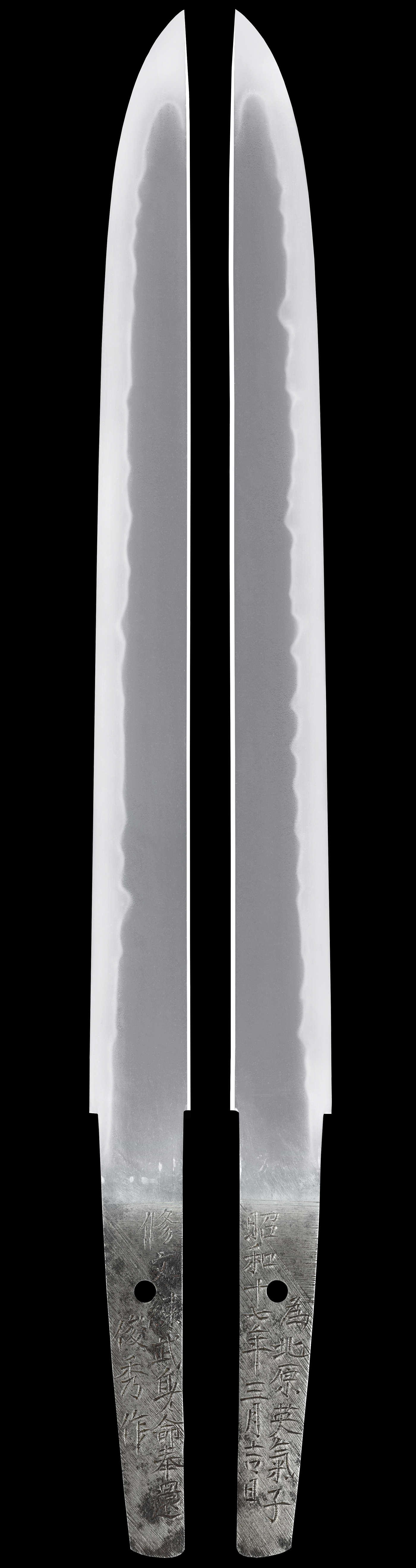
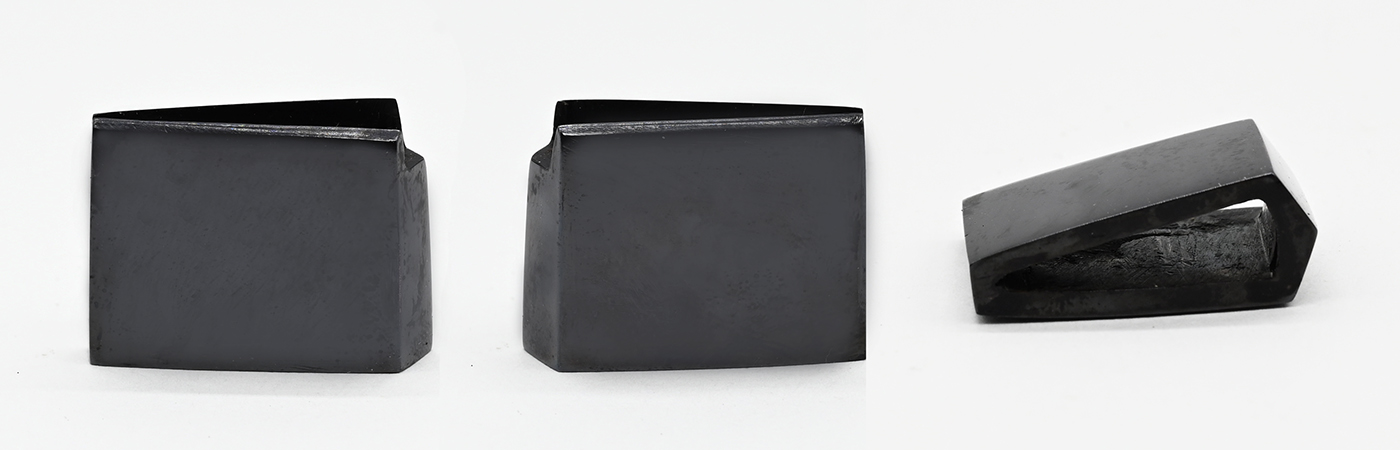
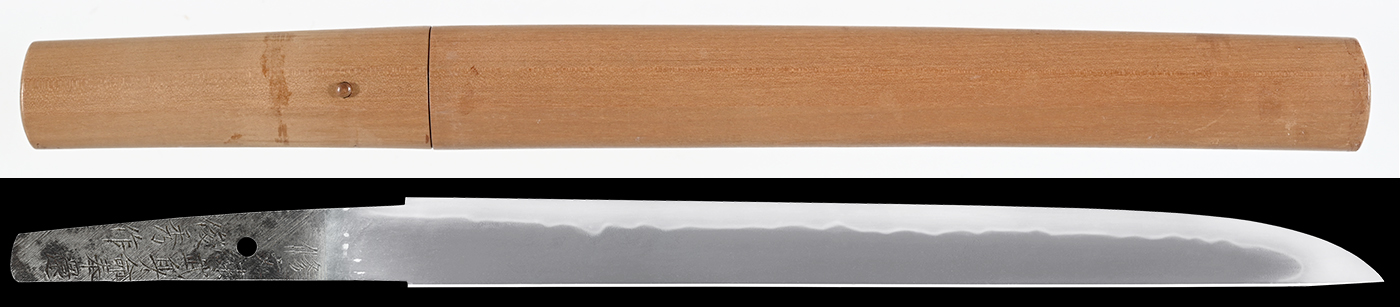
This is a tanto made by Horii Toshihide in Showa 17 (1942). Horii Toshihide was a prominent swordsmith during the Taisho and early Showa periods, known for forging swords for members of the imperial family. This particular tanto is well-made and has received Tokubetsu Hozon certification.
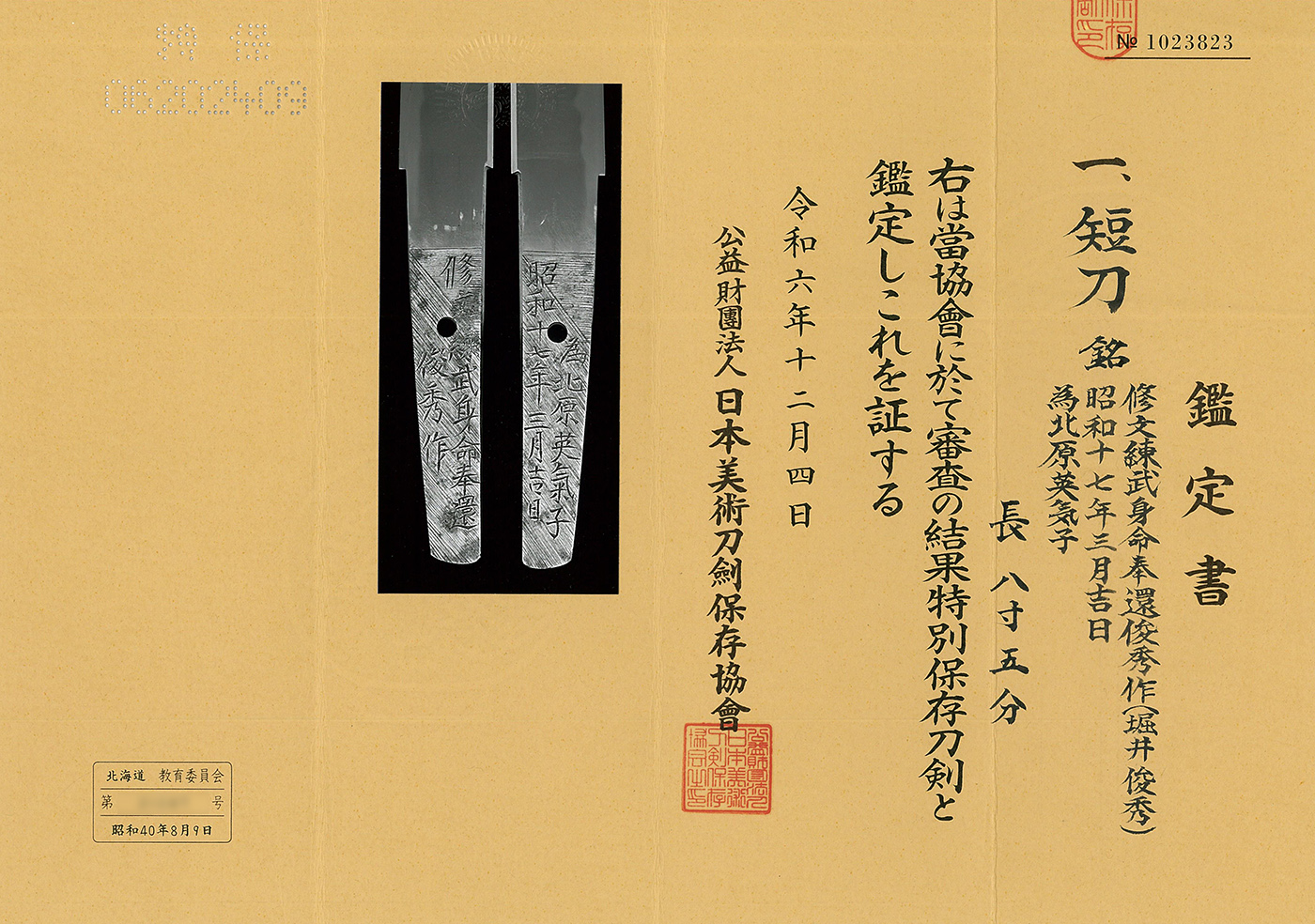
Certificate reading — 銘 修文練武身命奉還俊秀作(堀井俊秀) 昭和十七年三月吉日 為北原英気子
 NihontoWatch
mei · Showa (1926-1989) · nagasa 25.7cm
Hokkaido · around 1926-1989
2 pieces on the market now
Shōwa to the present: destruction and revival
The twentieth century nearly killed the craft twice: wartime distortion, then the occupation ban. The NBTHK’s founding in 1948 and licensed forging from 1953 rebuilt the sword as an art, crowned by Living National Treasures and the mukansa rank.
A Hozon-certified blade judged to show notably superior workmanship and a better state of preservation. The bar is higher: re-tempered blades and most unsigned Muromachi/Edo works are excluded.
The NBTHK (Nihon Bijutsu Tōken Hozon Kyōkai, the Society for the Preservation of Japanese Art Swords) is a public-interest incorporated foundation founded in 1948 and supervised by Japan’s Agency for Cultural Affairs (Bunkachō); it is based at the Japanese Sword Museum in Tokyo. Its expert panels physically examine each submitted work (shinsa) and issue a certificate (kanteishō) ranking it by artistic and historical merit. NBTHK papers are the most widely recognized standard of authentication for Japanese swords and fittings.
NBTHK official siteReturns possible within 3 days of arrival. Customer pays return shipping and bank transfer fees. Excluded: condition differs from sale, 3+ days passed, overseas delivery, in-store purchases, and deposit transactions.
¥600,000


