After the Ōnin War broke the Ashikaga order, a century of Sengoku warfare armed nearly every province in Japan. The era rewards a discriminating eye: routine work exists in quantity, and beside it stand custom blades of the first rank.
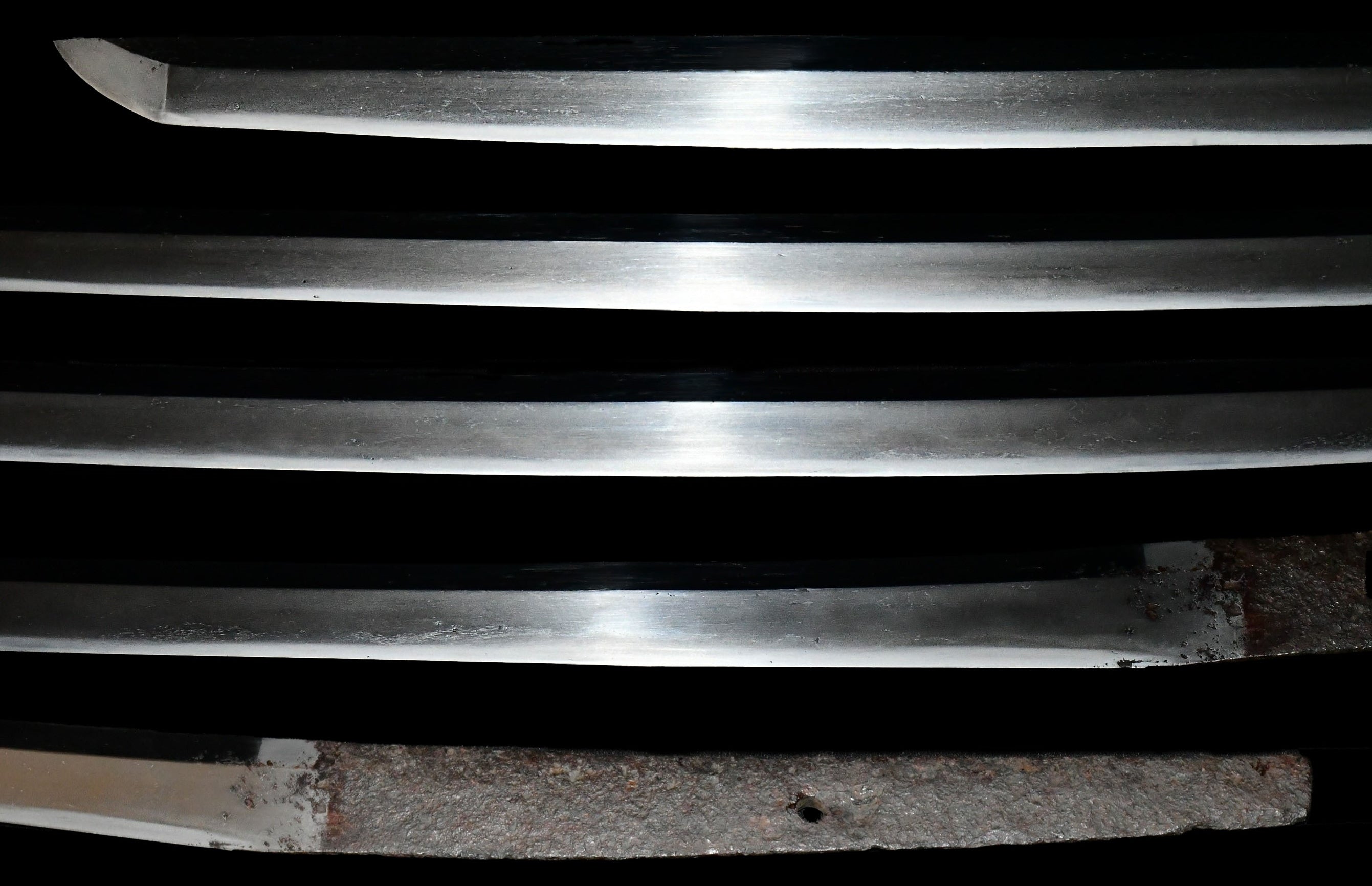
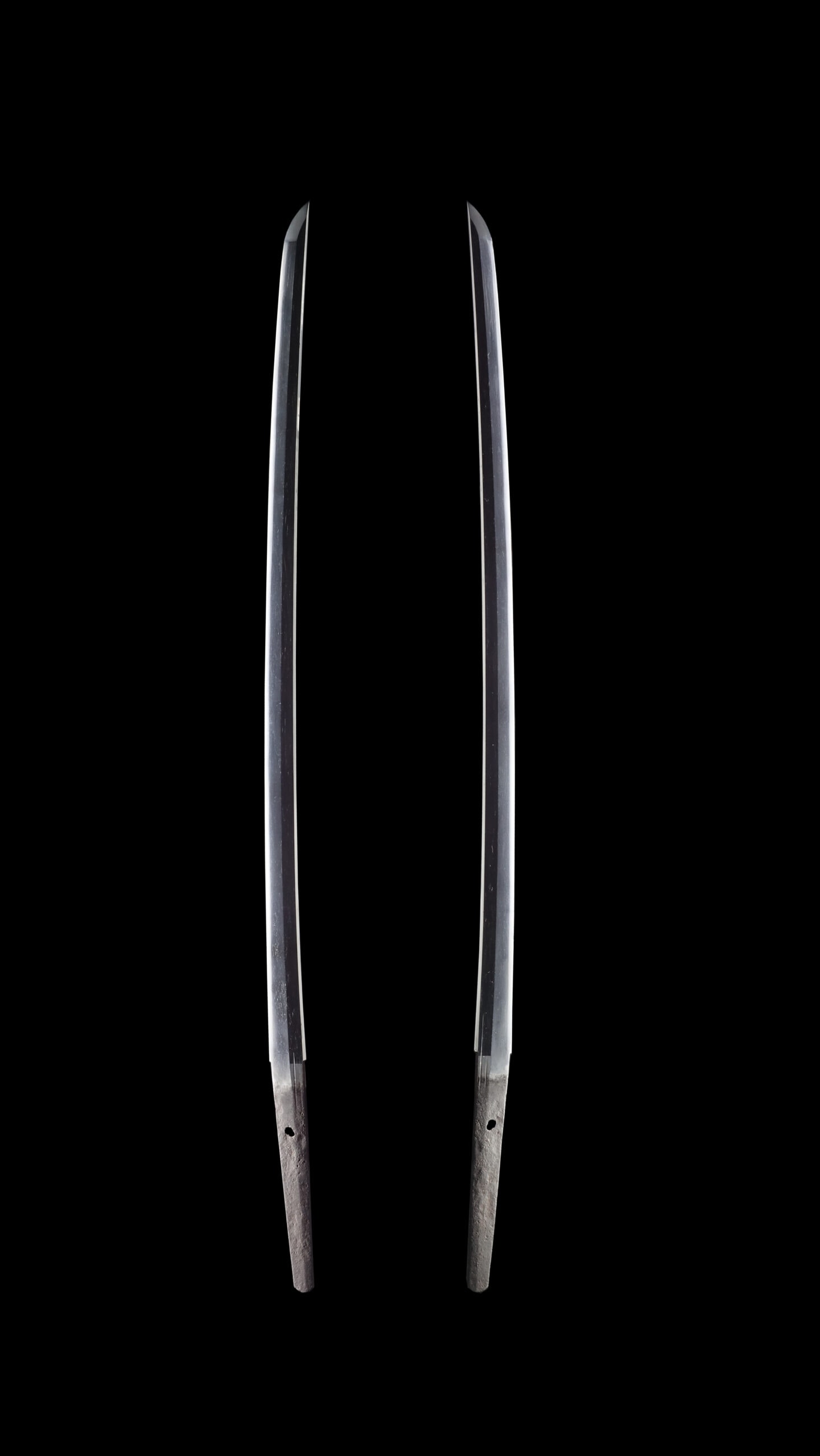
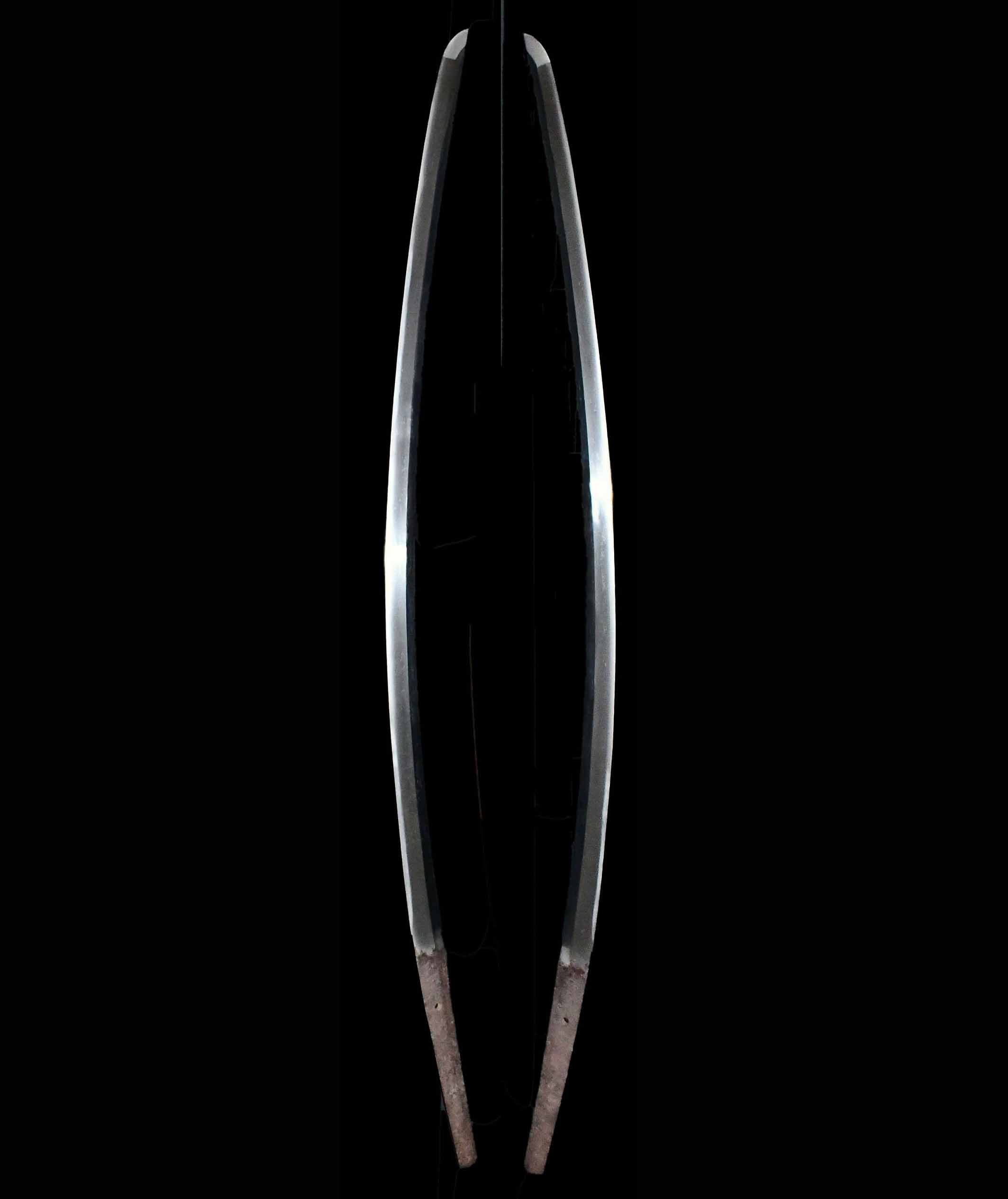
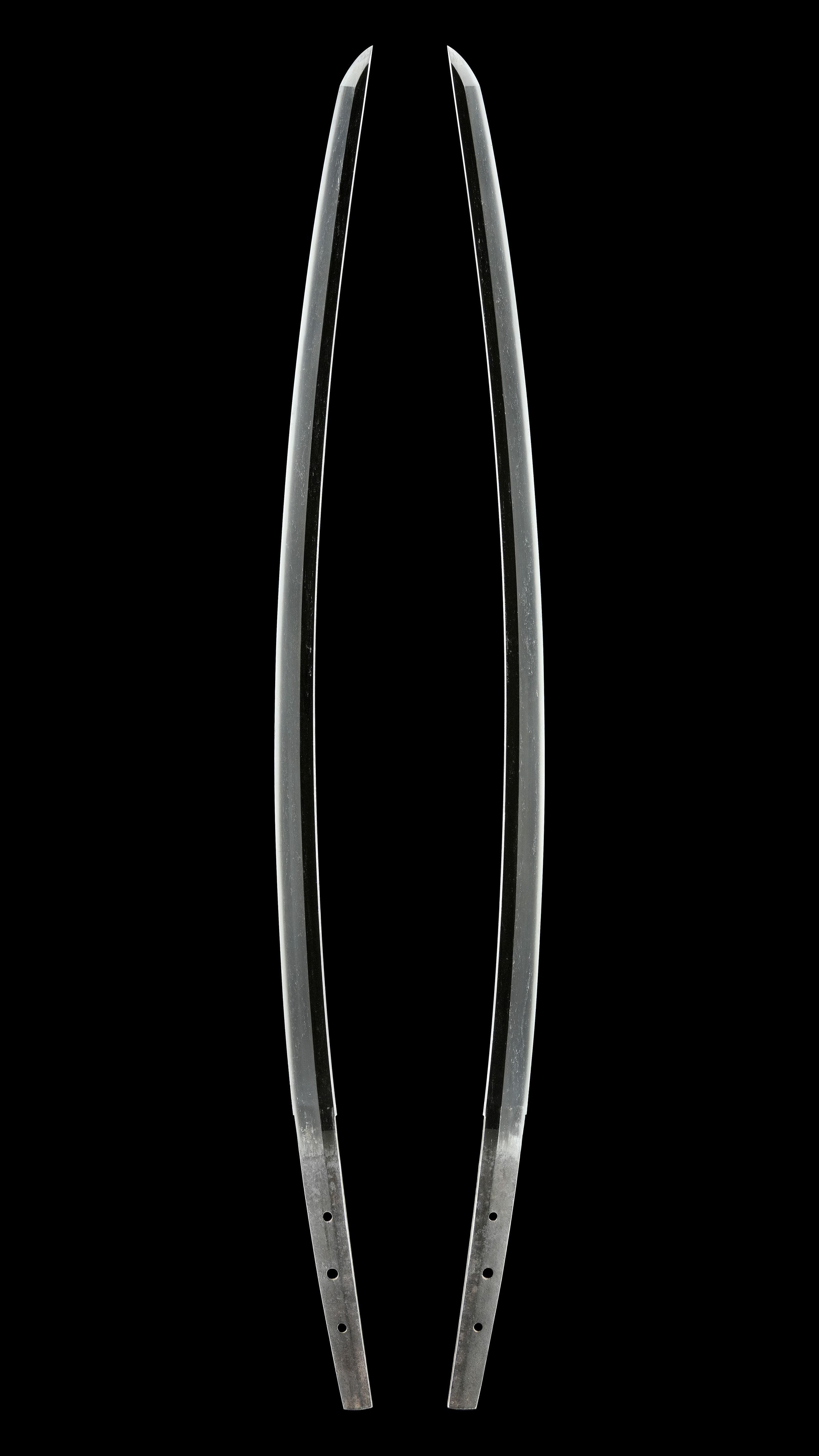
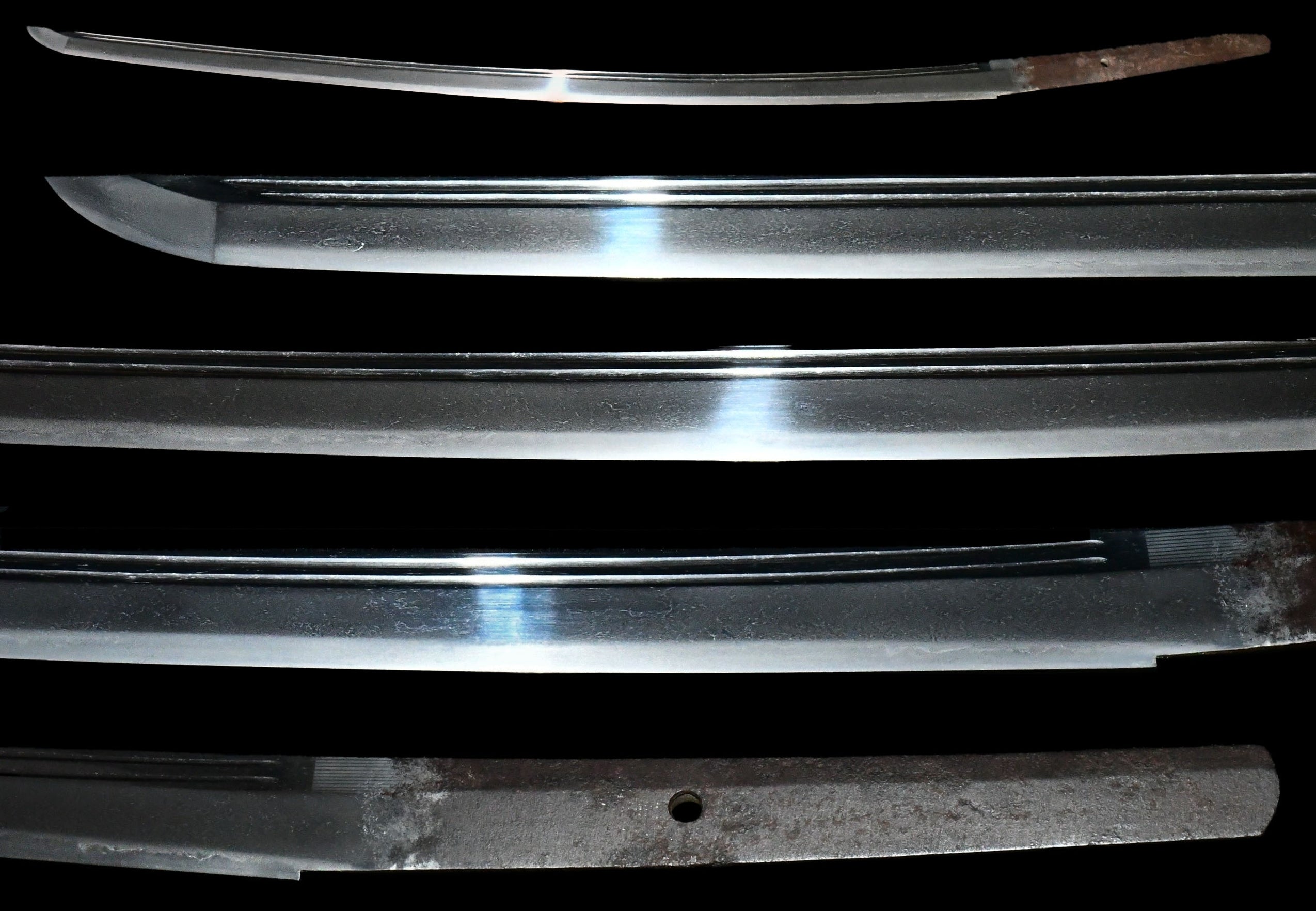
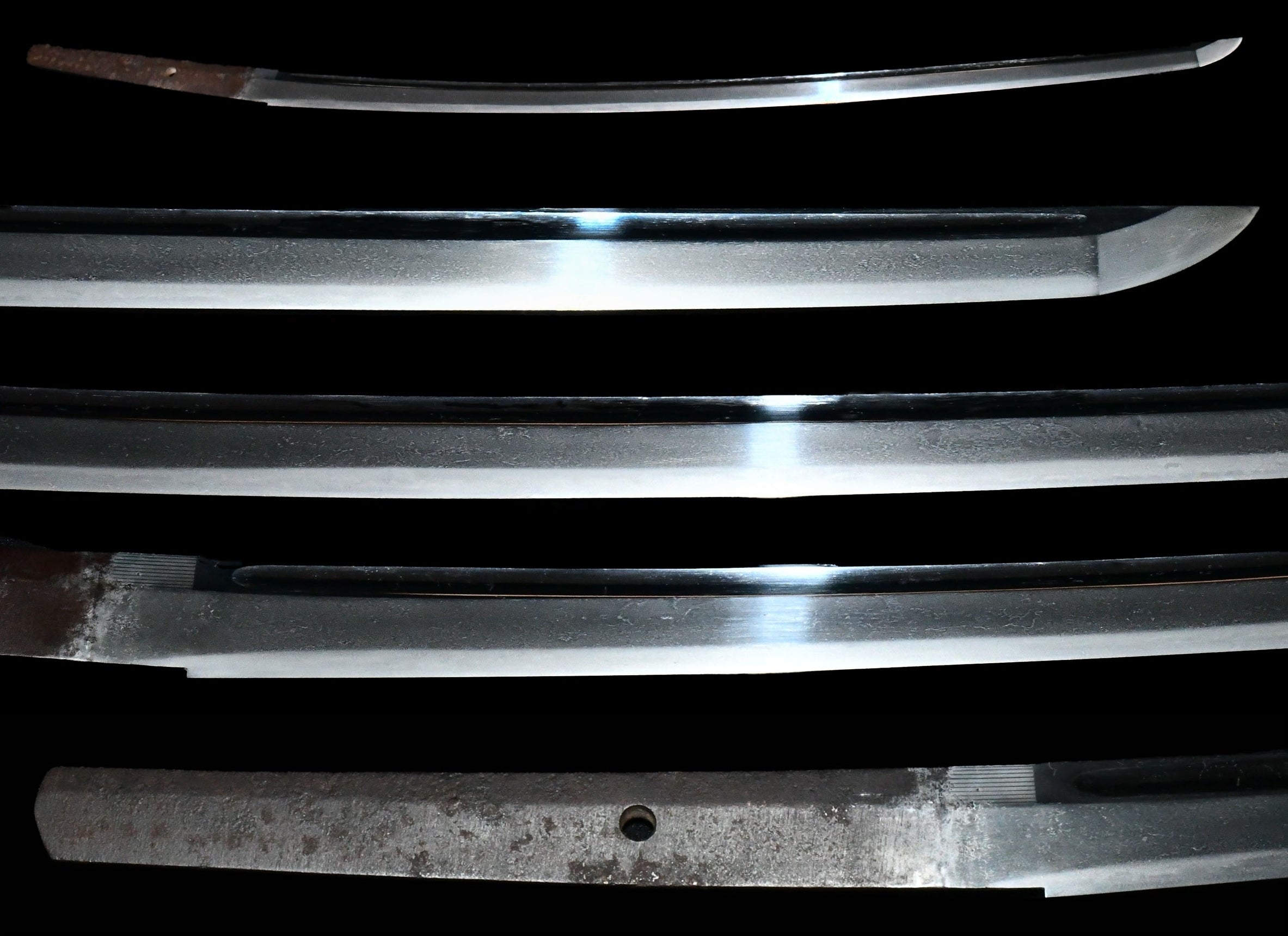
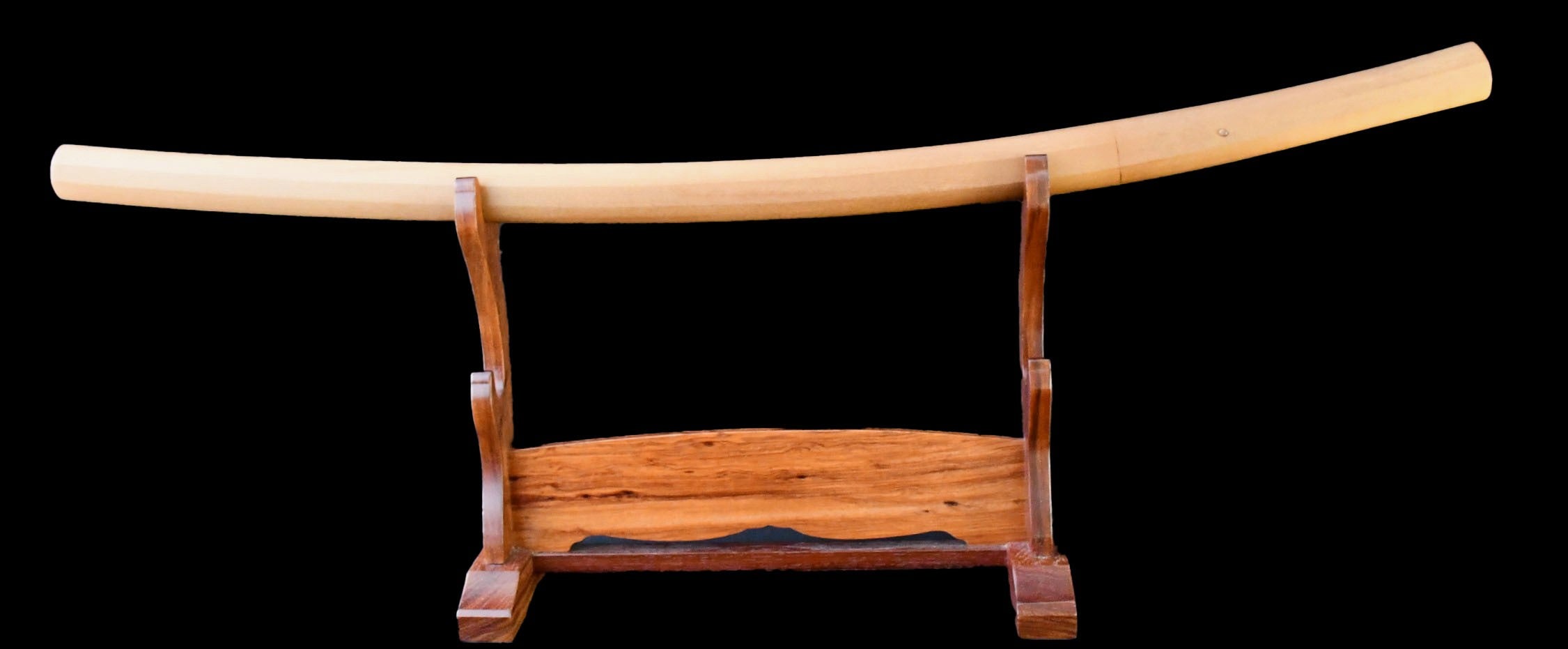
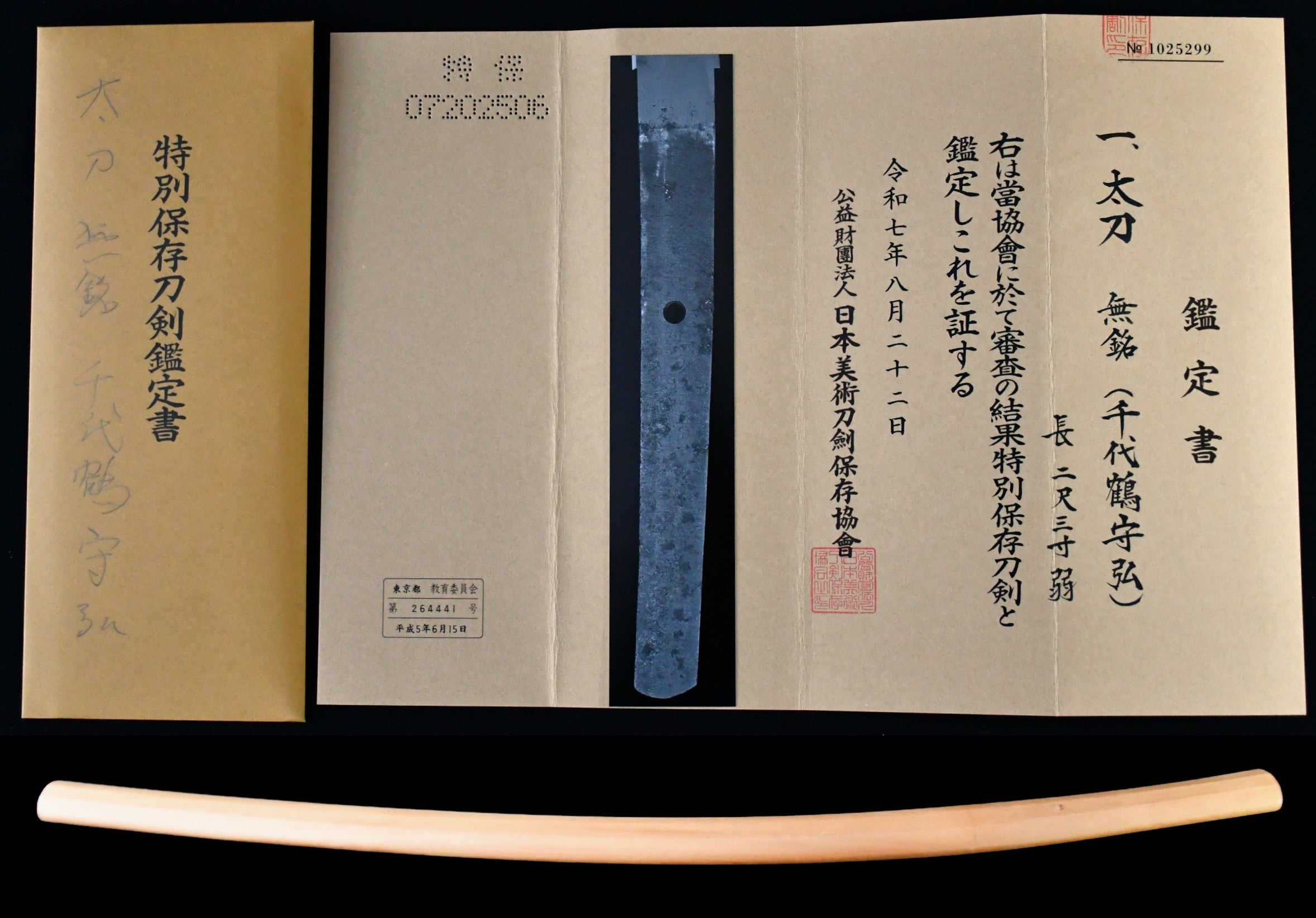
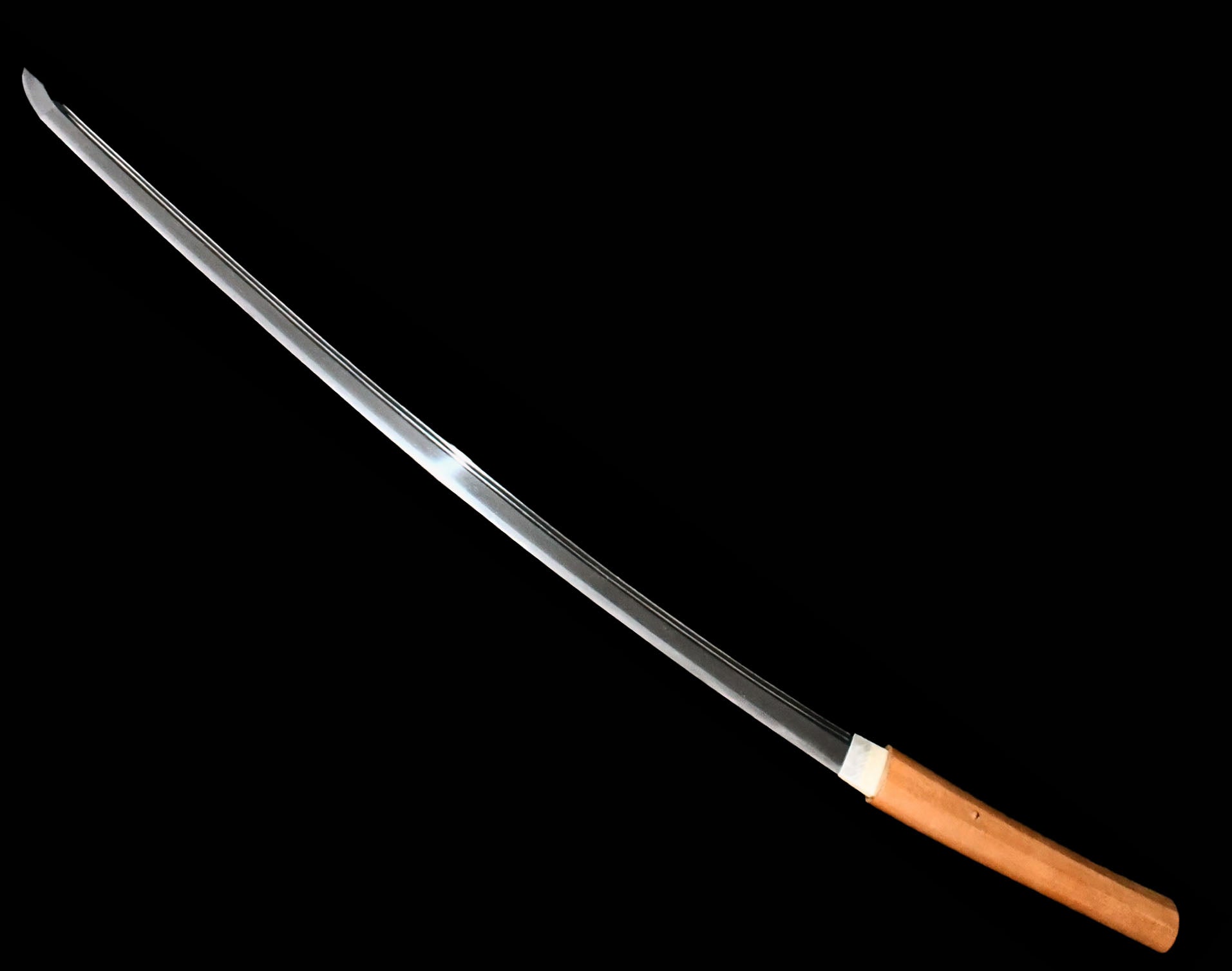
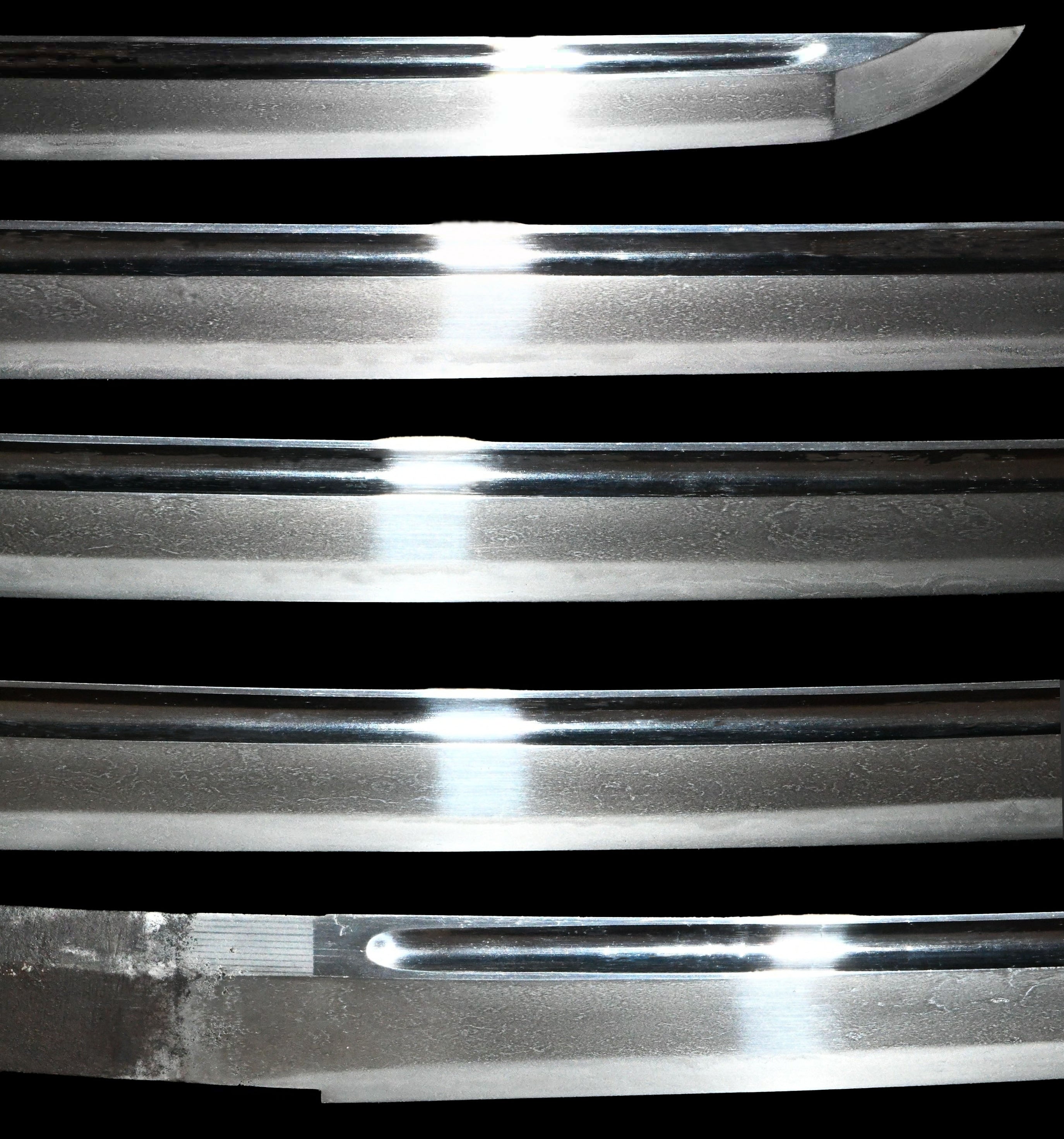
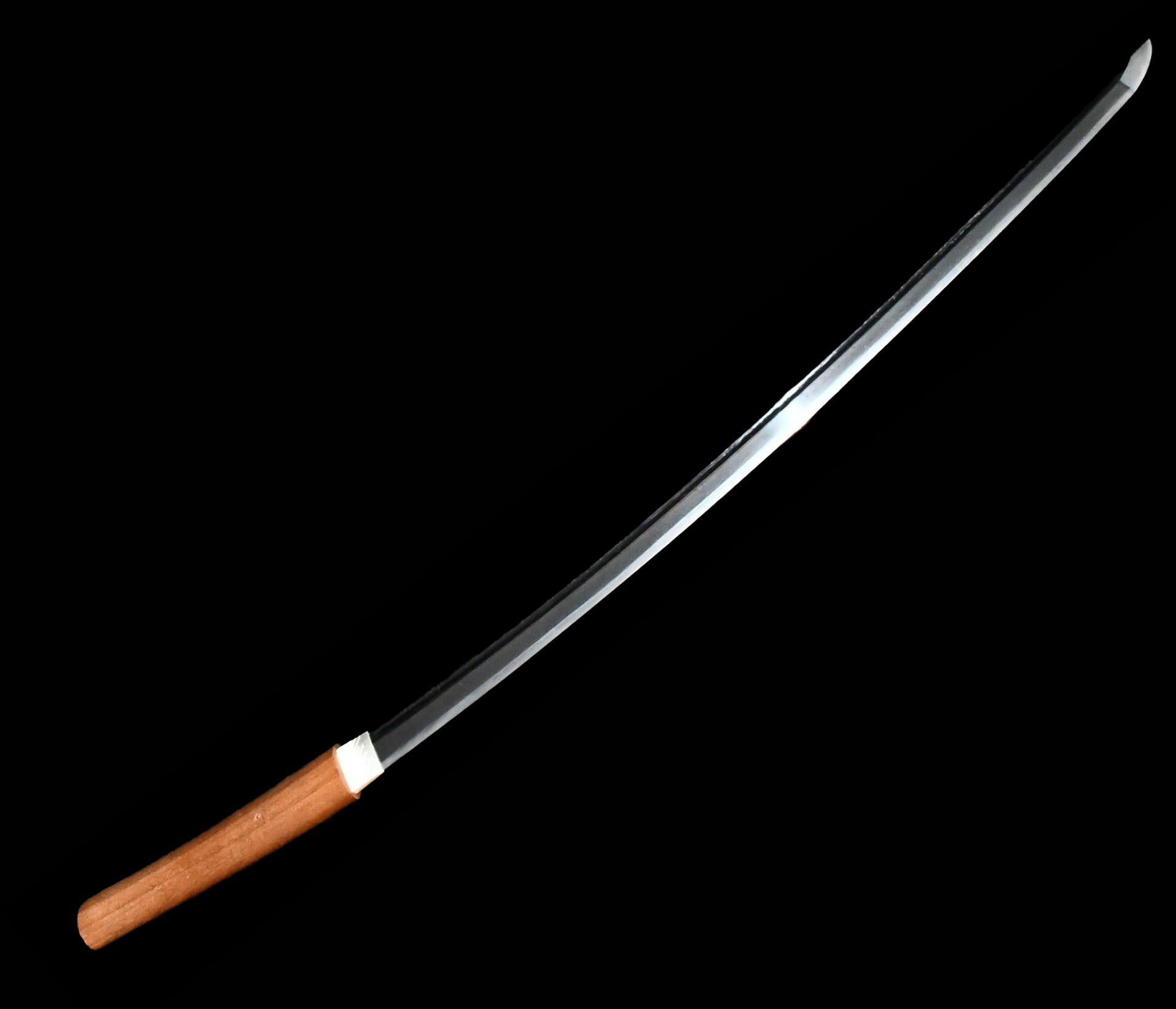
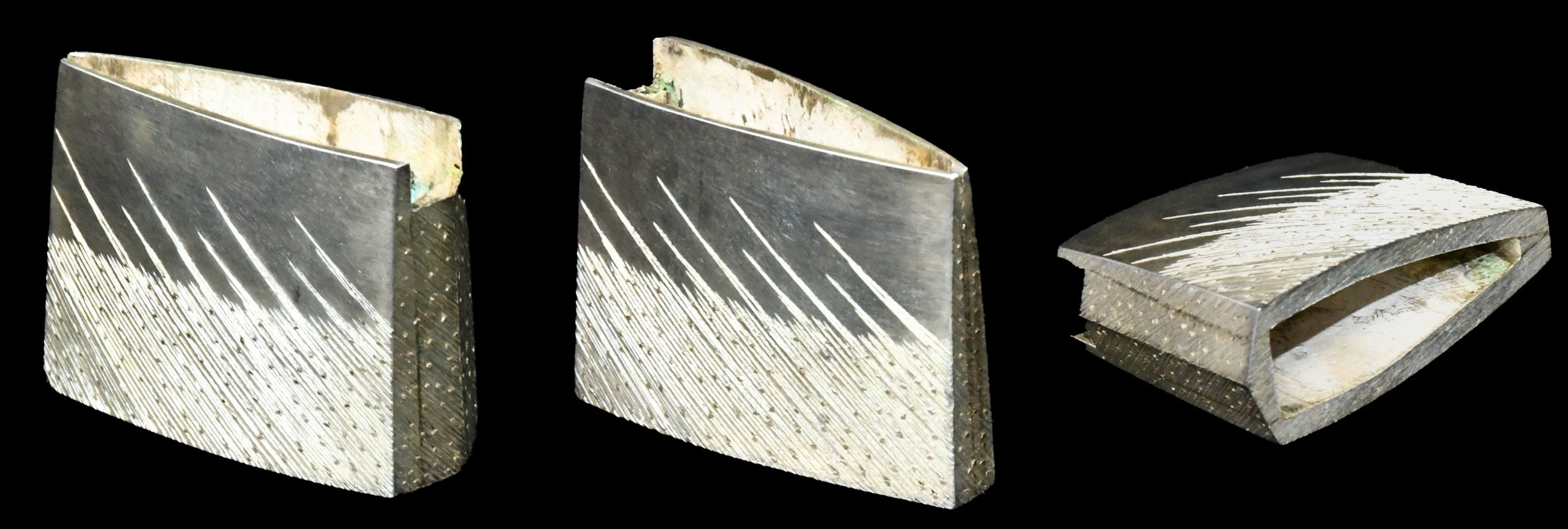
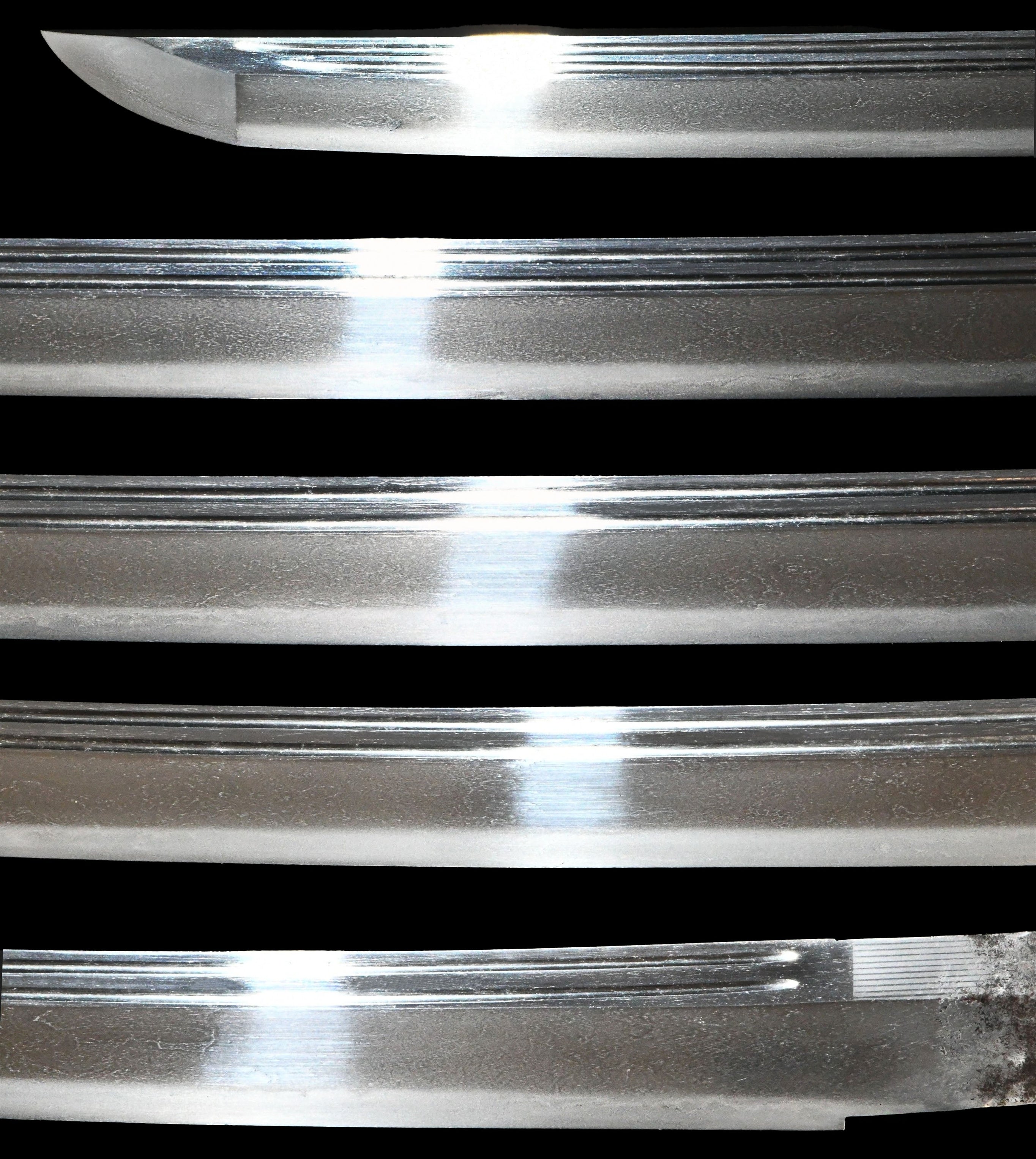
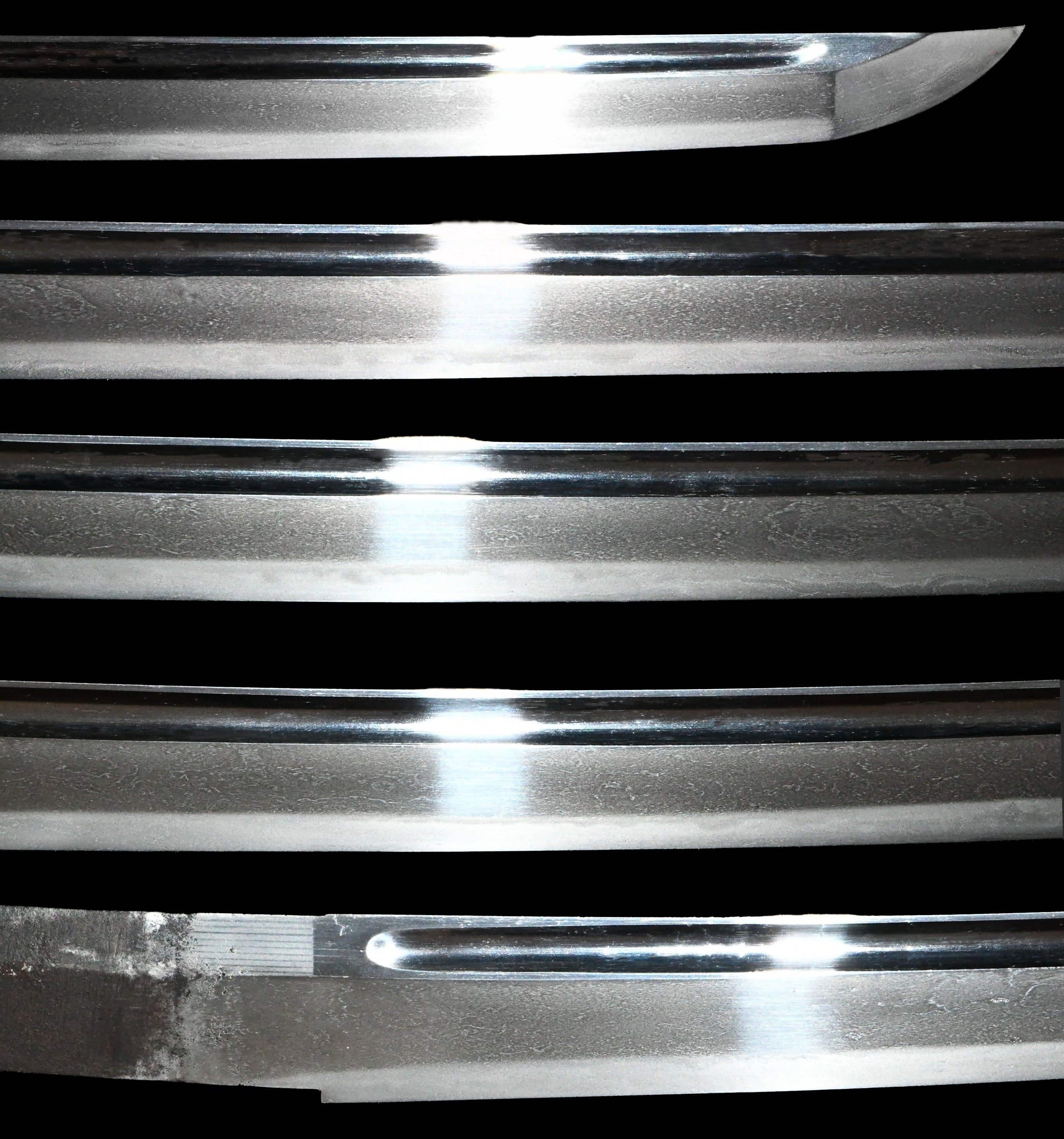
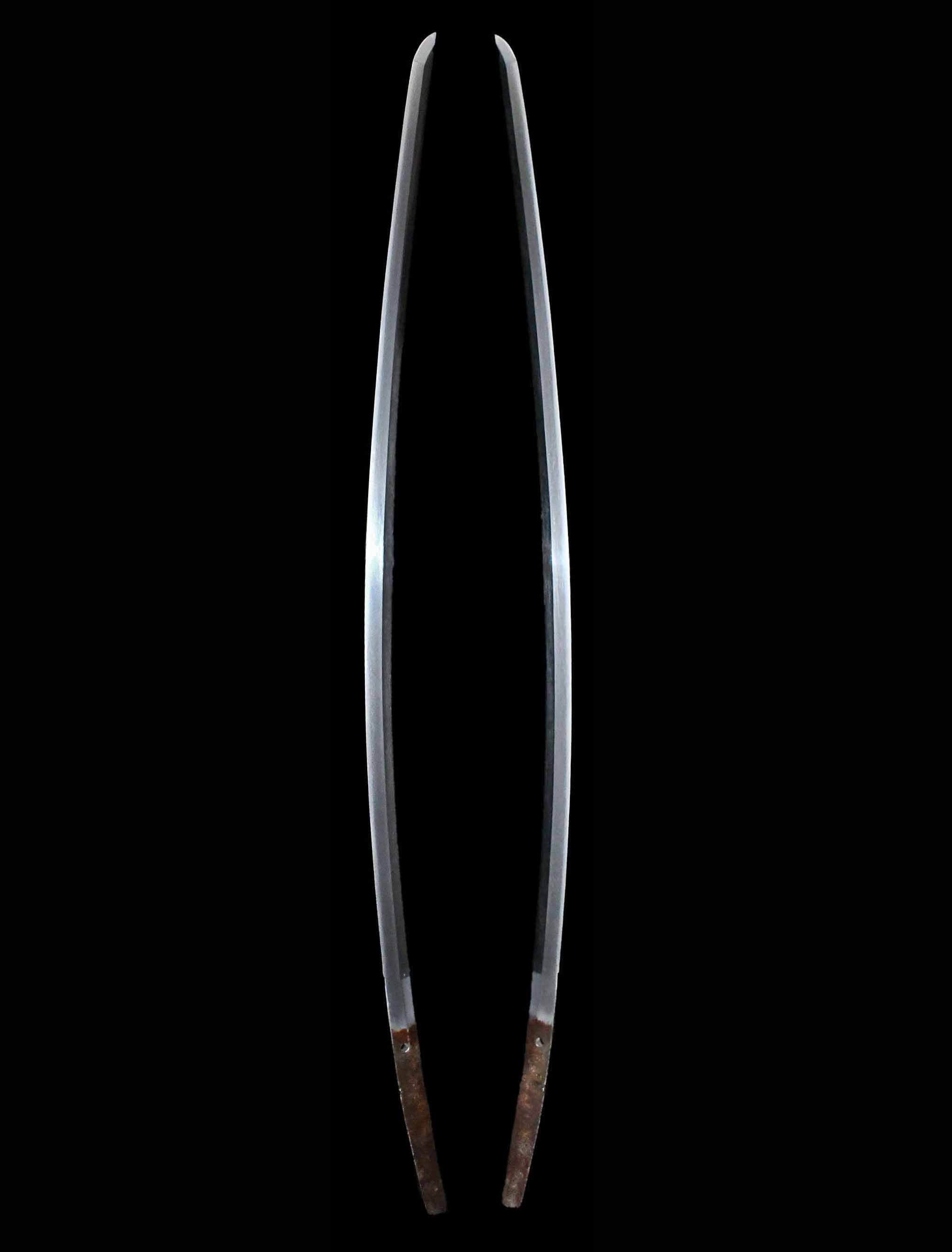
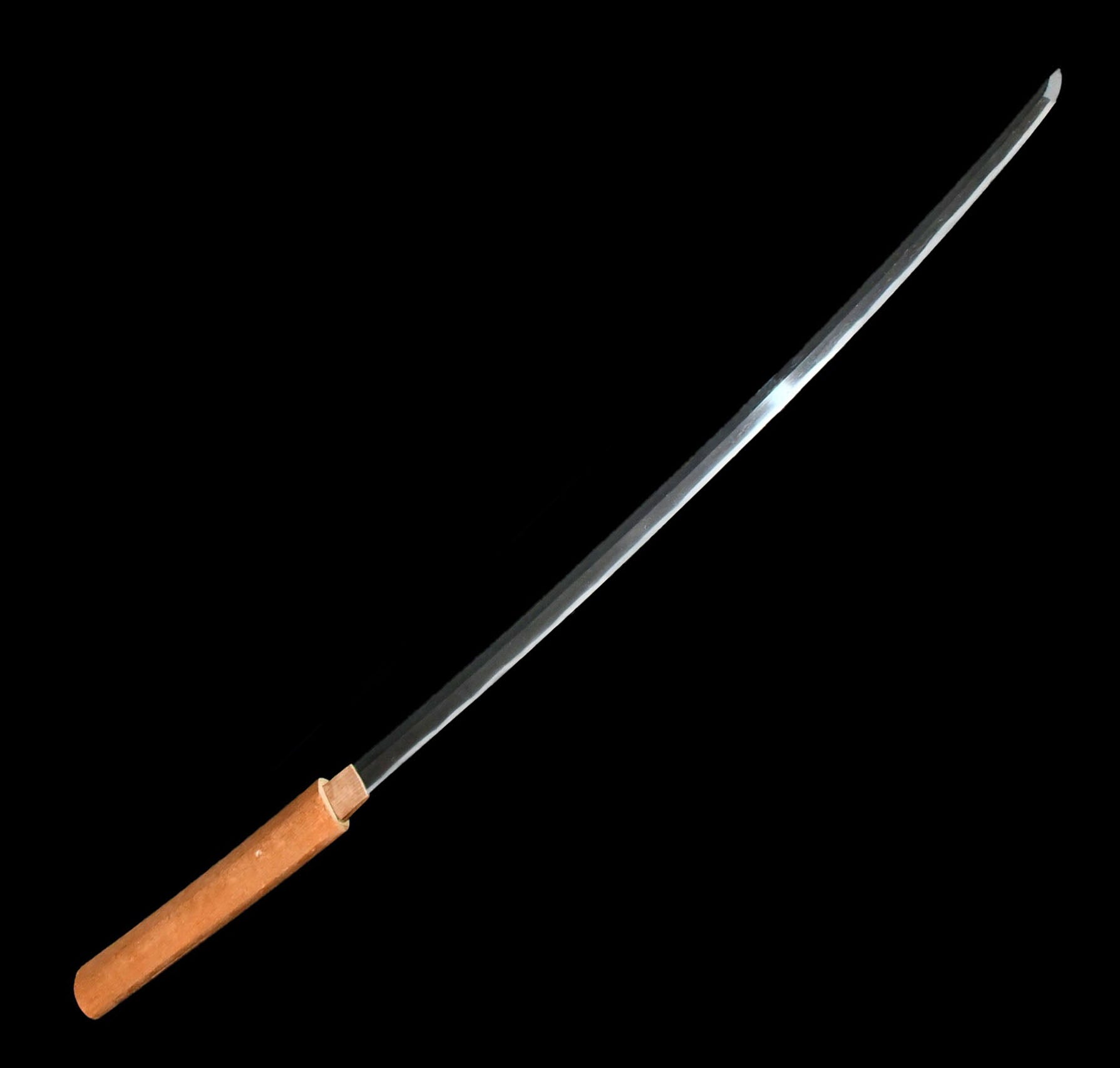
This is a tachi, unsigned but attributed to Chiyozuru Morihiro, from the Echizen province during the Muromachi period, around 1355. It comes with an NBTHK Tokubetsu Hozon certificate. The blade measures 69.7 cm in length with a sori of 2.0 cm.
Certificate reading — 無銘(千代鶴守弘)
 NihontoWatch
mumei · Muromachi · nagasa 69.7cm · sori 2cm
The Muromachi period (1392 to 1573)
After the Ōnin War broke the Ashikaga order, a century of Sengoku warfare armed nearly every province in Japan. The era rewards a discriminating eye: routine work exists in quantity, and beside it stand custom blades of the first rank.
A Hozon-certified blade judged to show notably superior workmanship and a better state of preservation. The bar is higher: re-tempered blades and most unsigned Muromachi/Edo works are excluded.
The NBTHK (Nihon Bijutsu Tōken Hozon Kyōkai, the Society for the Preservation of Japanese Art Swords) is a public-interest incorporated foundation founded in 1948 and supervised by Japan’s Agency for Cultural Affairs (Bunkachō); it is based at the Japanese Sword Museum in Tokyo. Its expert panels physically examine each submitted work (shinsa) and issue a certificate (kanteishō) ranking it by artistic and historical merit. NBTHK papers are the most widely recognized standard of authentication for Japanese swords and fittings.
NBTHK official siteContact within 3 days of receipt; returns not accepted for modified items or when trade-in goods are involved.
¥1,000,000
This is a tachi, unsigned but attributed to Chiyozuru Morihiro, from the Echizen province during the Muromachi period, around 1355. It comes with an NBTHK Tokubetsu Hozon certificate. The blade measures 69.7 cm in length with a sori of 2.0 cm.
Certificate reading — 無銘(千代鶴守弘)
NihontoWatchmumei · Muromachi · nagasa 69.7cm · sori 2cm
The Muromachi period (1392 to 1573)
After the Ōnin War broke the Ashikaga order, a century of Sengoku warfare armed nearly every province in Japan. The era rewards a discriminating eye: routine work exists in quantity, and beside it stand custom blades of the first rank.
A Hozon-certified blade judged to show notably superior workmanship and a better state of preservation. The bar is higher: re-tempered blades and most unsigned Muromachi/Edo works are excluded.
The NBTHK (Nihon Bijutsu Tōken Hozon Kyōkai, the Society for the Preservation of Japanese Art Swords) is a public-interest incorporated foundation founded in 1948 and supervised by Japan’s Agency for Cultural Affairs (Bunkachō); it is based at the Japanese Sword Museum in Tokyo. Its expert panels physically examine each submitted work (shinsa) and issue a certificate (kanteishō) ranking it by artistic and historical merit. NBTHK papers are the most widely recognized standard of authentication for Japanese swords and fittings.
NBTHK official siteContact within 3 days of receipt; returns not accepted for modified items or when trade-in goods are involved.
¥1,000,000