The craft survived the Meiji ban and the occupation’s near-extinction, and rebuilt itself deliberately: licensed forging from 1953, traditional methods required by law, Living National Treasures, and the mukansa rank above judgment.
This page introduces information on Japanese swords such as katana, wakizashi, tanto, ken, yari, and naginata for sale by Ginza Choshuya, a specialist Japanese sword dealer. Yoshichika, also known as Morihisuke, was a swordsmith residing in Mishima-cho, Shiba, Tokyo. He specialized in producing ceremonial tachi used during imperial enthronement ceremonies and was active from the Taisho to Showa eras. He researched and worked with difficult Western iron, developing a unique finely packed jigane by blending hard and soft steels, and was also involved in making swords for palace guards due to their exceptional sharpness.
 NihontoWatch
mei · Taisho (1912-1926)
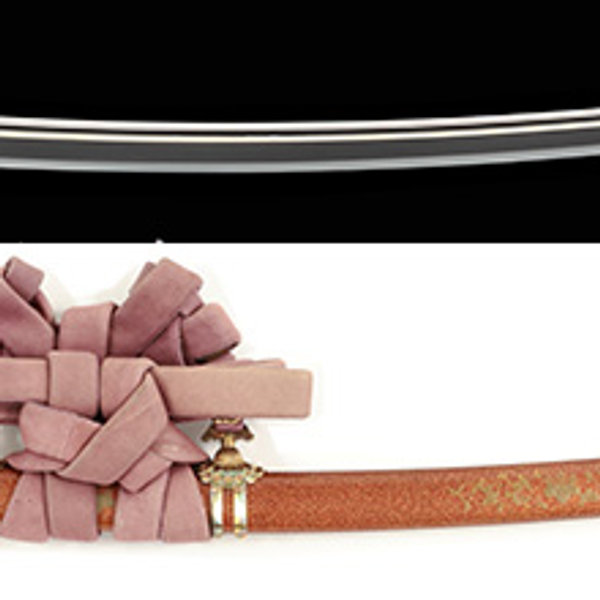
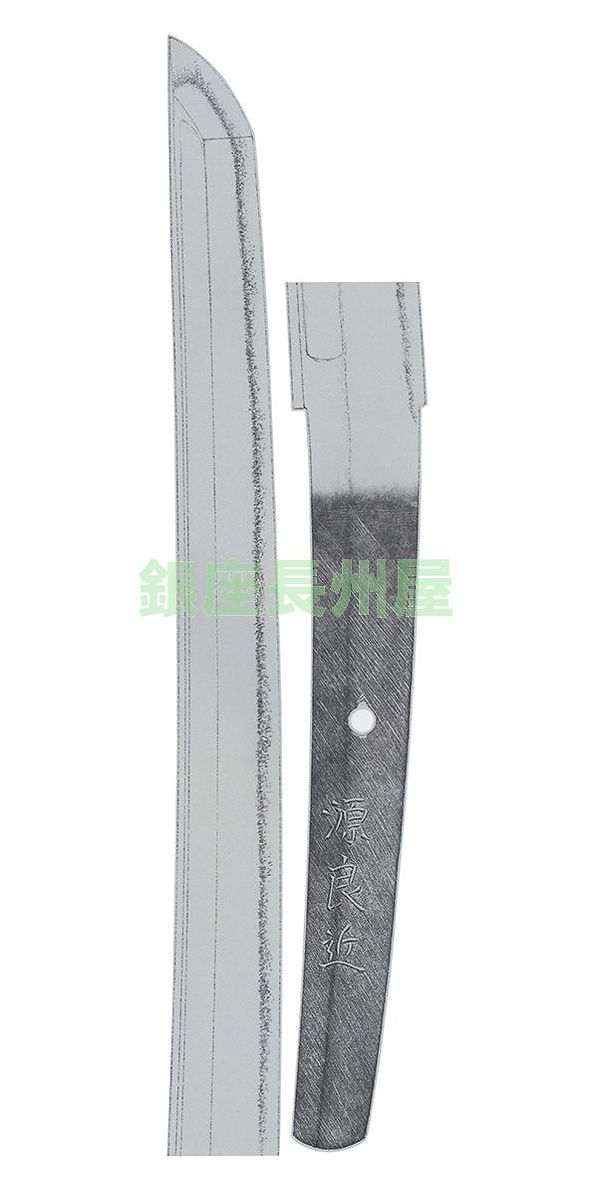
Tokyo · around 1912-1926
1 piece on the market now
The modern era (1868 to today)
The craft survived the Meiji ban and the occupation’s near-extinction, and rebuilt itself deliberately: licensed forging from 1953, traditional methods required by law, Living National Treasures, and the mukansa rank above judgment.
We could not find an authenticity certificate on the seller’s listing. Japanese swords and fittings are normally papered by the NBTHK (or the NTHK). Without one, the attribution is the seller’s own assessment and has not been independently verified — treat it with caution and ask the dealer about certification before buying.
If, due to our fault, the item differs significantly from its proper condition, the item may be returned. Cooling-off is within one week of the item's arrival.
This page introduces information on Japanese swords such as katana, wakizashi, tanto, ken, yari, and naginata for sale by Ginza Choshuya, a specialist Japanese sword dealer. Yoshichika, also known as Morihisuke, was a swordsmith residing in Mishima-cho, Shiba, Tokyo. He specialized in producing ceremonial tachi used during imperial enthronement ceremonies and was active from the Taisho to Showa eras. He researched and worked with difficult Western iron, developing a unique finely packed jigane by blending hard and soft steels, and was also involved in making swords for palace guards due to their exceptional sharpness.
NihontoWatchmei · Taisho (1912-1926)
Tokyo · around 1912-1926
1 piece on the market now
The modern era (1868 to today)
The craft survived the Meiji ban and the occupation’s near-extinction, and rebuilt itself deliberately: licensed forging from 1953, traditional methods required by law, Living National Treasures, and the mukansa rank above judgment.
We could not find an authenticity certificate on the seller’s listing. Japanese swords and fittings are normally papered by the NBTHK (or the NTHK). Without one, the attribution is the seller’s own assessment and has not been independently verified — treat it with caution and ask the dealer about certification before buying.
If, due to our fault, the item differs significantly from its proper condition, the item may be returned. Cooling-off is within one week of the item's arrival.

