The twentieth century nearly killed the craft twice: wartime distortion, then the occupation ban. The NBTHK’s founding in 1948 and licensed forging from 1953 rebuilt the sword as an art, crowned by Living National Treasures and the mukansa rank.
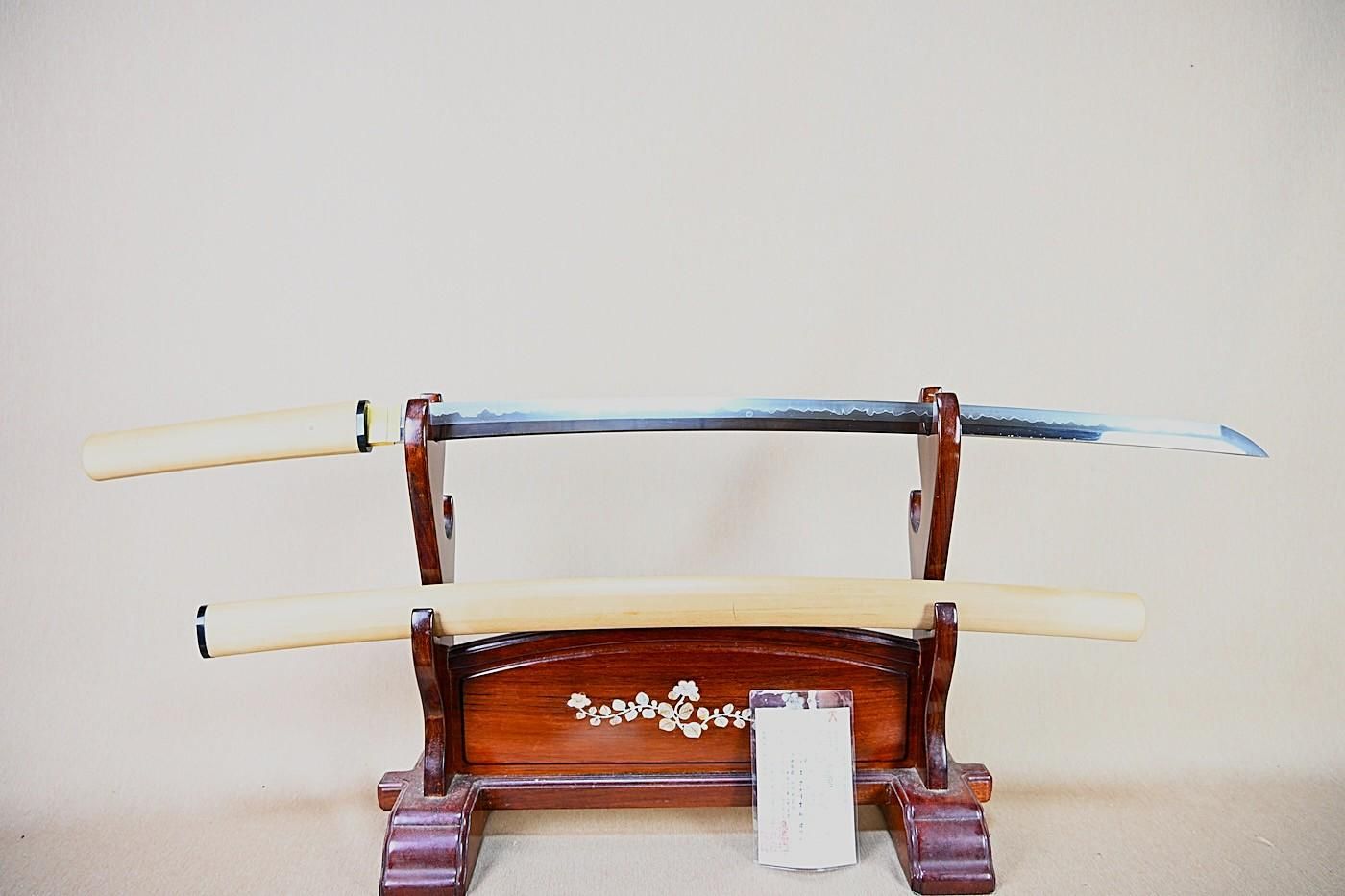
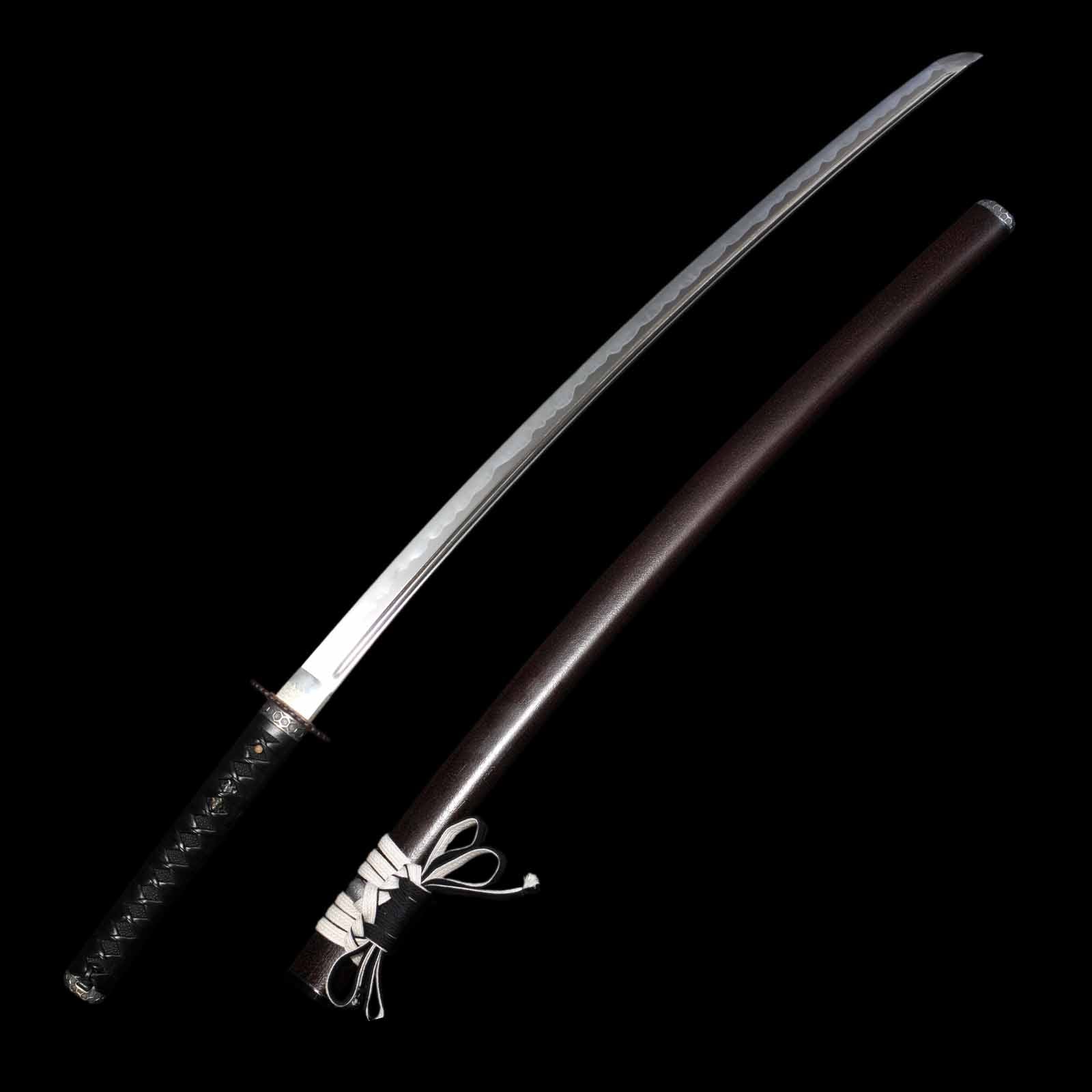
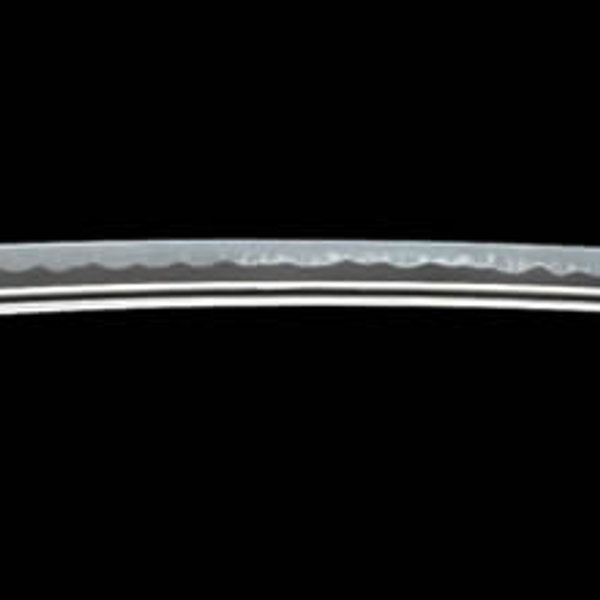
This katana is signed by Akamatsu Taro Mitsuhiro, residing in Higo Province, and dated to a lucky day in September, Heisei 17 (2005). Mitsuhiro, whose family lineage includes sword makers for the Sagara family of Hitoyoshi Domain, entered the world of sword making in Heisei 10 (1998) after graduating high school. He is known for his work based on the Kiyomaro tradition, also challenging himself with Choji-midare hamon in the Bizen Ichimonji style. He later changed his name to Kanemitsu, incorporating the 'Kane' character from his ancestors, and continues to pursue his craft with the motto 'lifelong training,' having received the Kunzan Award (Special Prize, Second Place) at the Modern Sword Craftsmen Exhibition in Reiwa 3 (2021).
 NihontoWatch
mei · Heisei-Reiwa (2000-)
Higo · around 2000-
1 piece on the market now
Shōwa to the present: destruction and revival
The twentieth century nearly killed the craft twice: wartime distortion, then the occupation ban. The NBTHK’s founding in 1948 and licensed forging from 1953 rebuilt the sword as an art, crowned by Living National Treasures and the mukansa rank.
We could not find an authenticity certificate on the seller’s listing. Japanese swords and fittings are normally papered by the NBTHK (or the NTHK). Without one, the attribution is the seller’s own assessment and has not been independently verified — treat it with caution and ask the dealer about certification before buying.
If, due to our fault, the item differs significantly from its proper condition, the item may be returned. Cooling-off is within one week of the item's arrival.