NihontoWatch Mon

NihontoWatch

マーケット
事典
鑑定
NihontoWatch Mon

NihontoWatch

マーケット
事典
鑑定

説明

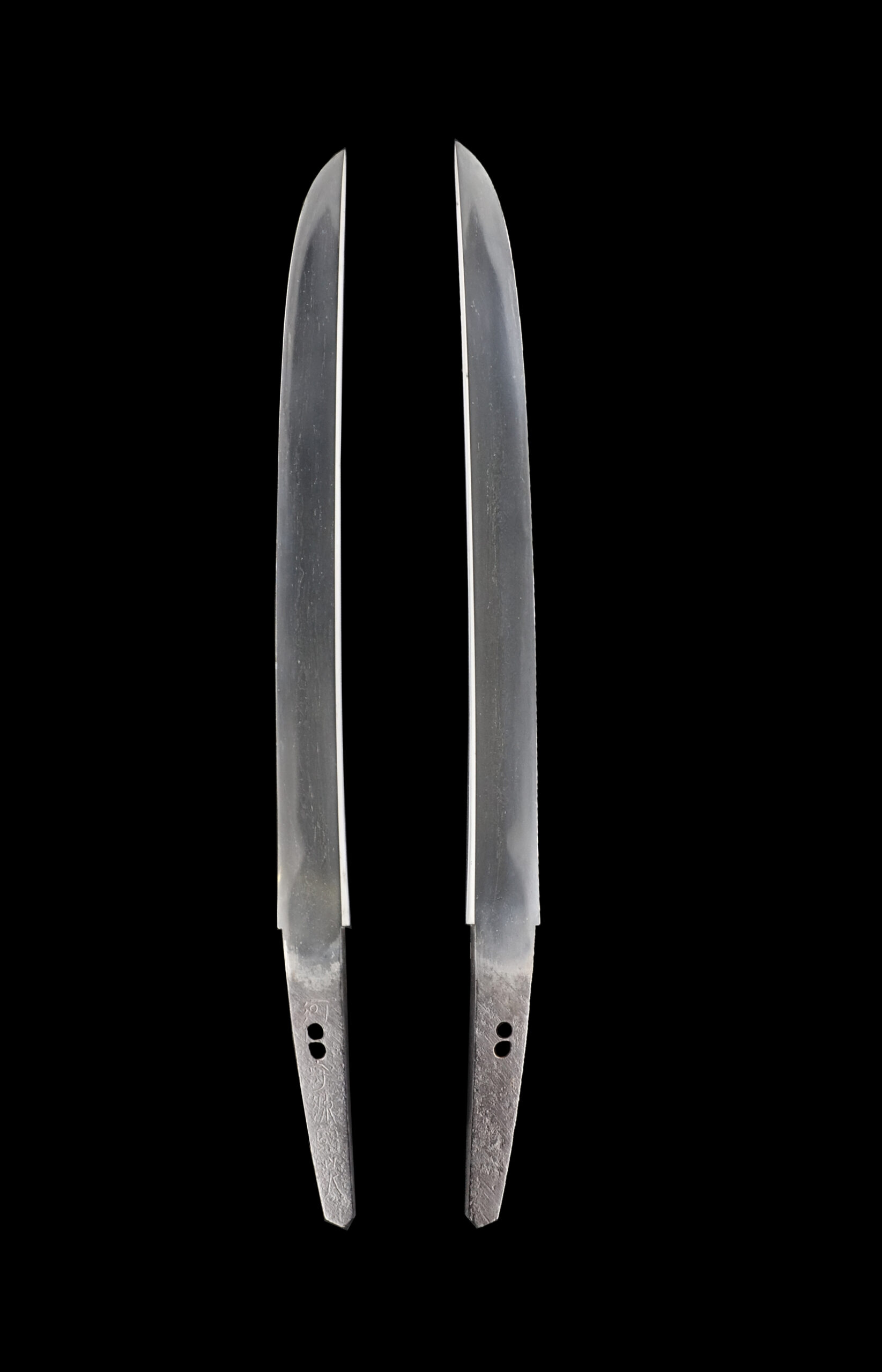
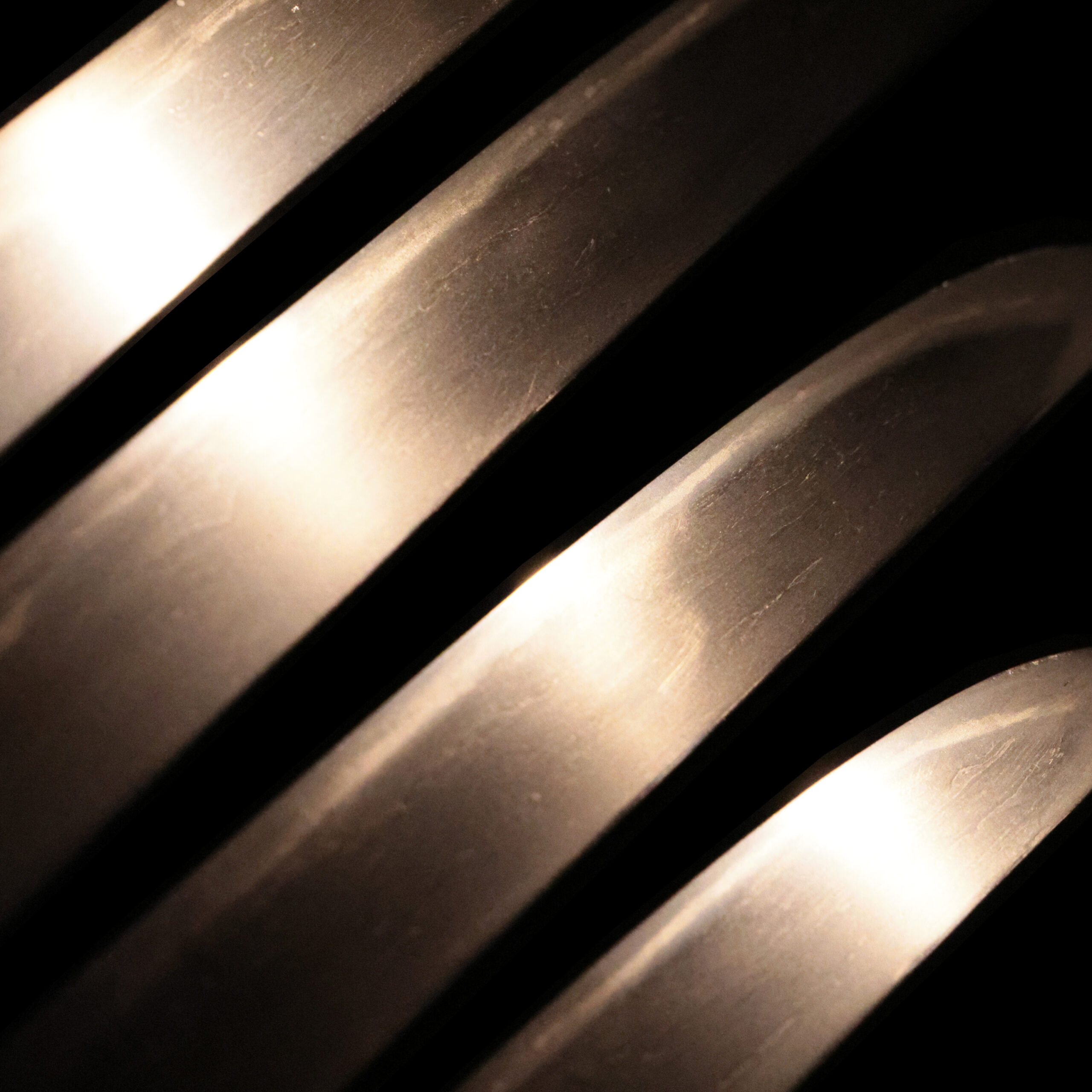
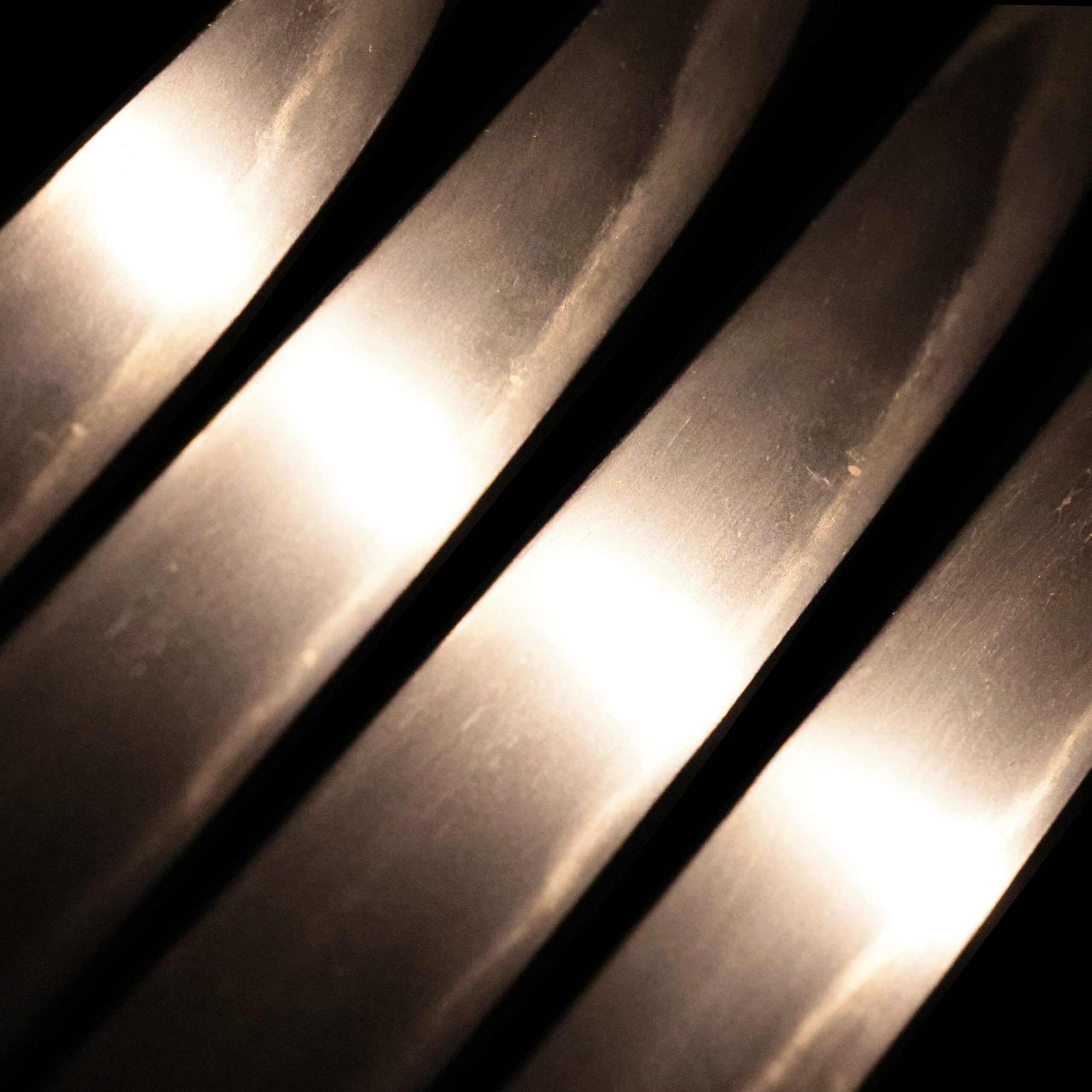
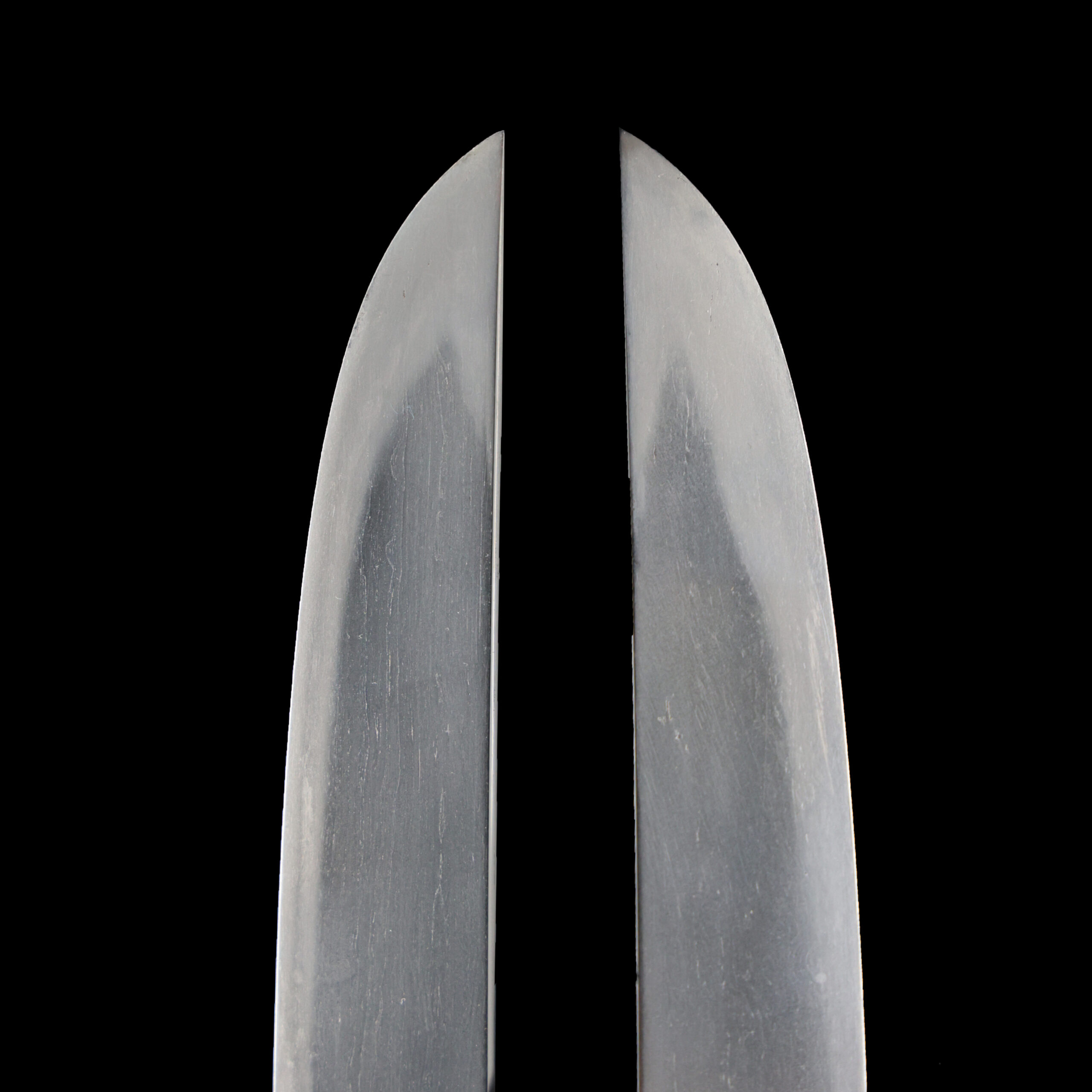
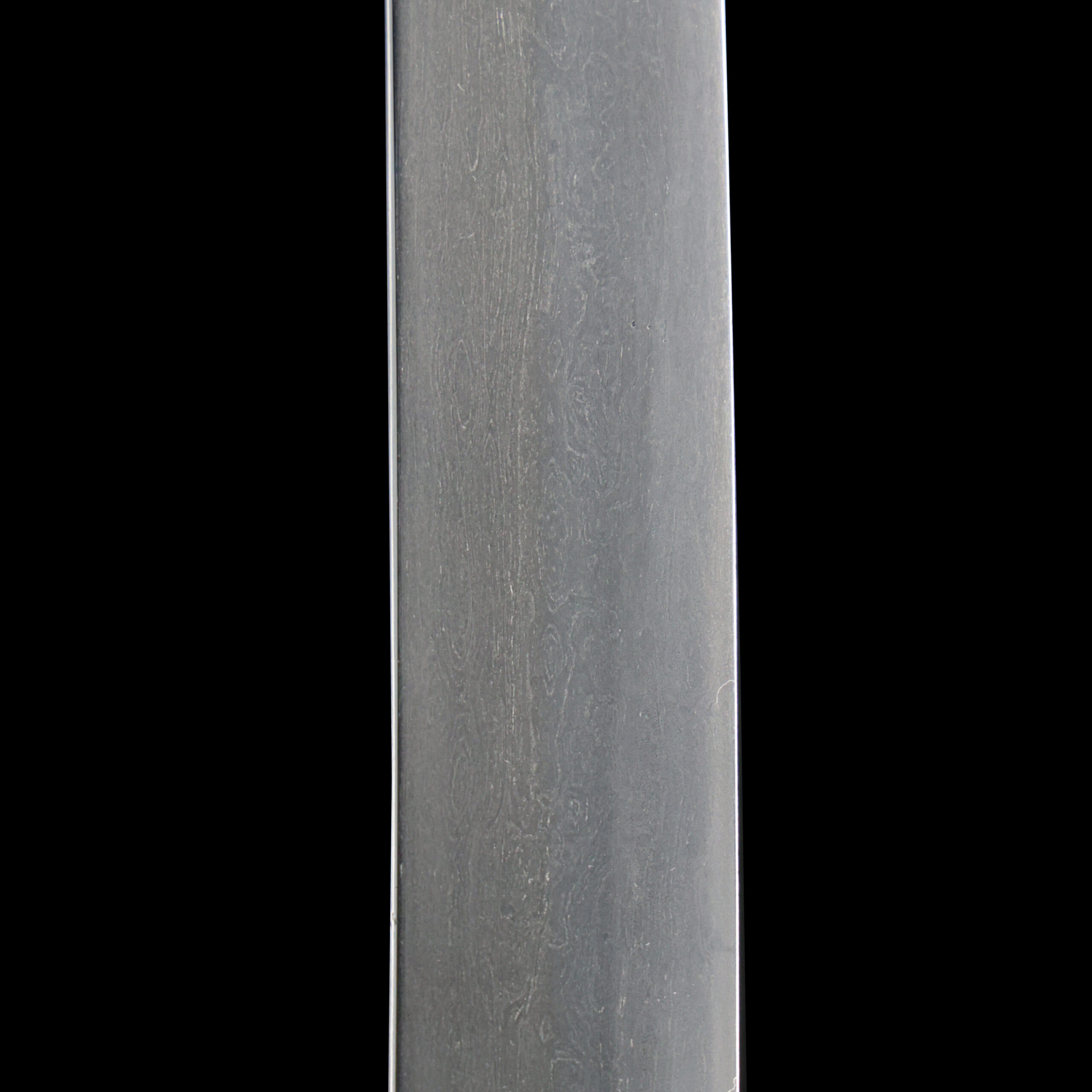
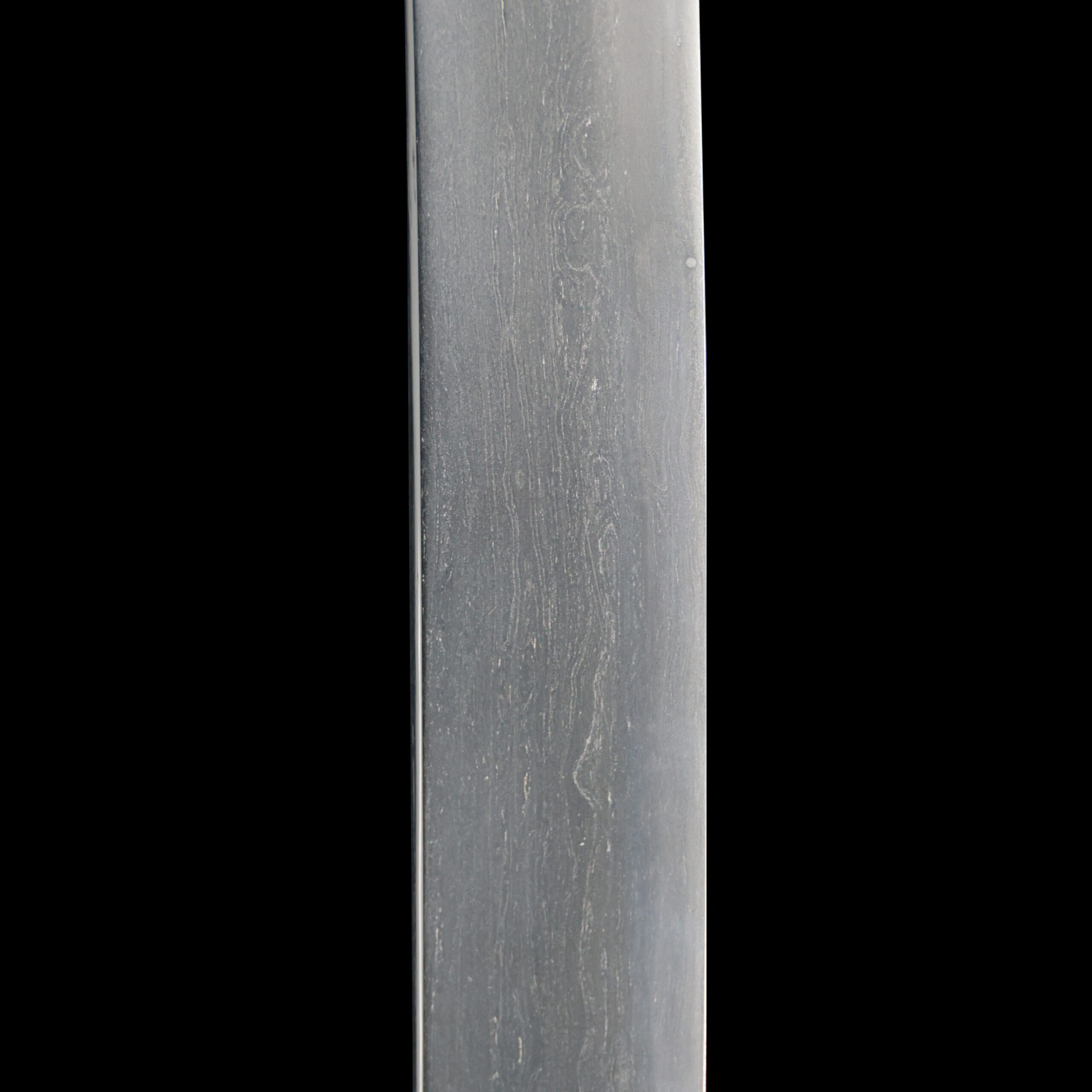
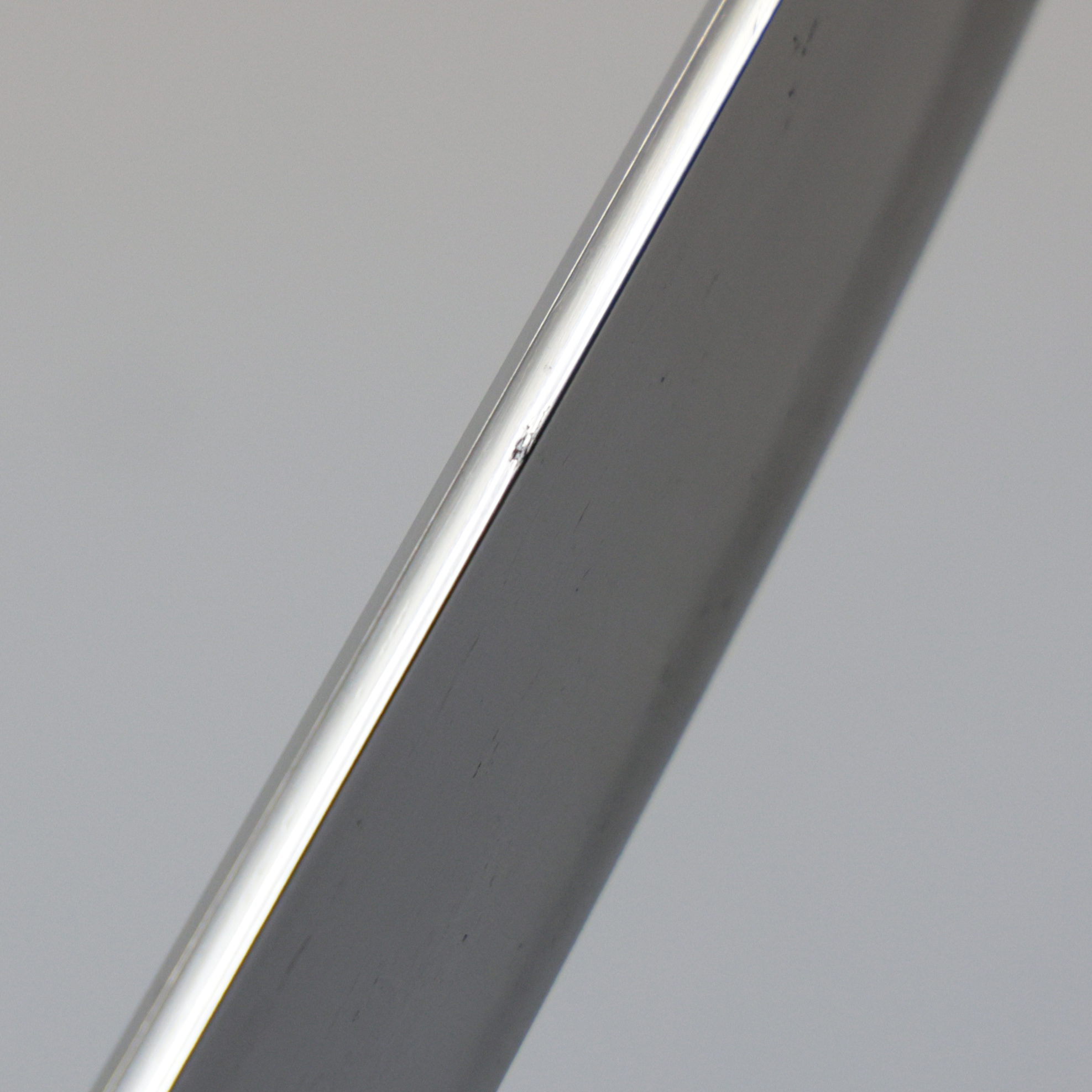
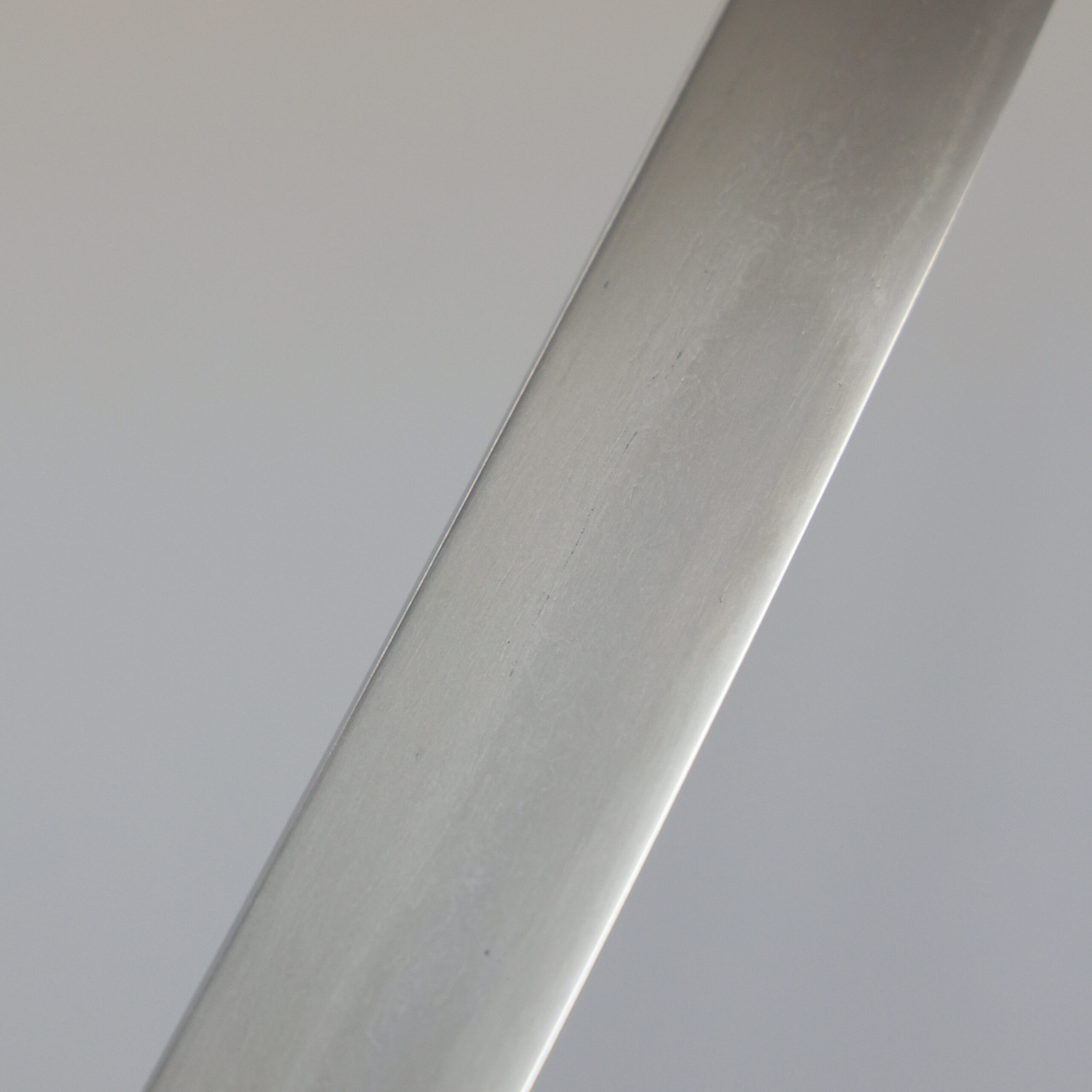
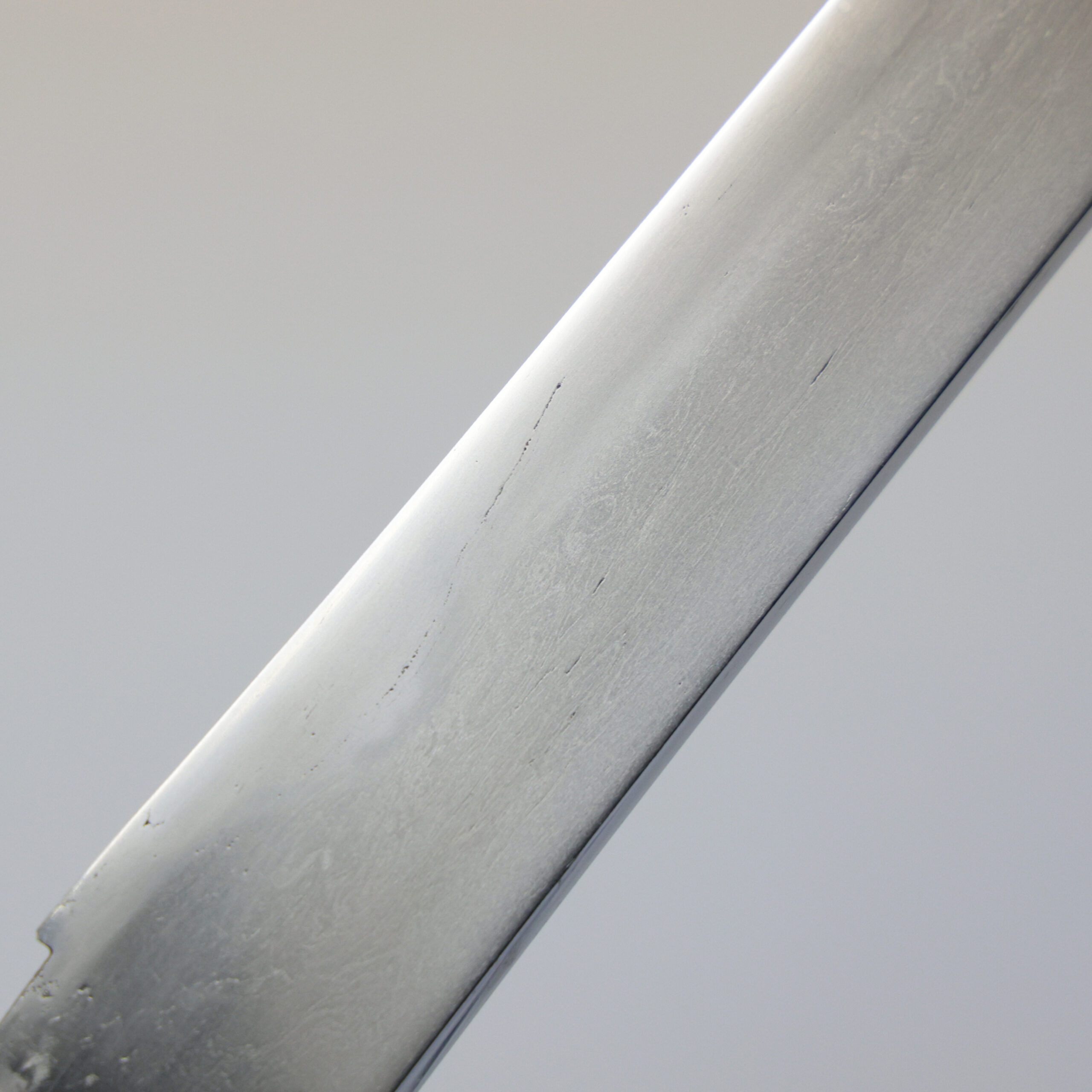
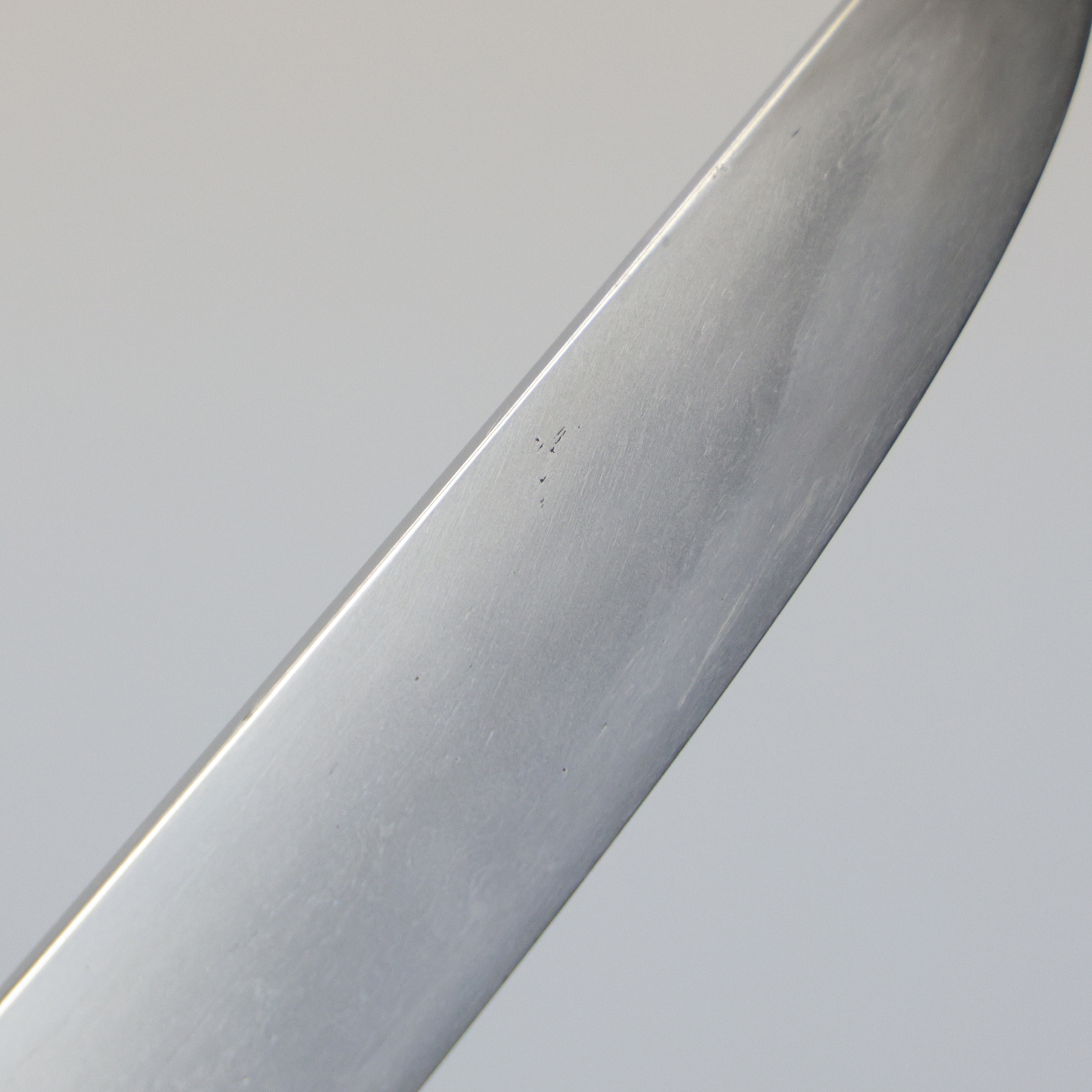
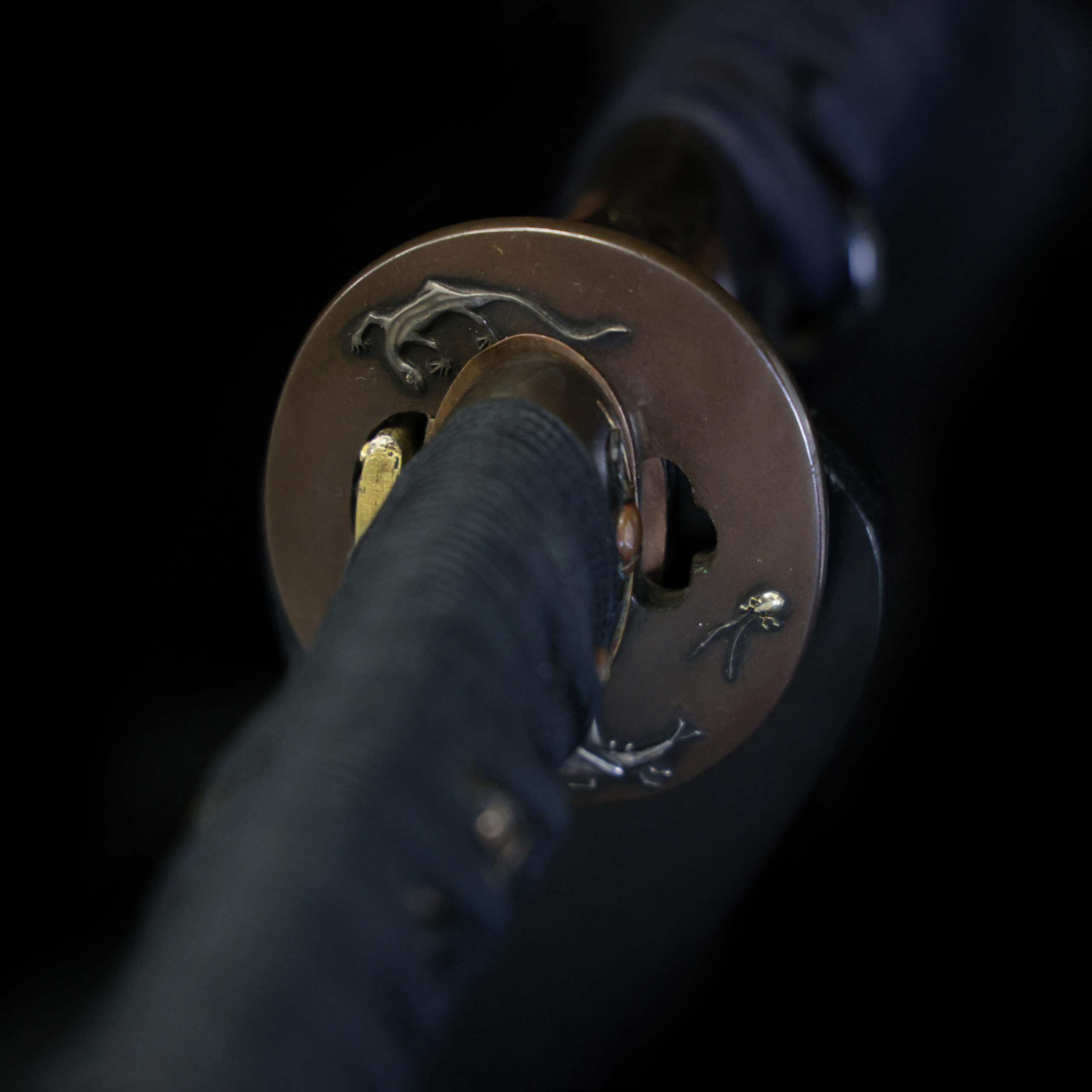
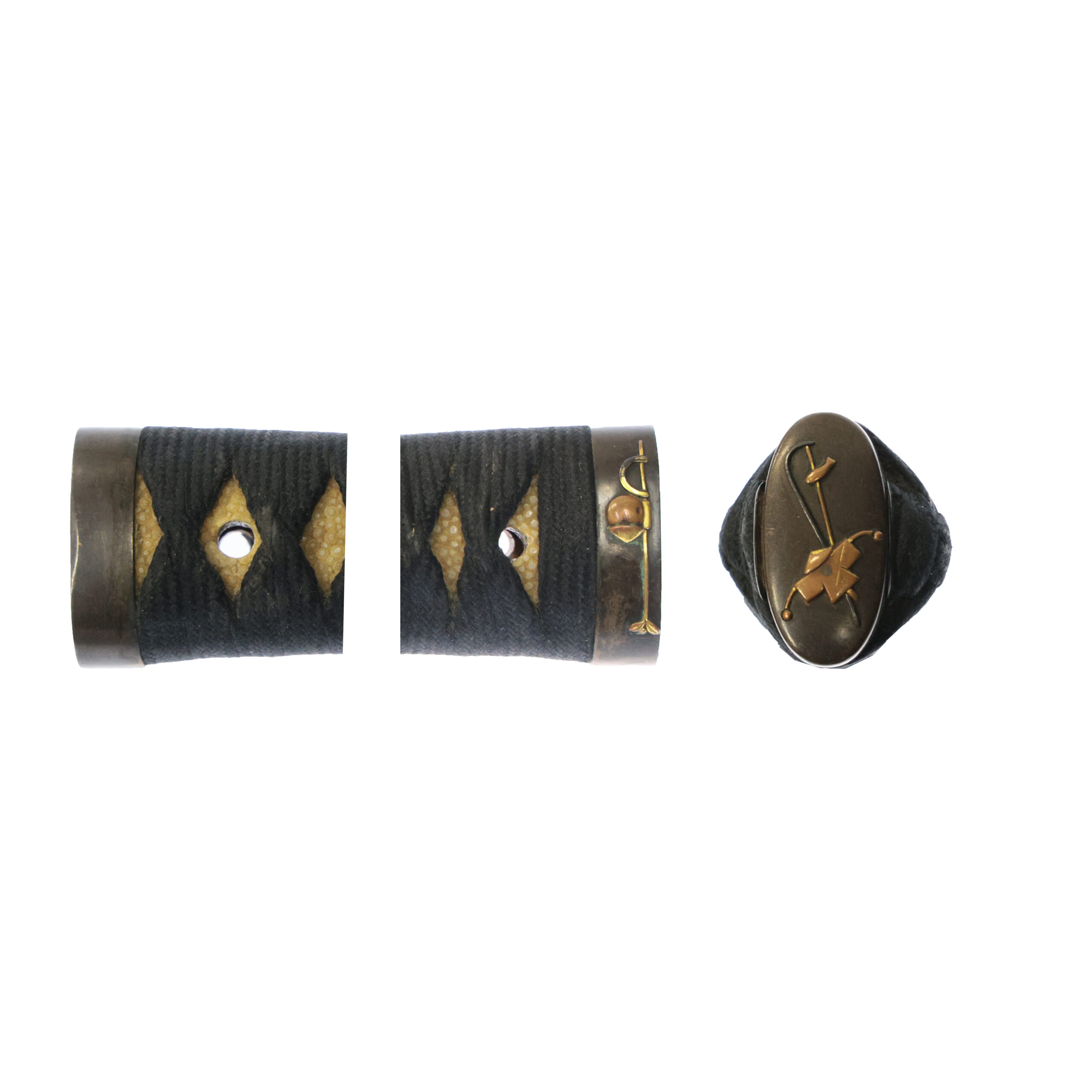
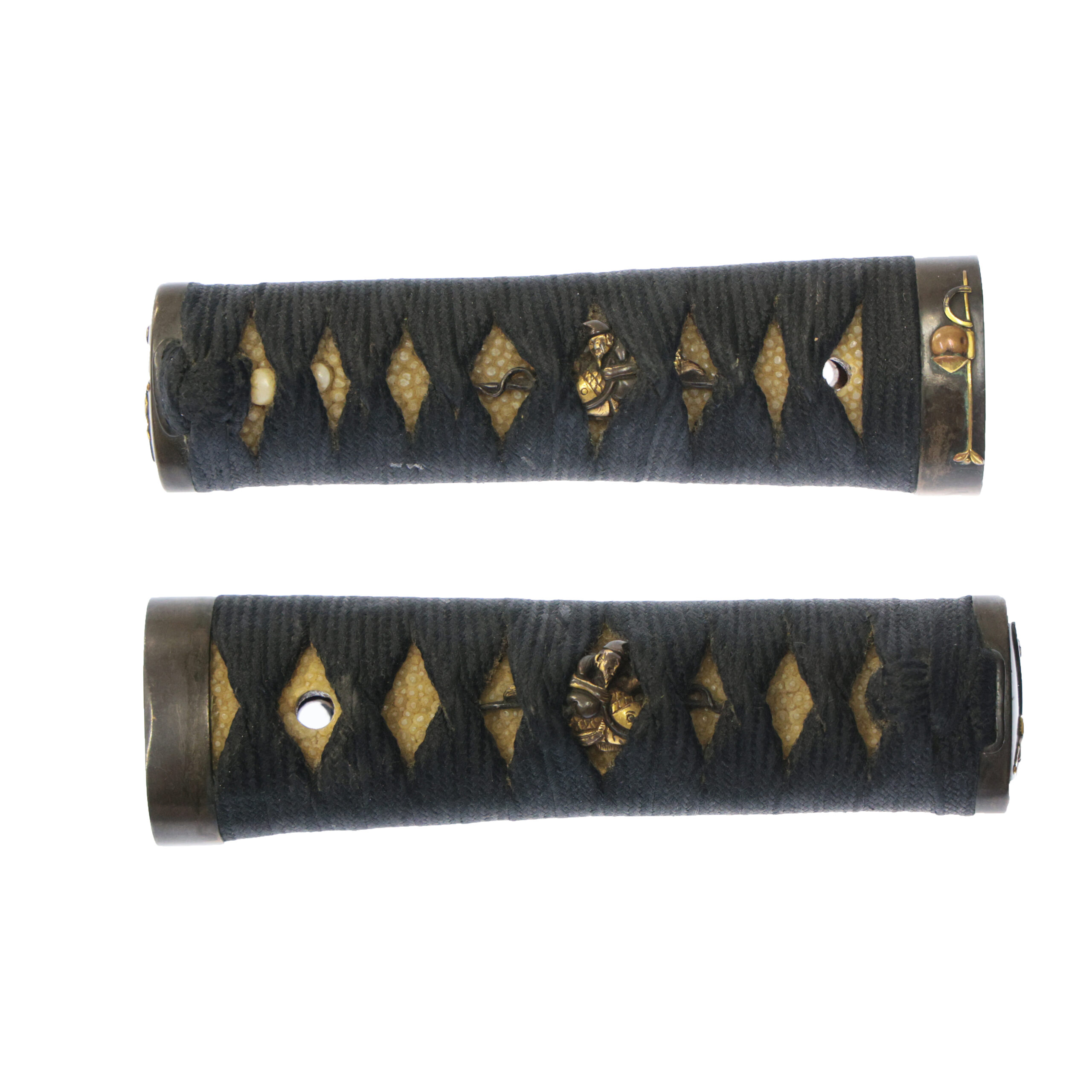
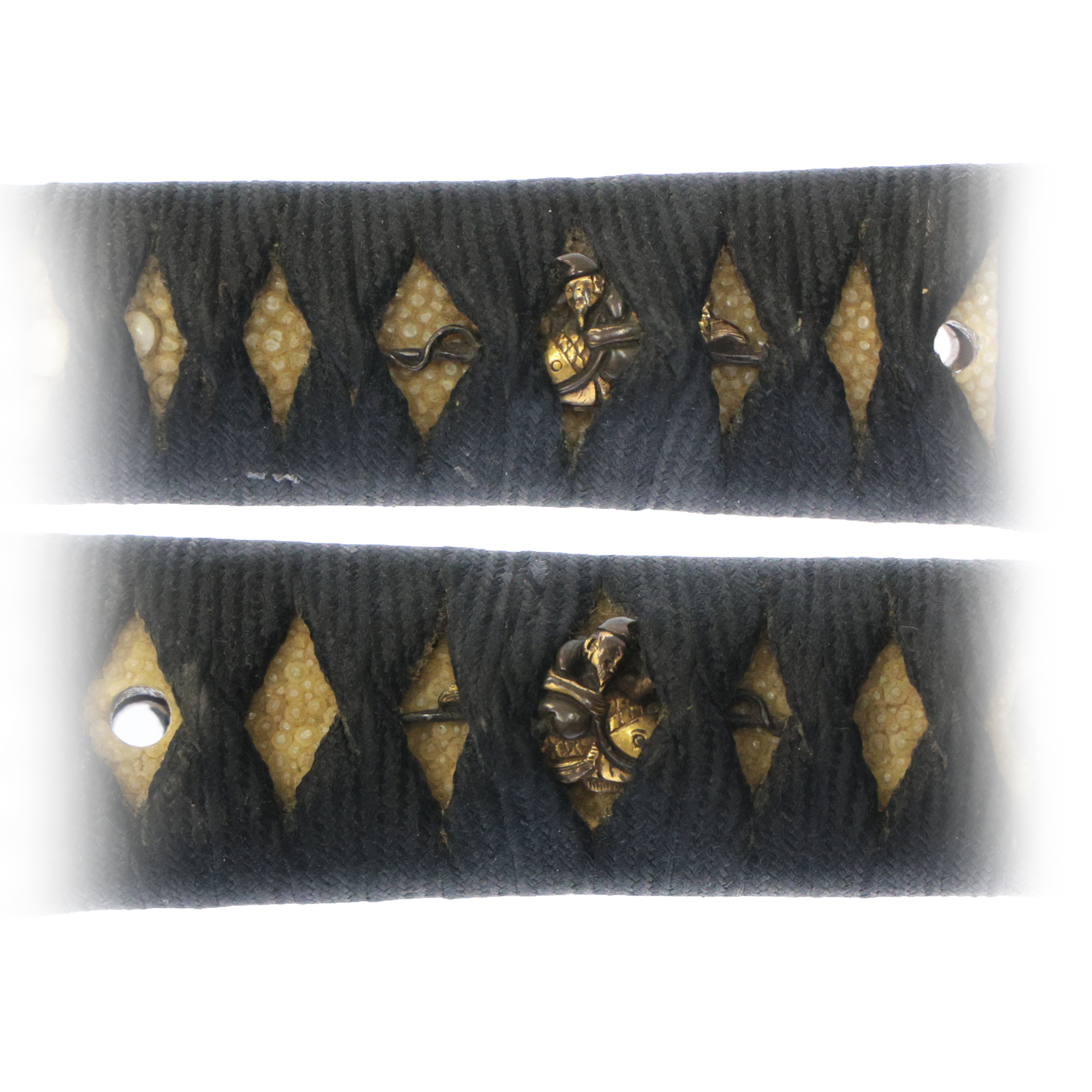
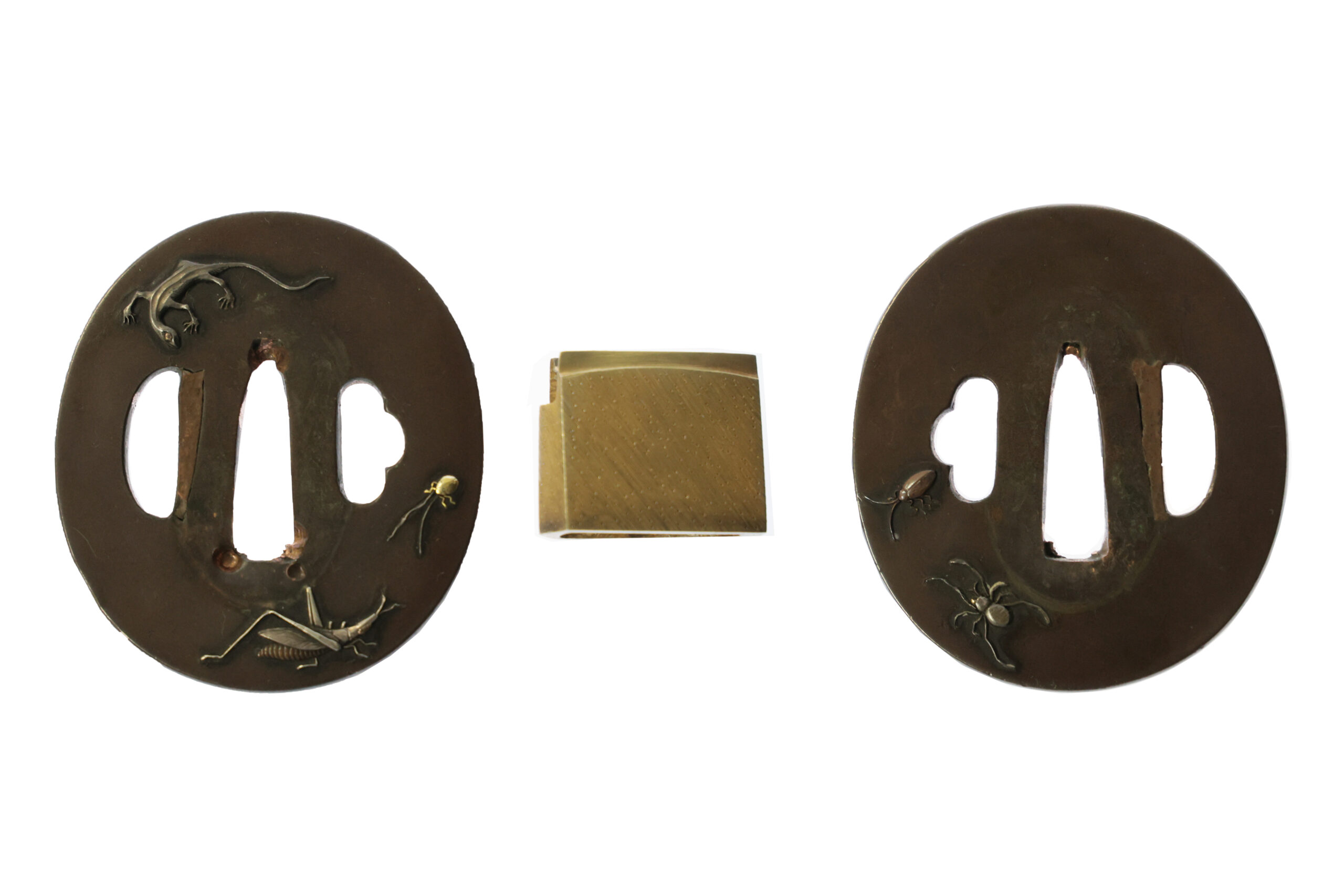
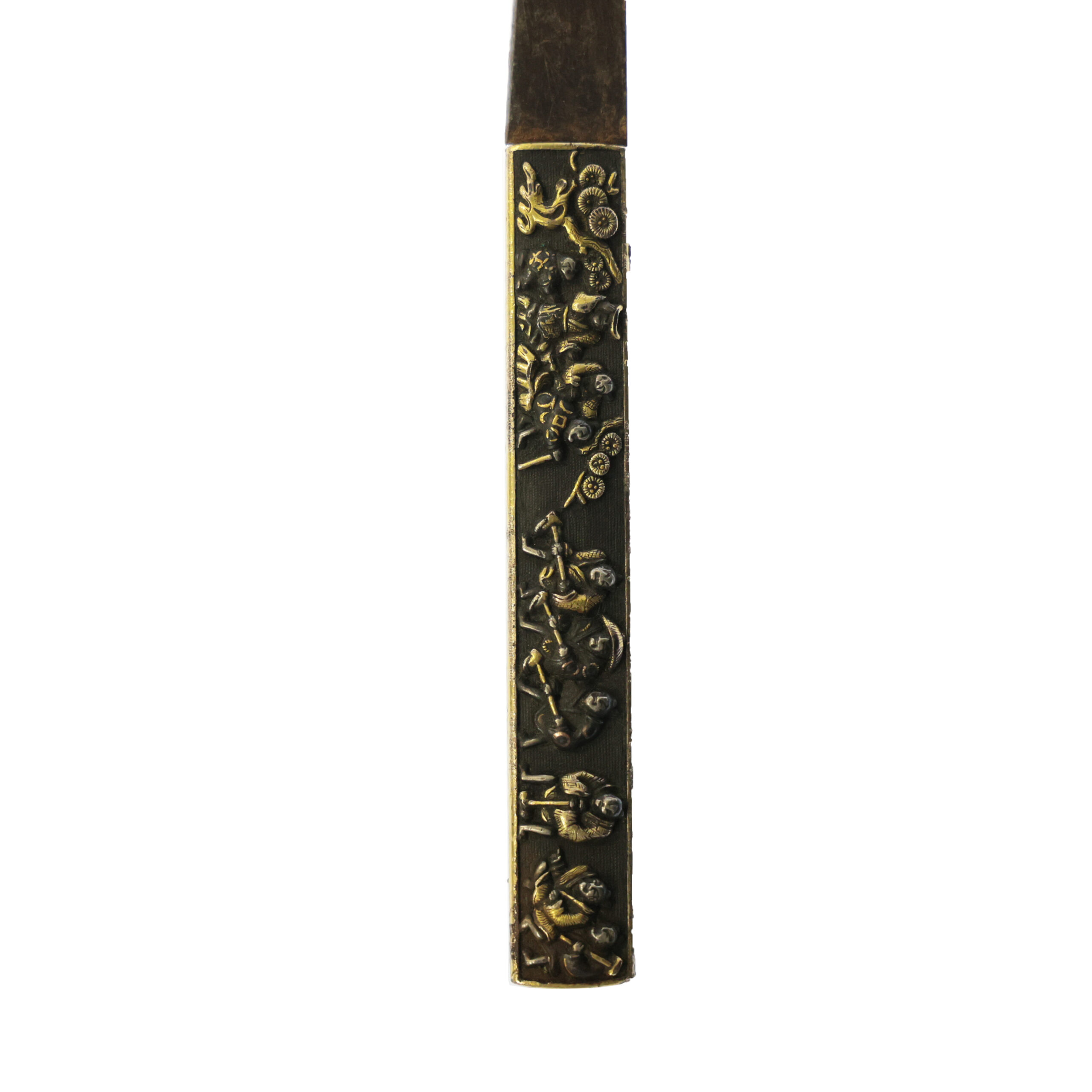
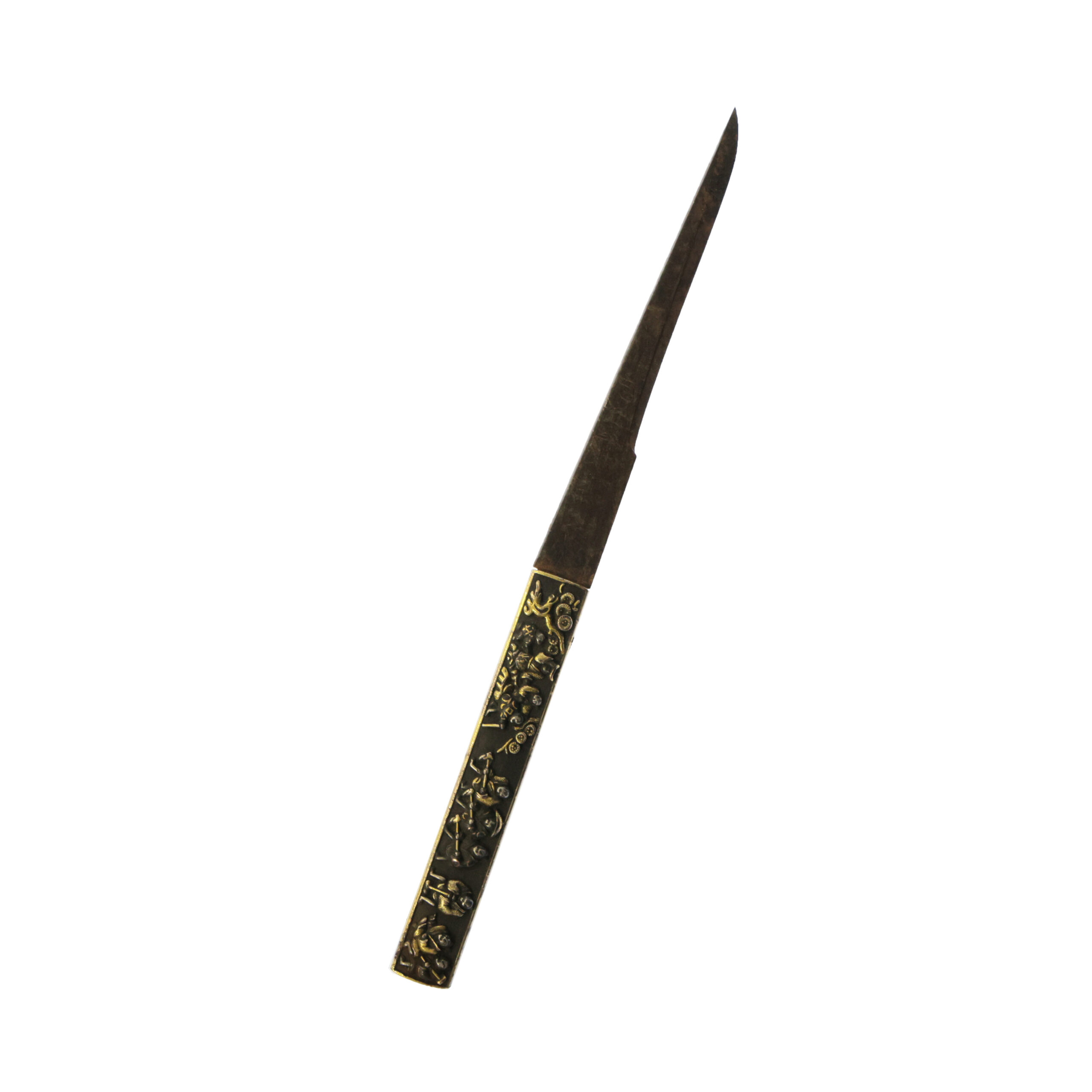
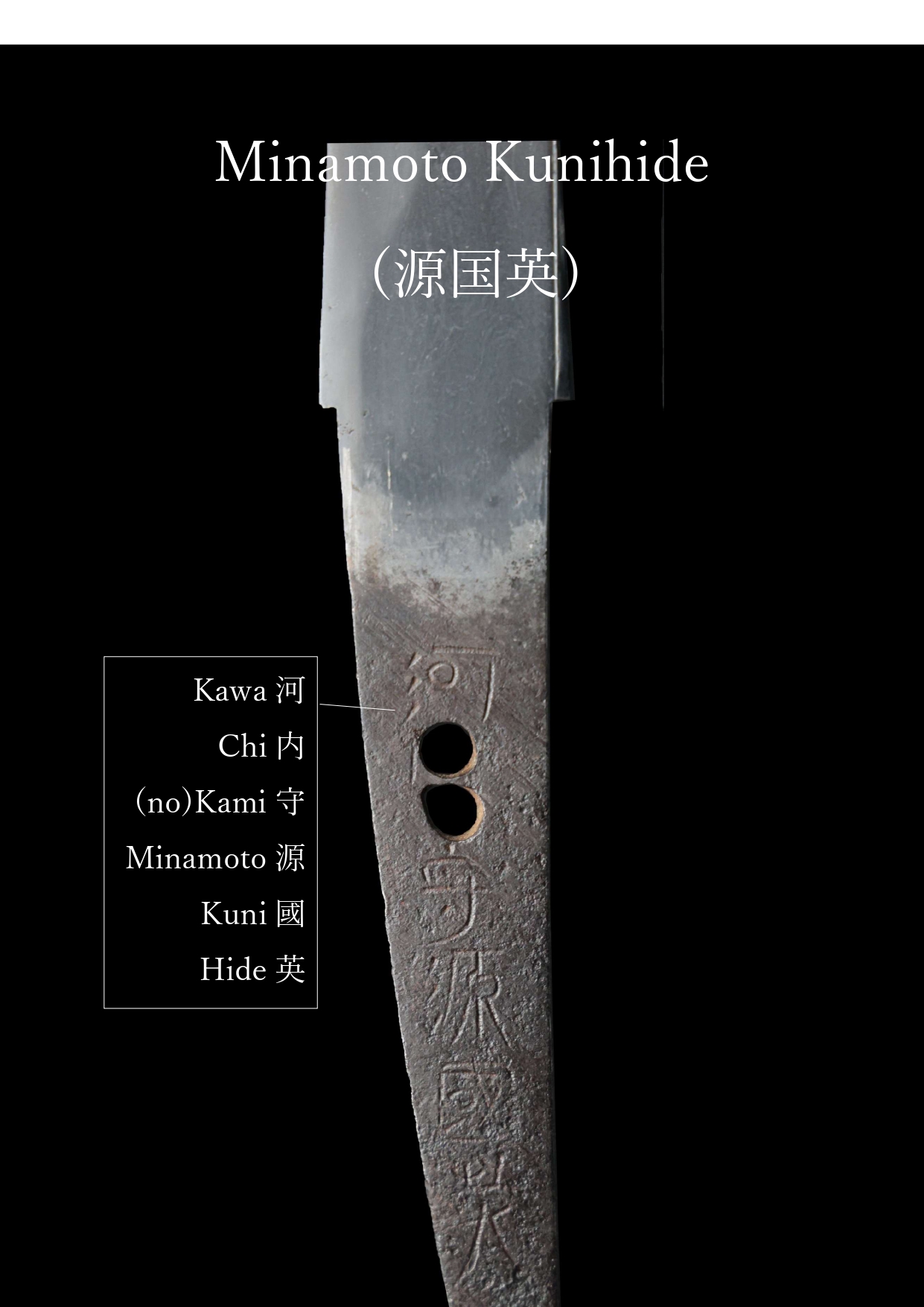
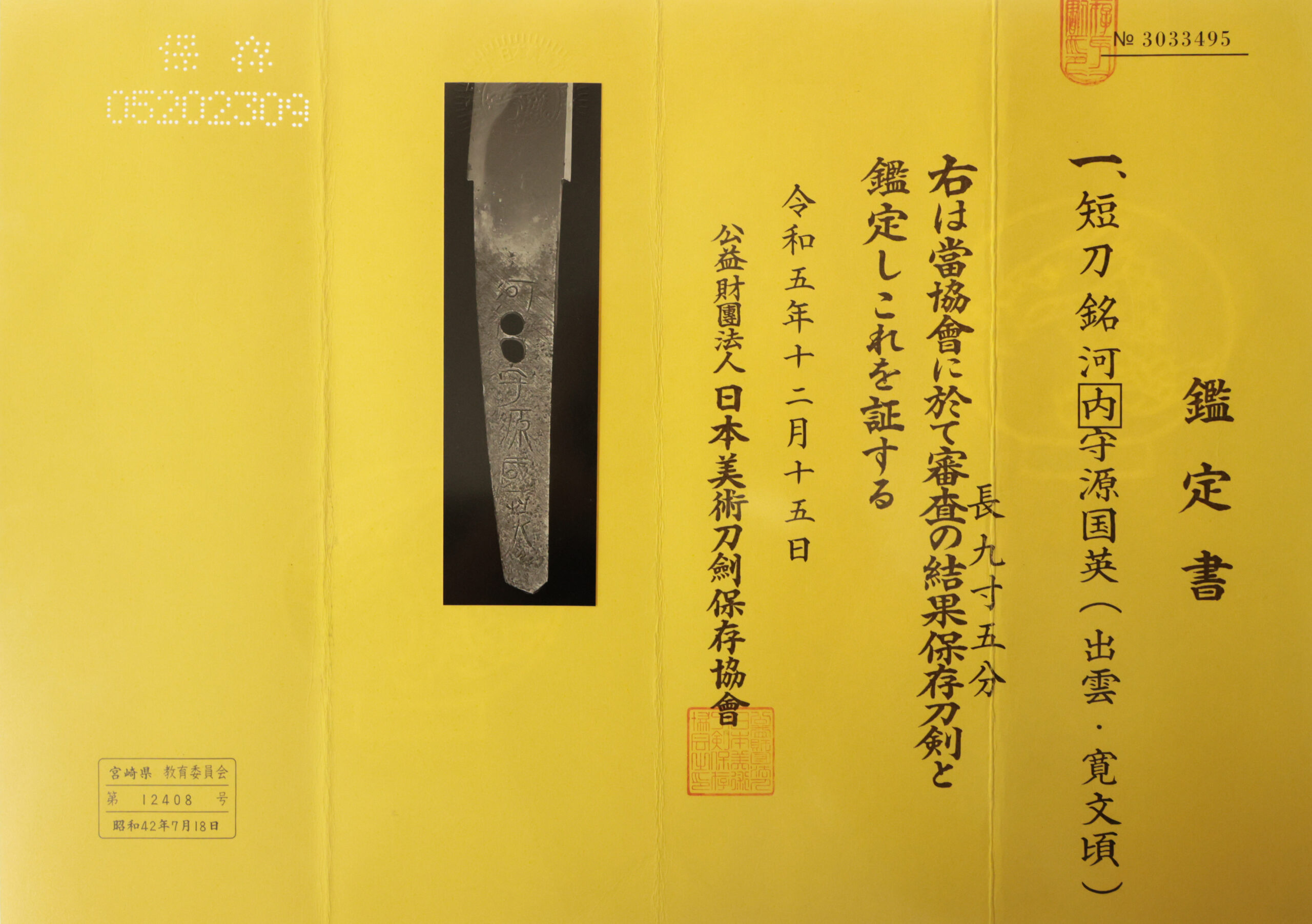
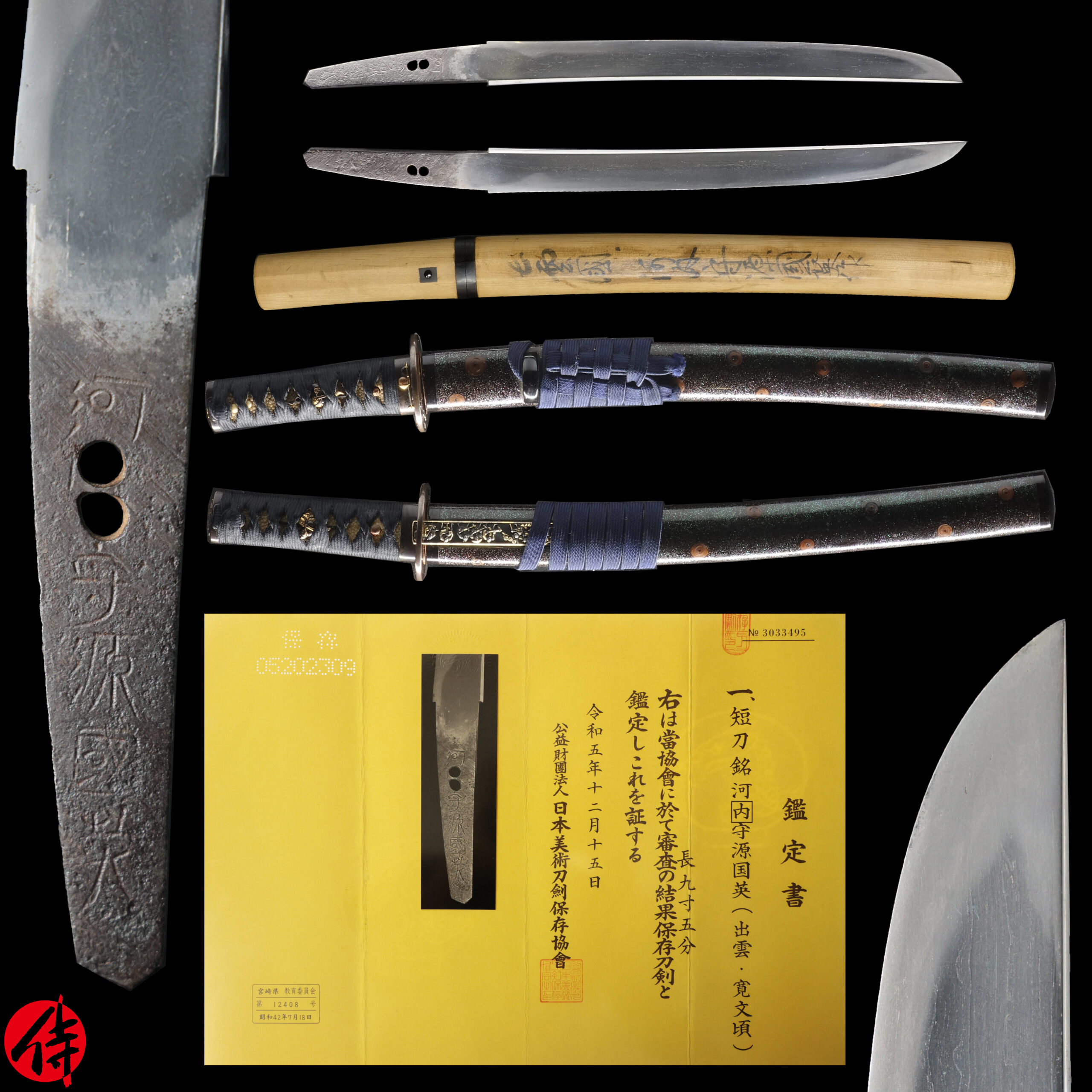
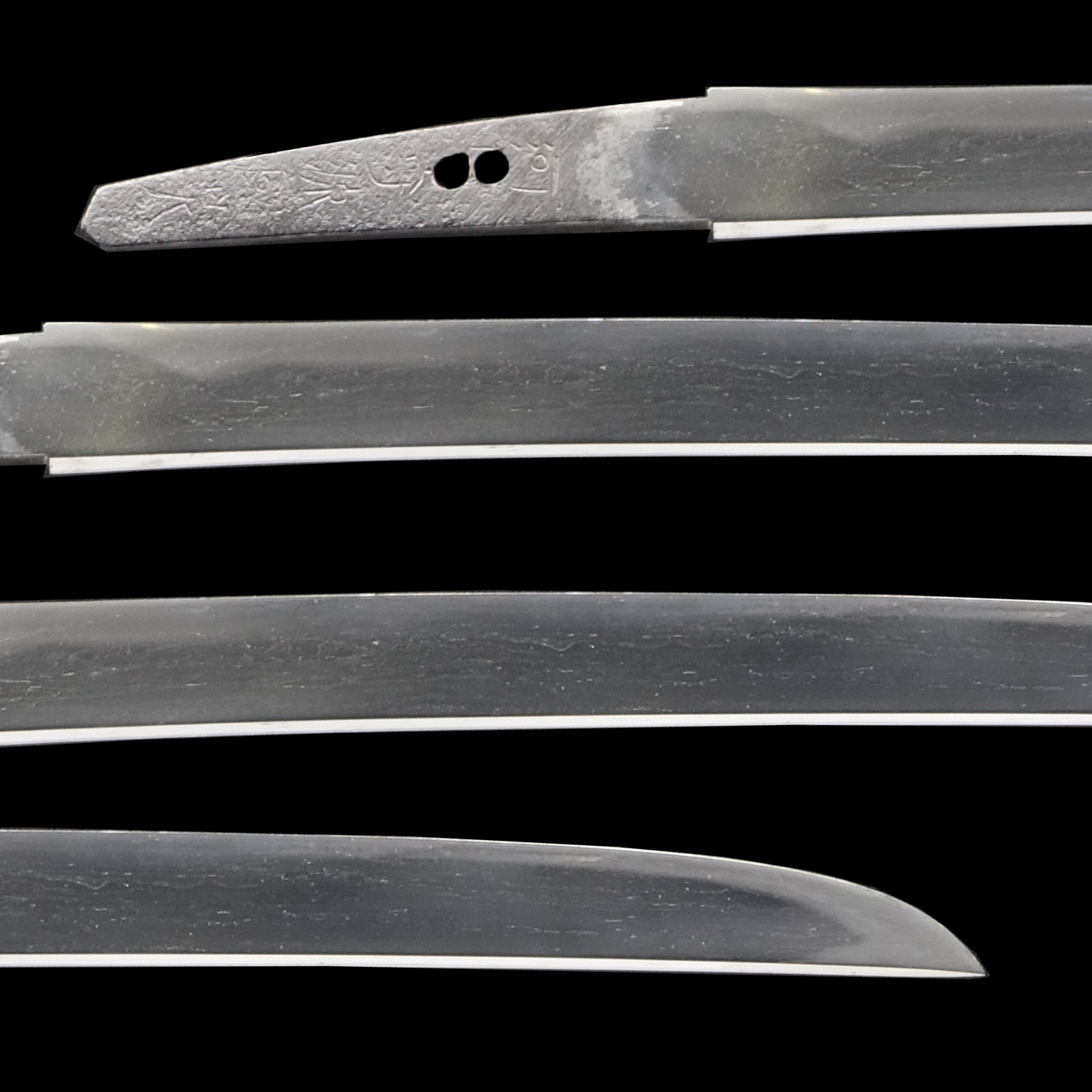
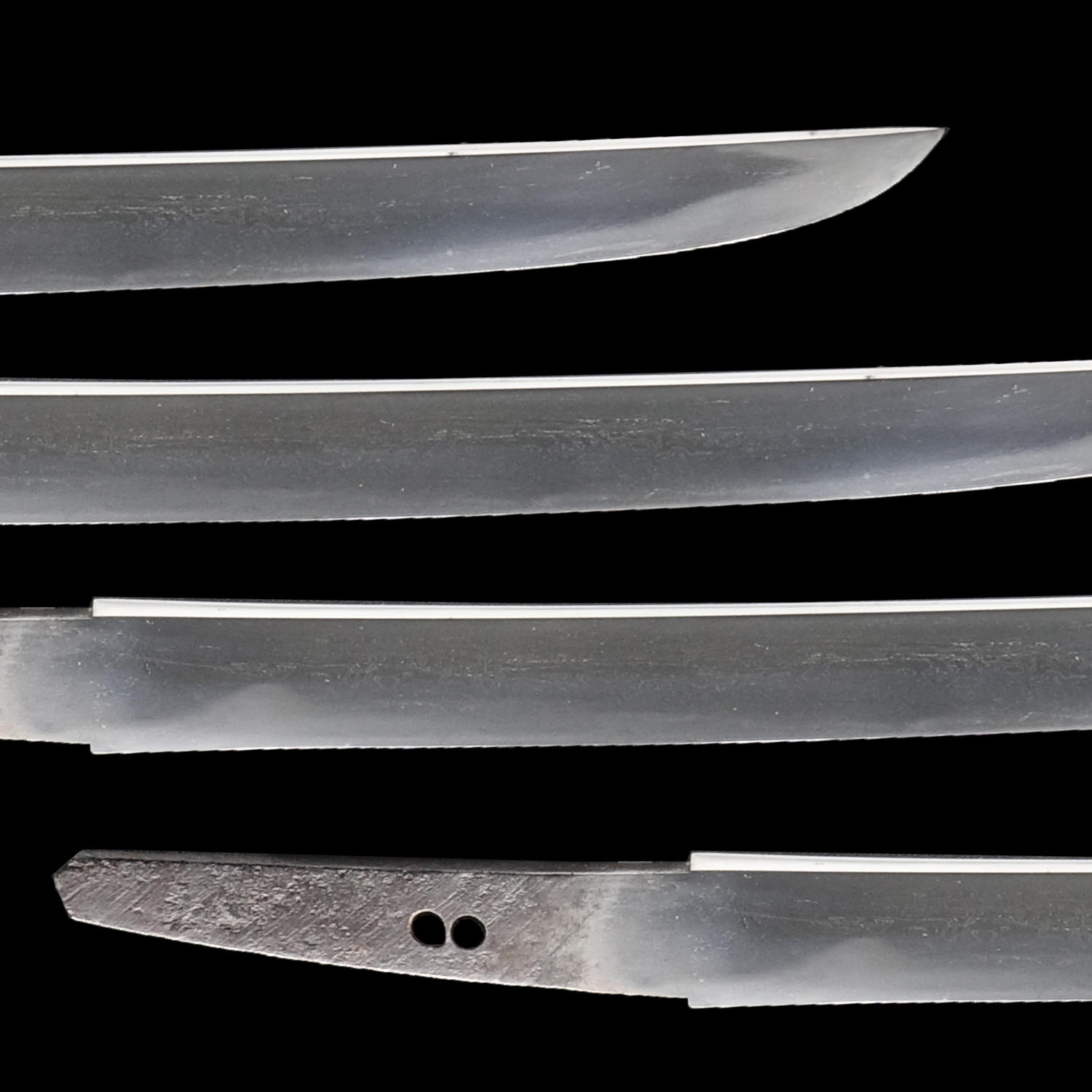
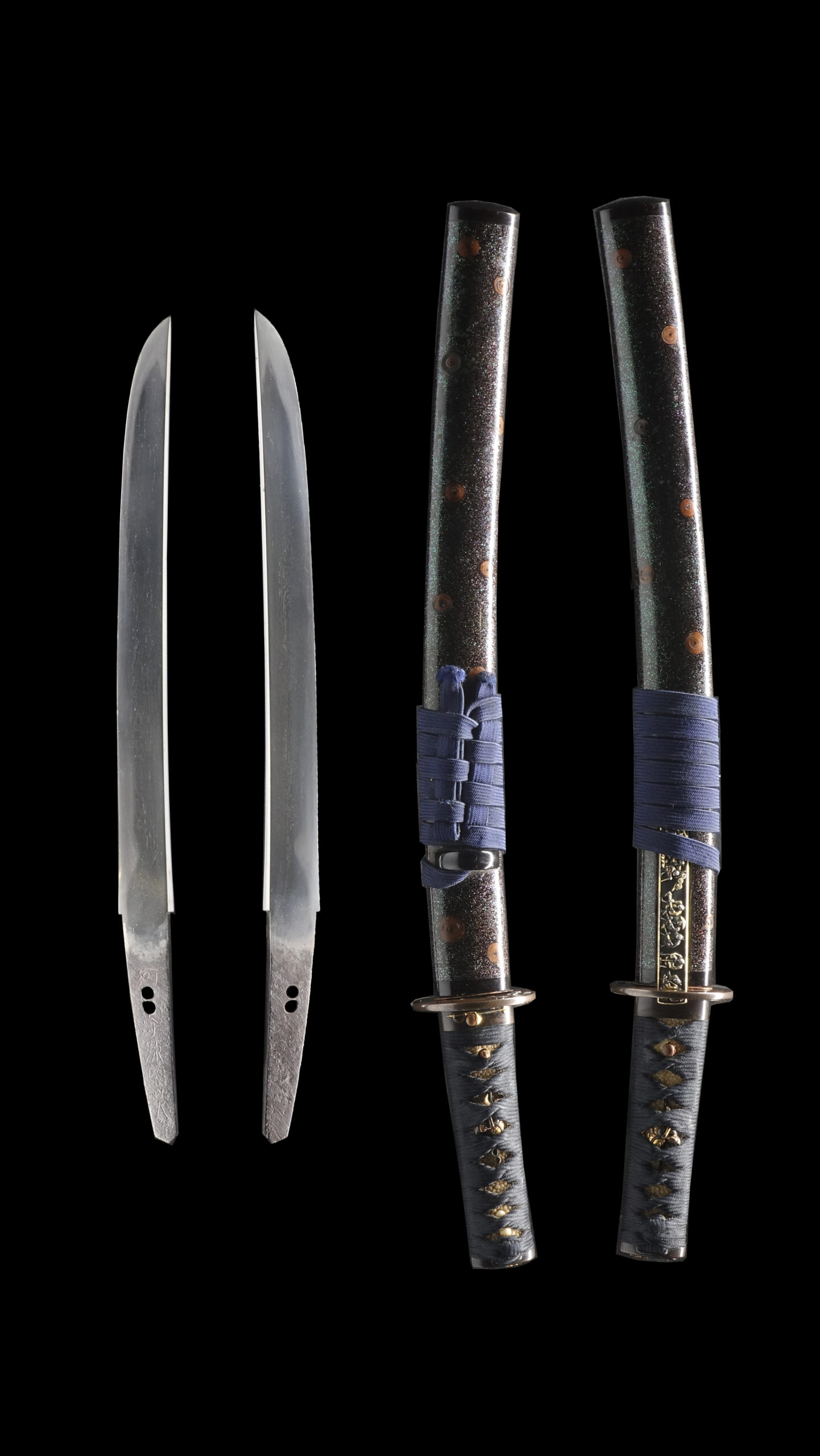
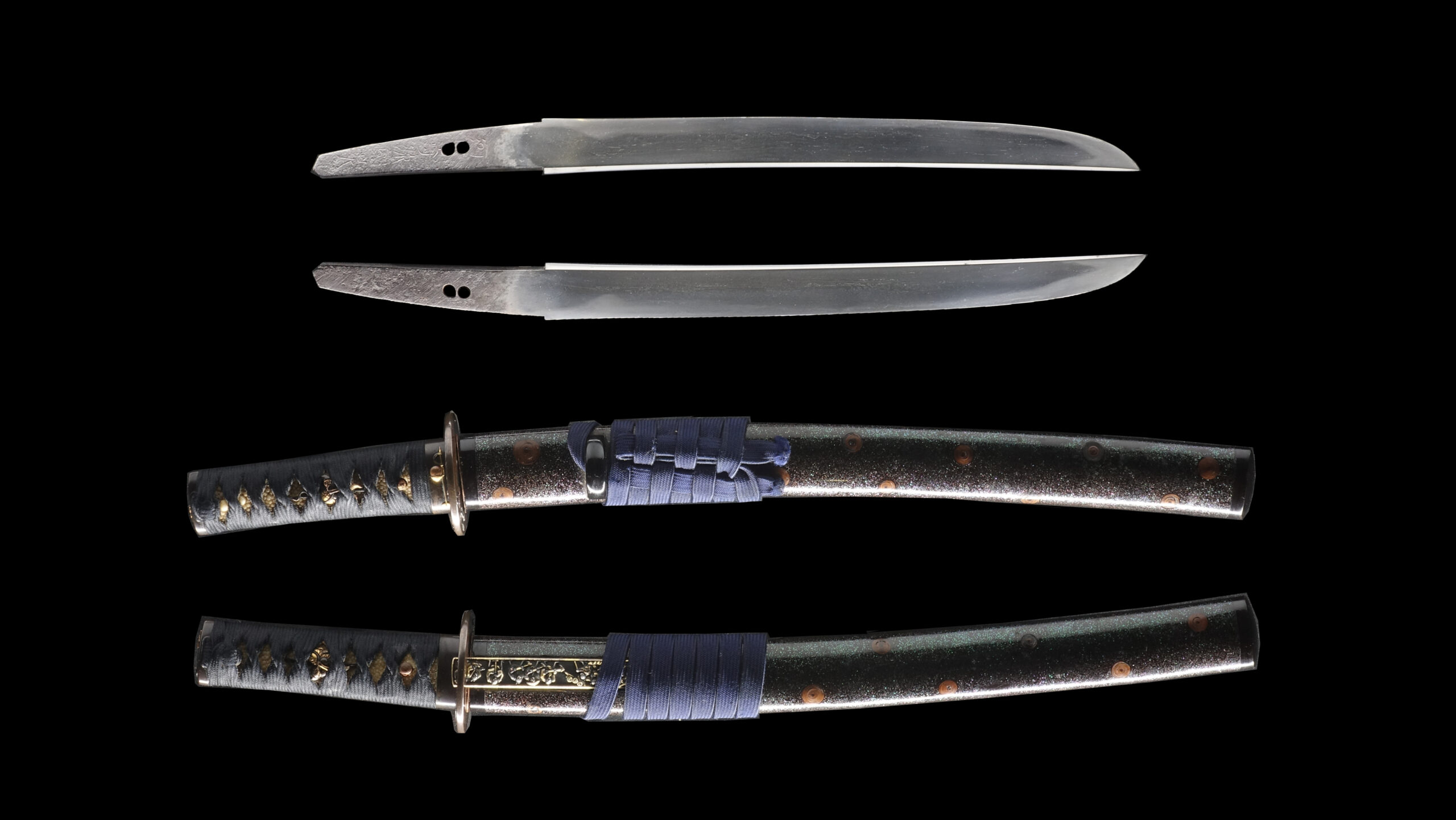
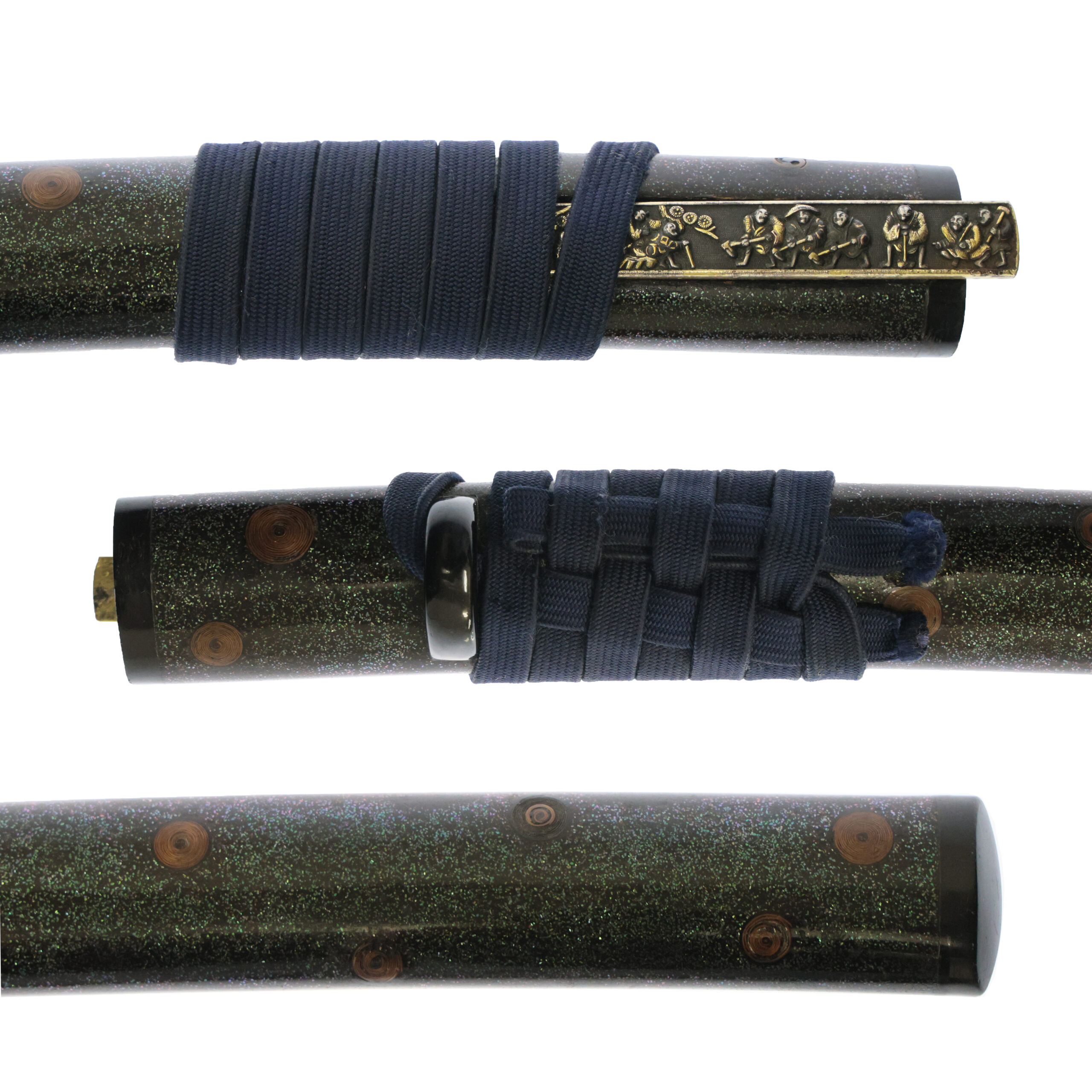
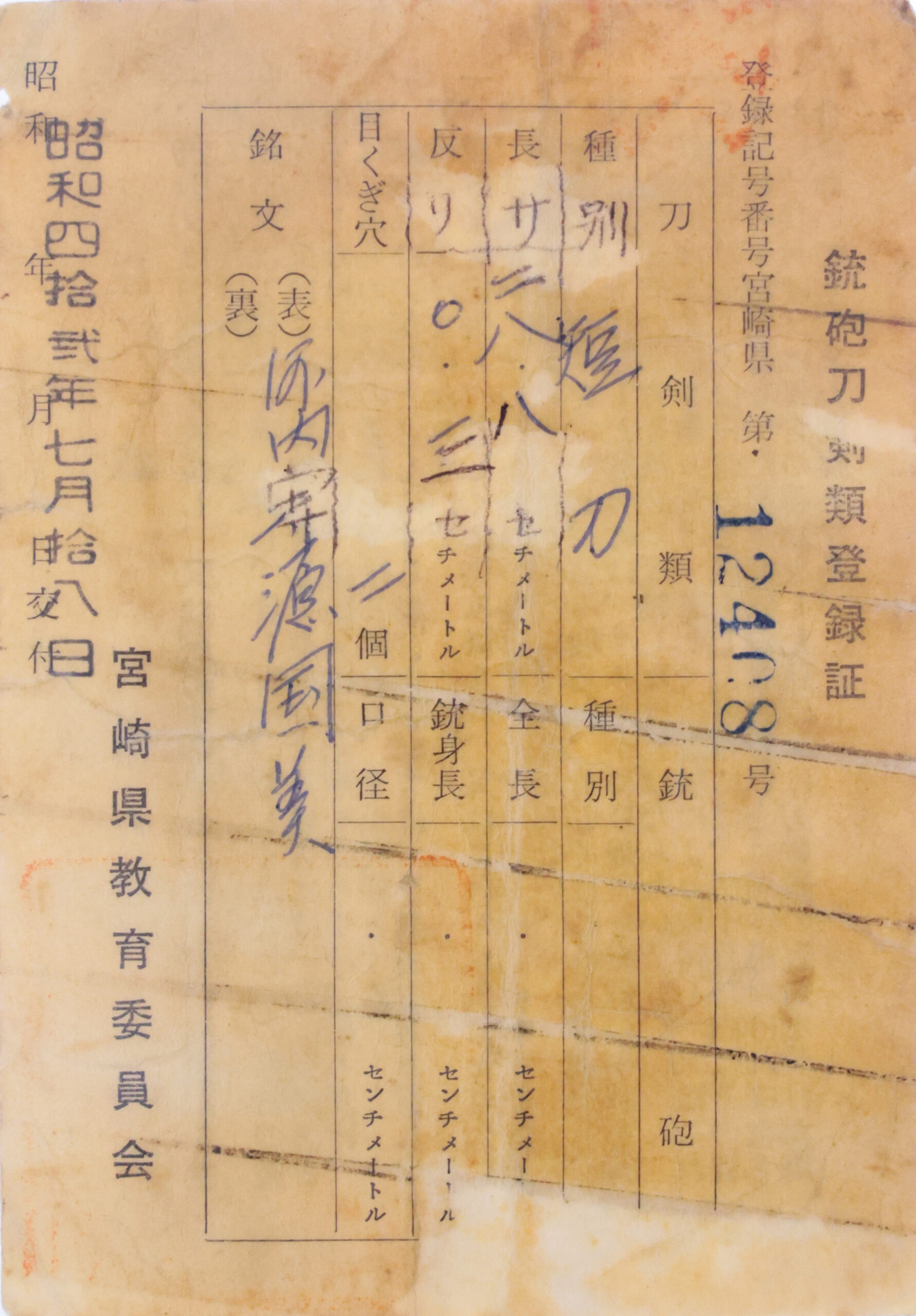
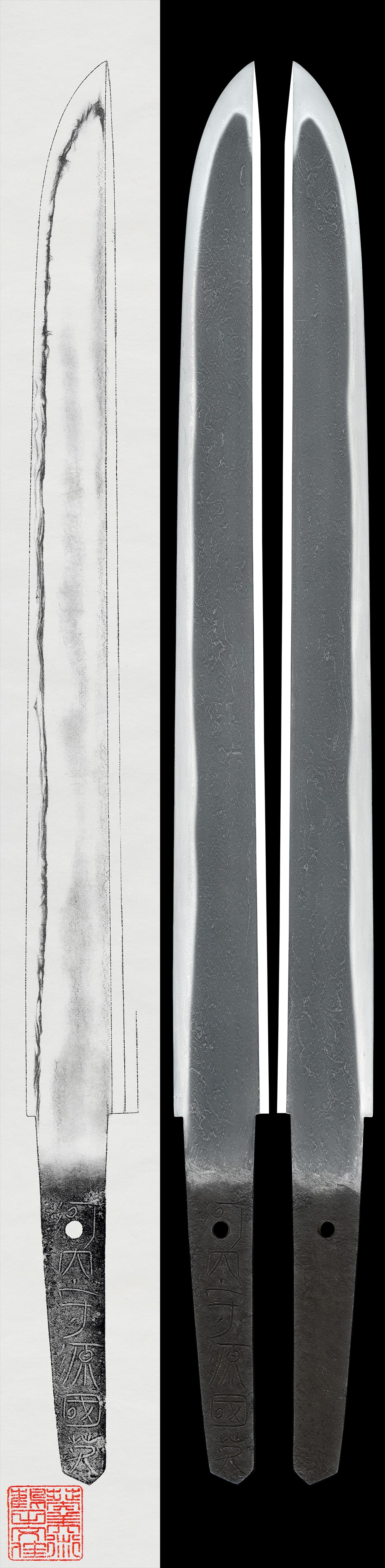
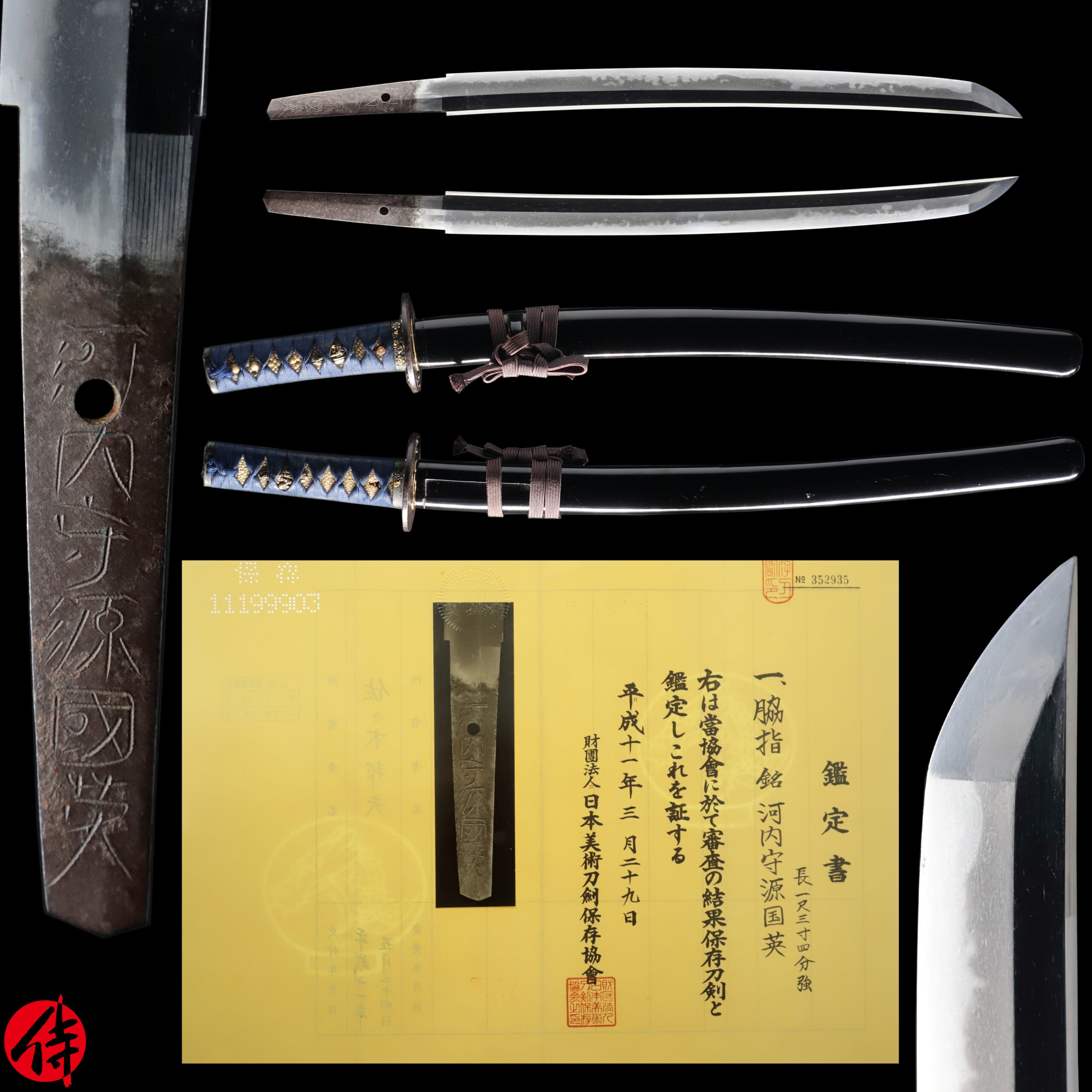
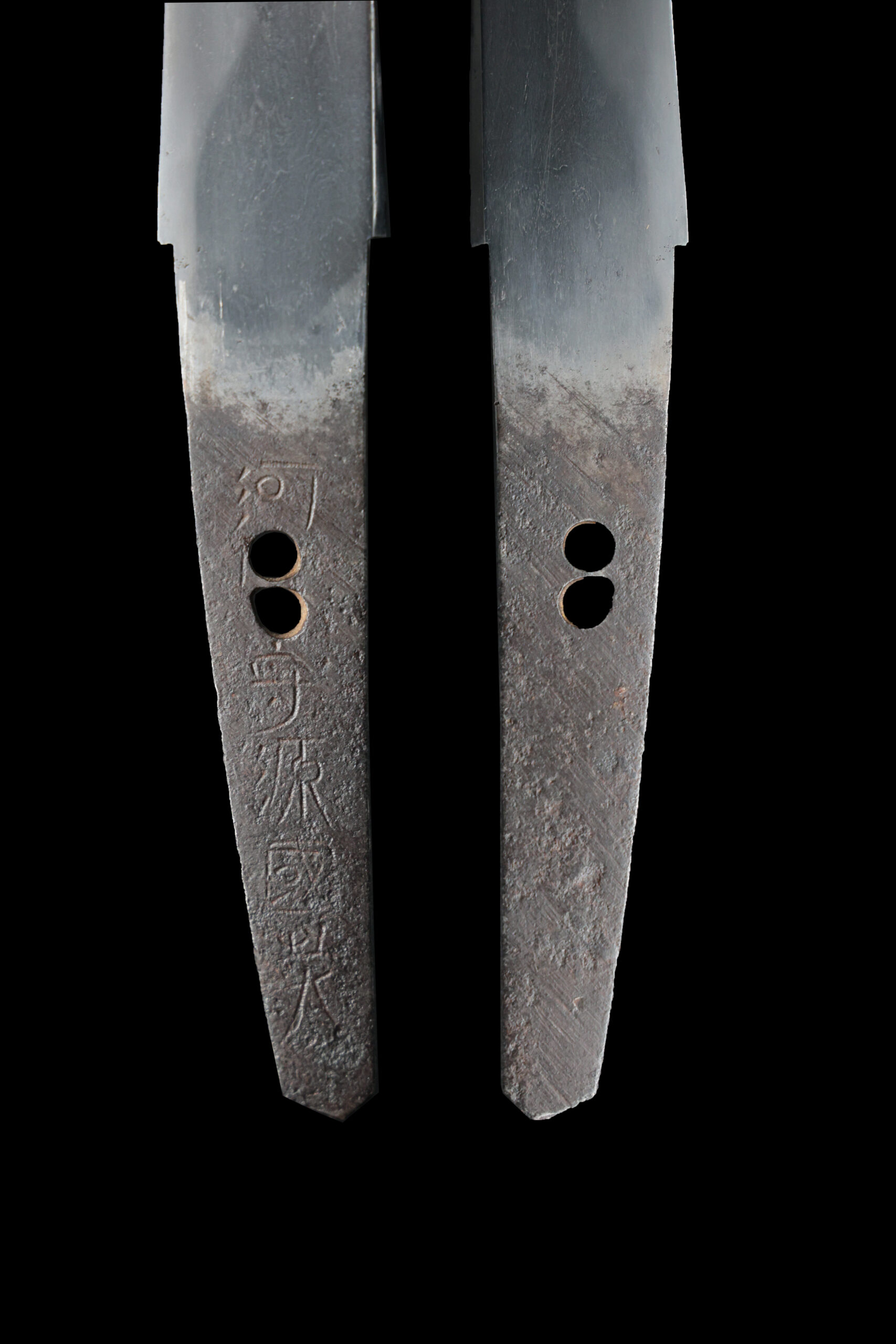
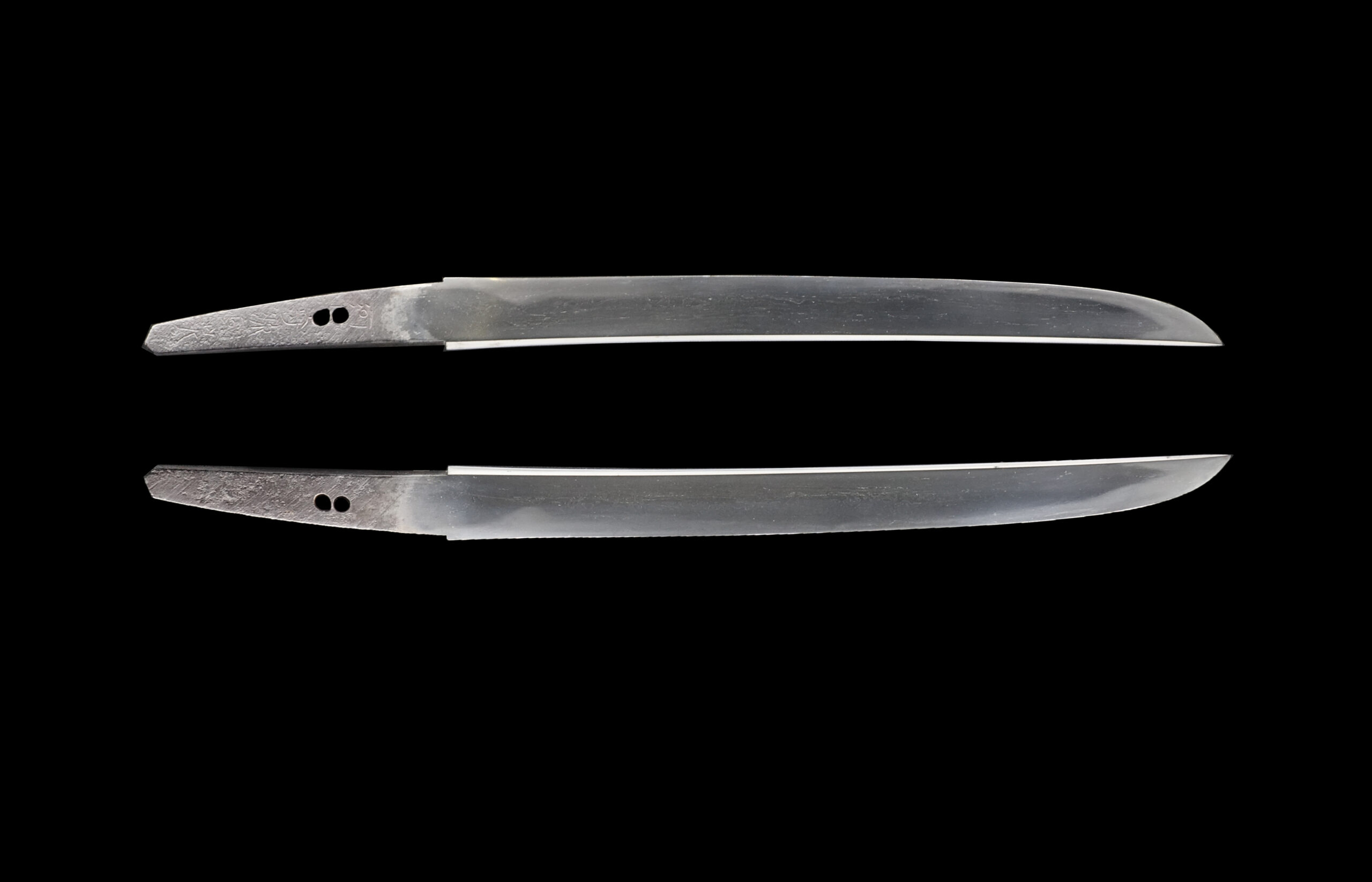
Antique Japanese Sword Tanto Signed by Minamoto Kunihide with NBTHK Hozon Certificate 【Description】 Summary This blade is signed by Kawachi no Kami Minamoto Kunihide (河内守源国英), who was active during the Kanbun era (1661-1673:Early Edo period). Kawachi no Kami is an honorable official title given by the imperial court for his excellent craftsmanship. Minamoto is his surname he used as his maker’s name. In his career, he served the Izumo domain (Today’s Shimane prefecture). Izumo is the most famous place for producing Tamahagane, special carbon steel used to make Japanese swords. We assume Yoshiyuki had easy access to refined, high-quality steel because of where he lived. We are confident you can appreciate Yoshiyuki’s superb craftsmanship in this blade. What is Wakizashi? WAKIZASHI refers to a 30-60 cm long blade (11.8-28.6 inches) and was worn on the waist along with UCHI-GATANA (Katana). Samurai carried WAKIZASHI as a backup sword next to Katana. Samurai needed to use Wakizashi when he fought in a small room or with proximity where Katana would be too long to unsheathe. Also, when Samurai entered a castle, he had to leave his Katana to the castle guard. In contrast, Wakizashi was allowed to bring inside as self-protection. The use of Wakizashi became more widespread among Samurais during the Edo period. (1603-1868 A.D. ) Because the Edo Government had launched the national law to force all Samurais to wear two Japanese swords (Katana and Wakizashi) to identify themselves as the regime’s military officers. This blade is appraised as a Hozon Touken (保存刀剣) issued by NBTHK (Nihon Bijutsu Touken Hozon Kyokai: 日本美術刀剣保存協会). This authentication paper was only given to authentic Japanese swords, well preserved and high quality with artistic value. *Please keep in mind that there is a couple of Kitae Kizu on the blade. If you like to know the detailed condition, please feel free to contact us. 【Blade】 Cutting Edge Length(Nagasa) : 28.8 cm (11.3 inches) Curvature(Sori) : 0.3 cm (0.1 inches ) Hamon : The crystalline structure which forms along the cutting edge of a blade as a result of the hardening process Jimon(Jihada) : visible steel surface pattern created by folding and hammering during forging process Kissaki : Kissaki is the tip of the Japanese sword. Nakago : Nakago is the tang of the Japanese sword. Japanese swordsmiths left the black rust on the tang because it prevents red rust while the tang is in its handle. And the discoloration of the tang was created over time, and it is a great indicator for a Japanese sword specialist to estimate when the sword was forged. Koshirae : Koshirae is the mounting of the Japanese sword. There are several parts that consist of Koshirae such as Saya (Scabbard), Tsuka (Handle), Tsuba (Handguard). Fuchi-Kashira : A pair of matching sword fittings that cover the upper and bottom parts of its sword hilt. This Fuchi-Kashira (縁頭) features a Kakashi (案山子), a traditional Japanese scarecrow used to protect rice fields and other crops from birds. In Japanese art, the Kakashi is a familiar symbol of rural life, often evoking the peaceful countryside and the autumn harvest season. Tsuka and Menuki : Tsuka is the handle of the Japanese sword and Menuki is its decoration. The theme of this menuki is Ebisu (恵比寿天), one of the Seven Lucky Gods (七福神, Shichifukujin) of Japan. Ebisu is the only deity among the Seven Lucky Gods who originated in Japan, rather than being introduced from other Asian cultures. He is widely worshiped as the god of prosperity, especially associated with fishing and commerce. He is typically depicted holding a fishing rod in his right hand and a red sea bream (鯛, tai) tucked under his left arm. The sea bream is an important symbol in Japanese culture. Not only does it represent a bountiful catch—reflecting Ebisu’s role as a god of fishing—but it is also considered an auspicious fish. This is partly due to a wordplay in Japanese: “tai” sounds like “medetai,” meaning “joyous” or “celebrat

NihontoWatch MonNihontoWatch
MarketEncyclopediaKantei
刀剣›國英›Antique Japanese Sword Tanto Signed by Minamoto Kunihide NBTHK Hozon Certificate
短刀保存
國英

Antique Japanese Sword Tanto Signed by Minamoto Kunihide NBTHK Hozon Certificate

在銘 · 寛文〜延宝 · 長さ 28.8cm · 反り 0.3cm
$3,458.01
販売店のサイトへ →
國英 — 1 of 28
國英 — 2 of 28
國英 — 3 of 28
國英 — 4 of 28
國英 — 5 of 28
國英 — 6 of 28
國英 — 7 of 28
國英 — 8 of 28
國英 — 9 of 28
國英 — 10 of 28
國英 — 11 of 28
國英 — 12 of 28
國英 — 13 of 28
國英 — 14 of 28
國英 — 15 of 28
國英 — 16 of 28
國英 — 17 of 28
國英 — 18 of 28
國英 — 19 of 28
國英 — 20 of 28
國英 — 21 of 28
國英 — 22 of 28
國英 — 23 of 28
國英 — 24 of 28
國英 — 25 of 28
國英 — 26 of 28
國英 — 27 of 28
國英 — 28 of 28
1 / 28
1 / 28
國英 — 1 of 28國英 — 2 of 28國英 — 3 of 28國英 — 4 of 28國英 — 5 of 28國英 — 6 of 28國英 — 7 of 28國英 — 8 of 28國英 — 9 of 28國英 — 10 of 28國英 — 11 of 28國英 — 12 of 28國英 — 13 of 28國英 — 14 of 28國英 — 15 of 28國英 — 16 of 28國英 — 17 of 28國英 — 18 of 28國英 — 19 of 28國英 — 20 of 28國英 — 21 of 28國英 — 22 of 28國英 — 23 of 28國英 — 24 of 28國英 — 25 of 28國英 — 26 of 28國英 — 27 of 28國英 — 28 of 28
法量・詳細
刀工
國英
種別
短刀
活動期
1661–1681年頃(Kanbun-Enpo)
国
出雲
銘
在銘
法量
長さ 28.8cm反り 0.3cm
説明

Antique Japanese Sword Tanto Signed by Minamoto Kunihide with NBTHK Hozon Certificate 【Description】 Summary This blade is signed by Kawachi no Kami Minamoto Kunihide (河内守源国英), who was active during the Kanbun era (1661-1673:Early Edo period). Kawachi no Kami is an honorable official title given by the imperial court for his excellent craftsmanship. Minamoto is his surname he used as his maker’s name. In his career, he served the Izumo domain (Today’s Shimane prefecture). Izumo is the most famous place for producing Tamahagane, special carbon steel used to make Japanese swords. We assume Yoshiyuki had easy access to refined, high-quality steel because of where he lived. We are confident you can appreciate Yoshiyuki’s superb craftsmanship in this blade. What is Wakizashi? WAKIZASHI refers to a 30-60 cm long blade (11.8-28.6 inches) and was worn on the waist along with UCHI-GATANA (Katana). Samurai carried WAKIZASHI as a backup sword next to Katana. Samurai needed to use Wakizashi when he fought in a small room or with proximity where Katana would be too long to unsheathe. Also, when Samurai entered a castle, he had to leave his Katana to the castle guard. In contrast, Wakizashi was allowed to bring inside as self-protection. The use of Wakizashi became more widespread among Samurais during the Edo period. (1603-1868 A.D. ) Because the Edo Government had launched the national law to force all Samurais to wear two Japanese swords (Katana and Wakizashi) to identify themselves as the regime’s military officers. This blade is appraised as a Hozon Touken (保存刀剣) issued by NBTHK (Nihon Bijutsu Touken Hozon Kyokai: 日本美術刀剣保存協会). This authentication paper was only given to authentic Japanese swords, well preserved and high quality with artistic value. *Please keep in mind that there is a couple of Kitae Kizu on the blade. If you like to know the detailed condition, please feel free to contact us. 【Blade】 Cutting Edge Length(Nagasa) : 28.8 cm (11.3 inches) Curvature(Sori) : 0.3 cm (0.1 inches ) Hamon : The crystalline structure which forms along the cutting edge of a blade as a result of the hardening process Jimon(Jihada) : visible steel surface pattern created by folding and hammering during forging process Kissaki : Kissaki is the tip of the Japanese sword. Nakago : Nakago is the tang of the Japanese sword. Japanese swordsmiths left the black rust on the tang because it prevents red rust while the tang is in its handle. And the discoloration of the tang was created over time, and it is a great indicator for a Japanese sword specialist to estimate when the sword was forged. Koshirae : Koshirae is the mounting of the Japanese sword. There are several parts that consist of Koshirae such as Saya (Scabbard), Tsuka (Handle), Tsuba (Handguard). Fuchi-Kashira : A pair of matching sword fittings that cover the upper and bottom parts of its sword hilt. This Fuchi-Kashira (縁頭) features a Kakashi (案山子), a traditional Japanese scarecrow used to protect rice fields and other crops from birds. In Japanese art, the Kakashi is a familiar symbol of rural life, often evoking the peaceful countryside and the autumn harvest season. Tsuka and Menuki : Tsuka is the handle of the Japanese sword and Menuki is its decoration. The theme of this menuki is Ebisu (恵比寿天), one of the Seven Lucky Gods (七福神, Shichifukujin) of Japan. Ebisu is the only deity among the Seven Lucky Gods who originated in Japan, rather than being introduced from other Asian cultures. He is widely worshiped as the god of prosperity, especially associated with fishing and commerce. He is typically depicted holding a fishing rod in his right hand and a red sea bream (鯛, tai) tucked under his left arm. The sea bream is an important symbol in Japanese culture. Not only does it represent a bountiful catch—reflecting Ebisu’s role as a god of fishing—but it is also considered an auspicious fish. This is partly due to a wordplay in Japanese: “tai” sounds like “medetai,” meaning “joyous” or “celebrat

作者について

國英

出雲 · 1661-1681頃

現在3点販売中

›
國英の作 3点が現在販売中→
國英 — 詳細

歴史的背景

徳川の泰平のもと、大小は法度の定める身分の制服となり、需要は城下町、とりわけ江戸に集まった。工芸は二つに分かれる。目利きのための華やかな鑑賞の作と、截断の結果を金象嵌に刻む実証の刀である。

江戸時代 →

NBTHK鑑定書
Hozon Tōken保存刀剣
Sword Worthy of Preservation
›

銘が正しい、または無銘でも年代・国・系統を確実に指摘できる、保存に値する真正の作と鑑定されたものです。

NBTHKについて›

日本美術刀剣保存協会(NBTHK)は、1948年に設立され、文化庁の監督を受ける公益財団法人で、東京・刀剣博物館に本部を置きます。専門の審査員が出品作を直接審査し、美術的・歴史的価値に応じた鑑定書を発行します。NBTHKの鑑定書は、日本刀および刀装具の真正性を示す最も広く認知された基準です。

NBTHK公式サイト→
販売店
サ
サムライミュージアム
🇯🇵日本から発送
›
✓認証販売店samuraimuseum.jp
決済通貨:USD
✓海外発送可✓英語対応PayPalクレジットカード
返品ポリシー

Returns/exchanges limited to defects caused by shipping (except willful misconduct or gross negligence by the company); customers must contact within 72 hours of receiving the product.

サムライミュージアムの出品一覧を見る→販売店サイトでこの商品を見る→

國英の他の作

すべて見る →
Toyuukai
特別保存
Katana - Tokuho - by Kunihide - 刀 大和守国英(伊勢守国輝前銘) 特別保存刀剣鑑定書付 品番:KA018Katana - Tokuho - by Kunihide - 刀 大和守国英(伊勢守国輝前銘) 特別保存刀剣鑑定書付 品番:KA018

刀

作國英
江戸
¥1,500,000
中野古銭
保存
Katana - Hozon - by Kunihide - B4194 118万円 国英Katana - Hozon - by Kunihide - B4194 118万円 国英

刀

作國英
69.2cm·江戸
¥1,180,000

國英の売約済み

葵美術
Wakizashi - by Kunihide - 無題Wakizashi - by Kunihide - 無題
売切れ

脇差

作國英
33.7cm·新刀
売却済
サムライミュージアム
保存
Wakizashi - Hozon - by Kunihide - Antique Japanese Sword Wakizashi Signed by Minamoto Kunihide NBTHK Hozon CertificateWakizashi - Hozon - by Kunihide - Antique Japanese Sword Wakizashi Signed by Minamoto Kunihide NBTHK Hozon Certificate
売切れ

脇差

作國英
40.7cm·江戸
売却済

刀剣

  • 刀
  • 脇差
  • 短刀
  • 太刀
  • 薙刀
  • 槍

刀装具

  • 鍔
  • 縁頭
  • 小柄
  • 目貫

甲冑武具

  • 兜
  • 甲冑

鑑定別

  • 特重
  • 重要
  • 特別保存
  • 保存

リソース

  • 刀剣商一覧
  • 刀工一覧
  • 誌上鑑定
  • すべて見る
Nihontowatch© 2026
利用規約プライバシーCookie運営者情報

説明

Antique Japanese Sword Tanto Signed by Minamoto Kunihide with NBTHK Hozon Certificate 【Description】 Summary This blade is signed by Kawachi no Kami Minamoto Kunihide (河内守源国英), who was active during the Kanbun era (1661-1673:Early Edo period). Kawachi no Kami is an honorable official title given by the imperial court for his excellent craftsmanship. Minamoto is his surname he used as his maker’s name. In his career, he served the Izumo domain (Today’s Shimane prefecture). Izumo is the most famous place for producing Tamahagane, special carbon steel used to make Japanese swords. We assume Yoshiyuki had easy access to refined, high-quality steel because of where he lived. We are confident you can appreciate Yoshiyuki’s superb craftsmanship in this blade. What is Wakizashi? WAKIZASHI refers to a 30-60 cm long blade (11.8-28.6 inches) and was worn on the waist along with UCHI-GATANA (Katana). Samurai carried WAKIZASHI as a backup sword next to Katana. Samurai needed to use Wakizashi when he fought in a small room or with proximity where Katana would be too long to unsheathe. Also, when Samurai entered a castle, he had to leave his Katana to the castle guard. In contrast, Wakizashi was allowed to bring inside as self-protection. The use of Wakizashi became more widespread among Samurais during the Edo period. (1603-1868 A.D. ) Because the Edo Government had launched the national law to force all Samurais to wear two Japanese swords (Katana and Wakizashi) to identify themselves as the regime’s military officers. This blade is appraised as a Hozon Touken (保存刀剣) issued by NBTHK (Nihon Bijutsu Touken Hozon Kyokai: 日本美術刀剣保存協会). This authentication paper was only given to authentic Japanese swords, well preserved and high quality with artistic value. *Please keep in mind that there is a couple of Kitae Kizu on the blade. If you like to know the detailed condition, please feel free to contact us. 【Blade】 Cutting Edge Length(Nagasa) : 28.8 cm (11.3 inches) Curvature(Sori) : 0.3 cm (0.1 inches ) Hamon : The crystalline structure which forms along the cutting edge of a blade as a result of the hardening process Jimon(Jihada) : visible steel surface pattern created by folding and hammering during forging process Kissaki : Kissaki is the tip of the Japanese sword. Nakago : Nakago is the tang of the Japanese sword. Japanese swordsmiths left the black rust on the tang because it prevents red rust while the tang is in its handle. And the discoloration of the tang was created over time, and it is a great indicator for a Japanese sword specialist to estimate when the sword was forged. Koshirae : Koshirae is the mounting of the Japanese sword. There are several parts that consist of Koshirae such as Saya (Scabbard), Tsuka (Handle), Tsuba (Handguard). Fuchi-Kashira : A pair of matching sword fittings that cover the upper and bottom parts of its sword hilt. This Fuchi-Kashira (縁頭) features a Kakashi (案山子), a traditional Japanese scarecrow used to protect rice fields and other crops from birds. In Japanese art, the Kakashi is a familiar symbol of rural life, often evoking the peaceful countryside and the autumn harvest season. Tsuka and Menuki : Tsuka is the handle of the Japanese sword and Menuki is its decoration. The theme of this menuki is Ebisu (恵比寿天), one of the Seven Lucky Gods (七福神, Shichifukujin) of Japan. Ebisu is the only deity among the Seven Lucky Gods who originated in Japan, rather than being introduced from other Asian cultures. He is widely worshiped as the god of prosperity, especially associated with fishing and commerce. He is typically depicted holding a fishing rod in his right hand and a red sea bream (鯛, tai) tucked under his left arm. The sea bream is an important symbol in Japanese culture. Not only does it represent a bountiful catch—reflecting Ebisu’s role as a god of fishing—but it is also considered an auspicious fish. This is partly due to a wordplay in Japanese: “tai” sounds like “medetai,” meaning “joyous” or “celebrat

NihontoWatch MonNihontoWatch
MarketEncyclopediaKantei
刀剣›國英›Antique Japanese Sword Tanto Signed by Minamoto Kunihide NBTHK Hozon Certificate
短刀保存
國英

Antique Japanese Sword Tanto Signed by Minamoto Kunihide NBTHK Hozon Certificate

在銘 · 寛文〜延宝 · 長さ 28.8cm · 反り 0.3cm
$3,458.01
販売店のサイトへ →
國英 — 1 of 28
國英 — 2 of 28
國英 — 3 of 28
國英 — 4 of 28
國英 — 5 of 28
國英 — 6 of 28
國英 — 7 of 28
國英 — 8 of 28
國英 — 9 of 28
國英 — 10 of 28
國英 — 11 of 28
國英 — 12 of 28
國英 — 13 of 28
國英 — 14 of 28
國英 — 15 of 28
國英 — 16 of 28
國英 — 17 of 28
國英 — 18 of 28
國英 — 19 of 28
國英 — 20 of 28
國英 — 21 of 28
國英 — 22 of 28
國英 — 23 of 28
國英 — 24 of 28
國英 — 25 of 28
國英 — 26 of 28
國英 — 27 of 28
國英 — 28 of 28
1 / 28
1 / 28
國英 — 1 of 28國英 — 2 of 28國英 — 3 of 28國英 — 4 of 28國英 — 5 of 28國英 — 6 of 28國英 — 7 of 28國英 — 8 of 28國英 — 9 of 28國英 — 10 of 28國英 — 11 of 28國英 — 12 of 28國英 — 13 of 28國英 — 14 of 28國英 — 15 of 28國英 — 16 of 28國英 — 17 of 28國英 — 18 of 28國英 — 19 of 28國英 — 20 of 28國英 — 21 of 28國英 — 22 of 28國英 — 23 of 28國英 — 24 of 28國英 — 25 of 28國英 — 26 of 28國英 — 27 of 28國英 — 28 of 28
法量・詳細
刀工
國英
種別
短刀
活動期
1661–1681年頃(Kanbun-Enpo)
国
出雲
銘
在銘
法量
長さ 28.8cm反り 0.3cm
説明

Antique Japanese Sword Tanto Signed by Minamoto Kunihide with NBTHK Hozon Certificate 【Description】 Summary This blade is signed by Kawachi no Kami Minamoto Kunihide (河内守源国英), who was active during the Kanbun era (1661-1673:Early Edo period). Kawachi no Kami is an honorable official title given by the imperial court for his excellent craftsmanship. Minamoto is his surname he used as his maker’s name. In his career, he served the Izumo domain (Today’s Shimane prefecture). Izumo is the most famous place for producing Tamahagane, special carbon steel used to make Japanese swords. We assume Yoshiyuki had easy access to refined, high-quality steel because of where he lived. We are confident you can appreciate Yoshiyuki’s superb craftsmanship in this blade. What is Wakizashi? WAKIZASHI refers to a 30-60 cm long blade (11.8-28.6 inches) and was worn on the waist along with UCHI-GATANA (Katana). Samurai carried WAKIZASHI as a backup sword next to Katana. Samurai needed to use Wakizashi when he fought in a small room or with proximity where Katana would be too long to unsheathe. Also, when Samurai entered a castle, he had to leave his Katana to the castle guard. In contrast, Wakizashi was allowed to bring inside as self-protection. The use of Wakizashi became more widespread among Samurais during the Edo period. (1603-1868 A.D. ) Because the Edo Government had launched the national law to force all Samurais to wear two Japanese swords (Katana and Wakizashi) to identify themselves as the regime’s military officers. This blade is appraised as a Hozon Touken (保存刀剣) issued by NBTHK (Nihon Bijutsu Touken Hozon Kyokai: 日本美術刀剣保存協会). This authentication paper was only given to authentic Japanese swords, well preserved and high quality with artistic value. *Please keep in mind that there is a couple of Kitae Kizu on the blade. If you like to know the detailed condition, please feel free to contact us. 【Blade】 Cutting Edge Length(Nagasa) : 28.8 cm (11.3 inches) Curvature(Sori) : 0.3 cm (0.1 inches ) Hamon : The crystalline structure which forms along the cutting edge of a blade as a result of the hardening process Jimon(Jihada) : visible steel surface pattern created by folding and hammering during forging process Kissaki : Kissaki is the tip of the Japanese sword. Nakago : Nakago is the tang of the Japanese sword. Japanese swordsmiths left the black rust on the tang because it prevents red rust while the tang is in its handle. And the discoloration of the tang was created over time, and it is a great indicator for a Japanese sword specialist to estimate when the sword was forged. Koshirae : Koshirae is the mounting of the Japanese sword. There are several parts that consist of Koshirae such as Saya (Scabbard), Tsuka (Handle), Tsuba (Handguard). Fuchi-Kashira : A pair of matching sword fittings that cover the upper and bottom parts of its sword hilt. This Fuchi-Kashira (縁頭) features a Kakashi (案山子), a traditional Japanese scarecrow used to protect rice fields and other crops from birds. In Japanese art, the Kakashi is a familiar symbol of rural life, often evoking the peaceful countryside and the autumn harvest season. Tsuka and Menuki : Tsuka is the handle of the Japanese sword and Menuki is its decoration. The theme of this menuki is Ebisu (恵比寿天), one of the Seven Lucky Gods (七福神, Shichifukujin) of Japan. Ebisu is the only deity among the Seven Lucky Gods who originated in Japan, rather than being introduced from other Asian cultures. He is widely worshiped as the god of prosperity, especially associated with fishing and commerce. He is typically depicted holding a fishing rod in his right hand and a red sea bream (鯛, tai) tucked under his left arm. The sea bream is an important symbol in Japanese culture. Not only does it represent a bountiful catch—reflecting Ebisu’s role as a god of fishing—but it is also considered an auspicious fish. This is partly due to a wordplay in Japanese: “tai” sounds like “medetai,” meaning “joyous” or “celebrat

作者について

國英

出雲 · 1661-1681頃

現在3点販売中

›
國英の作 3点が現在販売中→
國英 — 詳細

歴史的背景

徳川の泰平のもと、大小は法度の定める身分の制服となり、需要は城下町、とりわけ江戸に集まった。工芸は二つに分かれる。目利きのための華やかな鑑賞の作と、截断の結果を金象嵌に刻む実証の刀である。

江戸時代 →

NBTHK鑑定書
Hozon Tōken保存刀剣
Sword Worthy of Preservation
›

銘が正しい、または無銘でも年代・国・系統を確実に指摘できる、保存に値する真正の作と鑑定されたものです。

NBTHKについて›

日本美術刀剣保存協会(NBTHK)は、1948年に設立され、文化庁の監督を受ける公益財団法人で、東京・刀剣博物館に本部を置きます。専門の審査員が出品作を直接審査し、美術的・歴史的価値に応じた鑑定書を発行します。NBTHKの鑑定書は、日本刀および刀装具の真正性を示す最も広く認知された基準です。

NBTHK公式サイト→
販売店
サ
サムライミュージアム
🇯🇵日本から発送
›
✓認証販売店samuraimuseum.jp
決済通貨:USD
✓海外発送可✓英語対応PayPalクレジットカード
返品ポリシー

Returns/exchanges limited to defects caused by shipping (except willful misconduct or gross negligence by the company); customers must contact within 72 hours of receiving the product.
サムライミュージアムの出品一覧を見る→販売店サイトでこの商品を見る→

國英の他の作

すべて見る →
Toyuukai
特別保存
Katana - Tokuho - by Kunihide - 刀 大和守国英(伊勢守国輝前銘) 特別保存刀剣鑑定書付 品番:KA018Katana - Tokuho - by Kunihide - 刀 大和守国英(伊勢守国輝前銘) 特別保存刀剣鑑定書付 品番:KA018

刀

作國英
江戸
¥1,500,000
中野古銭
保存
Katana - Hozon - by Kunihide - B4194 118万円 国英Katana - Hozon - by Kunihide - B4194 118万円 国英

刀

作國英
69.2cm·江戸
¥1,180,000

國英の売約済み

葵美術
Wakizashi - by Kunihide - 無題Wakizashi - by Kunihide - 無題
売切れ

脇差

作國英
33.7cm·新刀
売却済
サムライミュージアム
保存
Wakizashi - Hozon - by Kunihide - Antique Japanese Sword Wakizashi Signed by Minamoto Kunihide NBTHK Hozon CertificateWakizashi - Hozon - by Kunihide - Antique Japanese Sword Wakizashi Signed by Minamoto Kunihide NBTHK Hozon Certificate
売切れ

脇差

作國英
40.7cm·江戸
売却済

刀剣

  • 刀
  • 脇差
  • 短刀
  • 太刀
  • 薙刀
  • 槍

刀装具

  • 鍔
  • 縁頭
  • 小柄
  • 目貫

甲冑武具

  • 兜
  • 甲冑

鑑定別

  • 特重
  • 重要
  • 特別保存
  • 保存

リソース

  • 刀剣商一覧
  • 刀工一覧
  • 誌上鑑定
  • すべて見る
Nihontowatch© 2026
利用規約プライバシーCookie運営者情報
NihontoWatch Mon

NihontoWatch

マーケット
事典
鑑定
NihontoWatch Mon

NihontoWatch

マーケット
事典
鑑定