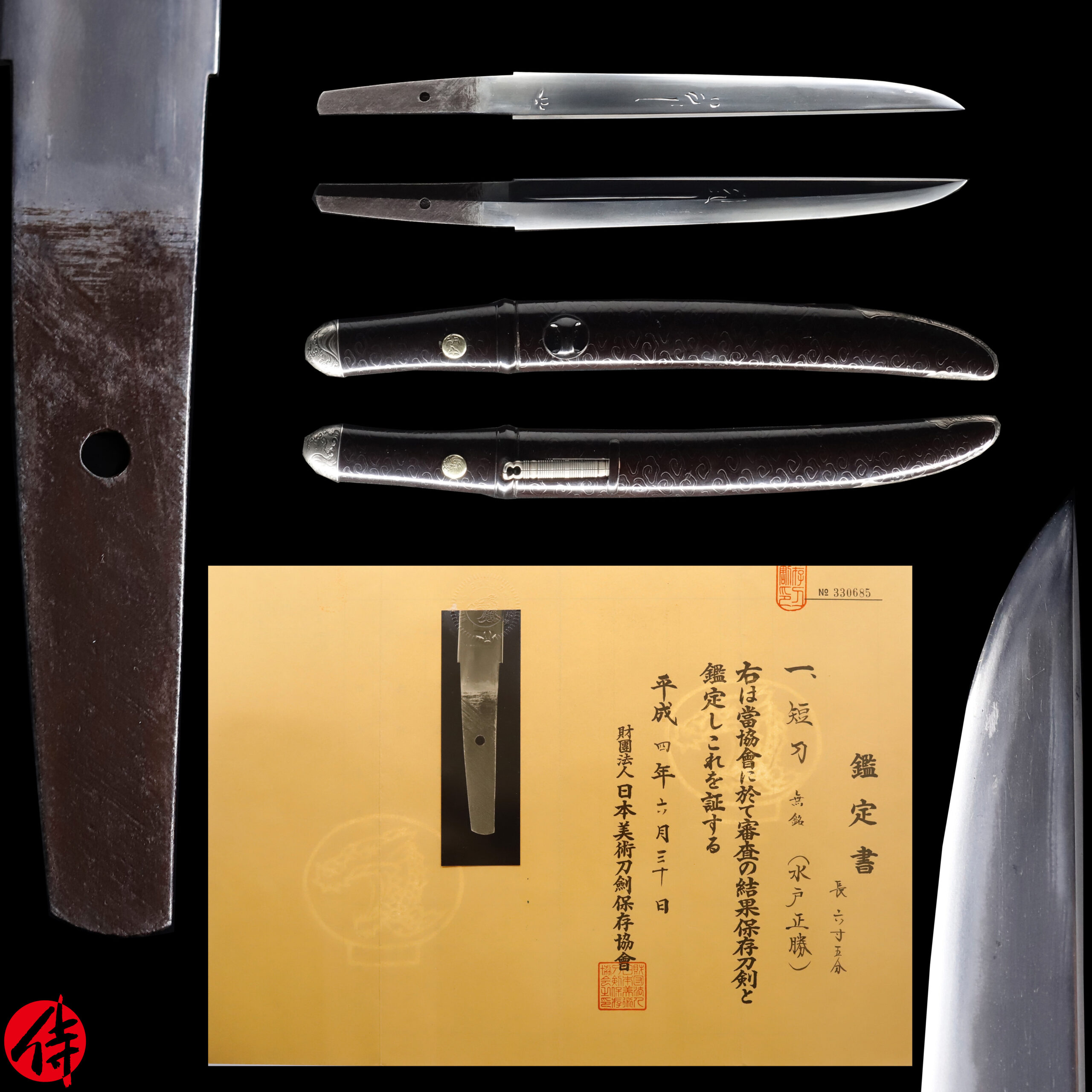
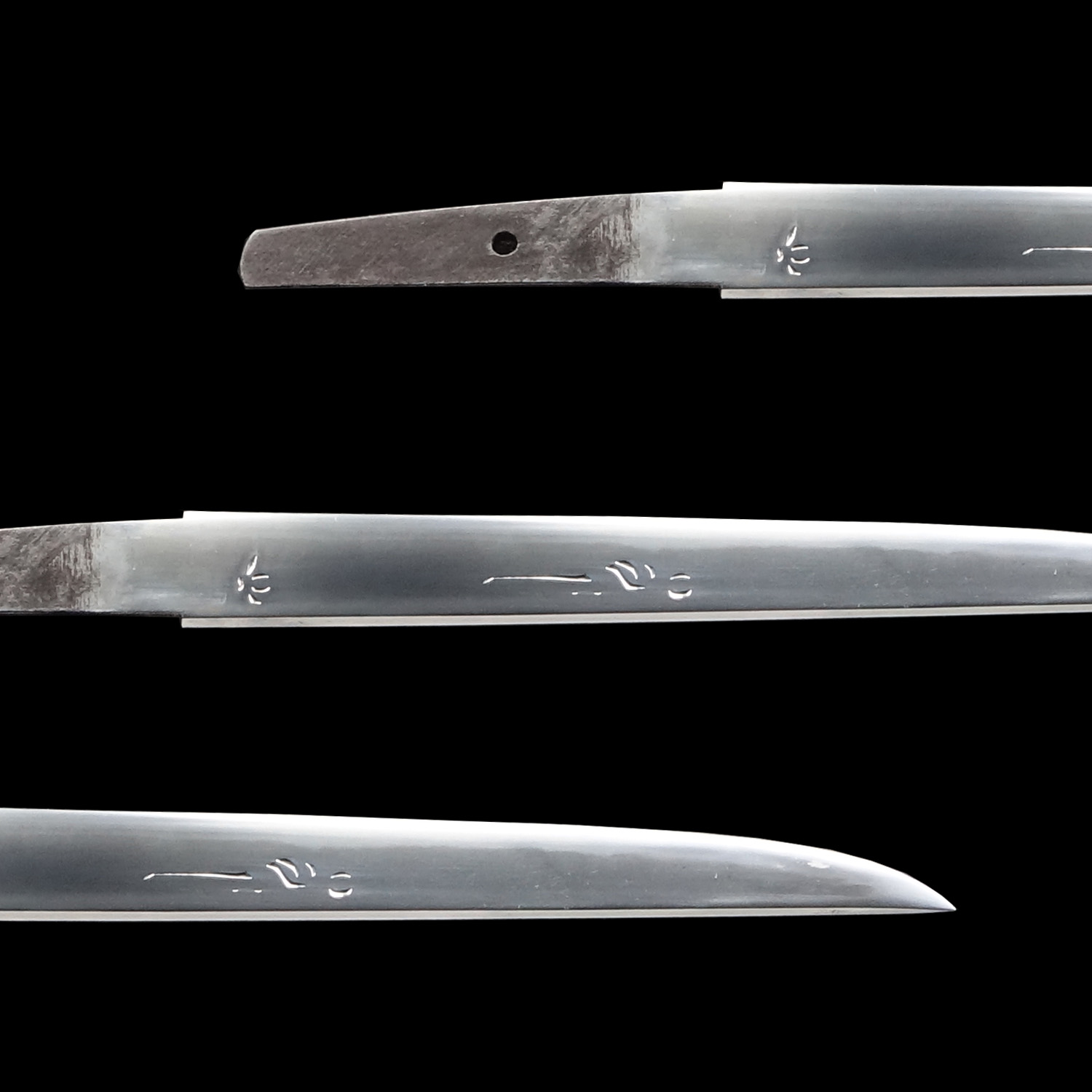
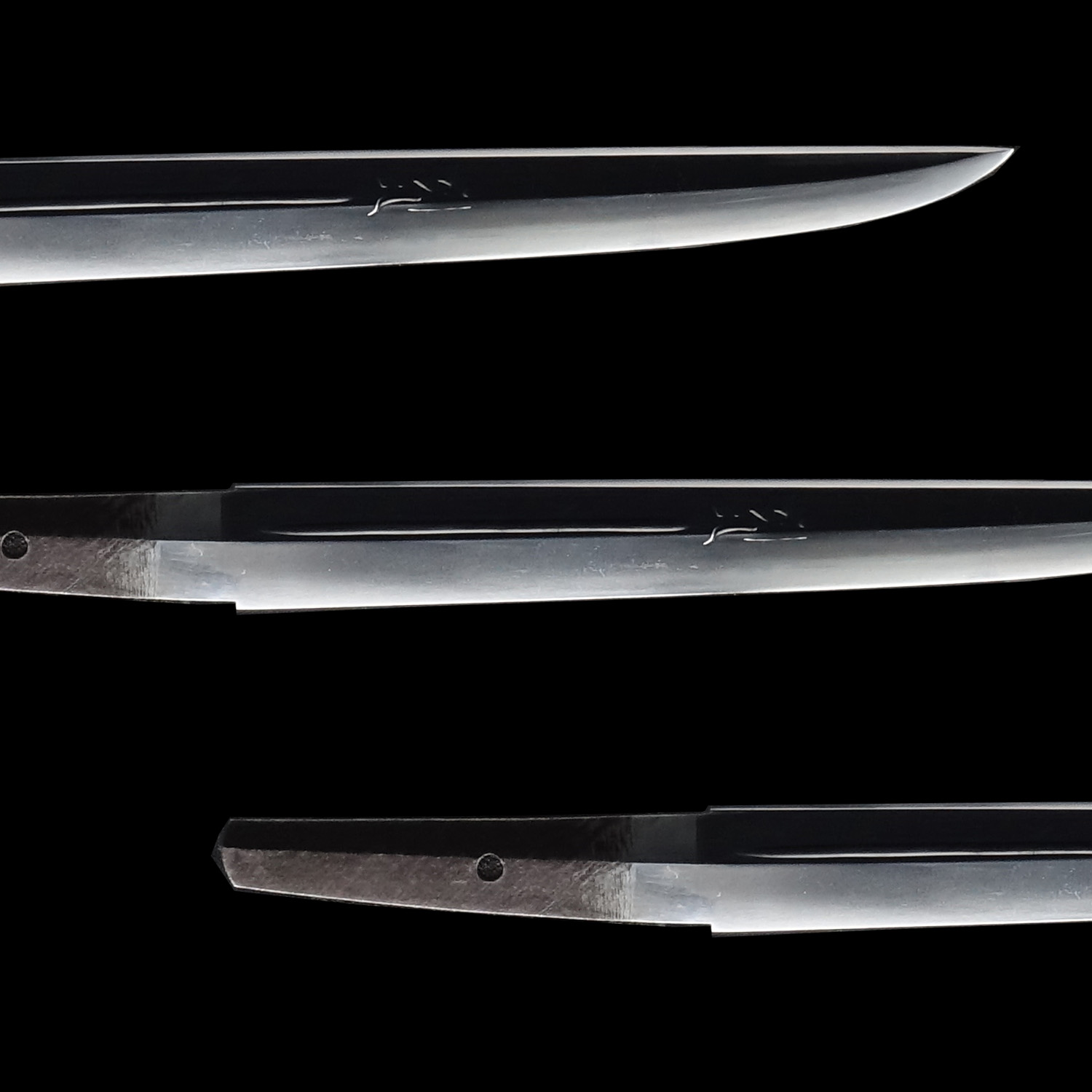
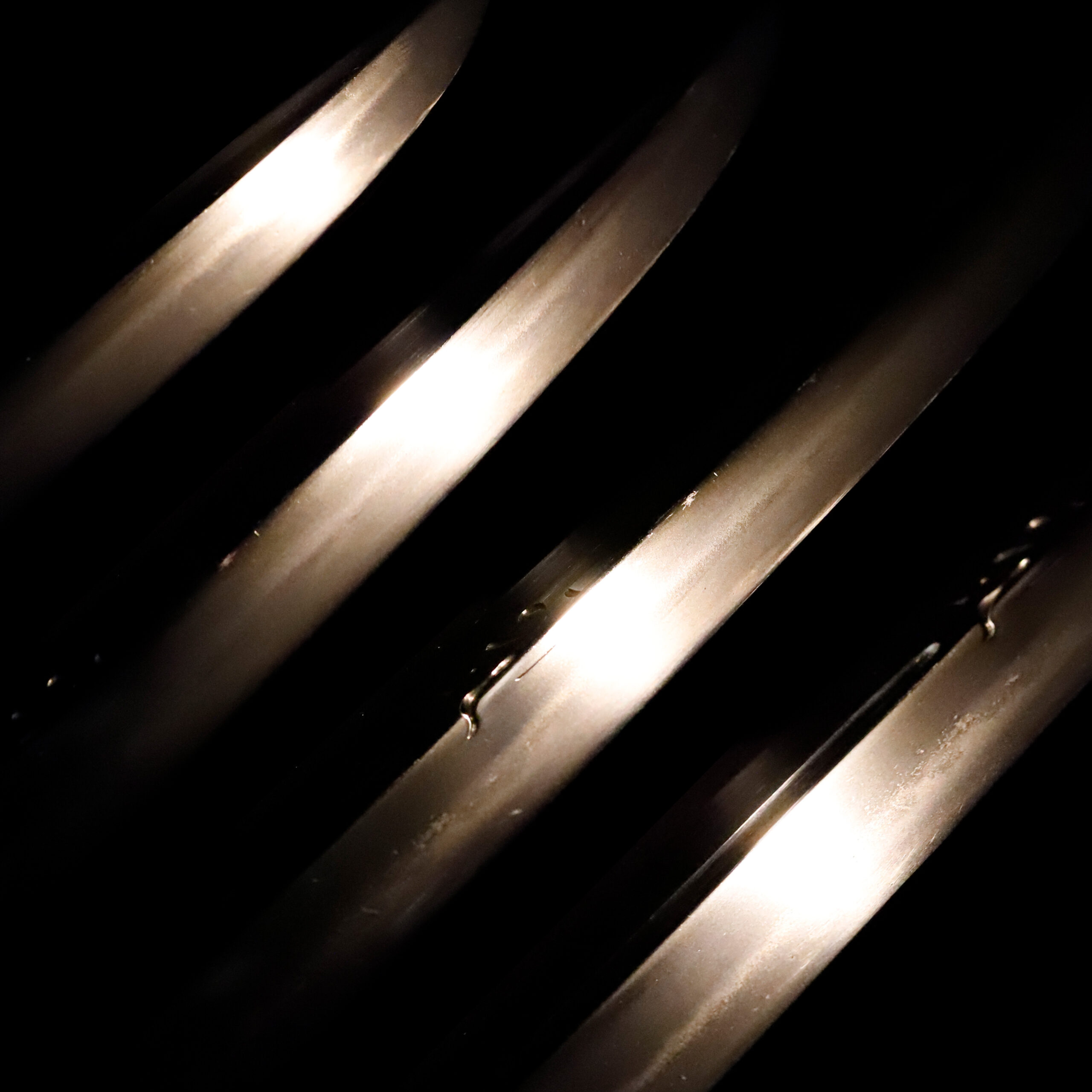
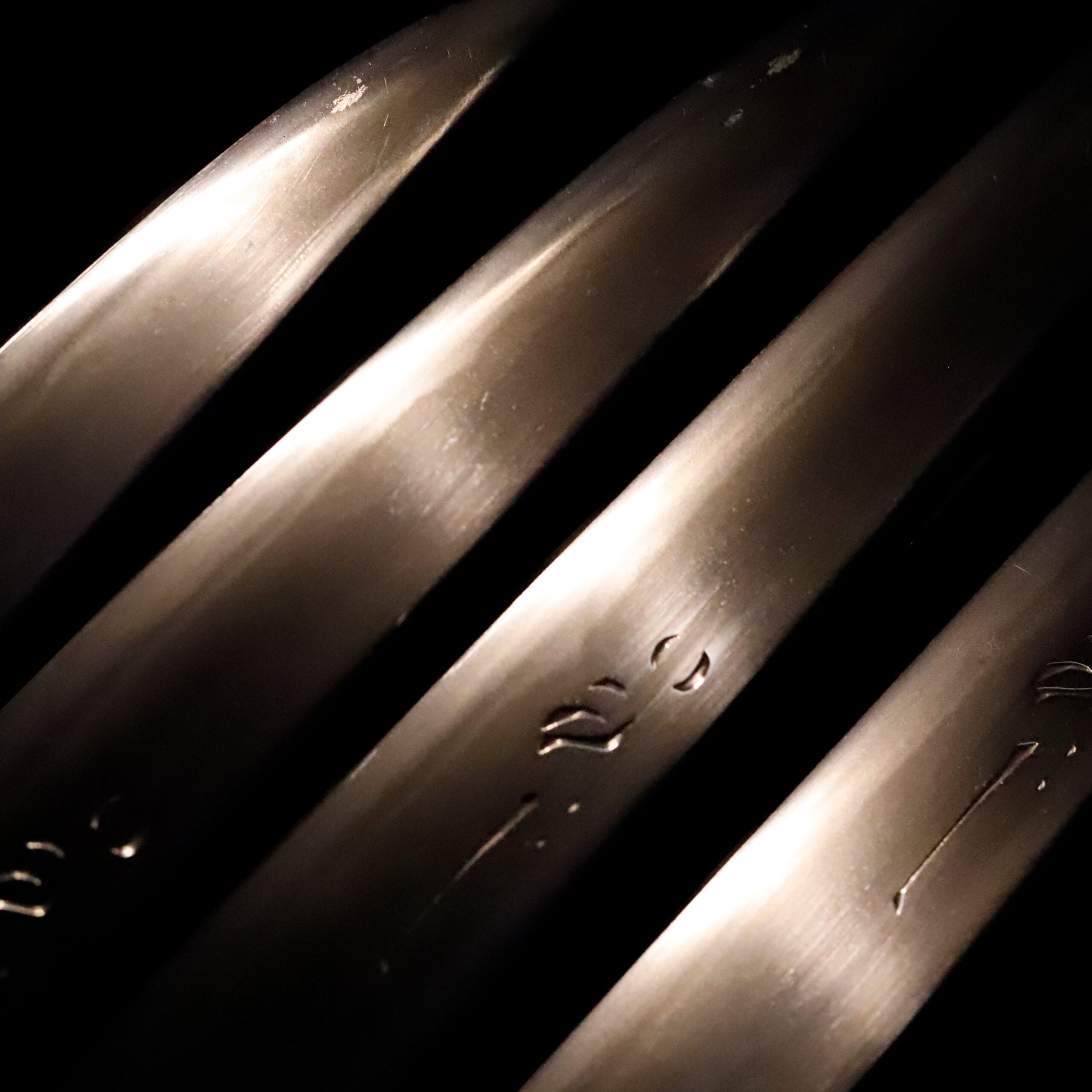
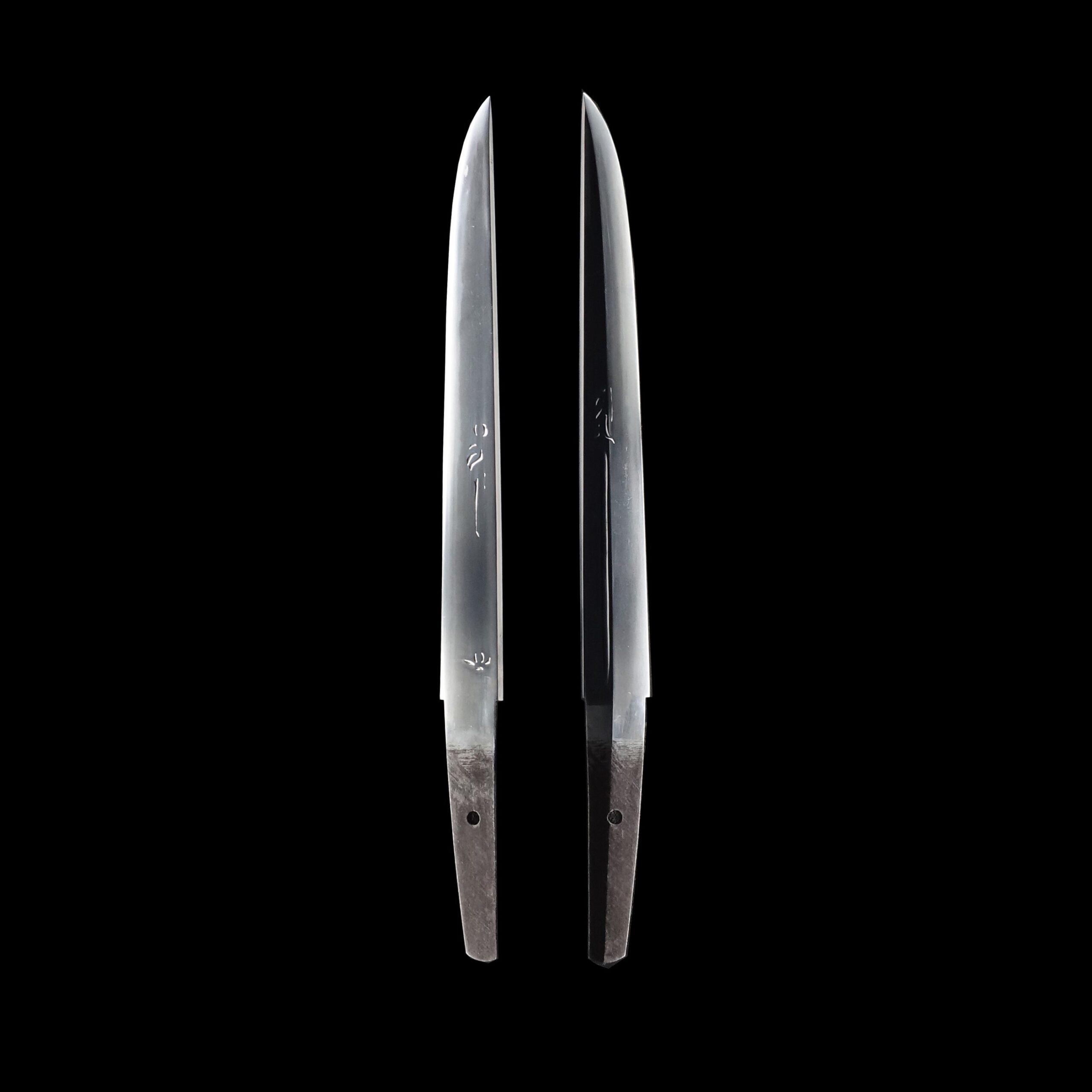
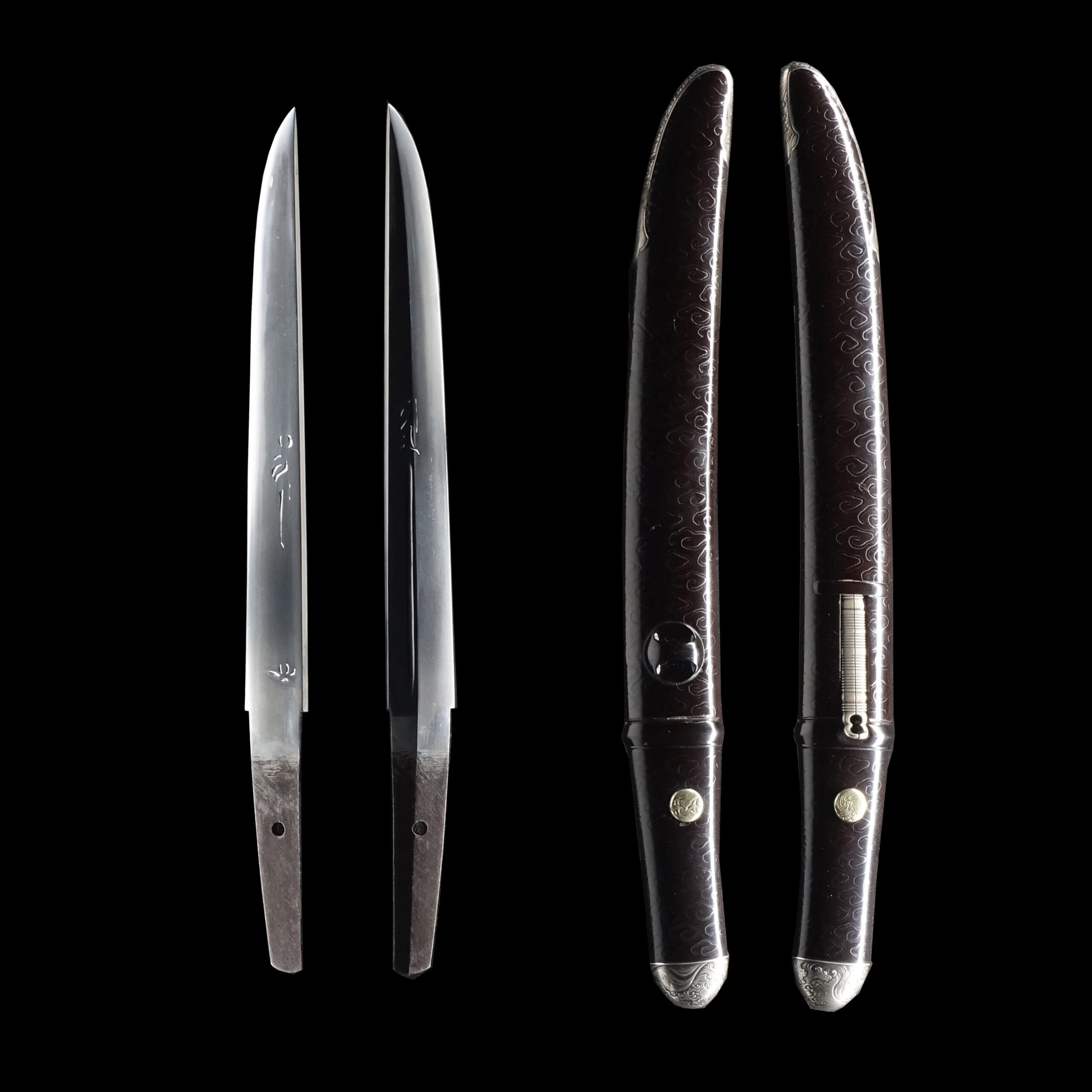
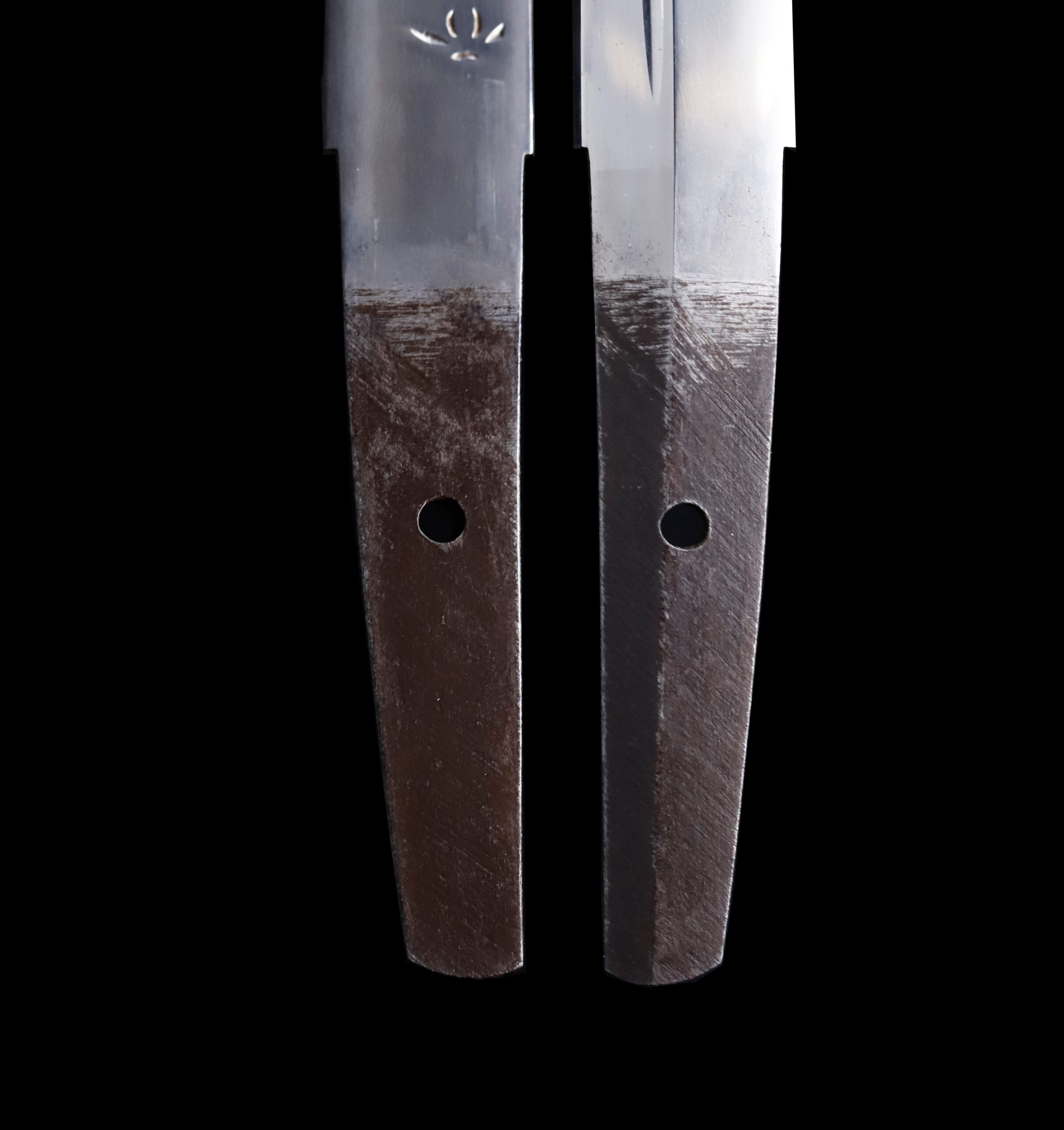
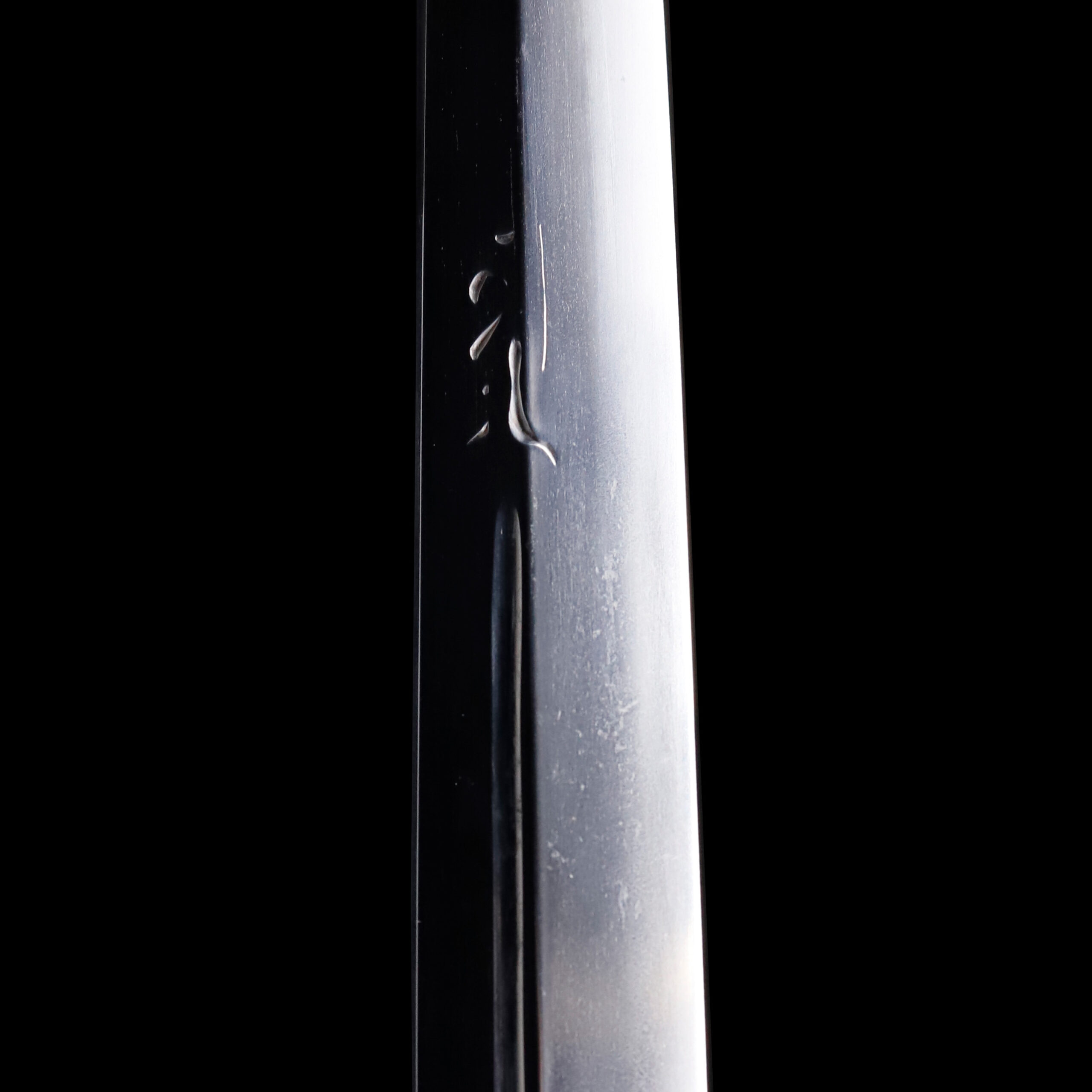
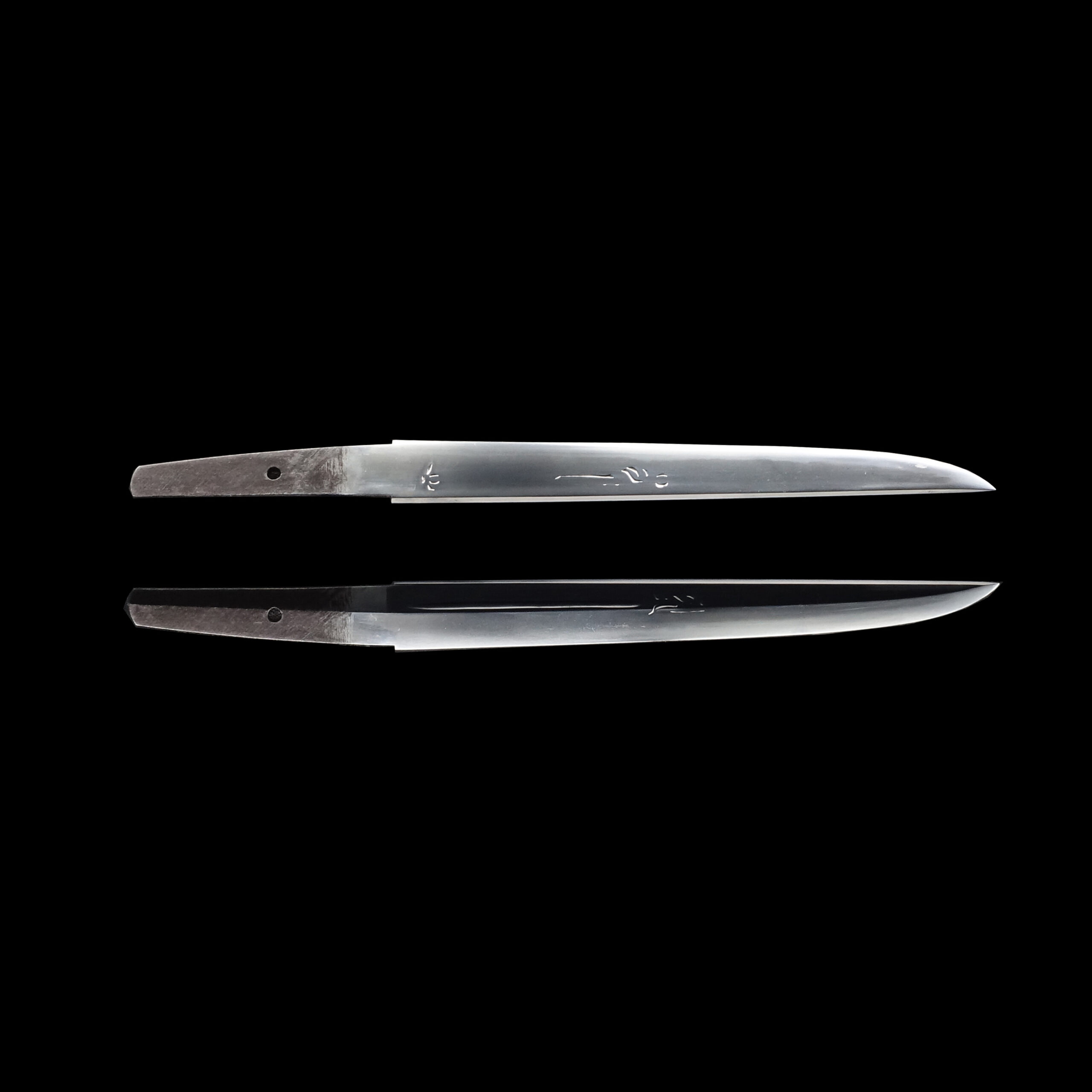
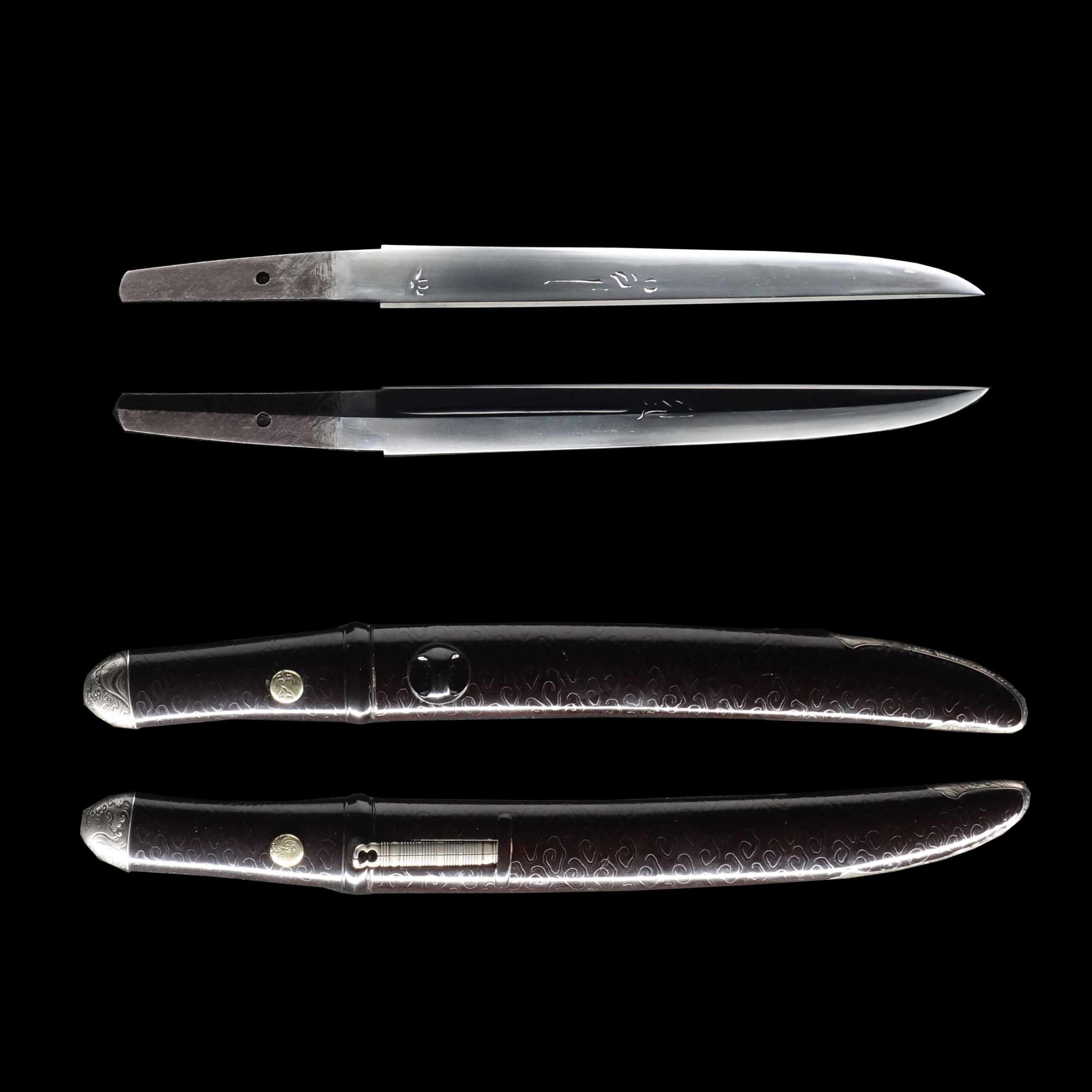
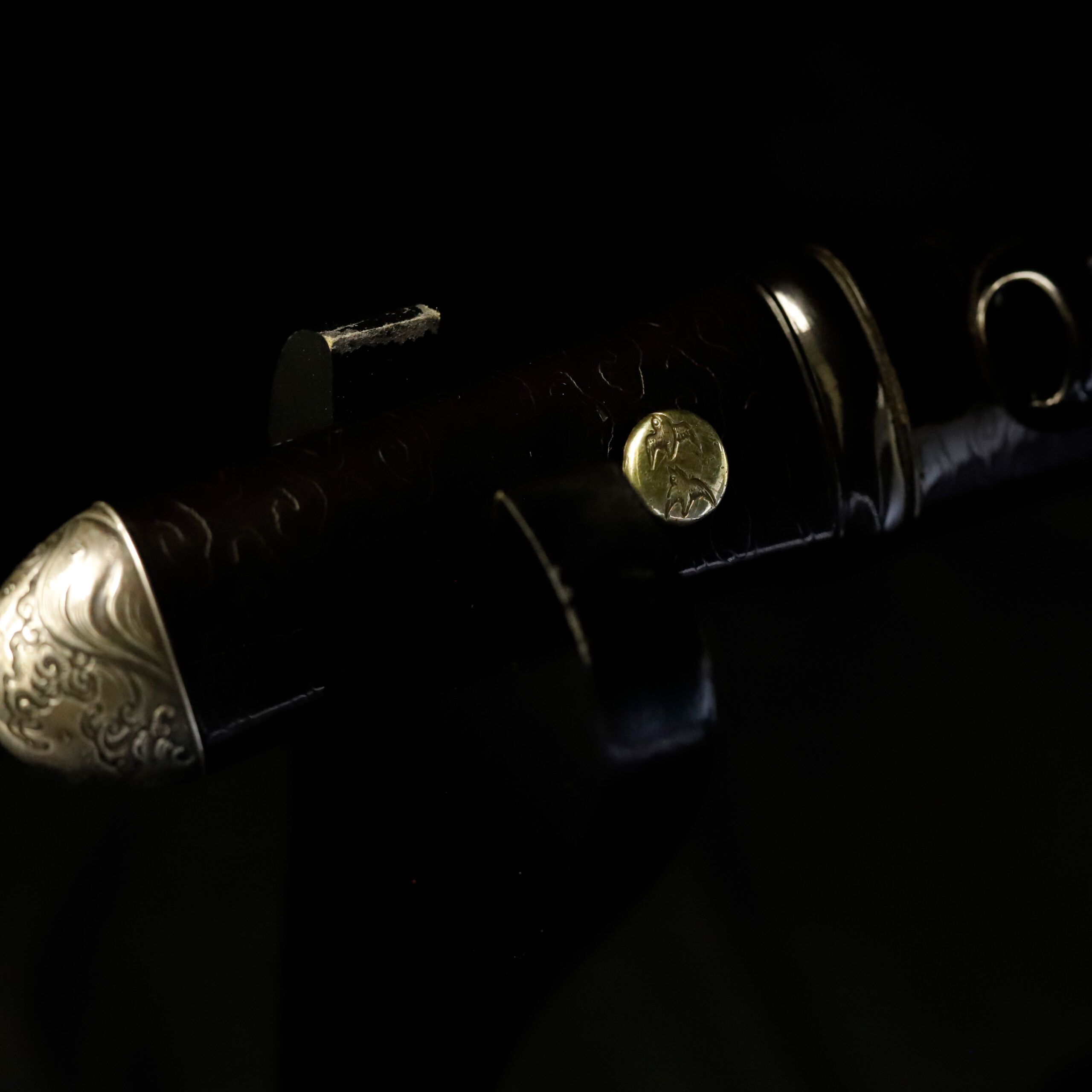
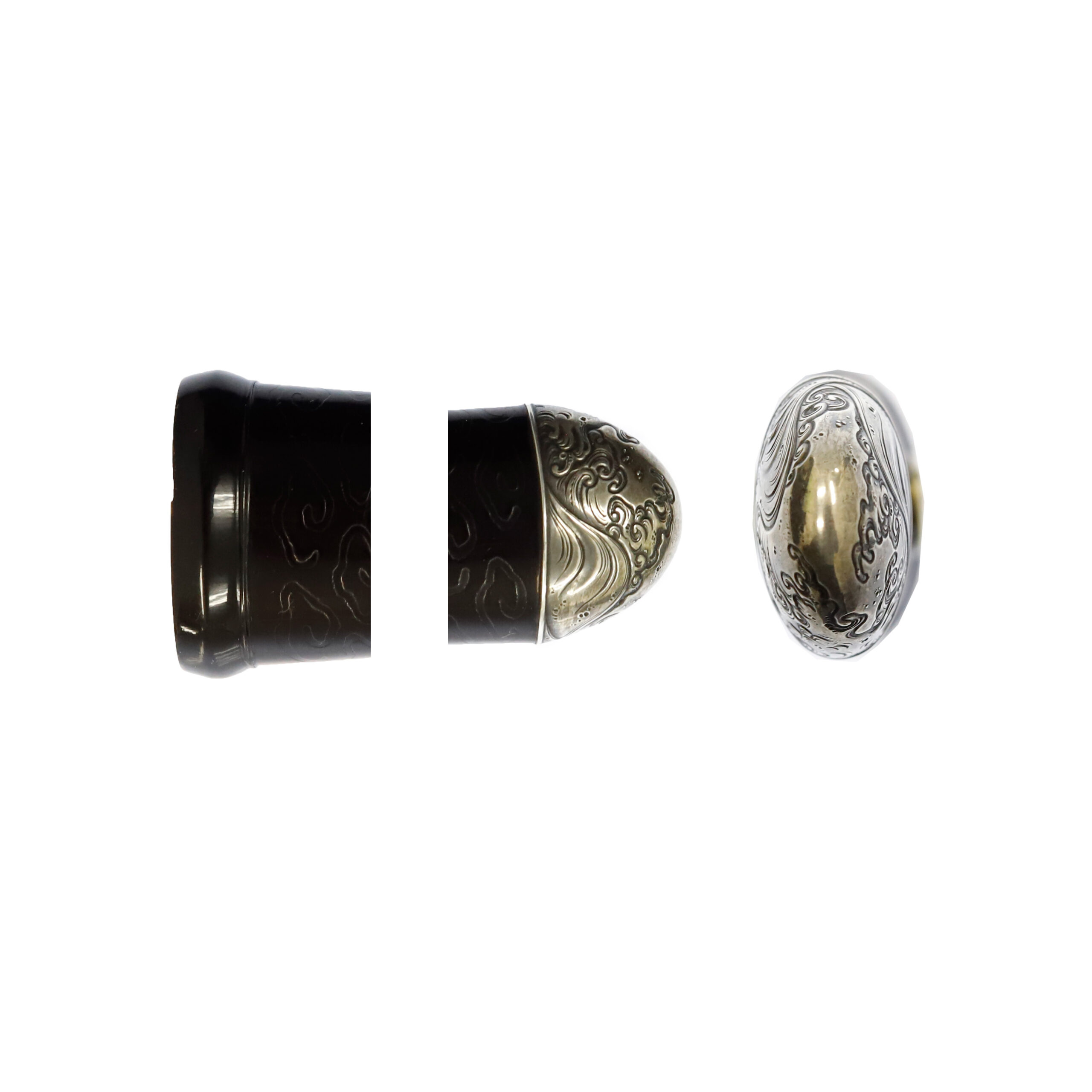
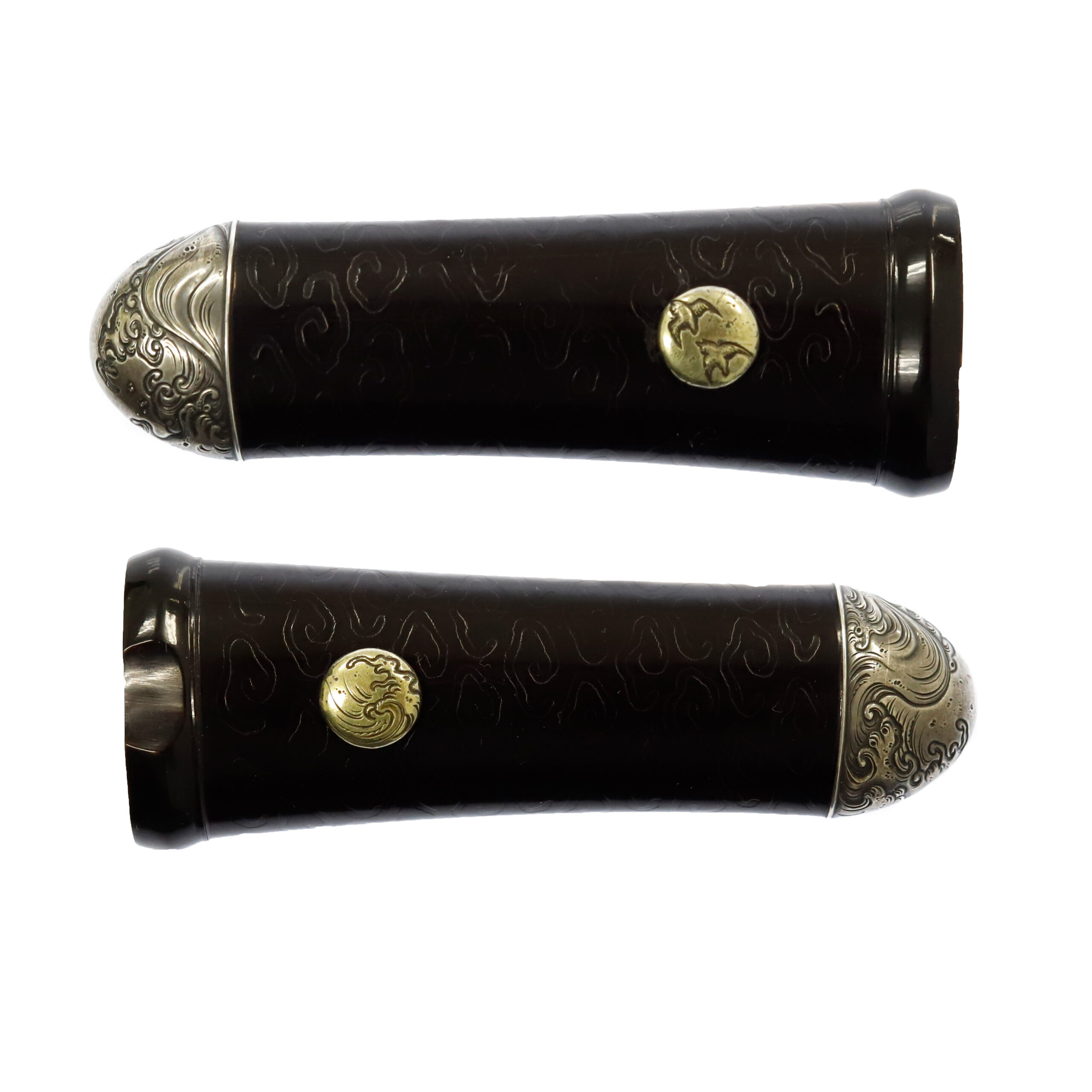
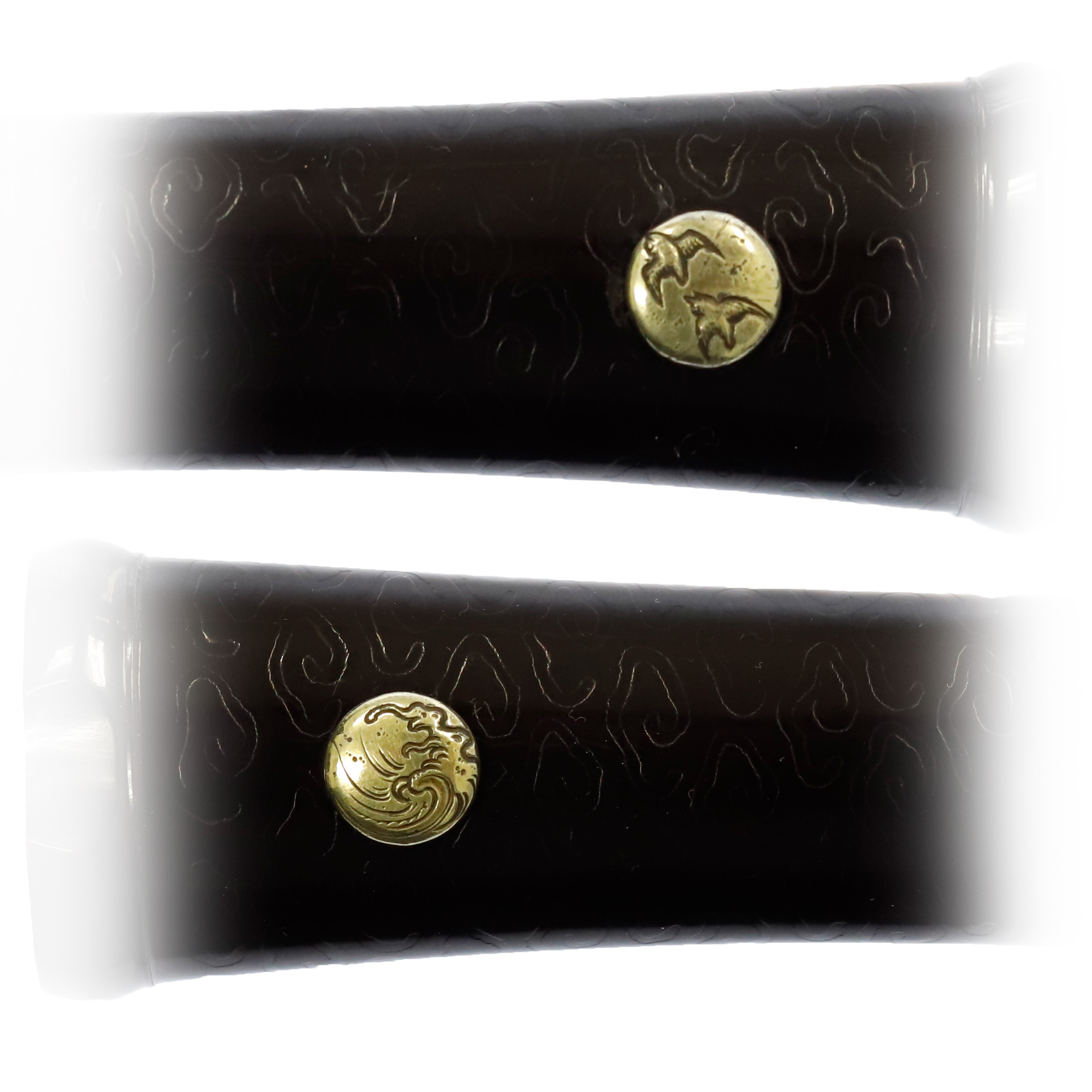
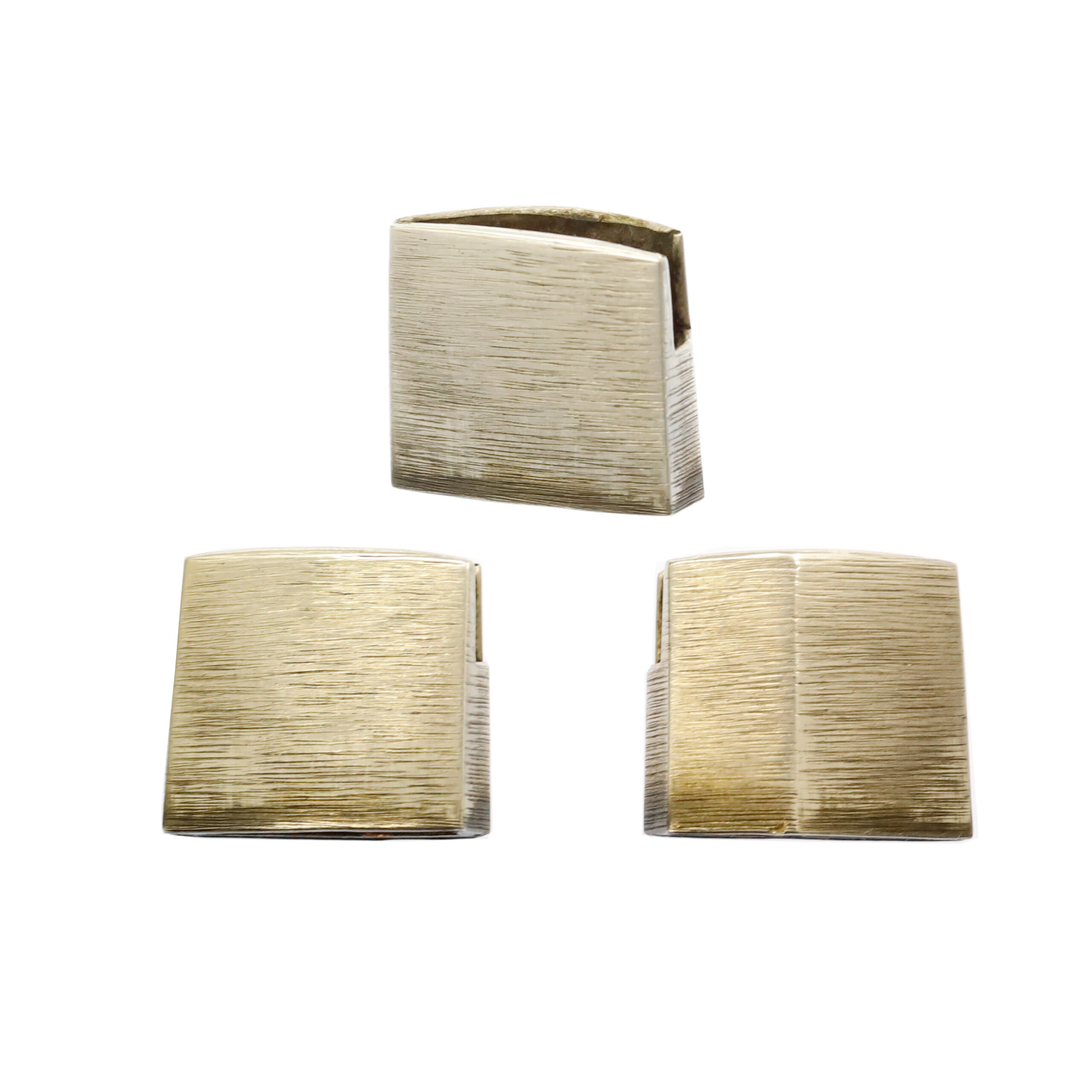
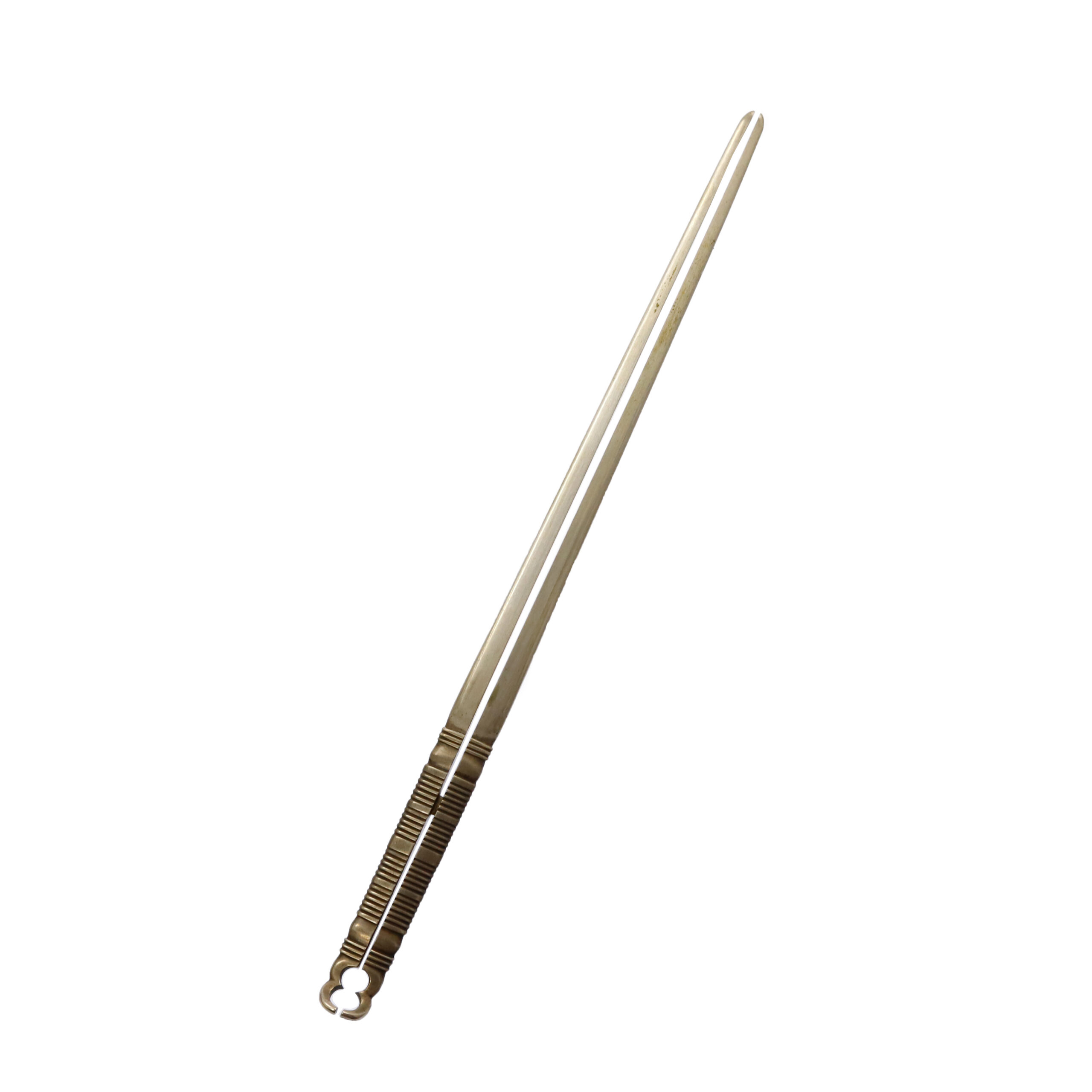
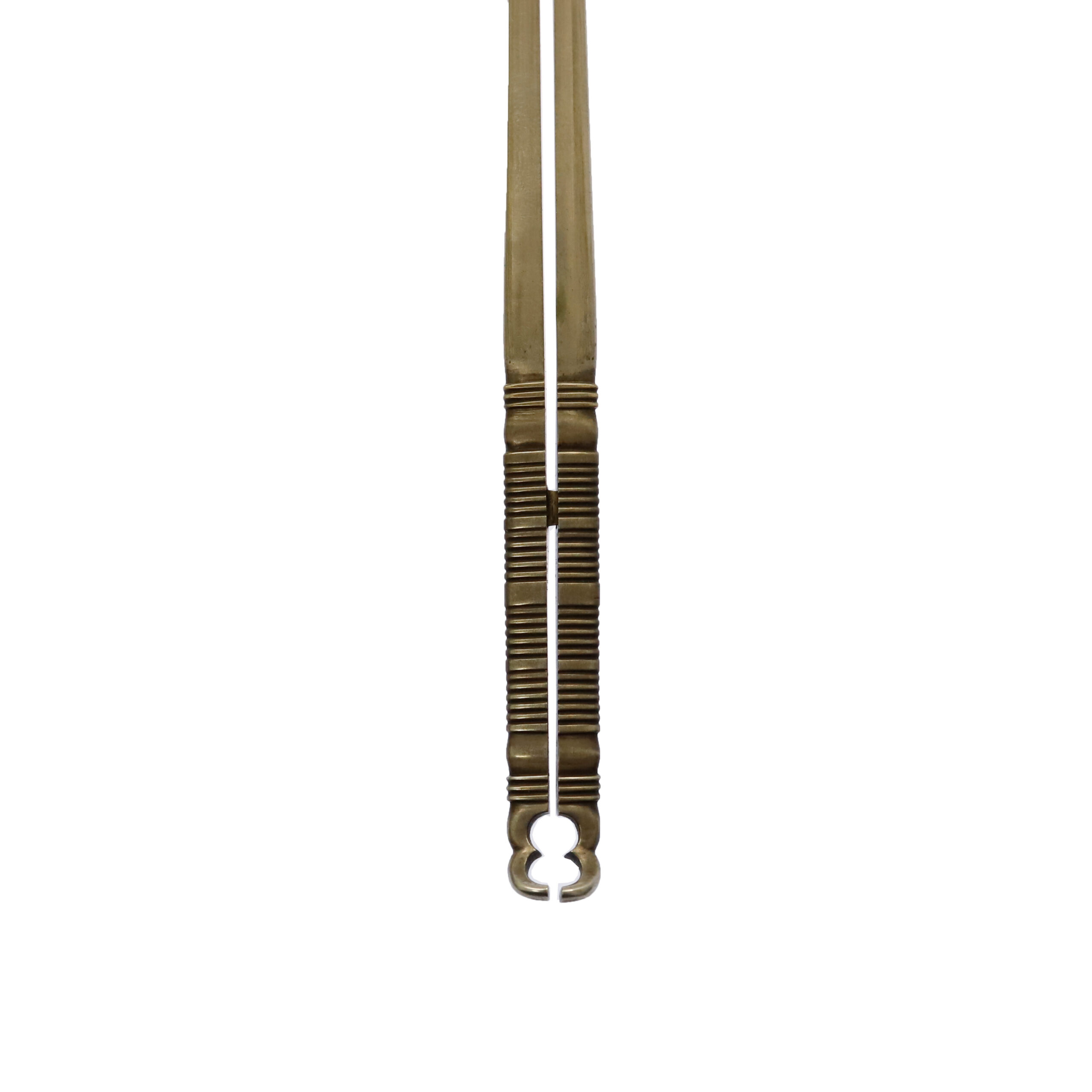
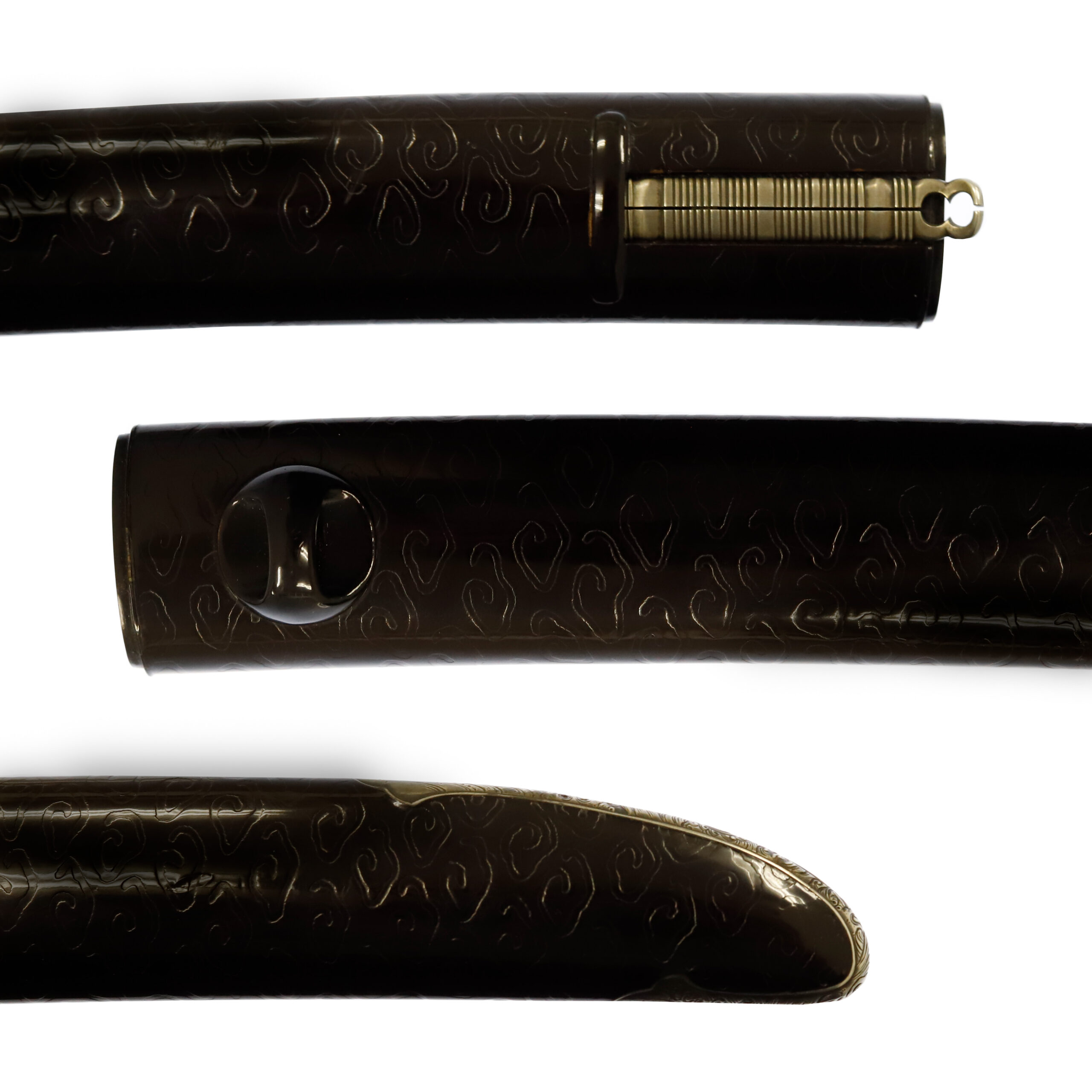
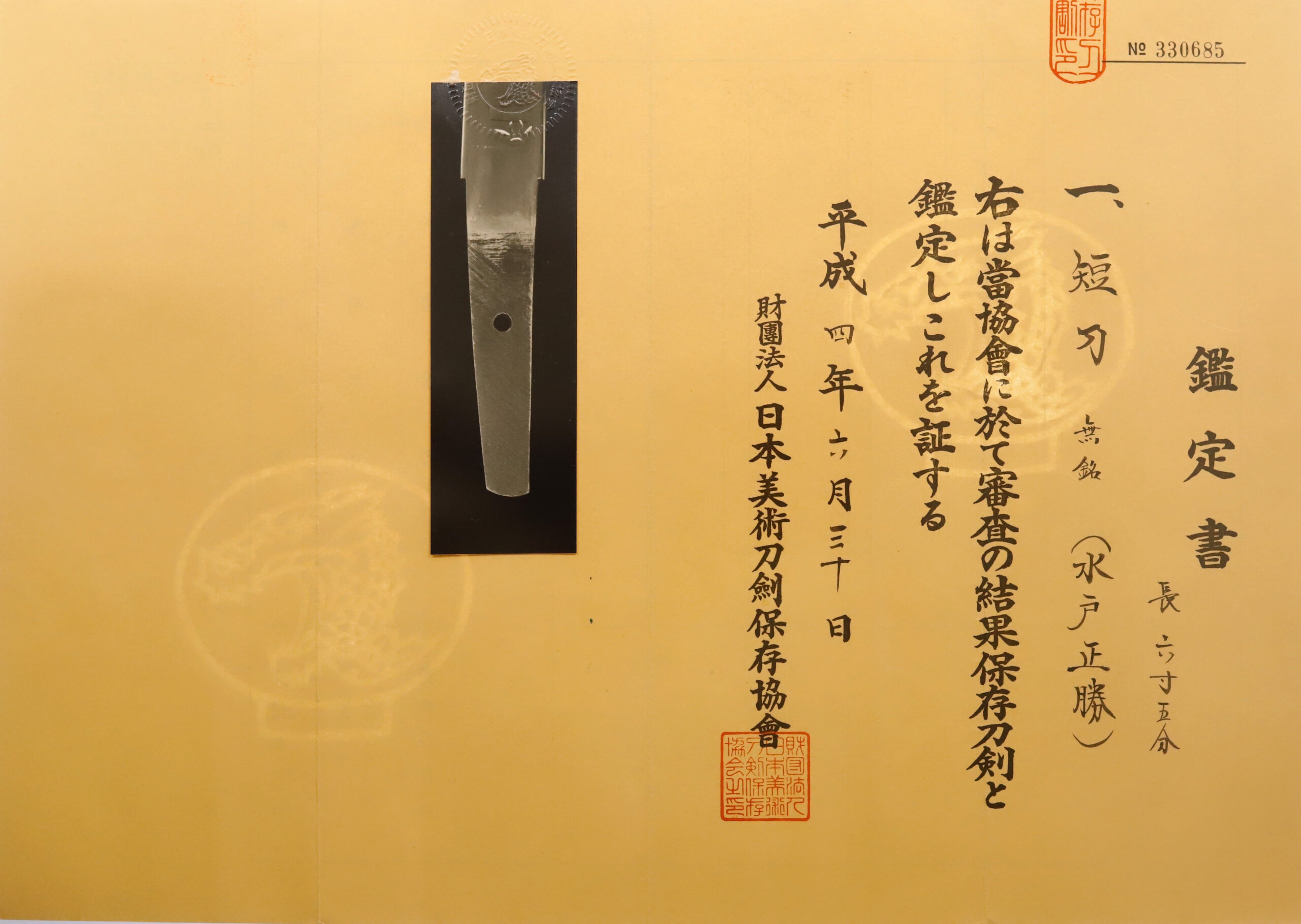
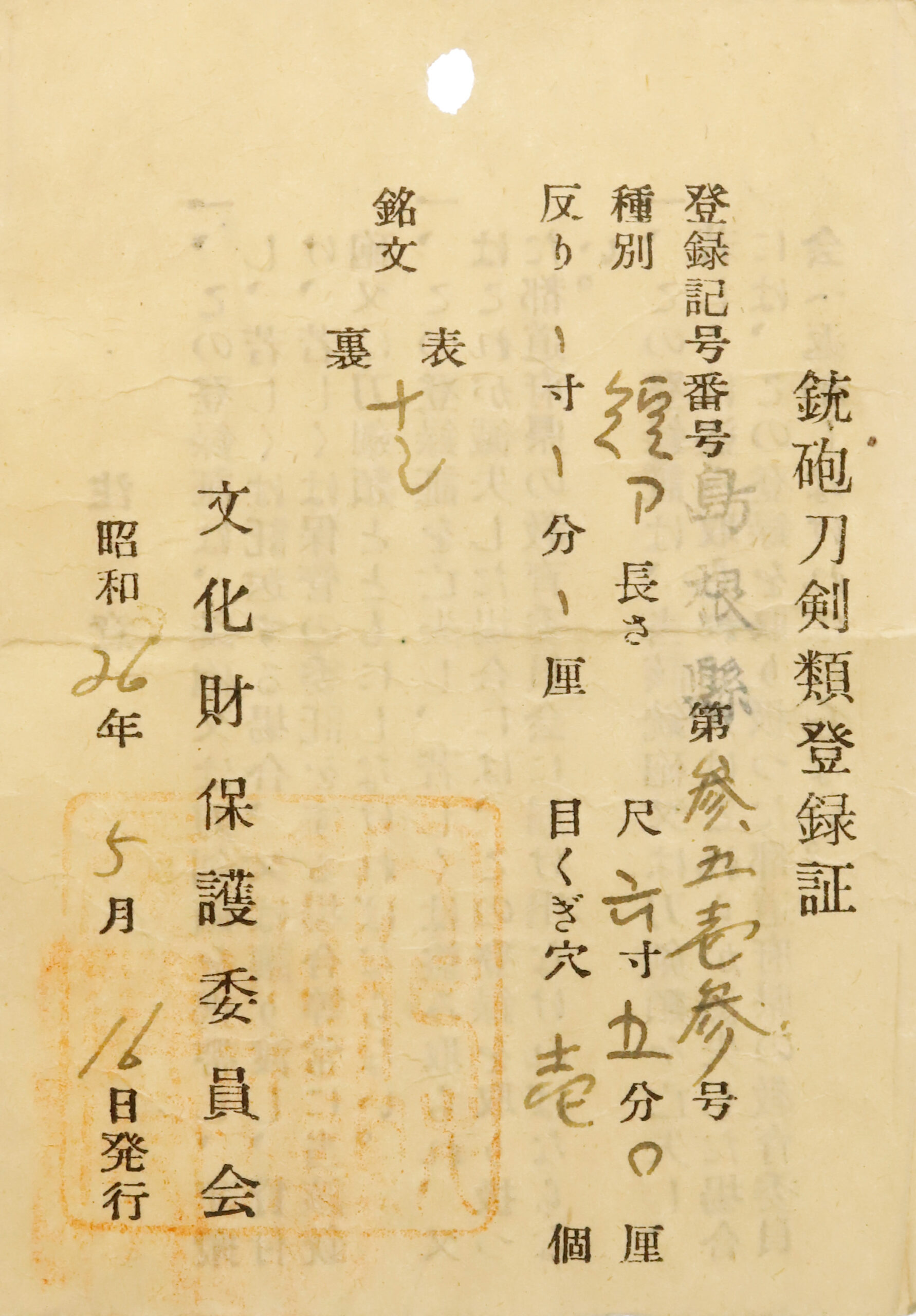
Antique Japanese Sword Tanto attributed to Masakatsu with NBTHK Hozon Certificate 【Description】 This Tanto is attributed to Mito Masakatsu (水戸正勝). He is also known as Katsumura Masakatsu. He started to study sword-forging techniques from Mito Tokukatsu when Masakatsu was just ten years old in 1849. They were originally from Mito province (Today’s Ibaraki prefecture). And, Tokukatsu and Masakatsu moved to Edo city when Masakatsu was 16 years old. And, Masakatsu learned superb craftsmanship from Hosokawa Masayoshi, Koyama Munetsugu, and Ishido Korekazu, who were renowned swordsmiths at the end of the Edo period. Masakatsu and his original master Tokukatsu had a close relationship throughout their career. And it is said that Masakatsu did a Daisaku for Tokukatsu at the end of Tokukatsu’s career. Daisaku is a regular act where an apprentice or a child of the swordsmith signs his master’s name with his master’s permission or forges a blade on behalf of the master. That means that his master highly acknowledged Kunitomo’s craftsmanship. In the second year of the Meiji era (1869), Masakatsu moved back to Mito domain and became a Hanko for Mito domain. Hanko is a swordsmith who exclusively forged swords for a specific clan. The structure of this Tanto is worth mentioning. While one side is made as Hirazukuri and the other side has Shinogi Zukuri. This difference makes this Tanto more interesting to appreciate. This blade is appraised as a Hozon Token(保存刀剣) issued by NBTHK(Nihon Bijutsu Touken Hozon Kyokai:日本美術刀剣保存協会). This authentication paper was only given to authentic Japanese swords, well preserved with artistic value. 【Blade】 Cutting Edge Length(Nagasa) : 19.6 cm( 7.74 inches) Curvature(Sori) : 0 cm (0 inches) Hamon : The crystalline structure which forms along the cutting edge of a blade as a result of the hardening process Jimon(Jihada) : visible steel surface pattern created by folding and hammering during forging process Nakago : Nakago is the tang of the Japanese sword. Japanese swordsmiths left the black rust on the tang because it prevents red rust while the tang is in its handle. And the discoloration of the tang was created over time, and it is a great indicator for a Japanese sword specialist to estimate when the sword was forged. Horimono: Horimono is an inscription or sculpture on Japanese swords. Koshirae: Koshirae is the mounting of the Japanese sword. There are several parts that consist of Koshirae such as Saya(Scabbard), Tsuka(Handle), Kozuka. Fuchi-Kashira : A pair of matching sword fittings that cover the upper and bottom parts of its sword hilt. This Koshirae’s Kashira and the Kojiri (鐺, a metal fitting that protects the tip of a scabbard) have the same design: the wave pattern. Dynamic movements of waves are meticulously carved on silvery metal fittings. As waves’ movements continue endlessly, the wave pattern represents eternity, immortality, longevity, birth, etcetera. Also, since tides repeatedly change the shape and terrain of rocks, some people hoped for a strong will by using this motif. People used this pattern wishing for an indomitable spirit to rechallenge time and time without giving up. The wave pattern is also incorporated into the decoration of other parts described later, and it could be said that it is one of the themes that leads to the overall appearance of this Koshirae. Tsuka and Menuki : Tsuka is the handle of the Japanese sword and Menuki is its decoration. This Koshirae’s Menukis have small round shapes and are colored with golden paint. Same as the Fuchi Kashira and Kojiri, the wave pattern is designed on one side of the Menuki. On the other hand, you would find two birds are engraved on another Menuki. This Menuki’s design is completed by combining these two patterns (waves and bird patterns); the Nami Chidori (波千鳥). The Nami Chidori pattern represents happy marriage and family safety. In Japan, people have treated it as a good omen design since the Nara period (648-781). Nami (波) mea
 NihontoWatchBETA
無銘 · 新々刀 · 長さ 19.6cm
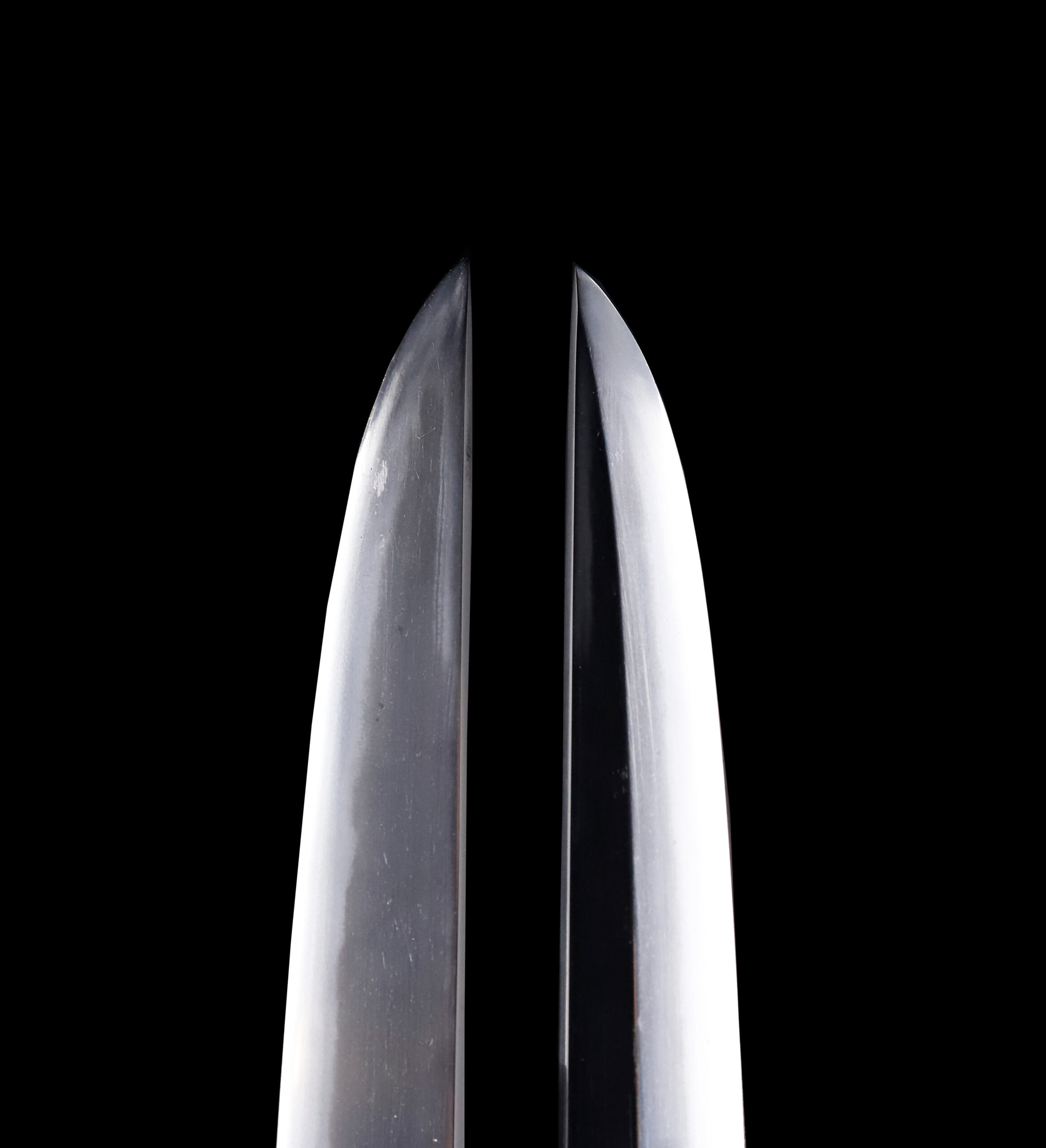
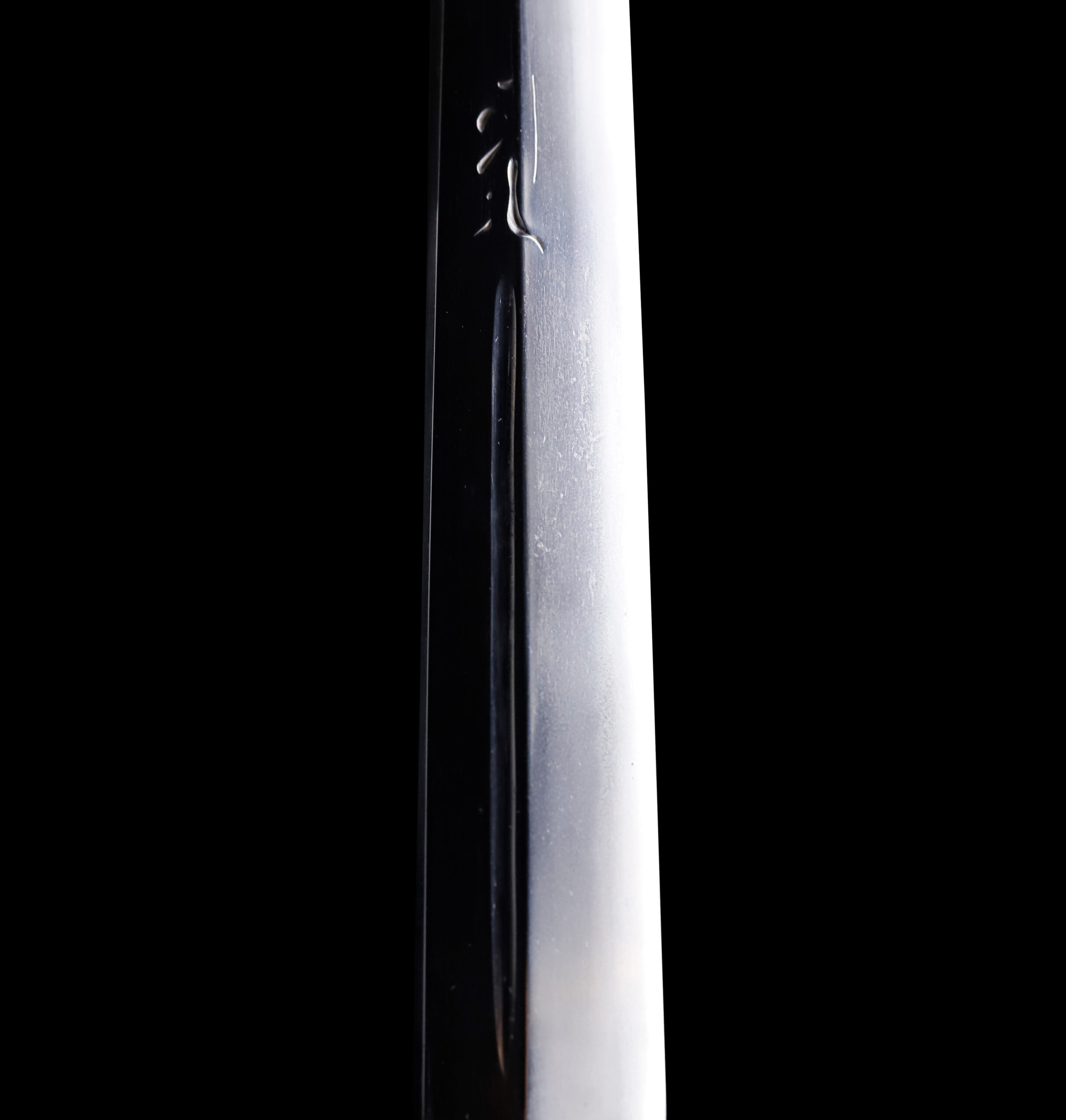
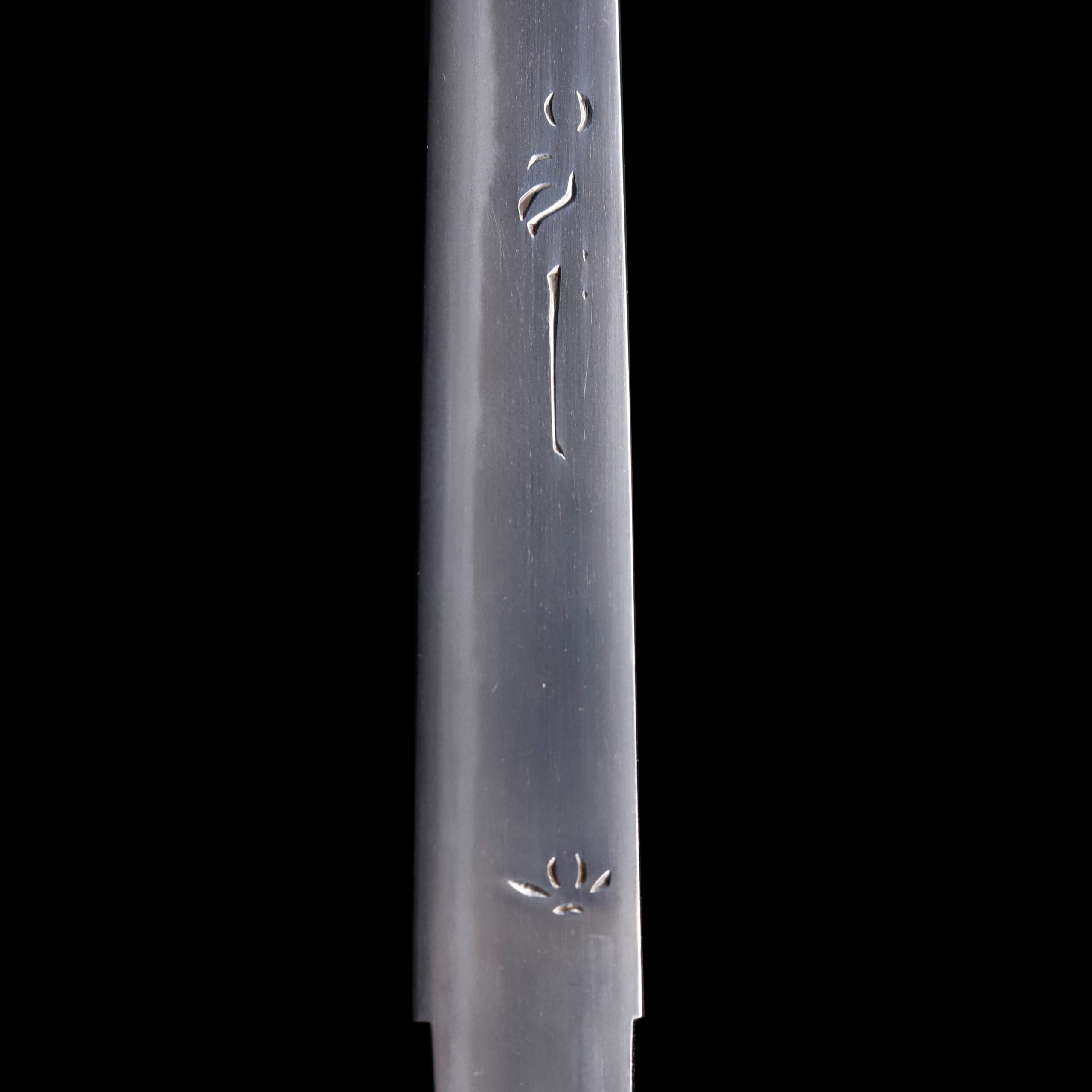
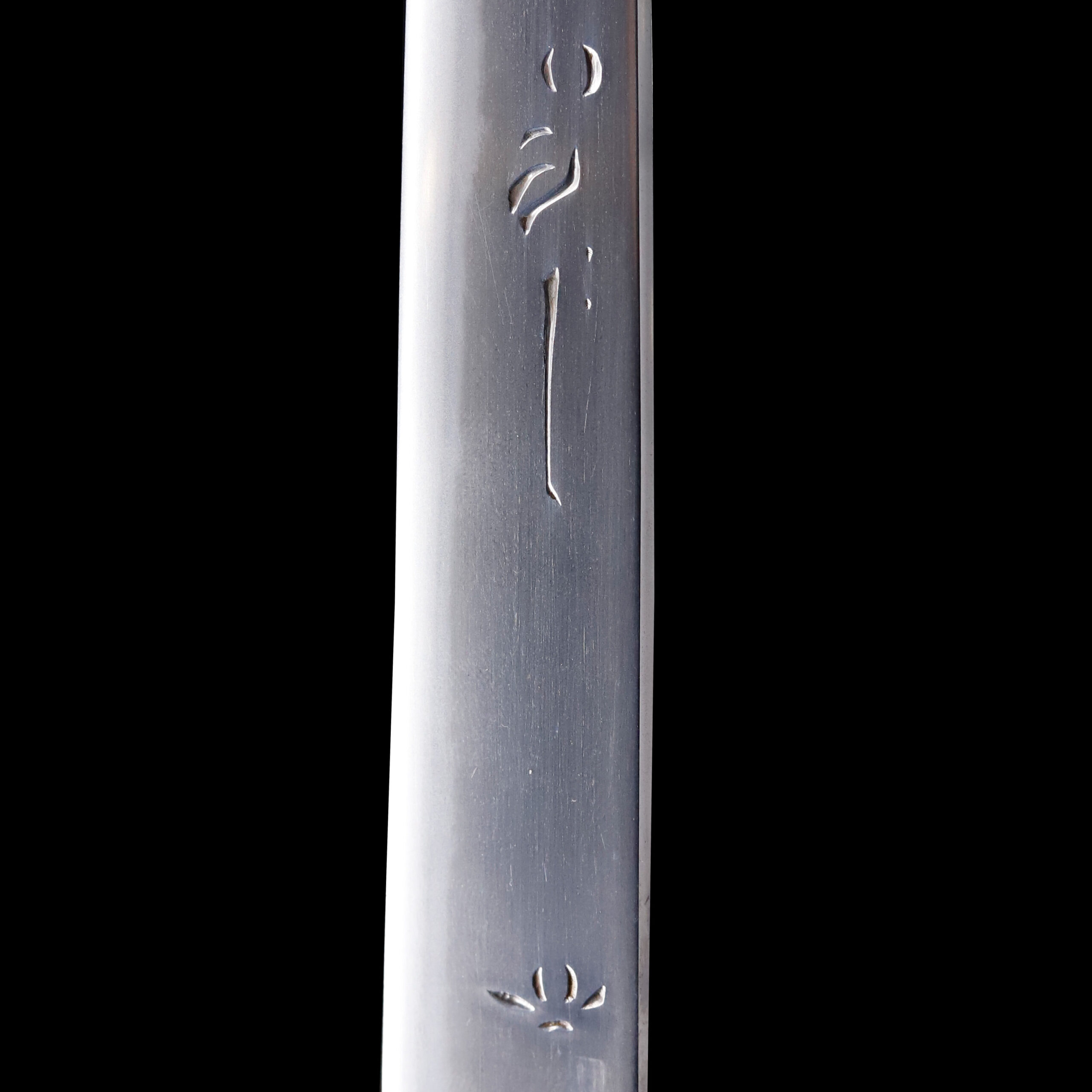
常陸 · 1865-1868頃
刀剣大鑑 上位63%
現在1点販売中
銘が正しい、または無銘でも年代・国・系統を確実に指摘できる、保存に値する真正の作と鑑定されたものです。
日本美術刀剣保存協会(NBTHK)は、1948年に設立され、文化庁の監督を受ける公益財団法人で、東京・刀剣博物館に本部を置きます。専門の審査員が出品作を直接審査し、美術的・歴史的価値に応じた鑑定書を発行します。NBTHKの鑑定書は、日本刀および刀装具の真正性を示す最も広く認知された基準です。
NBTHK公式サイトReturns/exchanges limited to defects caused by shipping (except willful misconduct or gross negligence by the company); customers must contact within 72 hours of receiving the product.
Antique Japanese Sword Tanto attributed to Masakatsu with NBTHK Hozon Certificate 【Description】 This Tanto is attributed to Mito Masakatsu (水戸正勝). He is also known as Katsumura Masakatsu. He started to study sword-forging techniques from Mito Tokukatsu when Masakatsu was just ten years old in 1849. They were originally from Mito province (Today’s Ibaraki prefecture). And, Tokukatsu and Masakatsu moved to Edo city when Masakatsu was 16 years old. And, Masakatsu learned superb craftsmanship from Hosokawa Masayoshi, Koyama Munetsugu, and Ishido Korekazu, who were renowned swordsmiths at the end of the Edo period. Masakatsu and his original master Tokukatsu had a close relationship throughout their career. And it is said that Masakatsu did a Daisaku for Tokukatsu at the end of Tokukatsu’s career. Daisaku is a regular act where an apprentice or a child of the swordsmith signs his master’s name with his master’s permission or forges a blade on behalf of the master. That means that his master highly acknowledged Kunitomo’s craftsmanship. In the second year of the Meiji era (1869), Masakatsu moved back to Mito domain and became a Hanko for Mito domain. Hanko is a swordsmith who exclusively forged swords for a specific clan. The structure of this Tanto is worth mentioning. While one side is made as Hirazukuri and the other side has Shinogi Zukuri. This difference makes this Tanto more interesting to appreciate. This blade is appraised as a Hozon Token(保存刀剣) issued by NBTHK(Nihon Bijutsu Touken Hozon Kyokai:日本美術刀剣保存協会). This authentication paper was only given to authentic Japanese swords, well preserved with artistic value. 【Blade】 Cutting Edge Length(Nagasa) : 19.6 cm( 7.74 inches) Curvature(Sori) : 0 cm (0 inches) Hamon : The crystalline structure which forms along the cutting edge of a blade as a result of the hardening process Jimon(Jihada) : visible steel surface pattern created by folding and hammering during forging process Nakago : Nakago is the tang of the Japanese sword. Japanese swordsmiths left the black rust on the tang because it prevents red rust while the tang is in its handle. And the discoloration of the tang was created over time, and it is a great indicator for a Japanese sword specialist to estimate when the sword was forged. Horimono: Horimono is an inscription or sculpture on Japanese swords. Koshirae: Koshirae is the mounting of the Japanese sword. There are several parts that consist of Koshirae such as Saya(Scabbard), Tsuka(Handle), Kozuka. Fuchi-Kashira : A pair of matching sword fittings that cover the upper and bottom parts of its sword hilt. This Koshirae’s Kashira and the Kojiri (鐺, a metal fitting that protects the tip of a scabbard) have the same design: the wave pattern. Dynamic movements of waves are meticulously carved on silvery metal fittings. As waves’ movements continue endlessly, the wave pattern represents eternity, immortality, longevity, birth, etcetera. Also, since tides repeatedly change the shape and terrain of rocks, some people hoped for a strong will by using this motif. People used this pattern wishing for an indomitable spirit to rechallenge time and time without giving up. The wave pattern is also incorporated into the decoration of other parts described later, and it could be said that it is one of the themes that leads to the overall appearance of this Koshirae. Tsuka and Menuki : Tsuka is the handle of the Japanese sword and Menuki is its decoration. This Koshirae’s Menukis have small round shapes and are colored with golden paint. Same as the Fuchi Kashira and Kojiri, the wave pattern is designed on one side of the Menuki. On the other hand, you would find two birds are engraved on another Menuki. This Menuki’s design is completed by combining these two patterns (waves and bird patterns); the Nami Chidori (波千鳥). The Nami Chidori pattern represents happy marriage and family safety. In Japan, people have treated it as a good omen design since the Nara period (648-781). Nami (波) mea
NihontoWatchBETA無銘 · 新々刀 · 長さ 19.6cm
常陸 · 1865-1868頃
刀剣大鑑 上位63%
現在1点販売中
銘が正しい、または無銘でも年代・国・系統を確実に指摘できる、保存に値する真正の作と鑑定されたものです。
日本美術刀剣保存協会(NBTHK)は、1948年に設立され、文化庁の監督を受ける公益財団法人で、東京・刀剣博物館に本部を置きます。専門の審査員が出品作を直接審査し、美術的・歴史的価値に応じた鑑定書を発行します。NBTHKの鑑定書は、日本刀および刀装具の真正性を示す最も広く認知された基準です。
NBTHK公式サイトReturns/exchanges limited to defects caused by shipping (except willful misconduct or gross negligence by the company); customers must contact within 72 hours of receiving the product.

