二世紀半の泰平のあいだ、刀は武器である以上に武士の身分の標章であった。江戸の実証と大坂の華やぎのように都市ごとの作風が育ち、時代の末には需要も細っていく。
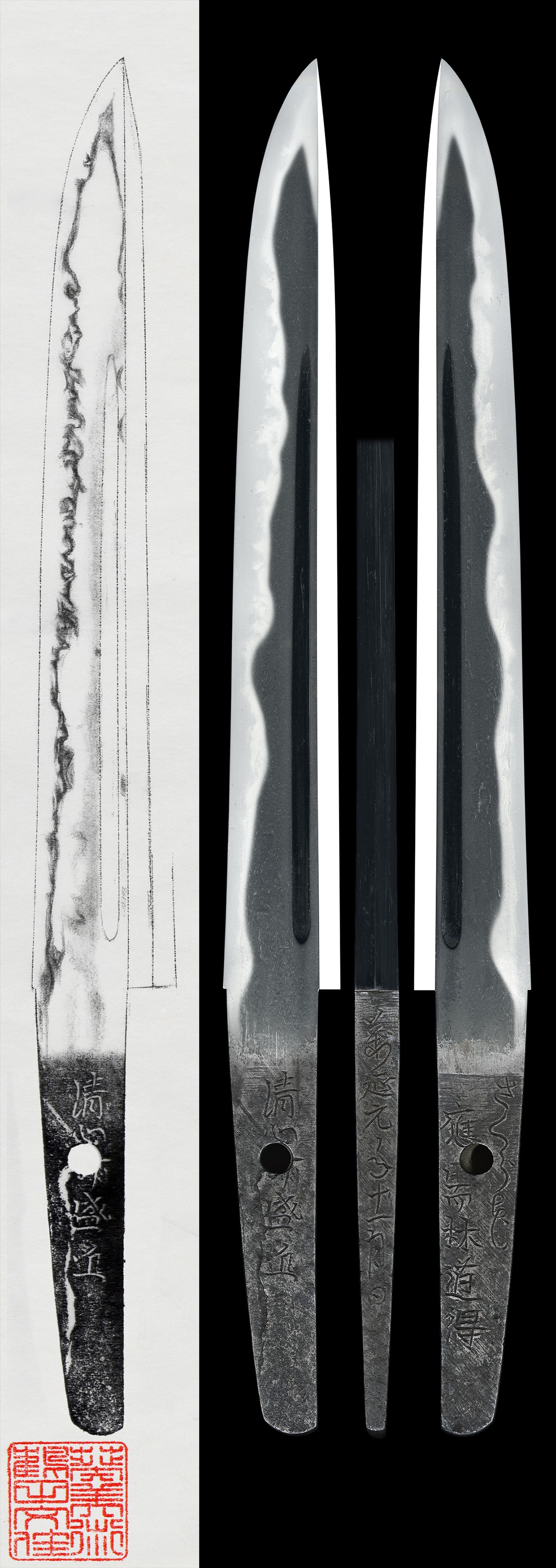
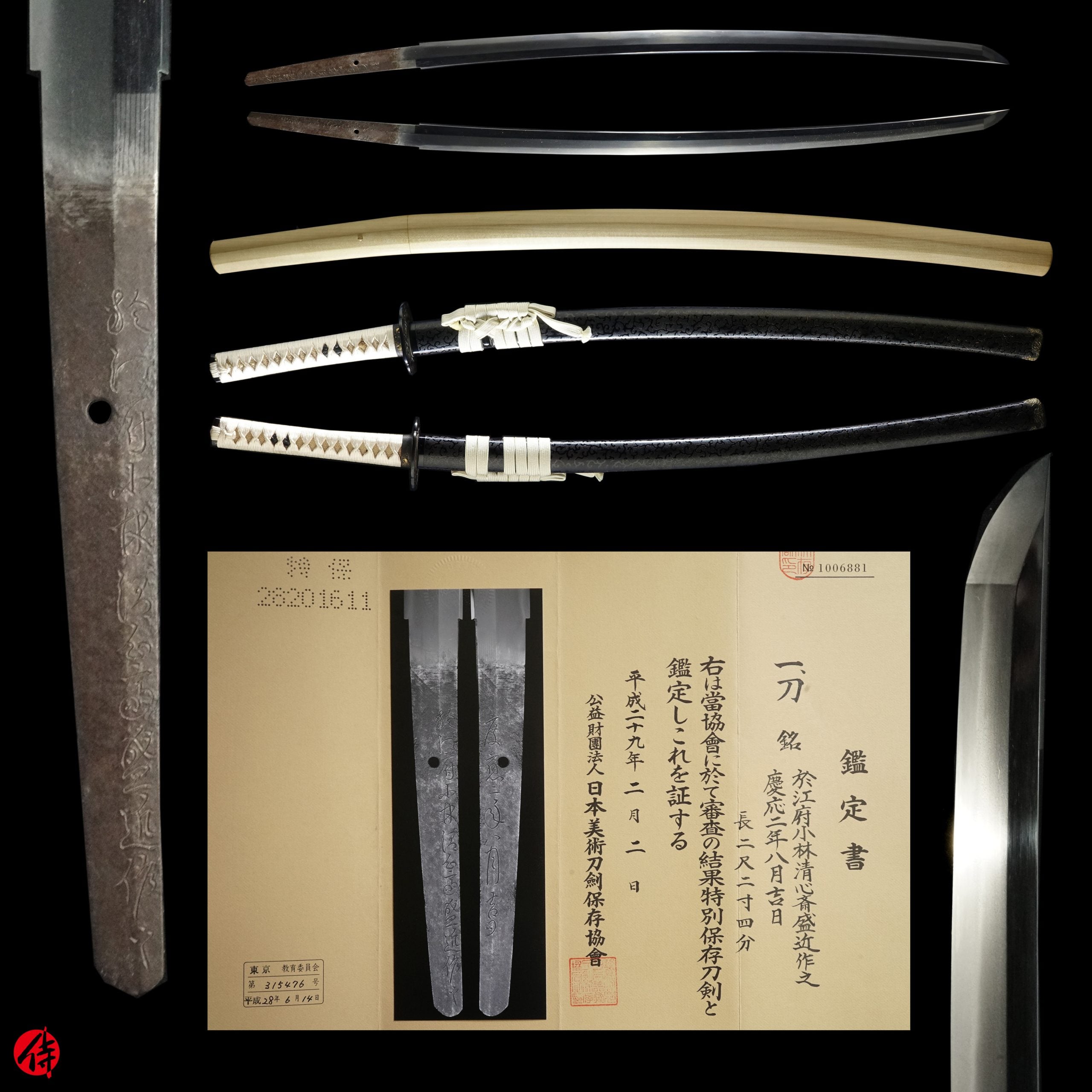
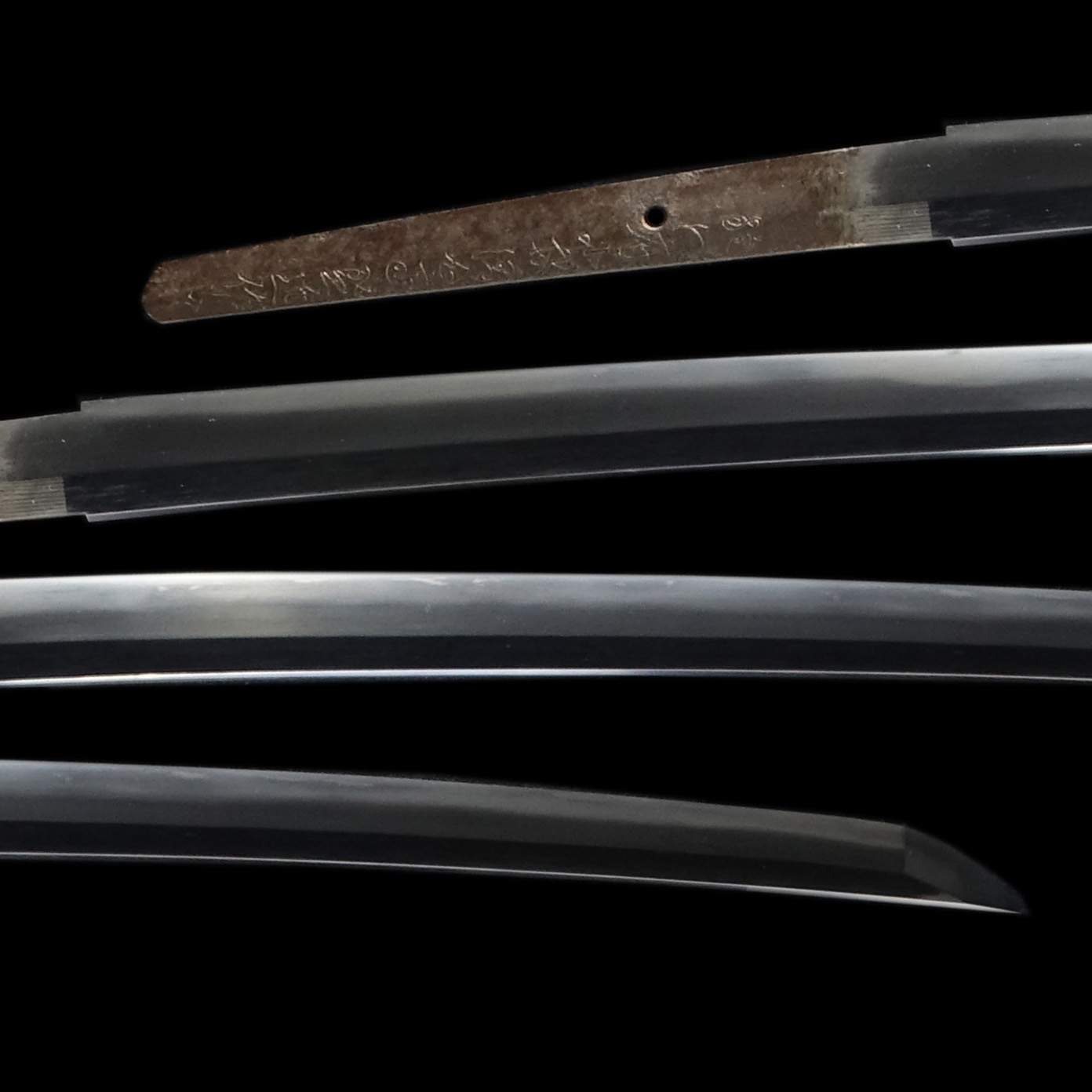
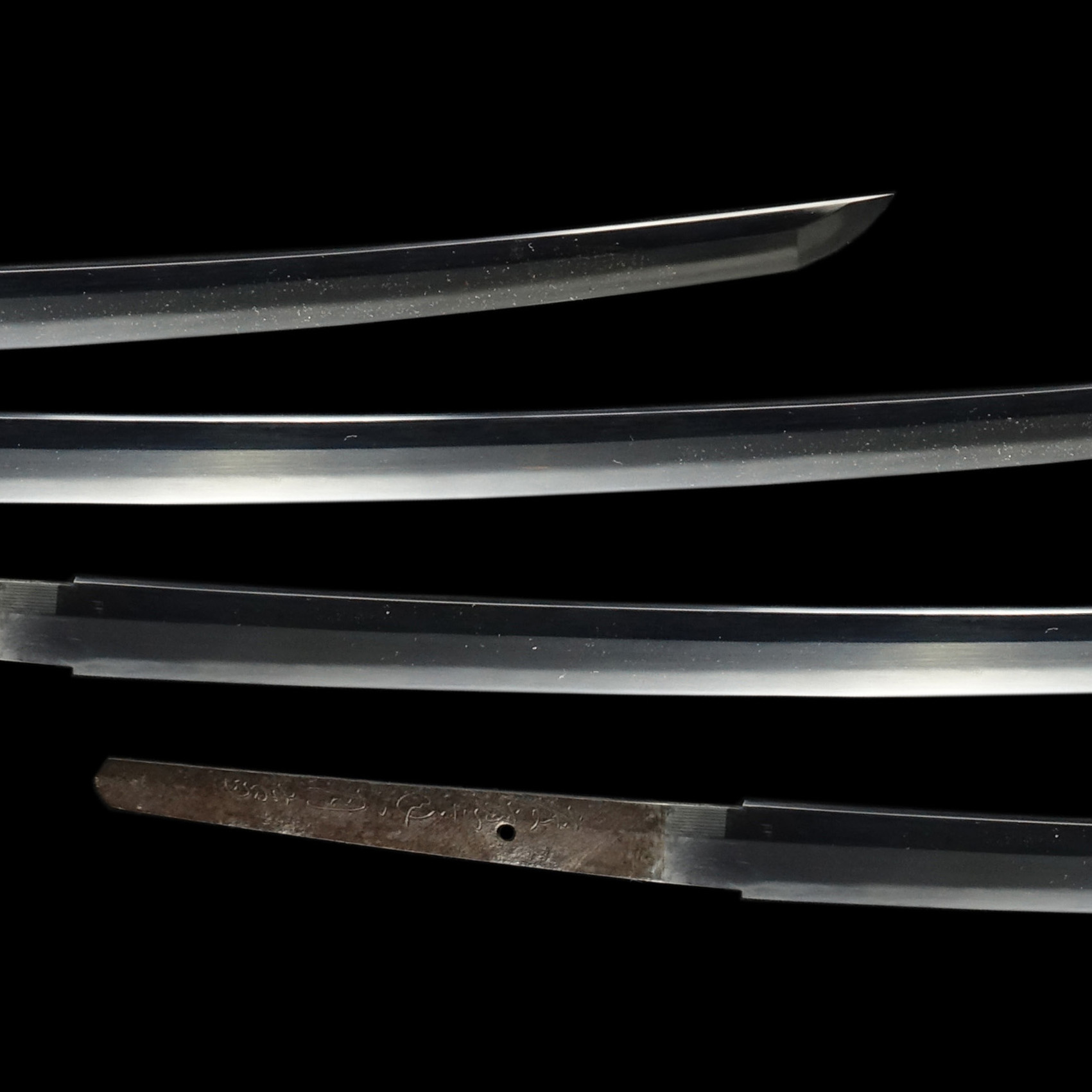
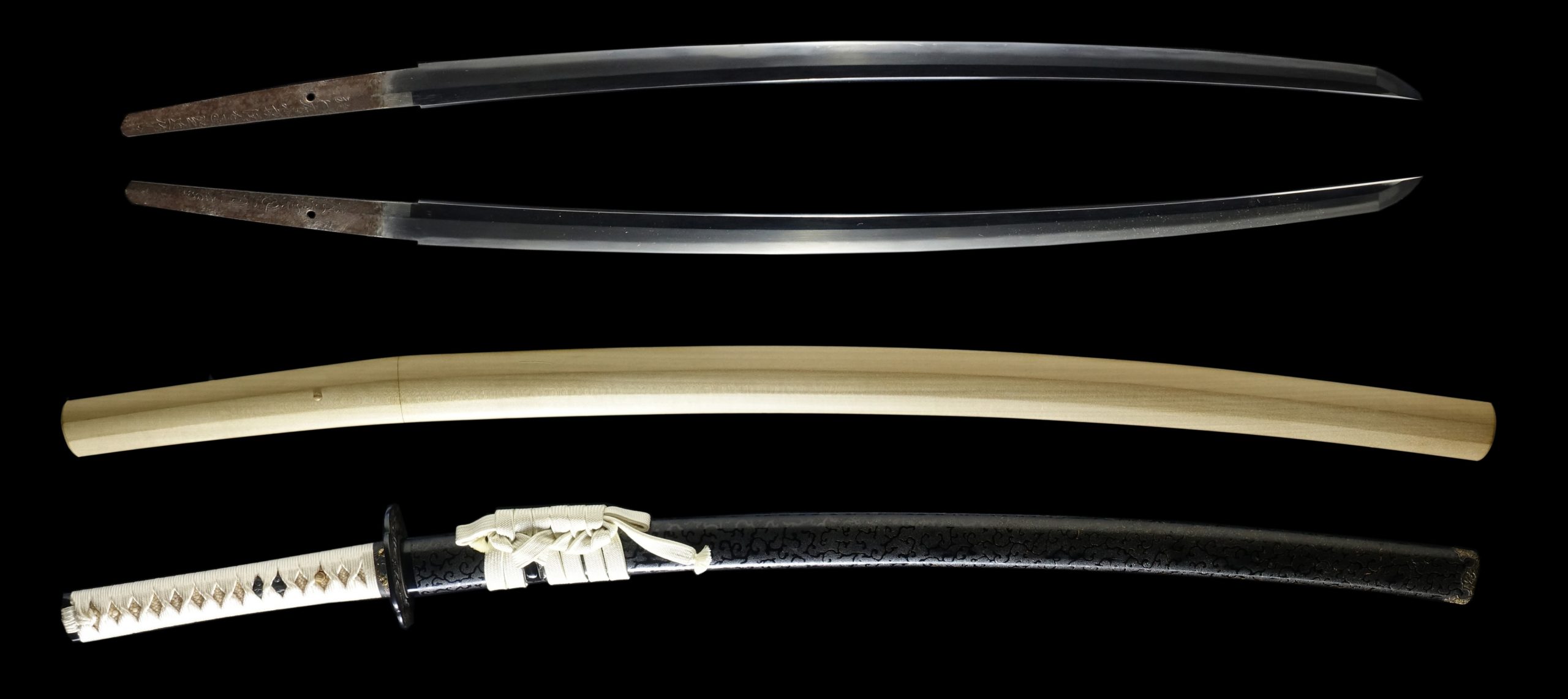
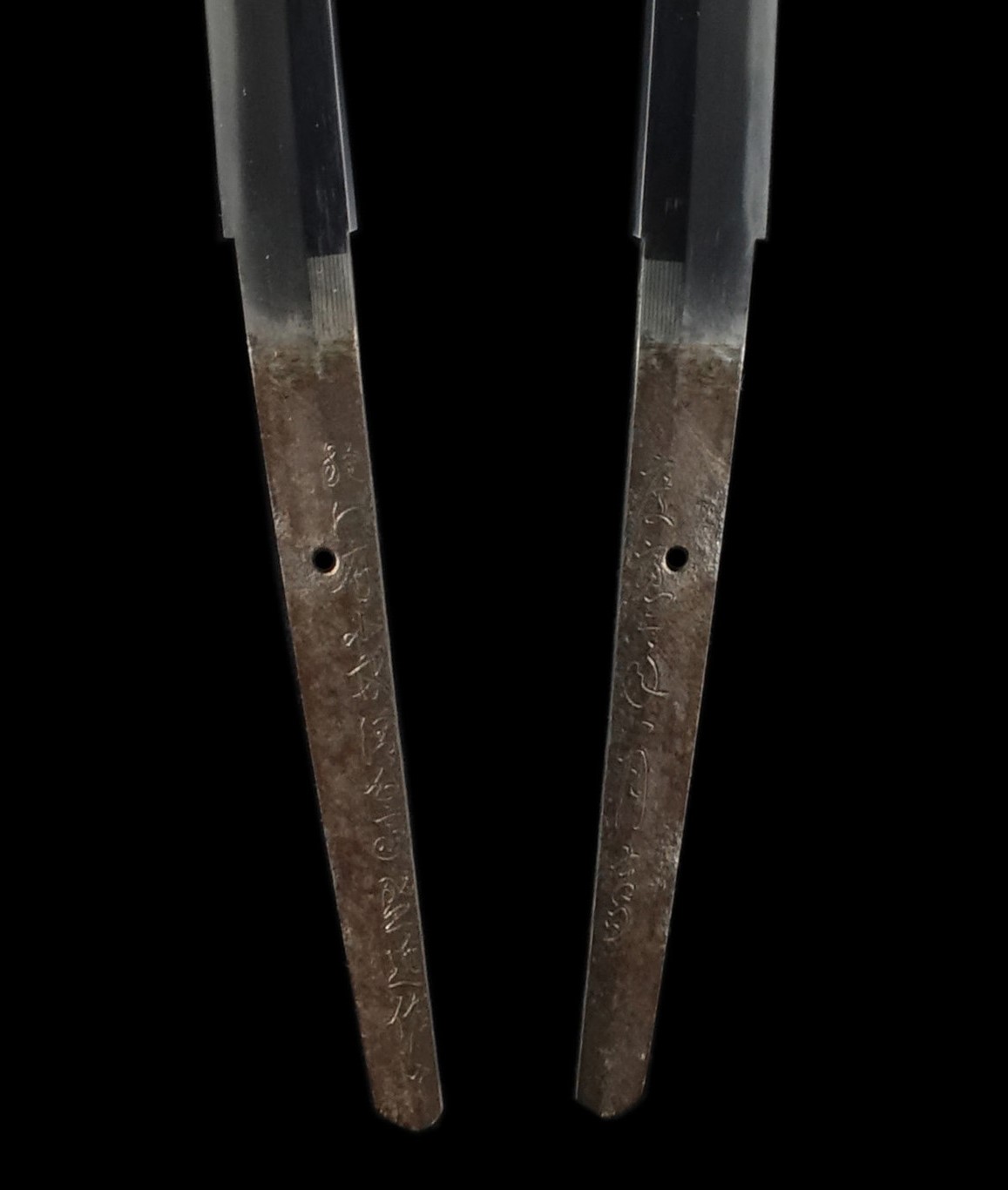
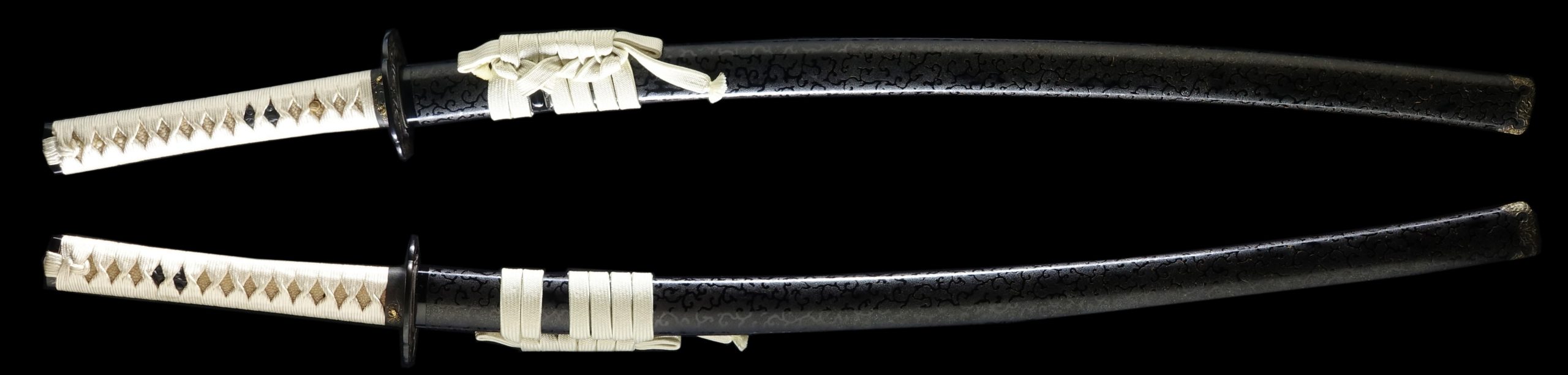
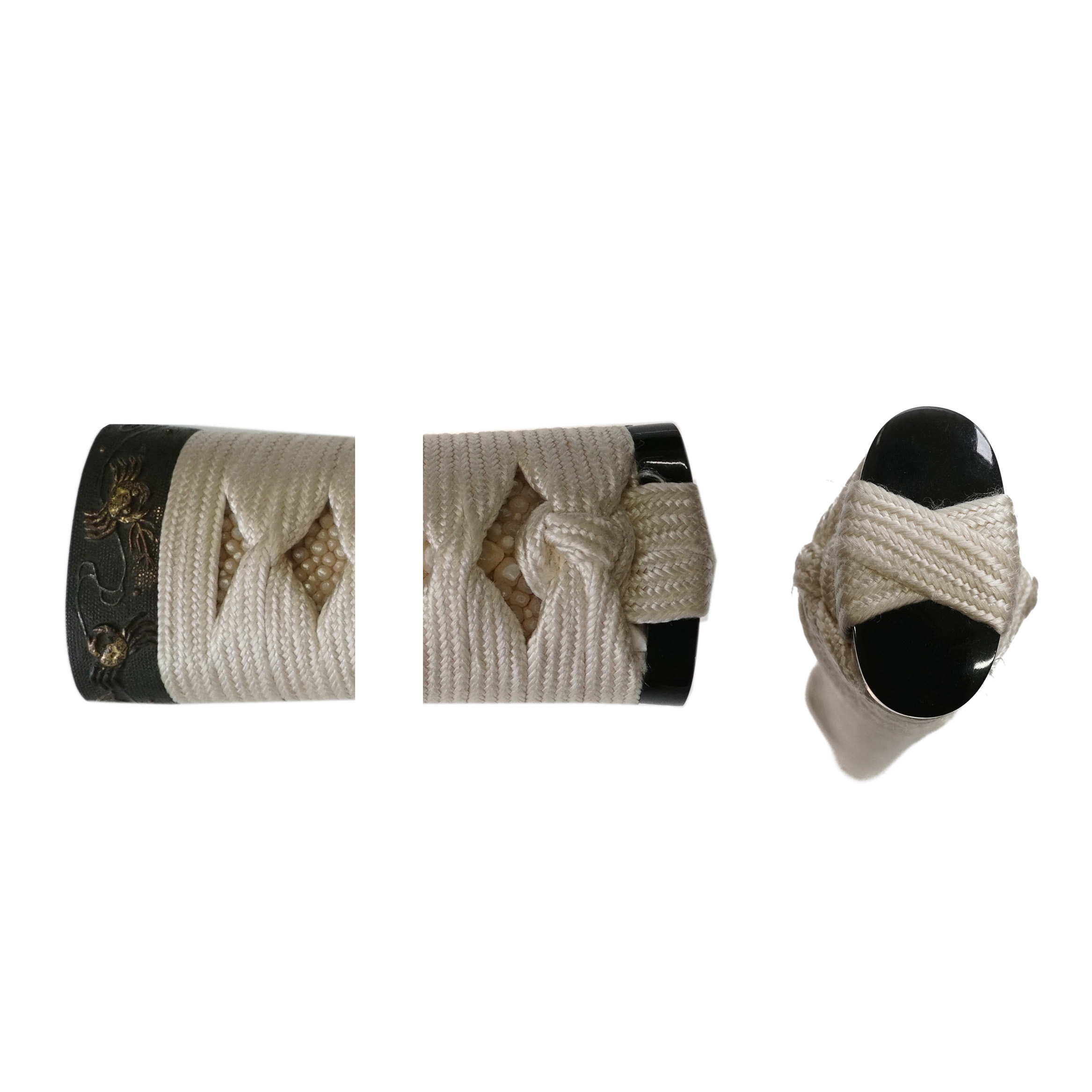
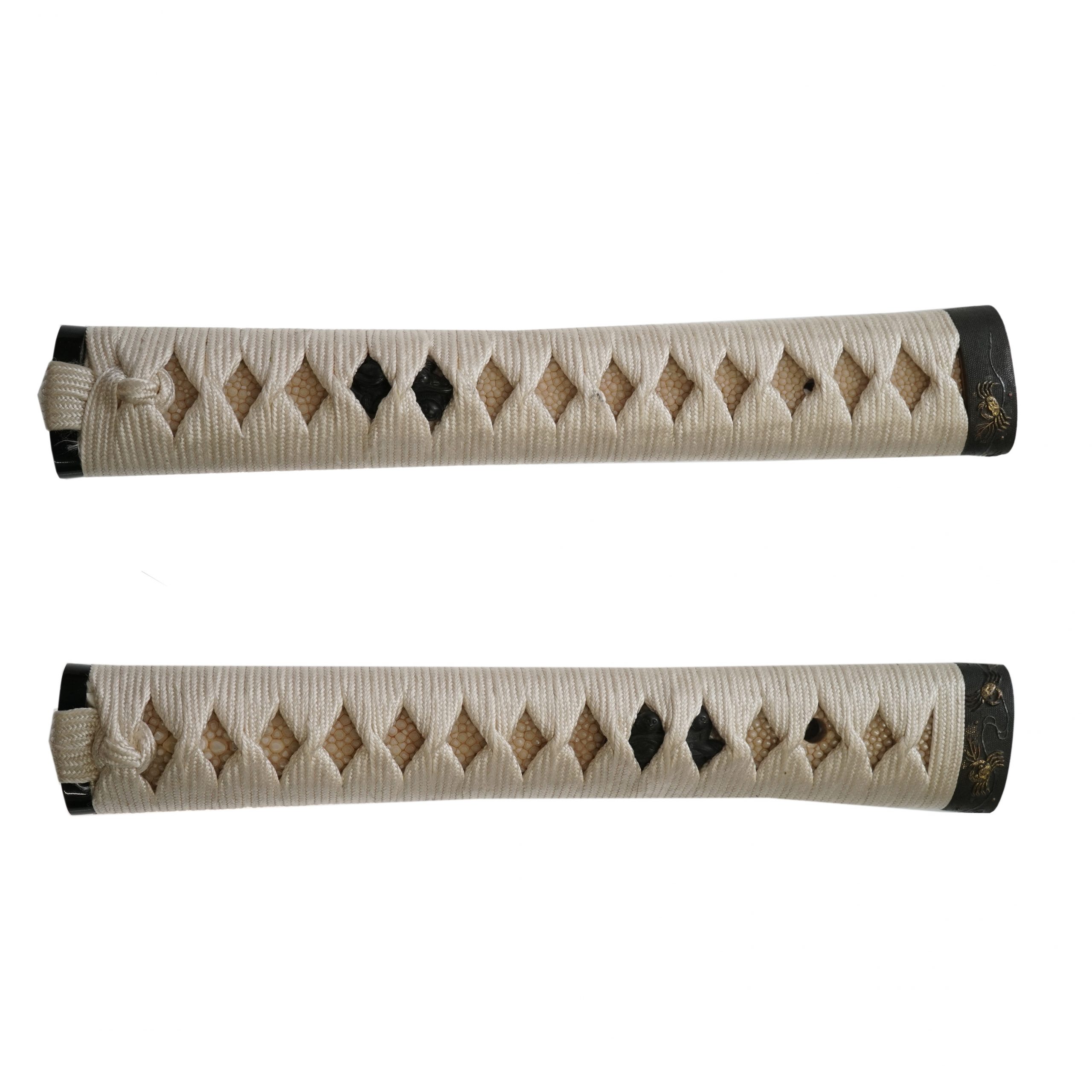
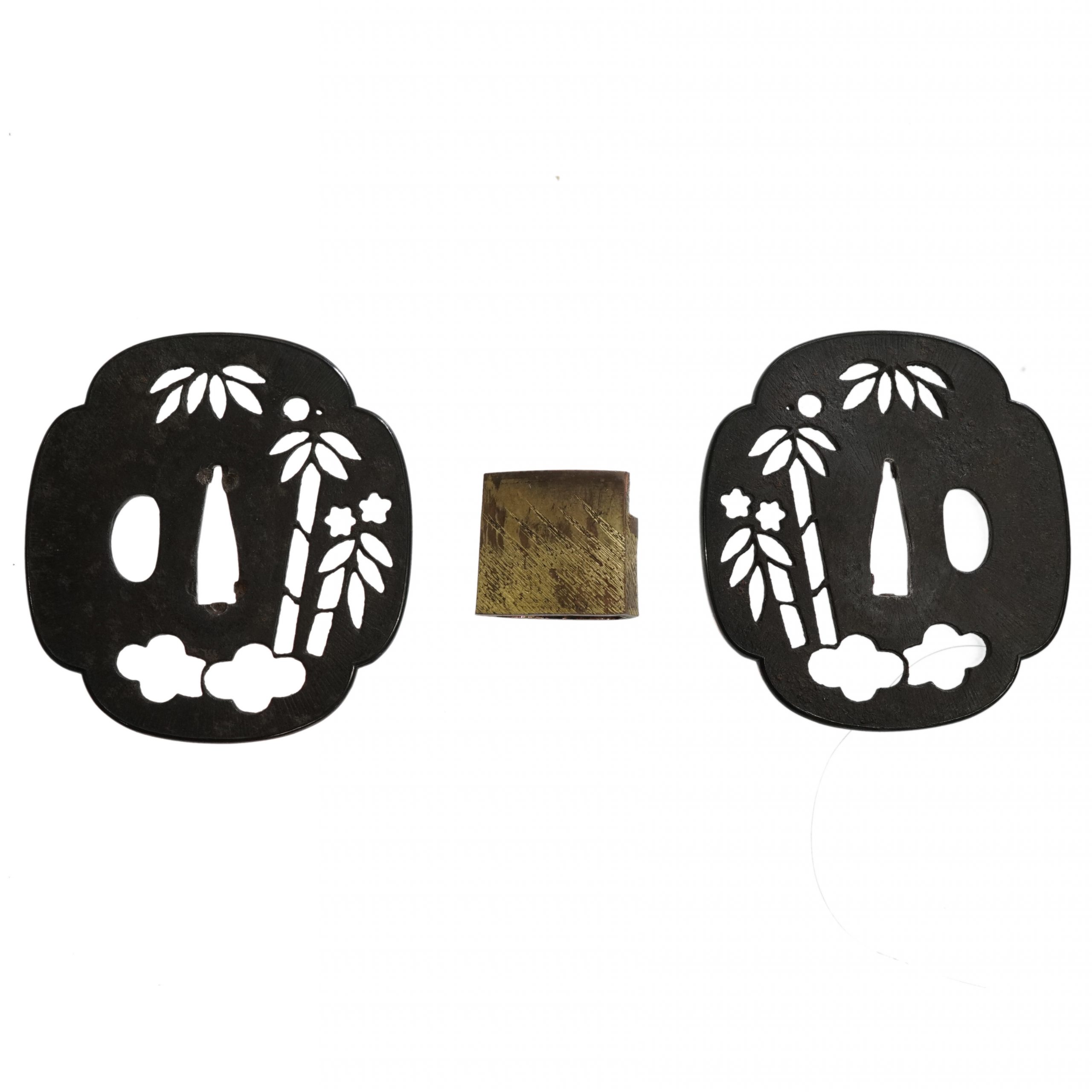
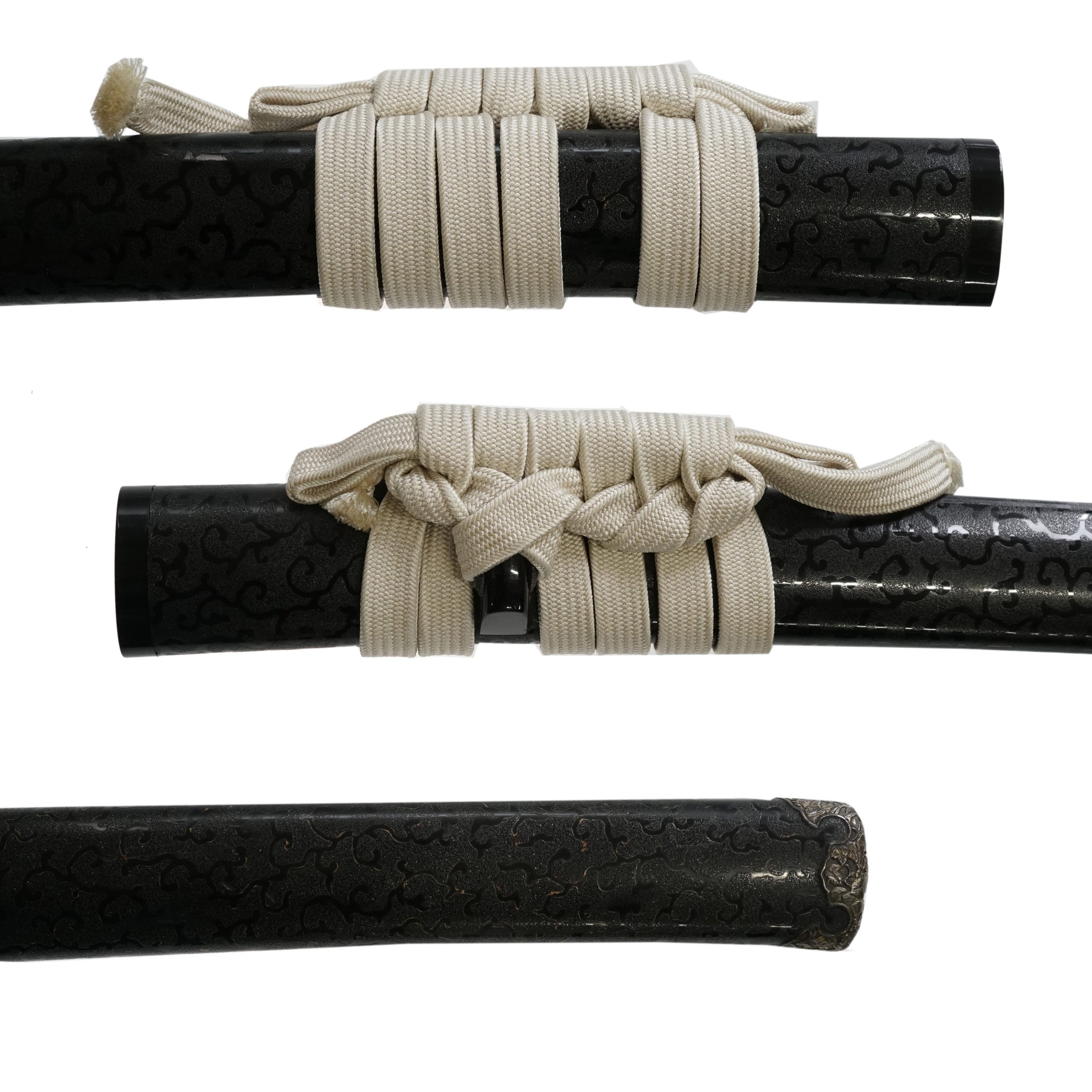
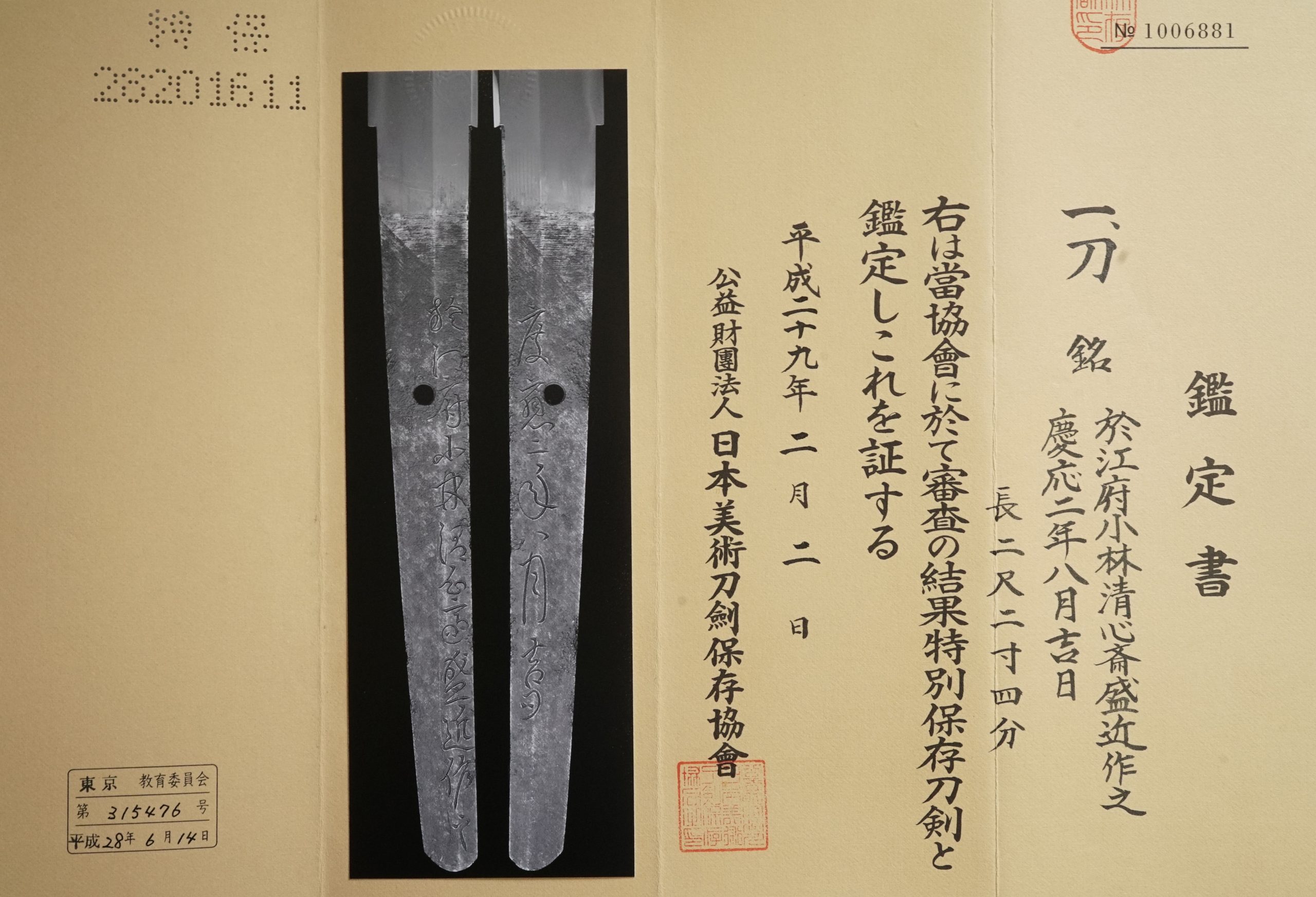
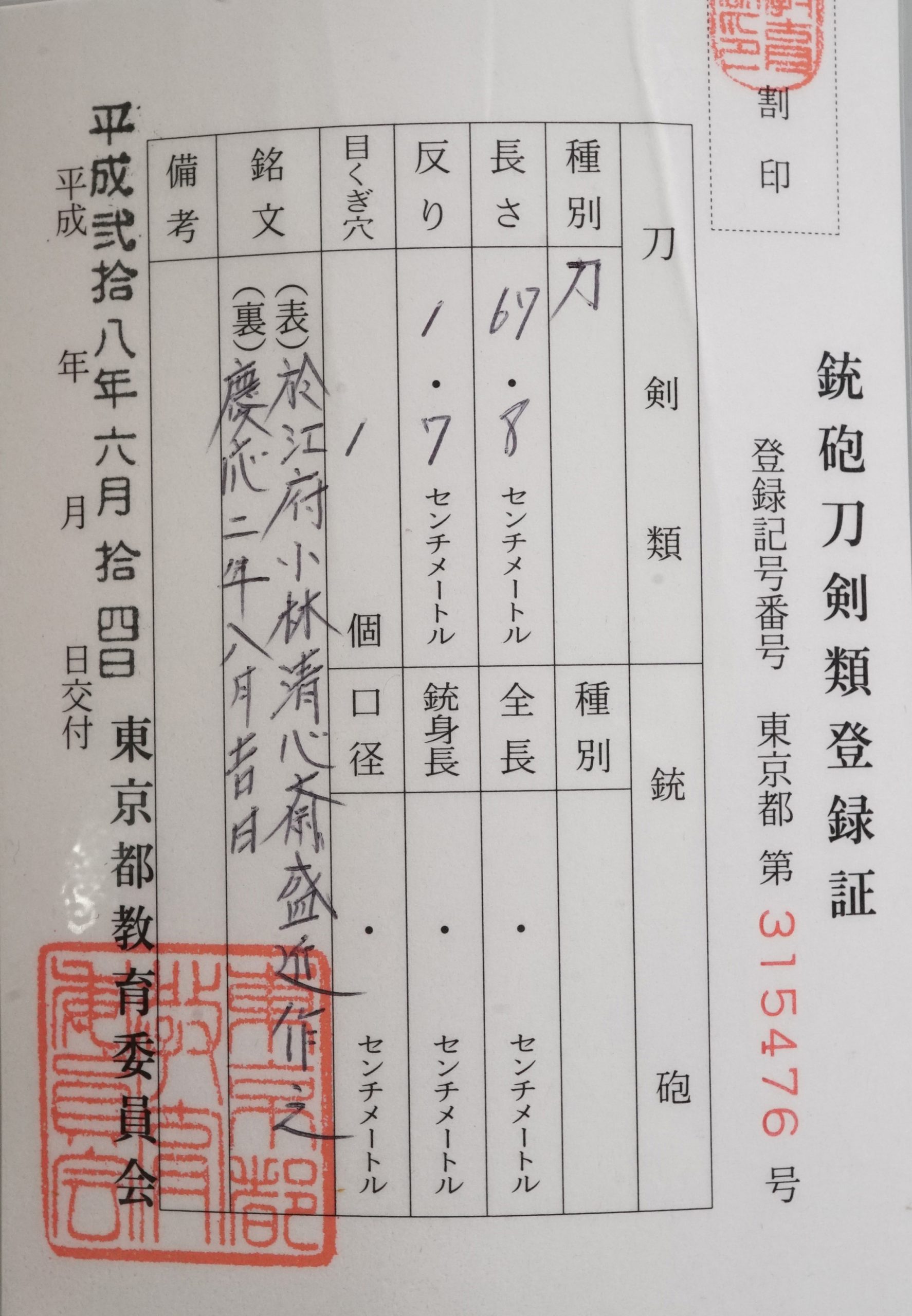
Antique Japanese Sword Katana Signed by Morichika with NBTHK Tokubetsu Hozon Certificate 【Description】 This blade was forged in 1866 by Kobayashi Morichika(小林盛近) based on the signature on the tang. According to the current record, his remaining work was created during 1855-1868(the end of the Edo period: Bakumatsu). He was originally born in Nagano prefecture, and it is said that he moved to EDO city during 1865-1868. The signature also says 於江府(Oite Efu), meaning living in Edo city. Japan enjoyed a relatively peaceful time from the early Edo period to the mid-Edo period(the 1600s-1760s) because of the stable economy and the powerful government run by Tokugawa Shogunate. Samurai didn’t have many opportunities to utilize his Katana sword in public or on battlefields during this time. Thus, they carried their swords more as a symbol of their social status. The demand for swords decreased accordingly compared to the previous Warring state period called Sengoku Jidai. (1467-1600) However, toward the end of the Edo period(1764-1876), the Japanese sword’s role changed dramatically. With the poverty spreading in Japan, there were so many riots initiated by the civilians. Japanese sword started to play an essential role in maintaining public safety. Pressure from foreign countries to open Japanese borders also forced Samurai to order strong-looking swords to survive this tumultuous time. We believe many swordsmiths made great efforts to forged high-quality, practical swords for their masters to prepare for battles. There was a civil war between Tokugawa’s military government and the new Meiji government at the end of the Edo period. That means the original owner of this Katana might have seen the moment when Samurai’s life changed forever. This blade has a strong looking and must have been practical to use it in that demanding time. It is appraised as Tokubetsu Hozon certificate issued by NBTHK. This authentication paper was only given to Japanese swords, especially worth preserving by Nihon Bijutsu Touken Hozon Kyokai(the Society for the Preservation of the Japan Art Sword). This sword comes with a beautiful white Tsuka maki and intricately designed scabbard. 【 Blade】 Cutting Edge Length(Nagasa) : 67.8 cm ( 26.7 inches) Curvature(Sori) : 1.7 cm( 0.67 inches) Hamon : The crystalline structure which forms along the cutting edge of a blade as a result of the hardening process Jimon(Jihada) : visible steel surface pattern created by folding and hammering during forging process Nakago : Nakago is the tang of the Japanese sword. Japanese swordsmiths left the black rust on the tang because it prevents red rust while the tang is in its handle. And the discoloration of the tang was created over time, and it is a great indicator for a Japanese sword specialist to estimate when the sword was forged. Koshirae: Koshirae is the mounting of the Japanese sword. There are several parts that consist of Koshirae such as Saya(Sabbard), Tsuka( Handle), Tsuba(Handguard). Fuchi-Kashira : A pair of matching sword fittings that cover the upper and bottom parts of its sword hilt. Crabs are designed. As crabs walk sideways, they were compared “Oukou Kunshi (横行君子),” which means going my way against authority. Samurai might have felt the strong would not bow before power from it. The surface of Kashira is decorated with Nanako-ji (魚子地) technique. The groundwork was hit by Nanakoji-Tagane (chisel for metalworking), so small dents cover the background. Each little dot looks like a fish egg; therefore, its name “Nanako” is written as children of fish in Kanji (a kind of Japanese character). In this work, this bumpy surface looks like a sandy beach. Tsuka and Menuki : Tsuka is the handle of the Japanese sword and Menuki is its decoration. A kind of animal which might be a monkey is engraved. In Japan, there is a famous monkey motif known as three wise monkeys; see no evil, hear no evil, and speak no evil. Being influenced by foreign ideas, Japanese people once belie
 NihontoWatch
在銘 · 文久 · 長さ 67.8cm · 反り 1.7cm
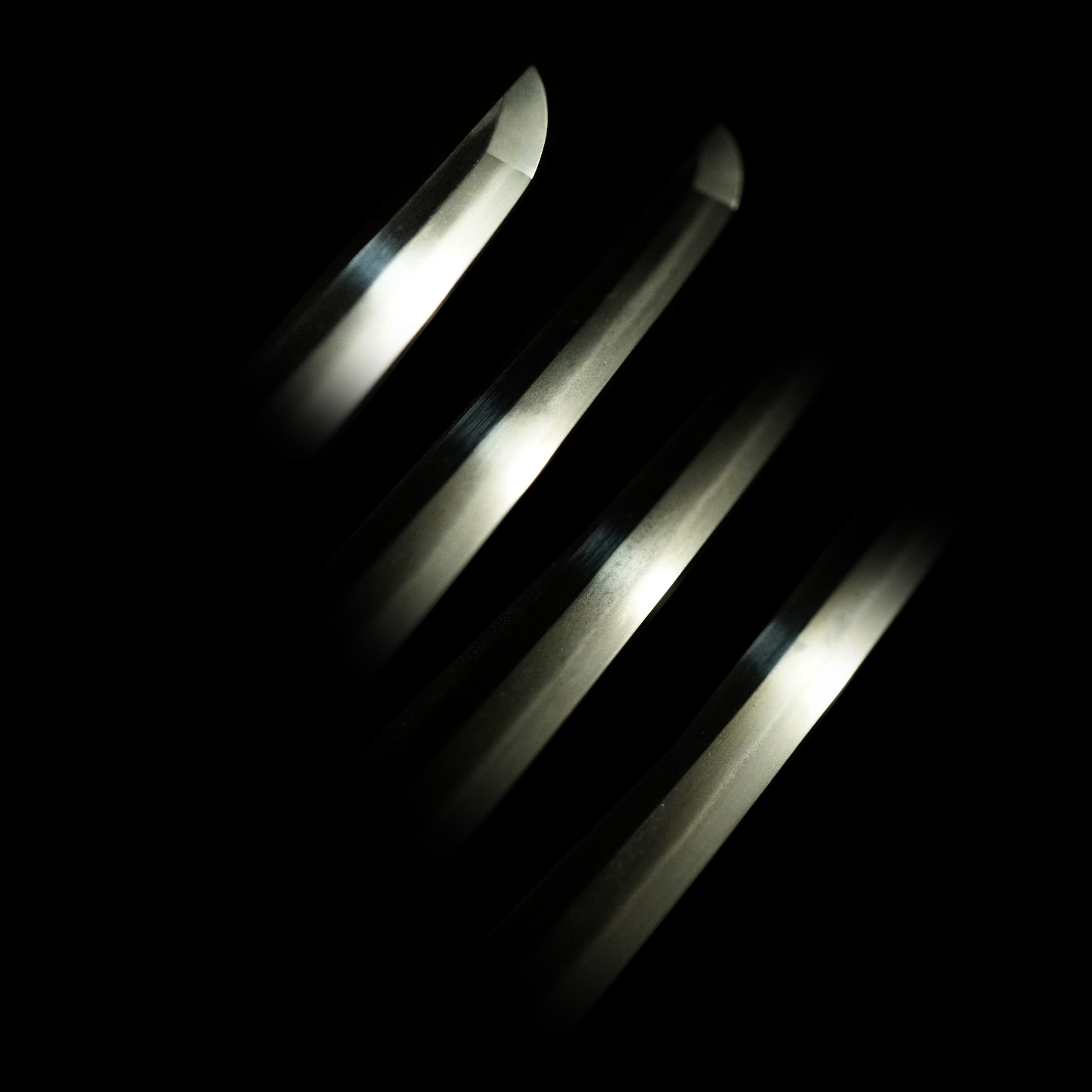
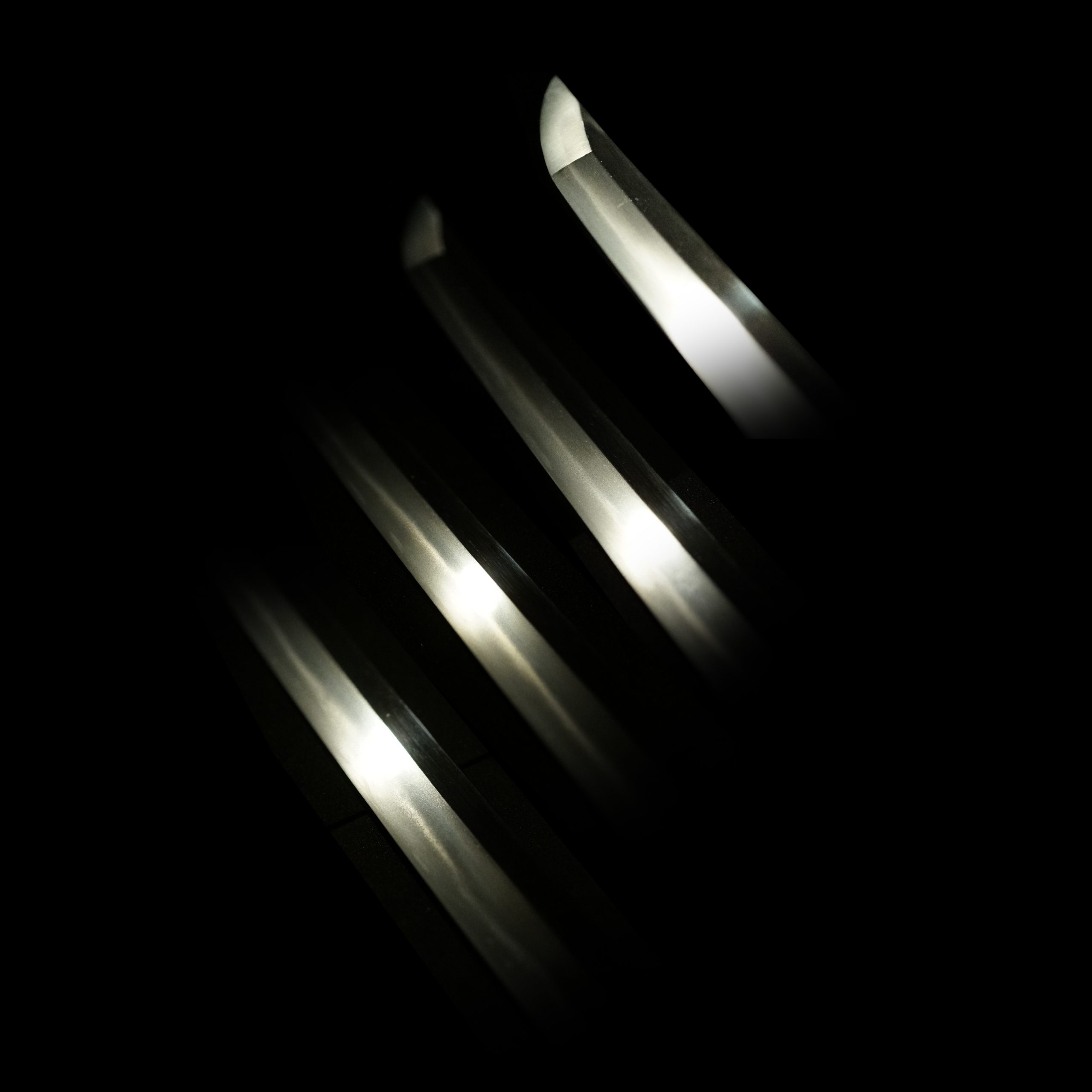
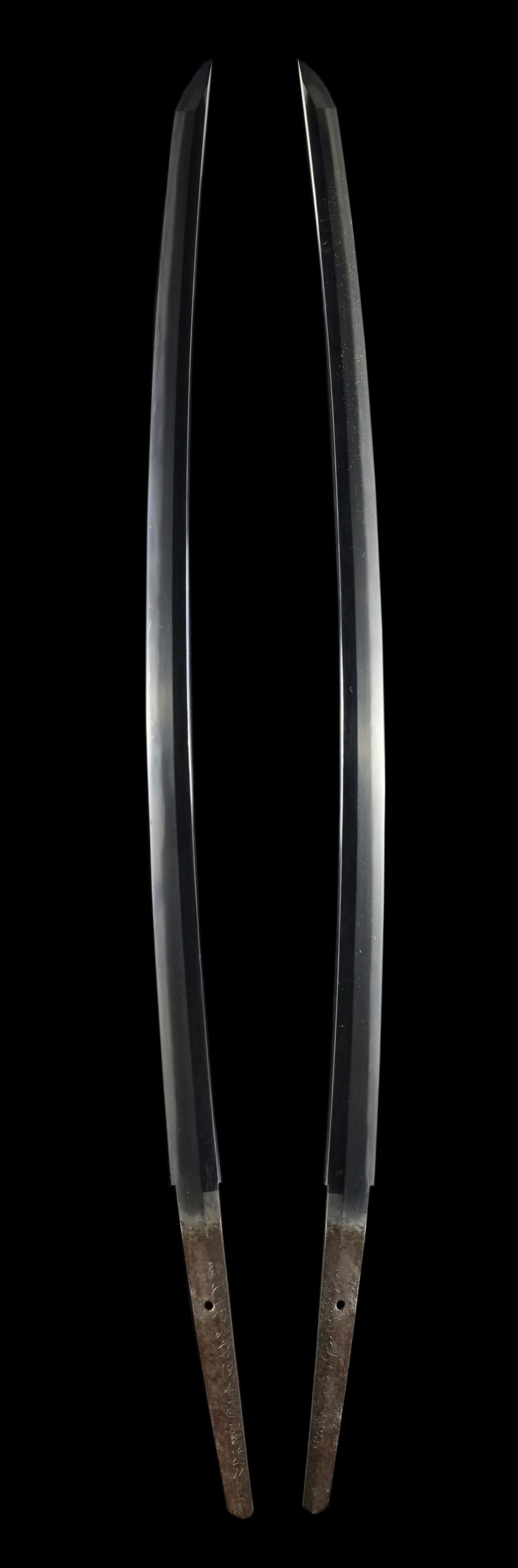
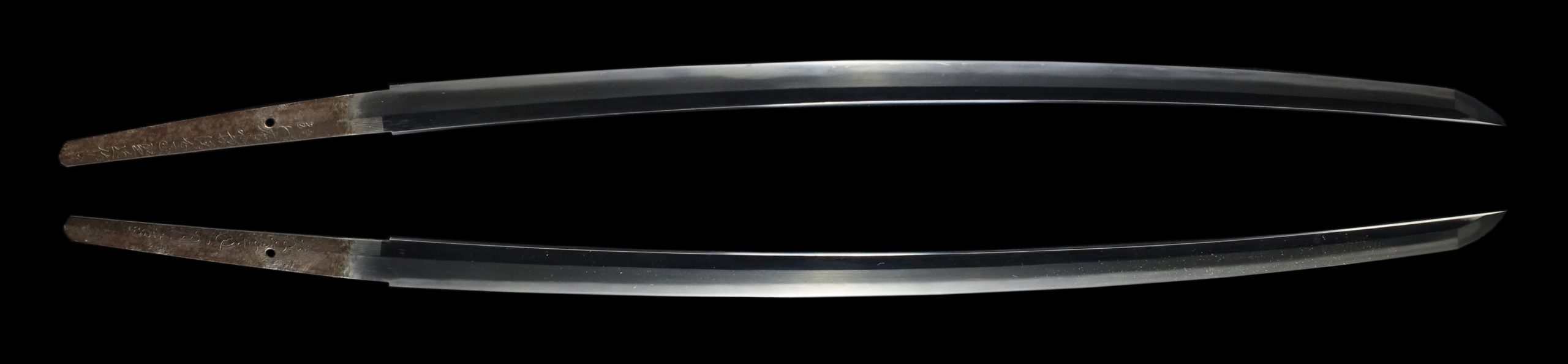
武蔵 · 1861-1864頃
現在1点販売中
二世紀半の泰平のあいだ、刀は武器である以上に武士の身分の標章であった。江戸の実証と大坂の華やぎのように都市ごとの作風が育ち、時代の末には需要も細っていく。
保存刀剣のうち、出来が一層優れ、保存状態も良好と認められたものです。再刃や、室町・江戸期の多くの無銘作は対象外となり、保存刀剣より高い基準が課されます。
日本美術刀剣保存協会(NBTHK)は、1948年に設立され、文化庁の監督を受ける公益財団法人で、東京・刀剣博物館に本部を置きます。専門の審査員が出品作を直接審査し、美術的・歴史的価値に応じた鑑定書を発行します。NBTHKの鑑定書は、日本刀および刀装具の真正性を示す最も広く認知された基準です。
NBTHK公式サイトReturns/exchanges limited to defects caused by shipping (except willful misconduct or gross negligence by the company); customers must contact within 72 hours of receiving the product.
Antique Japanese Sword Katana Signed by Morichika with NBTHK Tokubetsu Hozon Certificate 【Description】 This blade was forged in 1866 by Kobayashi Morichika(小林盛近) based on the signature on the tang. According to the current record, his remaining work was created during 1855-1868(the end of the Edo period: Bakumatsu). He was originally born in Nagano prefecture, and it is said that he moved to EDO city during 1865-1868. The signature also says 於江府(Oite Efu), meaning living in Edo city. Japan enjoyed a relatively peaceful time from the early Edo period to the mid-Edo period(the 1600s-1760s) because of the stable economy and the powerful government run by Tokugawa Shogunate. Samurai didn’t have many opportunities to utilize his Katana sword in public or on battlefields during this time. Thus, they carried their swords more as a symbol of their social status. The demand for swords decreased accordingly compared to the previous Warring state period called Sengoku Jidai. (1467-1600) However, toward the end of the Edo period(1764-1876), the Japanese sword’s role changed dramatically. With the poverty spreading in Japan, there were so many riots initiated by the civilians. Japanese sword started to play an essential role in maintaining public safety. Pressure from foreign countries to open Japanese borders also forced Samurai to order strong-looking swords to survive this tumultuous time. We believe many swordsmiths made great efforts to forged high-quality, practical swords for their masters to prepare for battles. There was a civil war between Tokugawa’s military government and the new Meiji government at the end of the Edo period. That means the original owner of this Katana might have seen the moment when Samurai’s life changed forever. This blade has a strong looking and must have been practical to use it in that demanding time. It is appraised as Tokubetsu Hozon certificate issued by NBTHK. This authentication paper was only given to Japanese swords, especially worth preserving by Nihon Bijutsu Touken Hozon Kyokai(the Society for the Preservation of the Japan Art Sword). This sword comes with a beautiful white Tsuka maki and intricately designed scabbard. 【 Blade】 Cutting Edge Length(Nagasa) : 67.8 cm ( 26.7 inches) Curvature(Sori) : 1.7 cm( 0.67 inches) Hamon : The crystalline structure which forms along the cutting edge of a blade as a result of the hardening process Jimon(Jihada) : visible steel surface pattern created by folding and hammering during forging process Nakago : Nakago is the tang of the Japanese sword. Japanese swordsmiths left the black rust on the tang because it prevents red rust while the tang is in its handle. And the discoloration of the tang was created over time, and it is a great indicator for a Japanese sword specialist to estimate when the sword was forged. Koshirae: Koshirae is the mounting of the Japanese sword. There are several parts that consist of Koshirae such as Saya(Sabbard), Tsuka( Handle), Tsuba(Handguard). Fuchi-Kashira : A pair of matching sword fittings that cover the upper and bottom parts of its sword hilt. Crabs are designed. As crabs walk sideways, they were compared “Oukou Kunshi (横行君子),” which means going my way against authority. Samurai might have felt the strong would not bow before power from it. The surface of Kashira is decorated with Nanako-ji (魚子地) technique. The groundwork was hit by Nanakoji-Tagane (chisel for metalworking), so small dents cover the background. Each little dot looks like a fish egg; therefore, its name “Nanako” is written as children of fish in Kanji (a kind of Japanese character). In this work, this bumpy surface looks like a sandy beach. Tsuka and Menuki : Tsuka is the handle of the Japanese sword and Menuki is its decoration. A kind of animal which might be a monkey is engraved. In Japan, there is a famous monkey motif known as three wise monkeys; see no evil, hear no evil, and speak no evil. Being influenced by foreign ideas, Japanese people once belie
NihontoWatch在銘 · 文久 · 長さ 67.8cm · 反り 1.7cm
武蔵 · 1861-1864頃
現在1点販売中
二世紀半の泰平のあいだ、刀は武器である以上に武士の身分の標章であった。江戸の実証と大坂の華やぎのように都市ごとの作風が育ち、時代の末には需要も細っていく。
保存刀剣のうち、出来が一層優れ、保存状態も良好と認められたものです。再刃や、室町・江戸期の多くの無銘作は対象外となり、保存刀剣より高い基準が課されます。
日本美術刀剣保存協会(NBTHK)は、1948年に設立され、文化庁の監督を受ける公益財団法人で、東京・刀剣博物館に本部を置きます。専門の審査員が出品作を直接審査し、美術的・歴史的価値に応じた鑑定書を発行します。NBTHKの鑑定書は、日本刀および刀装具の真正性を示す最も広く認知された基準です。
NBTHK公式サイトReturns/exchanges limited to defects caused by shipping (except willful misconduct or gross negligence by the company); customers must contact within 72 hours of receiving the product.