NihontoWatch Mon

NihontoWatch

マーケットオークション
事典
NihontoWatch Mon

NihontoWatch

マーケットオークション
事典

説明

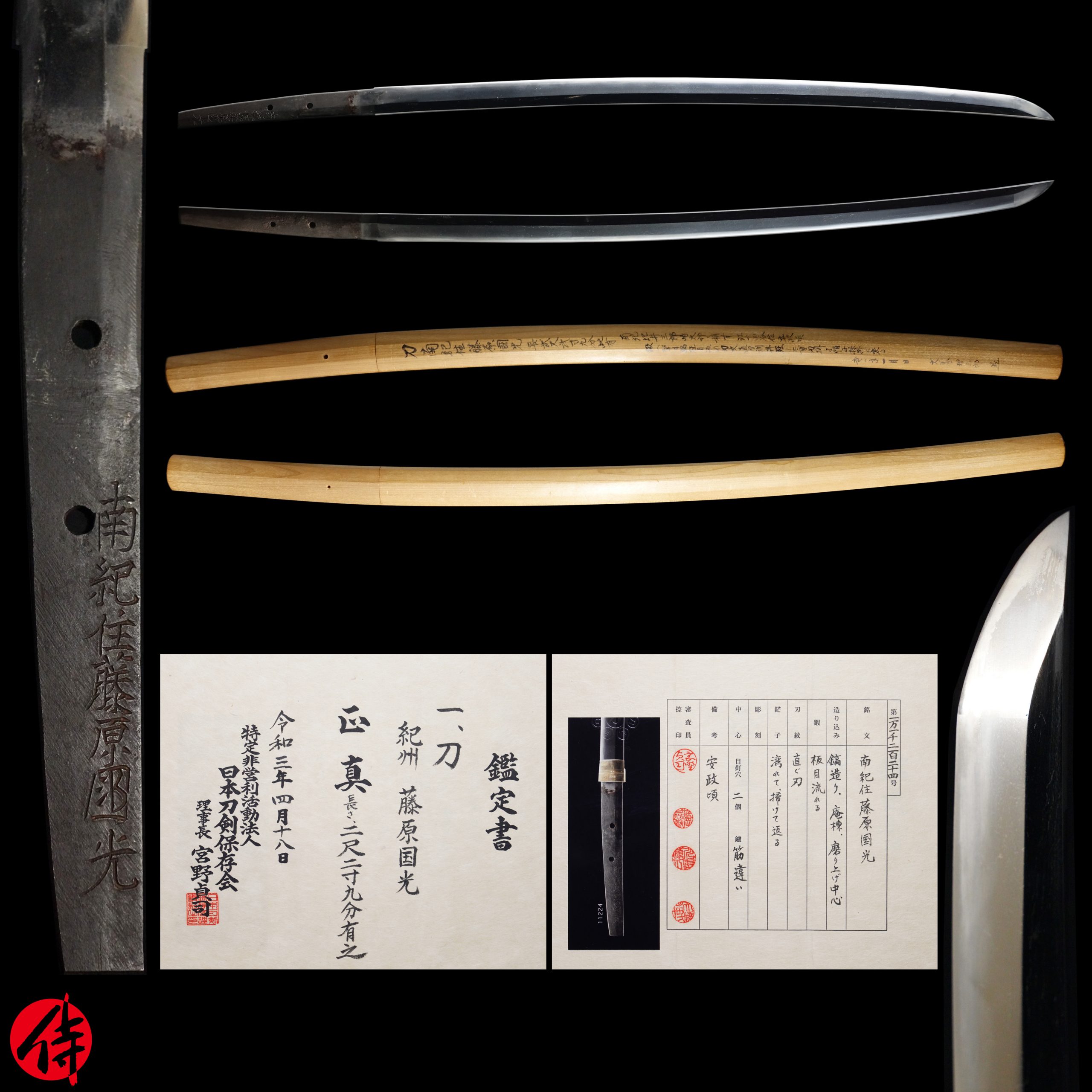
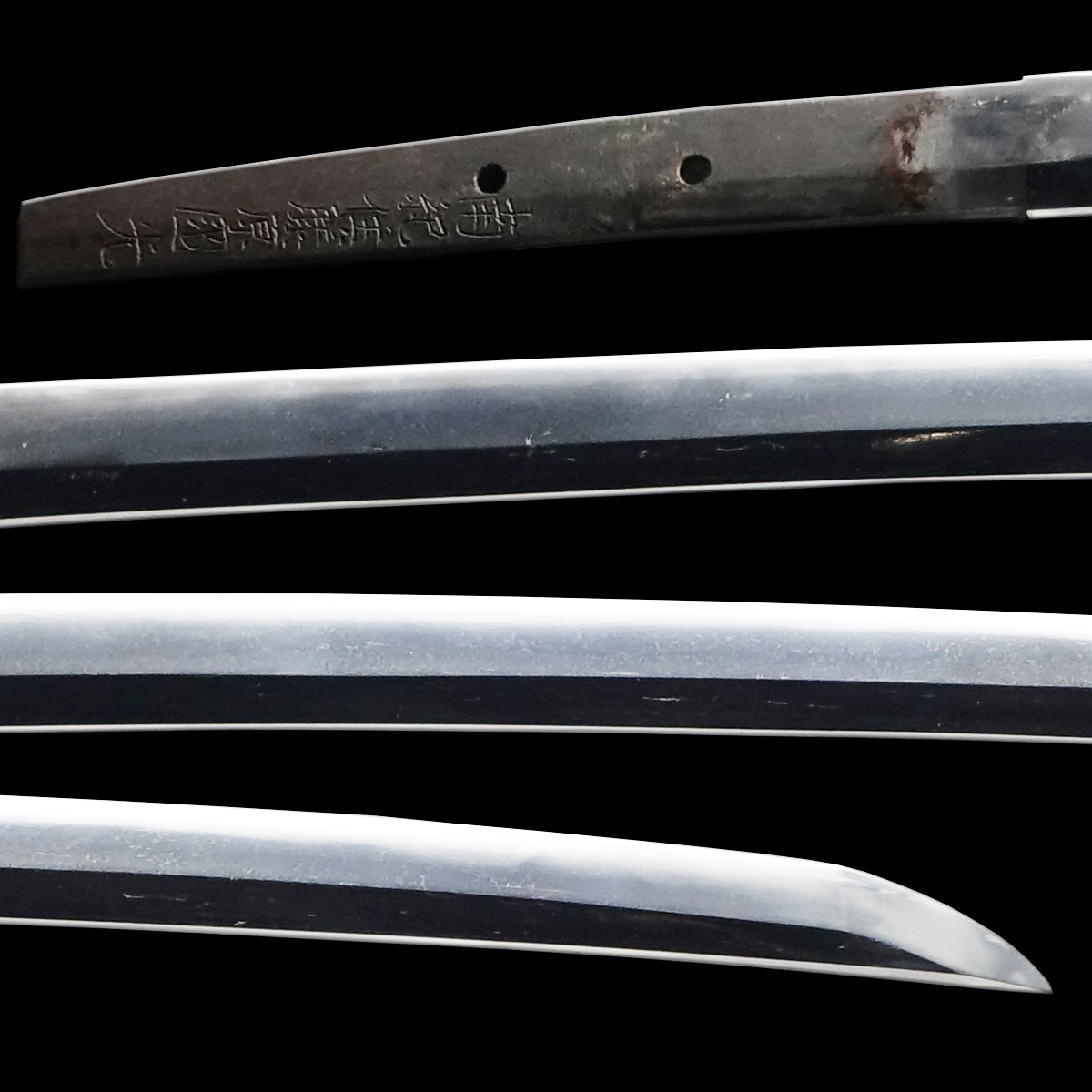
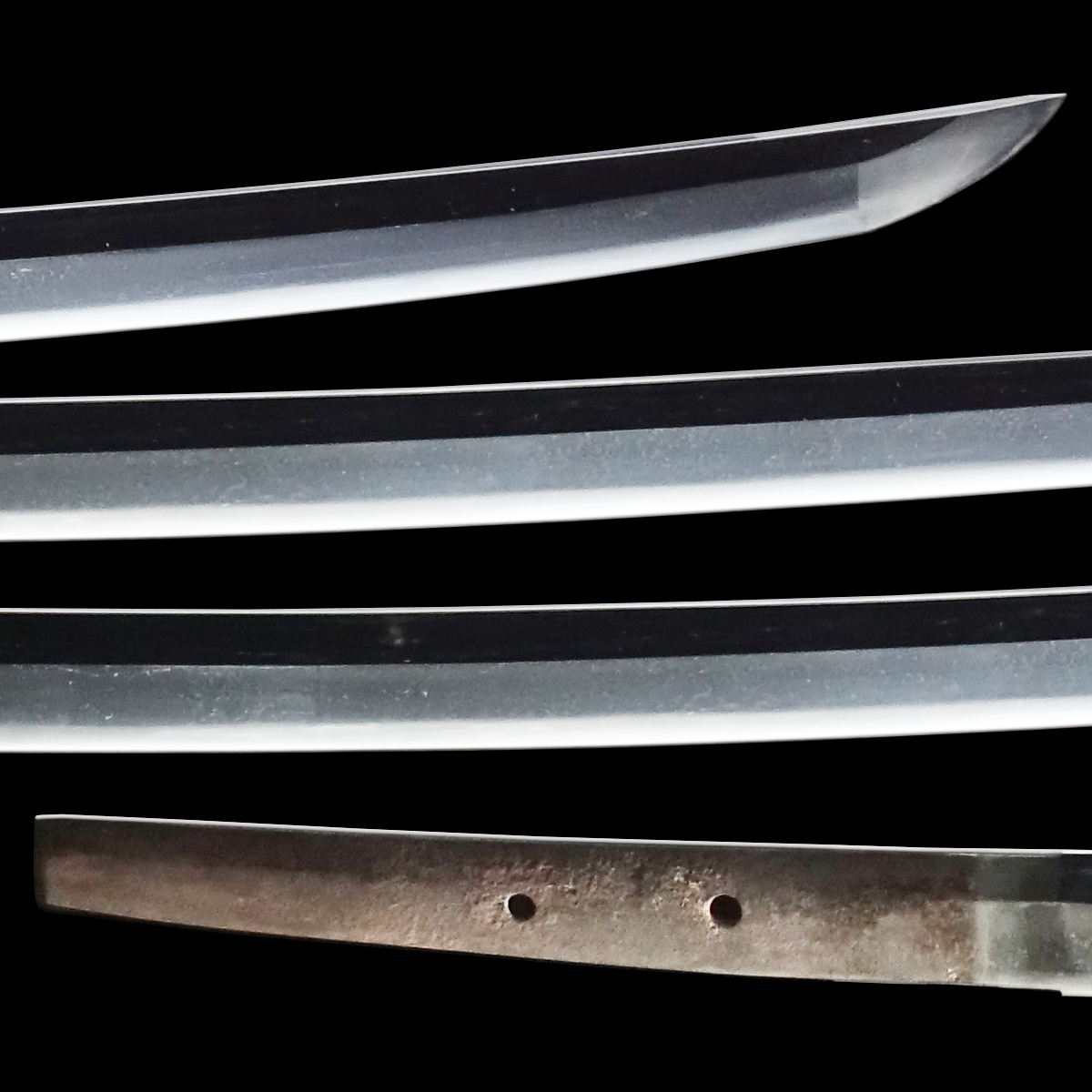
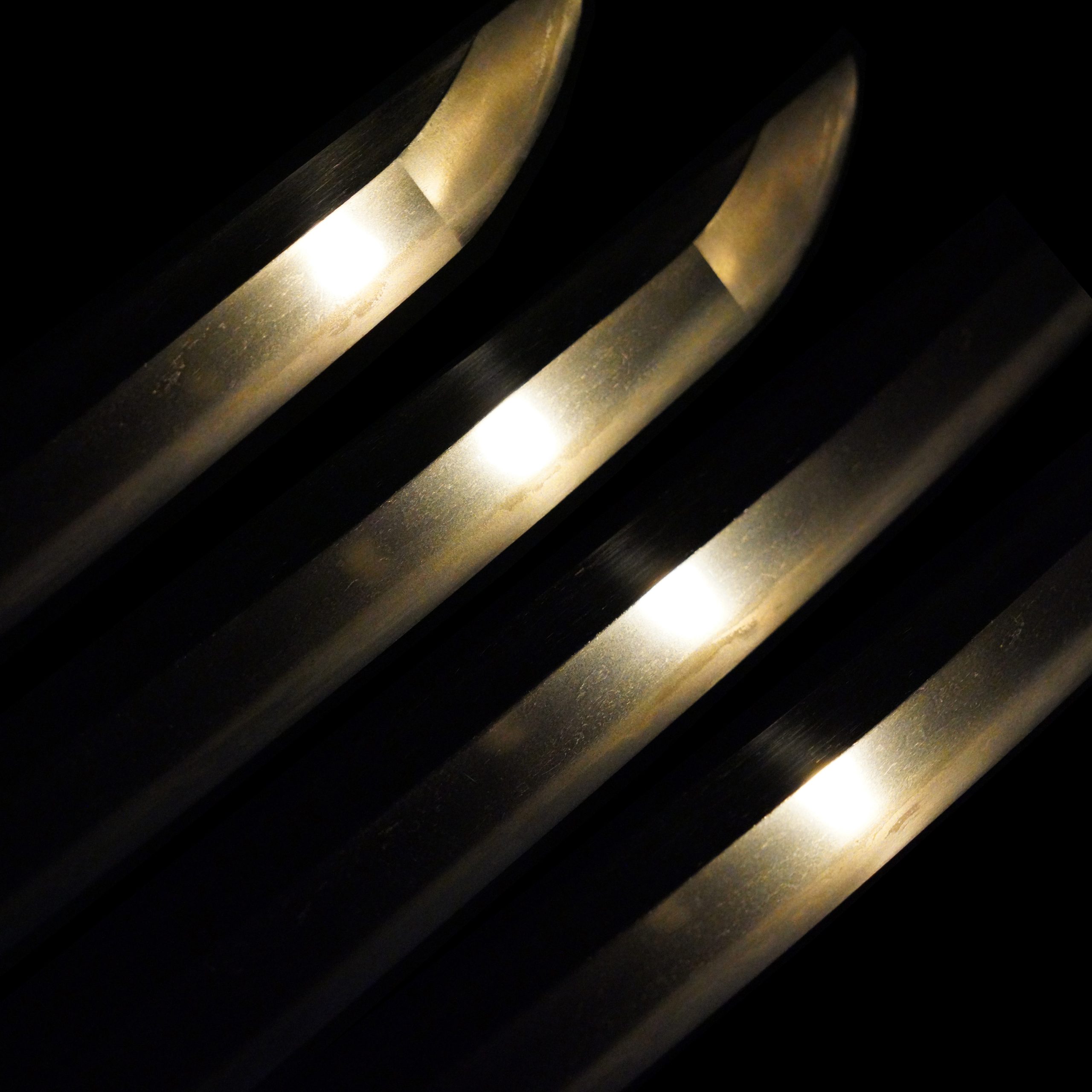
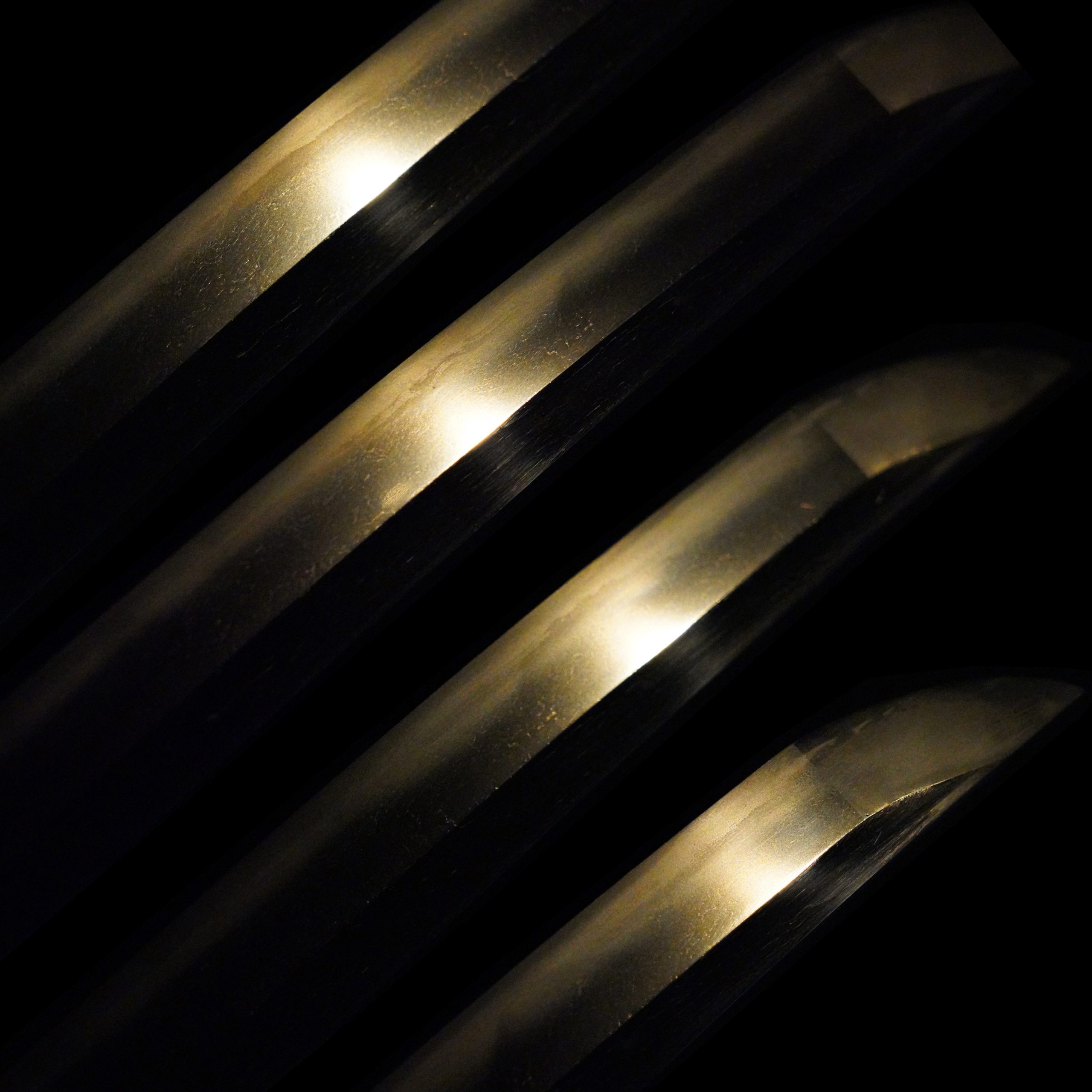
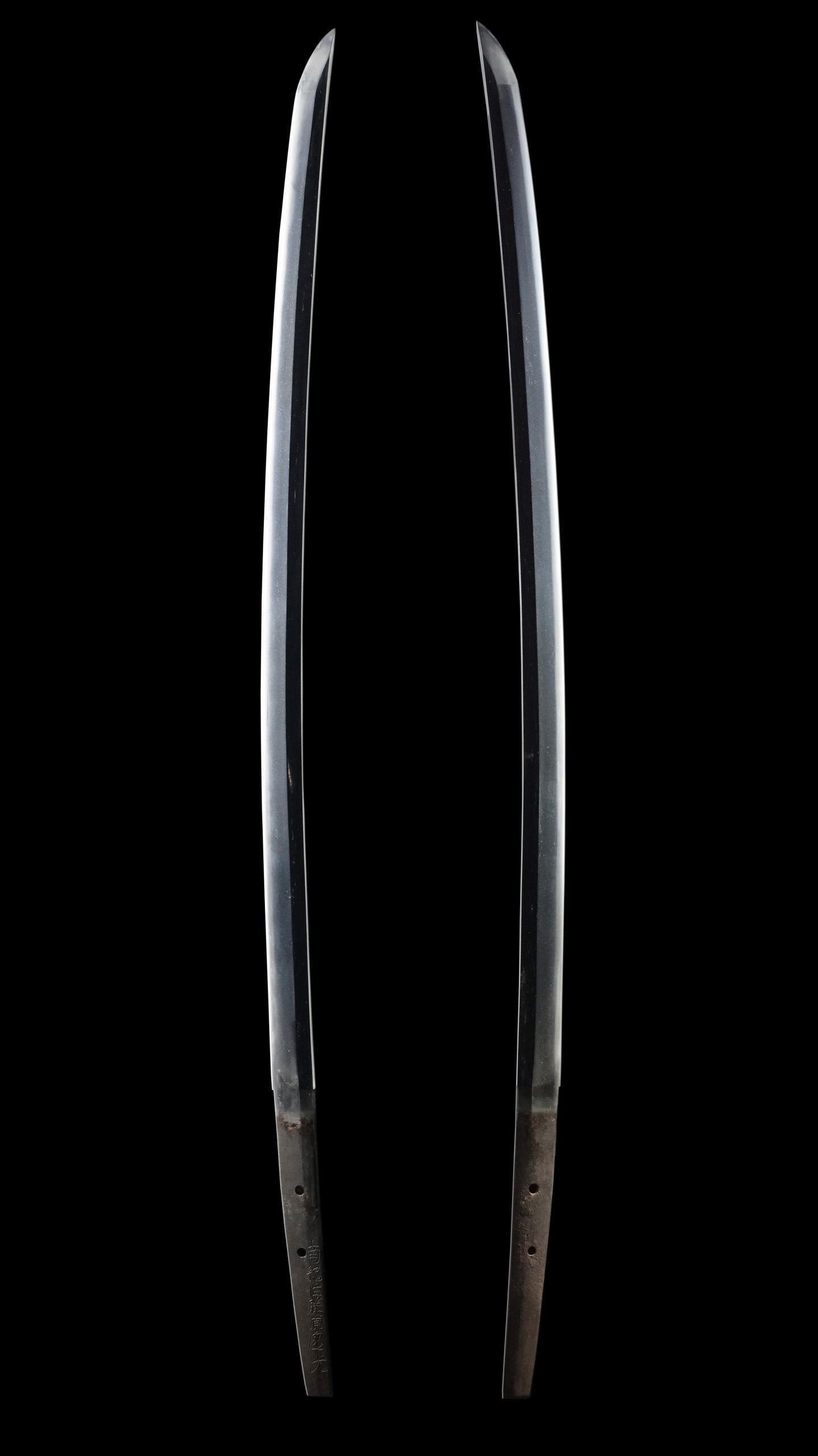
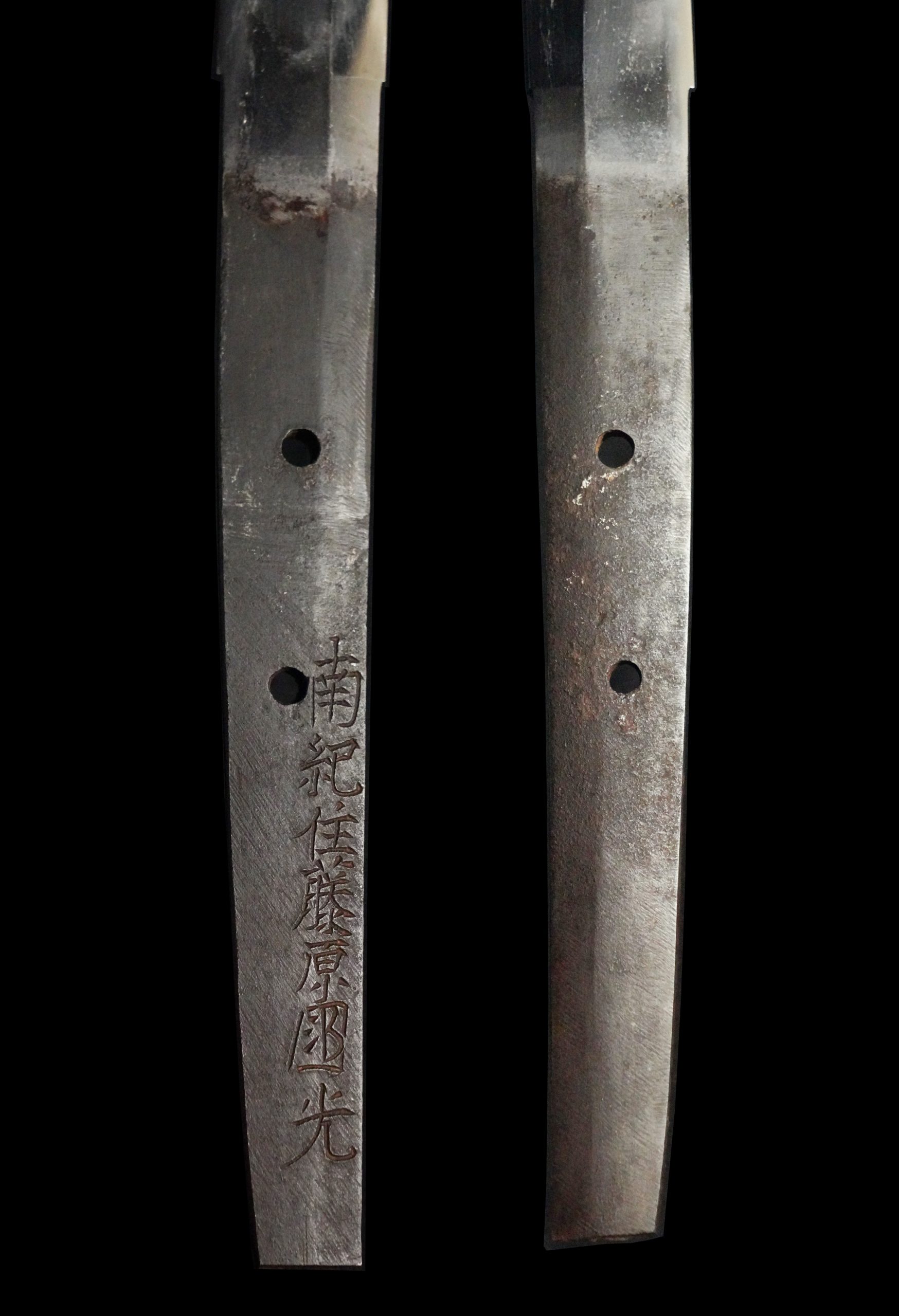
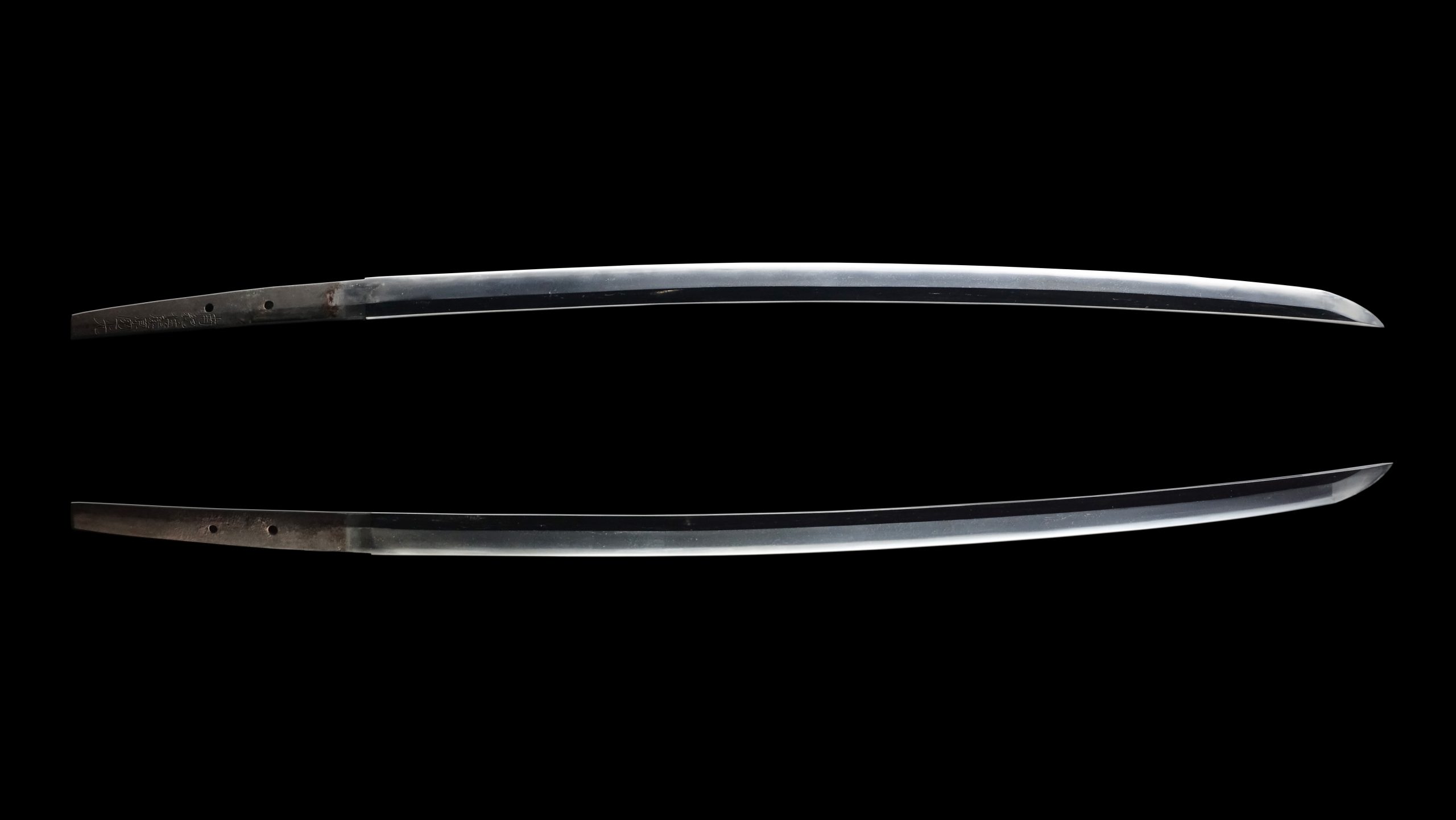
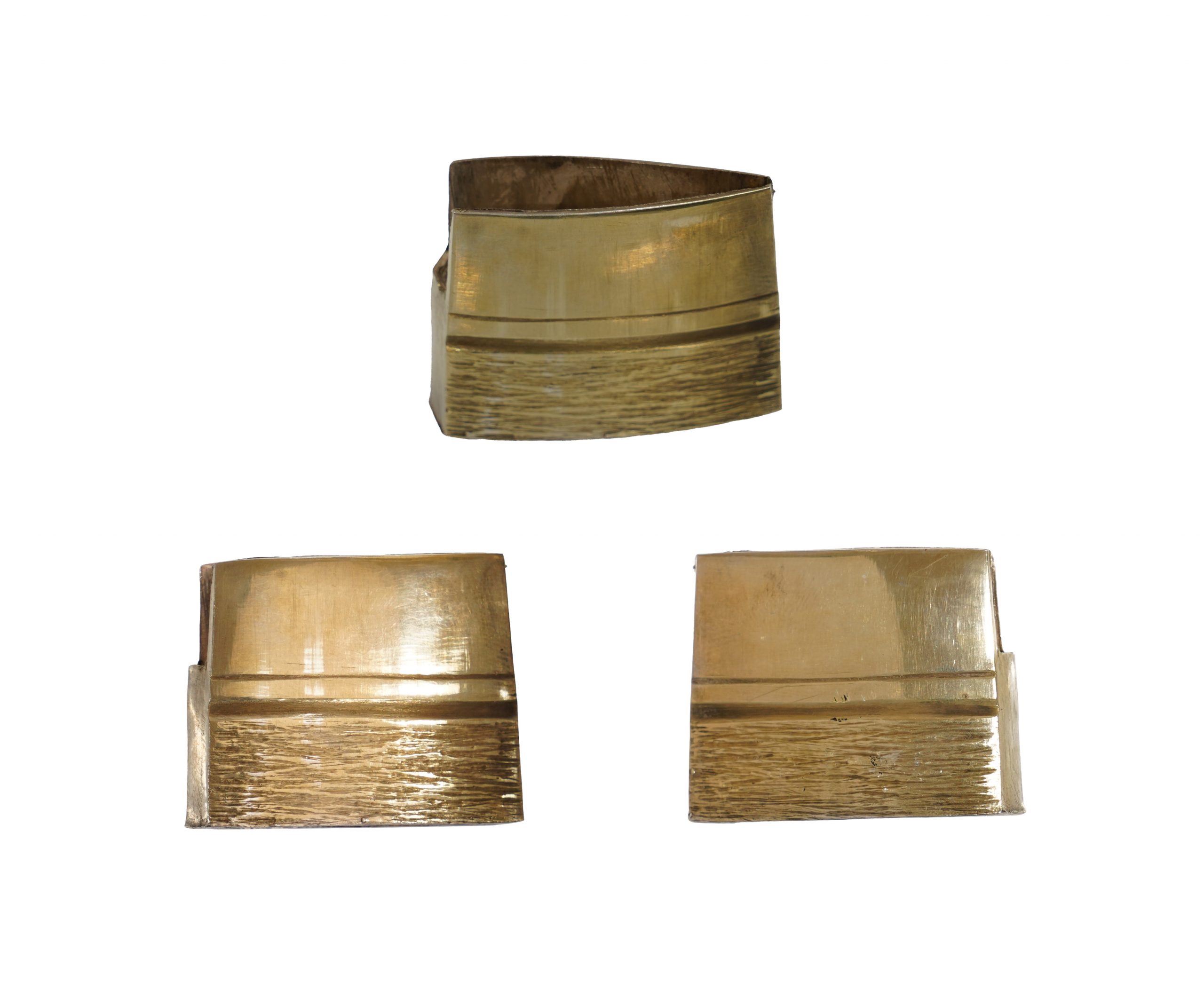
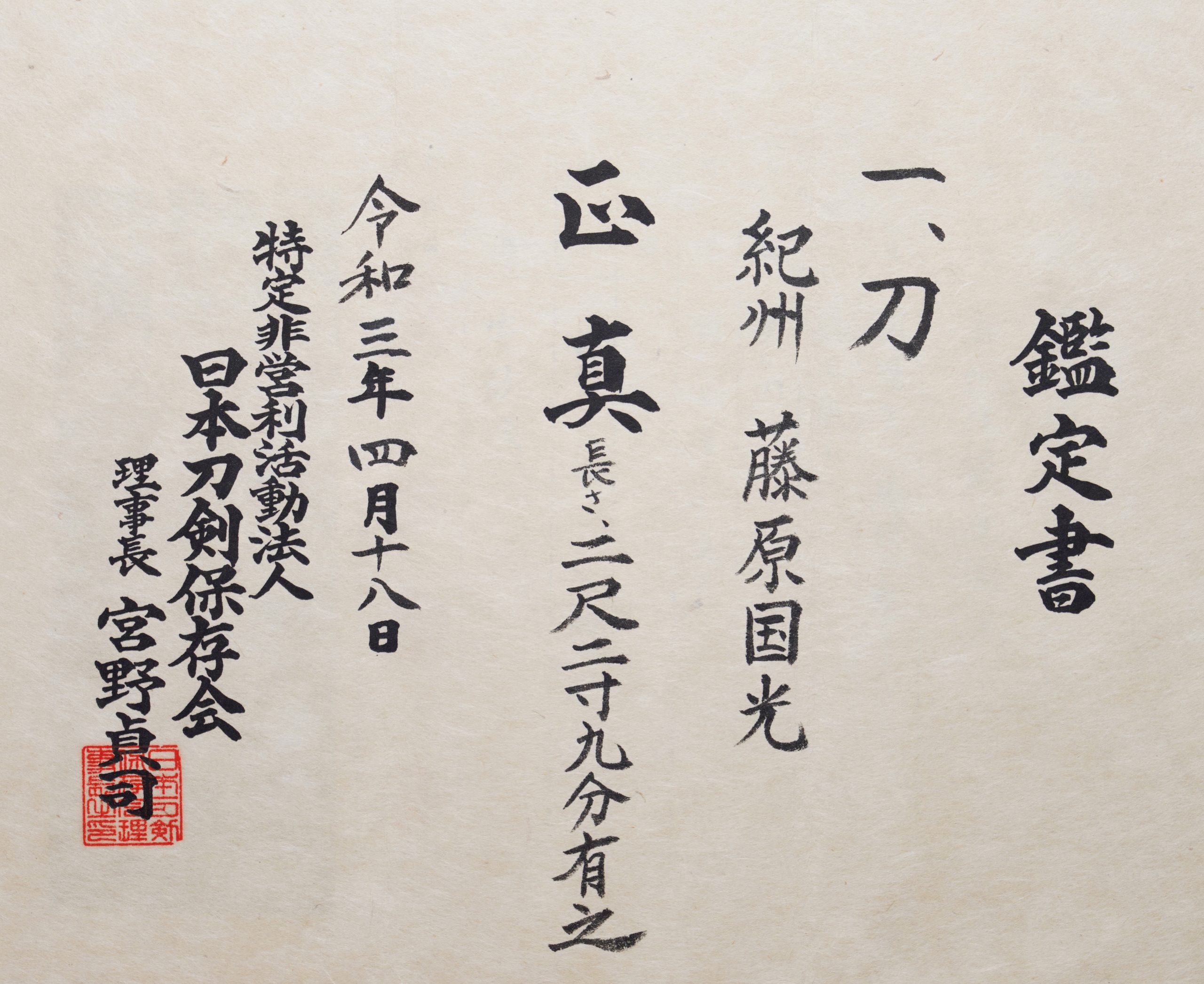
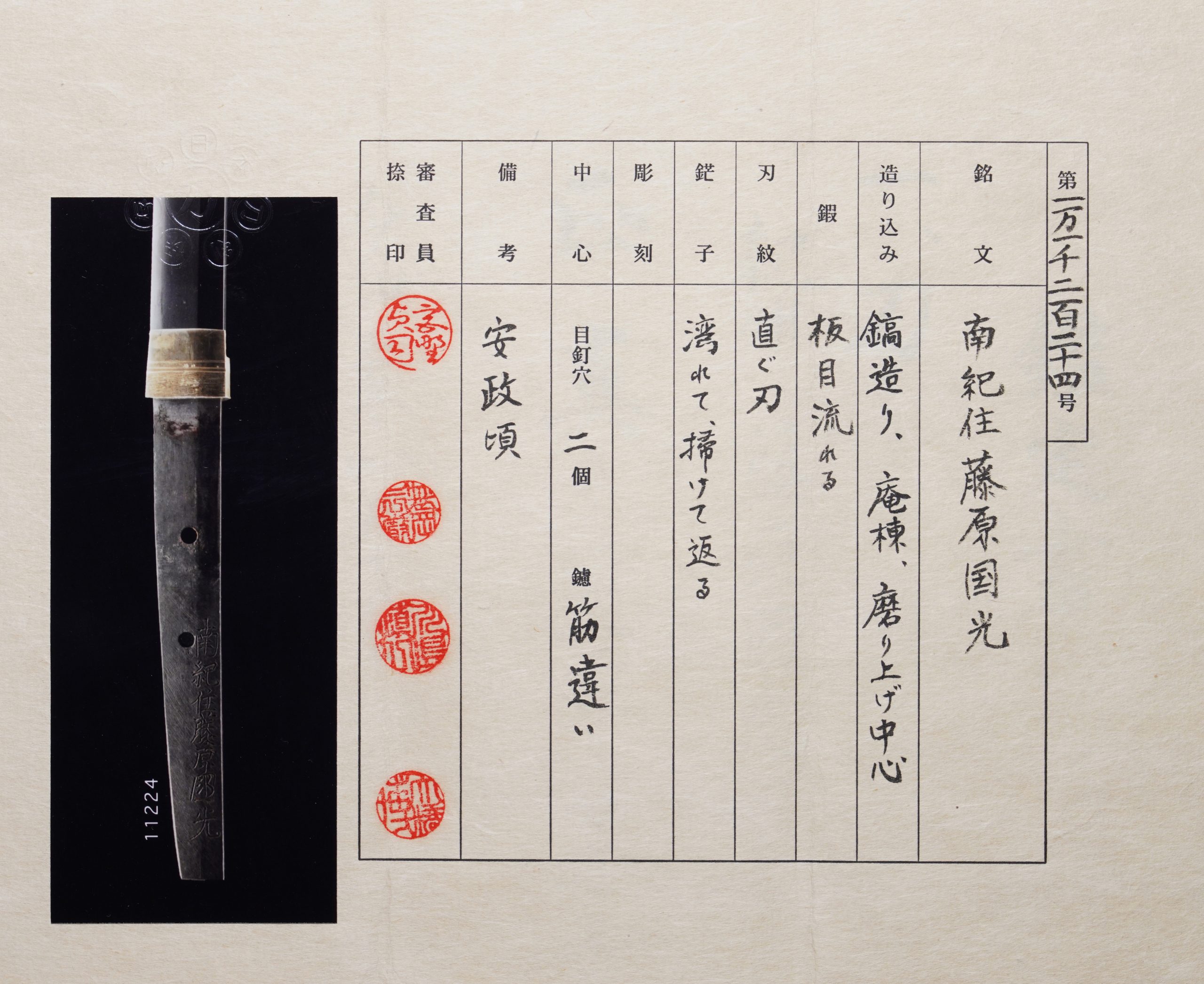
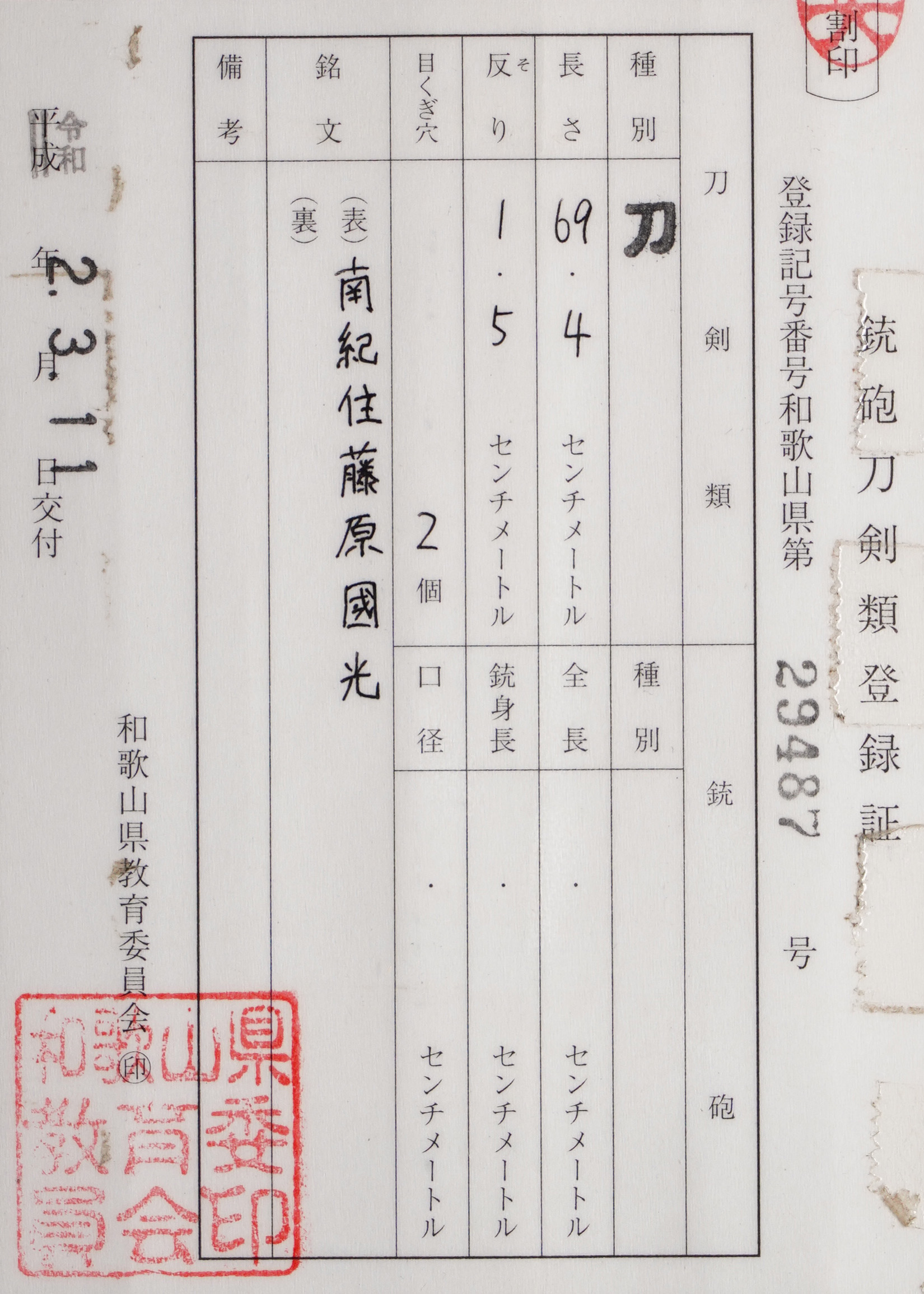
Antique Japanese Sword Shirasaya Katana Signed by Kunimitsu with NBTHK Kanteisho Certificate 【Description】 According to NTHK that appraised this blade, it was forged by Nanki Jyu Fujiwara Kunimitsu(南紀住藤原國光) during the Ansei era(1855-1860: End of Edo period). Nanki(南紀) is the name of the domain in Wakayama prefecture, where he lived when he forged this blade. It is said that Kunimitsu forged swords near Wakayama castle at the end of the Edo period. Nanki area was under the control of Kishu Tokugawa clan, Shogunate family. We believe there was a chance Kunimitsu forged swords for Samurai who served Tokugawa clan in this region. There is also a record of him creating his work in Edo city. Japan enjoyed a relatively peaceful time from the early Edo period to the mid-Edo period(the 1600s-1760s) because of the stable economy and the powerful government run by Tokugawa Shogunate. Many Samurai didn’t have many opportunities to utilize his Katana sword in public or on battlefields during this time. Thus, they carried their swords more as a symbol of their social status. The demand for blades decreased accordingly compared to the previous Warring state period called Sengoku Jidai. (1467-1600) However, toward the end of the Edo period(1764-1876), the Japanese sword’s role changed dramatically. With the poverty spreading in Japan, there were so many riots initiated by the civilians. Japanese sword started to play an essential role in maintaining public safety. Pressure from foreign countries to open Japanese borders also forced Samurai to order strong-looking swords to survive this tumultuous time. We believe many swordsmiths made great efforts to forged high-quality, practical blades for their masters to prepare for battles. There was a civil war between Tokugawa’s military government and the new Meiji government at the end of the Edo period. That means the original owner of this Katana might have seen the moment when Samurai’s life changed forever. This blade has a strong looking and must have been practical to use in that demanding time. While there are tiny scratches on the blade, the overall condition is good enough to appreciate its beauty. If you like to see more detailed photos, please feel free to contact us. This blade was registered by the board of education in Wakayama prefecture where it was forged. We presume it had been preserved and passed down for generations in a household of Samurai descendants before it came into our possession. 【Blade 】 Cutting Edge Length(Nagasa) : 69.4 cm( 27.32 inches) Curvature(Sori) : 1.5 c m( 0.59 inches) Hamon : The crystalline structure which forms along the cutting edge of a blade as a result of the hardening process Jimon(Jihada) : visible steel surface pattern created by folding and hammering during forging process 【Other details】 Nakago : Nakago is the hilt of the Japanese sword. This blade was shortened at least once based on the number of holes on the tang. Japanese swordsmiths left the black rust on the tang because it prevents red rust while the tang is in its handle. And the discoloration of the tang was created over time, and it is a great indicator for a Japanese sword specialist to estimate when the sword was forged. Habaki : Habaki is the equipment to make the blade not touch its scabbard inside. It prevents the blade from getting rusty and chipped. Authentication Paper : NTHK Kanteisho Certificate for the blade NTHK , also known as NPO Nihon Touken Hozon Kai, is the oldest organization for sword authentication of Japanese swords in modern times. It was established in 1889 during the post-Samurai era. They authenticated the blade on April 18th in the third year of Reiwa (2021).The purchaser will receive this original certificate as well. We can also translate what is written into English and make a PDF file for your record if you request. Registration Number : Wakayama 29487 The Board of Education in Wakayama prefecture issued a registration paper for this sword . In order to obta

NihontoWatch MonNihontoWatch
MarketAuctionsEncyclopedia
刀剣›南紀住藤原國光›Antique Japanese Sword Shirasaya Katana Signed by Kunimitsu NTHK Kanteisho Certificate
刀
南紀住藤原國光

Antique Japanese Sword Shirasaya Katana Signed by Kunimitsu NTHK Kanteisho Certificate

在銘 · 新々刀 · 長さ 69.4cm · 反り 1.5cm
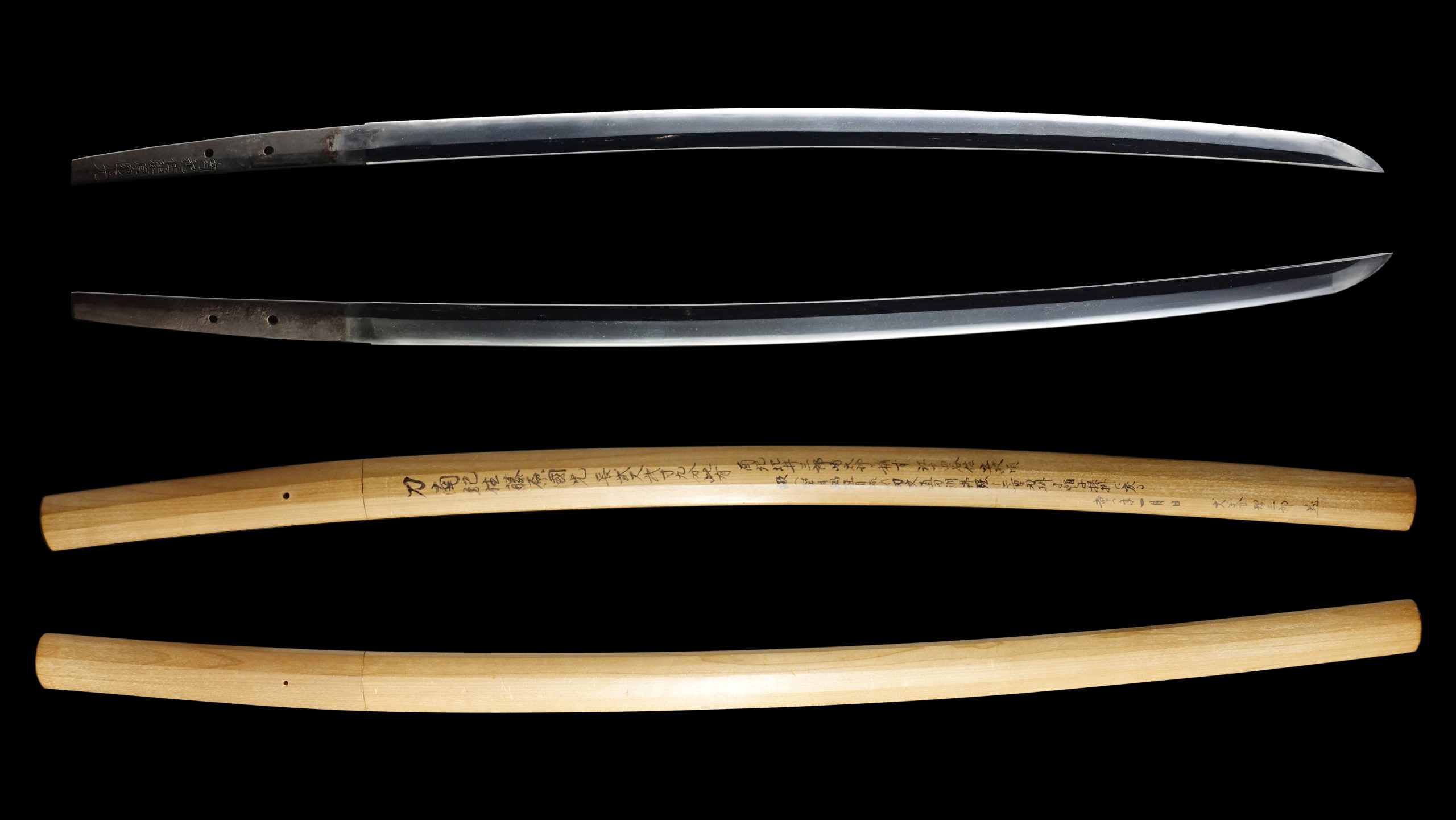
売却済
南紀住藤原國光 — 1 of 14
南紀住藤原國光 — 2 of 14
南紀住藤原國光 — 3 of 14
南紀住藤原國光 — 4 of 14
南紀住藤原國光 — 5 of 14
南紀住藤原國光 — 6 of 14
南紀住藤原國光 — 7 of 14
南紀住藤原國光 — 8 of 14
南紀住藤原國光 — 9 of 14
南紀住藤原國光 — 10 of 14
南紀住藤原國光 — 11 of 14
南紀住藤原國光 — 12 of 14
南紀住藤原國光 — 13 of 14
南紀住藤原國光 — 14 of 14
1 / 14
1 / 14
南紀住藤原國光 — 1 of 14南紀住藤原國光 — 2 of 14南紀住藤原國光 — 3 of 14南紀住藤原國光 — 4 of 14南紀住藤原國光 — 5 of 14南紀住藤原國光 — 6 of 14南紀住藤原國光 — 7 of 14南紀住藤原國光 — 8 of 14南紀住藤原國光 — 9 of 14南紀住藤原國光 — 10 of 14南紀住藤原國光 — 11 of 14南紀住藤原國光 — 12 of 14南紀住藤原國光 — 13 of 14南紀住藤原國光 — 14 of 14
法量・詳細
刀工
南紀住藤原國光
種別
刀
活動期
新々刀(Shinto)
国
紀伊
銘
在銘
法量
長さ 69.4cm反り 1.5cm
説明

Antique Japanese Sword Shirasaya Katana Signed by Kunimitsu with NBTHK Kanteisho Certificate 【Description】 According to NTHK that appraised this blade, it was forged by Nanki Jyu Fujiwara Kunimitsu(南紀住藤原國光) during the Ansei era(1855-1860: End of Edo period). Nanki(南紀) is the name of the domain in Wakayama prefecture, where he lived when he forged this blade. It is said that Kunimitsu forged swords near Wakayama castle at the end of the Edo period. Nanki area was under the control of Kishu Tokugawa clan, Shogunate family. We believe there was a chance Kunimitsu forged swords for Samurai who served Tokugawa clan in this region. There is also a record of him creating his work in Edo city. Japan enjoyed a relatively peaceful time from the early Edo period to the mid-Edo period(the 1600s-1760s) because of the stable economy and the powerful government run by Tokugawa Shogunate. Many Samurai didn’t have many opportunities to utilize his Katana sword in public or on battlefields during this time. Thus, they carried their swords more as a symbol of their social status. The demand for blades decreased accordingly compared to the previous Warring state period called Sengoku Jidai. (1467-1600) However, toward the end of the Edo period(1764-1876), the Japanese sword’s role changed dramatically. With the poverty spreading in Japan, there were so many riots initiated by the civilians. Japanese sword started to play an essential role in maintaining public safety. Pressure from foreign countries to open Japanese borders also forced Samurai to order strong-looking swords to survive this tumultuous time. We believe many swordsmiths made great efforts to forged high-quality, practical blades for their masters to prepare for battles. There was a civil war between Tokugawa’s military government and the new Meiji government at the end of the Edo period. That means the original owner of this Katana might have seen the moment when Samurai’s life changed forever. This blade has a strong looking and must have been practical to use in that demanding time. While there are tiny scratches on the blade, the overall condition is good enough to appreciate its beauty. If you like to see more detailed photos, please feel free to contact us. This blade was registered by the board of education in Wakayama prefecture where it was forged. We presume it had been preserved and passed down for generations in a household of Samurai descendants before it came into our possession. 【Blade 】 Cutting Edge Length(Nagasa) : 69.4 cm( 27.32 inches) Curvature(Sori) : 1.5 c m( 0.59 inches) Hamon : The crystalline structure which forms along the cutting edge of a blade as a result of the hardening process Jimon(Jihada) : visible steel surface pattern created by folding and hammering during forging process 【Other details】 Nakago : Nakago is the hilt of the Japanese sword. This blade was shortened at least once based on the number of holes on the tang. Japanese swordsmiths left the black rust on the tang because it prevents red rust while the tang is in its handle. And the discoloration of the tang was created over time, and it is a great indicator for a Japanese sword specialist to estimate when the sword was forged. Habaki : Habaki is the equipment to make the blade not touch its scabbard inside. It prevents the blade from getting rusty and chipped. Authentication Paper : NTHK Kanteisho Certificate for the blade NTHK , also known as NPO Nihon Touken Hozon Kai, is the oldest organization for sword authentication of Japanese swords in modern times. It was established in 1889 during the post-Samurai era. They authenticated the blade on April 18th in the third year of Reiwa (2021).The purchaser will receive this original certificate as well. We can also translate what is written into English and make a PDF file for your record if you request. Registration Number : Wakayama 29487 The Board of Education in Wakayama prefecture issued a registration paper for this sword . In order to obta

作者について

南紀住藤原國光

Kii (Wakayama) · 江戸

現在1点販売中

›
南紀住藤原國光の作 1点が現在販売中→
南紀住藤原國光 — 詳細
NTHK(日本刀剣保存会)鑑定
Kanteishō鑑定書
NTHK Appraisal Certificate
›

NTHKの中心的な鑑定書で、相応の出来を備えた作に発行されます。在銘作は銘の正真を、無銘作は審査員による刀工・流派の極めを示します。点数を記す詳細な審査表が付されます。

NTHKについて›

NTHK(日本刀剣保存会)は、NBTHK(1948年設立)に先立つ1910年に創立された、日本で最も古い刀剣鑑定団体です。長く会を率いた会長の没後、NTHKとNTHK-NPOの二つに分かれ、いずれも審査を続けています。NTHKの鑑定書は、点数と審査員の所見を併記する詳細な審査表が特徴で、特に無銘作の極めに定評があります。

販売店
サ
サムライミュージアム
🇯🇵日本から発送
›
✓認証販売店samuraimuseum.jp
✓海外発送可✓英語対応PayPalクレジットカード
返品ポリシー

Returns/exchanges limited to defects caused by shipping (except willful misconduct or gross negligence by the company); customers must contact within 72 hours of receiving the product.

サムライミュージアムの出品一覧を見る→販売店サイトでこの商品を見る→

南紀住藤原國光の他の作

すべて見る →
矢澤商会
保存
Tanto - Hozon - by Nanki Fujiwara Kunimitsu - 委託販売 保存刀剣 南紀国光 拵付 身幅三十二ミリ重ね八ミリ超えの短刀 刃渡り25.9cmTanto - Hozon - by Nanki Fujiwara Kunimitsu - 委託販売 保存刀剣 南紀国光 拵付 身幅三十二ミリ重ね八ミリ超えの短刀 刃渡り25.9cm

短刀

作南紀住藤原國光
25.9cm·新々刀
¥350,000

南紀住藤原國光の売約済み

刀心
保存
Katana - Hozon - by Nanki Fujiwara Kunimitsu - 南紀住藤原國光 2-1505Katana - Hozon - by Nanki Fujiwara Kunimitsu - 南紀住藤原國光 2-1505
売切れ

刀

作南紀住藤原國光
70.28cm·新々刀
売却済
池田美術
保存
Katana - Hozon - by Nanki Fujiwara Kunimitsu - 【保存刀剣】「南紀国光」 72.4 、鑑賞に・高級居合刀として!!!Katana - Hozon - by Nanki Fujiwara Kunimitsu - 【保存刀剣】「南紀国光」 72.4 、鑑賞に・高級居合刀として!!!
売切れ

刀

作南紀住藤原國光
72.4cm·新々刀
売却済

刀剣

  • 刀
  • 脇差
  • 短刀
  • 太刀
  • 薙刀
  • 槍

刀装具

  • 鍔
  • 縁頭
  • 小柄
  • 目貫

鑑定別

  • 特重
  • 重要
  • 特別保存
  • 保存

リソース

  • 刀剣商一覧
  • 刀工一覧
  • すべて見る
Nihontowatch© 2026
利用規約プライバシーCookie運営者情報

説明

Antique Japanese Sword Shirasaya Katana Signed by Kunimitsu with NBTHK Kanteisho Certificate 【Description】 According to NTHK that appraised this blade, it was forged by Nanki Jyu Fujiwara Kunimitsu(南紀住藤原國光) during the Ansei era(1855-1860: End of Edo period). Nanki(南紀) is the name of the domain in Wakayama prefecture, where he lived when he forged this blade. It is said that Kunimitsu forged swords near Wakayama castle at the end of the Edo period. Nanki area was under the control of Kishu Tokugawa clan, Shogunate family. We believe there was a chance Kunimitsu forged swords for Samurai who served Tokugawa clan in this region. There is also a record of him creating his work in Edo city. Japan enjoyed a relatively peaceful time from the early Edo period to the mid-Edo period(the 1600s-1760s) because of the stable economy and the powerful government run by Tokugawa Shogunate. Many Samurai didn’t have many opportunities to utilize his Katana sword in public or on battlefields during this time. Thus, they carried their swords more as a symbol of their social status. The demand for blades decreased accordingly compared to the previous Warring state period called Sengoku Jidai. (1467-1600) However, toward the end of the Edo period(1764-1876), the Japanese sword’s role changed dramatically. With the poverty spreading in Japan, there were so many riots initiated by the civilians. Japanese sword started to play an essential role in maintaining public safety. Pressure from foreign countries to open Japanese borders also forced Samurai to order strong-looking swords to survive this tumultuous time. We believe many swordsmiths made great efforts to forged high-quality, practical blades for their masters to prepare for battles. There was a civil war between Tokugawa’s military government and the new Meiji government at the end of the Edo period. That means the original owner of this Katana might have seen the moment when Samurai’s life changed forever. This blade has a strong looking and must have been practical to use in that demanding time. While there are tiny scratches on the blade, the overall condition is good enough to appreciate its beauty. If you like to see more detailed photos, please feel free to contact us. This blade was registered by the board of education in Wakayama prefecture where it was forged. We presume it had been preserved and passed down for generations in a household of Samurai descendants before it came into our possession. 【Blade 】 Cutting Edge Length(Nagasa) : 69.4 cm( 27.32 inches) Curvature(Sori) : 1.5 c m( 0.59 inches) Hamon : The crystalline structure which forms along the cutting edge of a blade as a result of the hardening process Jimon(Jihada) : visible steel surface pattern created by folding and hammering during forging process 【Other details】 Nakago : Nakago is the hilt of the Japanese sword. This blade was shortened at least once based on the number of holes on the tang. Japanese swordsmiths left the black rust on the tang because it prevents red rust while the tang is in its handle. And the discoloration of the tang was created over time, and it is a great indicator for a Japanese sword specialist to estimate when the sword was forged. Habaki : Habaki is the equipment to make the blade not touch its scabbard inside. It prevents the blade from getting rusty and chipped. Authentication Paper : NTHK Kanteisho Certificate for the blade NTHK , also known as NPO Nihon Touken Hozon Kai, is the oldest organization for sword authentication of Japanese swords in modern times. It was established in 1889 during the post-Samurai era. They authenticated the blade on April 18th in the third year of Reiwa (2021).The purchaser will receive this original certificate as well. We can also translate what is written into English and make a PDF file for your record if you request. Registration Number : Wakayama 29487 The Board of Education in Wakayama prefecture issued a registration paper for this sword . In order to obta

NihontoWatch MonNihontoWatch
MarketAuctionsEncyclopedia
刀剣›南紀住藤原國光›Antique Japanese Sword Shirasaya Katana Signed by Kunimitsu NTHK Kanteisho Certificate
刀
南紀住藤原國光

Antique Japanese Sword Shirasaya Katana Signed by Kunimitsu NTHK Kanteisho Certificate

在銘 · 新々刀 · 長さ 69.4cm · 反り 1.5cm
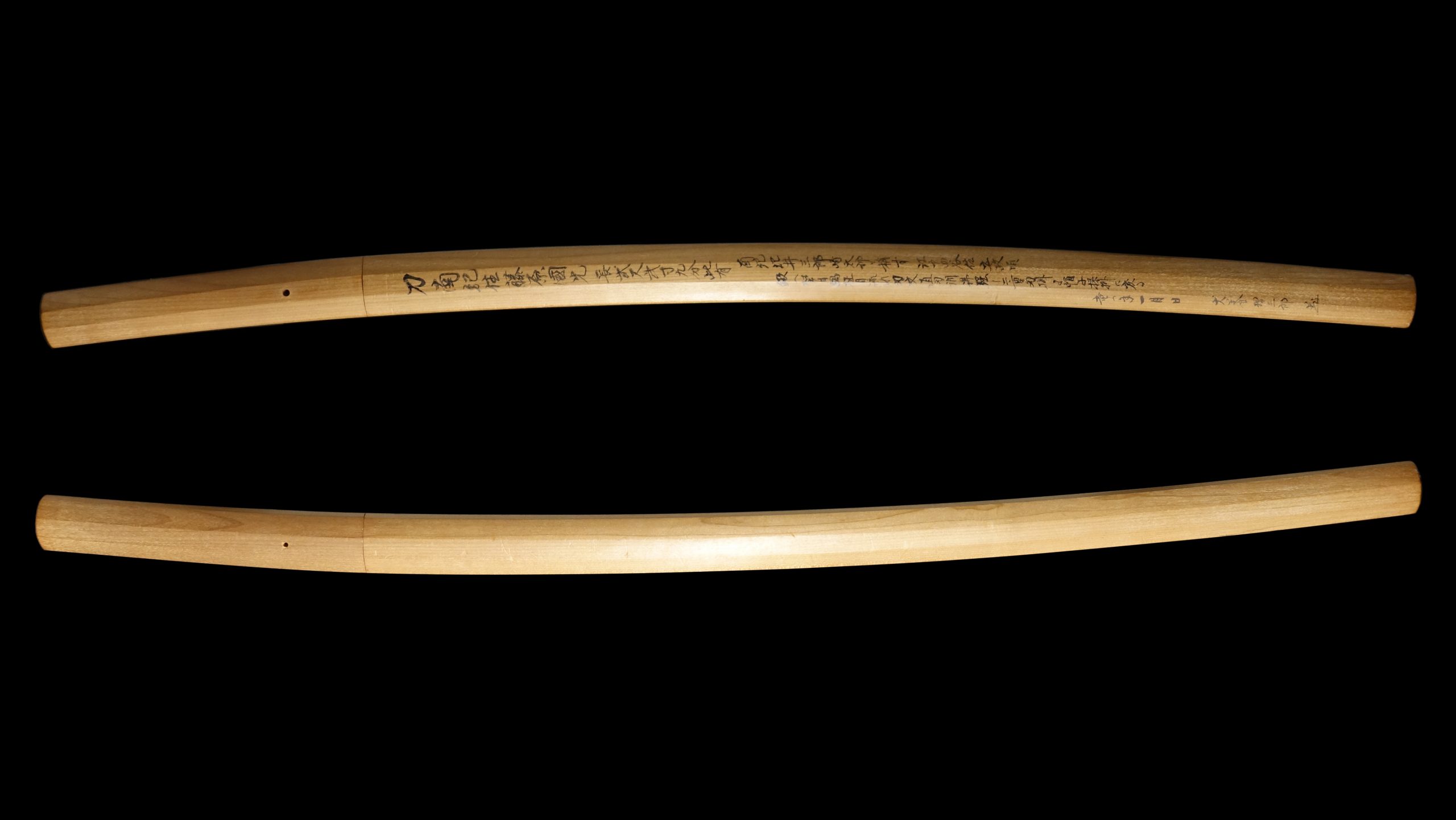
売却済
南紀住藤原國光 — 1 of 14
南紀住藤原國光 — 2 of 14
南紀住藤原國光 — 3 of 14
南紀住藤原國光 — 4 of 14
南紀住藤原國光 — 5 of 14
南紀住藤原國光 — 6 of 14
南紀住藤原國光 — 7 of 14
南紀住藤原國光 — 8 of 14
南紀住藤原國光 — 9 of 14
南紀住藤原國光 — 10 of 14
南紀住藤原國光 — 11 of 14
南紀住藤原國光 — 12 of 14
南紀住藤原國光 — 13 of 14
南紀住藤原國光 — 14 of 14
1 / 14
1 / 14
南紀住藤原國光 — 1 of 14南紀住藤原國光 — 2 of 14南紀住藤原國光 — 3 of 14南紀住藤原國光 — 4 of 14南紀住藤原國光 — 5 of 14南紀住藤原國光 — 6 of 14南紀住藤原國光 — 7 of 14南紀住藤原國光 — 8 of 14南紀住藤原國光 — 9 of 14南紀住藤原國光 — 10 of 14南紀住藤原國光 — 11 of 14南紀住藤原國光 — 12 of 14南紀住藤原國光 — 13 of 14南紀住藤原國光 — 14 of 14
法量・詳細
刀工
南紀住藤原國光
種別
刀
活動期
新々刀(Shinto)
国
紀伊
銘
在銘
法量
長さ 69.4cm反り 1.5cm
説明

Antique Japanese Sword Shirasaya Katana Signed by Kunimitsu with NBTHK Kanteisho Certificate 【Description】 According to NTHK that appraised this blade, it was forged by Nanki Jyu Fujiwara Kunimitsu(南紀住藤原國光) during the Ansei era(1855-1860: End of Edo period). Nanki(南紀) is the name of the domain in Wakayama prefecture, where he lived when he forged this blade. It is said that Kunimitsu forged swords near Wakayama castle at the end of the Edo period. Nanki area was under the control of Kishu Tokugawa clan, Shogunate family. We believe there was a chance Kunimitsu forged swords for Samurai who served Tokugawa clan in this region. There is also a record of him creating his work in Edo city. Japan enjoyed a relatively peaceful time from the early Edo period to the mid-Edo period(the 1600s-1760s) because of the stable economy and the powerful government run by Tokugawa Shogunate. Many Samurai didn’t have many opportunities to utilize his Katana sword in public or on battlefields during this time. Thus, they carried their swords more as a symbol of their social status. The demand for blades decreased accordingly compared to the previous Warring state period called Sengoku Jidai. (1467-1600) However, toward the end of the Edo period(1764-1876), the Japanese sword’s role changed dramatically. With the poverty spreading in Japan, there were so many riots initiated by the civilians. Japanese sword started to play an essential role in maintaining public safety. Pressure from foreign countries to open Japanese borders also forced Samurai to order strong-looking swords to survive this tumultuous time. We believe many swordsmiths made great efforts to forged high-quality, practical blades for their masters to prepare for battles. There was a civil war between Tokugawa’s military government and the new Meiji government at the end of the Edo period. That means the original owner of this Katana might have seen the moment when Samurai’s life changed forever. This blade has a strong looking and must have been practical to use in that demanding time. While there are tiny scratches on the blade, the overall condition is good enough to appreciate its beauty. If you like to see more detailed photos, please feel free to contact us. This blade was registered by the board of education in Wakayama prefecture where it was forged. We presume it had been preserved and passed down for generations in a household of Samurai descendants before it came into our possession. 【Blade 】 Cutting Edge Length(Nagasa) : 69.4 cm( 27.32 inches) Curvature(Sori) : 1.5 c m( 0.59 inches) Hamon : The crystalline structure which forms along the cutting edge of a blade as a result of the hardening process Jimon(Jihada) : visible steel surface pattern created by folding and hammering during forging process 【Other details】 Nakago : Nakago is the hilt of the Japanese sword. This blade was shortened at least once based on the number of holes on the tang. Japanese swordsmiths left the black rust on the tang because it prevents red rust while the tang is in its handle. And the discoloration of the tang was created over time, and it is a great indicator for a Japanese sword specialist to estimate when the sword was forged. Habaki : Habaki is the equipment to make the blade not touch its scabbard inside. It prevents the blade from getting rusty and chipped. Authentication Paper : NTHK Kanteisho Certificate for the blade NTHK , also known as NPO Nihon Touken Hozon Kai, is the oldest organization for sword authentication of Japanese swords in modern times. It was established in 1889 during the post-Samurai era. They authenticated the blade on April 18th in the third year of Reiwa (2021).The purchaser will receive this original certificate as well. We can also translate what is written into English and make a PDF file for your record if you request. Registration Number : Wakayama 29487 The Board of Education in Wakayama prefecture issued a registration paper for this sword . In order to obta

作者について

南紀住藤原國光

Kii (Wakayama) · 江戸

現在1点販売中

›
南紀住藤原國光の作 1点が現在販売中→
南紀住藤原國光 — 詳細
NTHK(日本刀剣保存会)鑑定
Kanteishō鑑定書
NTHK Appraisal Certificate
›

NTHKの中心的な鑑定書で、相応の出来を備えた作に発行されます。在銘作は銘の正真を、無銘作は審査員による刀工・流派の極めを示します。点数を記す詳細な審査表が付されます。

NTHKについて›

NTHK(日本刀剣保存会)は、NBTHK(1948年設立)に先立つ1910年に創立された、日本で最も古い刀剣鑑定団体です。長く会を率いた会長の没後、NTHKとNTHK-NPOの二つに分かれ、いずれも審査を続けています。NTHKの鑑定書は、点数と審査員の所見を併記する詳細な審査表が特徴で、特に無銘作の極めに定評があります。

販売店
サ
サムライミュージアム
🇯🇵日本から発送
›
✓認証販売店samuraimuseum.jp
✓海外発送可✓英語対応PayPalクレジットカード
返品ポリシー

Returns/exchanges limited to defects caused by shipping (except willful misconduct or gross negligence by the company); customers must contact within 72 hours of receiving the product.
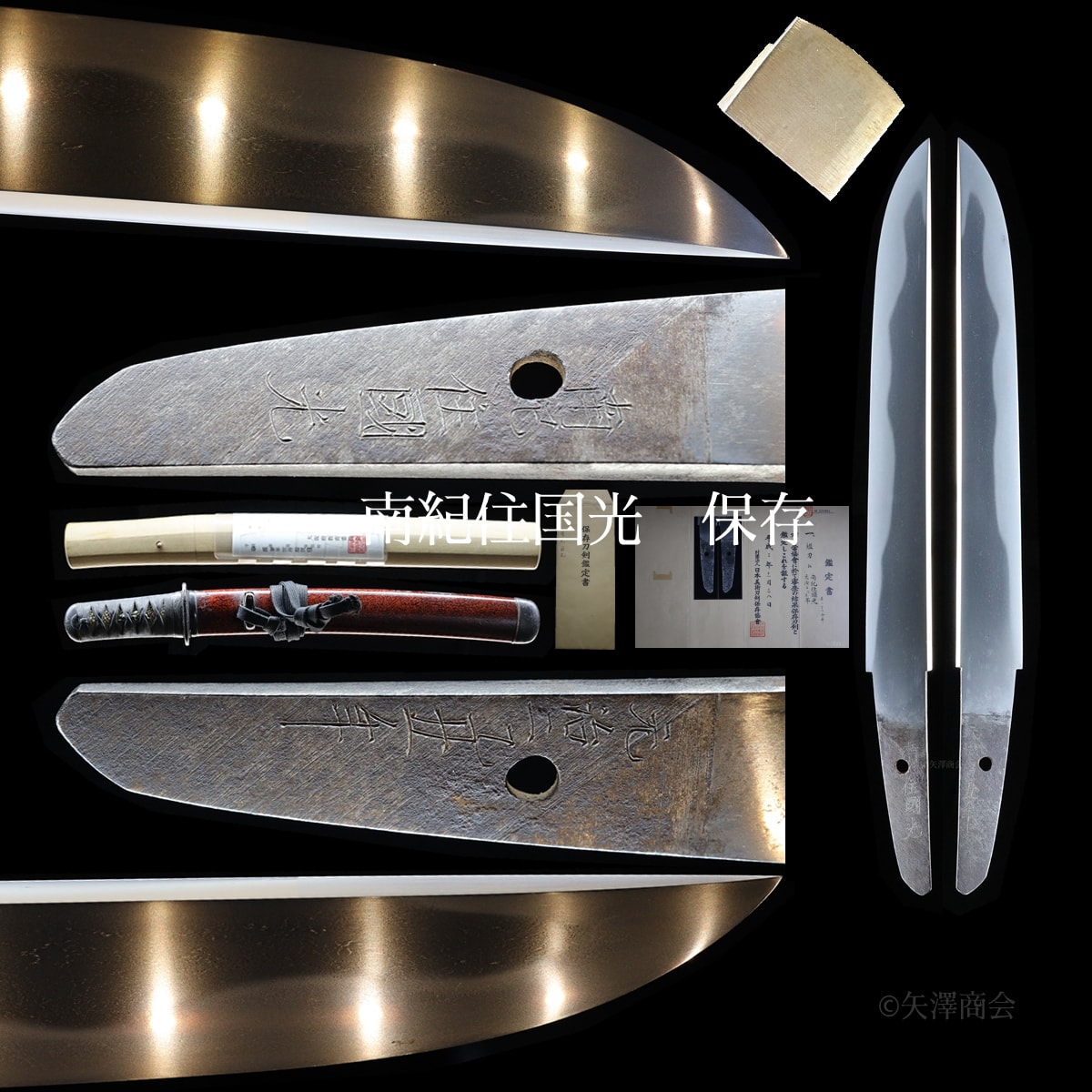
サムライミュージアムの出品一覧を見る→販売店サイトでこの商品を見る→

南紀住藤原國光の他の作

すべて見る →
矢澤商会
保存
Tanto - Hozon - by Nanki Fujiwara Kunimitsu - 委託販売 保存刀剣 南紀国光 拵付 身幅三十二ミリ重ね八ミリ超えの短刀 刃渡り25.9cmTanto - Hozon - by Nanki Fujiwara Kunimitsu - 委託販売 保存刀剣 南紀国光 拵付 身幅三十二ミリ重ね八ミリ超えの短刀 刃渡り25.9cm

短刀

作南紀住藤原國光
25.9cm·新々刀
¥350,000

南紀住藤原國光の売約済み

刀心
保存
Katana - Hozon - by Nanki Fujiwara Kunimitsu - 南紀住藤原國光 2-1505Katana - Hozon - by Nanki Fujiwara Kunimitsu - 南紀住藤原國光 2-1505
売切れ

刀

作南紀住藤原國光
70.28cm·新々刀
売却済
池田美術
保存
Katana - Hozon - by Nanki Fujiwara Kunimitsu - 【保存刀剣】「南紀国光」 72.4 、鑑賞に・高級居合刀として!!!Katana - Hozon - by Nanki Fujiwara Kunimitsu - 【保存刀剣】「南紀国光」 72.4 、鑑賞に・高級居合刀として!!!
売切れ

刀

作南紀住藤原國光
72.4cm·新々刀
売却済

刀剣

  • 刀
  • 脇差
  • 短刀
  • 太刀
  • 薙刀
  • 槍

刀装具

  • 鍔
  • 縁頭
  • 小柄
  • 目貫

鑑定別

  • 特重
  • 重要
  • 特別保存
  • 保存

リソース

  • 刀剣商一覧
  • 刀工一覧
  • すべて見る
Nihontowatch© 2026
利用規約プライバシーCookie運営者情報
NihontoWatch Mon

NihontoWatch

マーケットオークション
事典
NihontoWatch Mon

NihontoWatch

マーケットオークション
事典