NihontoWatch Mon

NihontoWatchBETA

マーケットオークション
事典
NihontoWatch Mon

NihontoWatchBETA

マーケットオークション
事典

説明

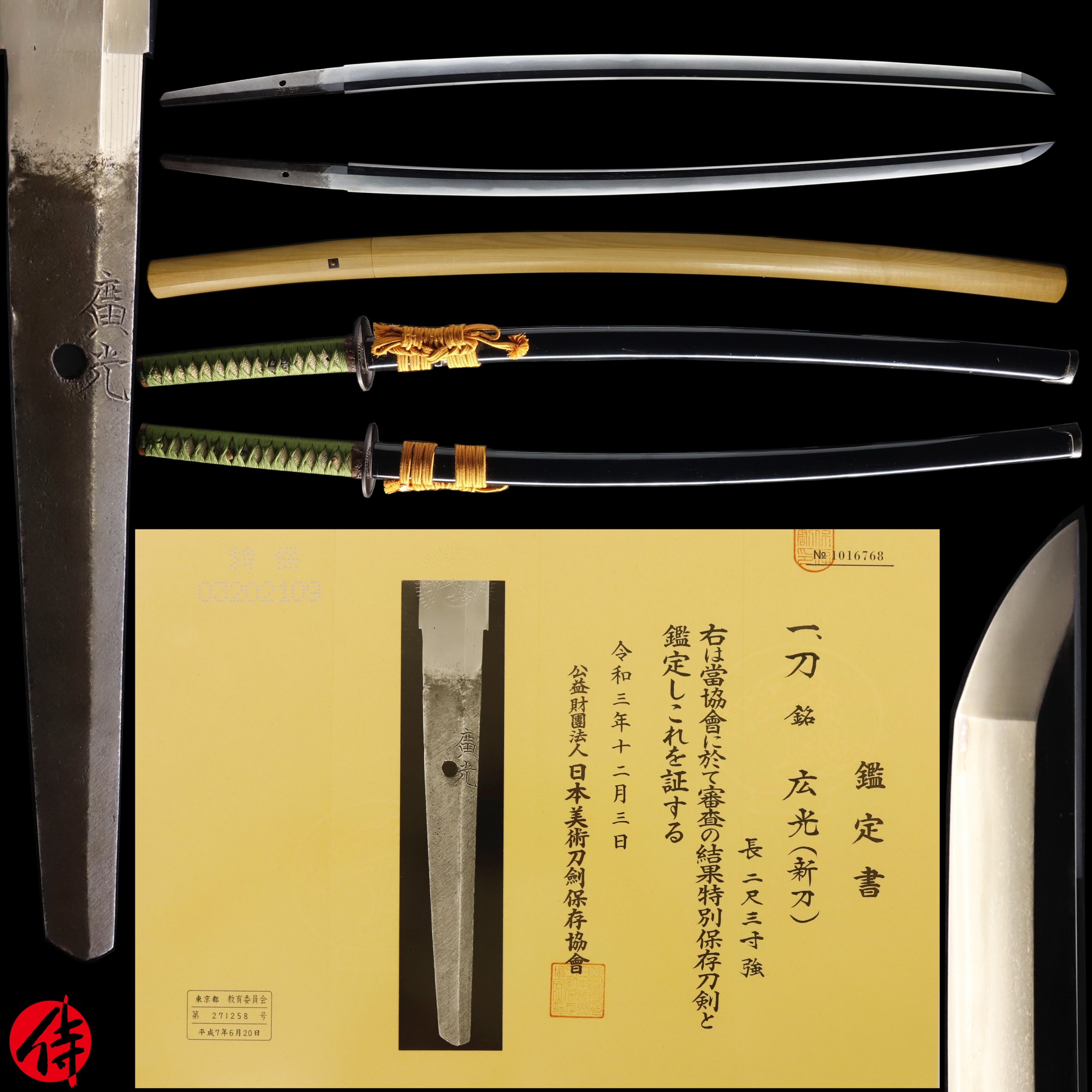
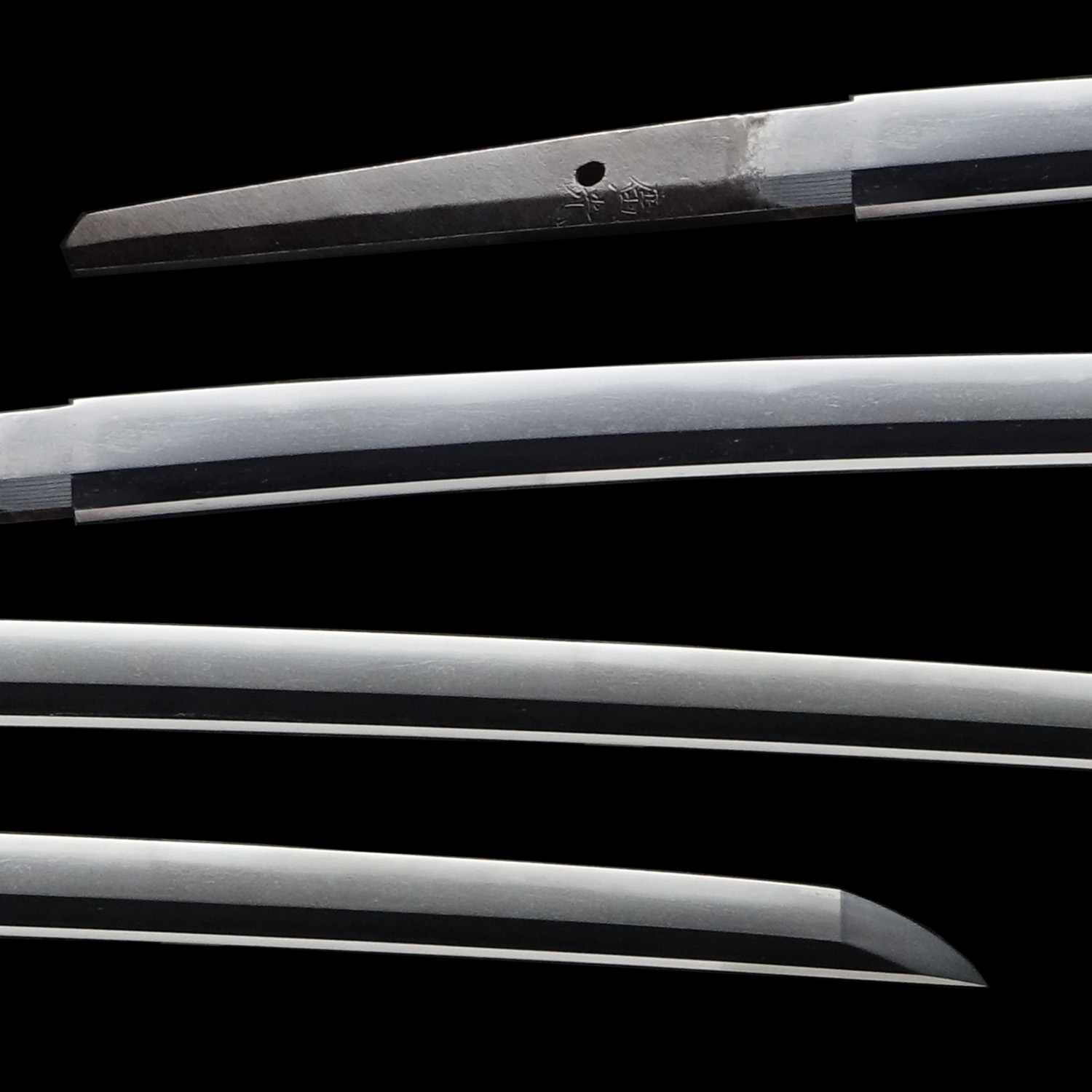
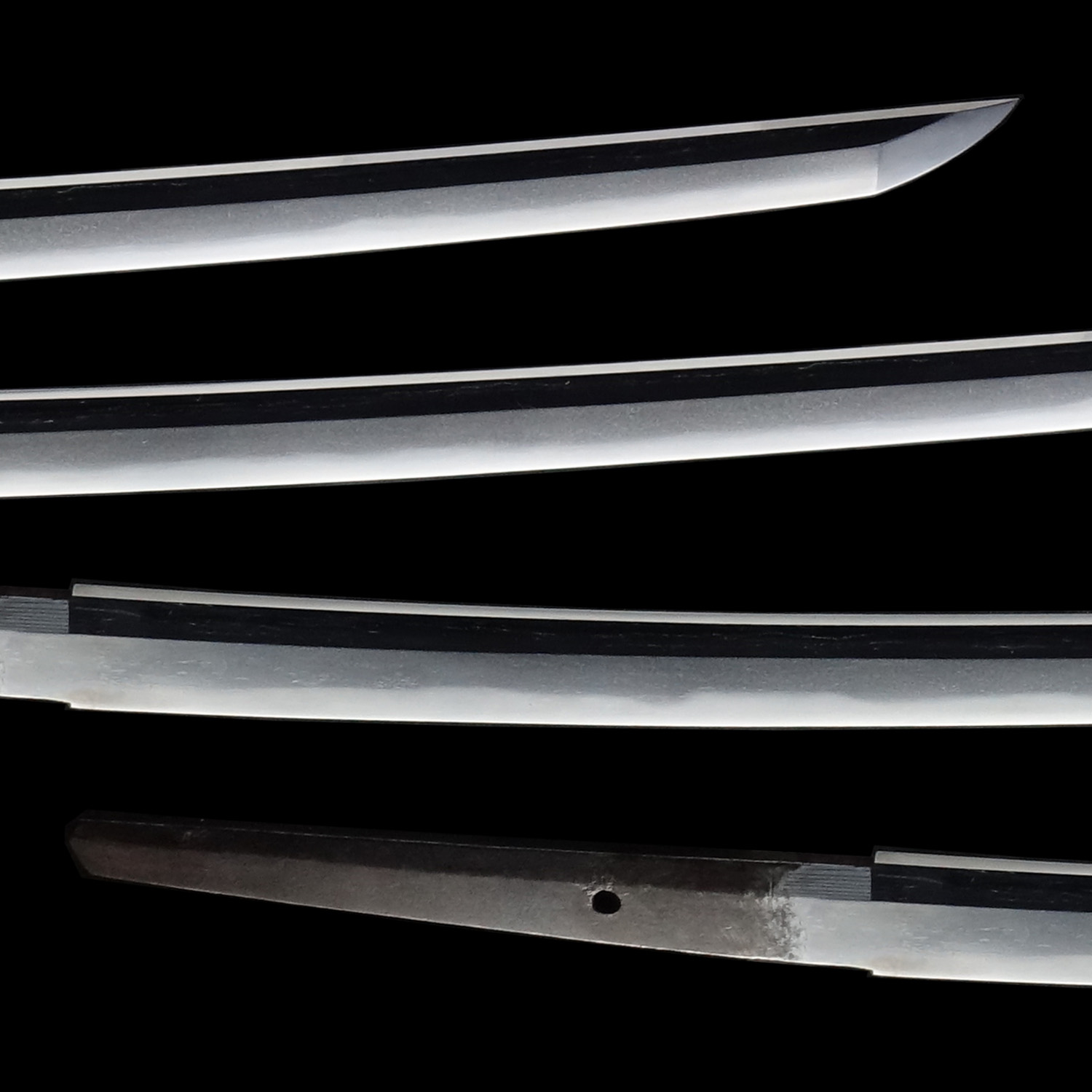
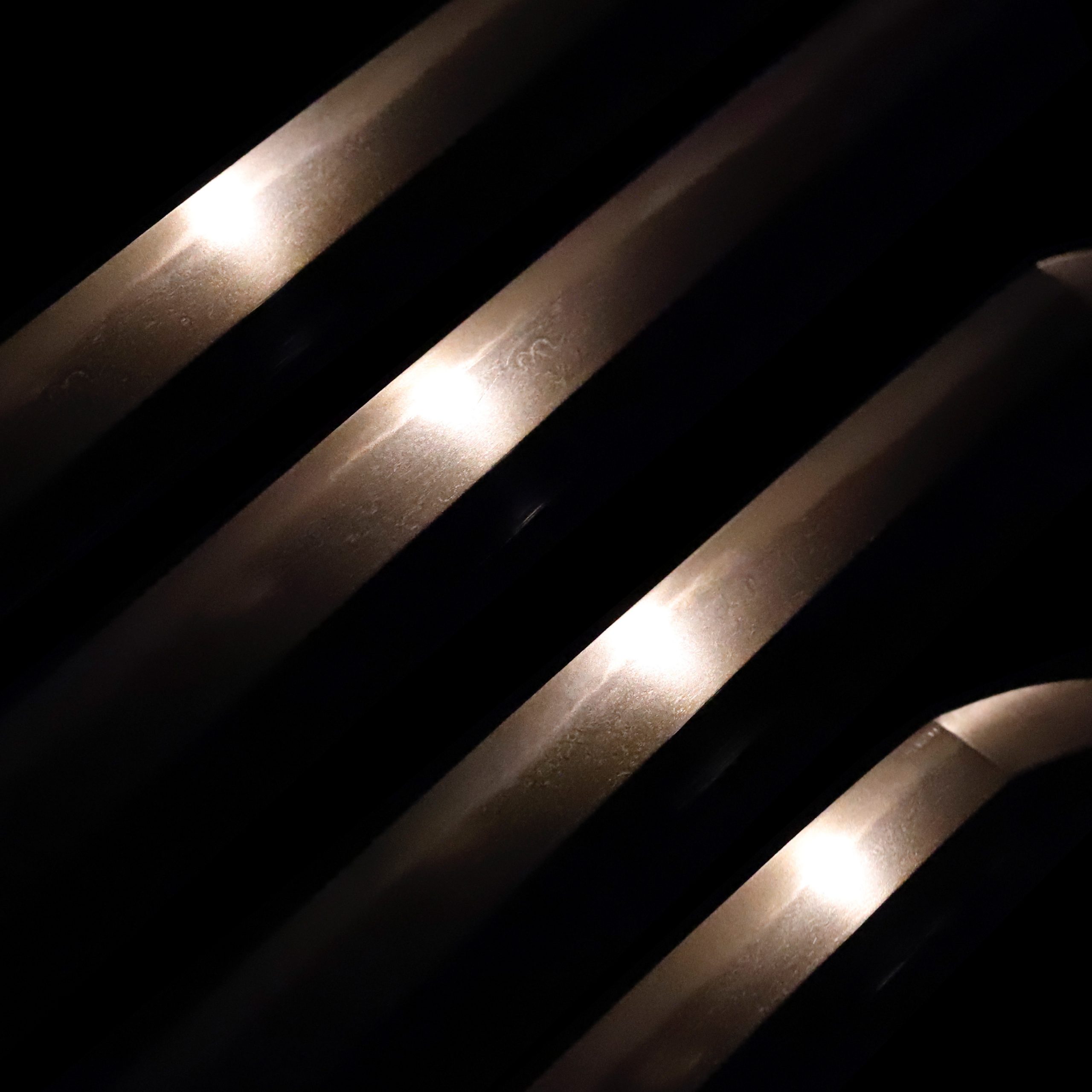
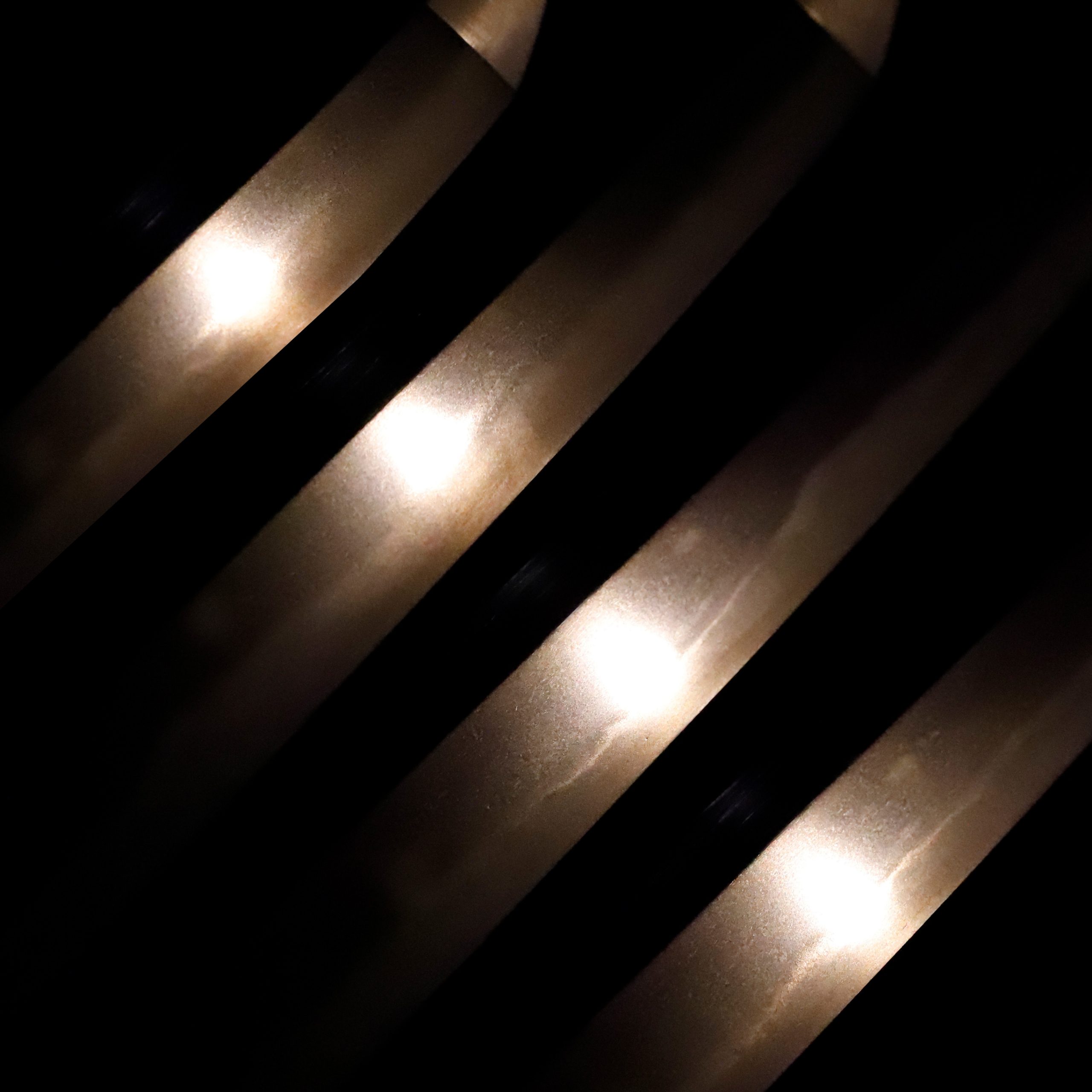
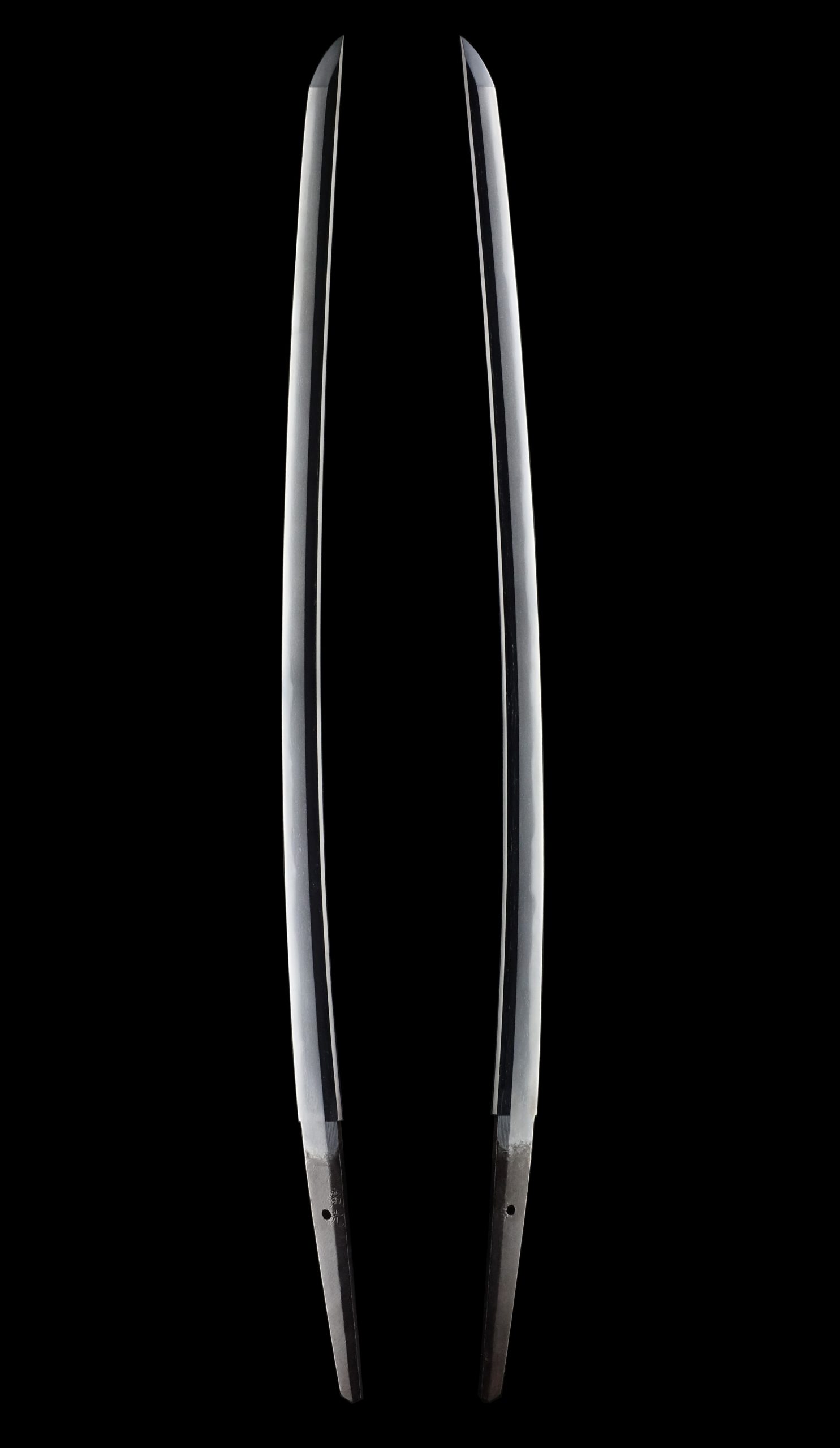
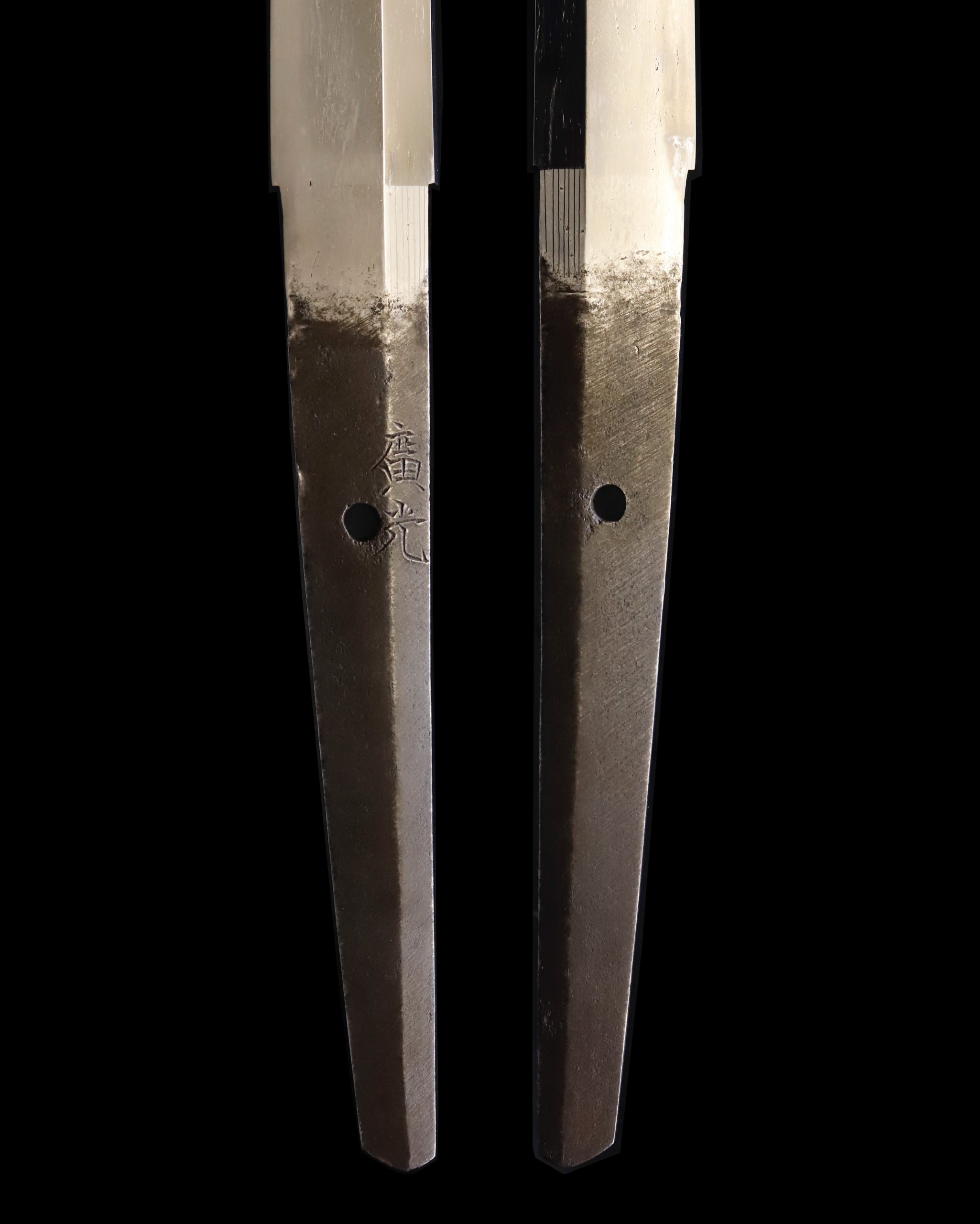
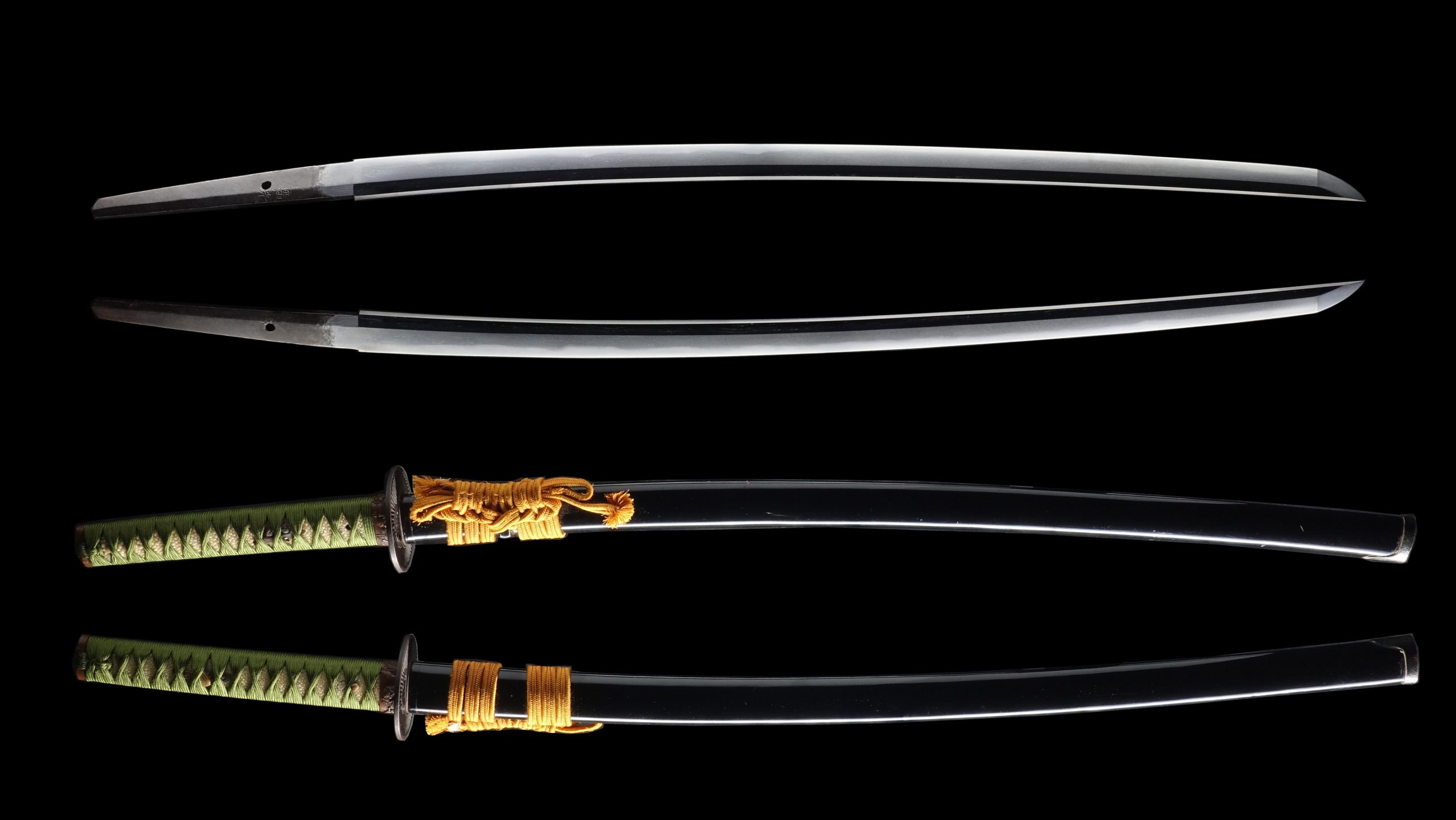
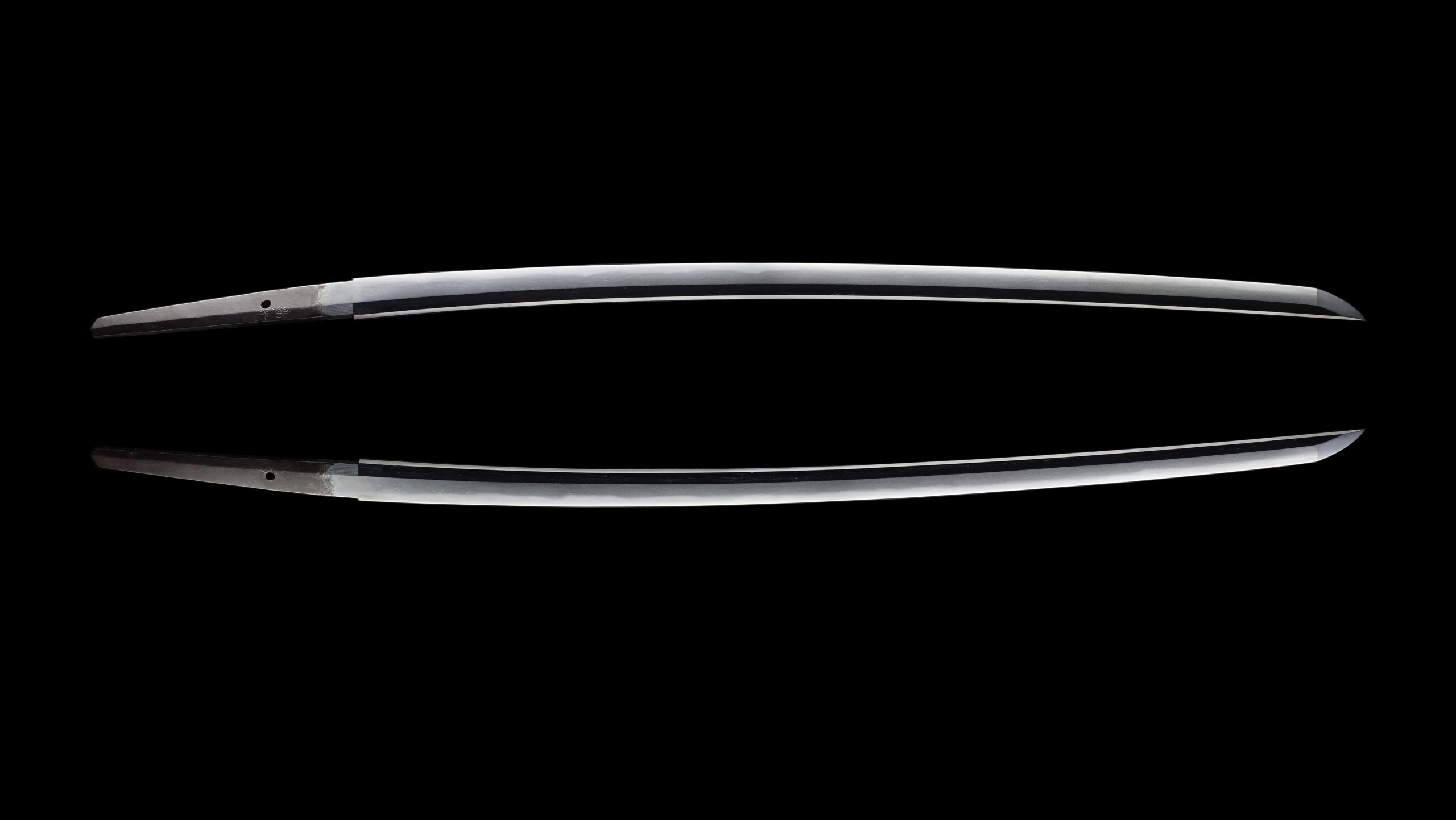
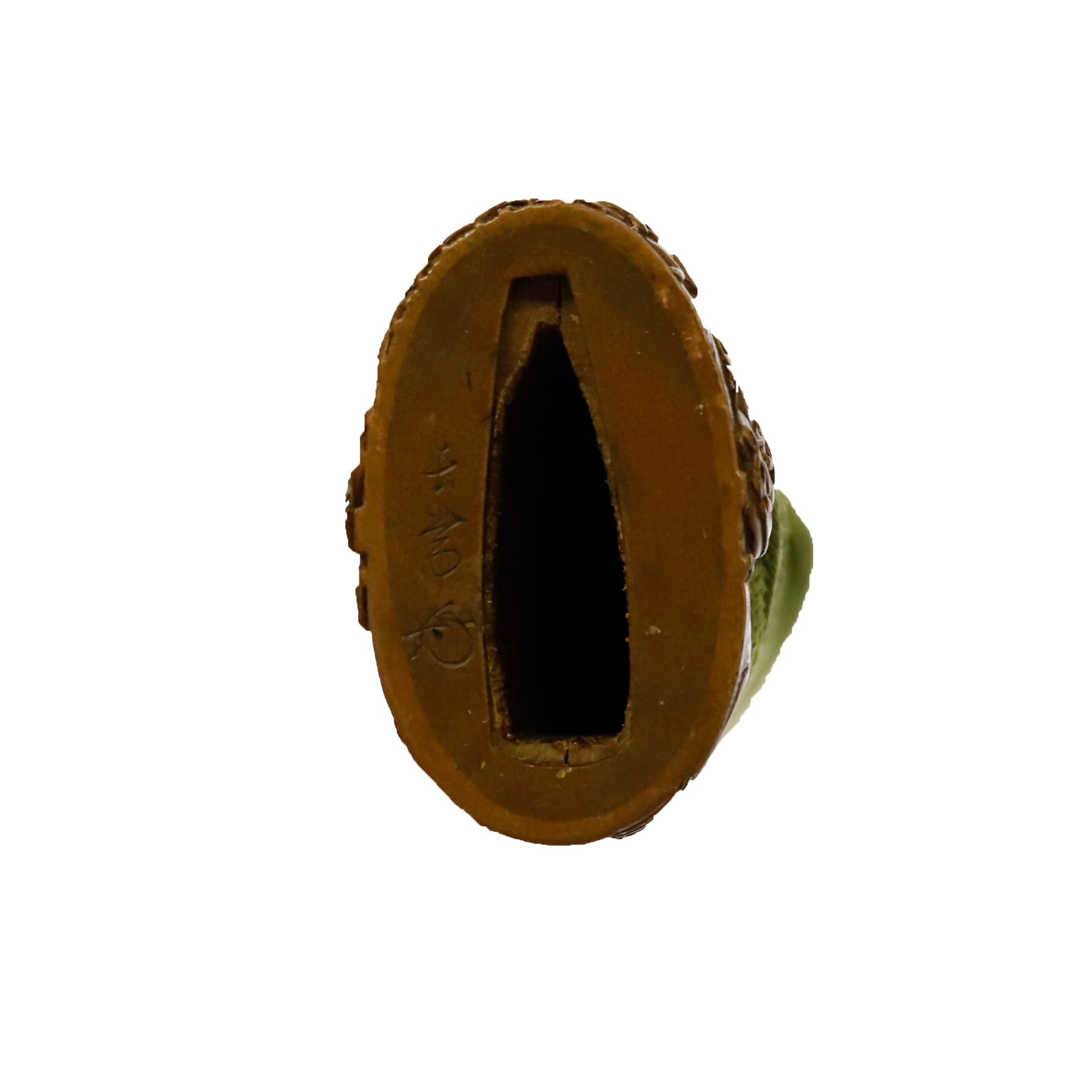
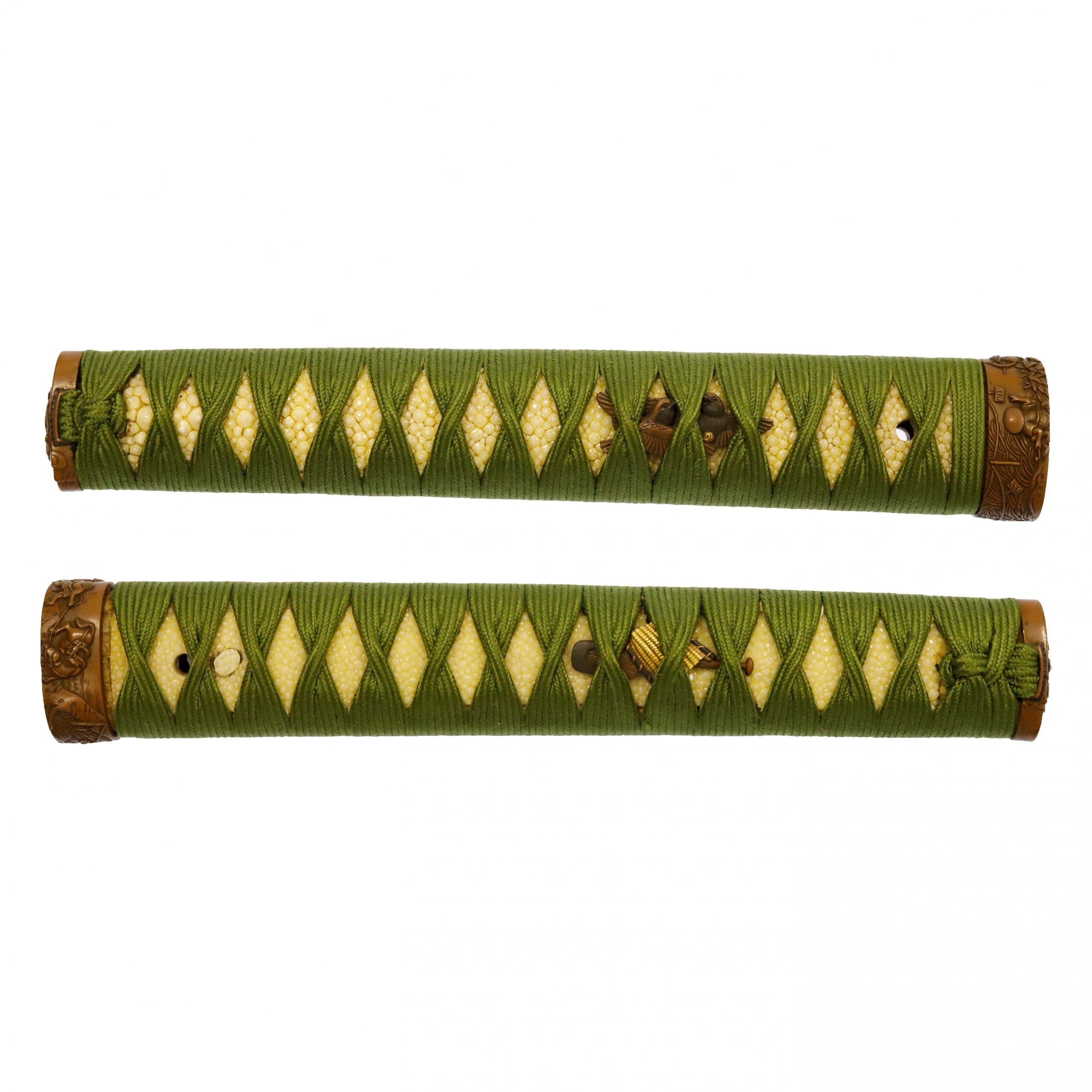
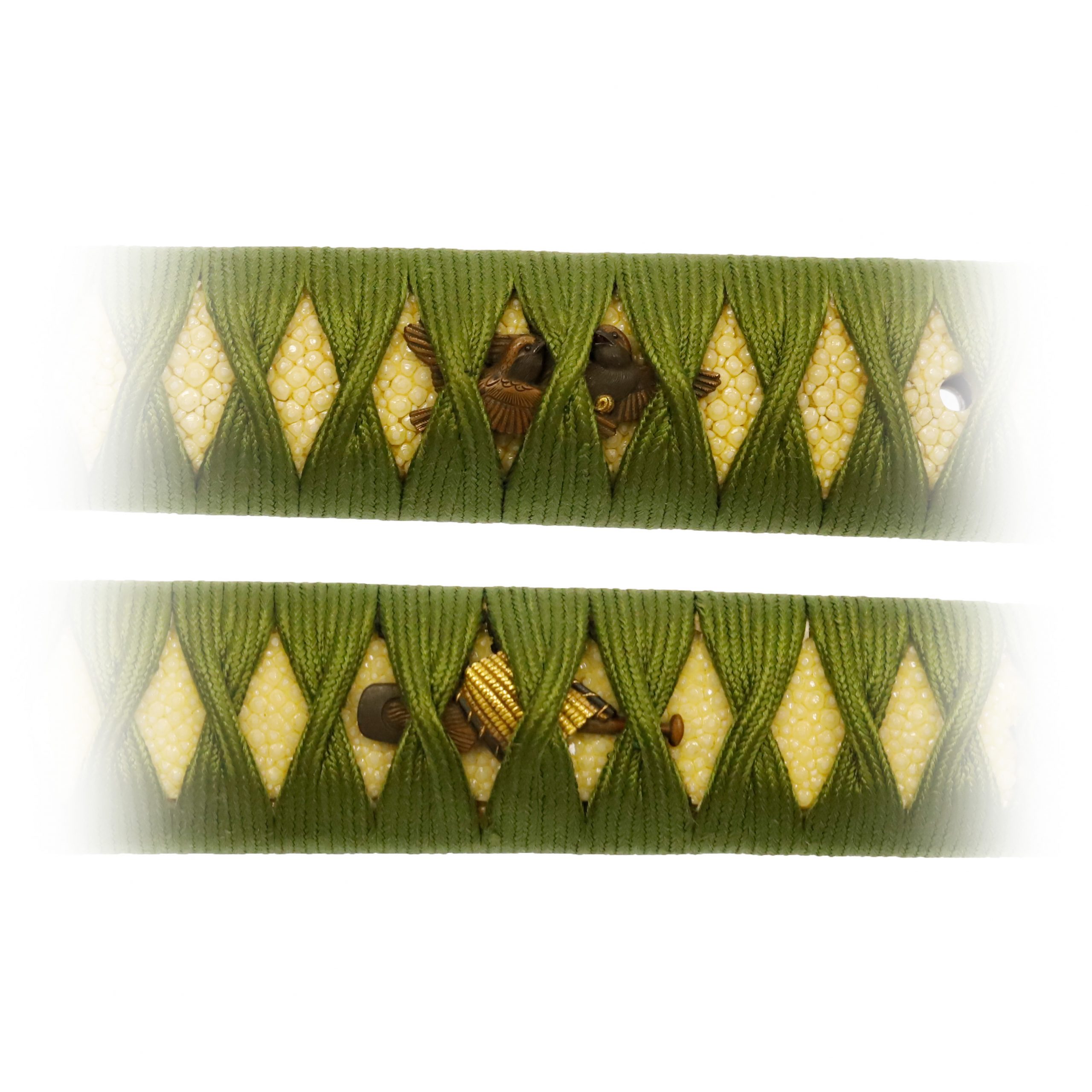
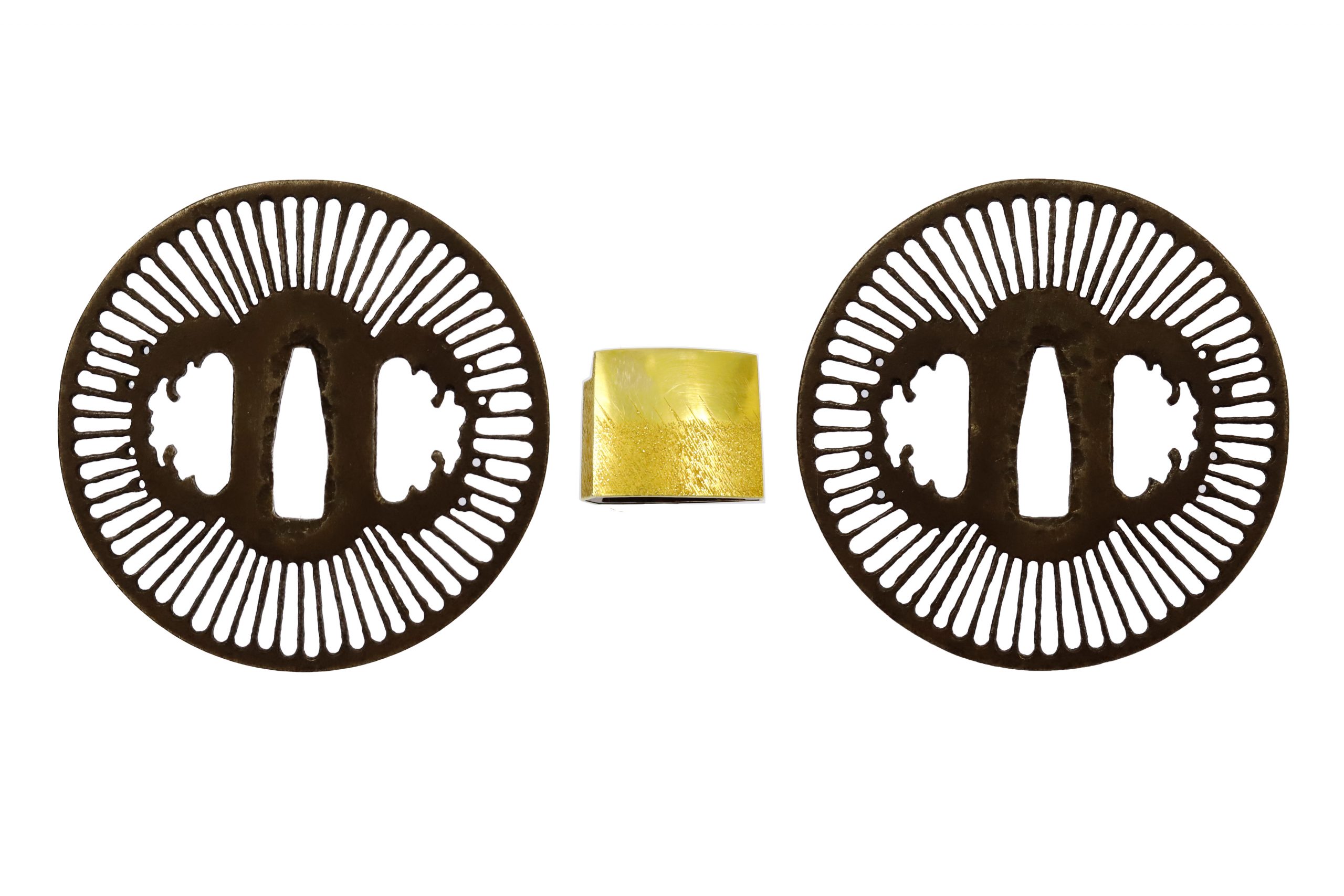
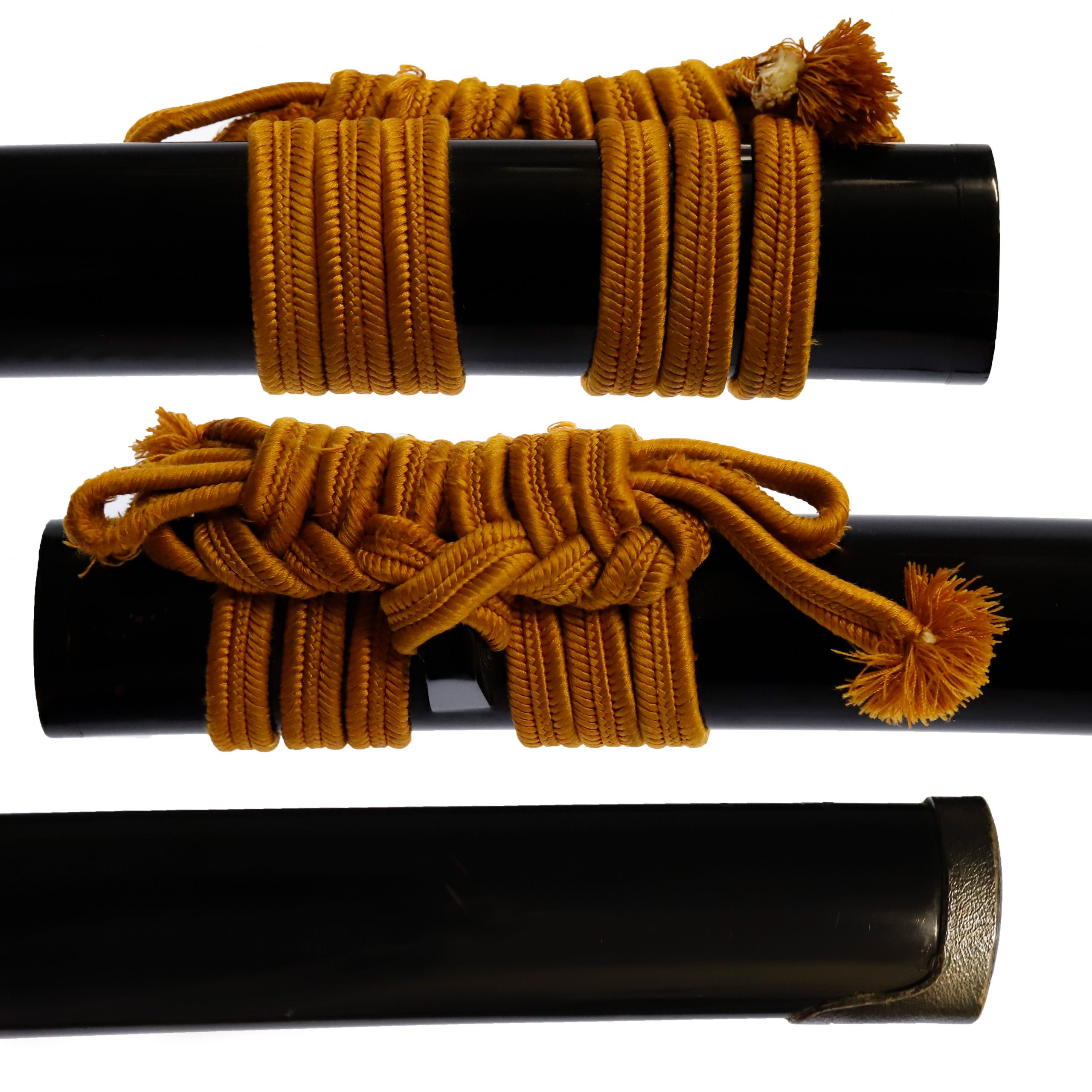
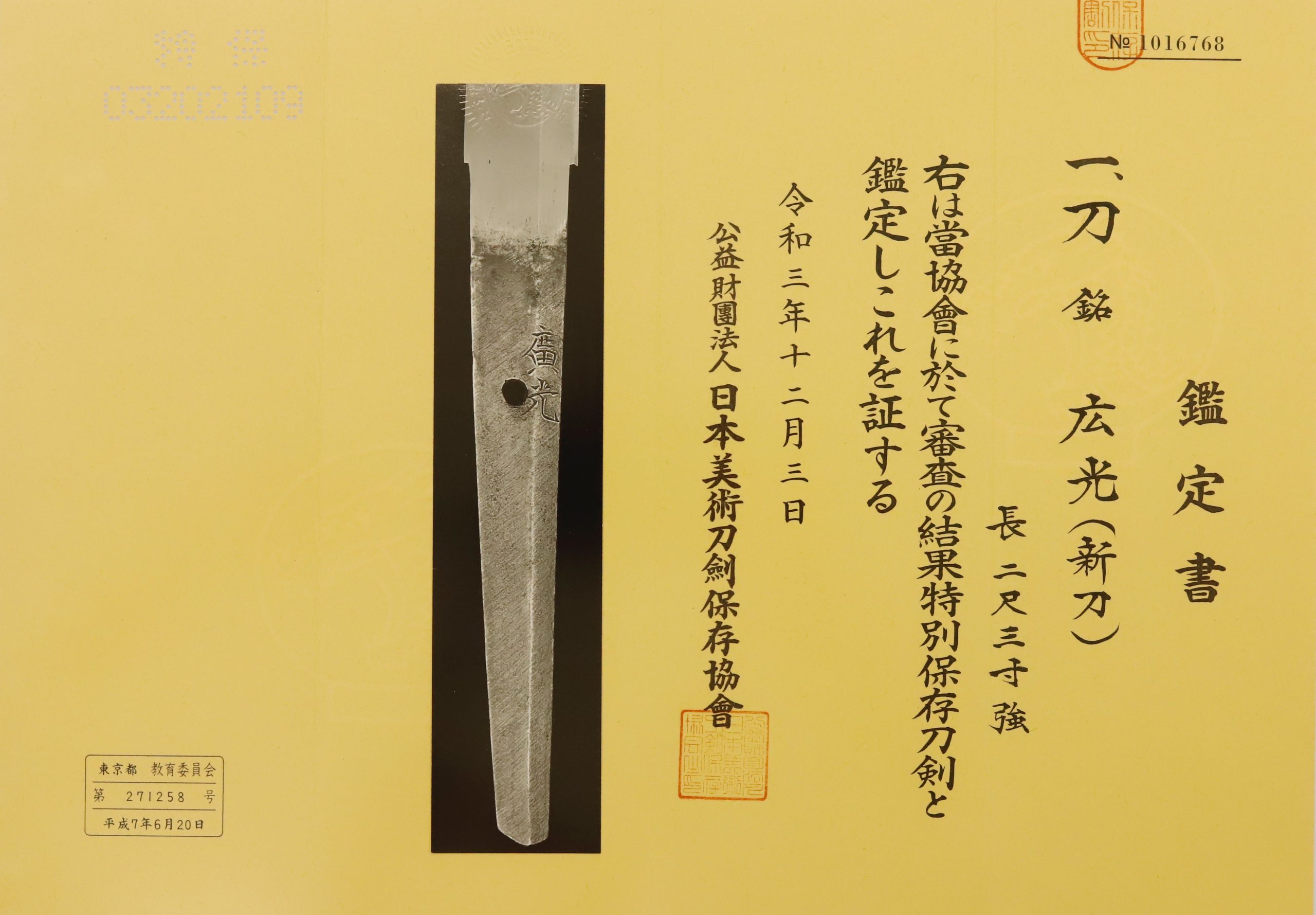
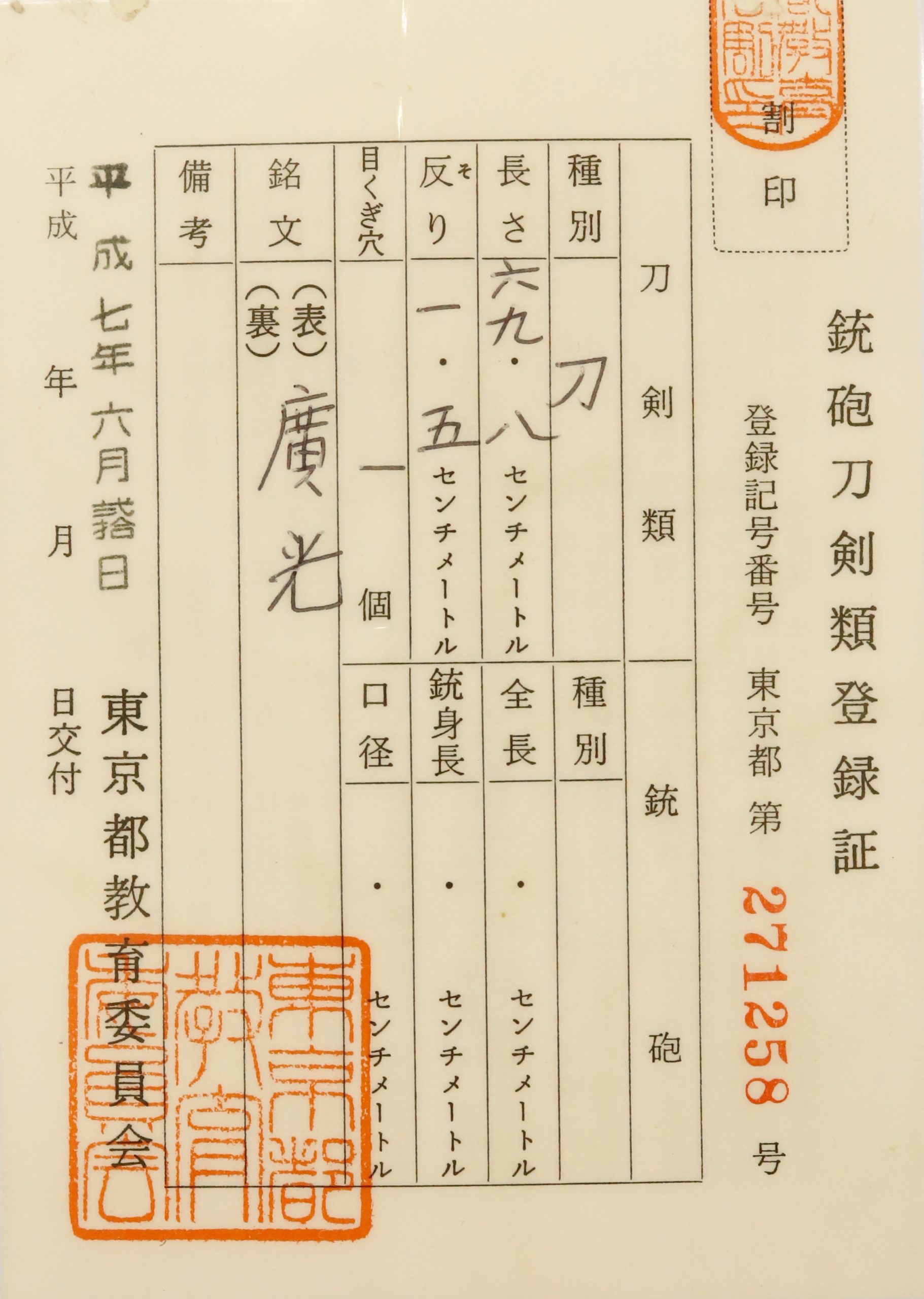
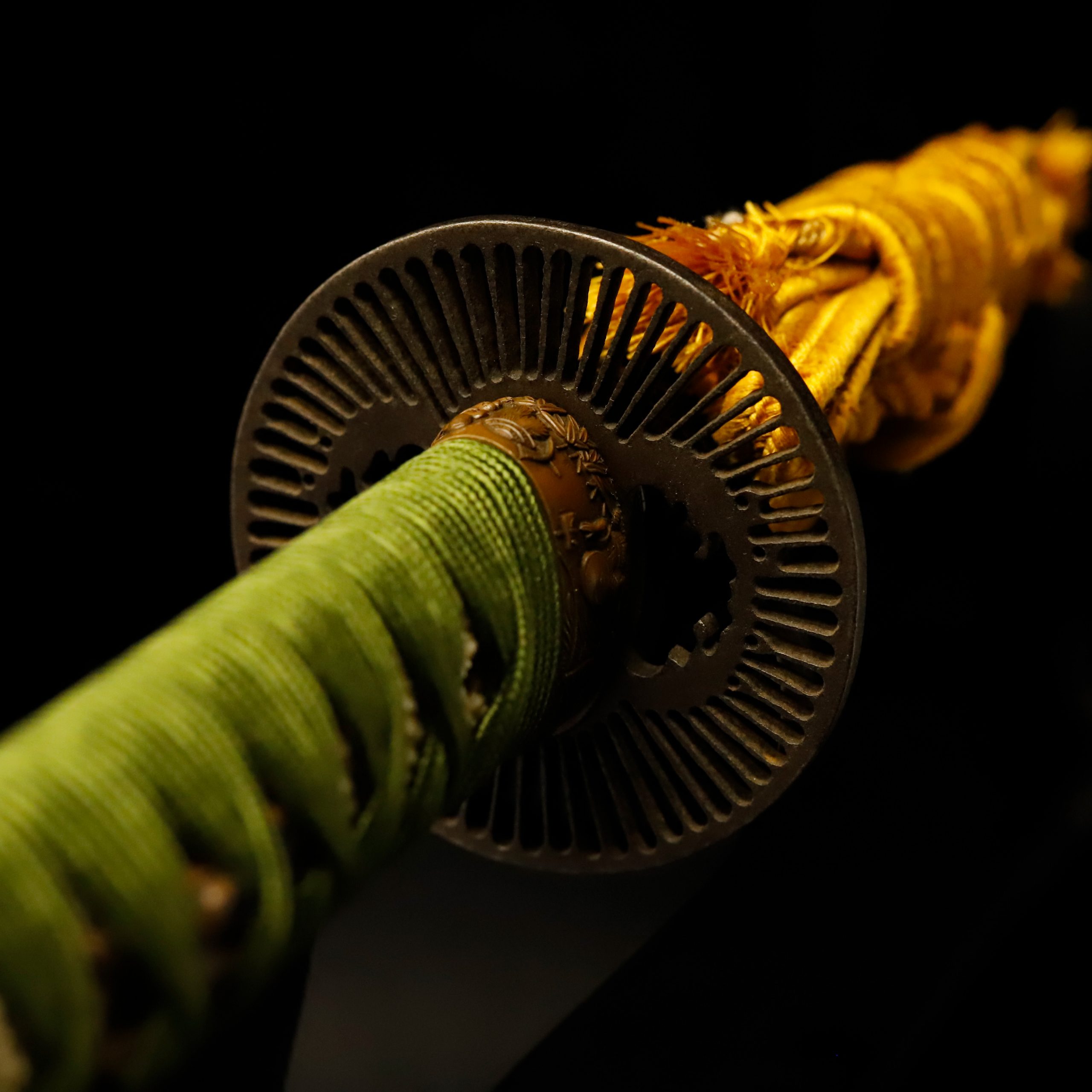
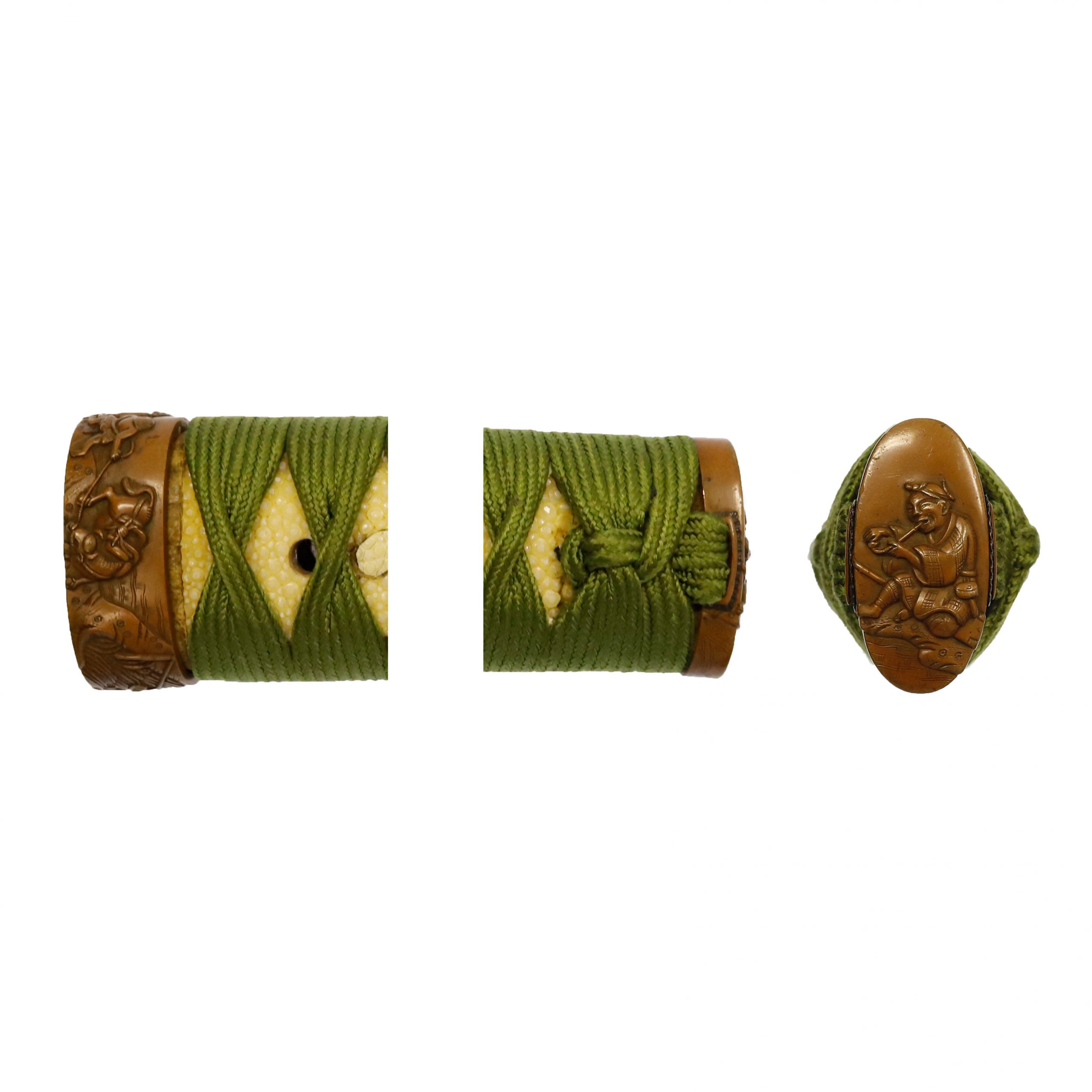
Antique Japanese Sword Katana Signed by Hiromitsu with Tokubetsu Hozon Certificate 【Description】 Summary This blade was signed by Hiromitsu (広光) during the Shinto era according to its NBTHK’s authentication paper. Shinto is Japanese Sword terminology that refers to the swords forged during 1596-1781 (Late Azuchi Momoyama-Mid Edo Edo Period). Based on the look of this blade, we strongly believe it was made during the early Edo Period (Early-Mid 17th century). There were a few swordsmiths who used Hiromitsu as his maker’s name during this time and NBTHK didn’t mention which Hiromitsu forged this blade. Nevertheless, you can see splendid craftsmanship from this period. Based on the shape of the Nakago (tang), this blade was never shortened in the past and keeps its original length. 69.8 cm is the standard size for the Japanese sword during the early Edo Period. What is the material of the Japanese sword and what makes Shinto sword special? Japanese blacksmithing has over a millennium of history. It dates back to the 1st century A.D. when ancient blacksmiths studied template method from the continent. Copper pottery and rice farming techniques were also introduced to Japan at the same time. Since then, Japanese blacksmiths had spent centuries to invent the traditional metal forging technique called TATARA(鑪). TATARA is a clay melting pot where you put iron sand and charcoal together to bond these chemicals with intensive heat. By using this technique, they started to make Japanese swords out of Tatara carbon-steel. This type of carbon-steel was later called TAMA-HAGANE (玉鋼; Ball-Steel). However, Tama-Hagane, in the early days, still had room for improvement. The schools of Katana (Japanese swords) continued carryi ng out various ways to make the best steel. In the Edo period (1603-1868 A.D.), they finally achieved the most steady mass-producing supply of Tama-Hagane. As transport li nks in the Edo period were far more advanced than those of any previous eras, Tama-Hagane has rapidly spread throughout the country. It was widely used for Shin-TO Japanese swords, since it was deemed the purest form of carbon-steel with the most stable chemical bond. It was also a defining moment in Japanese history when most swordsmiths in Japan used virtually the same ingredient in their blacksmithing. This blade is appraised as a Tokubetsu Hozon Token (特別保存刀剣) issued by NBTHK(Nihon Bijutsu Touken Hozon Kyokai:日本美術刀剣保存協会). This authentication paper was only given to authentic Japanese swords, especially well preserved and high quality with artistic value. 【 Blade】 Cutting Edge Length(Nagasa) : 69.8 cm(27.5 inches) Curvature(Sori) : 1.5 cm(0.59 inches) Hamon : The crystalline structure which forms along the cutting edge of a blade as a result of the hardening process Jimon(Jihada) : visible steel surface pattern created by folding and hammering during forging process Nakago : Nakago is the tang of the Japanese sword. Japanese swordsmiths left the black rust on the tang because it prevents red rust while the tang is in its handle. And the discoloration of the tang was created over time, and it is a great indicator for a Japanese sword specialist to estimate when the sword was forged. Koshirae: Koshirae is the mounting of the Japanese sword. There are several parts that consist of Koshirae such as Saya(Scabbard), Tsuka(Handle), Tsuba(Handguard). Fuchi-Kashira : A pair of matching sword fittings that cover the upper and bottom parts of its sword hilt. At the Kashira part, you would find a man smoking a cigarette. And at the Fuchi part, there are people walking with a cow. The series of stories is unknown, but it is thought to be a design that depicts people’s lives. Tsuka and Menuki : Tsuka is the handle of the Japanese sword and Menuki is its decoration. One side of this Menuki’s motif is a combination of two birds. They are probably sparrows. As they form a flock and act among birds, the sparrow pattern represents abundant crops and prosperity.

NihontoWatch MonNihontoWatchBETA
MarketAuctionsEncyclopedia
刀剣›廣光›Antique Japanese Sword Katana Signed by Hiromitsu NBTHK Tokubetsu Hozon Certificate
刀特別保存
廣光

Antique Japanese Sword Katana Signed by Hiromitsu NBTHK Tokubetsu Hozon Certificate

在銘 · 新刀 · 長さ 69.8cm · 反り 1.5cm
売却済
廣光 — 1 of 18
廣光 — 2 of 18
廣光 — 3 of 18
廣光 — 4 of 18
廣光 — 5 of 18
廣光 — 6 of 18
廣光 — 7 of 18
廣光 — 8 of 18
廣光 — 9 of 18
廣光 — 10 of 18
廣光 — 11 of 18
廣光 — 12 of 18
廣光 — 13 of 18
廣光 — 14 of 18
廣光 — 15 of 18
廣光 — 16 of 18
廣光 — 17 of 18
廣光 — 18 of 18
1 / 18
1 / 18
廣光 — 1 of 18廣光 — 2 of 18廣光 — 3 of 18廣光 — 4 of 18廣光 — 5 of 18廣光 — 6 of 18廣光 — 7 of 18廣光 — 8 of 18廣光 — 9 of 18廣光 — 10 of 18廣光 — 11 of 18廣光 — 12 of 18廣光 — 13 of 18廣光 — 14 of 18廣光 — 15 of 18廣光 — 16 of 18廣光 — 17 of 18廣光 — 18 of 18
法量・詳細
刀工
廣光
種別
刀
活動期
1688–1704年頃(Genroku)
銘
在銘
法量
長さ 69.8cm反り 1.5cm
説明

Antique Japanese Sword Katana Signed by Hiromitsu with Tokubetsu Hozon Certificate 【Description】 Summary This blade was signed by Hiromitsu (広光) during the Shinto era according to its NBTHK’s authentication paper. Shinto is Japanese Sword terminology that refers to the swords forged during 1596-1781 (Late Azuchi Momoyama-Mid Edo Edo Period). Based on the look of this blade, we strongly believe it was made during the early Edo Period (Early-Mid 17th century). There were a few swordsmiths who used Hiromitsu as his maker’s name during this time and NBTHK didn’t mention which Hiromitsu forged this blade. Nevertheless, you can see splendid craftsmanship from this period. Based on the shape of the Nakago (tang), this blade was never shortened in the past and keeps its original length. 69.8 cm is the standard size for the Japanese sword during the early Edo Period. What is the material of the Japanese sword and what makes Shinto sword special? Japanese blacksmithing has over a millennium of history. It dates back to the 1st century A.D. when ancient blacksmiths studied template method from the continent. Copper pottery and rice farming techniques were also introduced to Japan at the same time. Since then, Japanese blacksmiths had spent centuries to invent the traditional metal forging technique called TATARA(鑪). TATARA is a clay melting pot where you put iron sand and charcoal together to bond these chemicals with intensive heat. By using this technique, they started to make Japanese swords out of Tatara carbon-steel. This type of carbon-steel was later called TAMA-HAGANE (玉鋼; Ball-Steel). However, Tama-Hagane, in the early days, still had room for improvement. The schools of Katana (Japanese swords) continued carryi ng out various ways to make the best steel. In the Edo period (1603-1868 A.D.), they finally achieved the most steady mass-producing supply of Tama-Hagane. As transport li nks in the Edo period were far more advanced than those of any previous eras, Tama-Hagane has rapidly spread throughout the country. It was widely used for Shin-TO Japanese swords, since it was deemed the purest form of carbon-steel with the most stable chemical bond. It was also a defining moment in Japanese history when most swordsmiths in Japan used virtually the same ingredient in their blacksmithing. This blade is appraised as a Tokubetsu Hozon Token (特別保存刀剣) issued by NBTHK(Nihon Bijutsu Touken Hozon Kyokai:日本美術刀剣保存協会). This authentication paper was only given to authentic Japanese swords, especially well preserved and high quality with artistic value. 【 Blade】 Cutting Edge Length(Nagasa) : 69.8 cm(27.5 inches) Curvature(Sori) : 1.5 cm(0.59 inches) Hamon : The crystalline structure which forms along the cutting edge of a blade as a result of the hardening process Jimon(Jihada) : visible steel surface pattern created by folding and hammering during forging process Nakago : Nakago is the tang of the Japanese sword. Japanese swordsmiths left the black rust on the tang because it prevents red rust while the tang is in its handle. And the discoloration of the tang was created over time, and it is a great indicator for a Japanese sword specialist to estimate when the sword was forged. Koshirae: Koshirae is the mounting of the Japanese sword. There are several parts that consist of Koshirae such as Saya(Scabbard), Tsuka(Handle), Tsuba(Handguard). Fuchi-Kashira : A pair of matching sword fittings that cover the upper and bottom parts of its sword hilt. At the Kashira part, you would find a man smoking a cigarette. And at the Fuchi part, there are people walking with a cow. The series of stories is unknown, but it is thought to be a design that depicts people’s lives. Tsuka and Menuki : Tsuka is the handle of the Japanese sword and Menuki is its decoration. One side of this Menuki’s motif is a combination of two birds. They are probably sparrows. As they form a flock and act among birds, the sparrow pattern represents abundant crops and prosperity.

作者について

廣光

武蔵 · 1688-1704頃

刀剣大鑑 上位76%

現在1点販売中

›
廣光の作 1点が現在販売中→
廣光 — 詳細
NBTHK鑑定書
Tokubetsu Hozon Tōken特別保存刀剣
Sword Especially Worthy of Preservation
›

保存刀剣のうち、出来が一層優れ、保存状態も良好と認められたものです。再刃や、室町・江戸期の多くの無銘作は対象外となり、保存刀剣より高い基準が課されます。

NBTHKについて›

日本美術刀剣保存協会(NBTHK)は、1948年に設立され、文化庁の監督を受ける公益財団法人で、東京・刀剣博物館に本部を置きます。専門の審査員が出品作を直接審査し、美術的・歴史的価値に応じた鑑定書を発行します。NBTHKの鑑定書は、日本刀および刀装具の真正性を示す最も広く認知された基準です。

NBTHK公式サイト→
販売店
サ
サムライミュージアム
🇯🇵日本から発送
›
✓認証販売店samuraimuseum.jp
✓海外発送可✓英語対応PayPalクレジットカード
返品ポリシー

Returns/exchanges limited to defects caused by shipping (except willful misconduct or gross negligence by the company); customers must contact within 72 hours of receiving the product.

サムライミュージアムの出品一覧を見る→販売店サイトでこの商品を見る→

廣光の他の作

すべて見る →
Tozando
Tanto - by Hiromitsu - 真剣 新刀期 短刀 廣光|東山堂Tanto - by Hiromitsu - 真剣 新刀期 短刀 廣光|東山堂

短刀

作廣光
22.7cm·Genroku (1688-1704)
¥380,000

廣光の売約済み

池田美術
Katana - by Hiromitsu - 【樋鳴り良し】「廣光」 67.3cm 、鑑賞に・居合・試斬刀として!!!Katana - by Hiromitsu - 【樋鳴り良し】「廣光」 67.3cm 、鑑賞に・居合・試斬刀として!!!
売切れ

刀

作廣光
67.3cm·江戸
売却済
Tokyo Sword
Tanto - by Hiromitsu - 大隅守廣光 銘 合口短刀 小柄・白鞘付Tanto - by Hiromitsu - 大隅守廣光 銘 合口短刀 小柄・白鞘付
売切れ

短刀

作廣光
20cm·Genroku (1688-1704)
売却済

刀剣

  • 刀
  • 脇差
  • 短刀
  • 太刀
  • 薙刀
  • 槍

刀装具

  • 鍔
  • 縁頭
  • 小柄
  • 目貫

鑑定別

  • 特重
  • 重要
  • 特別保存
  • 保存

リソース

  • 刀剣商一覧
  • 刀工一覧
  • すべて見る
Nihontowatch© 2026
利用規約プライバシーCookie運営者情報

説明

Antique Japanese Sword Katana Signed by Hiromitsu with Tokubetsu Hozon Certificate 【Description】 Summary This blade was signed by Hiromitsu (広光) during the Shinto era according to its NBTHK’s authentication paper. Shinto is Japanese Sword terminology that refers to the swords forged during 1596-1781 (Late Azuchi Momoyama-Mid Edo Edo Period). Based on the look of this blade, we strongly believe it was made during the early Edo Period (Early-Mid 17th century). There were a few swordsmiths who used Hiromitsu as his maker’s name during this time and NBTHK didn’t mention which Hiromitsu forged this blade. Nevertheless, you can see splendid craftsmanship from this period. Based on the shape of the Nakago (tang), this blade was never shortened in the past and keeps its original length. 69.8 cm is the standard size for the Japanese sword during the early Edo Period. What is the material of the Japanese sword and what makes Shinto sword special? Japanese blacksmithing has over a millennium of history. It dates back to the 1st century A.D. when ancient blacksmiths studied template method from the continent. Copper pottery and rice farming techniques were also introduced to Japan at the same time. Since then, Japanese blacksmiths had spent centuries to invent the traditional metal forging technique called TATARA(鑪). TATARA is a clay melting pot where you put iron sand and charcoal together to bond these chemicals with intensive heat. By using this technique, they started to make Japanese swords out of Tatara carbon-steel. This type of carbon-steel was later called TAMA-HAGANE (玉鋼; Ball-Steel). However, Tama-Hagane, in the early days, still had room for improvement. The schools of Katana (Japanese swords) continued carryi ng out various ways to make the best steel. In the Edo period (1603-1868 A.D.), they finally achieved the most steady mass-producing supply of Tama-Hagane. As transport li nks in the Edo period were far more advanced than those of any previous eras, Tama-Hagane has rapidly spread throughout the country. It was widely used for Shin-TO Japanese swords, since it was deemed the purest form of carbon-steel with the most stable chemical bond. It was also a defining moment in Japanese history when most swordsmiths in Japan used virtually the same ingredient in their blacksmithing. This blade is appraised as a Tokubetsu Hozon Token (特別保存刀剣) issued by NBTHK(Nihon Bijutsu Touken Hozon Kyokai:日本美術刀剣保存協会). This authentication paper was only given to authentic Japanese swords, especially well preserved and high quality with artistic value. 【 Blade】 Cutting Edge Length(Nagasa) : 69.8 cm(27.5 inches) Curvature(Sori) : 1.5 cm(0.59 inches) Hamon : The crystalline structure which forms along the cutting edge of a blade as a result of the hardening process Jimon(Jihada) : visible steel surface pattern created by folding and hammering during forging process Nakago : Nakago is the tang of the Japanese sword. Japanese swordsmiths left the black rust on the tang because it prevents red rust while the tang is in its handle. And the discoloration of the tang was created over time, and it is a great indicator for a Japanese sword specialist to estimate when the sword was forged. Koshirae: Koshirae is the mounting of the Japanese sword. There are several parts that consist of Koshirae such as Saya(Scabbard), Tsuka(Handle), Tsuba(Handguard). Fuchi-Kashira : A pair of matching sword fittings that cover the upper and bottom parts of its sword hilt. At the Kashira part, you would find a man smoking a cigarette. And at the Fuchi part, there are people walking with a cow. The series of stories is unknown, but it is thought to be a design that depicts people’s lives. Tsuka and Menuki : Tsuka is the handle of the Japanese sword and Menuki is its decoration. One side of this Menuki’s motif is a combination of two birds. They are probably sparrows. As they form a flock and act among birds, the sparrow pattern represents abundant crops and prosperity.

NihontoWatch MonNihontoWatchBETA
MarketAuctionsEncyclopedia
刀剣›廣光›Antique Japanese Sword Katana Signed by Hiromitsu NBTHK Tokubetsu Hozon Certificate
刀特別保存
廣光

Antique Japanese Sword Katana Signed by Hiromitsu NBTHK Tokubetsu Hozon Certificate

在銘 · 新刀 · 長さ 69.8cm · 反り 1.5cm
売却済
廣光 — 1 of 18
廣光 — 2 of 18
廣光 — 3 of 18
廣光 — 4 of 18
廣光 — 5 of 18
廣光 — 6 of 18
廣光 — 7 of 18
廣光 — 8 of 18
廣光 — 9 of 18
廣光 — 10 of 18
廣光 — 11 of 18
廣光 — 12 of 18
廣光 — 13 of 18
廣光 — 14 of 18
廣光 — 15 of 18
廣光 — 16 of 18
廣光 — 17 of 18
廣光 — 18 of 18
1 / 18
1 / 18
廣光 — 1 of 18廣光 — 2 of 18廣光 — 3 of 18廣光 — 4 of 18廣光 — 5 of 18廣光 — 6 of 18廣光 — 7 of 18廣光 — 8 of 18廣光 — 9 of 18廣光 — 10 of 18廣光 — 11 of 18廣光 — 12 of 18廣光 — 13 of 18廣光 — 14 of 18廣光 — 15 of 18廣光 — 16 of 18廣光 — 17 of 18廣光 — 18 of 18
法量・詳細
刀工
廣光
種別
刀
活動期
1688–1704年頃(Genroku)
銘
在銘
法量
長さ 69.8cm反り 1.5cm
説明

Antique Japanese Sword Katana Signed by Hiromitsu with Tokubetsu Hozon Certificate 【Description】 Summary This blade was signed by Hiromitsu (広光) during the Shinto era according to its NBTHK’s authentication paper. Shinto is Japanese Sword terminology that refers to the swords forged during 1596-1781 (Late Azuchi Momoyama-Mid Edo Edo Period). Based on the look of this blade, we strongly believe it was made during the early Edo Period (Early-Mid 17th century). There were a few swordsmiths who used Hiromitsu as his maker’s name during this time and NBTHK didn’t mention which Hiromitsu forged this blade. Nevertheless, you can see splendid craftsmanship from this period. Based on the shape of the Nakago (tang), this blade was never shortened in the past and keeps its original length. 69.8 cm is the standard size for the Japanese sword during the early Edo Period. What is the material of the Japanese sword and what makes Shinto sword special? Japanese blacksmithing has over a millennium of history. It dates back to the 1st century A.D. when ancient blacksmiths studied template method from the continent. Copper pottery and rice farming techniques were also introduced to Japan at the same time. Since then, Japanese blacksmiths had spent centuries to invent the traditional metal forging technique called TATARA(鑪). TATARA is a clay melting pot where you put iron sand and charcoal together to bond these chemicals with intensive heat. By using this technique, they started to make Japanese swords out of Tatara carbon-steel. This type of carbon-steel was later called TAMA-HAGANE (玉鋼; Ball-Steel). However, Tama-Hagane, in the early days, still had room for improvement. The schools of Katana (Japanese swords) continued carryi ng out various ways to make the best steel. In the Edo period (1603-1868 A.D.), they finally achieved the most steady mass-producing supply of Tama-Hagane. As transport li nks in the Edo period were far more advanced than those of any previous eras, Tama-Hagane has rapidly spread throughout the country. It was widely used for Shin-TO Japanese swords, since it was deemed the purest form of carbon-steel with the most stable chemical bond. It was also a defining moment in Japanese history when most swordsmiths in Japan used virtually the same ingredient in their blacksmithing. This blade is appraised as a Tokubetsu Hozon Token (特別保存刀剣) issued by NBTHK(Nihon Bijutsu Touken Hozon Kyokai:日本美術刀剣保存協会). This authentication paper was only given to authentic Japanese swords, especially well preserved and high quality with artistic value. 【 Blade】 Cutting Edge Length(Nagasa) : 69.8 cm(27.5 inches) Curvature(Sori) : 1.5 cm(0.59 inches) Hamon : The crystalline structure which forms along the cutting edge of a blade as a result of the hardening process Jimon(Jihada) : visible steel surface pattern created by folding and hammering during forging process Nakago : Nakago is the tang of the Japanese sword. Japanese swordsmiths left the black rust on the tang because it prevents red rust while the tang is in its handle. And the discoloration of the tang was created over time, and it is a great indicator for a Japanese sword specialist to estimate when the sword was forged. Koshirae: Koshirae is the mounting of the Japanese sword. There are several parts that consist of Koshirae such as Saya(Scabbard), Tsuka(Handle), Tsuba(Handguard). Fuchi-Kashira : A pair of matching sword fittings that cover the upper and bottom parts of its sword hilt. At the Kashira part, you would find a man smoking a cigarette. And at the Fuchi part, there are people walking with a cow. The series of stories is unknown, but it is thought to be a design that depicts people’s lives. Tsuka and Menuki : Tsuka is the handle of the Japanese sword and Menuki is its decoration. One side of this Menuki’s motif is a combination of two birds. They are probably sparrows. As they form a flock and act among birds, the sparrow pattern represents abundant crops and prosperity.

作者について

廣光

武蔵 · 1688-1704頃

刀剣大鑑 上位76%

現在1点販売中

›
廣光の作 1点が現在販売中→
廣光 — 詳細
NBTHK鑑定書
Tokubetsu Hozon Tōken特別保存刀剣
Sword Especially Worthy of Preservation
›

保存刀剣のうち、出来が一層優れ、保存状態も良好と認められたものです。再刃や、室町・江戸期の多くの無銘作は対象外となり、保存刀剣より高い基準が課されます。

NBTHKについて›

日本美術刀剣保存協会(NBTHK)は、1948年に設立され、文化庁の監督を受ける公益財団法人で、東京・刀剣博物館に本部を置きます。専門の審査員が出品作を直接審査し、美術的・歴史的価値に応じた鑑定書を発行します。NBTHKの鑑定書は、日本刀および刀装具の真正性を示す最も広く認知された基準です。

NBTHK公式サイト→
販売店
サ
サムライミュージアム
🇯🇵日本から発送
›
✓認証販売店samuraimuseum.jp
✓海外発送可✓英語対応PayPalクレジットカード
返品ポリシー

Returns/exchanges limited to defects caused by shipping (except willful misconduct or gross negligence by the company); customers must contact within 72 hours of receiving the product.

サムライミュージアムの出品一覧を見る→販売店サイトでこの商品を見る→

廣光の他の作

すべて見る →
Tozando
Tanto - by Hiromitsu - 真剣 新刀期 短刀 廣光|東山堂Tanto - by Hiromitsu - 真剣 新刀期 短刀 廣光|東山堂

短刀

作廣光
22.7cm·Genroku (1688-1704)
¥380,000

廣光の売約済み

池田美術
Katana - by Hiromitsu - 【樋鳴り良し】「廣光」 67.3cm 、鑑賞に・居合・試斬刀として!!!Katana - by Hiromitsu - 【樋鳴り良し】「廣光」 67.3cm 、鑑賞に・居合・試斬刀として!!!
売切れ

刀

作廣光
67.3cm·江戸
売却済
Tokyo Sword
Tanto - by Hiromitsu - 大隅守廣光 銘 合口短刀 小柄・白鞘付Tanto - by Hiromitsu - 大隅守廣光 銘 合口短刀 小柄・白鞘付
売切れ

短刀

作廣光
20cm·Genroku (1688-1704)
売却済

刀剣

  • 刀
  • 脇差
  • 短刀
  • 太刀
  • 薙刀
  • 槍

刀装具

  • 鍔
  • 縁頭
  • 小柄
  • 目貫

鑑定別

  • 特重
  • 重要
  • 特別保存
  • 保存

リソース

  • 刀剣商一覧
  • 刀工一覧
  • すべて見る
Nihontowatch© 2026
利用規約プライバシーCookie運営者情報
NihontoWatch Mon

NihontoWatchBETA

マーケットオークション
事典
NihontoWatch Mon

NihontoWatchBETA

マーケットオークション
事典