徳川の泰平のもと、大小は法度の定める身分の制服となり、需要は城下町、とりわけ江戸に集まった。工芸は二つに分かれる。目利きのための華やかな鑑賞の作と、截断の結果を金象嵌に刻む実証の刀である。
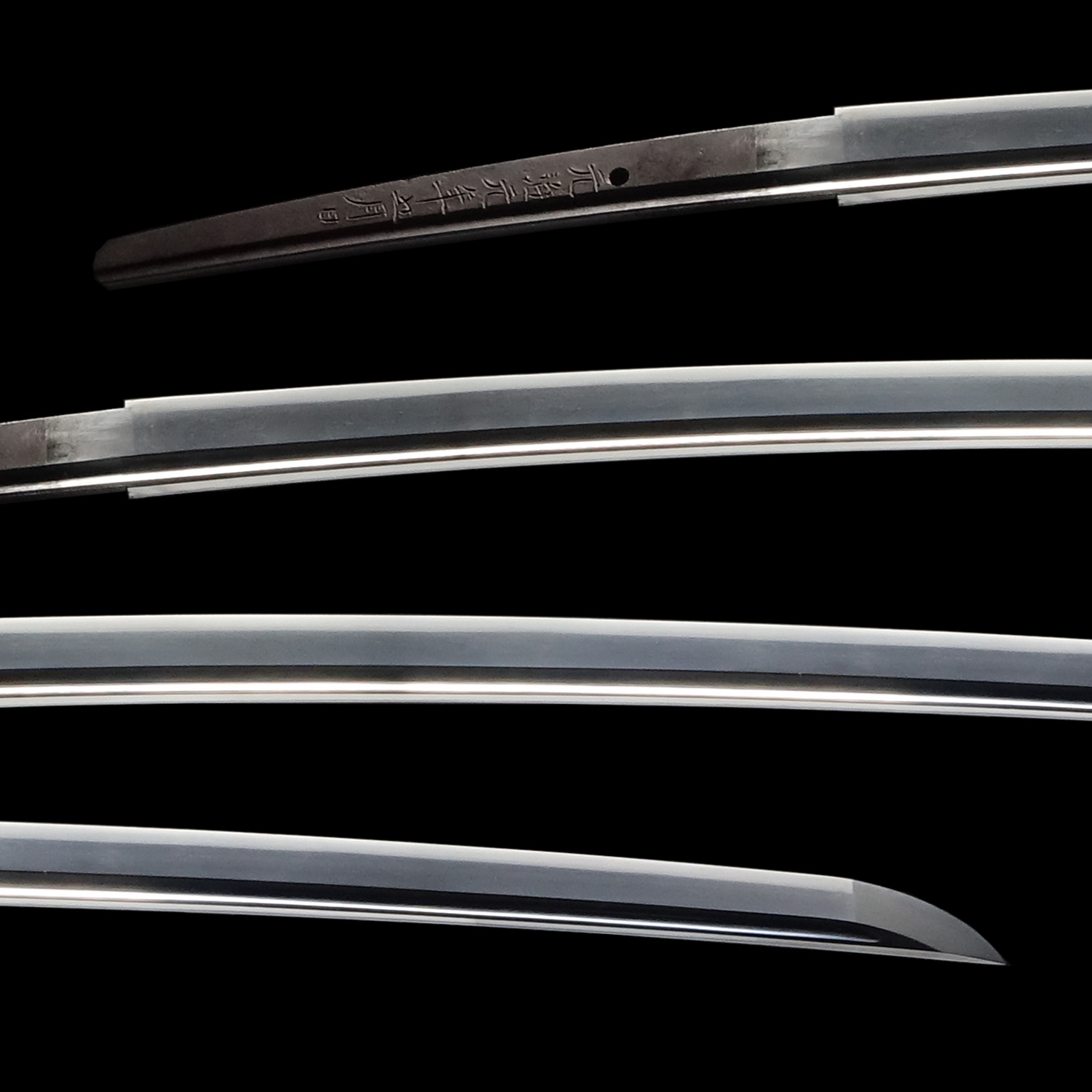
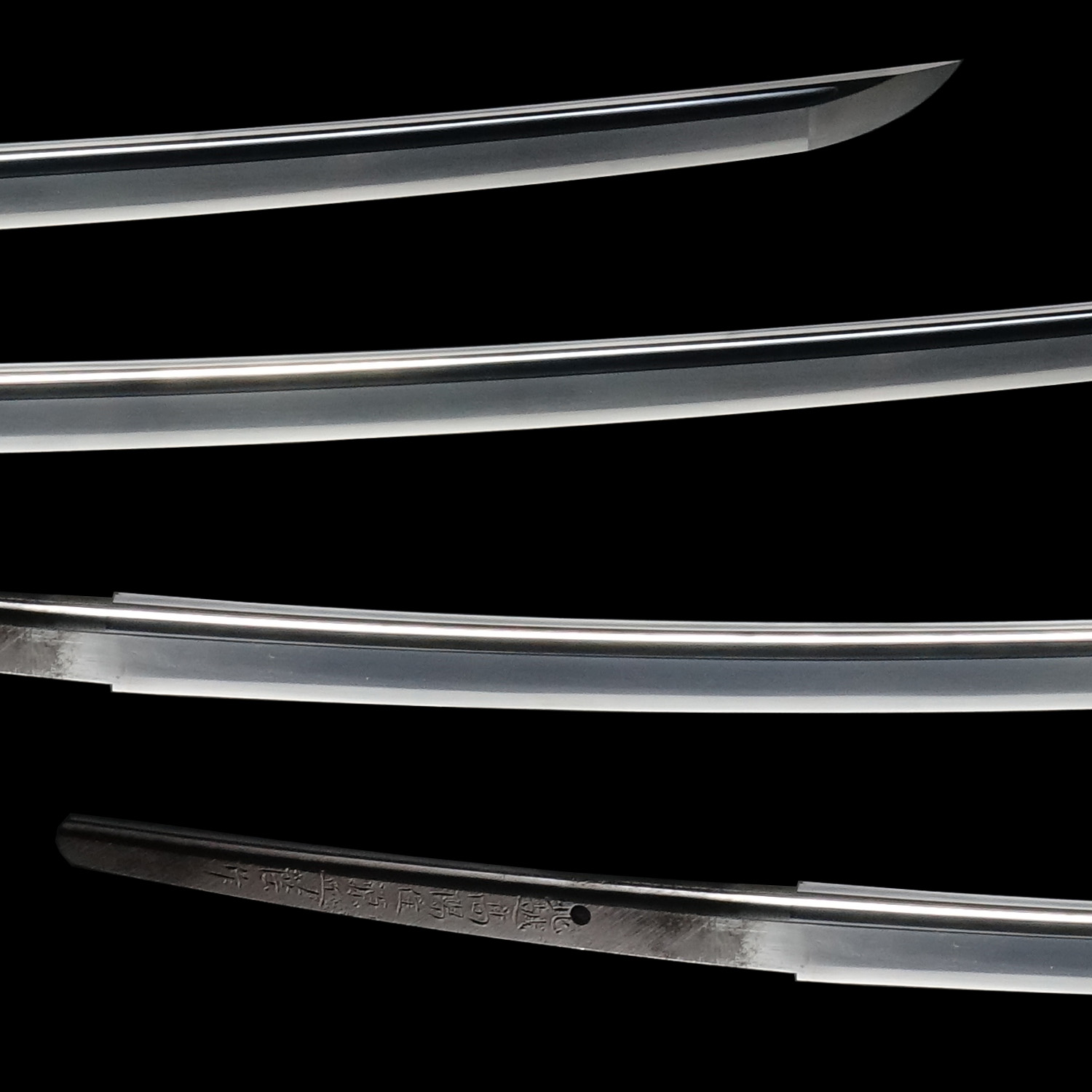
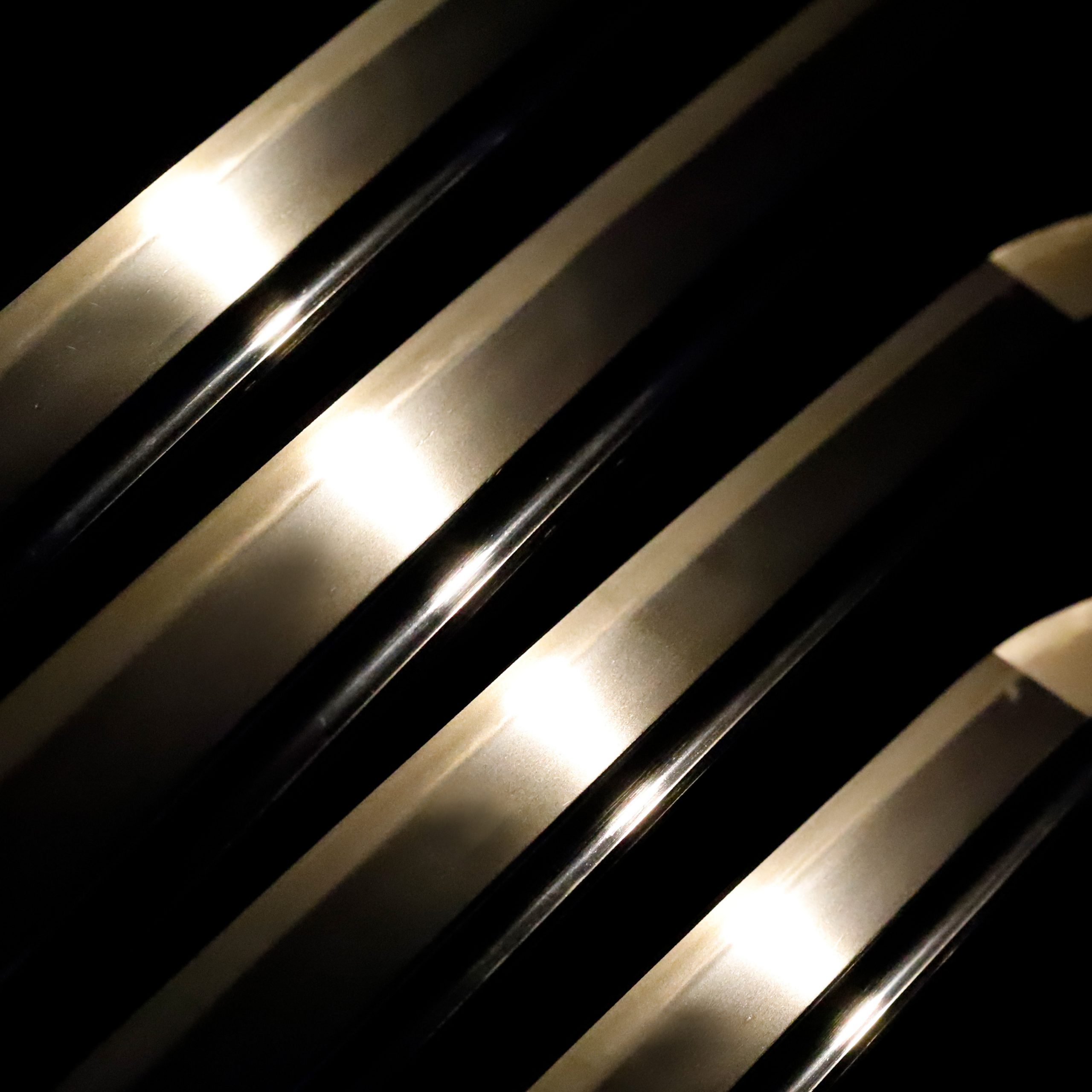
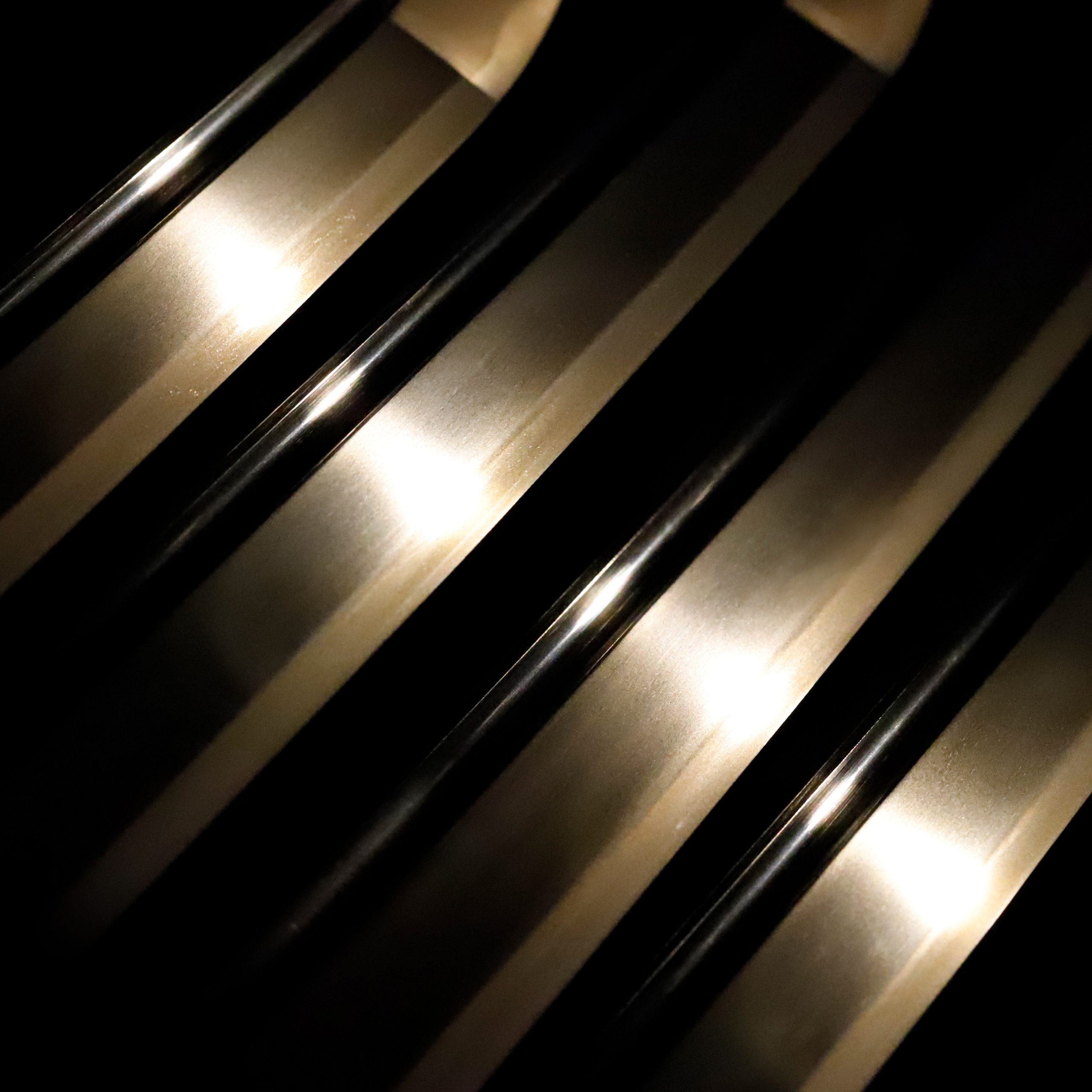
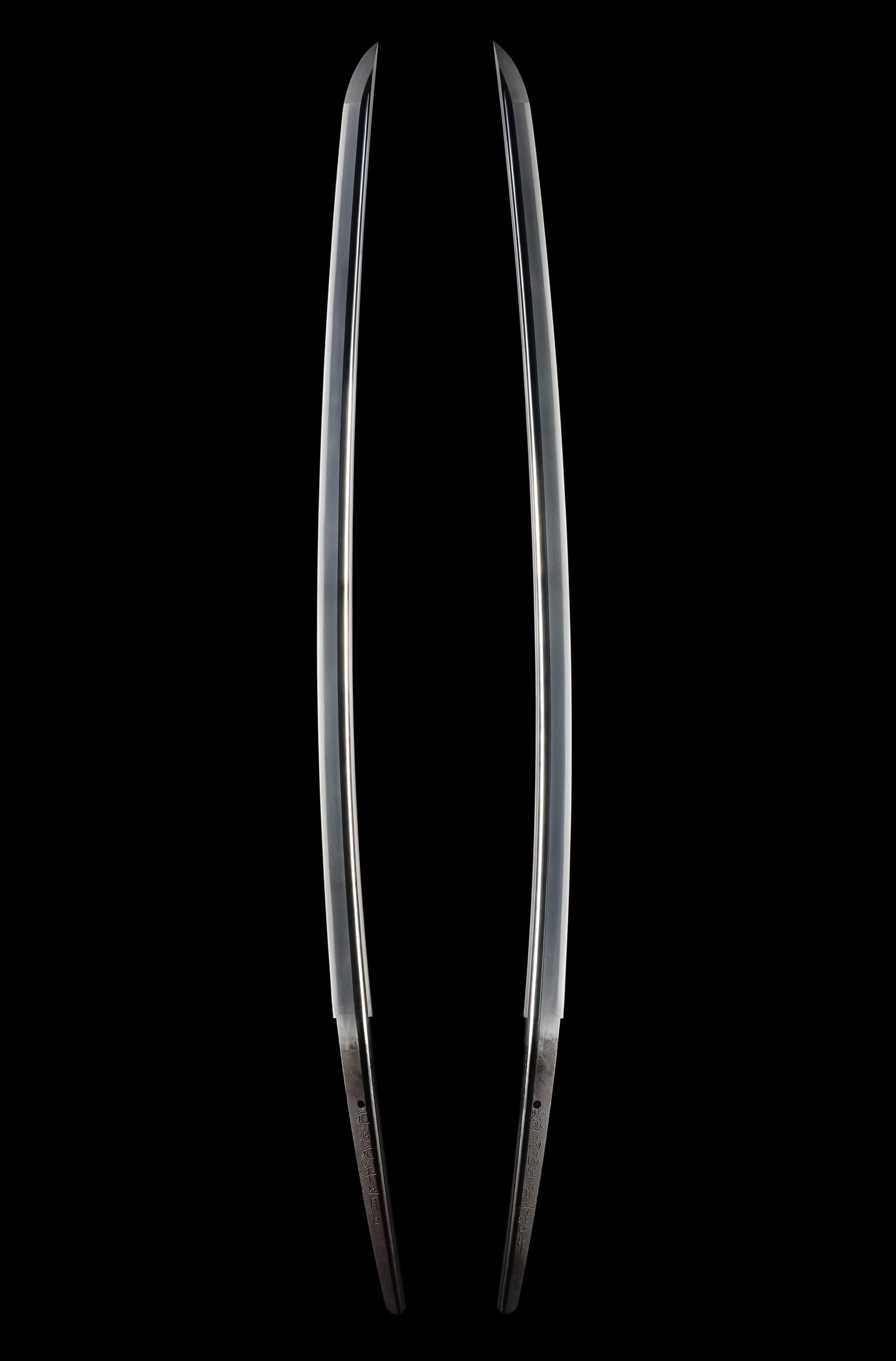
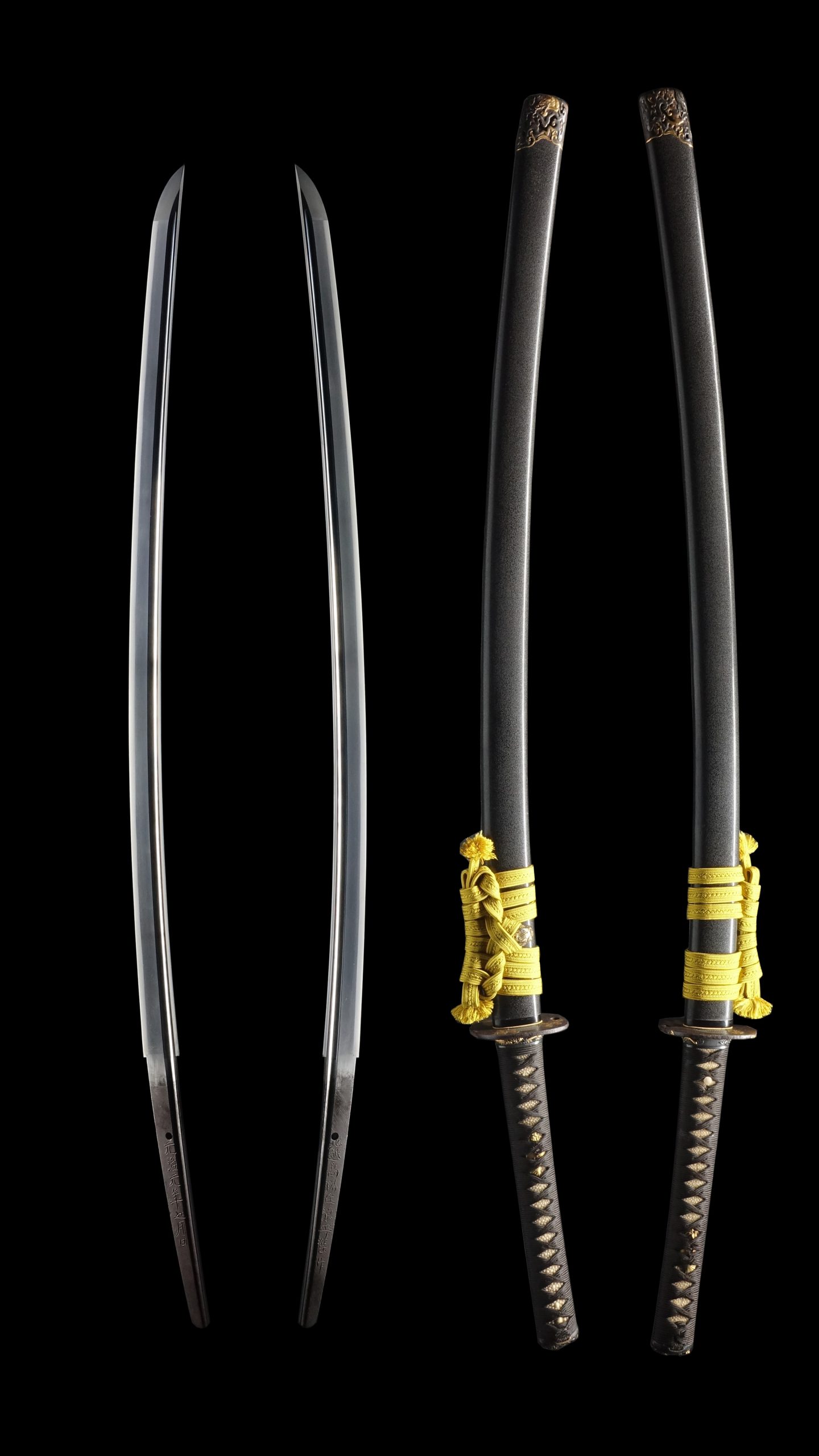
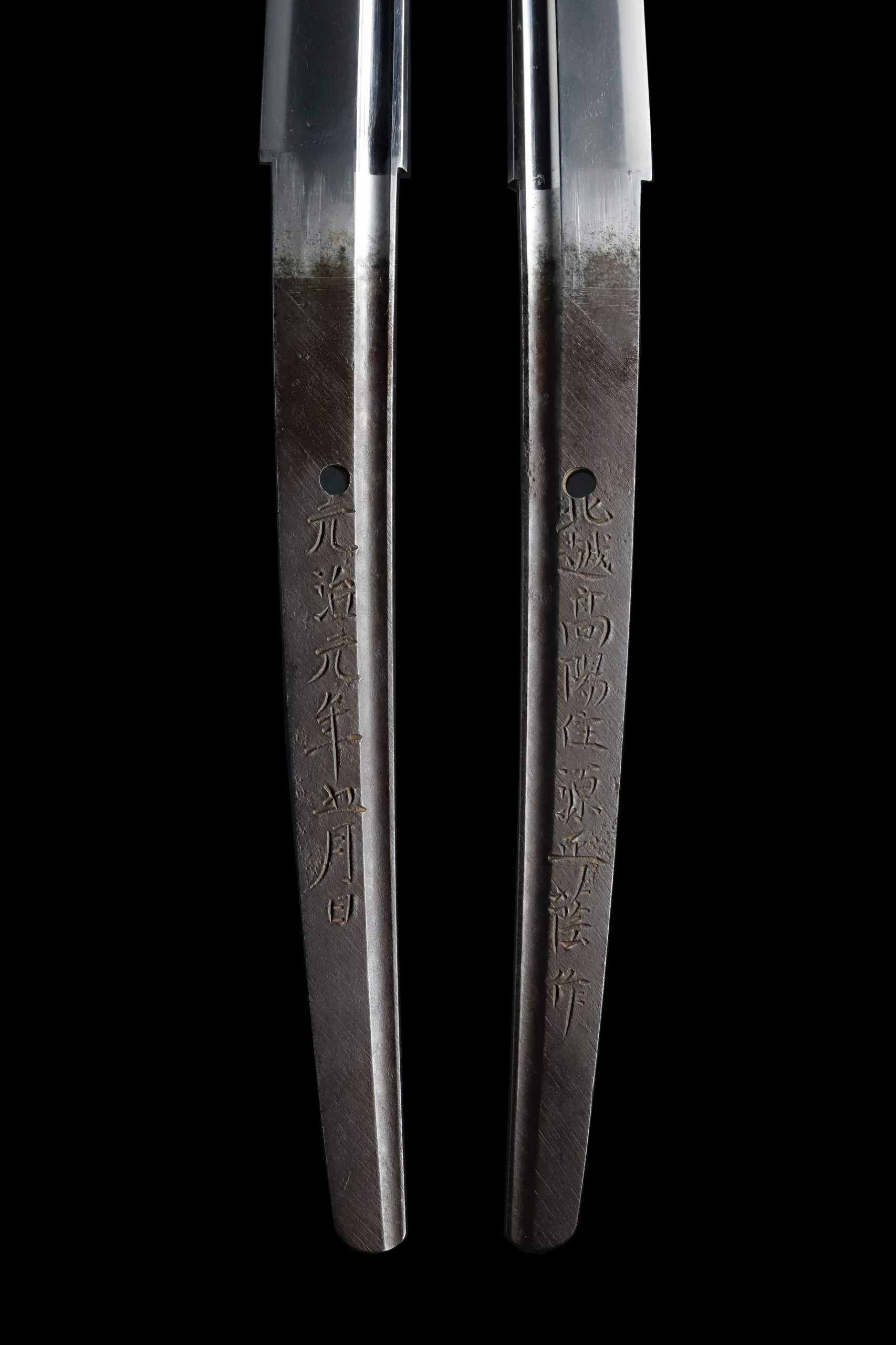
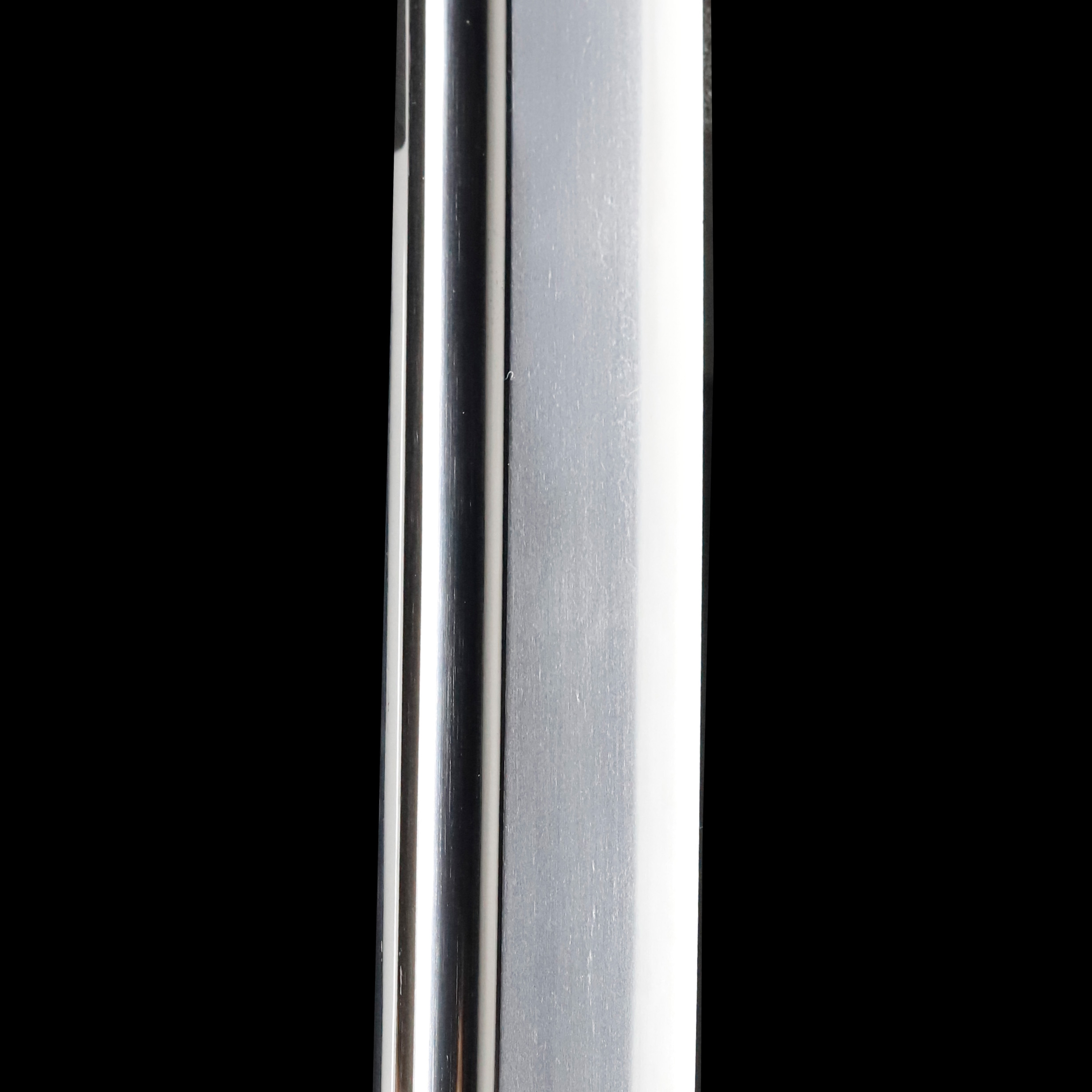
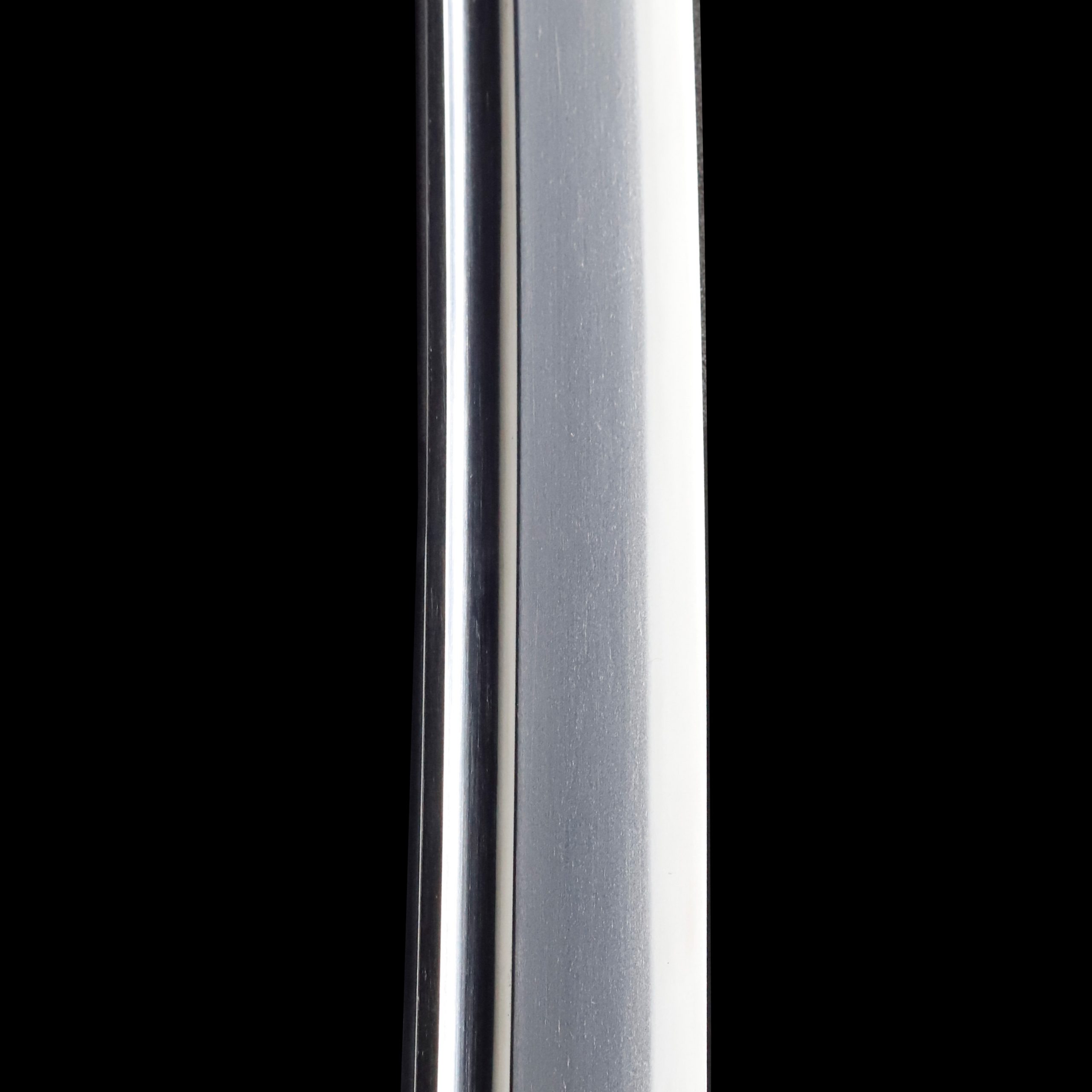
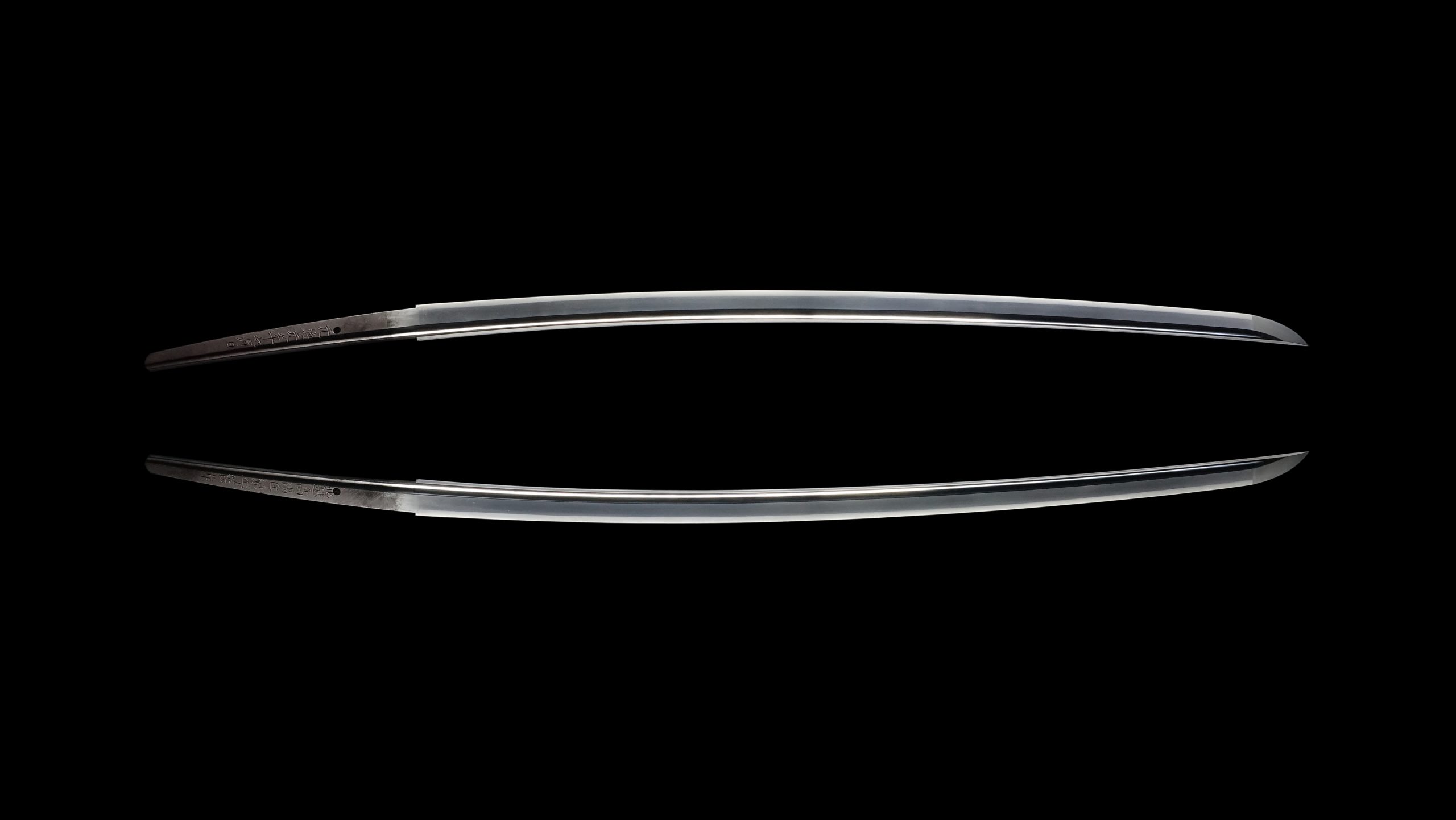
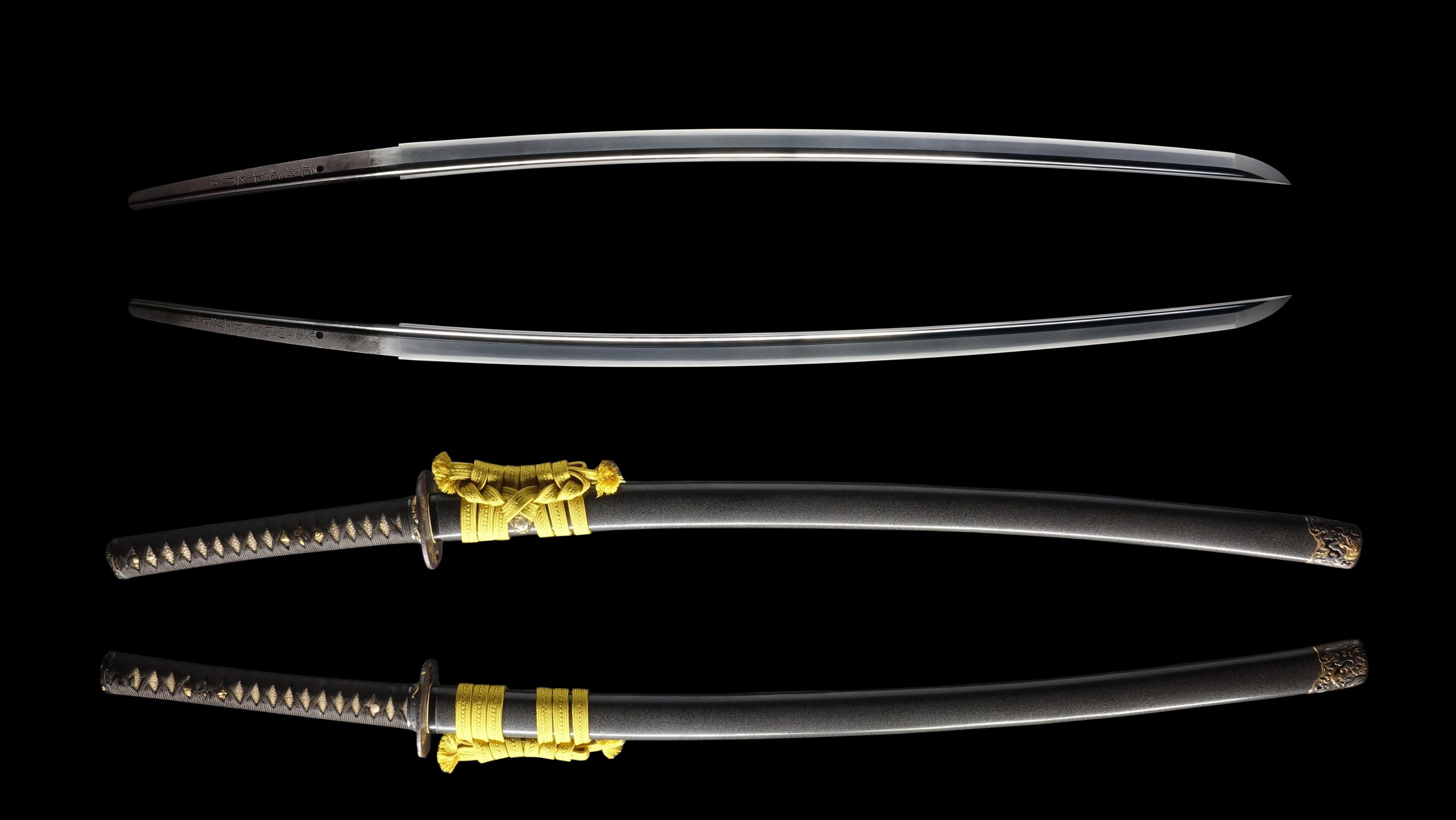
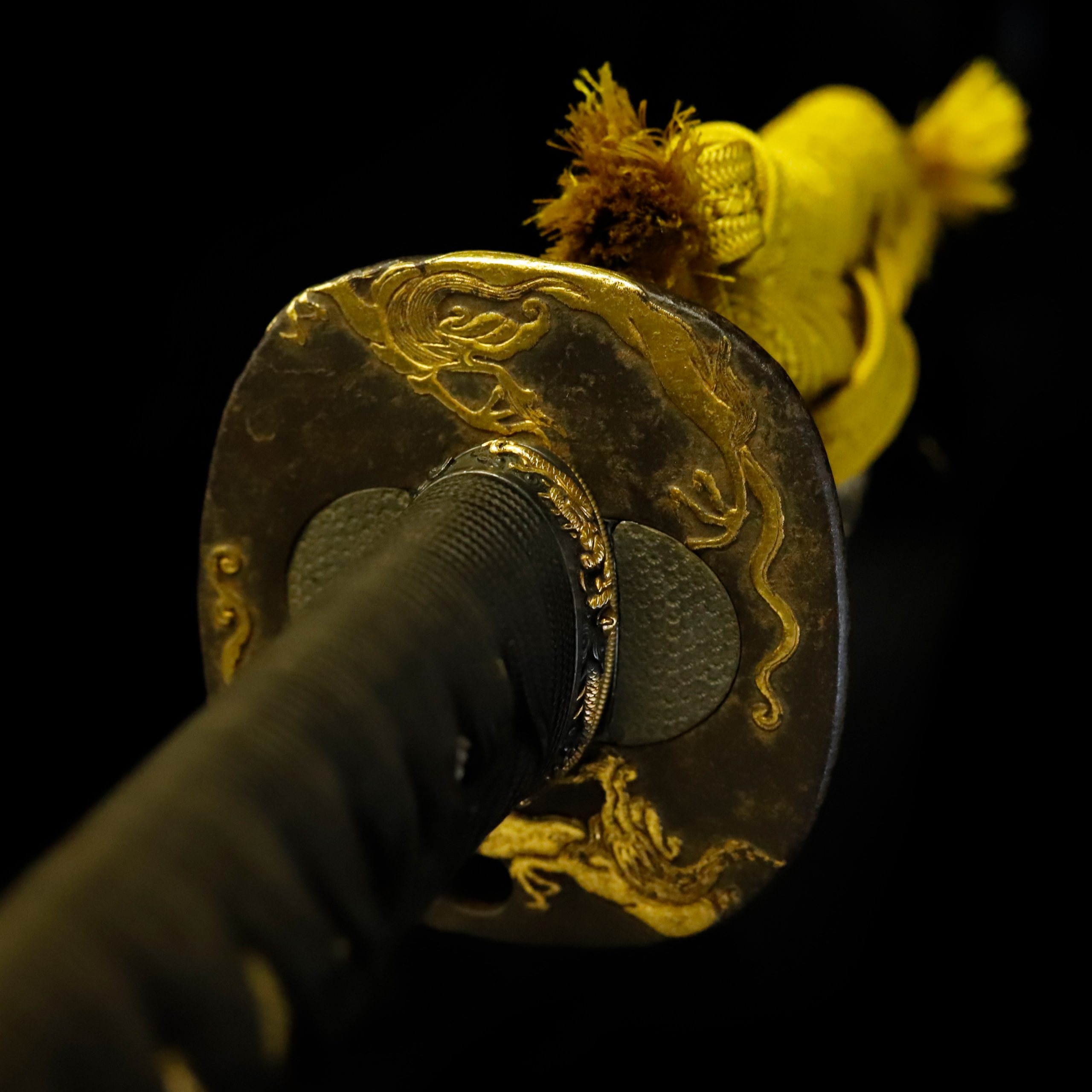
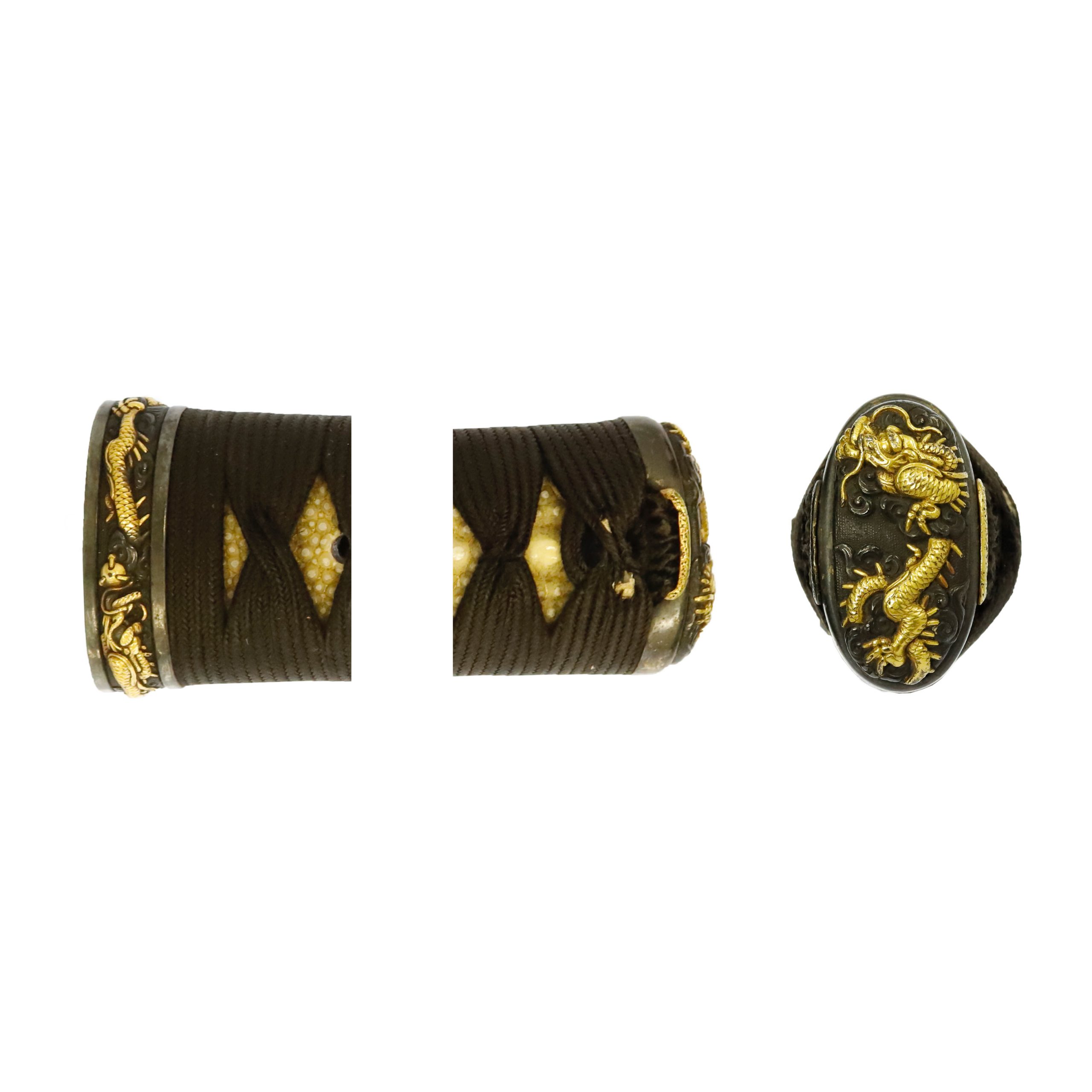
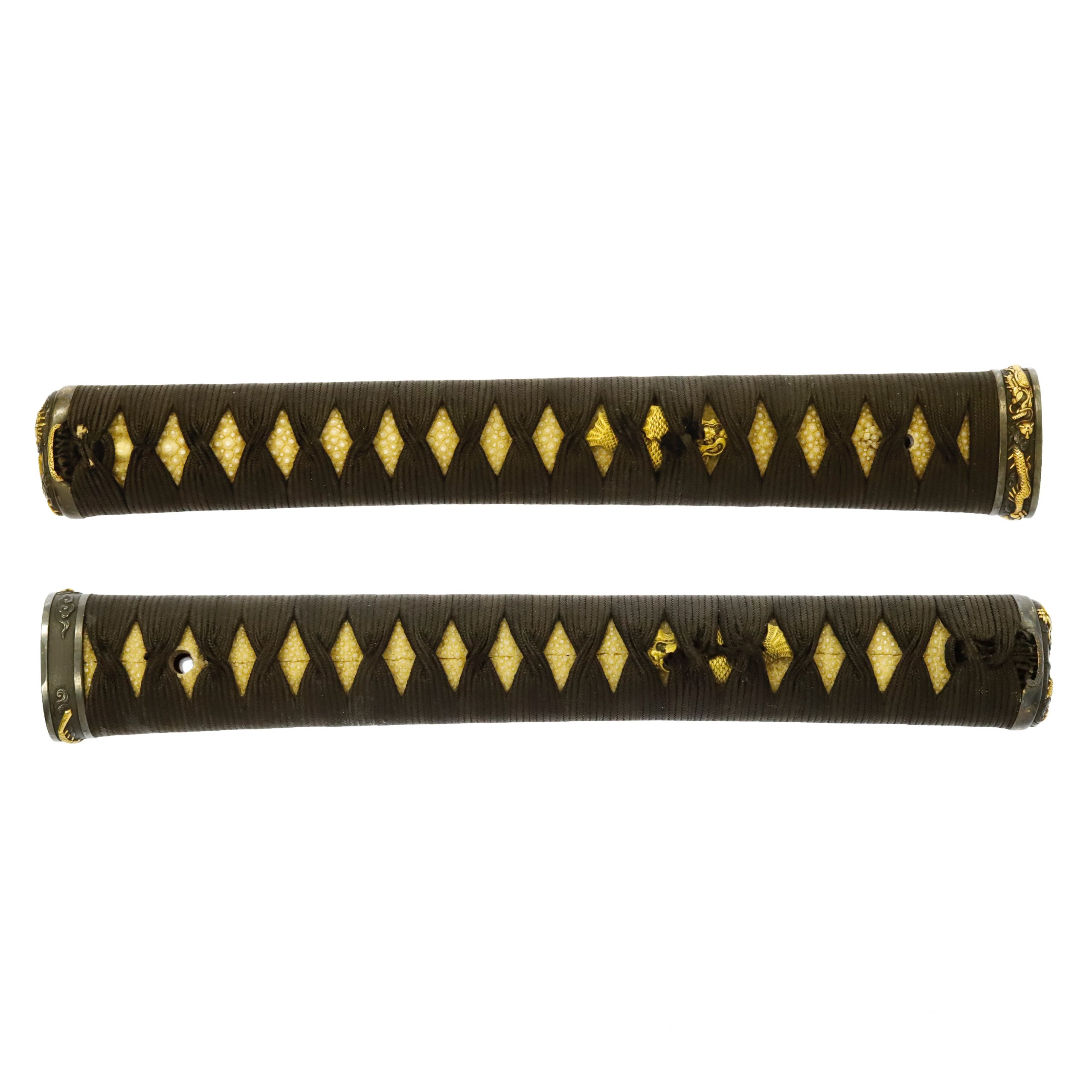
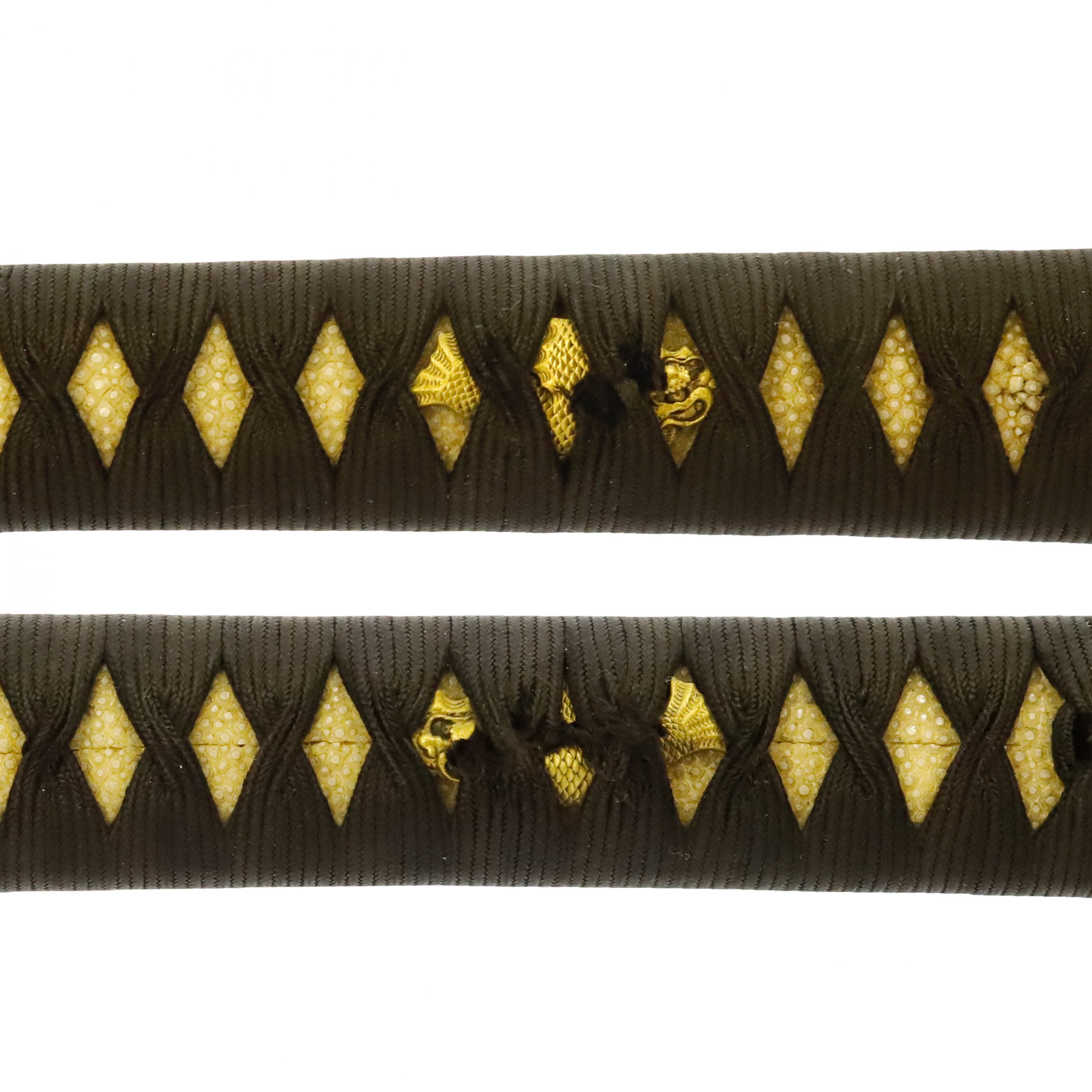
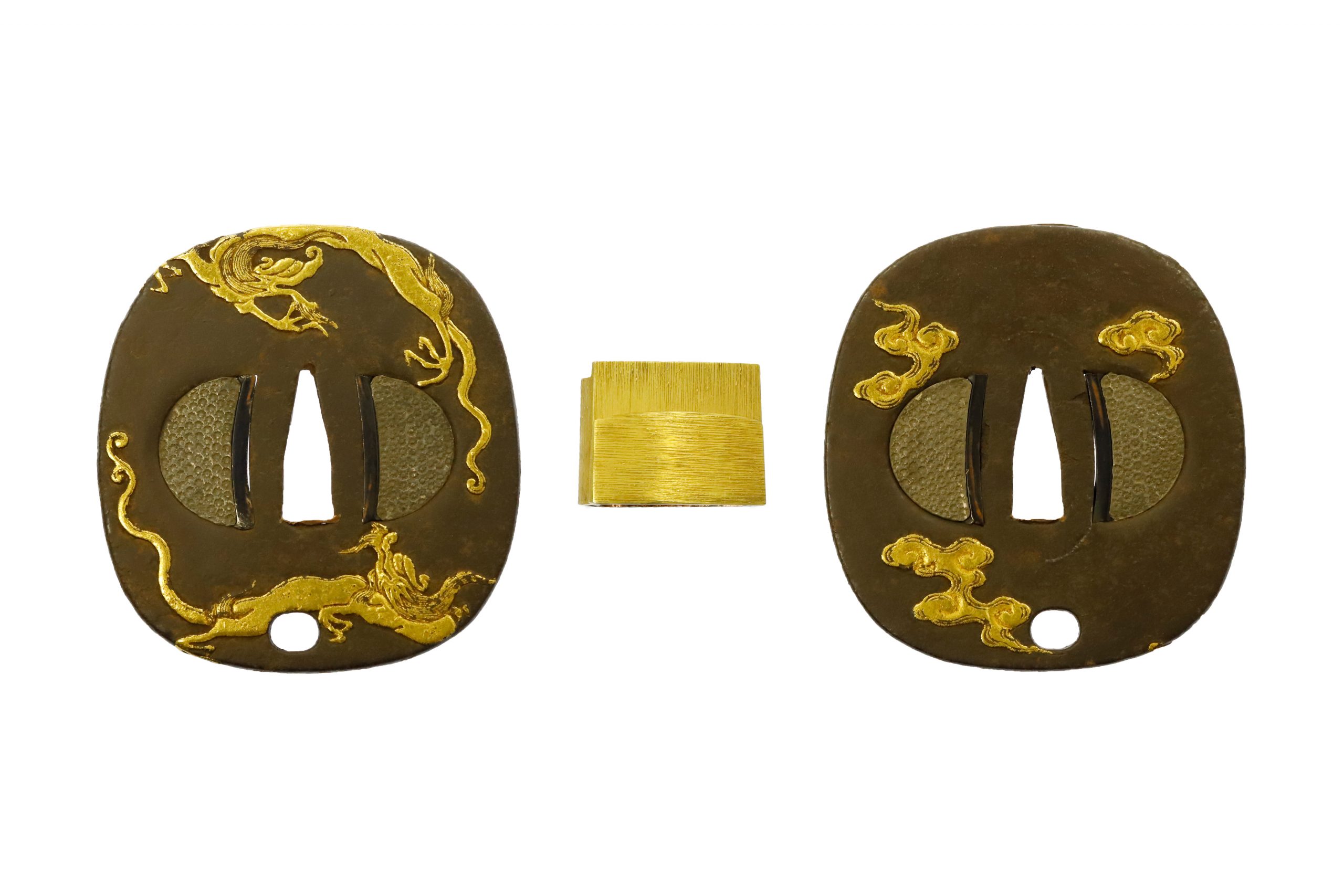
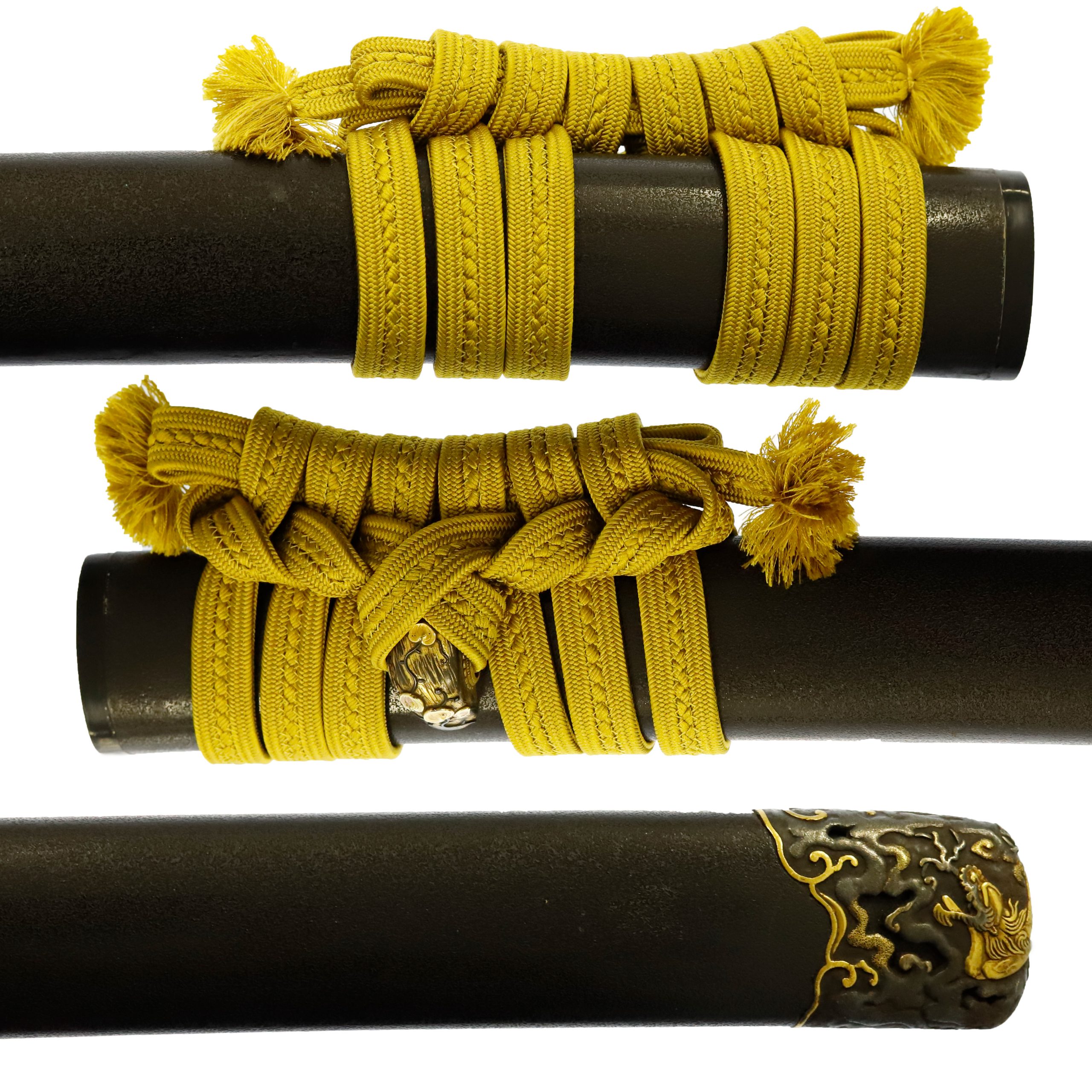
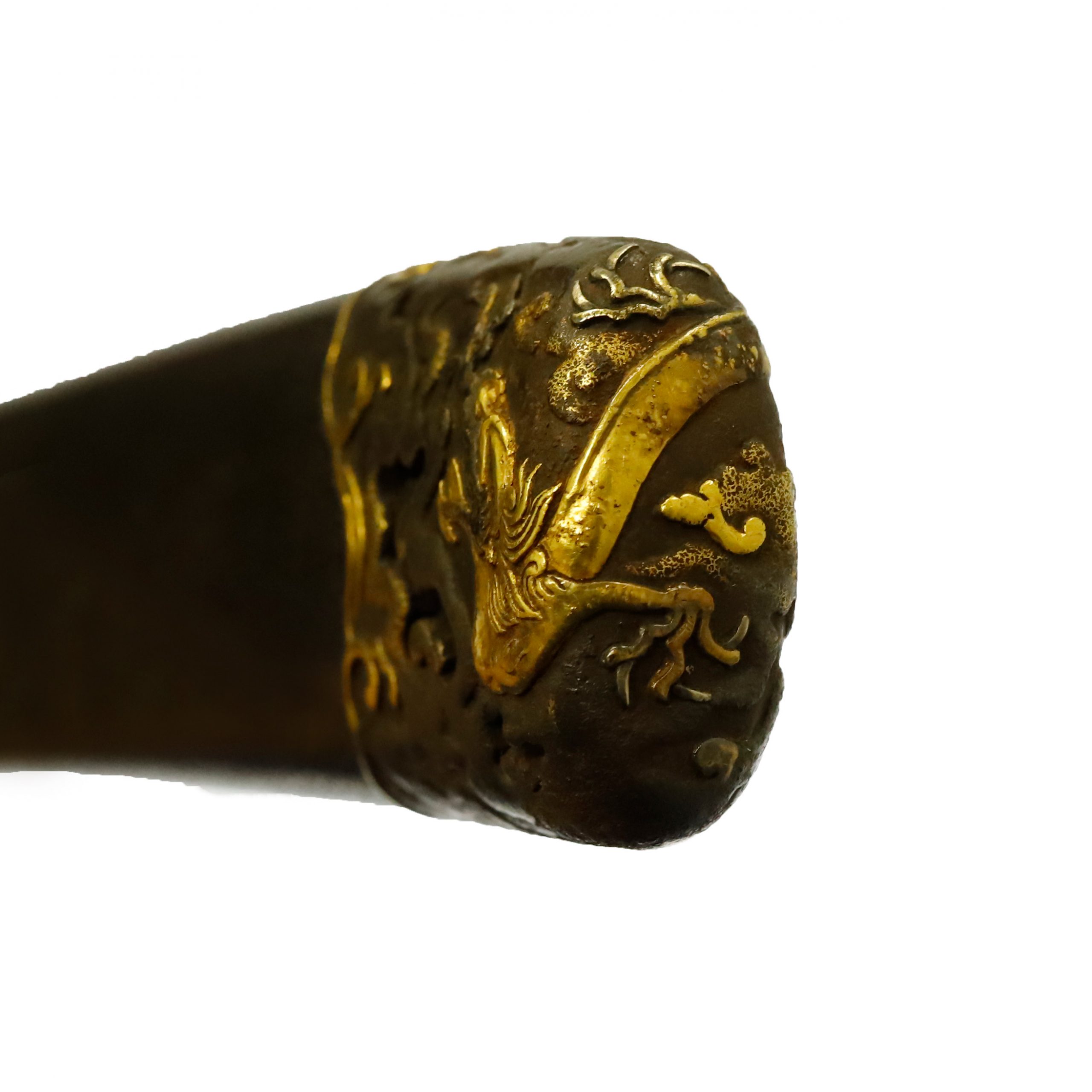
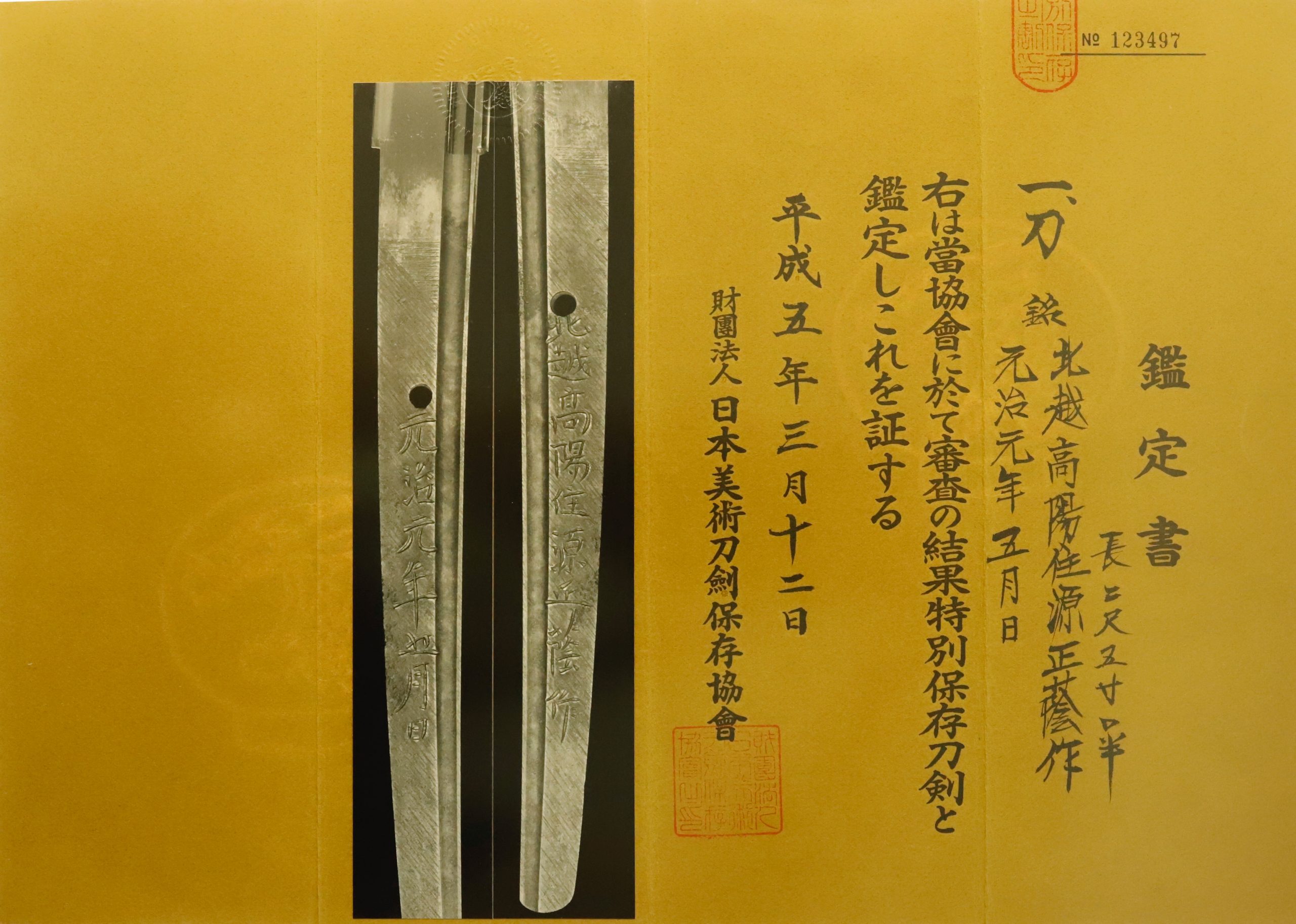
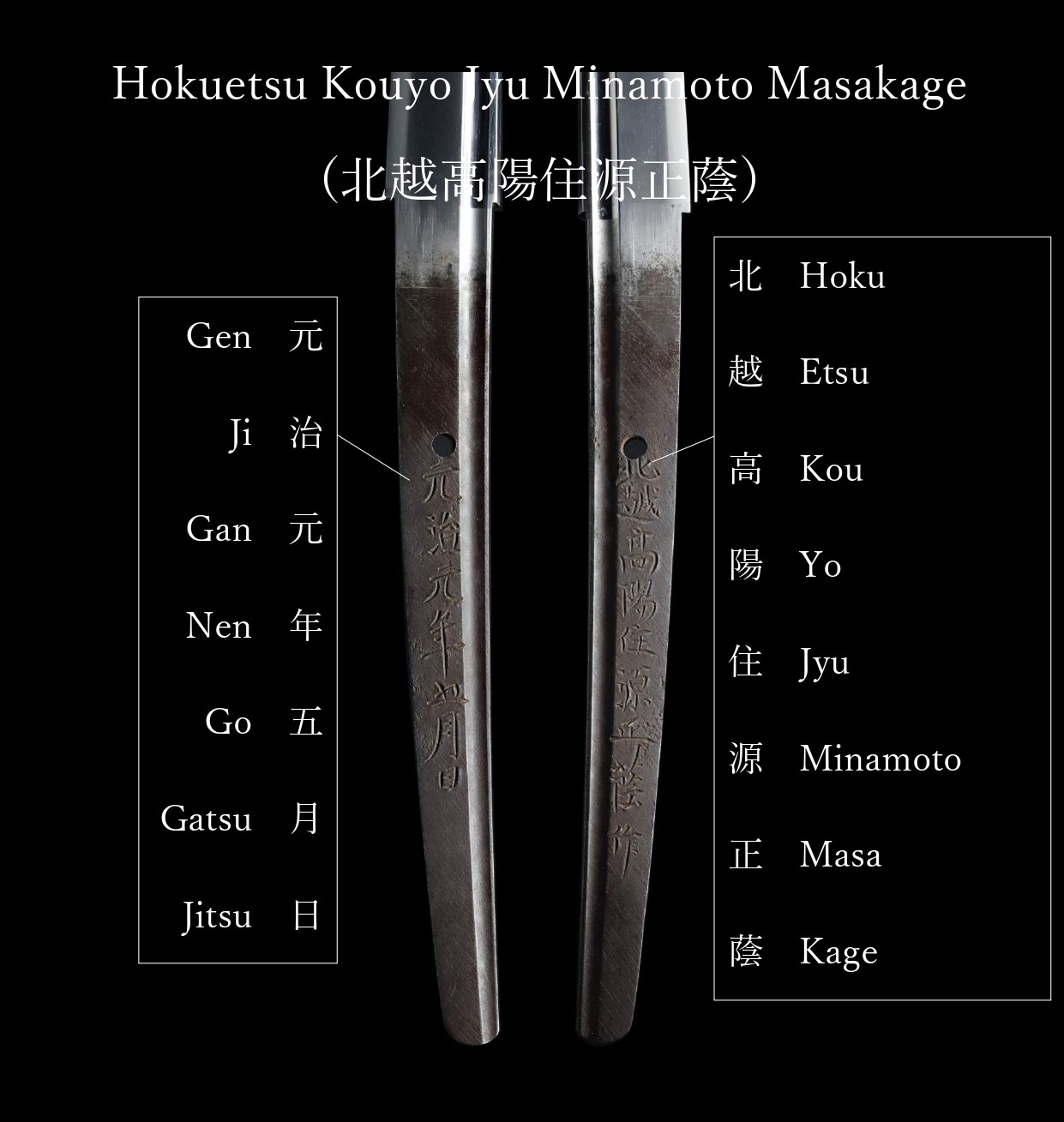
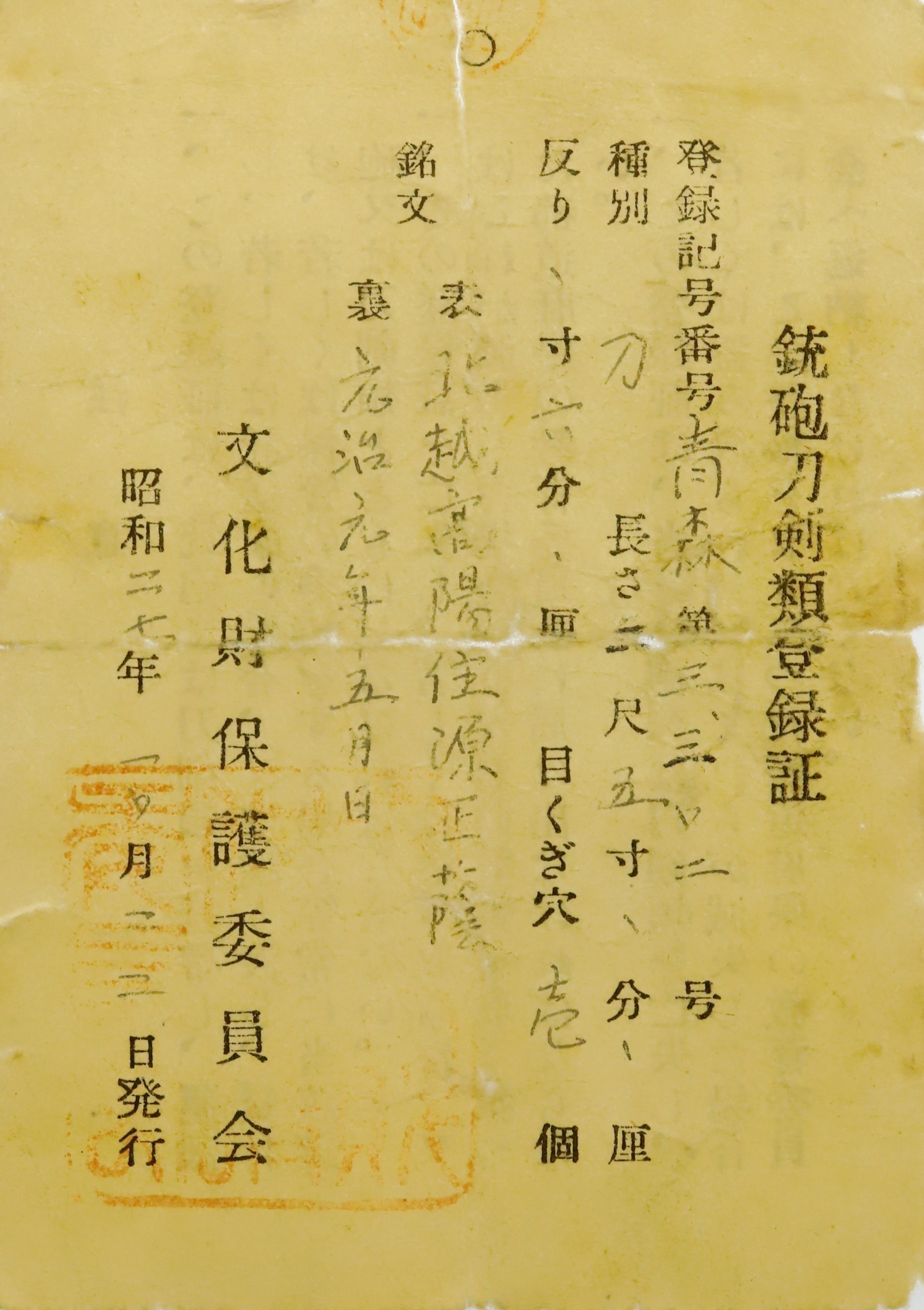
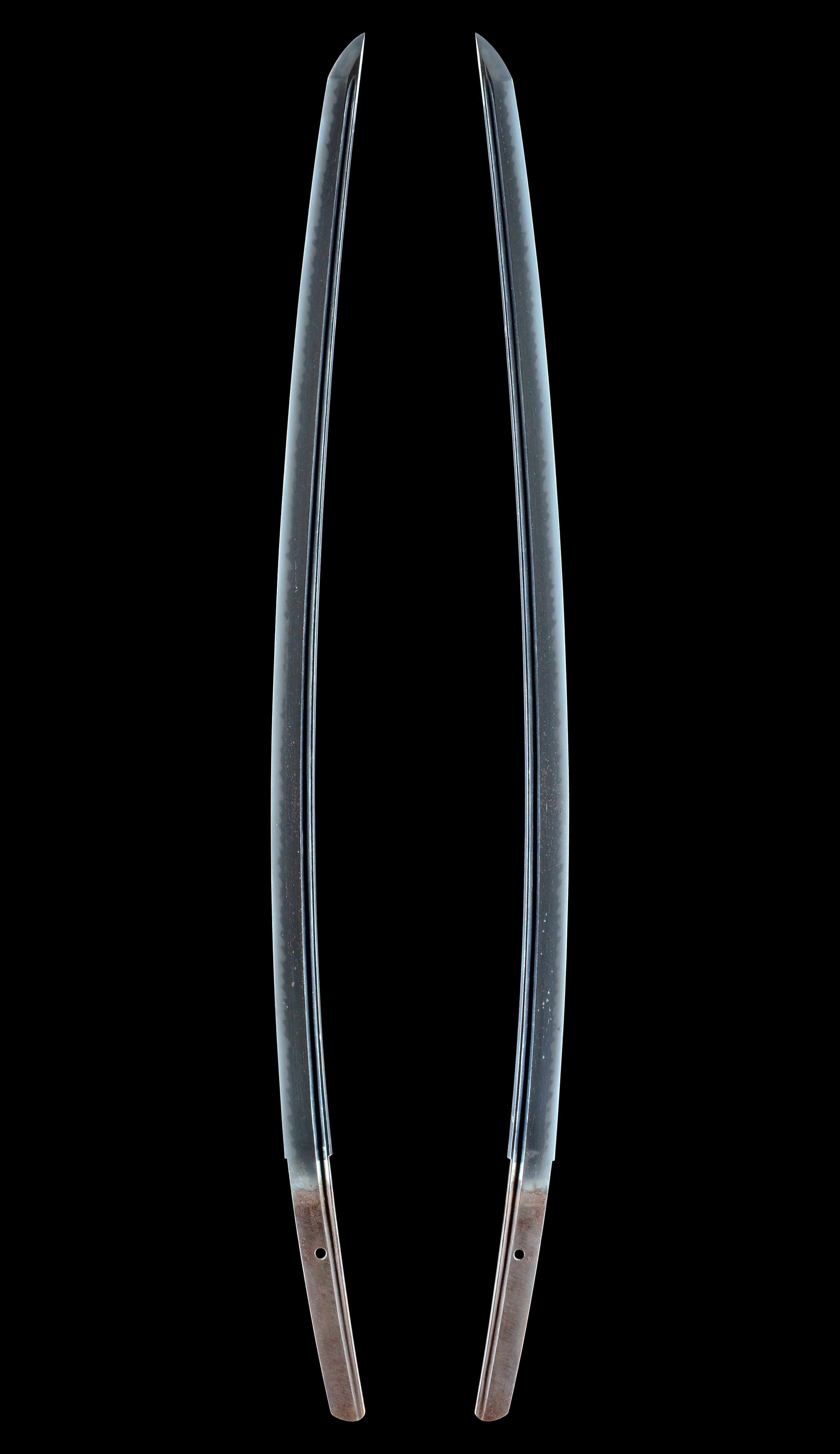
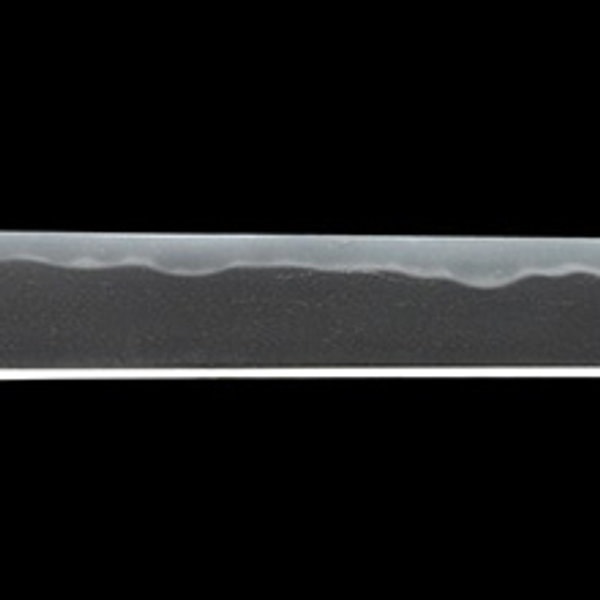
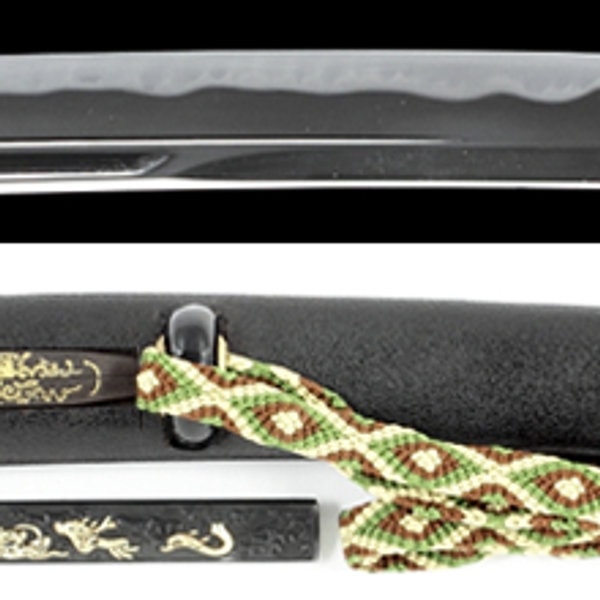
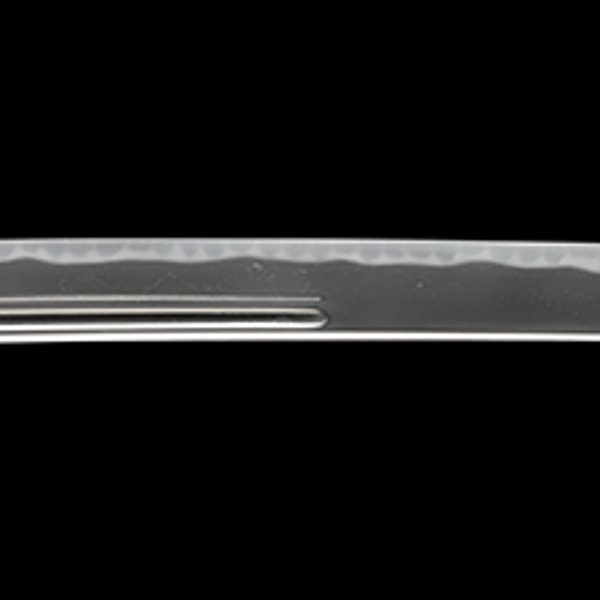
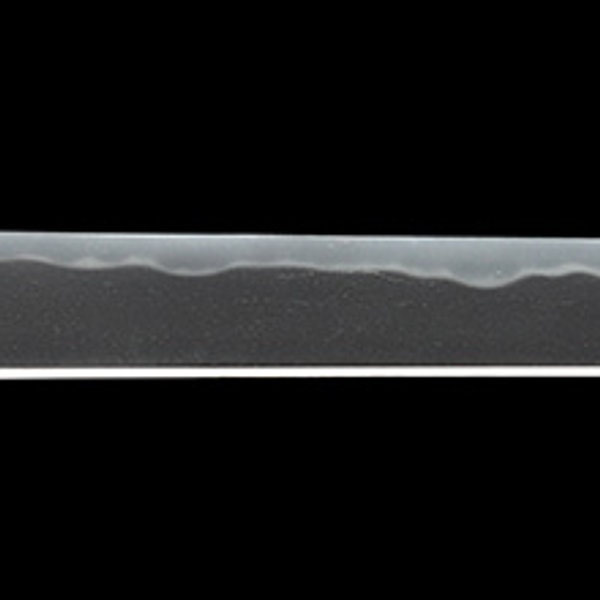
特別保存刀剣鑑定書付 刀 銘:北越高陽住源正蔭 元治元年五月日 【解説】 本作は、元治元年(1864年)五月、幕末期に北越高陽(現在の新潟県)にて源正蔭によって打たれた一振りです。銘にある「北越高陽住」は、正蔭が作刀時に居住していた地名を示しており、当時の刀工が自身の居住地を銘に刻むことは一般的でした。 正蔭は越中国富山藩の出身で、本名を五島鯉介と称しました。作刀人生の多くを現在の新潟県で過ごしています。 彼は幕末屈指の名工として知られる源清麿が興した「山浦派」の門流に属します。また「玉心斎」という号を授かっており、銘の冠にこの号を刻むこともありました。 正蔭は、清麿の門下第一人者であり山浦派の実力者である源正雄に師事し、その技を深く学びました。後に二代水心子正秀の嫡男である水心子正次のもとでも作刀に従事しています。初代水心子正秀は、源清麿と並び称される幕末の名工です。 日本刀の伝統的な五つの伝法「五ヶ伝」のうち、正蔭は源正雄から「相州伝」を、水心子正次から「備前伝」を習得したと言われており、本作にもその卓越した技術が遺憾なく発揮されています。 【歴史的背景】 徳川将軍家による安定した統治が続いた江戸時代初期から中期(1600年代〜1760年代)にかけて、日本は比較的平和な時代を享受しました。武士が戦場で刀を振るう機会は激減し、刀剣は実戦の武器というよりも、武士の身分を象徴する装飾的な側面が強まりました。そのため、戦国時代に比べると武器としての需要は一時的に低下しました。 しかし、江戸時代末期(18世紀後半〜19世紀)に入ると、日本刀の役割は劇的に変化します。国内の困窮による暴動の頻発や、開国を迫る列強諸国の圧力により、日本は激動の時代を迎えました。武士たちは生き残りをかけ、実戦に耐えうる強靭な刀を再び求めるようになったのです。 正蔭を含む当時の刀工たちは、主君や武士たちの期待に応えるべく、実用性と美しさを兼ね備えた高品質な刀の製作に心血を注ぎました。本作もまた、その時代の要請を反映した力強い姿を持っており、当時の緊迫した空気を感じさせます。 幕末の動乱、そして旧幕府軍と新政府軍による戊辰戦争を経て、武士の時代は終焉を迎えました。この刀の旧蔵者も、武士の生き様が大きく変わるその歴史的瞬間を見つめていたのかもしれません。 本作は、公益財団法人日本美術刀剣保存協会(NBTHK)より「特別保存刀剣」に鑑定されています。これは、保存状態が極めて良好であり、かつ美術的価値が高い真作の日本刀にのみ与えられる格付けです。 【法量・形状】 長さ(Nagasa):75.75 cm(2尺5寸強) 反り(Sori):1.8 cm 刃文(Hamon):焼入れによって刃縁に現れる結晶構造 地鉄(Jihada):折り返し鍛錬によって現れる鋼の表面模様 茎(Nakago): 日本刀の柄に収まる持ち手の部分です。刀工はあえて茎に黒錆を残します。これは柄の中での赤錆の発生を防ぐ役割があり、この錆色(経年変化)は、専門家が作刀年代を推定する際の重要な指標となります。 【拵】 拵(Koshirae): 日本刀の外装一式を指します。
 NihontoWatch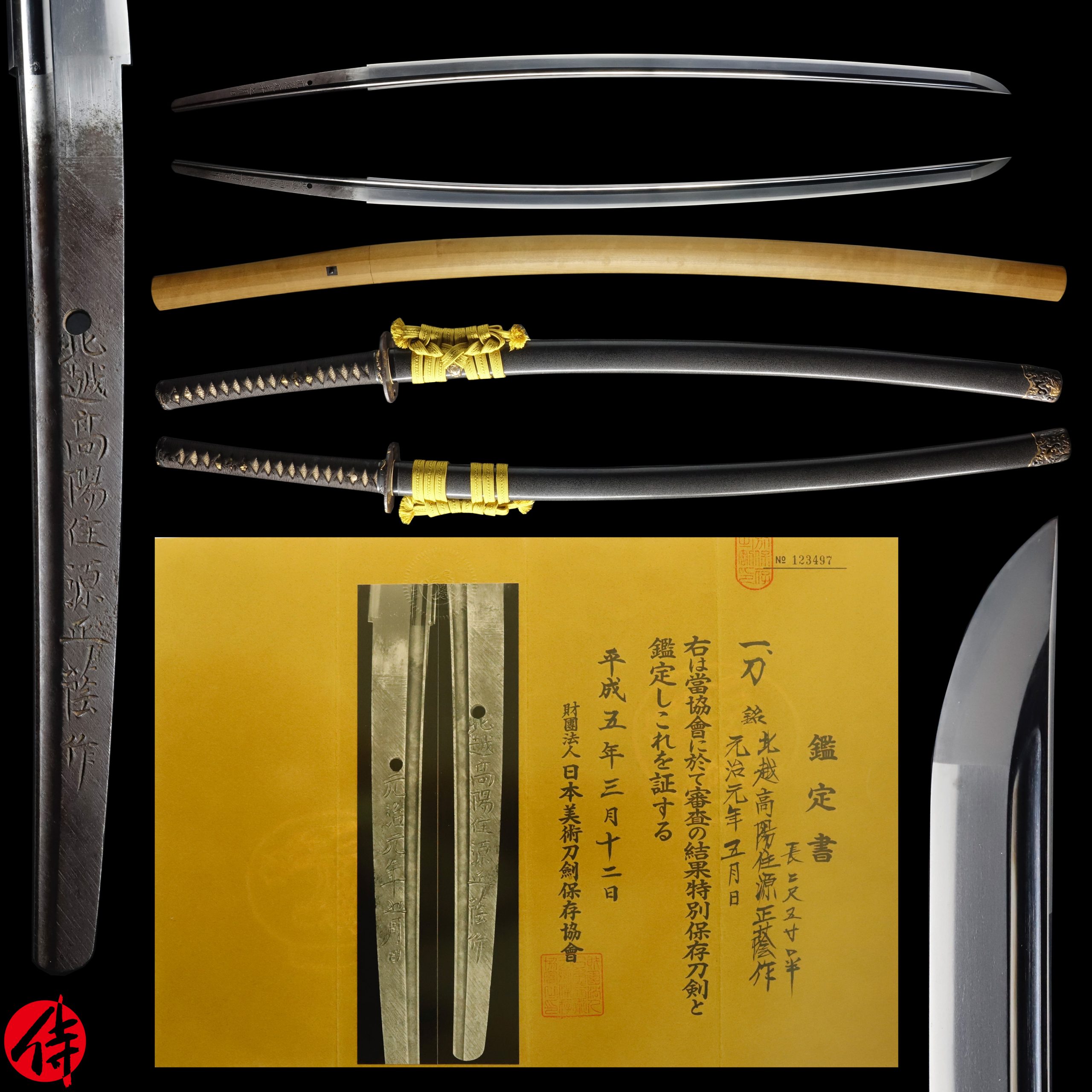
越後 · 1861-1864頃
刀剣大鑑 上位97%
現在4点販売中
江戸時代
徳川の泰平のもと、大小は法度の定める身分の制服となり、需要は城下町、とりわけ江戸に集まった。工芸は二つに分かれる。目利きのための華やかな鑑賞の作と、截断の結果を金象嵌に刻む実証の刀である。
保存刀剣のうち、出来が一層優れ、保存状態も良好と認められたものです。再刃や、室町・江戸期の多くの無銘作は対象外となり、保存刀剣より高い基準が課されます。
日本美術刀剣保存協会(NBTHK)は、1948年に設立され、文化庁の監督を受ける公益財団法人で、東京・刀剣博物館に本部を置きます。専門の審査員が出品作を直接審査し、美術的・歴史的価値に応じた鑑定書を発行します。NBTHKの鑑定書は、日本刀および刀装具の真正性を示す最も広く認知された基準です。
NBTHK公式サイトReturns/exchanges limited to defects caused by shipping (except willful misconduct or gross negligence by the company); customers must contact within 72 hours of receiving the product.


![Tanto - Tokuho - 作 正蔭 - 短刀[玉真斎正陰][日本美術刀剣保存協会]特別保存刀剣](/_next/image?url=https%3A%2F%2Fitbhfhyptogxcjbjfzwx.supabase.co%2Fstorage%2Fv1%2Fobject%2Fpublic%2Flisting-images%2Fworld-seiyudo%2FL31733%2F00.jpg&w=2560&q=90)

![Katana - Tokuho - 作 正蔭 - 刀[(菊紋)源正陰][日本美術刀剣保存協会]特別保存刀剣](/_next/image?url=https%3A%2F%2Fitbhfhyptogxcjbjfzwx.supabase.co%2Fstorage%2Fv1%2Fobject%2Fpublic%2Flisting-images%2Fworld-seiyudo%2FL31740%2F00.jpg&w=2560&q=90)
