NihontoWatch Mon

NihontoWatchBETA

マーケットオークション
事典
NihontoWatch Mon

NihontoWatchBETA

マーケットオークション
事典

説明

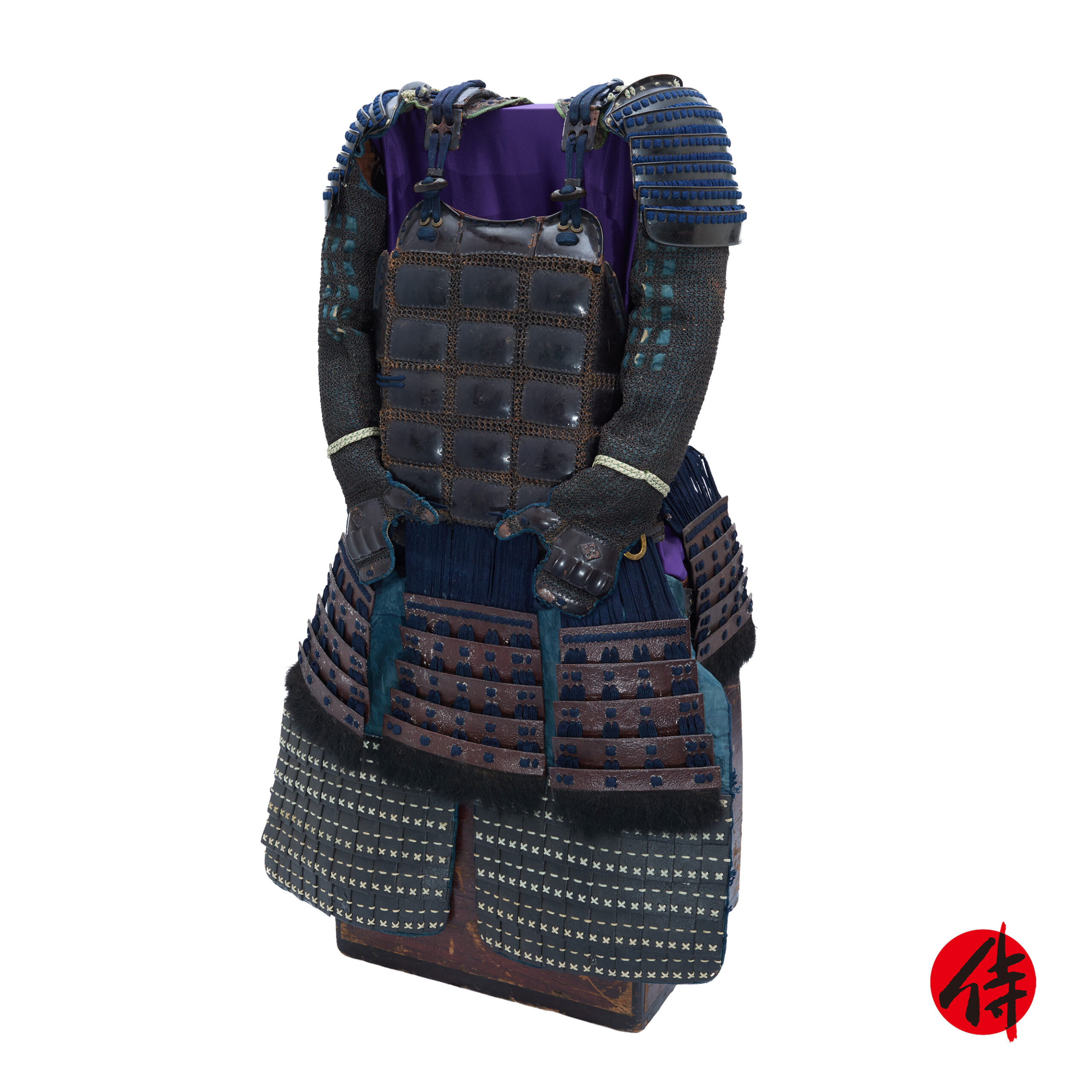
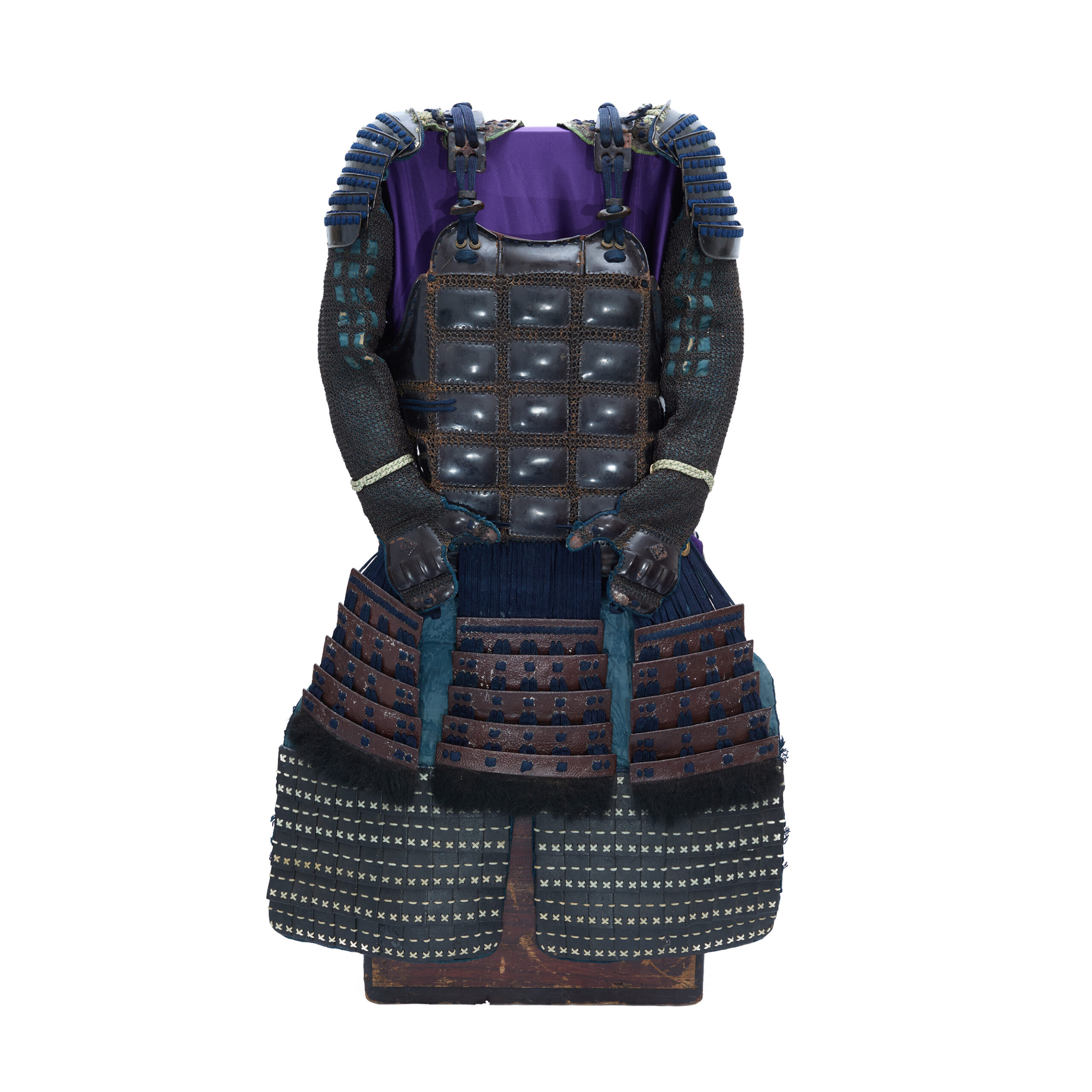
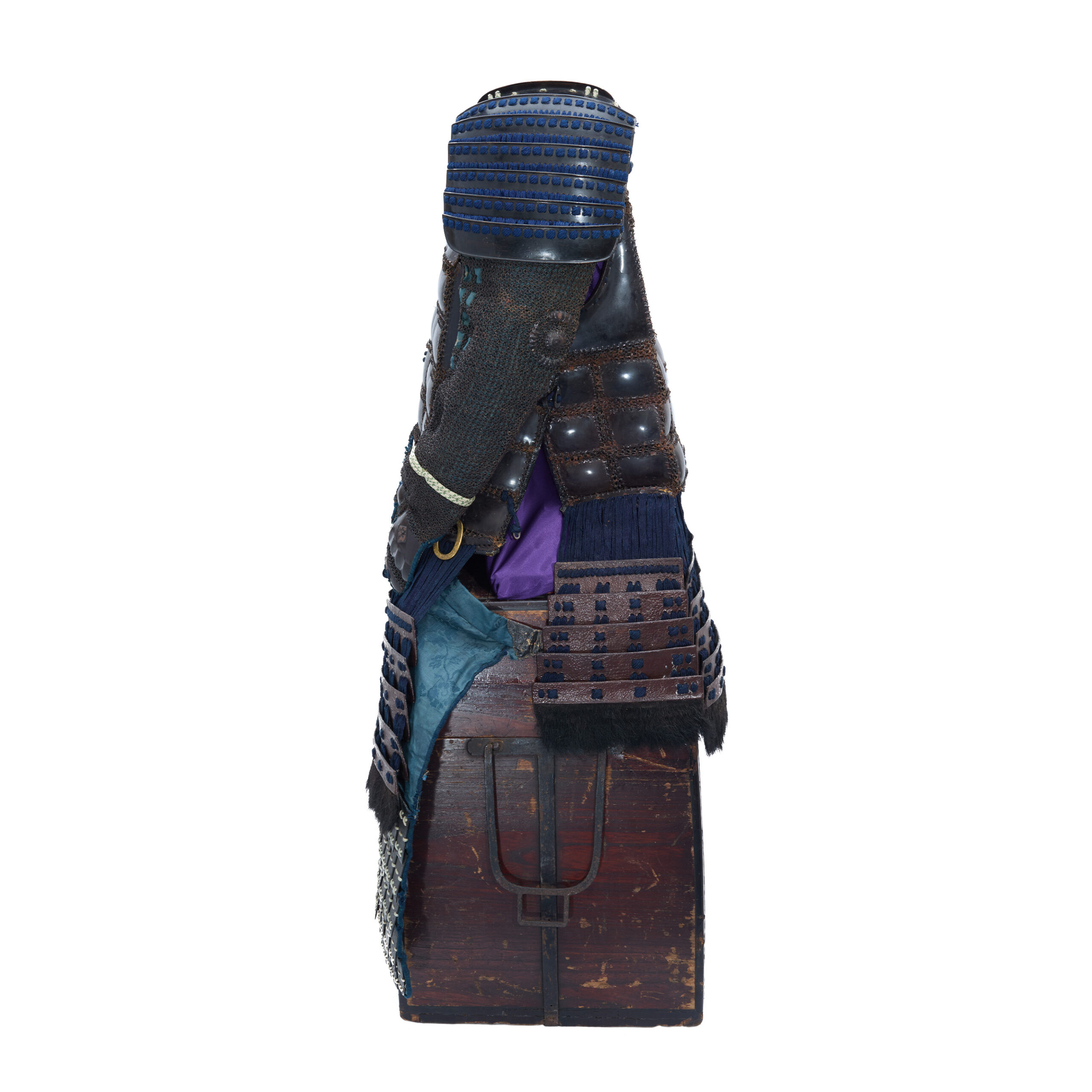
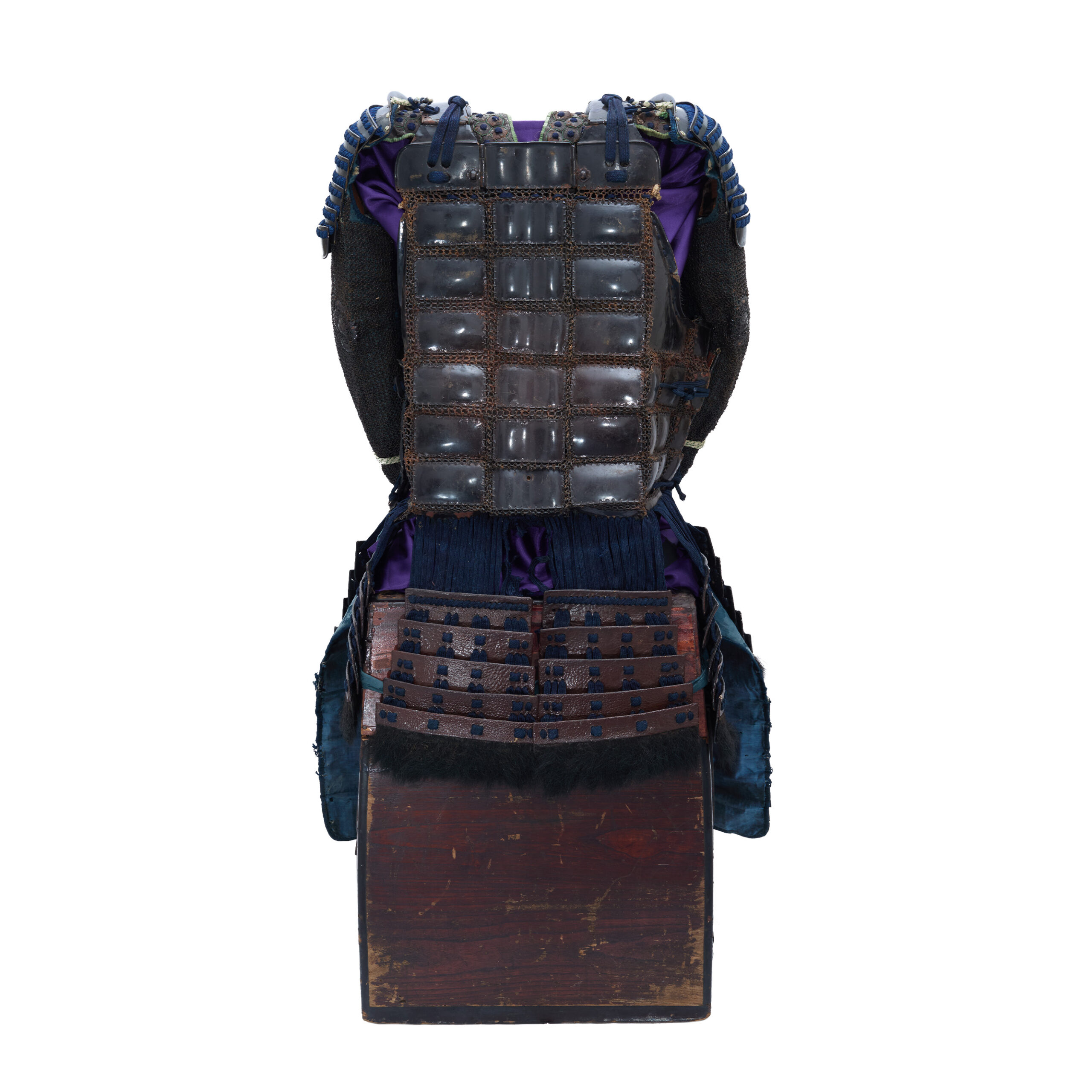
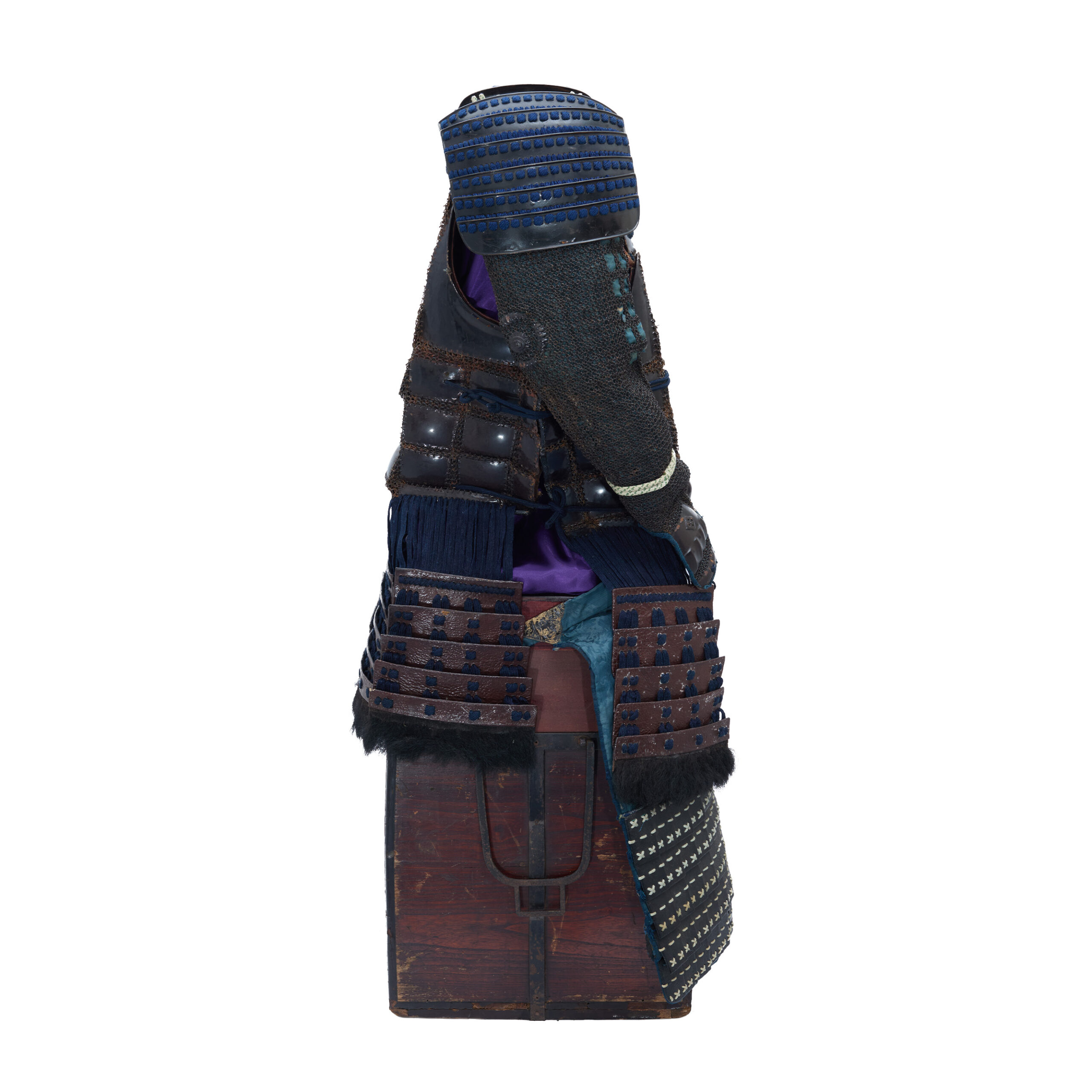
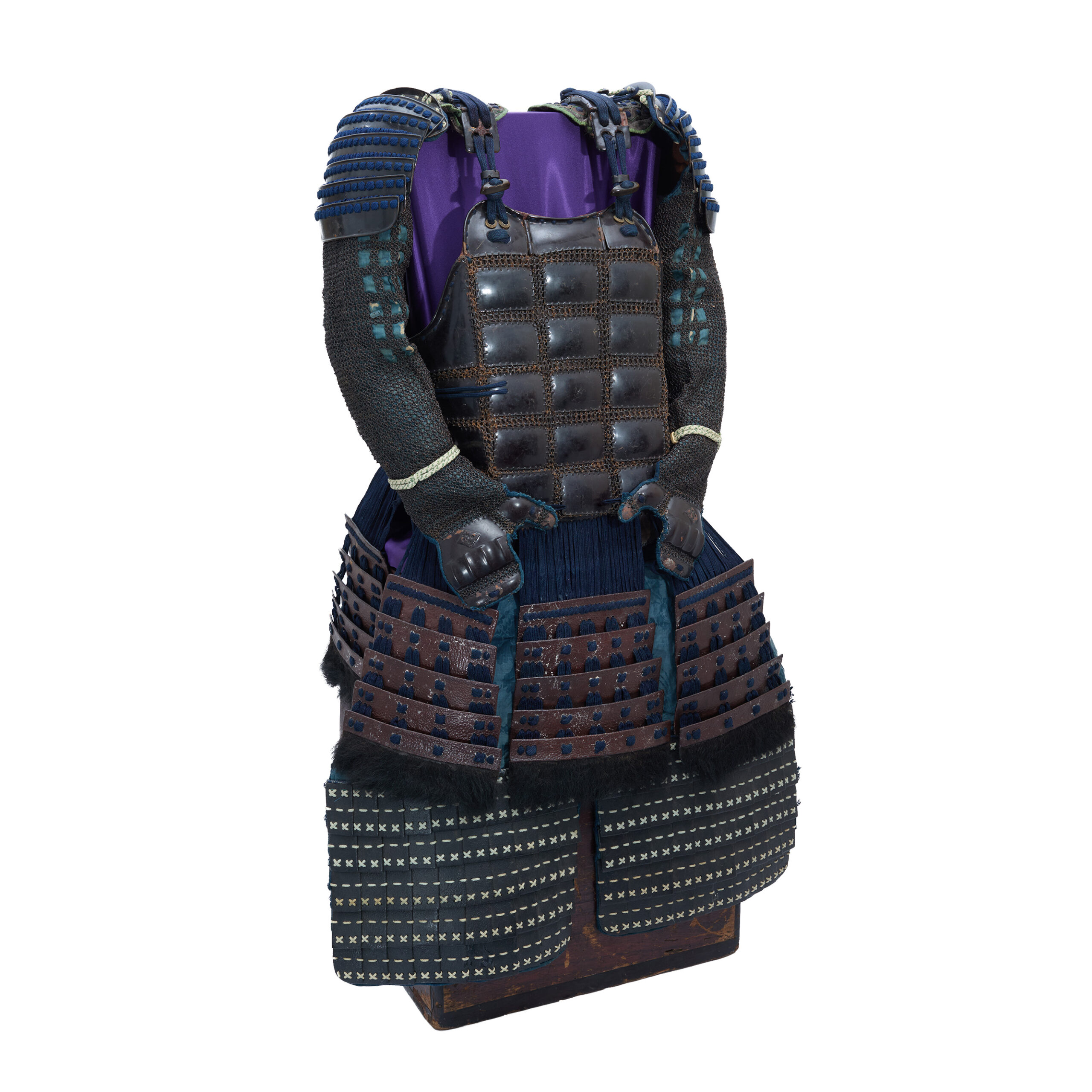
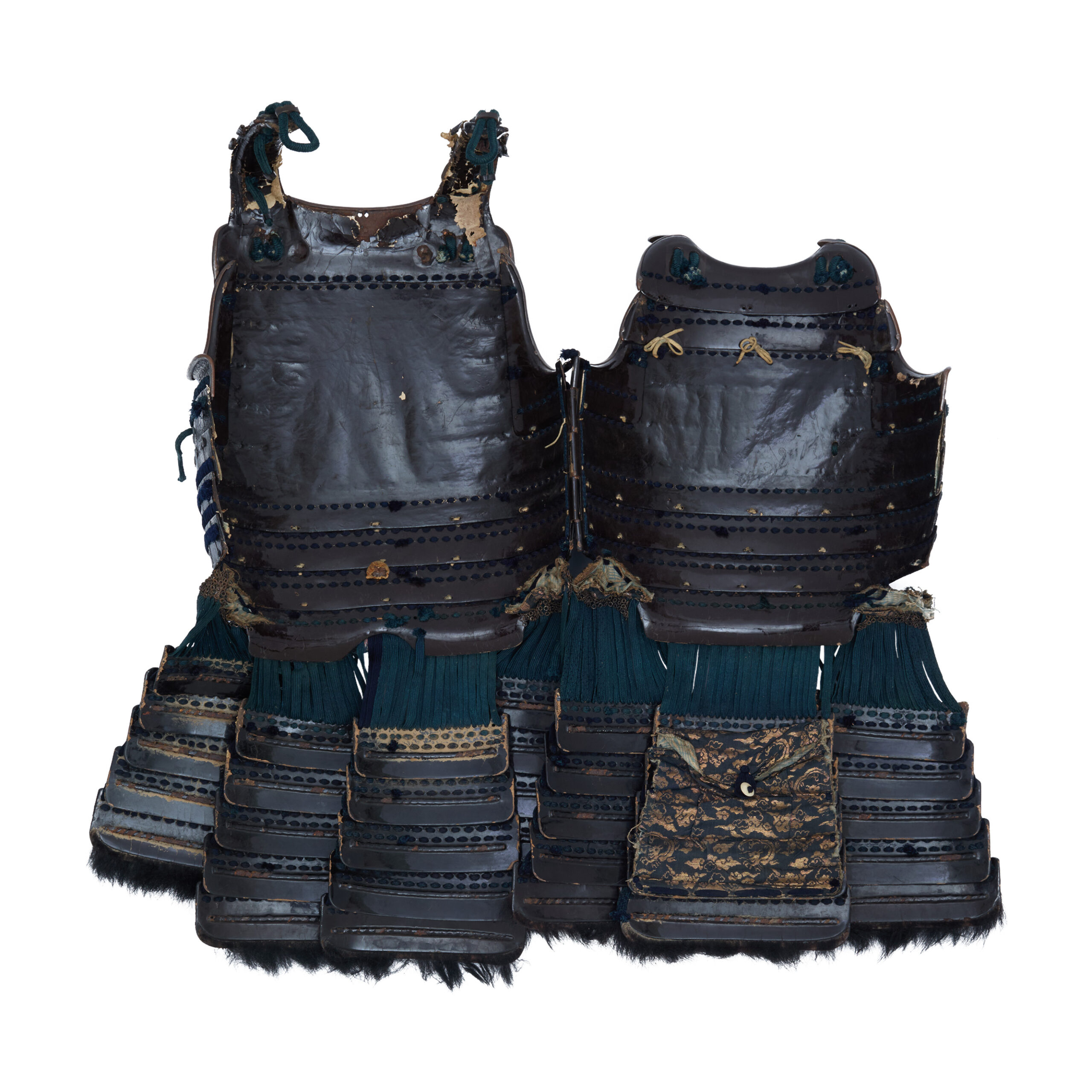
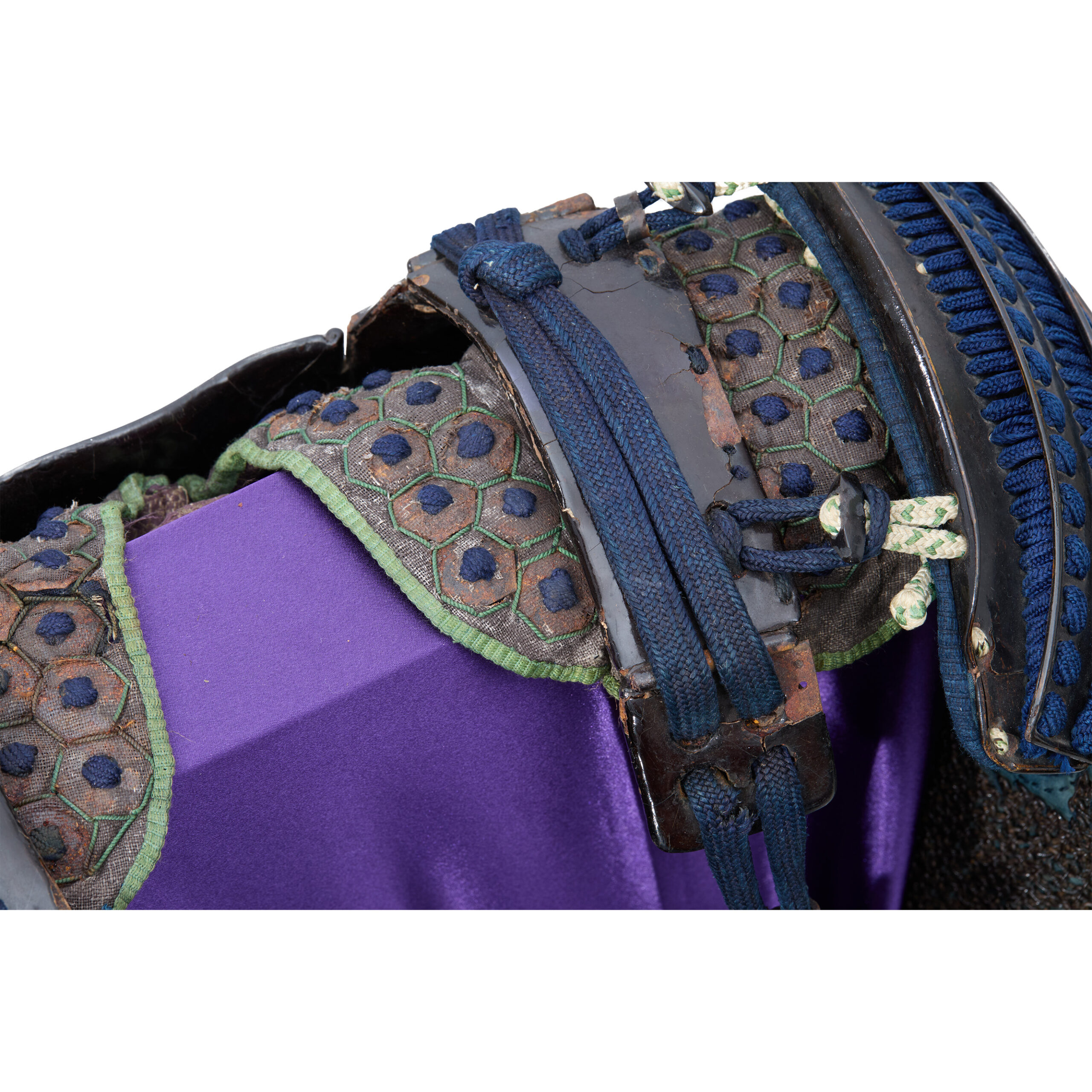
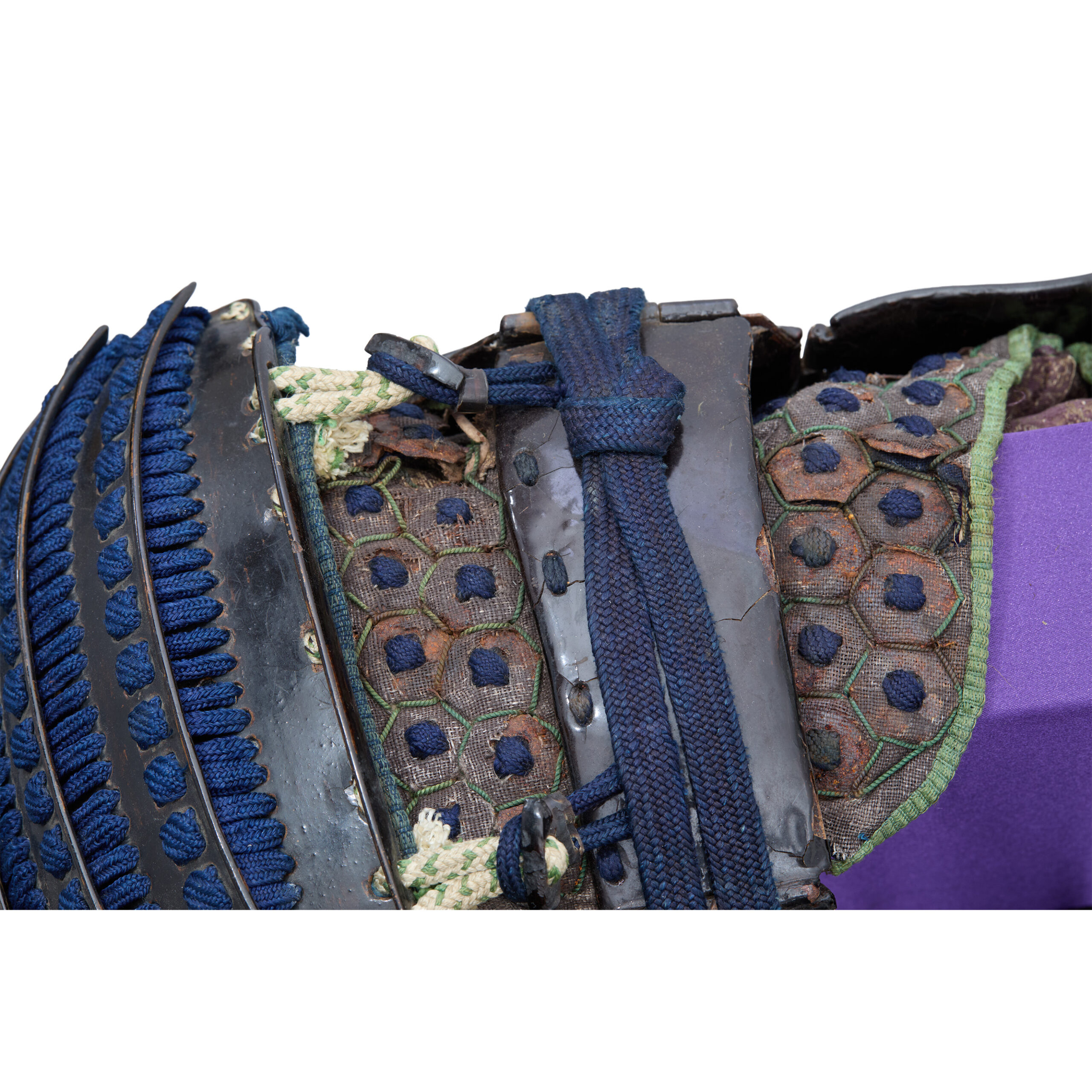
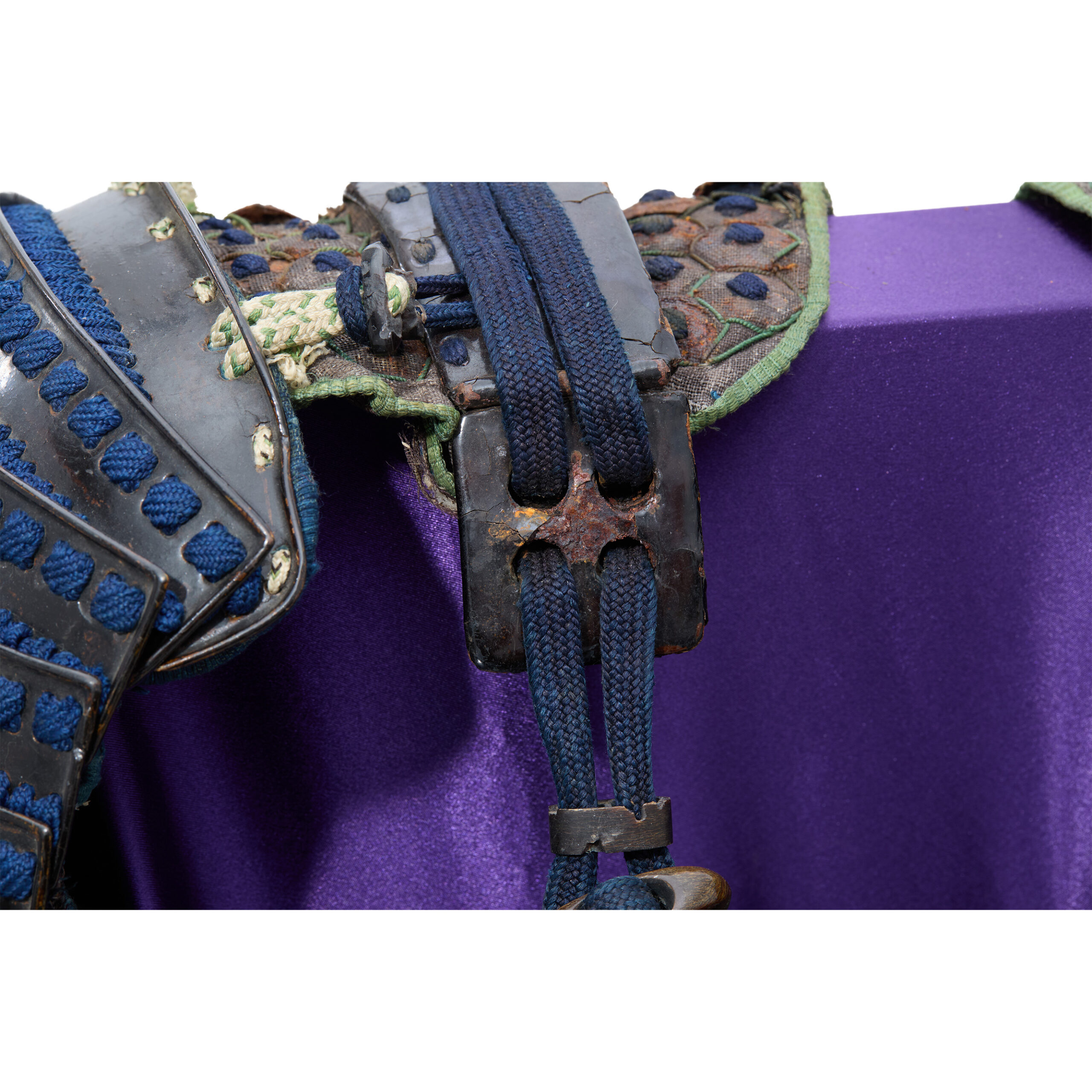
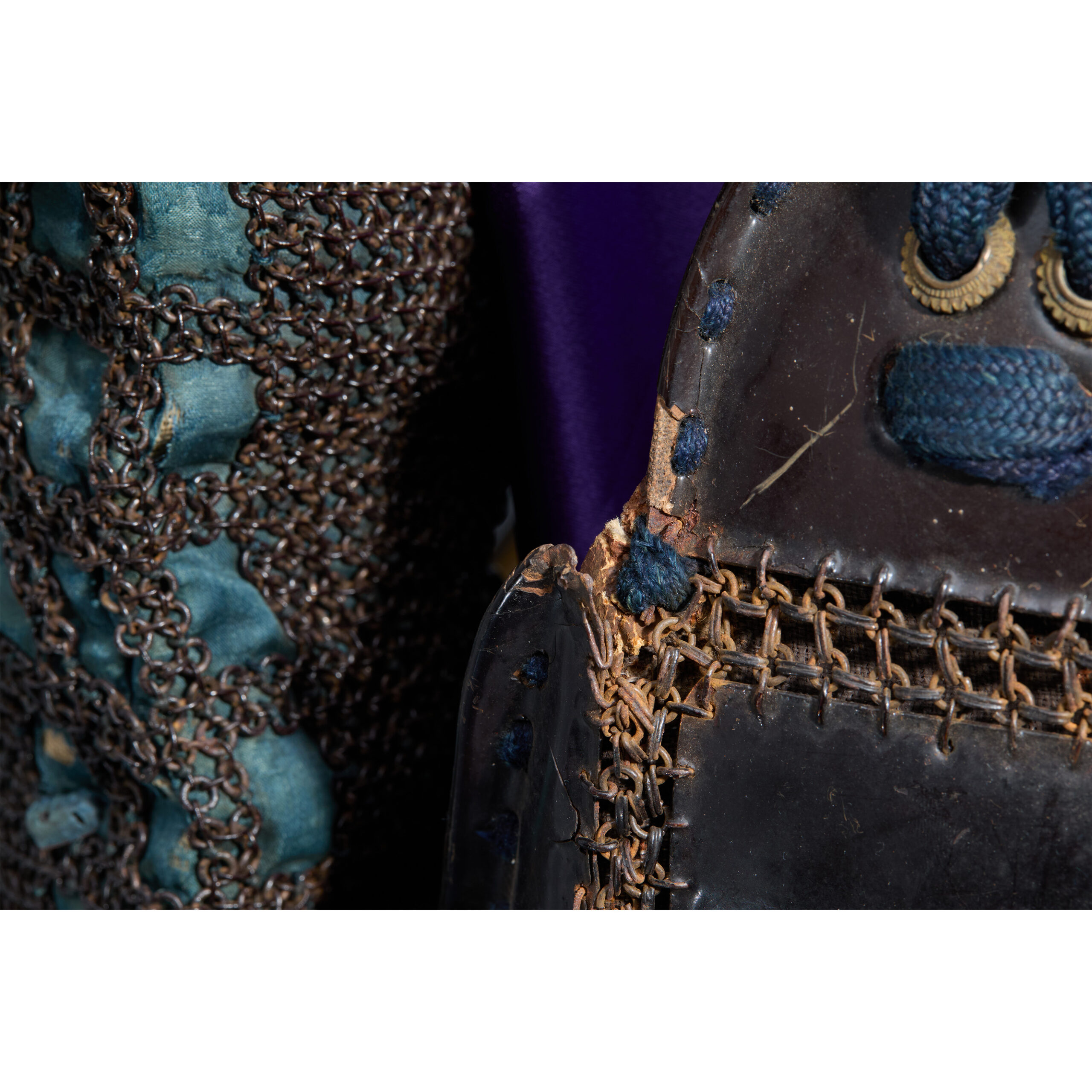
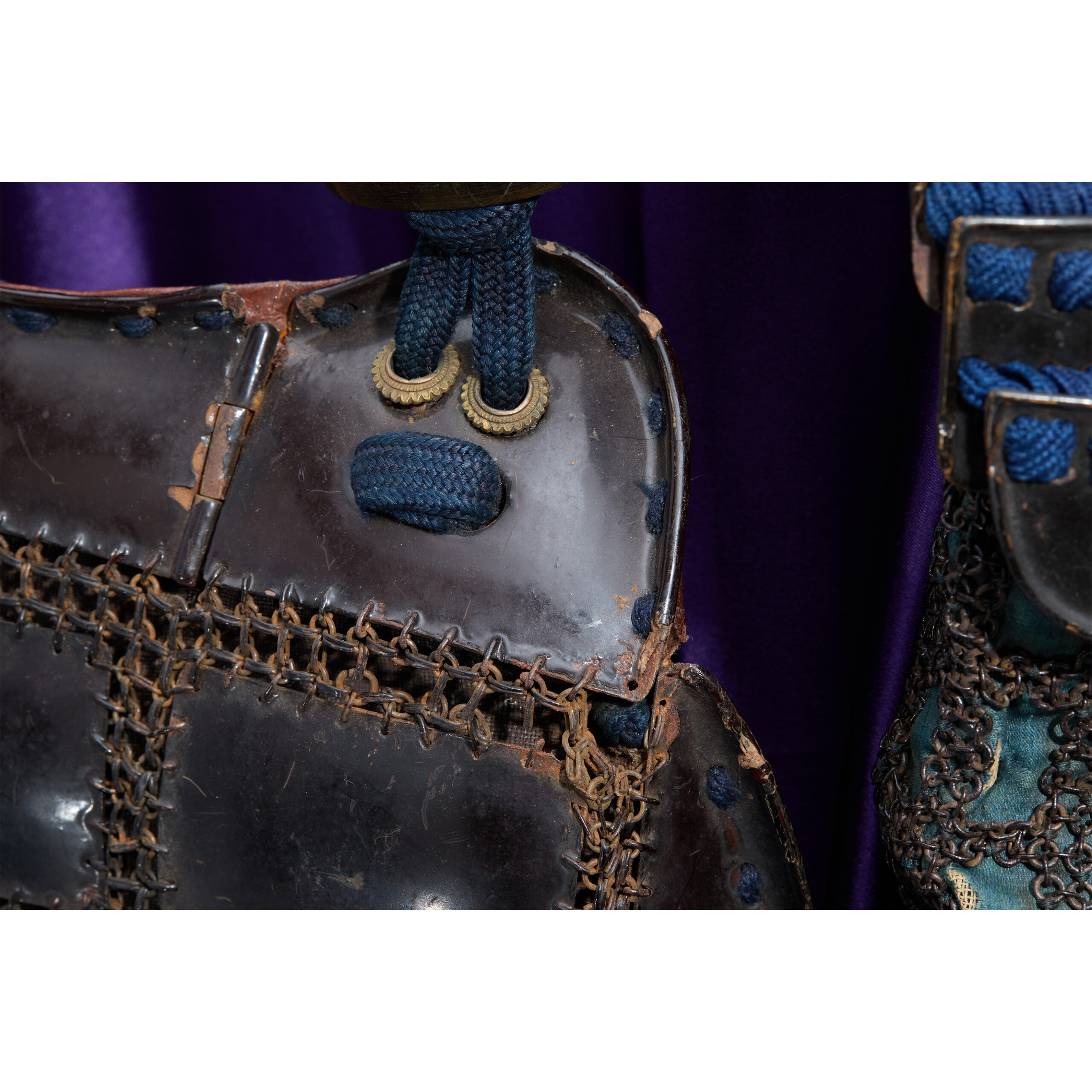
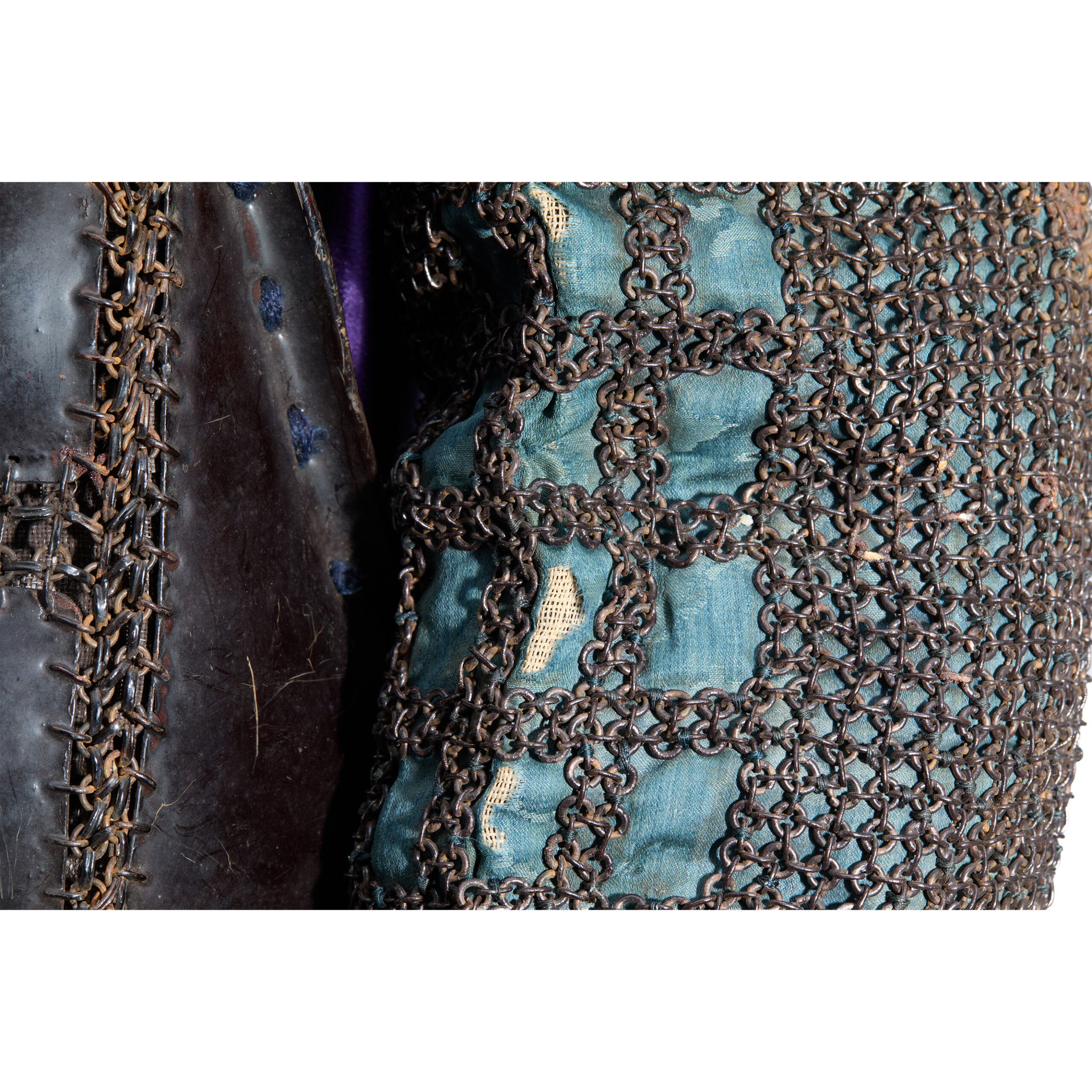
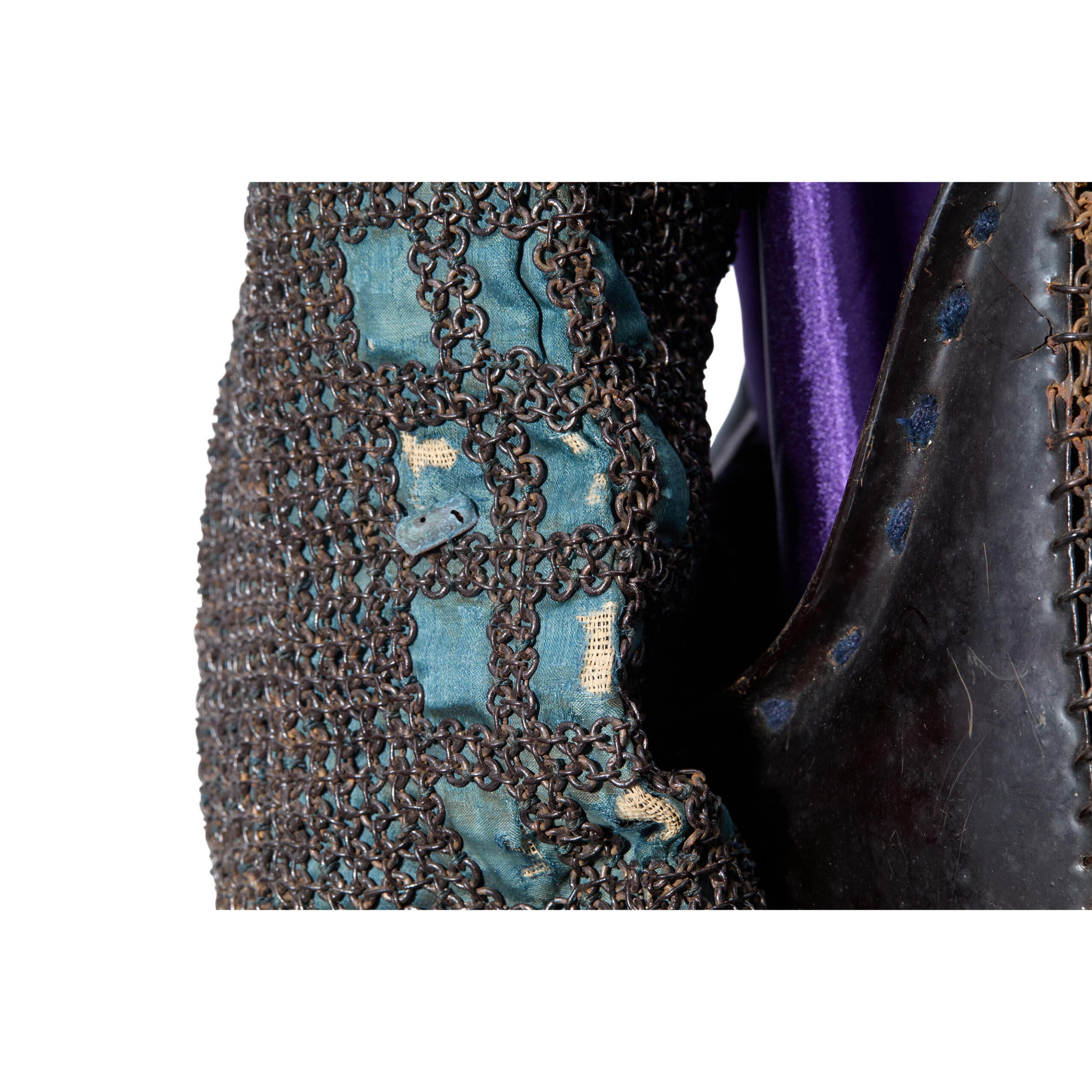
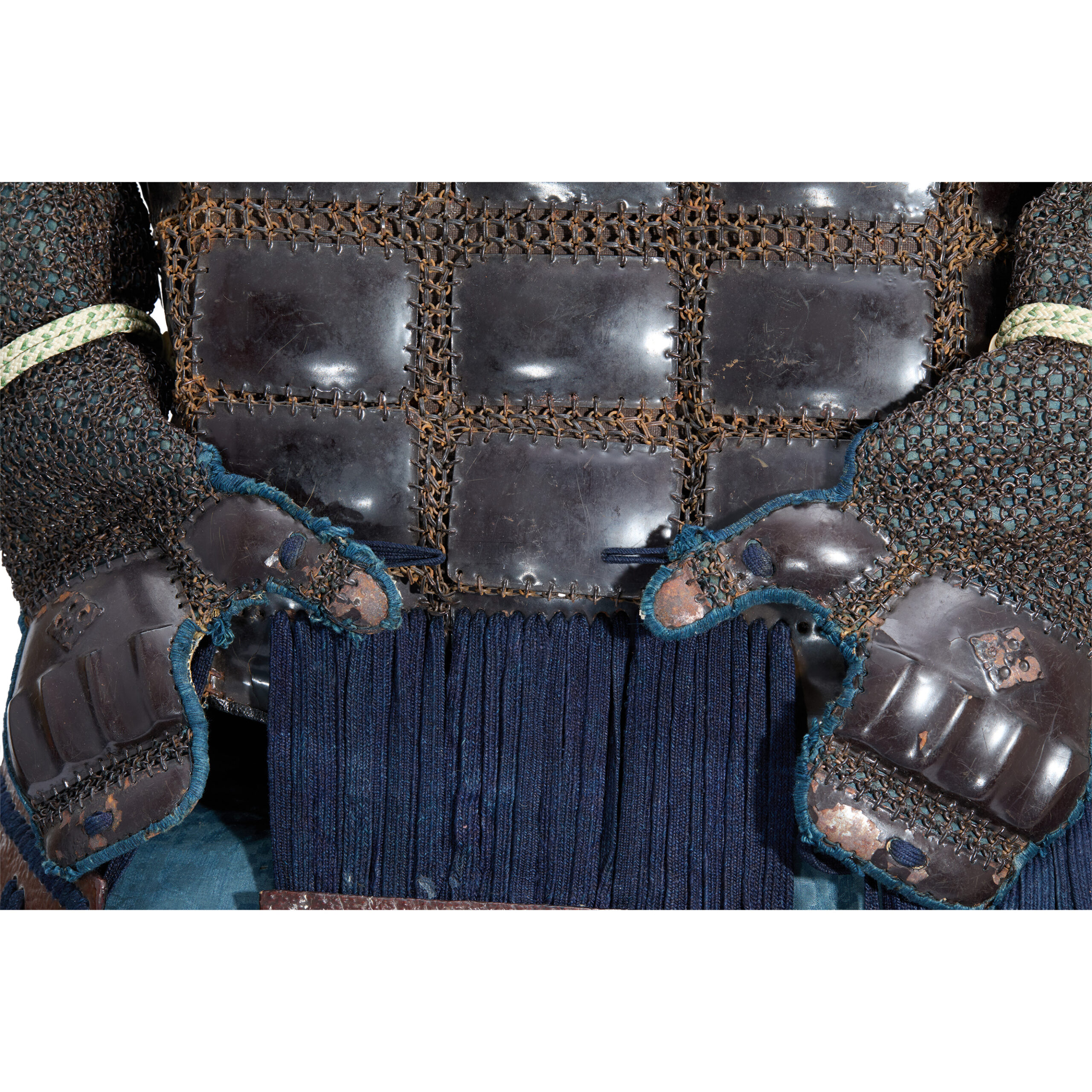
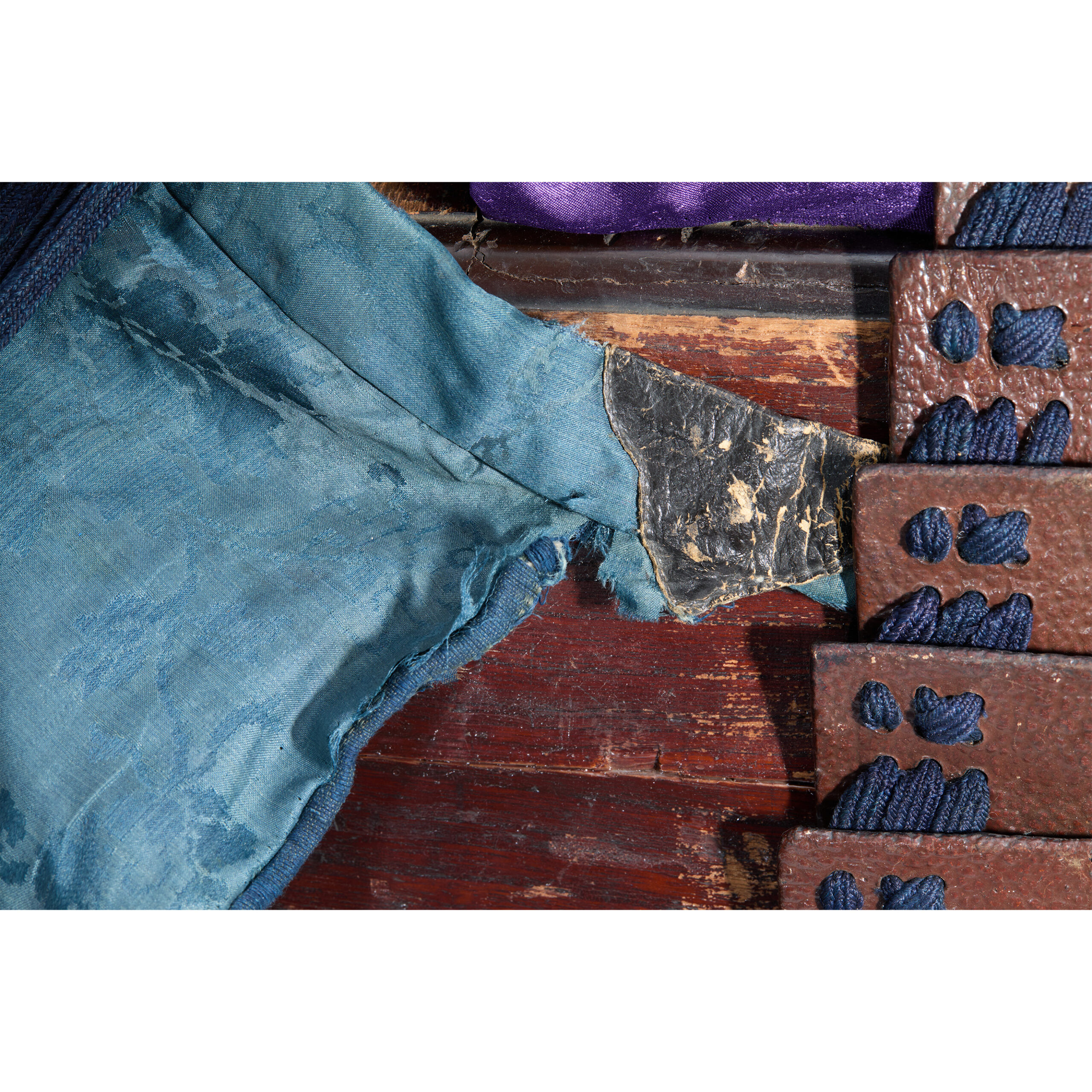
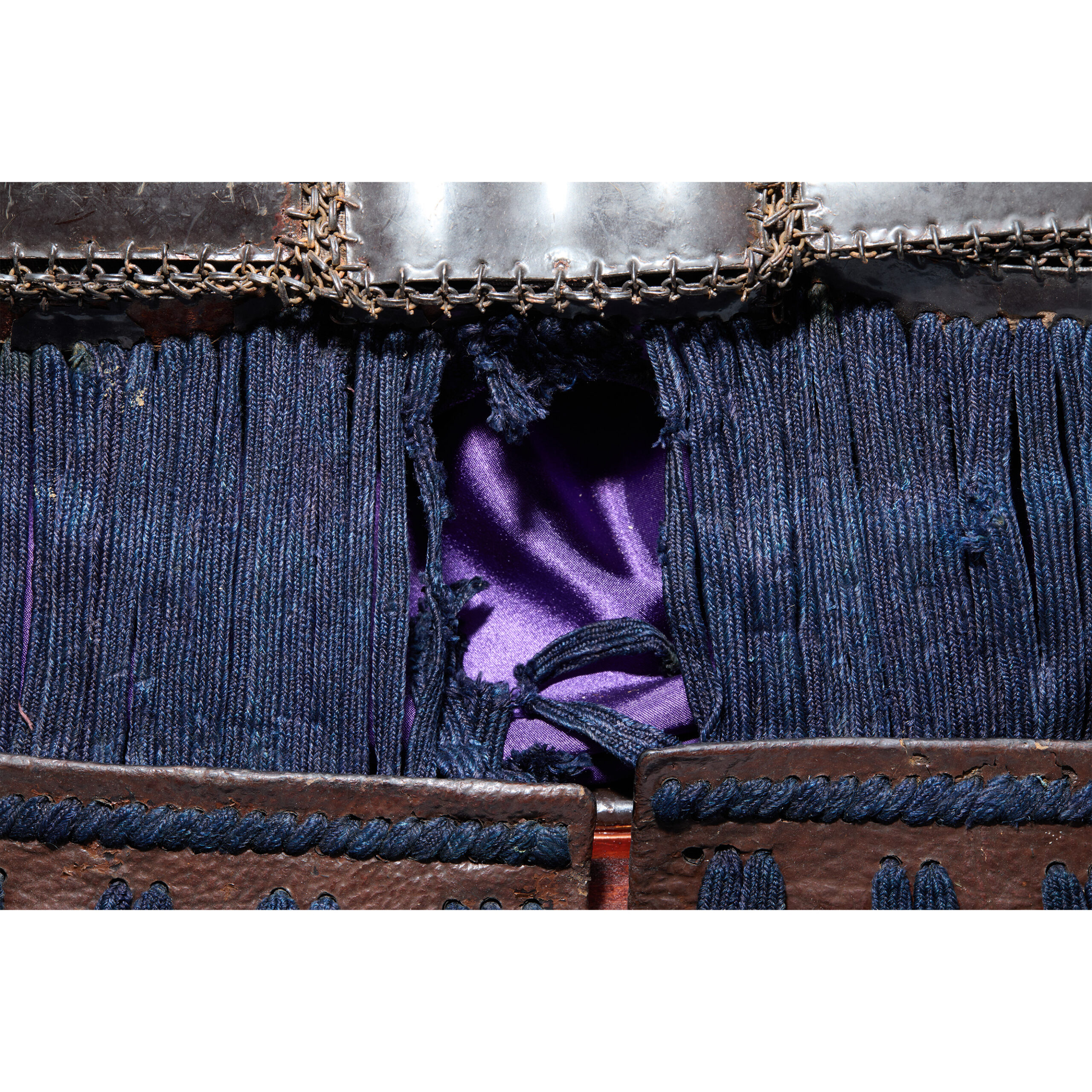
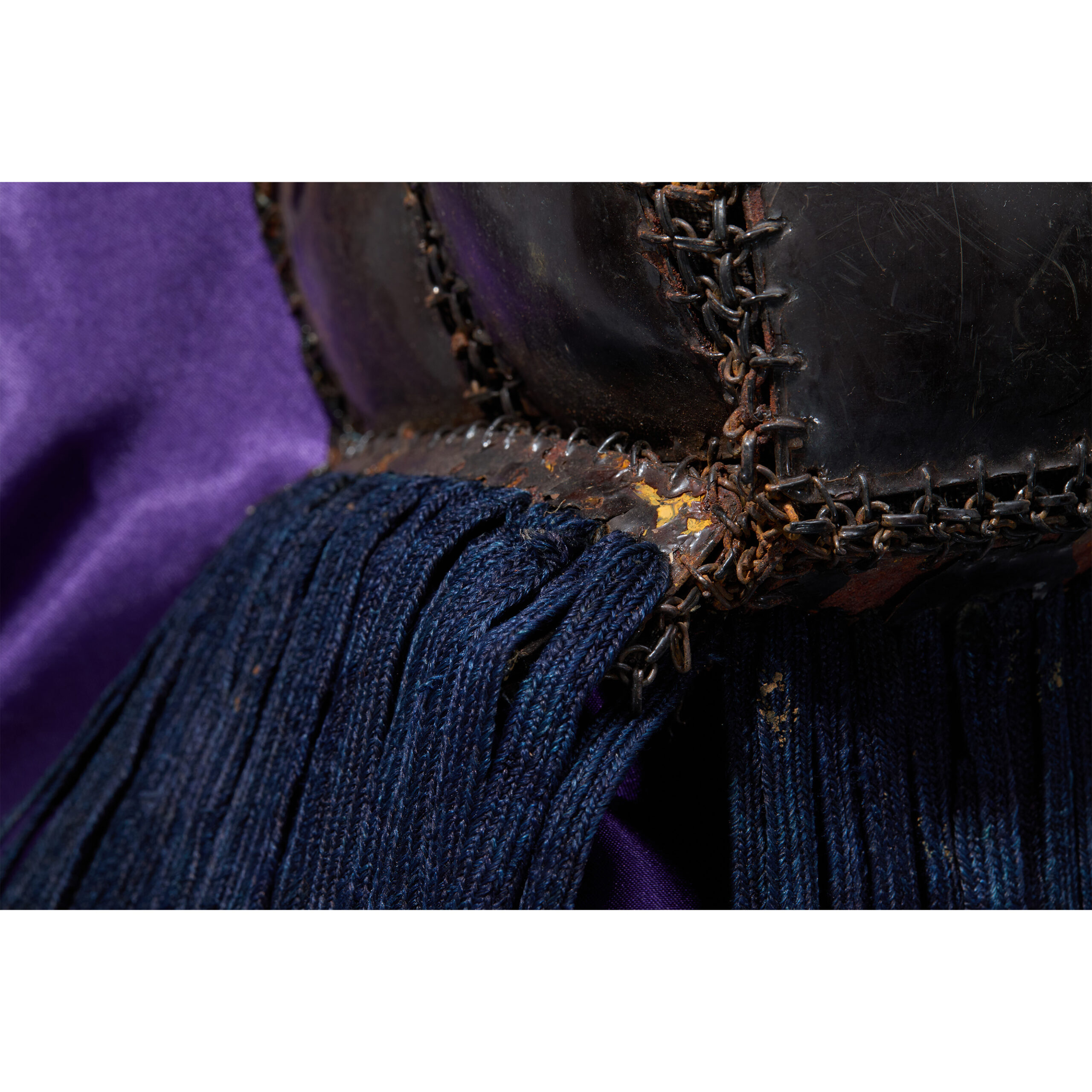
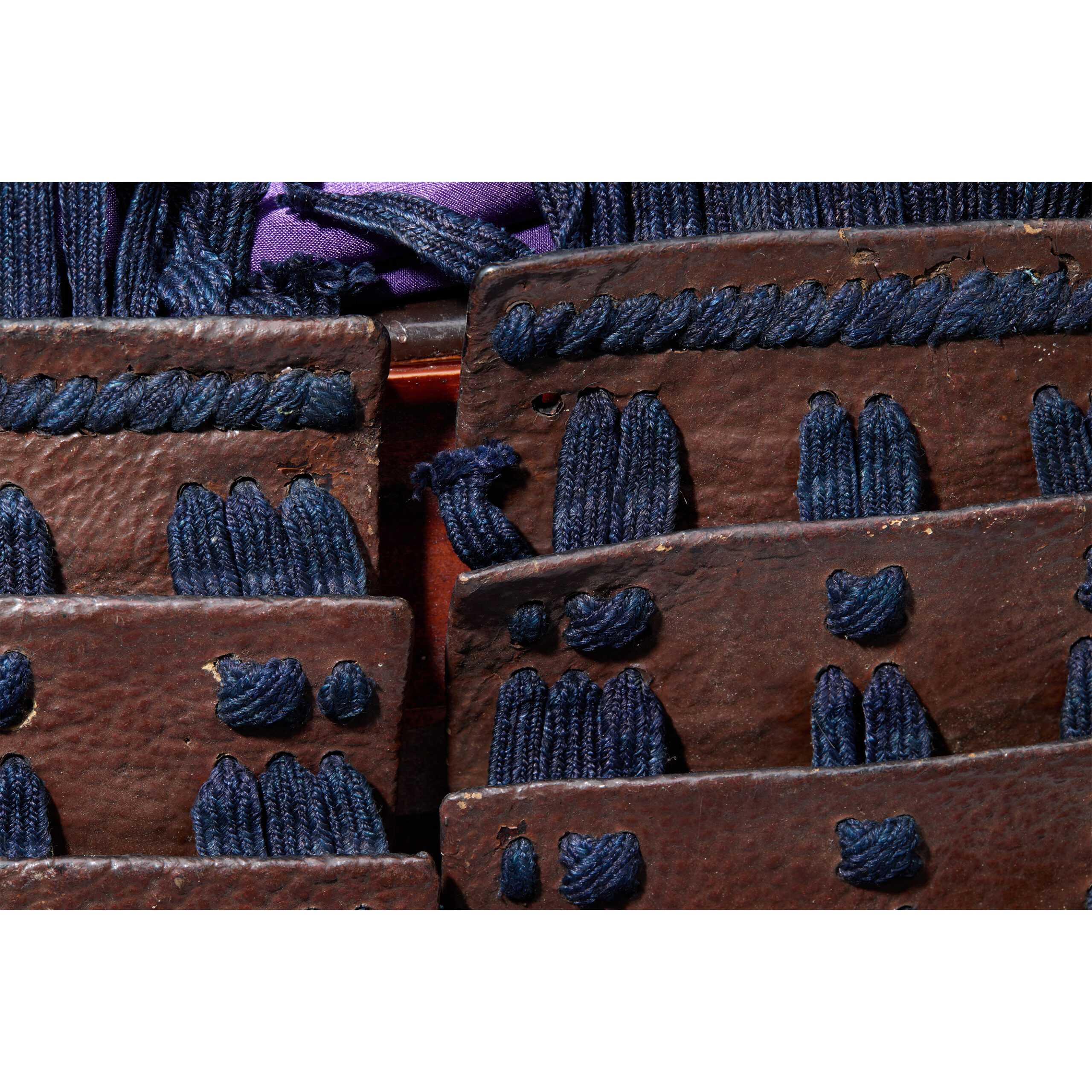
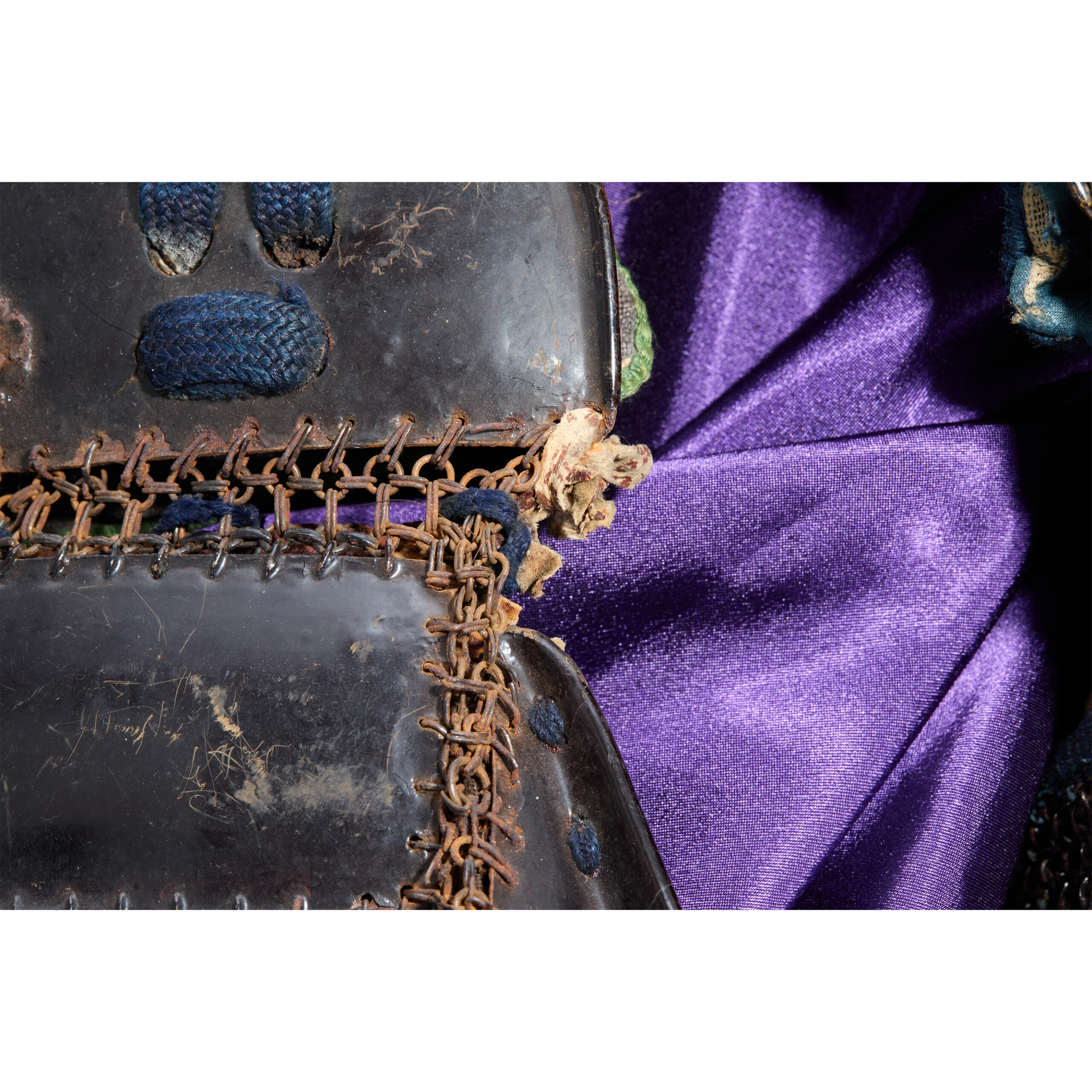
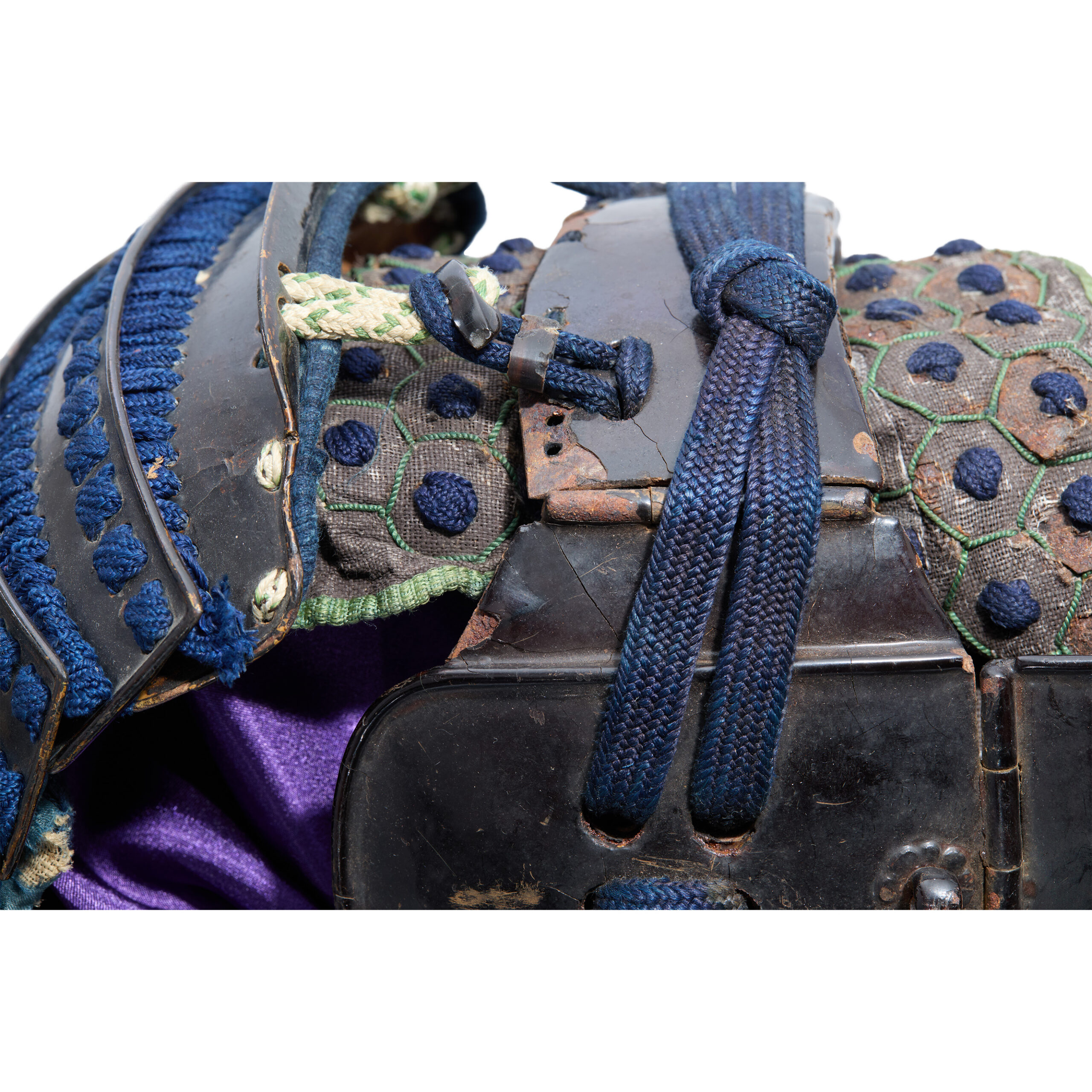
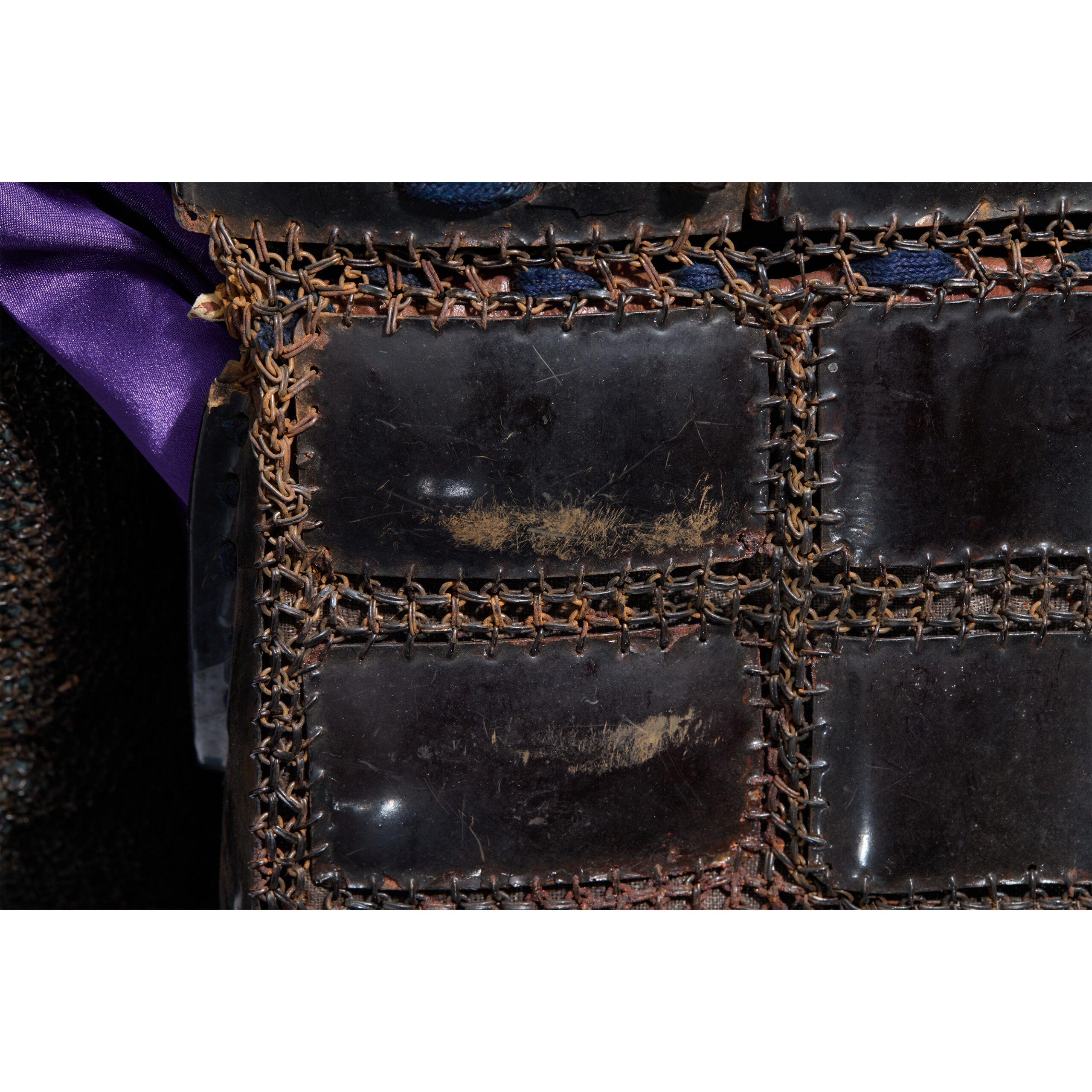
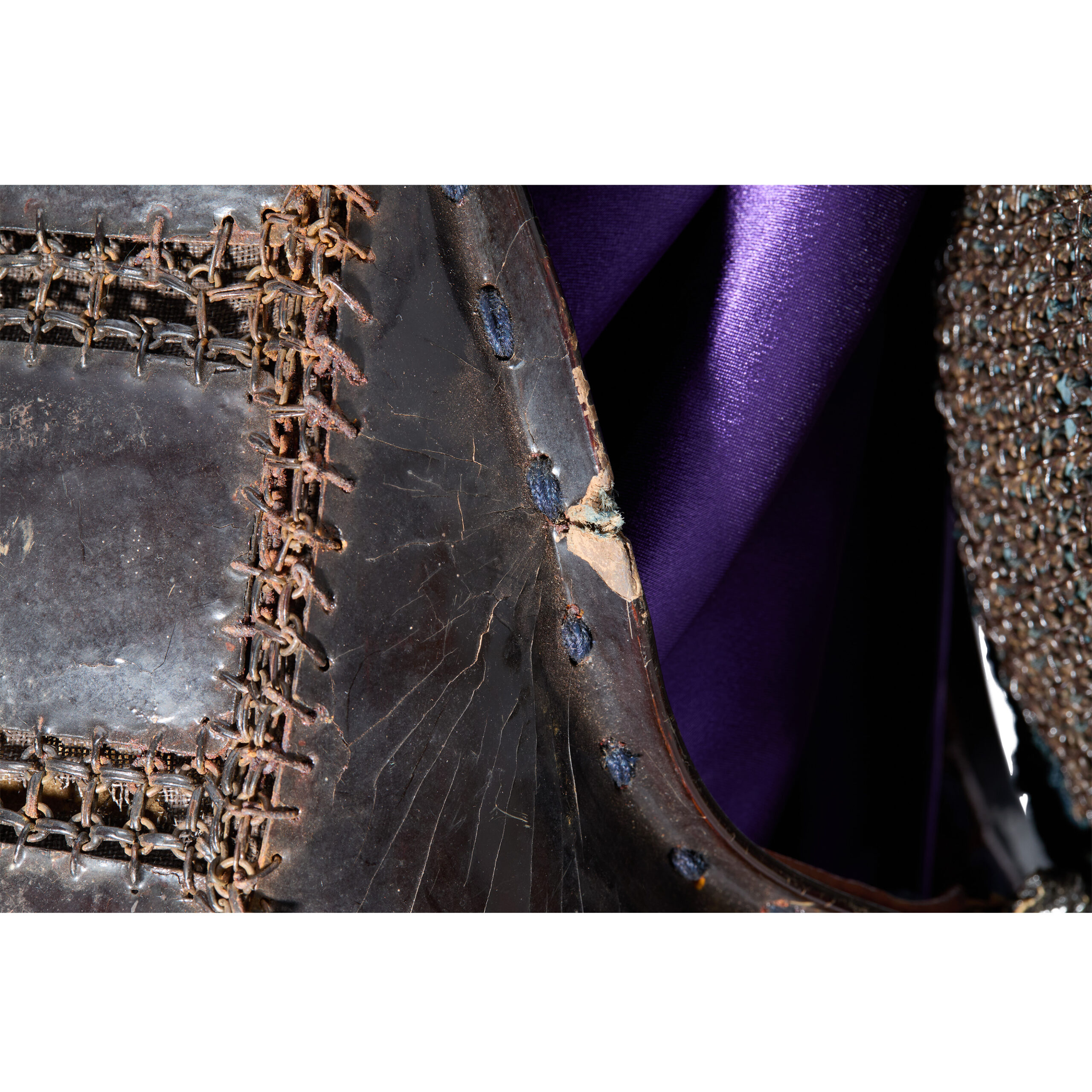
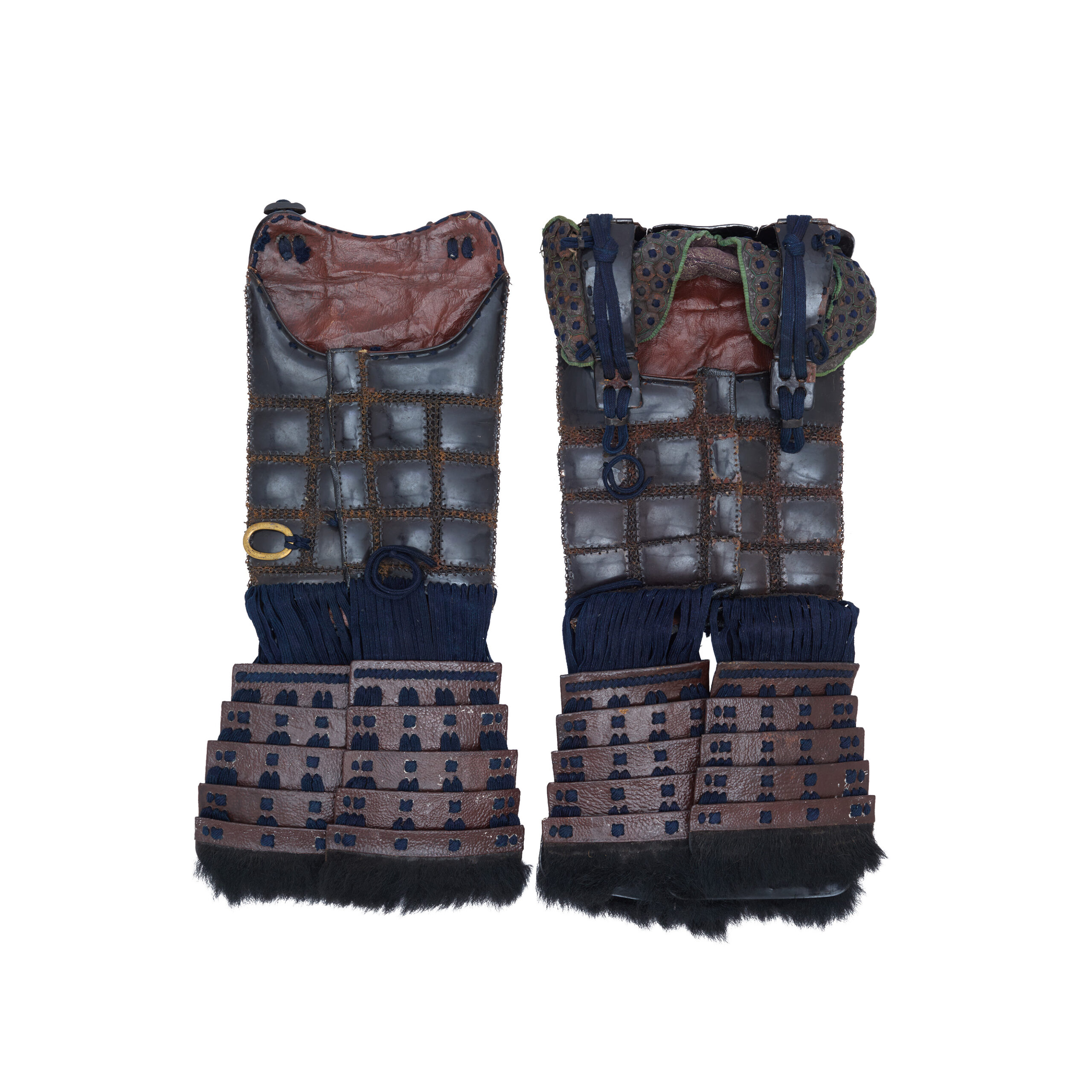
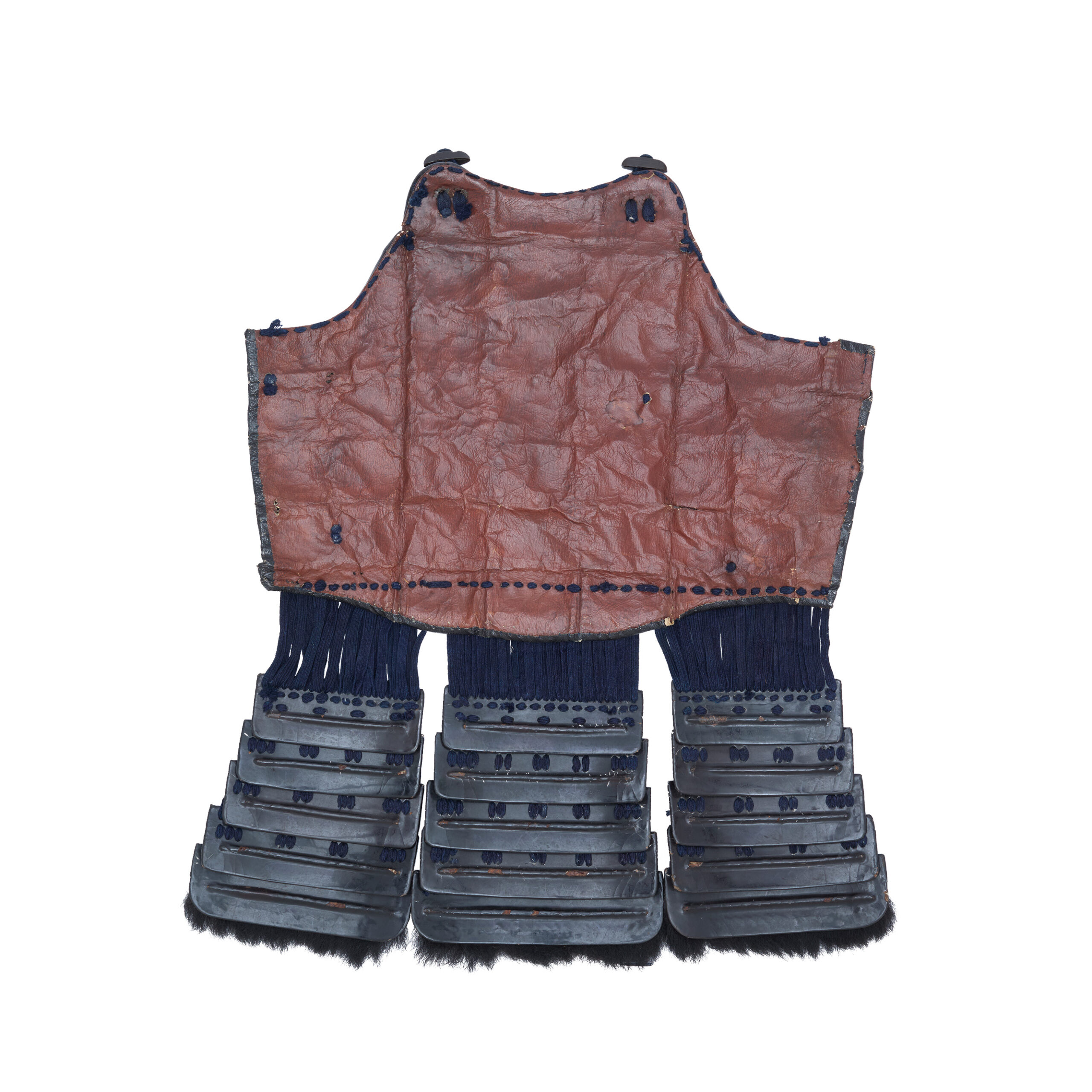
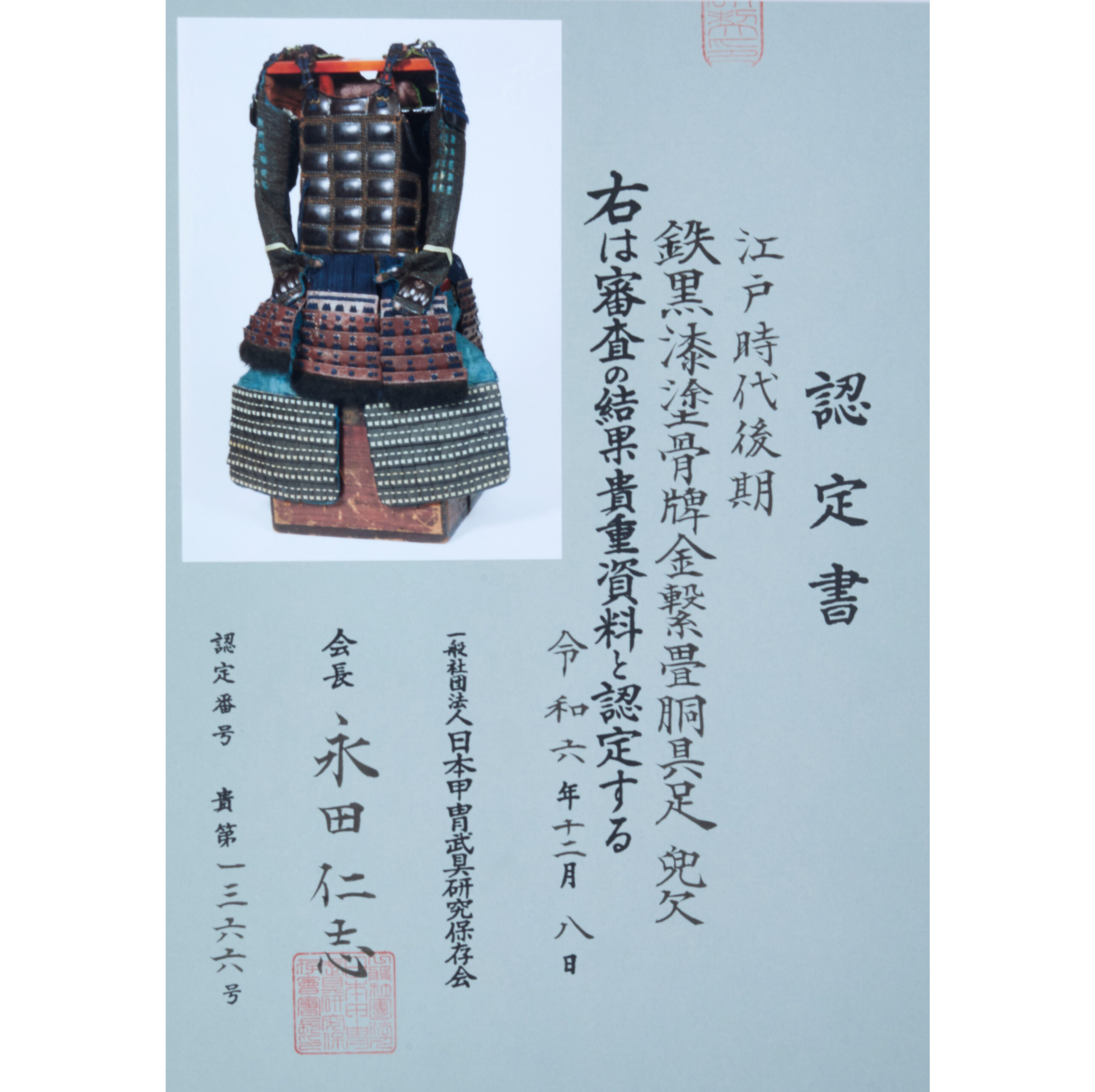
Antique Late Edo Period Tatami Do with Kicho Certificate (A-38) Period: Late Edo period appraised by The Association for the Research and Preservation of Japanese Helmets and Armor Description This item is categorized as Tatami gusoku (畳具足). Tatami (畳) means a straw and rush mat (tatami mat), and Gusoku (具足) means an armor. ■Do (cuirass): Karuta sane Tsunagi Tatami Do This item is the Do (胴, cuirass). The cuirass is made of Karuta sane (骨牌札), or called Karuta gane (骨牌金), square metal pieces joined together by a chain. The name Tatami Do comes from the fact that it can be folded up small and easily carried around like a tatami mat. In a time of war, guns and spears appeared on the battlefields where Naginata (薙刀, pole weapon) and bows and arrows were the primary weapons. In that tendency, it was necessary to create a stronger cuirass than conventional ones in order to protect the body from the attacks of such highly penetrating weapons. Until then, the mainstream structure was made up of Kozanes (小札, small iron or leather plate) joined together. However, a new type of cuirass was invented following the demands of the times. This type of cuirass is called the Itamono Do (板物胴) and is composed of large iron plates. Since it has an inadequately flexible structure, iron plates could be split and connected with hinges. Mass production became more accessible as the manufacturing process was simplified compared to the work of pasting together many small plates. It makes sense that this simple and sturdy type of armor became mainstream when bottles were escalating. The surface of Tatami gusoku is sewn with iron plates, which is thought to have provided considerable protection. The iron plates are chained together, making the gusoku lighter than regular gusoku. The chains also ensure flexibility. Therefore, the Tatami gusoku was considered highly practical. ■Kusazuri (skirt of plates attached to the cuirass): Lacquered iron Kusazuri laced with navy threads. The cords for the Odoshi (縅, a technique for armor tying boards together with cords such as leather or thread) are relatively in good condition, so each plate is tied without coming off. Small parts ■Kote (armored sleeves): Intricate iron chain mail with silk. ■Haidate (thigh protection): The Haidate (佩楯) is a thigh guard. The plates are laced with white threads. *As this item is an antique, please check each photo and ensure its condition. If you like to purchase an antique Samurai helmet along with this armor, please check here . Certification : Kicho Shiryo Certificate (No.1366) On December 8th 2024, this armor was appraised as a Kicho Shiryo by The Association for the Research and Preservation of Japanese Helmets and Armor, which is the most trusted Japanese armor appraiser in Japan. This association is also known as Nihon Katchu Bugu Kenkyu Hozonkai (日本甲冑武具研究保存会). Kicho Shiryo (貴重資料) means special rare article. It is ranked as the fourth highest of five rankings. The paper mentions the armor was made in the late Edo period (late 18th- mid 19th century) . You can receive this original authentication paper. An English translation of the certificate is available on request. We won’t charge any additional fee. 【About us】 Samurai Museum is located in Tokyo, Japan, exhibiting antique artifacts related to the Samurai history. Samurai Museum Shop is the place for those who are interested in Japanese culture and craftsmanship. We deal with antique Samurai swords/armor, traditional crafts made in Japan and so on. 【Antique Japanese Armor and Export process】 After receiving the full payment from you, we will apply for its export permit from the agency for Cultural Affairs to legally export the antique Samurai armor to other countries. It normally takes around 2-4 weeks to receive this permit. And we would like you to expect at least 1-1.5 months for your order to arrive at your given address after you ordered. 【Payment method】 We accept payment through Stripe (Credit card), PayPal , Apple Pa

NihontoWatch MonNihontoWatchBETA
MarketAuctionsEncyclopedia
甲冑›Armor›Antique Late Edo Period Tatami Do Kicho Shiryo Certificate (A-38)
甲冑Kicho Shiryo

Antique Late Edo Period Tatami Do Kicho Shiryo Certificate (A-38)

江戸

売却済
Antique Late Edo Period Tatami Do Kicho Shiryo Certificate (A-38) — 1 of 26
Antique Late Edo Period Tatami Do Kicho Shiryo Certificate (A-38) — 2 of 26
Antique Late Edo Period Tatami Do Kicho Shiryo Certificate (A-38) — 3 of 26
Antique Late Edo Period Tatami Do Kicho Shiryo Certificate (A-38) — 4 of 26
Antique Late Edo Period Tatami Do Kicho Shiryo Certificate (A-38) — 5 of 26
Antique Late Edo Period Tatami Do Kicho Shiryo Certificate (A-38) — 6 of 26
Antique Late Edo Period Tatami Do Kicho Shiryo Certificate (A-38) — 7 of 26
Antique Late Edo Period Tatami Do Kicho Shiryo Certificate (A-38) — 8 of 26
Antique Late Edo Period Tatami Do Kicho Shiryo Certificate (A-38) — 9 of 26
Antique Late Edo Period Tatami Do Kicho Shiryo Certificate (A-38) — 10 of 26
Antique Late Edo Period Tatami Do Kicho Shiryo Certificate (A-38) — 11 of 26
Antique Late Edo Period Tatami Do Kicho Shiryo Certificate (A-38) — 12 of 26
Antique Late Edo Period Tatami Do Kicho Shiryo Certificate (A-38) — 13 of 26
Antique Late Edo Period Tatami Do Kicho Shiryo Certificate (A-38) — 14 of 26
Antique Late Edo Period Tatami Do Kicho Shiryo Certificate (A-38) — 15 of 26
Antique Late Edo Period Tatami Do Kicho Shiryo Certificate (A-38) — 16 of 26
Antique Late Edo Period Tatami Do Kicho Shiryo Certificate (A-38) — 17 of 26
Antique Late Edo Period Tatami Do Kicho Shiryo Certificate (A-38) — 18 of 26
Antique Late Edo Period Tatami Do Kicho Shiryo Certificate (A-38) — 19 of 26
Antique Late Edo Period Tatami Do Kicho Shiryo Certificate (A-38) — 20 of 26
Antique Late Edo Period Tatami Do Kicho Shiryo Certificate (A-38) — 21 of 26
Antique Late Edo Period Tatami Do Kicho Shiryo Certificate (A-38) — 22 of 26
Antique Late Edo Period Tatami Do Kicho Shiryo Certificate (A-38) — 23 of 26
Antique Late Edo Period Tatami Do Kicho Shiryo Certificate (A-38) — 24 of 26
Antique Late Edo Period Tatami Do Kicho Shiryo Certificate (A-38) — 25 of 26
Antique Late Edo Period Tatami Do Kicho Shiryo Certificate (A-38) — 26 of 26
1 / 26
1 / 26
Antique Late Edo Period Tatami Do Kicho Shiryo Certificate (A-38) — 1 of 26Antique Late Edo Period Tatami Do Kicho Shiryo Certificate (A-38) — 2 of 26Antique Late Edo Period Tatami Do Kicho Shiryo Certificate (A-38) — 3 of 26Antique Late Edo Period Tatami Do Kicho Shiryo Certificate (A-38) — 4 of 26Antique Late Edo Period Tatami Do Kicho Shiryo Certificate (A-38) — 5 of 26Antique Late Edo Period Tatami Do Kicho Shiryo Certificate (A-38) — 6 of 26Antique Late Edo Period Tatami Do Kicho Shiryo Certificate (A-38) — 7 of 26Antique Late Edo Period Tatami Do Kicho Shiryo Certificate (A-38) — 8 of 26Antique Late Edo Period Tatami Do Kicho Shiryo Certificate (A-38) — 9 of 26Antique Late Edo Period Tatami Do Kicho Shiryo Certificate (A-38) — 10 of 26Antique Late Edo Period Tatami Do Kicho Shiryo Certificate (A-38) — 11 of 26Antique Late Edo Period Tatami Do Kicho Shiryo Certificate (A-38) — 12 of 26Antique Late Edo Period Tatami Do Kicho Shiryo Certificate (A-38) — 13 of 26Antique Late Edo Period Tatami Do Kicho Shiryo Certificate (A-38) — 14 of 26Antique Late Edo Period Tatami Do Kicho Shiryo Certificate (A-38) — 15 of 26Antique Late Edo Period Tatami Do Kicho Shiryo Certificate (A-38) — 16 of 26Antique Late Edo Period Tatami Do Kicho Shiryo Certificate (A-38) — 17 of 26Antique Late Edo Period Tatami Do Kicho Shiryo Certificate (A-38) — 18 of 26Antique Late Edo Period Tatami Do Kicho Shiryo Certificate (A-38) — 19 of 26Antique Late Edo Period Tatami Do Kicho Shiryo Certificate (A-38) — 20 of 26Antique Late Edo Period Tatami Do Kicho Shiryo Certificate (A-38) — 21 of 26Antique Late Edo Period Tatami Do Kicho Shiryo Certificate (A-38) — 22 of 26Antique Late Edo Period Tatami Do Kicho Shiryo Certificate (A-38) — 23 of 26Antique Late Edo Period Tatami Do Kicho Shiryo Certificate (A-38) — 24 of 26Antique Late Edo Period Tatami Do Kicho Shiryo Certificate (A-38) — 25 of 26Antique Late Edo Period Tatami Do Kicho Shiryo Certificate (A-38) — 26 of 26
法量・詳細

仕様

形式

畳具足

揃い

具足一連(完備)

銘

無銘

膕(おどし)

Navy

時代

江戸

鑑定書

貴重資料 · 日本甲胄武具研究保存会

説明

Antique Late Edo Period Tatami Do with Kicho Certificate (A-38) Period: Late Edo period appraised by The Association for the Research and Preservation of Japanese Helmets and Armor Description This item is categorized as Tatami gusoku (畳具足). Tatami (畳) means a straw and rush mat (tatami mat), and Gusoku (具足) means an armor. ■Do (cuirass): Karuta sane Tsunagi Tatami Do This item is the Do (胴, cuirass). The cuirass is made of Karuta sane (骨牌札), or called Karuta gane (骨牌金), square metal pieces joined together by a chain. The name Tatami Do comes from the fact that it can be folded up small and easily carried around like a tatami mat. In a time of war, guns and spears appeared on the battlefields where Naginata (薙刀, pole weapon) and bows and arrows were the primary weapons. In that tendency, it was necessary to create a stronger cuirass than conventional ones in order to protect the body from the attacks of such highly penetrating weapons. Until then, the mainstream structure was made up of Kozanes (小札, small iron or leather plate) joined together. However, a new type of cuirass was invented following the demands of the times. This type of cuirass is called the Itamono Do (板物胴) and is composed of large iron plates. Since it has an inadequately flexible structure, iron plates could be split and connected with hinges. Mass production became more accessible as the manufacturing process was simplified compared to the work of pasting together many small plates. It makes sense that this simple and sturdy type of armor became mainstream when bottles were escalating. The surface of Tatami gusoku is sewn with iron plates, which is thought to have provided considerable protection. The iron plates are chained together, making the gusoku lighter than regular gusoku. The chains also ensure flexibility. Therefore, the Tatami gusoku was considered highly practical. ■Kusazuri (skirt of plates attached to the cuirass): Lacquered iron Kusazuri laced with navy threads. The cords for the Odoshi (縅, a technique for armor tying boards together with cords such as leather or thread) are relatively in good condition, so each plate is tied without coming off. Small parts ■Kote (armored sleeves): Intricate iron chain mail with silk. ■Haidate (thigh protection): The Haidate (佩楯) is a thigh guard. The plates are laced with white threads. *As this item is an antique, please check each photo and ensure its condition. If you like to purchase an antique Samurai helmet along with this armor, please check here . Certification : Kicho Shiryo Certificate (No.1366) On December 8th 2024, this armor was appraised as a Kicho Shiryo by The Association for the Research and Preservation of Japanese Helmets and Armor, which is the most trusted Japanese armor appraiser in Japan. This association is also known as Nihon Katchu Bugu Kenkyu Hozonkai (日本甲冑武具研究保存会). Kicho Shiryo (貴重資料) means special rare article. It is ranked as the fourth highest of five rankings. The paper mentions the armor was made in the late Edo period (late 18th- mid 19th century) . You can receive this original authentication paper. An English translation of the certificate is available on request. We won’t charge any additional fee. 【About us】 Samurai Museum is located in Tokyo, Japan, exhibiting antique artifacts related to the Samurai history. Samurai Museum Shop is the place for those who are interested in Japanese culture and craftsmanship. We deal with antique Samurai swords/armor, traditional crafts made in Japan and so on. 【Antique Japanese Armor and Export process】 After receiving the full payment from you, we will apply for its export permit from the agency for Cultural Affairs to legally export the antique Samurai armor to other countries. It normally takes around 2-4 weeks to receive this permit. And we would like you to expect at least 1-1.5 months for your order to arrive at your given address after you ordered. 【Payment method】 We accept payment through Stripe (Credit card), PayPal , Apple Pa

日本甲冑武具研究保存会
Kichō Shiryō貴重資料
Valuable Reference Material
›

保存資料より上位で、貴重な出来・資料的価値が認められた甲冑武具です。

甲冑武具研究保存会について›

甲冑はNBTHKの鑑定対象ではありません。日本甲冑武具研究保存会(1961年設立)が甲冑武具の研究・保存を担う中心的団体で、その審査は作品を「資料」として、保存資料・貴重資料・特別貴重資料・甲種特別貴重資料・最高位の重要文化資料という五段階で格付けします。「資料」という呼称は、刀剣の鑑定とは別に、甲冑を文化的・歴史的な資料として保存するという会の趣旨を表しています。

販売店
サ
サムライミュージアム
🇯🇵日本から発送
›
✓認証販売店samuraimuseum.jp
✓海外発送可✓英語対応PayPalクレジットカード
返品ポリシー

Returns/exchanges limited to defects caused by shipping (except willful misconduct or gross negligence by the company); customers must contact within 72 hours of receiving the product.

サムライミュージアムの出品一覧を見る→販売店サイトでこの商品を見る→

刀剣

  • 刀
  • 脇差
  • 短刀
  • 太刀
  • 薙刀
  • 槍

刀装具

  • 鍔
  • 縁頭
  • 小柄
  • 目貫

鑑定別

  • 特重
  • 重要
  • 特別保存
  • 保存

リソース

  • 刀剣商一覧
  • 刀工一覧
  • すべて見る
Nihontowatch© 2026
利用規約プライバシーCookie運営者情報

説明

Antique Late Edo Period Tatami Do with Kicho Certificate (A-38) Period: Late Edo period appraised by The Association for the Research and Preservation of Japanese Helmets and Armor Description This item is categorized as Tatami gusoku (畳具足). Tatami (畳) means a straw and rush mat (tatami mat), and Gusoku (具足) means an armor. ■Do (cuirass): Karuta sane Tsunagi Tatami Do This item is the Do (胴, cuirass). The cuirass is made of Karuta sane (骨牌札), or called Karuta gane (骨牌金), square metal pieces joined together by a chain. The name Tatami Do comes from the fact that it can be folded up small and easily carried around like a tatami mat. In a time of war, guns and spears appeared on the battlefields where Naginata (薙刀, pole weapon) and bows and arrows were the primary weapons. In that tendency, it was necessary to create a stronger cuirass than conventional ones in order to protect the body from the attacks of such highly penetrating weapons. Until then, the mainstream structure was made up of Kozanes (小札, small iron or leather plate) joined together. However, a new type of cuirass was invented following the demands of the times. This type of cuirass is called the Itamono Do (板物胴) and is composed of large iron plates. Since it has an inadequately flexible structure, iron plates could be split and connected with hinges. Mass production became more accessible as the manufacturing process was simplified compared to the work of pasting together many small plates. It makes sense that this simple and sturdy type of armor became mainstream when bottles were escalating. The surface of Tatami gusoku is sewn with iron plates, which is thought to have provided considerable protection. The iron plates are chained together, making the gusoku lighter than regular gusoku. The chains also ensure flexibility. Therefore, the Tatami gusoku was considered highly practical. ■Kusazuri (skirt of plates attached to the cuirass): Lacquered iron Kusazuri laced with navy threads. The cords for the Odoshi (縅, a technique for armor tying boards together with cords such as leather or thread) are relatively in good condition, so each plate is tied without coming off. Small parts ■Kote (armored sleeves): Intricate iron chain mail with silk. ■Haidate (thigh protection): The Haidate (佩楯) is a thigh guard. The plates are laced with white threads. *As this item is an antique, please check each photo and ensure its condition. If you like to purchase an antique Samurai helmet along with this armor, please check here . Certification : Kicho Shiryo Certificate (No.1366) On December 8th 2024, this armor was appraised as a Kicho Shiryo by The Association for the Research and Preservation of Japanese Helmets and Armor, which is the most trusted Japanese armor appraiser in Japan. This association is also known as Nihon Katchu Bugu Kenkyu Hozonkai (日本甲冑武具研究保存会). Kicho Shiryo (貴重資料) means special rare article. It is ranked as the fourth highest of five rankings. The paper mentions the armor was made in the late Edo period (late 18th- mid 19th century) . You can receive this original authentication paper. An English translation of the certificate is available on request. We won’t charge any additional fee. 【About us】 Samurai Museum is located in Tokyo, Japan, exhibiting antique artifacts related to the Samurai history. Samurai Museum Shop is the place for those who are interested in Japanese culture and craftsmanship. We deal with antique Samurai swords/armor, traditional crafts made in Japan and so on. 【Antique Japanese Armor and Export process】 After receiving the full payment from you, we will apply for its export permit from the agency for Cultural Affairs to legally export the antique Samurai armor to other countries. It normally takes around 2-4 weeks to receive this permit. And we would like you to expect at least 1-1.5 months for your order to arrive at your given address after you ordered. 【Payment method】 We accept payment through Stripe (Credit card), PayPal , Apple Pa

NihontoWatch MonNihontoWatchBETA
MarketAuctionsEncyclopedia
甲冑›Armor›Antique Late Edo Period Tatami Do Kicho Shiryo Certificate (A-38)
甲冑Kicho Shiryo

Antique Late Edo Period Tatami Do Kicho Shiryo Certificate (A-38)

江戸

売却済
Antique Late Edo Period Tatami Do Kicho Shiryo Certificate (A-38) — 1 of 26
Antique Late Edo Period Tatami Do Kicho Shiryo Certificate (A-38) — 2 of 26
Antique Late Edo Period Tatami Do Kicho Shiryo Certificate (A-38) — 3 of 26
Antique Late Edo Period Tatami Do Kicho Shiryo Certificate (A-38) — 4 of 26
Antique Late Edo Period Tatami Do Kicho Shiryo Certificate (A-38) — 5 of 26
Antique Late Edo Period Tatami Do Kicho Shiryo Certificate (A-38) — 6 of 26
Antique Late Edo Period Tatami Do Kicho Shiryo Certificate (A-38) — 7 of 26
Antique Late Edo Period Tatami Do Kicho Shiryo Certificate (A-38) — 8 of 26
Antique Late Edo Period Tatami Do Kicho Shiryo Certificate (A-38) — 9 of 26
Antique Late Edo Period Tatami Do Kicho Shiryo Certificate (A-38) — 10 of 26
Antique Late Edo Period Tatami Do Kicho Shiryo Certificate (A-38) — 11 of 26
Antique Late Edo Period Tatami Do Kicho Shiryo Certificate (A-38) — 12 of 26
Antique Late Edo Period Tatami Do Kicho Shiryo Certificate (A-38) — 13 of 26
Antique Late Edo Period Tatami Do Kicho Shiryo Certificate (A-38) — 14 of 26
Antique Late Edo Period Tatami Do Kicho Shiryo Certificate (A-38) — 15 of 26
Antique Late Edo Period Tatami Do Kicho Shiryo Certificate (A-38) — 16 of 26
Antique Late Edo Period Tatami Do Kicho Shiryo Certificate (A-38) — 17 of 26
Antique Late Edo Period Tatami Do Kicho Shiryo Certificate (A-38) — 18 of 26
Antique Late Edo Period Tatami Do Kicho Shiryo Certificate (A-38) — 19 of 26
Antique Late Edo Period Tatami Do Kicho Shiryo Certificate (A-38) — 20 of 26
Antique Late Edo Period Tatami Do Kicho Shiryo Certificate (A-38) — 21 of 26
Antique Late Edo Period Tatami Do Kicho Shiryo Certificate (A-38) — 22 of 26
Antique Late Edo Period Tatami Do Kicho Shiryo Certificate (A-38) — 23 of 26
Antique Late Edo Period Tatami Do Kicho Shiryo Certificate (A-38) — 24 of 26
Antique Late Edo Period Tatami Do Kicho Shiryo Certificate (A-38) — 25 of 26
Antique Late Edo Period Tatami Do Kicho Shiryo Certificate (A-38) — 26 of 26
1 / 26
1 / 26
Antique Late Edo Period Tatami Do Kicho Shiryo Certificate (A-38) — 1 of 26Antique Late Edo Period Tatami Do Kicho Shiryo Certificate (A-38) — 2 of 26Antique Late Edo Period Tatami Do Kicho Shiryo Certificate (A-38) — 3 of 26Antique Late Edo Period Tatami Do Kicho Shiryo Certificate (A-38) — 4 of 26Antique Late Edo Period Tatami Do Kicho Shiryo Certificate (A-38) — 5 of 26Antique Late Edo Period Tatami Do Kicho Shiryo Certificate (A-38) — 6 of 26Antique Late Edo Period Tatami Do Kicho Shiryo Certificate (A-38) — 7 of 26Antique Late Edo Period Tatami Do Kicho Shiryo Certificate (A-38) — 8 of 26Antique Late Edo Period Tatami Do Kicho Shiryo Certificate (A-38) — 9 of 26Antique Late Edo Period Tatami Do Kicho Shiryo Certificate (A-38) — 10 of 26Antique Late Edo Period Tatami Do Kicho Shiryo Certificate (A-38) — 11 of 26Antique Late Edo Period Tatami Do Kicho Shiryo Certificate (A-38) — 12 of 26Antique Late Edo Period Tatami Do Kicho Shiryo Certificate (A-38) — 13 of 26Antique Late Edo Period Tatami Do Kicho Shiryo Certificate (A-38) — 14 of 26Antique Late Edo Period Tatami Do Kicho Shiryo Certificate (A-38) — 15 of 26Antique Late Edo Period Tatami Do Kicho Shiryo Certificate (A-38) — 16 of 26Antique Late Edo Period Tatami Do Kicho Shiryo Certificate (A-38) — 17 of 26Antique Late Edo Period Tatami Do Kicho Shiryo Certificate (A-38) — 18 of 26Antique Late Edo Period Tatami Do Kicho Shiryo Certificate (A-38) — 19 of 26Antique Late Edo Period Tatami Do Kicho Shiryo Certificate (A-38) — 20 of 26Antique Late Edo Period Tatami Do Kicho Shiryo Certificate (A-38) — 21 of 26Antique Late Edo Period Tatami Do Kicho Shiryo Certificate (A-38) — 22 of 26Antique Late Edo Period Tatami Do Kicho Shiryo Certificate (A-38) — 23 of 26Antique Late Edo Period Tatami Do Kicho Shiryo Certificate (A-38) — 24 of 26Antique Late Edo Period Tatami Do Kicho Shiryo Certificate (A-38) — 25 of 26Antique Late Edo Period Tatami Do Kicho Shiryo Certificate (A-38) — 26 of 26
法量・詳細

仕様

形式

畳具足

揃い

具足一連(完備)

銘

無銘

膕(おどし)

Navy

時代

江戸

鑑定書

貴重資料 · 日本甲胄武具研究保存会

説明

Antique Late Edo Period Tatami Do with Kicho Certificate (A-38) Period: Late Edo period appraised by The Association for the Research and Preservation of Japanese Helmets and Armor Description This item is categorized as Tatami gusoku (畳具足). Tatami (畳) means a straw and rush mat (tatami mat), and Gusoku (具足) means an armor. ■Do (cuirass): Karuta sane Tsunagi Tatami Do This item is the Do (胴, cuirass). The cuirass is made of Karuta sane (骨牌札), or called Karuta gane (骨牌金), square metal pieces joined together by a chain. The name Tatami Do comes from the fact that it can be folded up small and easily carried around like a tatami mat. In a time of war, guns and spears appeared on the battlefields where Naginata (薙刀, pole weapon) and bows and arrows were the primary weapons. In that tendency, it was necessary to create a stronger cuirass than conventional ones in order to protect the body from the attacks of such highly penetrating weapons. Until then, the mainstream structure was made up of Kozanes (小札, small iron or leather plate) joined together. However, a new type of cuirass was invented following the demands of the times. This type of cuirass is called the Itamono Do (板物胴) and is composed of large iron plates. Since it has an inadequately flexible structure, iron plates could be split and connected with hinges. Mass production became more accessible as the manufacturing process was simplified compared to the work of pasting together many small plates. It makes sense that this simple and sturdy type of armor became mainstream when bottles were escalating. The surface of Tatami gusoku is sewn with iron plates, which is thought to have provided considerable protection. The iron plates are chained together, making the gusoku lighter than regular gusoku. The chains also ensure flexibility. Therefore, the Tatami gusoku was considered highly practical. ■Kusazuri (skirt of plates attached to the cuirass): Lacquered iron Kusazuri laced with navy threads. The cords for the Odoshi (縅, a technique for armor tying boards together with cords such as leather or thread) are relatively in good condition, so each plate is tied without coming off. Small parts ■Kote (armored sleeves): Intricate iron chain mail with silk. ■Haidate (thigh protection): The Haidate (佩楯) is a thigh guard. The plates are laced with white threads. *As this item is an antique, please check each photo and ensure its condition. If you like to purchase an antique Samurai helmet along with this armor, please check here . Certification : Kicho Shiryo Certificate (No.1366) On December 8th 2024, this armor was appraised as a Kicho Shiryo by The Association for the Research and Preservation of Japanese Helmets and Armor, which is the most trusted Japanese armor appraiser in Japan. This association is also known as Nihon Katchu Bugu Kenkyu Hozonkai (日本甲冑武具研究保存会). Kicho Shiryo (貴重資料) means special rare article. It is ranked as the fourth highest of five rankings. The paper mentions the armor was made in the late Edo period (late 18th- mid 19th century) . You can receive this original authentication paper. An English translation of the certificate is available on request. We won’t charge any additional fee. 【About us】 Samurai Museum is located in Tokyo, Japan, exhibiting antique artifacts related to the Samurai history. Samurai Museum Shop is the place for those who are interested in Japanese culture and craftsmanship. We deal with antique Samurai swords/armor, traditional crafts made in Japan and so on. 【Antique Japanese Armor and Export process】 After receiving the full payment from you, we will apply for its export permit from the agency for Cultural Affairs to legally export the antique Samurai armor to other countries. It normally takes around 2-4 weeks to receive this permit. And we would like you to expect at least 1-1.5 months for your order to arrive at your given address after you ordered. 【Payment method】 We accept payment through Stripe (Credit card), PayPal , Apple Pa

日本甲冑武具研究保存会
Kichō Shiryō貴重資料
Valuable Reference Material
›

保存資料より上位で、貴重な出来・資料的価値が認められた甲冑武具です。

甲冑武具研究保存会について›

甲冑はNBTHKの鑑定対象ではありません。日本甲冑武具研究保存会(1961年設立)が甲冑武具の研究・保存を担う中心的団体で、その審査は作品を「資料」として、保存資料・貴重資料・特別貴重資料・甲種特別貴重資料・最高位の重要文化資料という五段階で格付けします。「資料」という呼称は、刀剣の鑑定とは別に、甲冑を文化的・歴史的な資料として保存するという会の趣旨を表しています。

販売店
サ
サムライミュージアム
🇯🇵日本から発送
›
✓認証販売店samuraimuseum.jp
✓海外発送可✓英語対応PayPalクレジットカード
返品ポリシー

Returns/exchanges limited to defects caused by shipping (except willful misconduct or gross negligence by the company); customers must contact within 72 hours of receiving the product.

サムライミュージアムの出品一覧を見る→販売店サイトでこの商品を見る→

刀剣

  • 刀
  • 脇差
  • 短刀
  • 太刀
  • 薙刀
  • 槍

刀装具

  • 鍔
  • 縁頭
  • 小柄
  • 目貫

鑑定別

  • 特重
  • 重要
  • 特別保存
  • 保存

リソース

  • 刀剣商一覧
  • 刀工一覧
  • すべて見る
Nihontowatch© 2026
利用規約プライバシーCookie運営者情報
NihontoWatch Mon

NihontoWatchBETA

マーケットオークション
事典
NihontoWatch Mon

NihontoWatchBETA

マーケットオークション
事典