1853年のペリー来航は徳川の泰平をほどき、二世紀ぶりに実用刀の大量需要を生んだ。四谷正宗と呼ばれた清麿はその前夜に世を去り、宗次や行秀が最後の好況を担った。
 NihontoWatchNihontoWatch
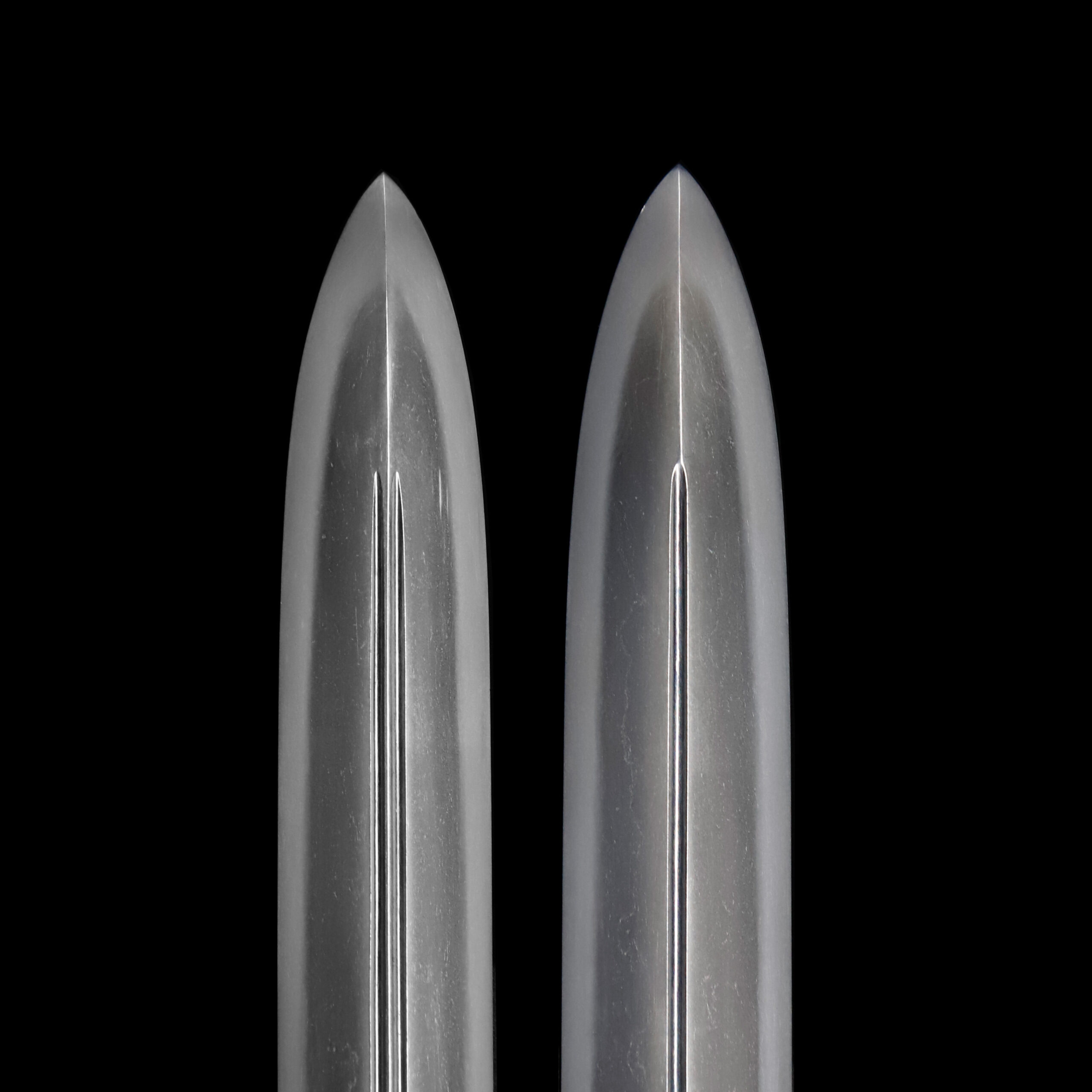
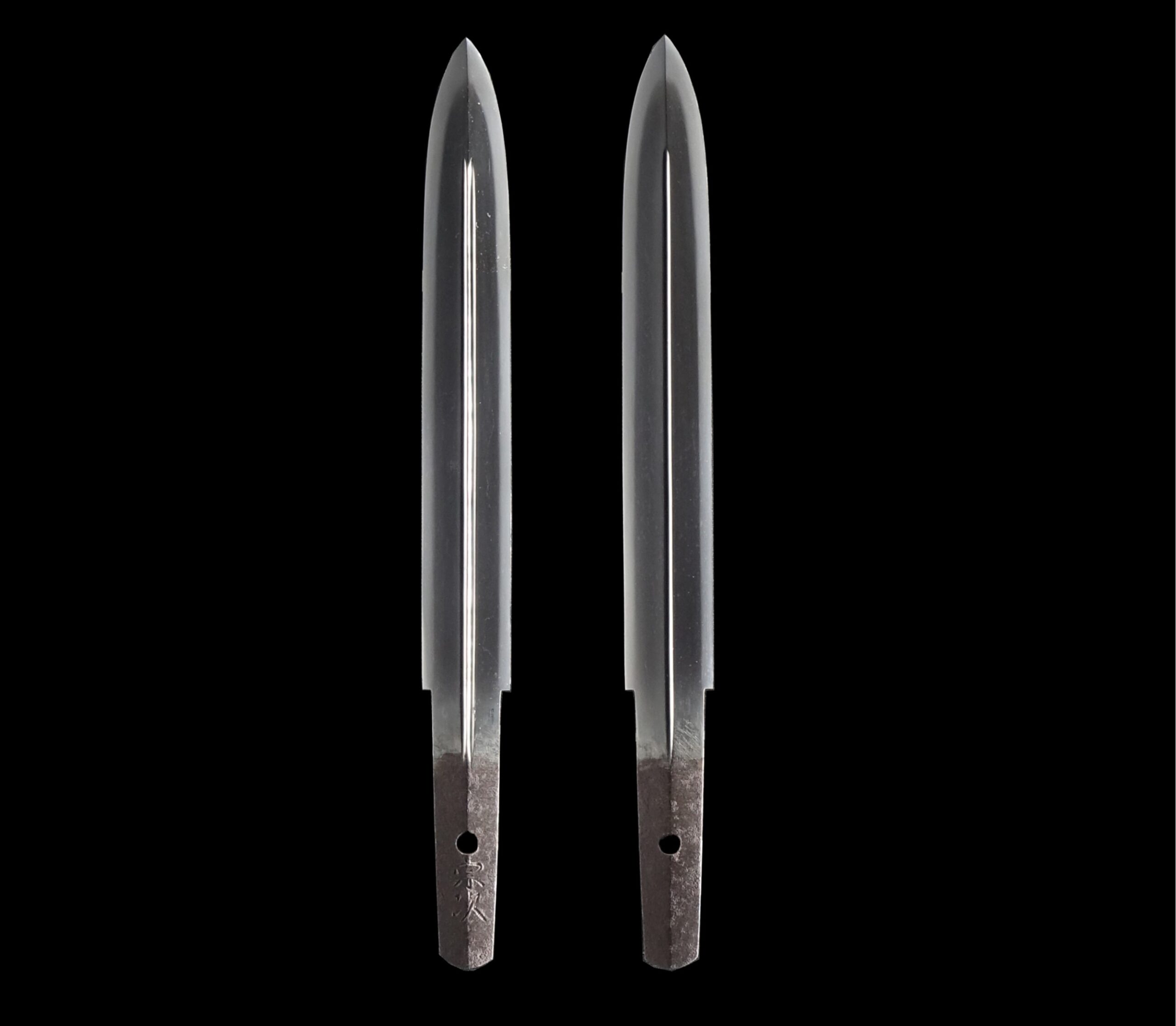
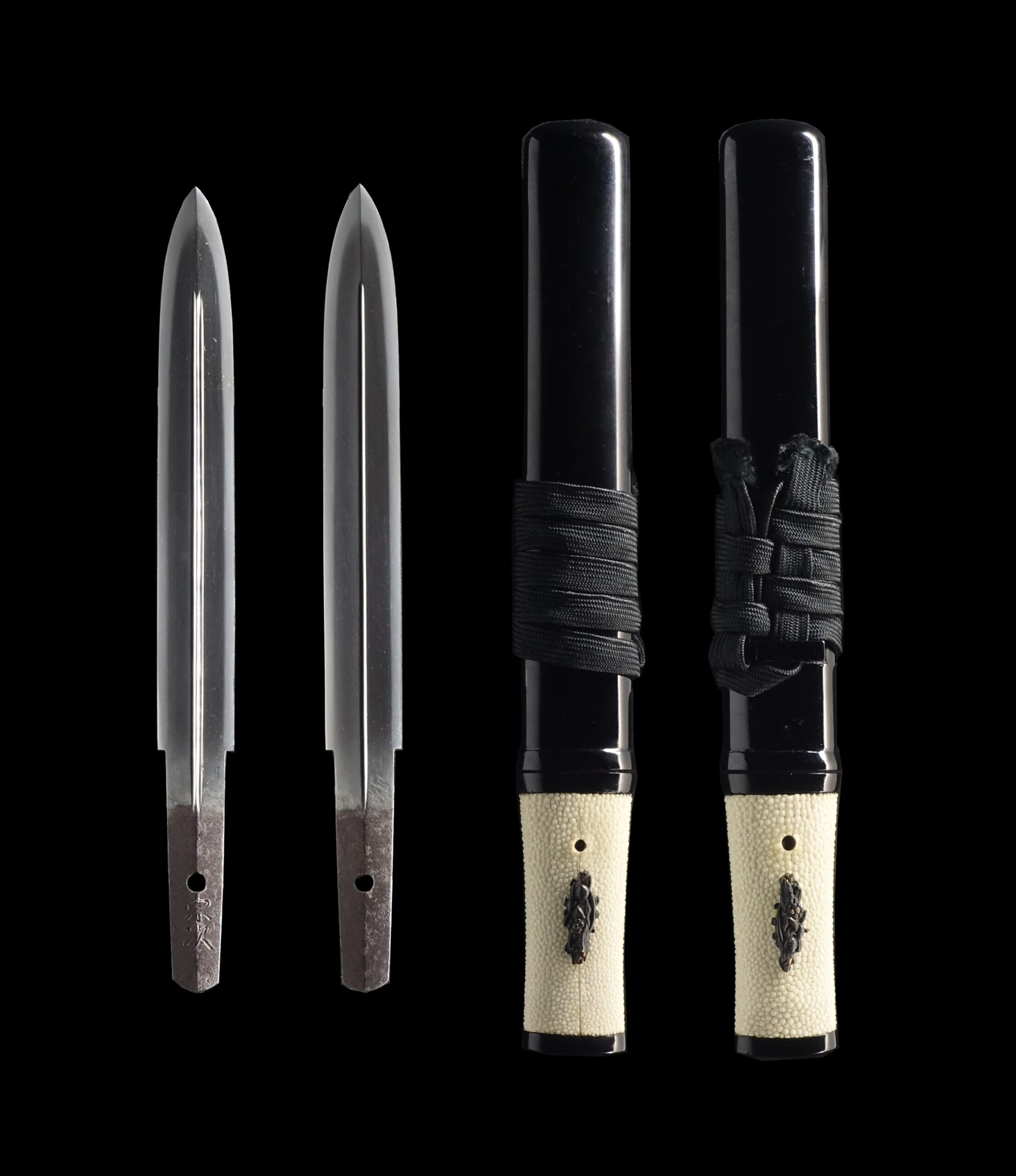
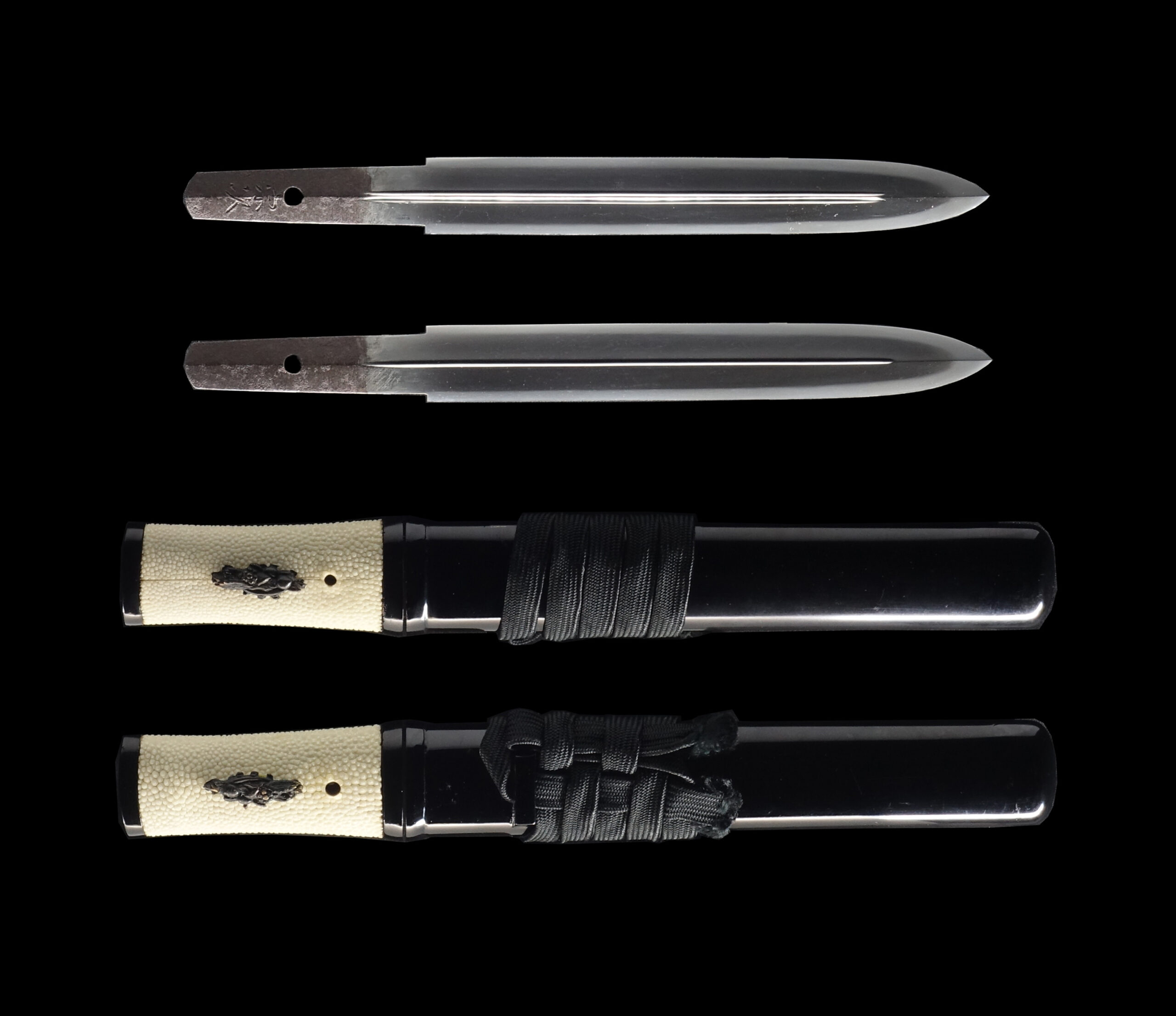
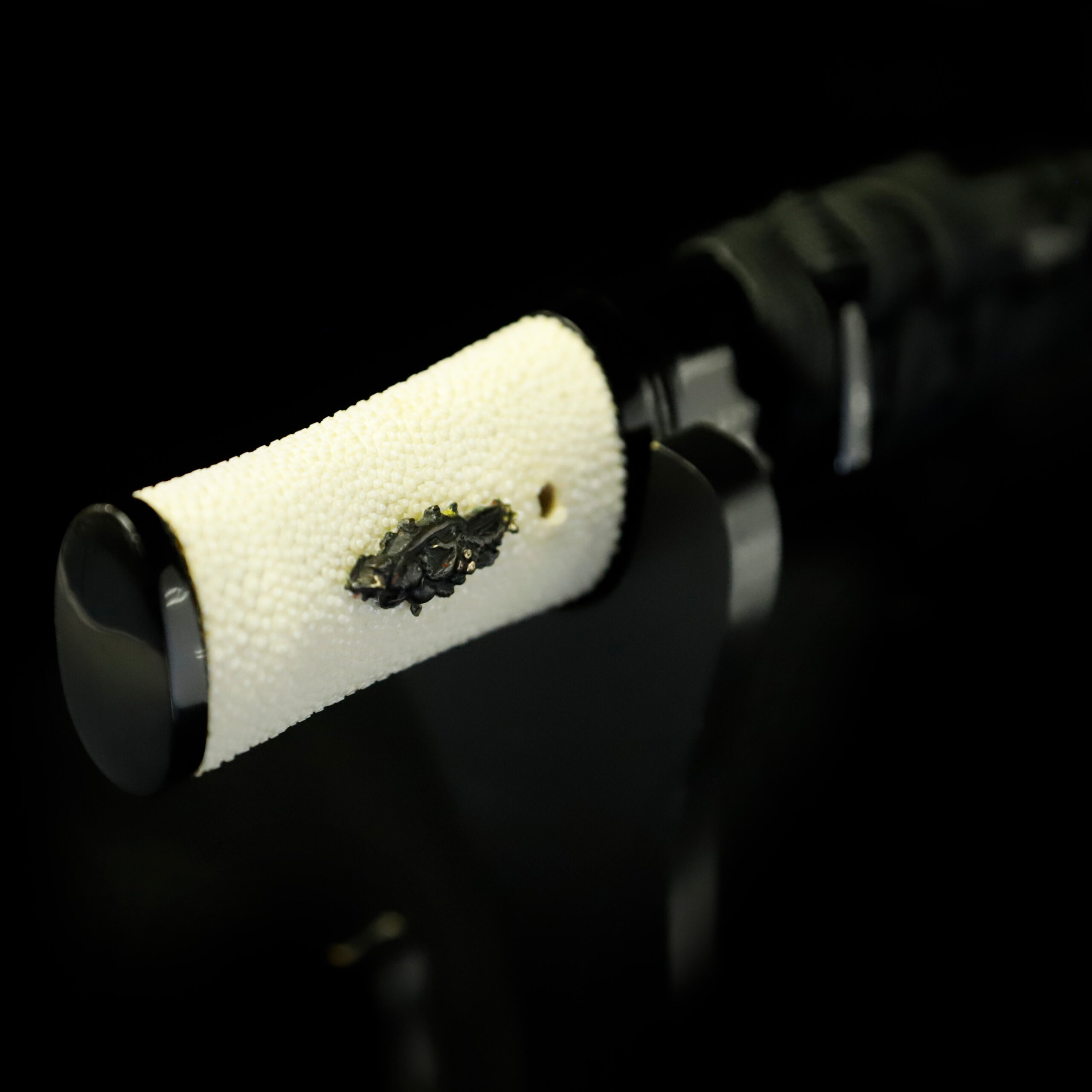
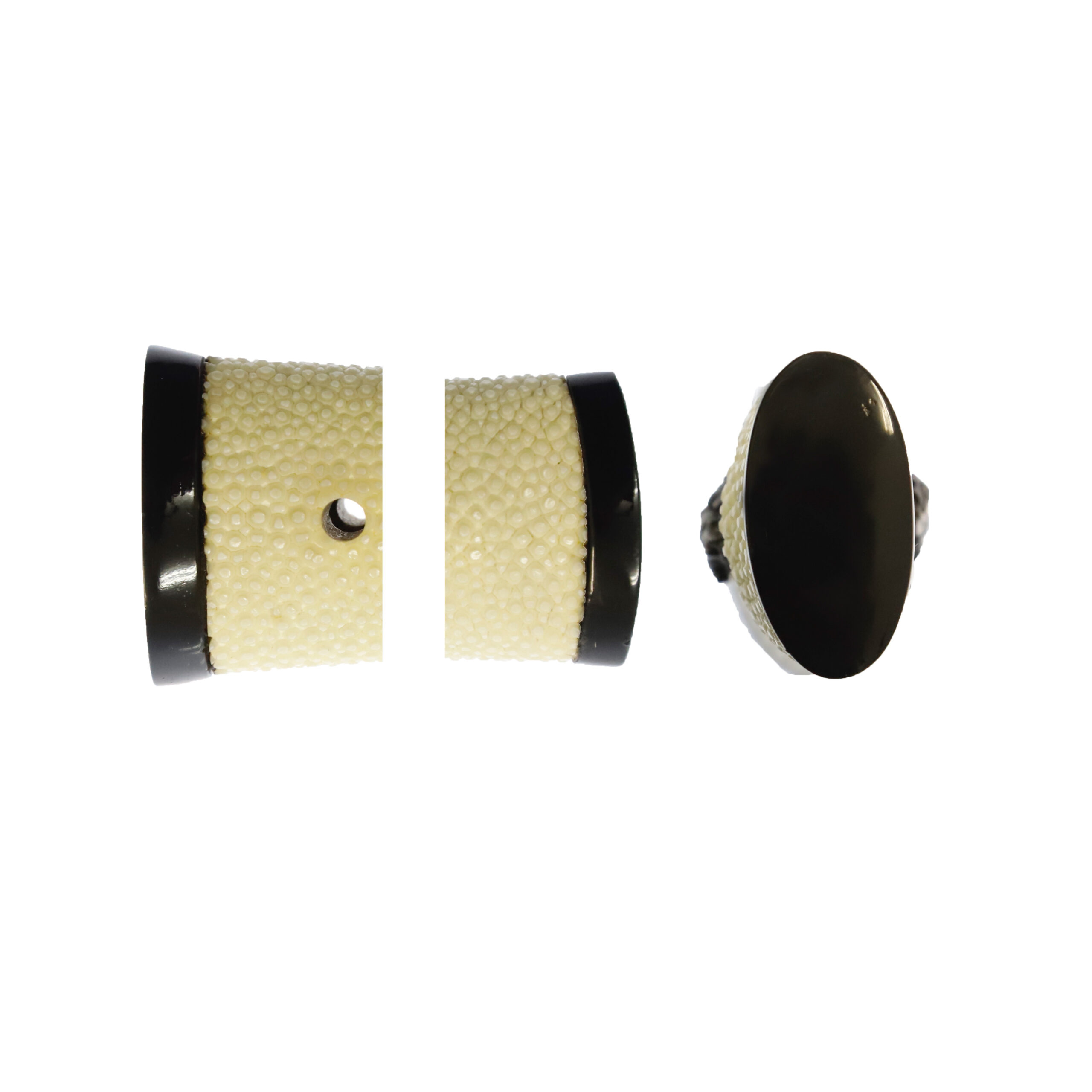
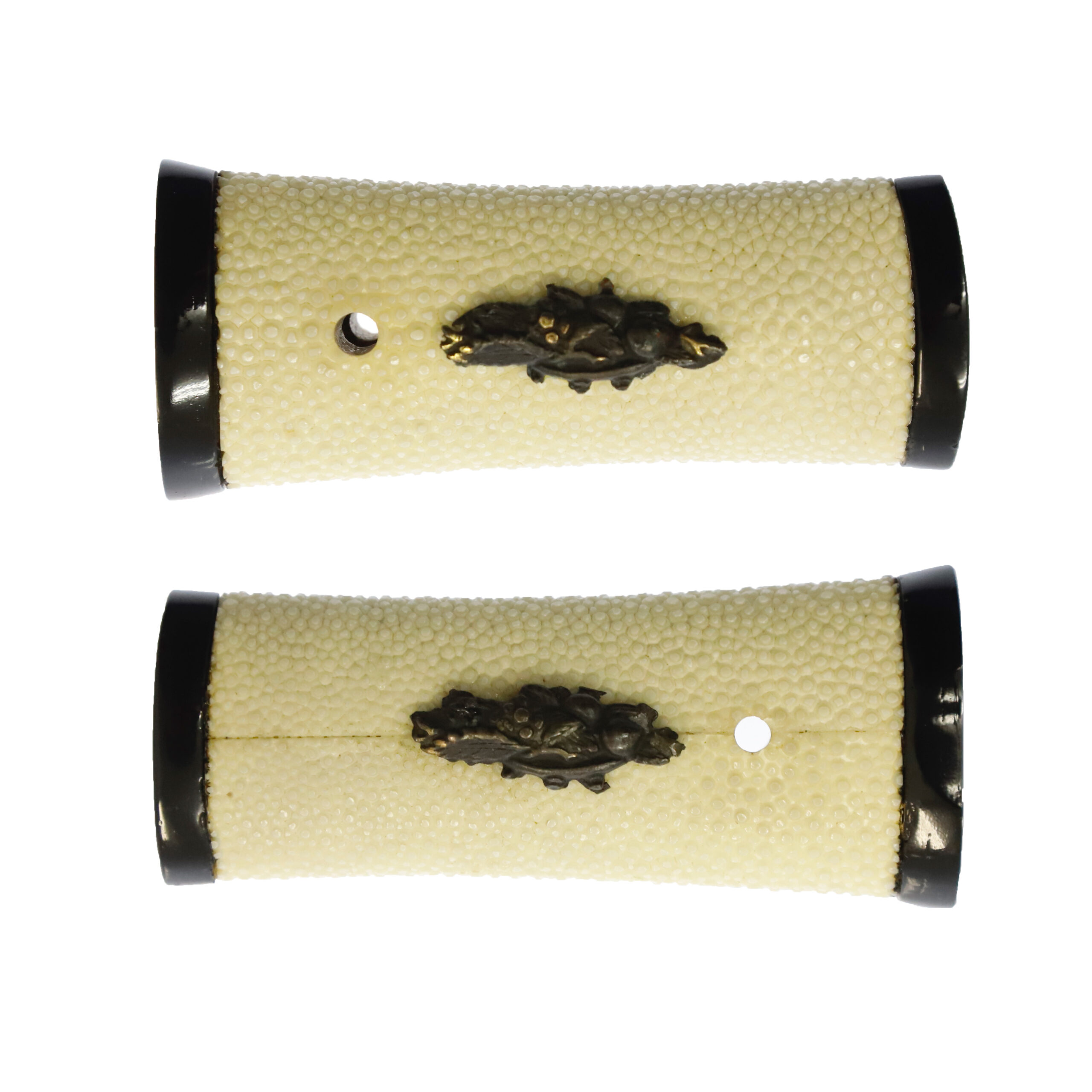
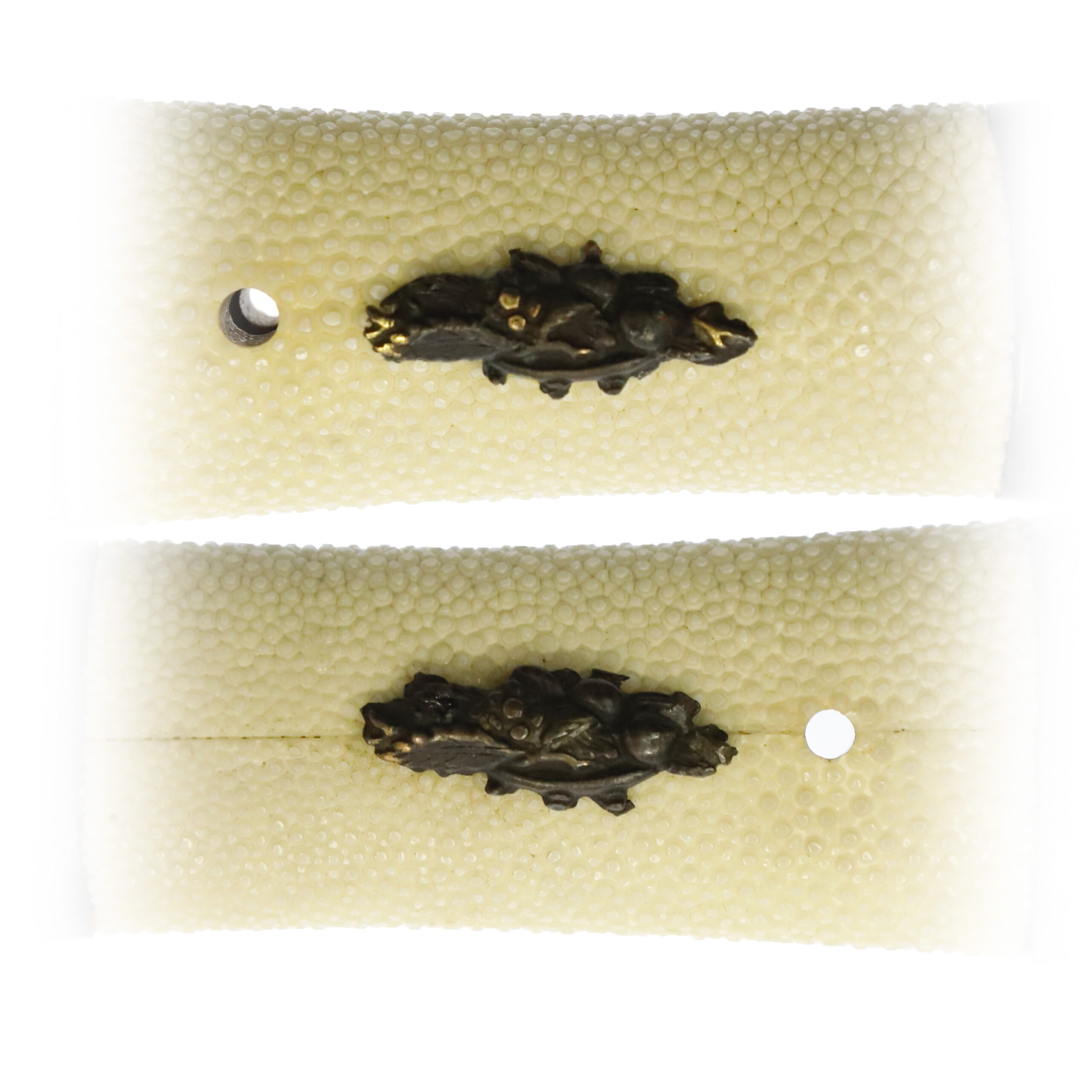
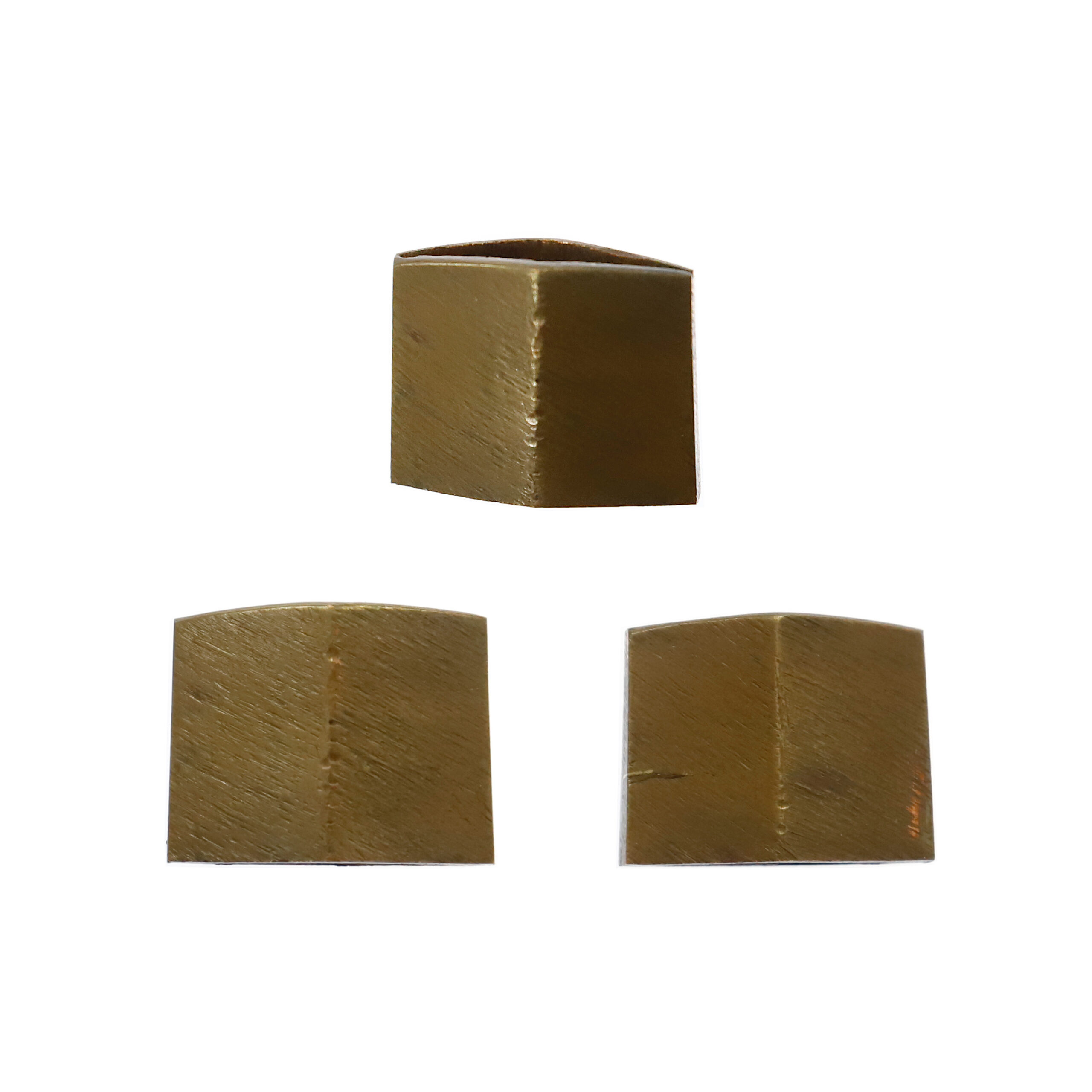
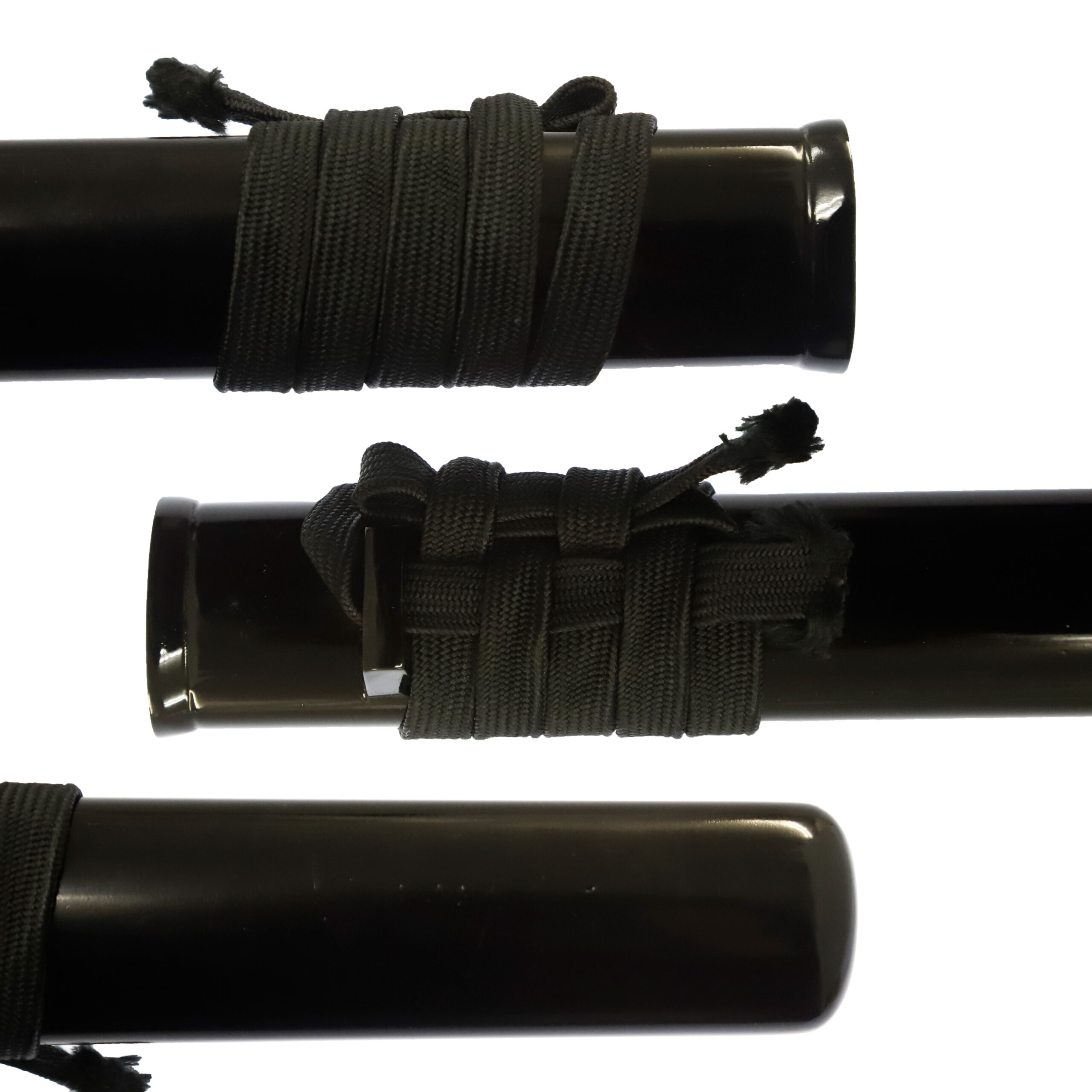
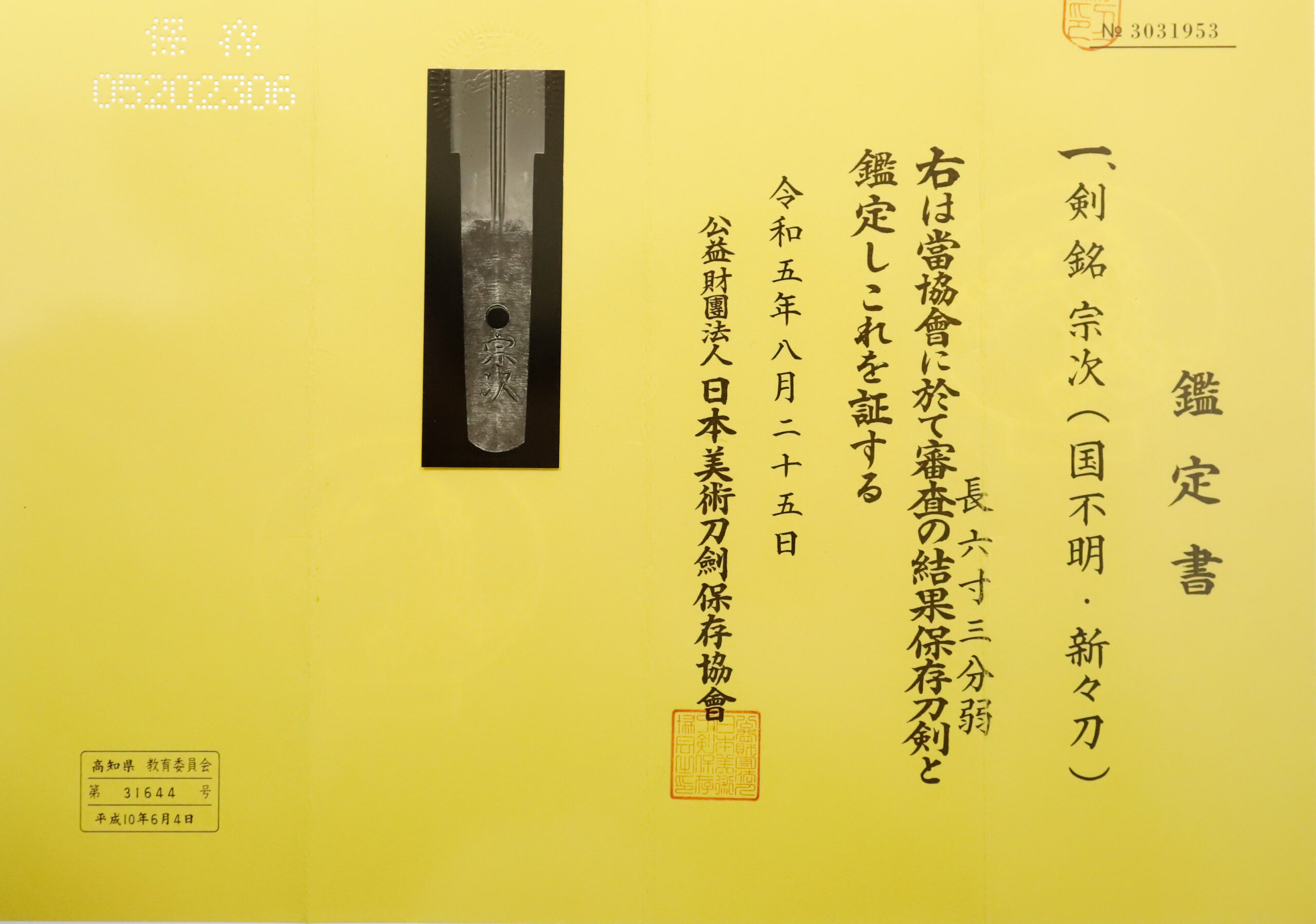
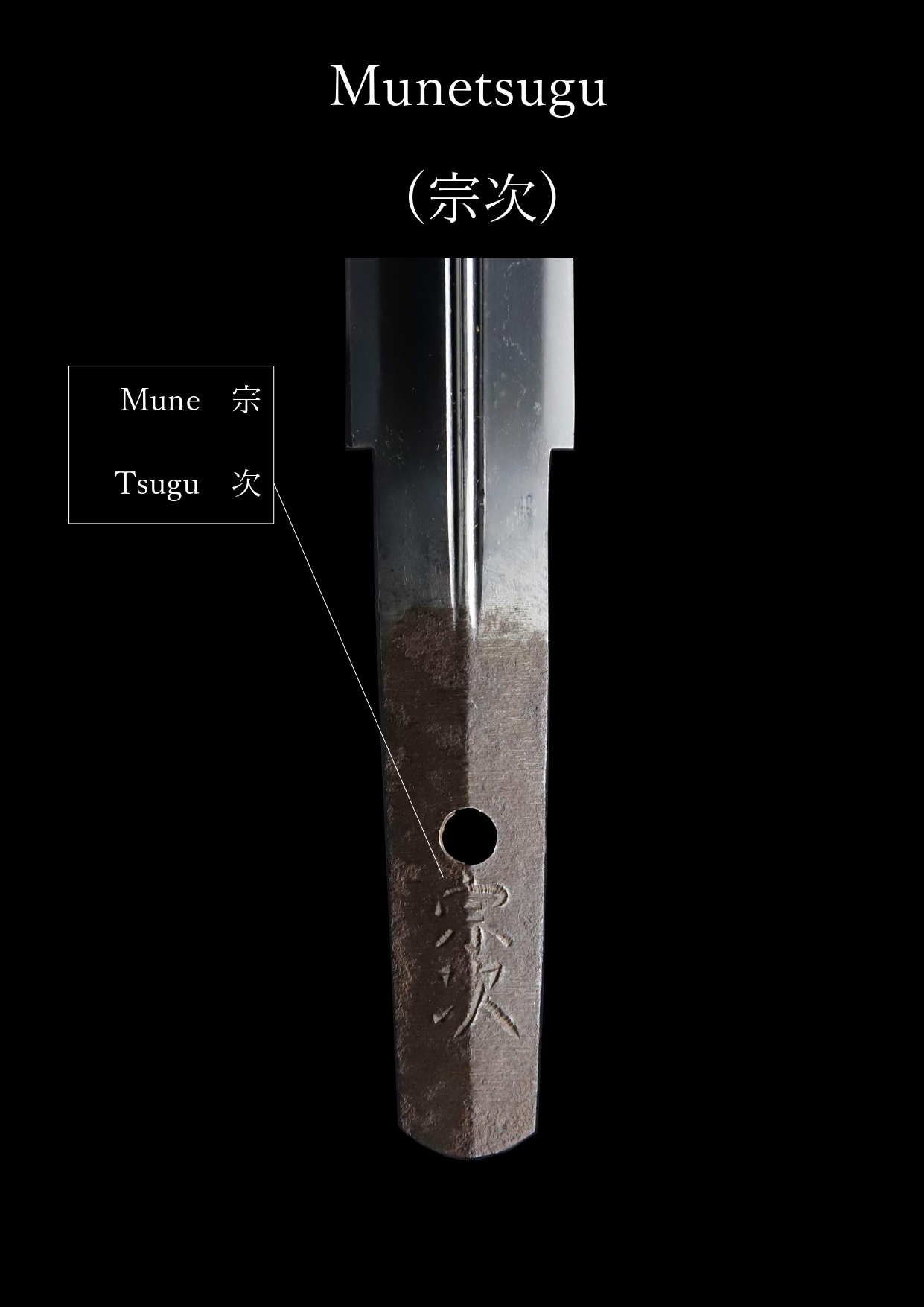
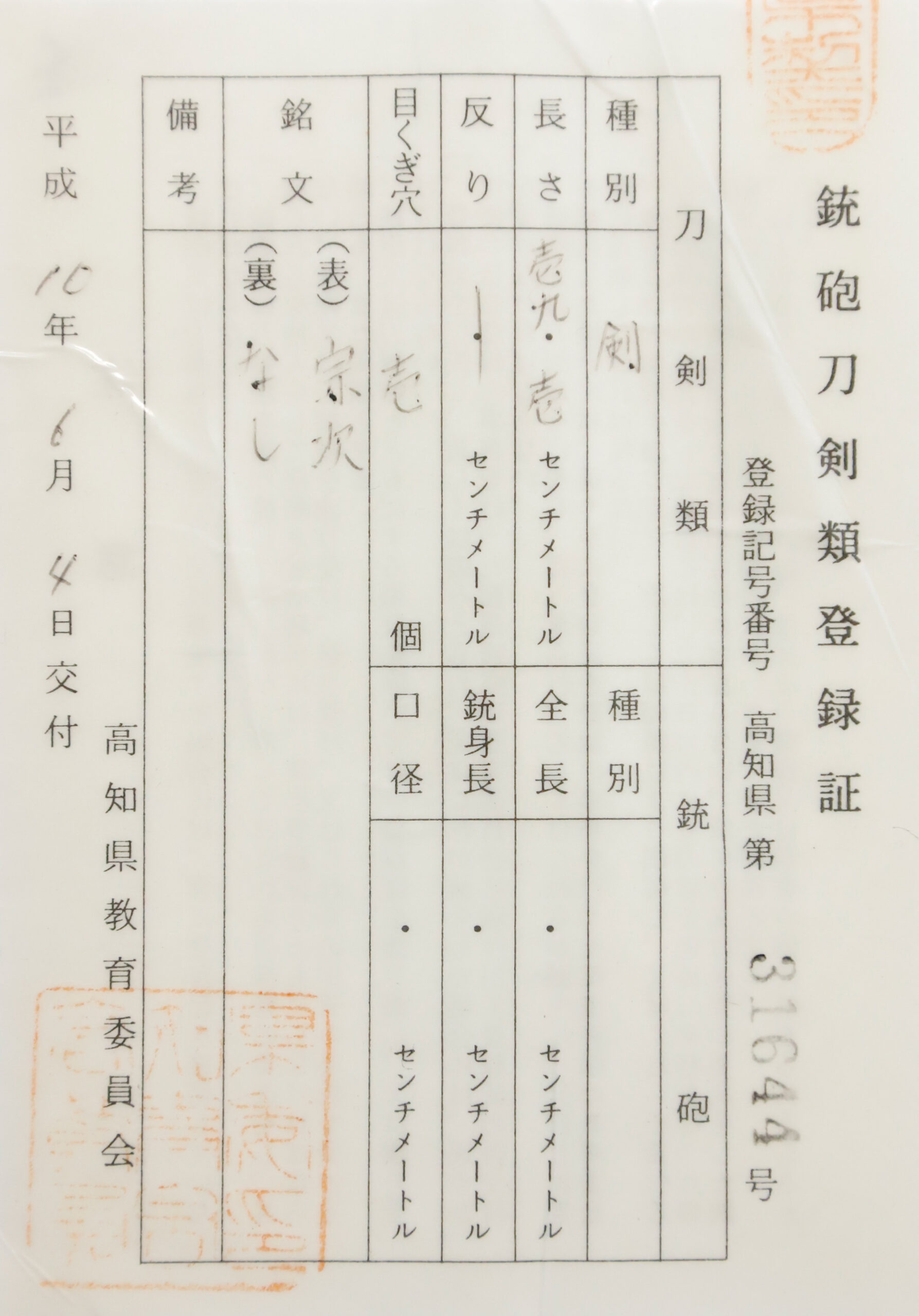
Summary This blade was signed by Munetsugu (宗次) during the SHIN SHIN TO era(1764-1876), according to NBTHK, which appraised it as a Hozon Touken. SHIN SHIN TO era refers to the Japanese blades forged from the early 1760s to the beginning of the Meiji period. There are more than a few swordsmiths who used Munetsugu as their maker’s names during that time and NBTHK could not specify which Munetsugu forged this Tsurugi. What is Tsurugi? Tsurugi is double edged blade. It is often associated with Buddhism. We believe the person who ordered this blade originally must have been a Buddhism believer. Tsurugi (Double-edged blade) is the sword that Fudo Myo-O (不動明王, acalanātha) holds with his right hand. Fudo Myo-O is one of the objects of worship in Buddhism. According to a theory, it is the incarnation of Dainichi Nyorai (大日如来, Mahāvairocana, the principal image of esoteric Buddhism). Kurikara-ken was named after its appearance that Kurikara Ryu-O (倶利伽羅龍王, dragon) is winding around the sword. It is believed Kurikara-Ken could cut off worldly desires: Sandoku (三毒). Sandoku is the three fundamental human desires; Ton (貪, greed), Jin (瞋, anger, grudge), Chi (癡, delusion, complaint). Because of the symbolism of the Tsurugi, it is possible that this blade might have been created as a Omamori Gatana (Protection sword) . This blade is appraised as a Hozon Token(保存刀剣) issued by NBTHK(Nihon Bijutsu Touken Hozon Kyokai:日本美術刀剣保存協会). Tsuka and Menuki This Menuki seems this Menuki is made from copper. It has an antique feel that has stood the test of time. The surface has worn away due to aging and friction from repeatedly holding the handle, making some of the details of the motif challenging to discern. However, it appears to be a design that combines multiple plants. It is just a possibility; we assume one of the plants is a Zakuro (pomegranate, 石榴/柘榴). According to a theory, this fruit was introduced to Asia from the Anseki (安石国) in northern Persia via the Silk Road approximately 2,000 years ago. It is thought it was introduced to Japan from the continent during the Heian period. At that time, it was mainly used as an ornamental flower and for medicinal purposes. The variety grown in Japan has very sour fruit and has been popular as a garden tree rather than sold at fruit shops. Pomegranates are considered auspicious fruits that represent the prosperity of descendants, and in Buddhism, they are called the Kissyouka (吉祥果, promising fruit). The fact that Kishimojin/Kishibojin (鬼子母神) holds a pomegranate in her hand should be thought of as reflecting the Buddhist philosophy of praying for the prosperity of descendants rather than because it tastes like human flesh. Kishibojin was a Buddhist goddess and is said to have had 1,000 children. She had a very evil nature and killed and ate other people’s children. Buddha wanted to punish and reform her by kidnapping one of her children and hiding it. Buddha explained to her the depth of the sadness of losing a child, and she deeply regretted her actions. In this way, she took refuge in Buddha and became the god of safe childbirth and child-rearing. Such religious ideas might have inspired this work’s design. Authentication Paper They authenticated the blade on August 25th in the 5th year of Reiwa (2024). They appraised it as Hozon Touken, the blade worth preserving for Japanese society.
取扱店 サムライミュージアム
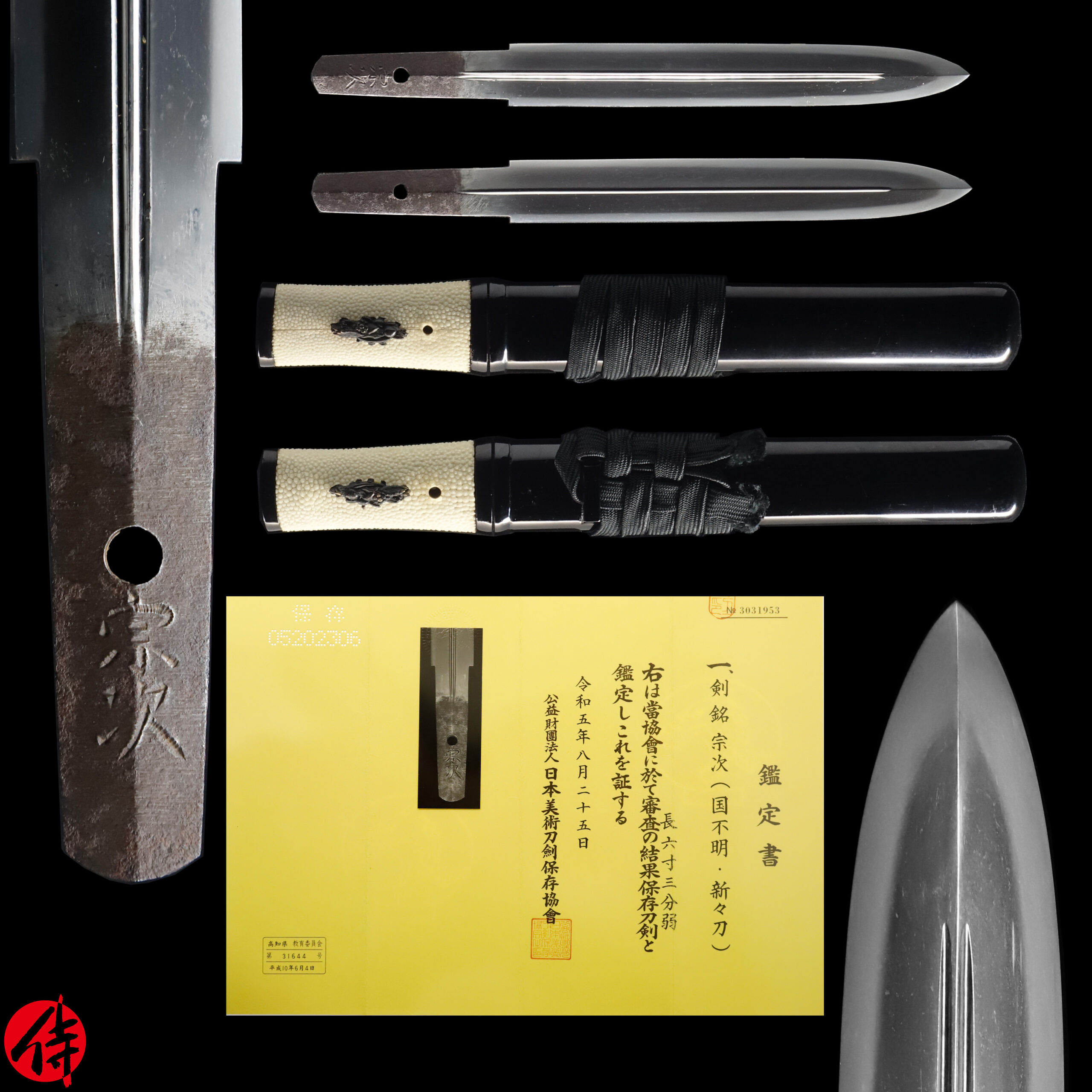
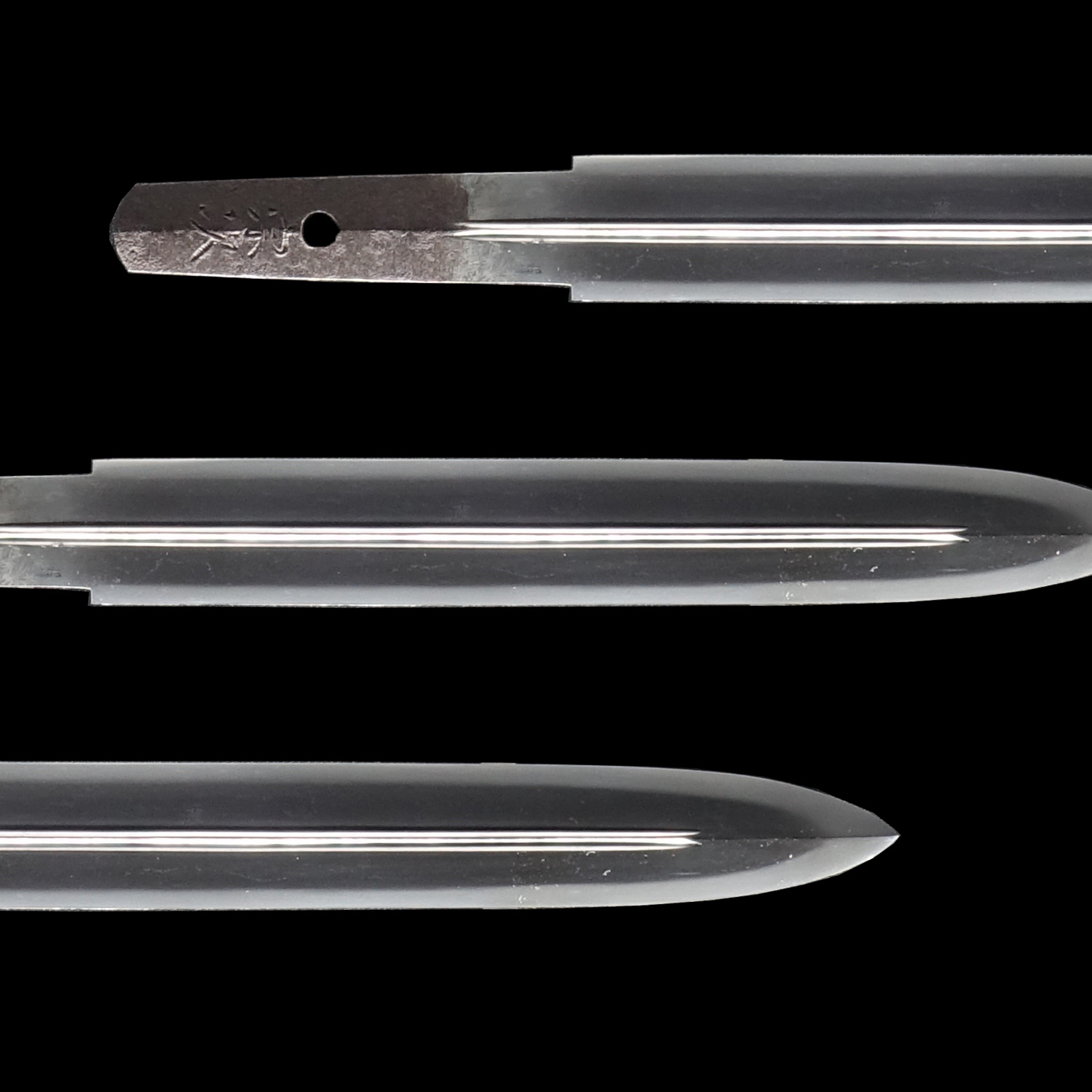
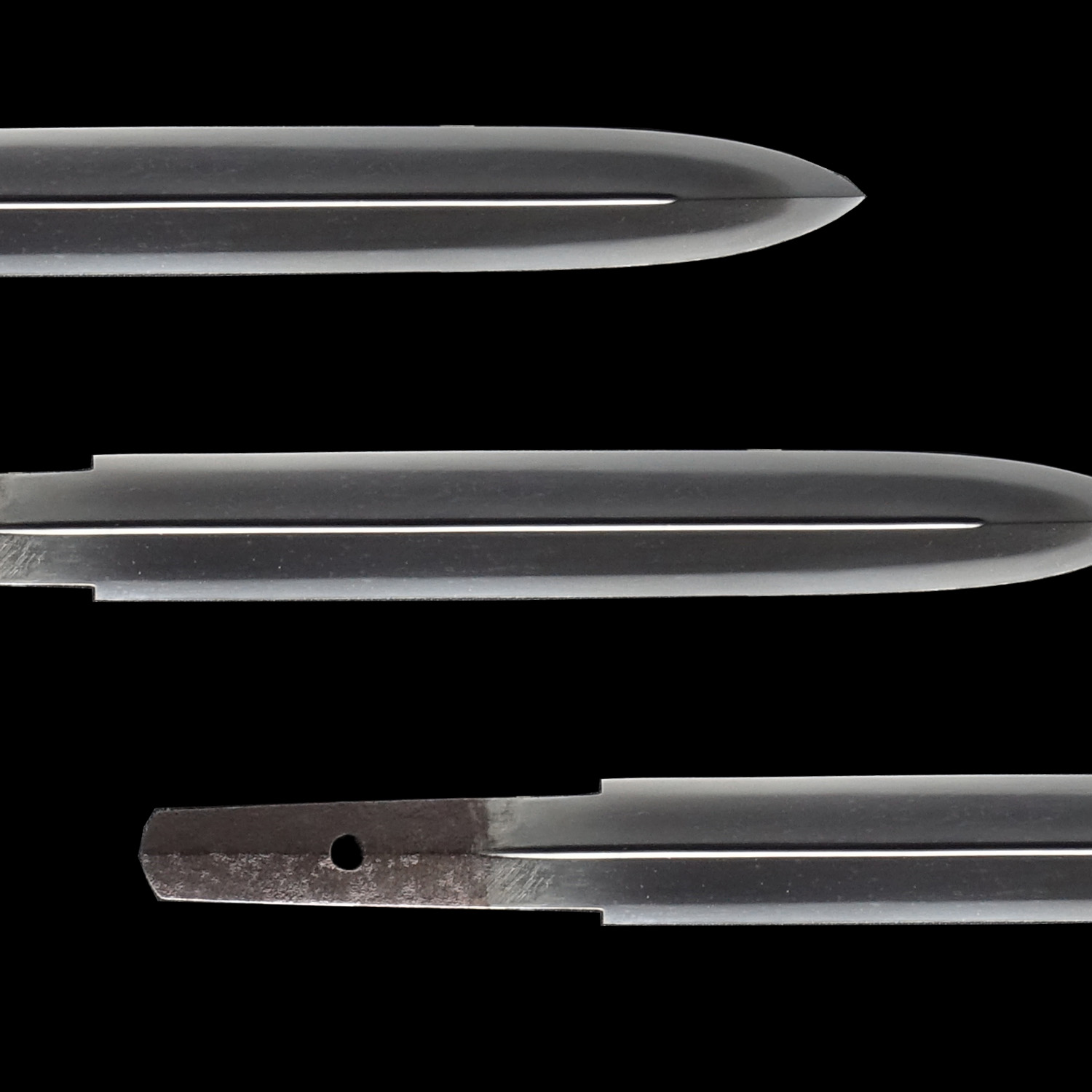
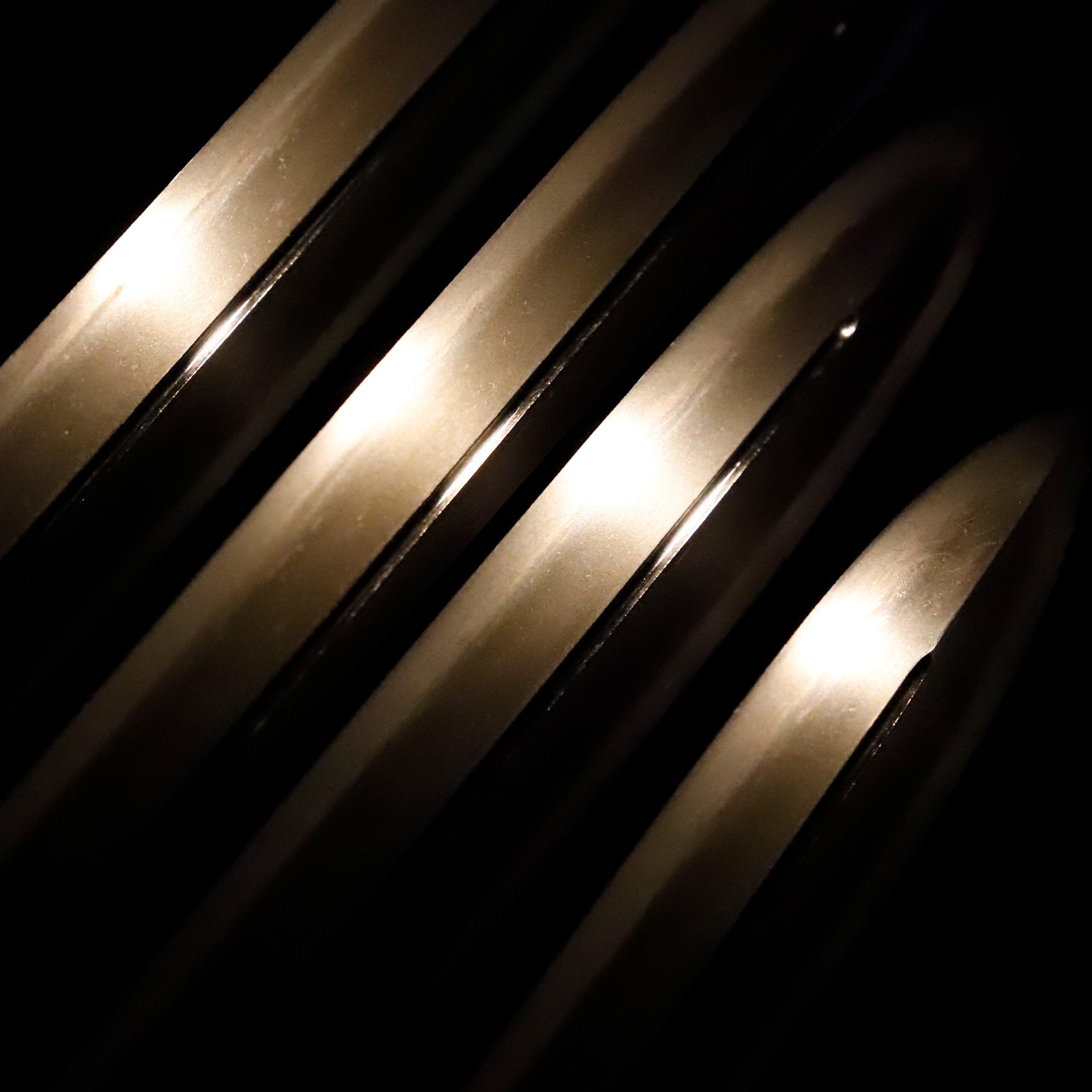
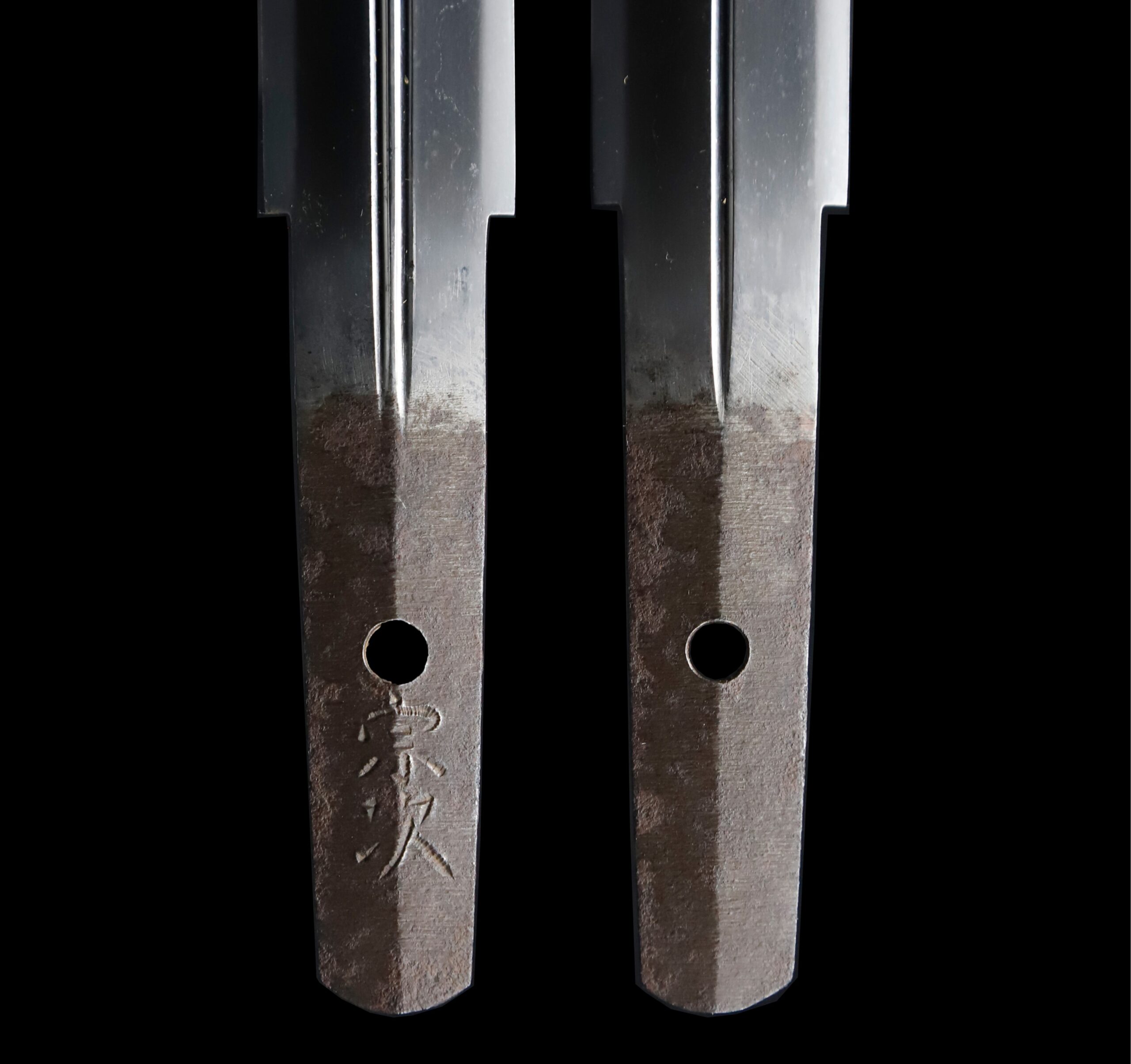
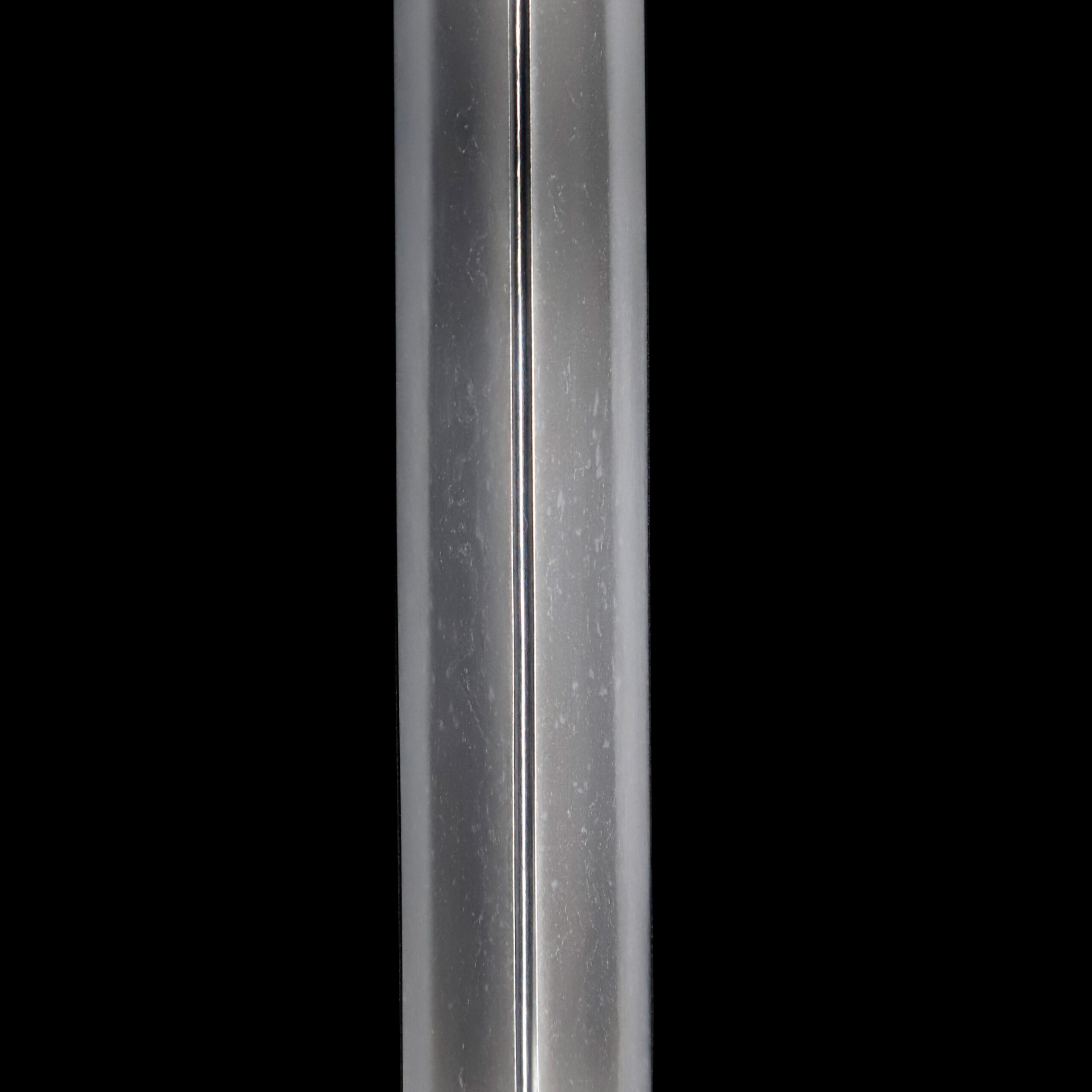
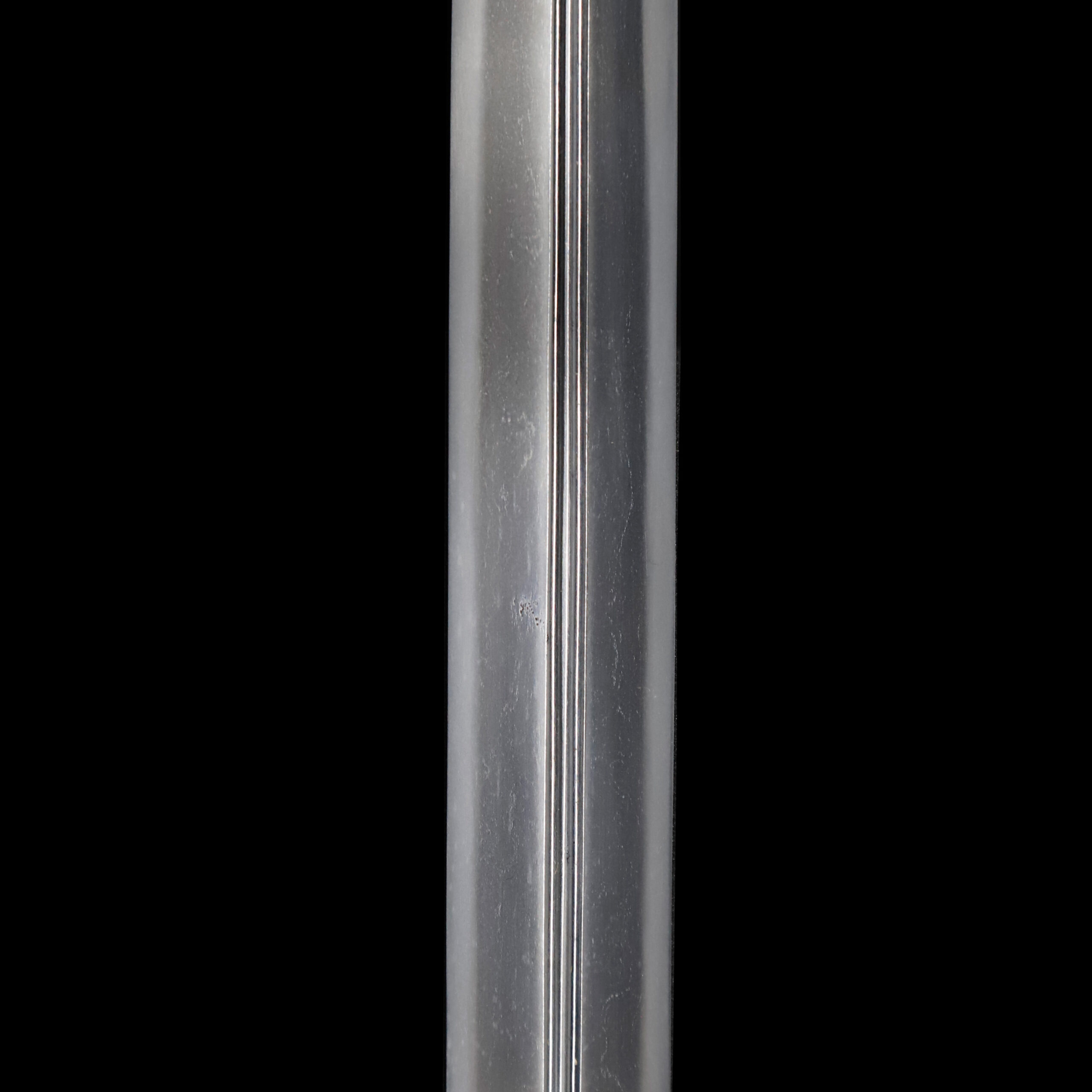
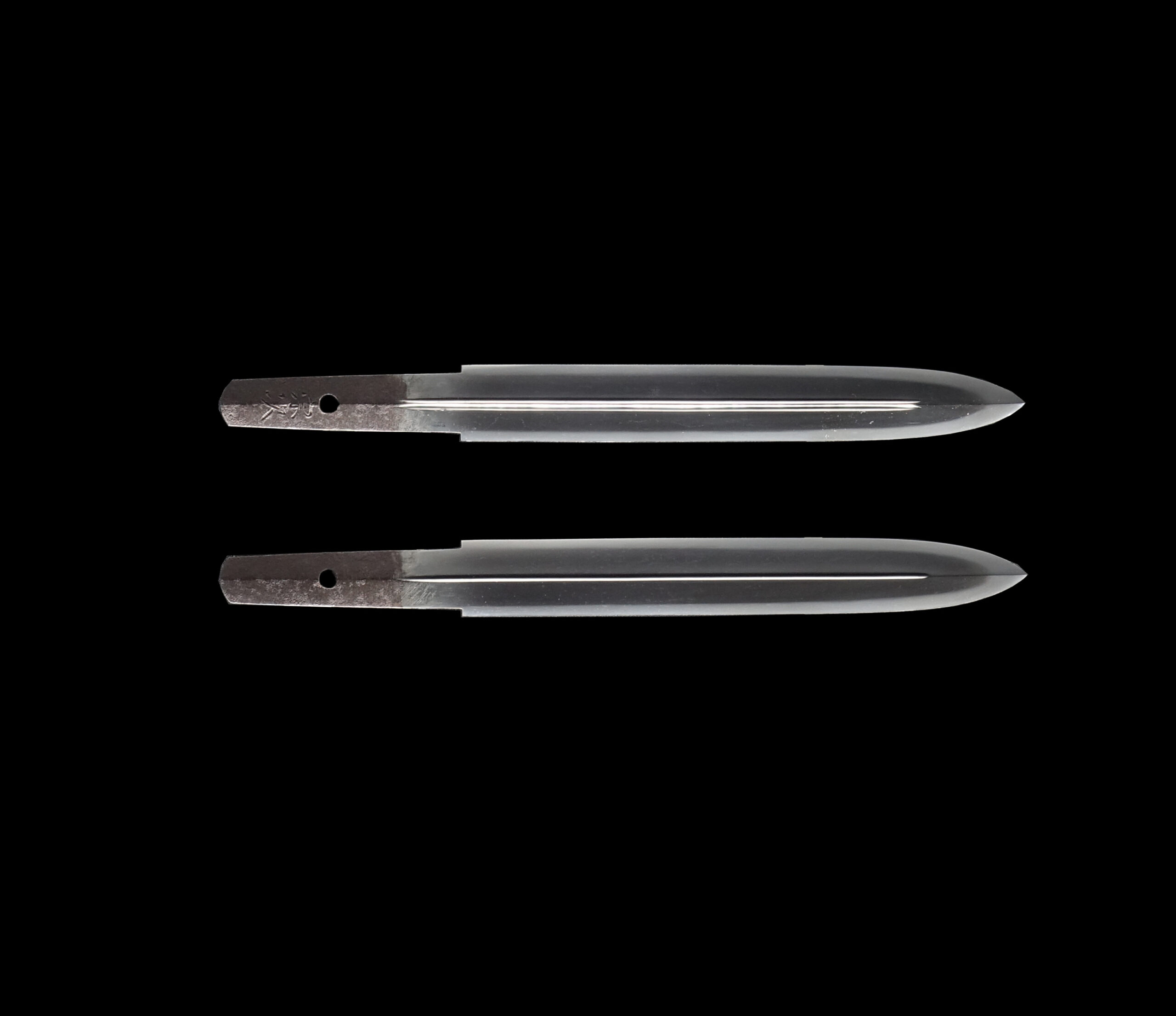
販売店の記載のまま
新々刀 · 武蔵
現在17点販売中
固山宗次は享和三年奥州白河に生まれ、俗名を宗兵衛(惣兵衛)といい、一専斎・精良斎と号した。兄に宗平・宗俊がいる。師は加藤綱英と伝えられるが、その作風から勘案すれば、むしろ加藤綱俊の影響力が大きいものと思われる。初めは白河松平家の抱え工であったが、藩が勢州桑名へ移封の後は、江戸に住して桑名藩工として作刀し、その居住地は麻布永坂であった。弘化二年に備前介を受領している。作刀期間は文政の後半から明治初年の頃までに亘り、その遺例は非常に多い。十九世紀中頃、新々刀の世にあって備前伝を一貫して標榜し、藩の庇護のもと奥州出身の一工が江戸において備前復古の作風を遂げた点に、本系の出発がある。門人の泰龍斎宗寛は文政初年に大野平蔵の子として奥州白河城下に生まれ、宗次を鍛刀の師とした。後に生まれ故郷の阿武隈川を姓に用いて阿武隈川宗寛と銘し、嘉永初年頃から下総国古河藩の抱え工となり、安政四年八月頃から銘を楷書体から隷書体へ改め、明治十六年一月に歿している。 作風は一貫して備前伝で、よくつんだ綺麗な鍛えに匂勝ちの丁子乱れを焼いて成功している。地鉄は小板目肌がよくつみ、ときに板目が総体に流れ、地沸が微塵に厚くつき、地景が細かに頻りに入り、淡く映り立つものがある。刃文は丁子・互の目丁子を基調に、小丁子・尖り刃・角ばる刃・小互の目など多種の刃を交え、足長くよく入り、匂勝ちに小沸つき、細かに砂流しや金筋がかかり、匂口が明るく冴える。見分けの要は、後期作に見る丁子の肩を並べて整然と焼いた型押し風の刃取りと、前期の天保年間に多い焼に高低のある変化に富んだ華やかな乱れとの差にあり、後者には沸の強くつくもの、肌目の立つ強い鍛えがまま見られる。帽子は乱れ込んで小丸、あるいは先がくびれて地蔵風に丸く返るものがあり、同工独特の見どころとされる。截断銘を伴う作が多く、千住での試し斬りに係り、伊賀乗重・山田浅右衛門・後藤新太郎・後藤利義らの名が銘に見える。門系には宗寛のほか、截断銘に名の挙がる舞鶴友英、また「宗」字を用い茎の鑢目を切りとする点から弟子と推される金剛斎宗弘がいる。 鑑定の要は、新々刀期の身幅広く重ね厚く大鋒に結んだ豪壮な姿に、明るく冴えた備前伝の丁子乱れを焼く点にあり、前期は変化に富み、後期は小模様の刃が連れて型押し風となる作域の推移を押さえることにある。代表作には、楠正成所持と伝える国宝小龍景光を生ぶの状態に再現して写し、門弟宗寛が倶利伽羅と長梵字を彫った弘化四年の一口があり、宗次が末備前・応永備前に倣う備前物を多く遺したことを示す。また相州荏柄天満宮の社宝たる正宗庖丁を写し、金工東龍斎清寿が本歌同様の彫を加えた天保十一年の奉納脇指は、江戸の両巨匠の合作として稀有であり、宗弘の同手の写しも存する。截断銘に見える伊賀乗重は尾張藩付家老成瀬家の臣で、様斬の技を山田浅右衛門に、鍛刀の技を固山宗次・泰龍斎宗寛・舞鶴友英に習い、幕末の武家目利き四天王の一人に数えられた人物である。江戸にあって備前丁子を復興し、多くの遺例と確かな技倆を伝えた本系は、新々刀備前伝の一典型として位置づけられる。 詳しく見る →
幕末 最後の需要
1853年のペリー来航は徳川の泰平をほどき、二世紀ぶりに実用刀の大量需要を生んだ。四谷正宗と呼ばれた清麿はその前夜に世を去り、宗次や行秀が最後の好況を担った。
銘が正しい、または無銘でも年代・国・系統を確実に指摘できる、保存に値する真正の作と鑑定されたものです。
日本美術刀剣保存協会(NBTHK)は、1948年に設立され、文化庁の監督を受ける公益財団法人で、東京・刀剣博物館に本部を置きます。専門の審査員が出品作を直接審査し、美術的・歴史的価値に応じた鑑定書を発行します。NBTHKの鑑定書は、日本刀および刀装具の真正性を示す最も広く認知された基準です。
NBTHK公式サイトReturns/exchanges limited to defects caused by shipping (except willful misconduct or gross negligence by the company); customers must contact within 72 hours of receiving the product.