NihontoWatch Mon

NihontoWatch

マーケット
事典
鑑定
NihontoWatch Mon

NihontoWatch

マーケット
事典
鑑定

説明

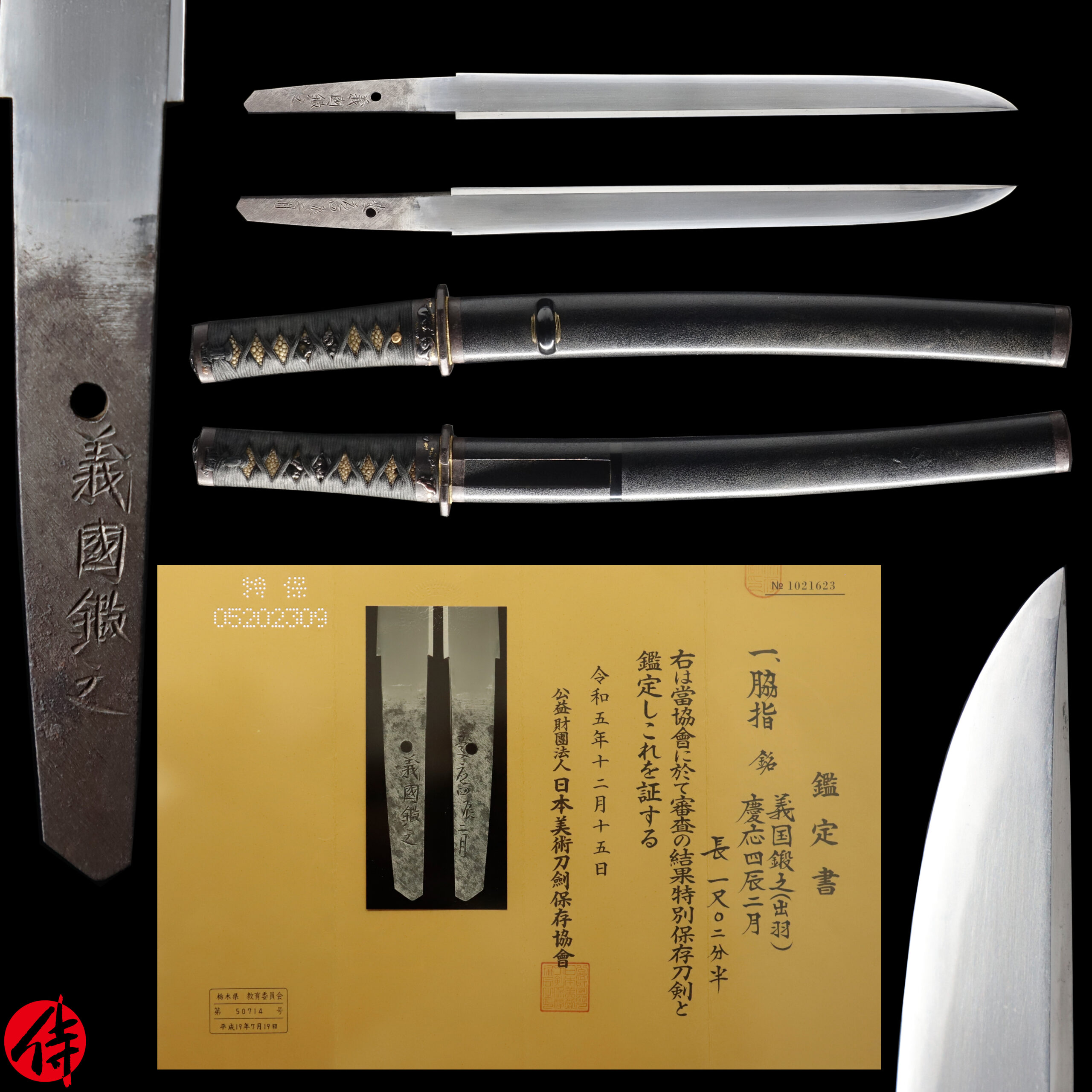
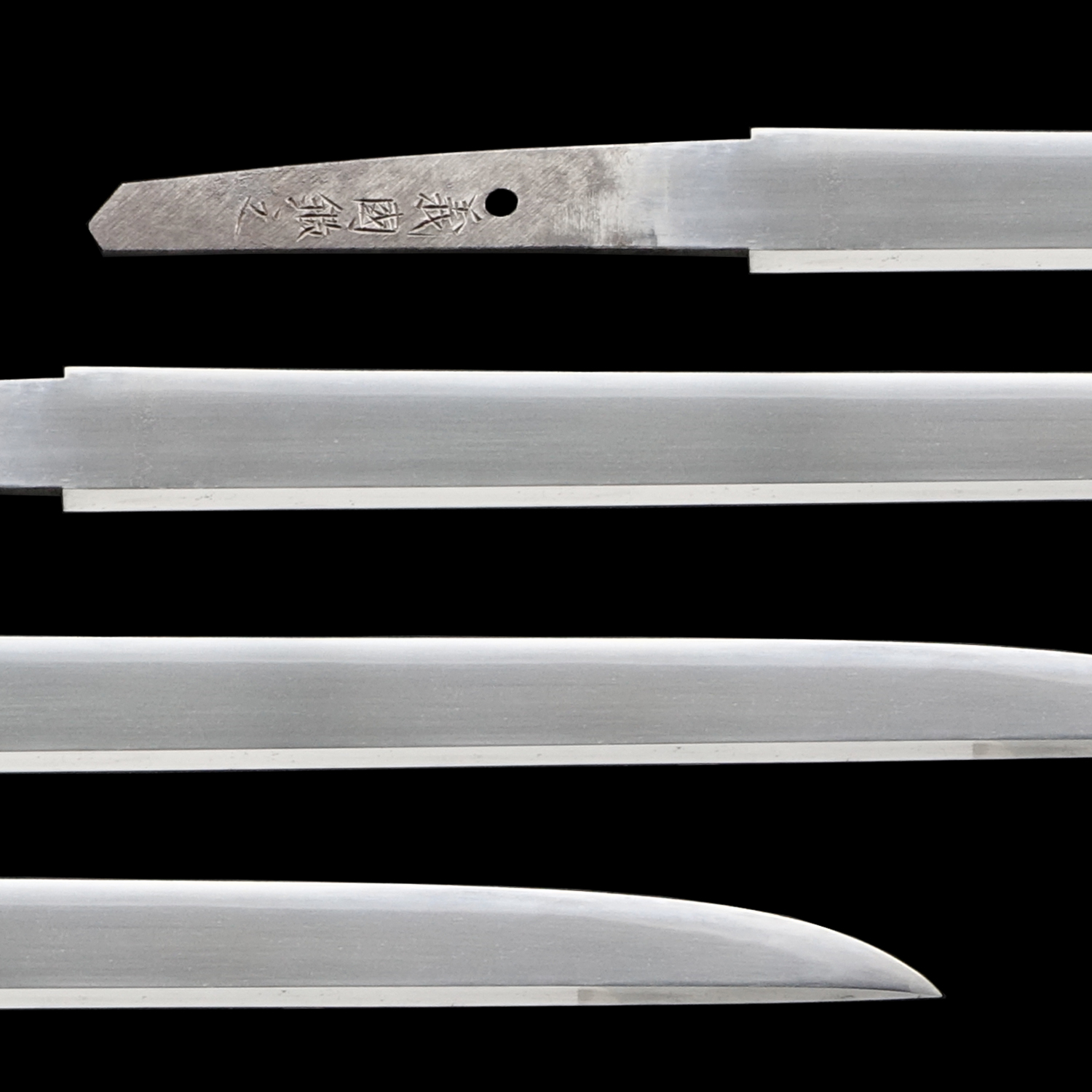
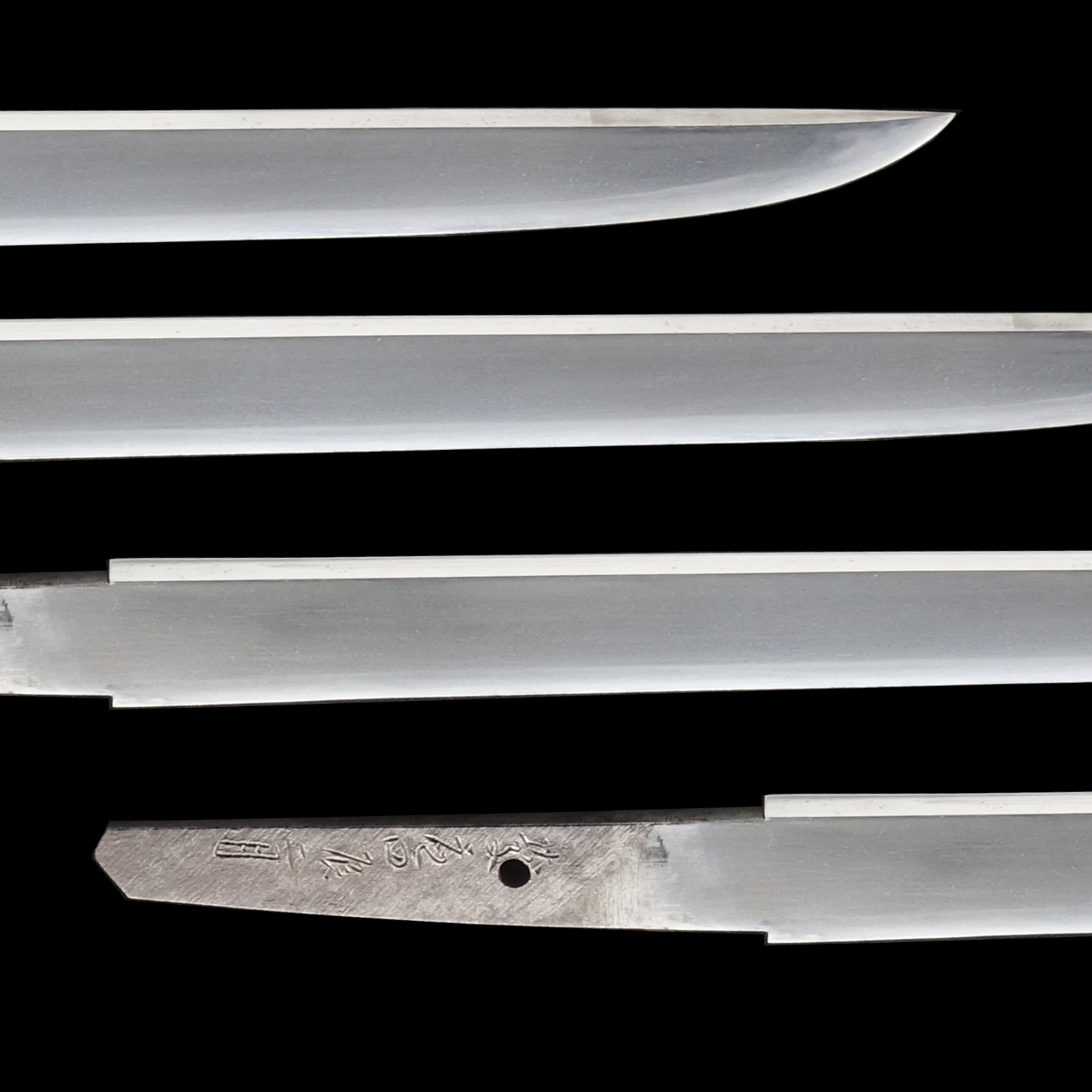
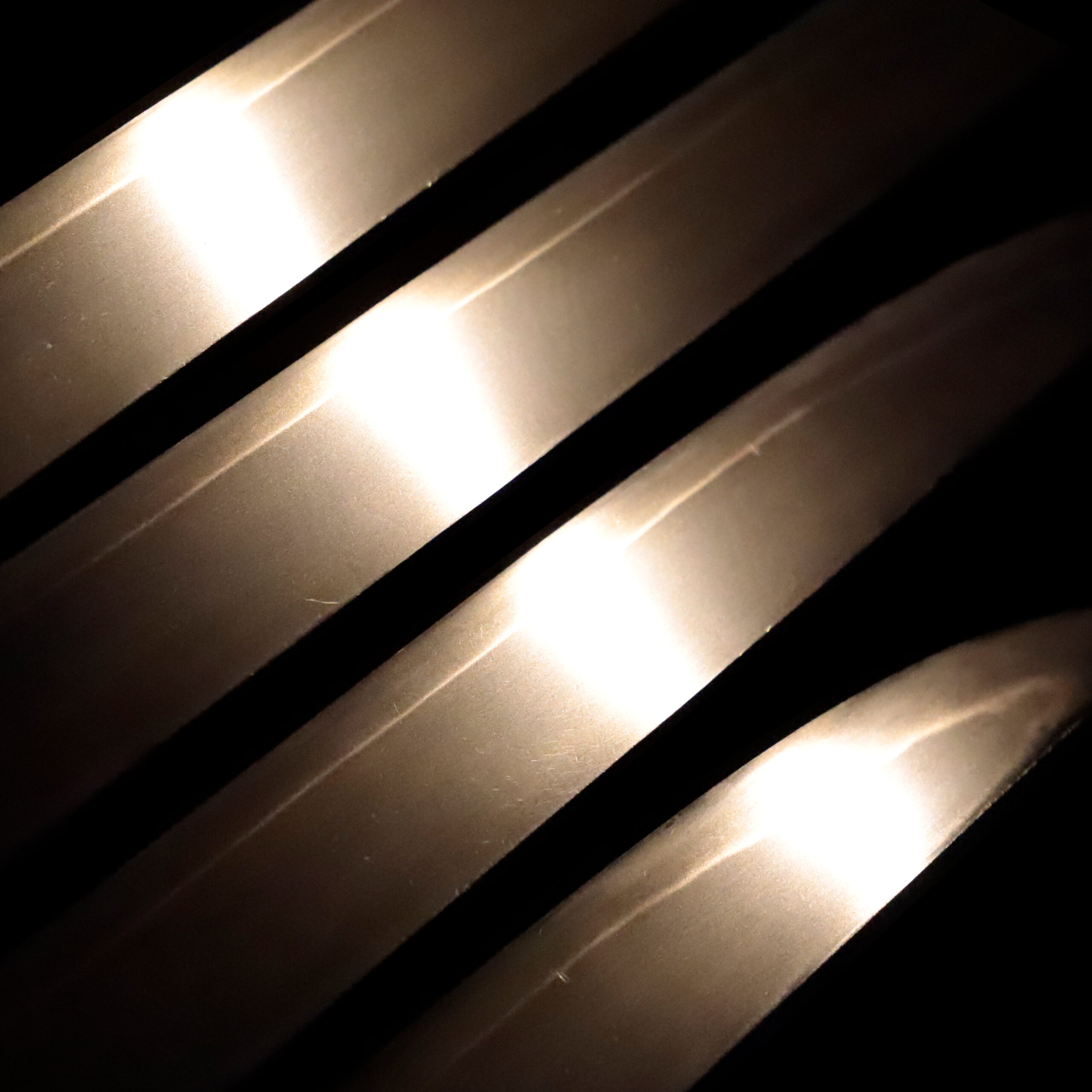
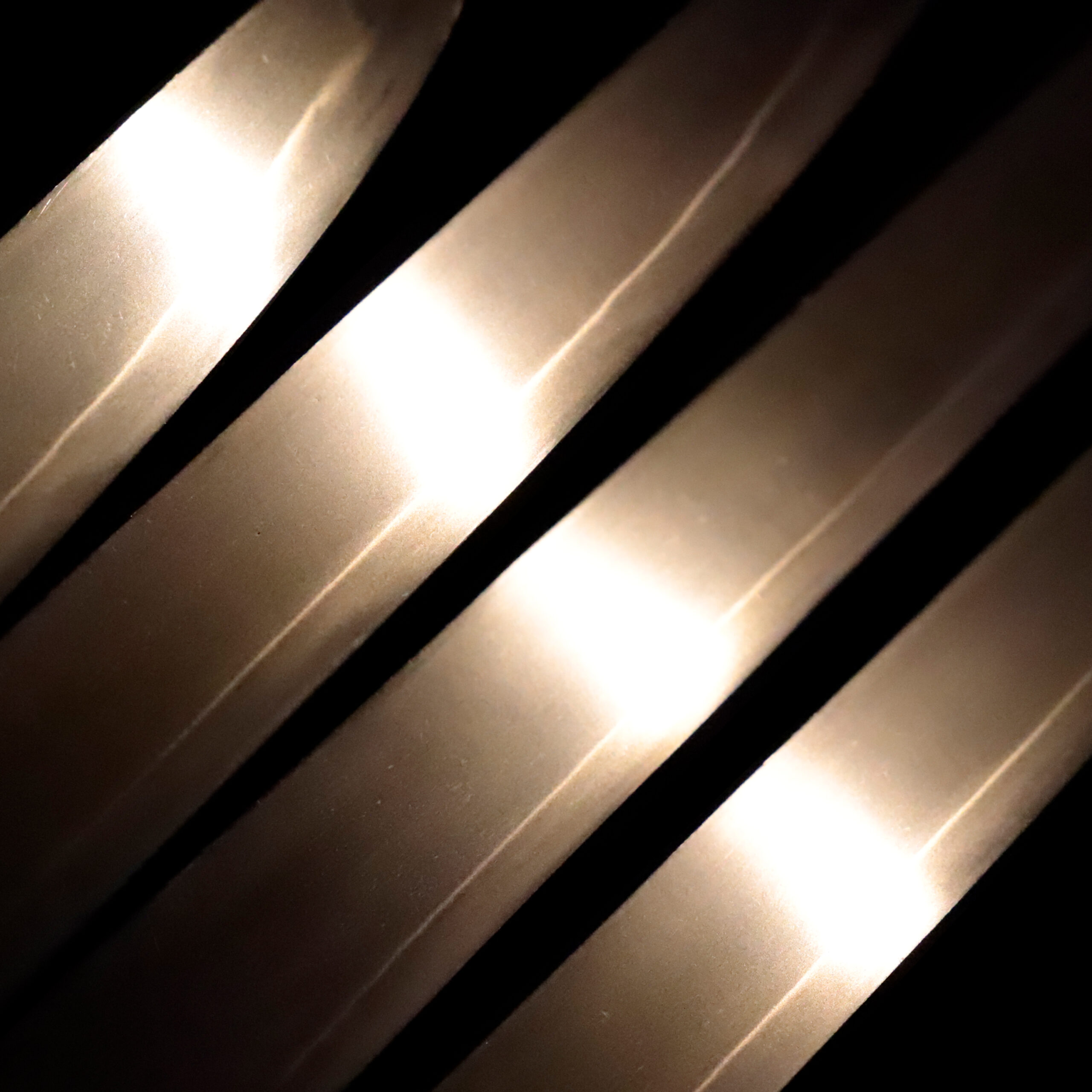
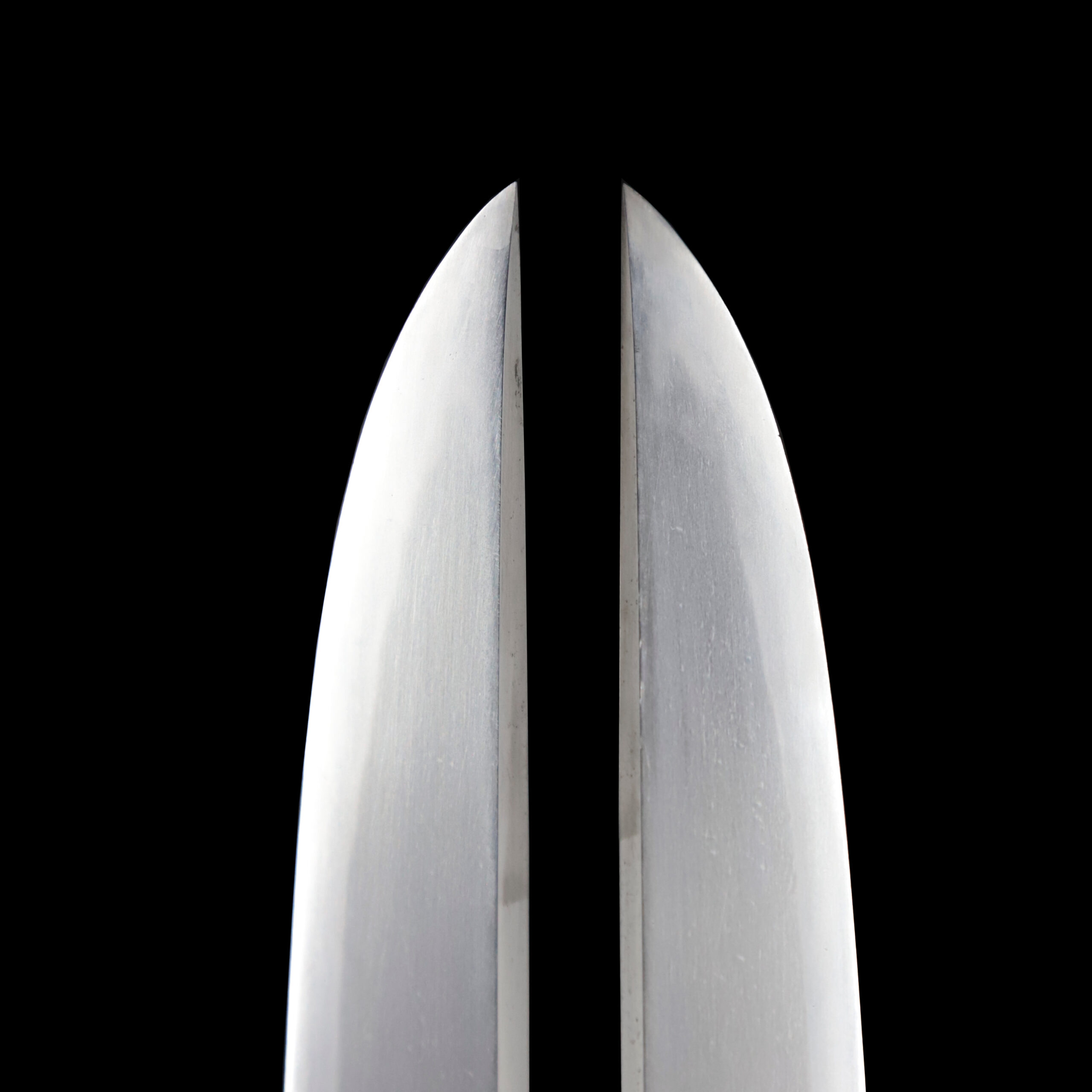
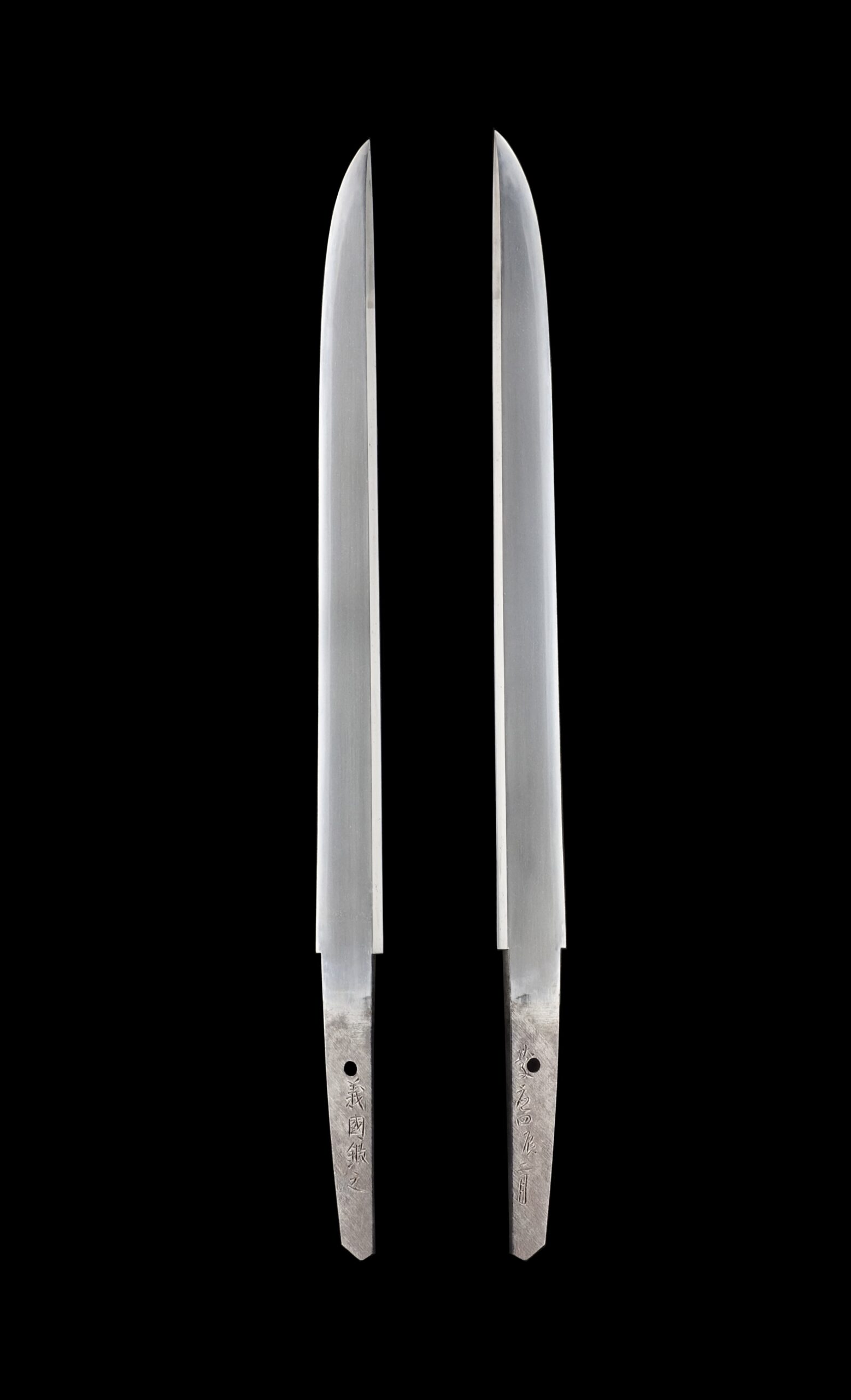
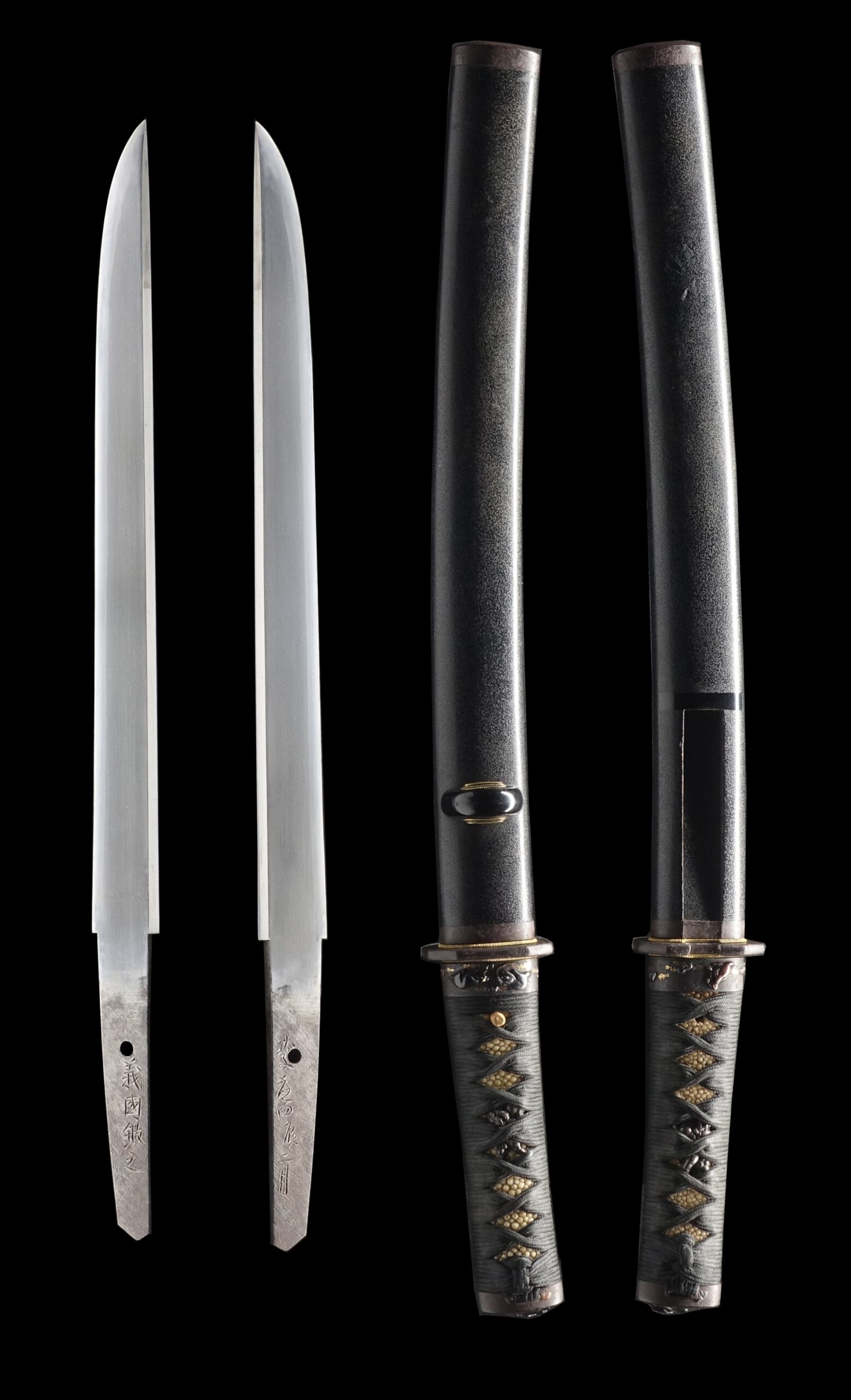
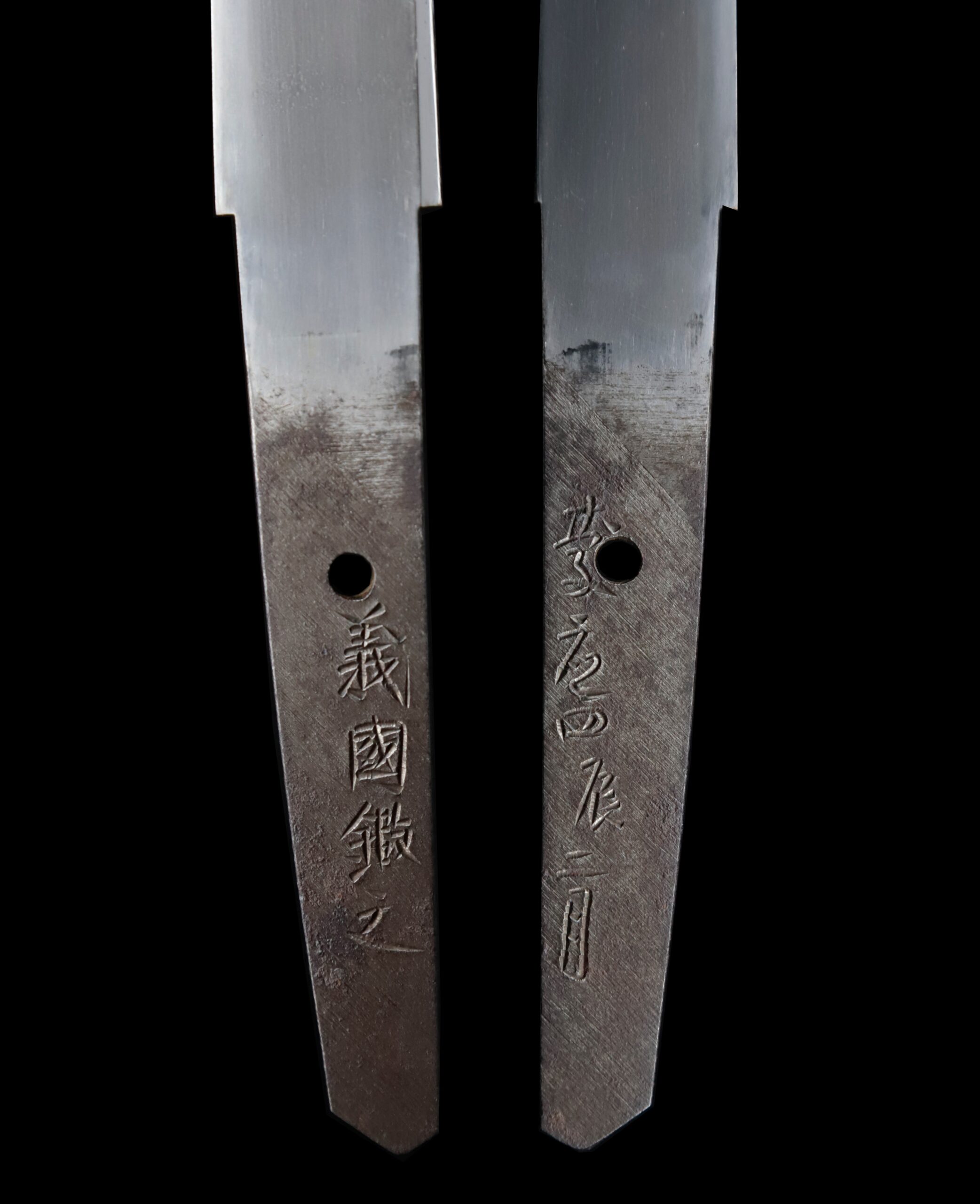
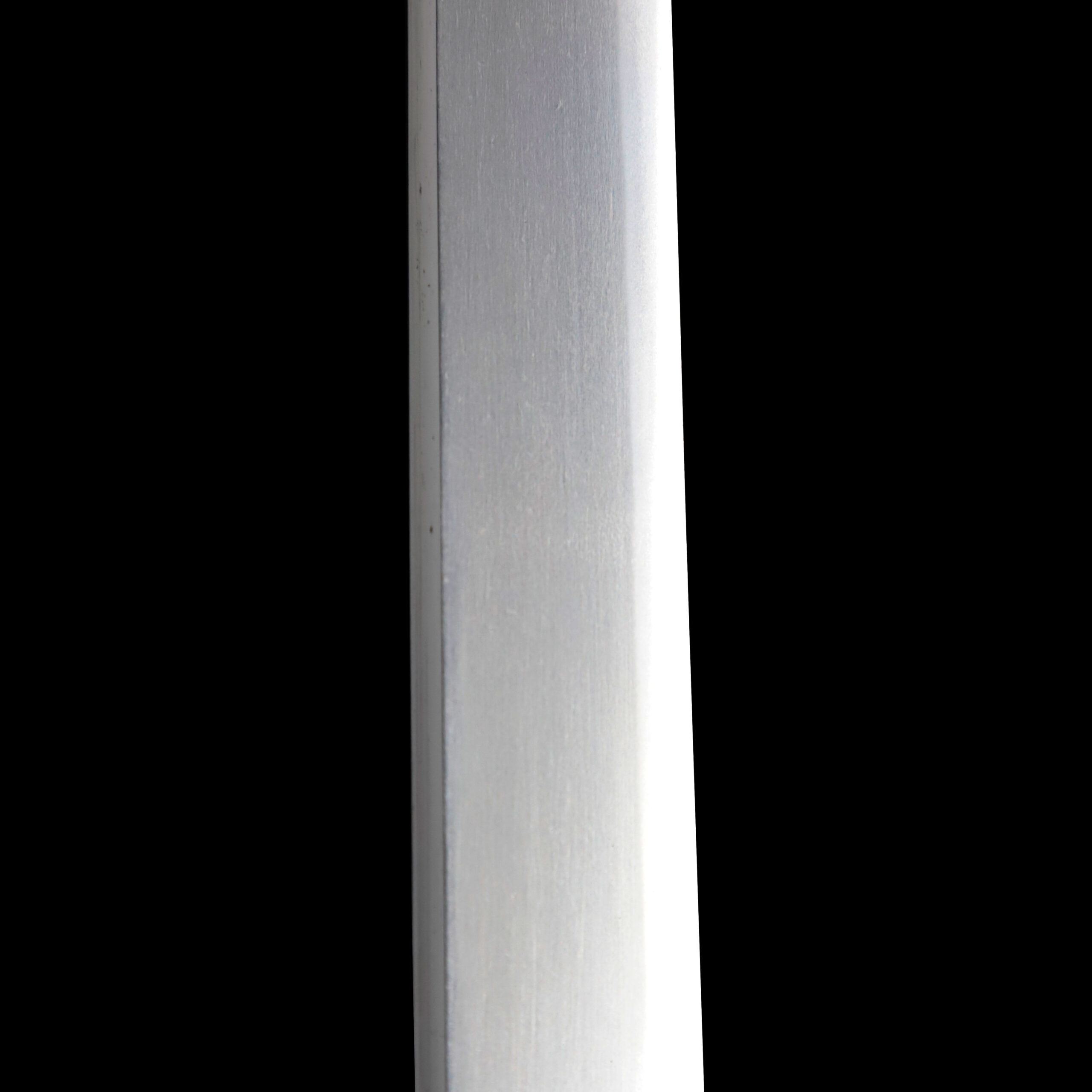
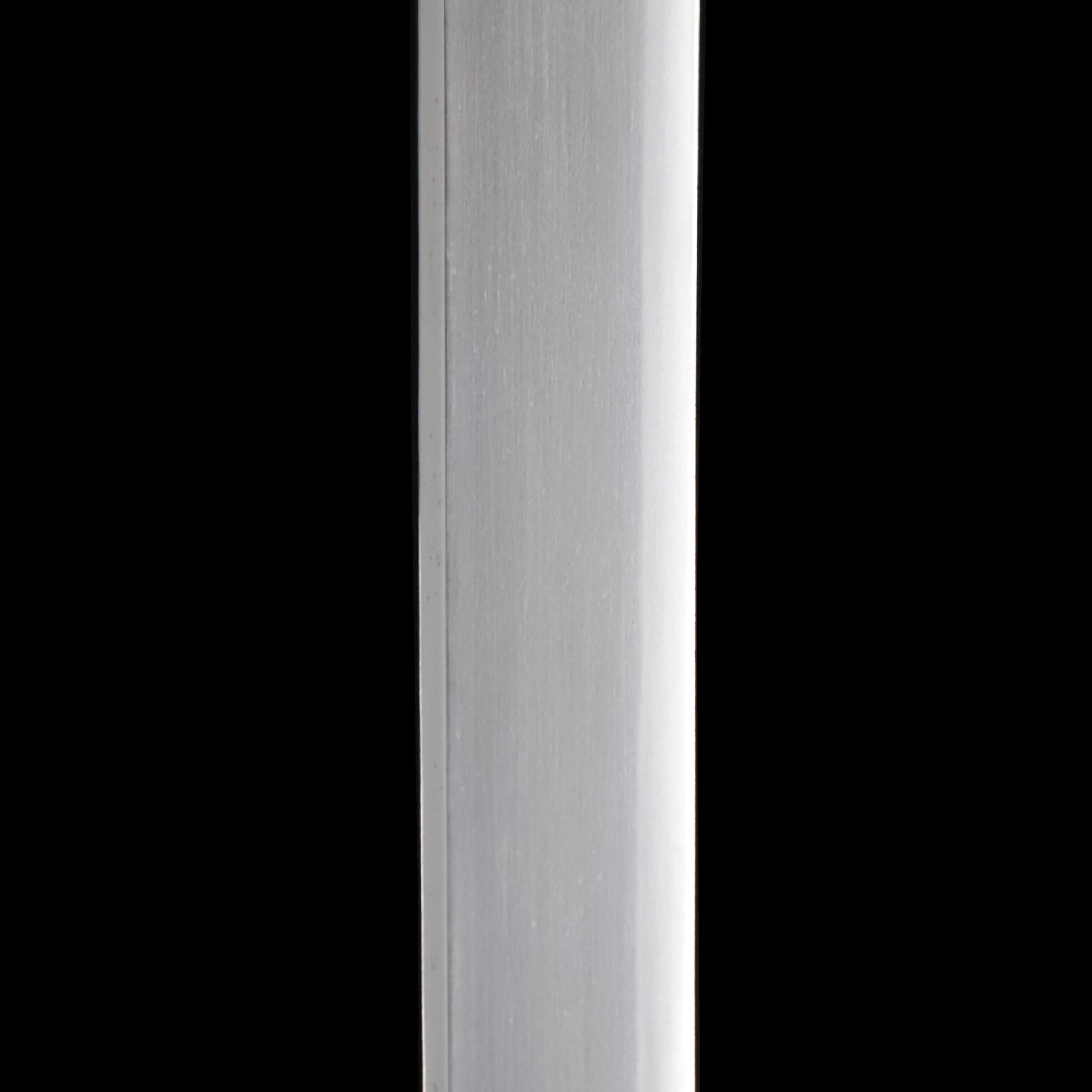
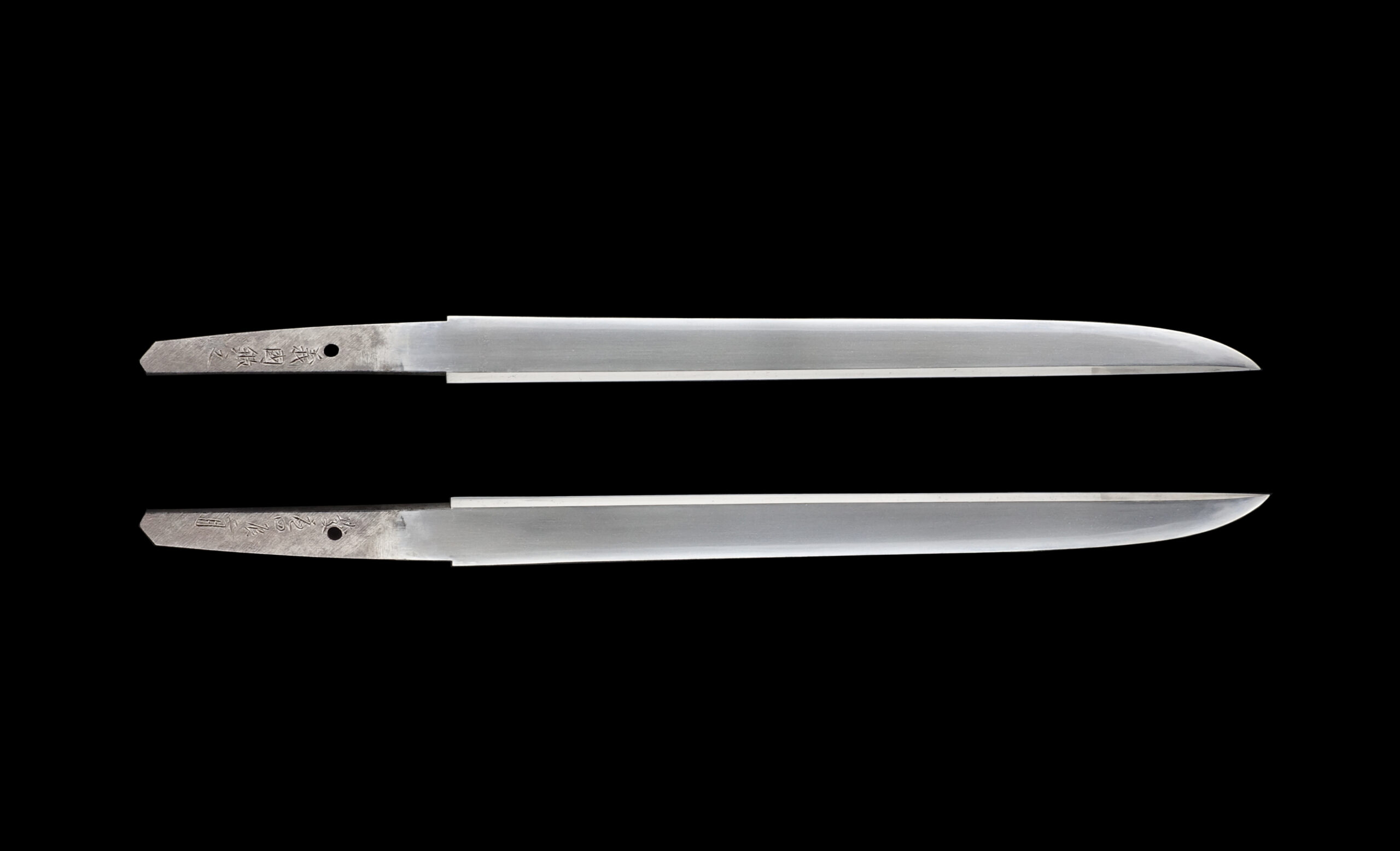
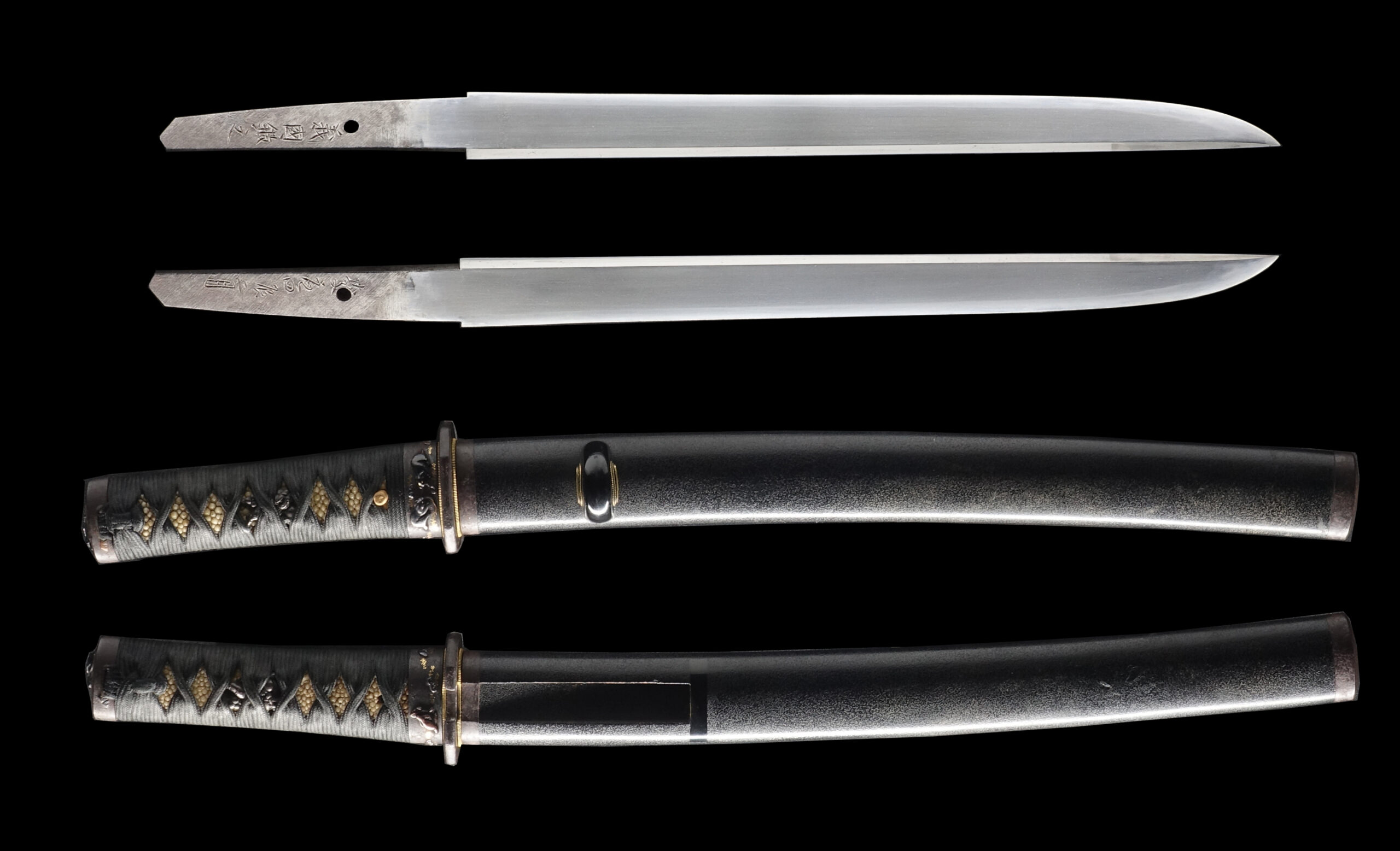
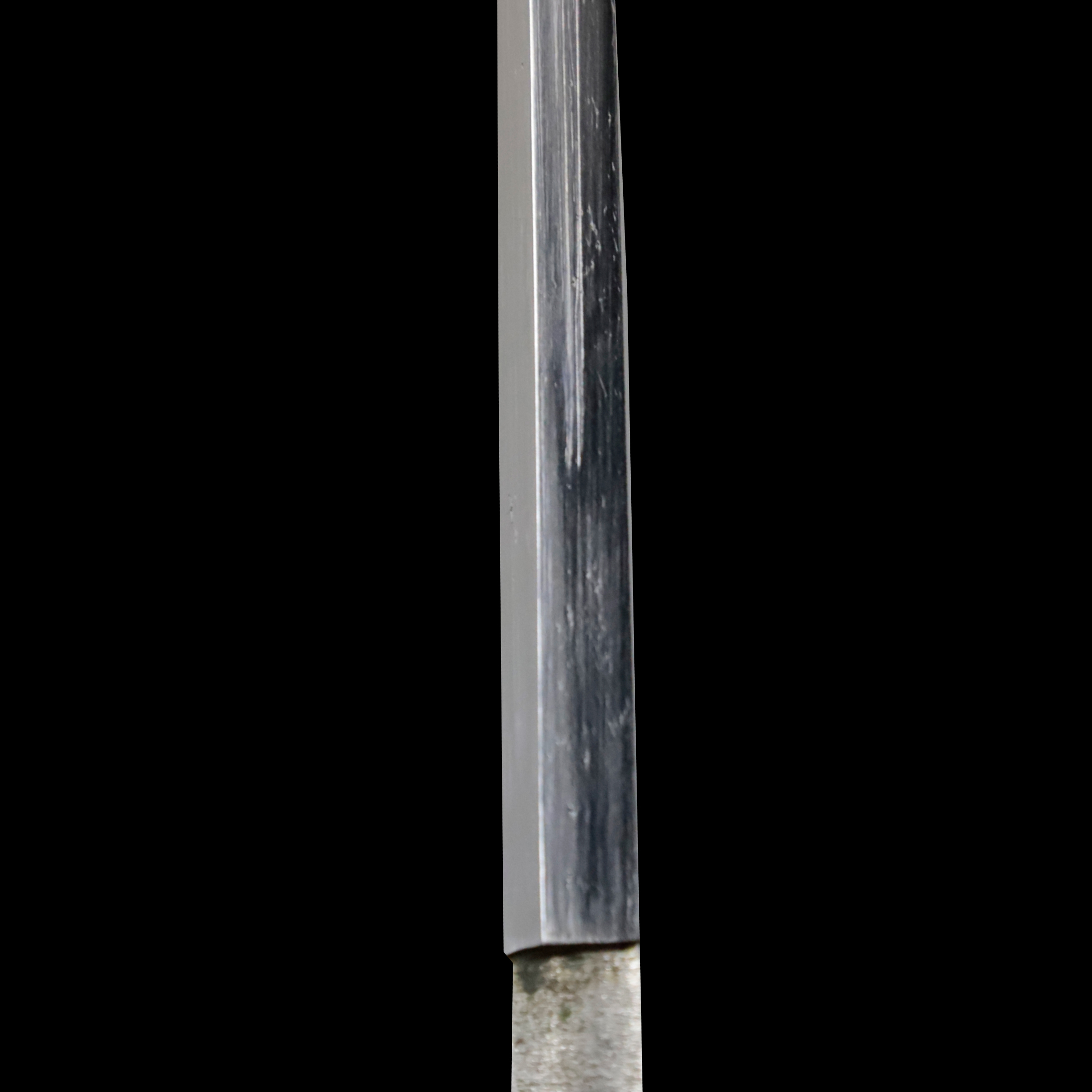
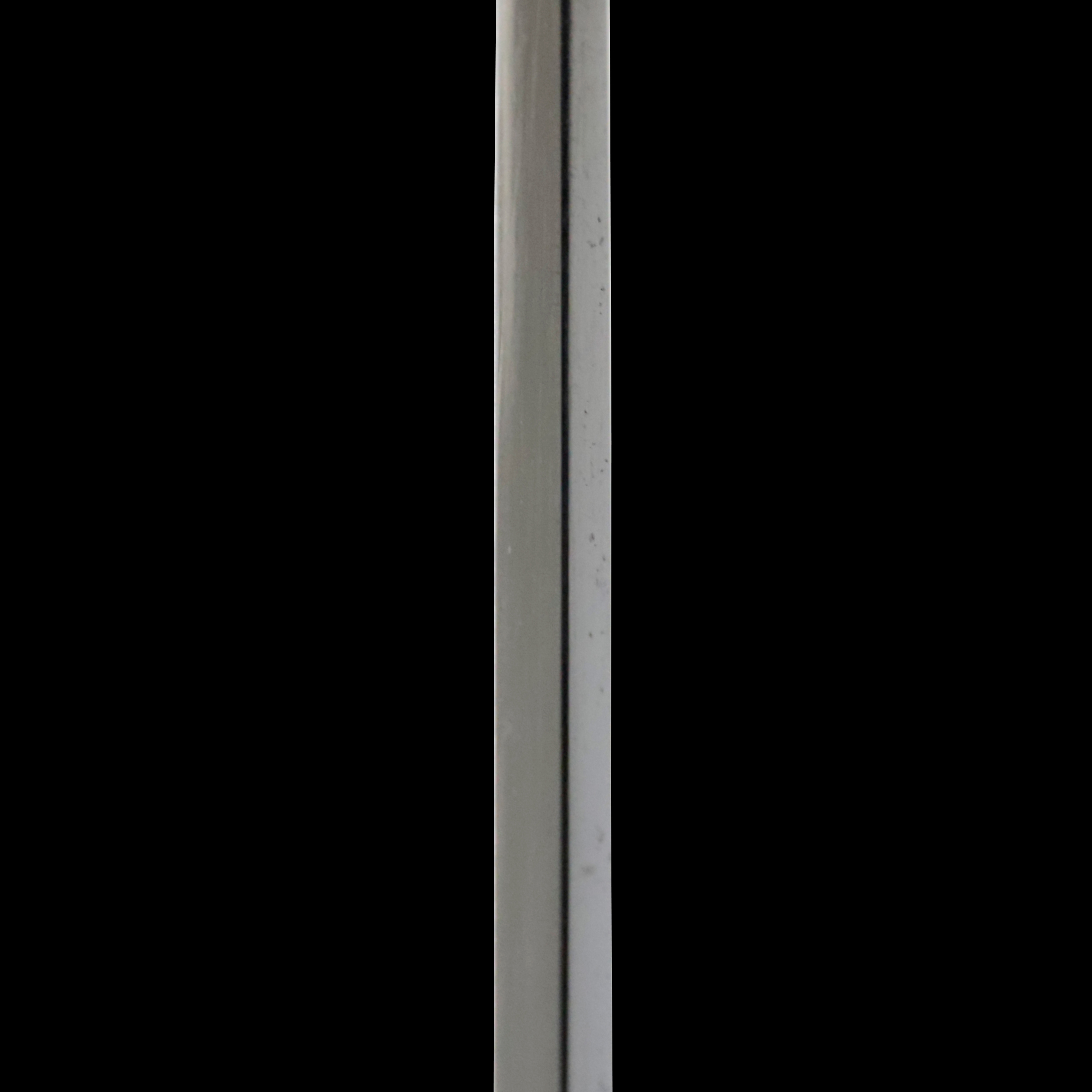
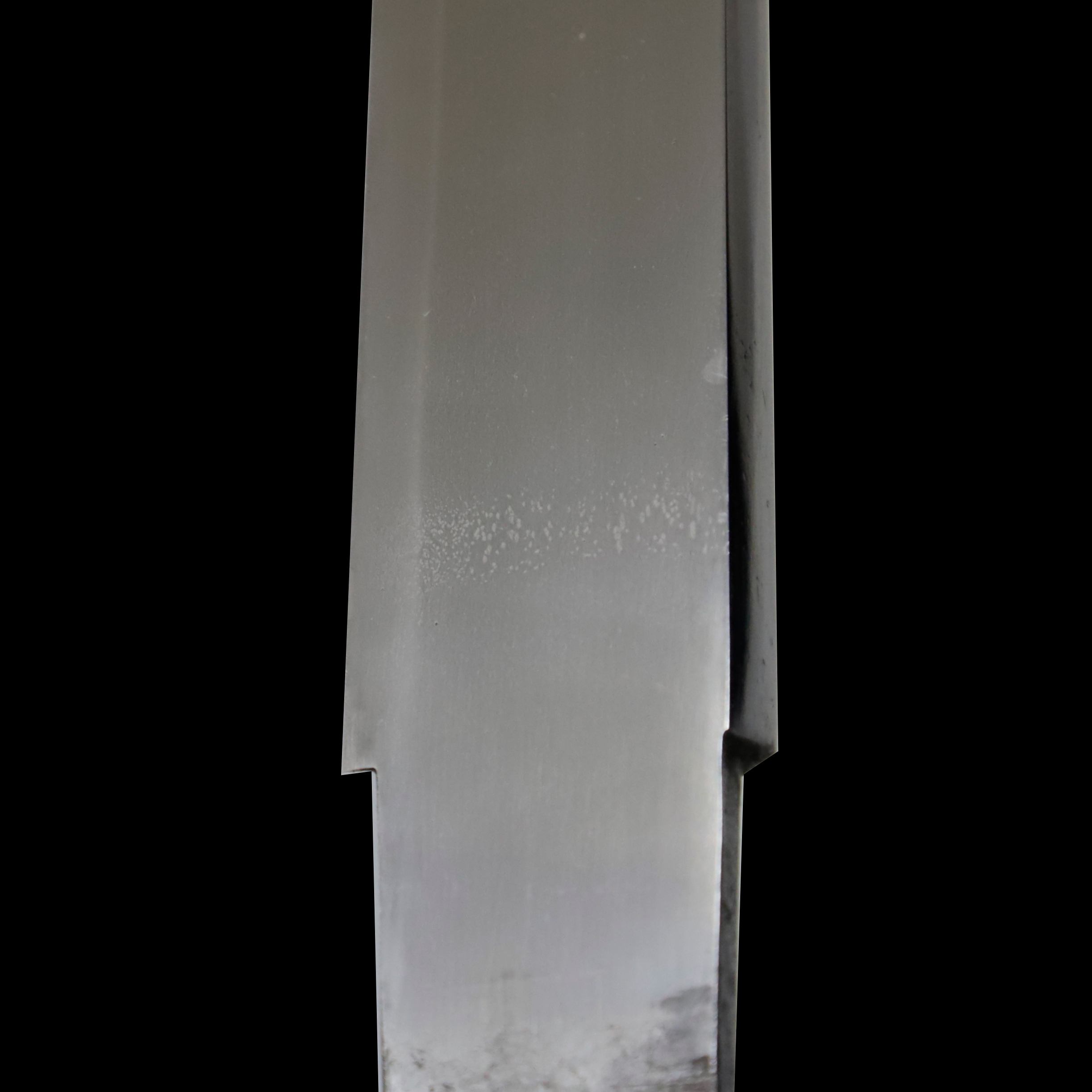
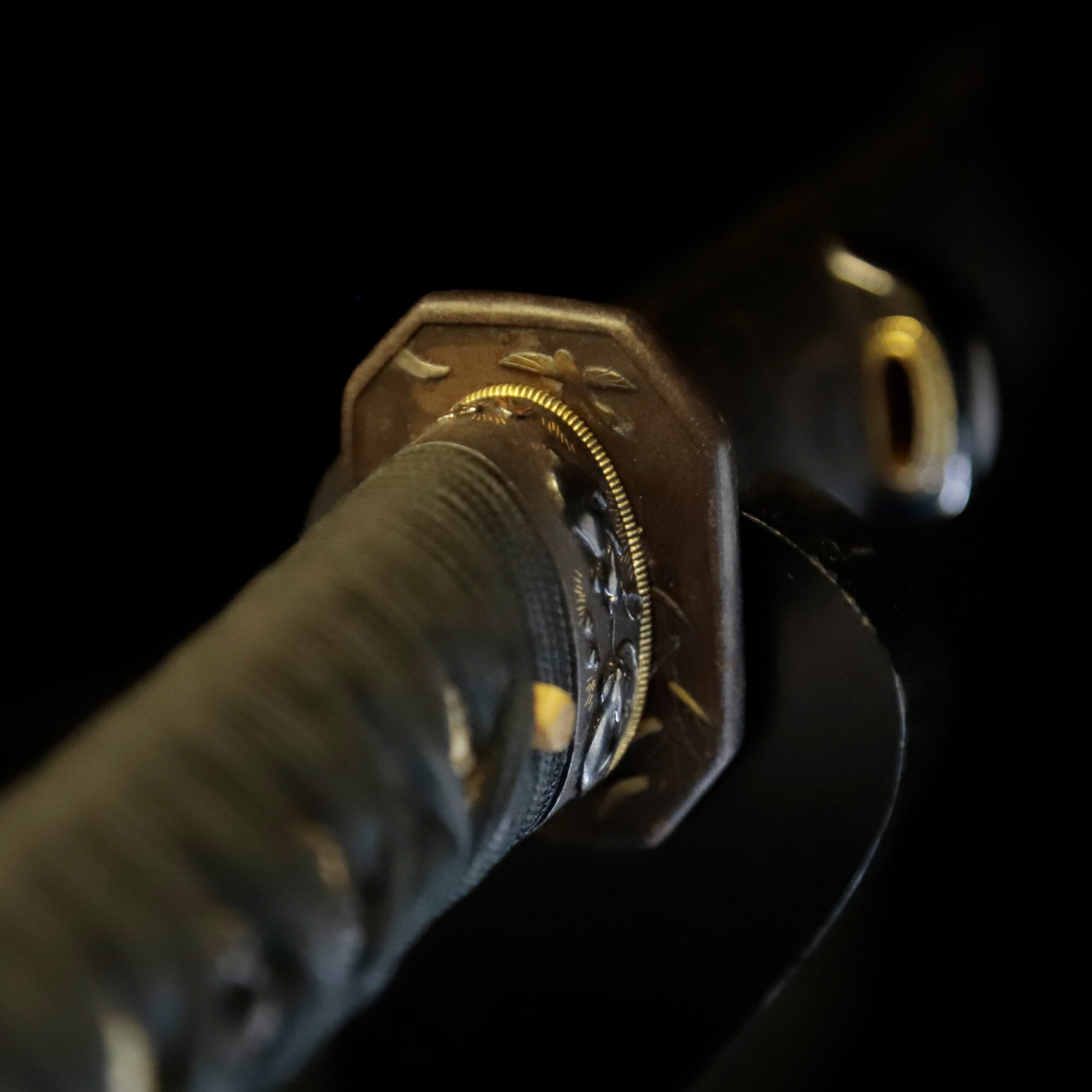
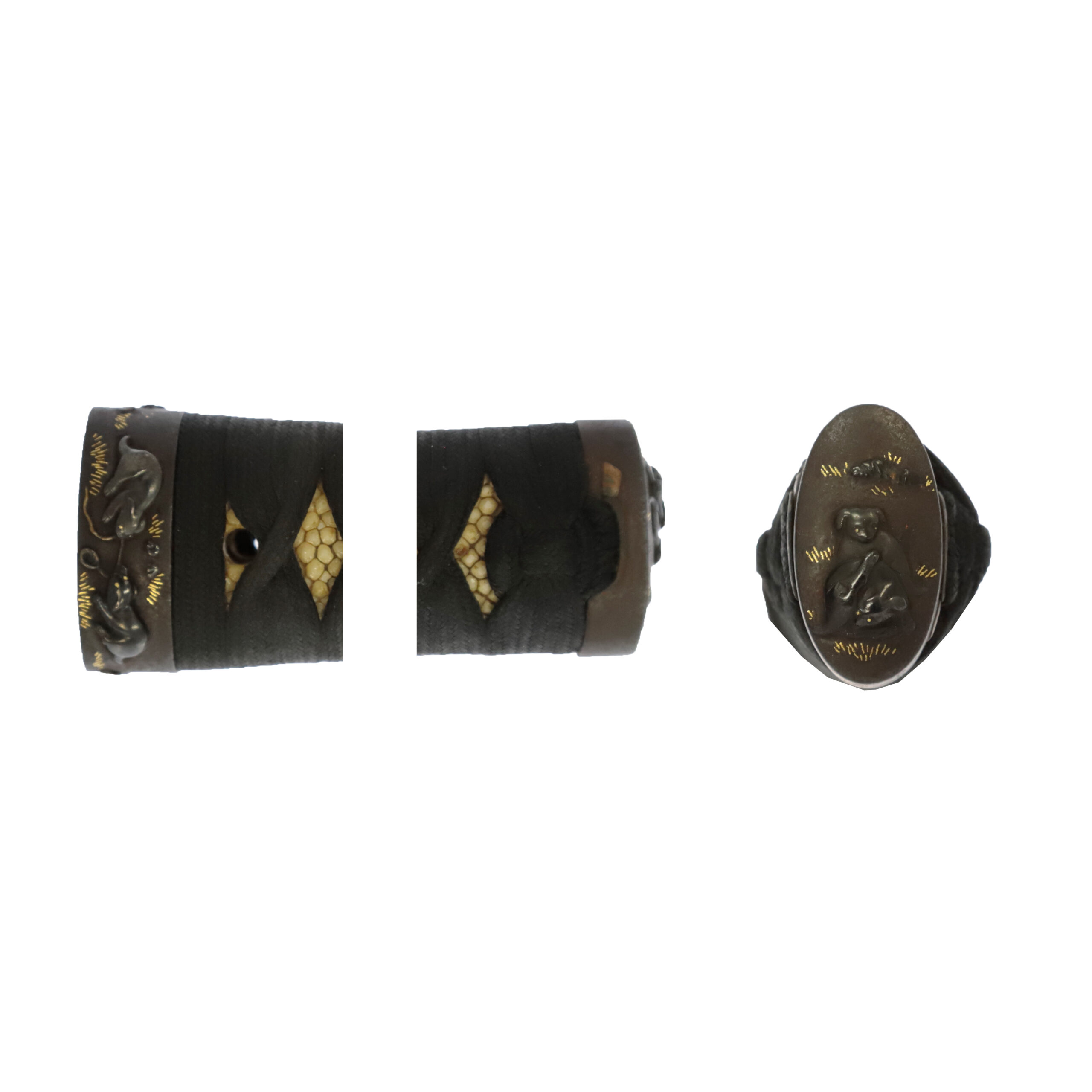
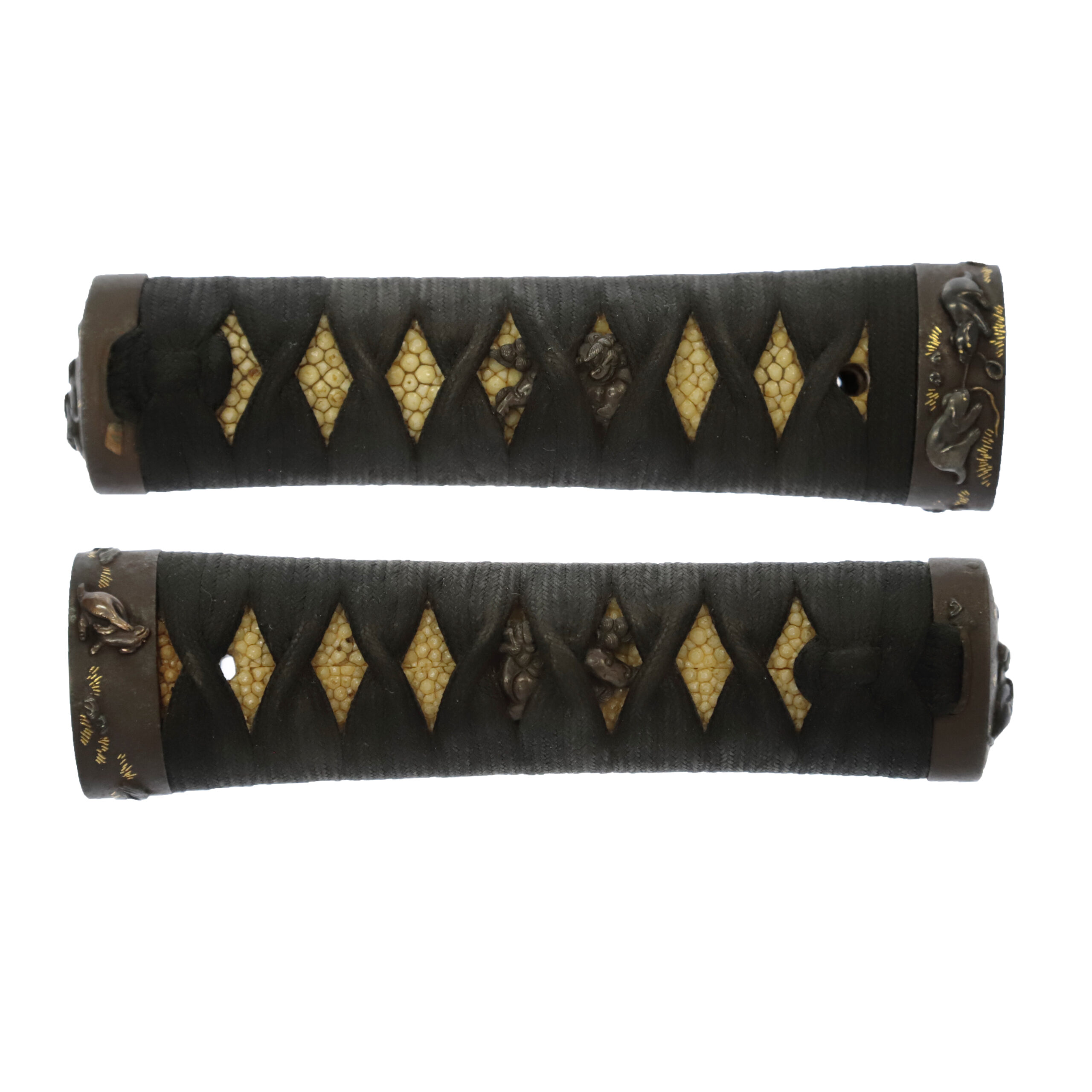
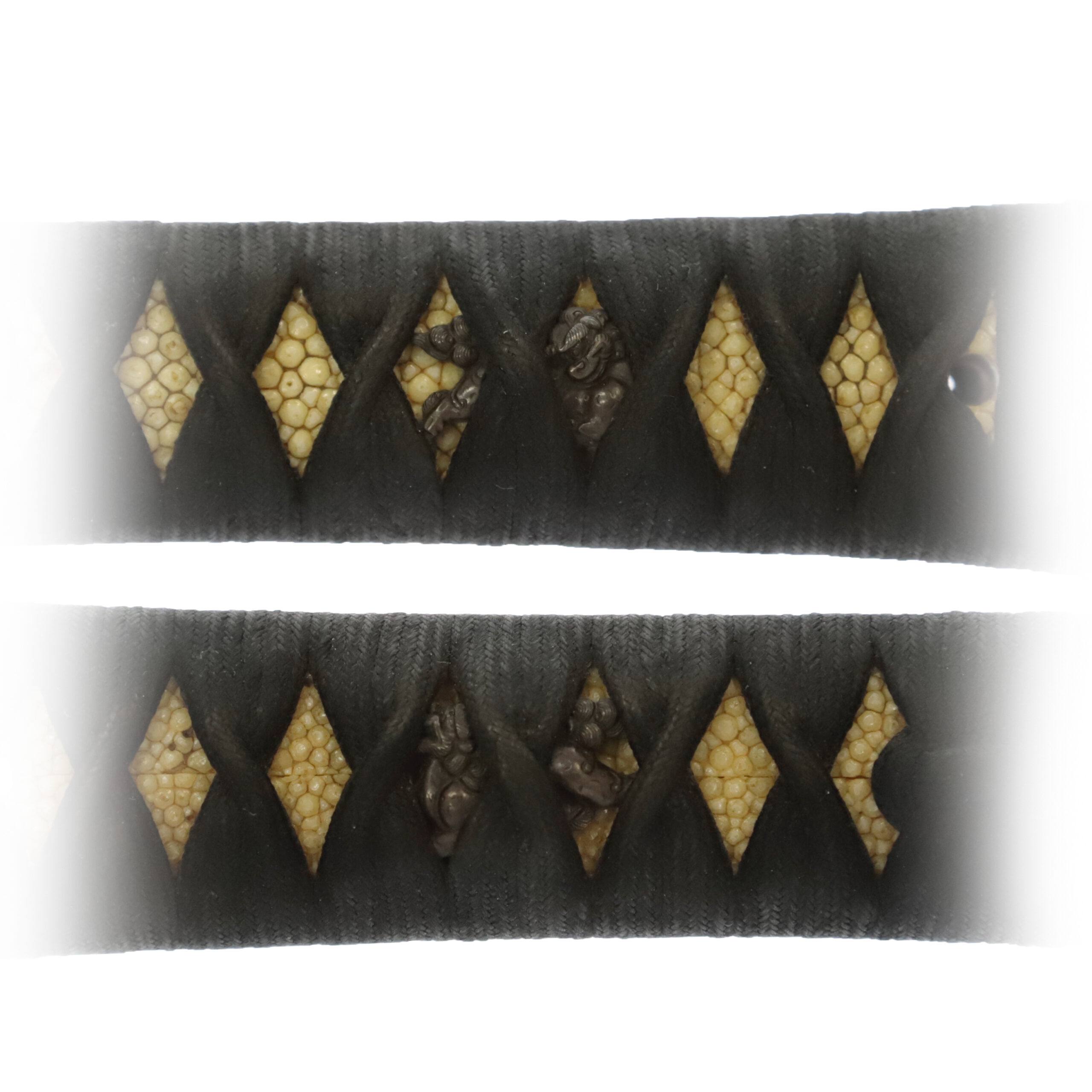
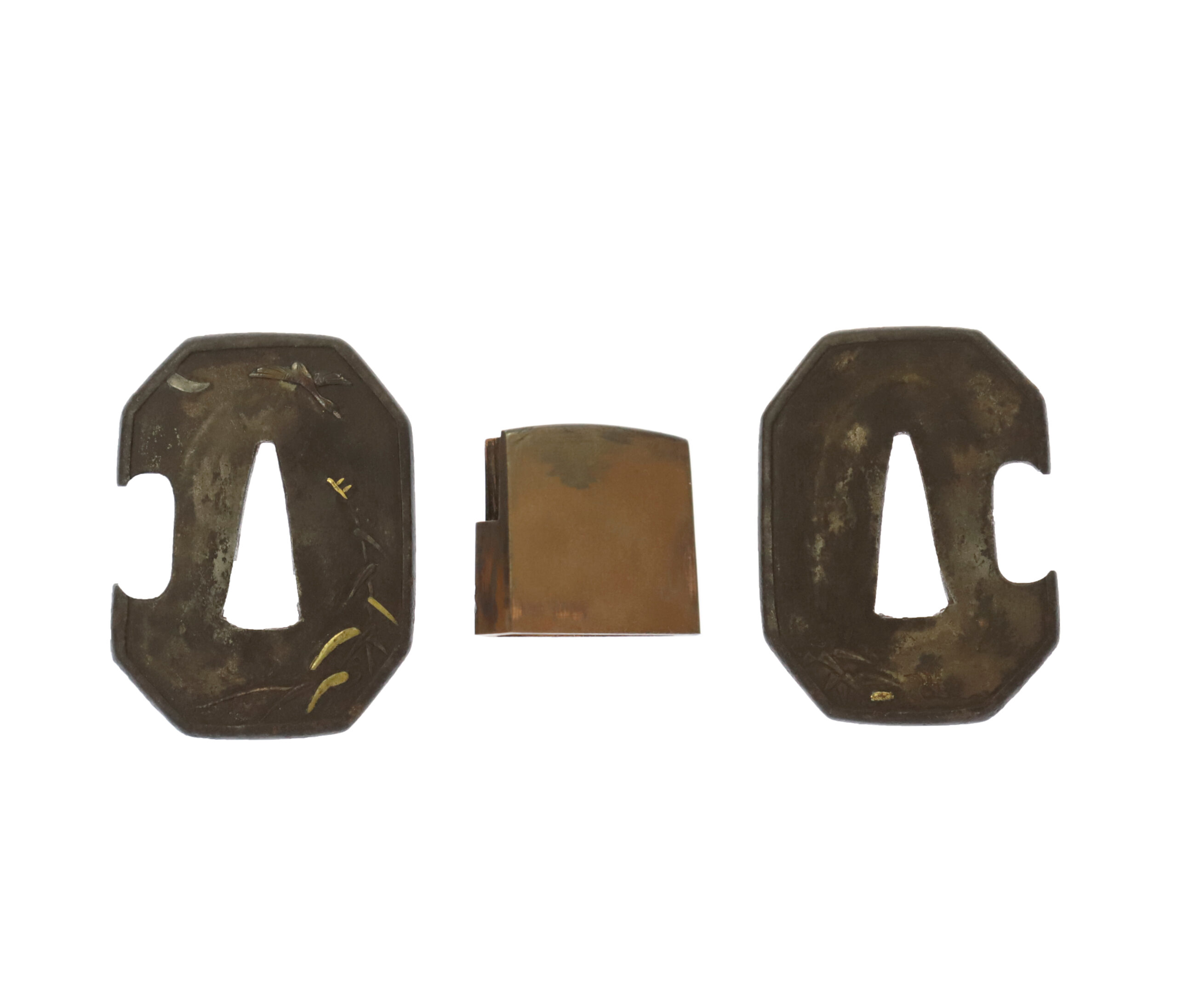
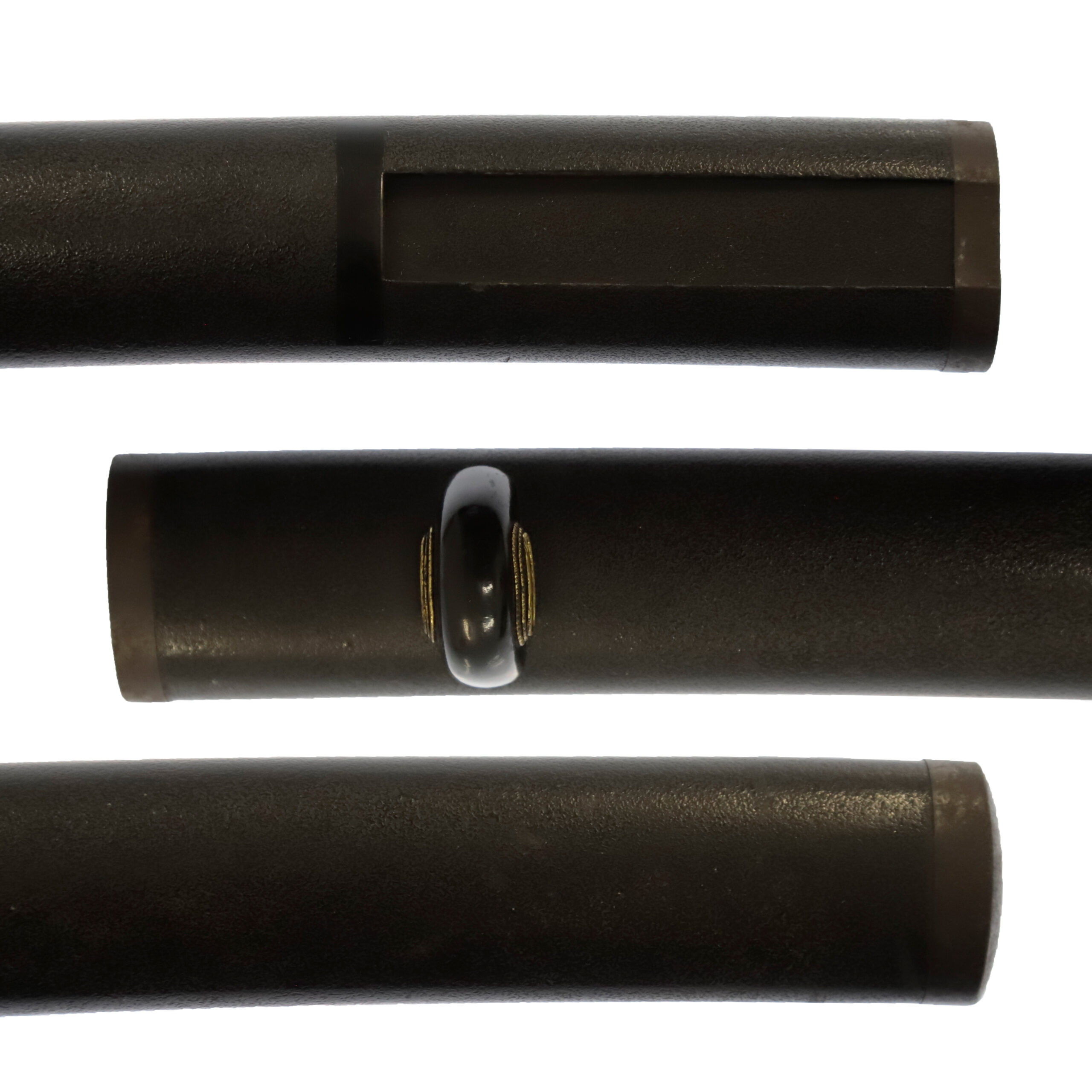
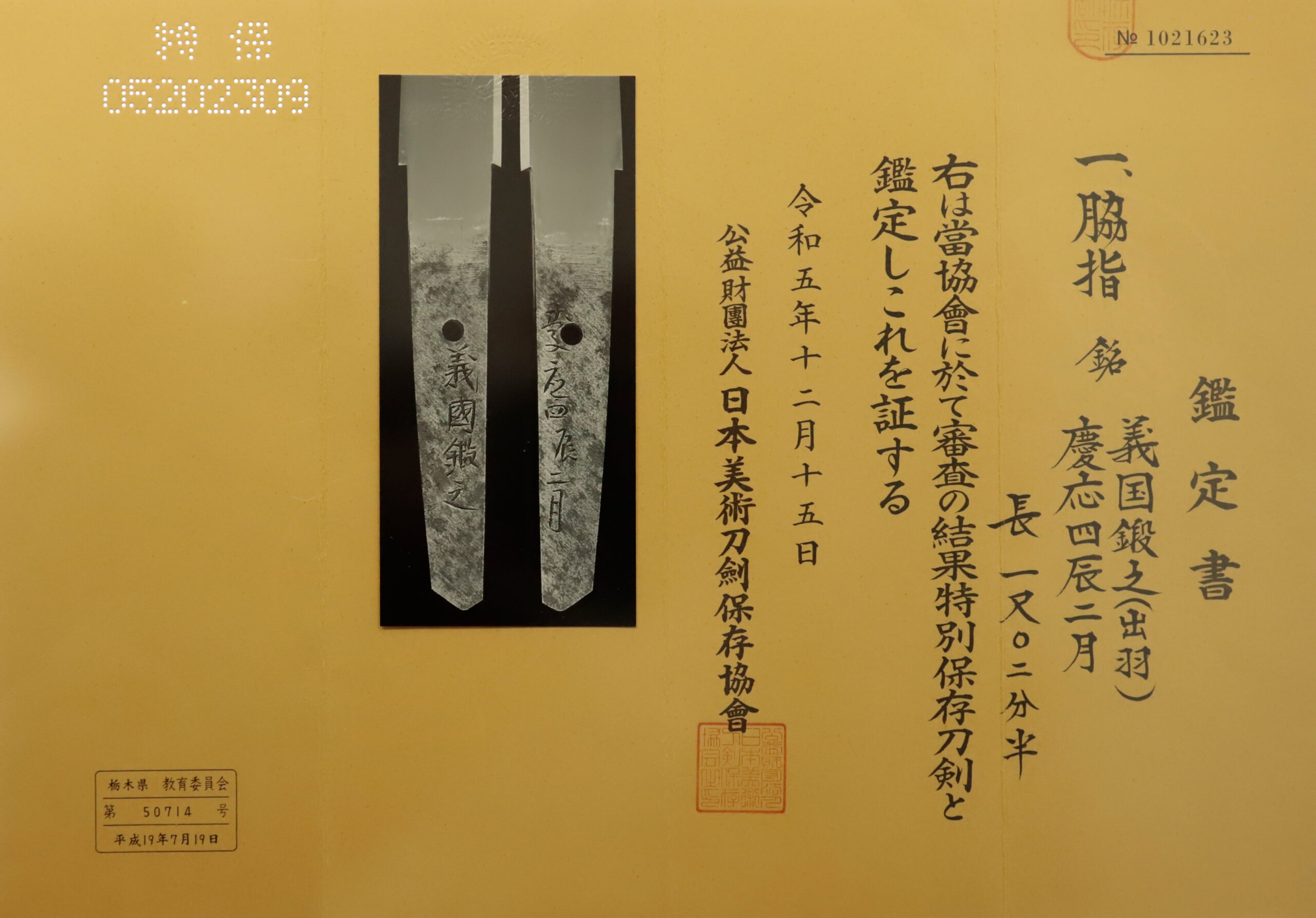
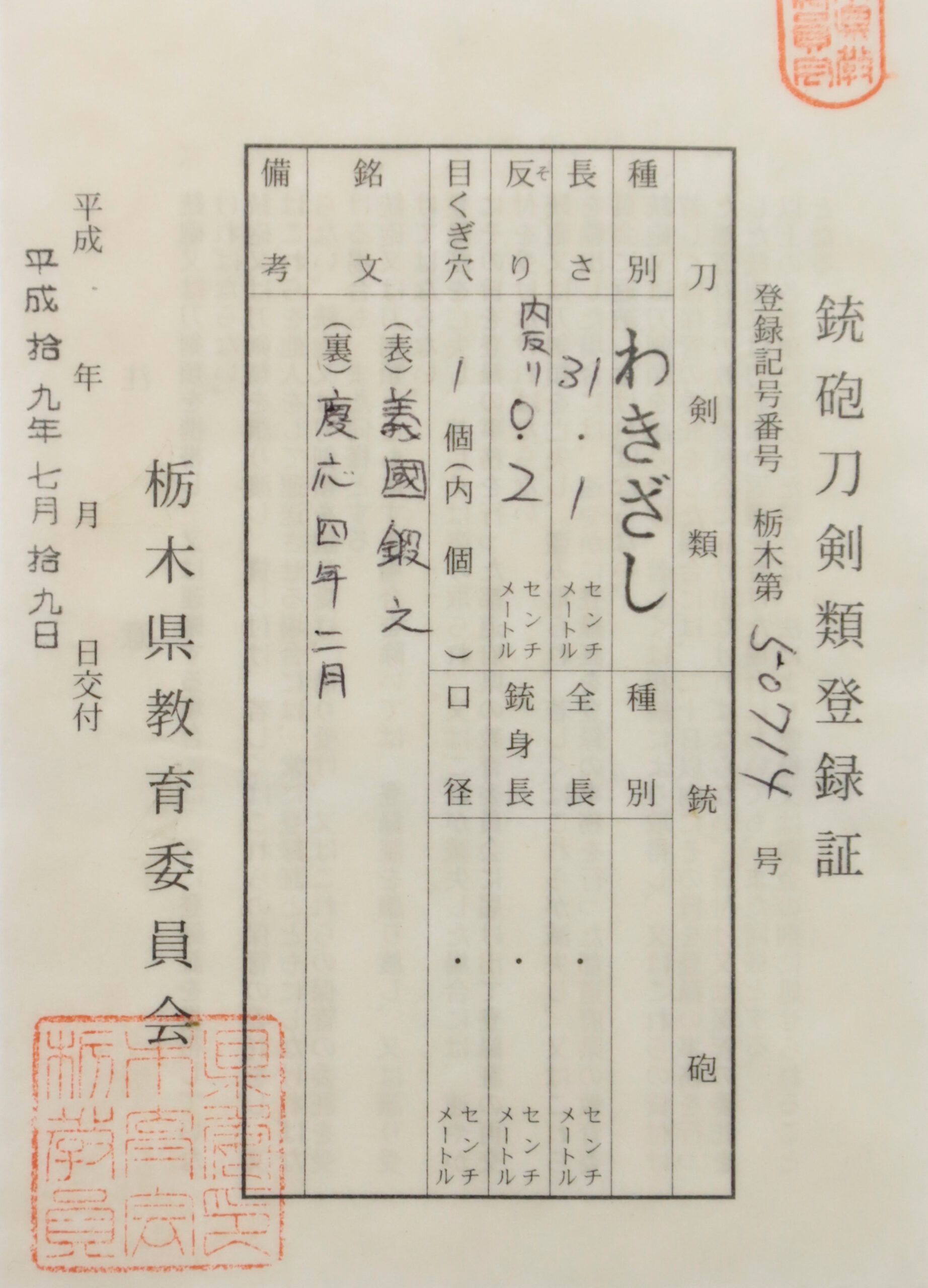
Antique Japanese Sword Wakizashi Signed by Yoshikuni with NBTHK Tokubestsu Hozon Certificate 【Description】 This blade was signed by Yoshikuni (義国) in February, the 4th year of the Keio era ( 1868 : the early Meiji era). He is also known as the name Yonezawa Ju Yoshikuni (米沢住義国) or Dewakoku Ju Kato Yoshikuni (出羽国住加藤義国). Yonezawa (米沢) was the biggest city in Hashu province (today’s Yamagata prefecture). It is also known as Dewa Koku (出羽国). Yoshikuni learned the excellent sword-forging skills from Kato Tsunatoshi (加藤綱俊), who was known as a top-tier swordsmith. Tsunatoshi was born in 1798 in Yonezawa city, Hashu province as the third son of Izumi no Kami Kunihide (和泉守国英). His family name was Kato, and he was the younger brother of Kato Tsunahide (加藤綱英). Tsunatoshi’s real name was Kato Hachiro. Tsunatoshi served Yonezawa Uesugi clan, a powerful feudal lord in today’s Yamagata prefecture. During his early career, he moved to Edo city to learn superb sword-forging techniques from Suishinshi Masahide, one of the most renowned swordsmiths at the end of the Edo period. There is also a record of him forging swords in Osaka and Kumamoto while his base was in Azabu town in Edo city (today’s Tokyo). He settled in Edo city around 1823, and he created most of his work. He started to run his school there and resided in the house of Uesugi family. It is said that he received a stipend from them. He received the honorable title Chounsai (長運斎) in the first year of the Bunka era (1854). And, he gave this title to his son Koretoshi (the second-gen Tsunatoshi) in 1856, and he got the new title Chojyusai (長寿斎). Chojyu means living a long life in Japanese. The school Tsunatoshi belonged to flourished at the end of the Edo period, training many swordsmiths who later became historically significant ones, such as Koyama Munetsugu, Takahashi Naganobu, Ishido Korekazu. Tsunatoshi excelled at forging Bizen-Den tradition swords with Choji Midare Hamon, an irregular, wavy tempering line. Most of Tsunatoshi’s work reflects Bizen Den (One of the Five Japanese sword-forging traditions). In terms of Bizen Den tradition swords, it is said that Tsunatoshi school surpassed Suishinshi Masahide school. Tsunatoshi died at the age of 66 in December 1863 after creating many great swords for high-class Samurais in Edo city. He is categorized as one of the top-tier swordsmiths during the late Edo period (SHIN SHIN TO era). And, he was the head of the prosperous school at the end of the Edo period. Judging from the fact that Yoshikuni was an apprentice of Kato Tsunatoshi, his craftsmanship must also have been excellent. This blade is appraised as a Tokubetsu Hozon Token (特別保存刀剣) issued by NBTHK (Nihon Bijutsu Touken Hozon Kyokai:日本美術刀剣保存協会). This authentication paper was only given to authentic Japanese swords, especially well preserved and high quality with artistic value. *Please keep in mind that there are a couple of tiny black rust and Kitae Kizu on this blade. If you like to know the detailed condition, please feel free to contact us. 【Blade】 Cutting Edge Length(Nagasa) : 31.1 cm (12.2 inches) Curvature(Sori) : 0.2 cm (0.07 inches) Hamon : The crystalline structure which forms along the cutting edge of a blade as a result of the hardening process Jimon(Jihada) : visible steel surface pattern created by folding and hammering during forging process Kissaki : Kissaki is the tip of the Japanese sword. Kissaki : Nakago is the tang of the Japanese sword. Japanese swordsmiths left the black rust on the tang because it prevents red rust while the tang is in its handle. And the discoloration of the tang was created over time, and it is a great indicator for a Japanese sword specialist to estimate when the sword was forged. Koshirae :Koshirae is the mounting of the Japanese sword. There are several parts that consist of Koshirae such as Saya (Scabbard), Tsuka (Handle), Tsuba (Handguard). Fuchi-Kashira : A pair of matching sword fittings that cover the upper and bottom parts of

NihontoWatch MonNihontoWatch
MarketEncyclopediaKantei
刀剣›義國›Meiji Wakizashi Signed by Yoshikuni | Samurai Museum Shop
脇差特別保存
義國

Meiji Wakizashi Signed by Yoshikuni | Samurai Museum Shop

在銘 · 新々刀 · 長さ 31.1cm · 反り 0.2cm

売却済
義國 — 1 of 24
義國 — 2 of 24
義國 — 3 of 24
義國 — 4 of 24
義國 — 5 of 24
義國 — 6 of 24
義國 — 7 of 24
義國 — 8 of 24
義國 — 9 of 24
義國 — 10 of 24
義國 — 11 of 24
義國 — 12 of 24
義國 — 13 of 24
義國 — 14 of 24
義國 — 15 of 24
義國 — 16 of 24
義國 — 17 of 24
義國 — 18 of 24
義國 — 19 of 24
義國 — 20 of 24
義國 — 21 of 24
義國 — 22 of 24
義國 — 23 of 24
義國 — 24 of 24
1 / 24
1 / 24
義國 — 1 of 24義國 — 2 of 24義國 — 3 of 24義國 — 4 of 24義國 — 5 of 24義國 — 6 of 24義國 — 7 of 24義國 — 8 of 24義國 — 9 of 24義國 — 10 of 24義國 — 11 of 24義國 — 12 of 24義國 — 13 of 24義國 — 14 of 24義國 — 15 of 24義國 — 16 of 24義國 — 17 of 24義國 — 18 of 24義國 — 19 of 24義國 — 20 of 24義國 — 21 of 24義國 — 22 of 24義國 — 23 of 24義國 — 24 of 24
法量・詳細
刀工
義國
種別
脇差
活動期
1596–1781年頃(Shinto)
国
出羽
銘
在銘
法量
長さ 31.1cm反り 0.2cm
説明

Antique Japanese Sword Wakizashi Signed by Yoshikuni with NBTHK Tokubestsu Hozon Certificate 【Description】 This blade was signed by Yoshikuni (義国) in February, the 4th year of the Keio era ( 1868 : the early Meiji era). He is also known as the name Yonezawa Ju Yoshikuni (米沢住義国) or Dewakoku Ju Kato Yoshikuni (出羽国住加藤義国). Yonezawa (米沢) was the biggest city in Hashu province (today’s Yamagata prefecture). It is also known as Dewa Koku (出羽国). Yoshikuni learned the excellent sword-forging skills from Kato Tsunatoshi (加藤綱俊), who was known as a top-tier swordsmith. Tsunatoshi was born in 1798 in Yonezawa city, Hashu province as the third son of Izumi no Kami Kunihide (和泉守国英). His family name was Kato, and he was the younger brother of Kato Tsunahide (加藤綱英). Tsunatoshi’s real name was Kato Hachiro. Tsunatoshi served Yonezawa Uesugi clan, a powerful feudal lord in today’s Yamagata prefecture. During his early career, he moved to Edo city to learn superb sword-forging techniques from Suishinshi Masahide, one of the most renowned swordsmiths at the end of the Edo period. There is also a record of him forging swords in Osaka and Kumamoto while his base was in Azabu town in Edo city (today’s Tokyo). He settled in Edo city around 1823, and he created most of his work. He started to run his school there and resided in the house of Uesugi family. It is said that he received a stipend from them. He received the honorable title Chounsai (長運斎) in the first year of the Bunka era (1854). And, he gave this title to his son Koretoshi (the second-gen Tsunatoshi) in 1856, and he got the new title Chojyusai (長寿斎). Chojyu means living a long life in Japanese. The school Tsunatoshi belonged to flourished at the end of the Edo period, training many swordsmiths who later became historically significant ones, such as Koyama Munetsugu, Takahashi Naganobu, Ishido Korekazu. Tsunatoshi excelled at forging Bizen-Den tradition swords with Choji Midare Hamon, an irregular, wavy tempering line. Most of Tsunatoshi’s work reflects Bizen Den (One of the Five Japanese sword-forging traditions). In terms of Bizen Den tradition swords, it is said that Tsunatoshi school surpassed Suishinshi Masahide school. Tsunatoshi died at the age of 66 in December 1863 after creating many great swords for high-class Samurais in Edo city. He is categorized as one of the top-tier swordsmiths during the late Edo period (SHIN SHIN TO era). And, he was the head of the prosperous school at the end of the Edo period. Judging from the fact that Yoshikuni was an apprentice of Kato Tsunatoshi, his craftsmanship must also have been excellent. This blade is appraised as a Tokubetsu Hozon Token (特別保存刀剣) issued by NBTHK (Nihon Bijutsu Touken Hozon Kyokai:日本美術刀剣保存協会). This authentication paper was only given to authentic Japanese swords, especially well preserved and high quality with artistic value. *Please keep in mind that there are a couple of tiny black rust and Kitae Kizu on this blade. If you like to know the detailed condition, please feel free to contact us. 【Blade】 Cutting Edge Length(Nagasa) : 31.1 cm (12.2 inches) Curvature(Sori) : 0.2 cm (0.07 inches) Hamon : The crystalline structure which forms along the cutting edge of a blade as a result of the hardening process Jimon(Jihada) : visible steel surface pattern created by folding and hammering during forging process Kissaki : Kissaki is the tip of the Japanese sword. Kissaki : Nakago is the tang of the Japanese sword. Japanese swordsmiths left the black rust on the tang because it prevents red rust while the tang is in its handle. And the discoloration of the tang was created over time, and it is a great indicator for a Japanese sword specialist to estimate when the sword was forged. Koshirae :Koshirae is the mounting of the Japanese sword. There are several parts that consist of Koshirae such as Saya (Scabbard), Tsuka (Handle), Tsuba (Handguard). Fuchi-Kashira : A pair of matching sword fittings that cover the upper and bottom parts of

作者について

義國

筑前 · 1596-1781頃

現在1点販売中

›
義國の作 1点が現在販売中→
義國 — 詳細

歴史的背景

江戸は刀の目利きの時代である。本阿弥の鑑定、1719年の享保名物帳、盛んな刀剣書が、戦で抜かれることのなくなった刀を学問の対象へと変えていった。

江戸時代 →

NBTHK鑑定書
Tokubetsu Hozon Tōken特別保存刀剣
Sword Especially Worthy of Preservation
›

保存刀剣のうち、出来が一層優れ、保存状態も良好と認められたものです。再刃や、室町・江戸期の多くの無銘作は対象外となり、保存刀剣より高い基準が課されます。

NBTHKについて›

日本美術刀剣保存協会(NBTHK)は、1948年に設立され、文化庁の監督を受ける公益財団法人で、東京・刀剣博物館に本部を置きます。専門の審査員が出品作を直接審査し、美術的・歴史的価値に応じた鑑定書を発行します。NBTHKの鑑定書は、日本刀および刀装具の真正性を示す最も広く認知された基準です。

NBTHK公式サイト→
販売店
サ
サムライミュージアム
🇯🇵日本から発送
›
✓認証販売店samuraimuseum.jp
✓海外発送可✓英語対応PayPalクレジットカード
返品ポリシー

Returns/exchanges limited to defects caused by shipping (except willful misconduct or gross negligence by the company); customers must contact within 72 hours of receiving the product.

サムライミュージアムの出品一覧を見る→販売店サイトでこの商品を見る→

義國の他の作

すべて見る →
矢澤商会
特別貴重
Katana - Tokubetsu Kichō - by Yoshikuni - 【委託】筑州柳川住鬼塚吉國(特別貴重)拵(保存刀装具)新刀業物上作 刃渡り69.6cm 反り2.4cm 白鞘入り太刀拵付きKatana - Tokubetsu Kichō - by Yoshikuni - 【委託】筑州柳川住鬼塚吉國(特別貴重)拵(保存刀装具)新刀業物上作 刃渡り69.6cm 反り2.4cm 白鞘入り太刀拵付き

刀

作義國
69.69cm·新刀
¥1,000,000

刀剣

  • 刀
  • 脇差
  • 短刀
  • 太刀
  • 薙刀
  • 槍

刀装具

  • 鍔
  • 縁頭
  • 小柄
  • 目貫

甲冑武具

  • 兜
  • 甲冑

鑑定別

  • 特重
  • 重要
  • 特別保存
  • 保存

リソース

  • 刀剣商一覧
  • 刀工一覧
  • 誌上鑑定
  • すべて見る
Nihontowatch© 2026
利用規約プライバシーCookie運営者情報

説明

Antique Japanese Sword Wakizashi Signed by Yoshikuni with NBTHK Tokubestsu Hozon Certificate 【Description】 This blade was signed by Yoshikuni (義国) in February, the 4th year of the Keio era ( 1868 : the early Meiji era). He is also known as the name Yonezawa Ju Yoshikuni (米沢住義国) or Dewakoku Ju Kato Yoshikuni (出羽国住加藤義国). Yonezawa (米沢) was the biggest city in Hashu province (today’s Yamagata prefecture). It is also known as Dewa Koku (出羽国). Yoshikuni learned the excellent sword-forging skills from Kato Tsunatoshi (加藤綱俊), who was known as a top-tier swordsmith. Tsunatoshi was born in 1798 in Yonezawa city, Hashu province as the third son of Izumi no Kami Kunihide (和泉守国英). His family name was Kato, and he was the younger brother of Kato Tsunahide (加藤綱英). Tsunatoshi’s real name was Kato Hachiro. Tsunatoshi served Yonezawa Uesugi clan, a powerful feudal lord in today’s Yamagata prefecture. During his early career, he moved to Edo city to learn superb sword-forging techniques from Suishinshi Masahide, one of the most renowned swordsmiths at the end of the Edo period. There is also a record of him forging swords in Osaka and Kumamoto while his base was in Azabu town in Edo city (today’s Tokyo). He settled in Edo city around 1823, and he created most of his work. He started to run his school there and resided in the house of Uesugi family. It is said that he received a stipend from them. He received the honorable title Chounsai (長運斎) in the first year of the Bunka era (1854). And, he gave this title to his son Koretoshi (the second-gen Tsunatoshi) in 1856, and he got the new title Chojyusai (長寿斎). Chojyu means living a long life in Japanese. The school Tsunatoshi belonged to flourished at the end of the Edo period, training many swordsmiths who later became historically significant ones, such as Koyama Munetsugu, Takahashi Naganobu, Ishido Korekazu. Tsunatoshi excelled at forging Bizen-Den tradition swords with Choji Midare Hamon, an irregular, wavy tempering line. Most of Tsunatoshi’s work reflects Bizen Den (One of the Five Japanese sword-forging traditions). In terms of Bizen Den tradition swords, it is said that Tsunatoshi school surpassed Suishinshi Masahide school. Tsunatoshi died at the age of 66 in December 1863 after creating many great swords for high-class Samurais in Edo city. He is categorized as one of the top-tier swordsmiths during the late Edo period (SHIN SHIN TO era). And, he was the head of the prosperous school at the end of the Edo period. Judging from the fact that Yoshikuni was an apprentice of Kato Tsunatoshi, his craftsmanship must also have been excellent. This blade is appraised as a Tokubetsu Hozon Token (特別保存刀剣) issued by NBTHK (Nihon Bijutsu Touken Hozon Kyokai:日本美術刀剣保存協会). This authentication paper was only given to authentic Japanese swords, especially well preserved and high quality with artistic value. *Please keep in mind that there are a couple of tiny black rust and Kitae Kizu on this blade. If you like to know the detailed condition, please feel free to contact us. 【Blade】 Cutting Edge Length(Nagasa) : 31.1 cm (12.2 inches) Curvature(Sori) : 0.2 cm (0.07 inches) Hamon : The crystalline structure which forms along the cutting edge of a blade as a result of the hardening process Jimon(Jihada) : visible steel surface pattern created by folding and hammering during forging process Kissaki : Kissaki is the tip of the Japanese sword. Kissaki : Nakago is the tang of the Japanese sword. Japanese swordsmiths left the black rust on the tang because it prevents red rust while the tang is in its handle. And the discoloration of the tang was created over time, and it is a great indicator for a Japanese sword specialist to estimate when the sword was forged. Koshirae :Koshirae is the mounting of the Japanese sword. There are several parts that consist of Koshirae such as Saya (Scabbard), Tsuka (Handle), Tsuba (Handguard). Fuchi-Kashira : A pair of matching sword fittings that cover the upper and bottom parts of

NihontoWatch MonNihontoWatch
MarketEncyclopediaKantei
刀剣›義國›Meiji Wakizashi Signed by Yoshikuni | Samurai Museum Shop
脇差特別保存
義國

Meiji Wakizashi Signed by Yoshikuni | Samurai Museum Shop

在銘 · 新々刀 · 長さ 31.1cm · 反り 0.2cm

売却済
義國 — 1 of 24
義國 — 2 of 24
義國 — 3 of 24
義國 — 4 of 24
義國 — 5 of 24
義國 — 6 of 24
義國 — 7 of 24
義國 — 8 of 24
義國 — 9 of 24
義國 — 10 of 24
義國 — 11 of 24
義國 — 12 of 24
義國 — 13 of 24
義國 — 14 of 24
義國 — 15 of 24
義國 — 16 of 24
義國 — 17 of 24
義國 — 18 of 24
義國 — 19 of 24
義國 — 20 of 24
義國 — 21 of 24
義國 — 22 of 24
義國 — 23 of 24
義國 — 24 of 24
1 / 24
1 / 24
義國 — 1 of 24義國 — 2 of 24義國 — 3 of 24義國 — 4 of 24義國 — 5 of 24義國 — 6 of 24義國 — 7 of 24義國 — 8 of 24義國 — 9 of 24義國 — 10 of 24義國 — 11 of 24義國 — 12 of 24義國 — 13 of 24義國 — 14 of 24義國 — 15 of 24義國 — 16 of 24義國 — 17 of 24義國 — 18 of 24義國 — 19 of 24義國 — 20 of 24義國 — 21 of 24義國 — 22 of 24義國 — 23 of 24義國 — 24 of 24
法量・詳細
刀工
義國
種別
脇差
活動期
1596–1781年頃(Shinto)
国
出羽
銘
在銘
法量
長さ 31.1cm反り 0.2cm
説明

Antique Japanese Sword Wakizashi Signed by Yoshikuni with NBTHK Tokubestsu Hozon Certificate 【Description】 This blade was signed by Yoshikuni (義国) in February, the 4th year of the Keio era ( 1868 : the early Meiji era). He is also known as the name Yonezawa Ju Yoshikuni (米沢住義国) or Dewakoku Ju Kato Yoshikuni (出羽国住加藤義国). Yonezawa (米沢) was the biggest city in Hashu province (today’s Yamagata prefecture). It is also known as Dewa Koku (出羽国). Yoshikuni learned the excellent sword-forging skills from Kato Tsunatoshi (加藤綱俊), who was known as a top-tier swordsmith. Tsunatoshi was born in 1798 in Yonezawa city, Hashu province as the third son of Izumi no Kami Kunihide (和泉守国英). His family name was Kato, and he was the younger brother of Kato Tsunahide (加藤綱英). Tsunatoshi’s real name was Kato Hachiro. Tsunatoshi served Yonezawa Uesugi clan, a powerful feudal lord in today’s Yamagata prefecture. During his early career, he moved to Edo city to learn superb sword-forging techniques from Suishinshi Masahide, one of the most renowned swordsmiths at the end of the Edo period. There is also a record of him forging swords in Osaka and Kumamoto while his base was in Azabu town in Edo city (today’s Tokyo). He settled in Edo city around 1823, and he created most of his work. He started to run his school there and resided in the house of Uesugi family. It is said that he received a stipend from them. He received the honorable title Chounsai (長運斎) in the first year of the Bunka era (1854). And, he gave this title to his son Koretoshi (the second-gen Tsunatoshi) in 1856, and he got the new title Chojyusai (長寿斎). Chojyu means living a long life in Japanese. The school Tsunatoshi belonged to flourished at the end of the Edo period, training many swordsmiths who later became historically significant ones, such as Koyama Munetsugu, Takahashi Naganobu, Ishido Korekazu. Tsunatoshi excelled at forging Bizen-Den tradition swords with Choji Midare Hamon, an irregular, wavy tempering line. Most of Tsunatoshi’s work reflects Bizen Den (One of the Five Japanese sword-forging traditions). In terms of Bizen Den tradition swords, it is said that Tsunatoshi school surpassed Suishinshi Masahide school. Tsunatoshi died at the age of 66 in December 1863 after creating many great swords for high-class Samurais in Edo city. He is categorized as one of the top-tier swordsmiths during the late Edo period (SHIN SHIN TO era). And, he was the head of the prosperous school at the end of the Edo period. Judging from the fact that Yoshikuni was an apprentice of Kato Tsunatoshi, his craftsmanship must also have been excellent. This blade is appraised as a Tokubetsu Hozon Token (特別保存刀剣) issued by NBTHK (Nihon Bijutsu Touken Hozon Kyokai:日本美術刀剣保存協会). This authentication paper was only given to authentic Japanese swords, especially well preserved and high quality with artistic value. *Please keep in mind that there are a couple of tiny black rust and Kitae Kizu on this blade. If you like to know the detailed condition, please feel free to contact us. 【Blade】 Cutting Edge Length(Nagasa) : 31.1 cm (12.2 inches) Curvature(Sori) : 0.2 cm (0.07 inches) Hamon : The crystalline structure which forms along the cutting edge of a blade as a result of the hardening process Jimon(Jihada) : visible steel surface pattern created by folding and hammering during forging process Kissaki : Kissaki is the tip of the Japanese sword. Kissaki : Nakago is the tang of the Japanese sword. Japanese swordsmiths left the black rust on the tang because it prevents red rust while the tang is in its handle. And the discoloration of the tang was created over time, and it is a great indicator for a Japanese sword specialist to estimate when the sword was forged. Koshirae :Koshirae is the mounting of the Japanese sword. There are several parts that consist of Koshirae such as Saya (Scabbard), Tsuka (Handle), Tsuba (Handguard). Fuchi-Kashira : A pair of matching sword fittings that cover the upper and bottom parts of

作者について

義國

筑前 · 1596-1781頃

現在1点販売中

›
義國の作 1点が現在販売中→
義國 — 詳細

歴史的背景

江戸は刀の目利きの時代である。本阿弥の鑑定、1719年の享保名物帳、盛んな刀剣書が、戦で抜かれることのなくなった刀を学問の対象へと変えていった。

江戸時代 →

NBTHK鑑定書
Tokubetsu Hozon Tōken特別保存刀剣
Sword Especially Worthy of Preservation
›

保存刀剣のうち、出来が一層優れ、保存状態も良好と認められたものです。再刃や、室町・江戸期の多くの無銘作は対象外となり、保存刀剣より高い基準が課されます。

NBTHKについて›

日本美術刀剣保存協会(NBTHK)は、1948年に設立され、文化庁の監督を受ける公益財団法人で、東京・刀剣博物館に本部を置きます。専門の審査員が出品作を直接審査し、美術的・歴史的価値に応じた鑑定書を発行します。NBTHKの鑑定書は、日本刀および刀装具の真正性を示す最も広く認知された基準です。

NBTHK公式サイト→
販売店
サ
サムライミュージアム
🇯🇵日本から発送
›
✓認証販売店samuraimuseum.jp
✓海外発送可✓英語対応PayPalクレジットカード
返品ポリシー

Returns/exchanges limited to defects caused by shipping (except willful misconduct or gross negligence by the company); customers must contact within 72 hours of receiving the product.

サムライミュージアムの出品一覧を見る→販売店サイトでこの商品を見る→

義國の他の作

すべて見る →
矢澤商会
特別貴重
Katana - Tokubetsu Kichō - by Yoshikuni - 【委託】筑州柳川住鬼塚吉國(特別貴重)拵(保存刀装具)新刀業物上作 刃渡り69.6cm 反り2.4cm 白鞘入り太刀拵付きKatana - Tokubetsu Kichō - by Yoshikuni - 【委託】筑州柳川住鬼塚吉國(特別貴重)拵(保存刀装具)新刀業物上作 刃渡り69.6cm 反り2.4cm 白鞘入り太刀拵付き

刀

作義國
69.69cm·新刀
¥1,000,000

刀剣

  • 刀
  • 脇差
  • 短刀
  • 太刀
  • 薙刀
  • 槍

刀装具

  • 鍔
  • 縁頭
  • 小柄
  • 目貫

甲冑武具

  • 兜
  • 甲冑

鑑定別

  • 特重
  • 重要
  • 特別保存
  • 保存

リソース

  • 刀剣商一覧
  • 刀工一覧
  • 誌上鑑定
  • すべて見る
Nihontowatch© 2026
利用規約プライバシーCookie運営者情報
NihontoWatch Mon

NihontoWatch

マーケット
事典
鑑定
NihontoWatch Mon

NihontoWatch

マーケット
事典
鑑定