二世紀半の泰平のあいだ、刀は武器である以上に武士の身分の標章であった。江戸の実証と大坂の華やぎのように都市ごとの作風が育ち、時代の末には需要も細っていく。
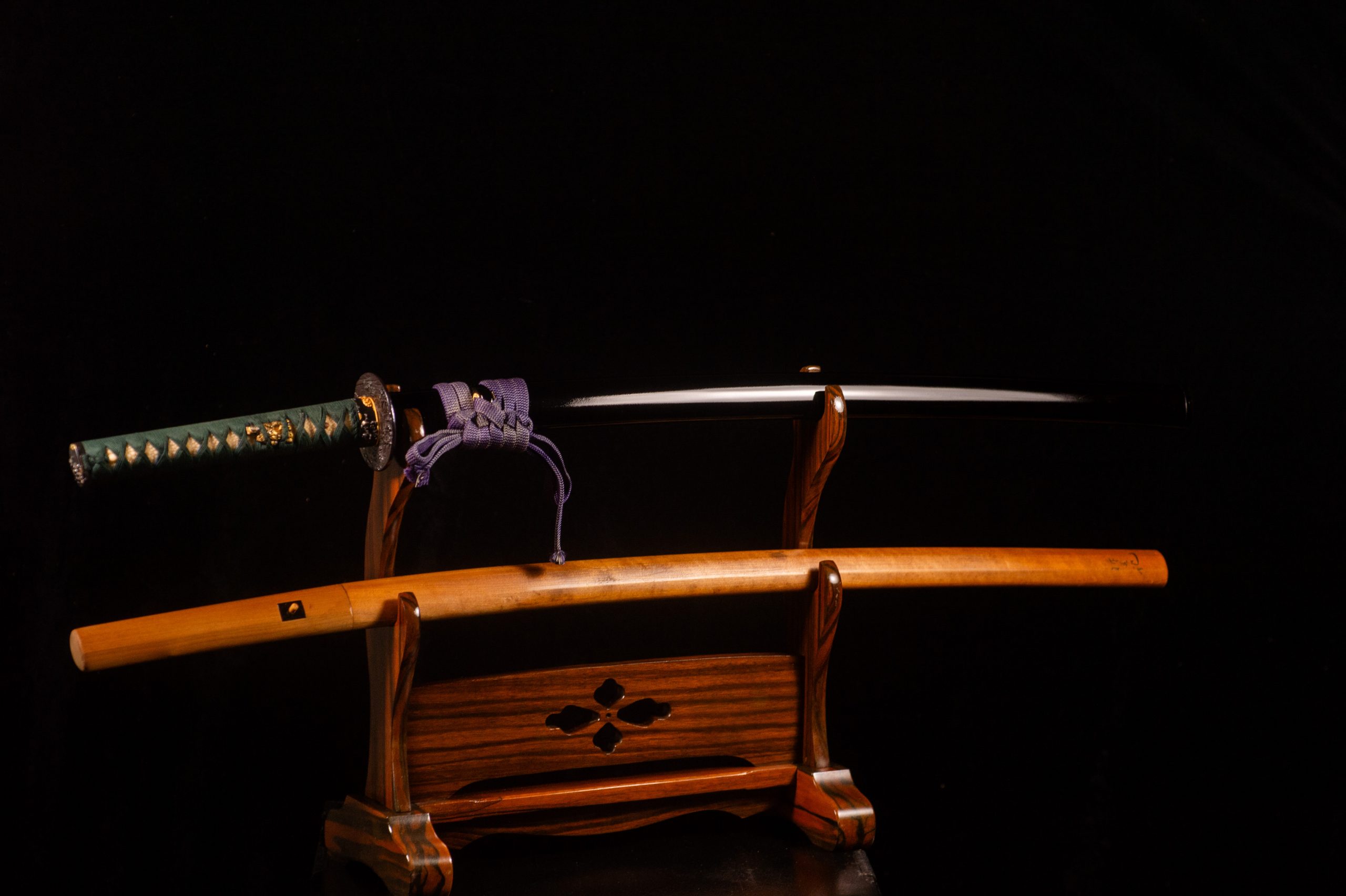
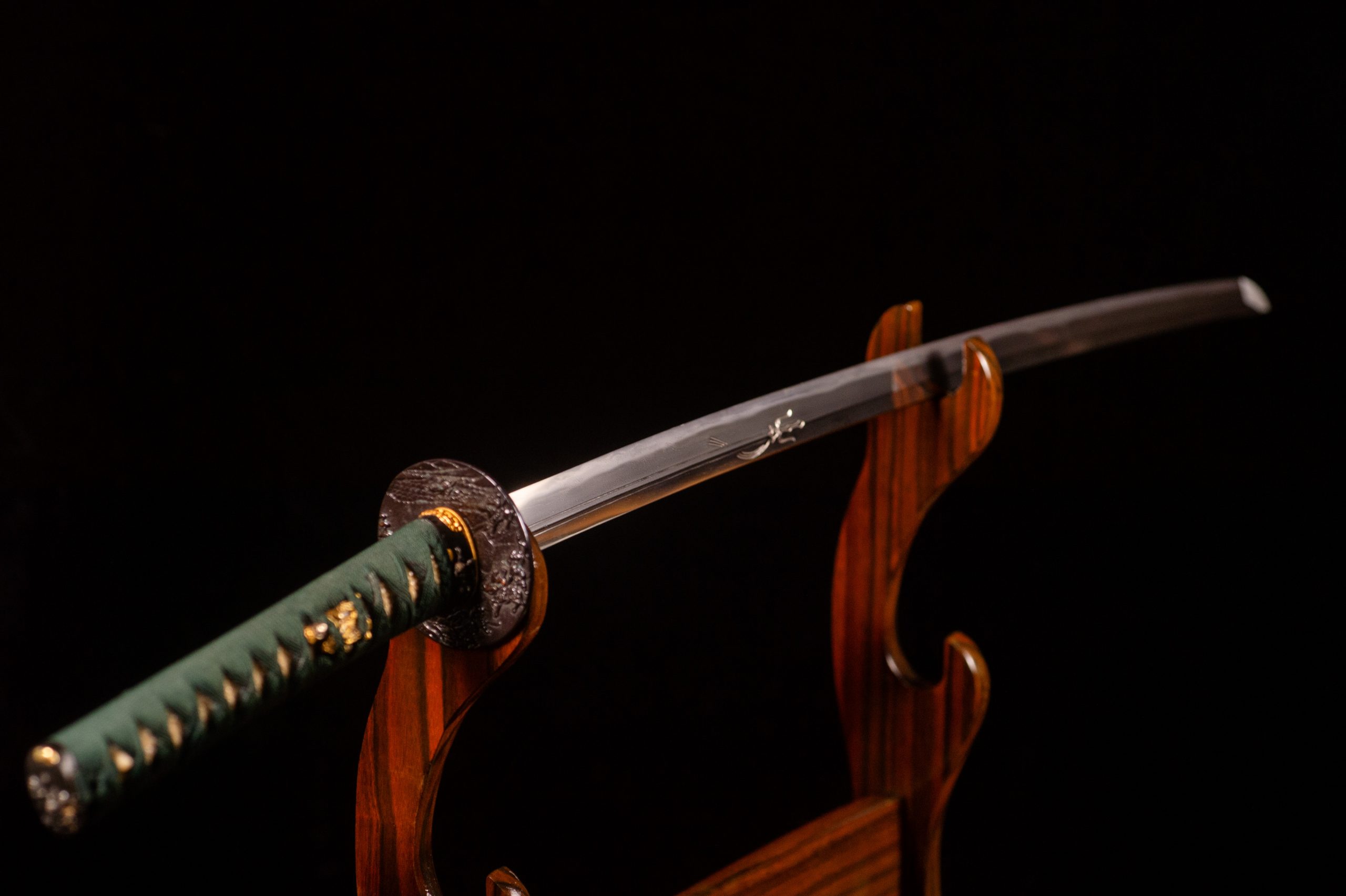
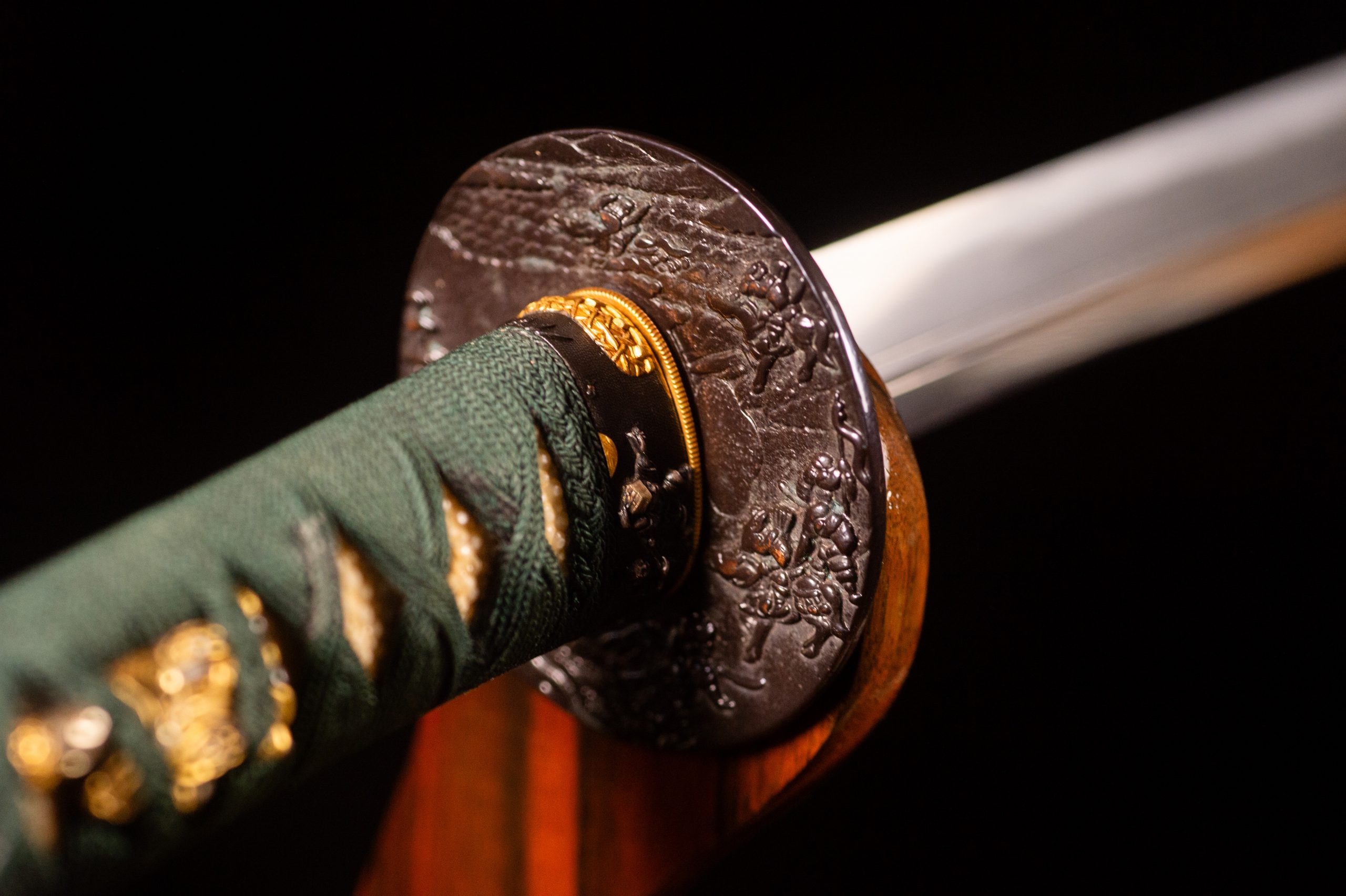
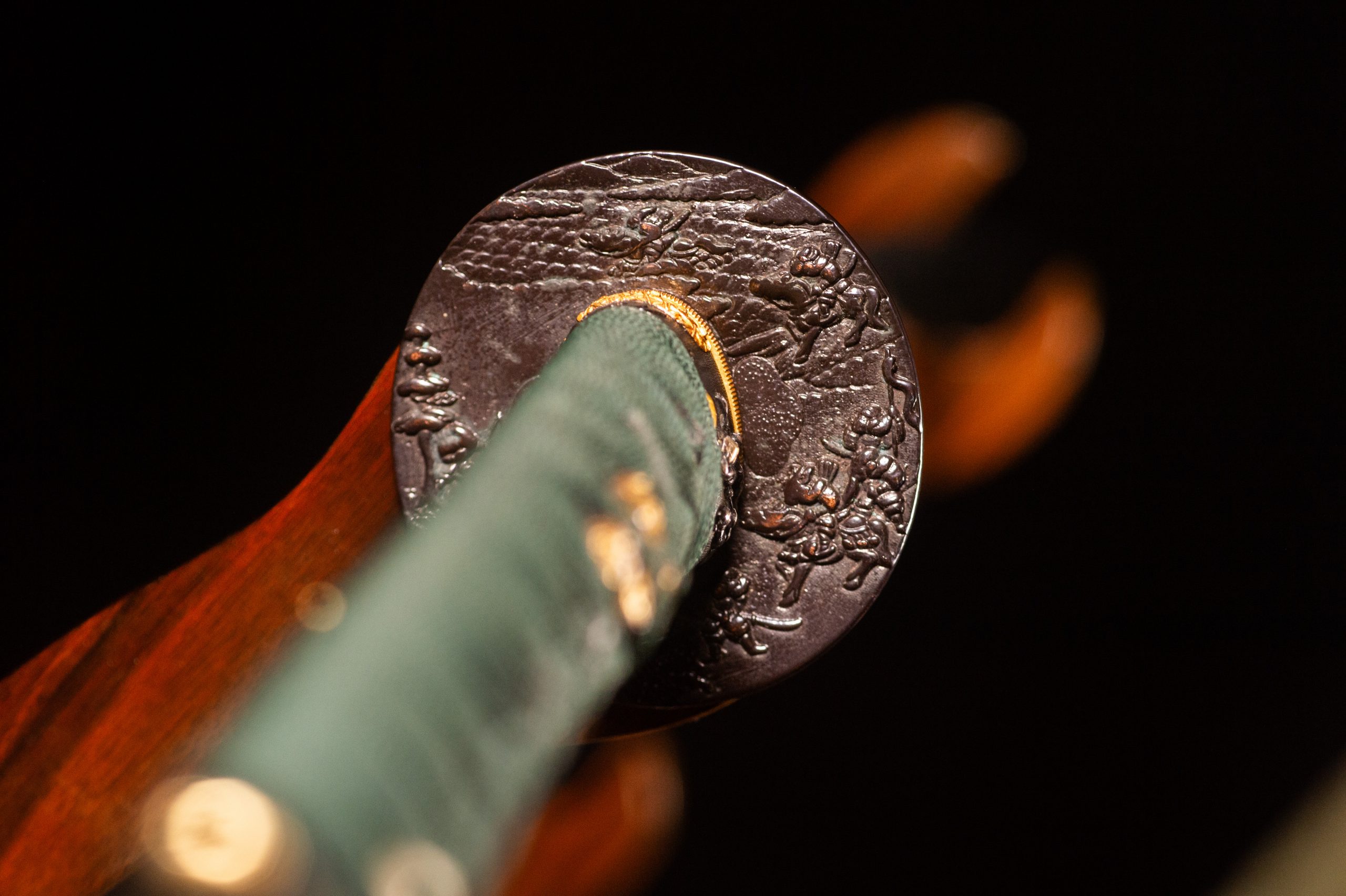
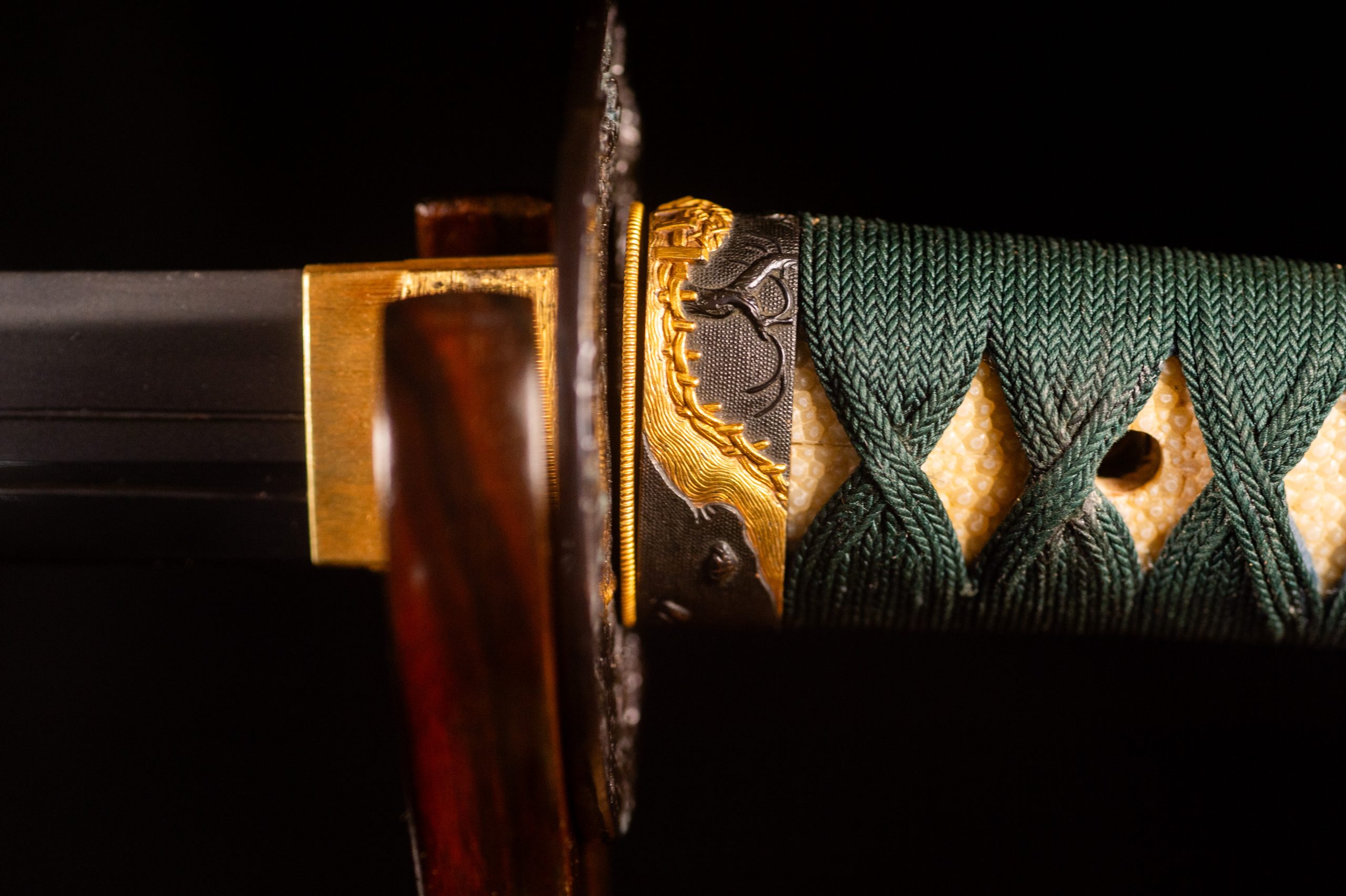
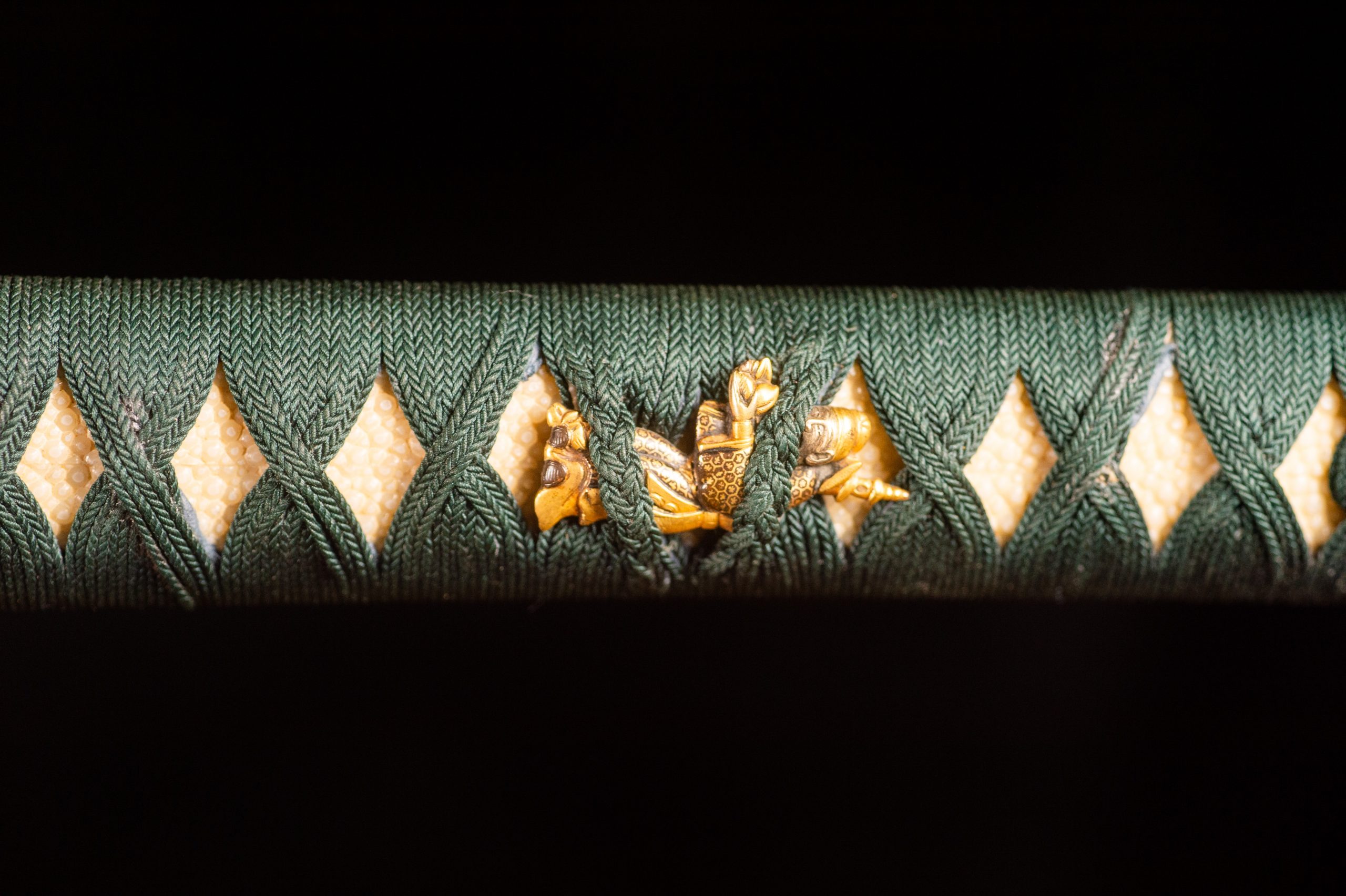
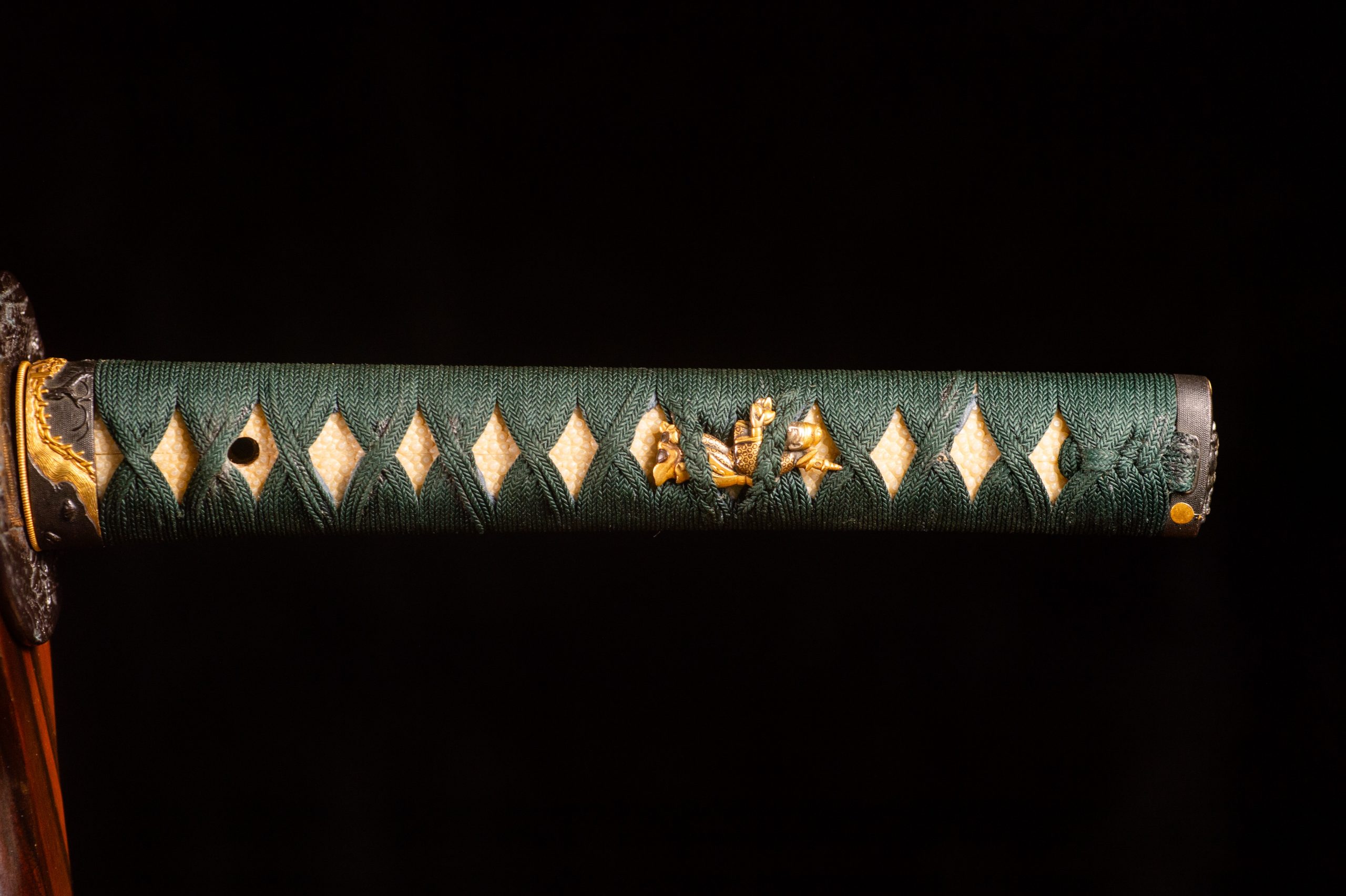
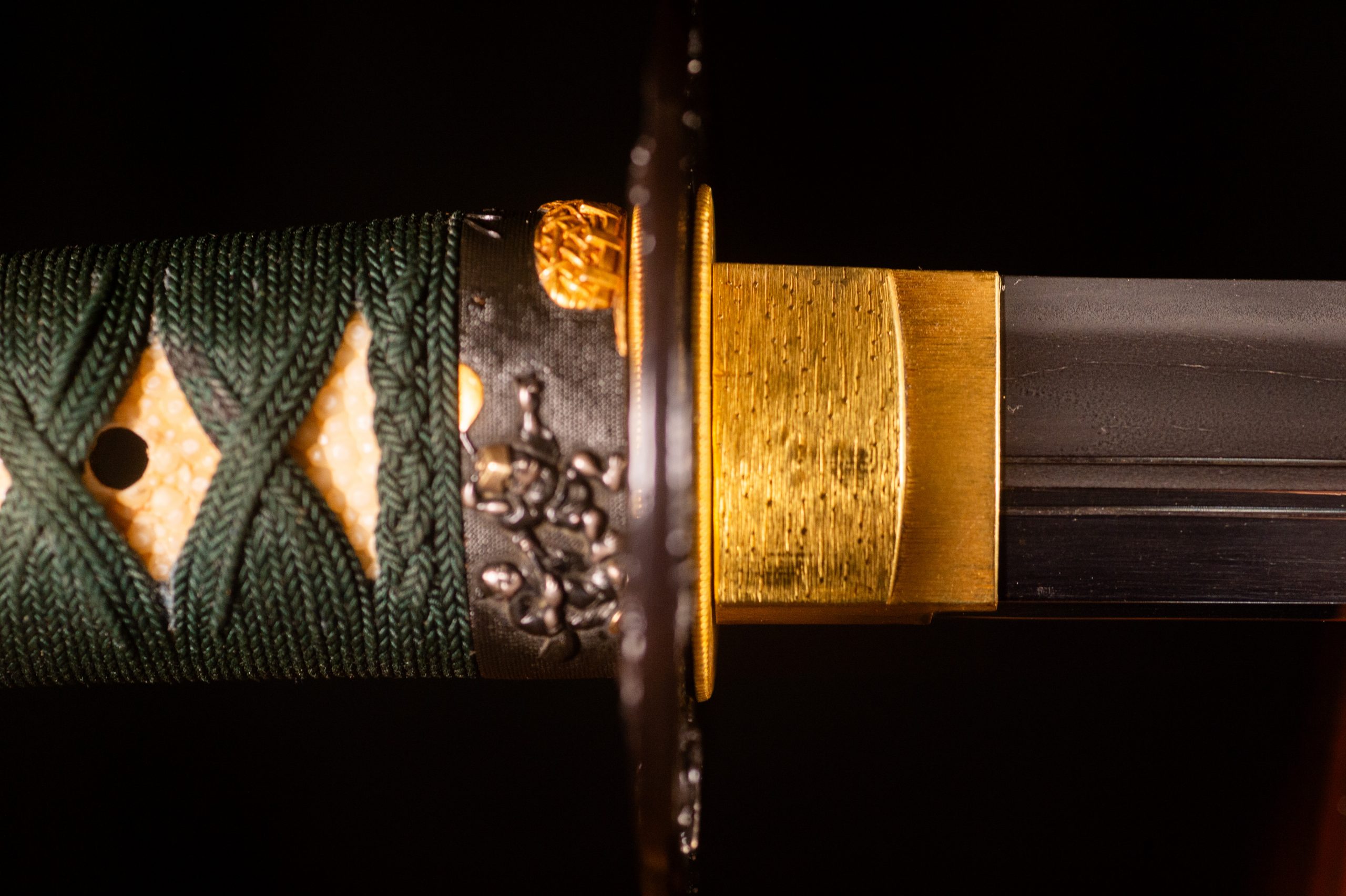
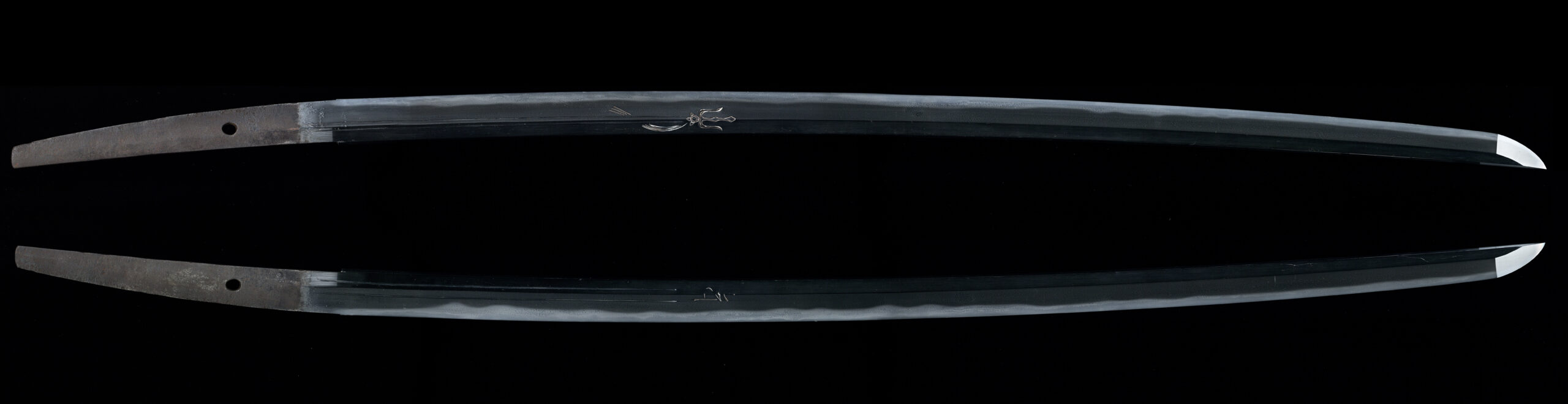
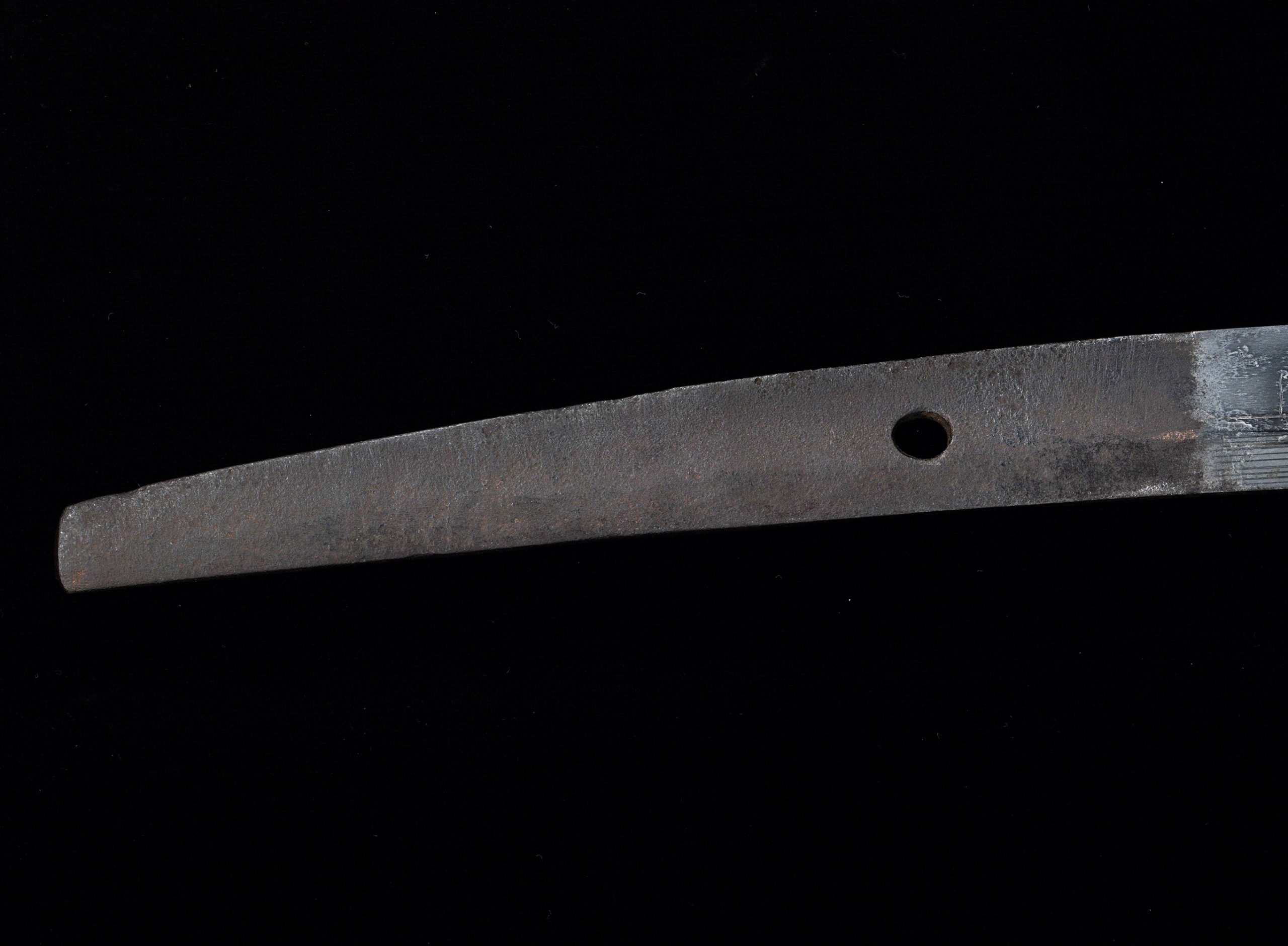
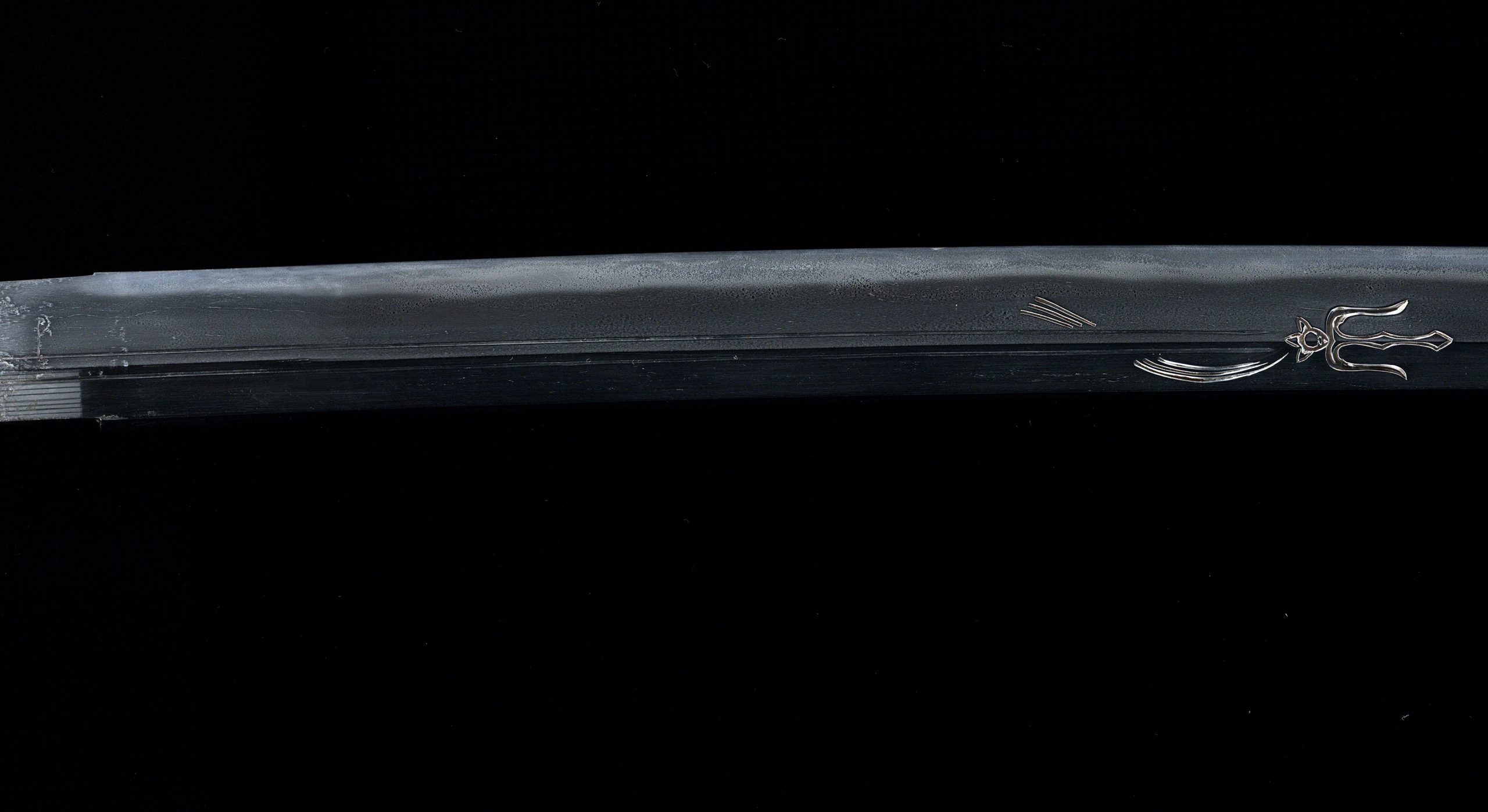
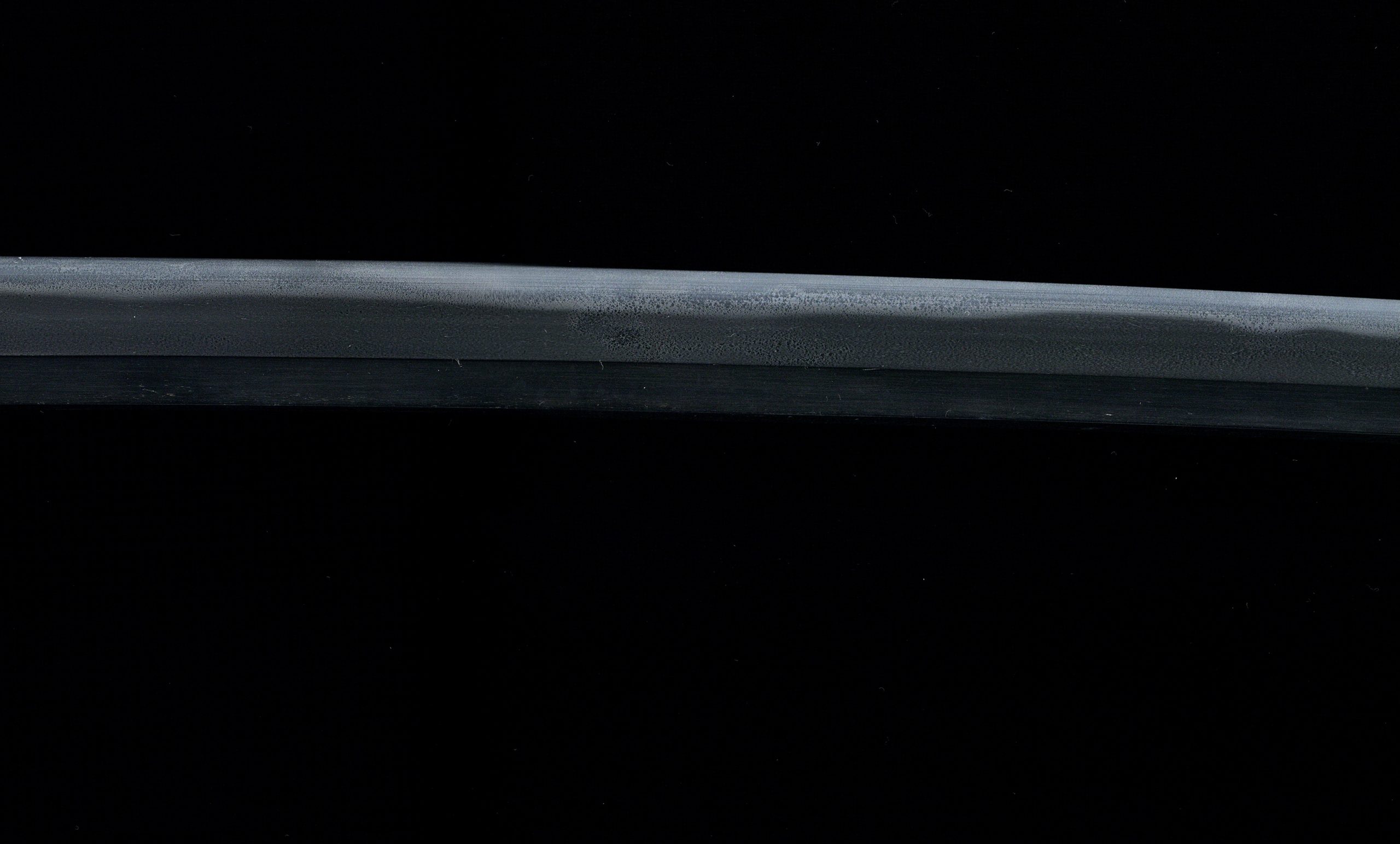
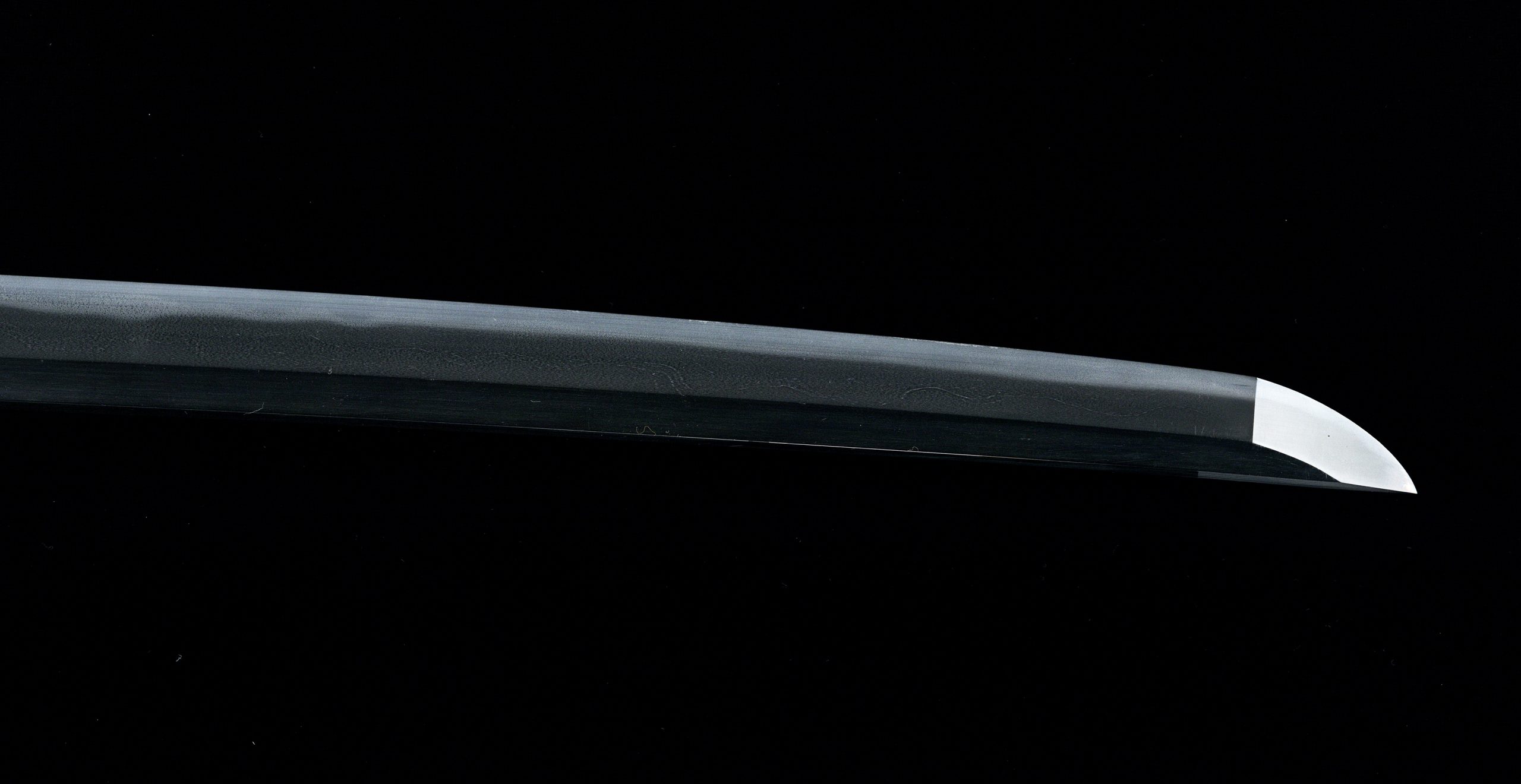
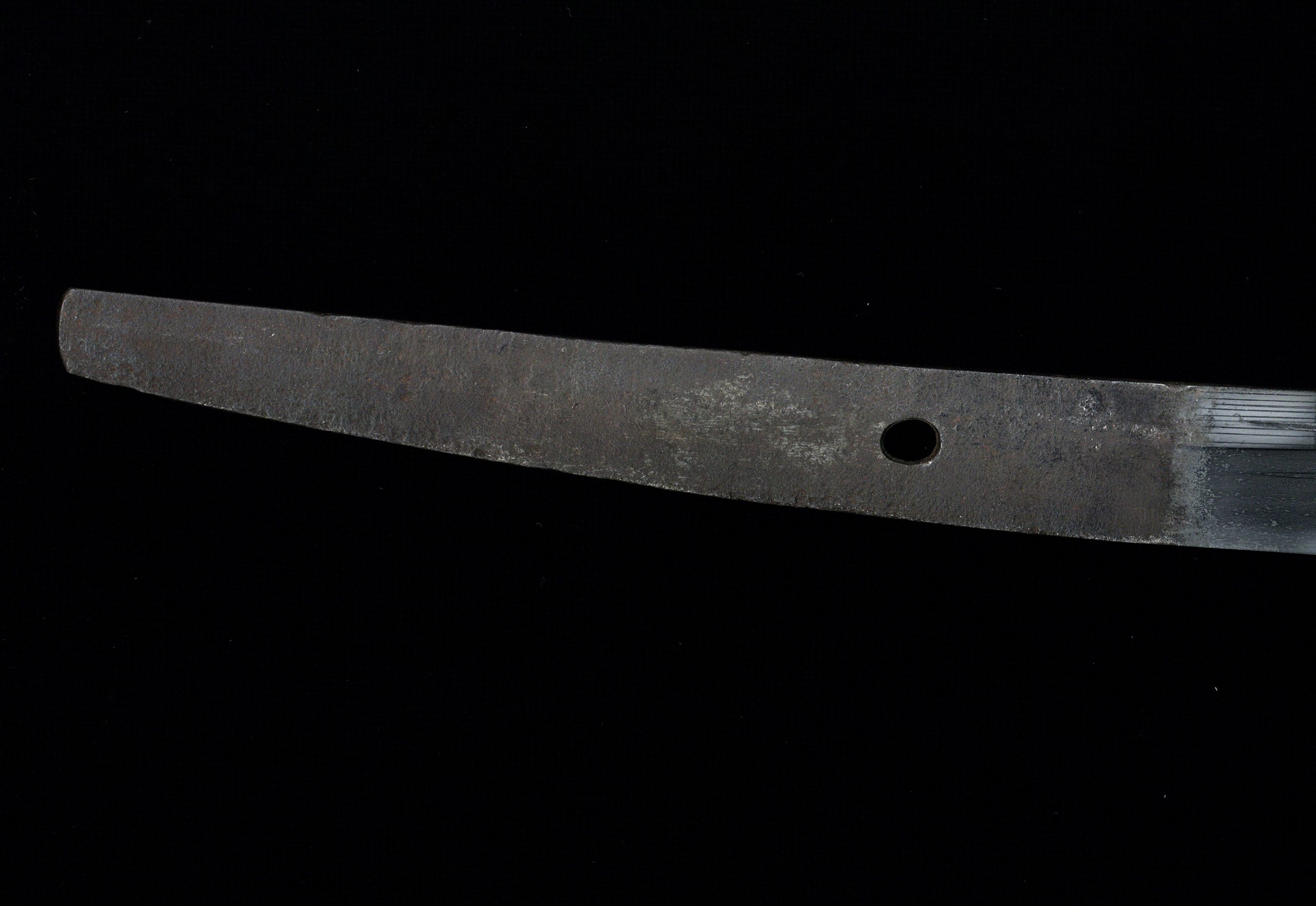
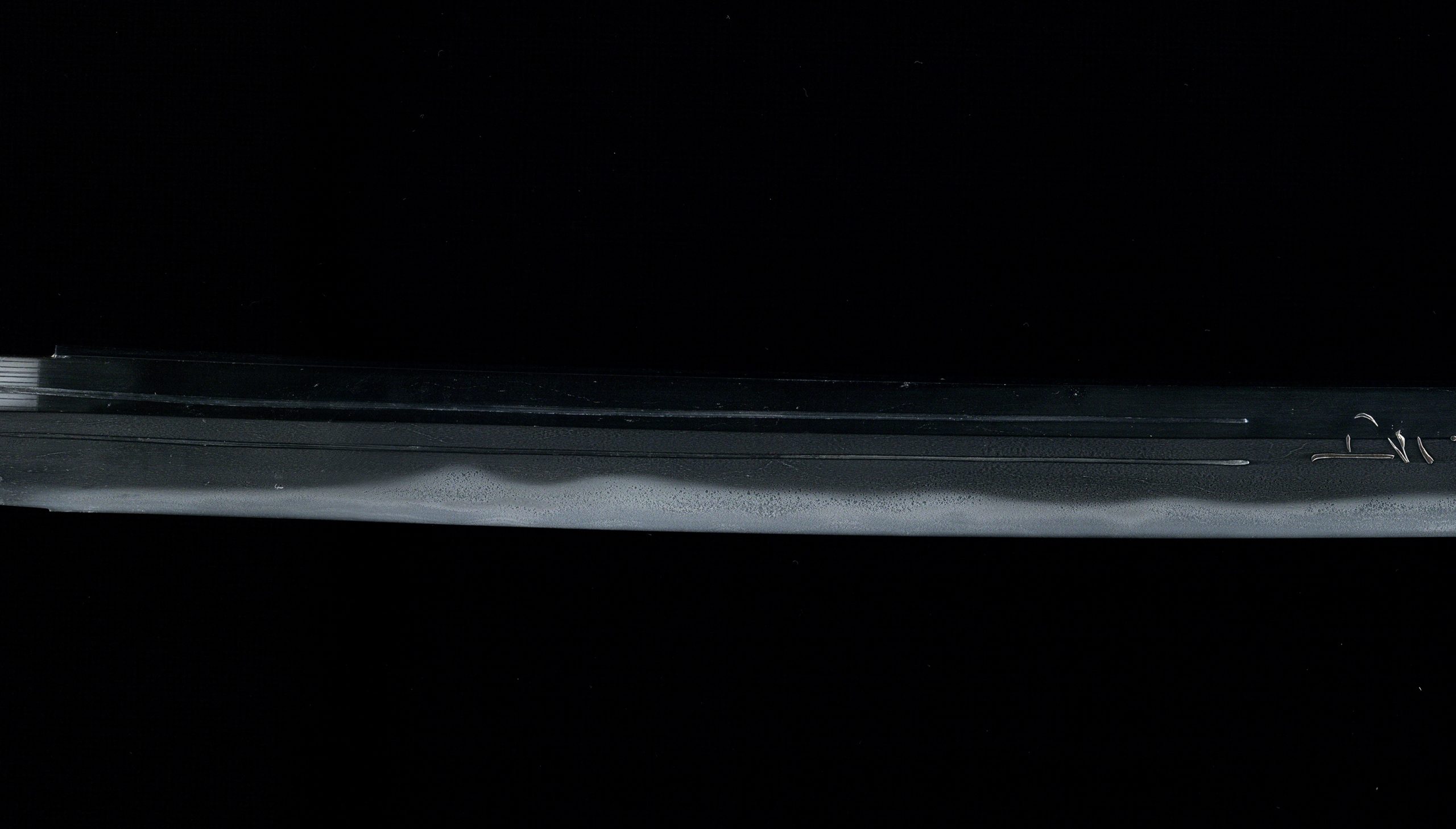
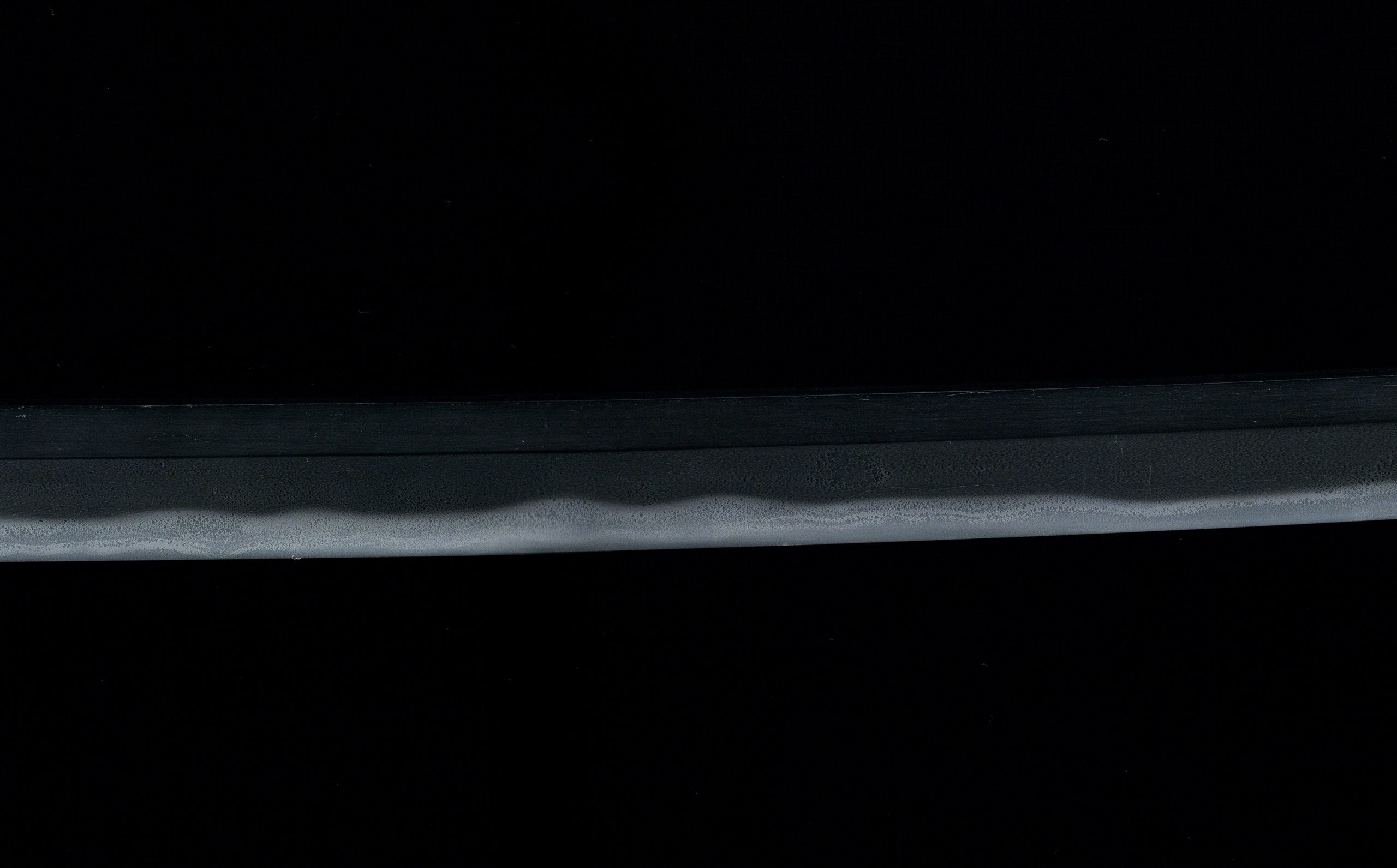
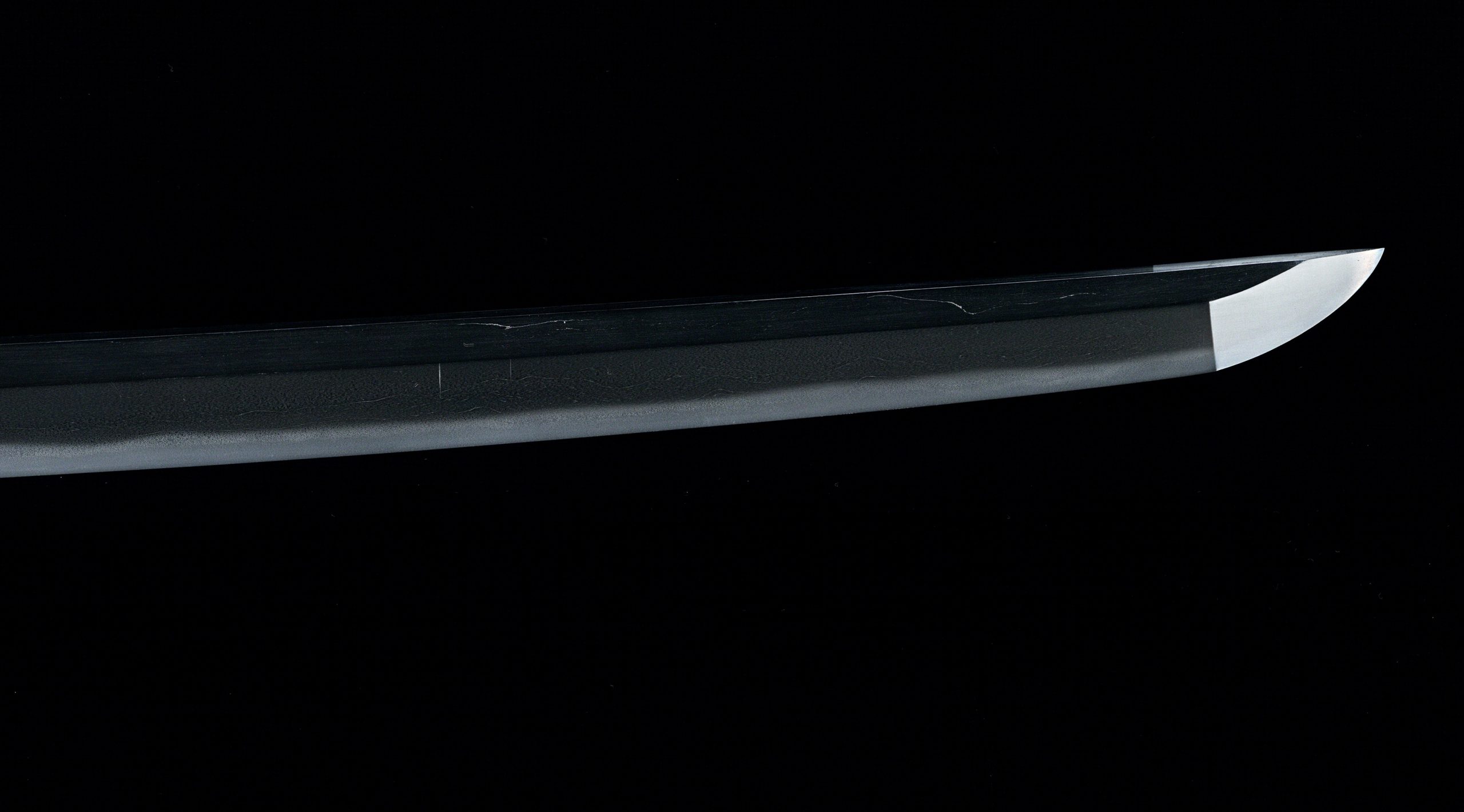
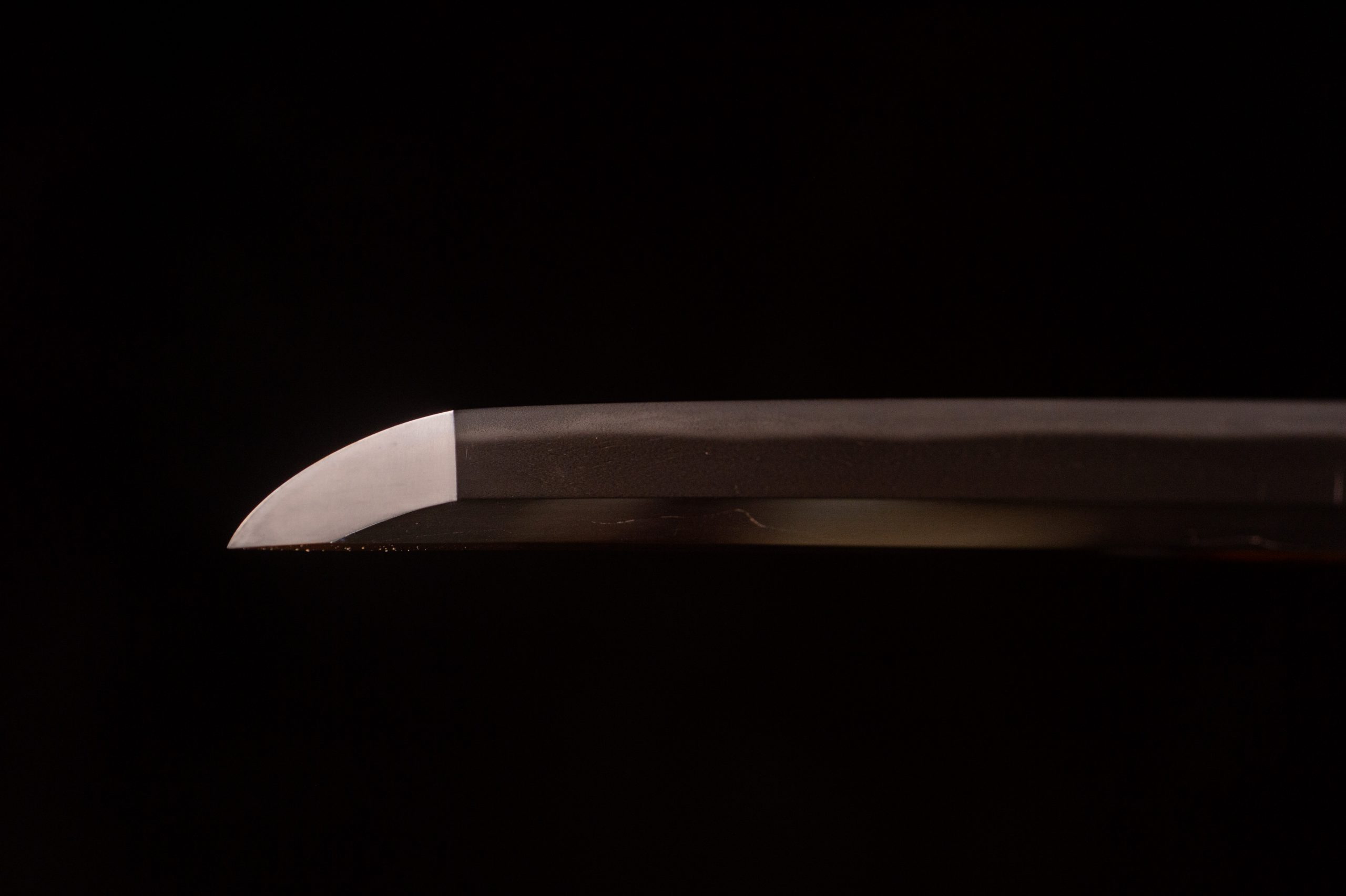
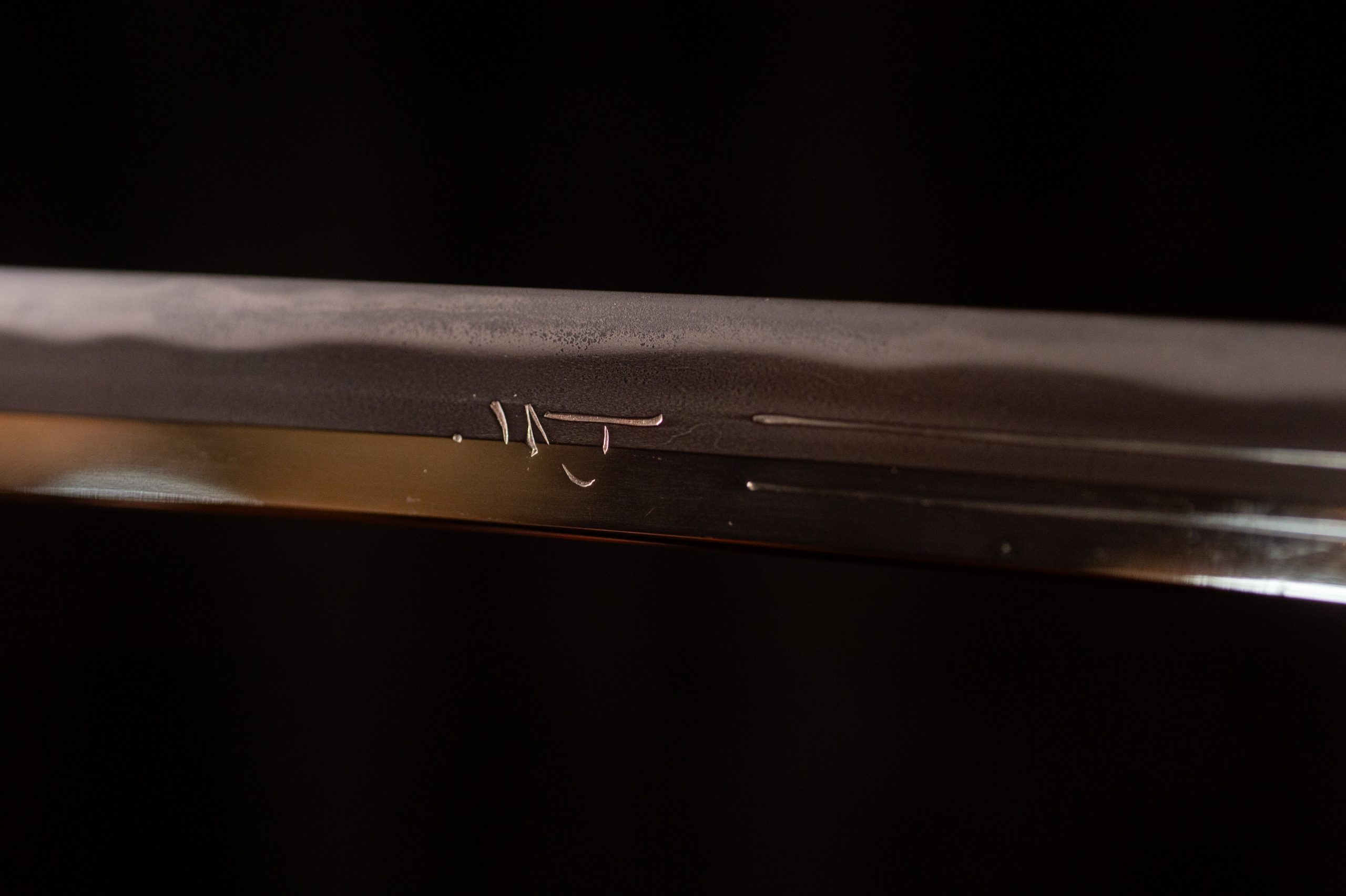
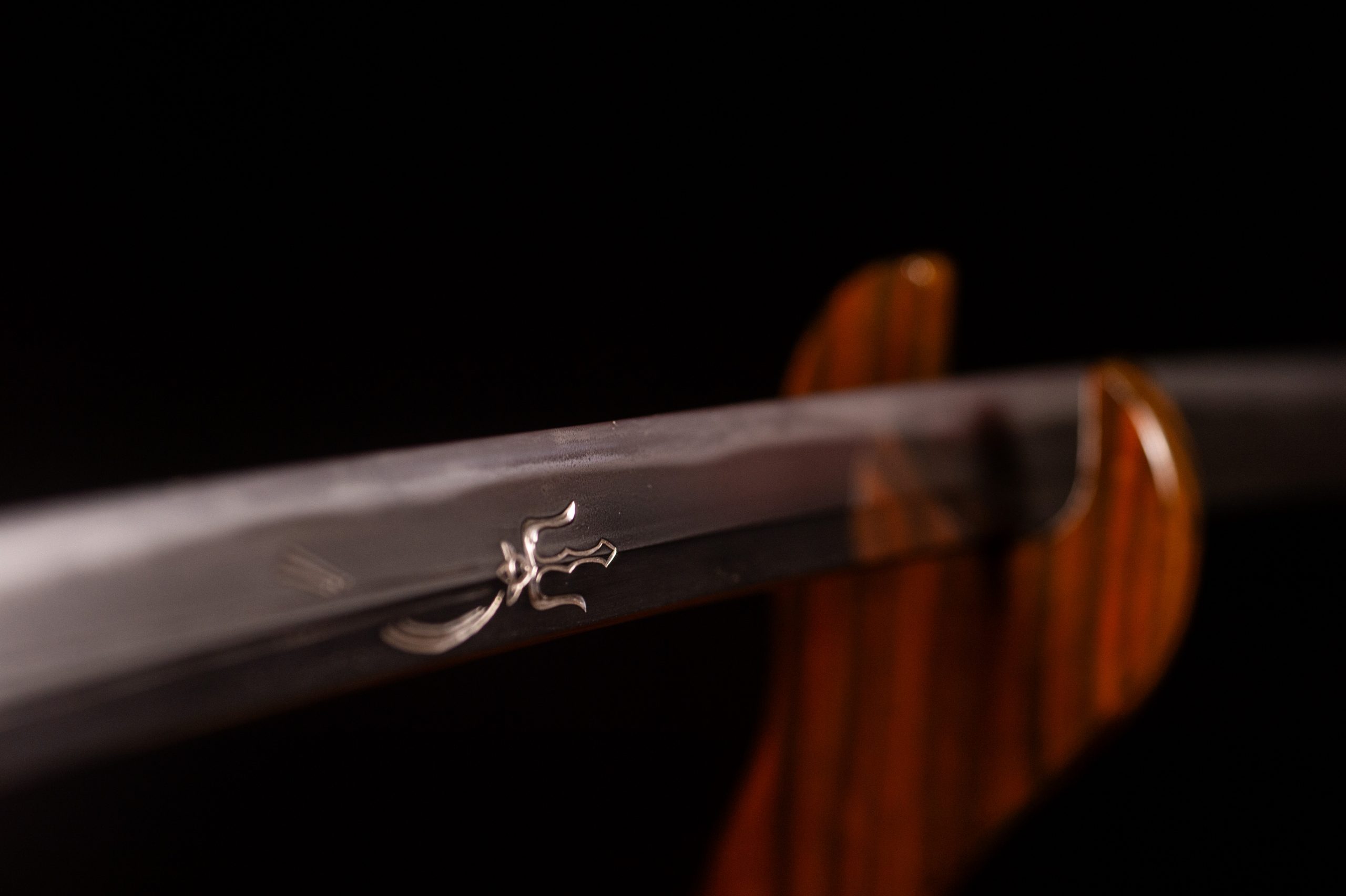
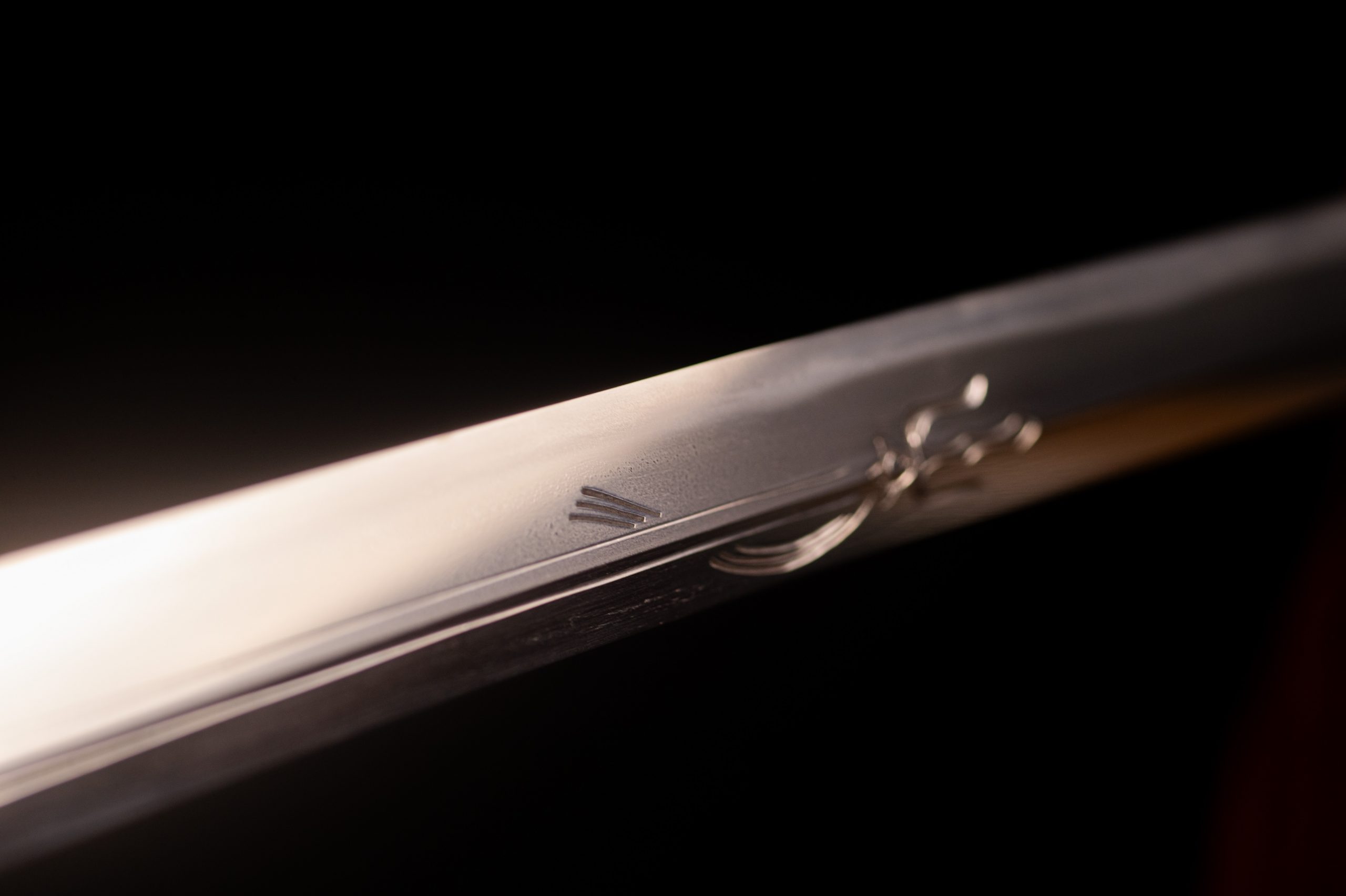
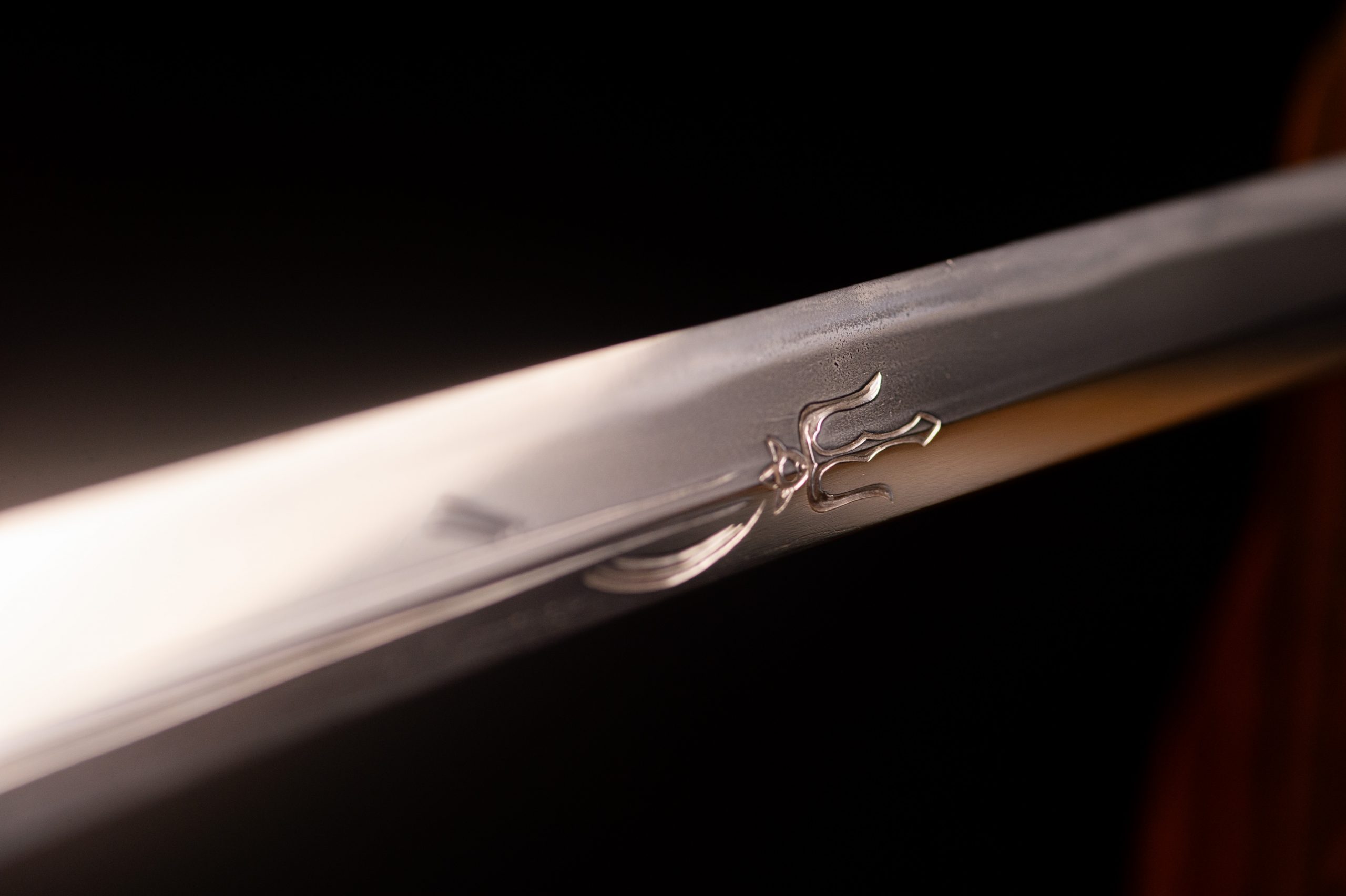
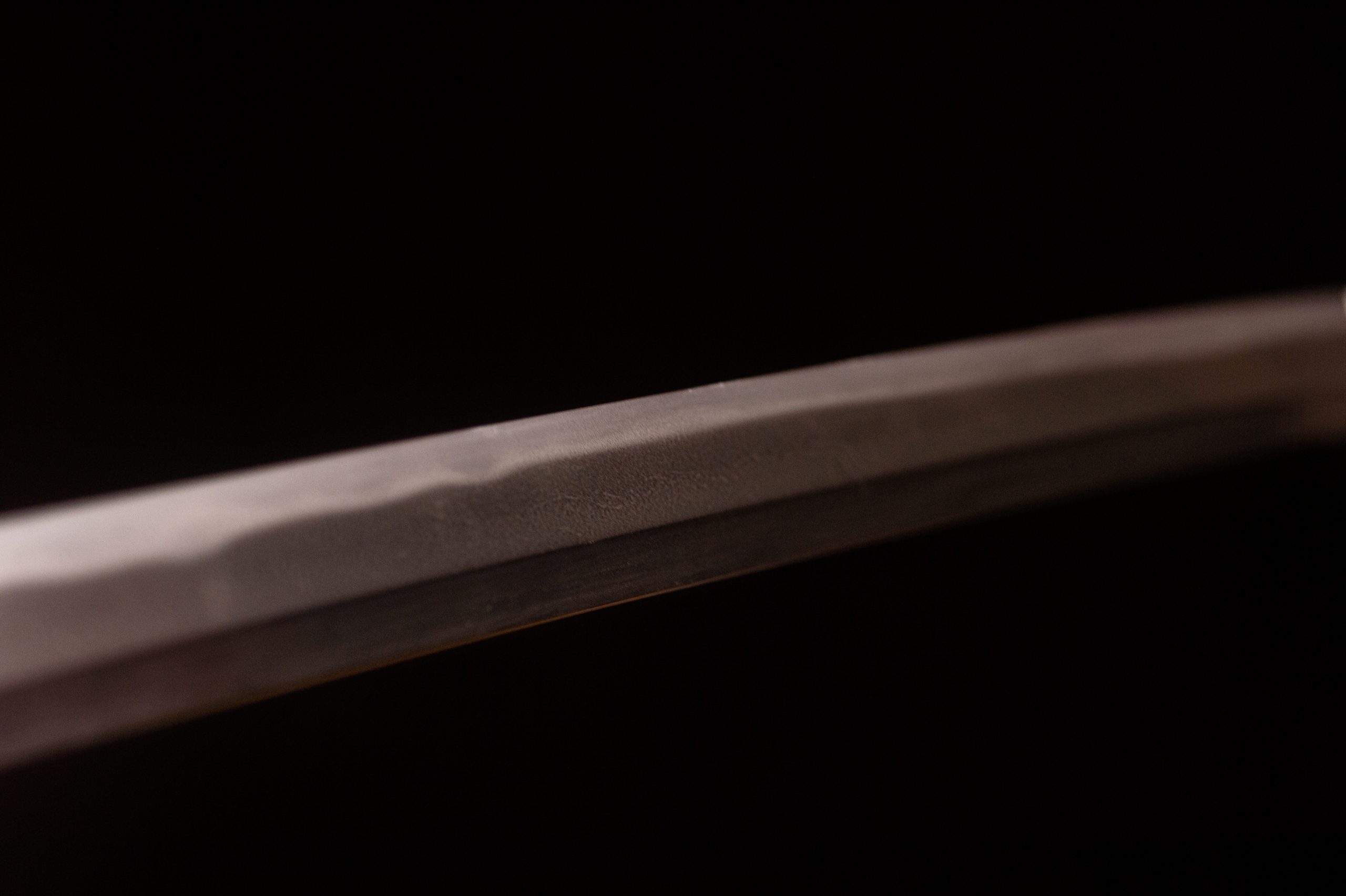
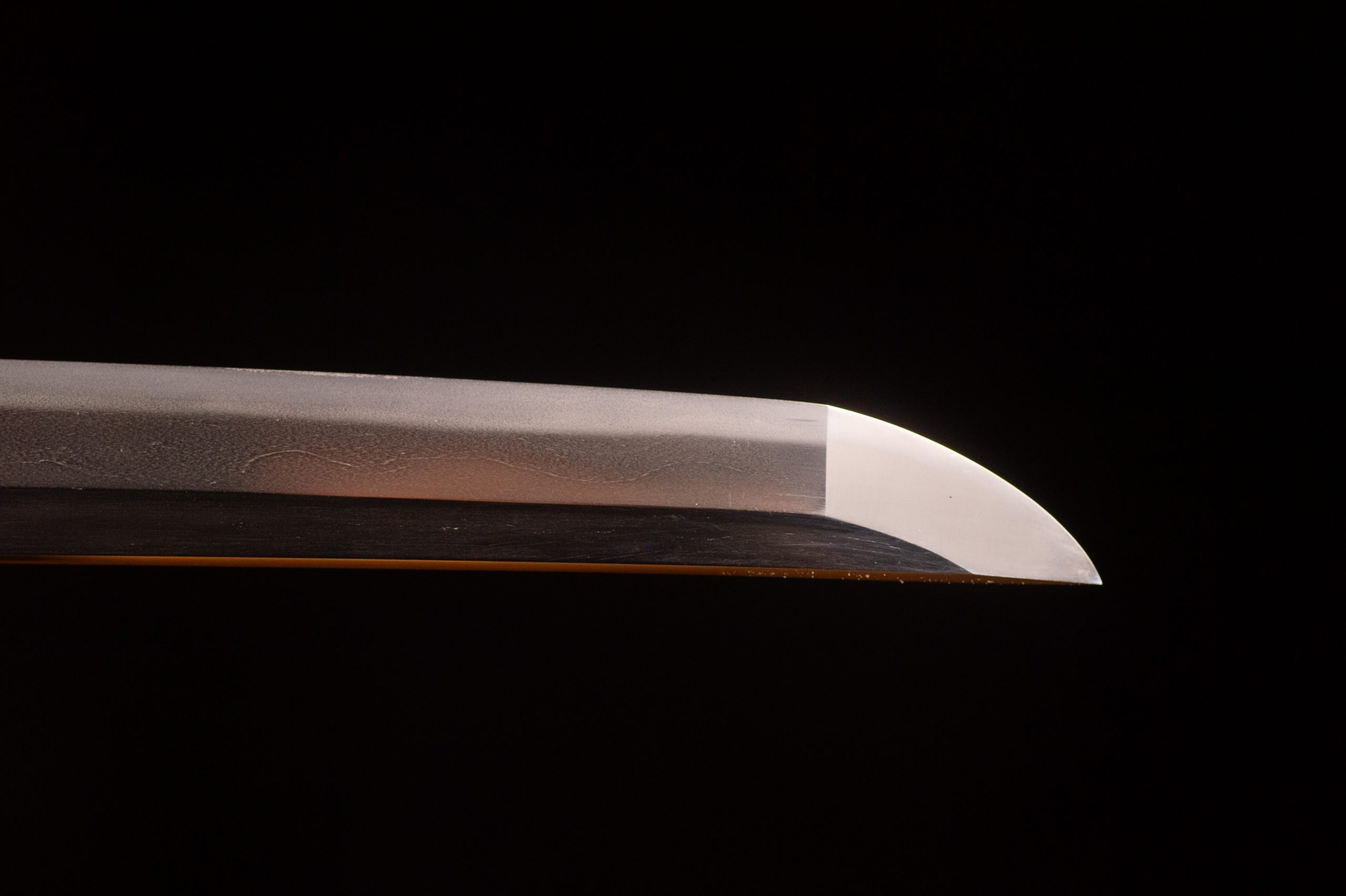
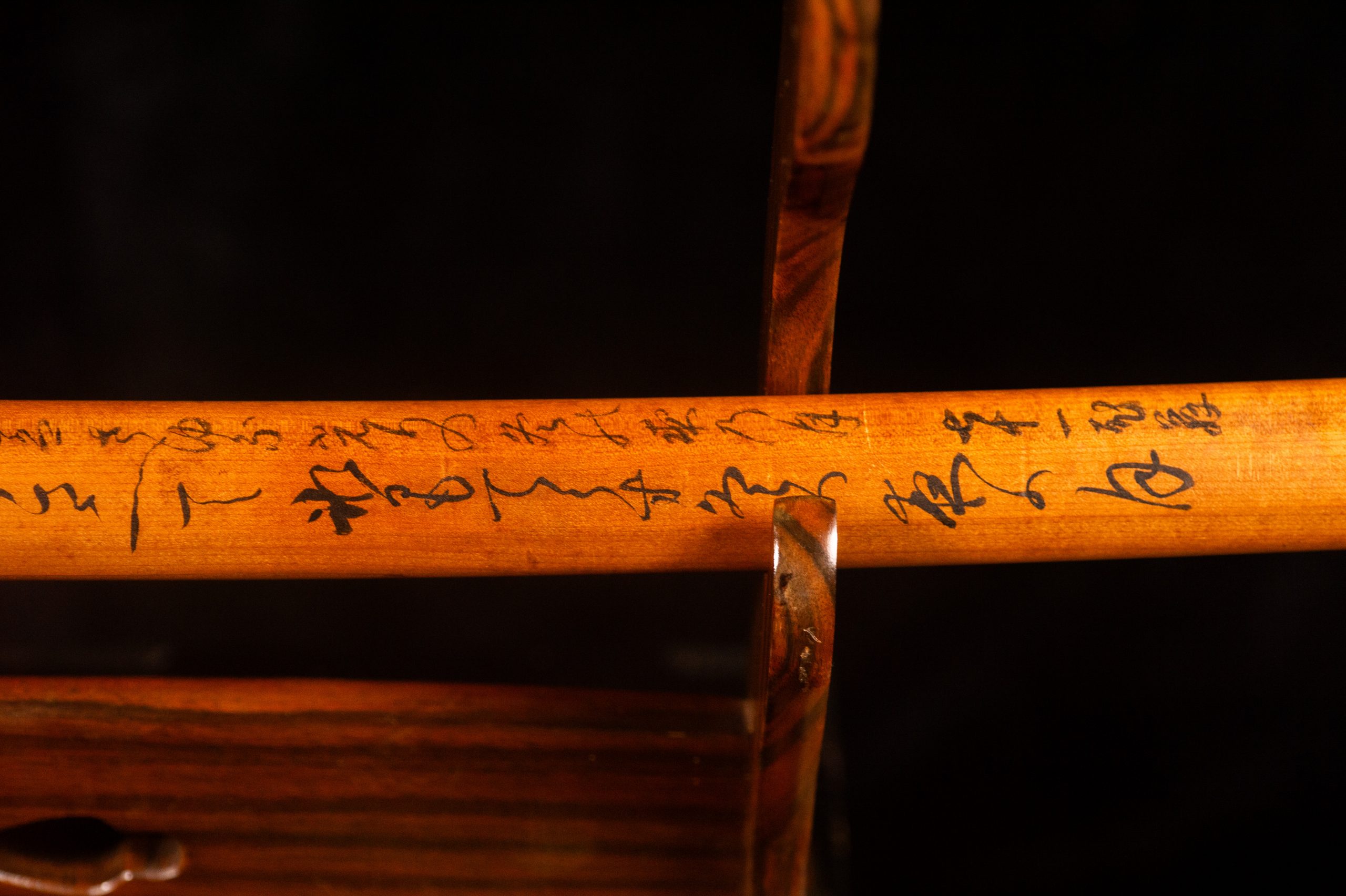
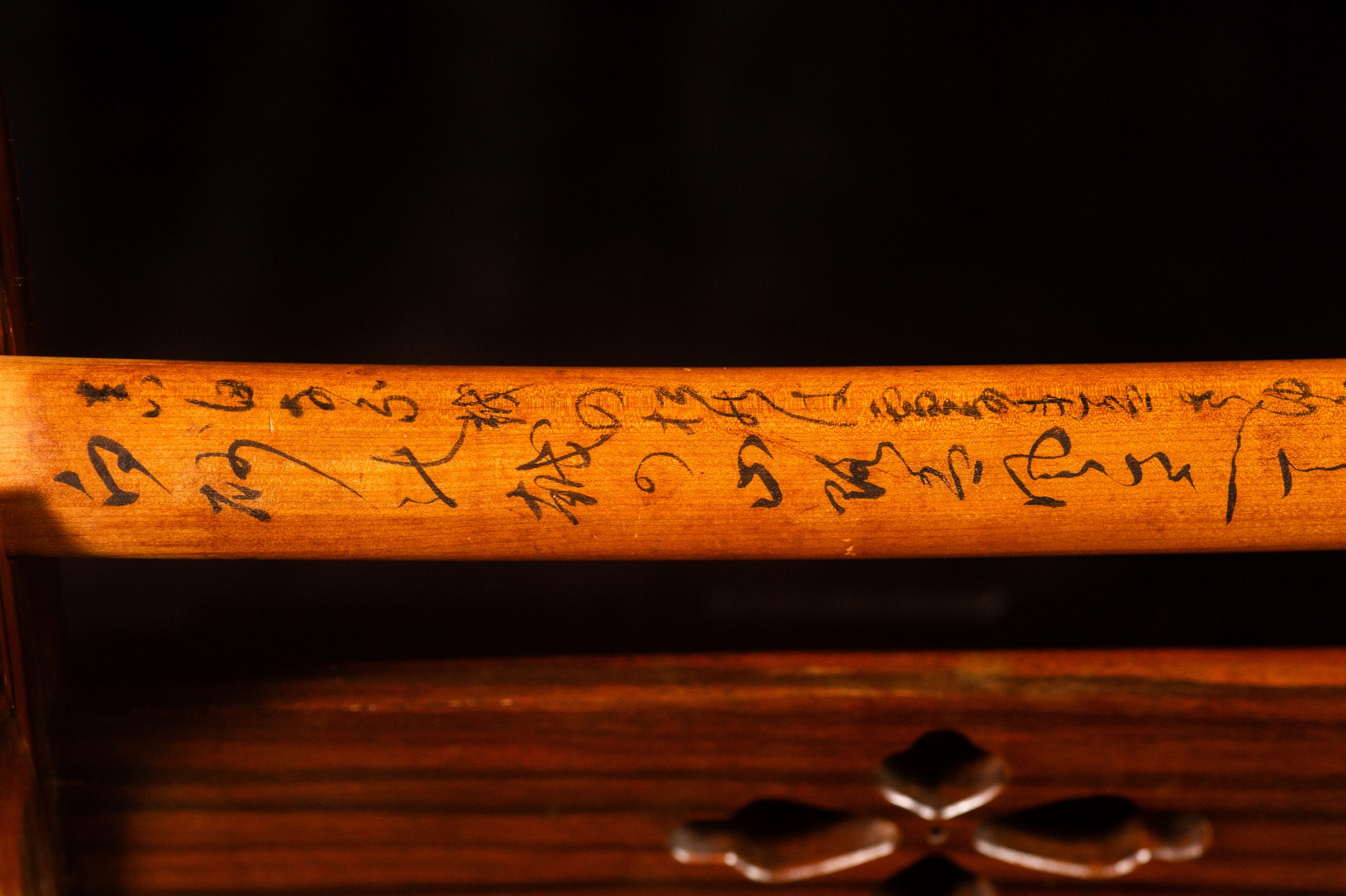
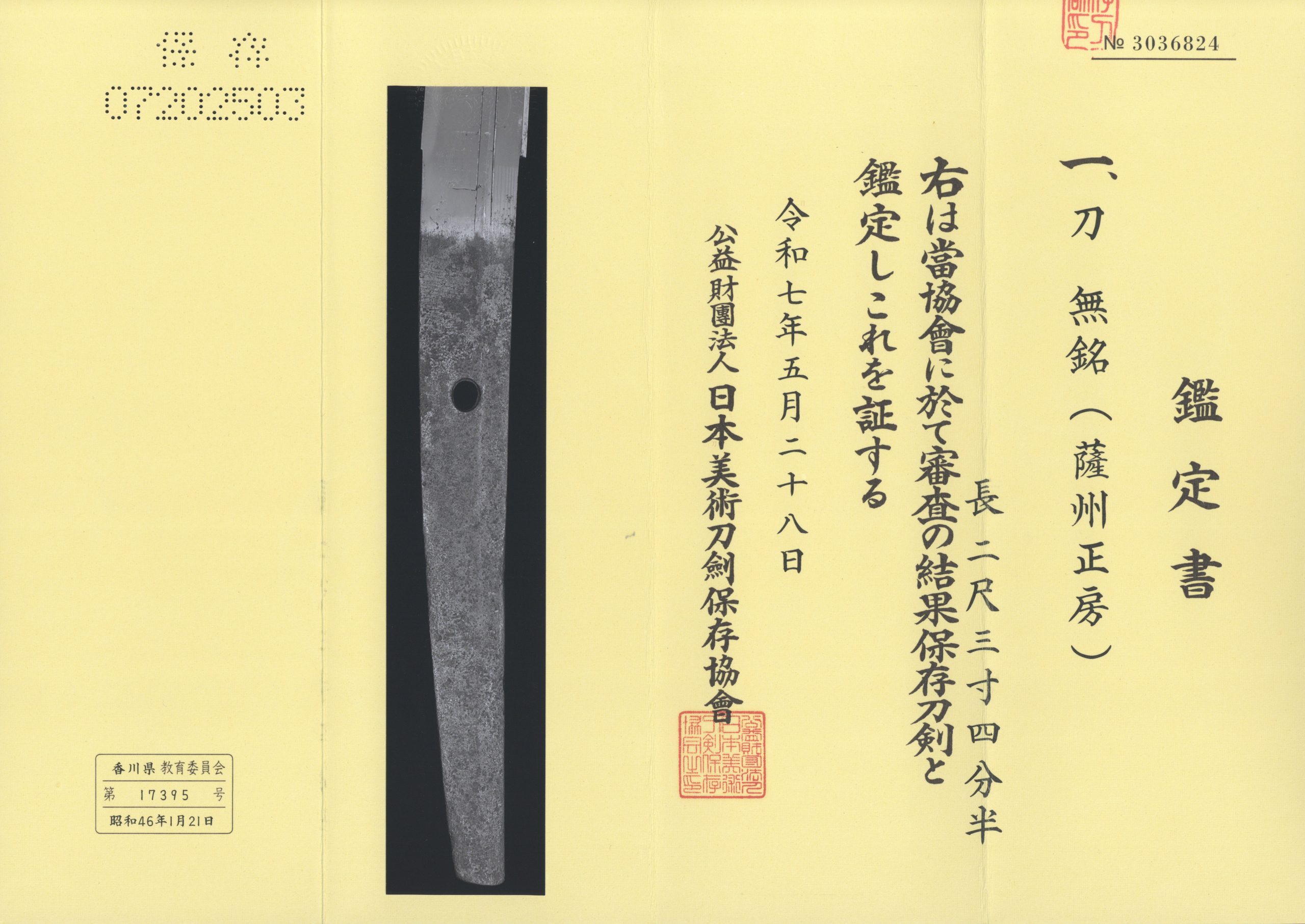
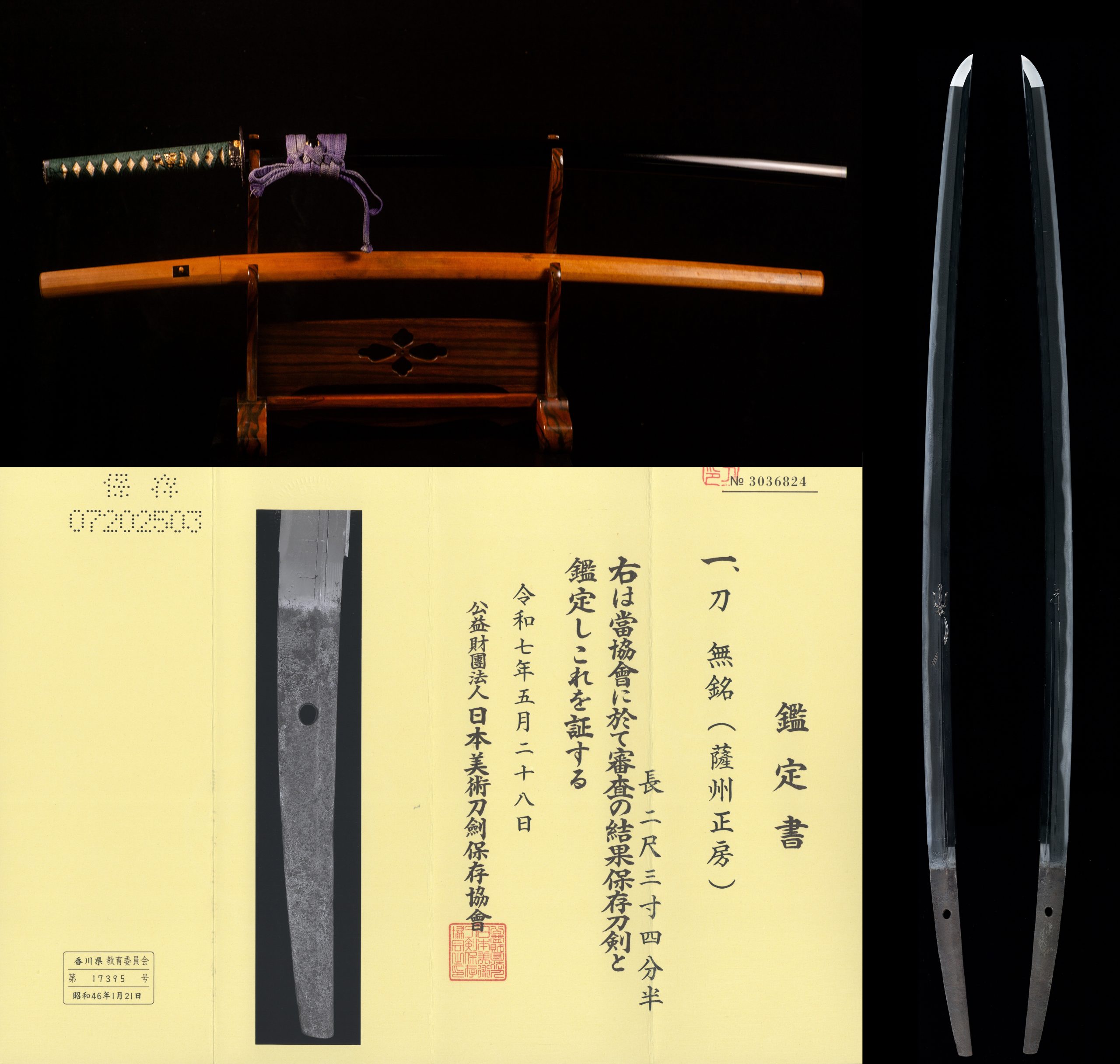
Description ITEM DESCRIPTION: Comes with kimono or cotton bag. Comes with certificate of supein Nihonto. Smith, school, period, and context The NBTHK (Nihon Bijutsu Tōken Hozon Kyōkai) —Japan’s central preservation foundation, established in 1948 under government authorization and the body behind the country’s most influential certification framework (including Hozon )—attributes this blade to 薩州正房 (Sasshū Masafusa) . Masafusa belongs to the historic Satsuma (Kagoshima) group that reshaped local swordmaking in the Edo period . Kagoshima’s documented tradition places Masafusa as the successor to Ujifusa , connecting the line to training in Mino and to the later absorption of Sōshū-den methods—an intentional shift away from the older Naminohira/Yamato axis toward a more forceful, “alive” steel surface. This is not marketing language: it points to jigane rich in ji-nie , more pronounced chikei , and a distinctly Satsuma metallurgical “terrain” that specialists recognize immediately. Within that regional vocabulary, sources describe hallmark phenomena such as “imozuru” (vine-like lines associated with ji-nie/chikei behavior), along with nie that can visually push into the ji and a characteristic manner of tempering the bōshi known as satsuma-bōshi . This is technical identity, not ornament. Chronologically, the Masafusa name is documented from early Shintō (17th century) the attribution anchors the work firmly within Edo, broadly c. 17th. Blade A katana with certified nagasa of 67.7 cm , featuring a dark-patinated nakago with one mekugi-ana visible. The geometry reads clean and purposeful, with taut lines and a classic silhouette. Mid-blade, horimono work is present: on one side, a sharply executed symbolic motif ; on the other, a refined set of two fine parallel grooves (suji-hi) accompanied by a small incised mark—adding visual depth without disrupting the elegance of the surface. The result is coherent: controlled ornament where it belongs, and steel kept as the cent
 NihontoWatch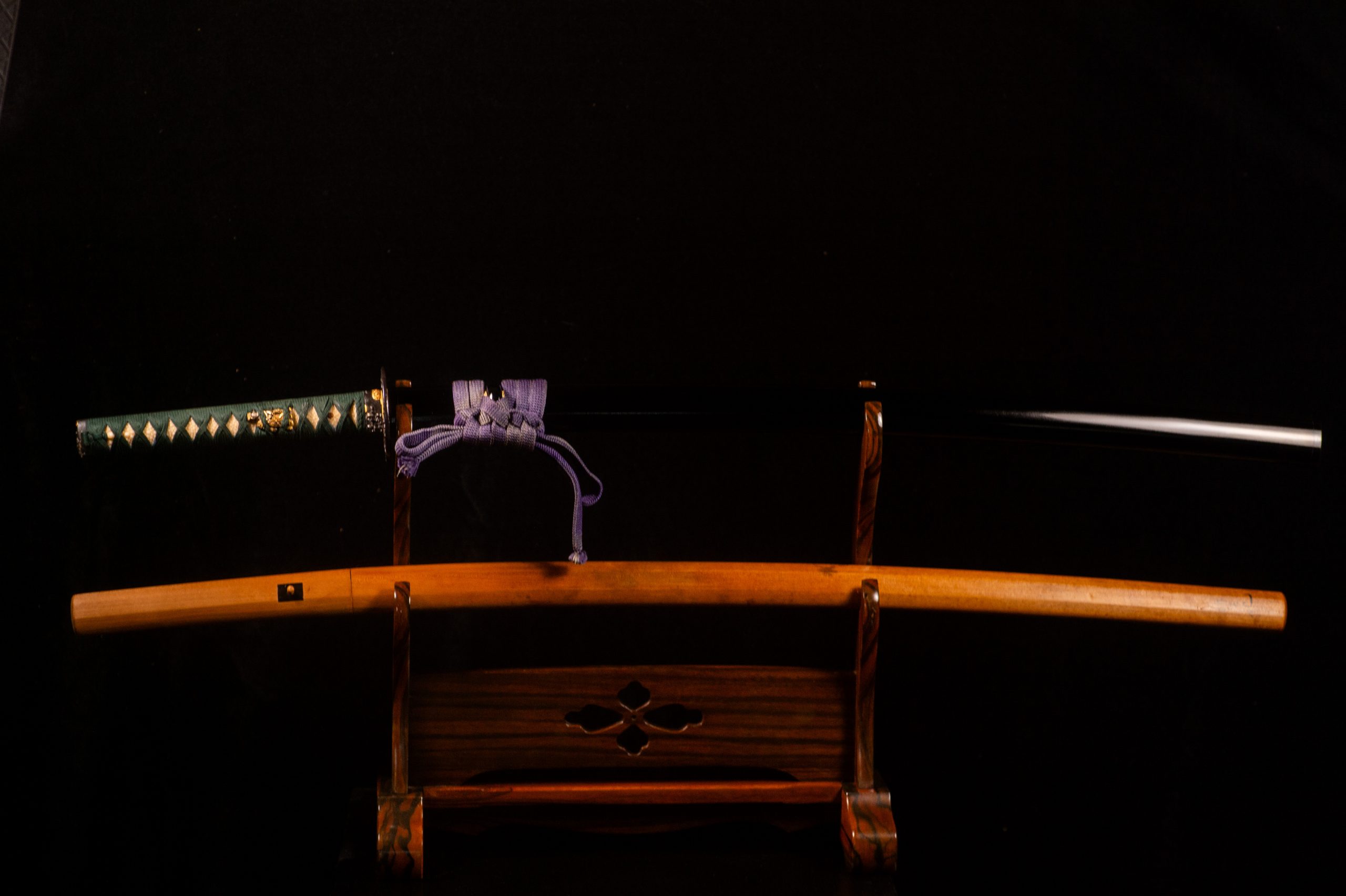
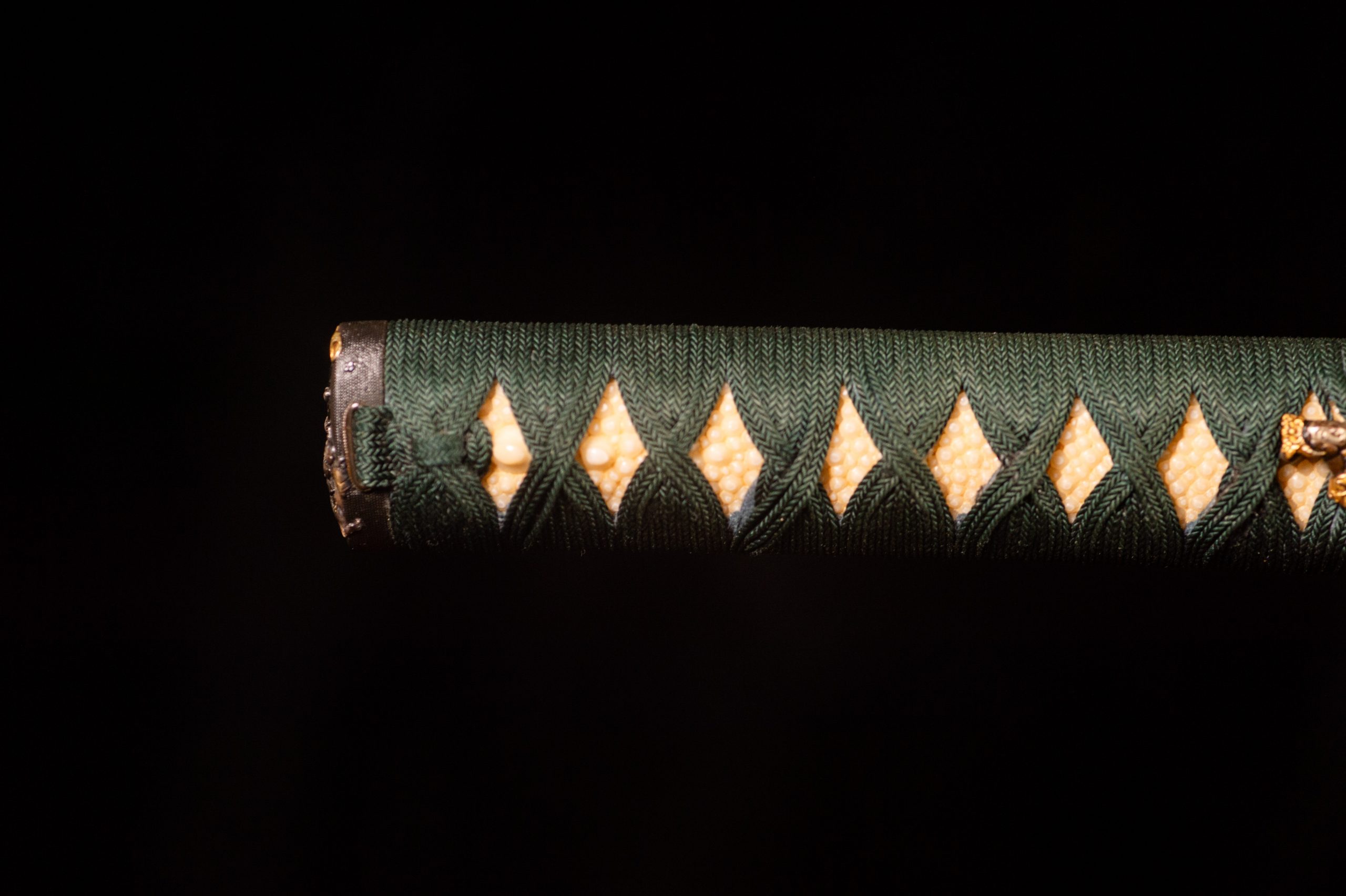
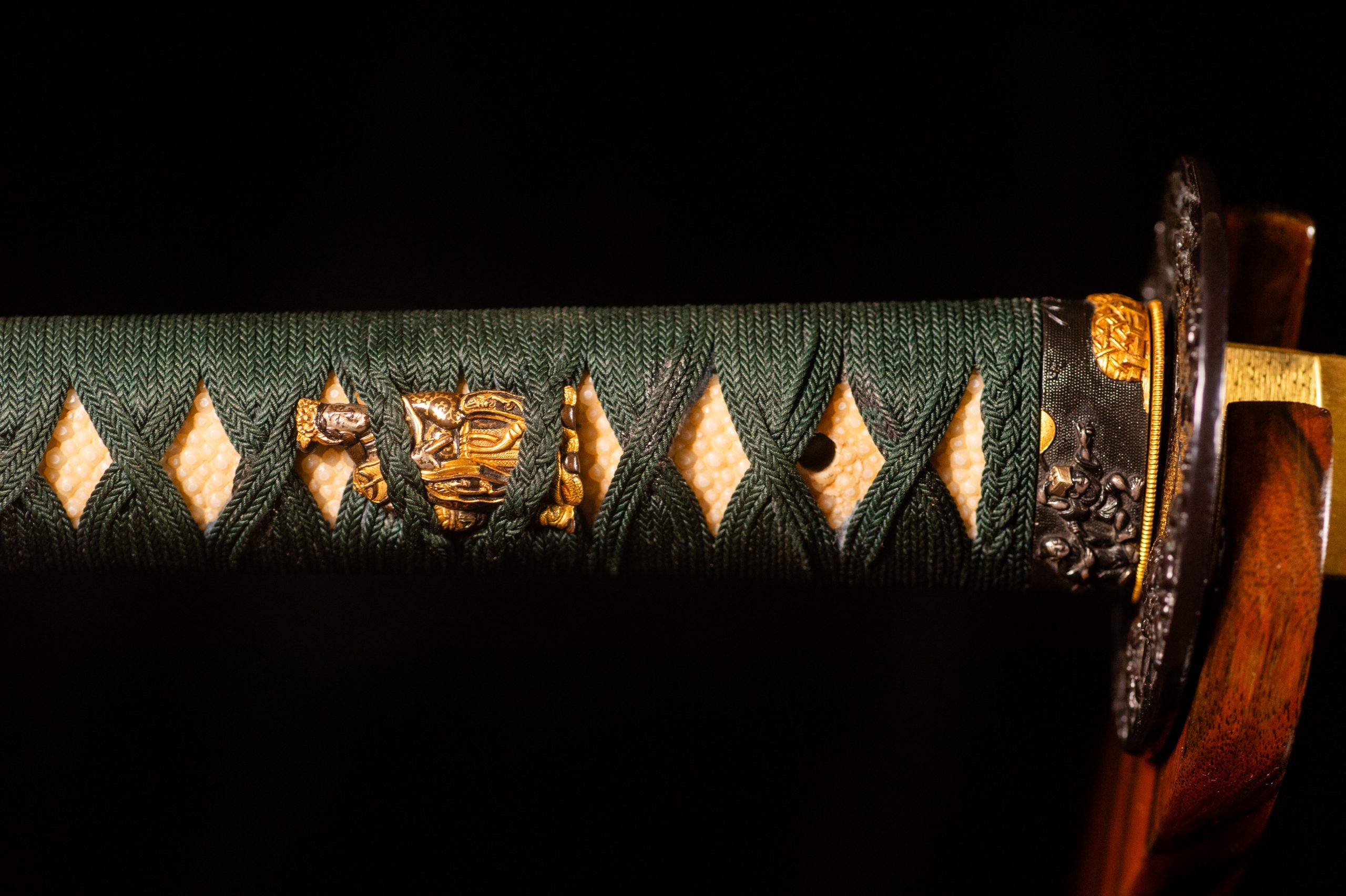
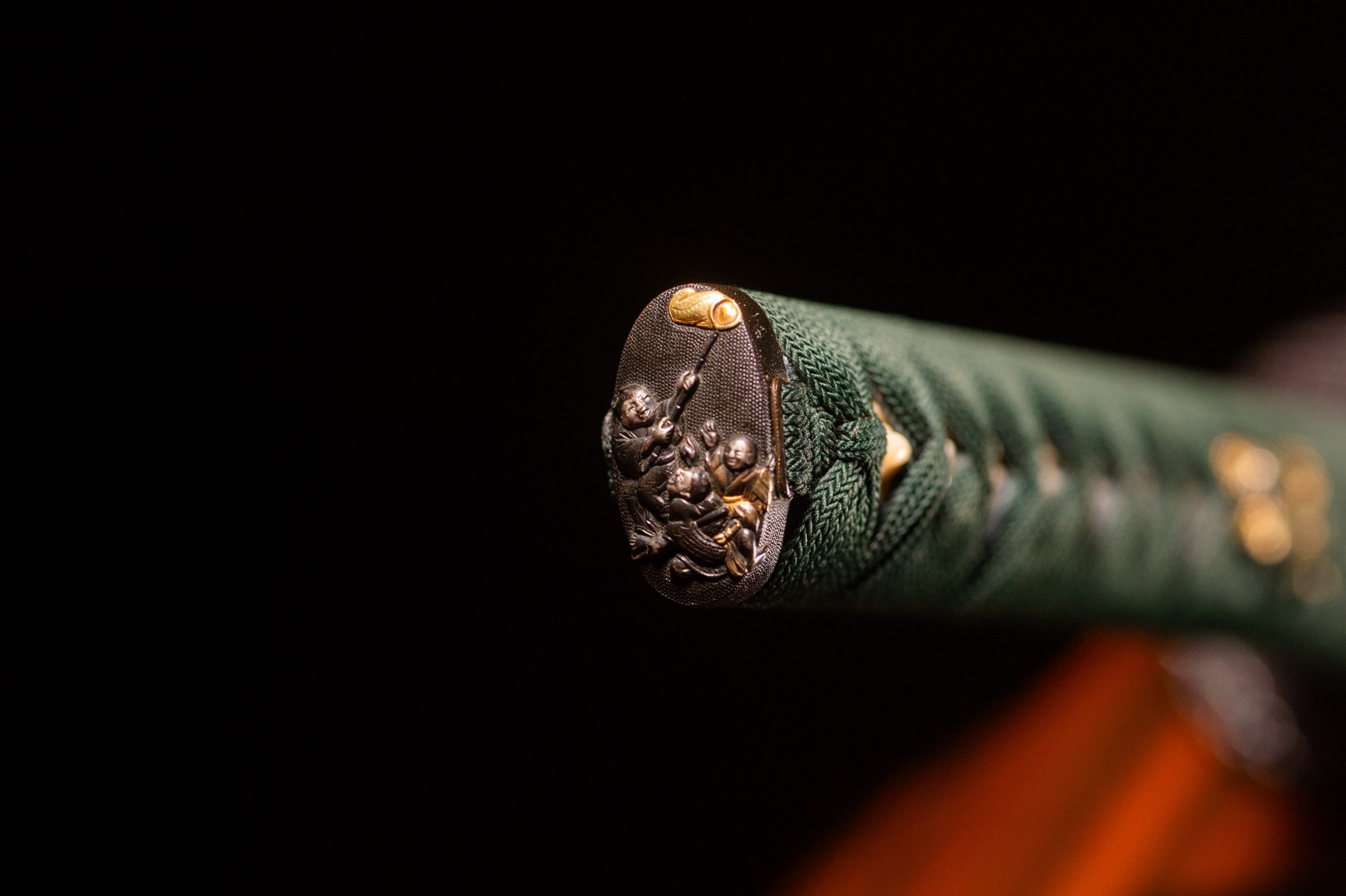
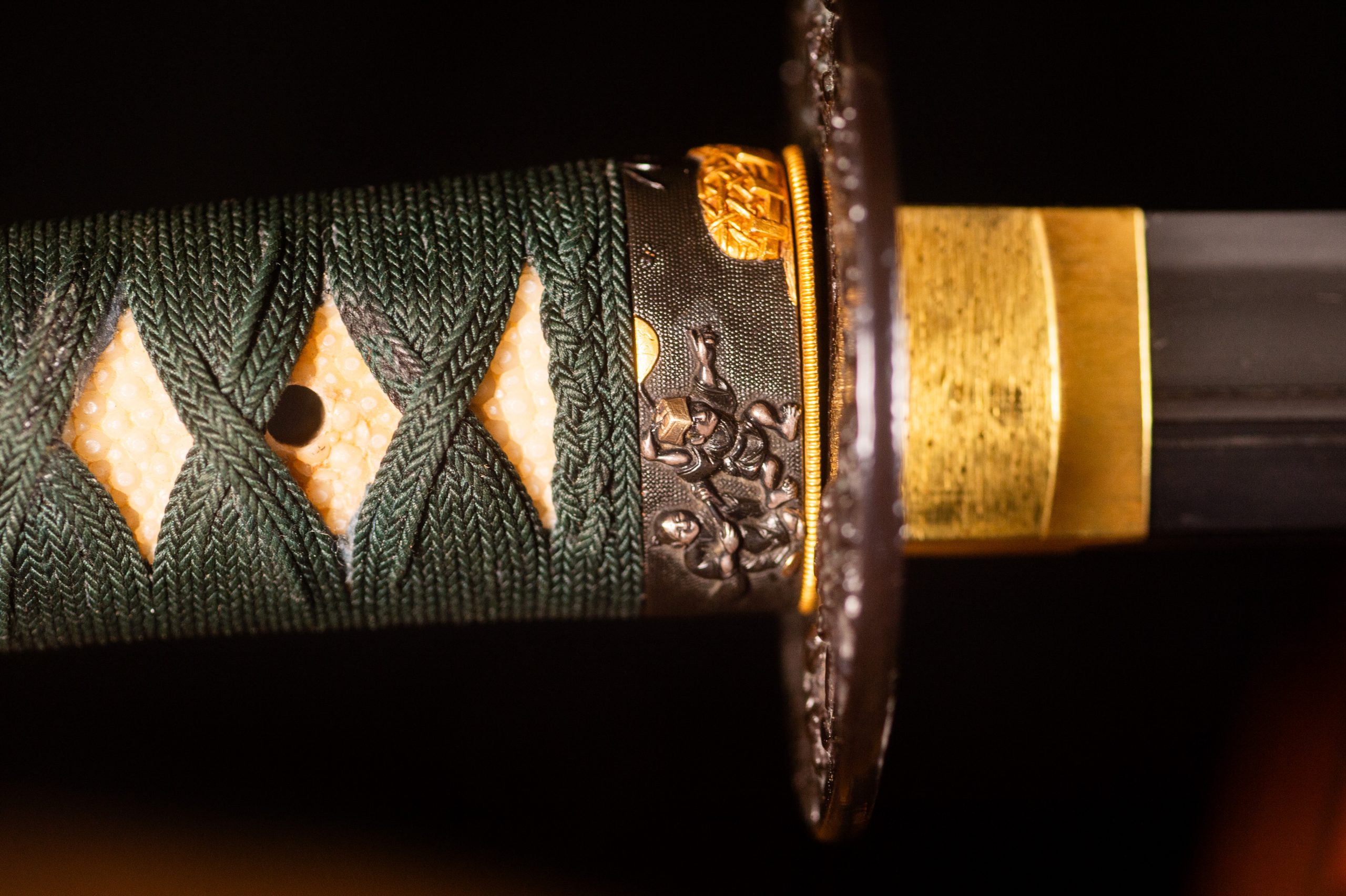


薩摩 · 1596-1781頃
二世紀半の泰平のあいだ、刀は武器である以上に武士の身分の標章であった。江戸の実証と大坂の華やぎのように都市ごとの作風が育ち、時代の末には需要も細っていく。
銘が正しい、または無銘でも年代・国・系統を確実に指摘できる、保存に値する真正の作と鑑定されたものです。
日本美術刀剣保存協会(NBTHK)は、1948年に設立され、文化庁の監督を受ける公益財団法人で、東京・刀剣博物館に本部を置きます。専門の審査員が出品作を直接審査し、美術的・歴史的価値に応じた鑑定書を発行します。NBTHKの鑑定書は、日本刀および刀装具の真正性を示す最も広く認知された基準です。
NBTHK公式サイト14-day return if items arrive damaged or in unexpected condition; customer bears return shipping + insurance; items returned in original condition with all accessories; antique armour non-returnable; only regular priced items refundable; shipping costs non-refundable.
Description ITEM DESCRIPTION: Comes with kimono or cotton bag. Comes with certificate of supein Nihonto. Smith, school, period, and context The NBTHK (Nihon Bijutsu Tōken Hozon Kyōkai) —Japan’s central preservation foundation, established in 1948 under government authorization and the body behind the country’s most influential certification framework (including Hozon )—attributes this blade to 薩州正房 (Sasshū Masafusa) . Masafusa belongs to the historic Satsuma (Kagoshima) group that reshaped local swordmaking in the Edo period . Kagoshima’s documented tradition places Masafusa as the successor to Ujifusa , connecting the line to training in Mino and to the later absorption of Sōshū-den methods—an intentional shift away from the older Naminohira/Yamato axis toward a more forceful, “alive” steel surface. This is not marketing language: it points to jigane rich in ji-nie , more pronounced chikei , and a distinctly Satsuma metallurgical “terrain” that specialists recognize immediately. Within that regional vocabulary, sources describe hallmark phenomena such as “imozuru” (vine-like lines associated with ji-nie/chikei behavior), along with nie that can visually push into the ji and a characteristic manner of tempering the bōshi known as satsuma-bōshi . This is technical identity, not ornament. Chronologically, the Masafusa name is documented from early Shintō (17th century) the attribution anchors the work firmly within Edo, broadly c. 17th. Blade A katana with certified nagasa of 67.7 cm , featuring a dark-patinated nakago with one mekugi-ana visible. The geometry reads clean and purposeful, with taut lines and a classic silhouette. Mid-blade, horimono work is present: on one side, a sharply executed symbolic motif ; on the other, a refined set of two fine parallel grooves (suji-hi) accompanied by a small incised mark—adding visual depth without disrupting the elegance of the surface. The result is coherent: controlled ornament where it belongs, and steel kept as the cent
NihontoWatch薩摩 · 1596-1781頃
二世紀半の泰平のあいだ、刀は武器である以上に武士の身分の標章であった。江戸の実証と大坂の華やぎのように都市ごとの作風が育ち、時代の末には需要も細っていく。
銘が正しい、または無銘でも年代・国・系統を確実に指摘できる、保存に値する真正の作と鑑定されたものです。
日本美術刀剣保存協会(NBTHK)は、1948年に設立され、文化庁の監督を受ける公益財団法人で、東京・刀剣博物館に本部を置きます。専門の審査員が出品作を直接審査し、美術的・歴史的価値に応じた鑑定書を発行します。NBTHKの鑑定書は、日本刀および刀装具の真正性を示す最も広く認知された基準です。
NBTHK公式サイト14-day return if items arrive damaged or in unexpected condition; customer bears return shipping + insurance; items returned in original condition with all accessories; antique armour non-returnable; only regular priced items refundable; shipping costs non-refundable.
