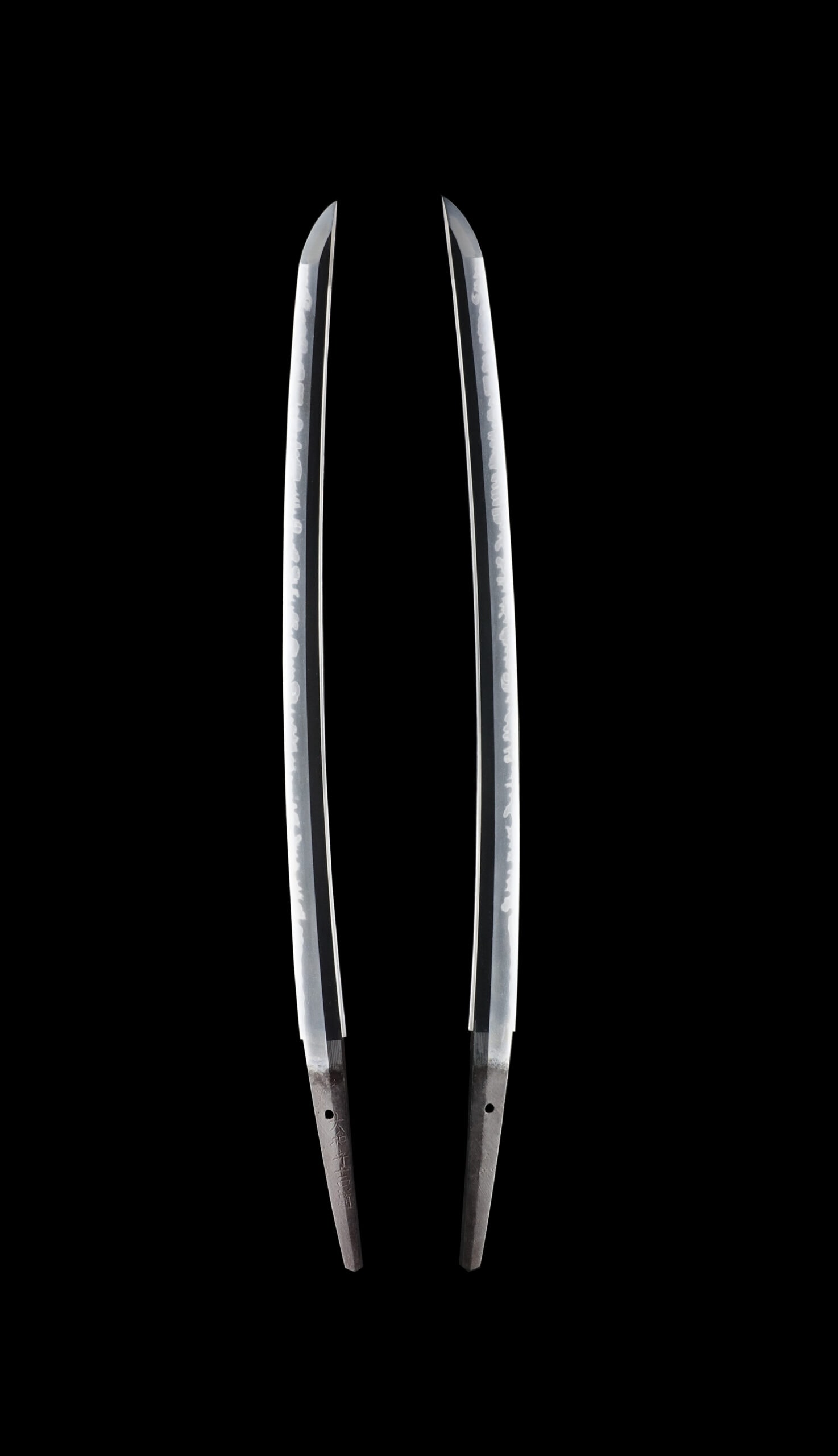
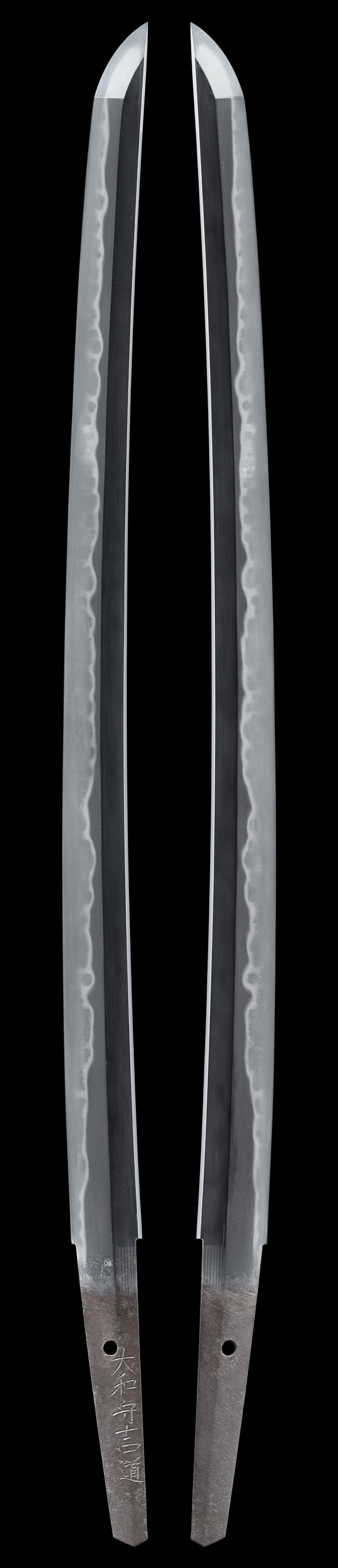
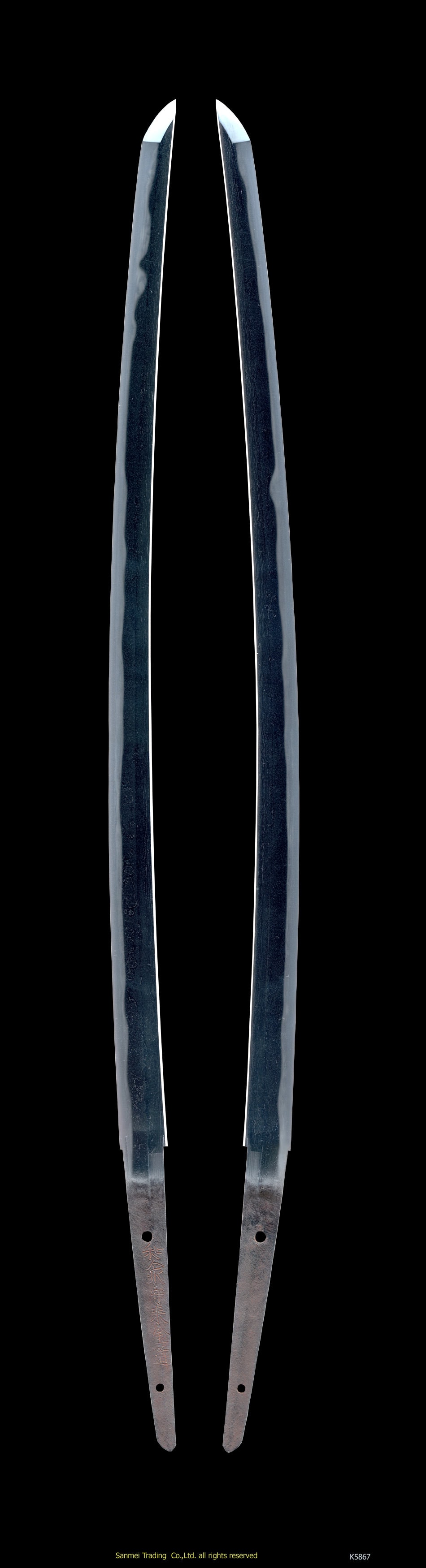
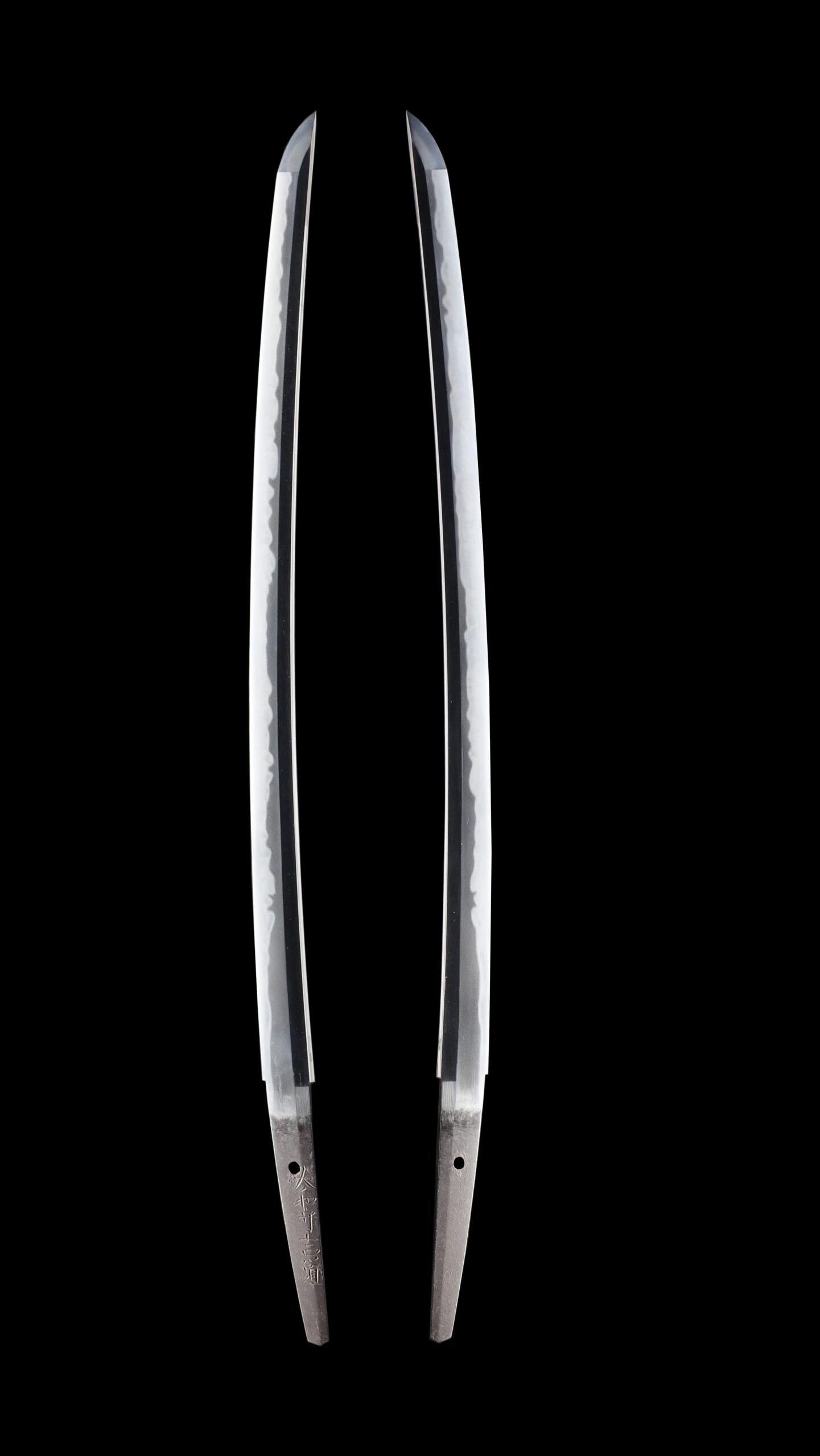
no Kami Fujiwara Masatoshi was the fourth son of Seki Kanemichi and younger brother to three distinguished smiths: Iga no Kami Kinmichi, Kinmichi, and Tanba no Kami Yoshimichi. Active in the early period, with dated works known from the 'ei era (1620s), Masatoshi belonged to the group, the celebrated lineage also known as the line. The consistently distinguishes him from his elder brothers as the most versatile member of the family, noting that he displayed "a remarkably broad range of styles" and that his technical ability was outstanding. He is regarded as one of the principal attractions of the group.
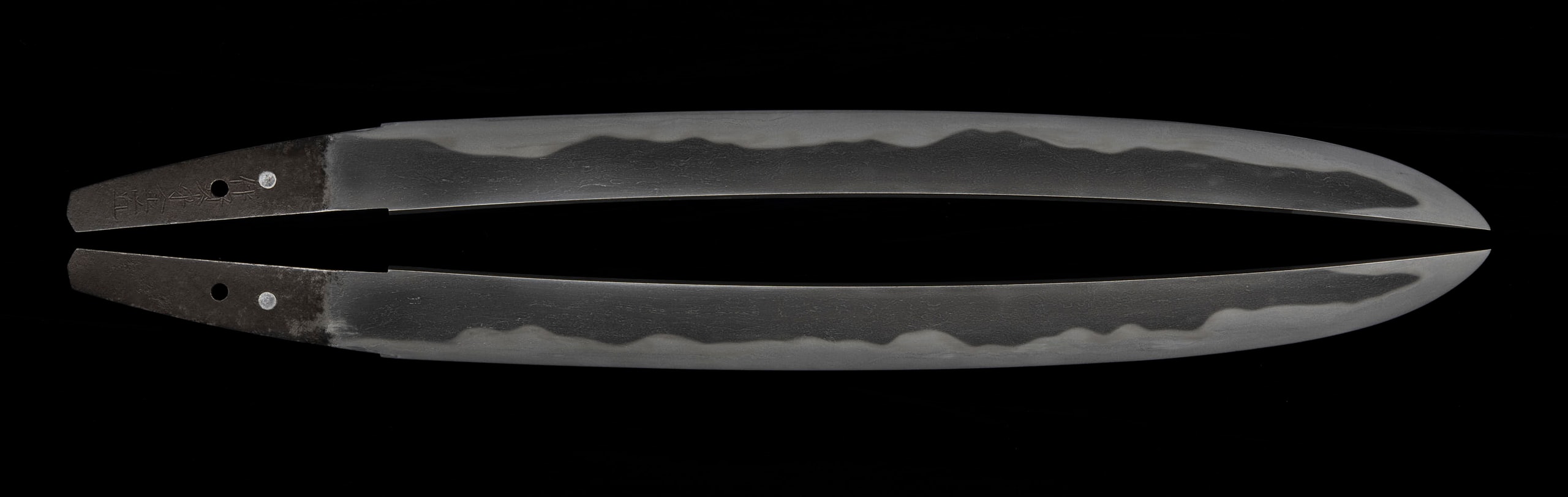
Masatoshi's forging is an with a tendency to flow and areas where the grain stands out, showing abundant and . His demonstrates the breadth of workmanship for which he is celebrated: a base mixed with , , , and -like forms, with occurring frequently and vigorous and applied throughout. The is strong and conspicuous. A hallmark of the lineage is the - -- a that enters in , becomes pointed at the tip, and turns back -- and the observes that it is Masatoshi who expresses this feature "with particular clarity." Where many works of this lineage tend toward a somewhat subdued , Masatoshi's examples are singled out for their bright and clear quality, described as .
The Society's assessments return repeatedly to Masatoshi's individuality within the school. His boldly varied patterns convey "a spirited and assertive character," while the distinctive manner in which the lower portion of the blade forms a base mixed with pointed is identified as a feature particular to this smith alone. His range extended across , , and the comparatively rare form, in each case demonstrating the diversity and adroitness that set him apart. Within the lineage, Masatoshi occupies the position of its most technically accomplished and stylistically independent master.