NihontoWatch MonNihontoWatchBETA
MarketEncyclopedia
NihontoWatch Mon

NihontoWatchBETA

Market
Encyclopedia
Overview·Kantei·Designations·Work Types·Signatures·School
OverviewKanteiDesignationsWork TypesSignaturesSchool
  1. Schools
  2. Akasaka
  3. Ko-Akasaka
  4. Tadamasa

Akasaka Tadamasa

忠正

Jūyō
Vol. 47, No. 220 · Tsuba

Akasaka Tadamasa

忠正

7 ranked works

ProvinceNagatoErac. 1624–1658PeriodEdoSchoolAkasakaTraditionIron-tsubaGeneration2nd genTypeTosogu MakerCodeNAGT102
7Jūyō Tōken

Kantei

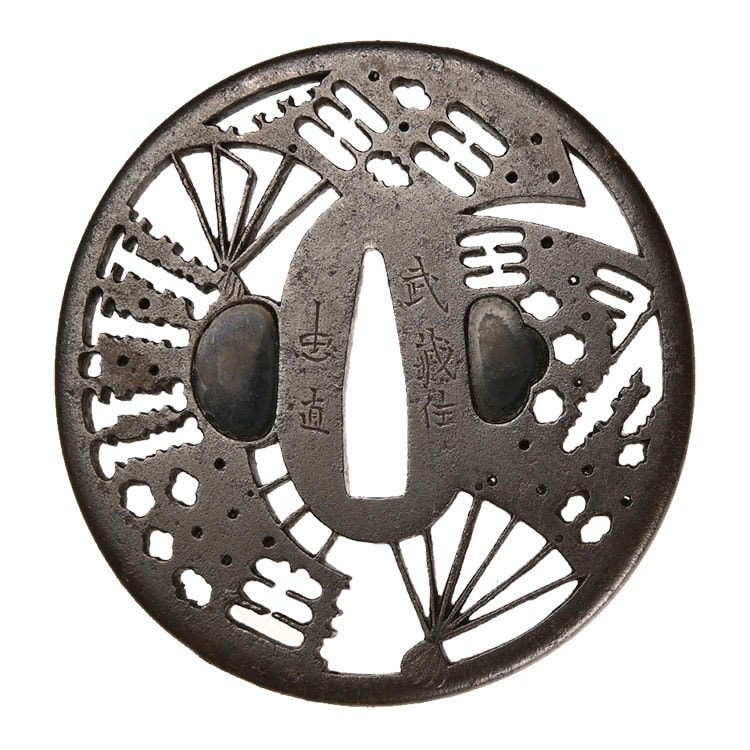
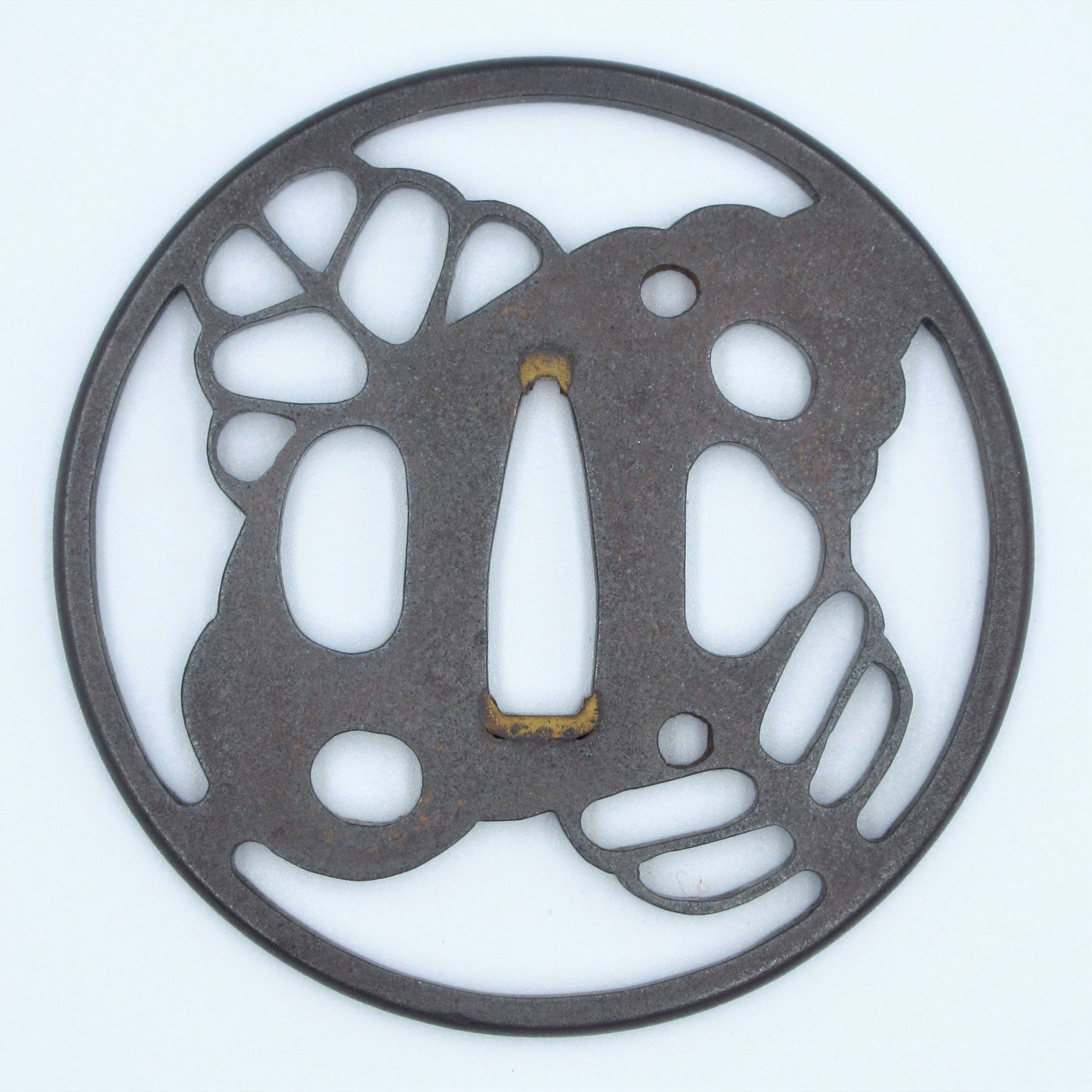
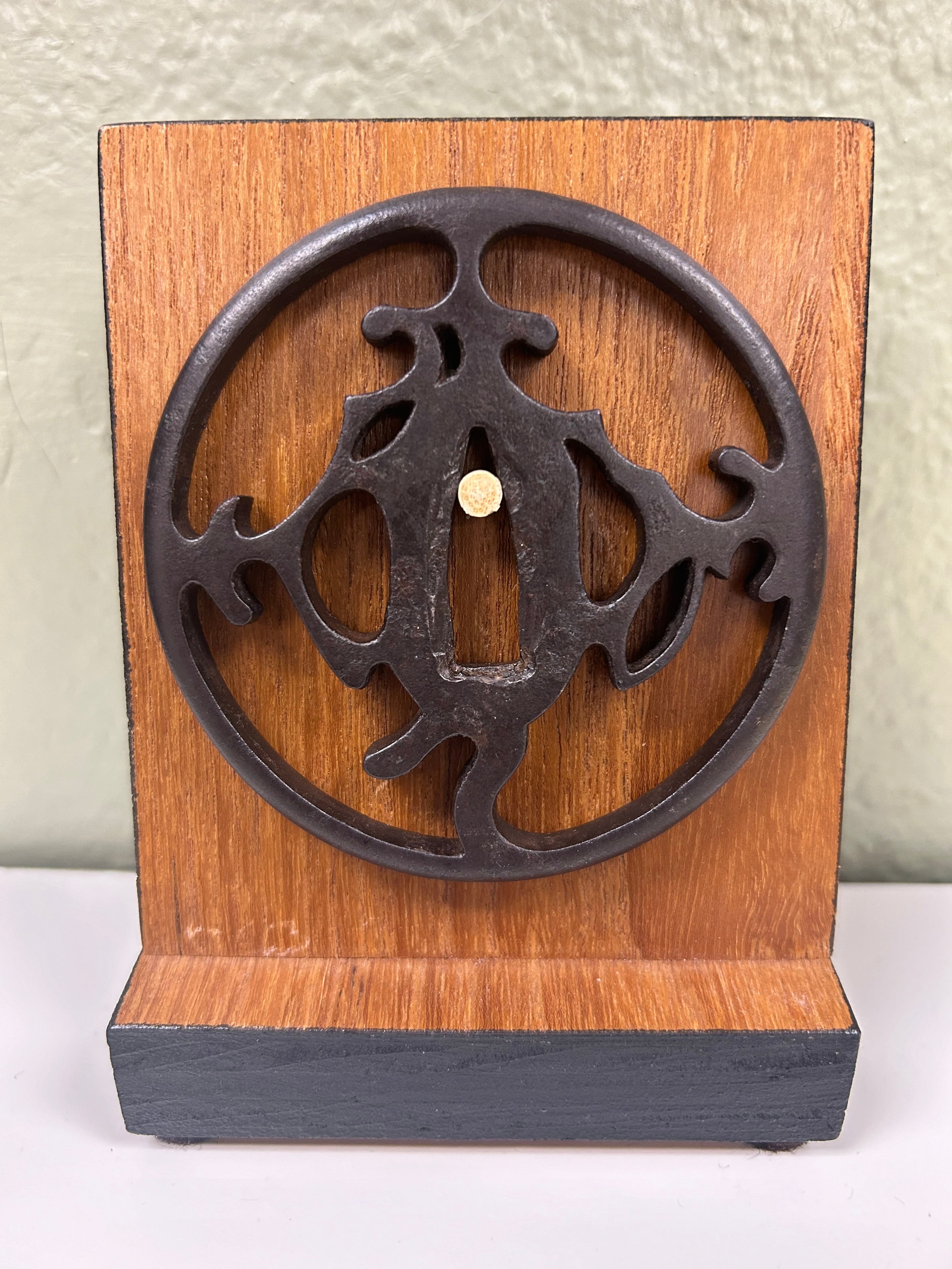
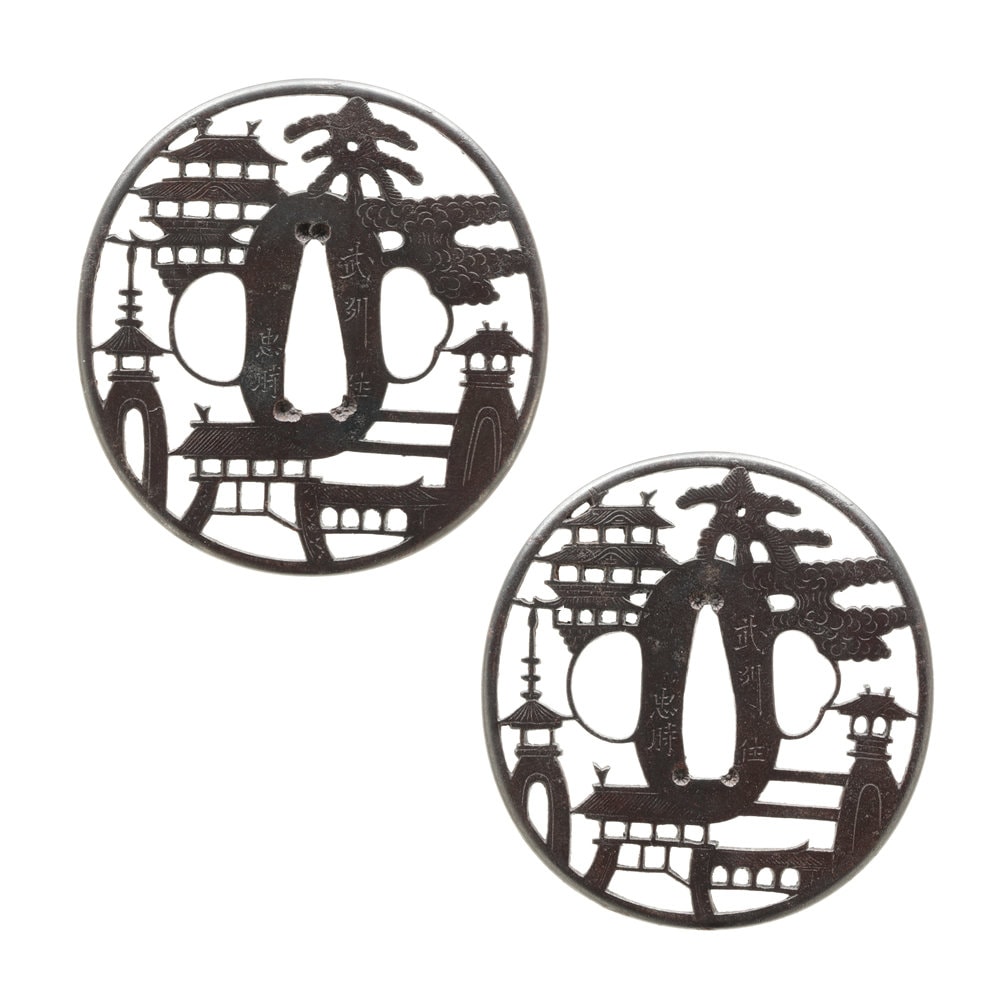
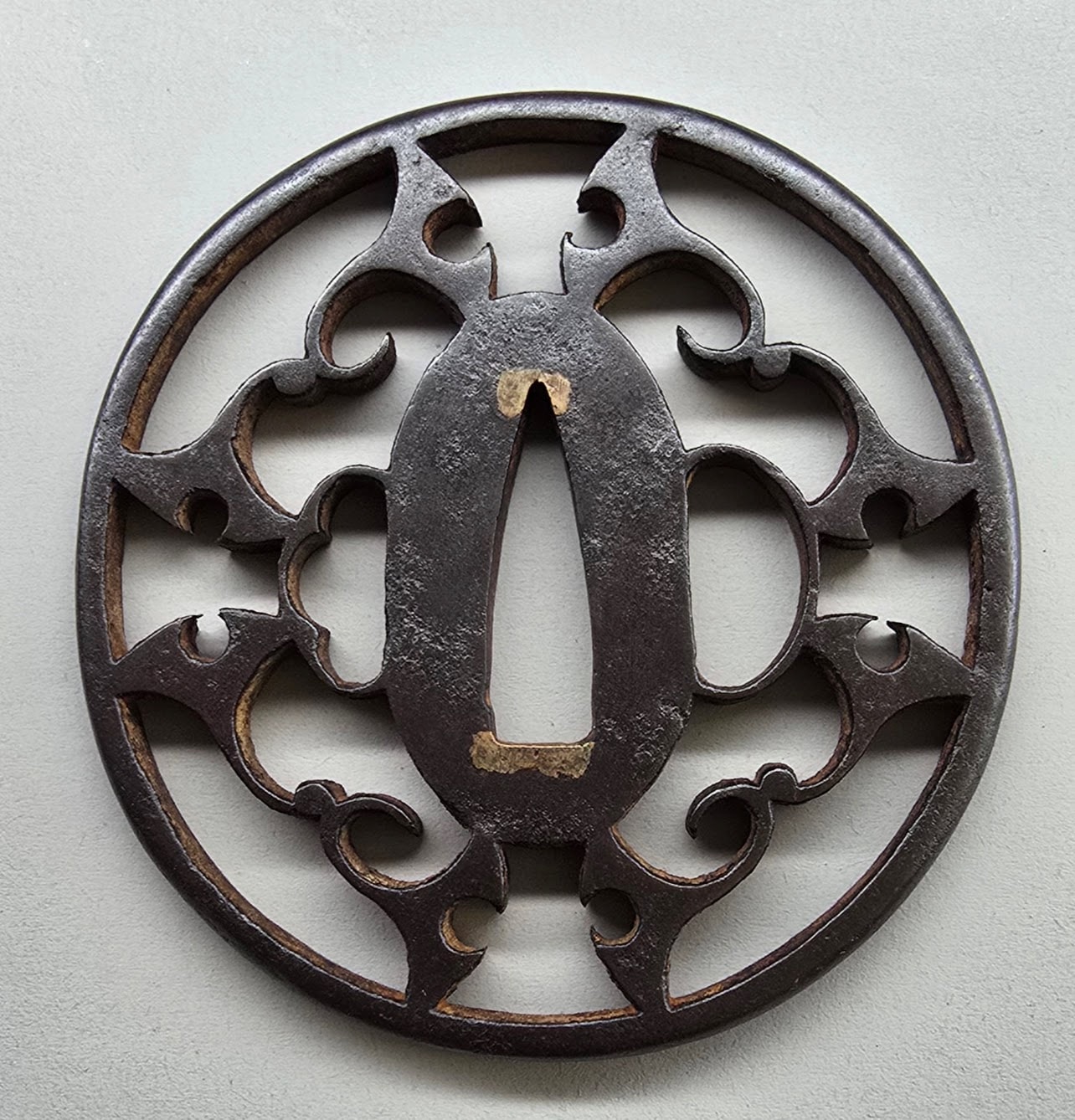
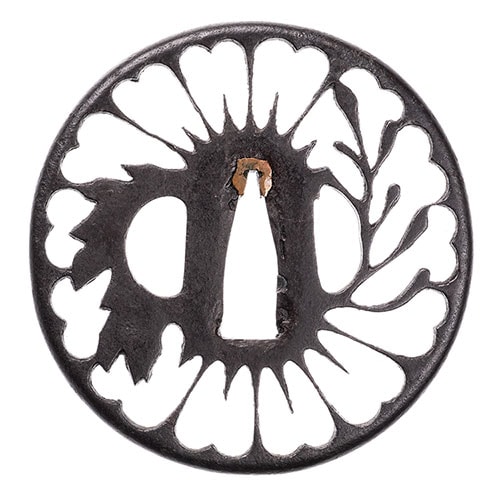
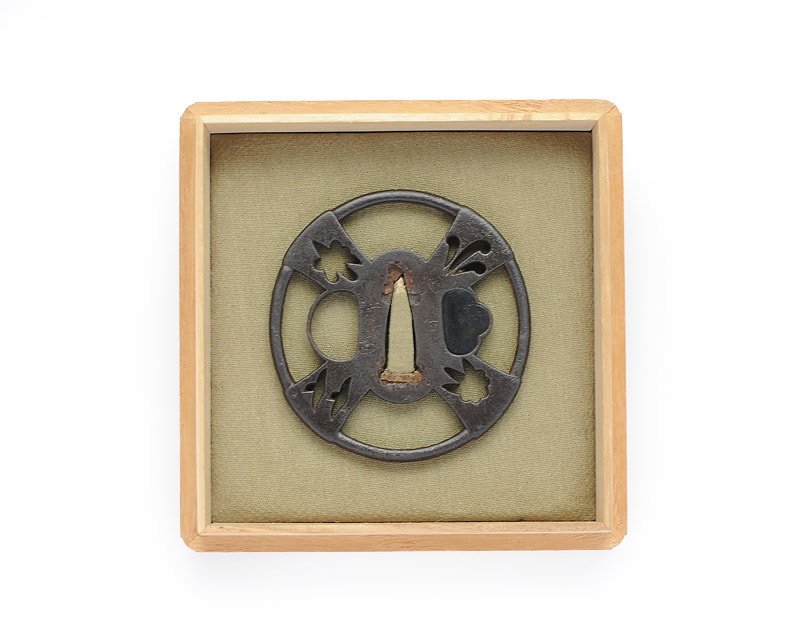
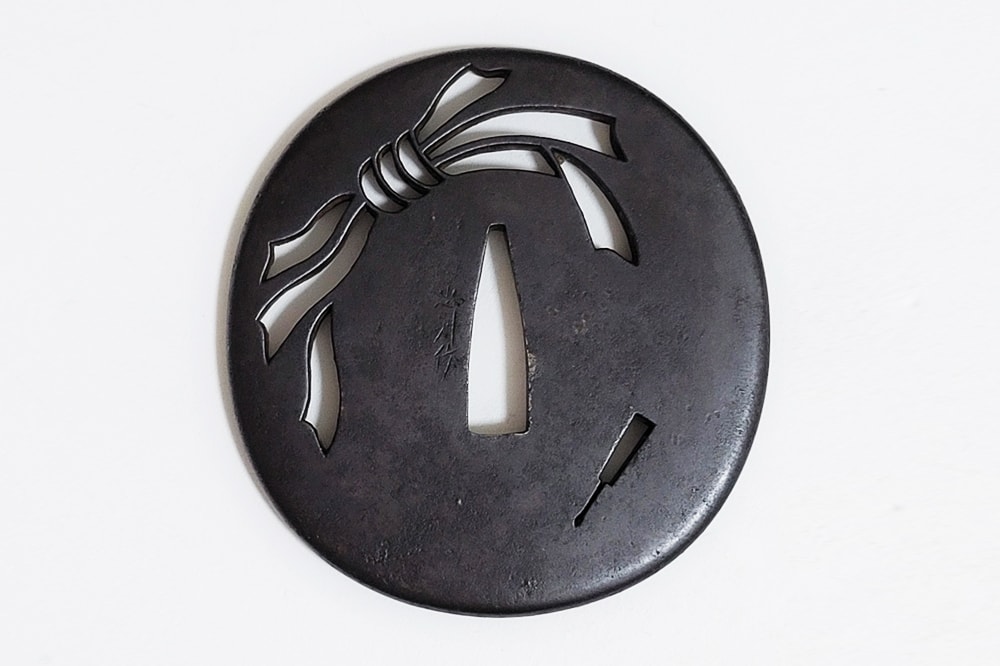
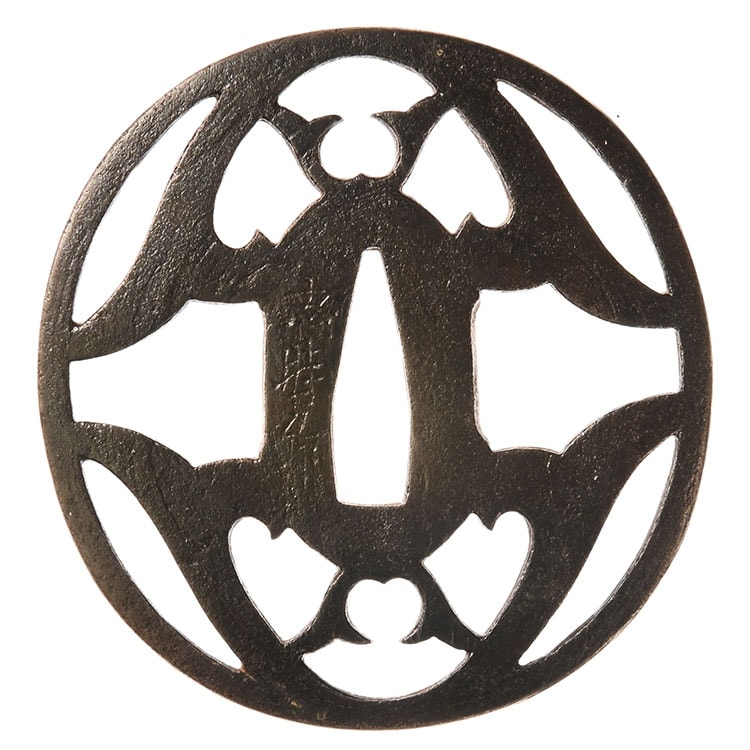
3 descriptive axes: material (a well-forged three-layer iron plate, settled hammered ground, taking a fine patina) x technique (ground openwork, both negative-silhouette and yin-yang, finished sparely with hairline engraving, the rim a strong rounded maru-mimi) x themes (natural scenery and allusive devices: the Musashino field, pampas grass and moon, mantis-in-reed, bamboo, cherry, and named story-pieces such as the burning-firewood and the Shigure-tei). Because the upper three generations are all unsigned and the first and second Tadamasa are both called Shozaemon and worked the same idiom, the load-bearing separators the records give are not a signature but construction tells of the early Akasaka hand: the upper part of the seppa-dai tapering to a point, and the kogai-hitsu cut markedly smaller than the kozuka-hitsu. These distinguish the old upper-generation hand from the later signed Akasaka and from the Kyoto, Owari and Higo schools, but the records present them as shared by the first and second generations and so do not by themselves part the shodai from the nidai.

Tadamasa, called Shozaemon, is the founding hand of the Akasaka school of iron openwork , a line said in the records to have moved from Kyoto to the Akasaka district of at the start of the period and to have flourished there to the end of the bakufu. He is named with the makers of Kyoto, Owari and as one of the celebrated workers of the pierced iron guard. The first three generations, the so-called old Akasaka or upper three generations (1st Tadamasa, 2nd Tadamasa, 3rd Tadatora), are all unsigned; in- work begins only with the fourth generation Tadatoki around Genroku, with the signature Bushu-ju Akasaka Hikojuro Tadatoki , and the legitimate line thereafter took the name Tadatoki to the ninth generation. The name Tadamasa was carried by both a first and a second generation, both called Shozaemon; by a genealogy the descendant Tadatoki submitted to the bakufu in the Bunsei era, the first Tadamasa died in Meireki 3 (1657) and the second in Enpo 5 (1677). All accepted work of these upper generations is unsigned, so attribution rests on the iron, the openwork composition and a small set of construction features.

Diagnostic discriminators

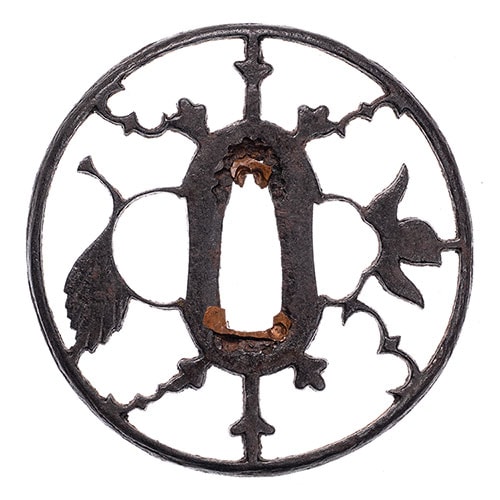
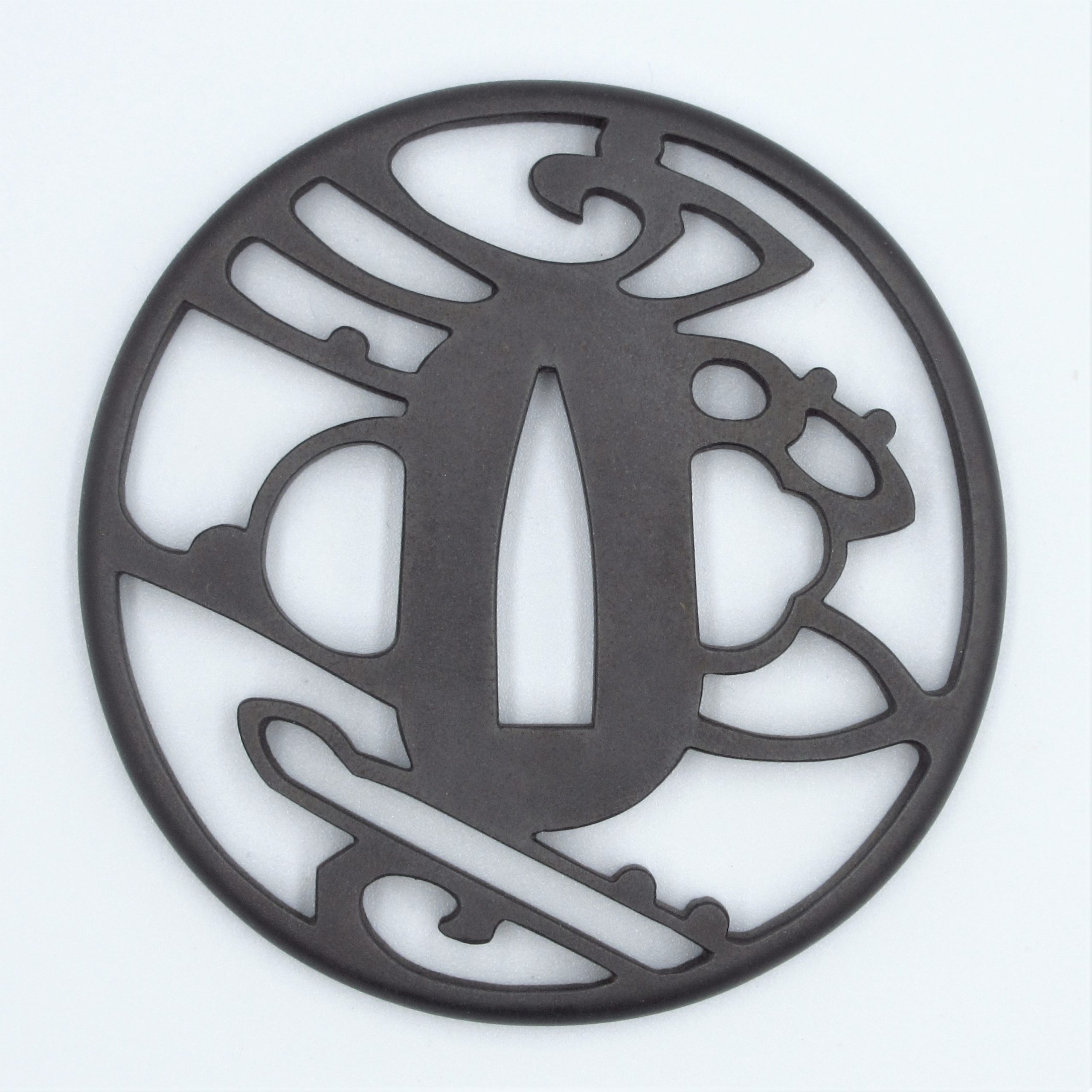
the setsumei repeatedly give the seppa-dai whose upper part narrows and tapers to a point as a mark of the early Akasaka hand and a sign of antiquity, named explicitly a feature of the first and second generations; it appears on 4 of the 7 guards here. The phrasing varies (tapered, comes to a point, point-like), so the cited match is the seppa-dai itself, every cited piece carrying the tapering claim

the records single out the kogai-hitsu cut small, smaller than the kozuka-hitsu, as a hallmark of the first and second generations; it appears on 3 of the 7 guards here. Like the tapered seppa-dai it parts the old upper-generation hand from the later signed line, but the setsumei present it as shared by the shodai and nidai and so it does not by itself part the two

Material (the iron plate)

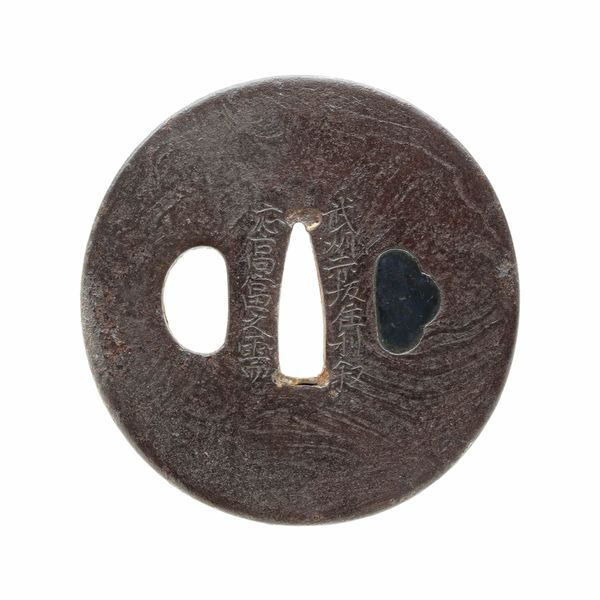
A well-forged iron plate, often the three-layer laminate (sanmai-awase) the records name as the school's forging, worked to a settled hammered ground or a polished iron ground and praised for a good forging and patina; the construction is thick and weighty, the modelling raised at the centre, with the laminated weld lines sometimes visible as streaks inside the carving.

Technique

Ground openwork above all, cut both as negative silhouette () and as yin-yang openwork (one motif pierced, a paired one left as shadow), the design then finished sparely with hairline engraving and no wasted relief; the rim worked to a strong rounded , and the openwork tie-bars deliberately broadened where they meet the rim to give the plate stability.

陰透kage-sukashi

Themes (devices in openwork)

Natural scenery and allusive devices pierced through the iron: the Musashino field of pampas grass with dew and moon, mantis among reed, bamboo, cherry, and the interlocking-rings device, alongside named story-pieces the records list as the first generation's favoured subjects, the burning-firewood (Hachi-no-ki) and the Shigure-tei pavilion, each carrying a loyalty tale or a poetic conceit. The stress an elegant, rustic taste worked with a refined, restrained carving.

Natural scenery and allusive devicesless firmly established

Pampas grass and the Musashino field, mantis-in-reed, bamboo and cherry, cut as openwork on the iron and finished with hairline engraving.

Full iconography

Documentary note

All work of the upper three generations is unsigned; the records state plainly that no in- piece of the old Akasaka is confirmed and that signed work begins only with the fourth generation Tadatoki around Genroku. The name Tadamasa was borne by both a first and a second generation, both called Shozaemon, and the records say the second worked alongside the first, so a Tadamasa piece can read as either; several here are judged first generation, two are judged second generation, and the treat the early Akasaka construction tells (the tapered , the small , the three-layer forging) as common to both. This profile is therefore scoped honestly to the early upper-generation Akasaka hand, not to a single generation. The Bunsei-era genealogy submitted by the descendant Tadatoki dates the first Tadamasa to a death in Meireki 3 (1657) and the second to Enpo 5 (1677); the first is said elsewhere to have been active from 'ei to Meireki, his style drawing on the Kyoto and Owari openwork traditions while adding his own points.

Scholarship

One setsumei reads his composition as full of rustic flavour, the openwork elegant and refined and wasting no relief.

Designations

Kokuhō—
Jūyō Bunkazai—
Jūyō Bijutsuhin—
Gyobutsu—
Tokubetsu Jūyō—
Jūyō Tōken7

Elite Standing

0.05 across 7 designated works

Top 23% among makers

Work Types

Distribution across 7 ranked works

Tsuba
7100%

Signatures

Signature types across 7 ranked works

Currently Available

Akasaka School

Other artisans of the Akasaka school

  1. 1.Tadashige忠重5designated
  2. 2.Tadayoshi忠好1designated

Tadamasa

Tadamasa(忠正) was a maker of Japanese sword fittings (tōsōgu) of the Akasaka school in Nagato province.

The work follows the Iron-tsuba tradition.

Designated works by Tadamasa include 7 Jūyō.