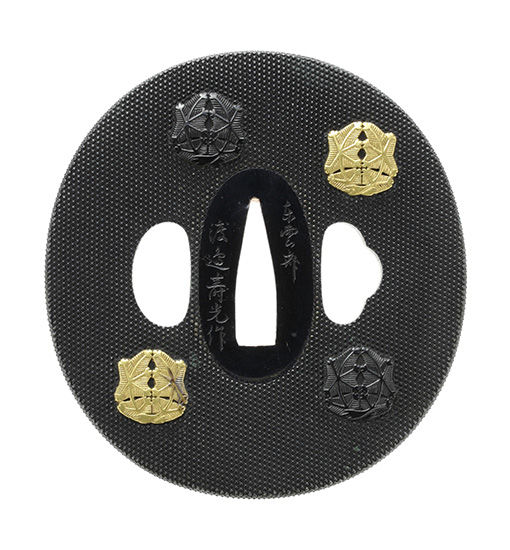
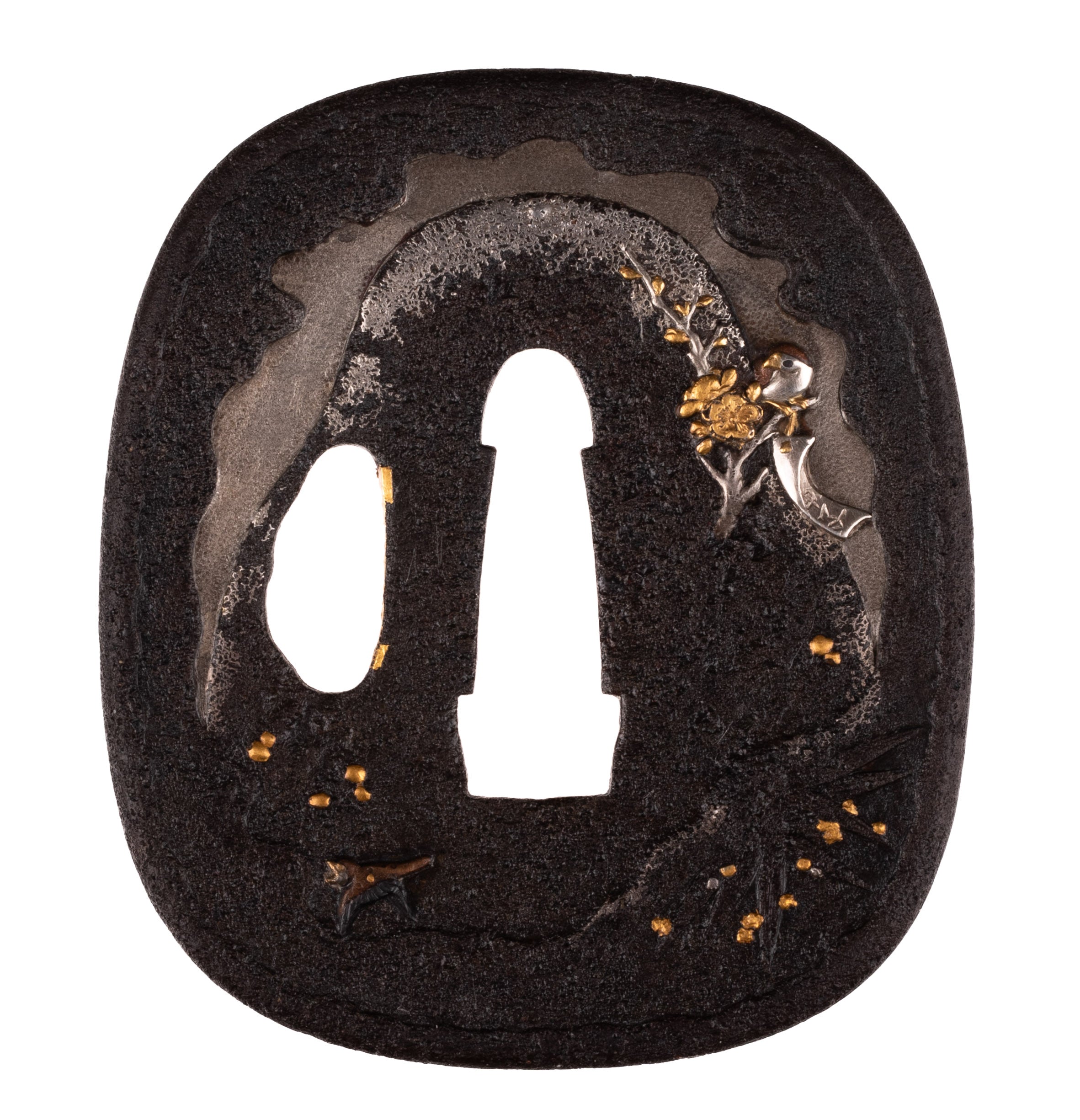
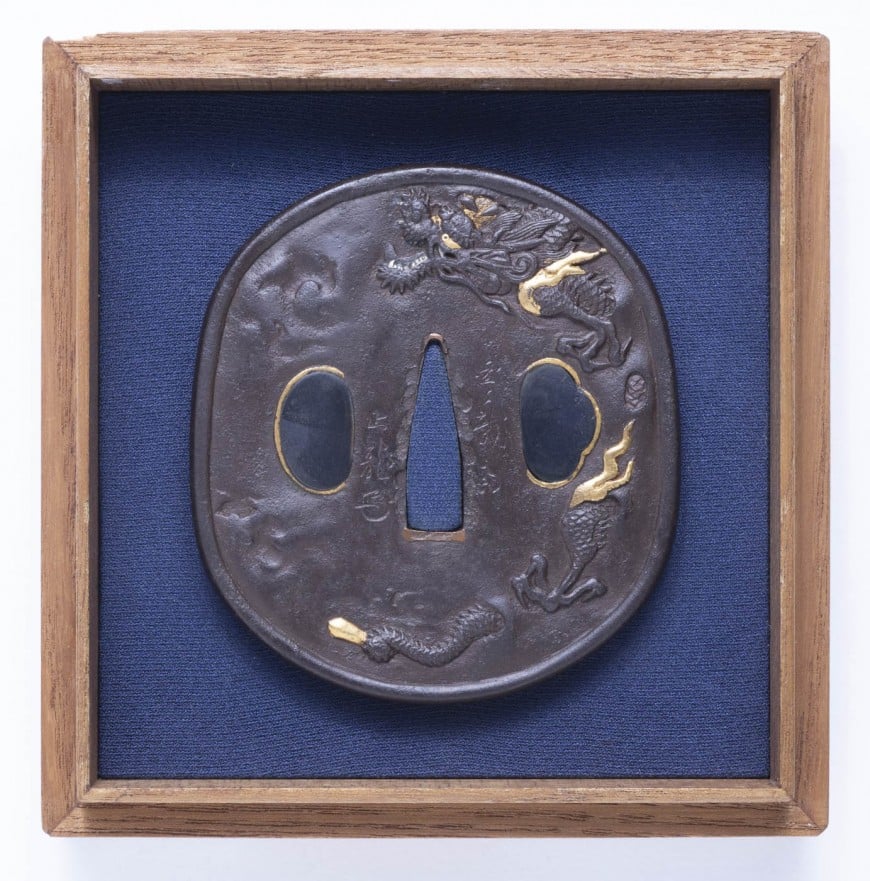
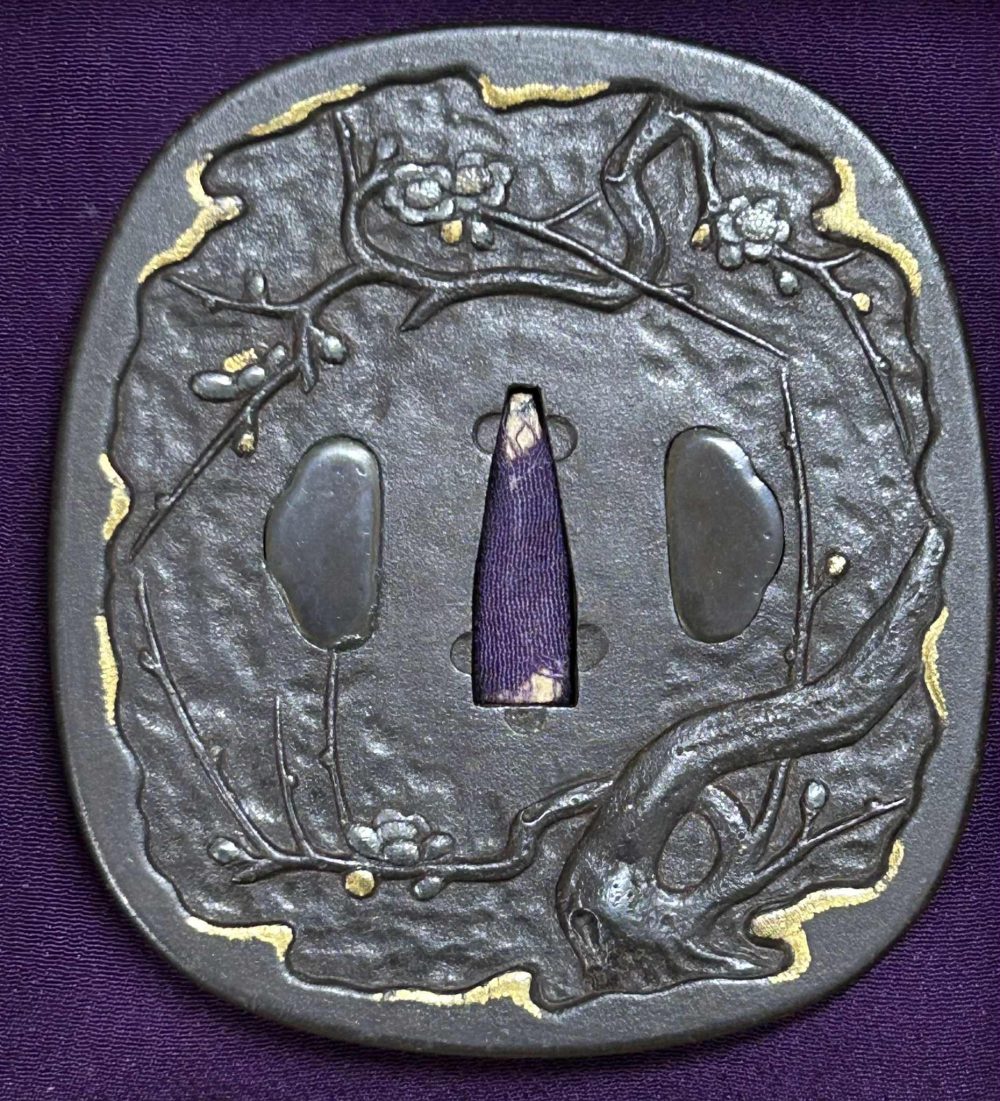
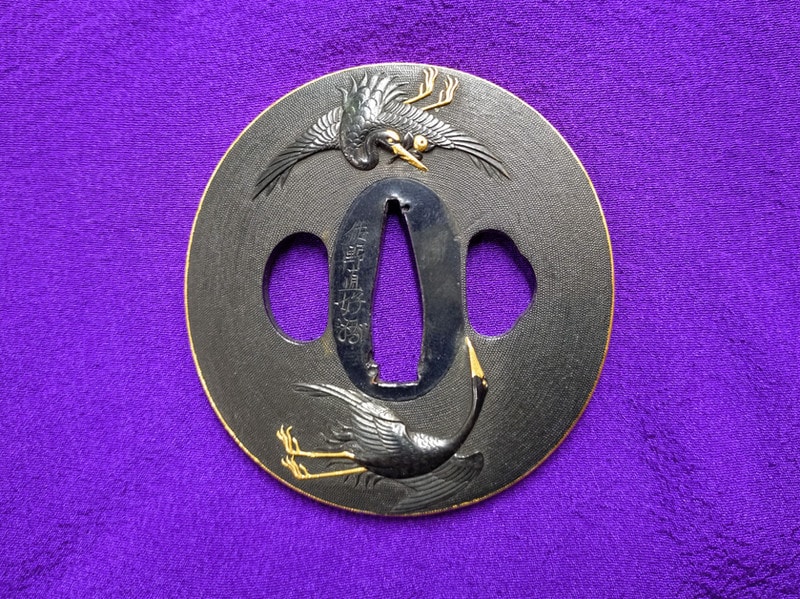
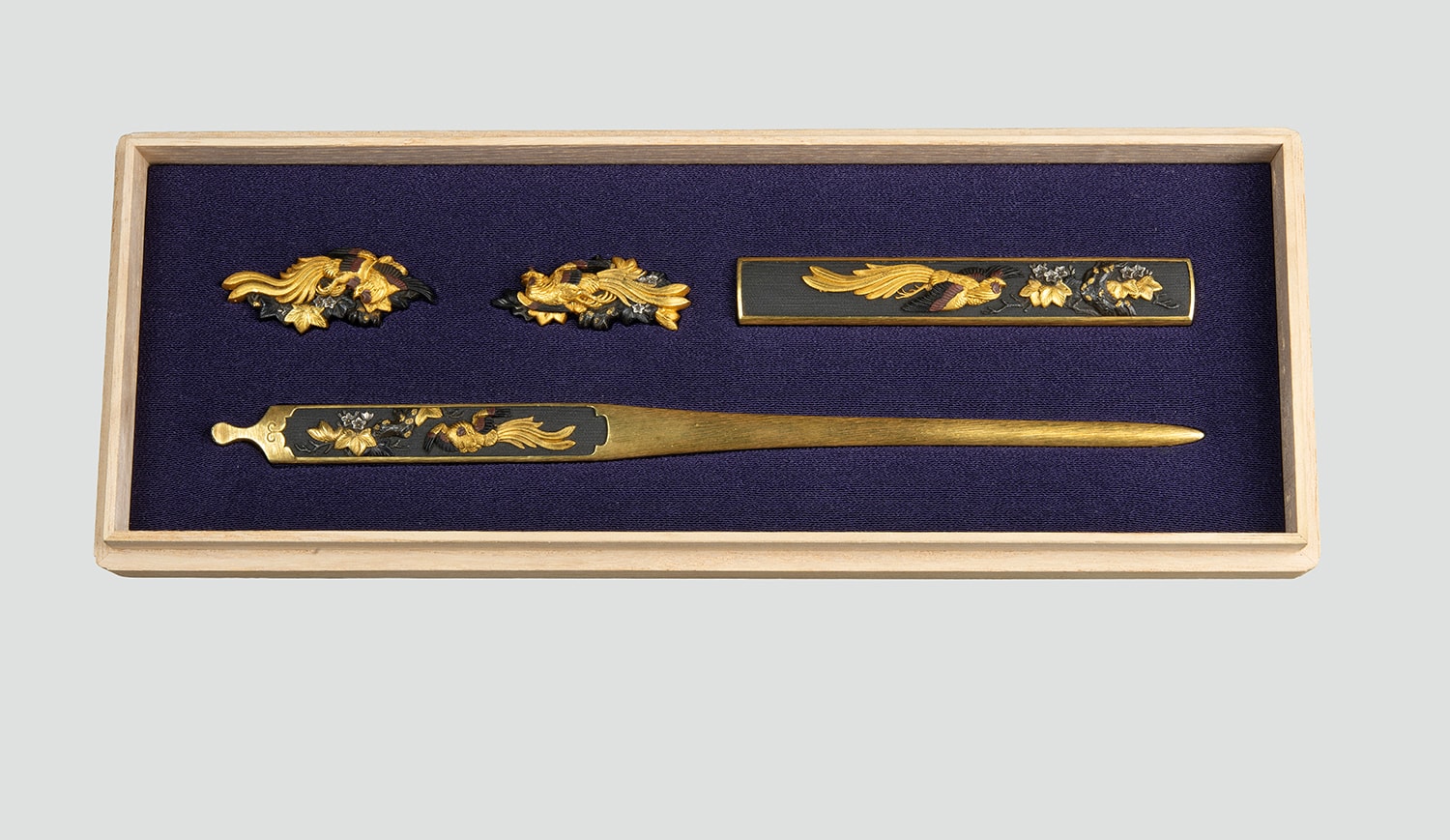
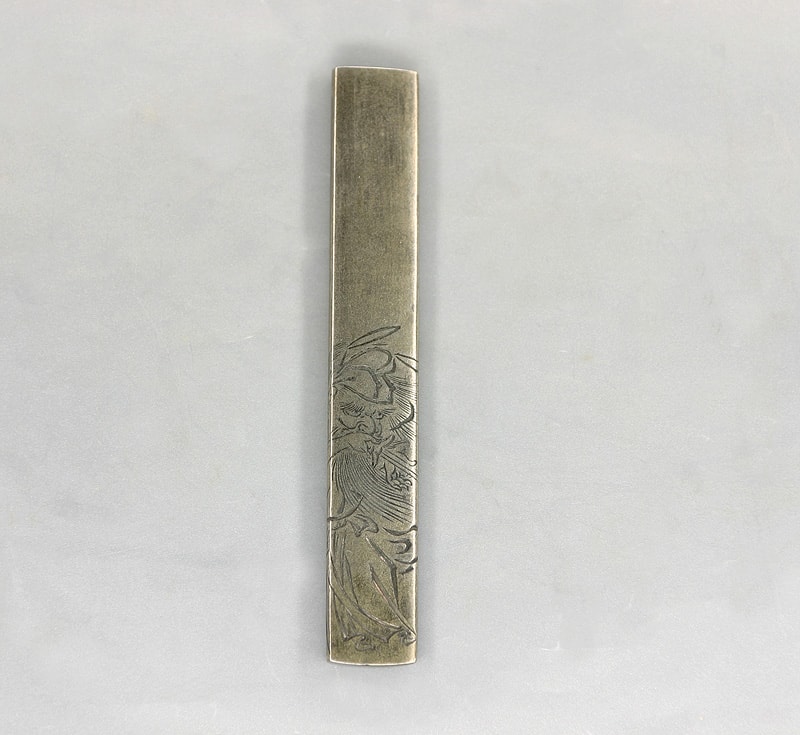
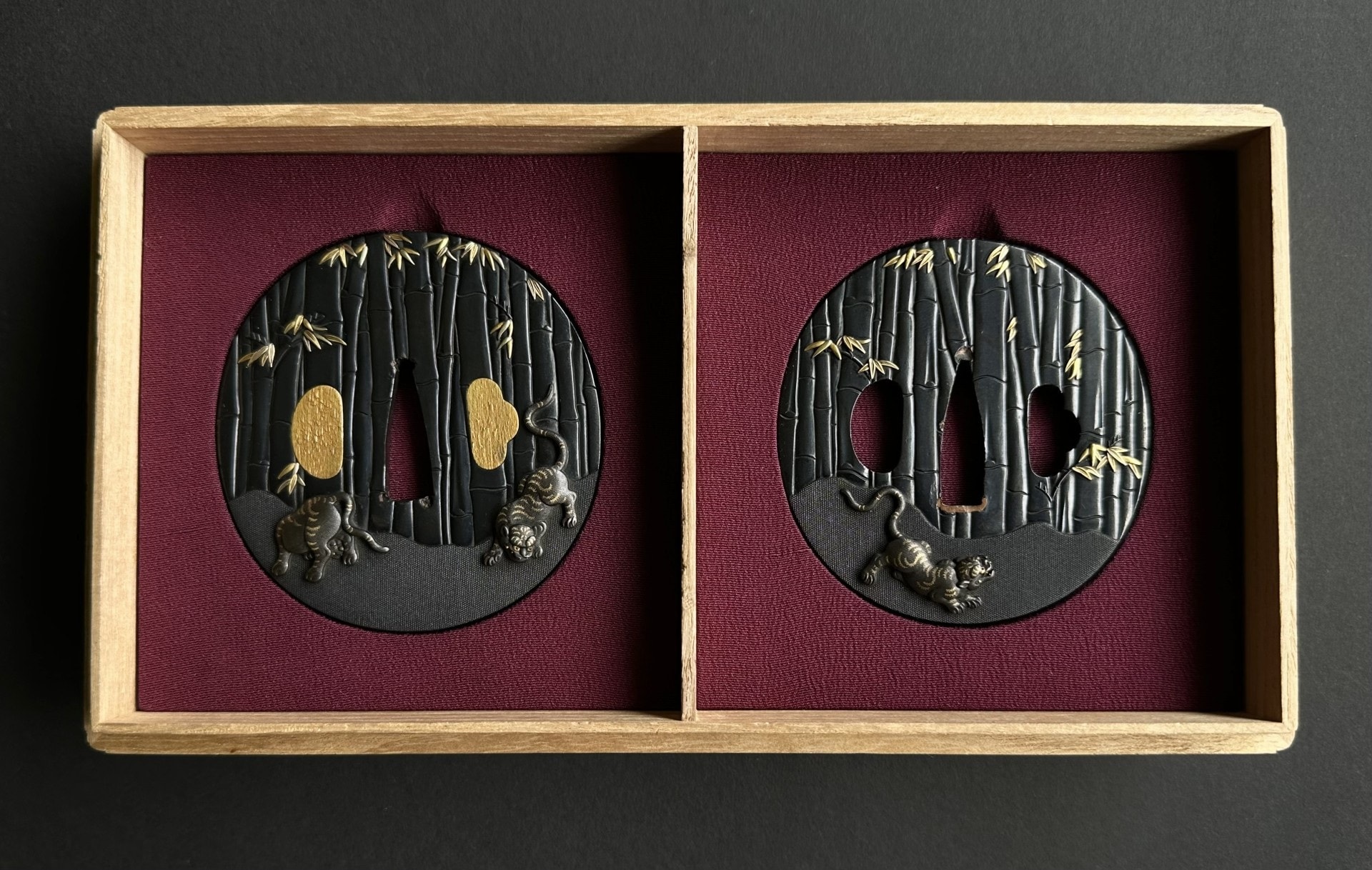
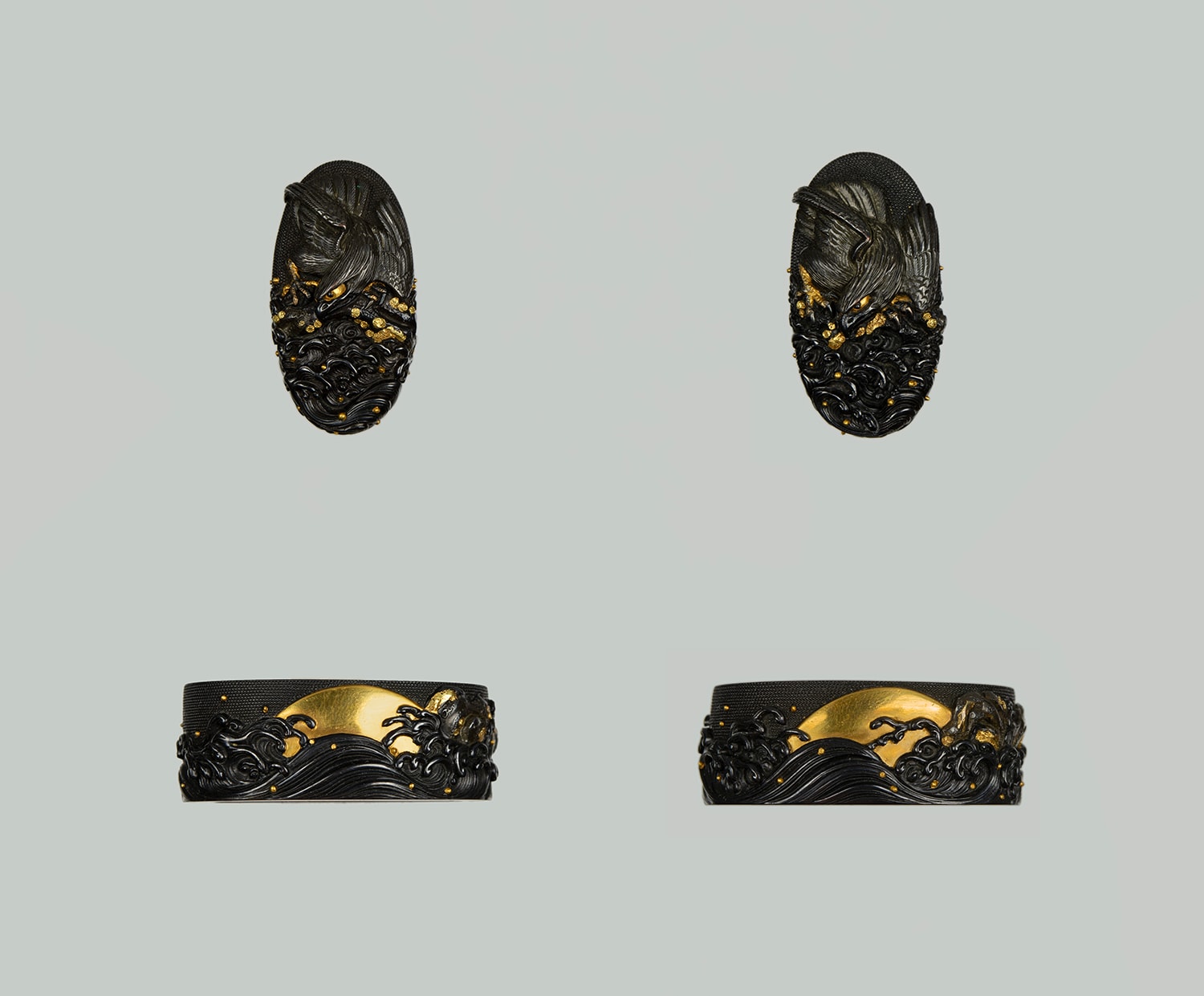
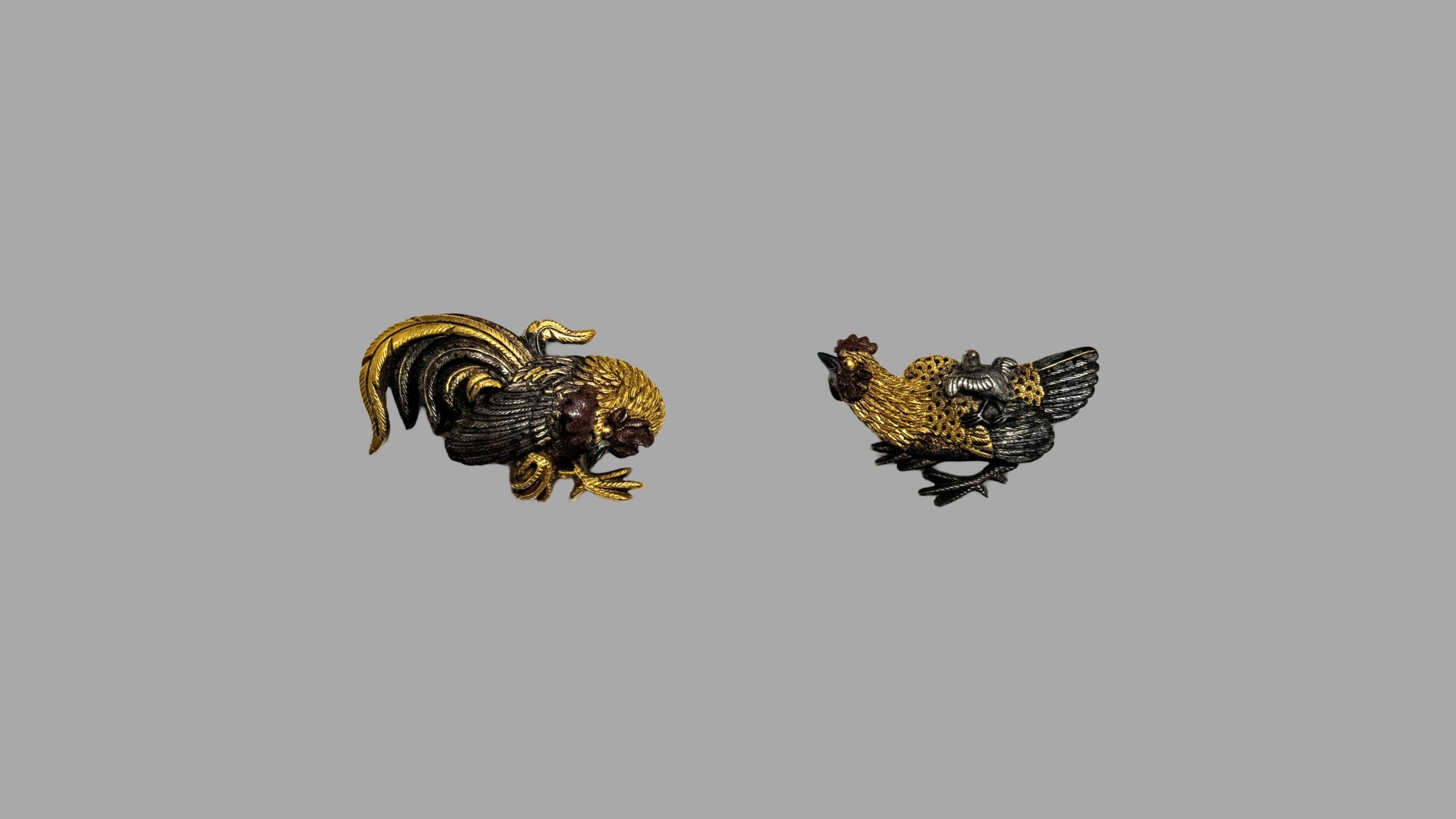
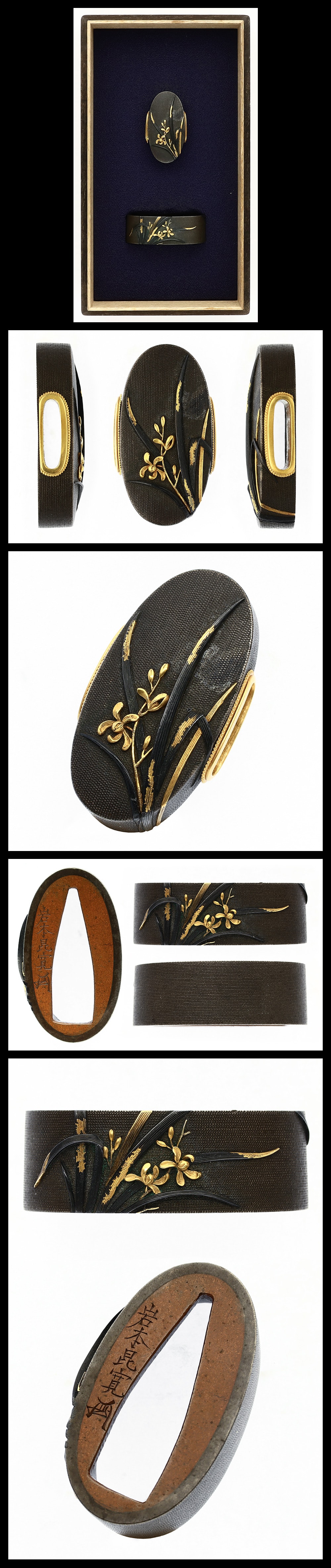
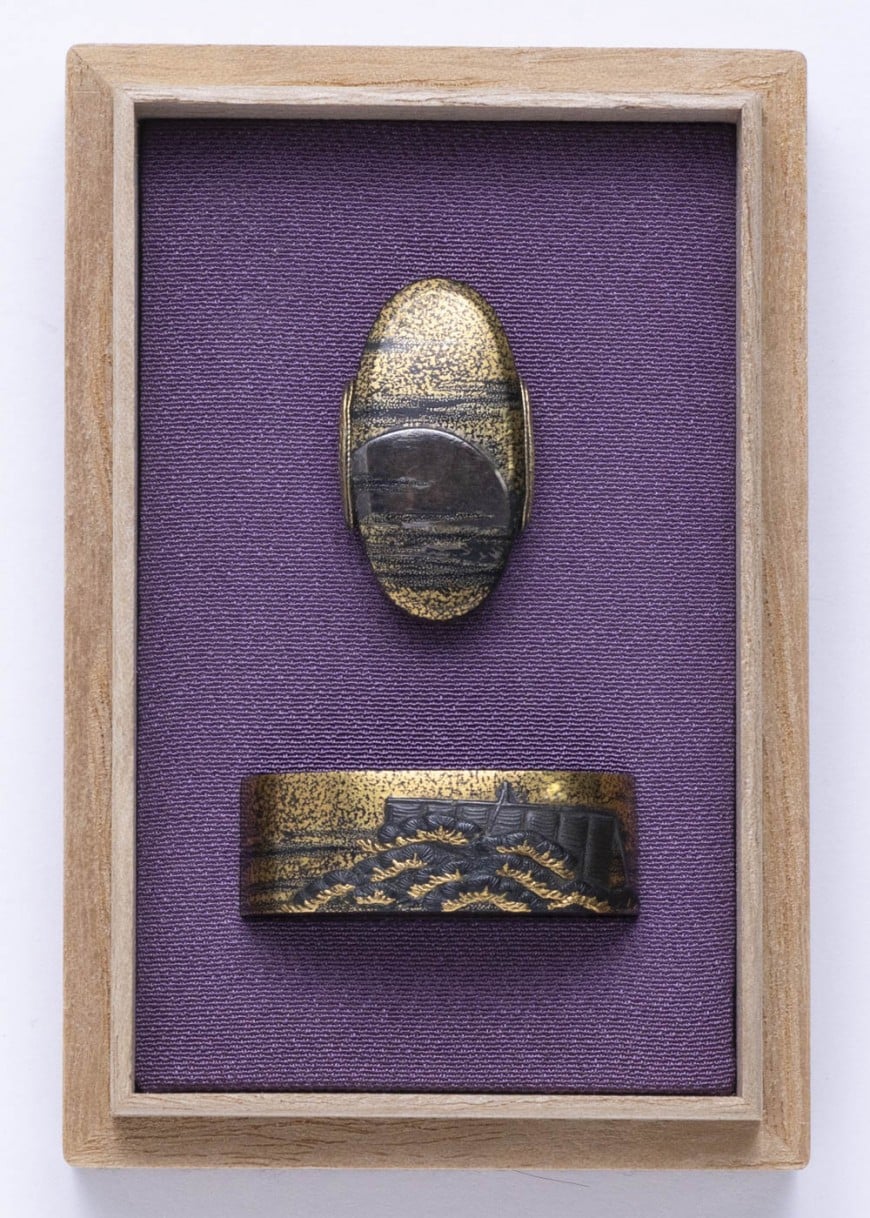
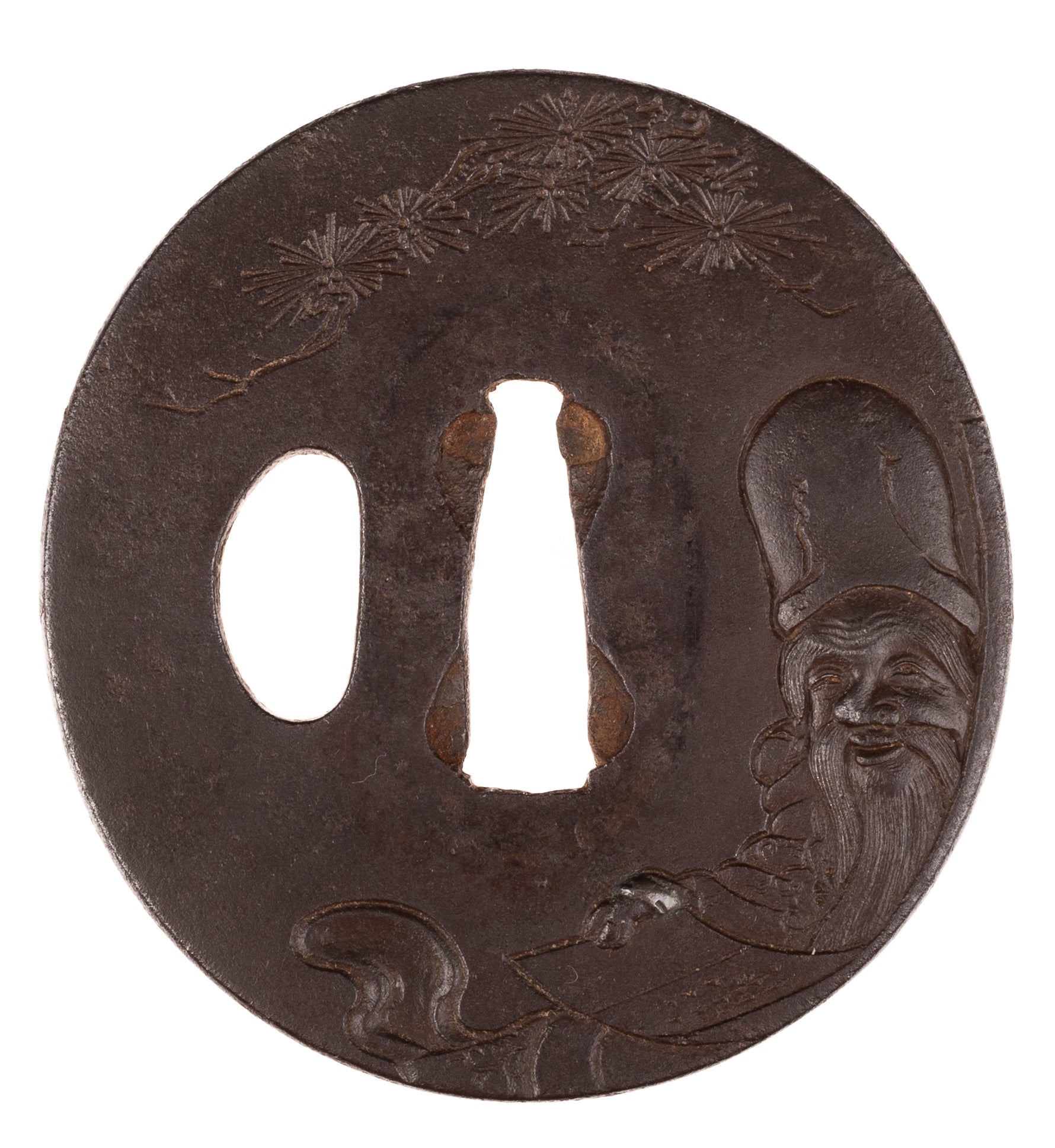
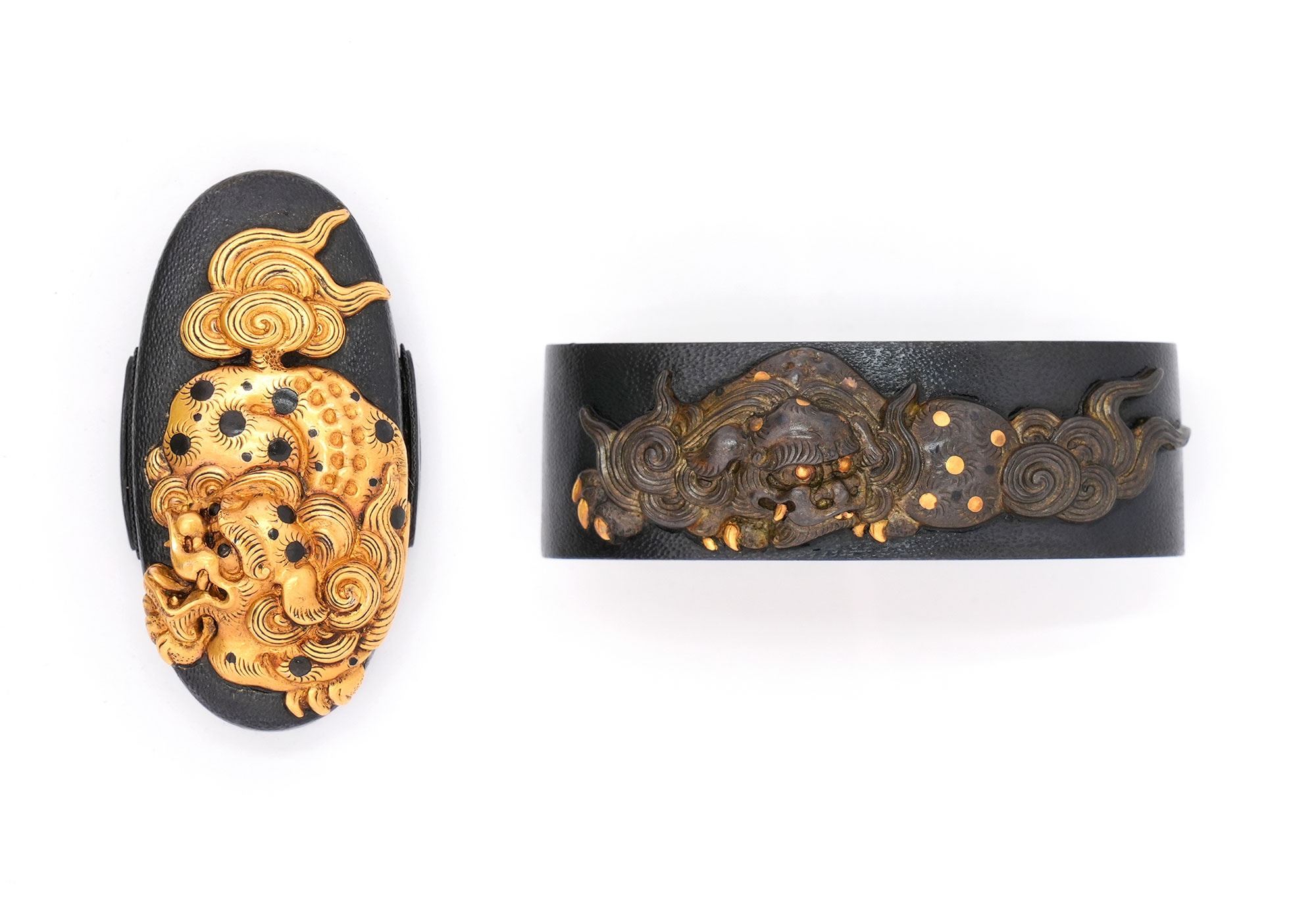
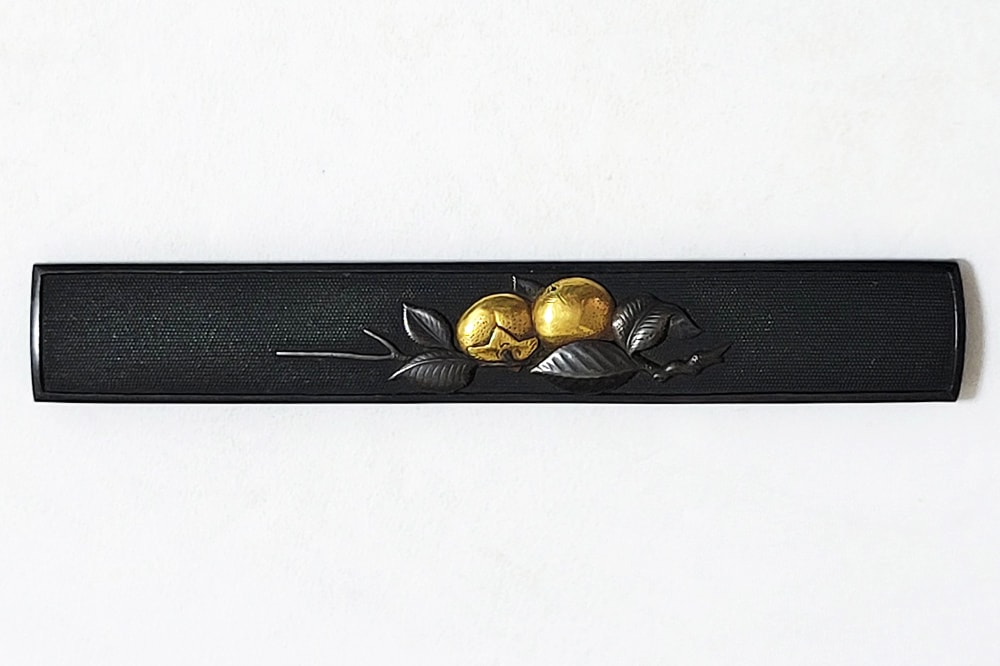
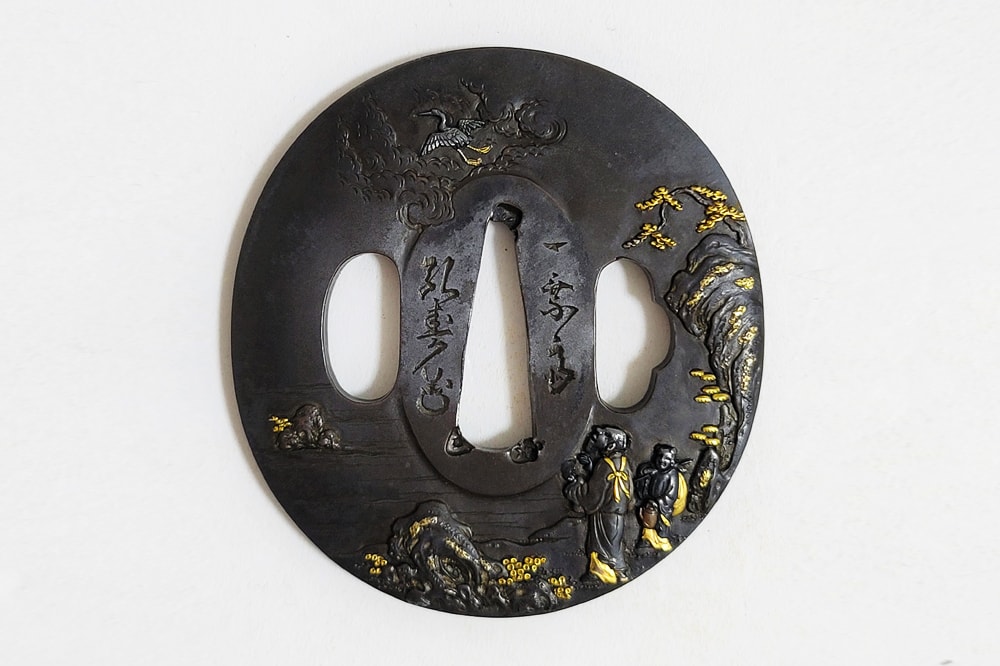
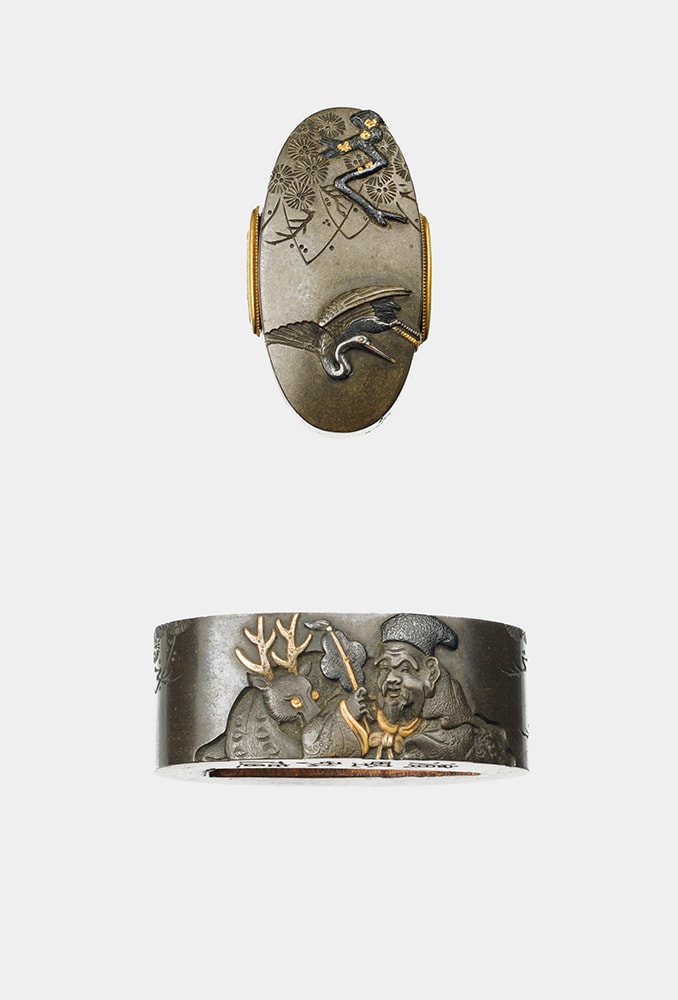
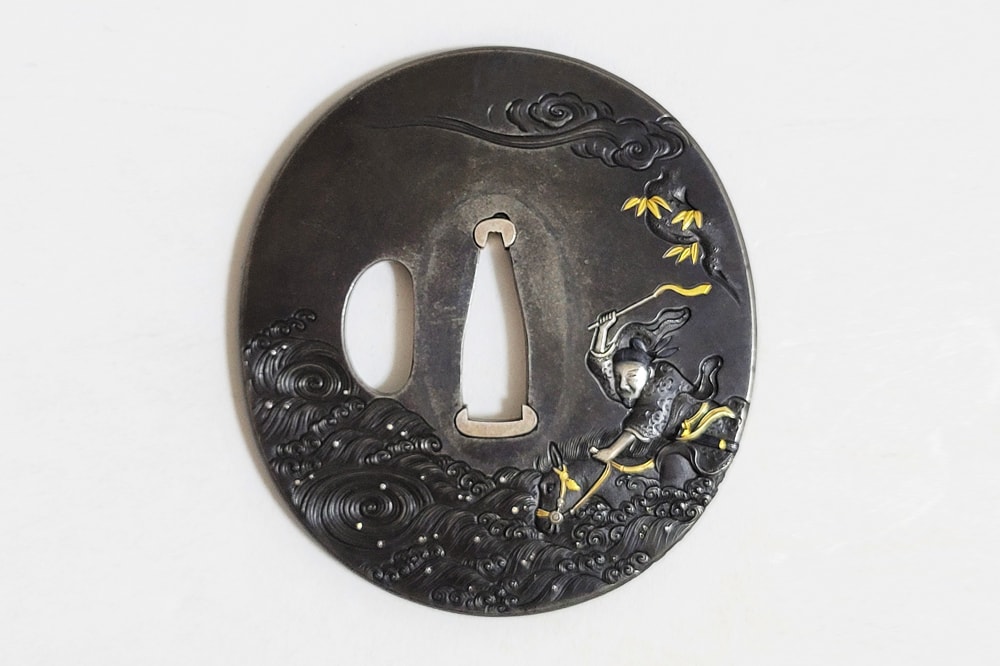
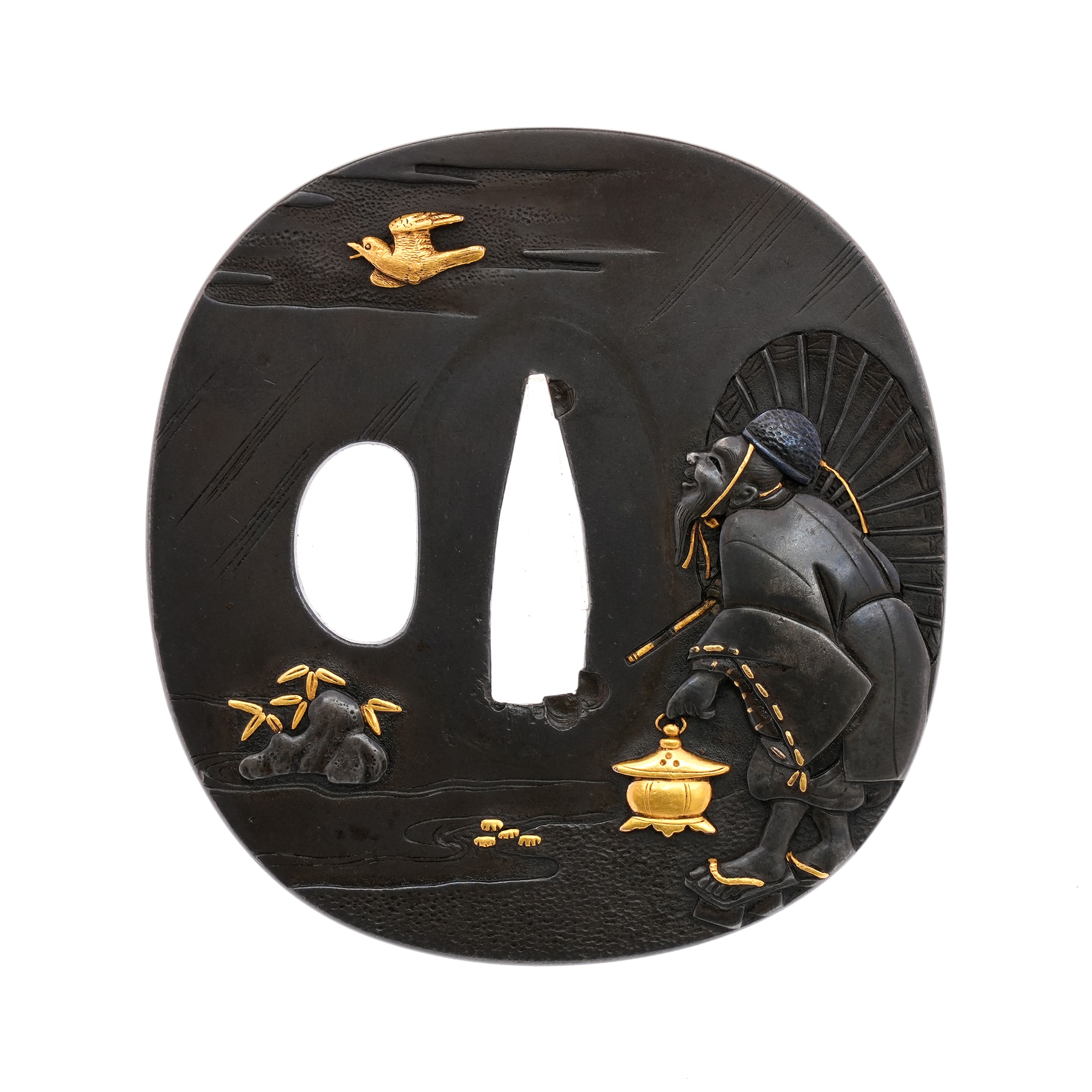
Shibahara (Fujiwara) Juro was born in Bunsei 12 (1829) and was commonly known as Kyutaro. He trained under Toryusai Kiyohisa, the distinguished head of the Toryusai lineage in , and emerged as the foremost talent among Kiyohisa's disciples. The has repeatedly characterized him as "an outstanding talent among the pupils of Toryusai Kiyohisa" and "a master craftsman second only to his teacher" --- assessments that appear with striking consistency across his designated works. Throughout his career he employed a succession of art names (go), including Shojo, Koso, Koso, Ryugansai, and Ryuminsai, signing variously as "Koso Juro," "Shibahara Koso Juro," and "So Jura," among other forms. Active from the closing years of the period into the early Meiji era, he faithfully carried forward what the describes as the "stylish, true " (Edomae) techniques characteristic of the Toryusai school --- a body of methods "rich in the taste and sensibilities of " that defined the lineage's identity.
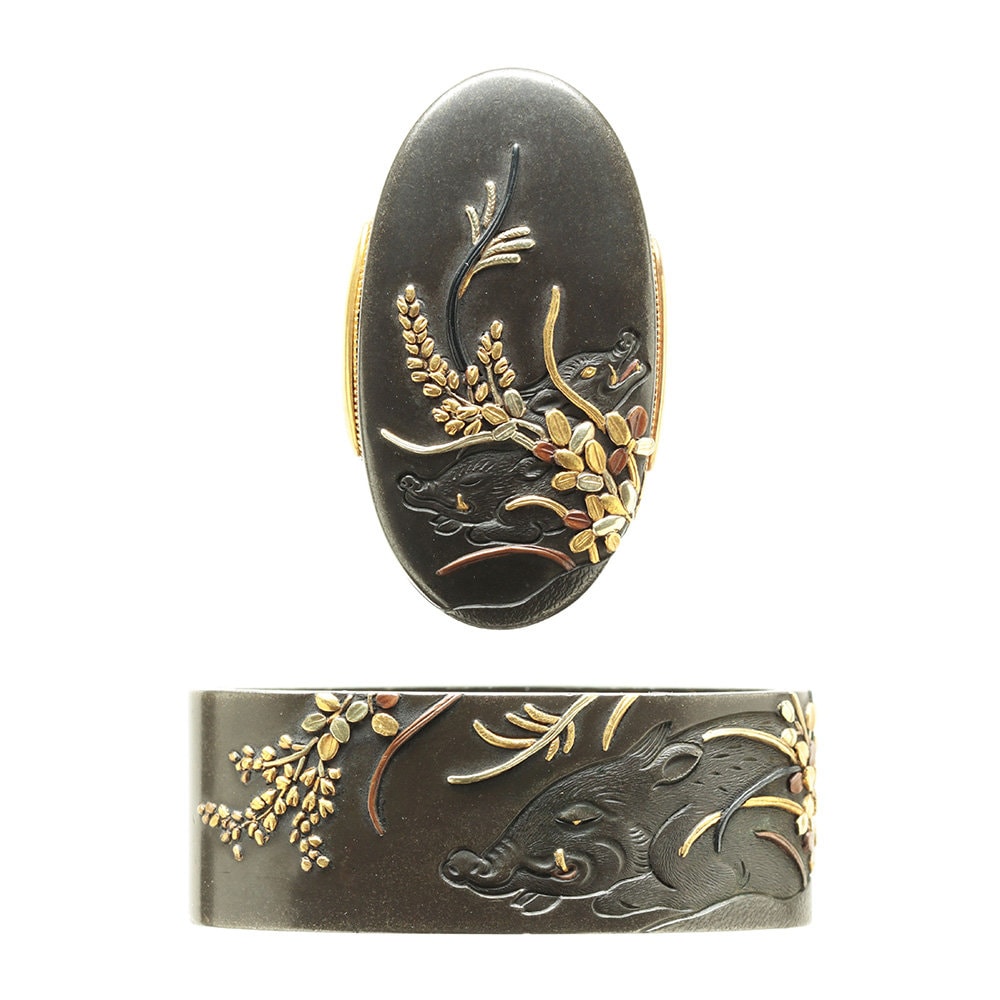
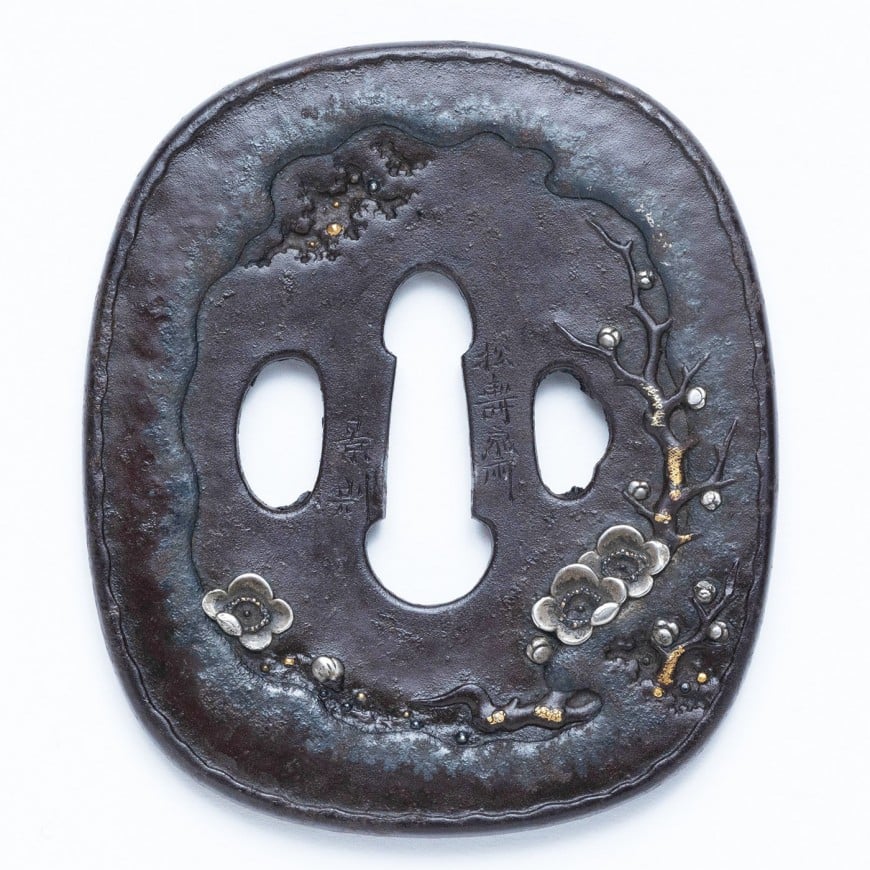
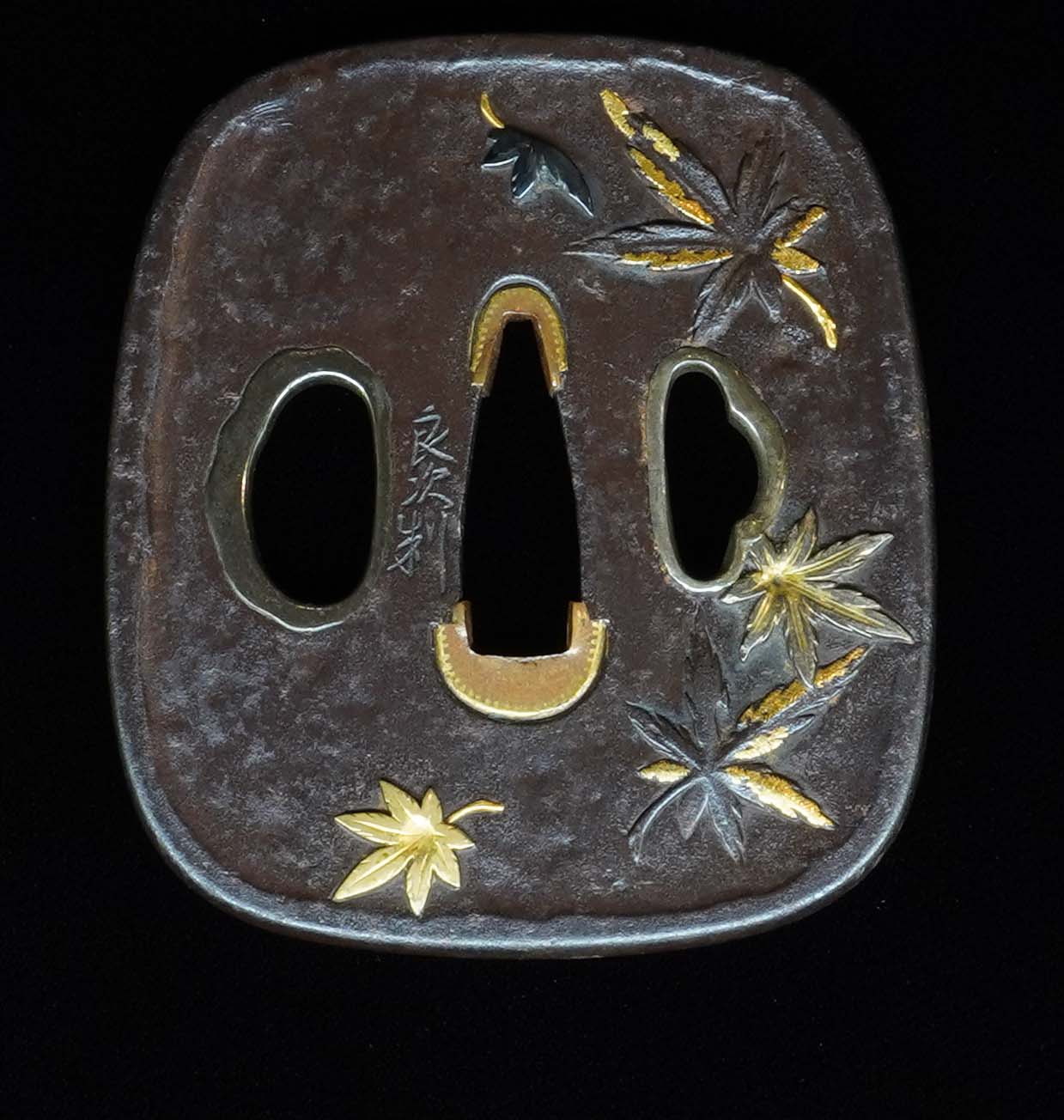
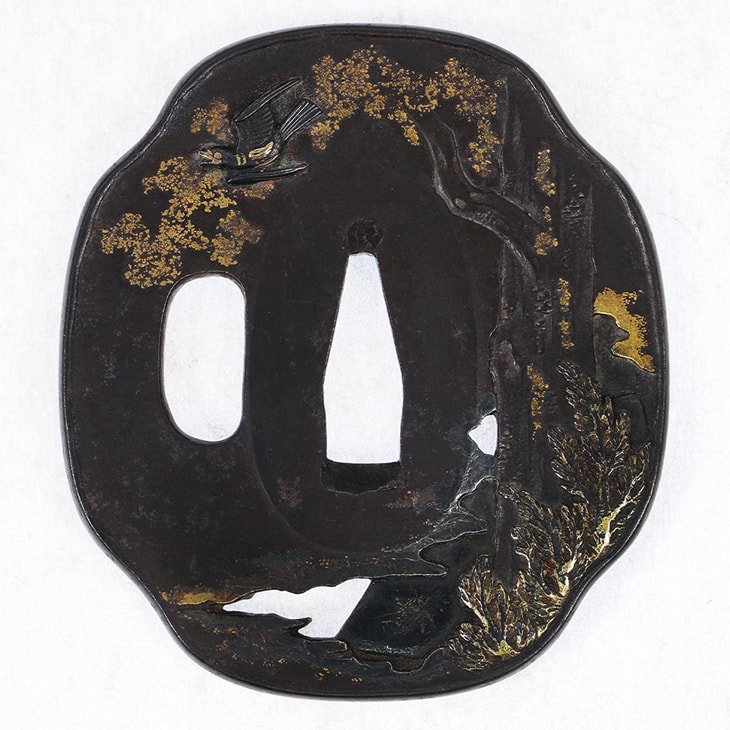
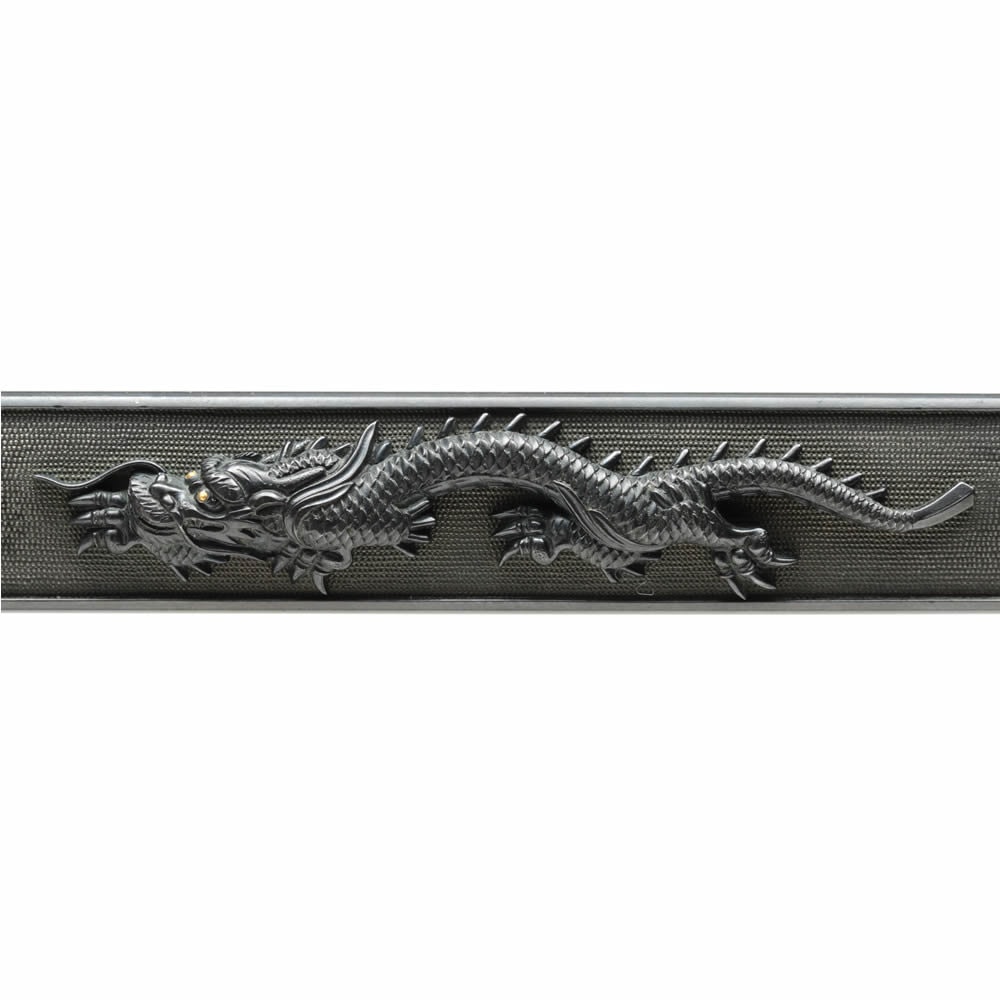
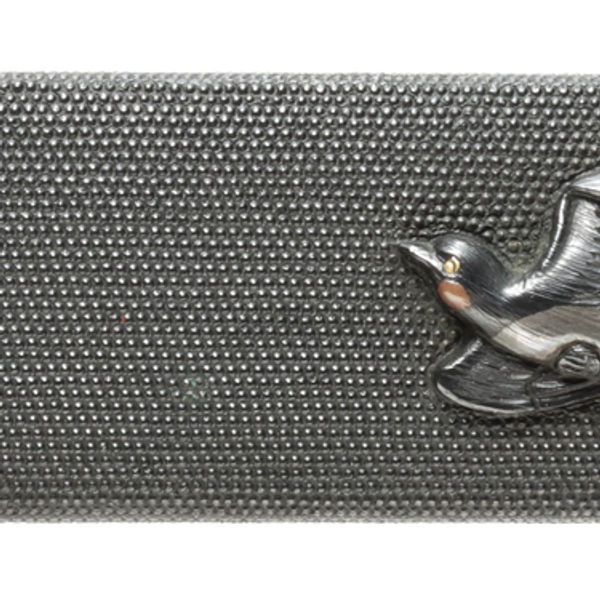
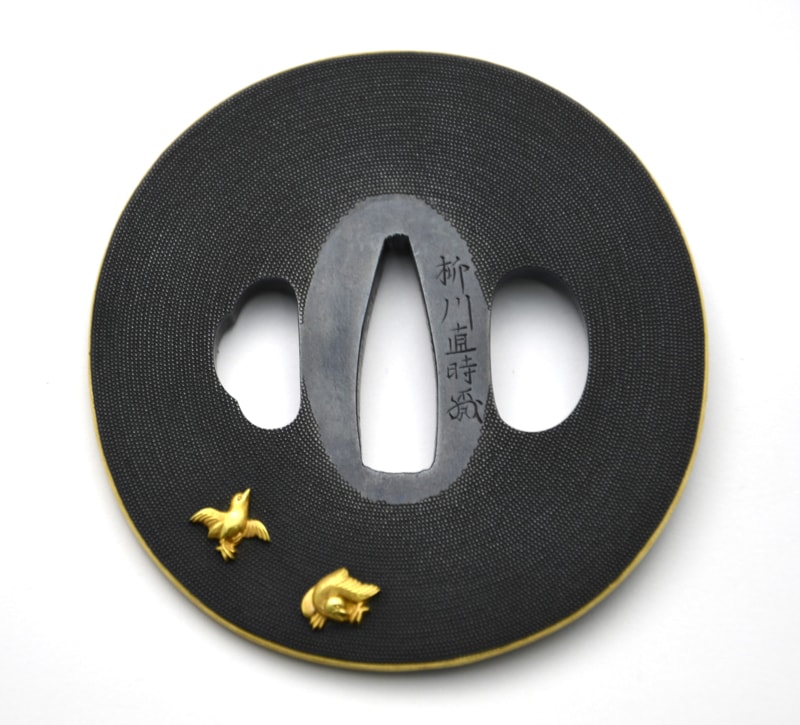
Juro's technical range is distinguished by its command of multiple metalworking disciplines unified within single compositions. His preferred ground is (polished ), though he worked with equal authority in , iron, , and solid silver. His carving encompasses (high relief), nikubori (sculptural carving), , , and the characteristic of the Kiyohisa line, all enriched by layered polychrome in gold, , , , and silver. He employed -, -, (applied-metal work), and keshi- (matte gilding) with fluent assurance, frequently combining multiple inlay techniques within a single piece to achieve tonal depth and chromatic complexity. The observes that his chisel handling is "assured," producing a "supple, rounded carving" that constitutes "one of his characteristic strengths." A recurring hallmark is the neko-kaki ("cat-scratch" file marks) found on the reverse of his --- a feature "frequently encountered in this group." His pictorial subjects range from Buddhist guardians and Daoist immortals to literary figures such as Saigyo and Yamabe no Akahito, seasonal motifs distributed across coordinated suites, and themes drawn from the Twenty-four Filial Exemplars. In each case, the notes his ability to subordinate virtuosic technique to atmospheric effect, creating works that convey "a calm, restrained atmosphere" or "a sense of quiet loneliness" appropriate to the chosen subject.
Across his designated oeuvre, the 's evaluative language reveals an artist whose significance rests not merely on technical proficiency but on the capacity to sustain the aesthetic identity of his school at its highest level. His works are described as possessing "high completeness," demonstrating technique "displayed to its fullest," and exhibiting results that "compellingly confirm" his position as "the foremost metalworker among Kiyohisa's pupils." The recurring phrase "worthy of being called the most capable hand among the Toryusai-line disciples" establishes him as the principal inheritor of the lineage's artistic authority. His compositions are praised for their "generous advantage of open space," their "composed, steady atmosphere," and their capacity to harmonize diverse techniques into unified pictorial statements. That the consistently invokes his standing relative to his teacher --- praising him as second only to Kiyohisa himself --- situates Juro as the essential bridge between the Toryusai school's mature -period expression and its continuation into the Meiji era, a craftsman whose technical inheritance and aesthetic sensibility preserved the refined, taste-driven character of the lineage at the moment of its historical transition.