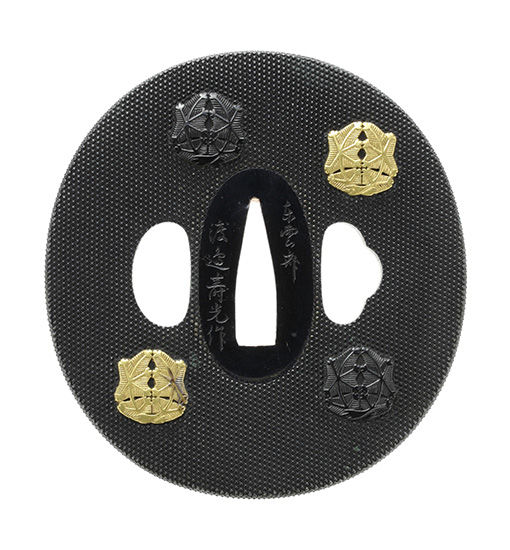
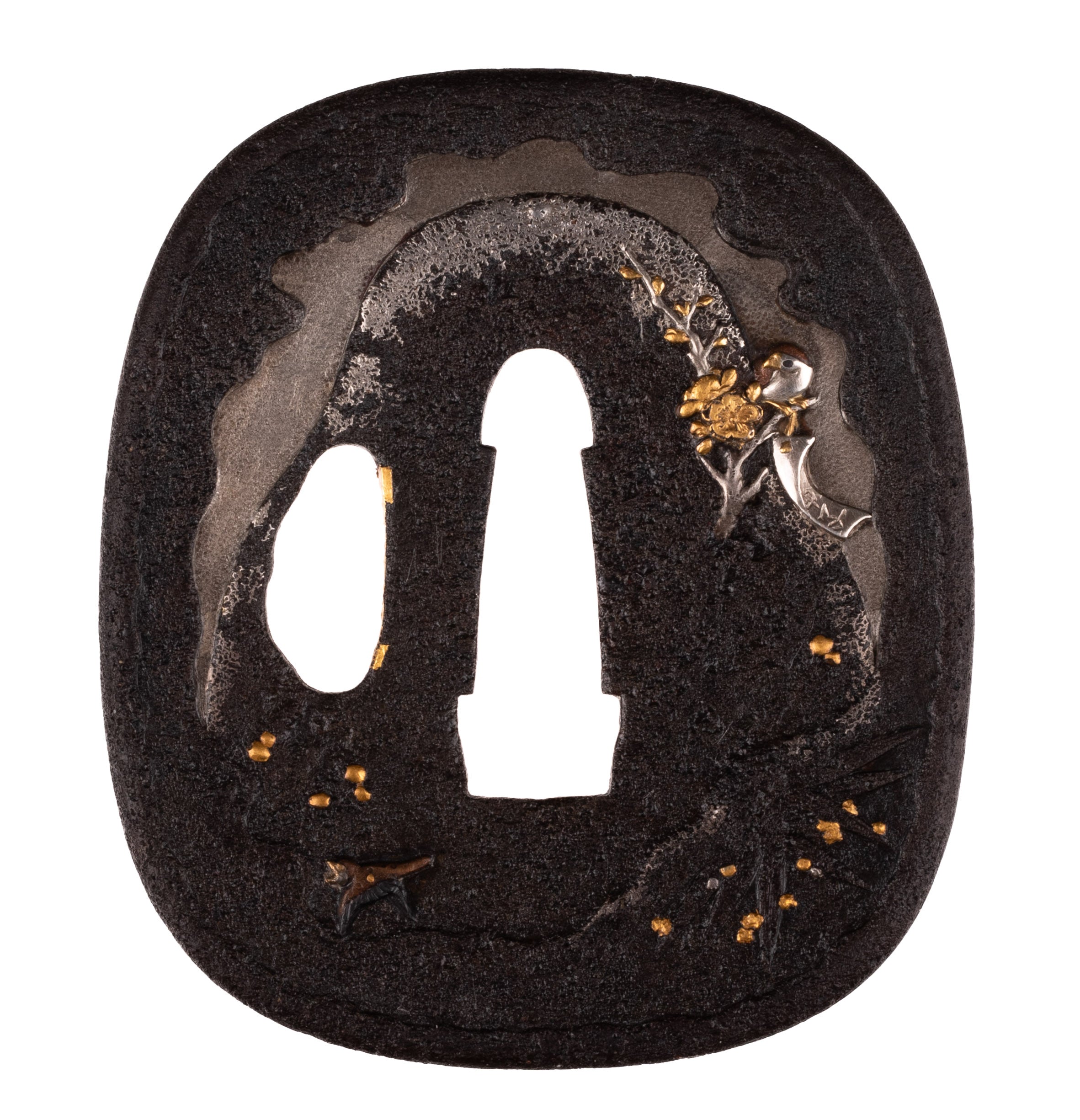
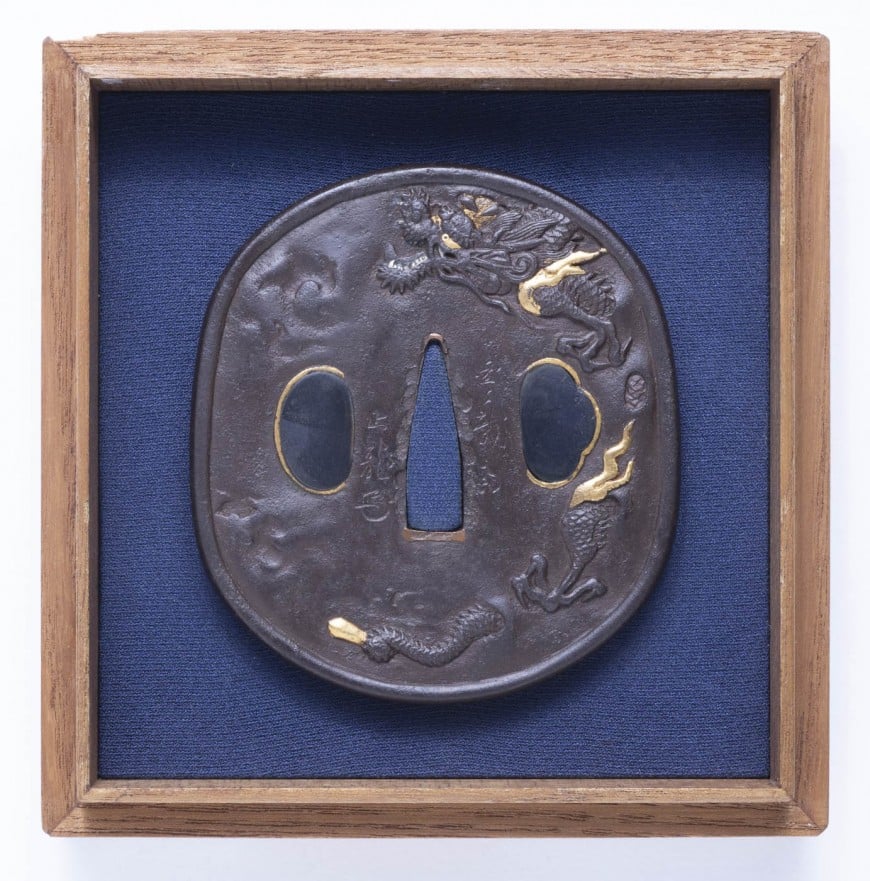
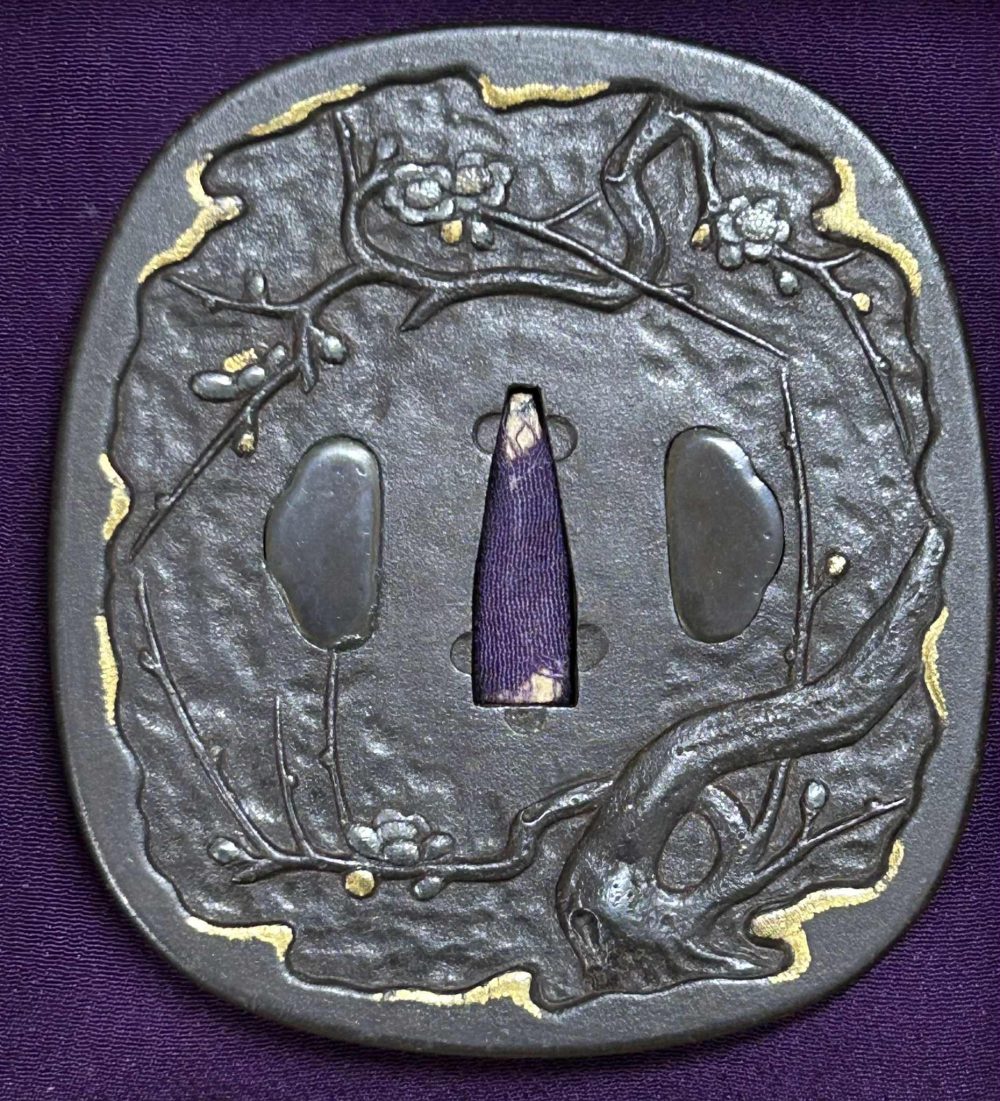
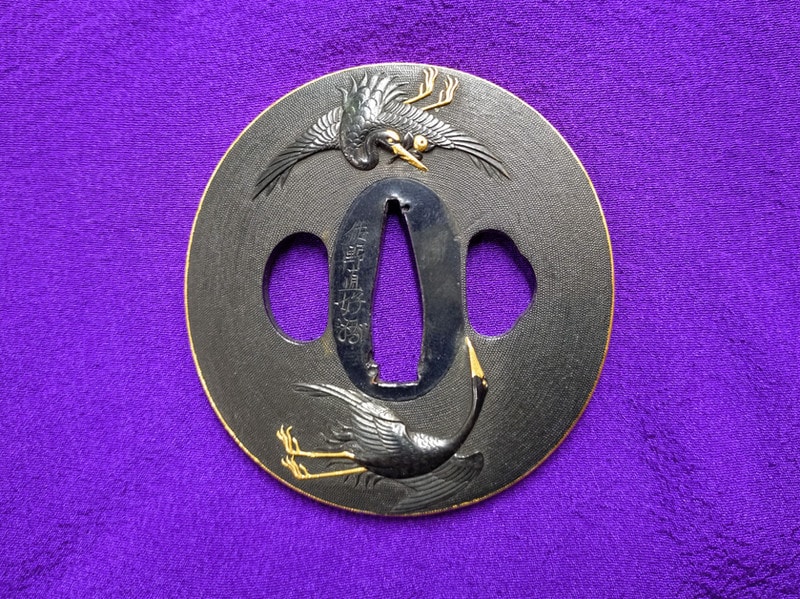
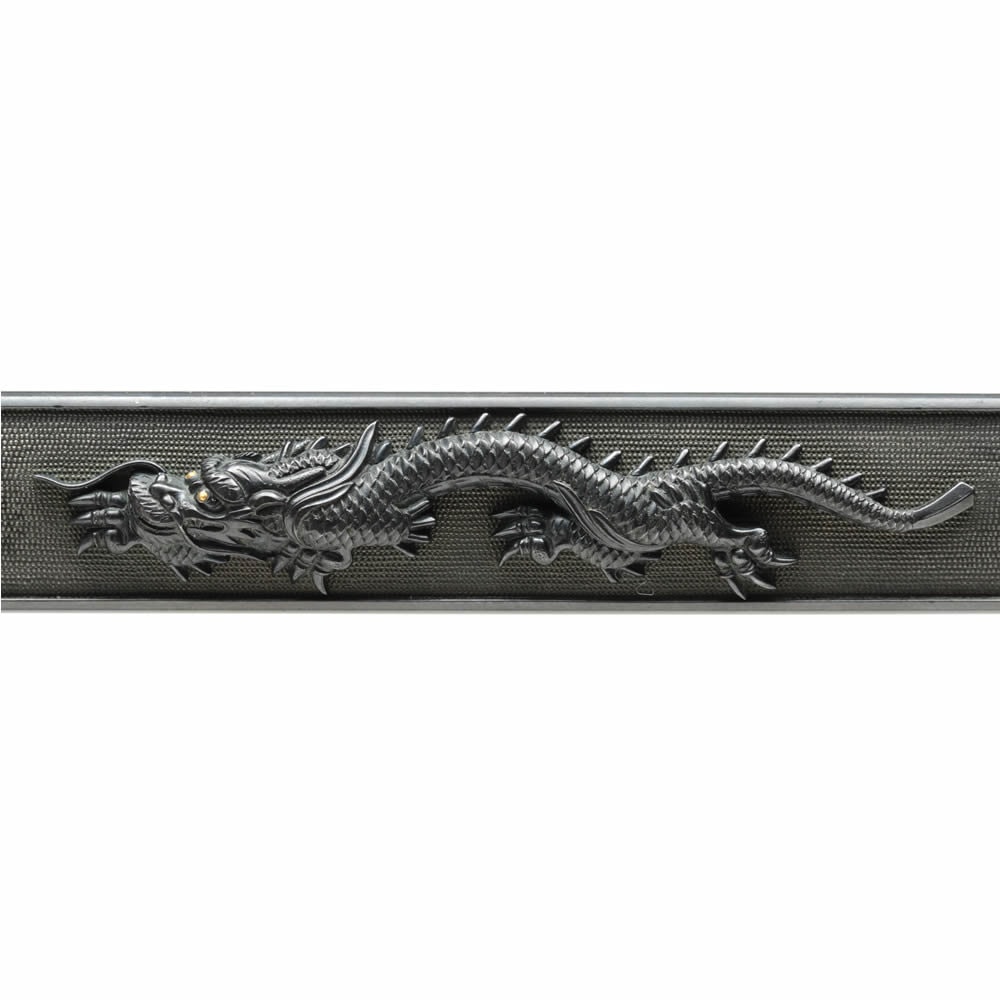
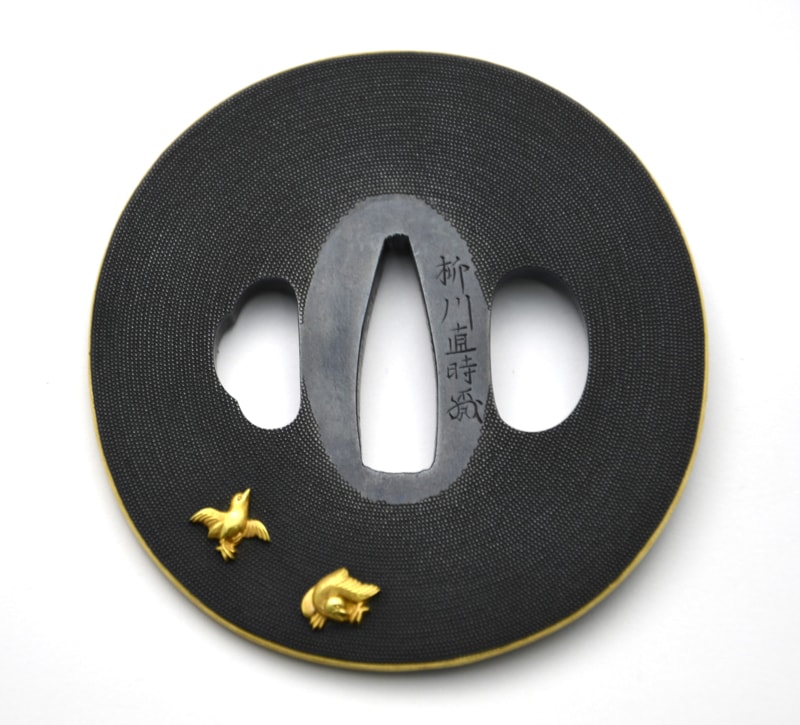
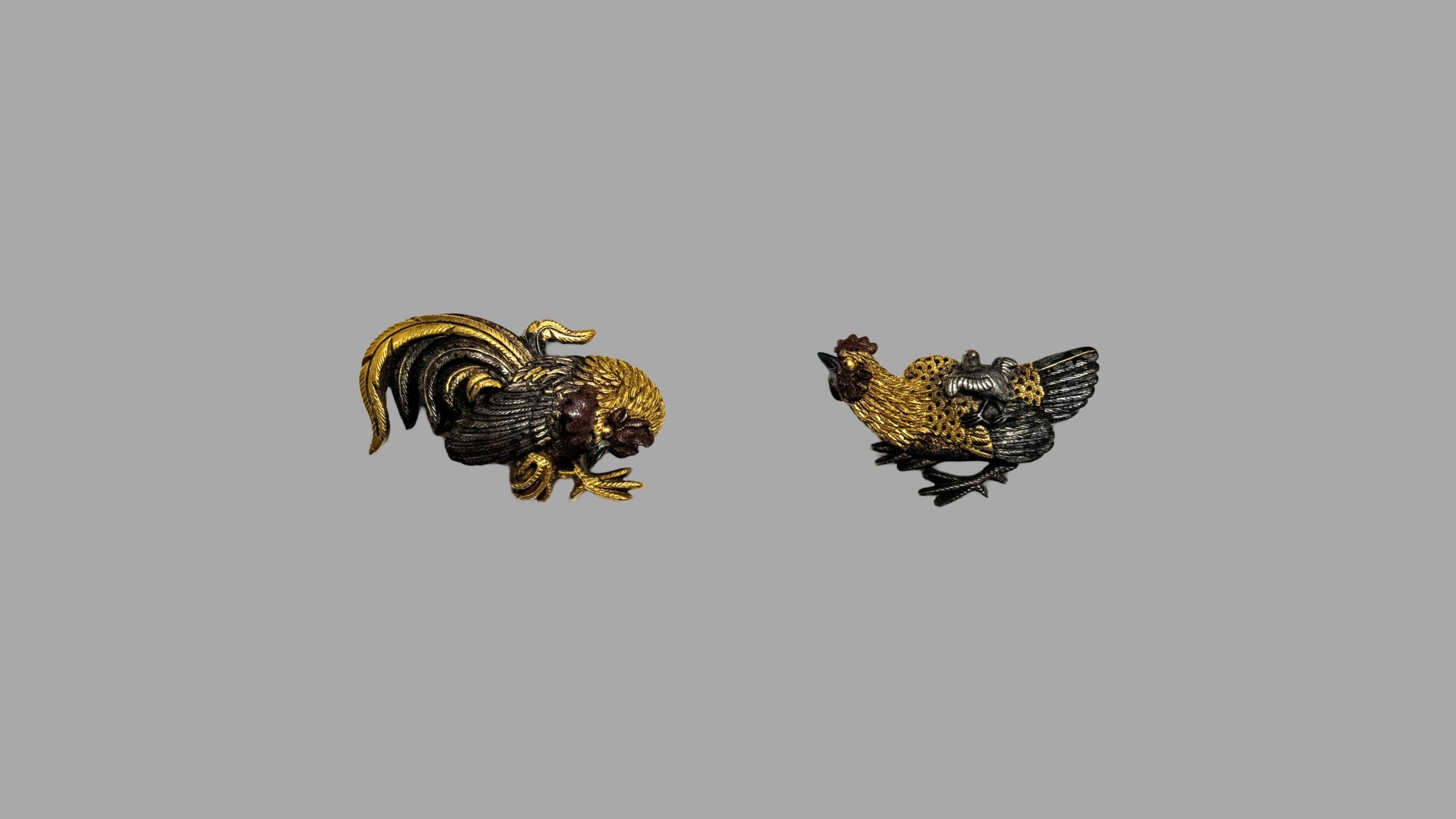
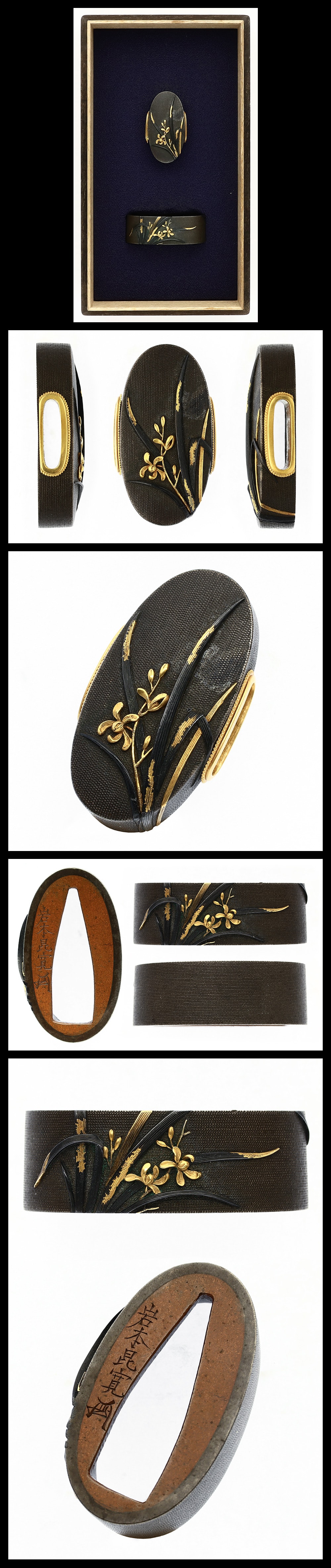
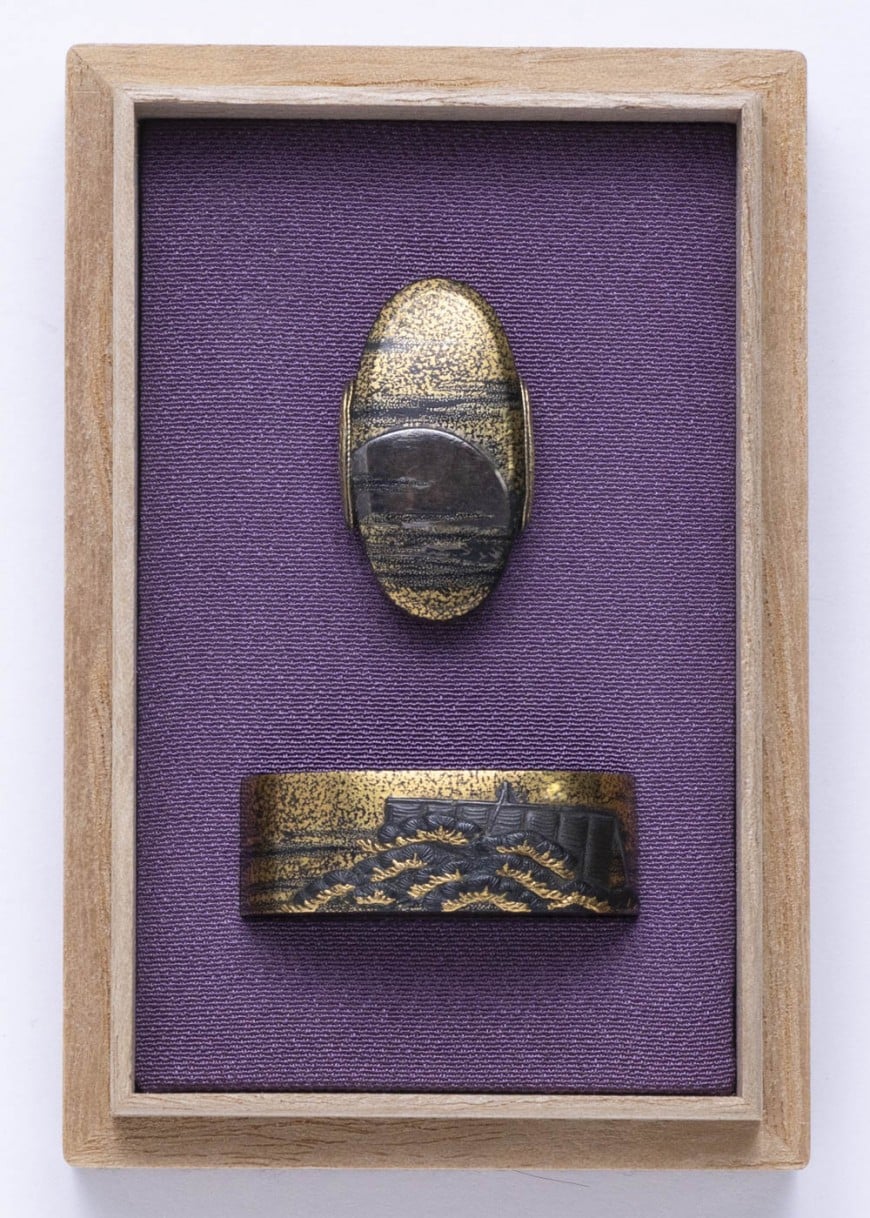
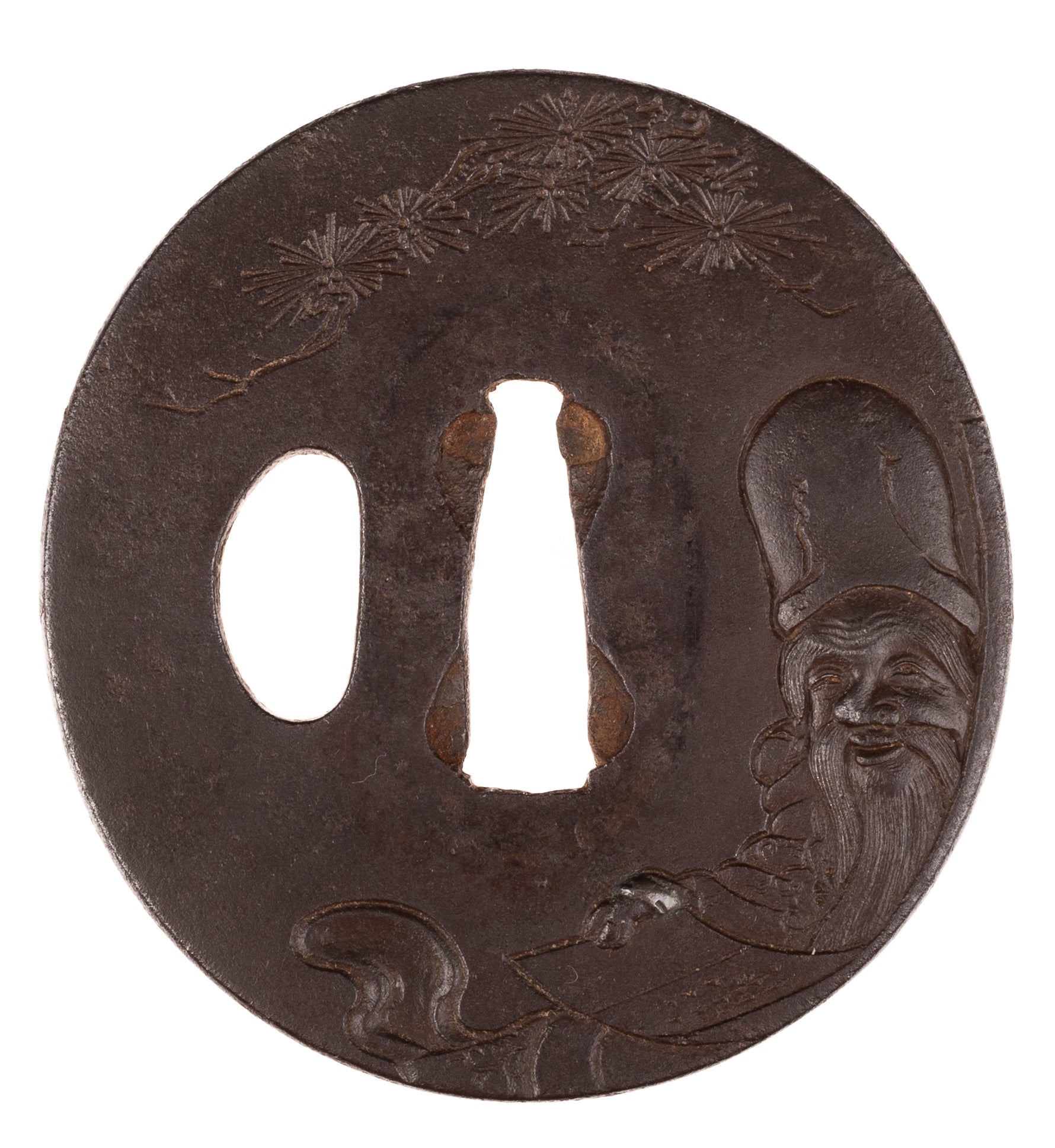
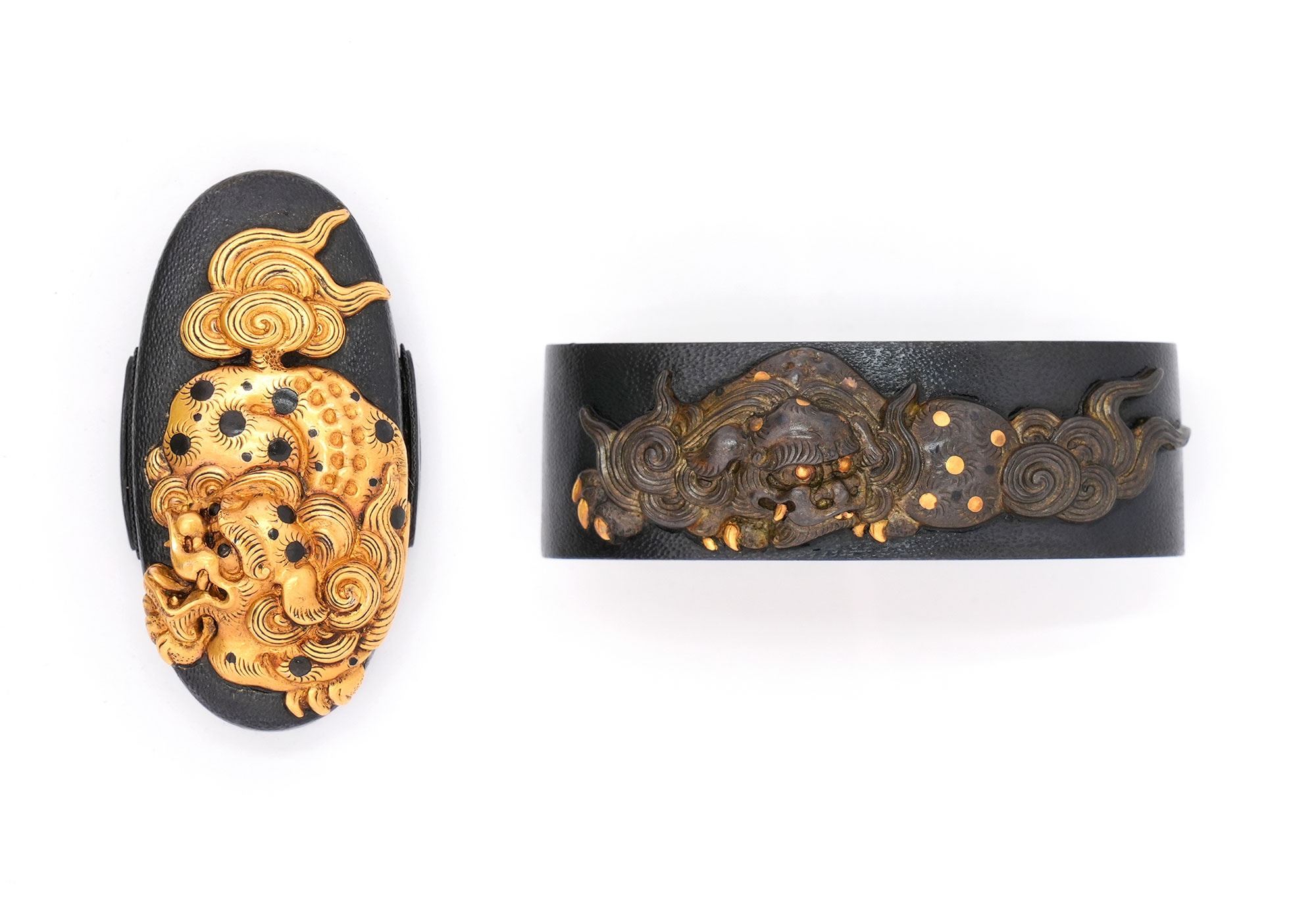
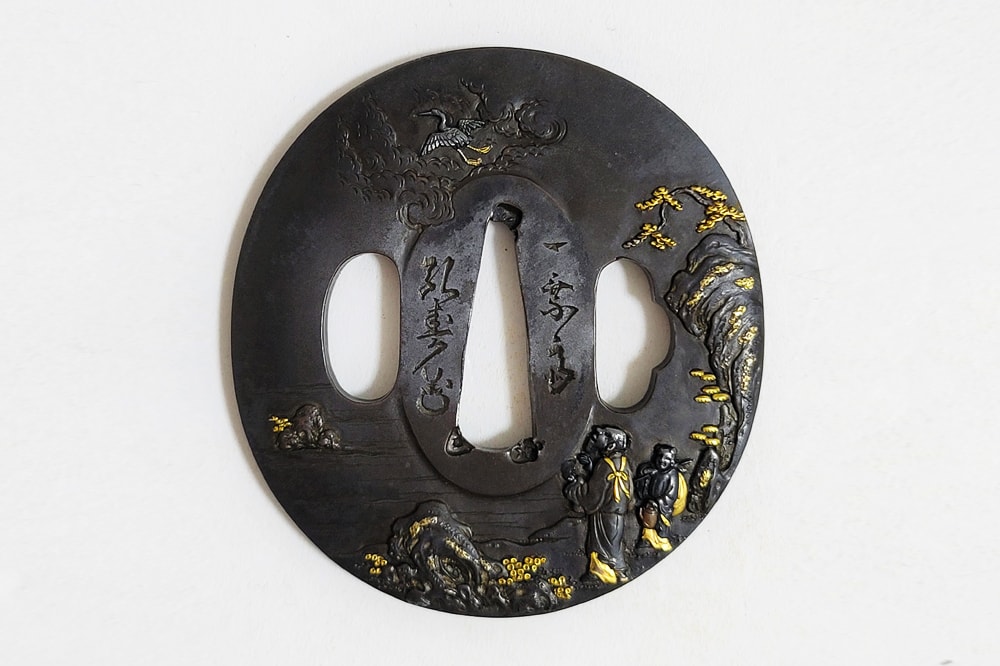
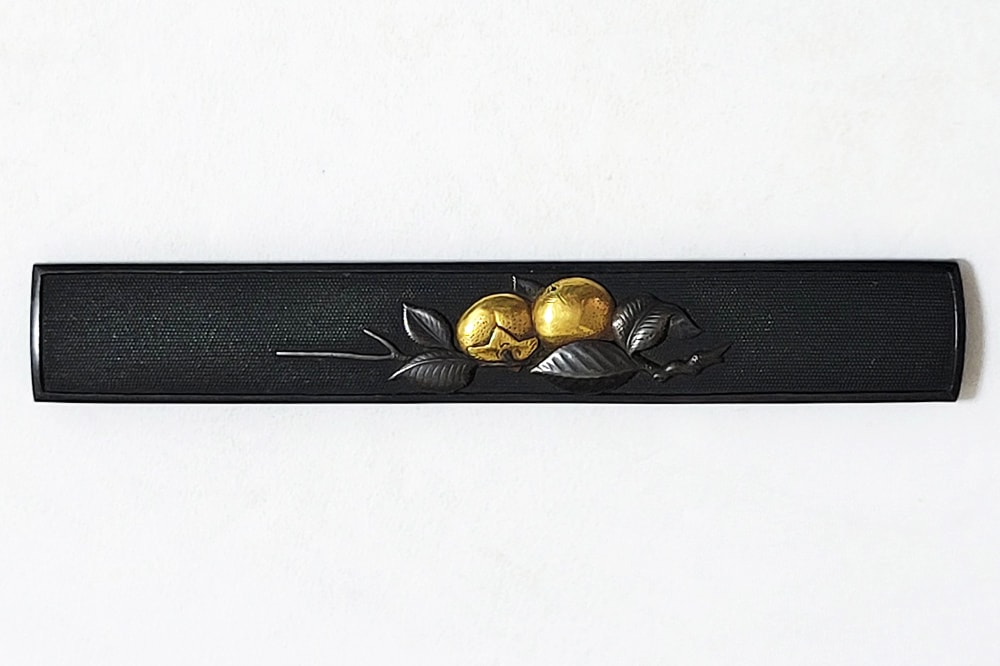
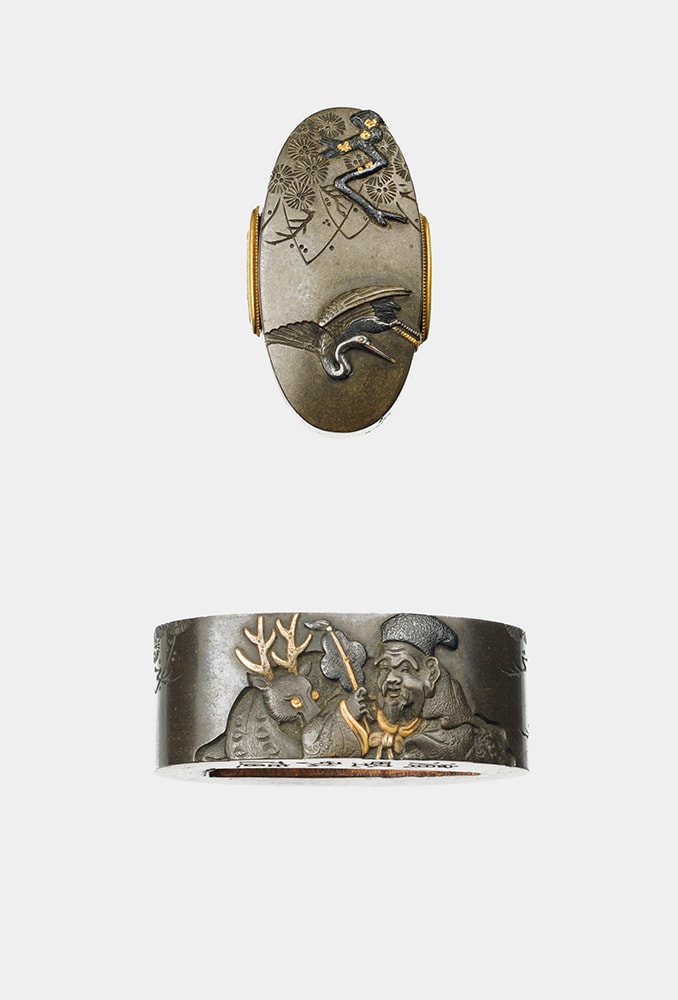
Kiyoshige was the adopted son of Tanaka Seijū, founder of the Tōryūsai lineage, and succeeded as the second generation of that name. His common name (tsūshō) was Minomatsu. While still young he was elevated to the Buddhist honorary rank of Hōkyō, and he was permitted the art name Seiu. Active during the late period, Kiyoshige occupied a central position within the Tōryūsai school, working alongside Katsumi — himself a gifted disciple of Seijū — with whom he executed collaborative pieces of the highest order. Together they represent the mature flowering of the Tōryūsai tradition as it had been transmitted from its founder.
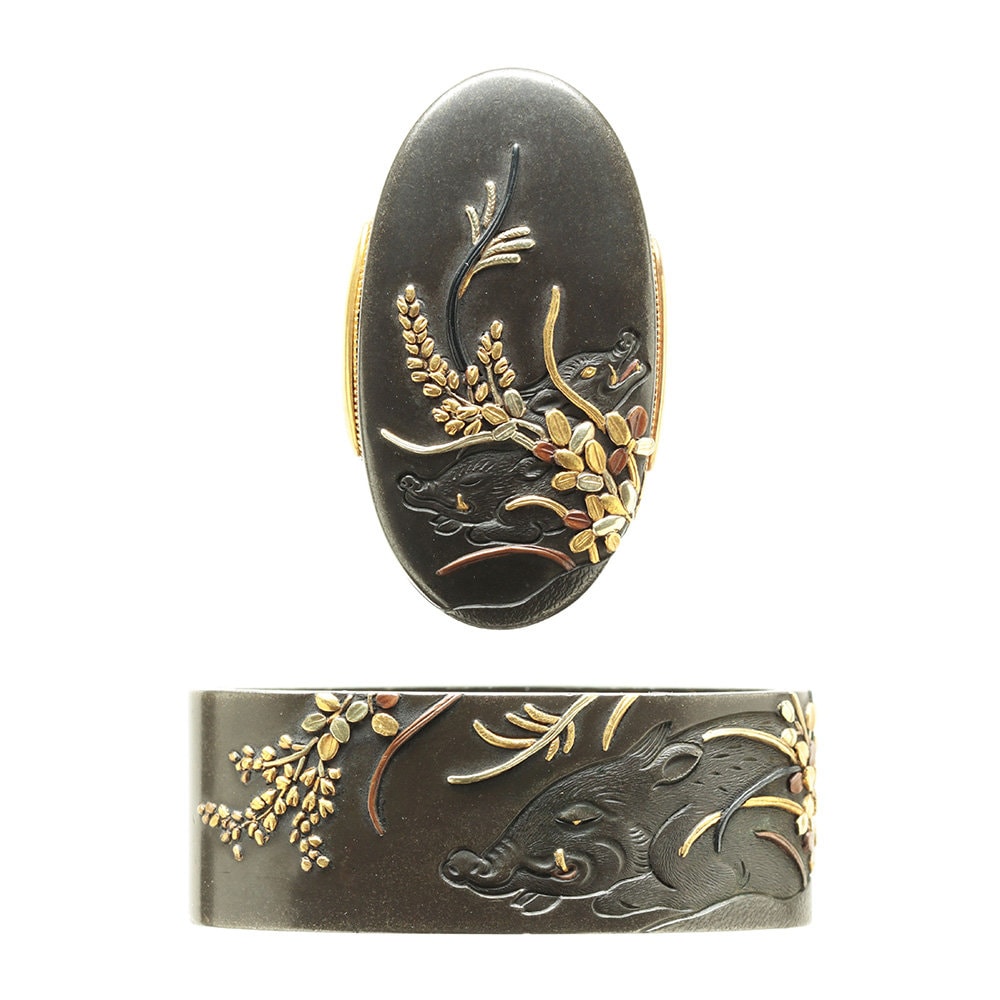
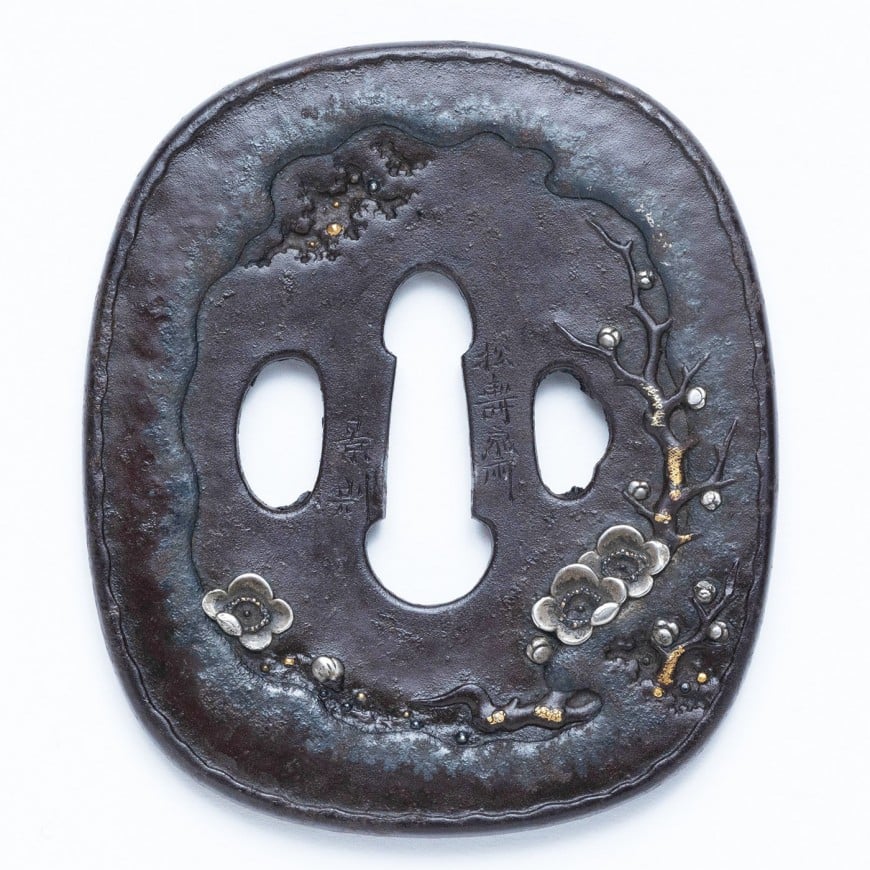
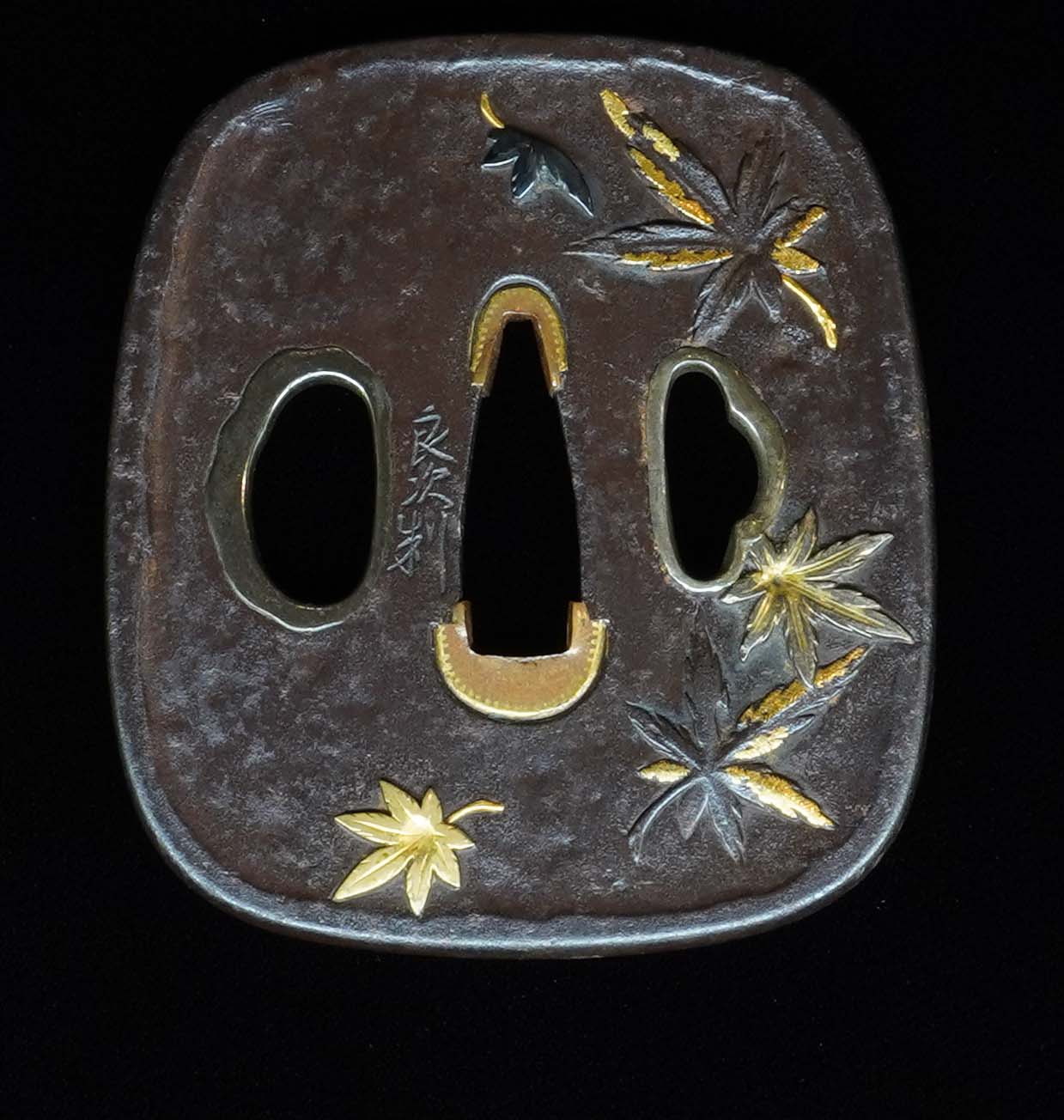
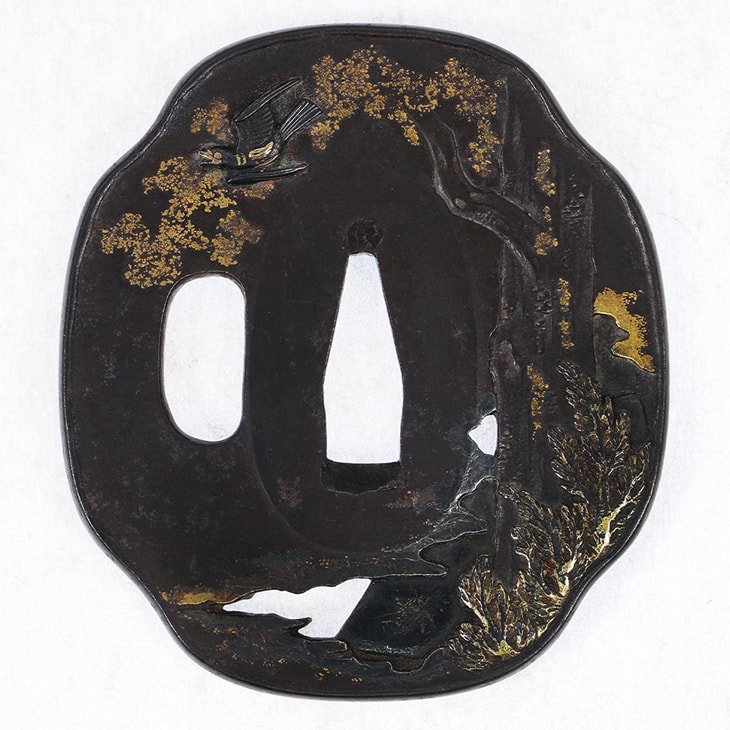
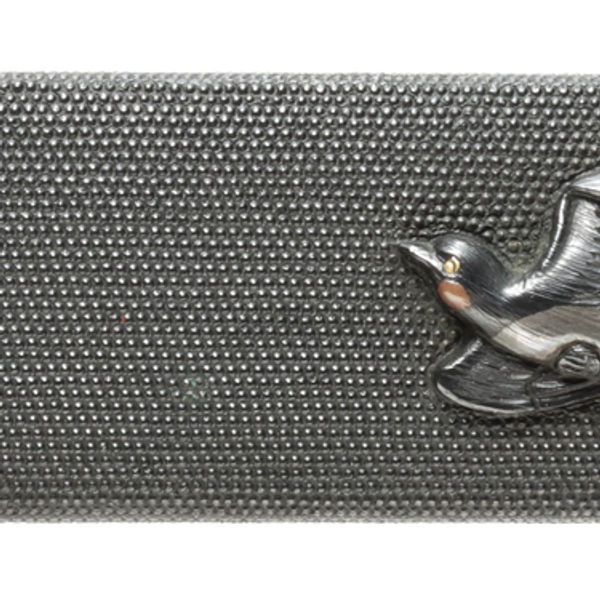
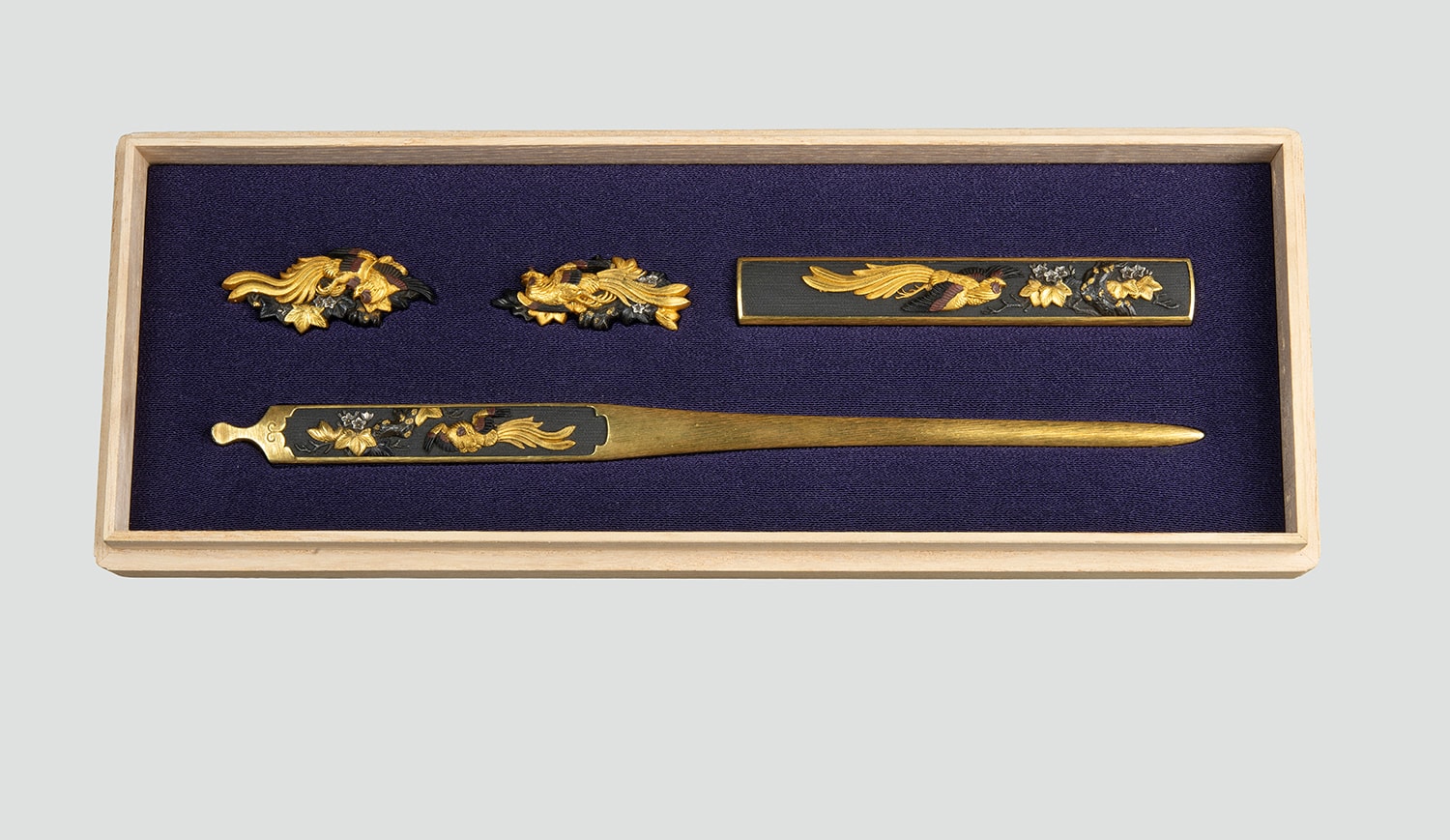
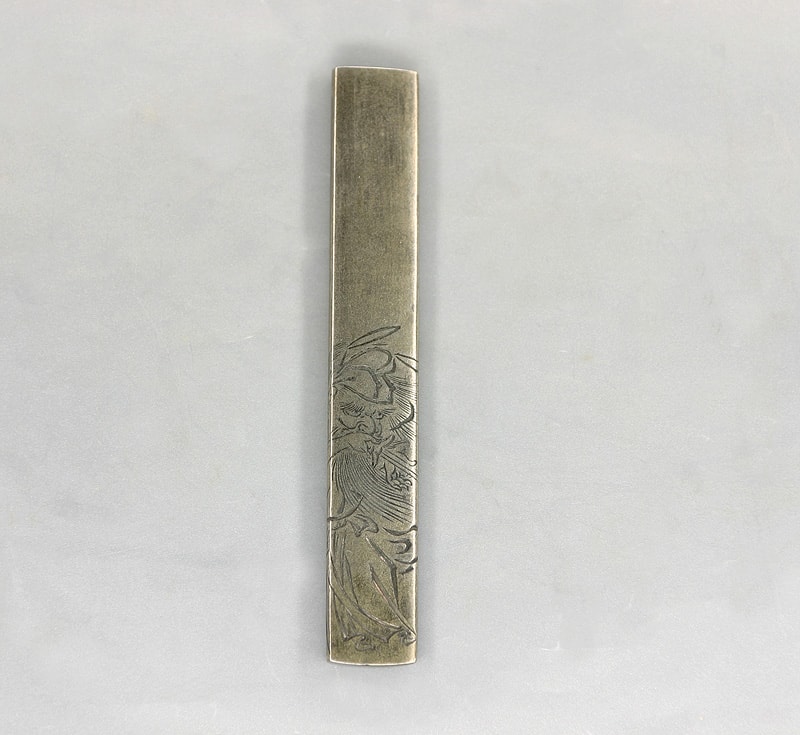
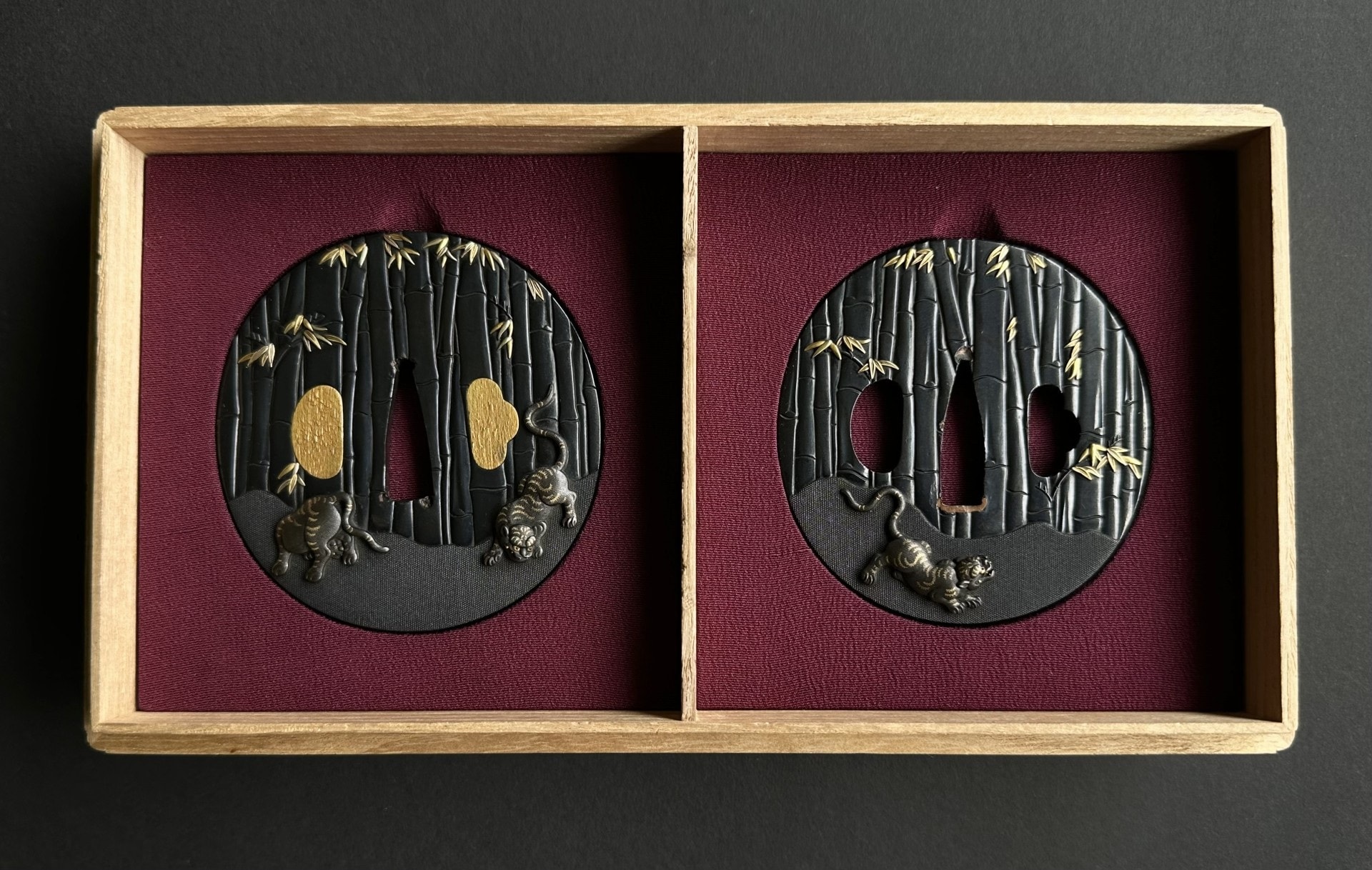
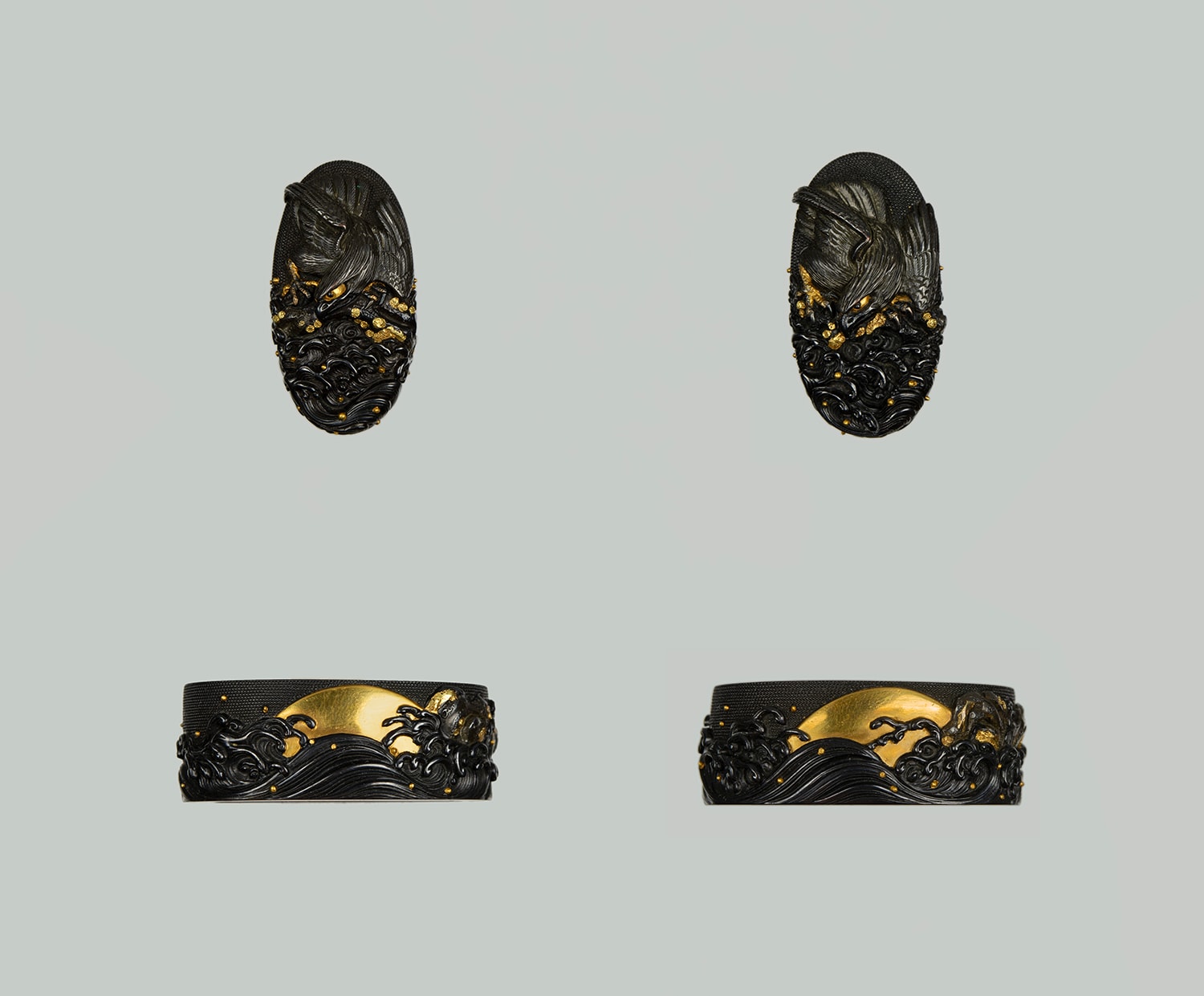
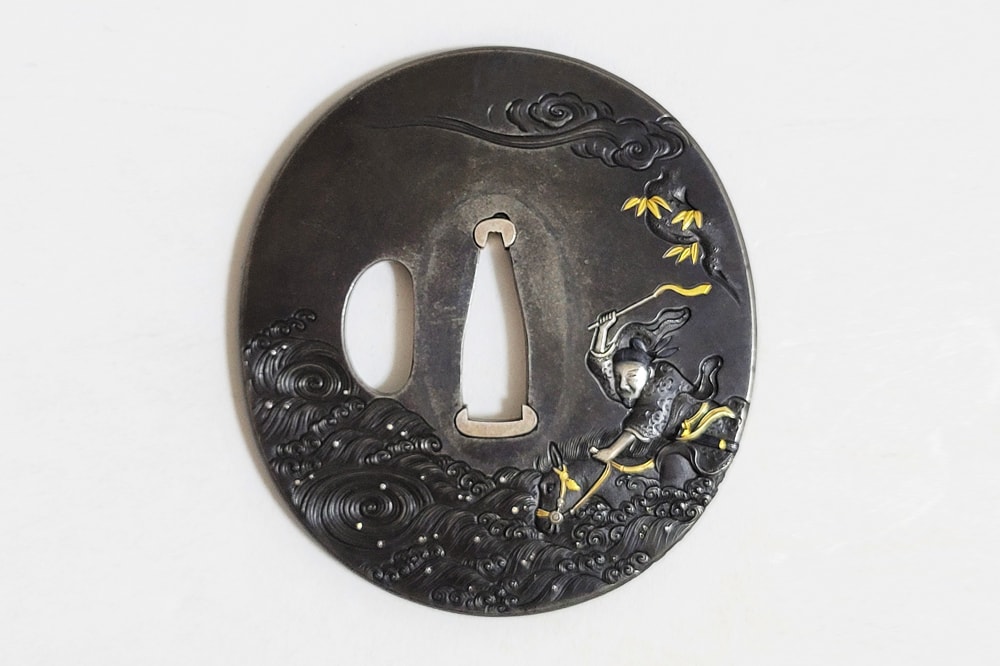
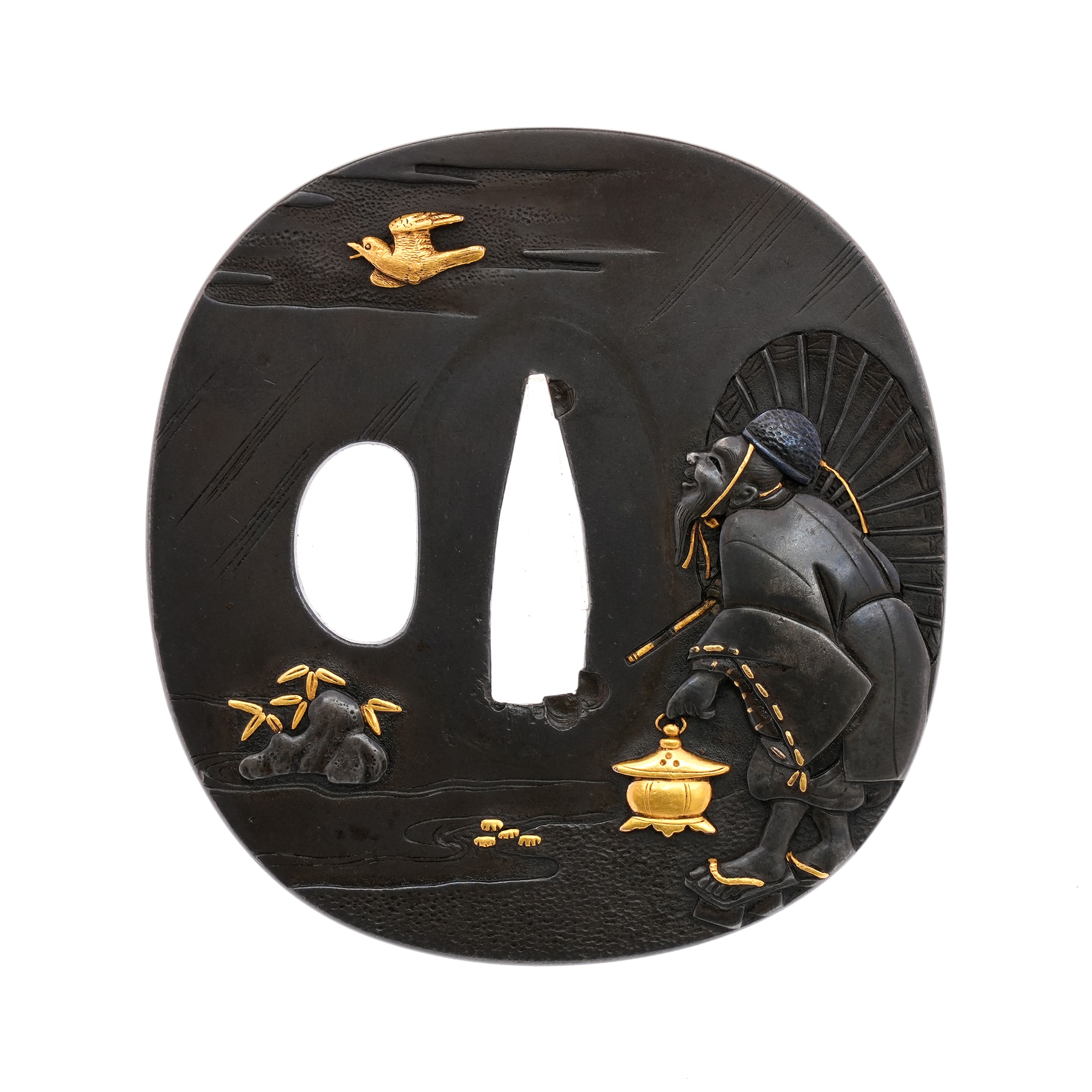
Kiyoshige's technical vocabulary was rooted in the school's signature command of with polychrome , yet he distinguished himself through an exceptional capacity for volumetric modeling. His yōbori carving, approaching fully sculptural , displays what the characterizes as outstanding "placement of flesh" () — a superior sense of mass and bodily modeling — while the chisel work is effective into every corner. In his , straightforward, forthright and the skillful use of various colored metals create strongly contrasted, animated pictorial fields, with spacious compositions making effective use of open ground and finely sprinkled . In composition, carving, and coloring alike, the workmanship is careful and precise throughout.
The judges Kiyoshige's finest works as attaining a level comparable even to that of his master. His solid-gold of Shō-Kannon Bosatsu, carved with such pronounced volume that the figure appears almost as , is singled out as a piece of exceptionally elevated character — the finest among his surviving oeuvre. His collaborative with Katsumi constitutes valuable material for the study of the Tōryūsai school, clearly demonstrating the firmly grounded, advanced technique of both makers. Given that extant works by Kiyoshige are few, each designated example carries particular weight as testimony to the technical and artistic achievements of the Tōryūsai line.