NihontoWatch MonNihontoWatchBETA
MarketEncyclopedia
NihontoWatch Mon

NihontoWatchBETA

Market
Encyclopedia
Overview·Kantei·Designations·Provenance·Work Types·Signatures·Lineage·School
OverviewKanteiDesignationsProvenanceWork TypesSignaturesLineageSchool
  1. Schools
  2. Nara
  3. Toshinaga

Nara Toshinaga

利寿

Tokujū
Vol. 27, No. 39 · Kozuka

Nara Toshinaga

利寿

28 ranked works

ProvinceEdoEraKanbun-Genbun (1667–1737)SchoolNaraTraditionMachiboriTeacherToshinagaSpecialtiestsuba, fuchi-kashira, menukiTypeTosogu MakerCodeNAR001
3Jūyō Bunkazai
3Jūyō Bijutsuhin
3Tokubetsu Jūyō19Jūyō Tōken

Overview

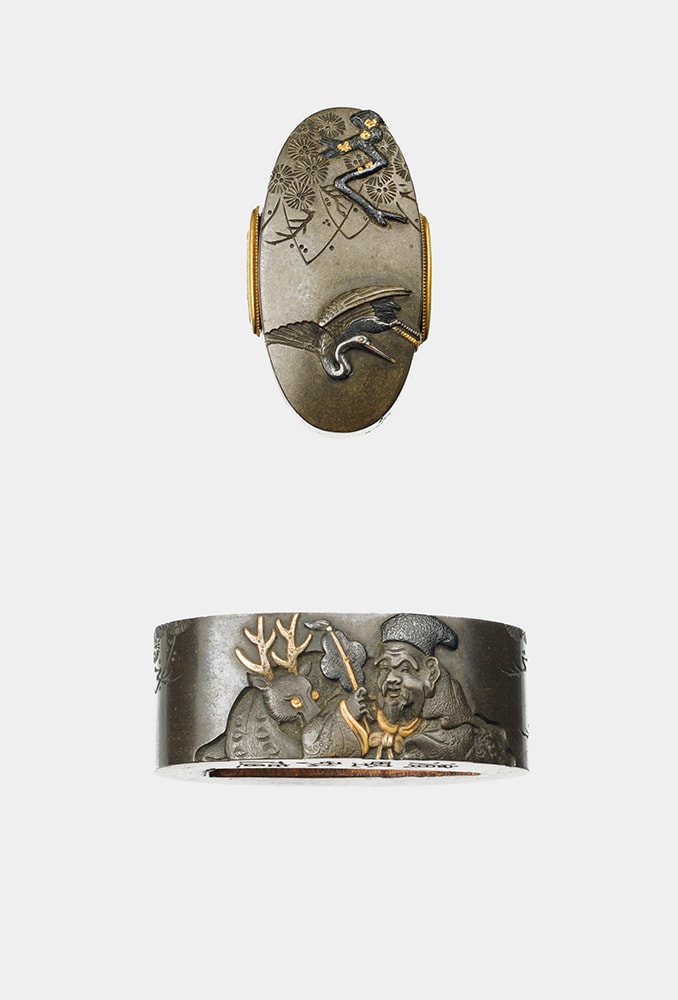
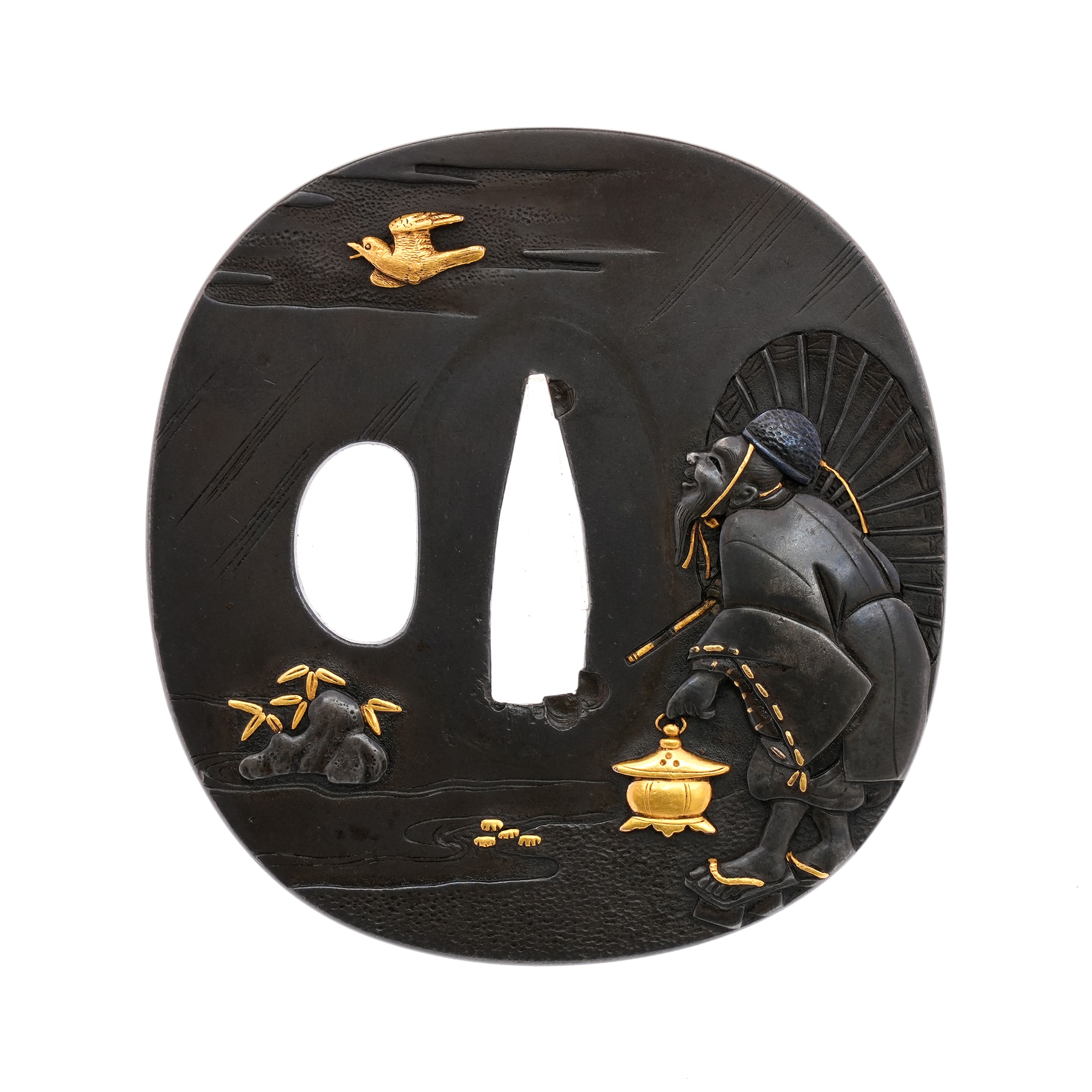
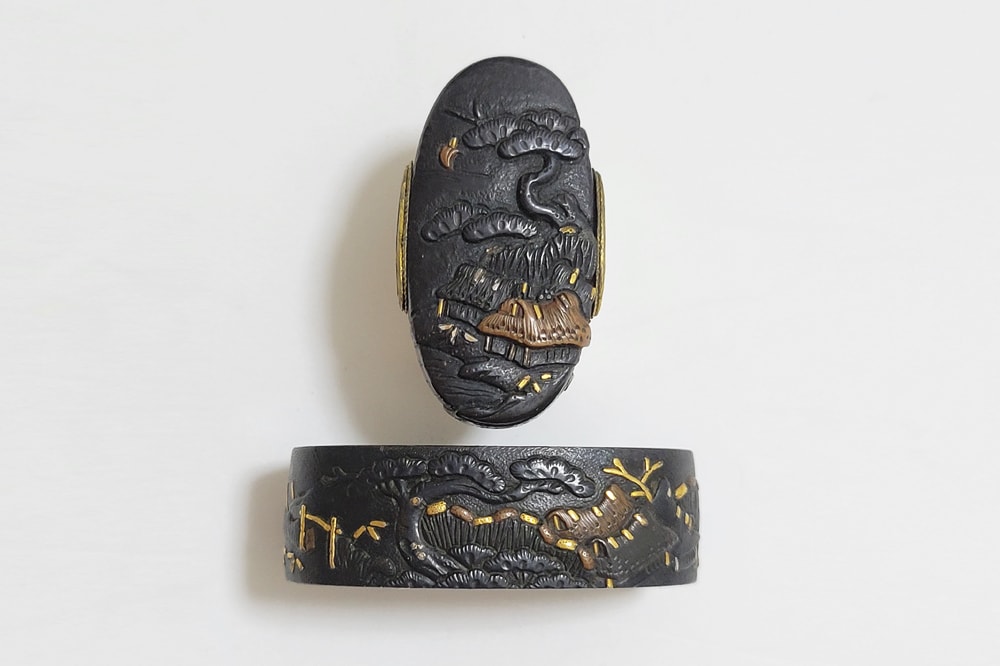
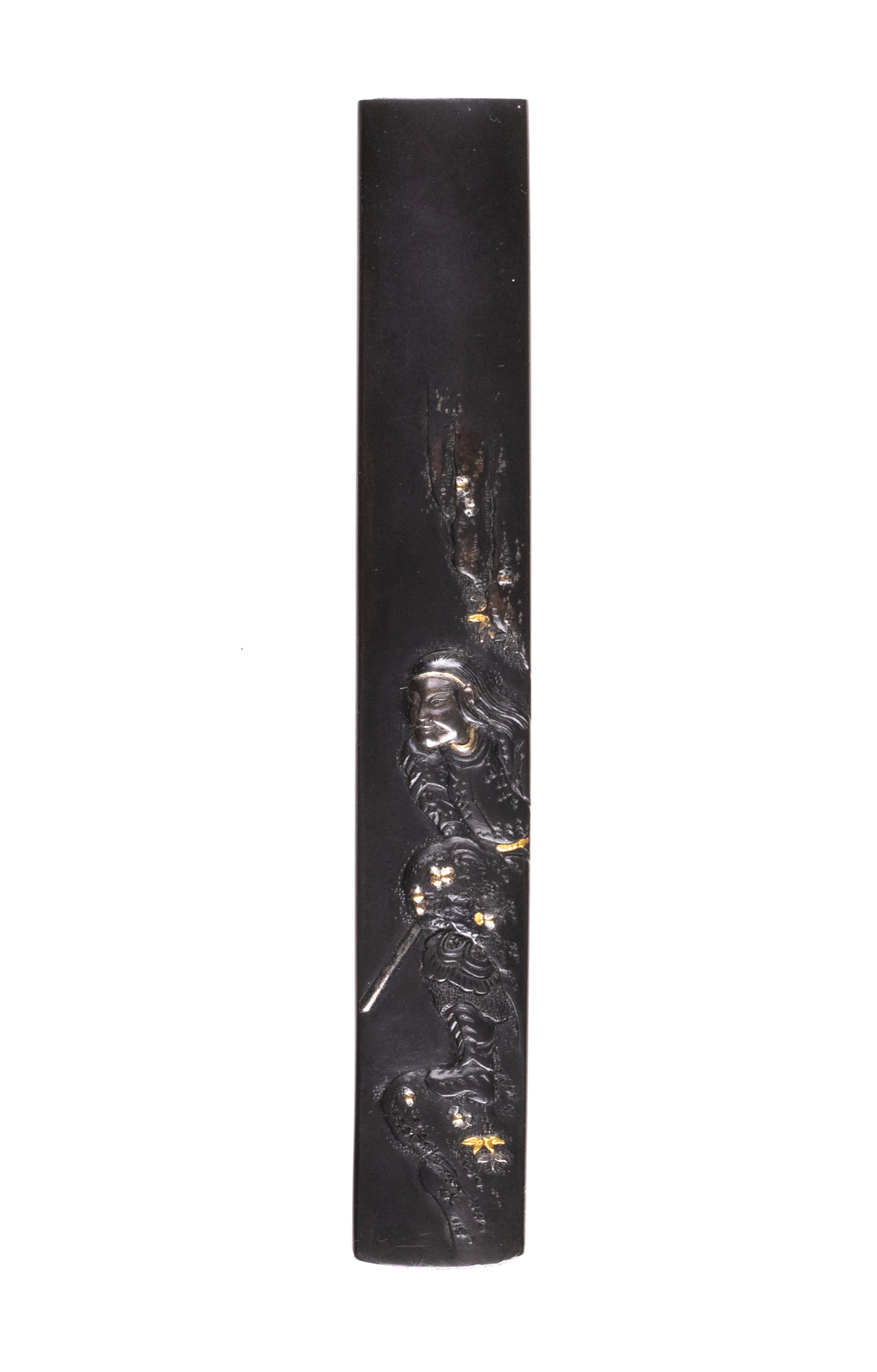
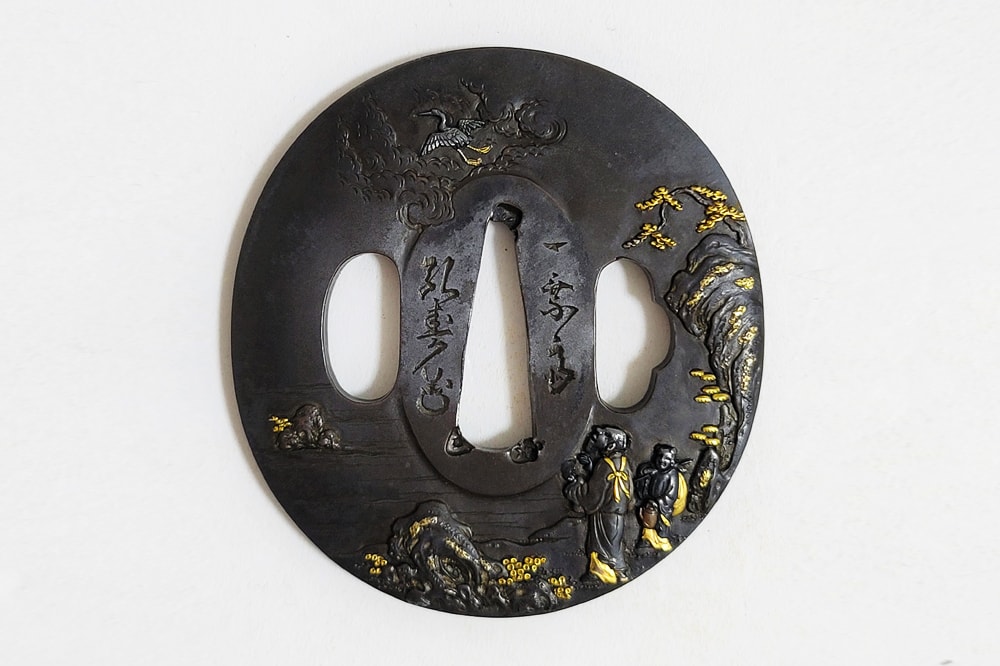
Nara Toshihisa (奈良利寿), commonly known as Tahee or Taheibei (太兵衛), was born in 7 (1667) and died in Genbun 1 (1736) at the age of seventy. He stands as the eldest and, by broad scholarly consensus, the most technically accomplished of the celebrated Nara sansaku — the Three Masters of Nara — alongside Tsuchiya Yasuchika and Nara Jōi. As head master of the Nara school during the mid- period, Toshihisa defined the mature idiom of the lineage at its creative zenith. His oeuvre is dominated by sets, which constitute the great majority of his surviving work; and by his hand are notably scarce, lending such pieces exceptional documentary value when they surface. Several of his compositions — gamecocks, Jurojin with minogame, Shoki and oni, and tigers amid waterfalls — recur across multiple authenticated works, establishing a recognizable thematic vocabulary that later generations of the school would emulate.

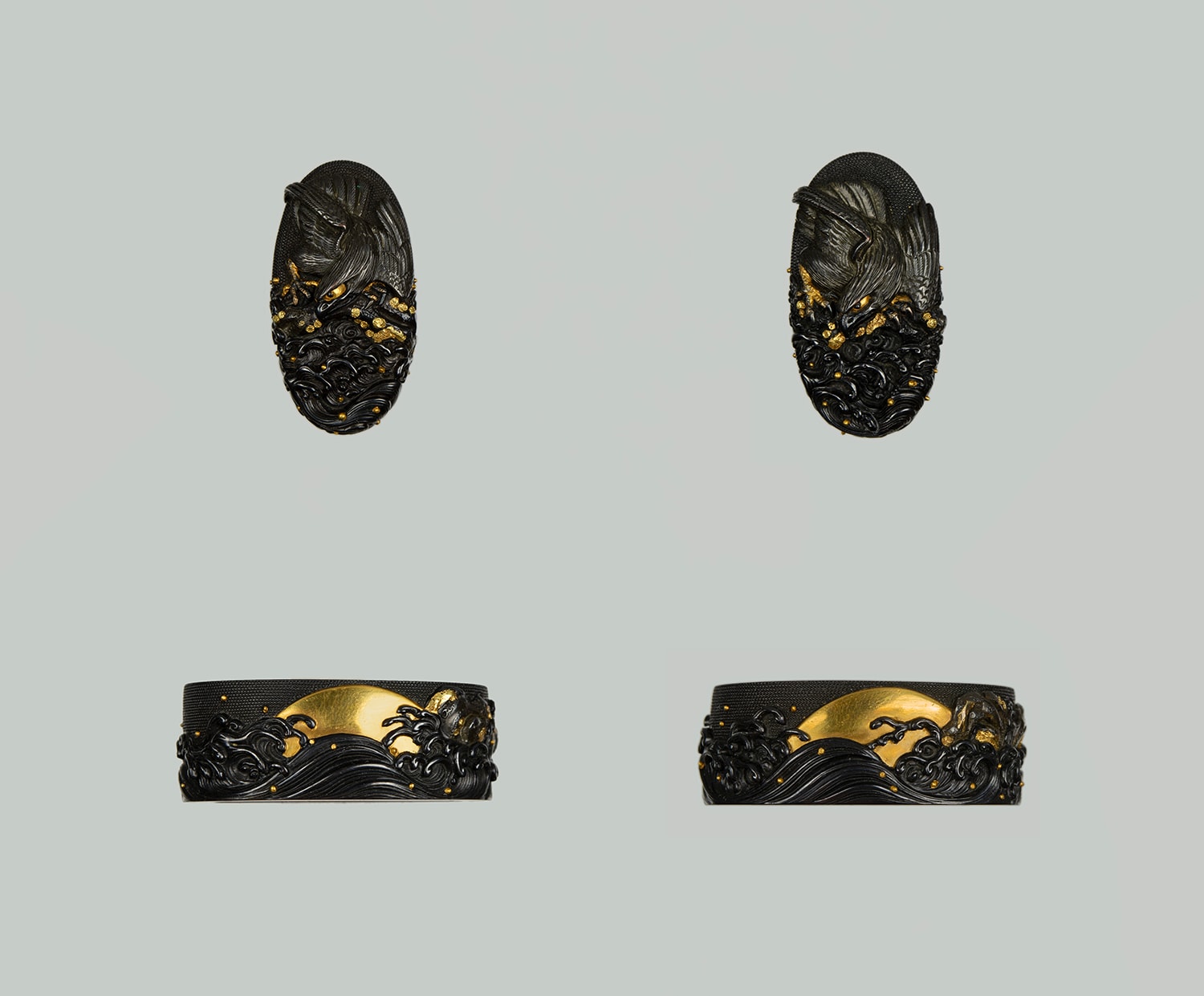
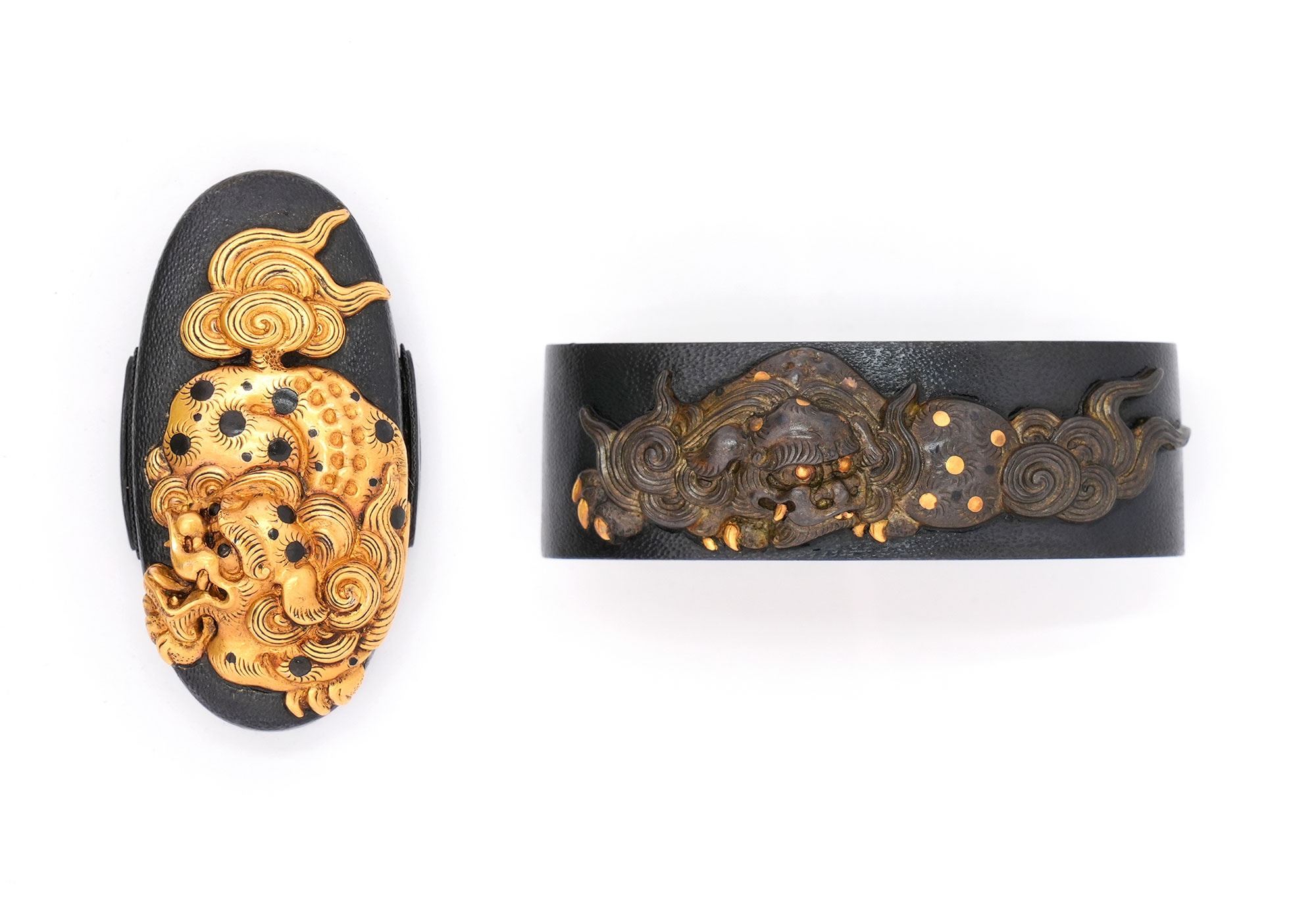
Toshihisa's technical command is most fully expressed in his mastery of , a method of relief carving in which figures are raised from the ground plane with subtly graduated levels of height, producing an illusion of spatial depth within the severely limited surface area of sword fittings. His grounds are themselves works of considered craftsmanship: he employed a distinctive personal texture on , iron, and brass plates alike, and also worked polished and grounds finished with selective applications of lacquer to deepen tonal contrast. His deployment of — colored-metal inlay and overlay using gold, silver, , , and — is characteristically restrained; rather than saturating a composition with polychrome display, he applies sparingly to heighten dramatic tension. In his battle and animal subjects, figures carved in emphatic high relief appear to thrust outward from the metal surface, while surrounding elements are rendered at lower relief planes, creating a dynamic interplay between foreground and ground that examiners have repeatedly described as uniquely characteristic of his manner.

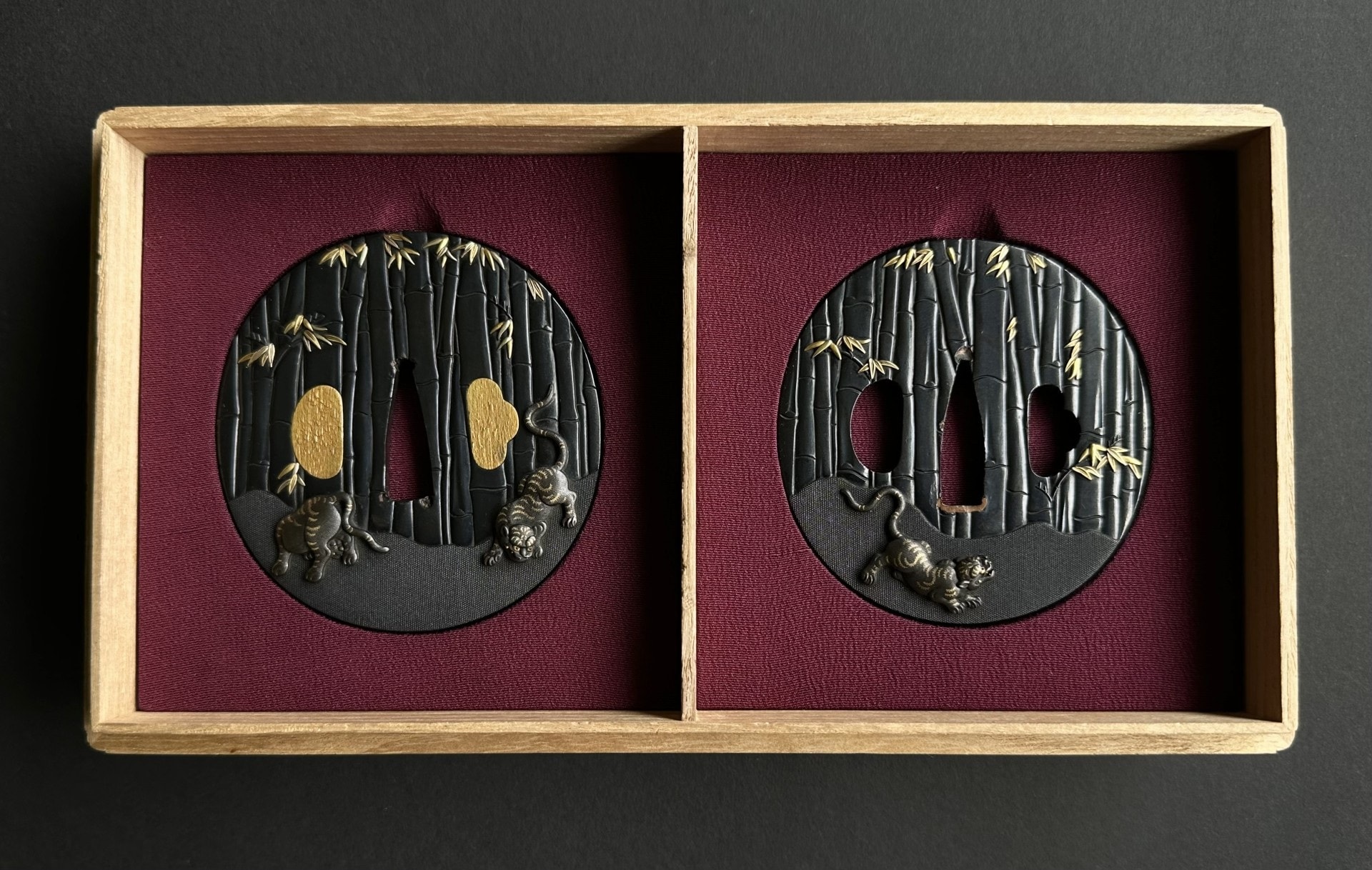
Toshihisa's significance within the history of Japanese metalwork extends beyond technical virtuosity. His figural subjects — whether the fierce combative energy of a gamecock poised to strike, the coiled tension of a tiger surveying its prey in the manner described as koshitan-tan, or the serene authority of Bishamonten commanding a narrow face — consistently achieve an expressive intensity that transcends mere decorative function. scholarship has emphasized his singular ability to convey the philosophical duality of do (movement) and sei (stillness) within a single composition: a quality that elevates his finest works from accomplished craft to genuine artistic statement. Several of his pieces bear distinguished provenance, including examples from the Ryushido collection of Mitsumura Toshimo with inscriptions by the celebrated Meiji-era metalworker Unno Shomin. As the senior figure among the Nara sansaku, Toshihisa established the standard of dignified, powerfully carved relief work against richly textured grounds that came to define the school's highest aspirations.
Kantei

3 descriptive axes: material (a wide ground palette, brass his forte) x technique (forceful high relief and sukidashi-takabori with iro-e) x themes (figural subjects above all). His load-bearing discriminator is the force of the carving itself.

Nara Toshinaga is the foremost of the Nara Sansaku, the three Nara-school masters with Yasuchika and Joi, born 1667 and active in mid- . His defining quality is the sheer force of the chisel: a powerful, weighty carving idiom whose high-relief lions are said to leap from the plate. He works a wide ground palette, with brass his noted speciality, in high relief and enriched with iro-e; his subjects are figural above all, with gamecocks, Shoki-and-oni and Jurojin-with-tortoise his named specialities, and his figures are judged more realistic than the Goto manner.

Diagnostic discriminators

力の漲った彫口chikara no minagitta horiguchi

the NBTHK's recurring 'midokoro' for Toshinaga is the sheer force of the chisel, the weight and power of his carving

飛び出るような獅子の高彫tobideru yo na shishi no takabori

single-source but verbatim: the setsumei names the popping-out high-relief lion as one of Toshinaga's midokoro

brass ground worked in sukidashi is repeatedly called his forte (doko tokui no shuho)

Material (grounds)

and grounds, often ishime-textured, with iron and roughened ; brass (shinchu) is singled out by the as his forte, worked in .

Technique

His hand is powerful high relief and , enriched with gold, silver, and iro-e and inlay, with applied . The force and weight of the carving is the recurring point.

Themes (figural)

His subjects are figural above all, the dynamic against the still: fighting cocks, Shoki quelling an oni, Jurojin with a tortoise, warriors and battle scenes, and lions with peony.

Figural and creature subjects

Gamecocks, Shoki-and-oni, Jurojin-with-tortoise, warriors, tigers in dynamic-versus-still contrast, and lions with peony.

Full iconography

Signature chronology

Recorded signatures

Documentary note

Toshinaga's is consistently the two characters Toshinaga with a ; the catalogue attribution form Nara Toshinaga is sometimes used in the header rather than as the chiseled inscription. His output is dominated by , with and scarce, often in a low-waisted single-bar mounting shape. Guard against the teacher Toshihisa (Toshinaga-line Toshihisa) and the later collaborator Seiju, whose signatures are not his.

Scholarship

His warrior figures, in the Goto vein, are judged more realistic and true to life than the Goto house's own, a named point of his work.

Designations

Kokuhō—
Jūyō Bunkazai3
Jūyō Bijutsuhin3
Gyobutsu—
Tokubetsu Jūyō3
Jūyō Tōken19

Elite Standing

0.48 across 28 designated works

Top 2% among makers

Provenance

4 documented provenances across certified works by Toshinaga

Provenance Standing

2 works held in elite collections across 4 documented provenances

Top 85% among makers

Raw score: 1.85 / 10

Work Types

Distribution across 28 ranked works

Fuchi-Kashira
1768%
Tsuba
312%
Kozuka
312%
Other
28%

Signatures

Signature types across 28 ranked works

Currently Available

Lineage

TeacherToshinaga
Toshinaga
Student
  1. 1.Shozui政随4 for sale17designated

Nara School

Other artisans of the Nara school

  1. 1.Yasuchika安親1 for sale88designated
  2. 2.Joi乗意1 for sale12designated
  3. 3.Masahiro政弘1designated
  4. 4.Tou東雨1designated
  5. 5.Nara奈良1 for sale2designated
  6. 6.Minzan谺珉山1designated
  7. 7.Toshinaga利永1designated