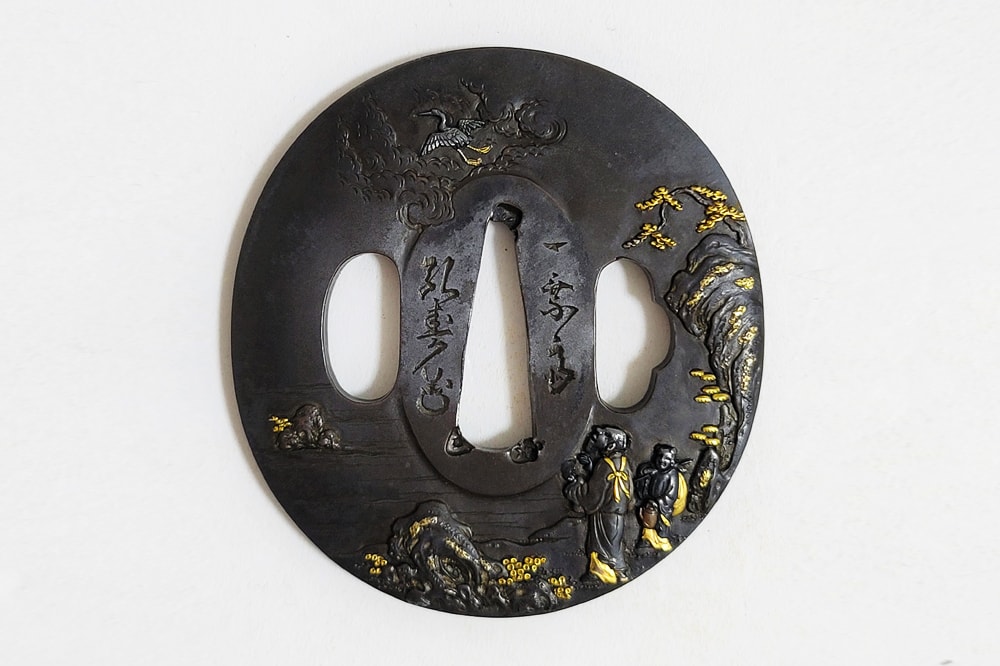
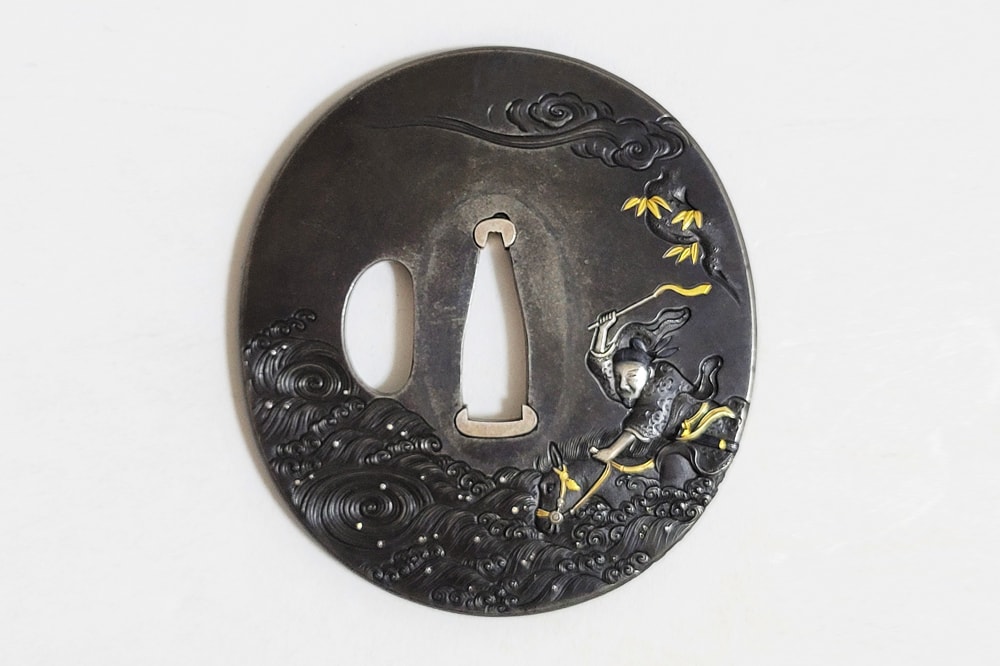
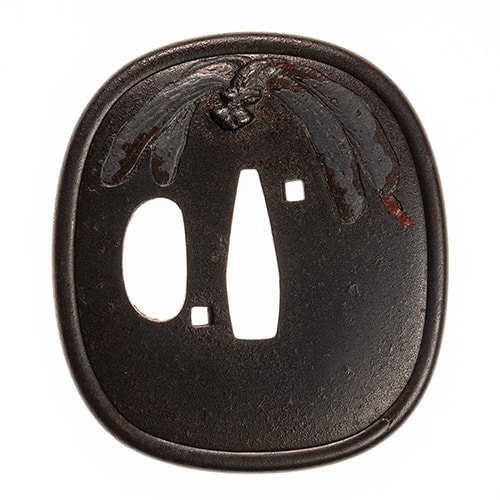
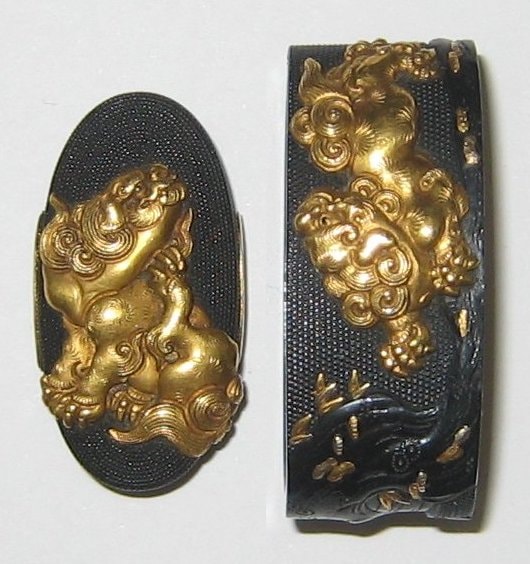
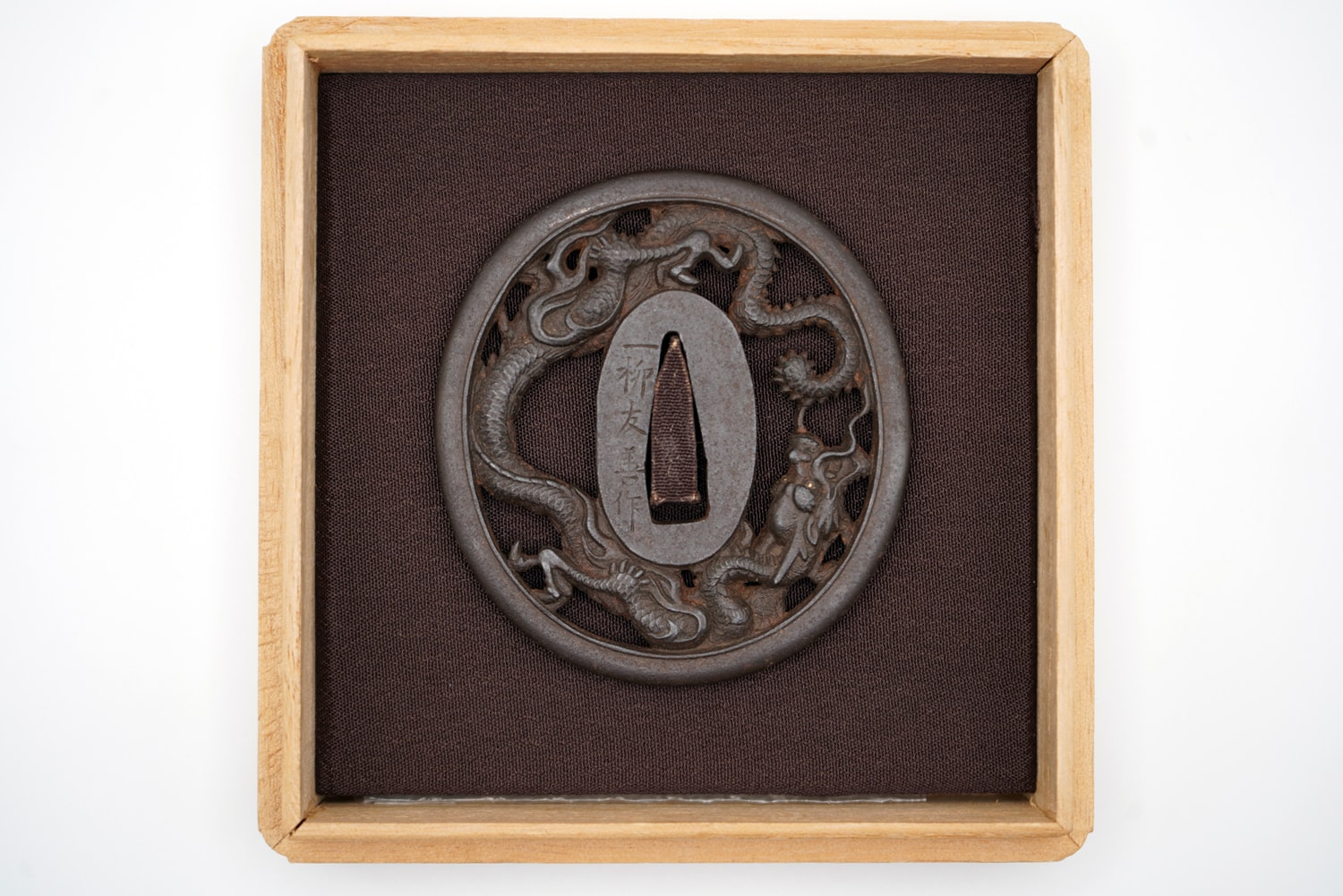
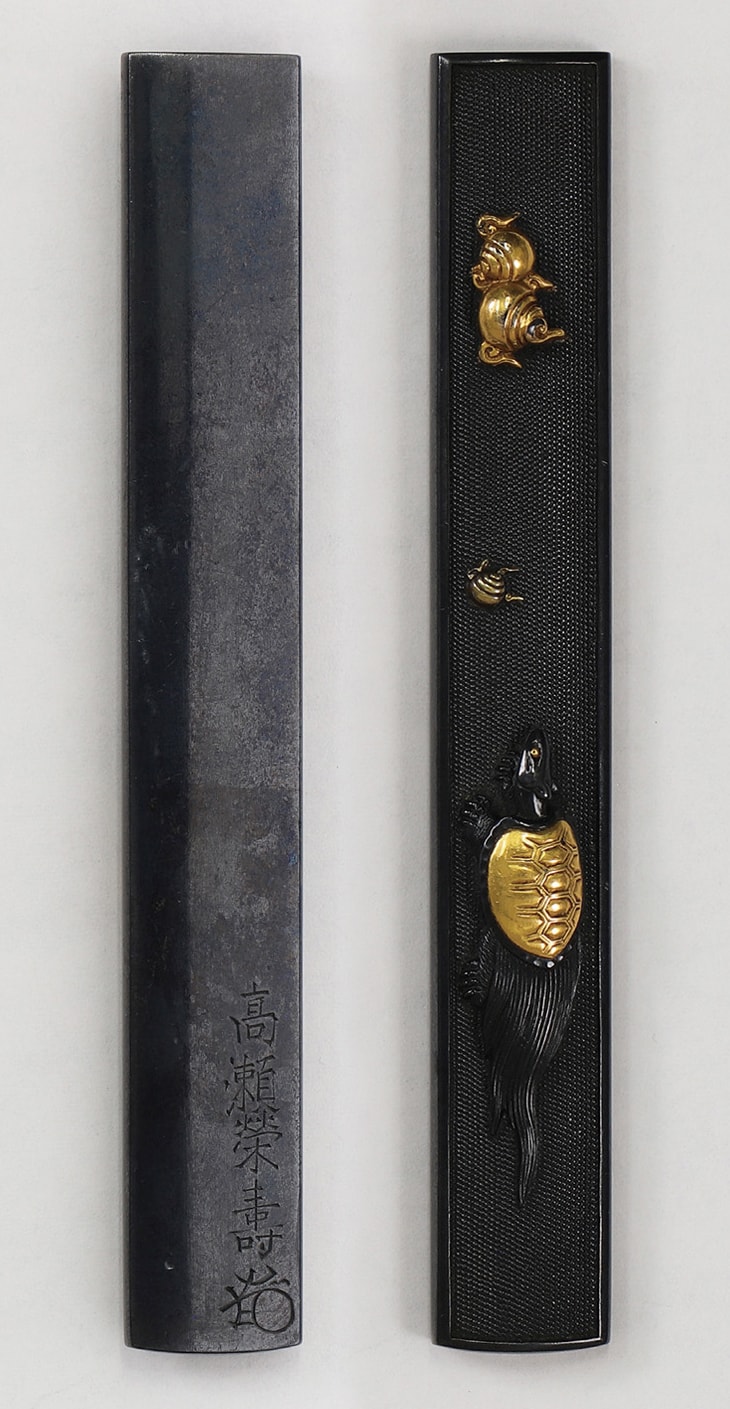
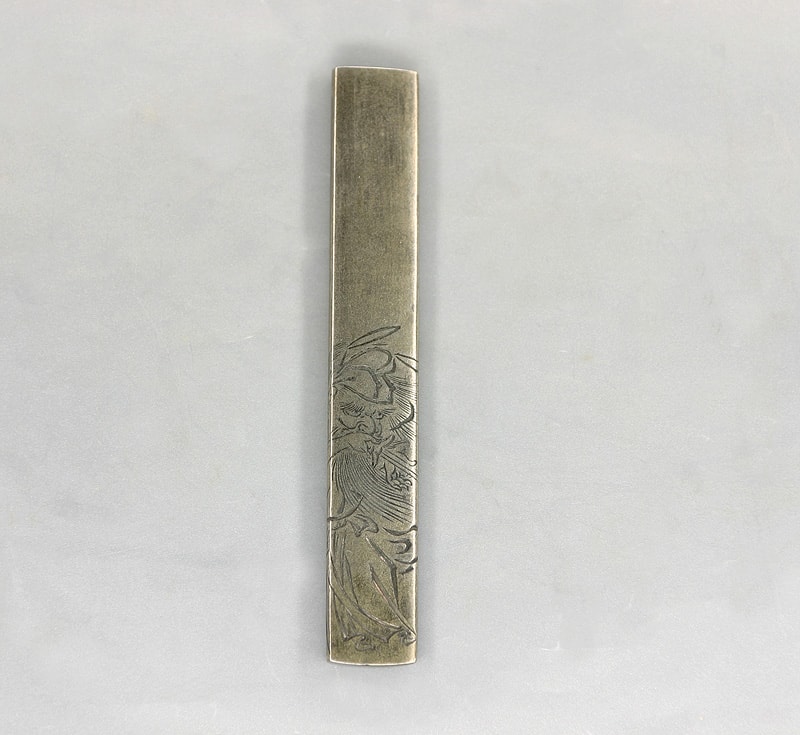
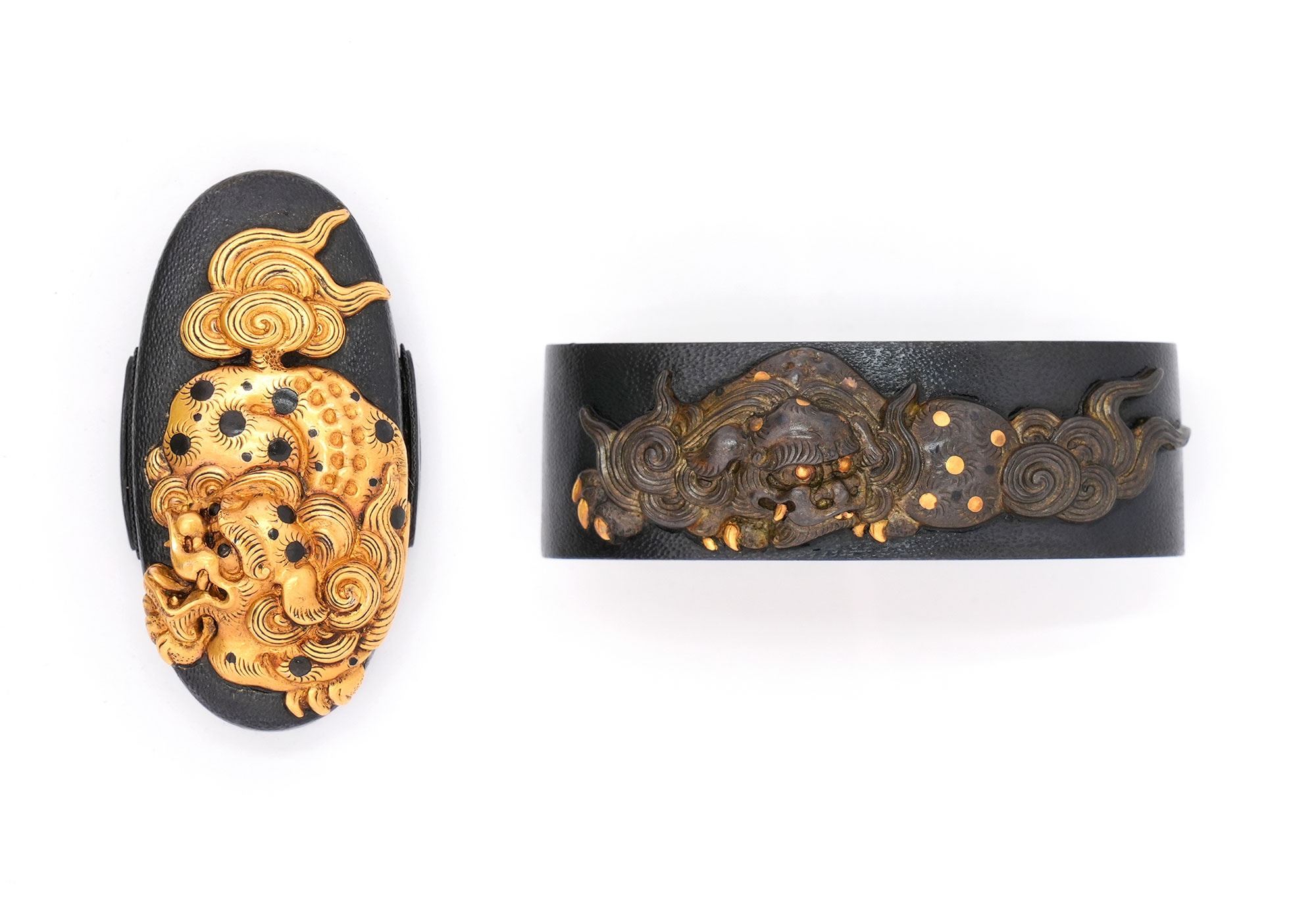
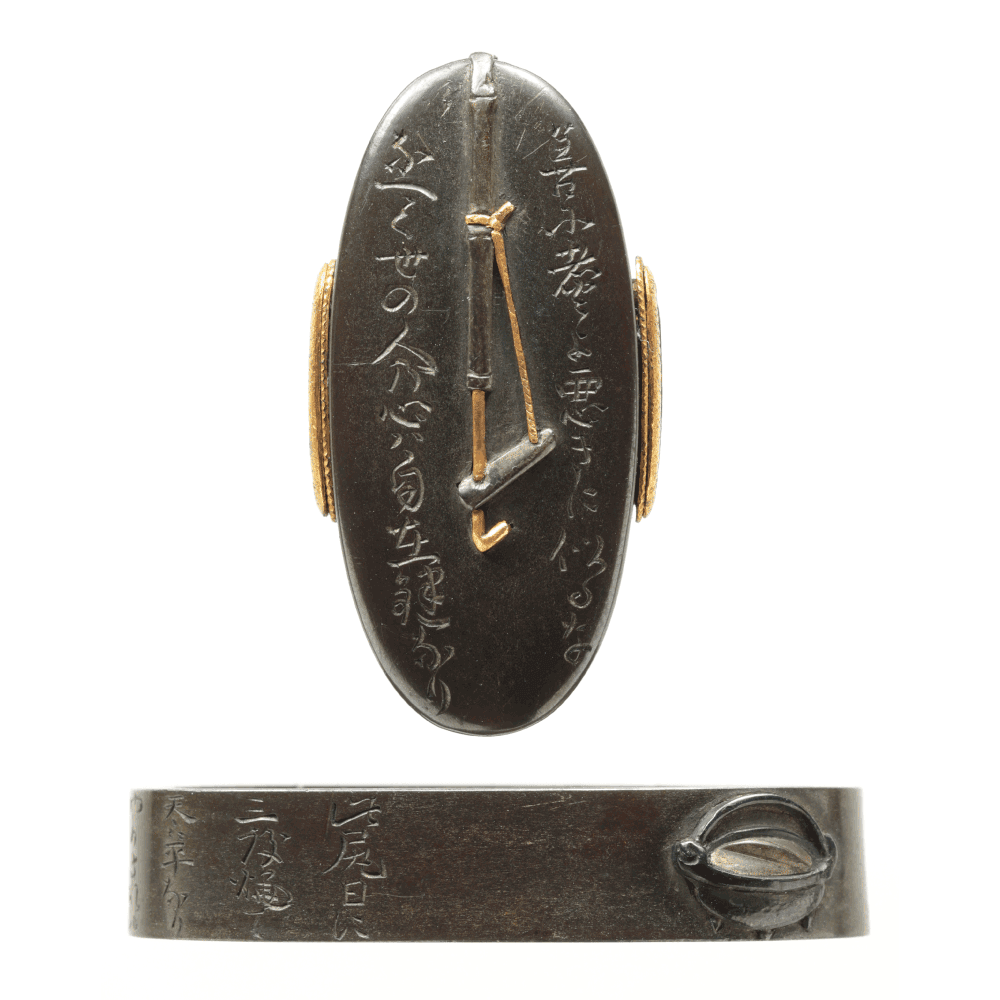
Unno Shomin was born in Mito in Tenpo 15 (1844), during the final years of the Tokugawa period. He received his earliest training under Hagiya Katsuhei, a senior artisan of the province, and under his uncle Unno Yoshimori (also known as Unno Bisho). In Meiji 4 (1871) he traveled to , where he initially styled himself Motohira; aspiring, however, to become a craftsman who could surpass Somin, he changed his name to Shomin. He entered into a master-disciple relationship with Kano Natsuo, under whom he "matured into a fully accomplished master." In Meiji 23 (1890) he was appointed to the Tokyo Fine Arts School, and in Meiji 29 (1896) he received the distinction of Teishitsu Gigeiin (Artist to the Imperial Household). He employed a number of art names throughout his career, among them Hoshu, Sososken, Teigetsuan, Kyokuto, Tokasai, and Mozeiken.
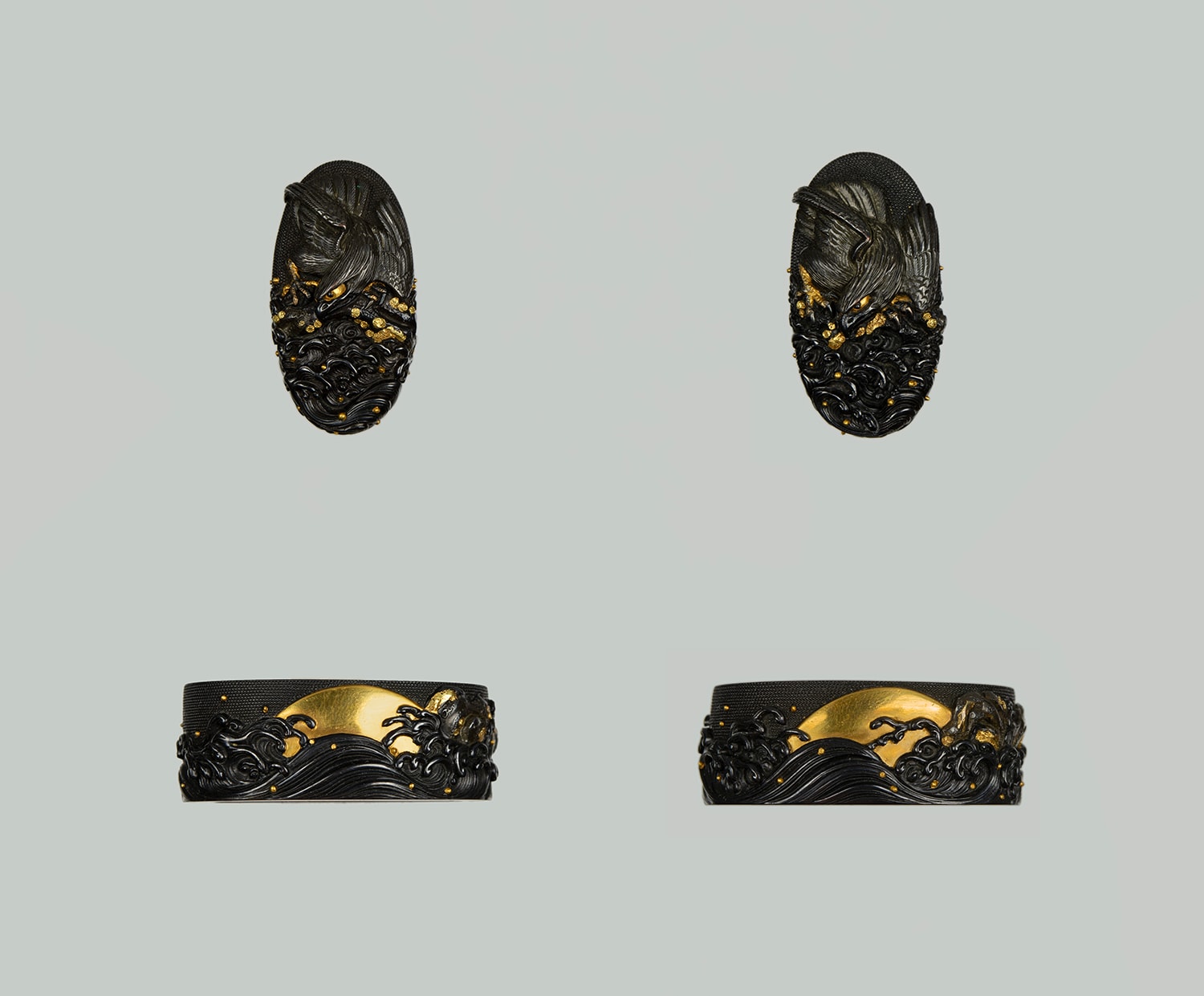
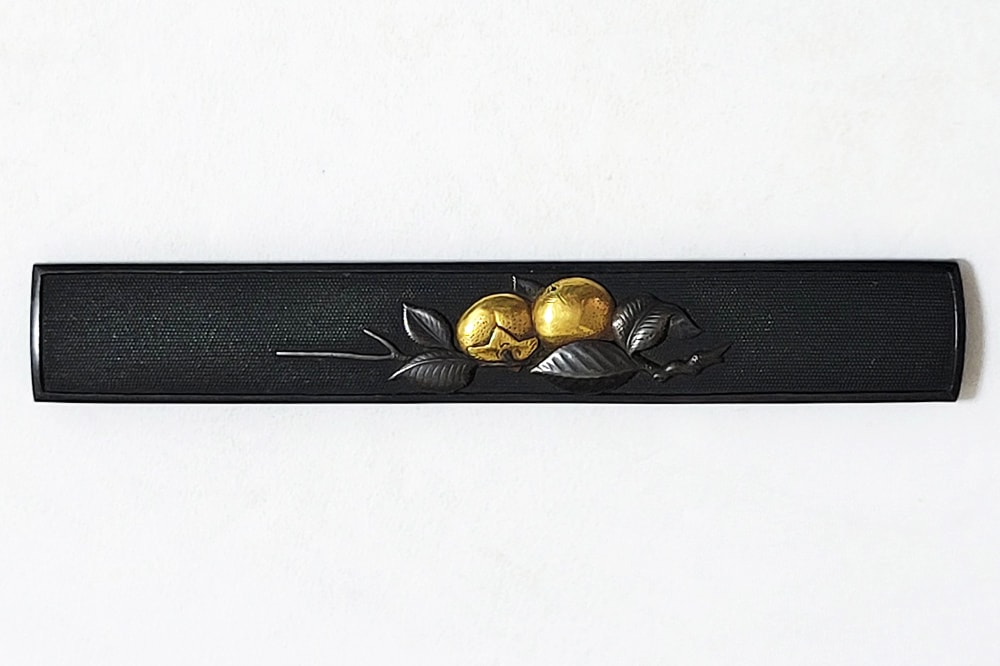
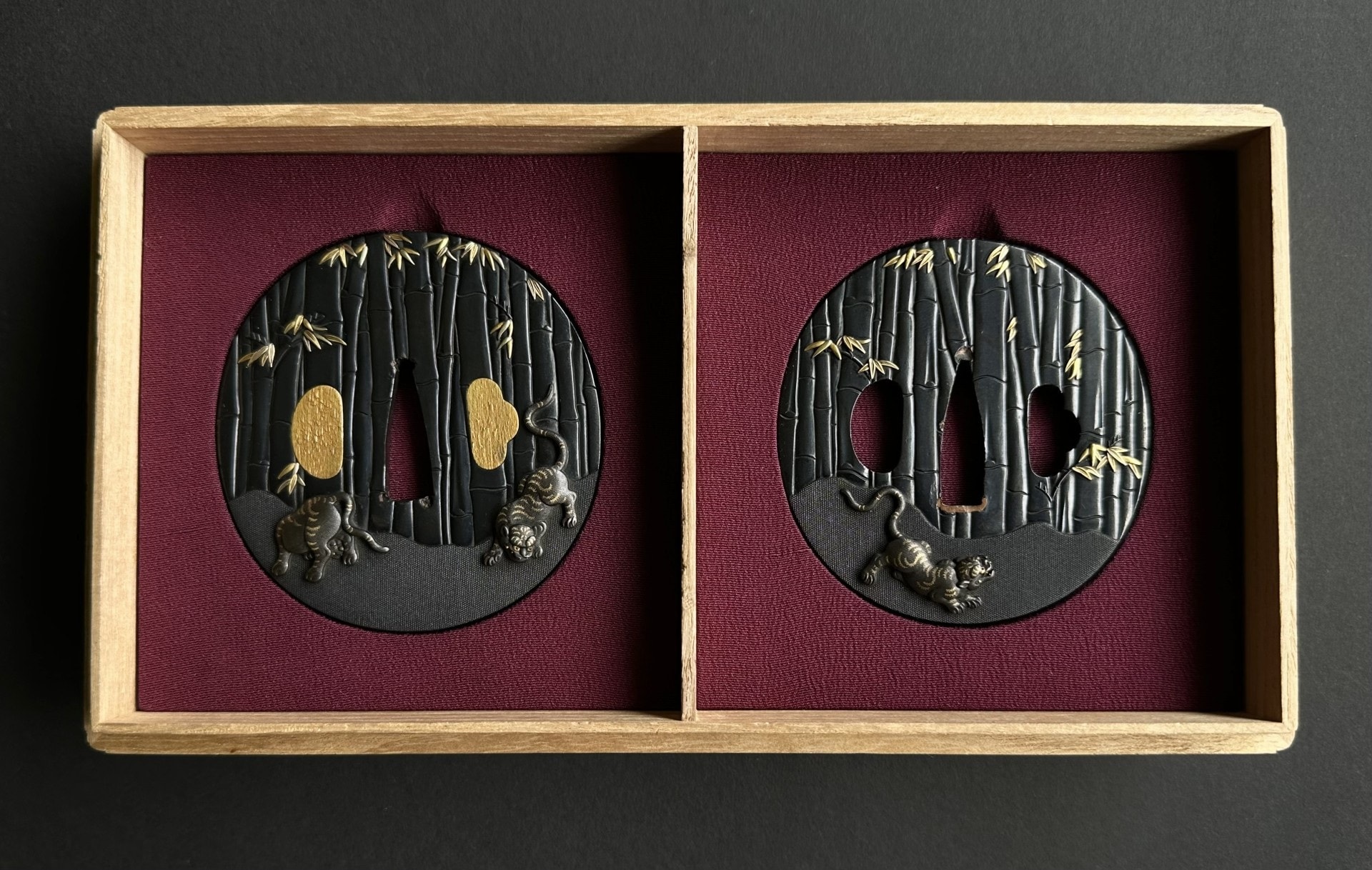
Shomin's technical range is remarkable for its breadth and integration. His signature method is — fluent, sketch-like incised carving that he deployed to render naturalistic subjects such as fierce tigers and elephants with what the describes as "chilling intensity" and a "wild vitality." He was equally commanding in (low relief), nikuai-bori (modeled carving), and multi-layered (high relief), often combining these within a single composition and enriching them with polychrome in gold, silver, , and . His preferred grounds include and worked in or finishes. He also excelled in ("day-and-night" construction), contrasting iron and solid gold to striking effect, and in - inlay of considerable boldness. Shomin himself taught that painting by means of an iron chisel on metal — so-called tetsuhitsu carving — was among the most difficult of tasks, and his oeuvre stands as a confident demonstration of that conviction.
The repeatedly characterizes Shomin's works as displaying "outstanding skill," "exceptional inventiveness," and "exquisitely precise carving manner," with particular emphasis on his ability to render subjects with compelling realism across formats as varied as , , , and . His celebrated Kanzan and Jittoku , commissioned by the Kobe patron Mitsumura Toshimo of Ryushido, is singled out as the "crowning highlight" () among his works. He is described as "revered, together with Natsuo, as a pillar of the Meiji metalworking world" — a judgment affirmed by the consistent designation of pieces spanning his career from early works of "high level of technique and expressive capacity" to the painstaking later productions of his sixties and beyond.