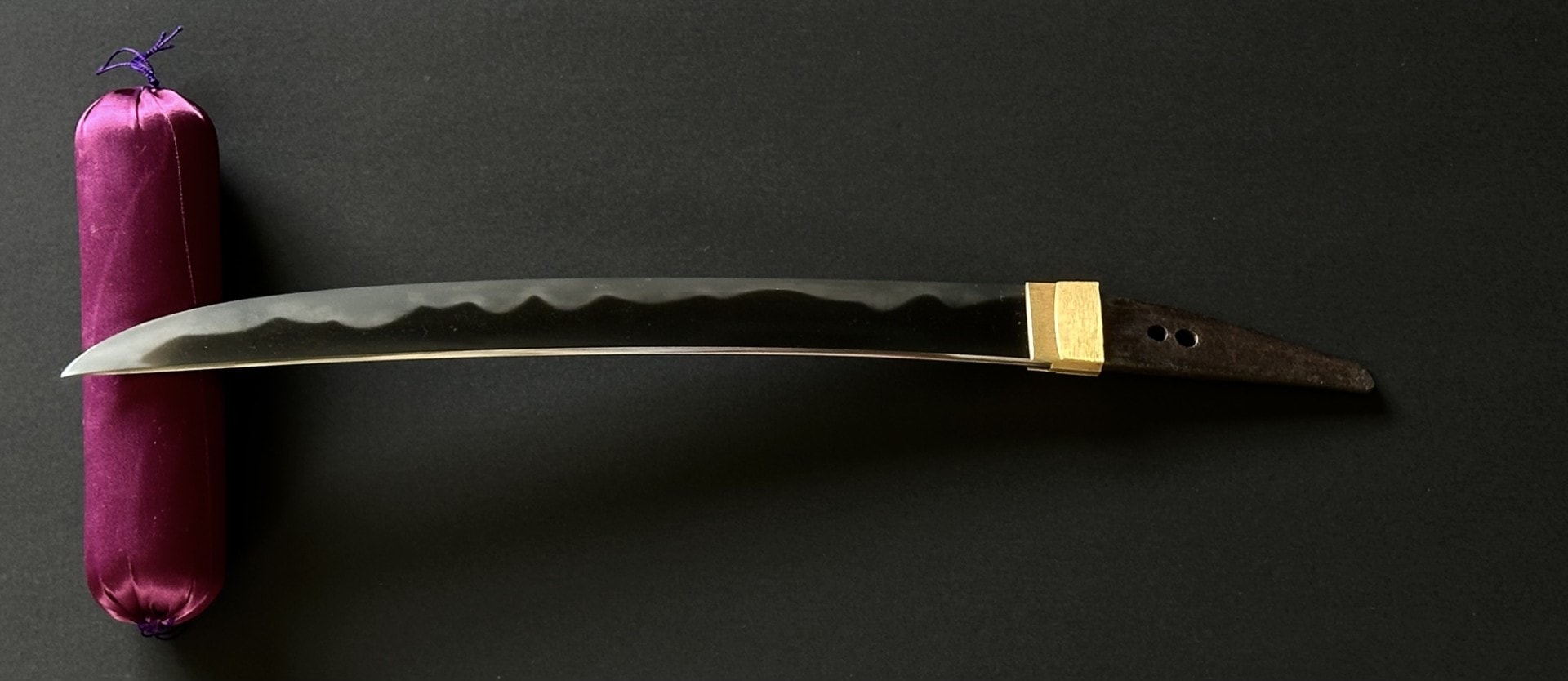
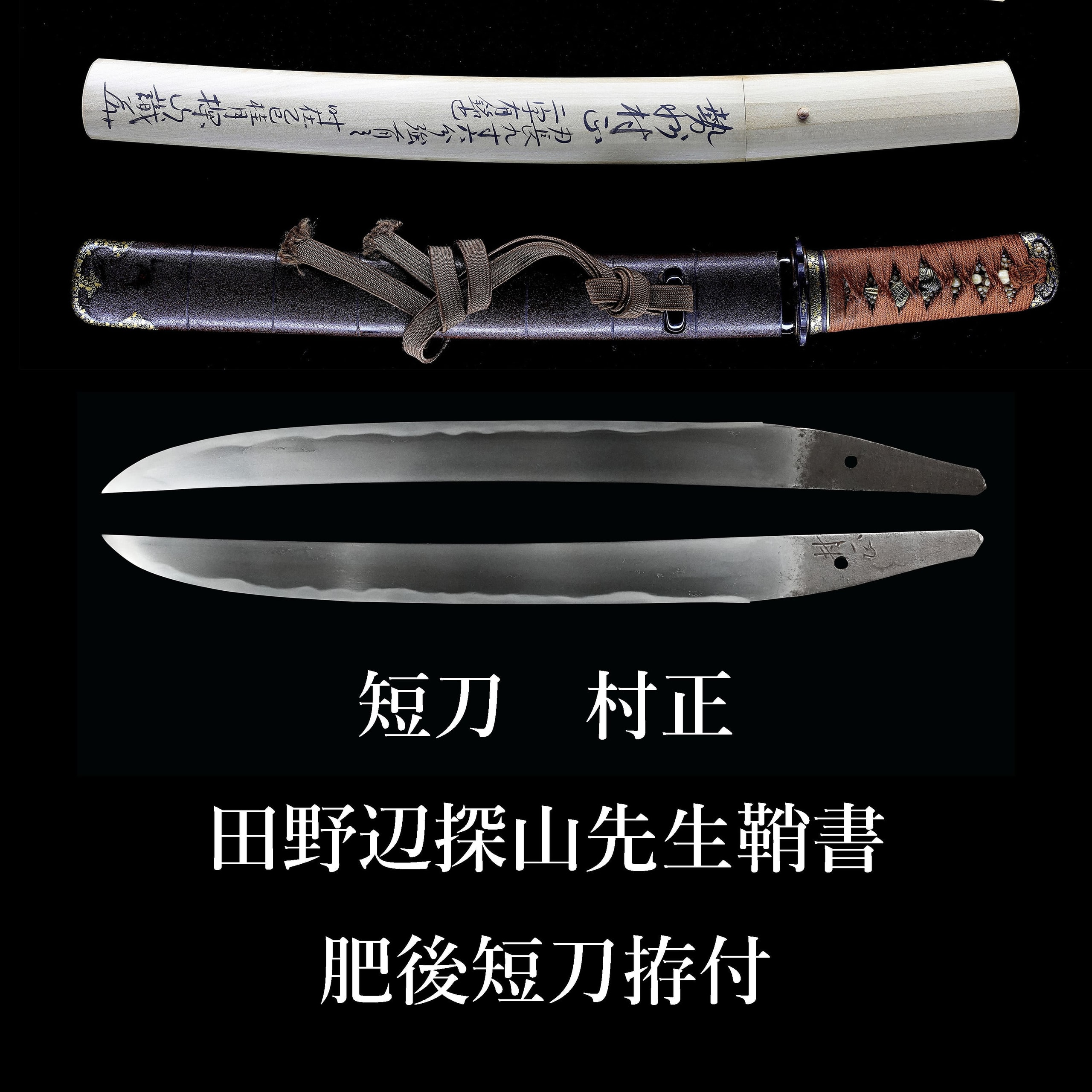
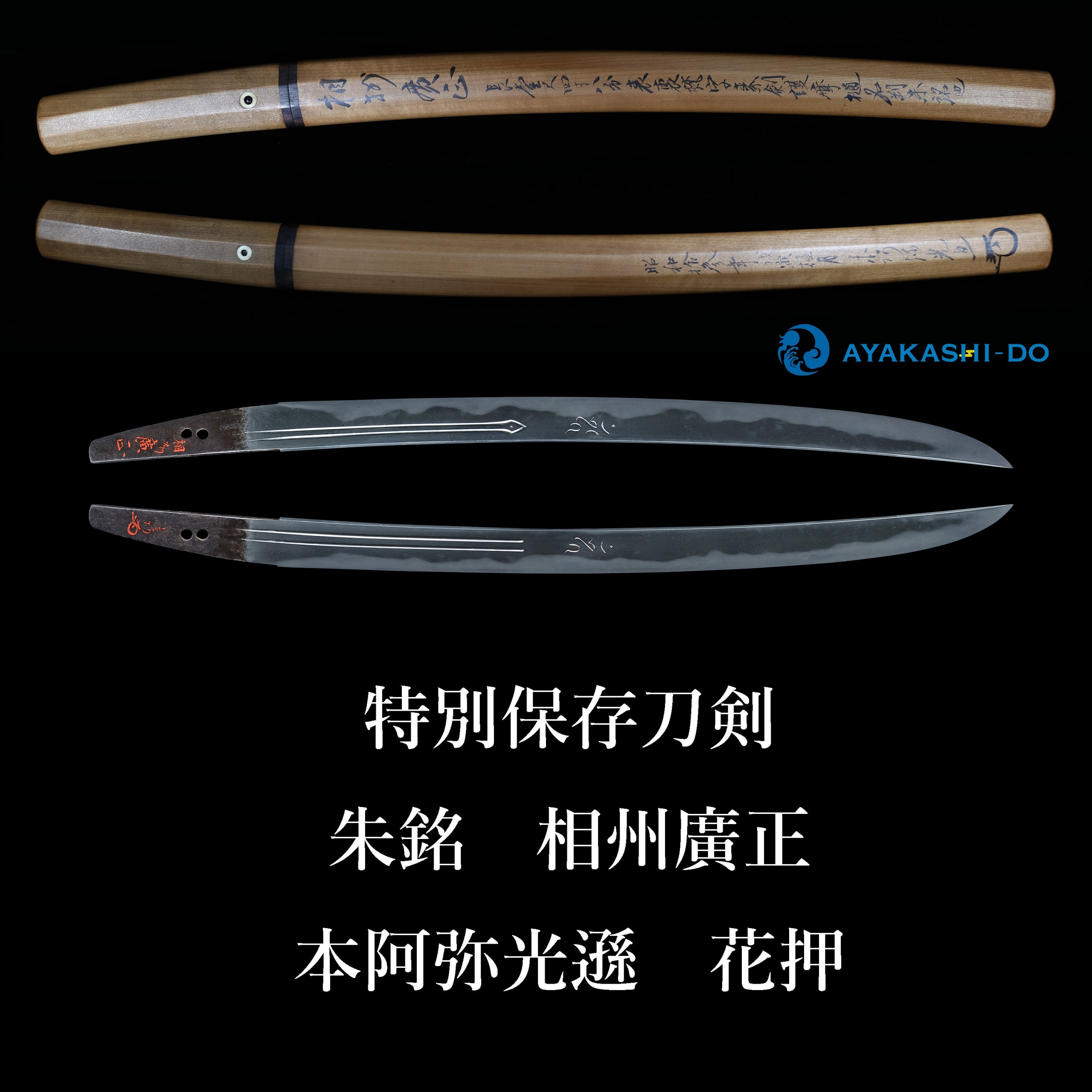
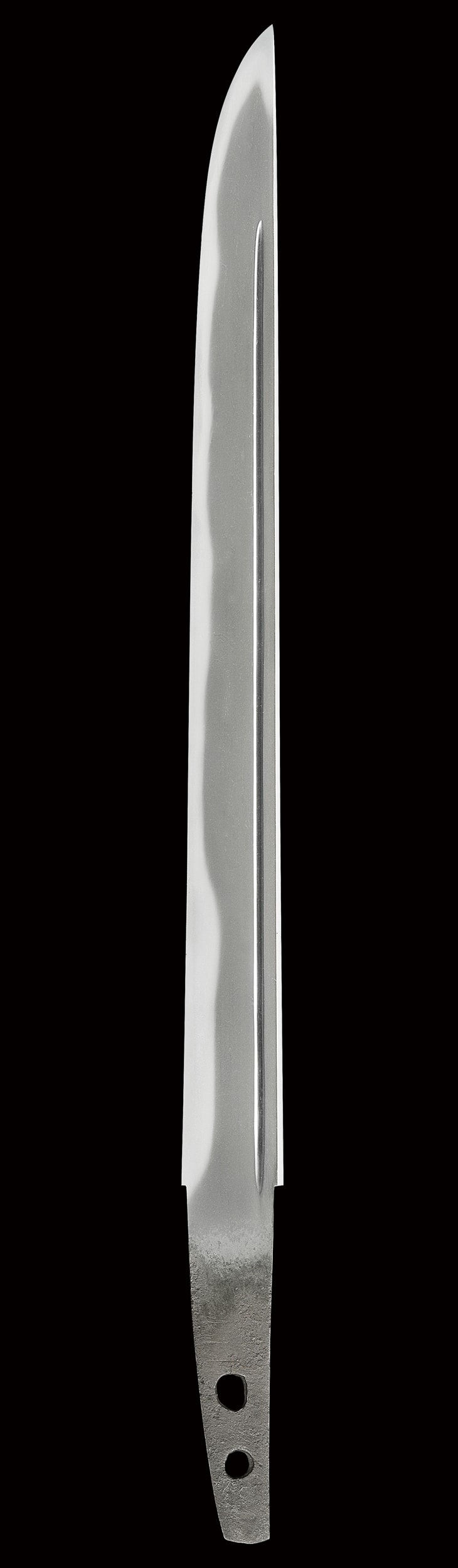
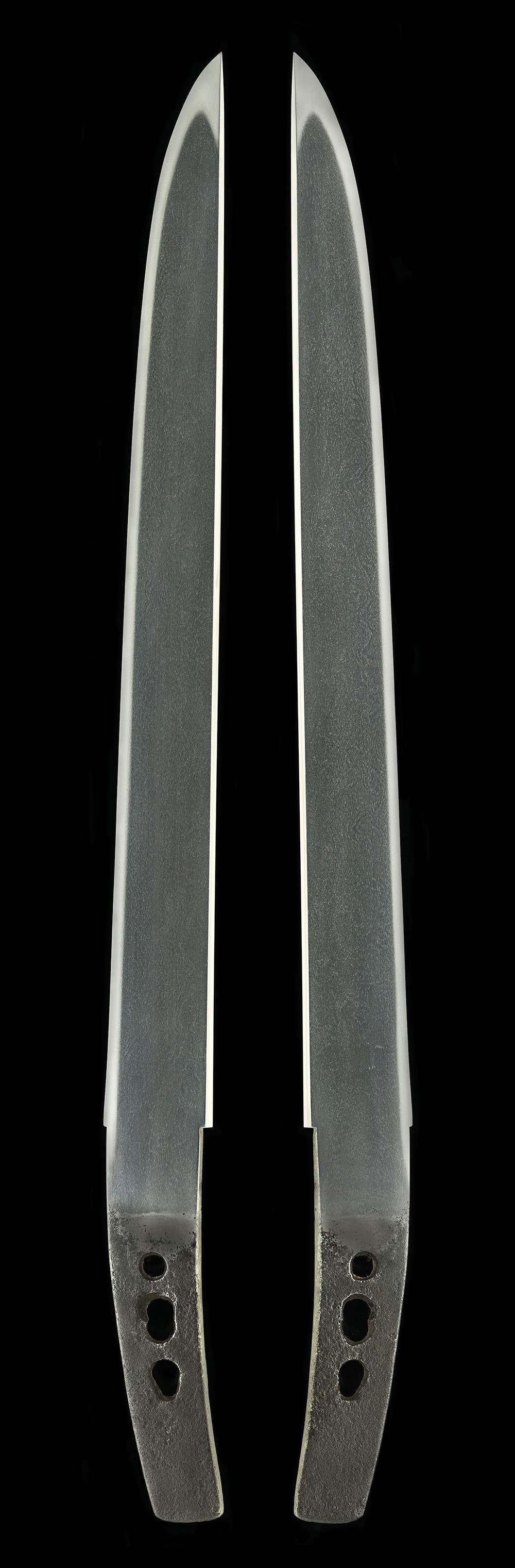
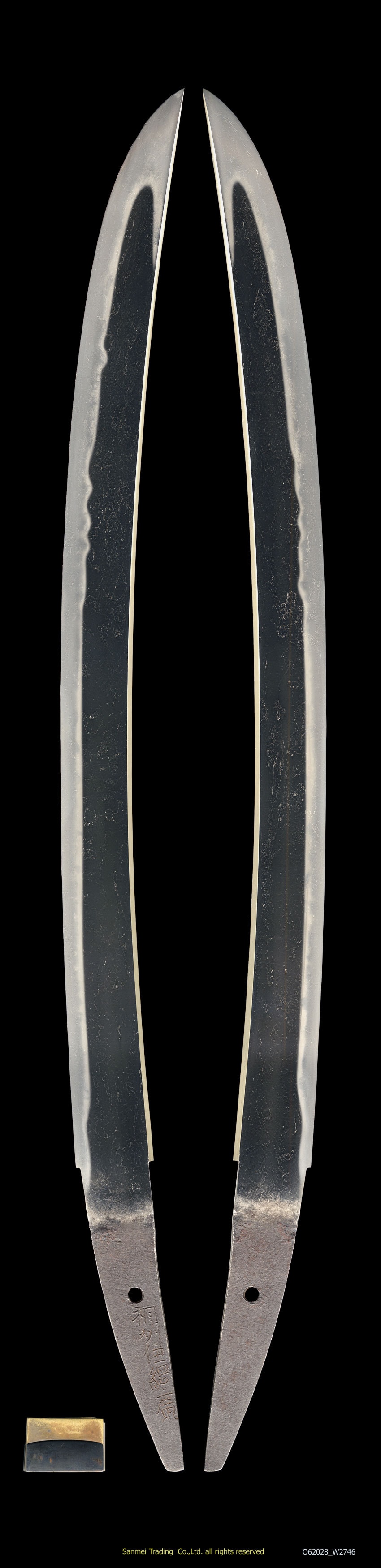
Masazane worked in Province in the closing decades of the period, and the published sources name him, together with Masashige, a disciple of the first-generation Sengo Muramasa, the founder of the school of Kuwana. The two are filed as the famous students of the , working in the same manner as their master, so that the line of the Sengo descends through them as much as through the Muramasa name itself. Across his designated blades the published commentary returns to the same sentence, "Masazane, together with Masashige, was a disciple of the first-generation Muramasa," and it places his hand close to both: like Muramasa and like his fellow pupil, but separated from Masashige by a single, repeatedly named feature, that his tends to close more tightly than the other's. He leaves no dated blade, and his standing is read from style and from the manner of signing; he is graded Jo in Fujishiro's reckoning, and every one of his recorded blades is signed and , an unbroken set of original tangs that is unusual for a smith of his standing.
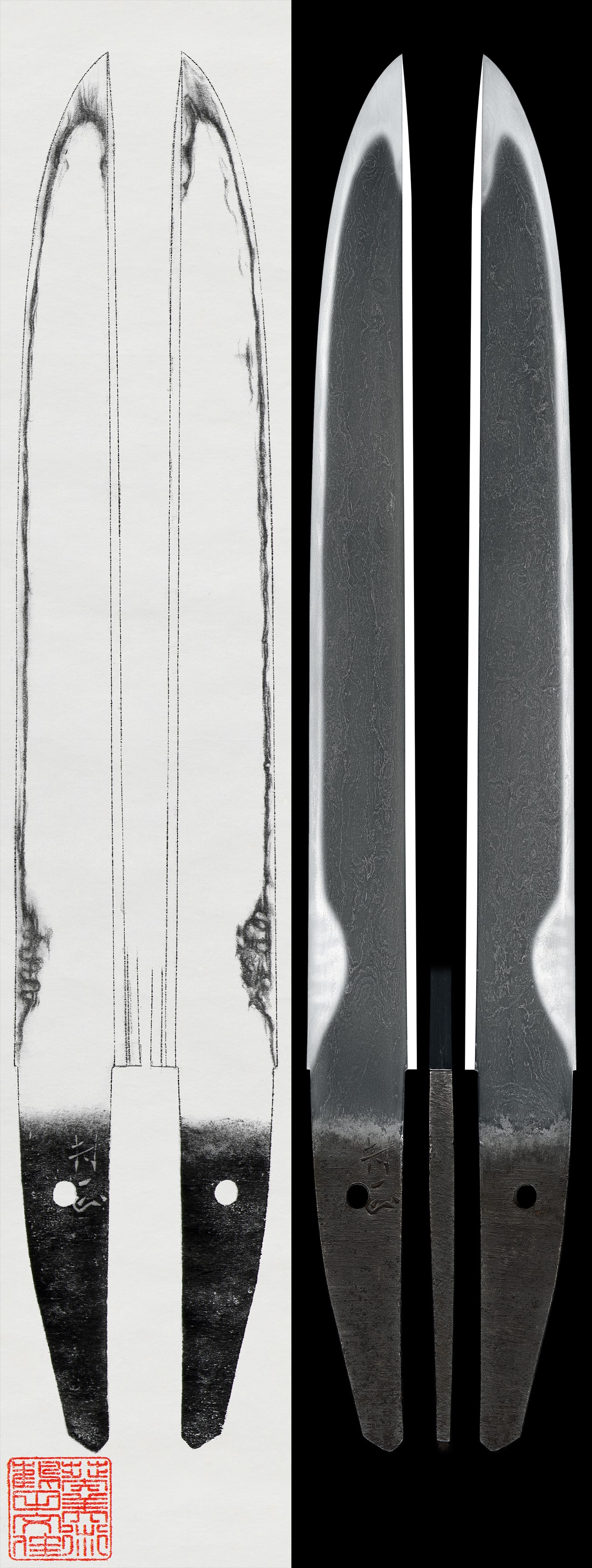
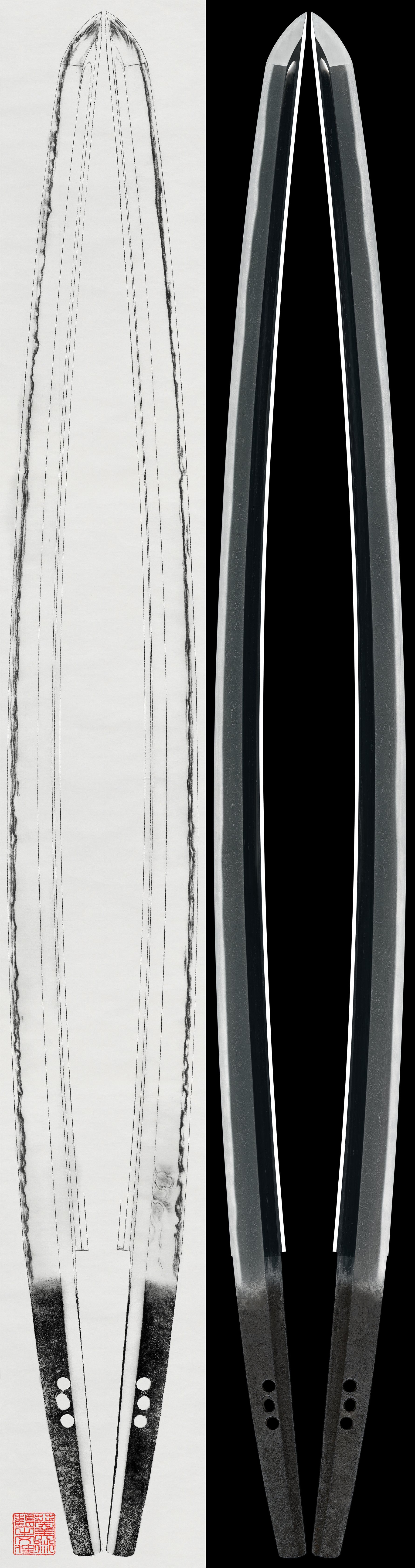
His hand is the Sengo manner held quieter than his fellow pupil's. The temper is built low on a box-shaped , a element concentrated at the and combined with , which rises above into a broad -cho carrying and . The single most recognizable feature, the one the school is known by, is that the on the and the matches to one mirror-image pattern: of a that forges exactly this, the published sources write that it "tempers a box-shaped with and aligned, clearly demonstrating the characteristic traits of this group." The tends tight and bright, with gathered in it and running through the temper. The runs into a small round turnback with swept at the point. Where Masashige takes the same Sengo base and opens it out, larger in the and stronger in the , Masazane draws it in: the box teeth, the matched faces, the calm above are his proportion of the school's shared vocabulary.
The is where the published commentary parts him from his fellow pupil. The forging is mixed with and a mildly standing tendency, adhering finely, and on his late- a whitish rises over the surface. To this the judges return in every designation: his manner accords with Masashige's, but "compared with Masashige, Masazane tends toward a somewhat tighter ." The phrase is the spine of the Sengo between the two names, and it is consistent across the four blades on record. The temper above this is read as a period characteristic of the late , a of and at the base giving a impression, the upper half settling to -cho; but the published sources note that the pattern, with the matched faces and the valleys of the undulations drawing close to the cutting edge, is "frequently encountered among the Sengo group," and that here the features of smith and lineage are well shown. The brightness of the is singled out for notice on the finest of the .
Within one Sengo manner his work reads in two registers, and the published descriptions draw the line by form. The standard hand is the of late- stance, somewhat wide in with a pronounced -zori and , in which the box teeth at the base rise to a broad calm with the and held in accord, the under a thick-chisel two- or five-character signature. Beside it stands a bolder register in the : and , wide in body and shallow in , the standing more openly and the laid on somewhat thickly, the temper a mixed with box elements in which the valleys draw close to the edge, enter, runs vigorously, and is applied as if relying on the ridge. Of one such the judges write that it is "bold and brimming with combative spirit," a powerful piece brought to completion as "an exceptionally fine work by Masazane." The two registers are the same smith at different scales, the calm and the combative drawn from one Sengo vocabulary.
His distinction is best read against Masashige, with whom he is always named, rather than against any other school, and the published commentary keeps the comparison narrow and exact. The two share the master's manner and the school's -and--tinged hand; what separates them is the close of the steel, Masashige's grain standing more openly while Masazane's draws tighter, and the brightness and order of his calm set him within the more restrained side of the Sengo workshop. His box-toothed matched on both faces is the group's tell carried plainly, and where the turns bold the same matched logic governs the . The line runs upstream to the first Muramasa of Kuwana and outward through Masashige into the later generations of the school, the name and the manner reaching across the into the era under the Sengo banner.
Masazane is among the rarer of the Sengo names, and his record is small and honest about itself. Four of his blades hold the rank, every one of them signed and , and none has risen to the higher designated tiers; in Fujishiro's grading he is Jo . None has passed into a public collection on record, so what survives of provenance is descent rather than a chain of museum holders: one of his came down in the Mizuno house, bestowed by the shogun on Mizuno no Kami when he took up the post of Kyoto Shoshidai, and another in the Tosa Yamauchi family. That Mizuno blade carries the school's strangest signature, cut not as Masazane but as "Yamashiro Province Masazane," and the published sources read the altered province as a deliberate screen, since "the Tokugawa house regarded blades by the Sengo Muramasa of Province as unlucky and thus taboo." The cursed-sword reputation of the Muramasa line followed even Masazane's work into the collections, so that a received his under a borrowed origin. A signed, Sengo Masazane is not wholly beyond a serious collector's reach, but with only four on record it comes to notice rarely, a faithful witness to the Muramasa school in its matched faces, its box teeth, and its tightly drawn steel.