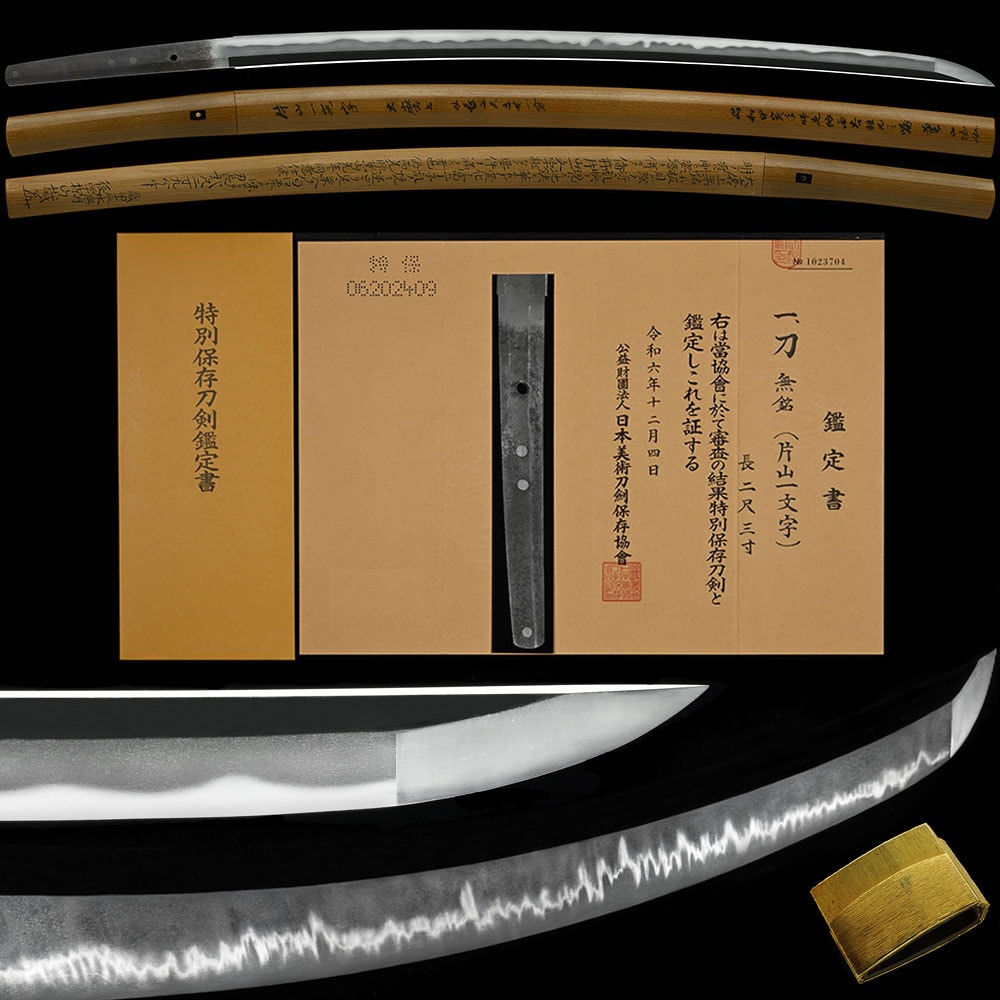
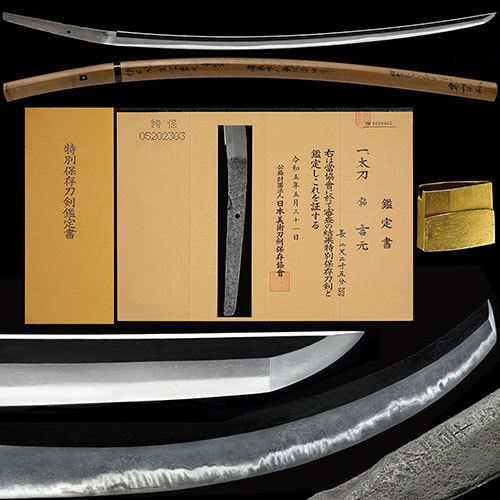
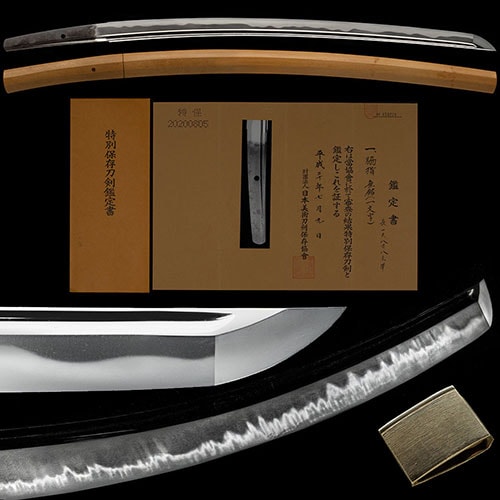
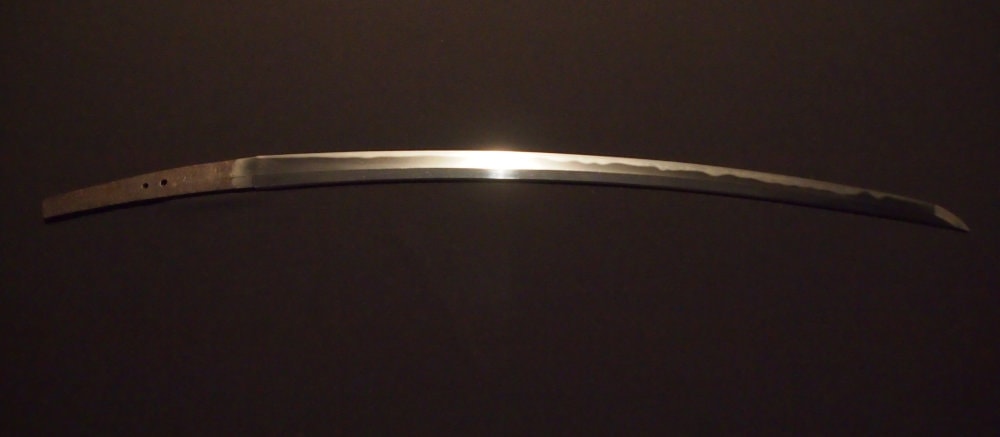
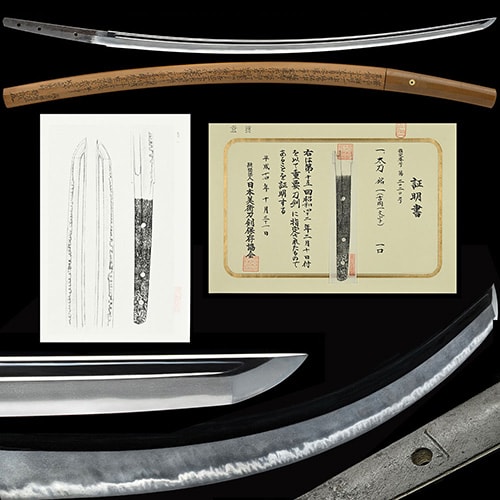
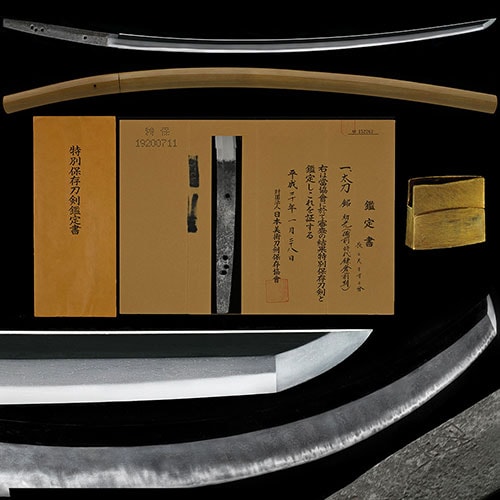
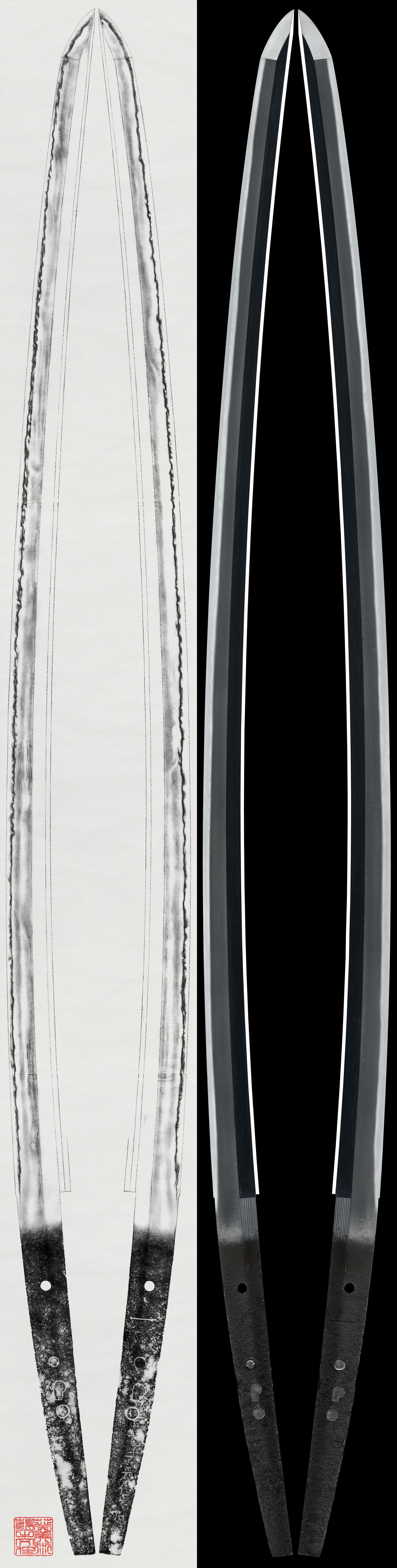
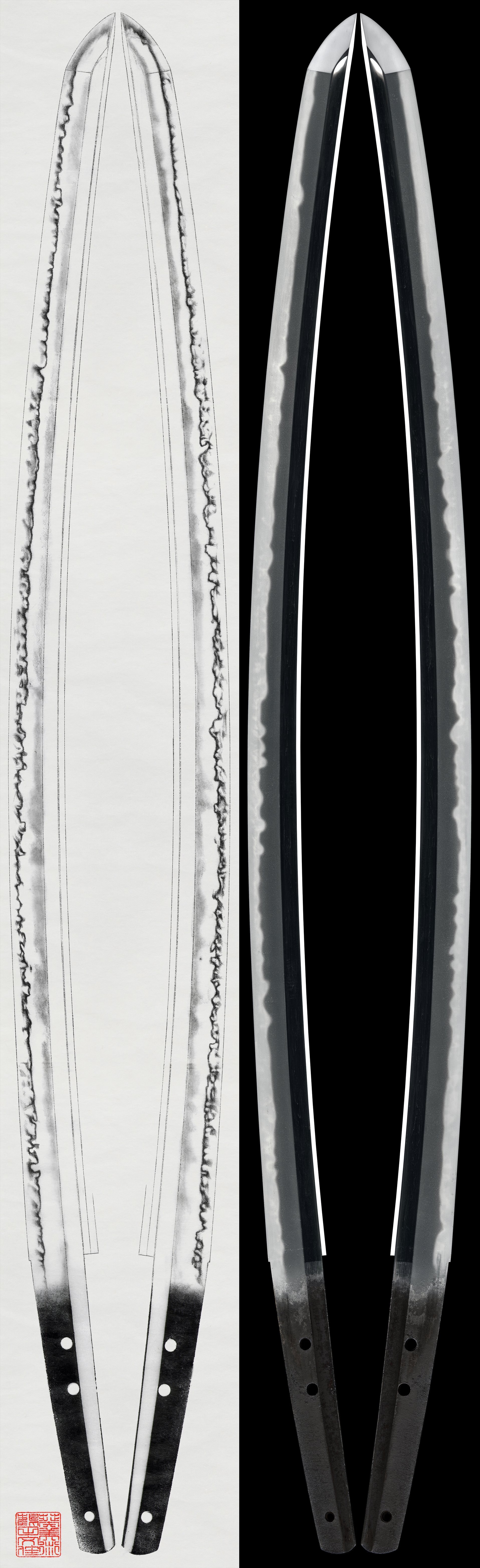
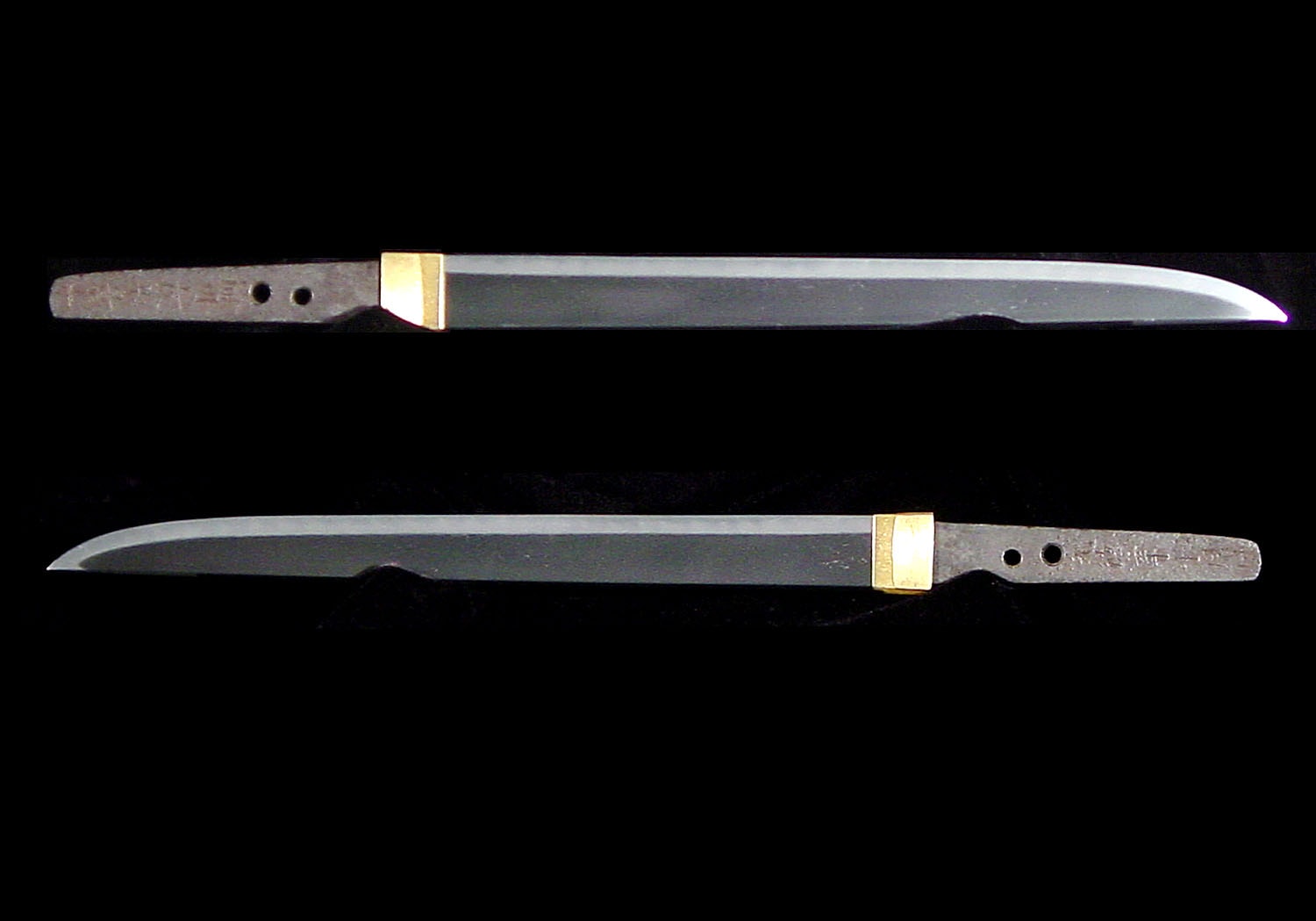
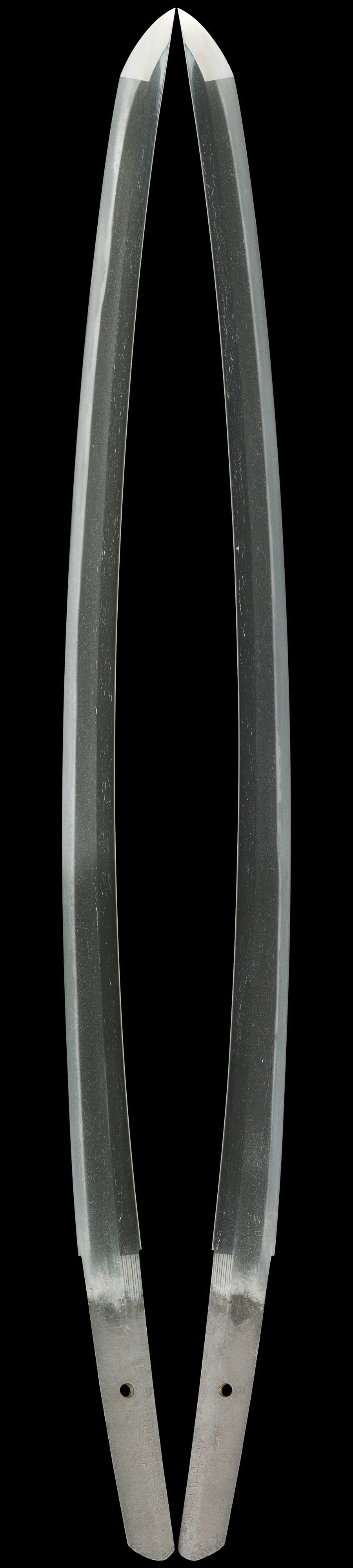
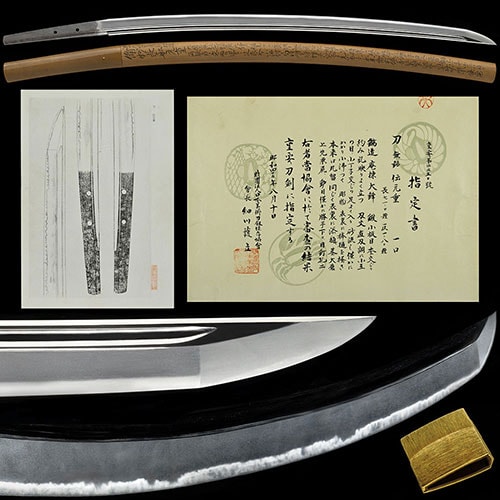
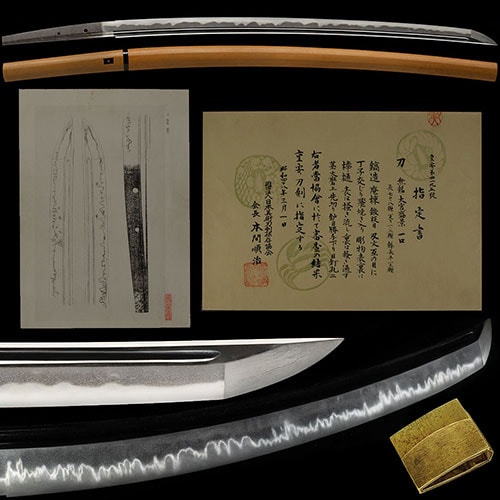
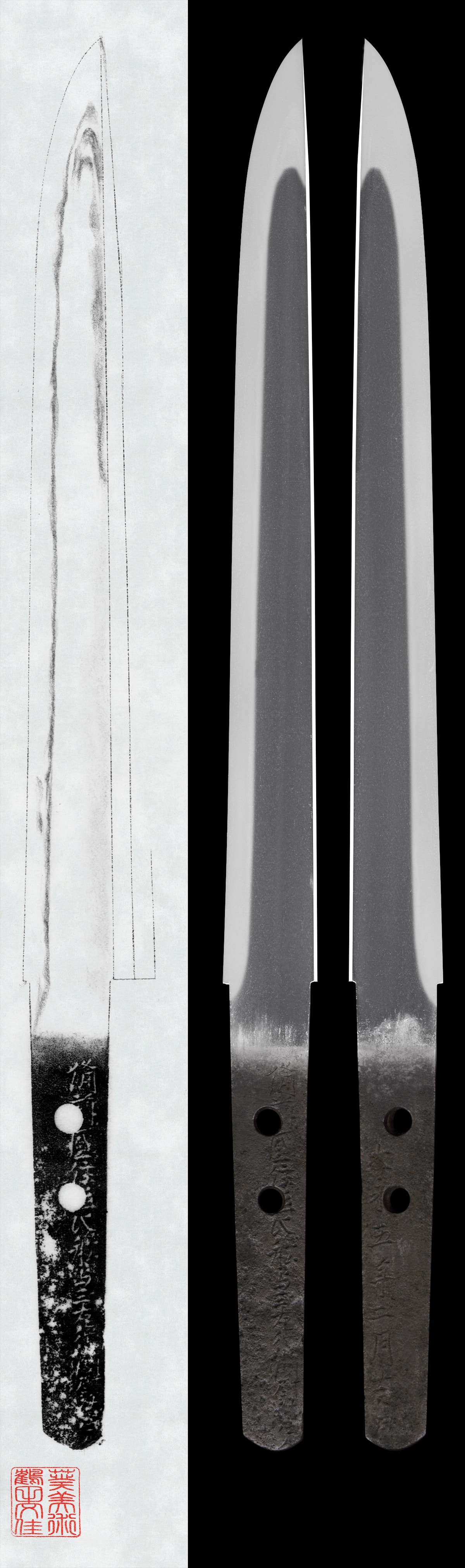
Norifusa worked in the middle of the period and is one of the masters who carried the school to its height. The published sources place him with Yoshifusa and Sukezane as the smiths who tempered the most flamboyant of their day, and read him as one of the representative hands of the mid- . He is held to be the son of Sukefusa of the Fukuoka , and because he later moved to the district of Katayama his line is called the Katayama .
Where that district lay is itself unsettled. The older view placed Katayama in , but the published sources now raise the possibility that it was a Katayama near Fukuoka in , and leave the question open for further study. The name carries a second complication. The signatures show several distinct hands and the workmanship covers a wide range, so that the name is thought to have run for several generations rather than belonging to a single man. The surviving signed pieces are limited to , yet he was famed from of old as a master of the , and many of the works attributed to that form carry his name.
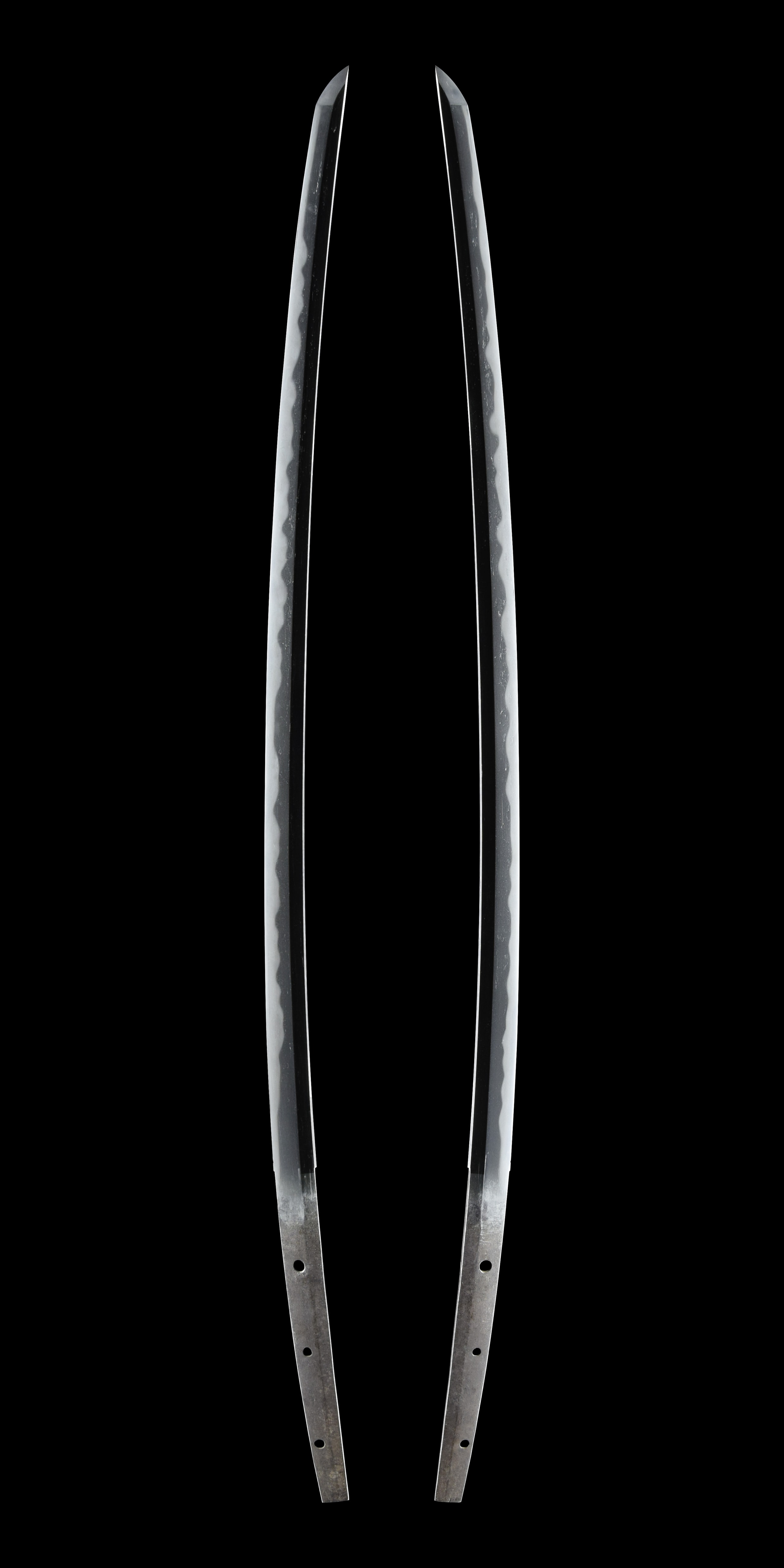
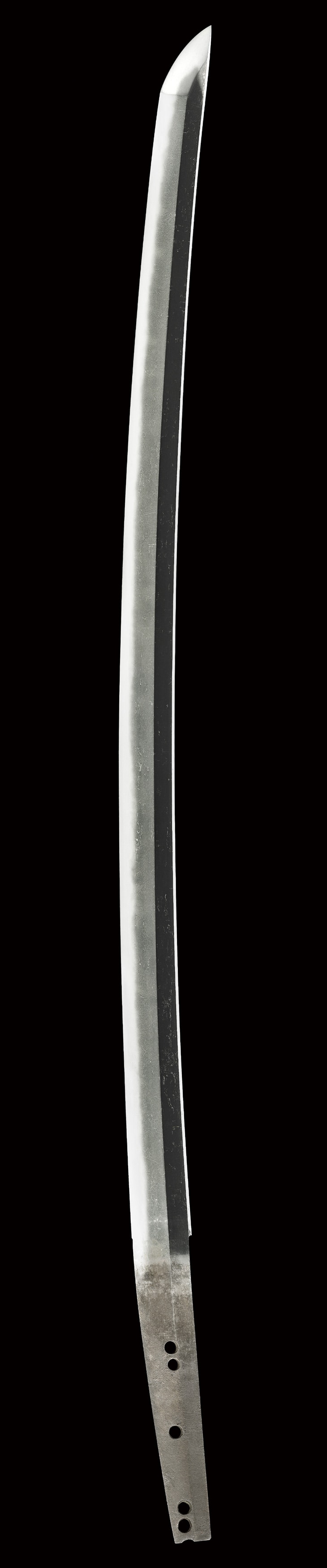
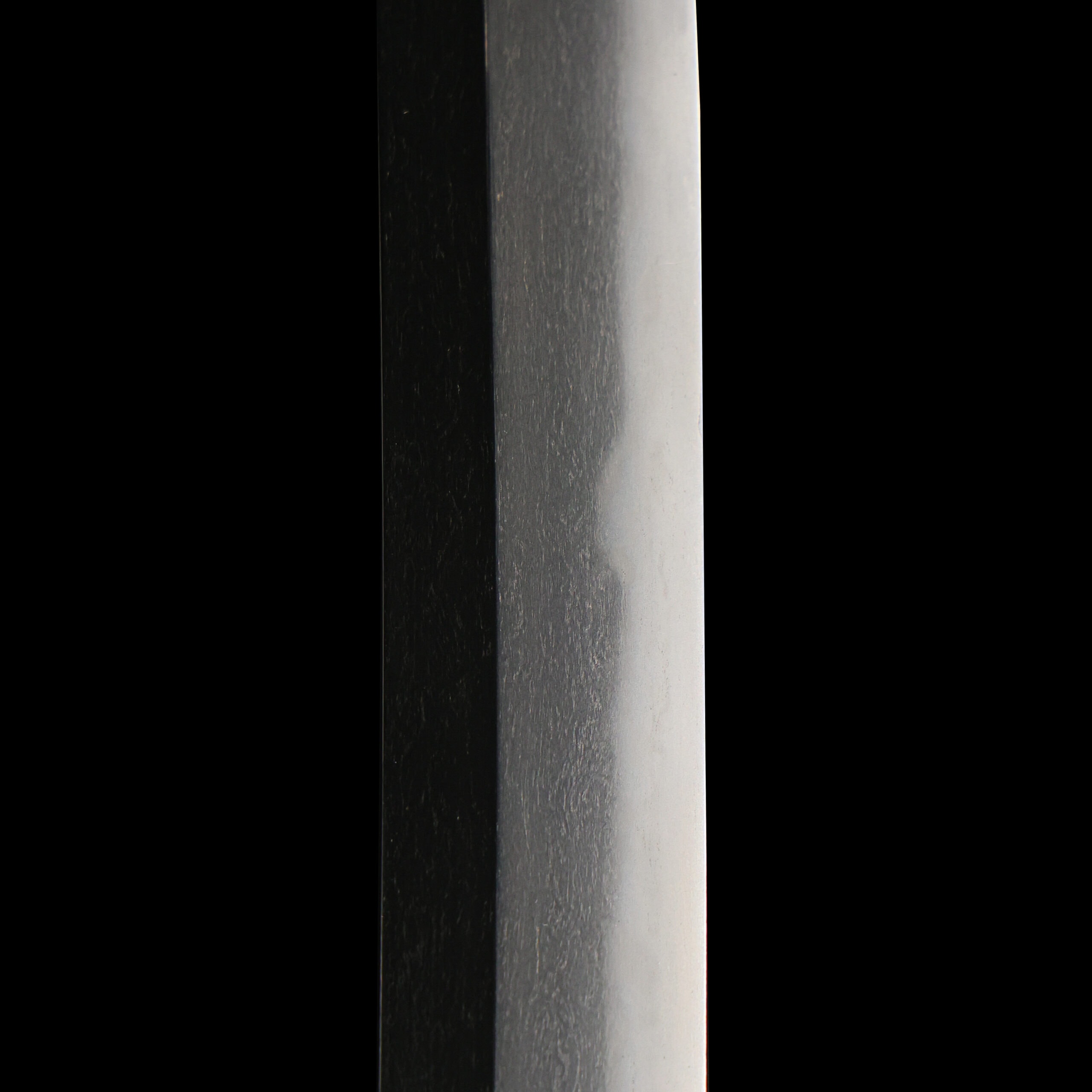
The forging is an , well packed in the finer pieces and standing in the bolder ones, with mixed in and fine entering. Over it stands the feature the school is read by: a clear , the steel bright and cold, the laid down to a fine mist. This vivid over a lively is the floor on which everything else is built, and it is named again and again in the published sources as the first thing that marks a Norifusa.
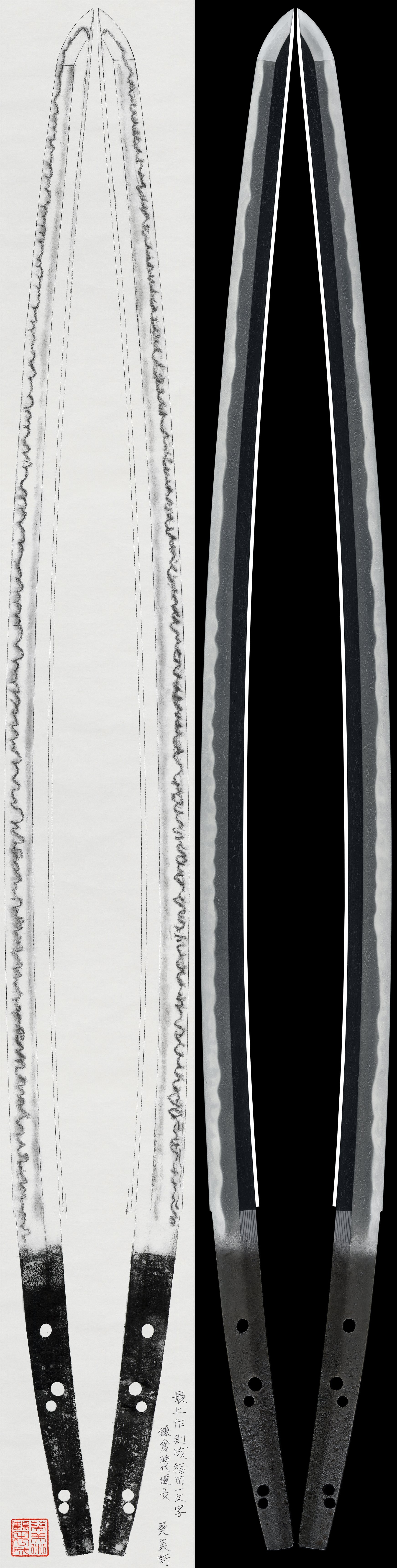
The is a with mixed in, and entering well, in deep with , a little and , and here and there and along the upper half. The recognition point is set out plainly: his merit lies in a that is strong and clear, a that leans back, and fine within the . The back-leaning is what parts him from his peers, for his tends to a somewhat smaller pattern than that of Yoshifusa and Sukezane, and that reverse tendency, set against the short fine , is the surest tell of his hand.
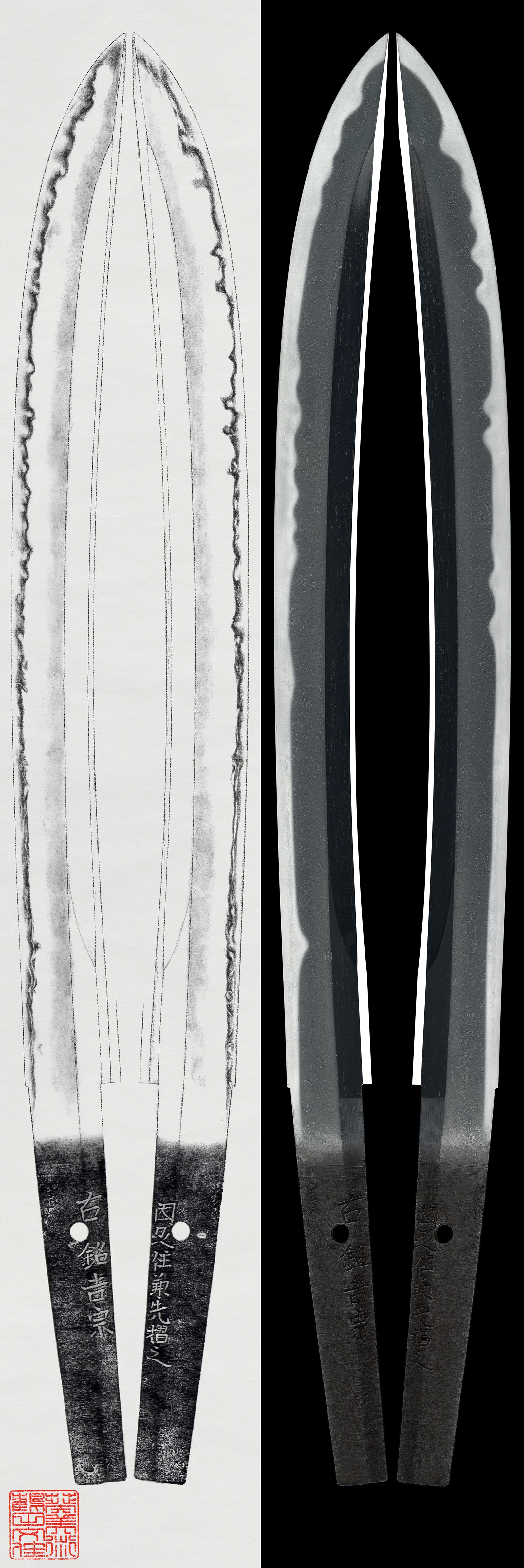
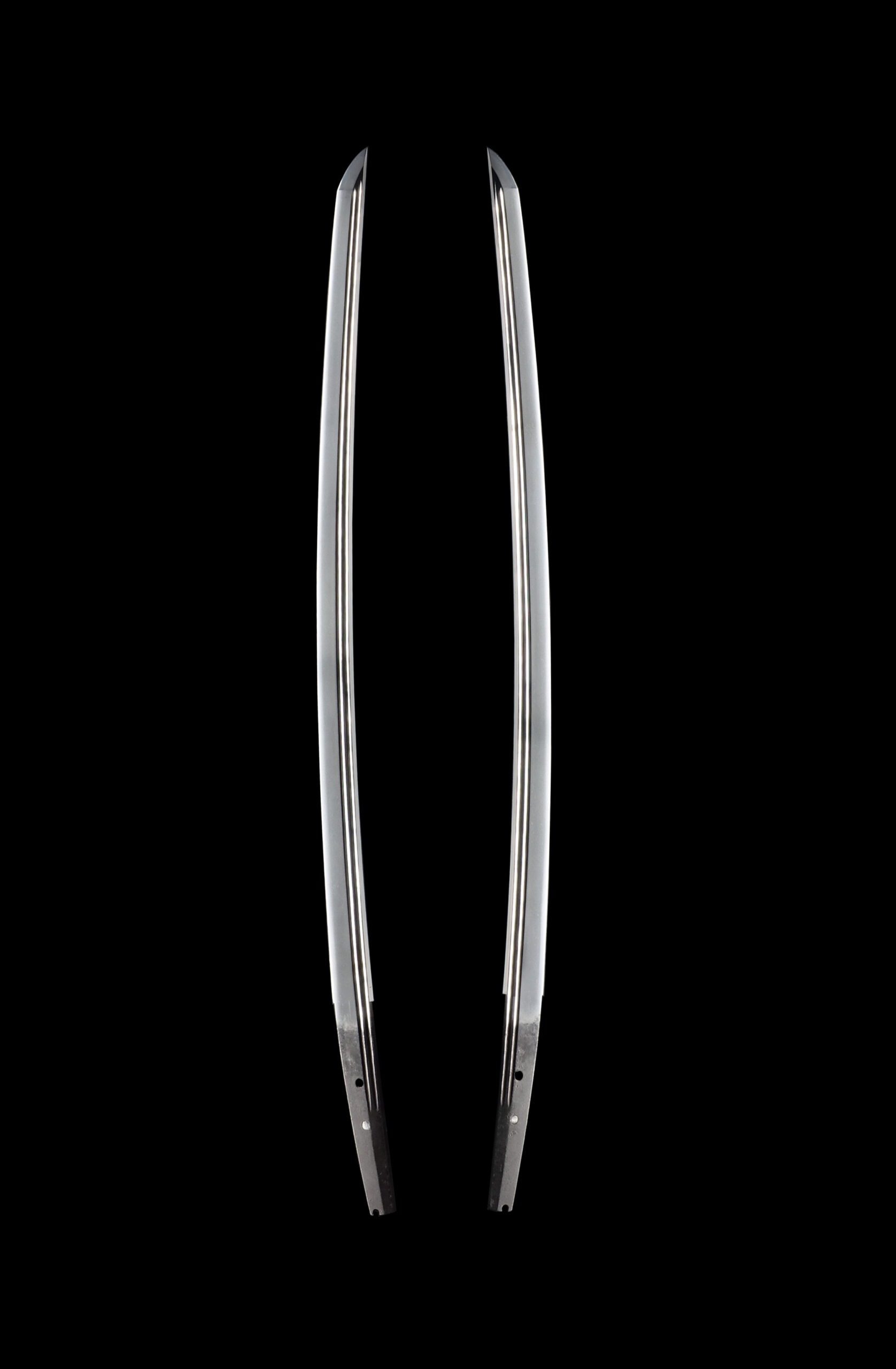
The is the point a careful eye holds to. It runs to a small round, often turning back with a pointed tendency and brushing out in , the published sources recording on one blade a that is with , the point of the turning back with a pointed tendency. On the bolder pieces the can show a tendency while the turns in and sweeps; the swept, pointed tip is as much his mark as the leaning below it, and a flat without that brushwork should give the pause.
For the collector Norifusa stands among the least attainable of the masters. Fujishiro grades him Jo-jo , and his work counts National Treasures and a high tally of blades among it, set with the histories of the great houses: a that descended to the Yanagisawa of Yamatokoriyama, blades held by the Tokugawa shogun house and by Tokugawa Yoshimune and Tsunayoshi, others through the Ikeda and the Takasu Matsudaira, and a recorded in the treasure inventory of the Uesugi. One of the Yanagisawa still carries the memory of a Honami Koshu . Almost nothing he made ever reaches the market: the named pieces sit in institutions such as the Kyushu National Museum, the Seikado Bunko Art Museum, the Tokyo Museum and the Fukuyama Art Museum, and a blade by his hand coming to trade is closer to a once-in-a-career event than a purchase to be planned for.