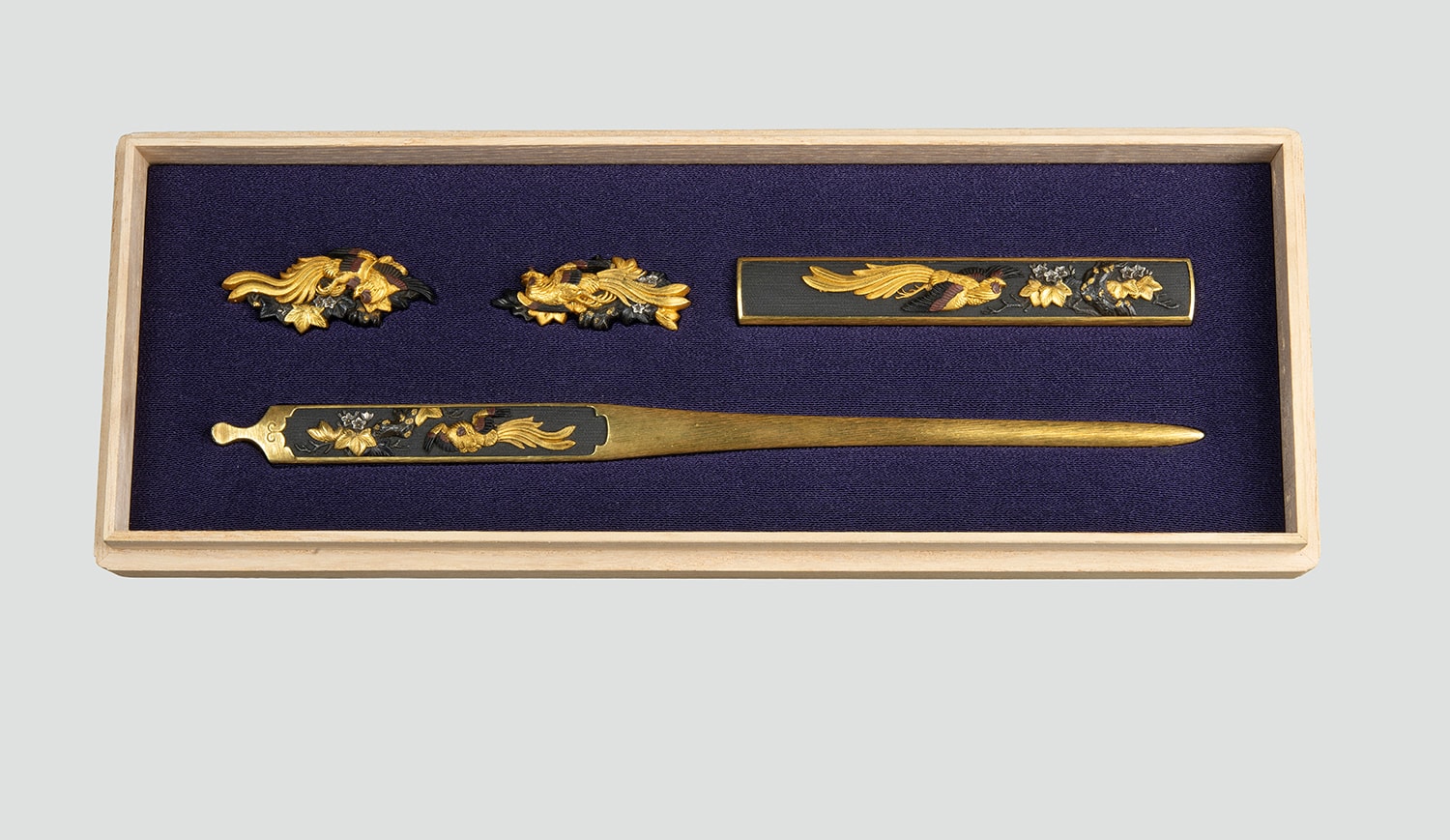
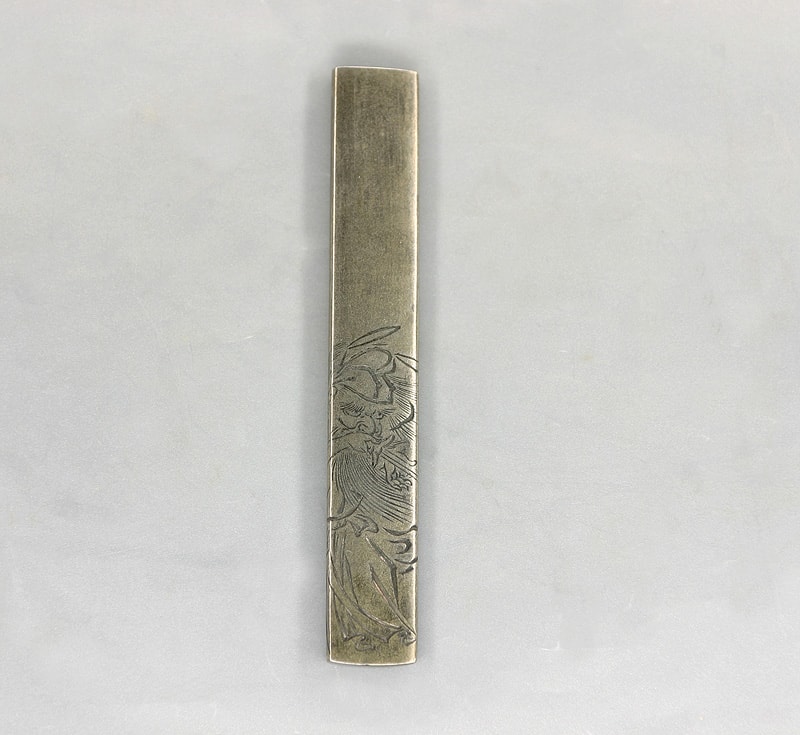
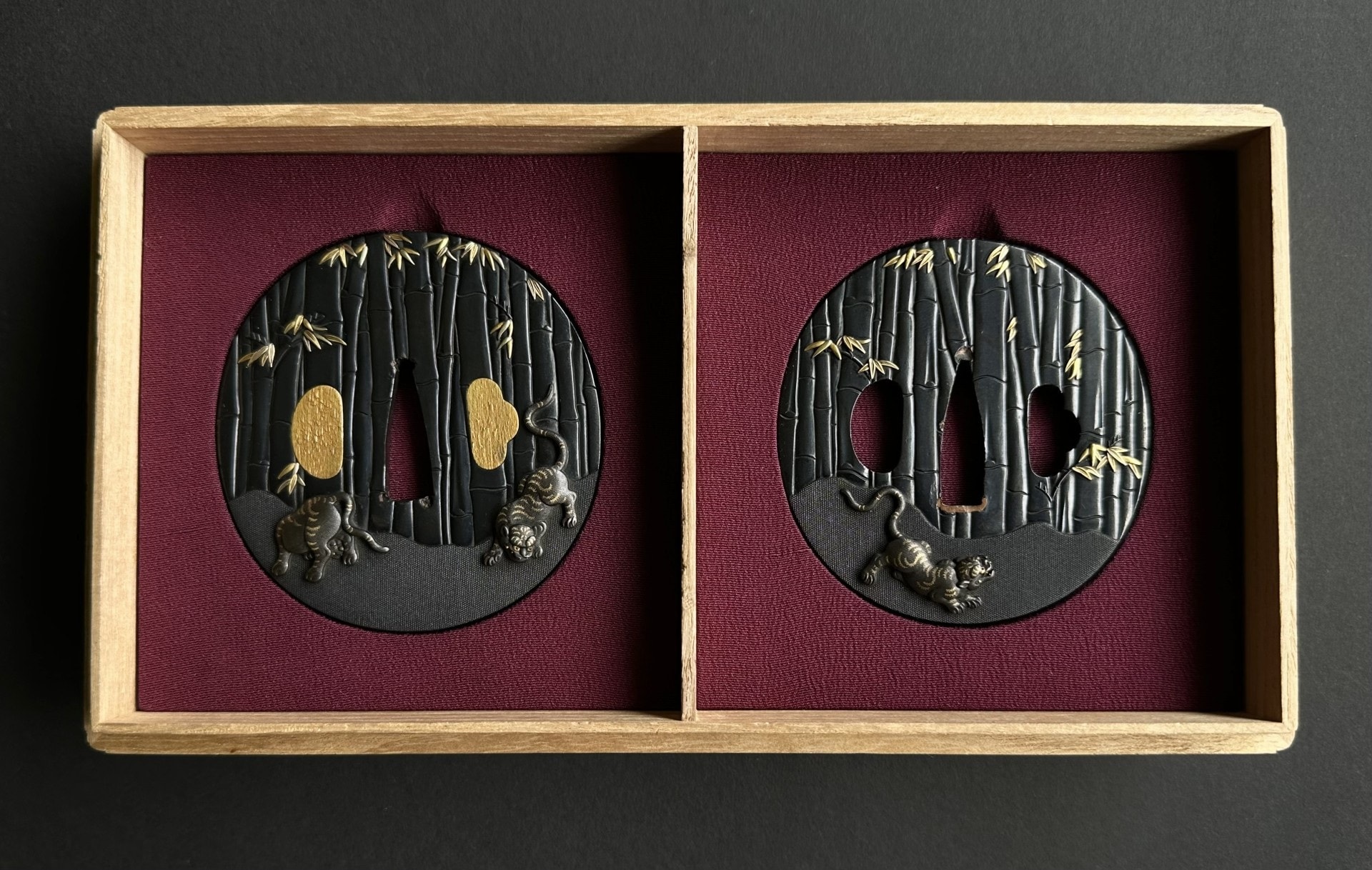
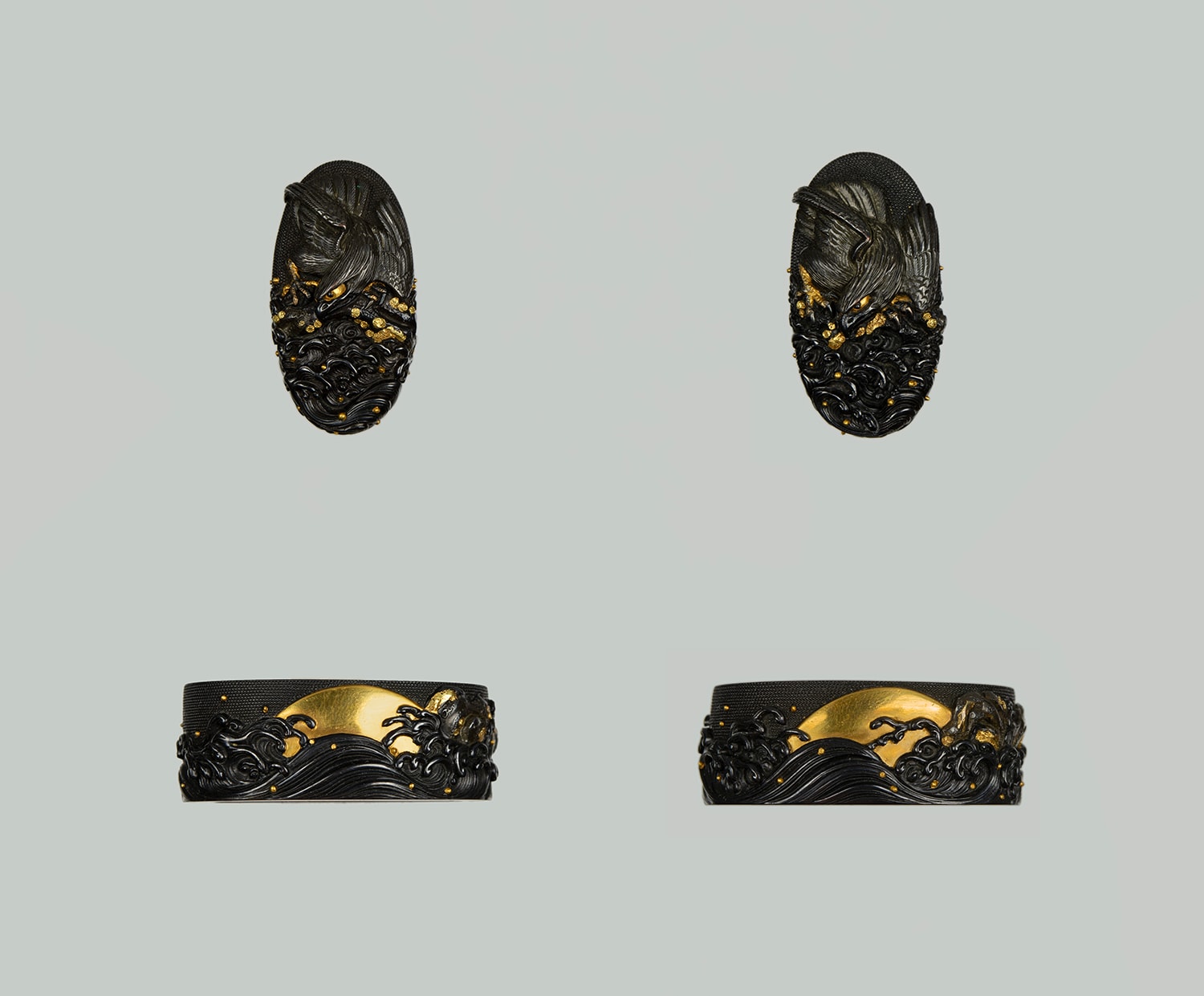
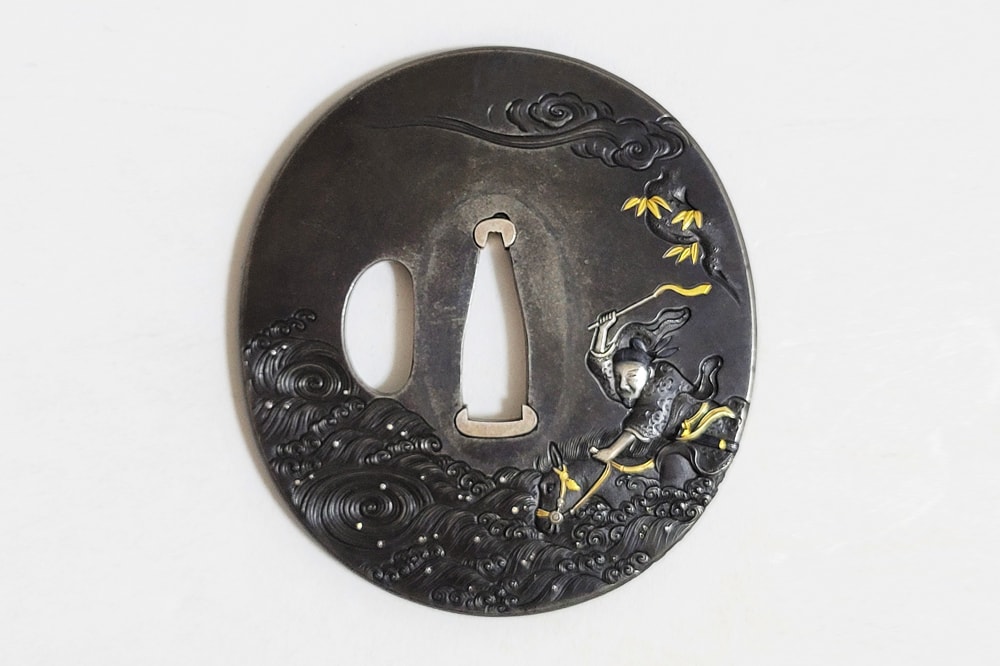
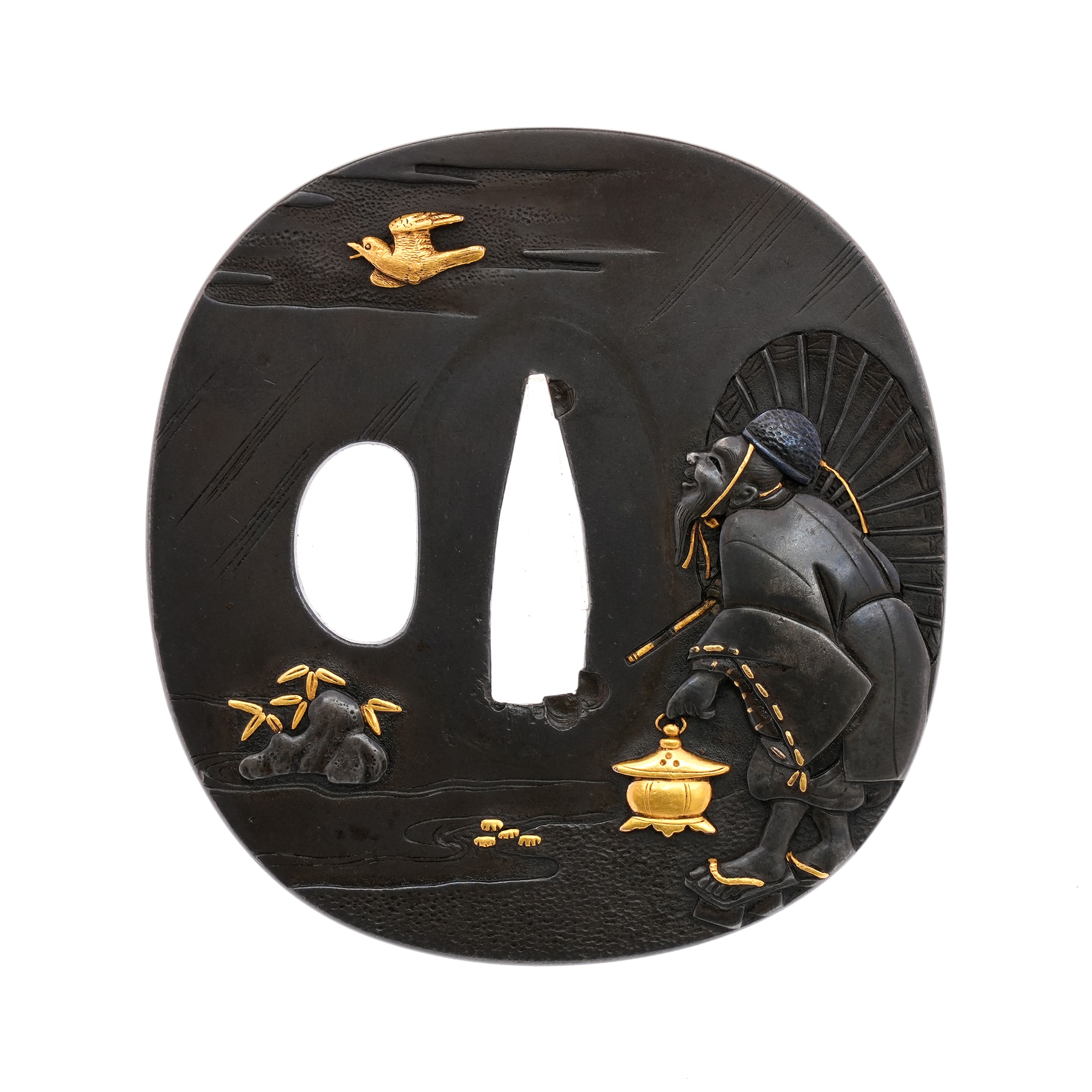
Yanagawa Naomasa was born in in Genroku 5 (1692) and initially bore the common name Heijiro, later changed to Sanzaemon. He entered the workshop of Yokoya Somin and quickly distinguished himself as an outstanding talent within that circle. Through establishing his own following, Naomasa founded what became known as the Yanagawa school, a lineage that carried forward the Yokoya manner into the mid- period and beyond. Beginning with his adopted heir, the second-generation Naomitsu, and the third-generation Naoharu, and with the emergence of figures such as Yanagawa Naokatsu and Kikuchi Jokatsu, the prosperity of the Yanagawa line was remarkable. Naomasa remained active until Horeki 7 (1757).
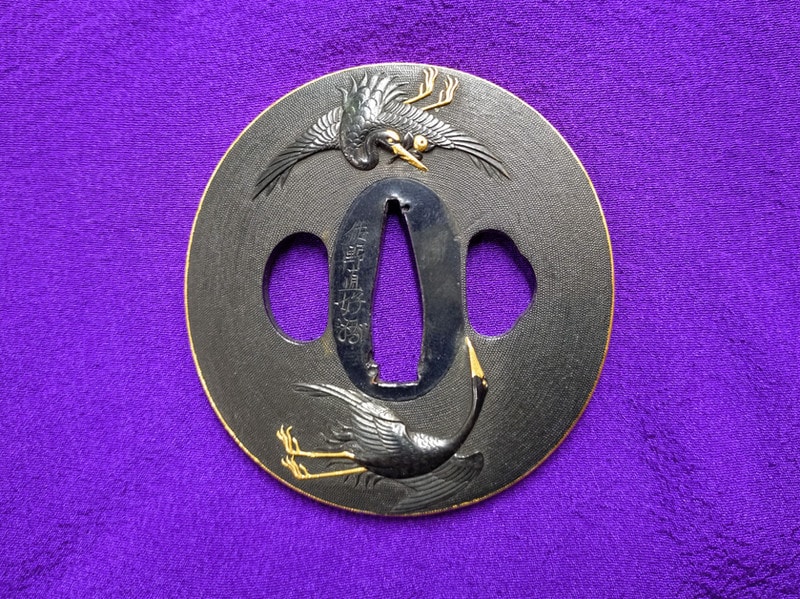
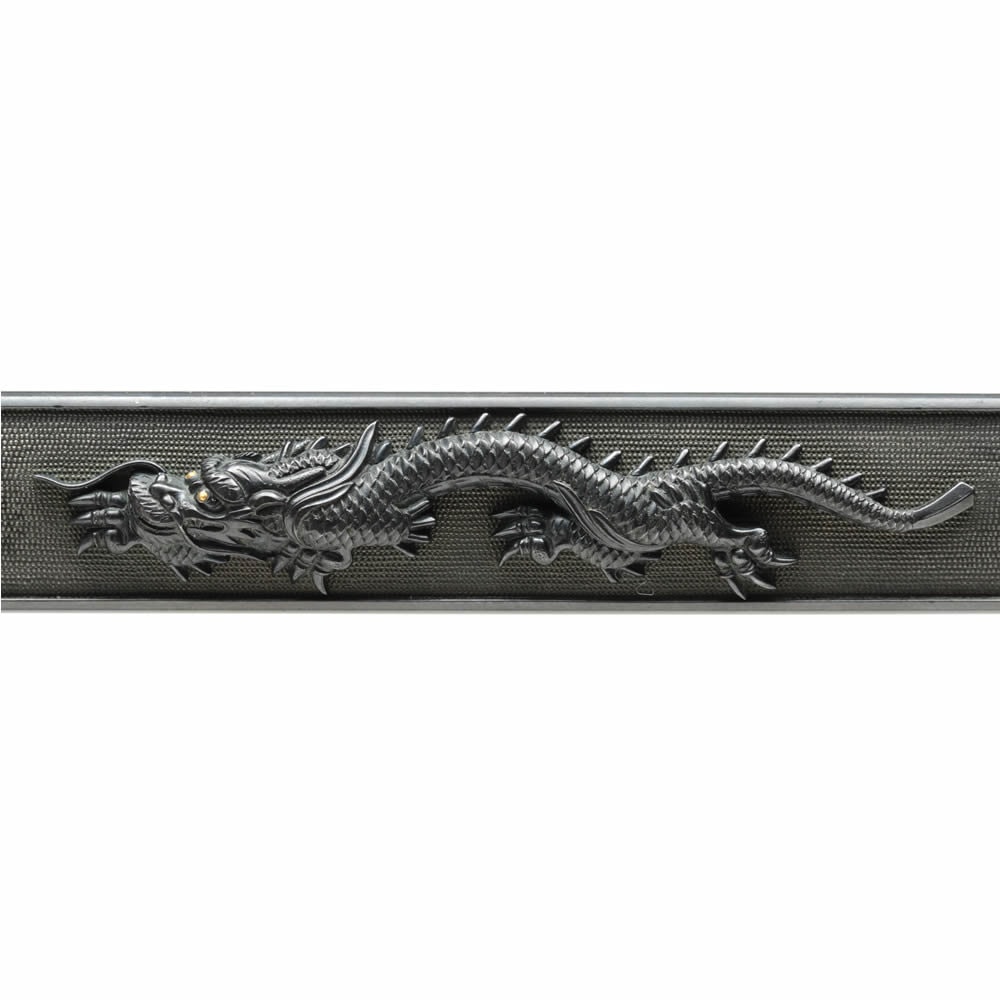
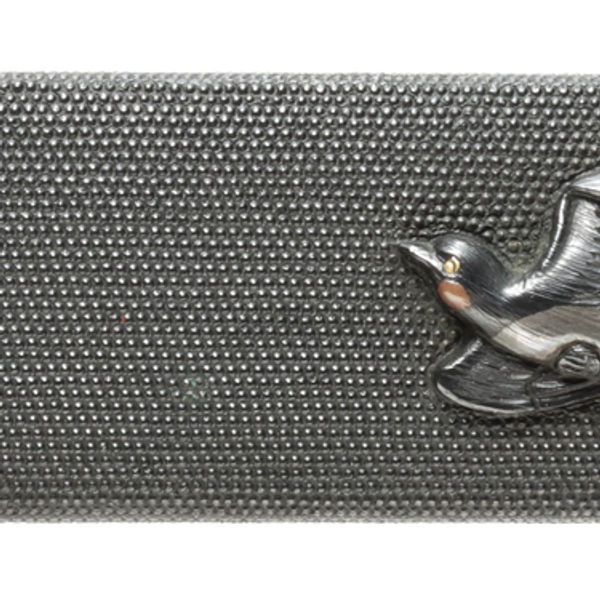
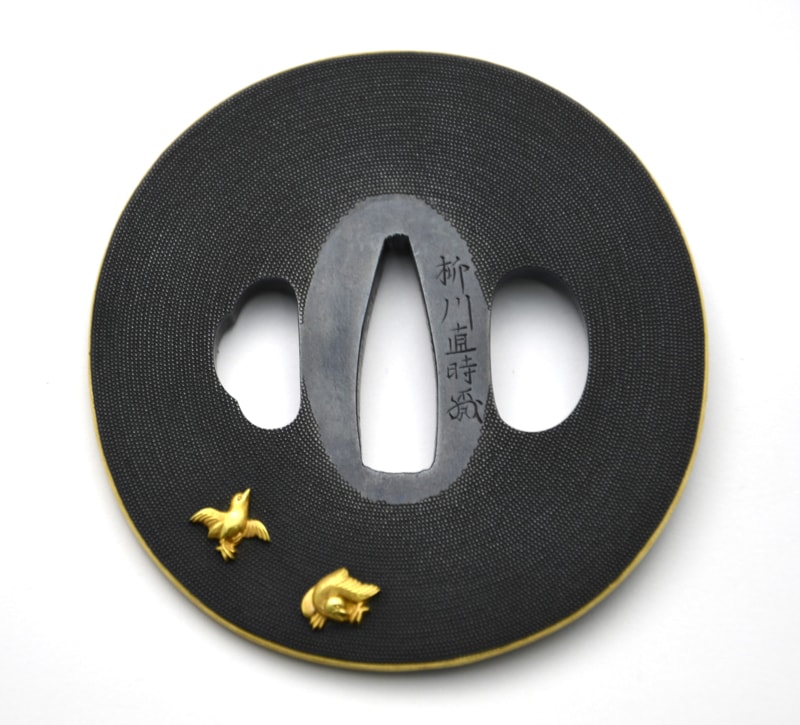
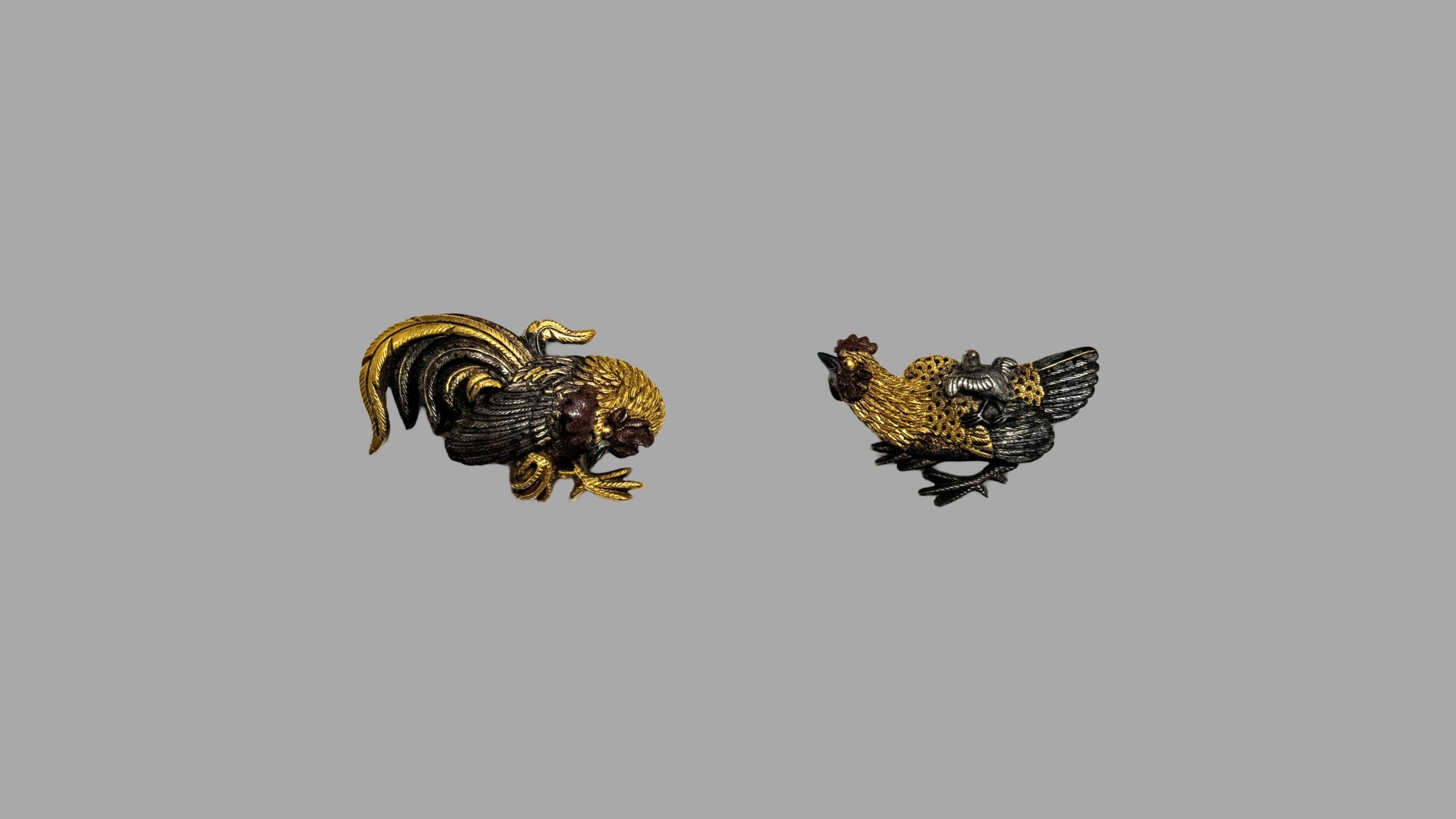
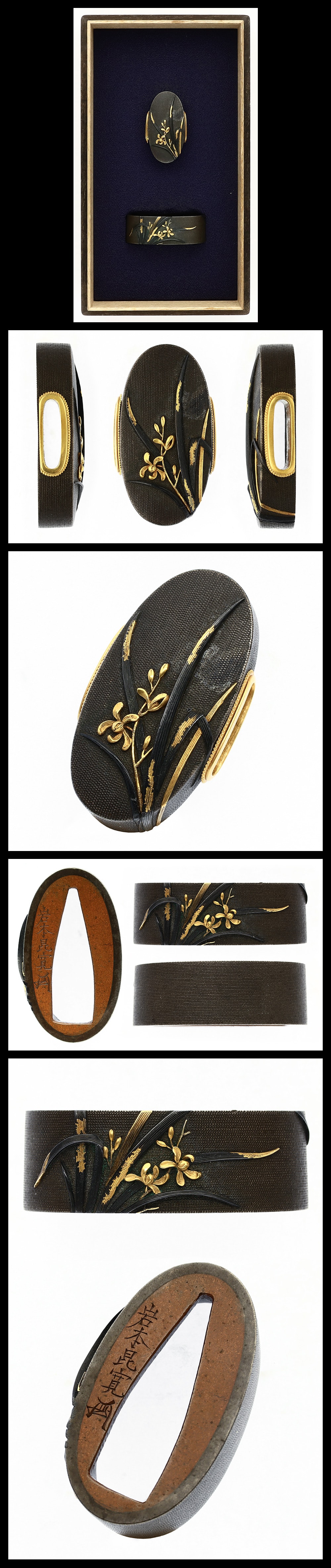
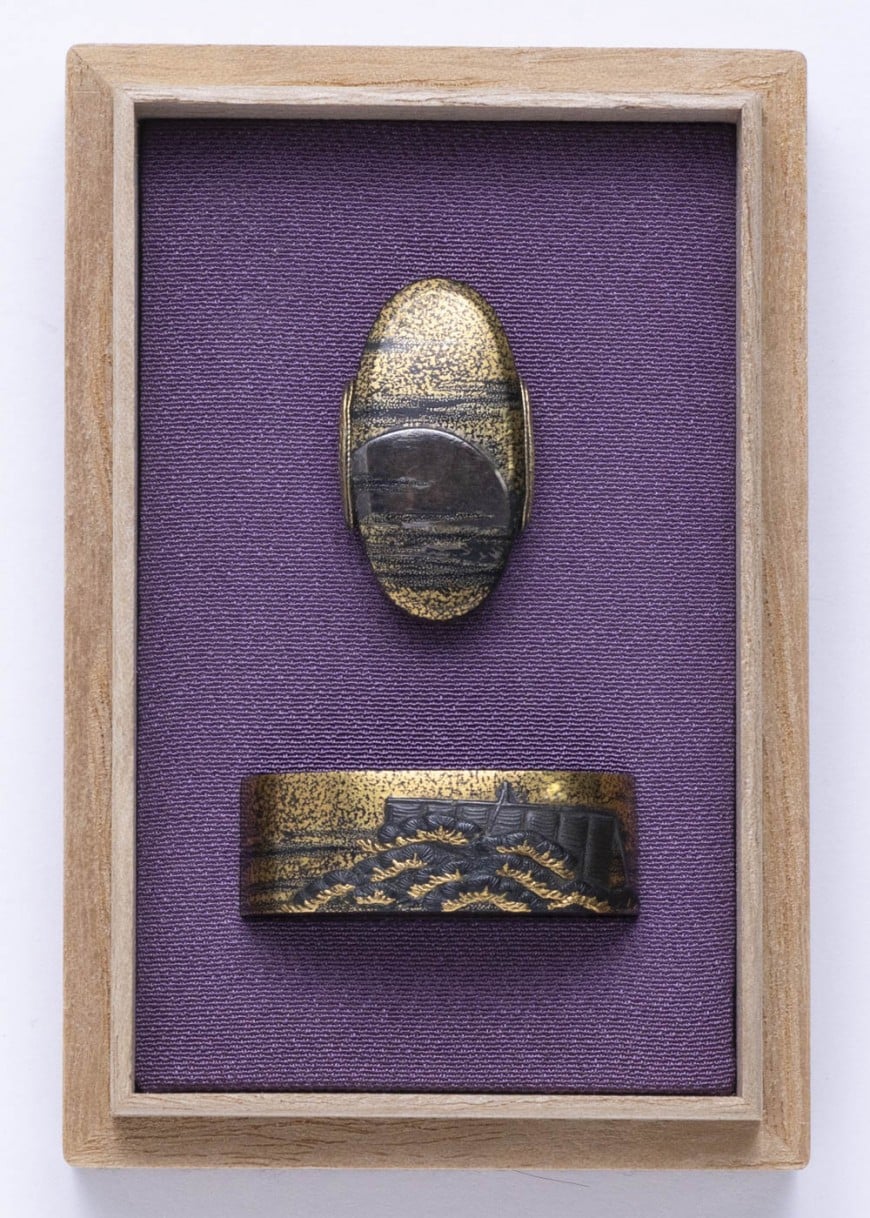
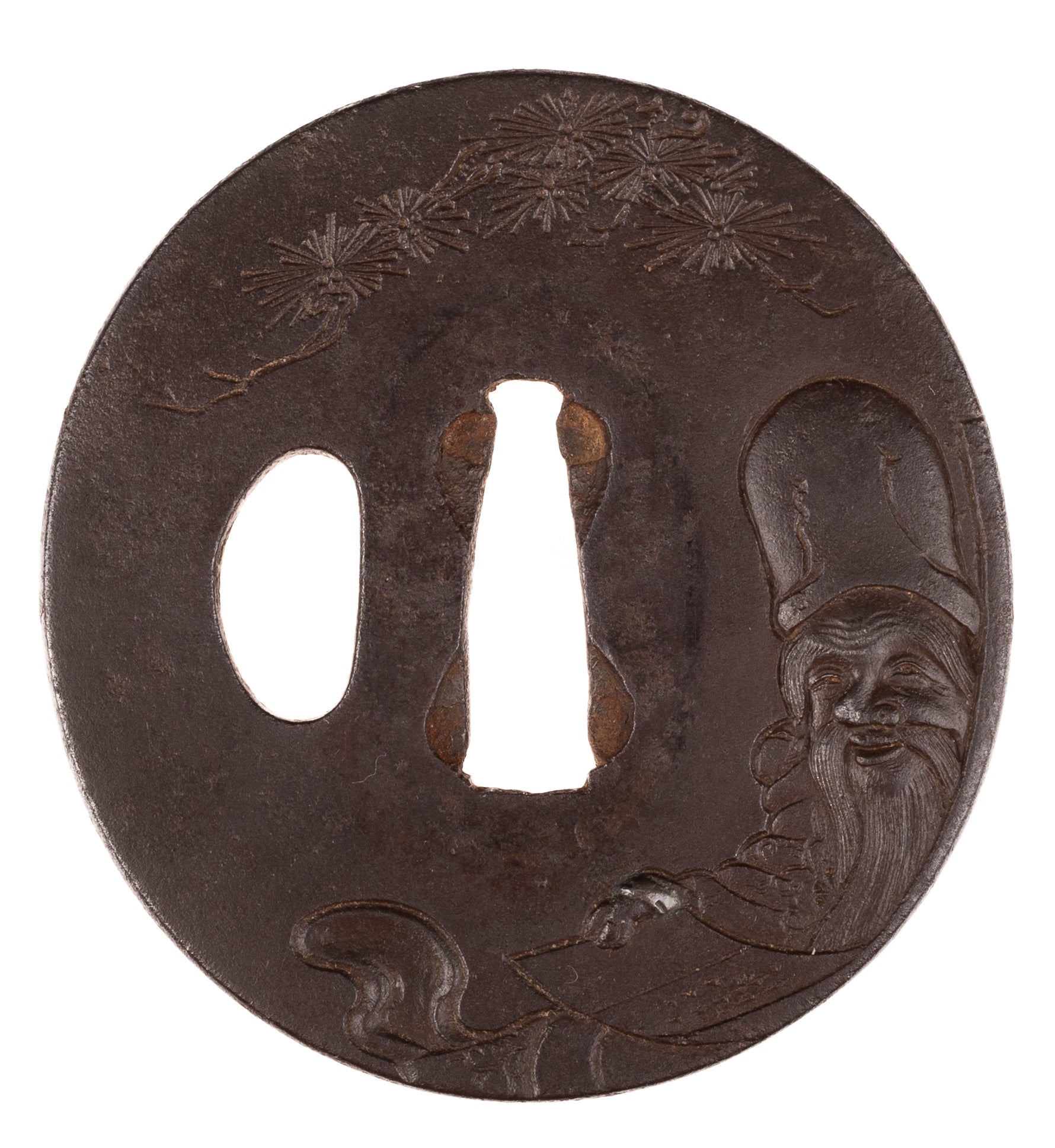
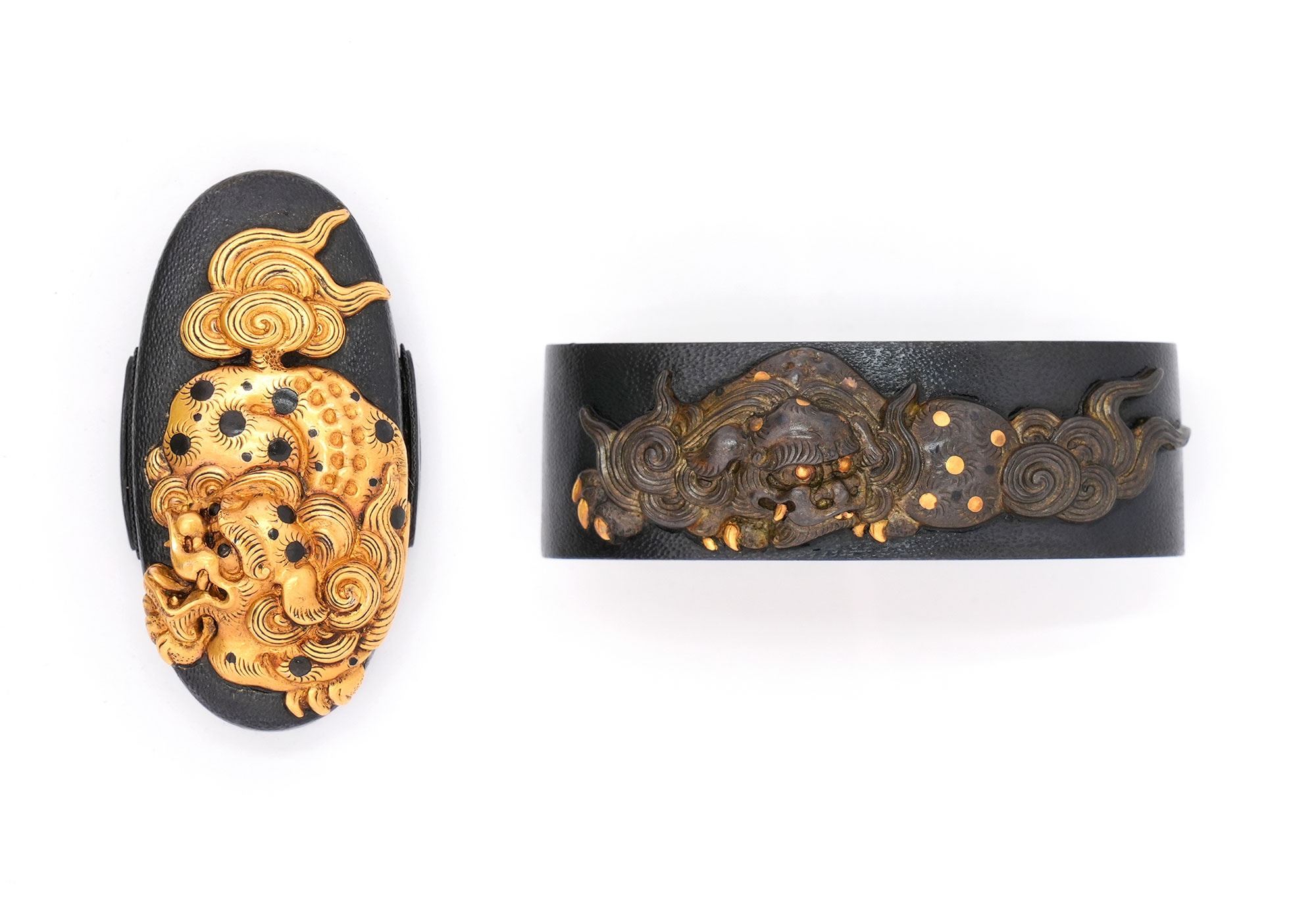
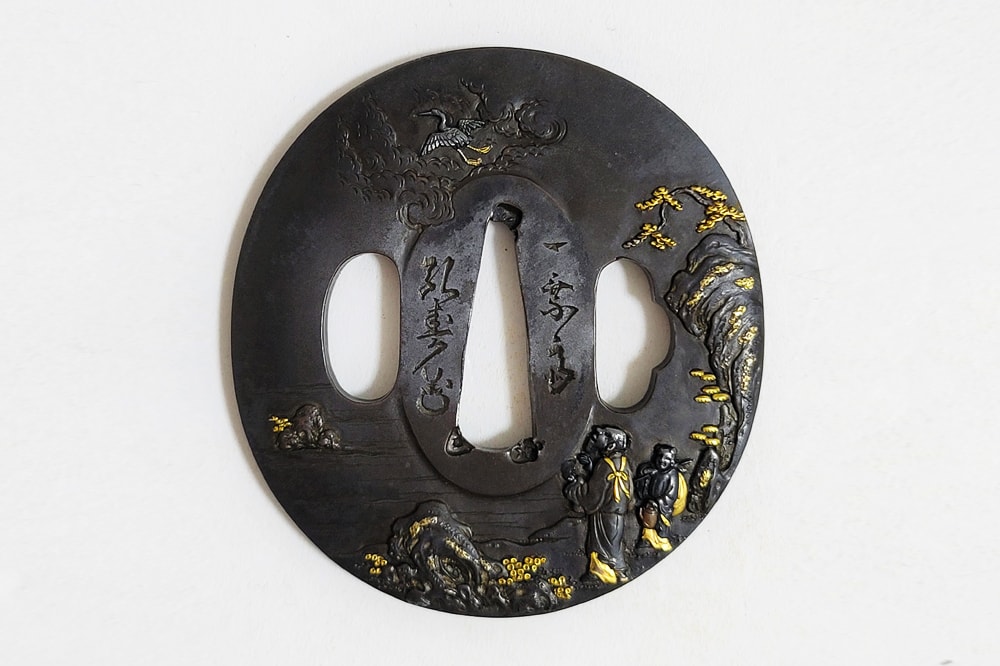
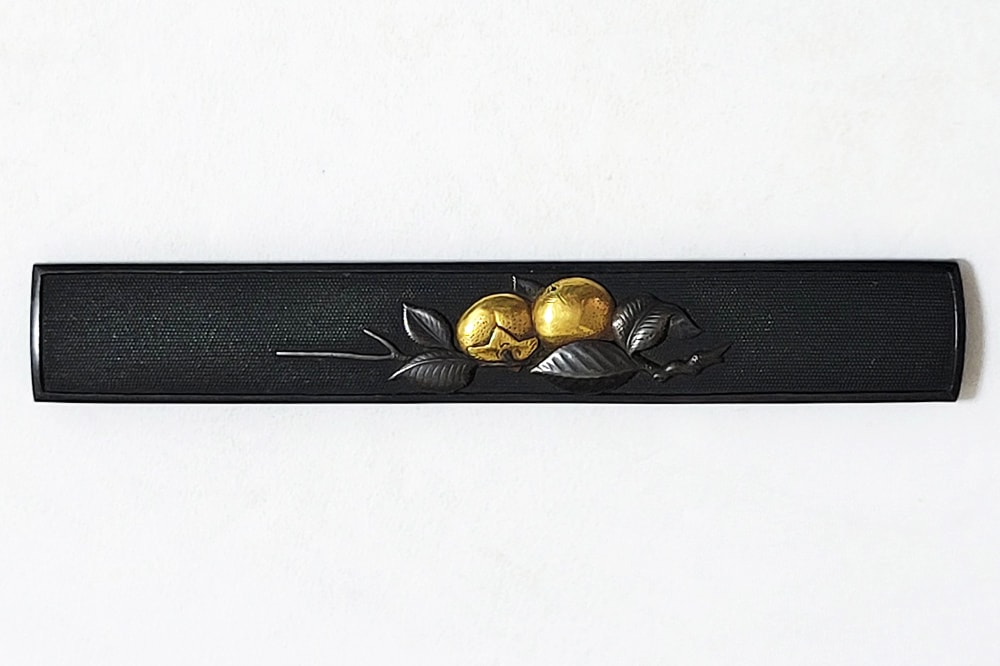
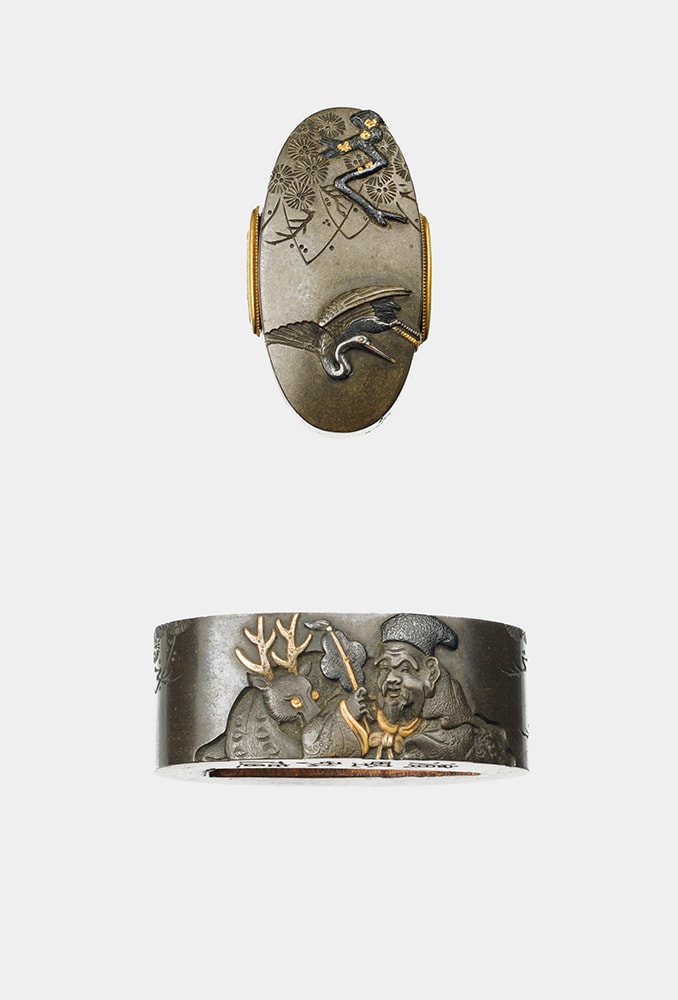
The Yanagawa school inherited and perpetuated the characteristic Yokoya-style methods: grounds worked in with polychrome metalwork (). Naomasa's works often call to mind his teacher and are characterized by a powerful and dignified presence. His carving employs a thickly modeled technique — what the describes as richly modeled high-relief carving (-bori) — together with gold and silver , achieving compositions that brim with martial spirit and authority. He is known to have worked after Somin's own compositions, and while the notes that the placement of flesh () in such works occasionally lacks the force of the originals, Naomasa's distinctive carving manner brings these pieces close to their models.
Naomasa occupies a position of singular importance as the founder of one of the principal lineages of the period. The consistently recognizes works in which "Naomasa's true merits are fully brought to the fore" and praises pieces where "the Yanagawa-school manner is displayed without reservation." Signed works bearing the explicit inscription "disciple of Somin" are noted as being of particular value and importance. Surviving matched sets from his hand are comparatively few, lending additional significance to such examples. As the artist who established the Yanagawa school and achieved renown in his own right, Naomasa's legacy resides in the enduring vitality of the tradition he founded.