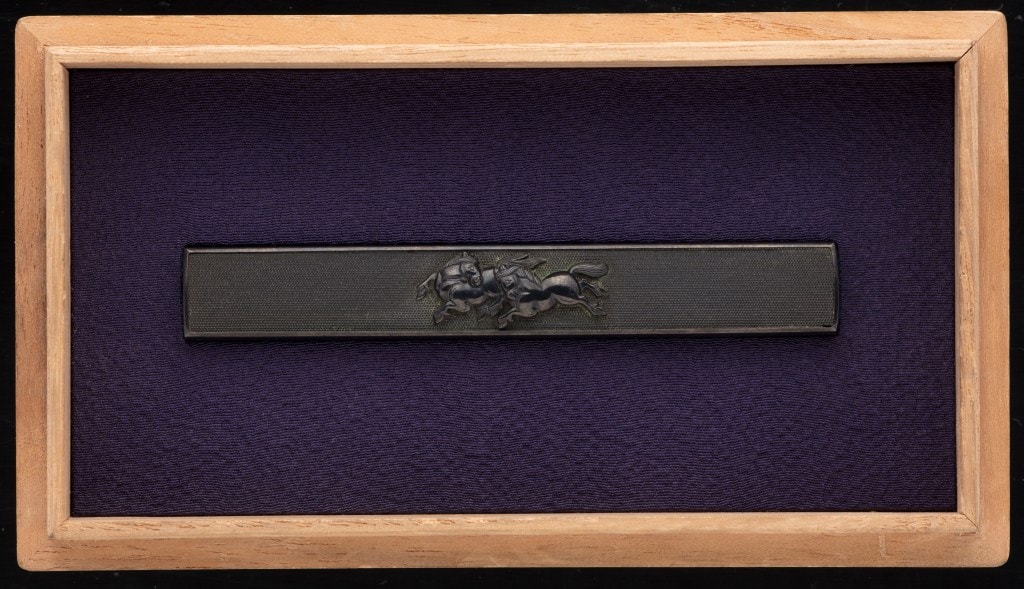
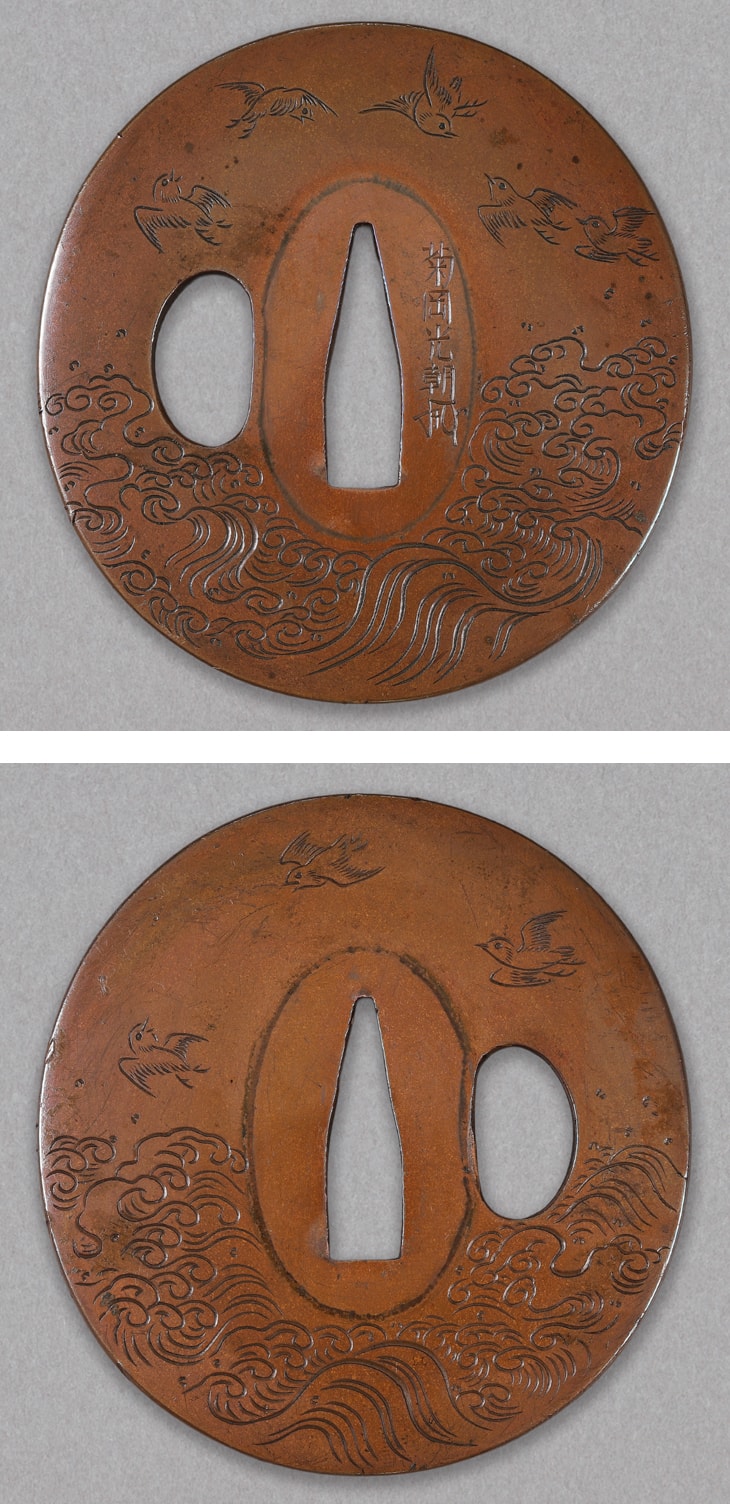
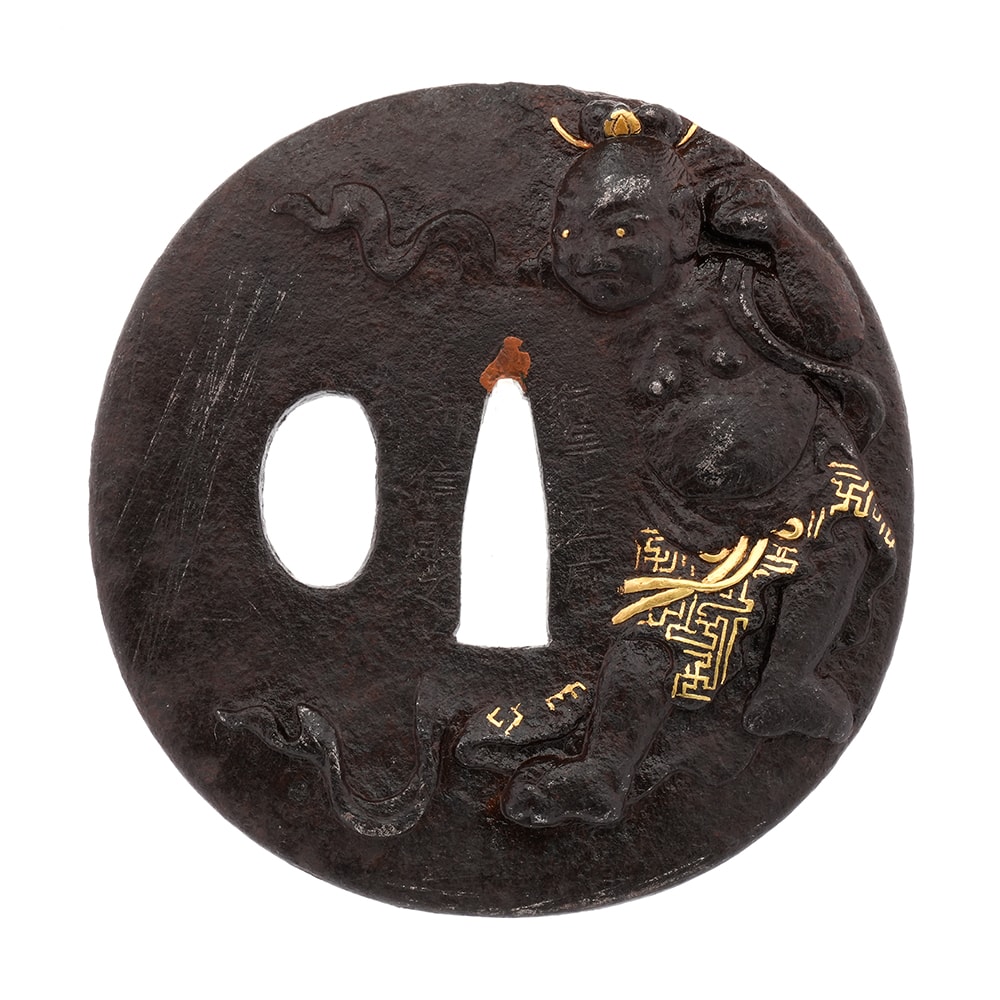
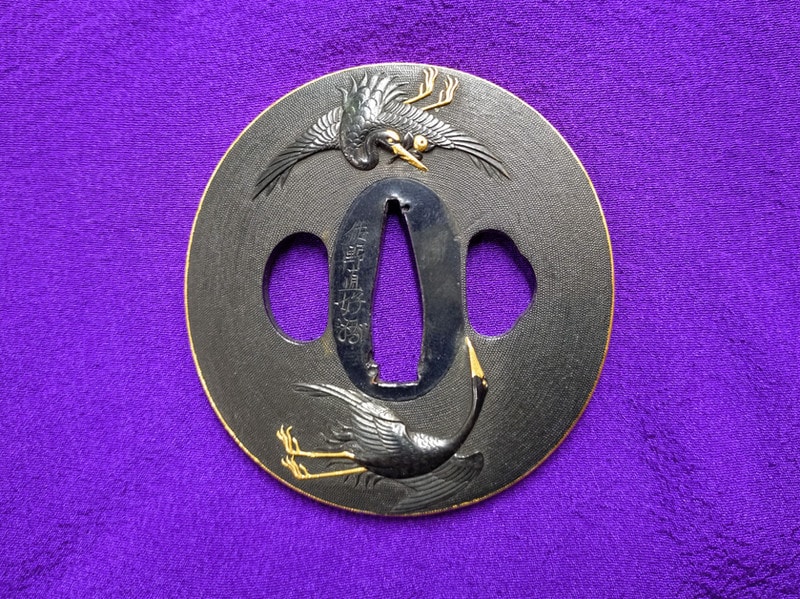
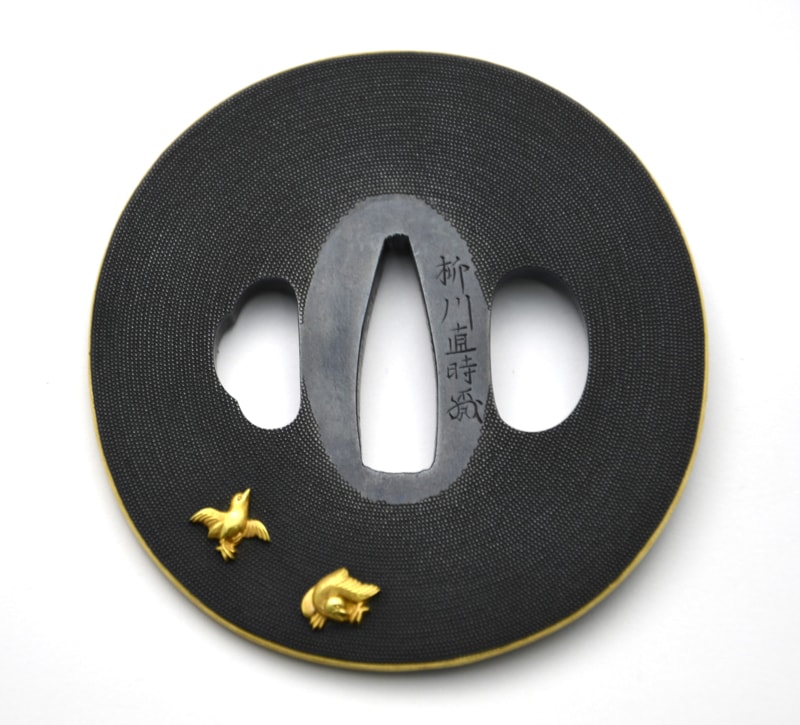
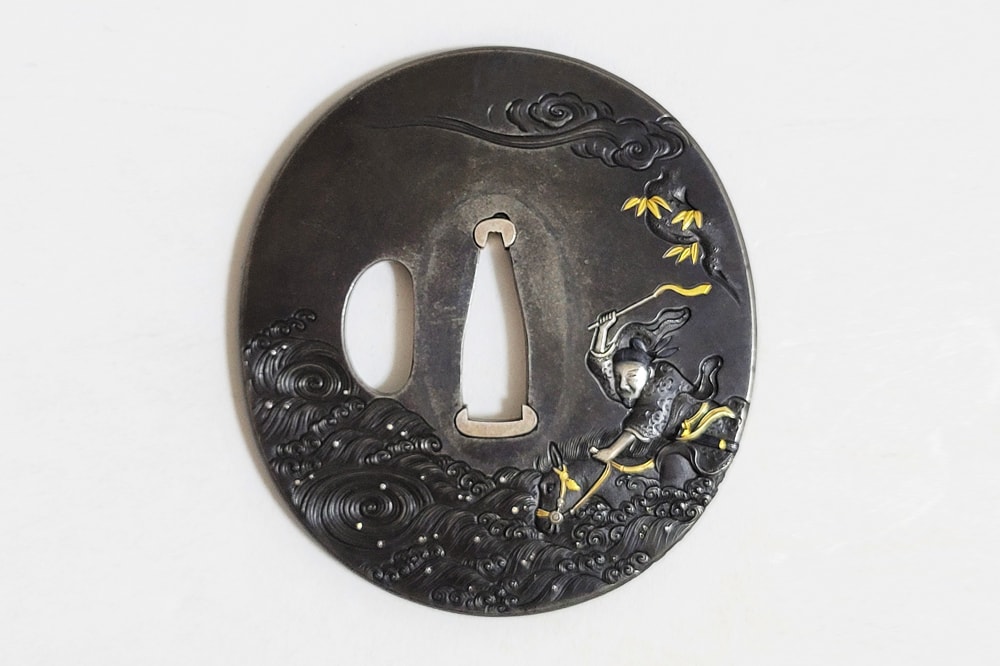
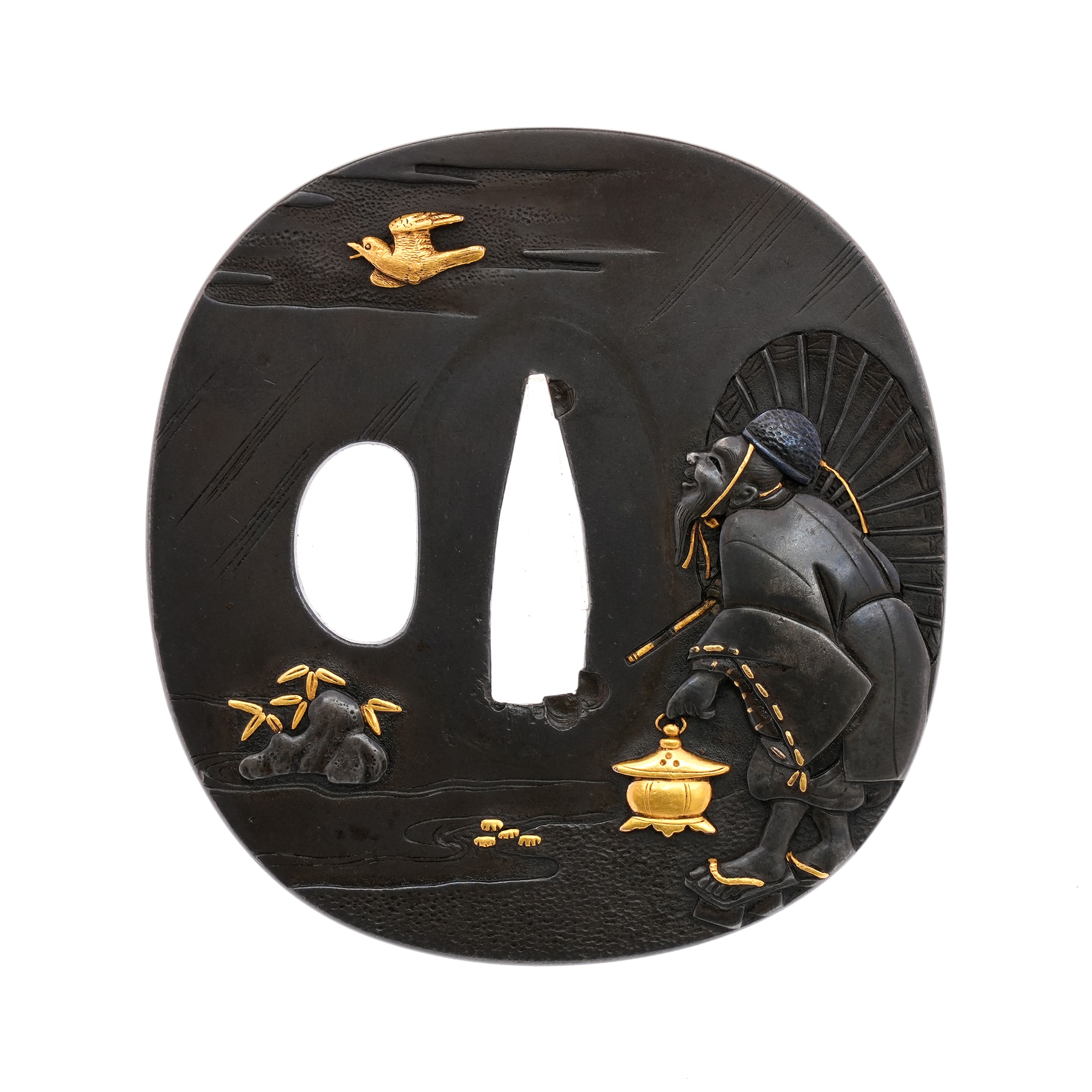
Kikuoka Mitsuyuki was born in 'en 3 (1750) in Kandakajichō, , and trained under Yanagawa Naomitsu of the Yokoya lineage. Having matured through the guidance of the Yanagawa house, he attained full accomplishment as an artist and went on to establish the Kikuoka school as its founder, creating an independent line characterized by what the describes as a "careful and solidly executed" manner of working. His son was Mitsutomo, and his younger brother Mitsumasa; the brothers were influential metalworkers in and were also well known as bunjin — men of letters active as haikai poets. Both adopted the inherited artistic sobriquet "Senryō," passed down from their forebears, and Mitsuyuki styled himself "third-generation Senryō." He employed several art names throughout his career, including Doppōsai, Saika-an, Katsukenji, and Suiminsha. Dated works bear inscriptions from Tenmei 1 (1781) and Kansei 9, and he died in Kansei 12 (1800) at the age of fifty-one.
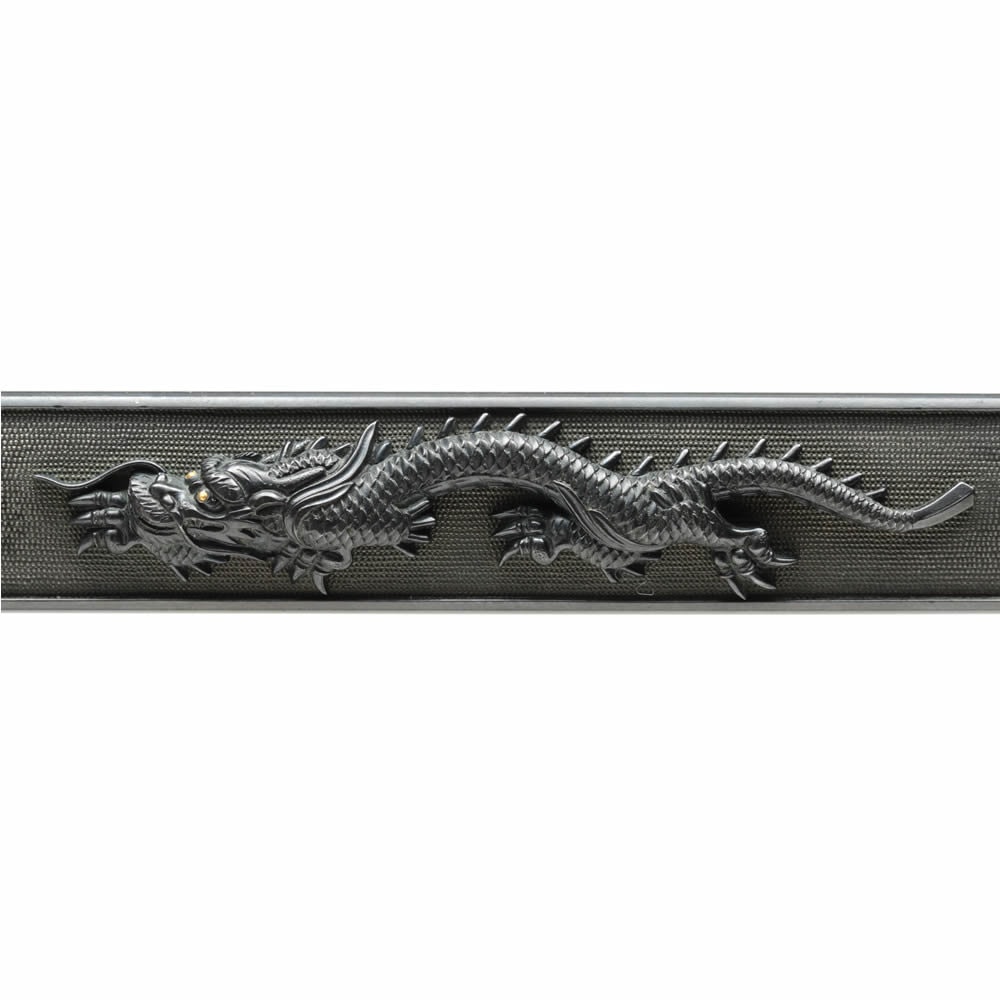
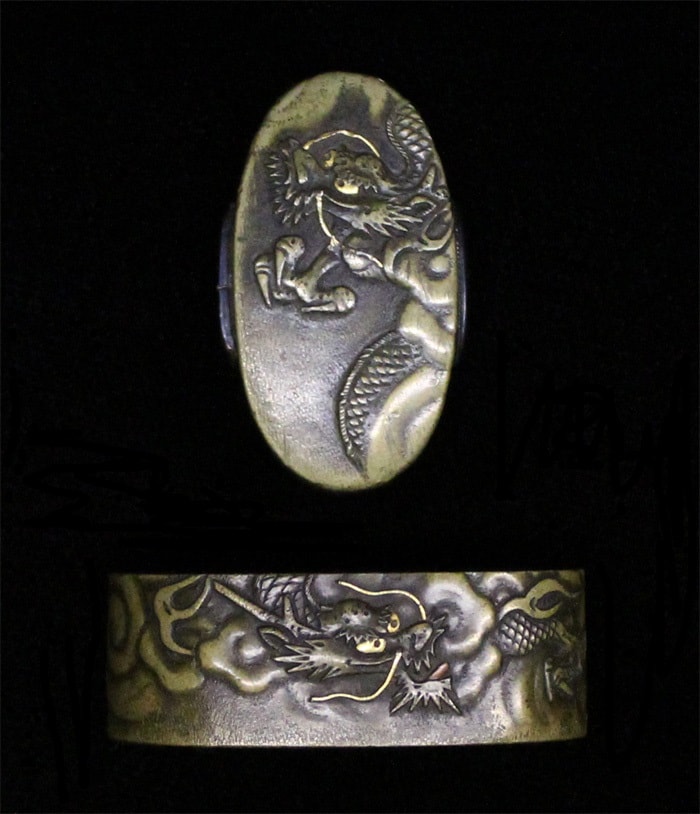
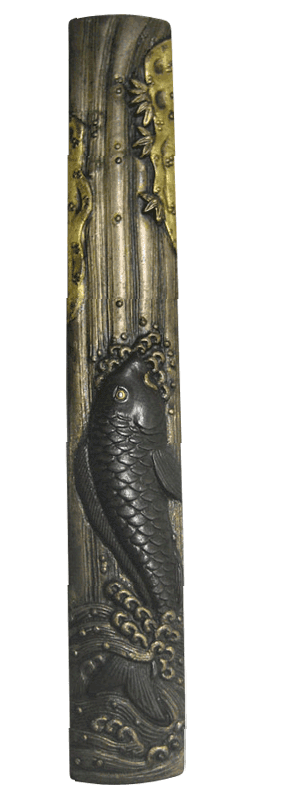
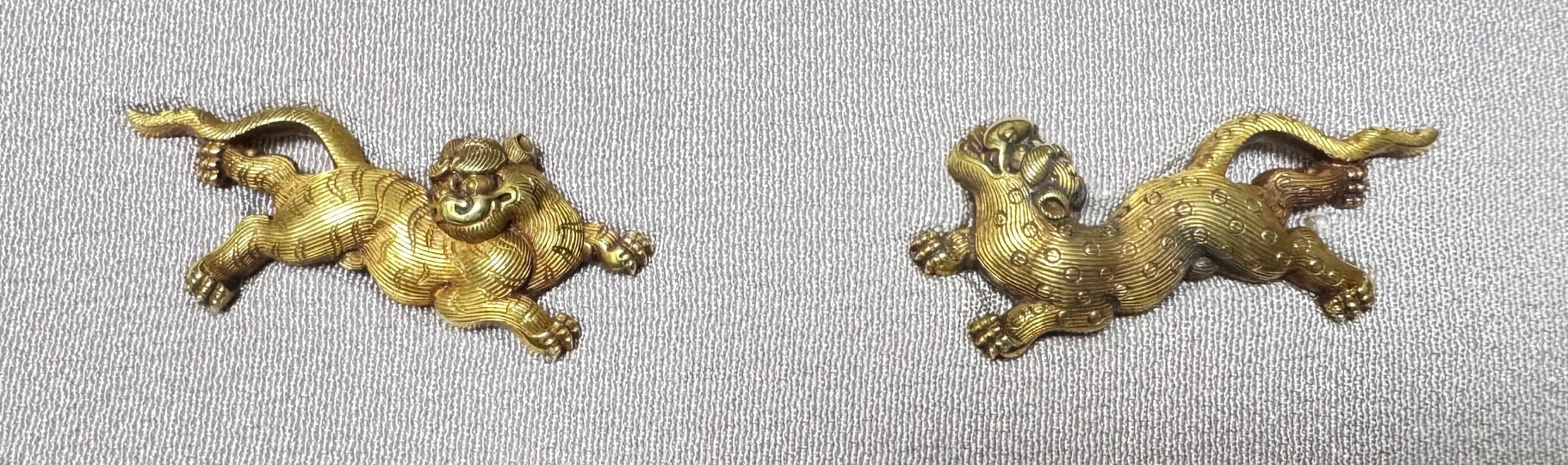
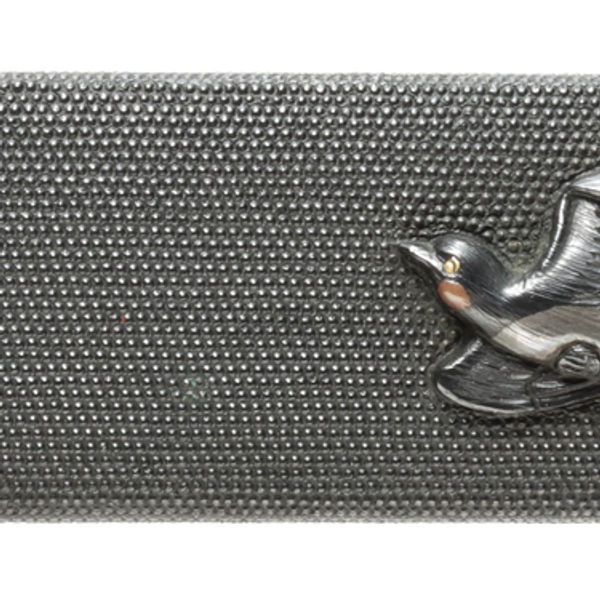
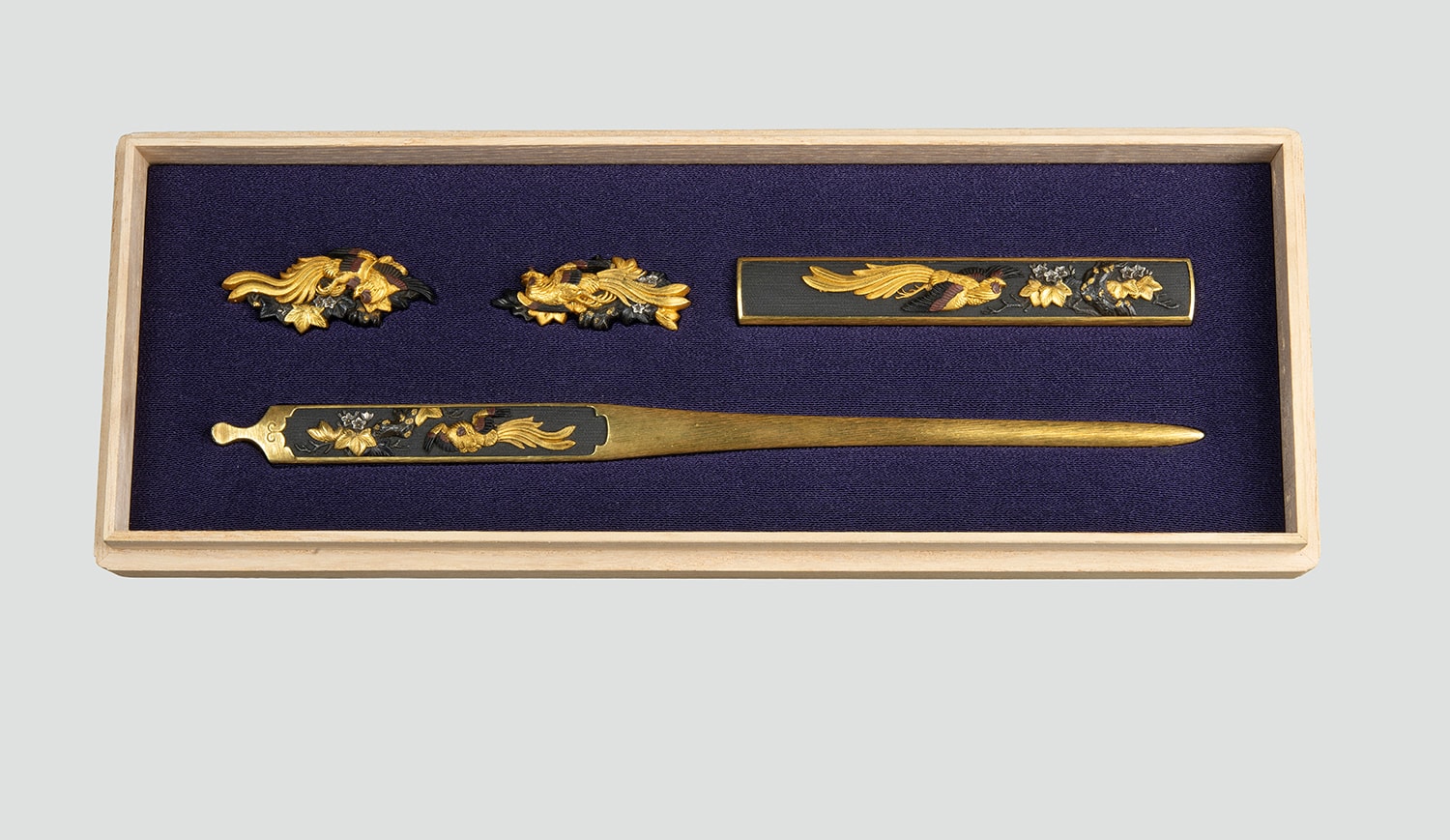
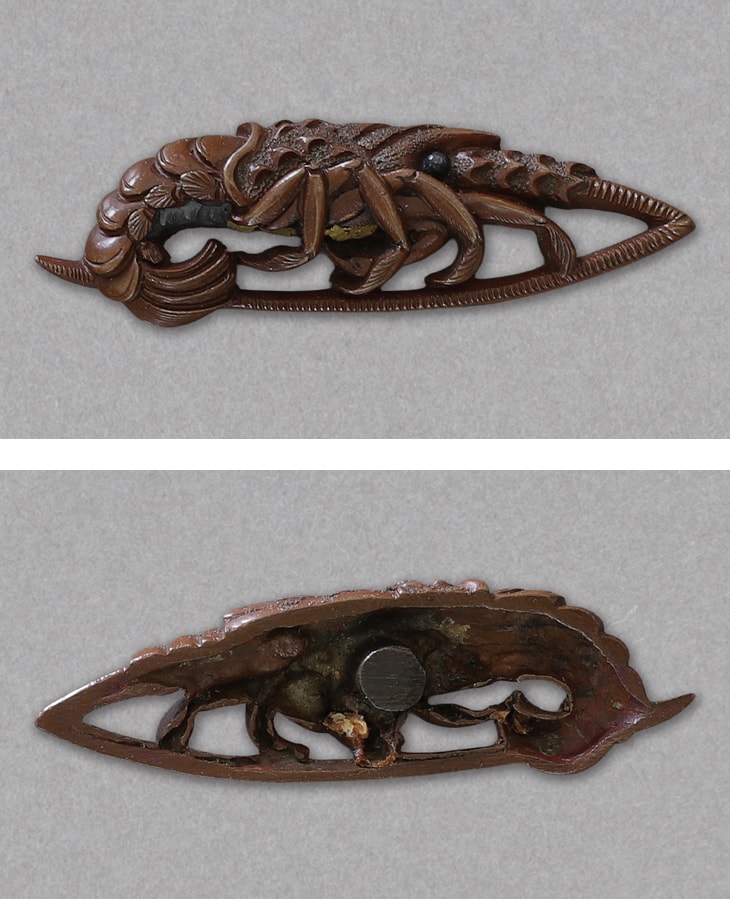
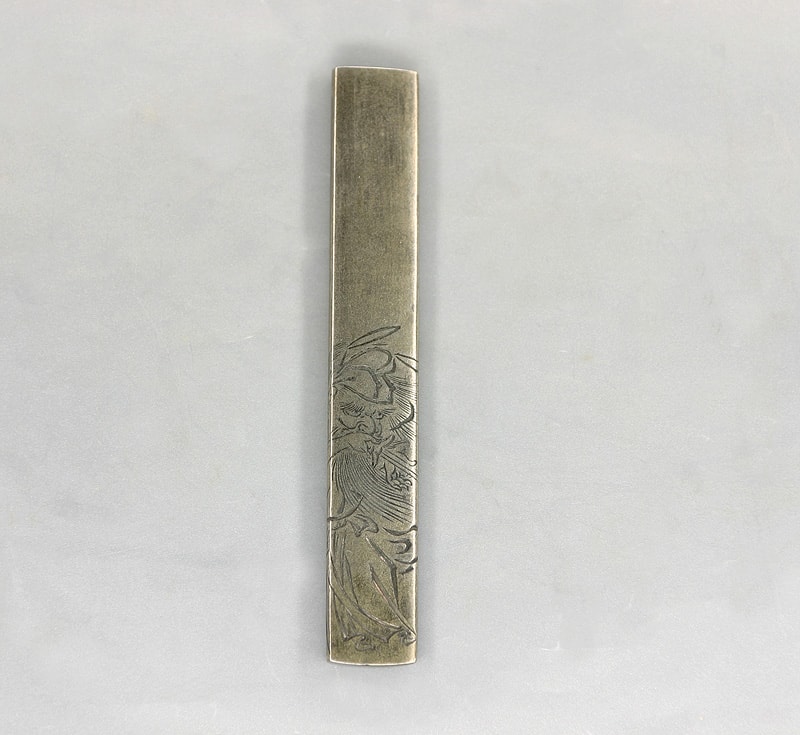
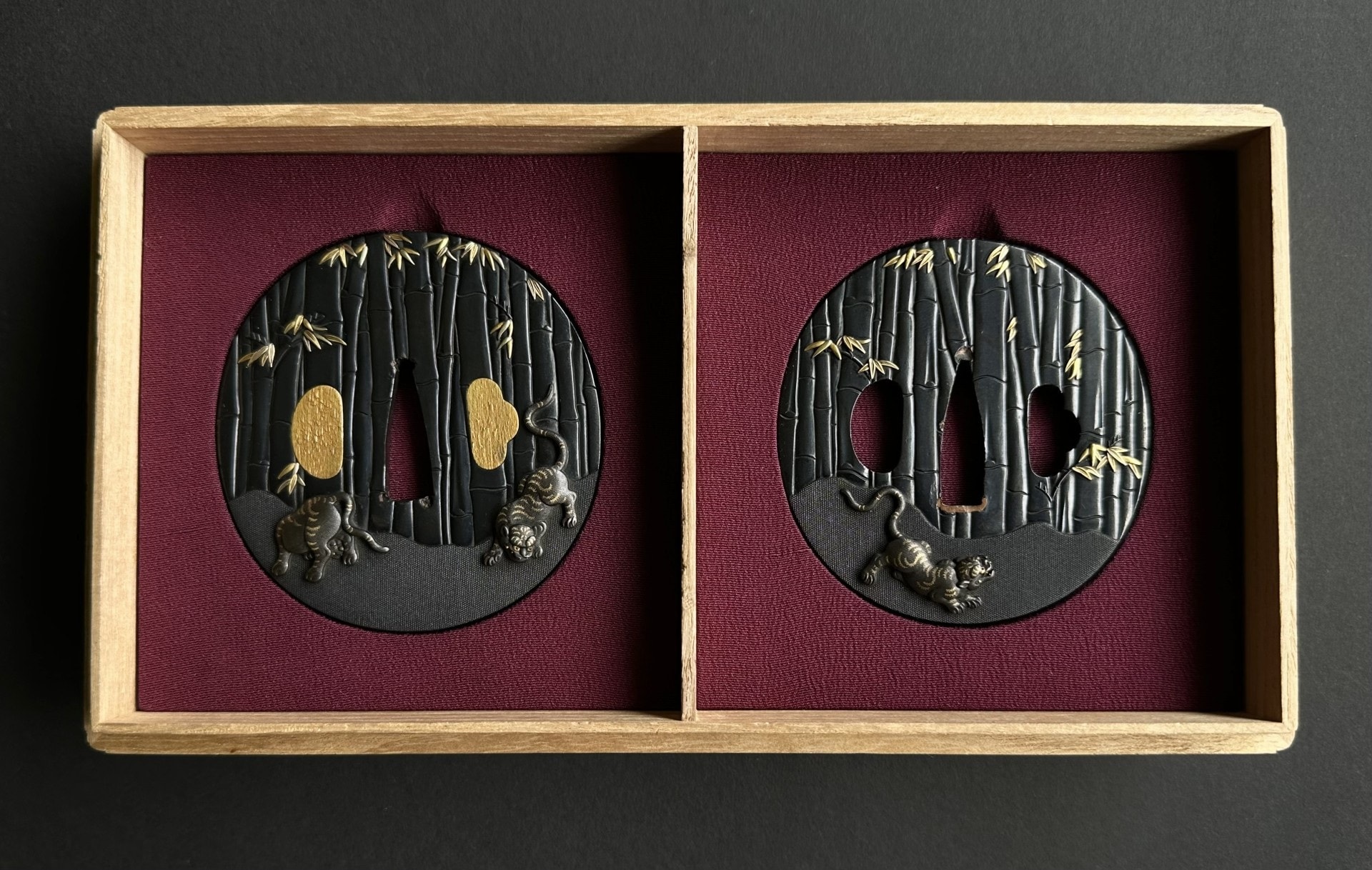
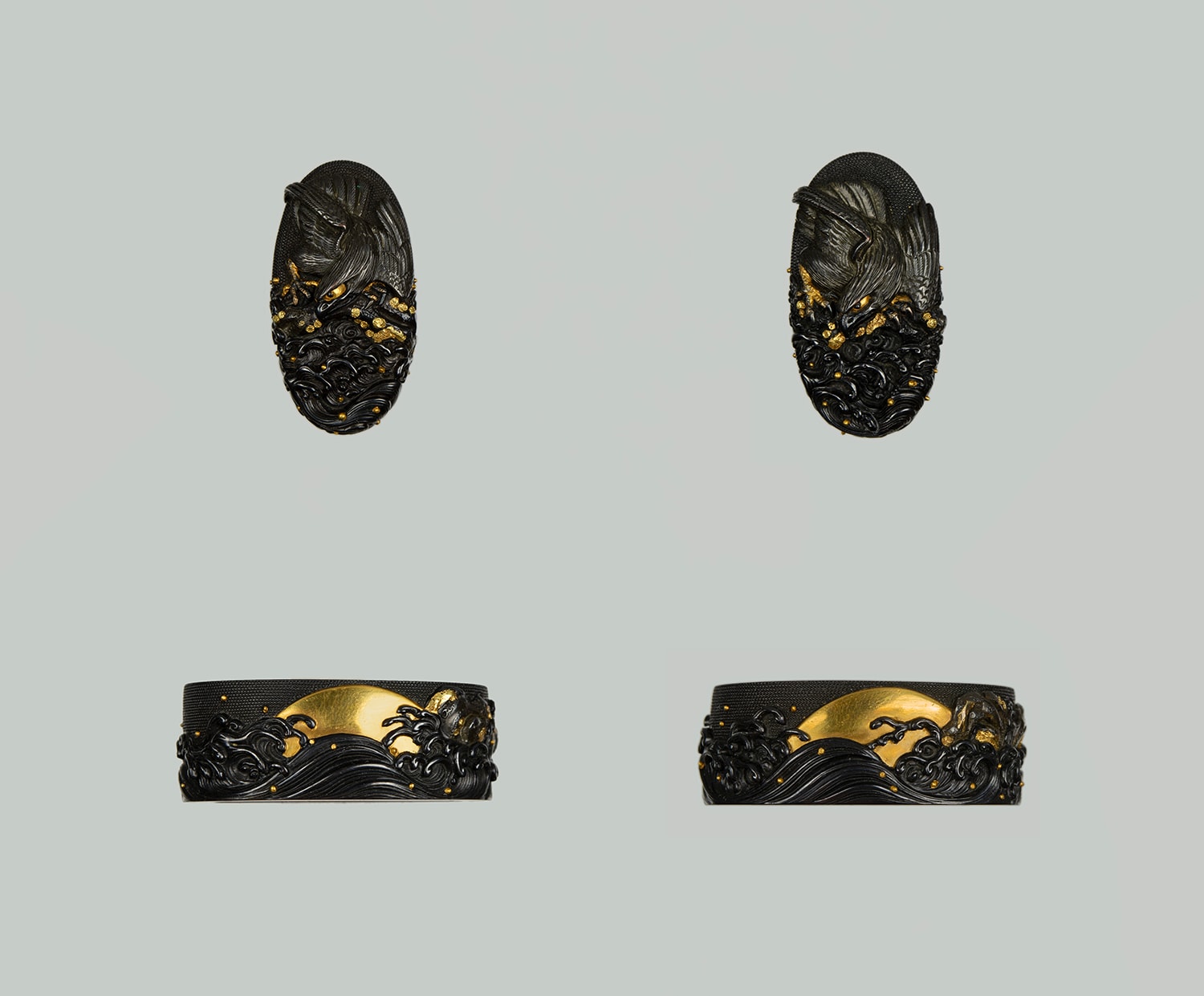
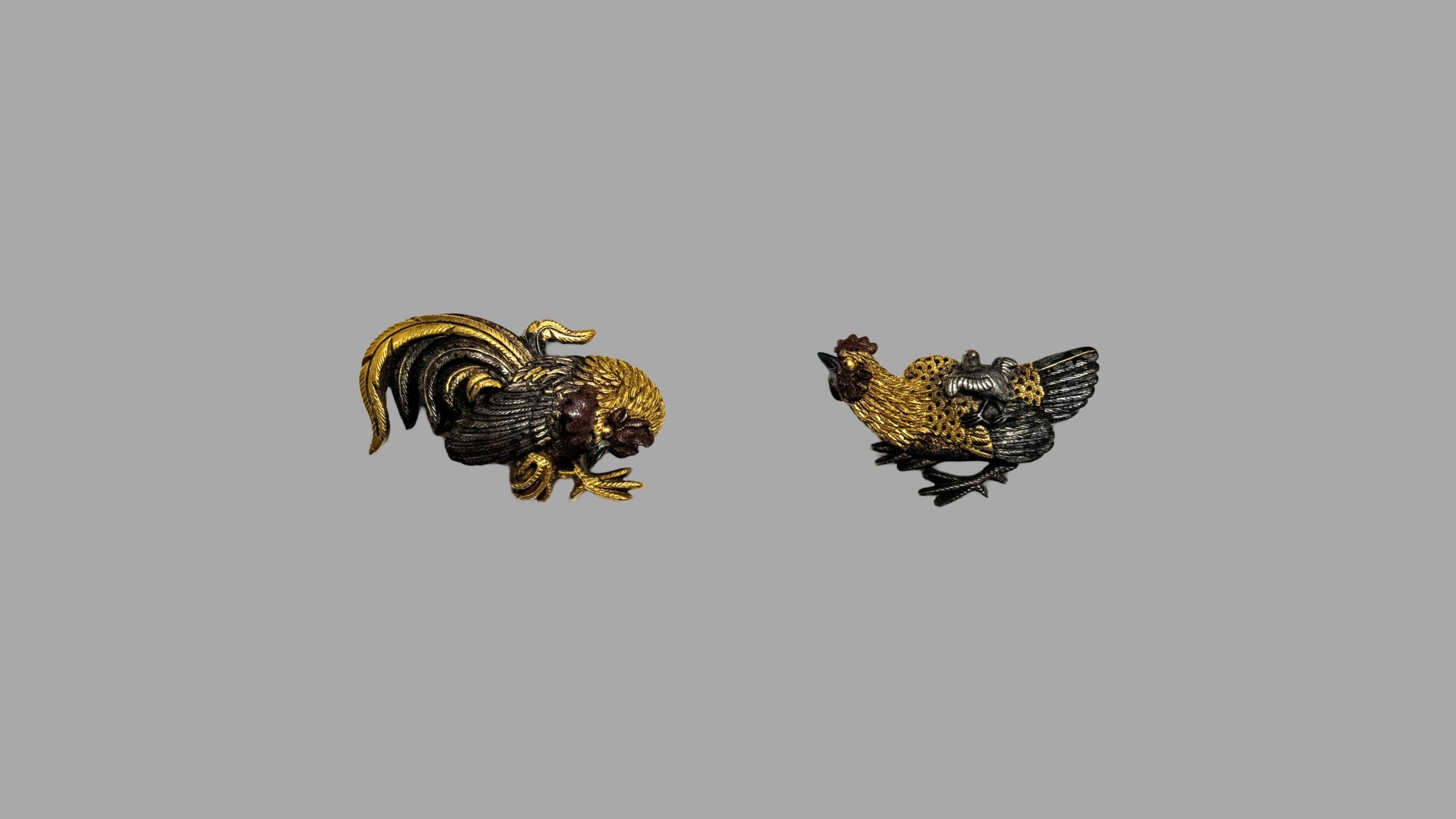
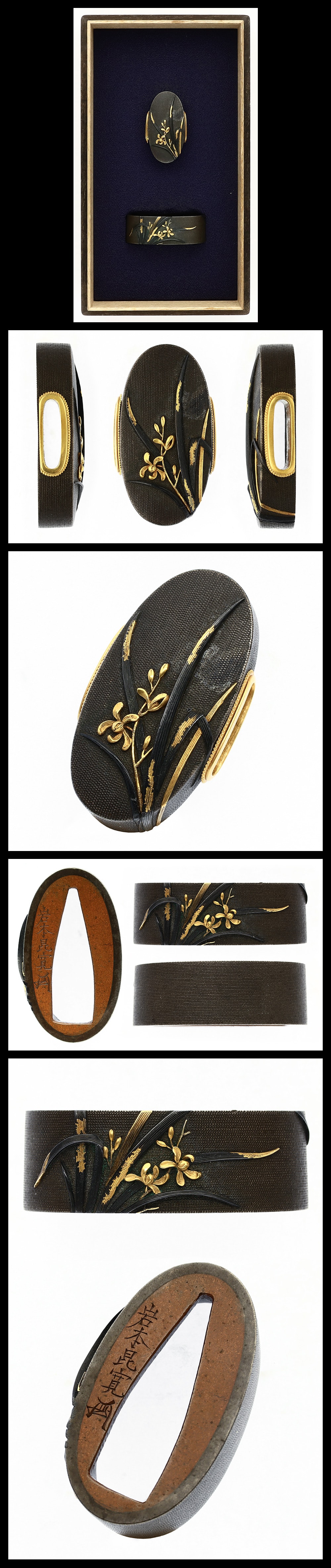
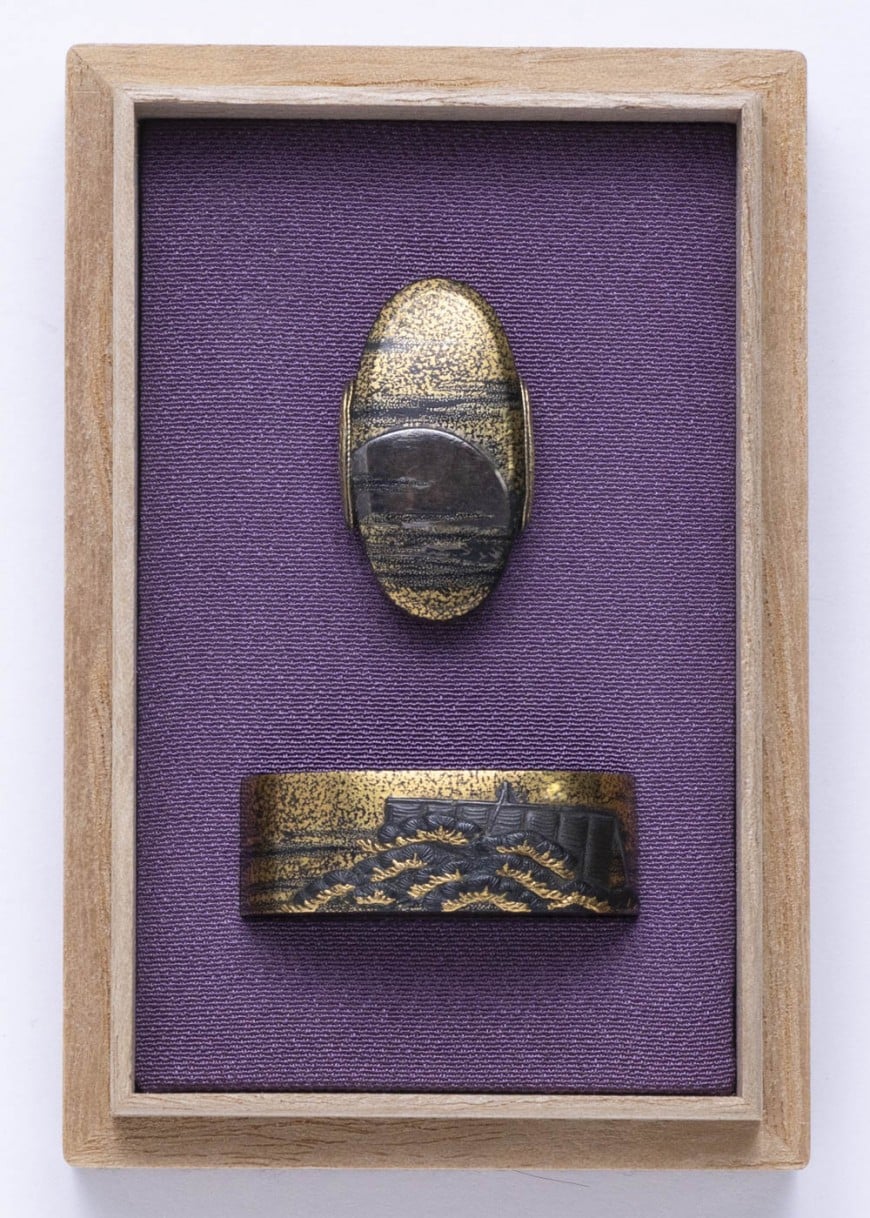
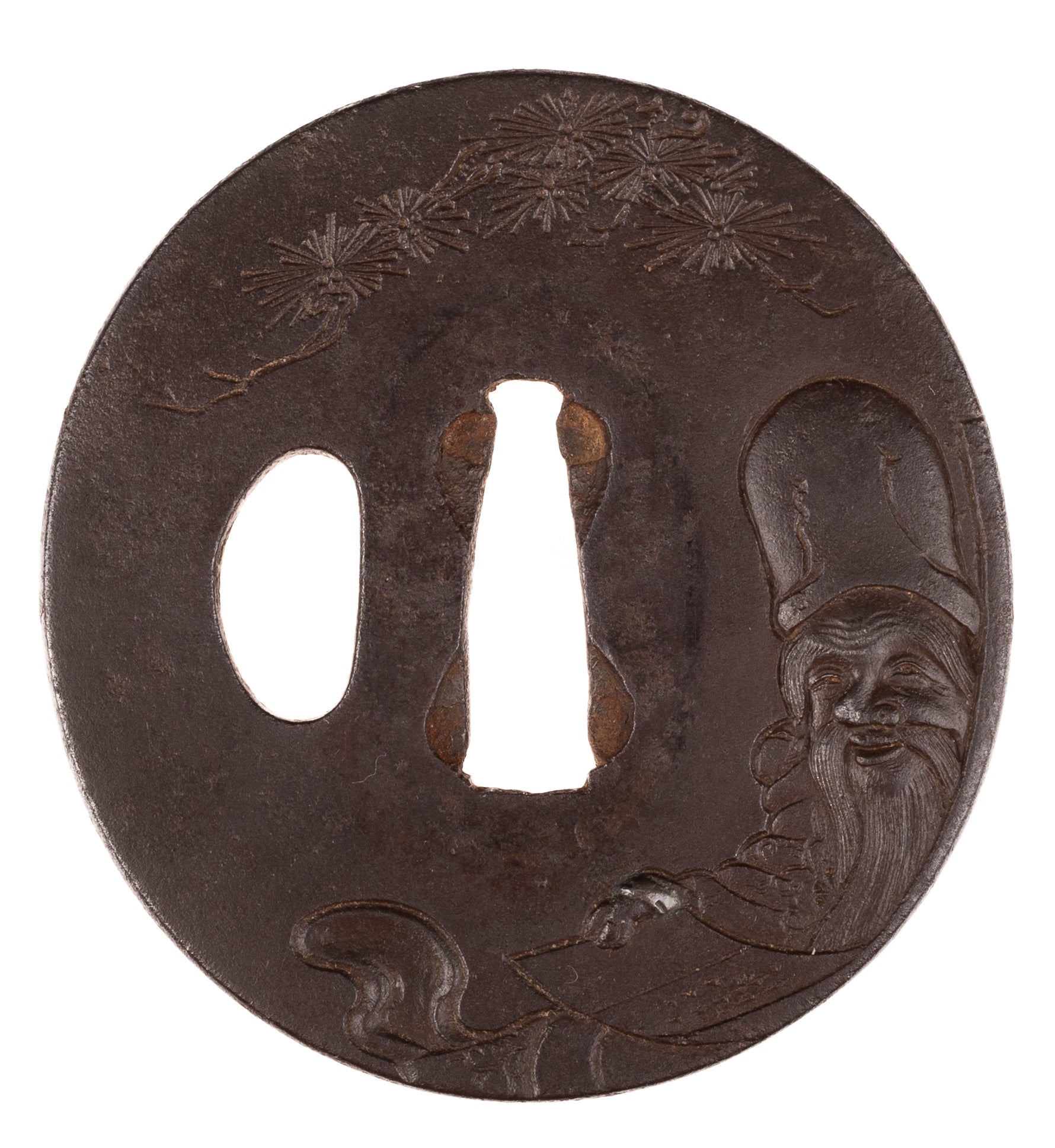
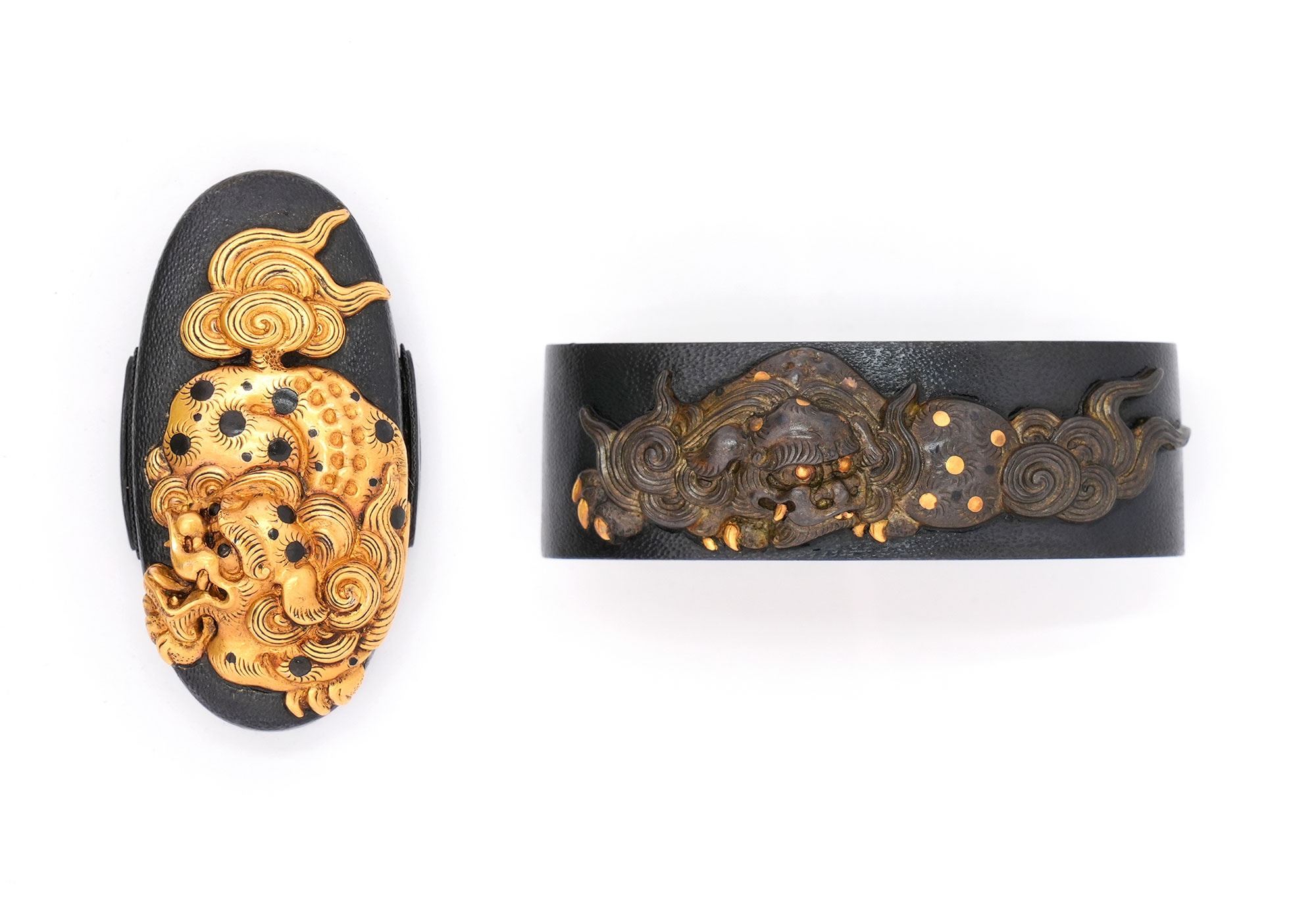
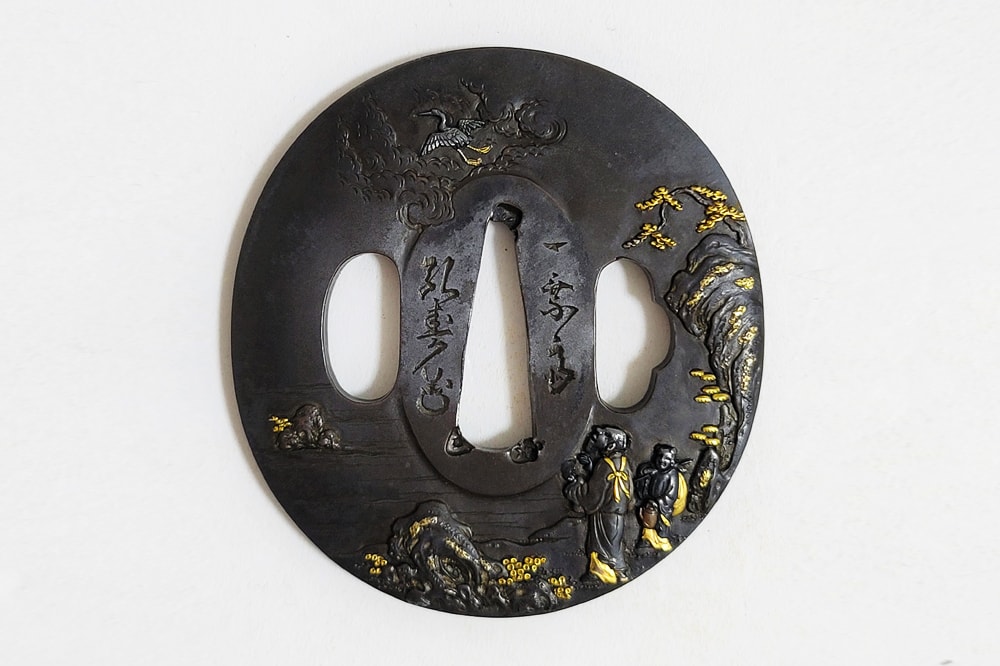
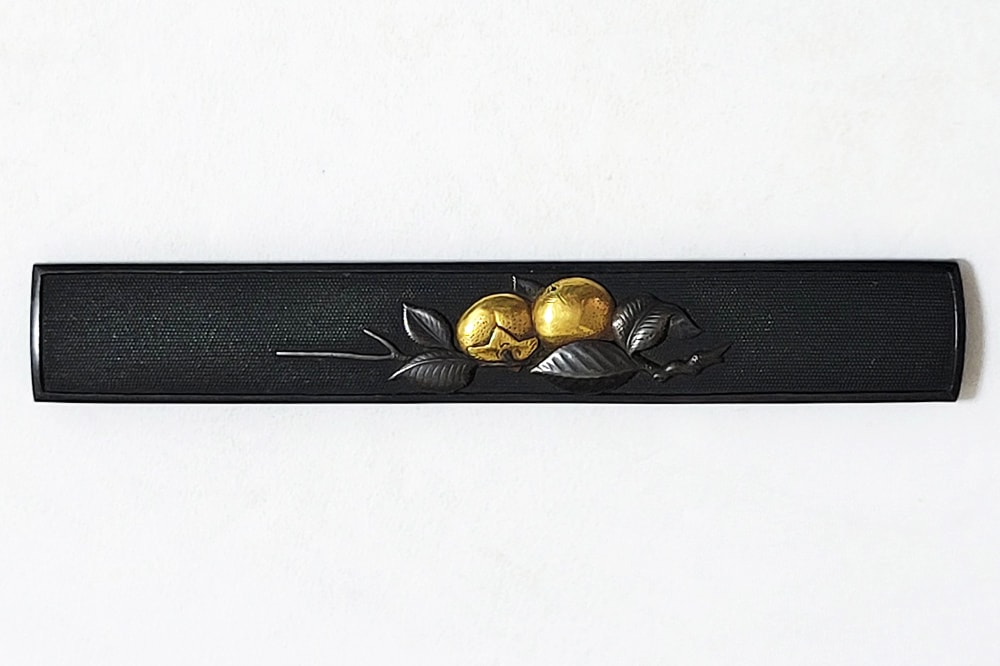
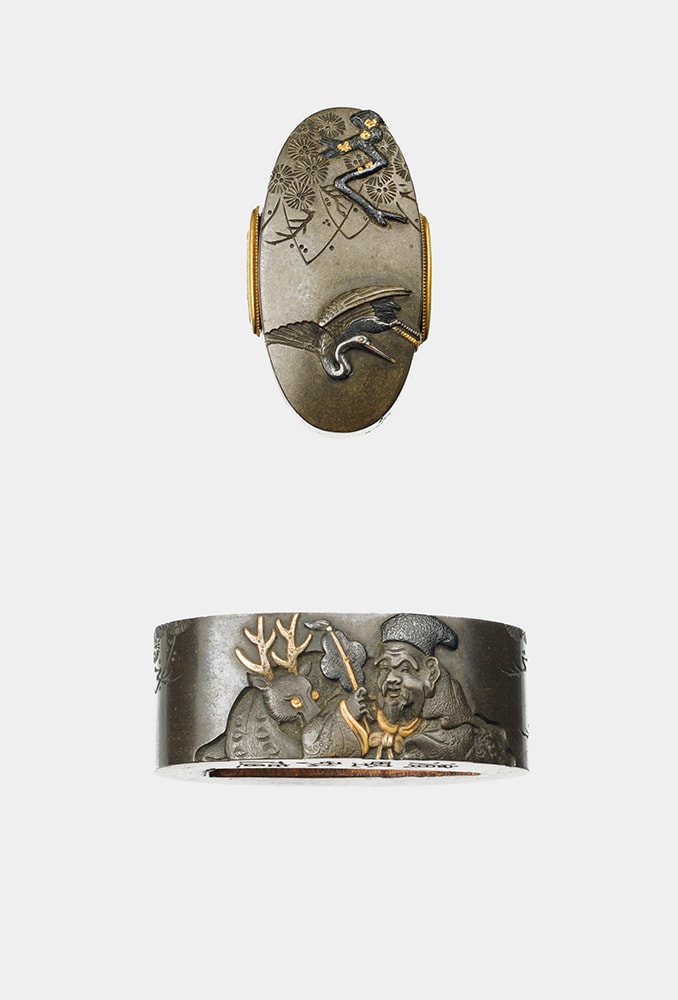
Mitsuyuki's characteristic method employs grounds with gold crests (), gold backing ('), and Yokoya-style high-relief carving () enhanced with applied ornament () and polychrome metal coloring (). His are typically executed in solid gold () using rounded, sculptural carving (yōbori). Within this idiom, shishi were his greatest specialty — the observes that his lion subjects "closely resemble what are termed 'Yokoya shishi' and 'Yanagawa shishi,'" and his level of technique is "recognized as comparable to that of Sōmin and Naomasa," with some works displaying "a level of skill approaching that of Sōmin." His shishi are singled out as "not only in the manner of Sōmin but even more imposing than typical Yanagawa shishi, projecting a particularly bold and valiant presence." Beyond lions, he produced subjects including animals, birds, human figures, and Niō guardian deities, and he was adept at composing and sets in which each element receives individualized treatment — varying postures and compositions to avoid repetition and achieve what the examiners call "variation and motion."
Across the , Mitsuyuki's work is consistently praised for its "precise and steadfast carving skill" displayed "to its fullest extent," and for compositions executed with "dignity" and a "robust and forceful quality." The examiners describe his workmanship as "careful and thorough throughout," noting that his finest pieces "fully demonstrate the high level of Mitsuyuki's technique." His position within the tradition is that of an artist who, having fully absorbed the training of the Yanagawa house, established a lineage that preserved the Yokoya–Yanagawa heritage while achieving independent artistic identity — producing works "composed with a notably dignified, elevated tone" that are deemed "worthy of admiration" and recognized as excellent representatives of the late tradition.