Iwamoto Konkan was born in in the first year of Enkyo (1744) under the family name Asai. He initially used the given name Ryo, later changing it to Konkan. Because the fifth-generation head Ryokan died young, Konkan — who had been a junior fellow disciple — succeeded as the sixth-generation head of the Iwamoto house. The Iwamoto lineage was originally of the Yokoya tradition; however, Konkan studied the carving methods of the Nara school, centering especially on the work of Yasuchika. By incorporating the strengths of both the Yokoya and Nara schools and bringing them to completion, he established an artistic manner that is distinctly Edomae — thoroughly stylish and quintessentially iki in the true sense. He also used the art name Hakuhotei and the studio name Shushodō.
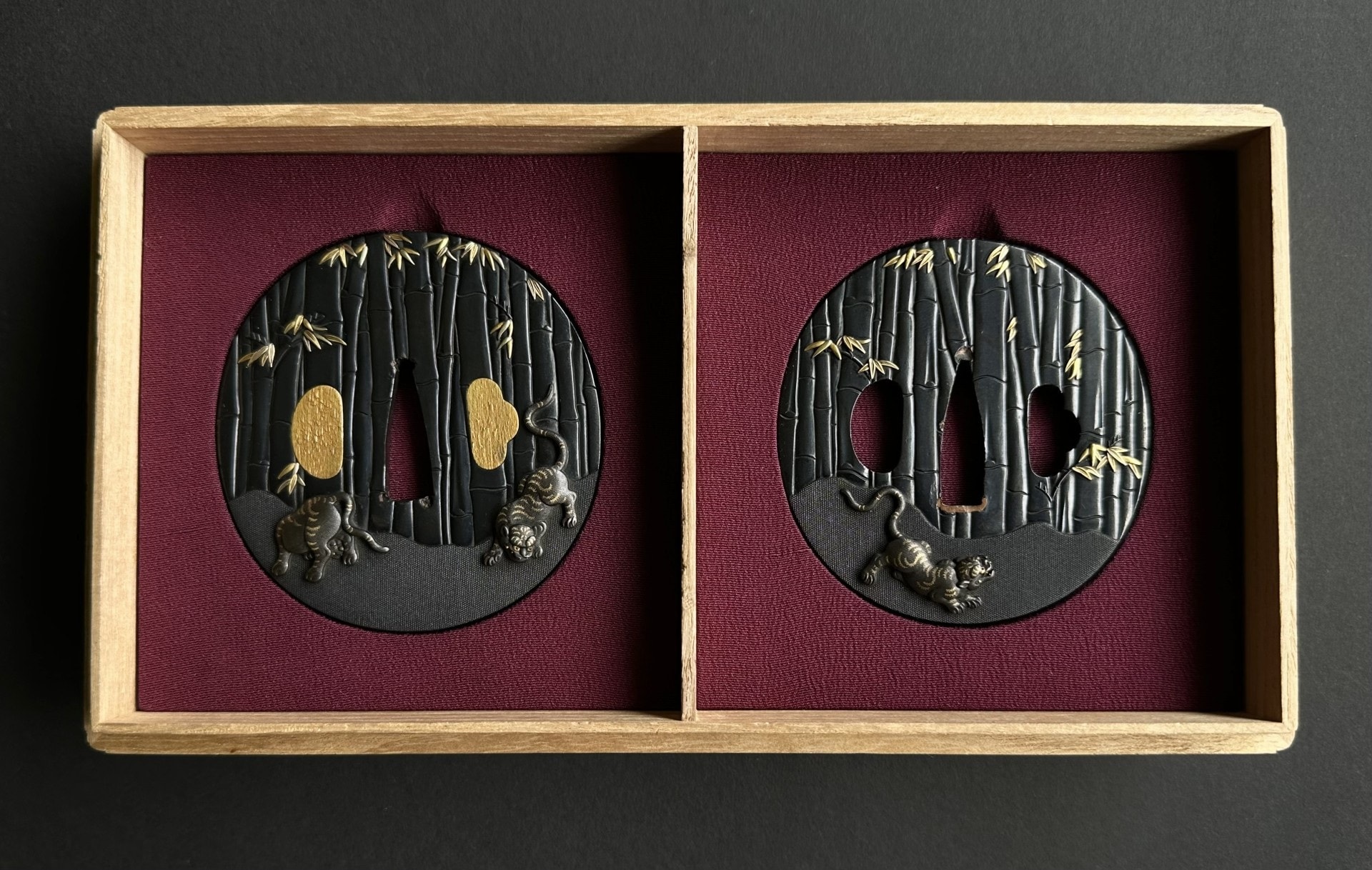
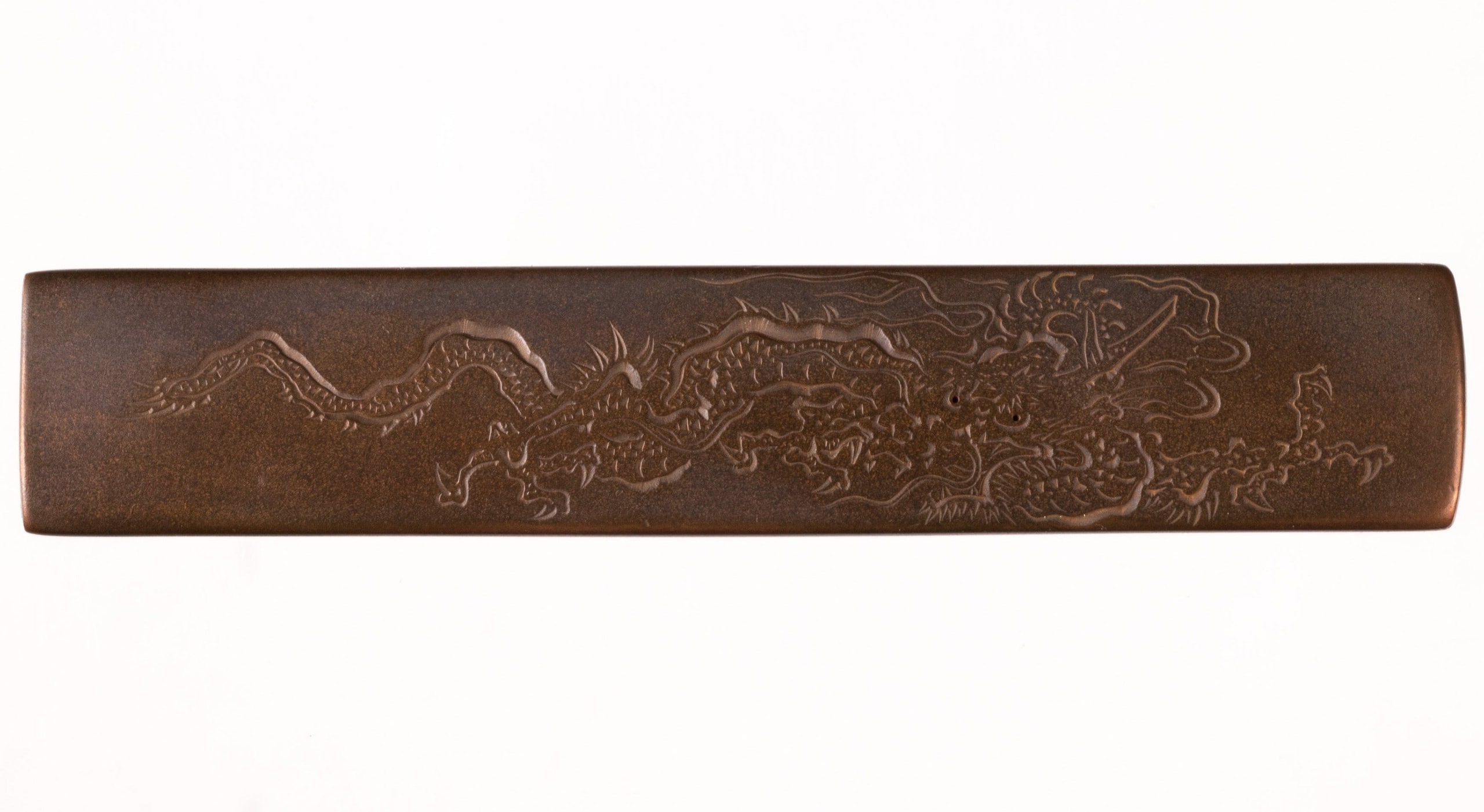
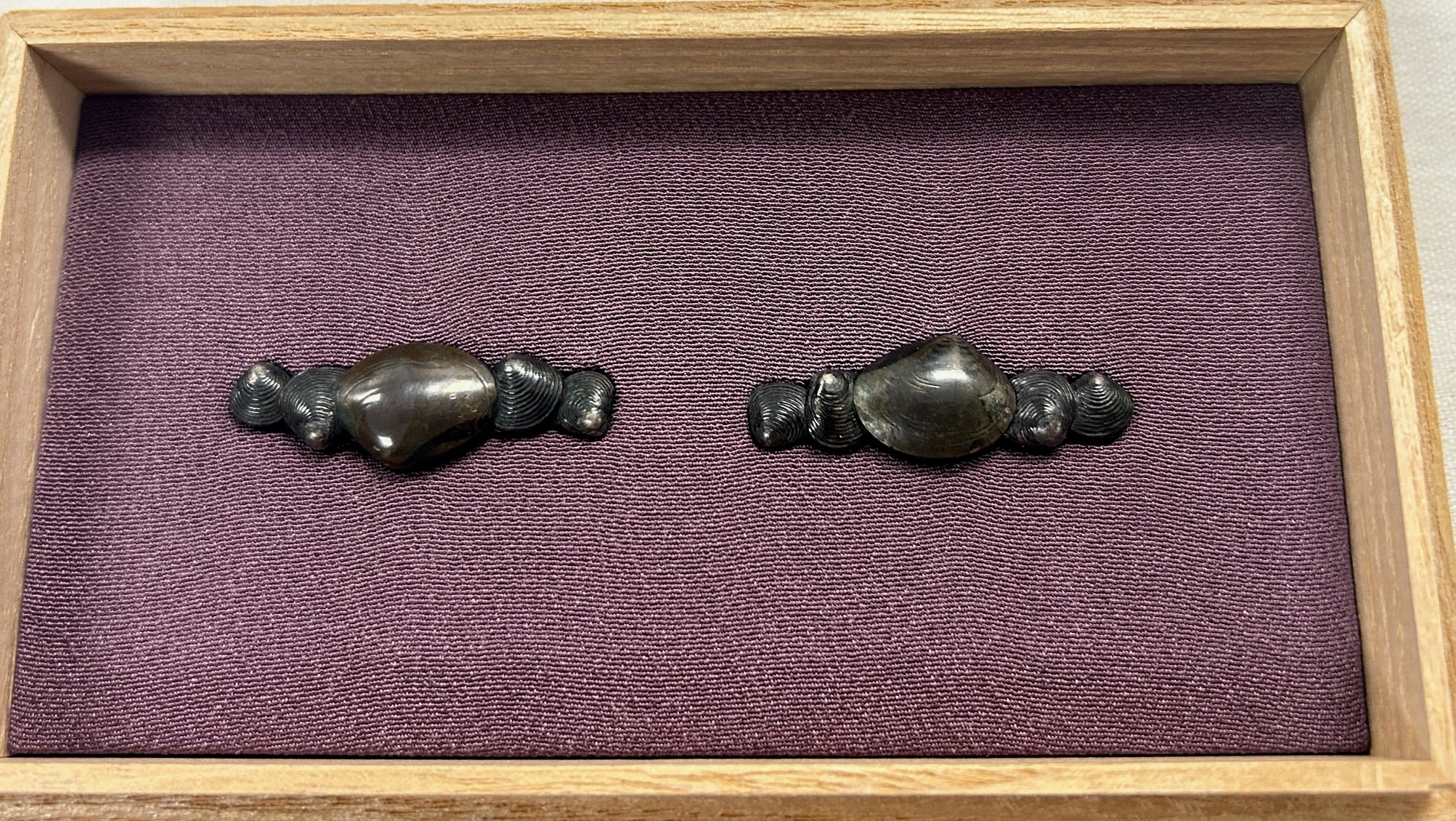
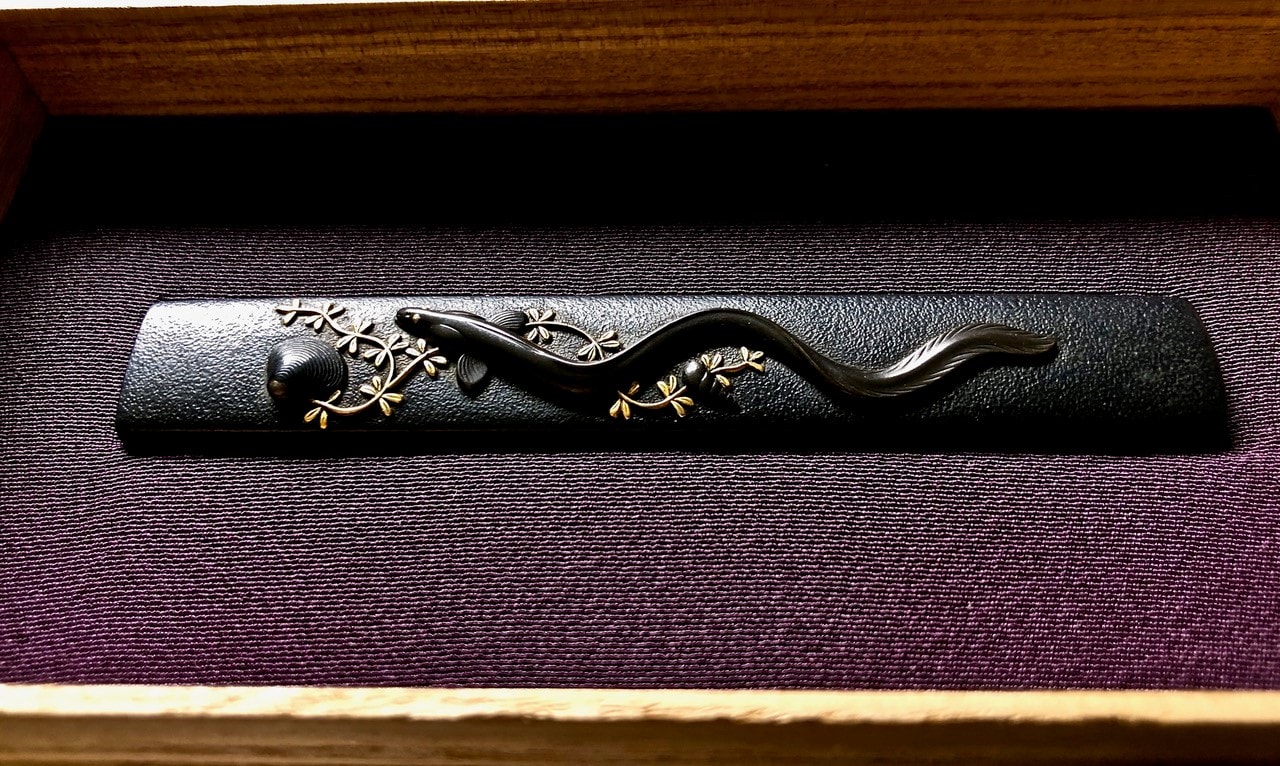
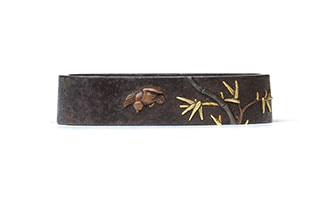
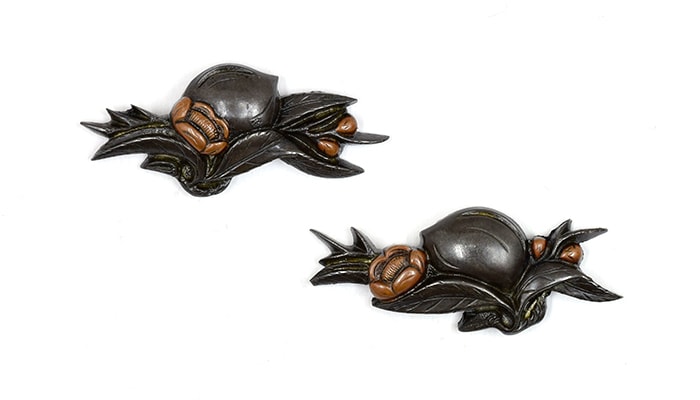
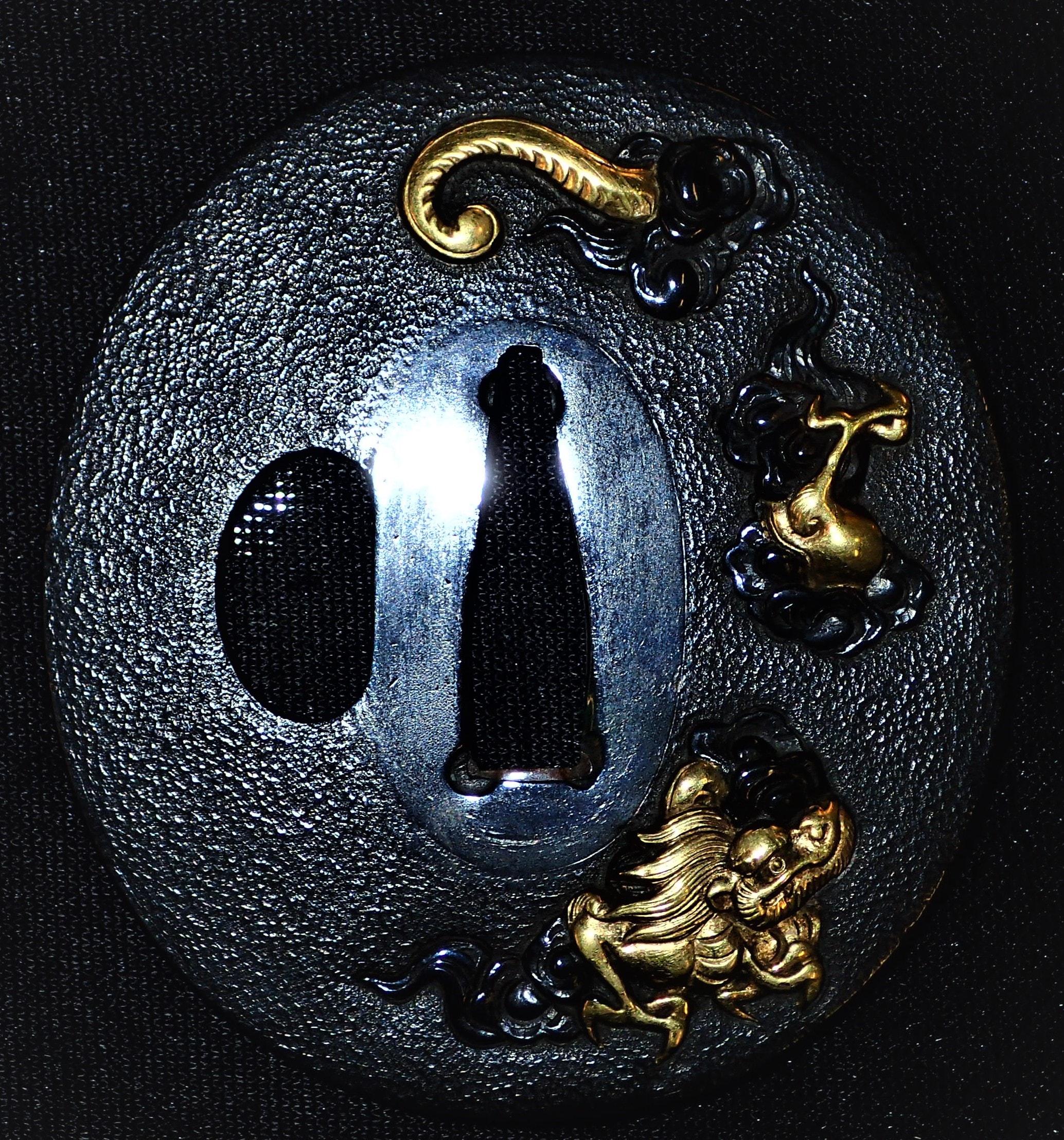
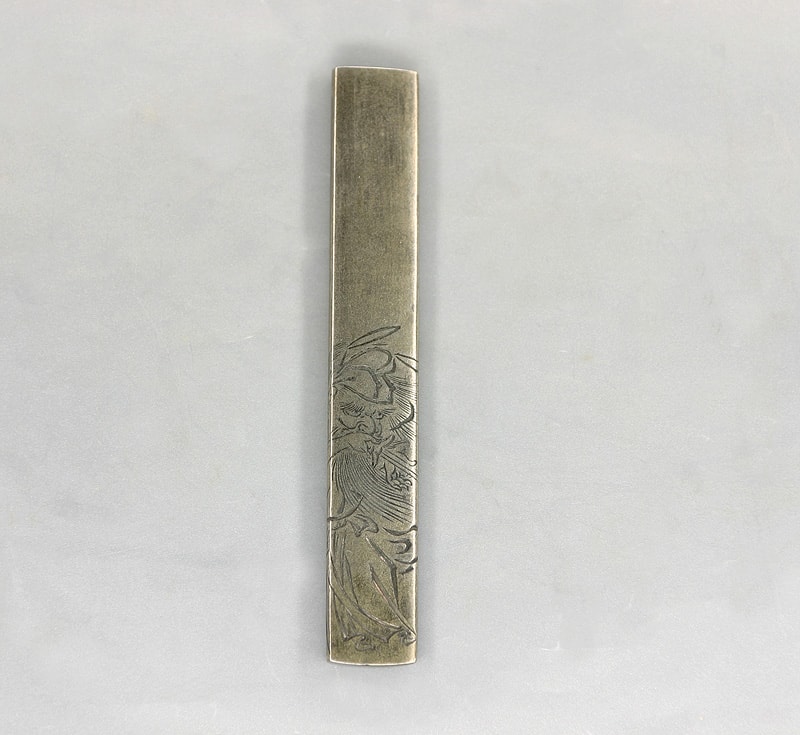
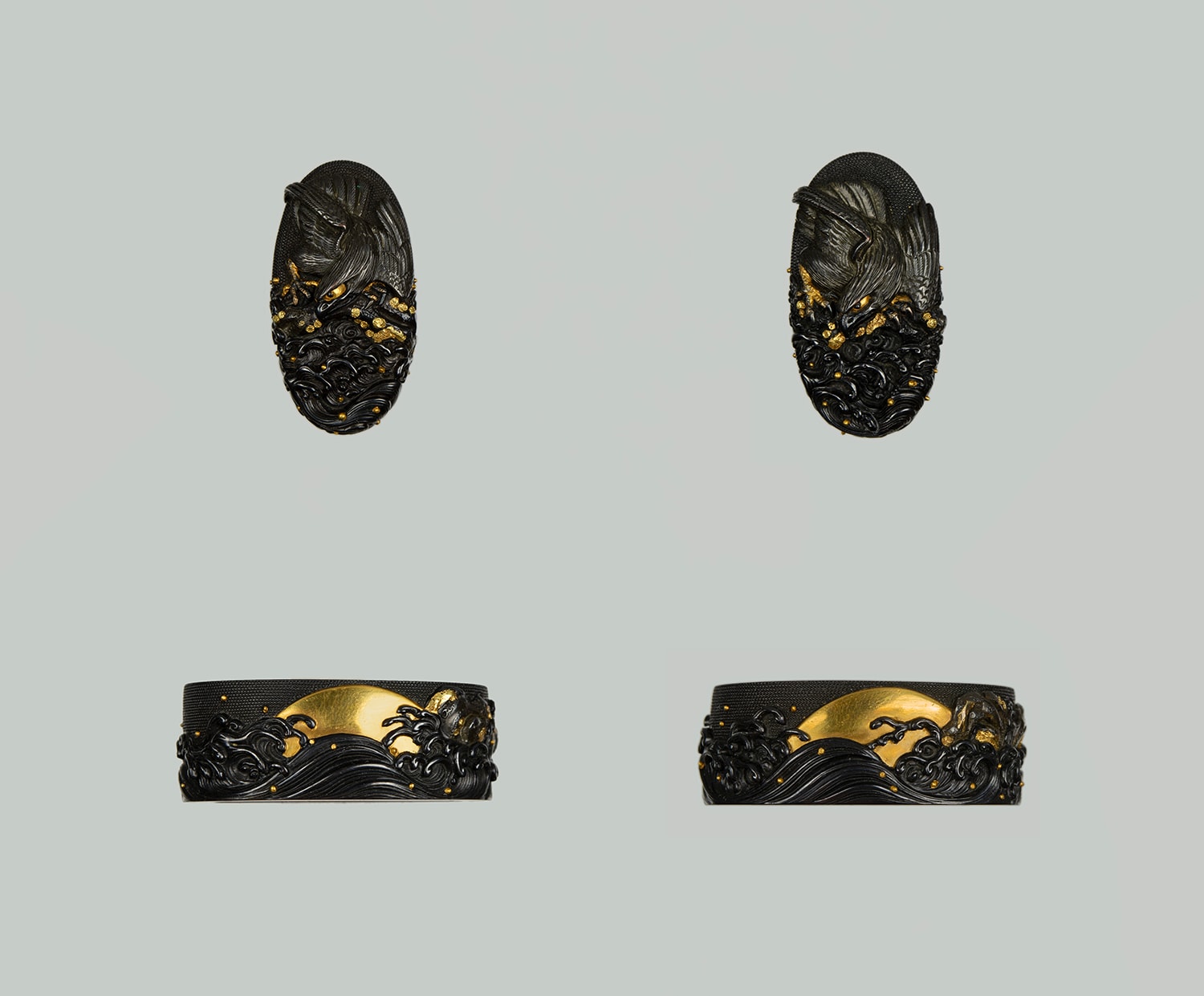
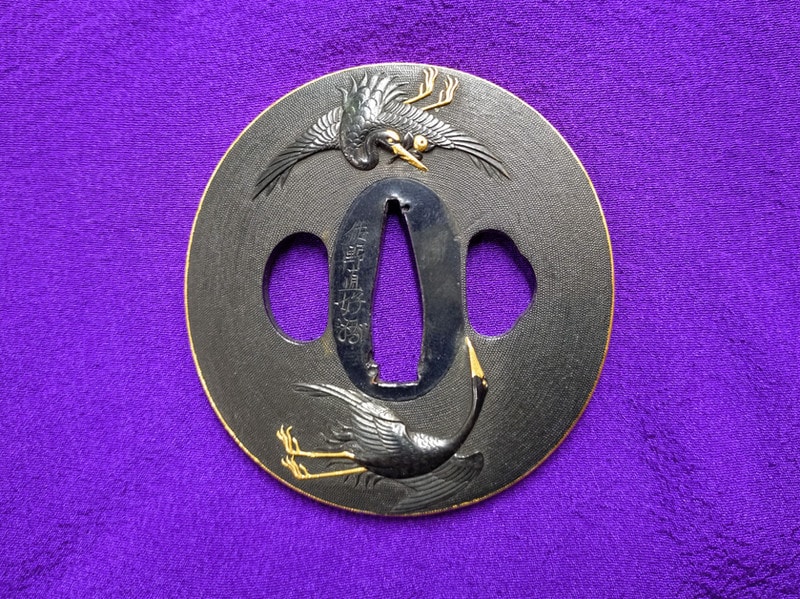
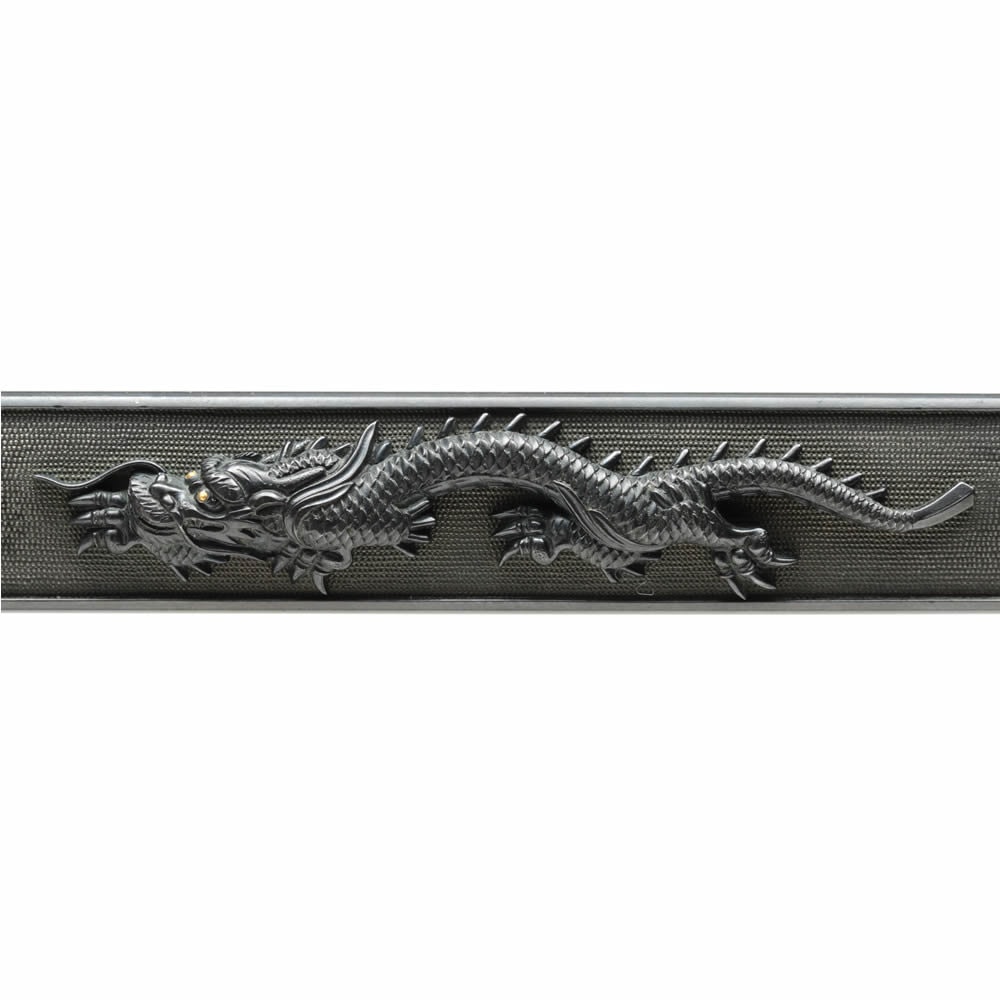
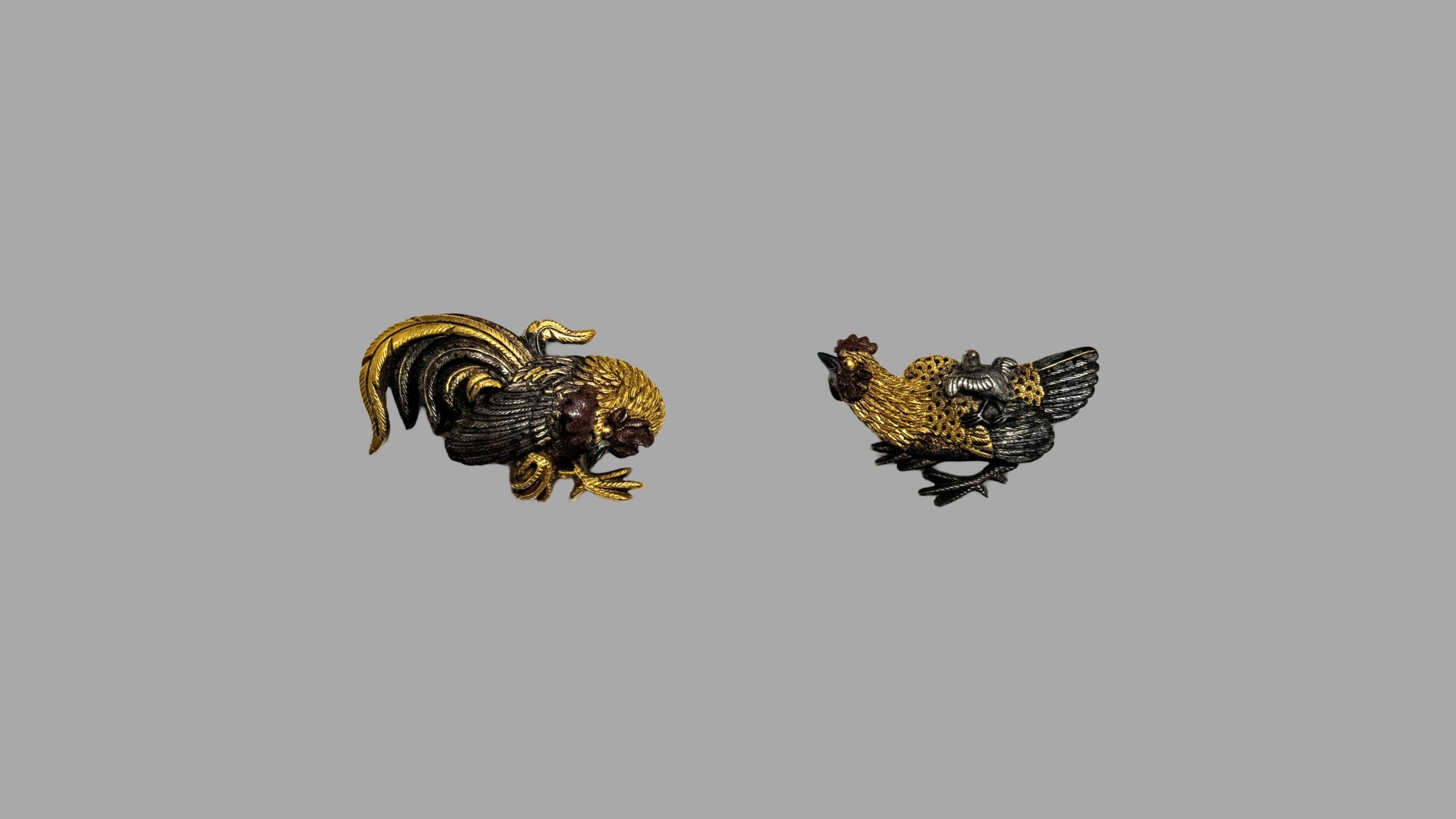
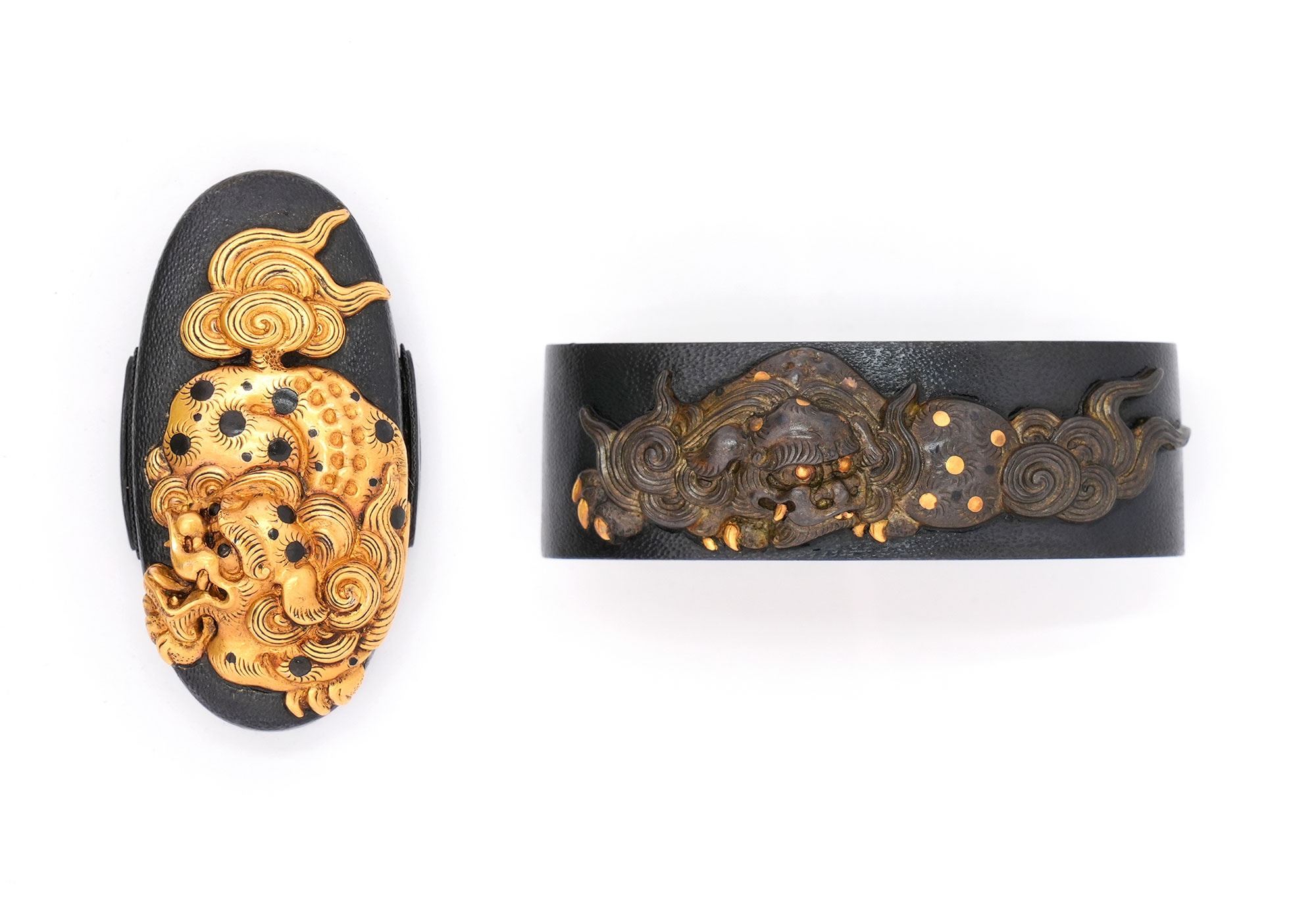
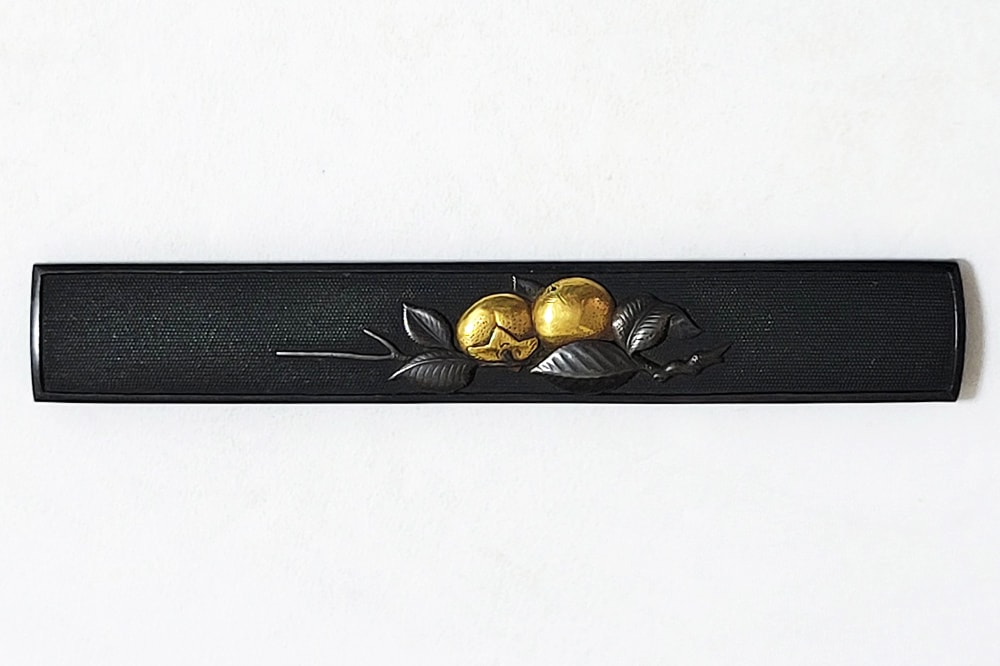
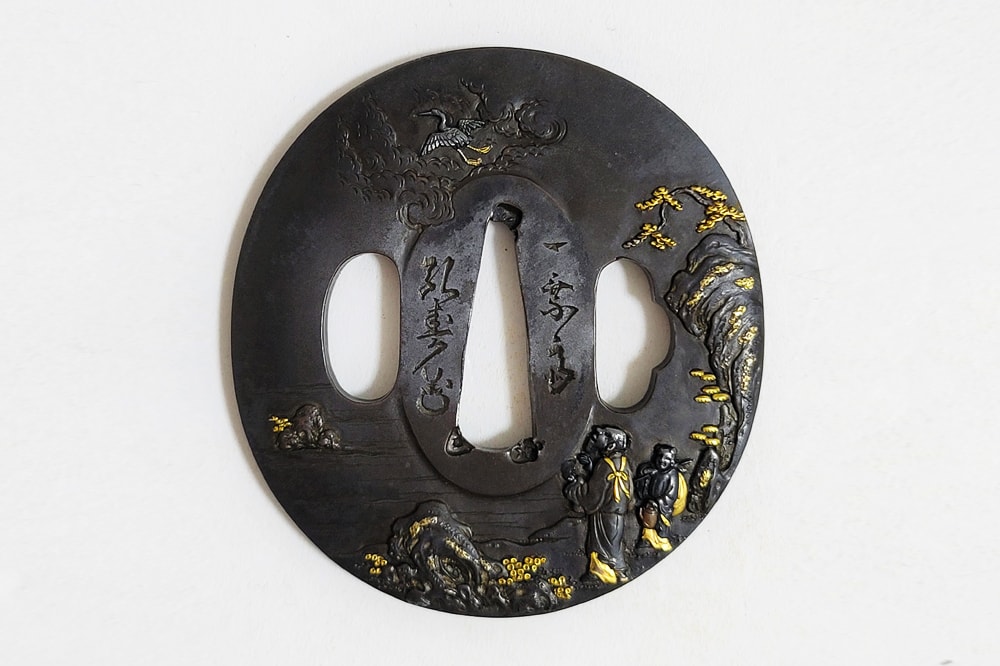
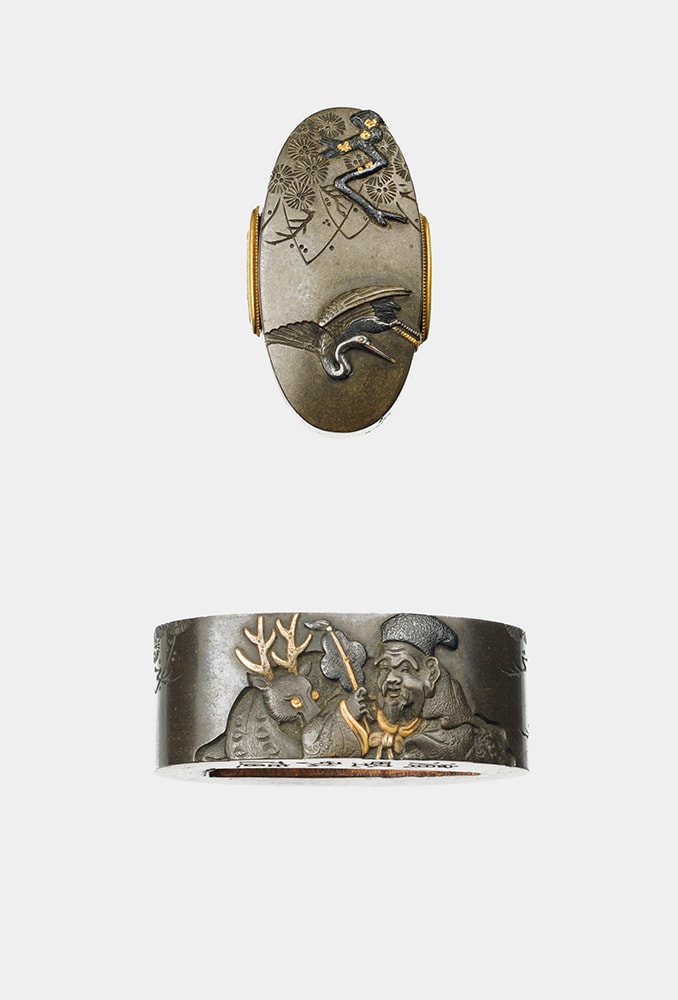
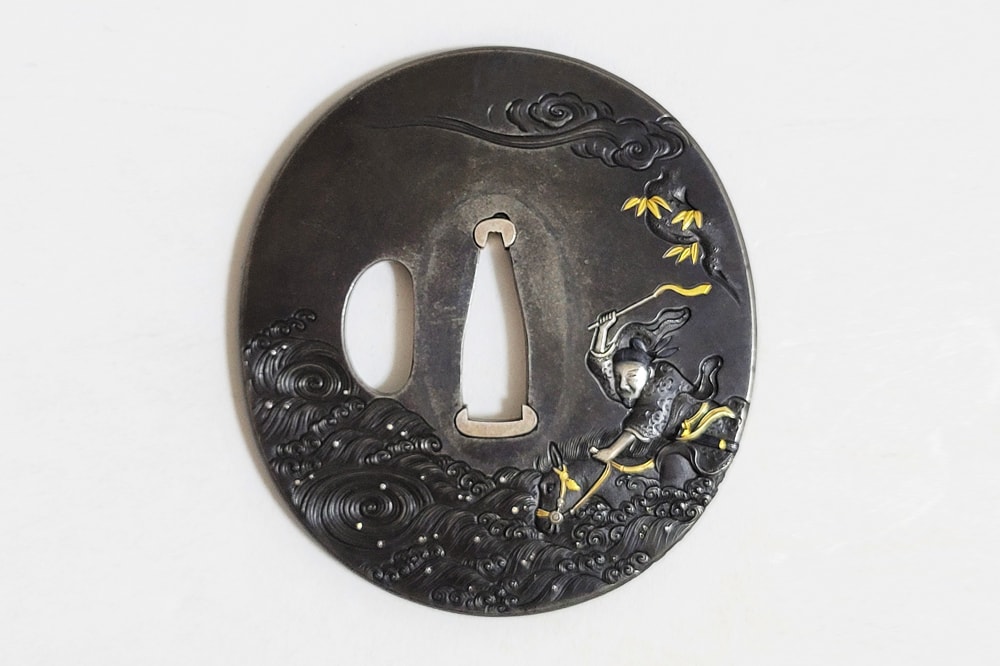
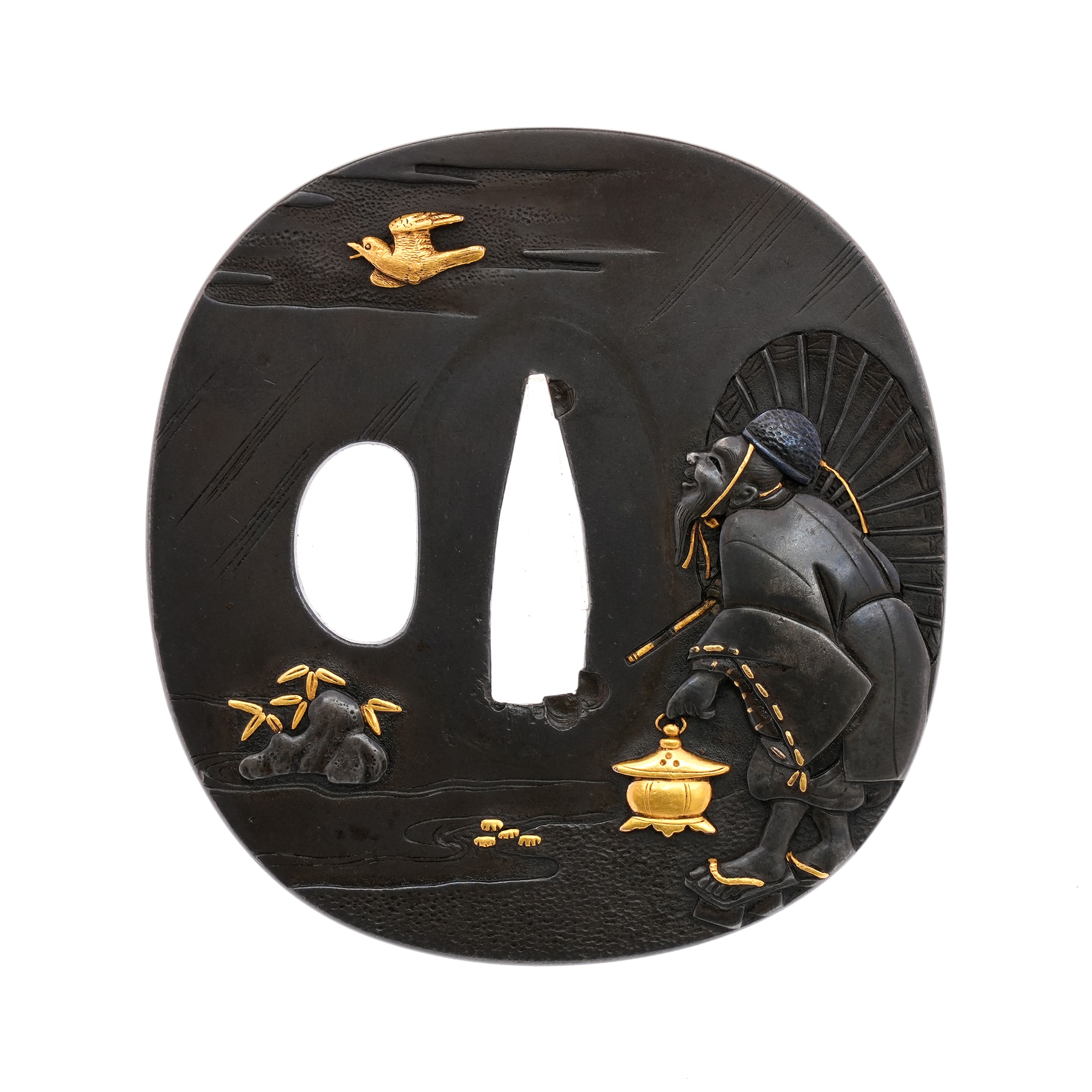
Konkan's technical range is remarkable for its breadth and consistency at the highest level. He worked with equal command across , , , brass (shinchū), and polished iron (tetsu ), employing grounds from precisely executed to - and . His signature method combines deeply emphatic with suemon-zōgan and polychrome metal inlay () in gold, silver, , , and copper, at times further enriched with shell and . His carving extends from bold high relief to the delicate precision of line work, , and openwork (), with triangular chisel marks (sankaku-) applied for forceful emphasis. Whether rendering the individual scales of a fish, the faint glow of a hazy moon through scattered fragments, or the flowing surface of a river, his chisel work achieves minute detail without sacrificing compositional dynamism. His favored subjects — birds, fish, dragons, and landscape scenes — are expressed with vivid life and a realism that conveys the sense of imminent motion.
Konkan stands as one of the foremost -period tōsōgu artists, a master whose synthesis of the Yokoya and Nara traditions produced something distinctly his own. His works demonstrate outstanding compositional power, a capacity to integrate generous open space with concentrated narrative, and an exceptional harmony of colored metals. From formally matched executed on commission to freely conceived naturalistic subjects, from the solemn majesty of a Dainichi Nyorai to the spirited immediacy of a cormorant-fishing scene, his oeuvre reveals broad-ranging technical ability united by a consistent artistic personality. The deep, emphatic carving, the careful advance planning in execution and overall conception, and the thoroughly urbane sensibility that characterizes his output together confirm Konkan's place among the leading practitioners of the naturalistic, sketch-from-life approach in late metalwork.