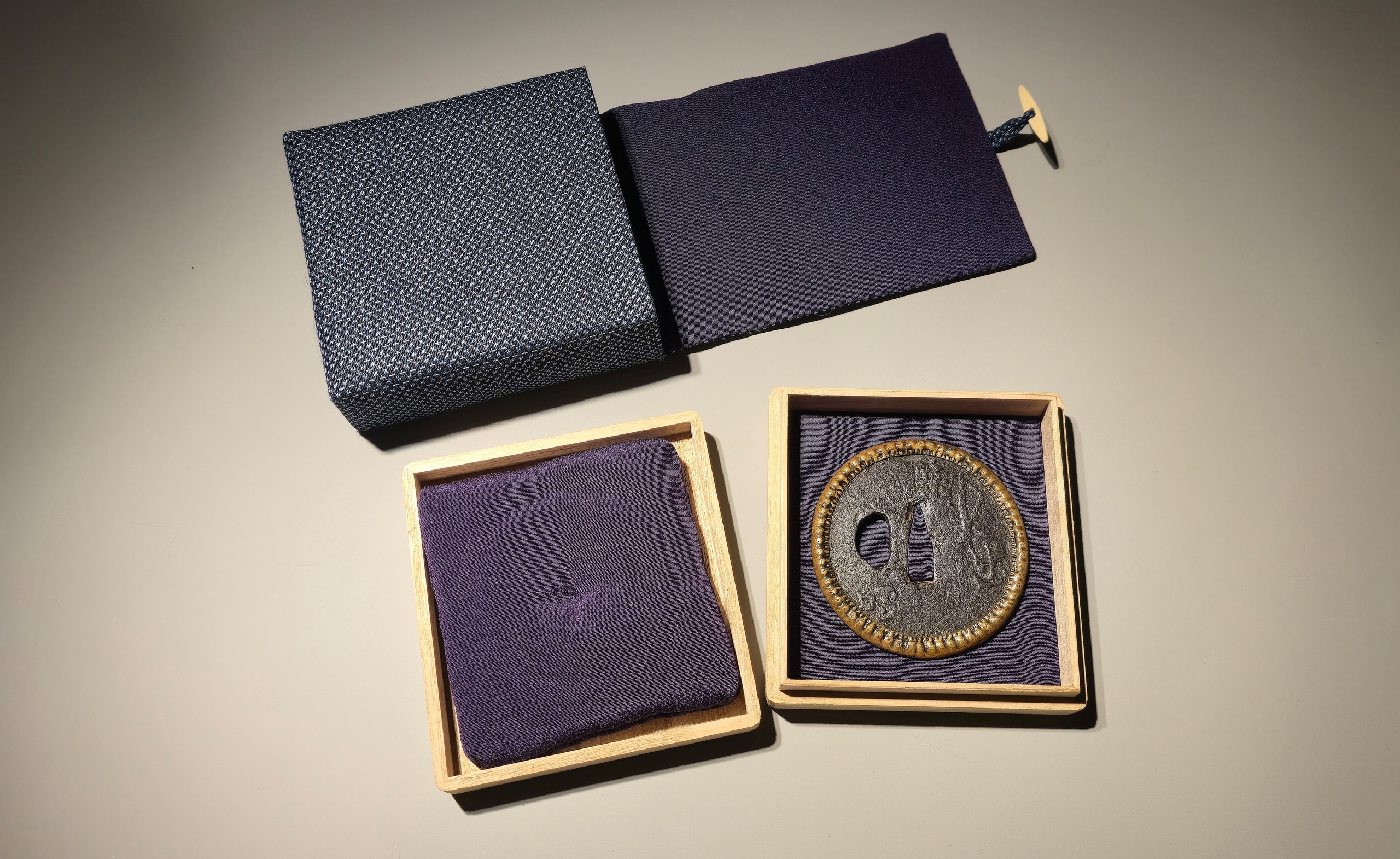
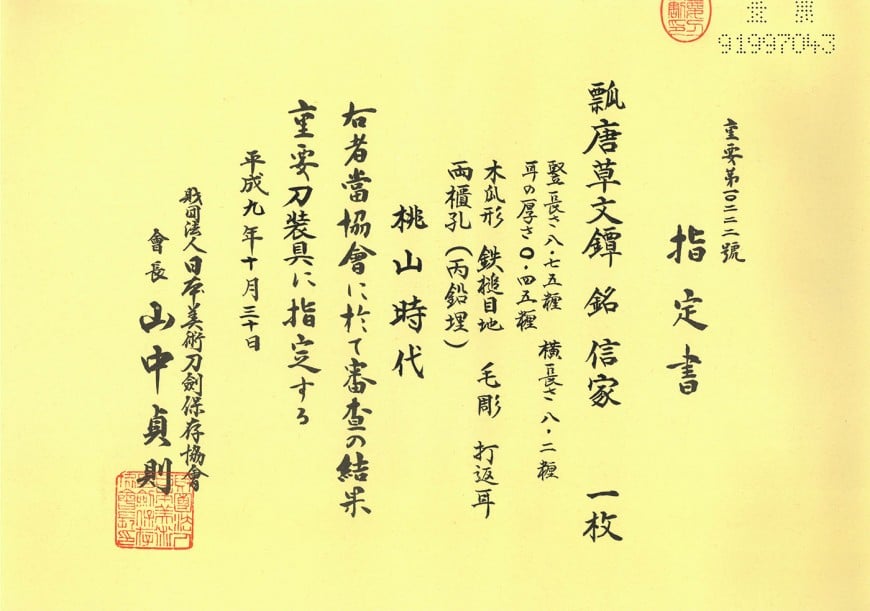
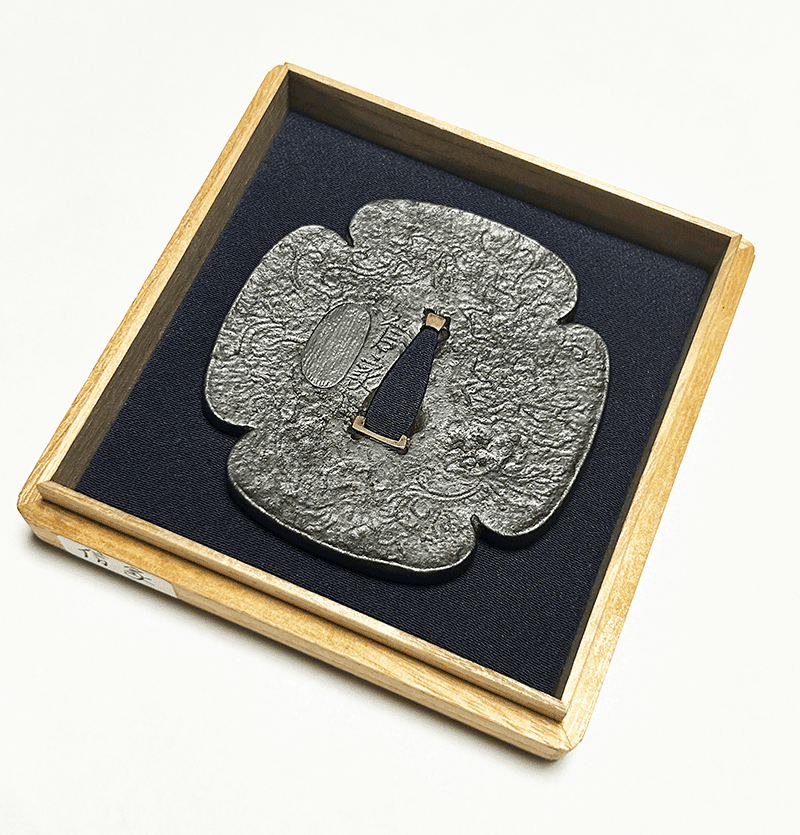
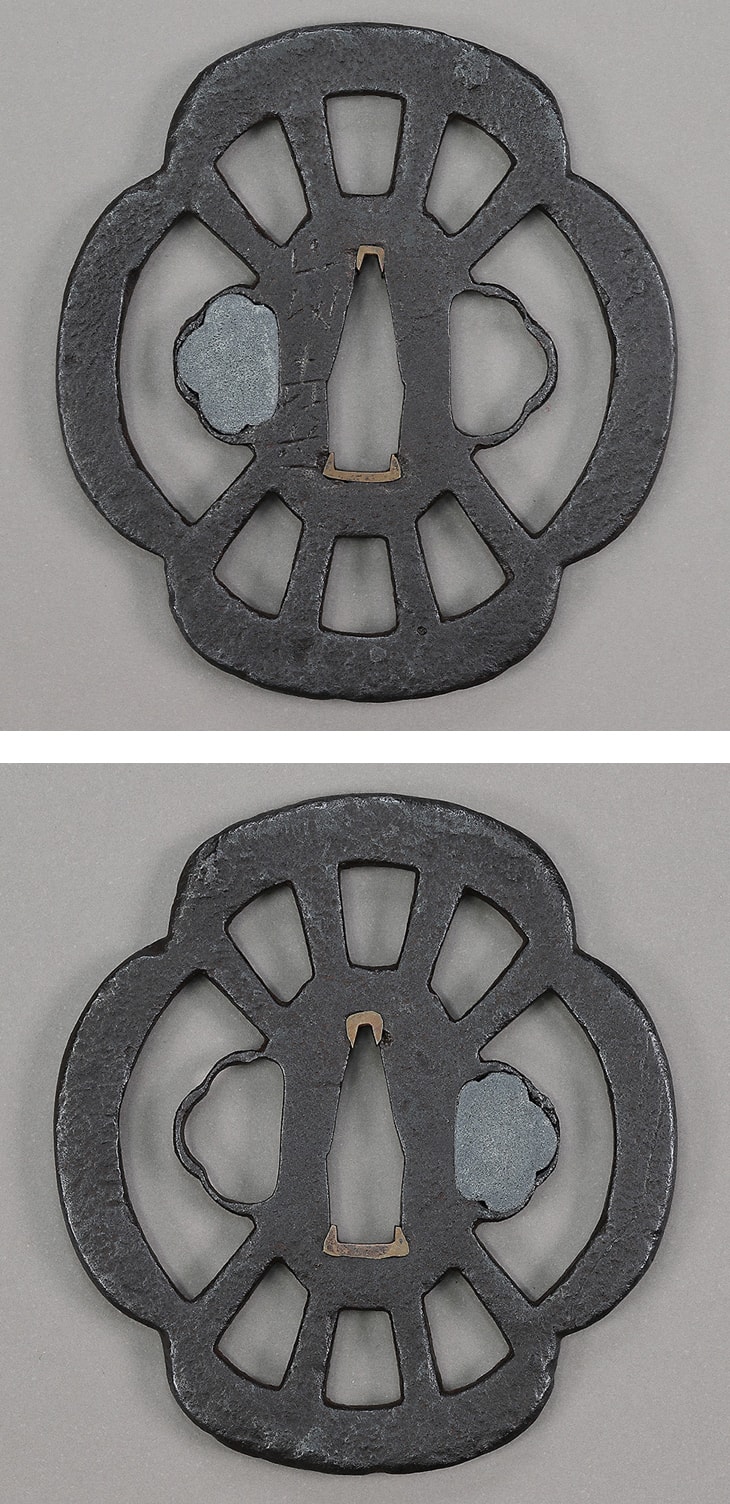
Hoan was an arms-smith (bugu-kaji) of Kiyosu in Owari Province, whose personal name was Kawaguchi Saburomon. He served as a retained craftsman to the Asano family, residing first at Fuchu in Province and later in Wakayama in Province, and died on the twentieth day of the fifth month of Keicho 18 (1613); his posthumous Buddhist name was Honpoin Soan Nisshin Koji. The family burial ground remains at Kokuzen- Temple in Hiroshima, where his son-in-law Hisatsugu and others relocated during the Genna era in connection with the Asano clan's transfer of fief. Hoan is grouped with Yamakichi and Nobuie as the foremost Owari makers: the three share certain common stylistic features, though in comparison with Nobuie, Hoan's work tends to be somewhat more technical in execution, and compared with Yamakichi, it appears a step more polished and sophisticated.
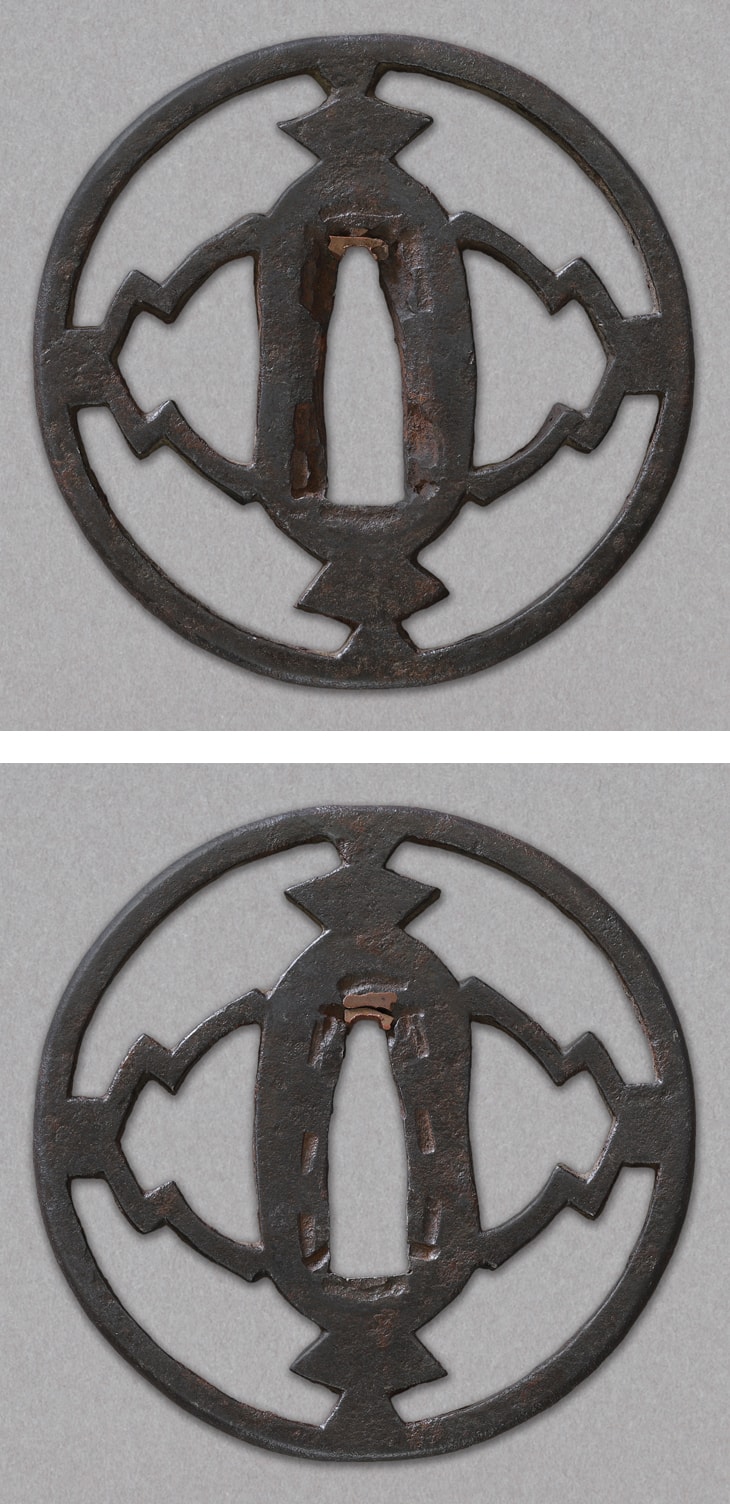
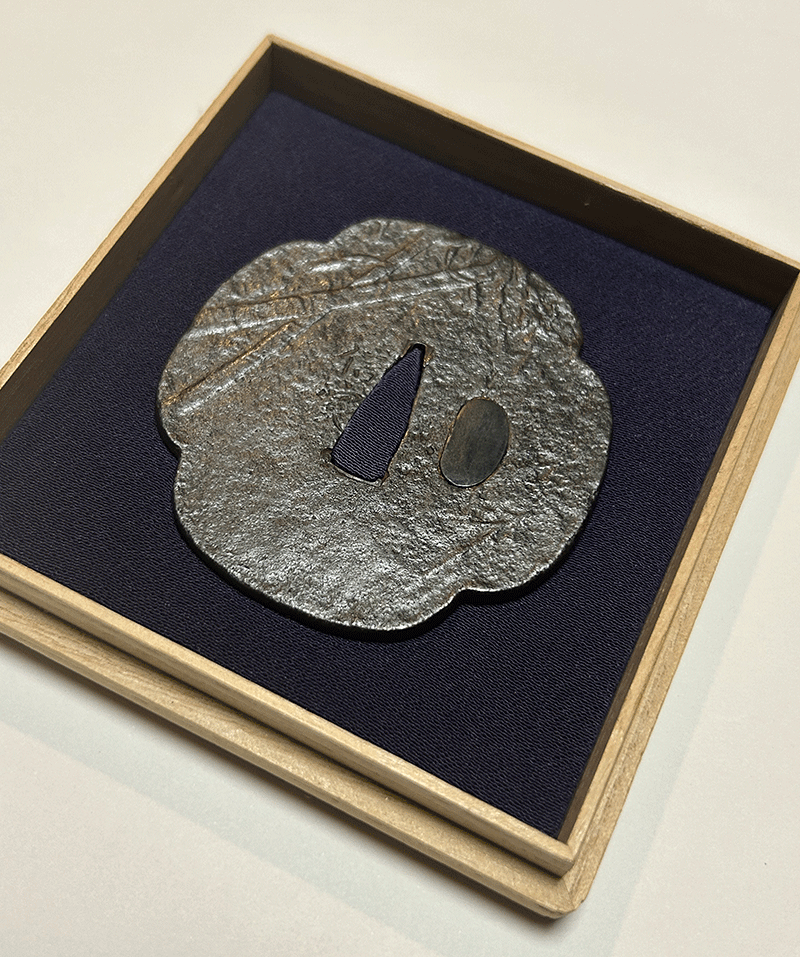
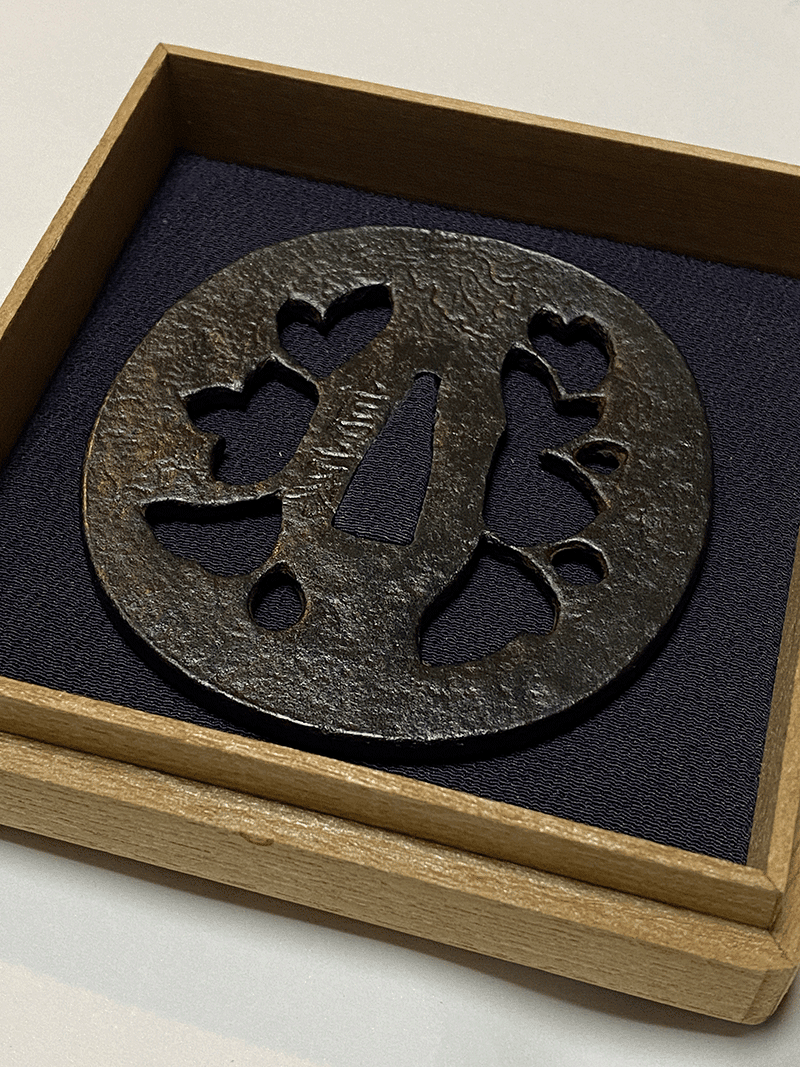
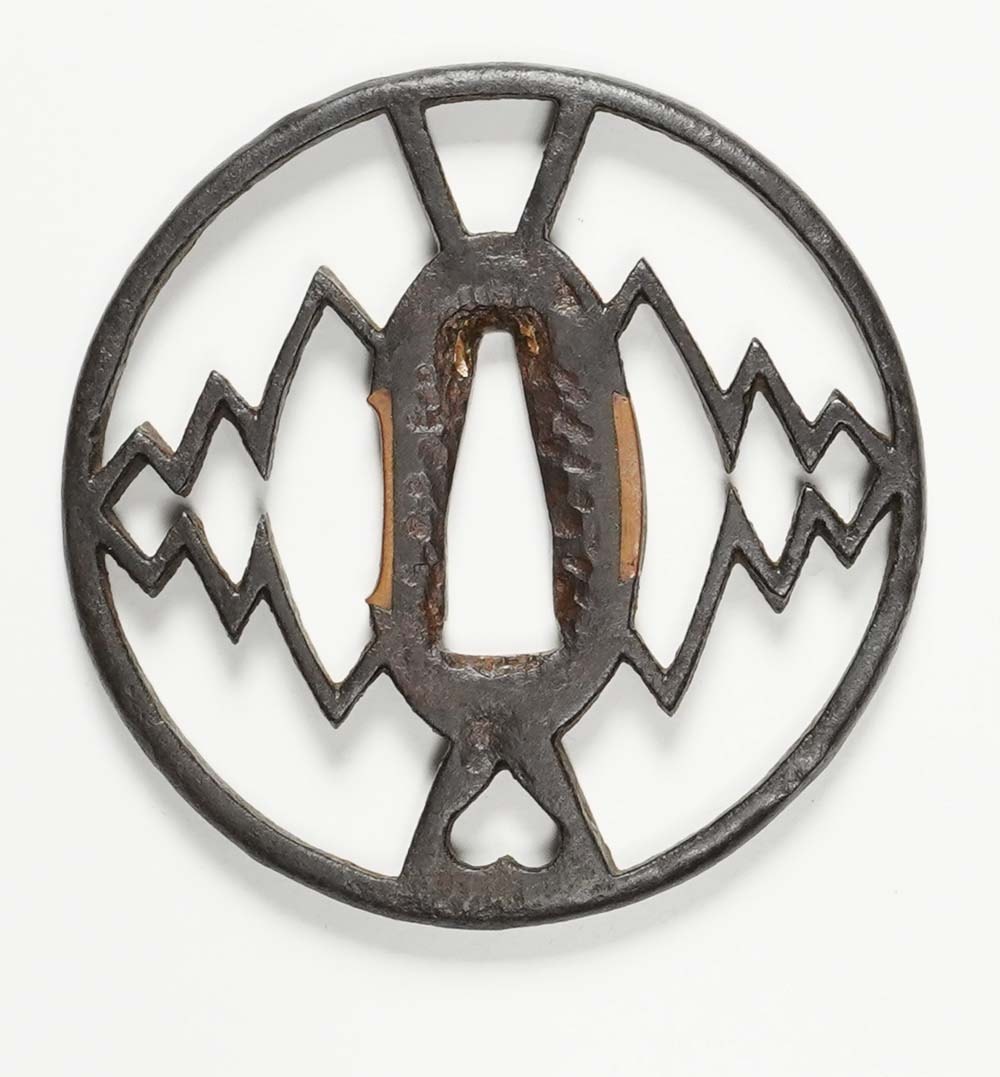
Hoan's plate iron is famed for its toughness, to the extent that it was known by the sobriquet uwabami-gane ("great-serpent iron"). The iron of his is consistently described as exceptionally fine, possessing a dense, ("viscous") quality, with - emerging in places with a lively appearance. His specialty technique of -kusarashi produces abstruse and subtle variations over the flat ground, deepening the work's elegant flavor. Amida-yasuri filing is employed with striking effect, and in his celebrated kuruma- (wheel openwork) compositions, the iron bones () are revealed prominently, imparting a bold and vigorous character. The balance between pierced openwork and surface treatment is especially intriguing, with both composition and carving described as outstanding.
The has praised Hoan's for their distinctive gloss and moist luster, their notable sense of weight, and the richly varied rims that become visual landscapes in their own right. Within a single , the examiners observe, "a world uniquely characteristic of Hoan is vividly realized." His ability to exploit a seemingly straightforward carving method to produce works of solemn dignity and refined charm -- uniting the beauty and strength of well-forged iron with kusarashi- surface effects -- secures Hoan's place among the most esteemed makers of the period, an artisan whose iron plate work remains unsurpassed in the Owari tradition.